 Athanasios Gregoriadis
 Anastasia Vatou
 Nikolaos Tsigilis
 Vasilis Grammatikopoulos
- 1Department of Early Childhood Education, Aristotle University of Thessaloniki, Thessaloniki, Greece
- 2Department of Early Childhood Education and Care, International Hellenic University, Thermi, Greece
- 3Department of Journalism and Mass Media, Aristotle University of Thessaloniki, Thessaloniki, Greece
Recent literature has shown the reciprocal influences of teacher-student relationships for both teachers and students in primary school. When it comes to early childhood education, very few studies have examined the level and the nature of agreement between teachers’ and students’ perceptions for their dyadic relationships. Using the one-with-many model (OWM), a dyadic analysis approach, the present study aims to examine the degree of agreement between teachers’ and students’ perceptions about their dyadic relations. The Student-Teacher Relationship Scale (STRS) and the Child Appraisal of the Relationship with the Teacher Scale (CARTS) are used to assess the quality of teacher–student dyadic relationships from teachers’ and students’ perceptions, respectively. The dyadic sample (N = 1,345 teacher-student dyads) is recruited from 168 preschool classrooms in Greece. Results of the OWM analysis showed that teachers and students evaluated their dyadic relationship quality in a different way and there is no reciprocity in their views. Implications of the study’s results are also discussed.
Introduction
Affective teacher-student relationships are considered to be one of the most powerful predictors of a student’s development, learning and well-being (OECD, 2021). According to Pianta and Allen (2008), a positive teacher-student relationship “is the single most important ingredient in promoting youth development” (24). Research findings showed that teacher-student relationships contribute considerably to students’ academic, social, and emotional development during the preschool years (Mashburn et al., 2008; Roorda et al., 2011; Brock and Curby, 2014; Longobardi et al., 2021). Prior research suggest that supportive relationships also influence the students’ long-term behavioral outcomes (Hamre and Pianta, 2001; Roorda et al., 2014).
Much of research on teacher-student relationships is rooted in attachment theory, which considers the teacher as one of the main attachment figures in young children’s lives (Verschueren and Koomen, 2012). Indeed, studies have shown that when students experience warm/positive relationships with their teachers, they feel emotionally secure, a fact which supports their participation in learning activities and allows them to explore the classroom environment (Mashburn et al., 2008; Sabol and Pianta, 2012). Contrary, conflictual relationships between teachers and students are associated with students’ school disengagement, lower academic achievement and increasing risk of behavior problems (Hamre and Pianta, 2001; Roorda et al., 2017).
Another theoretical approach which focus on motivational process and internal working models, like attachment theory, is the self-determination theory (Deci et al., 1991). This theory highlights the importance of students’ motivation and within this frame, the crucial role of teacher-student relationships is interpreted (Deci et al., 1991; Brinkworth et al., 2018; Pakarinen et al., 2021). Moreover, within this theory, teachers tend to fulfill children’s psychological needs (competence, autonomy and relatedness) by supporting emotional engagement, providing structure and supporting autonomy, to promote children’s engagement in learning activities (Skinner and Belmont, 1993).
Research on teacher-student relationships is also based on interpersonal theory (Thijs et al., 2011; Roorda D. L. et al., 2013). According to interpersonal theory, dyadic interactions can be described on two orthogonal dimensions, namely the control and the affiliation (see the Wubbels et al., 2012). Affiliation varies from friendliness to hostility and refers to the degree of warmth, proximity, and support in the interaction. In contrast, control varies from leadership to passiveness and refers to the degree of power and influence in the interaction (Kiesler, 1996). This theory describes how teachers’ and students’ actual behaviors in their interactions influence each other’s behaviors and applies to reciprocal effects in interactions between teachers and students (Roorda D. L. et al., 2013).
However, despite the existence of numerous studies on the quality of teacher-student relationships, researchers are still trying to configure the underlying mechanisms of teacher-student relationships quality (e.g., Hamre et al., 2013; Verschueren and Koomen, 2012), and how teachers can develop and maintain effective relationships with individual students (e.g., Roorda DL. et al., 2013; Summers et al., 2017; Tsigilis et al., 2019). Several studies in the last years have studied the teacher-student relationships in whole-classroom setting (Hamre et al., 2013; Mashburn et al., 2008; Roorda et al., 2011; Spilt et al., 2011). Fewer researchers examine teacher-student interactions or relationships toward an individual student (e.g., Roorda D. L. et al., 2013; Lippard et al., 2018; Liu et al., 2018; Koenen et al., 2019; de Ruiter et al., 2021; Koenen et al., 2022). It should be noted, however, that in preschool years little is known about the meanings that young children impute to their dyadic relationships with teachers.
Recent research showed that teachers’ perceptions about their relationships with students differ regarding their students’ gender (Horn et al., 2021). Teachers tend to develop more favourable perceptions of their relationships with girls than with boys (Hamre and Pianta, 2001; Buyse et al., 2011; Horn et al., 2021). Previous research underline that teachers perceive their relationships with girls as affective and less conflictual compared to their relationships with boys (Hamre and Pianta, 2001; Ewing and Taylor, 2009; Horn et al., 2021). Research also has shown that students’ age affects their relationships with teachers (Jellesma et al., 2015; McNally and Slutsky, 2018). Researchers found that children tend to gradually have less close relationships with teachers when they transition to the upper grades of school (e.g., Ang et al., 2008). It is unclear, however, whether teachers’ and students’ gender and age also affect their dyadic teacher-student relationships. Given the importance of the dyadic teacher-student relationships, a closer investigation of this question is timely and pertinent.
Most of the studies examining teacher-student relationships were based on teachers or parents-reported measures and classroom observations guided by attachment theory (e.g., Doumen et al., 2012; Hartz et al., 2017; Lippard et al., 2018; Koenen et al., 2019; Gregoriadis et al., 2020a). Although teachers’ perceptions offer valuable insights about their relationships with their students, they come with various limitations as well. For example, teachers’ reports can “suffer” from response bias or social desirability bias (Doumen et al., 2012). Teachers tend to rate students in a “holistic” way and their ratings are often influenced by students’ demographic characteristics such as gender, ethnicity, socio-economic status or students’ behavior (e.g., Murray and Murray, 2004; Murray et al., 2008; Roorda D. L. et al., 2013). Also, the examination of only teachers’ perceptions about their relationships with students could mean that a great amount of information is left unexplored (Hogekamp et al., 2016).
On the other hand, measuring students’ perceptions and especially young children’s perceptions about their relationships with teachers can be a challenging task (Vatou et al., 2020). The inclusion of young children’s perceptions in research designs is often described as problematic, due to measurement, validity, ethical or developmental issues (Chambers and Johnston, 2002; Miller-Bains et al., 2017; Brooks and Murray, 2018). However, in the beginning of the new century researchers increasing include the examination of children’s perceptions in their research designs (Koomen et al., 2012; Roorda et al., 2014; Vervoort et al., 2015; Longobardi et al., 2017; Liu et al., 2018; Verschueren et al., 2019).
Many studies have shown that young children can provide reliable information about various aspects of their school life (Mantzicopoulos and Neuharth-Pritchett, 2003; Vervoort et al., 2015; Longobardi et al., 2017; Roorda et al., 2017; Gregoriadis et al., 2020a), when asked in a developmentally appropriate way (e.g., use of child-friendly techniques like puppet interviews, story completion tasks, illustrated cards, visual aids, animation). Young children nowadays are considered able to respond to verbal questions using a binary or a limited response scale (Ruzek et al., 2020). The inclusion of young children’s views about their relationships with their teachers, offers an alternative perspective that may be different from teachers’ perceptions regarding their relationships with them and enhance our understanding of these relationships (Valeski and Stipek, 2001; Murray et al., 2008; Spilt et al., 2010).
Findings from studies examining both teachers’ and students’ perceptions about their relationships report either very weak relations between teachers’ and students’ perceptions (Mantzicopoulos and Neuharth-Pritchett, 2003; Harrison et al., 2007; Spilt et al., 2010) or no relation at all in early years (Valeski and Stipek, 2001; Murray et al., 2008; White, 2016). Similarly, several studies have shown weak or moderate relations between teachers’ and students’ reports on early and upper elementary schools (Rey et al., 2007; Jellesma et al., 2015; Vervoort et al., 2015).
When it comes to measuring teachers’ and students’ perceptions about their relationships, another important issue worth mentioning is that most of the existing studies do not recognize the potential interdependence that exists between teachers’ and students’ perceptions (Zee and Koomen, 2017). Most studies have examined teachers’ or students’ perceptions about their relationship separately (e.g., Valiente et al., 2008; Hughes, 2011; Hartz et al., 2017), thus, neglecting to examine the interpersonal dynamic, especially in early childhood education (Spilt et al., 2010). Studies of teacher-student relationships quality usually assess the average students’ experience in the classroom rather than teacher-student dyadic relationships quality, which may vary within dyads based on heterogeneity among students (Rucinski et al., 2018). If teacher-student relationships constitute a dyadic process by which interactions occur in a defined social context such as the classroom, then, obtaining insight knowledge regarding teachers’ and students’ perceptions on their interpersonal process could be valuable (Dong et al., 2021). Therefore, the examination of both parties’ perceptions (teacher and students) needs to be considered simultaneously (Kenny, 2020).
From the available literature, some studies focus on teachers’ interactions with individual students instead of the whole-classroom relationships (Roorda D. L. et al., 2013; Williford et al., 2017; Lippard et al., 2018; Koenen et al., 2019; Nguyen et al., 2020; de Ruiter et al., 2021; Koenen et al., 2022). According to Pianta et al. (2003), teacher-student relationships are dyadic microsystems in which teachers’ and students’ personal and behavioral characteristics influence how they perceive their relationship and vice versa. At the classroom-level, relationships include teachers’ feelings, behaviors and perceptions of all students (O’Connor, 2008), whereas at the dyad level, relationships reflect teacher’s feelings, behavior and perceptions about the relationship with a specific student (Roorda D. L. et al., 2013; Zee and Koomen, 2017; de Ruiter et al., 2021). It should be noted that the dynamics of teacher-student dyadic relationship are embedded within the larger context of whole-classroom setting (Lippard et al., 2018).
However, it seems that students have different experiences from their classmates based on their dyadic relationships with teachers (Thijs et al., 2011). The reciprocal exchanges during one-on-one interactions between teachers and students contribute to each individual’s cognitive model or representations of their relationship and develop their expectations that guide subsequent interactions, behaviors and perceptions in the whole-classroom level (Pianta, 1999). Recently, Nguyen et al. (2020) explored whether teacher-student interactional quality at the classroom level and the dyad level influence the students’ outcomes. Results showed that when students experience a positive teacher-child dyadic relationship they display increased engagement in school activities and improved academic achievement. Moreover, researchers found that a high-quality teacher-student dyadic relationship can act as a protective factor for students who may be at risk for socio-emotional and academic problems. It seems that the students’ participation in high quality one-on-one interactions with their teacher has the potential to impact on a variety of educational outcomes including students’ academic achievement, behavioral regulation, feelings of security, and task engagement and motivation (Martin, 2012; Verschueren and Koomen, 2012; Williford et al., 2017; Alamos and Williford, 2020). Similarly, when teachers perceive their interactions with individual students as positive, then, they tend to respond sensitively to individual students’ needs, provide supportive experiences and develop trustful relationships (Koenen et al., 2019).
Teachers and students cultivate their relationships together. Both participants in this dyadic relationship have the opportunity to share existing and obtain new information from their interactions (Williford and Pianta, 2020). Brinkworth et al. (2018) suggest that, when examining both teachers’ and students’ perspectives, they should be considered the “relational unit” or “dyad unit”. The current study acknowledges the importance of examining both teachers’ and students’ perceptions when trying to understand the nature and mechanism of teacher-student relationships (Pianta et al., 2003; Alamos and Williford, 2020; de Ruiter et al., 2021). By examining teacher-student relationships quality at the dyad level, this study investigates the agreement and reciprocity between teachers’ and students’ perceptions of their dyadic relationships.
The Reciprocal One-With-Many (OWM) Design in Teacher-Student Relationship Quality
The teacher-student relationship is a dyadic process in which students and teachers influence each other’s behavior (Sameroff and MacKenzie, 2003; Doumen et al., 2008; Roorda D. L. et al., 2013; Roorda and Koomen, 2021). The two members of a dyad (teacher and student) are not two independent individuals, rather they share something in common that is characterized as nonindependence (Kenny et al., 2020). Kenny et al. (2020), 4) provide a formal definition of dyadic nonindependence, “If the two scores from the two members of the dyad are nonindependent, then those two scores are more similar to (or different from) one another than are two scores from two people who are not members of the same dyad”. Thus, the data on teacher-student relationship are naturally nonindependent since they arise from teachers and students who interact and influence each other (e.g., Pianta et al., 2003) and share the same classroom environment (Kenny et al., 2020).
Many researchers addressed the nonindependent data by applying multilevel models or generalized estimating equations (e.g., Scherzinger and Wettstein, 2019). However, these approaches do not examine the potential interdependence that exists in the dyad (Hagiwara et al., 2014). Krasikova and LeBreton (2012) argued that traditional multilevel models form cannot be applied to dyadic data. Research analyzing dyadic data at the individual level of analysis, is possible to violate the assumption of independence of observations due to the nesting of data within dyads (Marcus et al., 2009; Krasikova and LeBreton, 2012; Kenny et al., 2020). The one-with-many (OWM) design is a framework that can be applied in the educational context by considering the nonindependence of the data in the form of the estimation of the variance shared between students and teachers (e.g., Hogekamp et al., 2016). The OWM design enables researchers to take into account multiple perspectives on a dyadic relation such as the teachers’ point of views, the students’ point of views or both teachers’ and students’ views (i.e., reciprocal OWM design) (Marcus et al., 2009; Kenny et al., 2020). Therefore, the OWM design can provide a more complete and multifaced picture of the teacher-student dyadic relationship.
Τhe reciprocal OWM design is based on collecting data from dependent dyads in which multiple students (the partners) have the same teacher (the perceivers). Every student provides a rating for his/her relationship with the teacher, and each teacher provides ratings for his/her relationship with a specific student. According to Kenny (2020), 2) “the perception of another person needs to be broken up into pieces to have a detailed understanding of interpersonal perceptions”. Applying the reciprocal OWM design, there are three potential sources of variances in the teacher-student relationship quality–as the target outcome–that can be taken into consideration: the teacher (perceiver), the student (partner), and their relationship (see Figure 1). Thus, the reciprocal OWM design permits researchers also to investigate two types of reciprocity, namely dyadic reciprocity and generalized reciprocity (Marcus et al., 2009).
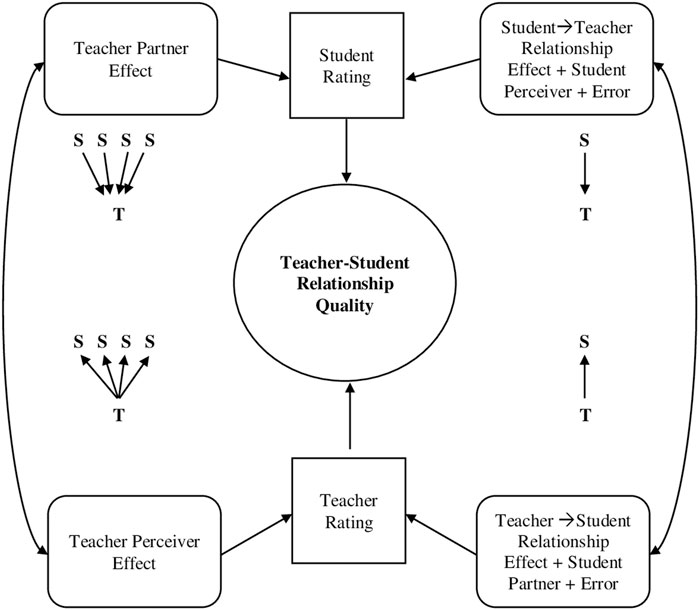
FIGURE 1. The variance components of the teacher-child relationship quality derived from reciprocal one-with-many analysis (adapted from Marcus et al., 2009).
The reciprocal OWM design enables researchers to estimate variances for both perspectives separately. Specifically, teachers’ variation decomposed into two elements, the teacher effect and a teacher relationship effect (Marcus et al., 2009). The teacher effect estimates the degree to which a teacher assesses his/her relationships with different students in the same way (i.e., assimilation effect). Additionally, the teacher relationship effect estimates the unique part of variance due to the dyadic relation between the teacher and a specific student from the teacher’s point of view, over and above any other effects (Kenny et al., 2020).
On behalf of students, the OWM design also decomposes variation in students’ perceptions into two elements, the student effect and a student relationship effect. The student effect estimates the degree to which multiple students tend to respond in a similar way to their teacher and thus their consensus as a group (Kenny et al., 2020). Moreover, the student relationship effect estimates the unique part of variance due to the dyadic relation between a student and his/her teacher from the student’s view, over and above any other effect (Marcus et al., 2009).
Through the correlation of teacher effect and student effect, the generalized reciprocity is estimated by measuring the degree of the agreement between teacher’s and students’ evaluations (Knight and Humphrey, 2019). A high level of generalized reciprocity means that, if teachers report a high level of teacher-student relationship quality, so will students in classroom level. Regarding the correlation between the two relationship effects, the dyadic reciprocity estimates the degree of whether a teacher’s unique behavior toward an individual student is reciprocated by that student (dyadic level). A high level of dyadic reciprocity means that, if a student sees his/her relationship with the teacher as positive, then the teacher provides similar evaluation (Knight and Humphrey, 2019; Kenny et al., 2020).
The Present Study
The purpose of this study is to examine the degree to which teacher and student views of their dyadic relationships are similar and reciprocal by applying the reciprocal OWM design. More specifically, our research questions were:
1 Do teachers and students perceive their dyadic relationship quality in a similar manner?
a) If a student experiences high quality relationship with his/her teacher at dyad level, does the teacher in turn report high quality relationship with that student (dyadic reciprocity)?
b) If a teacher describes a high level of relational quality with their students at teacher-level, do their students in turn perceive high quality relationships with their teacher (generalized reciprocity)?
2 Are teachers’ and students’ evaluations of their dyadic relationships affected by their gender and age?
Relying on previous findings on teachers’ and students’ perceptions of their relationship quality at classroom level that suggest modest teacher-student agreement (e.g., Mantzicopoulos and Neuharth-Pritchett, 2003; Harrison et al., 2007; Spilt et al., 2010), we expected a positive relation between teachers’ and students’ perceptions of their dyadic relationship. We also anticipated the existence of gender differences in teachers’ perceptions regarding their dyadic relationships (e.g., Buyse et al., 2011; Horn et al., 2021). Furthermore, we expected a reciprocity between teachers’ and students’ perceptions of their dyadic relationships.
Data and Methods
Participants
The sample of the present study consisted of 1,345 teacher-student dyads from 168 preschool classrooms from four prefectures in Northern Greece (Thessaloniki, Halkidiki, Kilkis and Pella). The majority of teachers (N = 168) were female (93,7%) and their mean age was 45.34 years (SDage = 7.55). The demographic information regarding the participating students was provided by the teachers. All students attended full-day kindergarten classrooms. The mean age of students was 5.19 years (SDage = 0.59) and the gender composition was evenly distributed with 49.4% boys and 50.6% girls. In total, 90.6% of the participating students were from Greece and the 9.4% of students were from other countries.
Measures
Teacher-Student Dyadic Relationship Quality
Teachers’ Perspectives
The Greek version of the Student-Teacher Relationship Scale-STRS (Koomen et al., 2012) was used to examine teachers’ perceptions about their overall relationship quality with their students. The psychometric properties of the Greek version of the STRS have been thoroughly examined in previous studies (e.g., Gregoriadis and Tsigilis, 2008; Tsigilis et al., 2018b; Tsigilis et al., 2018a). This version includes 28 items that describe the three relational dimensions: Closeness (11 items, e.g., “This child values his/her relationship with me”), Conflict (11 items, e.g., “Dealing with this child drains my energy”) and Dependency (6 items, e.g., “This child reacts strongly to separation from me”). Teachers respond to a five-point Likert scale (1 “definitely does not apply” to “definitely applies”). The internal consistency of the Greek version of STRS in the current study was good (Closeness α = 0.84, Conflict α = 0.91 and Dependency α =0.67).
Students’ Perspectives
The Greek version of the Child Appraisal of Relationships with Teacher Scale–CARTS (Vervoort et al., 2015) was used to investigate students’ perceptions about their overall relationship quality with their teachers. The validity and reliability of the Greek version of CARTS was also previously examined (e.g., Gregoriadis et al., 2020b; Vatou et al., 2020). The Greek adaptation of CARTS consists of 16 items and assesses the three dimensions of relationships Closeness (4 items, e.g., “I like to be with my teacher”), Conflict (7 items, e.g., “My teacher often punishes me”) and Dependency (5 items, e.g., “I often ask my teacher whether I do things right”). According to the developers of the CARTS, the scale is completed in two phases. First, a student listens to a given statement the researcher reads, and the student confirms it or not. Then, the student responds whether the given statement is “always” or “sometimes” true. Researcher notes students’ responses on a five-point Likert scale (1 – “No, always”, 2 – “No sometimes”, 3 – “Child understands the item, but does not answer with yes or no”, 4 – “Yes, sometimes” and 5 – “Yes, always”). The internal consistency of the Greek version of CARTS in the current study was good (Closeness α = . 63, Conflict α = 0.73 and Dependency α =0 .74).
Procedure
The ethical approval was provided from the Greek National Educational Policy Institute. In addition, written consents from preschool directors and parents/guardians were obtained for the participation of students in this study. Teachers were recruited through an invitation letter, informing them about the study’s goal, the procedures, and details regarding privacy and confidentiality. Both teachers and students participated voluntarily. Eight students were selected randomly from each classroom (four boys and four girls). The eight students evaluated their relationships with their teacher. One classroom consisted of nine students, because there were five boys in the whole classroom. Parental permission was obtained for all students participating in the study. The CARTS measure was administered individually in a quiet area of the preschool setting and the duration of the interview with each student was around 7–9 min. Teachers were also given their STRS questionnaires about each participating student and were encouraged to fill them within 1 week of the administration of the students’ surveys.
Statistical Procedure
There was no missing data in the data set. Descriptive analysis was conducted first. To address our research question, the reciprocal OWM design was used in this study. The research design was reciprocal because both teacher and student provided ratings about their views of their relationship quality. For the existing dataset, the appropriate analysis is the multilevel modeling analysis (MLM). Using MLM the different parts of the variance elements introduced above can be estimated (Kenny et al., 2020; Marcus et al., 2009). The reciprocal OWM analysis was conducted using SPSS ver. 27 and a detailed discussion of how the dataset is structured and analyzed was provided in Supplementary Appendix SA.
The MLM analysis for the reciprocal OWM design is based on the two-intercept approach (e.g., Raudenbush et al., 1995), in which two dummy variables are created to indicate which person provided the outcome score. The intraclass correlation coefficients (ICC) were calculated separately: one for teachers’ data and one for students’ data. In this context, the variance is based on two levels: 1) dyad-level (within variance) and 2) the teacher-level (between variance). More specifically, the different parts of the variance: teacher effect, student effect and relationships effects were estimated for both teachers’ and students’ ratings (Marcus et al., 2009). At the dyad level, the two elements of variance (teacher and student) represent the assessment of the “closeness”, “conflict” and “dependency” as perceived by teachers or students. At this level, the student’s variance reflects how much variability there is on the “closeness”, “conflict” and “dependency” of students nested within teachers. Likewise, the teacher’s variance represents how much variability there is on “closeness”, “conflict” and “dependency” of teachers with their students. At the teacher-level, the variance of student’s ratings represents how much variability there is on the “closeness”, “conflict” and “dependency” of students between teachers, that is, from one teacher to another teacher. At this level, the variance in teacher’s ratings represents how much variability there is on the “closeness”, “conflict” and “dependency” of teachers from one teacher to another teacher. Finally, teachers’ and students’ gender and age were included to the model to predict their dyadic relationships. The gender was dummy coded (0 = girls/female teachers, 1 = boys/male teachers) to enter into the model.
Results
Descriptive Statistics
Means and standard deviations for variables are reported at Table 1. Although both teachers and students reporting generally positive relationships, students rated high dependency on their teachers.
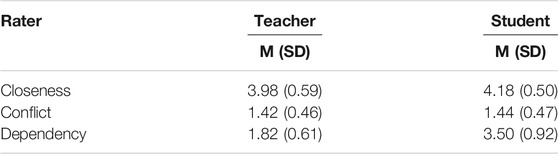
TABLE 1. Descriptive across STRS and CARTS dimensions.
Variance Partitioning of Teacher-Child Quality Relationship
Table 2 provide information for the intercept models of closeness, conflict and dependency of teachers’ and students’ reports. These scores suggest that both members of the dyad experience high levels of closeness and low levels of conflict in their dyadic relationships. With regard to dependency, teachers experience less depended relationships than students. The intraclass correlation coefficient was estimated separately for each of the dimensions of STRS and CARTS ranging from 0.355 to 0.105 (see Table 2). These values indicated that a multilevel approach is meaningful.
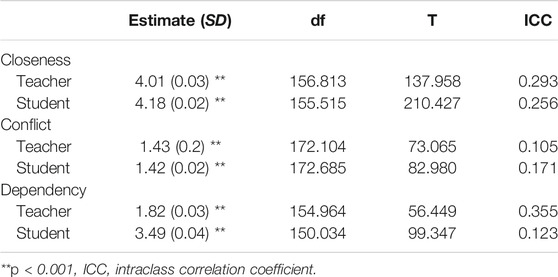
TABLE 2. Fixed effects and ICC results for teachers’ and students’ reports across STRS and CARTS dimensions.
Table 3 represents the estimates of the three elements of variances and the correlational parameters that were estimated for the dyad-level and the teacher-level. The variance partitioning yielded significant teacher effect, student effect and relationship effects with the exception of the generalized reciprocity across the three relational dimensions.
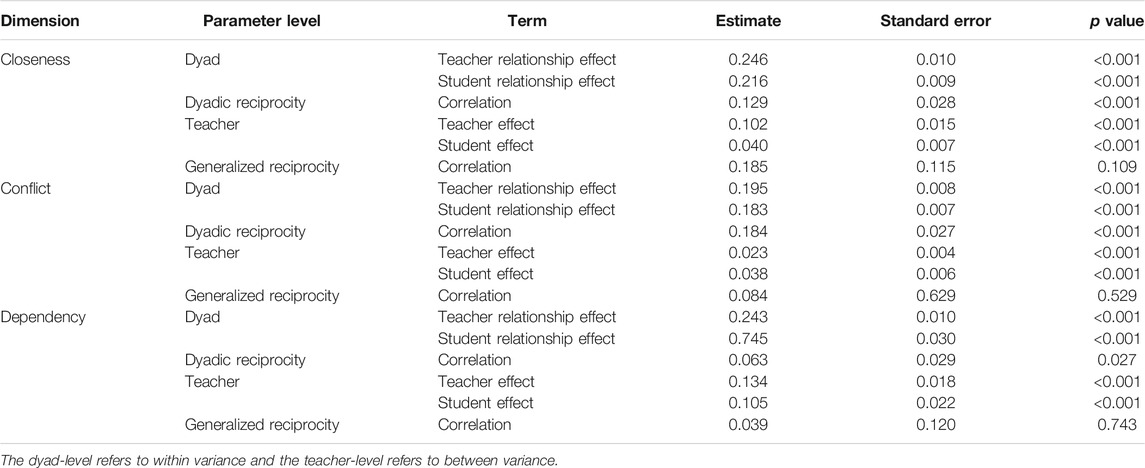
TABLE 3. Estimates of variance and correlational parameters.
At the dyad-level, the first two variance terms refer to relationship effects variance and represent the evaluation of the three relational dimensions the “closeness”, the “conflict” and the “dependency” as reported by the teacher or student. From Table 2 it is evident that teachers’ ratings about their relationships with their students seem to be consistent with students’ ratings across the dimension of “conflict” (0.195 versus 0.183), whereas the teachers’ and students’ variance of “closeness” (0.246 versus 0.216) and “dependency” (0.745 versus 0.243) differ from one student to another student within teachers. At the second level of hierarchy, that is, teacher-level, findings suggest that the variance partitioning for teachers’ and students’ means on “conflict” is similar, whereas the variance in teachers’ ratings on “closeness” and “dependency” vary considerably from one teacher to another teacher (see Table 3).
Next, teachers’ and students’ gender and age were tested as covariates in two separated models. Results showed a negative association between the closeness and students’ gender (t (−5.963) = −1.45, p = 0.001), suggesting that teachers perceived lower levels of closeness in relation to boys. With respect to the association between conflict and students’ gender, results showed that teachers’ views of conflict are positively predicted by students’ gender (t (4.35) = 0.104, p = 0.001 for boys). Teachers’ views of dependency in their dyadic relationships are also predicted by students’ gender (t (−2.03) = −0.10, p = 0.042 for boys). All other characteristics (e.g., teachers’ and students’ age, teachers’ gender) did not reach the significance threshold (Table 4).
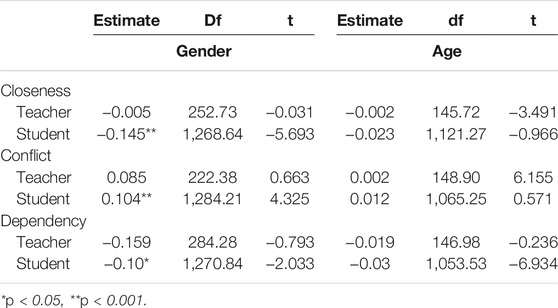
TABLE 4. Results for the prediction of the STRS and CARTS dimensions.
Reciprocity Between Teachers’ and Students’ Reports
The correlation between teachers’ and students’ ratings consist of two different processes, the dyadic reciprocity and the generalized reciprocity. The dyadic reciprocity correlation (student relationship effect with teacher relationship effect) showed a statistically significant positive and weak reciprocity for “closeness” (r = 0.129, p < 0.001), conflict (r = 0.185, p < 0.001) and “dependency” (r = 0.063, p < 0.001). Although these correlations were statistically significant, their magnitudes are very low and suggest incongruence between teachers’ and students’ views of the teacher-student relationship quality. Furthermore, the generalized reciprocity was not significant across the three relational dimensions (see Table 3). Therefore, based on the above findings, it seems that there is neither agreement nor reciprocity between teachers’ and students’ perspectives of the teacher-student relationships quality.
Discussion
When it comes to examining the reciprocity between members of the teacher-student dyad, most studies approach this issue on a theoretical basis (Brinkworth et al., 2018). This study examined the degree of agreement between teachers’ and students’ perspectives of their dyadic relationships and the degree to which teachers’ and students’ views are reciprocal. We applied the reciprocal OWM design in early childhood education, considering the teacher-student relationships quality as a dyadic phenomenon, and used the dyad as the unit of analysis. The reciprocal OWM design enabled us to investigate the sources of the shared variance which decomposed into three elements: the teacher effect, student effect and relationship effects.
Although the correlations among teacher effects, student effects and relationships effects were statistically significant, the correlation coefficients were comparatively low (ranging from 0.03 to 0.18). Thus, this study suggests that there is no agreement between teachers’ and students’ ratings of their dyadic relationships. Even if this study considered the dyad as the unit of analysis, the results are consistent with findings described in the literature at a classroom level (e.g., Howes et al., 2000; Murray et al., 2008; White, 2016). Teachers’ and students’ perceptions of their relationships have been characterized as being different. This raises questions about whether teachers’ one-on-one interactions with students are more salient for them to regulate their strategies or behaviors to develop a close relationship with individual students. For example, teachers may feel more efficacious to engage all students in classroom activities rather than to engage a student who may feel that s (he) does not belong in the classroom. In the meantime, recent studies mentioned that a focus on different set of teachers’ skills (e.g., social self-efficacy, management of challenging behavior) and intervention programs is needed to improve the relationship quality at both dyad level and classroom level (e.g., Roorda D. L. et al., 2013; Roorda DL. et al., 2013; Williford et al., 2017; Zee and Koomen, 2017; Lippard et al., 2018; Koenen et al., 2019).
When it comes to examine the reciprocity, the results revealed weak significant dyadic reciprocity and non-significant generalized reciprocity, which means that both teachers and students perceived their dyadic relationship quality in a different way, especially for the dimensions of closeness and dependency. This finding could be an indication that there is something about the teachers’ actions or behaviors that evokes different responses from their students (Kenny et al., 2020). One possible explanation for this finding could be that teacher-student affective relationships tend to be influenced by teacher-level characteristics including teacher’s sensitivity or behavior expectations (Pianta et al., 2003; Buyse et al., 2011).
The finding about the variation on dependency dimension shows that students in the Greek context evaluate and perceive teacher-student dependency quite differently from one student to another student within teachers. It should be noted that based to our knowledge so far, it is the first time that such a finding is reported from young children’s perspectives in early childhood education. This finding suggest that students may assign a positive value to dependency and may acknowledge dependency as an aspect of proximity to obtain support and emotional security from their teachers (Tsigilis et al., 2018a; Gregoriadis et al., 2020a; Gregoriadis et al., 2020b). Also, the findings of this study showed a modest agreement between teachers and students for their conflictual dyadic relationships. An interpretation of this result could be that conflictual or negative dyadic relationships are more easily recognized by both members of the dyad. In contrast, experiences of warmth or dependency within relationships, may require a different amount of time to develop and both members may need more time to understand the needs and feelings of the other member of the dyad (Hughes, 2011; Zee and Koomen, 2017).
The lack of generalized reciprocity in teachers’ and students’ assessments of their relationships, further implies that there is no consistency in the way a teacher assesses his/her relationship with a student and the way a student perceives his/her relationship with the teacher. This finding echoes previous research indicating that the different internal working models and the different perceptions in a dyadic relationship, could perhaps explain the lack of concordance between teachers’ and students’ perceptions (Pianta et al., 2003). This finding implies that although there was no direct association between teachers’ and students’ perceptions of their dyadic relationship quality, an indirect association with some teachers’ or students’ characteristics may lead to new measurement models. For example, based on the theoretical model of the teacher-student dyadic relationships and teacher wellbeing (Spilt et al., 2011), de Ruiter et al. (2021) found that teachers’ representations of their relationship with a specific student are associated with how teachers manage their emotions in interactions with particular students during classroom events.
The findings of the study revealed differences in teacher-student dyadic relationships regarding students’ gender. It should be noted that these differences did not explain the low agreement between the two informants as the dyadic reciprocity was low. This finding is consistent with previous studies that examined teacher-student relationships at the whole classroom level (e.g., Horn et al., 2021). Similar to previous studies (e.g., Hamre and Pianta, 2001; Ewing and Taylor, 2009) the participating teachers seem to experience more conflict in their dyadic relationships with boys than with girls. In addition, it should be mentioned that teachers’ gender and both teachers’ and students’ age did not significant predict the three relational dimensions. This could be explained by the fact that the majority of teachers was female (93.7%). Moreover, the sample of preschool students in the current study had an age range from 4.5 to 6 years old.
To summarize, by examining teacher-child shared perceptions about their dyadic relationship, this study offers additional information about how teacher-student dyadic relationships function. Findings from students’ perspectives showed that when a teacher tends to rate a relationship with a student as positive, this does not necessarily reflect on the student’s perceptions of the relationship as well. In the daily classroom reality, it seems that researchers cannot ignore this lack of reciprocity. According to Koenen et al. (2022), without reciprocity, teachers may struggle or give up on their relationships with students. Recognition of the importance of the shared variance between teachers and students implies that additional studies including both teachers’ and students’ reports are required to understand in depth the teacher-student dyadic relationship quality.
Limitations and Future Research
Several limitations of the current study need to be considered. Although this study recruited a large sample, collected data from different sources (teachers and students) and took into account the nonindependence of the data, it has a cross-sectional design. Thus, the interpretation of our results does not offer causality that could be inferred from the teachers’ and students’ perceptions about their dyadic relationship quality. As such, future studies should continue examining the dyadic level of teacher-student relationships with research designs that will allow the extraction of conclusions about causal relations. Another limitation is that although this study used two instruments measuring the same three relational dimensions, their items were not identical. The lack of similarity in item content could be another reason for the lack of concordance between teachers and students reports. Future research could develop and use a common instrument to measure teacher-student dyadic relationship quality to provide additional clarity. A final limitation inherent to the OWM design is that we couldn’t separate student perceiver variance or student partner variance from relationship variance because each student evaluated only one teacher. Future studies should also encompass other sources of information (e.g., peers, parents or external observers) to continue deepening our understanding of the dynamics of relationships at the dyad level.
Conclusions and Implications
This study considered the teacher-student relationship quality as a dyadic phenomenon. By applying the reciprocal OWM design in teacher-student relationship research, this study gained insight in both teachers’ and students’ experiences of their dyadic relationships. In addition, this study examined whether there was teacher-student agreement and reciprocity of their views regarding their dyadic relationships. According to Pianta et al. (2003) conceptual model, we expected that a teacher’s perceptions of his/her relationship quality with a student would reciprocate to the student’s shared experience with the teacher (Pianta, 1999; Verschueren and Koomen, 2012). However, it seems that there is neither agreement nor reciprocity between teachers’ and students’ views of their dyadic relationships. The study showed that young children are able to provide meaningful information regarding their dyadic relationships with teachers. Dyadic relationships are particularly important for every young child in a classroom. Thus, assessing relationships between an individual teacher-student dyad is a step forward in understanding teachers’ and students’ feelings about each other (White, 2016).
The findings of this study have some implications for practice. Teachers and other practitioners must be encouraged to further reflect upon the importance of the dyadic teacher-student relationship. It is important to be aware of the possibility that students may not perceive the same relational quality as their teachers do. Teachers need to acknowledge students’ needs and recognize them as individuals (Spilt et al., 2010). A more targeted reflection on their relationship with a specific student may facilitate teachers’ understanding of the relations among their emotions, thoughts and behavior (Koenen et al., 2019; de Ruiter et al., 2021). Thus, this study could inform teachers about young children’s feelings of their dyadic relationships with them. Second, the findings of this study highlight that researchers cannot rely solely on teachers’ or students’ perspectives. As teachers and students have different views of their relationship, they may also have different effects on teacher-, student- and school-outcomes (e.g., Hughes, 2011; Martin, 2012). Although the dyadic teacher-student relationship research is still at an early stage, researchers can develop new approaches regarding the assessment of this relationship. An observation measure can provide additional information about the multiple factors that contribute to the quality of the teacher-child dyadic relationship and their moment-to-moment interactions. Teacher educational and professional development programs can benefit from training teachers in pedagogical practices that help build affective teacher-child dyadic relationships and improve their social-emotional strategies and skills (e.g., emotional support provision). Moreover, intervention programs improving teacher-child relationships could extend their focus on the two components of the relationship. For example, interventions could focus on improving both teachers’ practices and students’ socio-emotional skills to enhance positive relationships (e.g., Banking time, Driscoll et al., 2011).
Data Availability Statement
The datasets presented in this article are not readily available because of restrictions in the Ethics procedure. Requests to access the datasets should be directed to Athanasios Gregoriadis (YXNpc0BudXJlZC5hdXRoLmdy).
Ethics Statement
The ethical approval was provided from the Greek National Educational Policy Institute (Official ethics committee of the Greek Ministry of Education). Protocol number of the licence approval:Φ15/72,273/136296/Δ1. Written informed consent to participate in this study was provided by the participants’ legal guardian/next of kin.
Author Contributions
All authors contributed to the study conception and design. AG and AV organised the database. AV and NT and AG performed the statistical analysis. AG and AV wrote the first draft of the manuscript. All authors wrote sections of the manuscript. All authors contributed to manuscript revision, read, and approved the submitted version.
Funding
This work was supported by the Hellenic Foundation for Research and Innovation under the HFRI PhD Fellowship grant (Scholarship Code: 1056).
Conflict of Interest
The authors declare that the research was conducted in the absence of any commercial or financial relationships that could be construed as a potential conflict of interest.
Publisher’s Note
All claims expressed in this article are solely those of the authors and do not necessarily represent those of their affiliated organizations, or those of the publisher, the editors and the reviewers. Any product that may be evaluated in this article, or claim that may be made by its manufacturer, is not guaranteed or endorsed by the publisher.
Acknowledgments
We gratefully acknowledge the support of Prof. A. N. Kluger and Prof. D. Kenny for their advice on the results section.
Supplementary Material
The Supplementary Material for this article can be found online at: https://www.frontiersin.org/articles/10.3389/feduc.2021.811934/full#supplementary-material
References
Alamos, P., and Williford, A. P. (2020). Exploring Dyadic Teacher-Child Interactions, Emotional Security, and Task Engagement in Preschool Children Displaying Externalizing Behaviors. Soc. Dev. 29 (1), 339–355. doi:10.1111/sode.12403
Ang, R. P., Chong, W. H., Huan, V. S., Quek, C. L., and Yeo, L. S. (2008). Teacher-Student Relationship Inventory: Testing for Invariance across Upper Elementary and Junior High Samples. J. Psychoeducational Assess. 26 (4), 339–349. doi:10.1177/0734282908315132
Brinkworth, M. E., McIntyre, J., Juraschek, A. D., and Gehlbach, H. (2018). Teacher-student relationships: The positives and negatives of assessing both perspectives J. App. Psych. 55, 24–38. doi:10.1016/j.appdev.2017.09.002
Brock, L. L., and Curby, T. W. (2014). Emotional Support Consistency and Teacher-Child Relationships Forecast Social Competence and Problem Behaviors in Prekindergarten and Kindergarten. Early Edu. Dev. 25 (5), 661–680. doi:10.1080/10409289.2014.866020
Brooks, E., and Murray, J. (2018). Ready, Steady, Learn: School Readiness and Children's Voices in English Early Childhood Settings. Education 3-13 46 (2), 143–156. doi:10.1080/03004279.2016.1204335
Buyse, E., Verschueren, K., and Doumen, S. (2011). Preschoolers' Attachment to Mother and Risk for Adjustment Problems in Kindergarten: Can Teachers Make a Difference? Soc. Dev. 20 (1), 33–50. doi:10.1111/j.1467-9507.2009.00555.x
Chambers, C. T., and Johnston, C. (2002). Developmental Differences in Children's Use of Rating Scales. J. Pediatr. Psychol. 27 (1), 27–36. doi:10.1093/jpepsy/27.1.27
de Ruiter, J. A., Poorthuis, A. M. G., and Koomen, H. M. Y. (2021). Teachers' Emotional Labor in Response to Daily Events with Individual Students: The Role of Teacher-Student Relationship Quality. Teach. Teach. Edu. 107, 103467. doi:10.1016/j.tate.2021.103467
Deci, E. L., Vallerand, R. J., Pelletier, L. G., and Ryan, R. M. (1991). Motivation and Education: The Self-Determination Perspective. Educ. Psychol. 26 (3-4), 325–346. doi:10.1080/00461520.1991.9653137
Dong, Y., Wang, H., Luan, F., Li, Z., and Cheng, L. (2021). How Children Feel Matters: Teacher-Student Relationship as an Indirect Role between Interpersonal Trust and Social Adjustment. Front. Psychol. 11, 3879. doi:10.3389/fpsyg.2020.581235
Doumen, S., Koomen, H. M., Buyse, E., Wouters, S., and Verschueren, K. (2012). Teacher and Observer Views on Student-Teacher Relationships: Convergence across Kindergarten and Relations with Student Engagement. J. Sch. Psychol. 50 (1), 61–76. doi:10.1016/j.jsp.2011.08.004
Doumen, S., Verschueren, K., Buyse, E., Germeijs, V., Luyckx, K., and Soenens, B. (2008). Reciprocal Relations between Teacher-Child Conflict and Aggressive Behavior in Kindergarten: a Three-Wave Longitudinal Study. J. Clin. Child. Adolesc. Psychol. 37 (3), 588–599. doi:10.1080/15374410802148079
Driscoll, K. C., Wang, L., Mashburn, A. J., and Pianta, R. C. (2011). Fostering supportive teacher–child relationships: Intervention implementation in a state-funded pre- school program. Early Educ. Develop. 22, 593–619. doi:10.1080/10409289.2010.502015
Ewing, A. R., and Taylor, A. R. (2009). The Role of Child Gender and Ethnicity in Teacher-Child Relationship Quality and Children's Behavioral Adjustment in Preschool. Early Child. Res. Q. 24 (1), 92–105. doi:10.1016/j.ecresq.2008.09.002
Gregoriadis, A., Grammatikopoulos, V., Tsigilis, N., and Verschueren, K. (2020b). Teachers' and Children's Perceptions about Their Relationships: Examining the Construct of Dependency in the Greek Sociocultural Context. Attach Hum. Dev. 23, 1–16. doi:10.1080/14616734.2020.1751990
Gregoriadis, A., Grammatikopoulos, V., Tsigilis, N., and Zachopoulou, E. (2020a). “Assessing Teacher-Child Relationships: A Cultural Context Perspective,” in Handbook of Research on the Education of Young Children (Milton Park, UK: Routledge), 322–332. doi:10.4324/9780429442827
Gregoriadis, A., and Tsigilis, N. (2008). Applicability of the Student-Teacher Relationship Scale (STRS) in the Greek Educational Setting. J. Psychoeducational Assess. 26 (2), 108–120. doi:10.1177/0734282907306894
Hagiwara, N., Kashy, D. A., and Penner, L. A. (2014). A Novel Analytical Strategy for Patient-Physician Communication Research: the One-With-many Design. Patient Educ. Couns. 95 (3), 325–331. doi:10.1016/j.pec.2014.03.017
Hamre, B. K., Pianta, R. C., Downer, J. T., DeCoster, J., Mashburn, A. J., Jones, S. M., et al. (2013). Teaching through Interactions: Testing a Developmental Framework of Teacher Effectiveness in over 4,000 Classrooms. Elem. Sch. J. 113 (4), 461–487. doi:10.1086/669616
Hamre, B. K., and Pianta, R. C. (2001). Early Teacher-Child Relationships and the Trajectory of Children's School Outcomes through Eighth Grade. Child. Dev. 72 (2), 625–638. doi:10.1111/1467-8624.00301
Harrison, L. J., Clarke, L., and Ungerer, J. A. (2007). Children's Drawings Provide a New Perspective on Teacher-Child Relationship Quality and School Adjustment. Early Child. Res. Q. 22 (1), 55–71. doi:10.1016/j.ecresq.2006.10.003
Hartz, K., Williford, A. P., and Koomen, H. M. Y. (2017). Teachers' Perceptions of Teacher-Child Relationships: Links with Children's Observed Interactions. Early Edu. Dev. 28 (4), 441–456. doi:10.1080/10409289.2016.1246288
Hogekamp, Z., Blomster, J. K., Bursalıoğlu, A., Călin, M. C., Çetinçelik, M., Haastrup, L., et al. (2016). Examining the Importance of the Teachers' Emotional Support for Students' Social Inclusion Using the One-With-many Design. Front. Psychol. 7, 1014. doi:10.3389/fpsyg.2016.01014
Horn, E. P., McCormick, M. P., O’Connor, E. E., McClowry, S. G., and Hogan, F. C. (2021). Trajectories of Teacher-Child Relationships across Kindergarten and First Grade: The Influence of Gender and Disruptive Behavior. Early Child. Res. Q. 55, 107–118. doi:10.1016/j.ecresq.2020.10.003
Howes, C., Phillipsen, L. C., and Peisner-Feinberg, E. (2000). The Consistency of Perceived Teacher-Child Relationships between Preschool and Kindergarten. J. Sch. Psychol. 38 (2), 113–132. doi:10.1016/S0022-4405(99)00044-8
Hughes, J. N. (2011). Longitudinal Effects of Teacher and Student Perceptions of Teacher-Student Relationship Qualities on Academic Adjustment. Elem. Sch. J. 112 (1), 38–60. doi:10.1086/660686
Jellesma, F. C., Zee, M., and Koomen, H. M. Y. (2015). Children's Perceptions of the Relationship with the Teacher: Associations with Appraisals and Internalizing Problems in Middle Childhood. J. Appl. Dev. Psychol. 36, 30–38. doi:10.1016/j.appdev.2014.09.002
Kenny, D. A. (2020). Interpersonal Perception: A Social Relations Analysis. 2nd ed. New York: Guilford Press.
Kenny, D. A., Kashy, D. A., and Cook, W. L. (2020). Dyadic Data Analysis. 2nd ed. New York: Guilford Publications.
Kiesler, D. J. (1996). Contemporary Interpersonal Theory and Research: Personality, Psychopathology, and Psychotherapy. Oxford, England: John Wiley & Sons.
Knight, A. P., and Humphrey, S. E. (2019). Dyadic Data Analysis in the Handbook of Multilevel Theory, Measurement, and Analysis. Washington, D.C., United States: American Psychological Association, 423–447. doi:10.1037/0000115-019
Koenen, A.-K., Spilt, J. L., and Kelchtermans, G. (2022). Understanding Teachers' Experiences of Classroom Relationships. Teach. Teach. Edu. 109, 103573. doi:10.1016/j.tate.2021.103573
Koenen, A.-K., Vervoort, E., Kelchtermans, G., Verschueren, K., and Spilt, J. L. (2019). Teacher Sensitivity in Interaction with Individual Students: the Role of Teachers' Daily Negative Emotions. Eur. J. Spec. Needs Edu. 34 (4), 514–529. doi:10.1080/08856257.2018.1553876
Koomen, H. M., Verschueren, K., van Schooten, E., Jak, S., and Pianta, R. C. (2012). Validating the Student-Teacher Relationship Scale: Testing Factor Structure and Measurement Invariance across Child Gender and Age in a Dutch Sample. J. Sch. Psychol. 50 (2), 215–234. doi:10.1016/j.jsp.2011.09.001
Krasikova, D. V., and LeBreton, J. M. (2012). Just the Two of Us: Misalignment of Theory and Methods in Examining Dyadic Phenomena. J. Appl. Psychol. 97 (4), 739–757. doi:10.1037/a0027962
Lippard, C. N., La Paro, K. M., Rouse, H. L., and Crosby, D. A. (2018). A Closer Look at Teacher-Child Relationships and Classroom Emotional Context in Preschool. Child. Youth Care Forum 47 (47), 1–21. doi:10.1007/s10566-017-9414-1
Liu, P. P., Savitz-Romer, M., Perella, J., Hill, N. E., and Liang, B. (2018). Student Representations of Dyadic and Global Teacher-Student Relationships: Perceived Caring, Negativity, Affinity, and Differences across Gender and Race/ethnicity. Contemp. Educ. Psychol. 54, 281–296. doi:10.1016/j.cedpsych.2018.07.005
Longobardi, C., Ferrigno, S., Gullotta, G., Jungert, T., Thornberg, R., and Marengo, D. (2021). The Links between Students' Relationships with Teachers, Likeability Among Peers, and Bullying Victimization: the Intervening Role of Teacher Responsiveness. Eur. J. Psychol. Educ. 1–18. doi:10.1007/s10212-021-00535-3
Longobardi, C., Pasta, T., Gastaldi, F. G., and Prino, L. E. (2017). Measuring the Student-Teacher Relationship Using Children’s Drawings in an Italian Elementary School. J. Psychol. Educ. Res. 25 (1), 115–129.
Mantzicopoulos, P., and Neuharth-Pritchett, S. (2003). Development and Validation of a Measure to Assess Head Start Children's Appraisals of Teacher Support. J. Sch. Psychol. 41 (6), 431–451. doi:10.1016/j.jsp.2003.08.002
Marcus, D. K., Kashy, D. A., and Baldwin, S. A. (2009). Studying Psychotherapy Using the One-With-many Design: The Therapeutic alliance as an Exemplar. J. Couns. Psychol. 56 (4), 537–548. doi:10.1037/a0017291
Martin, A. (2012). “Interpersonal Relationships and Students’ Academic and Non-academic Development,” in Interpersonal Relationships in Education: From Theory to Practice (Rotterdam: Sense Publishers), 9–25.
Mashburn, A. J., Pianta, R. C., Hamre, B. K., Downer, J. T., Barbarin, O. A., Bryant, D., et al. (2008). Measures of Classroom Quality in Prekindergarten and Children's Development of Academic, Language, and Social Skills. Child. Dev. 79 (3), 732–749. doi:10.1111/j.1467-8624.2008.01154.x
McNally, S., and Slutsky, R. (2018). Teacher-child Relationships Make All the Difference: Constructing Quality Interactions in Early Childhood Settings. Early Child. Dev. Care 188 (5), 508–523. doi:10.1080/03004430.2017.1417854
Miller-Bains, K. L., Russo, J. M., Williford, A. P., DeCoster, J., and Cottone, E. A. (2017). Examining the Validity of a Multidimensional Performance-Based Assessment at Kindergarten Entry. Aera Open 3 (2), 233285841770696. doi:10.1177/2332858417706969
Murray, C., and Murray, K. M. (2004). Child Level Correlates of Teacher-Student Relationships: An Examination of Demographic Characteristics, Academic Orientations, and Behavioral Orientations. Psychol. Schs. 41 (7), 751–762. doi:10.1002/pits.20015
Murray, C., Murray, K. M., and Waas, G. A. (2008). Child and Teacher Reports of Teacher-Student Relationships: Concordance of Perspectives and Associations with School Adjustment in Urban Kindergarten Classrooms. J. Appl. Dev. Psychol. 29 (1), 49–61. doi:10.1016/j.appdev.2007.10.006
Nguyen, T., Ansari, A., Pianta, R. C., Whittaker, J. V., Vitiello, V. E., and Ruzek, E. (2020). The classroom relational environment and children’s early development in preschool. Soc. Dev. 29 (4), 1071–1091. doi:10.1111/sode.12447
O’Connor, K. E. (2008). "You Choose to Care": Teachers, Emotions and Professional Identity. Teach. Teach. Edu. 24 (1), 117–126. doi:10.1016/j.tate.2006.11.008
OECD (2021). Starting Strong VI: Supporting Meaningful Interactions in Early Childhood Education and Care, Starting Strong. Paris: OECD Publishing. doi:10.1787/f47a06ae-en
Pakarinen, E., Lerkkanen, M. K., Viljaranta, J., and von Suchodoletz, A. (2021). Investigating Bidirectional Links between the Quality of Teacher-Child Relationships and Children's Interest and Pre-academic Skills in Literacy and Math. Child. Dev. 92 (1), 388–407. doi:10.1111/cdev.13431
Pianta, R. C., and Allen, J. P. (2008). Building Capacity for Positive Youth Development in Secondary School Classrooms: Changing Teachers' Interactions with Students in toward Positive Youth Development: Transforming Schools and Community Programs. Oxford, UK: Oxford University Press, 21–39. doi:10.1093/acprof:oso/9780195327892.003.0002
Pianta, R. C. (1999). Enhancing Relationships between Children and Teachers. Washington, D.C., United States: American Psychological Association. doi:10.1037/10314-000
Pianta, R. C., Hamre, B., and Stuhlman, M. (2003). Relationships between Teachers and Children in Handbook of Psychology: Educational Psychology. Hoboken, NJ: John Wiley & Sons, 199–234.
Raudenbush, S. W., Brennan, R. T., and Barnett, R. C. (1995). A multivariate hierarchical model for studying psychological change within married couples. J. Fam. Psych. 9 (2), 161–174. doi:10.1037/0893-3200.9.2.161
Rey, R. B., Smith, A. L., Yoon, J., Somers, C., and Barnett, D. (2007). Relationships between Teachers and Urban African American Children: The Role of Informant. Sch. Psychol. Int. 28 (3), 346–364. doi:10.1177/0143034307078545
Roorda, D. L., Koomen, H. M., Spilt, J. L., Thijs, J. T., and Oort, F. J. (2013b). Interpersonal Behaviors and Complementarity in Interactions between Teachers and Kindergartners with a Variety of Externalizing and Internalizing Behaviors. J. Sch. Psychol. 51 (1), 143–158. doi:10.1016/j.jsp.2012.12.001
Roorda, D. L., and Koomen, H. M. Y. (2021). Student-Teacher Relationships and Students' Externalizing and Internalizing Behaviors: A Cross-Lagged Study in Secondary Education. Child. Dev. 92 (1), 174–188. doi:10.1111/cdev.13394
Roorda, D. L., Verschueren, K., Vancraeyveldt, C., Van Craeyevelt, S., and Colpin, H. (2014). Teacher-child Relationships and Behavioral Adjustment: Transactional Links for Preschool Boys at Risk. J. Sch. Psychol. 52 (5), 495–510. doi:10.1016/j.jsp.2014.06.004
Roorda, D. L., Koomen, H. M. Y., Spilt, J. L., and Oort, F. J. (2011). The Influence of Affective Teacher–Student Relationships on Students’ School Engagement and Achievement: A Meta-Analytic Approach. Rev. Educ. Res. 81 (4), 493–529. doi:10.3102/0034654311421793
Roorda, D. L., Koomen, H. M. Y., Thijs, J. T., and Oort, F. J. (2013a). Changing Interactions between Teachers and Socially Inhibited Kindergarten Children: An Interpersonal Approach. J. Appl. Dev. Psychol. 34 (4), 173–184. doi:10.1016/j.appdev.2013.03.002
Roorda, D. L., Spilt, J. L., and Koomen, H. M. Y. (2017). Teacher-child Interactions and Kindergartners' Task Behaviors: Observations Based on Interpersonal Theory. J. Appl. Dev. Psychol. 53, 74–85. doi:10.1016/j.appdev.2017.09.004
Rucinski, C. L., Brown, J. L., and Downer, J. T. (2018). Teacher-child Relationships, Classroom Climate, and Children's Social-Emotional and Academic Development. J. Educ. Psychol. 110 (7), 992–1004. doi:10.1037/edu0000240
Ruzek, E., Jirout, J., Schenke, K., Vitiello, V., Whittaker, J. V., and Pianta, R. (2020). Using Self Report Surveys to Measure PreK Children's Academic Orientations: A Psychometric Evaluation. Early Child. Res. Q. 50, 55–66. doi:10.1016/j.ecresq.2018.10.012
Sabol, T. J., and Pianta, R. C. (2012). Recent Trends in Research on Teacher-Child Relationships. Attach Hum. Dev. 14 (3), 213–231. doi:10.1080/14616734.2012.672262
Sameroff, A. J., and Mackenzie, M. J. (2003). Research strategies for capturing transactional models of development: The limits of the possible. Dev. Psychop. 15 (3), 613–640. doi:10.1017/S0954579403000312
Scherzinger, M., and Wettstein, A. (2019). Classroom Disruptions, the Teacher-Student Relationship and Classroom Management from the Perspective of Teachers, Students and External Observers: a Multimethod Approach. Learn. Environ Res 22 (1), 101–116. doi:10.1007/s10984-018-9269-x
Skinner, E. A., and Belmont, M. J. (1993). Motivation in the Classroom: Reciprocal Effects of Teacher Behavior and Student Engagement across the School Year. J. Educ. Psychol. 85 (4), 571–581. doi:10.1037/0022-0663.85.4.571
Spilt, J. L., Koomen, H. M. Y., and Mantzicopoulos, P. Y. (2010). Young Children's Perceptions of Teacher-Child Relationships: An Evaluation of Two Instruments and the Role of Child Gender in Kindergarten. J. Appl. Dev. Psychol. 31 (6), 428–438. doi:10.1016/j.appdev.2010.07.006
Spilt, J. L., Koomen, H. M. Y., and Thijs, J. T. (2011). Teacher Wellbeing: The Importance of Teacher-Student Relationships. Educ. Psychol. Rev. 23 (4), 457–477. doi:10.1007/s10648-011-9170-y
Summers, J. J., Davis, H. A., and Hoy, A. W. (2017). The Effects of Teachers' Efficacy Beliefs on Students' Perceptions of Teacher Relationship Quality. Learn. Individual Differences 53, 17–25. doi:10.1016/j.lindif.2016.10.004
Thijs, J., Koomen, H., Roorda, D., and ten Hagen, J. (2011). Explaining Teacher-Student Interactions in Early Childhood: An Interpersonal Theoretical Approach. J. Appl. Dev. Psychol. 32 (1), 34–43. doi:10.1016/j.appdev.2010.10.002
Tsigilis, N., Gregoriadis, A., Grammatikopoulos, V., and Zachopoulou, E. (2018b). Applying Exploratory Structural Equation Modeling to Examine the Student-Teacher Relationship Scale in a Representative Greek Sample. Front. Psychol. 9, 733. doi:10.3389/fpsyg.2018.00733
Tsigilis, N., Gregoriadis, A., and Grammatikopoulos, V. (2018a). Evaluating the Student-Teacher Relationship Scale in the Greek Educational Setting: an Item Parcelling Perspective. Res. Pap. Edu. 33 (4), 414–426. doi:10.1080/02671522.2017.1353675
Tsigilis, N., Gregoriadis, A., Theodorakis, N. D., and Evaggelinou, C. (2019). Teachers' Self-Efficacy and its Association with Their Quality of Relationships with Pre and Early Adolescents: a Hierarchical Linear Modelling Approach. Edu. 3-13 47 (1), 64–73. doi:10.1080/03004279.2017.1399153
Valeski, T. N., and Stipek, D. J. (2001). Young Children's Feelings about School. Child. Dev. 72 (4), 1198–1213. doi:10.1111/1467-8624.00342
Valiente, C., Lemery-Chalfant, K., Swanson, J., and Reiser, M. (2008). Prediction of children's academic competence from their effortful control, relationships, and classroom participation. J. Educ. Psych. 100 (1), 67. doi:10.1037/0022-0663.100.1.67
Vatou, A., Gregoriadis, A., Tsigilis, N., and Grammatikopoulos, V. (2020). Patterns of Teacher-Child Relationships Quality: Young Children’s Perspectives. J. Early Child. Educ.Res. 9 (2), 498–521.
Verschueren, K., and Koomen, H. M. (2012). Teacher-child Relationships from an Attachment Perspective. Attach Hum. Dev. 14 (3), 205–211. doi:10.1080/14616734.2012.672260
Verschueren, K., Lavrijsen, J., Weyns, T., Ramos, A., and De Fraine, B. (2019). Social Acceptance of High-Ability Youth: Multiple Perspectives and Contextual Influences. New Dir. Child. Adolesc. Dev. 168, 27–46. doi:10.1002/cad.20316
Vervoort, E., Doumen, S., and Verschueren, K. (2015). Children's Appraisal of Their Relationship with the Teacher: Preliminary Evidence for Construct Validity. Eur. J. Dev. Psychol. 12 (2), 243–260. doi:10.1080/17405629.2014.989984
White, K. M. (2016). "My Teacher Helps Me": Assessing Teacher-Child Relationships from the Child's Perspective. J. Res. Child. Edu. 30 (1), 29–41. doi:10.1080/02568543.2015.1105333
Williford, A. P., LoCasale-Crouch, J., Whittaker, J. V., DeCoster, J., Hartz, K. A., Carter, L. M., et al. (2017). Changing Teacher-Child Dyadic Interactions to Improve Preschool Children's Externalizing Behaviors. Child. Dev. 88 (5), 1544–1553. doi:10.1111/cdev.12703
Williford, A. P., and Pianta, R. C. (2020). Banking Time: A Dyadic Intervention to Improve Teacher-Student Relationships in Student Engagement. Cham: Springer, 239–250. doi:10.1007/978-3-030-37285-9_13
Wubbels, T., Brekelmans, M., Den Brok, P., Levy, J., Mainhard, T., and van Tartwijk, J. (2012). “Let’s make things better: Developments in research on interpersonal relationships in education,” in Interpersonal Relationships in Education (Brill Sense), 225–249.
Keywords: dyadic analysis, reciprocal one-with-many design, teacher-student dyadic relationship quality, students’ perceptions, early childhood education, teacher-child relationships
Citation: Gregoriadis A, Vatou A, Tsigilis N and Grammatikopoulos V (2022) Examining the Reciprocity in Dyadic Teacher-Child Relationships: One-With-Many Multilevel Design. Front. Educ. 6:811934. doi: 10.3389/feduc.2021.811934
Received: 09 November 2021; Accepted: 21 December 2021;
Published: 07 February 2022.
Edited by:
Claudio Longobardi, University of Turin, ItalyReviewed by:
Eleni N. Nikolaou, University of the Aegean, GreeceStefania Sette, Sapienza University of Rome, Italy
Copyright © 2022 Gregoriadis, Vatou, Tsigilis and Grammatikopoulos. This is an open-access article distributed under the terms of the Creative Commons Attribution License (CC BY). The use, distribution or reproduction in other forums is permitted, provided the original author(s) and the copyright owner(s) are credited and that the original publication in this journal is cited, in accordance with accepted academic practice. No use, distribution or reproduction is permitted which does not comply with these terms.
*Correspondence: Athanasios Gregoriadis, YXNpc0BudXJlZC5hdXRoLmdy