 Ling Yu
 Zuhana Mohamed Zin
- Faculty of Social Sciences and Humanities, Universiti Teknologi Malaysia, Johor Bahru, Malaysia
Critical thinking is a significant twenty-first century skill that is prioritized by higher education. Problem-based learning is becoming widely accepted as an effective way to enhance critical thinking. However, as the results of studies that use PBL to develop CT have had mixed success, PBL models need to be modified to guarantee positive outcomes. This study is a systematic review that analyzed how studies have adapted Problem-Based Learning (PBL) to become more Critical Thinking (CT)-oriented, evaluated the effectiveness of these adaptations, and determined why certain adaptations were successful. The review was conducted in accordance with PRISMA (Preferred Reporting Items for Systematic Reviews and Meta-Analyses) by searching the scientific databases Scopus and Web of Science. Twenty journal articles were chosen based on their adherence to the inclusion criteria established by PICo (Population, Phenomenon of Interest, and Context). In these studies, PBL adaptations were categorized into five classifications, with activities centered on CT development being the most prevalent approach. Researchers utilized a variety of analytical methodologies to assess the effectiveness of these adaptations and derive significant insights and formulate valid conclusions. An analysis of all selected studies revealed positive outcomes, indicating that incorporating CT elements into PBL was effective in enhancing students' CT. These findings were categorized into nine factors that contribute to the successful adaptation of PBL to be CT-oriented.
1. Introduction
The twenty-first century is an era of innovation, requiring individuals to possess skills for academic excellence, success in the workplace, and the capability to cope with life. Examples of such transferable skills include communication, collaboration, creativity, problem-solving, and critical thinking (CT) (Hidayati et al., 2022). Of these, CT is frequently cited as the most crucial (National Association of Colleges Employers, 2016) for individuals to adapt to this quickly changing society (Alper, 2010). Universities view the development of students' CT skills as one of their most significant educational objectives (Facione, 2011; Erikson and Erikson, 2019) and must therefore continually refine their teaching techniques (Bezanilla et al., 2019) and establish a learning environment that improves students' CT capabilities (Evendi et al., 2022). In this way, universities can foster twenty-first-century talents with extraordinary academic performance and excellent professional skills (Hidayati et al., 2022).
Problem-based learning is gaining popularity as a method for enhancing critical thinking. However, PBL models must be adapted to ensure beneficial outcomes, as the results of studies employing PBL to enhance CT have not always been positive. Thus, it is essential to determine which aspects contribute to the success of a PBL-adapted model for developing CT and explore the reason for the success. This paper offers a systematic review of how studies have altered PBL to become more focused on critical thinking, the evaluation of those modifications, and the factors that contribute to enhanced critical thinking.
1.1. Critical thinking
While the importance of CT has been widely acknowledged, scholars from different research fields have conceptualized and defined it differently. For instance, philosophy scholars view CT as the ability to challenge an assumption, evaluate the argument and relevant information, and draw correct conclusions (Fisher, 2011); psychology scholars view CT as a broad range of thinking skills, including problem solving, decision making, and hypothesis testing (Halpern, 2010). The literature generally conceptualizes CT as comprising two equally important elements—skills (CTSs) and dispositions (CTDs). Facione (1990) believes that critical thinkers are unsuccessful if they cannot apply their CT skills effectively.
For this paper, CT is understood as consisting of: (i) making judgments (Chaffee, 1994; Snyder and Snyder, 2008; Papathanasiou et al., 2014; Ennis, 2018); (ii) evaluation (Facione, 1990; Yanchar and Slife, 2004; Fisher, 2011; and (iii) reasoning (Facione, 1990; Ennis, 2011; Elder and Paul, 2012). Characteristics commonly recognized as indispensable for CTD include: (1) open-mindedness (Ennis, 1987; Facione, 1990); (2) fair-mindedness (Facione, 1990; Elder and Paul, 2001); (3) inquisitiveness (Facione, 1990; Elder and Paul, 2001); (4) respect for reason (Ennis, 1987; Lipman, 1991); and (5) propensity to explore alternatives (Elder and Paul, 2001).
CTSs and CTDs are not innate qualities but must be developed through learning and practice. However, conventional teaching approaches: (1) are not conducive to developing students' CT; (2) lack authenticity (Sharma and Elbow, 2000); and (3) are inadequate for developing students' CTSs (Drennan and Rohde, 2002). Education and teaching systems need to be designed to facilitate CT learning (Dekker, 2020) by selecting the most recent effective instructional strategies (Karakoc, 2016).
1.2. Problem-based learning
Problem-based learning (PBL) is a student-centered instructional method that enhances CT (Facione et al., 2000; Choi et al., 2014; Carter et al., 2017), including CTSs (Facione et al., 2000) and CTDs (Dehkordi and Heydarnejad, 2008). PBL occurs among small groups of students who explore problems and find solutions collaboratively (Yuan et al., 2008); it is a continual scientific learning process designed to accustom students to think critically (Nurcahyo and Djono, 2018). PBL begins by challenging students to solve complicated, ill-structured problems (Barrows, 1986) and provides opportunities inside and outside of the classroom to analyze information and consider different viewpoints (Dwyer et al., 2015); students share their thoughts, listen to those of others, reflect on their own ideas, and ultimately obtain a suitable solution to a problem. The required self-directed learning, interpersonal communication, and reasoning foster CT (Orique and McCarthy, 2015).
1.3. Problem-based learning and critical thinking
Liu and Pásztor (2022) meta-analysis of 50 relevant empirical studies with 5,210 participants and 58 effect sizes concluded that PBL was effective for fostering CT. However, Lee et al. (2016) meta-analysis of eight studies concluded that PBL was not effective for enhancing nursing students' CT. These contradictory conclusions suggest that teachers must adapt PBL according to the objectives to be attained (Barrows, 1996). Researchers from different academic fields, such as Kamin et al. (2003), Fujinuma and Wendling (2015), and Evendi et al. (2022) have adapted PBL to improve students' CT.
This study thus sought to: (1) examine how studies have adapted PBL to be more focused on CT development; (2) examine the result of those studies; and (3) explore the reasons for successful modifications. It filled the gap left by the systematic reviews that are focused on the impacts of PBL model instead of adapted CT-oriented PBL models on CT development.
1.4. Research questions
The formulation of the research question for this study was based on the PICo framework, which has been developed specifically for qualitative reviews and identifies the key aspects of Population, Phenomenon of Interest, and Context (JBI, 2011). Utilizing these concepts, the authors incorporated three primary aspects into the review: college students (Population), CT improvement (Phenomenon of Interest), and participation in CT-oriented PBL intervention (Context). The principal research question was thus: How can the PBL model be adapted to enhance students' critical thinking abilities? This broad question was further refined into several specific research questions:
(1) What adaptations can be made to PBL to enhance the CT of college students and what is the rationale for these adaptations?
(2) How are the results of CT-oriented PBL interventions evaluated?
(3) To what extent are these adapted PBL models successful and what factors contribute to their success?
2. Methodology
A protocol encompassing search terms, databases, screening criteria, and analytical methods was established to guide the literature search and generate the initial data set (Yang et al., 2017). The Preferred Reporting Items for Systematic Review and Meta-Analyses (PRISMA) (Page et al., 2021) were employed to identify pertinent papers concerning PBL adaptations for teaching CTSs and CTDs at the undergraduate level in higher education. Two databases were utilized: Scopus and Web of Science (WOS).
2.1. Search strategy
The key search terms were derived from several sources: previous studies; an online thesaurus; keywords suggested by WOS and Scopus; and the research questions.
Two independent researchers identified research articles published in Scopus or WOS between January 2001 and mid-August 2022 by using a combination of the key search terms with a Boolean operator, phrase searching, and truncation to produce the search string. For WOS, the search string was TS = (PBL or “problem based learning” or “problem-based learning”) AND (“critical thinking” or “think critically”) AND (university or college or undergraduate or “higher education” or “tertiary education”). For Scopus, the search string was TITLE-ABS-KEY (PBL or “problem based learning” or “problem-based learning”) AND (“critical thinking” or “think critically”) AND (university or college or undergraduate or “higher education” or “tertiary education”).
2.2. Inclusion and exclusion criteria
The inclusion and exclusion criteria were based on PICo (JBI, 2011). Articles were included if they: (1) undertook empirical research; (2) involved undergraduate students; (3) used PBL-adapted models as the main instructional intervention; (4) included research tools to collect CTS and CTD data; (5) explored students' learning experiences; (6) evaluated CTS and/or CTD as the main research outcome; and (7) published in an English peer-reviewed scientific journal.
Studies were excluded if they: (1)were review papers or not empirical papers; (2) did not adapt PBL models for their own research purposes; (3) involved non-undergraduate college students; (4) did not collect CTS and CTD data; (5) did not evaluate CTS and/or CTD as the main research outcome; (6) did not report CTS and/or CTD outcomes; (7) published in languages other than English; and (8) were not published in peer-reviewed journals, e.g., conference proceedings or book chapters.
2.3. Selection of articles
Articles were screened and selected according to PRISMA. Duplicate records and non-research or non-English articles were removed. Two independent reviewers then screened as many articles as possible to not miss any potentially eligible article. Records with a title and/or abstract that suggested the work involved PBL and CT were retained even though they did not fully meet the inclusion criteria for the title and/or abstract. The reviewers then rigorously applied the inclusion and exclusion criteria as they examined the full text of the retained articles. This meant that all eligible articles involved a modified PBL as the pedagogical intervention and evaluated CTS or CTD as the main research outcome. Finally, a database of selected articles was created for data extraction and analysis.
Figure 1 shows the number of records included at the identification, screening, selection and inclusion stages of the review process. The initial database searches uncovered 719 publications. After 70 duplicate records were eliminated, the literature was screened for journal or review articles that were written in English. This reduced the number of records to 499. After evaluating the abstracts of these articles, 292 records were deleted. The entire text of the remaining 207 papers were reviewed; 187 articles that failed to meet the inclusion criteria were excluded, leaving 20 journal articles to be included in this systematic review.
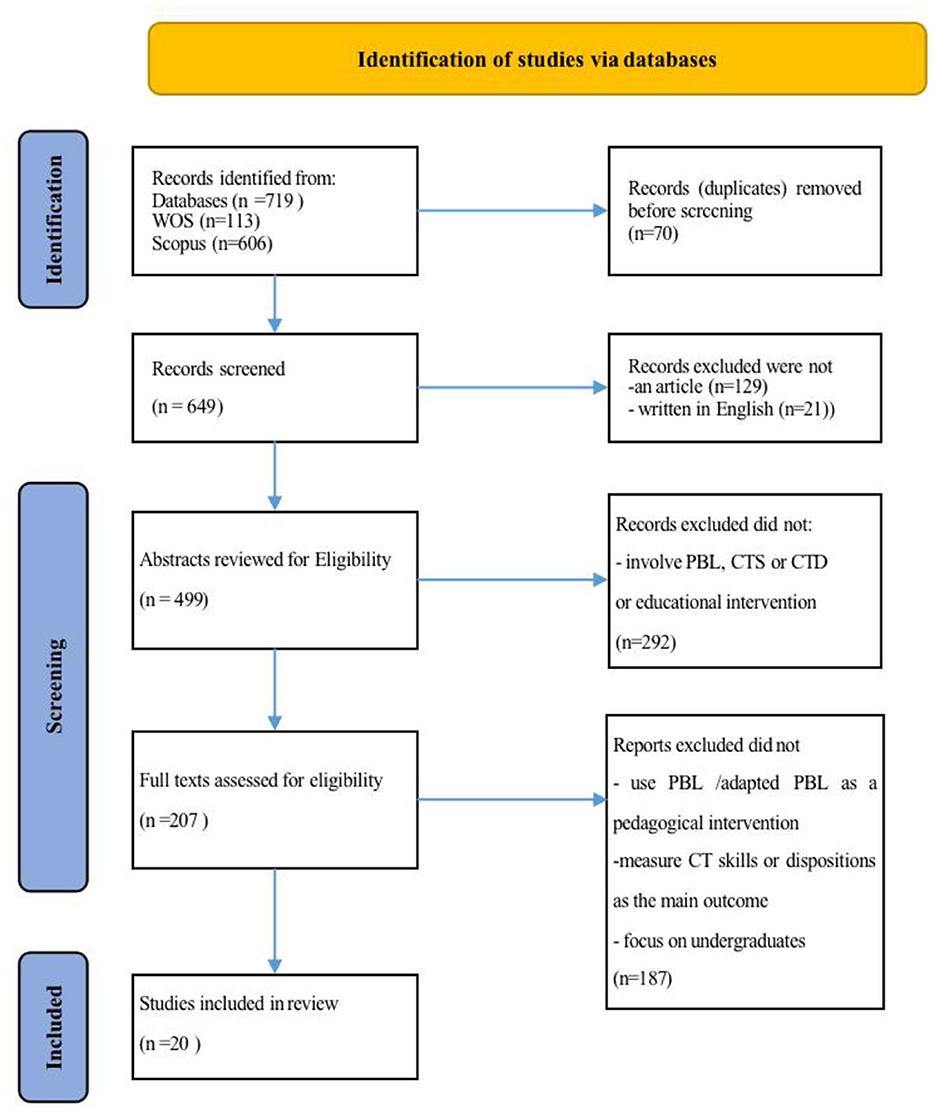
Figure 1. The flow diagram of the literature search using the Preferred Reporting Items for Systematic Reviews and Meta-Analyses (PRISMA).
2.4. Data extraction
To extract pertinent information from the 20 studies, Harris et al. (2014) guidelines were employed. These guidelines facilitated the extraction of information such as the author(s), year of publication, types of intervention implemented, types of data collection methods, types of data analysis methods, main findings of the study, and the effectiveness of the interventions in achieving their intended outcomes.
3. Results and discussion
The findings of the study are presented in three distinct sub-sections, each corresponding to a specific research question. The first sub-section details the types of PBL adaptations that were made to improve CT. The second sub-section presents the details of data collection and analysis implemented by each study. The last sub-section discusses the reasons for the observed improvements in student's CT as a result of these interventions.
3.1. The CT-oriented adaptations made to PBL models
An analysis revealed five distinct approaches to adapting Problem-Based Learning (PBL) to enhance Critical Thinking (CT) skills: (1) the implementation of CT-specific tools; (2) the incorporation of CT-focused activities; (3) the utilization of digital technologies; (4) the integration with other pedagogical methods; and (5) the integration with discipline-specific knowledge. As depicted in Table 1, CT-oriented activities (n = 6) emerged as the most prevalent strategy for augmenting CT, followed by the utilization of instructional technologies (n = 5) and the assimilation of other instructional modes (n = 4). Conversely, CT-oriented instruments (n = 3) and the combination of PBL with subject-specific knowledge (n = 2) were identified as the least frequently employed tactics for adapting PBL to foster CT development.
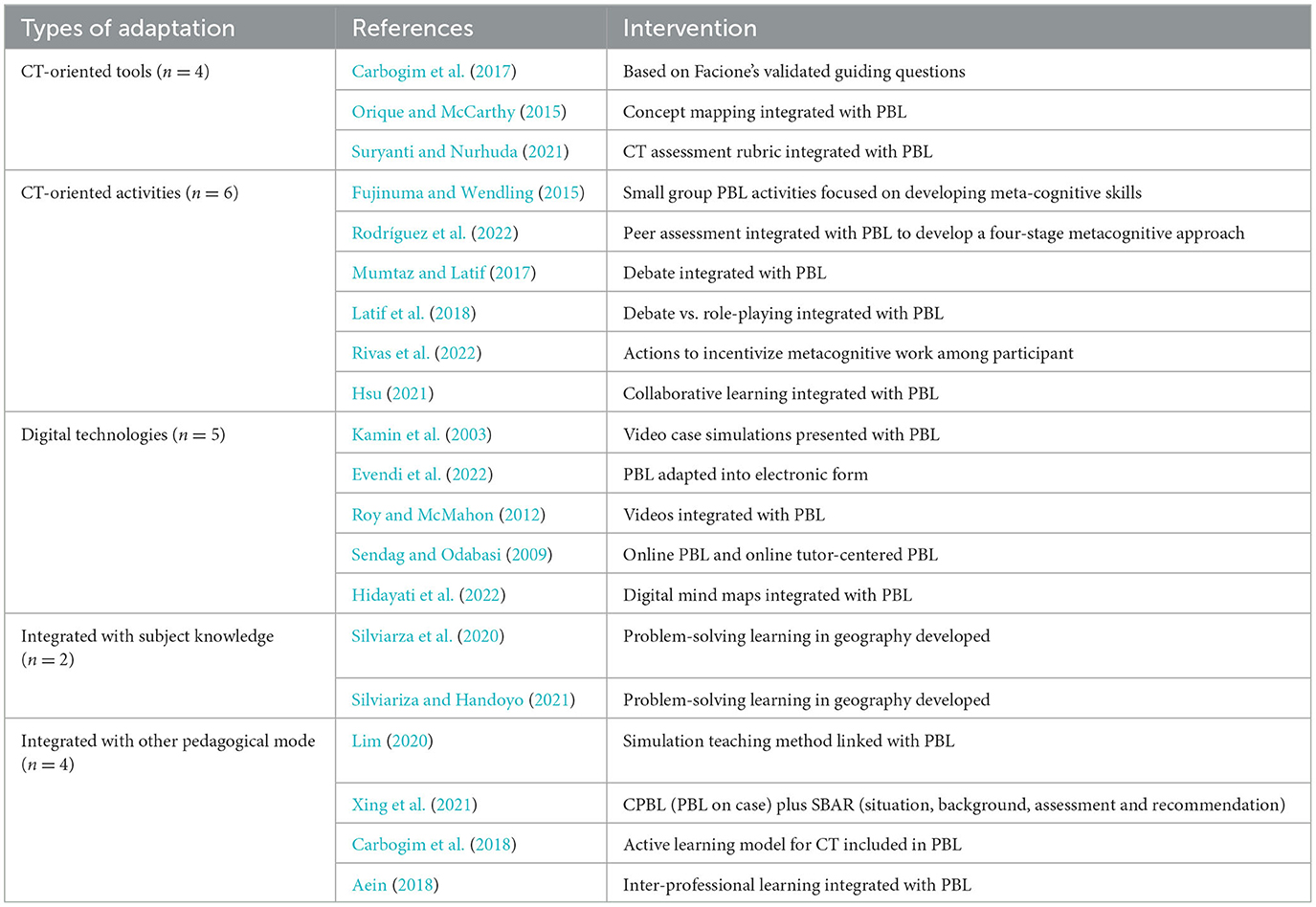
Table 1. The author(s), publication date, and intervention used in studies by approach to PBL adaptation.
3.1.1. CT-oriented tools
As is depicted in Table 1, the aforementioned studies employed various adaptations of Problem-Based Learning (PBL) with the objective of enhancing critical thinking (CT). These adaptations encompassed the utilization of CT-oriented guiding questions (Carbogim et al., 2017), concept mapping (Orique and McCarthy, 2015), and a CT assessment rubric (Suryanti and Nurhuda, 2021). In their studies, guiding questions were implemented to stimulate and direct cognitive processes, concept maps served as a visual instrument for representing concerned issues and facilitating the development of solving plans, and the CT assessment rubric was employed to furnish lucid guidelines and expectations that facilitated self-assessment and engendered a more profound engagement with the subject matter. These aforementioned instruments possess the capacity to facilitate the development of students' critical thinking aptitudes by providing a framework for the organization and analysis of information.
3.1.2. CT-oriented activities
The studies examined in this text employed various critical thinking-oriented activities within a problem-based learning (PBL) framework to enhance the development of critical thinking skills. These activities were collaborative in nature, a characteristic inherent to PBL (Yuan et al., 2008), and allowed learners to practice cognitive and/or meta-cognitive skills. With regard to the incorporation of cognitive skills, Hsu (2021), for example, advocates for the integration of collaborative learning with PBL as it requires learners to cooperatively analyze, synthesize, and evaluate ideas to solve complex problems. Additionally, Mumtaz and Latif (2017) and Latif et al. (2018) incorporated debate among learners as it provides an opportunity for deeper analysis and appraisal of issues. The others recognized the significant correlation between meta-cognitive skills and CT improvement. For example, Fujinuma and Wendling (2015) integrated team-based active learning into their PBL model focused on meta-cognitive development to improve critical thinking. Rivas et al. (2022) emphasized individual and interactive meta-cognitive development through reflective activities because effective use of critical thinking skills requires a certain degree of consciousness and regulation of them. Rodríguez et al. (2022) used peer assessment within a PBL framework to develop a four-stage metacognitive approach due to the positive correlation between metacognition and active learning (Biasutti and Frate, 2018), which can help foster higher order thinking skills (Kim et al., 2020). These CT-oriented adaptations suggest that future studies could consider creating active learning environments through collaborative activities to foster cognitive and meta-cognitive skills to enhance critical thinking.
3.1.3. Digital strategies
Included research examined the incorporation of digital technologies into PBL to enhance CT. Sendag and Odabasi (2009) and Evendi et al. (2022) adapted traditional face-to-face PBL to an electronic format known as e-PBL in response to the increasing prevalence of online learning and the demonstrated efficacy of e-PBL in enhancing learning outcomes. Other studies investigated the use of videos in problem-based learning because they can present ill-structured problems in a more vivid manner (Kamin et al., 2003; Roy and McMahon, 2012). Digital mind maps were used in conjunction with PBL by Hidayati et al. (2022) because they can create an engaging learning environment and facilitate deeper learning regardless of the learning styles of the learners.
3.1.4. PBL integrated with other pedagogical models
Researchers attempted to combine other pedagogical mode with PBL to enhance CT development. Lim (2020) integrated problem-based learning (PBL) with simulation-based learning to enable students to tackle problems that mirror real-life scenarios, thereby enhancing their professional skills and critical thinking abilities. Similarly, Xing et al. (2021) employed a clinical case-based PBL approach in conjunction with the “Status-Background-Assessment-Recommendation” (SBAR) teaching model to facilitate communication (Abdellatif et al., 2007). Carbogim et al. (2018) combined PBL with the Active Learning Model for Critical Thinking (ALMCT), which comprises a series of questions designed to promote deeper understanding and exploration of meanings, relationships, and outcomes through inquiry within a clinical context or case. Aein (2018) modified PBL by incorporating inter-professional learning (IPL) to foster teamwork, enhance communication, and overcome inter-professional barriers. These studies share a common focus on the medical field and aim to improve students' professional competencies and critical thinking skills by presenting simulated real-world cases and promoting communication and collaboration among students.
3.1.5. PBL integrated with subject knowledge
Silviarza et al. (2020) and Silviariza and Handoyo (2021) are the sole authors among the studies reviewed to have undertaken research on the integration of problem-based learning (PBL) with the instruction of subject knowledge. They contend that the ability to critically solve problems is of paramount importance in the study of geography (Nagel, 2008). Academics may contemplate the incorporation of problem-based learning (PBL) methodologies within fields of study that necessitate the utilization of critical thinking competencies for problem resolution and knowledge acquisition. Such an approach has the potential to augment not only students' comprehension of the subject matter but also their capacity for critical thinking.
3.2. The evaluation of CT-oriented PBL interventions
The efficacy of Problem-Based Learning (PBL) adaptations in enhancing Critical Thinking (CT) was investigated by examining the results of individual studies. To determine the overall effectiveness of modified PBL models on the development of CT skills or dispositions (CTS or CTD), it is necessary to scrutinize the instruments employed for data collection and the analytical methods utilized. Table 2 provides an overview of the article title, publication year, data collection instrument, and data analysis approach utilized in the study.
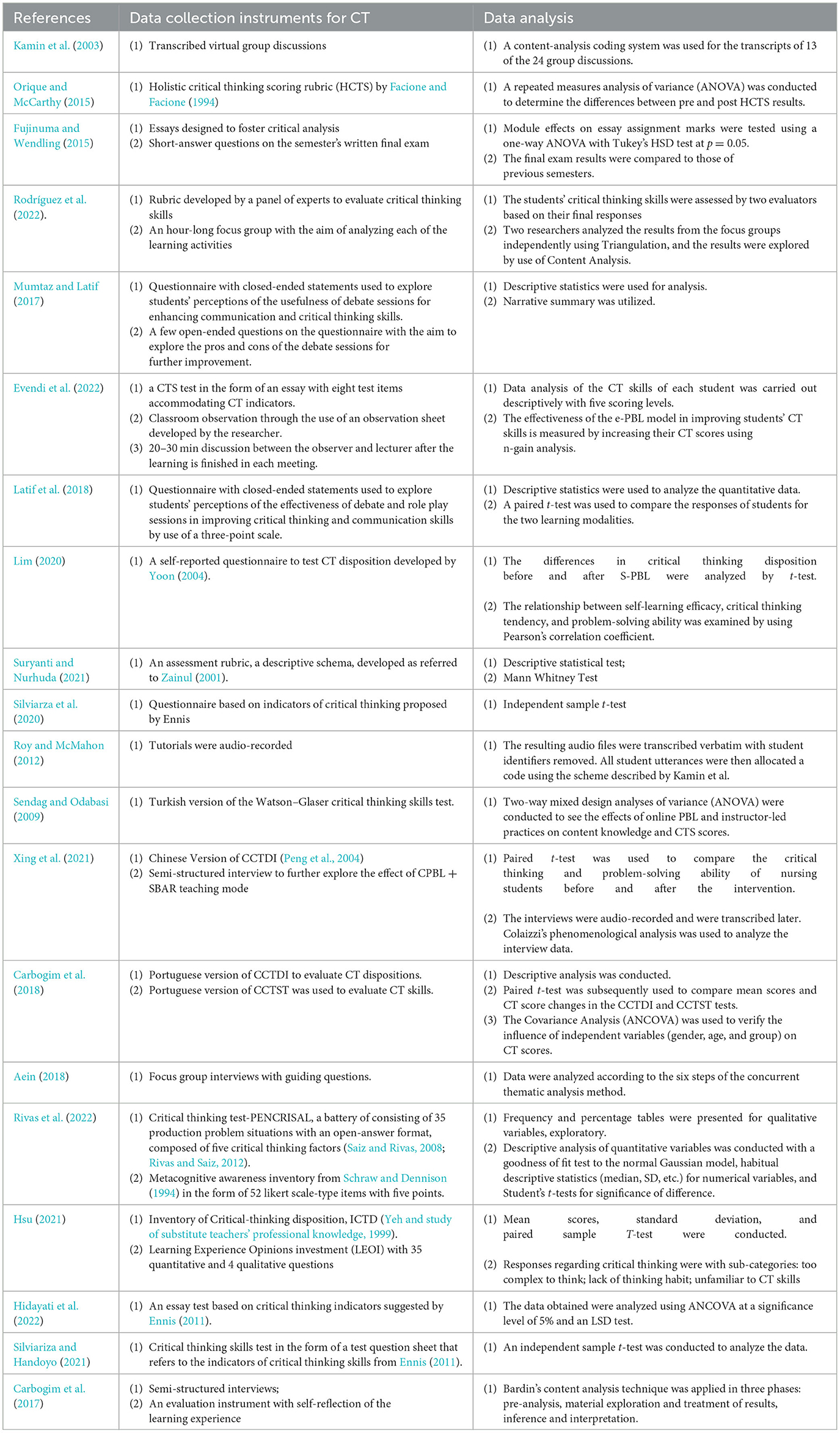
Table 2. Evaluation of included educational intervention.
3.2.1. Data collection
The instruments employed by the studies included in this analysis can be classified according to their use in collecting either quantitative or qualitative data, as delineated in Table 2. Quantitative instruments comprise questionnaires (e.g., Mumtaz and Latif, 2017; Carbogim et al., 2018; Latif et al., 2018; Lim, 2020; Silviarza et al., 2020; Hsu, 2021; Xing et al., 2021), tests (e.g., Sendag and Odabasi, 2009; Silviariza and Handoyo, 2021; Hidayati et al., 2022; Rivas et al., 2022; Evendi et al., 2022), and assessment rubrics (e.g., Orique and McCarthy, 2015; Suryanti and Nurhuda, 2021; Rodríguez et al., 2022), with questionnaires being the most commonly utilized instrument. On the other hand, several studies have employed qualitative instruments to collect CT-related data, which are less varied than their quantitative counterparts. Qualitative instruments primarily encompass recorded learning activities (e.g., Kamin et al., 2003; Roy and McMahon, 2012; Evendi et al., 2022), interviews (e.g., Carbogim et al., 2017; Aein, 2018; Xing et al., 2021), and open-ended questions (e.g., Fujinuma and Wendling, 2015; Mumtaz and Latif, 2017). Based on an analysis of the tools utilized by the studies involved in this investigation, future research exploring the adaptations of PBL for CT can employ quantitative (e.g., Silviarza et al., 2020), qualitative (e.g., Aein, 2018), or mixed methods (e.g., Carbogim et al., 2017).
As indicated in Table 2, researchers employ one of two approaches in constructing data collection instruments for quantitative data: either directly utilizing tools developed by others or developing their own research instruments. For instance, widely used and well-developed instruments include the Chinese adaptation of the California Critical Thinking Disposition Inventory (CCTDI) and the California Critical Thinking Skills Test (CCTST). Xing et al. (2021) employed the Chinese version of the CCTDI to investigate the impact of modified PBL on learners' CT disposition, while Carbogim et al. (2018) utilized the CCTST to assess students' CT skills. These extensively used tools have been demonstrated to be valid and reliable for data collection and analysis. Alternatively, researchers have endeavored to design their own instruments tailored to their specific study requirements. For example, Silviarza et al. (2020) and Hidayati et al. (2022) developed an essay test and a CTS test, respectively, based on the CT indicators proposed by Ennis (2011). These self-made instruments were subjected to validity and reliability checks prior to being employed for data collection (e.g., Hidayati et al., 2022). Both of the above-discussed approaches, when implemented with established credibility and validity, are effective in collecting the desired data. On the other hand, most studies employing qualitative tools do not test validity and reliability in the same manner as quantitative studies (e.g., Kamin et al., 2003; Roy and McMahon, 2012), but instead utilize triangulation to enhance validity and reliability (e.g., Rodríguez et al., 2022).
3.2.2. Data analysis
As delineated in Table 2, the studies included in this analysis employed distinct analytical methodologies based on their data collection methods. It is only through the application of analytical techniques that are appropriately tailored to the data and research objectives that researchers can derive meaningful insights and draw valid conclusions from their data.
For quantitative data, researchers utilized descriptive analysis to determine the means and proportions of CT-related data. Several studies employed this method, including Mumtaz and Latif (2017), Carbogim et al. (2018), Latif et al. (2018), Suryanti and Nurhuda (2021), and Rivas et al. (2022). In addition to descriptive analysis, other statistical techniques were also frequently employed. Analysis of variance (ANOVA) was used by Sendag and Odabasi (2009) and Fujinuma and Wendling (2015) to compare the means of multiple groups and determine whether there were any statistically significant differences between them. The t-test technique to compare the means of experimental and control group was also commonly used, as seen in studies by Carbogim et al. (2018), Latif et al. (2018), Silviarza et al. (2020), and Xing et al. (2021).
In contrast to the quantitative methods described above, content analysis was typically applied to qualitative data. Studies that employed this method include Kamin et al. (2003). In addition to content analysis, narrative summary was also used to present and interpret qualitative data (e.g., Mumtaz and Latif, 2017).
3.3. Examination of the findings from PBL-adapted interventions
3.3.1. Interventional outcomes
The results of individual studies were examined to explore the success of PBL adaptations for improving CT. Table 3 summarizes the CT development outcomes of each intervention. All the studies had positive outcomes with students showing increased CT. This indicates that the planful integration of CT elements into PBL was effective and necessary for enhancing students' CT which cannot be assured with PBL that do not have CT-oriented adaptations (Lee et al., 2016).
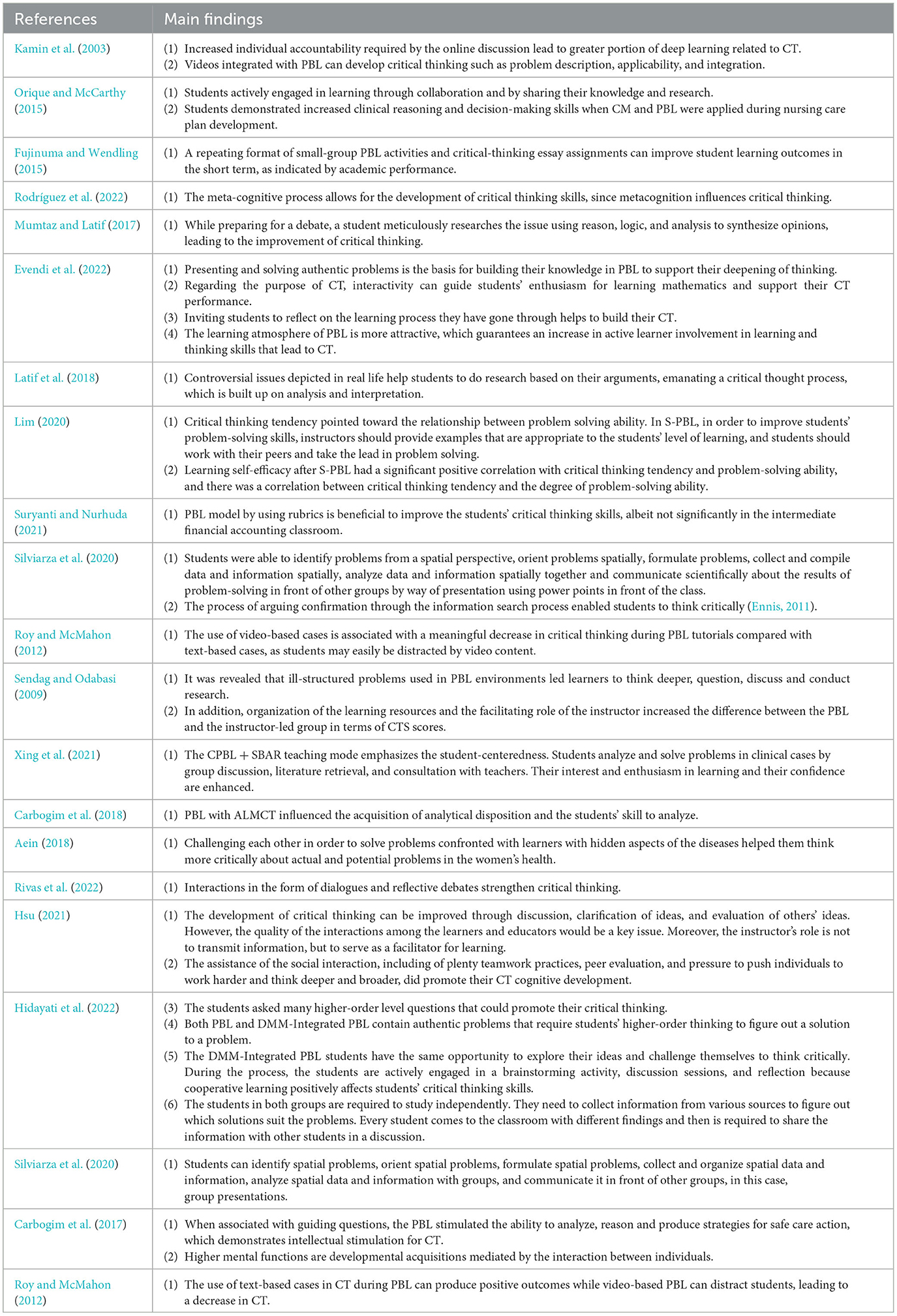
Table 3. The main findings of each study.
3.3.2. Positive findings
Although all of their studies reported positive outcomes in the development of critical thinking (CT), the depth of their research varied. Some studies documented general improvements in CT as a result of instructional interventions, while others reported enhancements in specific CT sub-skills. For instance, Silviarza et al. (2020) discovered that engaging students in debates and encouraging them to confirm information through research promoted critical thinking. Similarly, Aein (2018) found that challenging students to respond to difficulties posed by their peers with concealed features of disorders prompted them to think critically about current and potential health concerns. On the other hand, several researchers confirmed that problem-based learning (PBL) oriented toward CT improved CT sub-skills. Latif et al. (2018), for example, reported that exposing students to challenging real-life situations encouraged them to conduct research based on their arguments, fostering the CT processes of analysis and interpretation. Carbogim et al. (2017) argued that pairing PBL with guided questions enhanced students' abilities to analyze, reason, and generate solutions for safe care action, demonstrating intellectual stimulation for CT.
Although critical thinking (CT) encompasses both critical thinking skills (CTSs) and critical thinking dispositions (CTDs), only three studies have specifically investigated the development of students' CTDs. Carbogim et al. (2018) employed the Portuguese version of the California Critical Thinking Disposition Inventory (CCTDI) to evaluate CTDs and discovered that integrating problem-based learning (PBL) with the Active Learning Model for Critical Thinking (ALMCT) influenced the acquisition of an analytical disposition. Hsu (2021) utilized Yeh and study of substitute teachers' professional knowledge (1999) Inventory of Critical-Thinking Disposition (ICTD) to determine that support for social contacts enhanced students' CT cognitive development. Lim (2020) applied Yoon (2004) self-report questionnaire to assess CTDs and found a correlation between CTDs and problem-solving abilities. These findings indicate that current research primarily concentrates on the development of CTS, suggesting that future studies should not overlook the development of CTD.
3.3.3. Success factors
An analysis of the key CT-related findings from each study, as presented in Table 3, was conducted to explore the reasons for successful adaptation of problem-based learning (PBL). These findings were categorized into nine factors that contribute to the successful adaptation of PBL to be CT-oriented, as delineated in Table 4. These factors comprise self-directed learning, CT-related activities, interaction, problem-solving skills, metacognitive activities, authentic learning, positive atmosphere, self-efficacy, and role of teacher. These factors can serve as the principles upon which CT-oriented PBL models should be based.
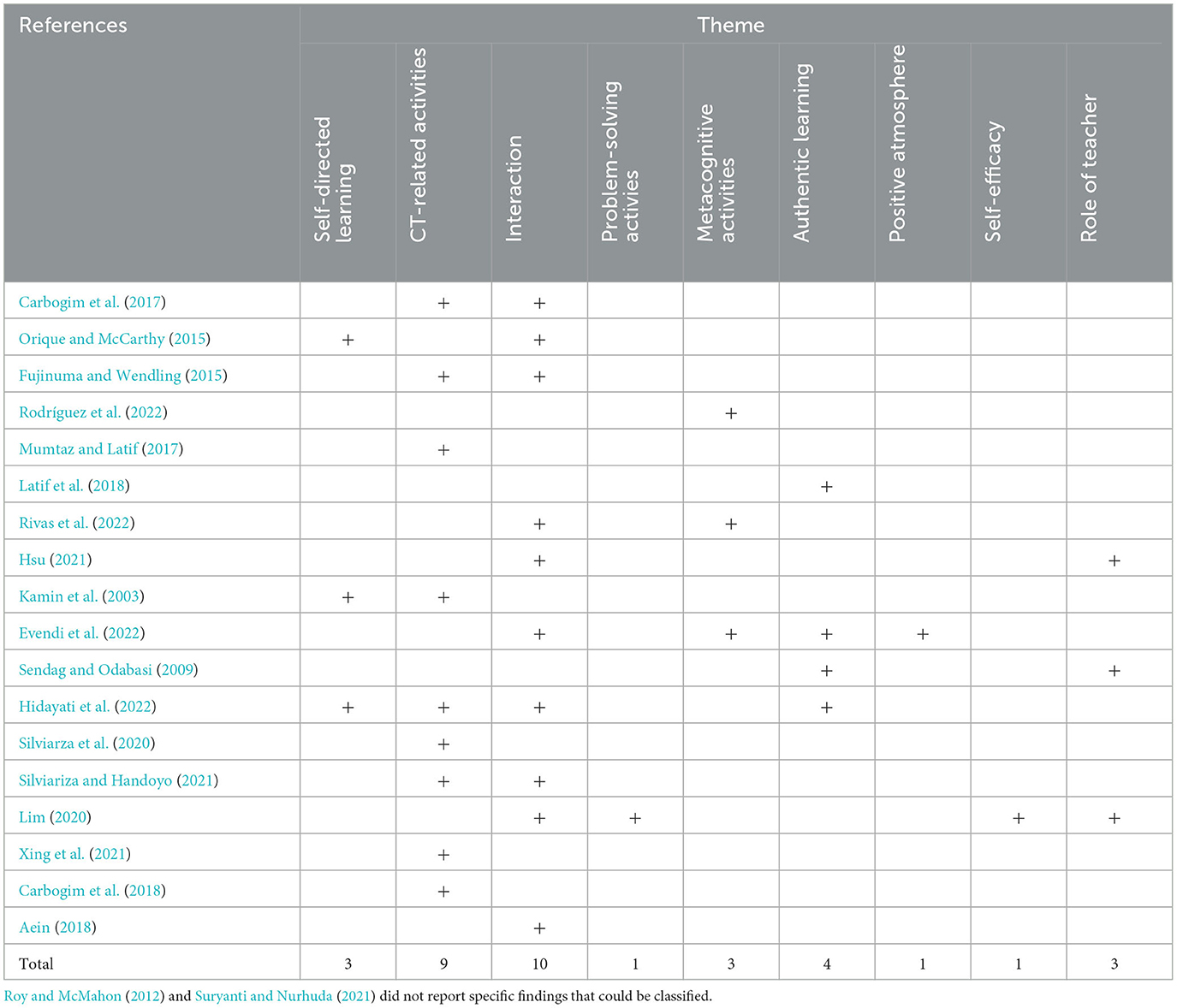
Table 4. Classification of the main findings from the studies by theme.
As is shown in Table 4, the nine principles are identified. The principle of self-directed learning refers to students accepting responsibility for their own learning and actively participating in the learning process (Kamin et al., 2003). CT-related activities refer to the activities of students applying their learning to enhance CT, such as debating (e.g., Latif et al., 2018). Interaction refers to students: (1) being assigned to small groups and sharing their learning within the group and across groups (Kamin et al., 2003; Fujinuma and Wendling, 2015; Silviarza et al., 2020); (2) sharing their knowledge with other students (Orique and McCarthy, 2015); (3) peer discussions on how to solve problems (Lim, 2020; Hidayati et al., 2022); (4) challenging each others' views (Aein, 2018); and (5) debating with each other (Rivas et al., 2022). CT propensity in PBL has also been found to be associated with problem-solving abilities and metacognitive skills (Rodríguez et al., 2022). Authentic learning in PBL is key to developing students' CT skills which involve authentic real-world problem that contain diverse, difficult, and ill-structured answers (Hidayati et al., 2022) and utilizing relevant real-world experiences to solve it (Latif et al., 2018). The problems are authentic (Hidayati et al., 2022), relevant to learners' real-world experiences (Latif et al., 2018), and contain diverse, difficult, and ill-structured answers. There was scant scholarly attention given to the learning environment and self-efficacy even though a positive learning environment can assist students to enhance their CT (Evendi et al., 2022). Likewise, self-efficacy has received scant scholarly attention. After simulated PBL, students' learning self-efficacy was positively linked to CT propensity and problem-solving ability (Lim, 2020). Teachers had a significant impact on PBL students, particularly when they assumed the role of facilitator rather than merely transmitting information (Hsu, 2021), were less the center of attention in the classroom (Sendag and Odabasi, 2009), and provided examples that were appropriate for the students' level of learning.
The principles for PBL adaptations for CT development align with those of original PBL models but are optimized to maximize CT development. For instance, Carter et al. (2017) assert that students should be at the center of learning, Barrows (1986) posits that PBL problems should be ill-structured, and Yuan et al. (2008) contend that students should collaborate to solve problems. These principles are intrinsic to PBL. Consequently, the design of new PBL models to enhance CT should adhere to the fundamental principles or characteristics of PBL.
4. Conclusions
In this study, a systematic review was undertaken of published articles associated with PBL adaptations as educational interventions to improve students' CT skills and dispositions. Using the 20 articles that met the inclusion criteria and the PICo approach, this paper explored the methods used to adapt the PBL model to optimize CT development, examined the effectiveness of those models and explored the reasons why these adaptations were successful with the intent to fulfill the gap of the limited number of systematic reviews on adapting the original PBL model to be a more CT oriented model.
Five distinct categories of the strategies employed to adapt PBL were found: activities centered on CT development, incorporation of digital technologies, integration of alternative pedagogical approaches, utilization of CT-specific instruments, and combination of PBL with discipline-specific knowledge. These adaptations were found to be effective in augmenting students' CT skills and dispositions, although the methodologies employed for data collection and analysis varied across studies. Future research is warranted to investigate the potential of these adaptations in diverse educational contexts.
Nine factors that contribute to the successful adaptation of PBL to be more CT-oriented were identified. They are: self-directed learning, CT-related activities, interaction with peers and teachers, problem-solving skills, metacognitive activities, authentic learning, positive atmosphere, high self-efficacy, and supportive teachers. These principles are congruent with those of traditional PBL models but have been specifically designed to optimize CT development. Future research could explore the relative significance of each of these factors in fostering CT development and examine their interplay. Additionally, researchers could investigate the effective integration of these factors into PBL models across diverse educational contexts and disciplines.
Data availability statement
The raw data supporting the conclusions of this article will be made available by the authors, without undue reservation.
Author contributions
All authors listed have made a substantial, direct, and intellectual contribution to the work and approved it for publication.
Conflict of interest
The authors declare that the research was conducted in the absence of any commercial or financial relationships that could be construed as a potential conflict of interest.
Publisher's note
All claims expressed in this article are solely those of the authors and do not necessarily represent those of their affiliated organizations, or those of the publisher, the editors and the reviewers. Any product that may be evaluated in this article, or claim that may be made by its manufacturer, is not guaranteed or endorsed by the publisher.
References
Abdellatif, A., Bagian, J. P., Barajas, E. R., Cohen, M., Cousins, D., Denham, C. R., et al. (2007). Communication during patient hand-overs. Joint Comm. J. Qual. Patient Safety. doi: 10.1016/S1553-7250(07)33128-0
Aein, F. (2018). Midwifery students' experiences of problem solving based interprofessional learning: a qualitative study. Women Birth 31, e374–e379. doi: 10.1016/j.wombi.2018.02.006
Barrows, H. S. (1986). A taxonomy of problem-based learning methods. Med. Educ. 20, 481–486. doi: 10.1111/j.1365-2923.1986.tb01386.x
Barrows, H. S. (1996). Problem-based learning in medicine and beyond: a brief overview. New Direct. Teach. Learn. 1996, 3–12. doi: 10.1002/tl.37219966804
Bezanilla, M. J., Fernández-Nogueira, D., Poblete, M., and Galindo-Domínguez, H. (2019). Methodologies for teaching-learning critical thinking in higher education: the teacher's view. Think. Skills Creat. 33, 100584. doi: 10.1016/j.tsc.2019.100584
Biasutti, M., and Frate, S. (2018). Group metacognition in online collaborative learning: validity and reliability of the group metacognition scale (GMS). Educ. Technol. Res. Dev. 66, 321–1338. doi: 10.1007/s11423-018-9583-0
Carbogim, F. C., Barbosa, A. C. S., de Oliviera, L. B., de Sá Diaz, F. B. B., Toledo, L. V., Alves, K. R., et al. (2018). Educational intervention to improve critical thinking for undergraduate nursing students: a randomized clinical trial. Nurse Educ. Pract. 33, 121–126. doi: 10.1016/j.nepr.2018.10.001
Carbogim, F. D. C., Oliveira, L. B. D., Mendonça, É. T. D., Marques, D. A., Friedrich, D. B. D. C., and Püschel, V. A. D. A. (2017). Teaching critical thinking skills through problem based learning. Texto Contexto-Enfermagem 26, 17. doi: 10.1590/0104-07072017001180017
Carter, A. G., Creedy, D. K., and Sidebotham, M. (2017). Critical thinking evaluation in reflective writing: development and testing of carter assessment of critical thinking in midwifery (reflection). Midwifery 54, 73–80. doi: 10.1016/j.midw.2017.08.003
Choi, E., Lindquist, R., and Song, Y. (2014). Effects of problem-based learning vs. traditional lecture on Korean nursing students' critical thinking, problem-solving and self-directed learning. Nurse Educ. Today 34, 52–56. doi: 10.1016/j.nedt.2013.02.012
Dehkordi, A. H., and Heydarnejad, M. S. (2008). The effects of problem-based learning and lecturing on the development of Iranian nursing students' critical thinking. Pak. J. Med. Sci. 24, 740–743.
Dekker, T. J. (2020). Teaching critical thinking through engagement with multiplicity. Think. Skills Creat. 37, 100701. doi: 10.1016/j.tsc.2020.100701
Drennan, L., and Rohde, F. (2002). Determinants of performance in advanced undergraduate management accounting: an empirical investigation. Accoun. Finan. 42, 27–40. doi: 10.1111/1467-629X.00065
Dwyer, C. P., Boswell, A., and Elliott, M. A. (2015). An evaluation of critical thinking competencies in business settings. J. Educ. Bus. 90, 260–269. doi: 10.1080/08832323.2015.1038978
Elder, L., and Paul, R. (2012). Critical thinking: competency standards essential to the cultivation of intellectual skills, part 4. J. Dev. Educ. 35, 30–31.
Ennis, R. H. (1987). “A taxonomy of critical thinking dispositions and abilities,” in Teaching Thinking Skills: Theory and Practice, eds J. B. Baron and R. J. Sternberg (New York, NY: W H Freeman/Times Books/Henry Holt and Co), 9–26.
Ennis, R. H. (2011). Ideal critical thinkers are disposed to. Inquiry Crit. Think. Across Discipl. 26, 4. doi: 10.5840/inquiryctnews201126214
Ennis, R. H. (2018). Critical thinking across the curriculum: A vision. Topoi 37, 65–184. doi: 10.1007/s11245-016-9401-4
Erikson, M. G., and Erikson, M. (2019). Learning outcomes and critical thinking–good intentions in conflict. Stud. Higher Educ. 44, 2293–2303. doi: 10.1080/03075079.2018.1486813
Evendi, E., Al Kusaeri, A. K., Pardi, M. H. H., Sucipto, L., Bayani, F., and Prayogi, S. (2022). Assessing students' critical thinking skills viewed from cognitive style:Study on implementation of problem-based e-learning model in mathematics courses. Eurasia J. Math. Sci. Technol. Educ. 18, pem2129. doi: 10.29333/ejmste/12161
Facione, P., Facione, N., and Giancarlo, C. (2000). The Disposition Toward Critical Thinking: Its Character, Measurement, and Relationship to Critical Thinking Skill. Informal Logic. p. 20. doi: 10.22329/il.v20i1.2254
Facione, P. A. (1990). Critical Thinking: A Statement of Expert Consensus for Purposes of Educational Assessment and Instruction-The Delphi Report. Millbrae, CA: California Academic Press.
Facione, P. A., and Facione, N. C. (1994). Holistic Critical Thinking Scoring Rubric. Available online at: http://www.insightassessment.com/Resources/Holistic-Critical-Thinking-Scoring-Rubric-HCTSR (accessed April 20, 2023).
Fujinuma, R., and Wendling, L. A. (2015). Repeating knowledge application practice to improve student performance in a large, introductory science course. Int. J. Sci. Educ. 37, 2906–2922. doi: 10.1080/09500693.2015.1114191
Halpern, D. (2010). Undergraduate Education in Psychology: A Blueprint for the Future of the Discipline. Washington, DC: American Psychological Association.
Harris, J. D., Quatman, C. E., Manring, M. M., Siston, R. A., and Flanigan, D. C. (2014). How to write a systematic review. Am. J. Sports Med. 42, 2761–2768. doi: 10.1177/0363546513497567
Hidayati, N., Zubai Dah, S., and Amnah, S. (2022). The PBL vs. digital mind maps integrated PBL: choosing between the two with a view to enhance learners' critical thinking. Particip. Educ. Res. 9, 30–343. doi: 10.17275/per.22.69.9.3
Hsu, Y. (2021). An action research in critical thinking concept designed curriculum based on collaborative learning for engineering ethics course. Sustainability 13, 2621. doi: 10.3390/su13052621
Kamin, C., O'Sullivan, P., Deterding, R., and Younger, M. (2003). A comparison of critical thinking in groups of third-year medical students in text, video, and virtual PBL case modalities. Acad. Med. 78, 204–211. doi: 10.1097/00001888-200302000-00018
Karakoc, M. (2016). The significance of critical thinking ability in terms of education. Int. J. Human. Soc. Sci. 6, 81–84.
Kim, H. J., Yi, P., and Hong, J. I. (2020). Students' academic use of mobile technology and higher-order thinking skills: the role of active engagement. Educ. Sci. 10, 47. doi: 10.3390/educsci10030047
Latif, R., Mumtaz, S., Mumtaz, R., and Hussain, A. (2018). A comparison of debate and role play in enhancing critical thinking and communication skills of medical students during problem based learning. Biochem. Mol. Biol. Educ. 46, 336–342. doi: 10.1002/bmb.21124
Lee, J., Lee, Y., Gong, S., Bae, J., and Choi, M. (2016). A meta-analysis of the effects of non-traditional teaching methods on the critical thinking abilities of nursing students. BMC Med. Educ. 16, 240. doi: 10.1186/s12909-016-0761-7
Lim, M.-H. (2020). Effectiveness of simulation linked problem based learning on nursing college students in South Korea. Acad. J. Interdiscip. Stud. 9, 15. doi: 10.36941/ajis-2020-0018
Lipman, B. L. (1991). How to decide how to decide how to…: modeling limited rationality. Econom. J. Econom. Soc. 1105–1125. doi: 10.2307/2938176
Liu, Y., and Pásztor, A. (2022). Effects of problem-based learning instructional intervention on critical thinking in higher education: a meta-analysis. Think. Skills Creat. 45, 101069. doi: 10.1016/j.tsc.2022.101069
Mumtaz, S., and Latif, R. (2017). Learning through debate during problem-based learning: an active learning strategy. Adv. Physiol. Educ. 41, 390–394. doi: 10.1152/advan.00157.2016
National Association of Colleges Employers (2016). Class of 2016 Believes it is “Career Ready,” But is It? Available online at: http://tinyurl.com/ya8a559g (accessed April 20, 2023).
Nurcahyo, E., and Djono, D. (2018). The implementation of discovery learning model with scientific learning approach to improve students' critical thinking in learning history. Int. J. Multicul. Multirel. Understand. 5, 106. doi: 10.18415/ijmmu.v5i3.234
Orique, S. B., and McCarthy, M. A. (2015). Critical thinking and the use of nontraditional instructional methodologies. J. Nurs. Educ. 54, 455–459. doi: 10.3928/01484834-20150717-06
Page, M. J., McKenzie, J. E., Bossuyt, P. M., Boutron, I., Hoffmann, T. C., Mulrow, C. D., et al. (2021). The PRISMA 2020 statement: an updated guideline for reporting systematic reviews. BMJ 372, n71. doi: 10.1136/bmj.n71
Papathanasiou, I. V., Kleisiaris, C. F., Fradelos, E. C., Kakou, K., and Kourkouta, L. (2014). Critical thinking: the development of an essential skill for nursing students. Acta Inform. Med. 22, 283. doi: 10.5455/aim.2014.22.283-286
Peng, M., Wang, G., Chen, J., Chen, M., Bai, H., Li, S., et al. (2004). Validity and reliability of the Chinese critical thinking disposition inventory. Chin. J. Nurs. 39, 7–10 (In Chinese).
Rivas, S., and Saiz, C. (2012). Validación y propiedades psicométricas de la prueba de pensamiento crítico PENCRISAL. Revista Electrónica de Metodología Aplicada 17, 18–34.
Rivas, S. F., Saiz, C., and Ossa, C. (2022). Metacognitive strategies and development of critical thinking in higher education. Front. Psychol. 13, 913219. doi: 10.3389/fpsyg.2022.913219
Rodríguez, M. F., Nussbaum, M., Pertuzé, J., Avila, C., Caceres, J., Valenzuela, T., et al. (2022). Using metacognition to promote active learning in large business management classes. Innov. Educ. Teach. Int. 59, 410–420. doi: 10.1080/14703297.2021.1887750
Roy, R. B., and McMahon, G. T. (2012). Video-based cases disrupt deep critical thinking in problem-based learning. Med. Educ. 46, 426–435. doi: 10.1111/j.1365-2923.2011.04197.x
Saiz, C., and Rivas, S. F. (2008). Evaluación en pensamiento crítico: una propuesta para diferenciar formas de pensar. Ergo. Nueva Época 22–23, 25–66.
Schraw, G., and Dennison, R. (1994). Assessing metacognitive awareness. Contemp. Educ. Psychol. 19, 460–475. doi: 10.1006/ceps.1994.1033
Sendag, S., and Odabasi, H. F. (2009). Effects of an online problem based learning course on content knowledge acquisition and critical thinking skills. Comput. Educ. 53, 132–141. doi: 10.1016/j.compedu.2009.01.008
Sharma, M. B., and Elbow, G. S. (2000). Using Internet Primary Sources to Teach Critical Thinking Skills in Geography. Santa Barbara: Greenwood Publishing Group.
Silviariza, W. Y., and Handoyo, B. (2021). Improving critical thinking skills of geography students with spatial-problem based learning (SPBL). Int. J. Instr. 14, 133–152. doi: 10.29333/iji.2021.1438a
Silviarza, W., Sumarmi, S., and Handoyo, B. (2020). Using of Spatial Problem Based Learning (SPBL) model in geography education for developing critical thinking skills. J. Educ. Gifted Young Sci. 8, 1045–1060. doi: 10.17478/jegys.737219
Snyder, L. G., and Snyder, M. J. (2008). Teaching critical thinking and problem solving skills. J. Res. Bus. Educ. 50, 90.
Suryanti, N., and Nurhuda, N. (2021). The effect of problem-based learning with an analytical rubric on the development of students' critical thinking skills. Int. J. Instruct. 14, 665–684. doi: 10.29333/iji.2021.14237a
Xing, C., Zhou, Y., Li, M., Wu, Q., Zhou, Q., Wang, Q., et al. (2021). The effects of CPBL + SBAR teaching mode among the nursing students. Nurse Educ. Today, 100, 104828. doi: 10.1016/j.nedt.2021.104828
Yanchar, S. C., and Slife, B. D. (2004). Teaching critical thinking by examining assumptions. Teach. Psychol. 31, 85–90. doi: 10.1207/s15328023top3102_2
Yang, E. C. L., Khoo-Lattimore, C., and Arcodia, C. (2017). A systematic literature review of risk and gender research in tourism. Tour. Manag. 58, 89–100. doi: 10.1016/j.tourman.2016.10.011
Yeh Y. C. A. study of substitute teachers' professional knowledge personal teaching effificacy, teaching behavior in criticalthinking instruction. J. Chengchi. Univ. (1999). 78, 55–84.
Yoon, J. (2004). Development of an instrument for the measurement of critical thinking disposition: in nursing. (Unpublished theses), Seoul: Catholic University.
Yuan, H., Kunaviktikul, W., Klunklin, A., and Williams, B. A. (2008). Improvement of nursing students' critical thinking skills through problem-based learning in the People's Republic of China: a quasi-experimental study. Nurs. Health Sci. 10, 70–77. doi: 10.1111/j.1442-2018.2007.00373.x
Zainul, A. (2001). Alternative Assessment. PAU-PPAI, DirJen Dikti: DepDikNas. Available online at: http://www.academia.edu/5158544/Pengukuran_Assesment_Dan_Penilaian_Evaluation_Hasil_Belajar/Pdf_file (accessed April 20, 2023).
Keywords: higher education, problem-based learning, critical thinking, educational intervention, systematic review, pedagogical adaption
Citation: Yu L and Zin ZM (2023) The critical thinking-oriented adaptations of problem-based learning models: a systematic review. Front. Educ. 8:1139987. doi: 10.3389/feduc.2023.1139987
Received: 08 January 2023; Accepted: 02 May 2023;
Published: 24 May 2023.
Edited by:
Rita Payan Carreira, University of Évora, PortugalReviewed by:
Hugo Rebelo, University of Évora, PortugalJon Mason, Charles Darwin University, Australia
Copyright © 2023 Yu and Zin. This is an open-access article distributed under the terms of the Creative Commons Attribution License (CC BY). The use, distribution or reproduction in other forums is permitted, provided the original author(s) and the copyright owner(s) are credited and that the original publication in this journal is cited, in accordance with accepted academic practice. No use, distribution or reproduction is permitted which does not comply with these terms.
*Correspondence: Zuhana Mohamed Zin, enVoYW5hLmtsQHV0bS5teQ==