 Beatriz Rodríguez-Roca1,2
 Estela Calatayud1,3
 Isabel Gomez-Soria1,3
 Yolanda Marcén-Román3,4*
 Juan Nicolas Cuenca-Zaldivar5,6,7
 Elena Andrade-Gómez8*
 Ana Belén Subirón-Valera1,2,9
- 1Department of Physiatry and Nursing, Faculty of Health Sciences, University of Zaragoza, Zaragoza, Spain
- 2Research Group Sapienf (B53_23R), Zaragoza, Spain
- 3Institute for Health Research Aragón (IIS Aragón) University of Zaragoza, Domingo Miral, Zaragoza, Spain
- 4Department of Anatomy and Human Histology, Faculty of Medicine, University of Zaragoza, Zaragoza, Spain
- 5Grupo de Investigación en Fisioterapia y Dolor, Departamento de Enfermería y Fisioterapia, Facultad de Medicina y Ciencias de la Salud, Universidad de Alcalá, Alcalá de Henares, Spain
- 6Research Group in Nursing and Health Care, Puerta de Hierro Health Research Institute-Segovia de Arana (IDIPHISA), Majadahonda, Spain
- 7Physical Therapy Unit, Primary Health Care Center “El Abajón”, Las Rozas de Madrid, Madrid, Spain
- 8Department of Nursing, Faculty of Health Sciences, University of La Rioja, Logroño, Logroño, Spain
- 9Research Group Sector III Healthcare (GIIS081), Institute of Research of Aragón, Zaragoza, Spain
Background: Digital gamification applied to university students enrolled in health-related degrees is considered an innovative and beneficial tool that complements traditional teaching.
Objectives: To analyze the enjoyment experience obtained by university students in the Faculty of Health Sciences and to know the gender differences after participating in a digital game.
Design: Cross-sectional descriptive study.
Participants: A total of 156 university students from the Faculty of Health Sciences, University of Zaragoza.
Methods: The activity of a digital game took place in the academic year 2021–2022 and was carried out as a teaching innovation project with the final approval of the University of Zaragoza. The tools used were the Spanish version of the Gameful Experience Scale and a self-administered questionnaire on satisfaction and suitability reported by the activity.
Results: A total of 156 students participated with an age of 21.2 ± 6.2 years. The highest score is the enjoyment dimension (4 ± 0.7), and the lowest score is the negative affect dimension (1.5 ± 0.9). Cronbach’s alpha for the whole Gameful Experience Scale was 0.95. There were significant differences in three dimensions of the Gameful Experience Scale: male students had more enjoyment than female students (p = 0.05), enjoyed a greater sense of domination (p = 0.01), and had fewer negative effects (p = 0.0). In the highest corresponding positions it was used for other topics such as learning (m 4.4; SD 0.5), motivation to learn (m 4.1; SD 0.8) or helping memorize concepts (m 4.4).4; SD 0.5).
Conclusion: Gender influences student satisfaction after carrying out a gamification activity, especially after a digital game. The dimensions in which gender differences were found were fun, absence of negative effects, and dominance.
1 Introduction
For some years now, higher education has encouraged students to participate in their own learning process through active teaching, to improve teaching and learning (Gentry et al., 2019). Therefore, professors who teach university education face the challenge of designing activities that involve student motivation. The demotivation among students (Lizarte, 2020) may be the cause of the high dropout rate from studies within the university community (Bernardo et al., 2020).
Following the definition of Werbach and Hunter (2012), the aim is for the student to integrate and relate knowledge through a learning strategy different from that traditionally established in the subjects.
Recent advances in technology have accelerated educational innovations such as blended learning by providing easy access to information (Dehghanzadeh and Jafaraghaee, 2018). Academic classrooms for health science degrees have become an appropriate framework for integrating new technologies into learning processes. Activities related to digitization and gamification are especially easy for students born between 1995 and 2009 because the so-called Gen Z grew up doing business with technology (Veluchamy et al., 2016).
Blended learning is a new student-centred instructional approach that includes online and in-person learning through technology (Dehghanzadeh and Jafaraghaee, 2018). Over the past few years, learner needs, goals, and achievements have changed; undergraduates often have quick and easy access to information and prefer to be present in collaborative learning environments with activities focused on learning (Mellati et al., 2015; Munir et al., 2018). Currently, active learning activities are created as an instructional method that engages students in the learning process and contributes to the evolution of pedagogical practices (Grossi et al., 2014).
In the field of pedagogical innovation, gamification based on digital games is an effective tool in teaching, and apart from creating fun environments manages to draw students to the intrinsic motivation to learn (Albuquerque et al., 2017) and makes them move towards the acquisition of the learning objectives established by the teacher (Noriega-Cano, 2013). Serious games are defined as games in which entertainment is secondary to education (Donovan et al., 2021; Lateef et al., 2021) and game principles are used for learning, training, and skill development (Abensur Vuillaume et al., 2021).
In addition, the use of gamification in the classroom manages to reduce the stress that students may experience and shows that the existence of errors during the activity is not penalized and is understood as a key element for achieving learning (Sevilla and García, 2019). Not only the growth of knowledge and skills is favoured but also the ability to work as a team (Manzano et al., 2021), ask for help, and develop a critical mindset (Pensieri et al., 2023). Research suggests that the use of serious games leads to more addictive learning (Gatti et al., 2019), increases the retention of new knowledge (Koivisto and Hamari, 2019), and increases student satisfaction and motivation (Arruzza and Chau, 2021). In addition, it presents satisfactory outcomes in various university degrees, such as marketing (Koivisto and Hamari, 2019), education (Landers and Landers, 2015), and health-related degrees such as nursing (Antón-Solanas et al., 2022; Rodríguez-Ferrer et al., 2022). Therefore, various studies have concluded that gamification carried out in the classroom is beneficial to university students (Krishnamurthy et al., 2022) and is a tool that reduces dropout rates (Martínez-Álvarez et al., 2021) and improves student performance (Alonso et al., 2021; Polyanska et al., 2022).
The mechanics of the game refer to the challenges and knowledge associated with the content of the programme, while the development of the game sets the basic structure and emotional elements (Werbach, 2014). Each element that integrates gamification, or the combination of these, generates different psychological and motivational effects on users. We must consider that the individual motivation of the student that is produced through gamification is a relevant factor in generating changes in behaviour (Von Elm et al., 2007; Mauricio et al., 2015). This gamification methodology, which implies the choice and development of roles, allows the development of coping tools for various situations but also reflects the limitations associated with the cultural and social constructions of these roles in the development of learning itself. Therefore, our research aims to analyze the gaming experience and the possible gender stereotypes that affect the satisfaction of university health science students in the context of gamification.
2 Methods
2.1 Design
An observational cross-sectional study was carried out following the STROBE recommendations [Strengthening the Reporting of Observational Studies in Epidemiology (STROBE); Márquez-Hernández et al., 2019]. The study was carried out at the Faculty of Health Sciences, University of Zaragoza.
2.2 Participants and study location
The study population was made up of students enrolled in the Faculty of Health Sciences, in the degrees of Physiotherapy, Occupational Therapy, and Nursing (n = 156). All the students who participated in the study did so voluntarily, completing the informed consent form prior to their participation in the proposed gamification activity. This activity consisted of a digital game carried out in the classroom based on questions related to the contents of the subjects.
2.3 Description of the digital game
The students formed groups of eight and had 45 min to complete the game. Within each group, the students formed pairs, in each game four pairs complete by rolling virtual dice on a digital board and moving tokens as indicated. If the answer to the question contained in the box was correct, the pairs continued to roll the dice and advance on the board until they answered incorrectly, at which point the turn passed to another group. The winning pair was the one that reached the centre of the board first.
The questions were related to the key concepts, which were important for the theoretical and practical aspects of the task. Do not expose yourself to anyone in a specific order so that the student can integrate and connect the knowledge taught in class through critical thinking. The difficulty of the questions was similar to those asked in class, and each question had four possible answers, with only one being true. Students who did not sign the informed consent or who did not attend class on the day of the activity were excluded from the study.
2.4 Data collection
The evaluation of the activity was carried out individually, immediately after finishing the game, by completing a self-administered online questionnaire consisting of sociodemographic variables (age and gender), the Gameful Experience Scale (GAMEX), and six questions about their opinion on the result of the activity.
The Spanish version of the Gameful Experience Scale (GAMEX) was used (Eppmann et al., 2018). The questionnaire was originally developed by Eppmann et al. (2018) and comprises 27 items classified into the 6 following dimensions: (1) Enjoyment (ítems 1 to 6); (2) Absorption (items 7 to 12); (3) Creative thinking (items 13 to 16); (4) Activation (items 17 to 20); (5) Absence of negative effects (items 21 to 23); and (6) Dominance (items 24 to 27; Gómez-Urquiza et al., 2019). Each of the items was measured with a Likert scale ranging from 1 (never) to 5 (always). Cronbach’s alpha for the whole scale was 0.85, ranging from 0.79 to 0.89 for each separate dimension (Eppmann et al., 2018).
Finally, we included six questions based on a questionnaire used in previous studies (Gómez-Urquiza et al., 2019) to evaluate the outcome of the game activity. The responses to these questions were assessed on a 5-point Likert-type scale ranging from 1 (strongly disagree) to 5 (strongly agree).
2.5 Statistical analysis
R Ver. 4.1.3 (R Foundation for Statistical Computing, Institute for Statistics and Mathematics, Welthandelsplatz 1, 1,020 Vienna, Austria) was used for statistical analysis. The significance level was set at p < 0.05. The Shapiro–Wilk test was used to test the distribution of quantitative variables in each course. Quantitative variables were presented as mean ± standard deviation and qualitative variables as absolute and relative values (%). The sample size was calculated with the value of Cronbach’s α calculated with the responses of the GAMEX scale of the first 20 subjects recruited under the null hypothesis of obtaining a value greater than 0.9 using the critical value to the right of the distribution F2 (Taber, 2018). The GAMEX reliability, in total and in each of its dimensions, was evaluated using the standardized Cronbach’s (alpha) calculated from the polychoric correlation matrix. The presence of significant differences between courses was analyzed using the Kruskall–Wallis H test in the case of the GAMEX scale, with post hoc tests using the Mann–Whitney U test with Bonferroni correction. In the ad hoc survey, Fisher’s exact test was used with post hoc tests with Bonferroni correction. On the GAMEX scale, the effect size was calculated with epsilon squared (epsilon2; King et al., 2018) being defined as small (<0.08), moderate (0.08–0.26), and large (>0.26), whereas on its own scale it was calculated with Cramer’s V (Acock and Gordon, 1979) being defined as small (<0.21), moderate (0.21–0.35), and large (>0.354).
A Biterm Analysis of Thematic Models (BTM) was also applied, which allowed analysis of the occurrence of themes throughout short texts. The selection of the optimal number of subjects was based on the highest likelihood value.
2.6 Sample size
Accepting a risk α < 0.05 and a minimum power of 90%, 165 participants were needed.
3 Results
A total of 156 students participated, the most numerous belonging to the courses Nursing (66 students) and Physiotherapy (74 students). Most of the students were women (84.8%) with an age of 21.2 ± 6.2 years (Table 1).
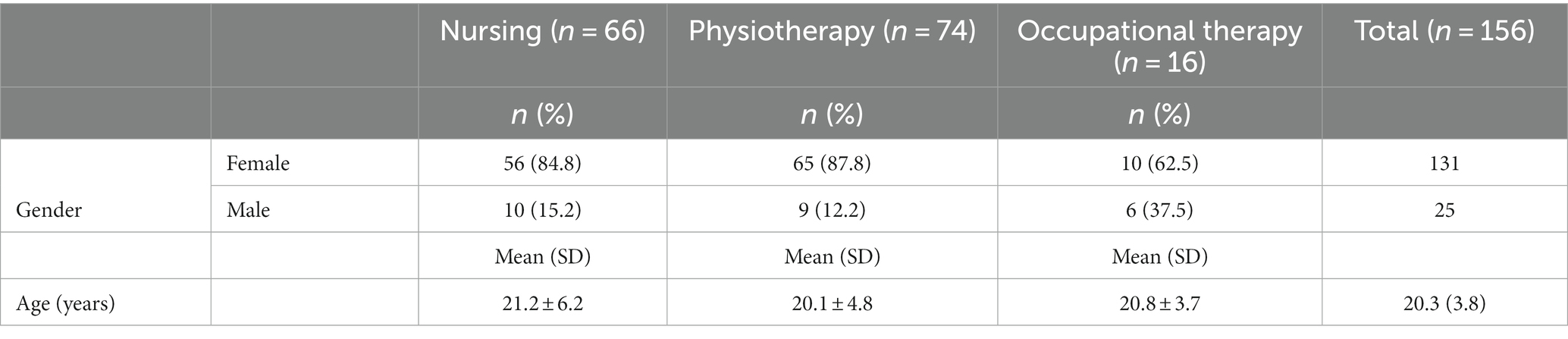
Table 1. Demographic characteristics of the university students enrolled in health sciences degrees.
The results of the GAMEX questionnaire are presented in Table 2. The average that reached a higher score was enjoyment (4 ± 0.7) and the lowest score was obtained in the dimension of the absence of negative effects (1.5 ± 0.9). Cronbach’s alpha for the whole GAMEX instrument was 0.95 and ranged from 0.8 (Dominance) to 0.9 (Enjoyment) for each separate dimension (Table 2). The presence of significant differences between genders was evident in the responses of the GAMEX scale for I think that playing is very entertaining (p = 0.04), with more positive scores for men than for women (4.5 ± 0.6 vs. 4.1 ± 0.8), While playing I felt upset (p = 0.03), with more positive scores for men than for women (2 ± 1.5 vs. 1.3 ± 0.8), While playing I felt frustrated (p = 0.01), with more positive scores for men than for women (2.1 ± 1.5 vs. 1.4 ± 0.9), While playing I had dominance, the feeling of control (p = 0.002), with more positive scores for men than for women (3.2 ± 1.2 vs. 2.5 ± 1.), While playing I felt influential (p = 0.01), with more positive scores for men than for women (3.2 ± 1.2 vs. 2.5 ± 1), and While playing I felt safe (p = 0.004), with more positive scores for men than for women (4.1 ± 0.8 vs. 3.4 ± 1.06; Table 3).
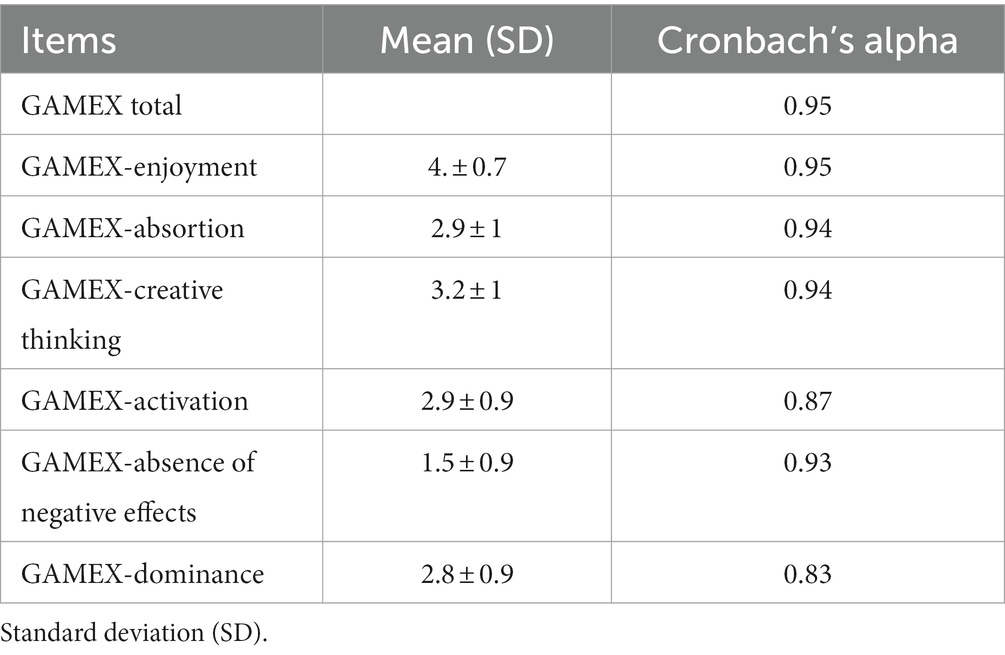
Table 2. Average score and standard deviation for each dimension of the GAMEX questionnaire and reliability for each dimension.
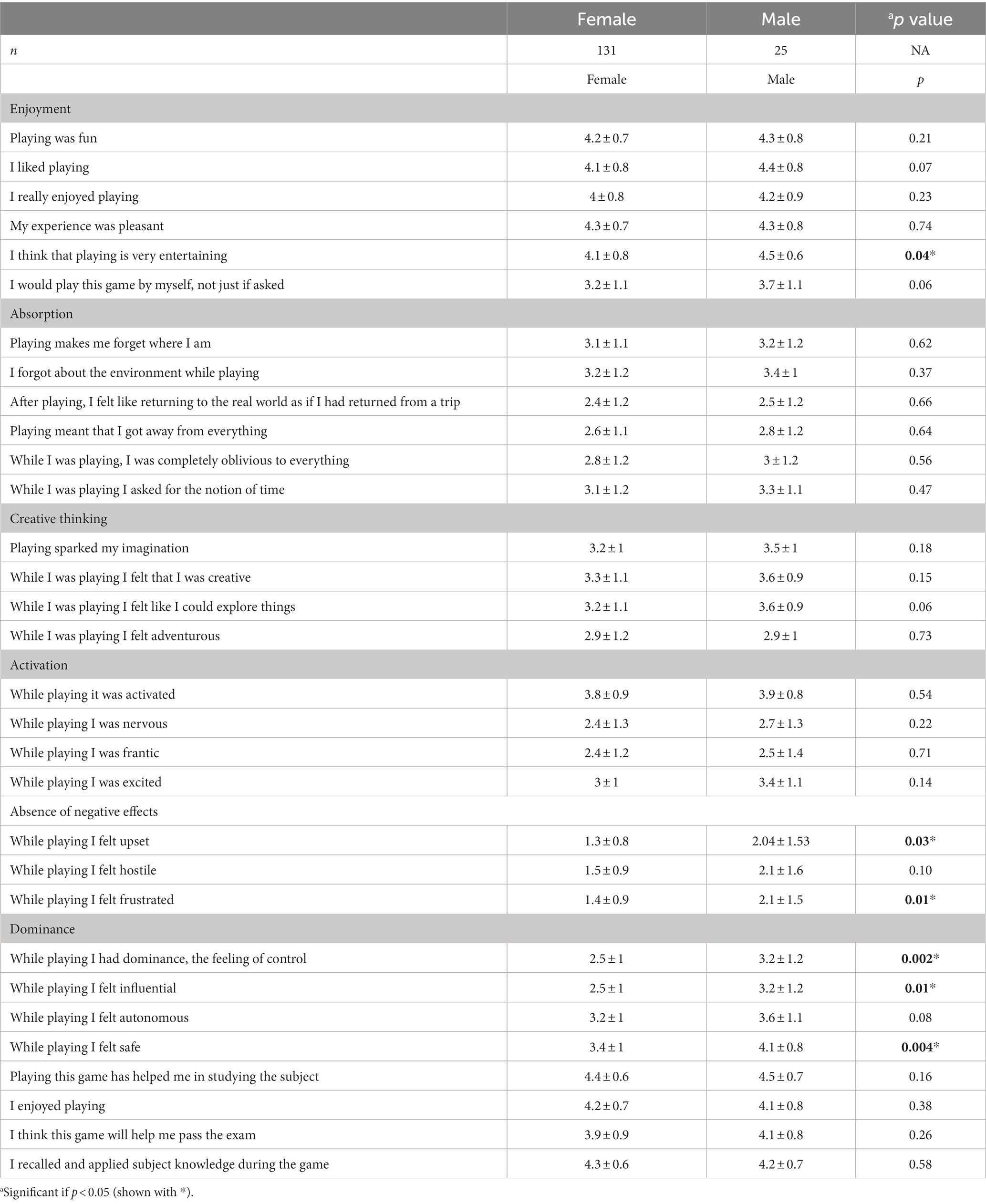
Table 3. Differences in the GAMEX scale between genders.
The Mann–Whitney U test was used for the analysis from the gender differences/gender perspective (p < 0.05 was considered significant). As can be seen in Table 4, there were significant differences in three dimensions of the GAMEX scale: men had more enjoyment more while playing than their women peers (p = 0.05), enjoyed a greater sense of domination (p = 0.01), and experienced fewer negative effects (p = 0.0003). No statistically significant differences were found in the rest of the dimensions. The analysis by dimensions of the GAMEX scale shows the highest scores in the sense of enjoyment of the students (Dimension 1: m 4; SD 0.4). No differences were found regarding the suitability for the application of the digital game in other subjects (Table 4).
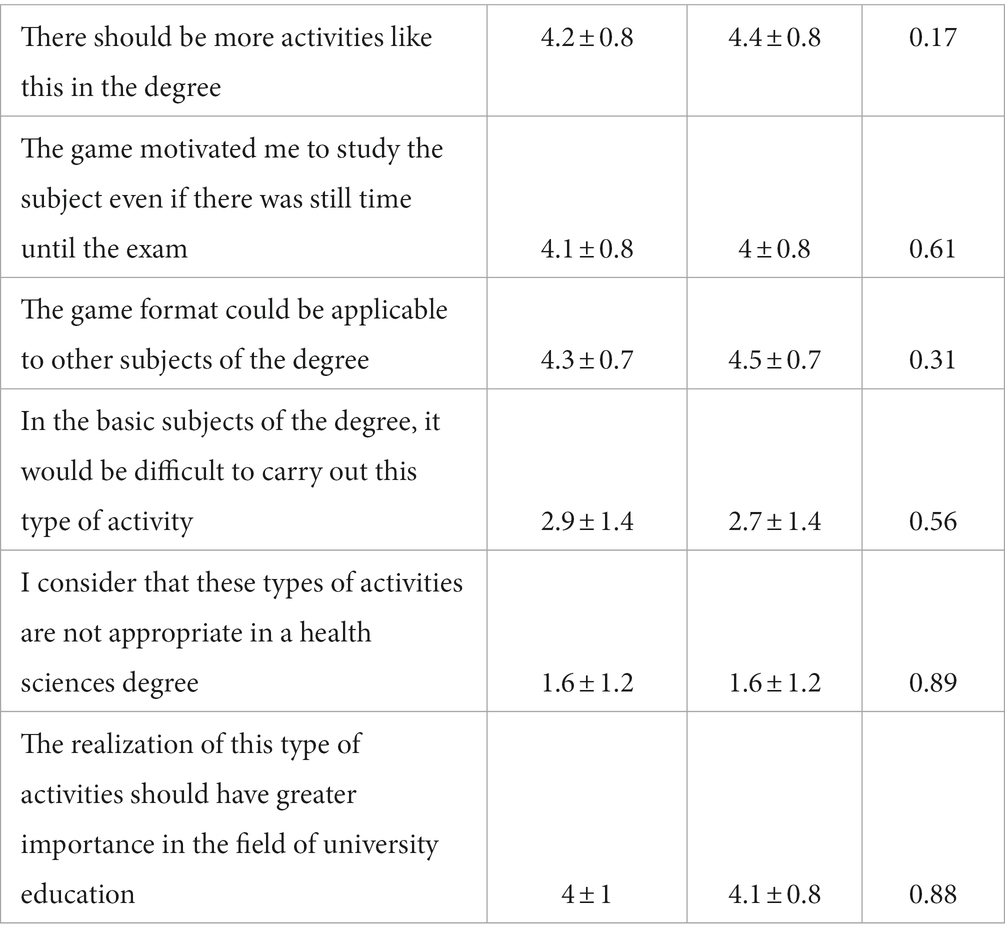
Table 4. Suitability for the application of the game in other subjects of the degree.
The results obtained in the analysis of the transferability of the digital game to other activities in the field of health sciences are shown in Table 5. It can be seen that its application to other subjects of the degree (m 4.4; SD 0.5), motivation to study (m 4.1; SD 0.8), and help when remembering concepts (m 4.4; SD 0.5) were some of the items with the highest scores (Table 5).
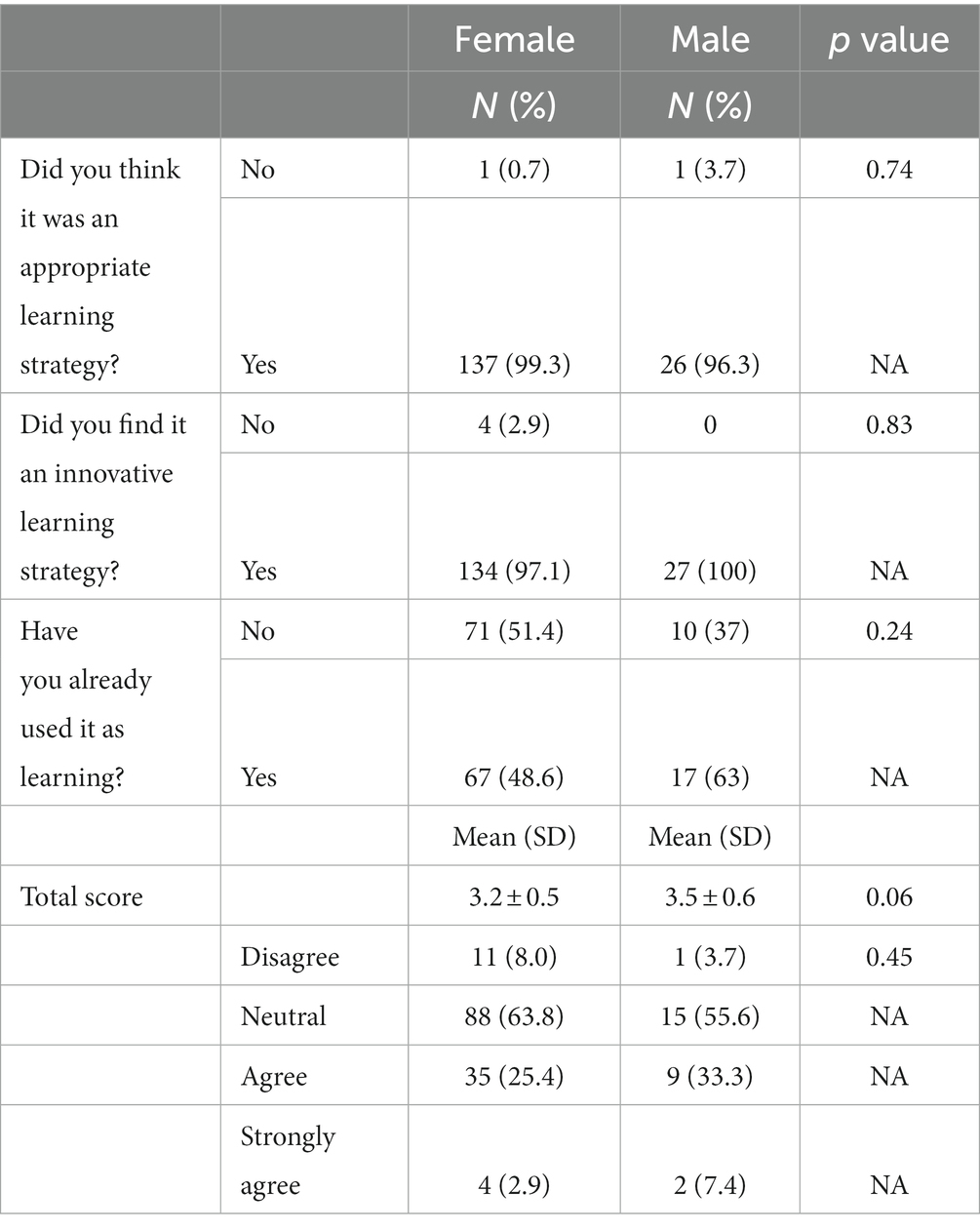
Table 5. Characteristics of the suitability of the activity and learning experience.
In the question What would you include as an improvement? the topics with the greatest weight were topic 8, which alludes to changes in the organization of the game and, in particular, providing more time, topic 10, which affects the need to make changes in the format of the tests used, and topics 2 and 13, which allude to the need to relate the questions more to the knowledge that students must acquire in the subject. In the question Add what you want, the most important topics/themes were topic 2, which again alludes to the need to relate the questions more to the knowledge that students must acquire in the subject, topic 4, which refers to the possibility of doing more games of this type, theme 3, which again refers to making changes to the format of the tests, and theme 1, which affects how the learning of the content of the subject is reinforced through a playful activity (Figure 1).
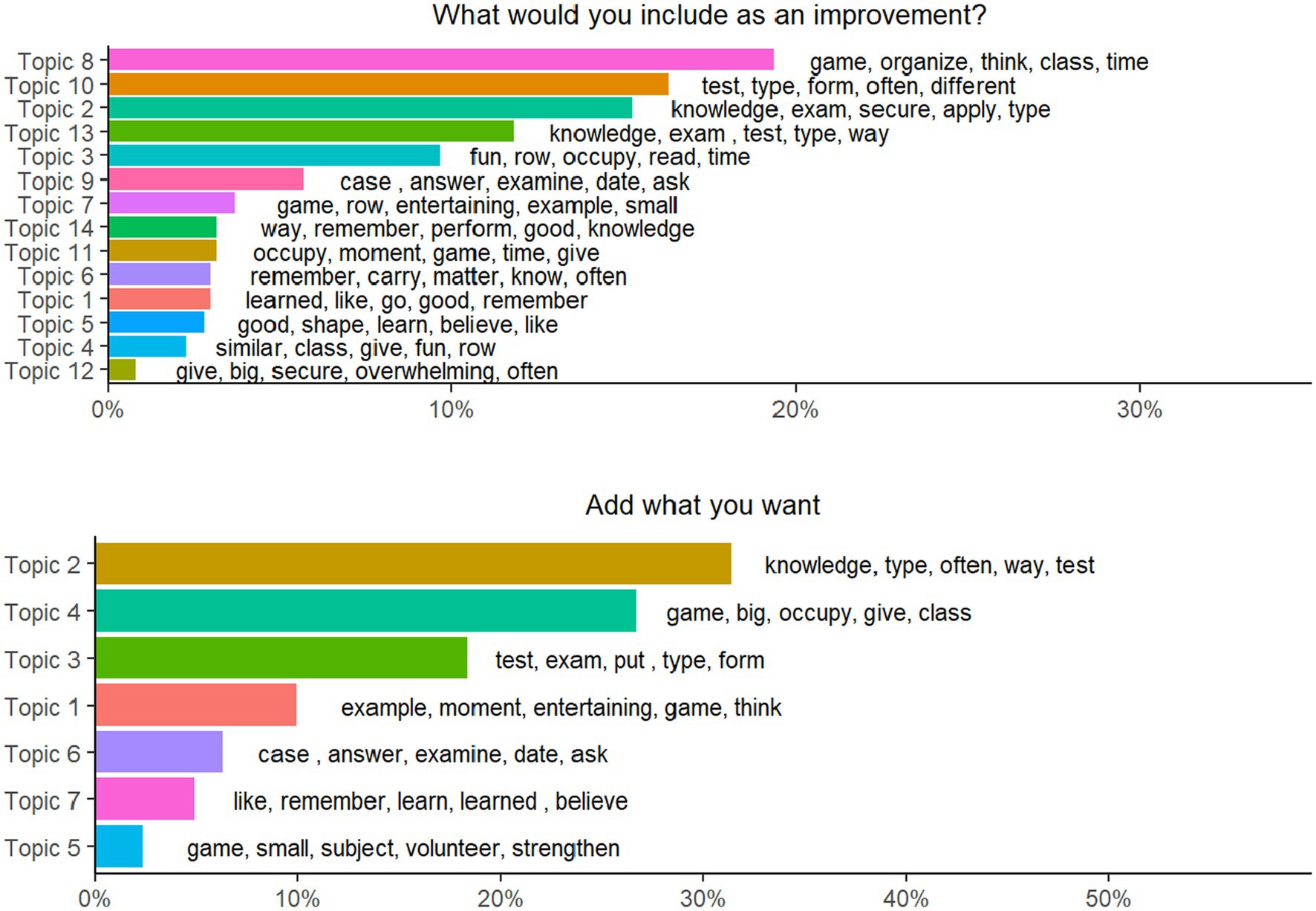
Figure 1. Overall topic weights and top five words.
4 Discussion
The results of our research show that students enjoyed the learning experience through gamification. The majority of student participants were women; gender differences can be explained by the fact that women have greater access to healthcare studies than men. This is because historically they have been considered an extension of the female role (Arroyo et al., 2011), and in addition, we still see gender biases incorporated into the professional expectations of students (Porcel-Gálvez et al., 2015).
The men, despite being in a minority, enjoyed the serious game activity more, had a greater feeling of dominance, and experienced fewer negative effects. It was shown that there were gender differences in the performance of the gamification activity regarding the feeling of self-control predominantly over the rest of the dimensions studied. This could be because male students are more competitive (Corchuelo-Rodriguez, 2018). Additionally, in line with the data indicating that 63% of male students had already used this learning strategy, which could motivate them and enable them to enjoy the game because they did not have to be aware of the dynamics of the game. In terms of the transferability of the activity to other subjects within the nursing degree, students gave higher scores for the “motivation to study” and “helped to remember concepts”.
Effects associated with different digital generations (such as X, Y, and Z) were found to be associated with the strongest contextualization of web content obtained among Generation X (those born between 1965 and 1979) Yawson and Yamoah, 2020). However, it must be considered that students characterize the game as a comfort zone; they are the generation that has had to live with such technology, so they must know the educational intent of the use of games. If this is not explained, it can generate a perception of time loss in students with regard to activities that have little to do with their learning (Koivisto and Hamari, 2019). We have to take into account that students spend an average of 7.42 h a week dedicated to playing video games [Asociación Española de Videojuegos (AEVI), 2022]. EChanges in the average weekly time spent playing video games (in hours) among the Spanish population from 2013 to 2022 Statista, 2022). In addition, the academic satisfaction associated with the fun that “the game” could generate is perceived as the pleasant state that occurs in the student, who can gain a high level of identification and enjoyment in what you do (Salinas et al., 2008; Calbacho et al., 2021).
The classification of the groups acts as motivating elements for those participants who appear in the top positions but may be demotivating for those who are not at the top of the list (Aldemir et al., 2018). Therefore, Sousa et al. (2022) suggest that the game should not generate situations in which some players feel intimidated as this can affect motivation (Sousa et al., 2022); however, the game should not be too easy as it will cause disinterest and boredom (Contreras and Eguia, 2017).
An interesting concept is “flow,” which is a state that an individual reaches when they are fully focused on enjoying the activity they are carrying out (Csikszentmihalyi, 1990). As the game progresses, this flow channel must be maintained through the learning of constant skills/knowledge. In our study, this state is generated through the questions that are proposed and the relationship that is generated between groups.
The characteristics of our participants were like those of other studies conducted with the Spanish university population, with most participants being women. Gender has already been shown to influence engagement in video game activities (Ogletree and Drake, 2007). Our research demonstrates that the dimension of absence of negative effects and the items “while playing I was disappointed” and “I was frustrated” were scored significantly higher by the male gender. As reported in other studies, men tend to be more independent, competitive, and affirmative, are more instrumental in their behaviour, and are more influenced by technology than women (Suppan et al., 2021).
The impact of language on the messages conveyed by a serious game has scarcely been studied and deserves attention and could be an appropriate way to identify learner profiles and adapt the game accordingly (Jaccard et al., 2021). Therefore, it is recommended that special care is taken in the design, planning, and implementation of the strategy (La, 2017).
The influence of gender in the learning process is considered a demographic variable and the most important in decision-making (Venkatesh and Morris, 2000; Chen et al., 2016). In addition, these meetings should explore different topics such as these developments and may also reveal cultural differences. It could be appropriate to carry out focus groups to determine the shortcomings of the current version of this game and the elements that could make it more engaging. Different focus groups would be required to take into consideration elements specific to particular social, cultural, and linguistic backgrounds.
Gamifying consists of building a scenario in which the participants become the protagonists and advance to achieve a proposed challenge using some of the game elements. We have to take into account that this type of learning through play becomes active and critical learning and is a commitment to self-learning. Therefore, it is very necessary to develop the proposed activities so that they are experienced as a game (Gee, 2008). Furthermore, it would be interesting to consider the design of the activities, and it would be convenient to implement individualized gamification activities within the classroom for each of the genres or groups so that motivation could be enriched through the self-learning of the students. Discover concepts and stimulate student learning in a supportive classroom environment (Dicheva et al., 2015).
5 Limitations
This study has limitations. First, given that the university degrees in health sciences at the University of Zaragoza are attended mostly by women, men are under-represented in the sample. Second, the gamification activity designed in this study was carried out for the first time in the 21–22 academic year; therefore, it has not been possible to determine whether there has been an improvement in academic performance compared with other courses based on traditional teaching.
6 Conclusion
Given the same gamification activity, there are gender differences. In the dimension of the GAMEX scale of absence of negative effects and dominance, it was the male students who scored higher than the female students. In addition, practically all participants from both genders considered the application of the game in other subjects of the university degree suitable.
It would be interesting to take this into account for the design of the activities, in addition to being able to implement individualized gamification activities within the classroom for each of the genders or for the groups to be of different genders so that the experience could be enriched (men are more competitive and the female participants focus more on the mechanics of the game), and therefore, they could complement each other and promote the learning of the concepts presented. In this way, the skills of the students would be strengthened and, consequently, the quality of their future professional work would be improved.
Data availability statement
The original contributions presented in the study are included in the article/Supplementary material, further inquiries can be directed to the corresponding authors.
Ethics statement
The participants provided their written informed consent to participate in this study.
Author contributions
BR-R: Conceptualization, Data curation, Investigation, Methodology, Writing – original draft, Writing – review & editing. EC: Conceptualization, Data curation, Investigation, Methodology, Writing – original draft, Writing – review & editing. IG-S: Conceptualization, Data curation, Investigation, Methodology, Writing – original draft, Writing – review & editing. YM-R: Conceptualization, Data curation, Investigation, Methodology, Writing – original draft, Writing – review & editing. JC-Z: Conceptualization, Data curation, Investigation, Methodology, Writing – original draft, Writing – review & editing. EA-G: Conceptualization, Data curation, Investigation, Methodology, Writing – original draft, Writing – review & editing. AS-V: Conceptualization, Data curation, Investigation, Methodology, Writing – original draft, Writing – review & editing.
Funding
The author(s) declare that no financial support was received for the research, authorship, and/or publication of this article.
Conflict of interest
The authors declare that the research was conducted in the absence of any commercial or financial relationships that could be construed as a potential conflict of interest.
Publisher’s note
All claims expressed in this article are solely those of the authors and do not necessarily represent those of their affiliated organizations, or those of the publisher, the editors and the reviewers. Any product that may be evaluated in this article, or claim that may be made by its manufacturer, is not guaranteed or endorsed by the publisher.
References
Abensur Vuillaume, L., Laudren, G., Bosio, A., Thévenot, P., Pelaccia, T., and Chauvin, A. (2021). A didactic escape game for emergency medicine aimed at learning to work as a team and making diagnoses: methodology for game development. JMIR Seri. Games 9:e27291. doi: 10.2196/27291
Acock, A. C., and Gordon, R. S. (1979). A measure of association for nonparametric statistics. Soc. Forces 57, 1381–1386. doi: 10.2307/2577276
Albuquerque, J., Bittencourt, I. I., Coelho, J. A. P. M., and Silva, A. P. (2017). Does gender stereotype threat in gamified educational environments cause anxiety? An experimental study. Comput. Educ. 115, 161–170. doi: 10.1016/j.compedu.2017.08.005
Aldemir, T., Celik, B., and Kaplan, G. (2018). A qualitative investigation of student perceptions of game elements in a gamified course. Comput. Hum. Behav. 78, 235–254. doi: 10.1016/j.chb.2017.10.001
Alonso, S., Martínez, J. A., Berral, B., and De la Cruz, J. C. (2021). Gamificación en Educación Superior. Revisión de experiencias realizadas en España en los últimos años. Hachetetepé Rev. Cient Educ. Comun. 23, 1–21. doi: 10.25267/Hachetetepe.2021.i23.2205
Antón-Solanas, I., Rodríguez-Roca, B., Urcola-Pardo, F., Anguas-Gracia, A., Satústegui-Dordá, P. J., Echániz-Serrano, E., et al. (2022). An evaluation of undergraduate student nurses’ gameful experience whilst playing a digital escape room as part of a FIRST year module: a cross-sectional study. Nurse Educ. Today 118:105527. doi: 10.1016/j.nedt.2022.105527
Arroyo, A., Lancharro, I., Romero, R., and Morillo, M. S. (2011). Nursing as gender identity. Index Enferm. 20, 248–251. doi: 10.4321/S1132-12962011000300008
Arruzza, E., and Chau, M. (2021). A scoping review of randomised controlled trials to assess the value of gamification in the higher education of health science students. J. Med. Imaging. Radiat. Sci. 52, 137–146. doi: 10.1016/j.jmir.2020.10.003
Asociación Española de Videojuegos (AEVI) (2022). La industria del videojuego en España en 2022. Available at: http://www.aevi.org.es/web/wp-content/uploads/2023/05/AEVI_Anuario-2022-DIGITAL.pdf [Accessed 2 Nov, 2023]
Bernardo, A. B., Tuero, E., Cervero, A., Dobarro, A., and Gálvez, C. (2020). Bullying and cyberbullying: variables that influence university dropout. Comunicar 28, 63–72. doi: 10.3916/C64-2020-06
Calbacho, V., Díaz, C., Orsini, C., Torres, P., and Díaz, V. (2021). Gamificación: una innovación en aula para fomentar la motivación. Convergencia Educ. 10, 55–64. doi: 10.29035/rce.10.55
Chen, J. V., Su, B., and Widjaja, A. E. (2016). Facebook C2C social commerce: a study of online impulse buying. Decis. Support. Syst. 83, 57–69. doi: 10.1016/j.dss.2015.12.008
Contreras, R. S., and Eguia, J. L. Experiencias de gamificación en aulas. Barcelona: Universidad Autónoma de Barcelona (2017).
Corchuelo-Rodriguez, C. A. (2018). Gamification in higher education: innovative experience to motivate students and stimulate contect in the classroom. Edutec 63, 29–41. doi: 10.21556/edutec.2018.63.927
Dehghanzadeh, S., and Jafaraghaee, F. (2018). Comparing the effects of traditional lecture and flipped classroom on nursing students’ critical thinking disposition: a quasi-experimental study. Nurse Educ. Today 71, 151–156. doi: 10.1016/j.nedt.2018.09.027
Dicheva, D., Dichev, C., Agre, G., and Angelova, G. (2015). Gamification in education: a systematic mapping study. J. Educ. Technol. Soc. 18, 75–88.
Donovan, C. M., Cooper, A., and Kim, S. (2021). Ready patient one: how to turn an in-person critical care simulation scenario into an online serious game. Cureus 13:e17746. doi: 10.7759/cureus.17746
Eppmann, R., Bekk, M., and Klein, K. (2018). Gameful experience in gamification: construction and validation of a gameful experience scale [GAMEX]. J. Interact. Mark. 43, 98–115. doi: 10.1016/j.intmar.2018.03.002
Gatti, L., Ulrich, M., and Seele, P. (2019). Education for sustainable development through business simulation games: an exploratory study of sustainability gamification and its effects on students’ learning outcomes. J. Clean. Prod. 207, 667–678. doi: 10.1016/j.jclepro.2018.09.130
Gee, J. P. What video games have to teach us about learning and literacy. Second edition: revised and updated edition. New York: Palgrave Macmillan (2008).
Gentry, S. V., Gauthier, A., L’Estrade Ehrstrom, B., Wortley, D., Lilienthal, A., Tudor Car, L., et al. (2019). Serious gaming and gamification education in health professions: systematic review. J. Med. Internet Res. 21:e12994. doi: 10.2196/12994
Gómez-Urquiza, J. L., Gómez-Salgado, J., Albendín-García, L., Correa-Rodríguez, M., González-Jiménez, E., and Cañadas-De La Fuente, G. A. (2019). The impact on nursing students’ opinions and motivation of using a “nursing escape room” as a teaching game: a descriptive study. Nurse Educ. Today 72, 73–76. doi: 10.1016/j.nedt.2018.10.018
Grossi, M., Lopes, A., Jesus, P., and Galvão, R. (2014). A utilização das tecnologias digitais de informação e comunicação nas redes sociais pelos universitários brasileiros. Texto Digital 10:4. doi: 10.5007/1807-9288.2014v10n1p4
Jaccard, D., Suppan, L., Sanchez, E., Huguenin, A., and Laurent, M. (2021). The co.LAB generic framework for collaborative design of serious games: development study. JMIR Seri. Games 9:e28674. doi: 10.2196/28674
King, B. M., Rosopa, P., and Minium, E. W. Statistical reasoning in the behavioral sciences. New York: Wiley. (2018).
Koivisto, J., and Hamari, J. (2019). The rise of motivational information systems: a review of gamification research. Int. J. Inf. Manag. 45, 191–210. doi: 10.1016/j.ijinfomgt.2018.10.013
Krishnamurthy, K., Selvaraj, N., Gupta, P., Cyriac, B., Dhurairaj, P., Abdullah, A., et al. (2022). Benefits of gamification in medical education. Clin. Anat. 35, 795–807. doi: 10.1002/ca.23916
La, O. H. (2017). gamificación como estrategia metodológica en el contexto educativo universitario. Realidad y Reflexión 44, 29–47. doi: 10.5377/ryr.v44i0.3563
Landers, R., and Landers, A. (2015). An empirical test of the theory of gamified learning. Simul. Gaming 45, 769–785. doi: 10.1177/1046878114563662
Lateef, F., Lim, R., Loh, M. Y., Pang, K. C., Wong, M., Lew, K., et al. (2021). Taking serious games forward in curriculum and assessment: starting infusions right every time. J. Emerg. Trauma Shock 14, 232–239. doi: 10.4103/jets.jets_82_21
Lizarte, E. J. Análisis del Abandono de los Estudios en la Universidad de Granada. El Caso de la Facultad de Ciencias de la Educación. Granada: Universidad de Granada. (2020).
Manzano, A., Camacho, P., Guerrero, M. A., Guerrero, L., Alias, A., Aguilar, J. M., et al. (2021). Development and validation of a questionnaire on motivation for cooperative playful learning strategies. Int. J. Environ. Res. Public Health 18:960. doi: 10.3390/ijerph18030960
Márquez-Hernández, V. V., Garrido-Molina, J. M., Gutiérrez-Puertas, L., García-Viola, A., Aguilera-Manrique, G., and Granados-Gámez, G. (2019). How to measure gamification experiences in nursing? Adaptation and validation of the Gameful experience scale [GAMEX]. Nurse Educ. Today 81, 34–38. doi: 10.1016/j.nedt.2019.07.005
Martínez-Álvarez, I., Lizcano, D., and De la Peña, F. D. (2021). Learning through play: gamification model in university-level distance learning. Entertain. Comp. 39, 1–24. doi: 10.1016/j.entcom.2021.100430
Mauricio, M., Serna, E., and Vallés, S. Experiencias en la aplicación de la gamificación en 1° Curso de Grado de Ciencias de la Salud. Valencia: Editorial Universitat Politècnica de València (2015).
Mellati, M., Khademi, M., and Shirzadeh, A. (2015). The relationships among sources of teacher pedagogical beliefs, teaching experiences, and student outcomes. Int. J. Appl. Linguist. English Lit. 4, 177–184. doi: 10.7575/aiac.ijalel.v.4n.2p.177
Munir, M., Baroutian, S., Young, B., and Carter, S. (2018). Flipped classroom with cooperative learning as a cornerstone. Educ. Chem. Eng. 23, 25–33. doi: 10.1016/j.ece.2018.05.001
Noriega-Cano, D. (2013). ¿De qué manera podemos emplear mecánicas y dinámicas del juego para alcanzar objetivos en un sistema de aprendizaje centrado en el estudiante? Available at: https://2-learn.net/director/de-que-manera-podemos-emplear-mecanicas-y-dinamicas-del-juego-para-alcanzar-objetivos-en-un-sistema-de-aprendizaje-centrado-en-el-estudiante-2/ [Accessed 10 July, 2023].
Ogletree, S. M., and Drake, R. (2007). College students’ video game participation and perceptions: gender differences and implications. Sex Roles 56, 537–542. doi: 10.1007/s11199-007-9193-5
Pensieri, C., De Benedictis, A., De Micco, F., Saccoccia, S., Ivziku, D., and Lommi, M. (2023). Continuing education through the campus game: a sustainable gamification project to improve doctors’ and nurses’ knowledge of quality and clinical risk management. Healthcare 11:2236. doi: 10.3390/healthcare11162236
Polyanska, A., Andriiovych, M., Generowicz, N., Kulczycka, J., and Psyuk, V. (2022). Gamification as an improvement tool for HR management in the energy industry-a case study of the Ukrainian market. Energies 15:1344. doi: 10.3390/en15041344
Porcel-Gálvez, A. M., Mercado-Begara, C., Barrientos-Trigo, S., and Gil-García, E. (2015). Professional nursing student expectations from gender. Educ. Med. Super. 29, 890–905.
Rodríguez-Ferrer, J. M., Manzano-León, A., Cangas, A. J., Aguilar-Parra, J. M., Fernández-Jiménez, C., Fernández-Campoy, J. M., et al. (2022). Acquisition of learning and empathy towards patients in nursing students through online escape room: an exploratory qualitative study. Psychol. Res. Behav. Manag. 15, 103–110. doi: 10.2147/PRBM.S344815
Salinas, A., Morales, J., and Martinez, P. (2008). Satisfacción del estudiante y calidad universitaria: un análisis explicatorio en la unidad académica multidisciplinaria agronomía y ciencias de la Universidad Autónoma de Tamaulipas, México. Rev. Enseñanza Univ. 31, 39–55.
Sevilla, S., and García, A. (2019). El método IBI en la enseñanza de ELE. Aplicación de la gamificación en el Camino de Santiago. Foro de profesores de E/LE 15, 243–265. doi: 10.7203/foroele.15.16027
Sousa, C., Neves, J. C., and Damásio, M. J. (2022). Empowerment and well-being through participatory action research and accessible gaming: a case study with adults with intellectual disability. Front. Educ. 7:879626. doi: 10.3389/feduc.2022.879626
Statista (2022). Evolución del tiempo medio dedicado semanalmente por la población a jugar a videojuegos en España entre 2013 y 2022. Available at: https://es.statista.com/estadisticas/697848/tiempo-semanal-dedicado-a-jugar-a-videojuegos-espana/ [Accessed 2 Nov, 2023]
Suppan, M., Stuby, L., Harbarth, S., Fehlmann, C. A., Achab, S., Abbas, M., et al. (2021). Nationwide deployment of a serious game designed to improve COVID-19 infection prevention practices in Switzerland: prospective web-based study. JMIR Seri. Games 9:e33003. doi: 10.2196/33003
Taber, K. S. (2018). The use of Cronbach’s alpha when developing and reporting research instruments in science education. Res. Sci. Educ. 48, 1273–1296. doi: 10.1007/s11165-016-9602-2
Veluchamy, R., Agarwal, K., Loganathan, M., and Krishnan, A. (2016). Perception on the role of teachers in managing talents of generation Z students an ideal teacher. J. Indian Inst. Sci. 9, 1–7. doi: 10.17485/ijst/2016/v9i36/102604
Venkatesh, V., and Morris, M. (2000). Why Don’t men ever stop to ask for directions? Gender, social influence, and their role in technology acceptance and usage behavior. MIS Q. 24, 115–139. doi: 10.2307/3250981
Von Elm, E., Altman, D. G., Egger, M., Pocock, S. J., Gøtzsche, P. C., and Vandenbroucke, J. P. (2007). The strengthening the reporting of observational studies in epidemiology (STROBE) statement: guidelines for reporting observational studies. Lancet 370, 1453–1457. doi: 10.1016/S0140-6736(07)61602-X
Werbach, K. (2014). “(Re)defining gamification: a process approach” in International conference on persuasive technology. eds. A. Spagnolli, L. Chittaro, and L. Gamberini (Cham: Springer), 266–272.
Werbach, K., and Hunter, D. For the win: How game thinking can revolutionize your business. Philadelphia: Wharton digital press. (2012).
Keywords: gamification, virtual game, university students, gender, satisfaction
Citation: Rodríguez-Roca B, Calatayud E, Gomez-Soria I, Marcén-Román Y, Cuenca-Zaldivar JN, Andrade-Gómez E and Subirón-Valera AB (2023) Assessing health science students’ gaming experience: a cross-sectional study. Front. Educ. 8:1258791. doi: 10.3389/feduc.2023.1258791
Edited by:
Leman Figen Gul, Istanbul Technical University, TürkiyeReviewed by:
Raquel Leirós-Rodríguez, University of León, SpainArda Inceoglu, Istanbul Technical University, Türkiye
Copyright © 2023 Rodríguez-Roca, Calatayud, Gomez-Soria, Marcén-Román, Cuenca-Zaldivar, Andrade-Gómez and Subirón-Valera. This is an open-access article distributed under the terms of the Creative Commons Attribution License (CC BY). The use, distribution or reproduction in other forums is permitted, provided the original author(s) and the copyright owner(s) are credited and that the original publication in this journal is cited, in accordance with accepted academic practice. No use, distribution or reproduction is permitted which does not comply with these terms.
*Correspondence: Elena Andrade-Gómez, ZWxlbmEuYW5kcmFkZUB1bmlyaW9qYS5lcw==; Yolanda Marcén-Román, eW9tYXJjZW5AdW5pemFyLmVz