 Hani Salem Atwa1,2*
 Wael Amin Nasr El-Din3,4
 Archana Prabu Kumar1
 Bhagath Kumar Potu3
 Yasin Ibrahim Tayem5
 Ahmed Mohamed Al-Ansari1
 Abdelhalim Salem Deifalla3,4
 Mohamed Hany Shehata6,7
- 1Medical Education Department, College of Medicine and Medical Sciences, Arabian Gulf University, Manama, Bahrain
- 2Medical Education Department, Faculty of Medicine, Suez Canal University, Ismailia, Egypt
- 3Anatomy Department, College of Medicine and Medical Sciences, Arabian Gulf University, Manama, Bahrain
- 4Department of Human Anatomy and Embryology, Faculty of Medicine, Suez Canal University, Ismailia, Egypt
- 5Department of Pharmacology and Therapeutics, College of Medicine and Medical Sciences, Arabian Gulf University, Manama, Bahrain
- 6Family and Community Medicine Department, College of Medicine and Medical Sciences, Arabian Gulf University, Manama, Bahrain
- 7Family Medicine Department, Faculty of Medicine, Helwan University, Helwan, Egypt
Introduction: Problem-based learning (PBL) tutorials are recognized as an effective strategy for building clinical and research skills in modern-day medical education. Despite the wide adoption of this instructional strategy, worldwide research findings reported noticeable differences in the perceptions towards online versus face-to-face modes of PBL conduction among students and their tutors.
Methods: This cross-sectional analytical study was conducted at the College of Medicine and Medical Sciences, Arabian Gulf University (CMMS-AGU), Kingdom of Bahrain, during the academic year 2022-2023. The study examined the differences in perceptions and preferences among students and tutors regarding online and face-to-face modes of PBL tutorials. The study also compared the performance of 3rd and 4th year medical students who were exposed to PBL tutorials through both modes.
Results: The performance of students in tutorials in both modes revealed no statistically significant difference. The study found that tutors reported more positive perception toward the face-to-face mode compared to the online mode of conducting PBL tutorials than students, while students reported more positive perception toward the online mode compared to the face-to-face mode of conducting PBL tutorials than tutors. Several advantages and challenges of both modes were recounted by the students and tutors.
Conclusion: Our study concludes that students were in favor of the online mode of conducting PBL sessions, while tutors were in favor of the face-to-face mode. Comparable performance of students in PBL tutorials implies that the online mode of conducting PBL tutorials might be as effective as the face-to-face mode for meeting teaching objectives and students’ learning outcomes. The difference between perceptions of students and faculty can be attributed to multiple factors including generation difference, previous experiences, and digital literacy. It is recommended that faculty receive proper training for effectively adopting online modes of learning.
1 Introduction
Problem-based learning (PBL) is a student-centered instructional approach that emphasizes the development of critical thinking, problem-solving, and self-directed learning skills (Hmelo-Silver, 2004; Ersoy and Başer, 2014; Ranggi et al., 2021). PBL is conceptualized as “the learning that results from the process of working towards the understanding of, or resolution of, a problem” (Zhang, 2014). Unlike lecture-based formats, where students achieve a kind of learning that involves reiterating the material covered in the subject, PBL promotes more in-depth learning and a deep understanding of topics and material (Randazzo et al., 2021). In PBL, students work in small groups to solve complex, real-world problems, guided by a tutor or facilitator (Barrows, 1996). PBL has been shown to be effective in various fields, including medicine and nursing (Sayyah et al., 2017), engineering (Hung et al., 2014), and business (Kirschner et al., 2006).
The mode of delivery of PBL has traditionally been face-to-face tutorials where students and tutors meet in a physical classroom. However, with the rise of online learning, the delivery mode of PBL has shifted from face-to-face to online tutorials. This shift was also mandated by the shutdown and suspension of schools, including medical schools, due to the COVID-19 pandemic (Ahmed et al., 2020; Atwa et al., 2022). Online PBL tutorials offer several advantages, including flexibility, convenience, and accessibility (An and Reigeluth, 2008; Randazzo et al., 2021). Online PBL delivery involves using various tools and resources, from multimedia content and discussion forums to virtual and augmented reality, to enhance and enrich the learning experience (Fidan and Tuncel, 2019; Chen et al., 2021). Furthermore, online PBL tutorials enable students to participate in PBL activities from anywhere and at any time without the need to be physically present in a classroom (Chen, 2016).
Concerns have been raised about the effectiveness of online PBL tutorials compared to face-to-face tutorials. Critics argue that online PBL tutorials may reduce social interaction and collaboration among students, leading to a less engaging and less effective learning experience (Norman, 2000). Furthermore, online PBL tutorials may require additional technological skills and may not be suitable for students who prefer face-to-face interaction (O’Doherty et al., 2018). Several studies have compared the effectiveness of online and face-to-face PBL tutorials, but the results have been mixed. Some studies have reported no significant differences between the two modes of delivery (Dennis, 2003; Al-Shaibani et al., 2020), while others have found better outcomes for one mode compared to the other. For example, Costa et al. (2023) found that students in face-to-face PBL tutorials had higher levels of satisfaction and engagement compared to students in online PBL tutorials. Foo et al. (2021) found that the performance of students in distance learning PBL tutorials was lower than that of students participating in conventional face-to-face tutorials. Conversely, Randazzo et al. (2021) found that online PBL tutorials may be more effective in promoting self-directed learning and collaboration among students compared to face-to-face tutorials.
However, the effectiveness of both online and face-to-face PBL tutorials may depend on various factors, such as the discipline of study, the level of education, and the learning objectives for the content area (Qin et al., 2016). Accordingly, the objective of this study was to compare the effectiveness of both modes of PBL delivery in the context of delivering medical training and medical education. This study sought to examine the perception of PBL tutors and students regarding online versus face-to-face PBL tutorials, as well as the impact of either mode of PBL on students’ performance in PBL tutorials at the College of Medicine and Medical Sciences, Arabian Gulf University (CMMS-AGU), Kingdom of Bahrain. The study is expected to contribute to the growing body of literature on online and face-to-face PBL tutorials and inform educators and instructional designers about the best practices for delivering PBL in different contexts.
2 Materials and methods
2.1 Study design
This cross-sectional analytical study, conducted at CMMS-AGU during the 2022–2023 academic year, investigated the perceptions of both online and face-to-face PBL tutorials among 3rd and 4th year medical students (who experienced both modes) and faculty members (who tutored in both modes). Additionally, the study compared the performance of students (represented by their marks) in both online and face-to-face PBL tutorials.
2.2 Study context
Before and after the COVID-19 pandemic, PBL tutorials were conducted through the face-to-face mode at the college campus. During the pandemic, and due to the lockdown of educational institutions and suspension of face-to-face education, the college resorted to the online mode of conducting PBL tutorials (through the BigBlueButton web video conferencing system in Moodle®) after training both faculty tutors and students on using such feature for creating real-time online classrooms. Through BigBlueButton, students could interact with each other and with their tutors in a live manner, upload materials, and discuss the PBL problem at hand (Kumar et al., 2020).
2.3 Participants and sampling
A purposeful comprehensive sampling was used, where all 3rd and 4th year medical students and PBL tutors at the CMMS-AGU were invited to participate in this study by responding to the online survey.
2.4 Data collection
Data was collected from both students and tutors using a unified, researcher-made self-administered survey. The survey was drafted based on review of relevant literature and other similar studies (Dennis, 2003; Jurewitsch, 2012; Foo et al., 2021). The survey employed a 5-point Likert scale (Strongly Agree = 5 to Strongly Disagree = 1) and consisted of 32 items under 3 subscales, namely: Process and Interaction in PBL Tutorial Sessions (6 items), Tutors’ Role and Tutoring Skills in PBL Tutorials (10 items), and Students’ Role, Performance, and Participation in PBL Tutorials (16 items).
The respondents were asked to choose a response to each statement: one for face-to-face PBL tutorials and another for online PBL tutorials. An additional final item was added at the end of the survey, where the participants were asked to indicate their preferred mode of conducting PBL tutorials; face-to-face or online. In addition, four open-ended questions were added at the end of the survey about the advantages and challenges of both online and face-to-face PBL tutorials.
The validity of the survey was established through revision by three Medical Education experts from the CMMS-AGU. Based on the revision of the experts, modifications to some statements were made. Examples of the modifications were adding a statement on the role of the tutors in maintaining group dynamics during the tutorials (item #10), changing item #22 from “Students were engaged during the tutorial session” to “Students were engaged throughout the tutorial session,” as well as linguistic editing of the survey items to prevent equivocality and vagueness.
In addition, the survey was piloted on 13 students and 7 tutors who were representative of the target population. Participants provided feedback about the survey, which was used to make improvements to the length, clarity, and relevance of the items. Based on the pilot test feedback, the following changes were made to the survey:
• Three items were re-worded to improve clarity (items #5, 14, and 29).
• One question was added regarding the equal chances for students to participate in the discussions (item #19).
The pilot test results showed that the survey was acceptable in terms of length, clarity, and relevance.
The survey was then revised one more time by the same Medical Education experts who approved its edited version before it was made ready for distribution to study participants.
Additionally, marks of the students in both online and face-to-face PBL tutorials, as an indicator of their performance in such tutorials, were obtained from the Student Assessment Office and used for statistical correlation and comparison.
2.5 Data analysis
The data collected from the survey and student performance measures were analyzed using the Statistical Package for the Social Sciences (IBM SPSS v.25). Descriptive statistics (means, standard deviations, frequencies, and percentages) were used to summarize the data, while inferential statistics (independent samples t-test, Chi2 test, ANOVA, and Fisher’s Exact test) were used for comparisons. The reliability of the survey was tested through Cronbach’s alpha test. The statistical significance was set at p < 0.05.
The answers to the open-ended questions were analyzed by counting and classifying the responses. The findings were provided as frequencies and percentages, along with excerpts from students’ comments.
2.6 Ethical considerations
The ethical approval for conducting this study was obtained from the Research and Ethics Committee (REC) of the CMMS-AGU (Reference No.: E20-PI-10-22). Students and faculty tutors were informed of their rights as voluntary participants; all participants had the right not to respond to the survey and to leave the study at any time without any consequences to them. Agreeing to complete the survey was considered as consent to participate in the study. Confidentiality was maintained in the data collection process; marks of the students in PBL tutorials were obtained anonymously.
3 Results
The data used in this study was from two sources: students’ marks in online and face-to-face PBL tutorials and data obtained from both students and tutors (including a qualitative component based on open-ended questions) through a self-administered survey. The reliability study of the survey used in this study showed that the survey had good internal consistency (Cronbach’s alpha = 0.81).
The response rate of students was 51.6% (n = 160), while that of faculty tutors was 62.9% (n = 39).
The gender distribution of participants shows that most of the study participants were females (78.1%). Regarding the participants’ study year, more than two-thirds (68.1%) were in Year 4, while less than one-third (31.9%) were in Year 3. Most of the participants were from Kuwait (43.1%), followed by Bahrain (23.7%), Saudi Arabia (21.3%), and Oman (11.9%). This distribution reflects the university’s student population (Table 1).
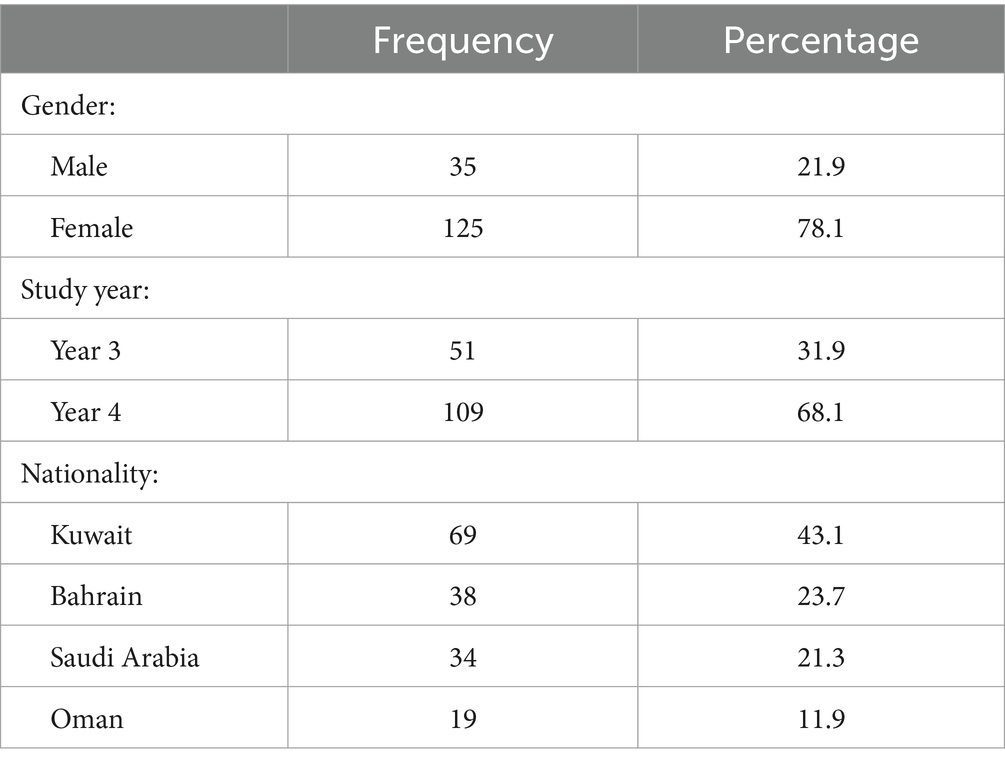
Table 1. Demographic data of students who participated in the study (n = 160).
The gender distribution of tutors shows that around two thirds of participants (64.1%) were females and the other one third (35.9%) were males. Most of the participants were at the level of associate professor (28.2%) and assistant professor (30.8%). Regarding the contract type, 43.6% of the tutors were full-time faculty while 56.4% were part-time faculty (Table 2).
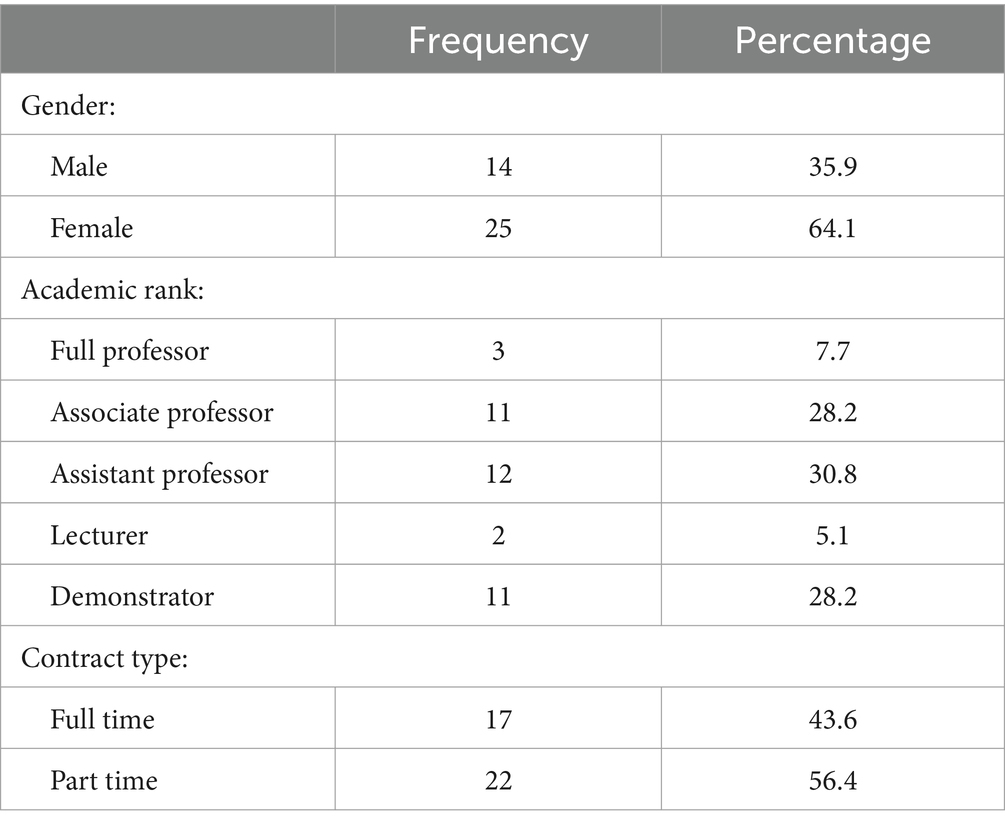
Table 2. Demographic data of tutors who participated in the study (n = 39).
Table 3 shows that the mean mark in online PBL tutorials was 9.18 out of 10, while the mean mark in face-to-face PBL tutorials was 9.04 out of 10. The difference in mean marks between the two modes of conducting PBL tutorials was relatively small and statistically insignificant, indicating that the mode of conducting PBL tutorials did not affect the performance (marks) of the students in the sessions.
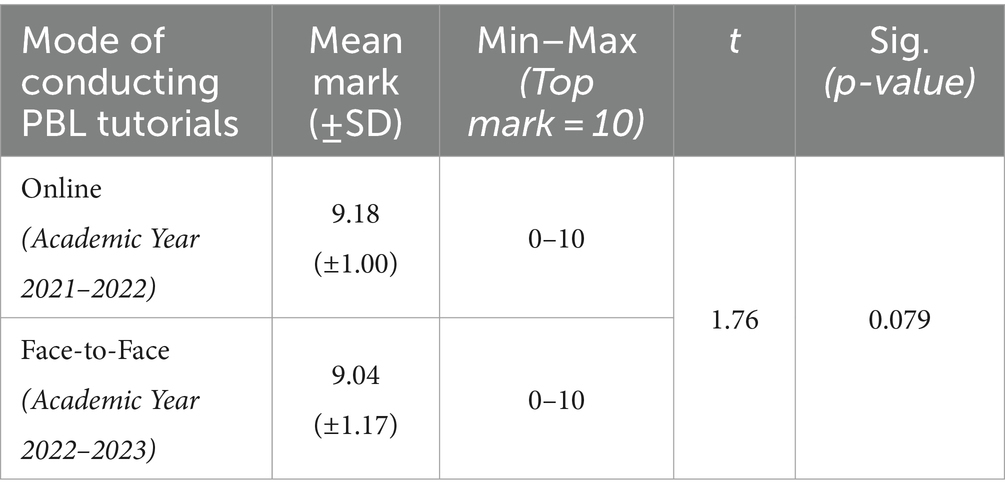
Table 3. Comparison of students’ mean marks in online and face-to-face PBL tutorials (through independent samples t-test).
Table 4 shows the controversy between the perception of tutors and students, where tutors rated nearly all the items related to face-to-face PBL tutorials significantly higher than those related to online PBL tutorials; on the contrary, students rated all the items related to online PBL tutorials significantly higher than those related to face-to-face tutorials. Tutors rated a few items nearly similarly for online and face-to-face PBL tutorials (the items related to on-time attendance of both tutors and students of PBL tutorials, the ease of using the available means to present their presentations, and the ability of the tutor to create a friendly non-threatening learning environment during both online and face-to-face tutorials). On the other hand, students rated the item related to the occurrence of technical problems faced during tutorials nearly similarly for both online and face-to-face tutorials (with no statistically significant difference). In general, this table suggests that the tutors consistently preferred face-to-face PBL tutorials, while the students consistently preferred online ones.
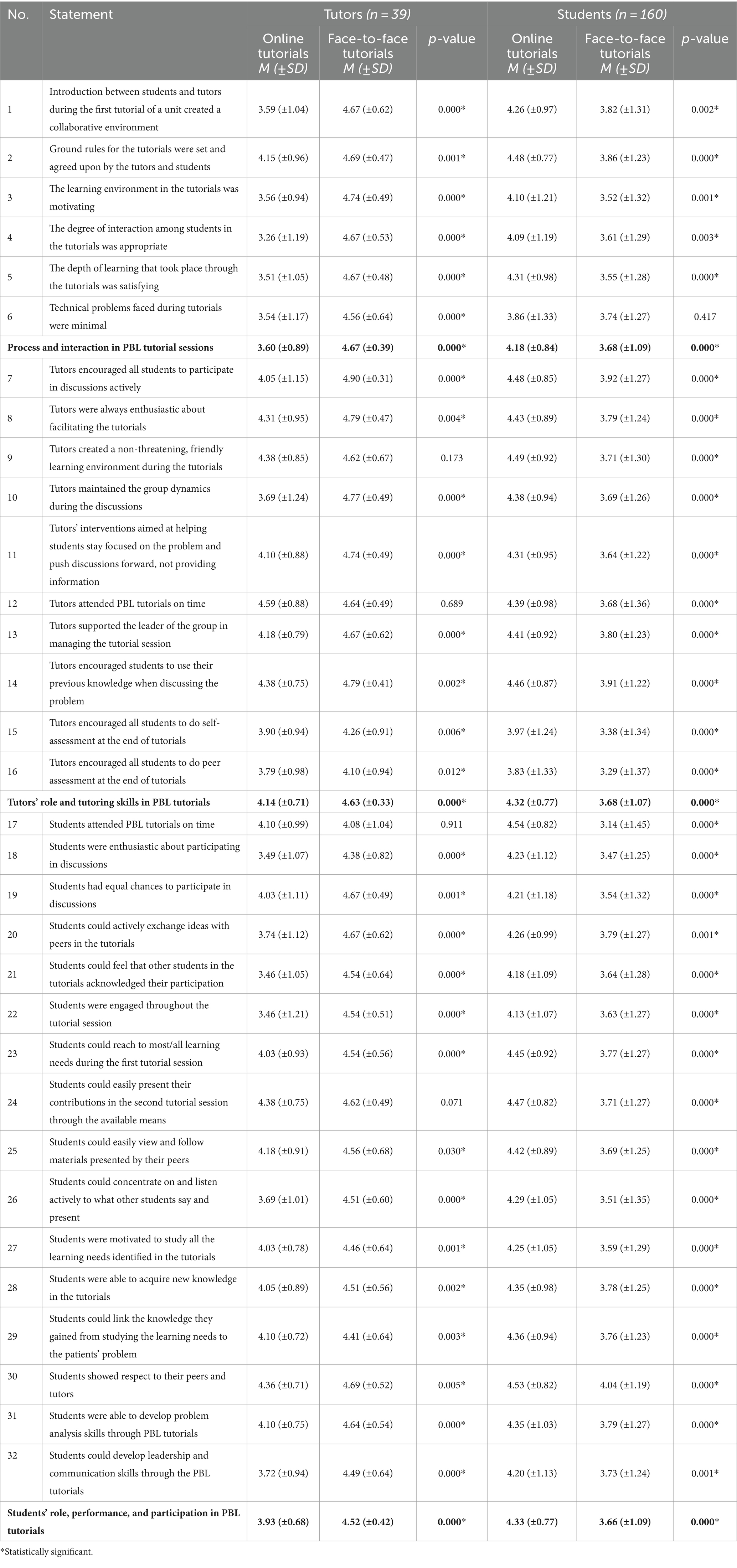
Table 4. Comparison of tutors’ and students’ perception of online and face-to-face PBL tutorials (through independent samples t-test).
Table 5 shows that there was a statistically significant difference between the preferences of tutors and students for the mode of conducting PBL tutorials (p < 0.001). The majority of tutors (87.2%) preferred face-to-face PBL tutorials, while only a minority (12.8%) preferred online PBL tutorials. On the other hand, the majority of students (69.4%) preferred online PBL tutorials, while only a minority (30.6%) preferred face-to-face PBL tutorials. Overall, the results suggest that there is a disconnect between the preferences of tutors and students for the mode of conducting PBL tutorials. While tutors prefer face-to-face tutorials, students prefer online tutorials.

Table 5. Comparison of responses of tutors and students regarding their preference for the mode of conducting PBL tutorials in the future (through Chi2 test).
The results shown in Table 6 indicate that there was no statistically significant difference between the preferences of male and female students for the mode of conducting PBL tutorials (p = 0.907). Both male and female students have similar preferences, with the majority preferring online PBL tutorials over face-to-face PBL tutorials. Similarly, there was no statistically significant difference between the preferences of Year 3 and Year 4 students for the mode of conducting PBL tutorials (p = 0.335). Overall, the results suggest that students of both genders and both study years prefer the online mode over the face-to-face mode of conducting PBL tutorials.
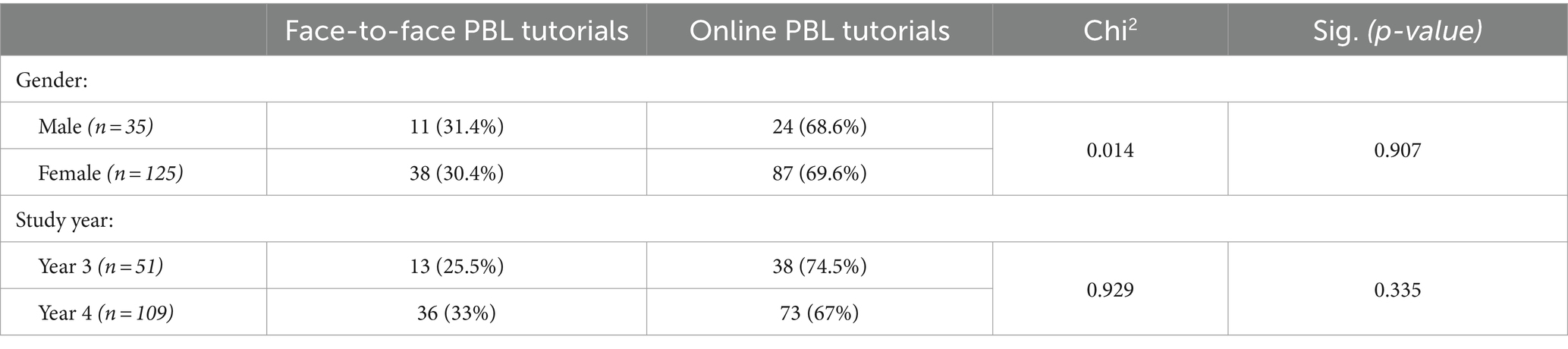
Table 6. Comparison of responses of students regarding their preference of the mode of conducting PBL tutorials in the future based on gender and study year (through Chi2 test).
Table 7 shows that there was no statistically significant difference between the preferences of male and female tutors for the mode of conducting PBL tutorials (p = 1.000). Both male and female tutors have similar preferences, with the majority preferring face-to-face PBL tutorials over online PBL tutorials. Similarly, there was no statistically significant difference between the preferences of tutors of different academic ranks and contract types (p > 0.05) for the mode of conducting PBL tutorials. However, in general, the majority of tutors across all these categories preferred face-to-face PBL tutorials over online PBL tutorials.
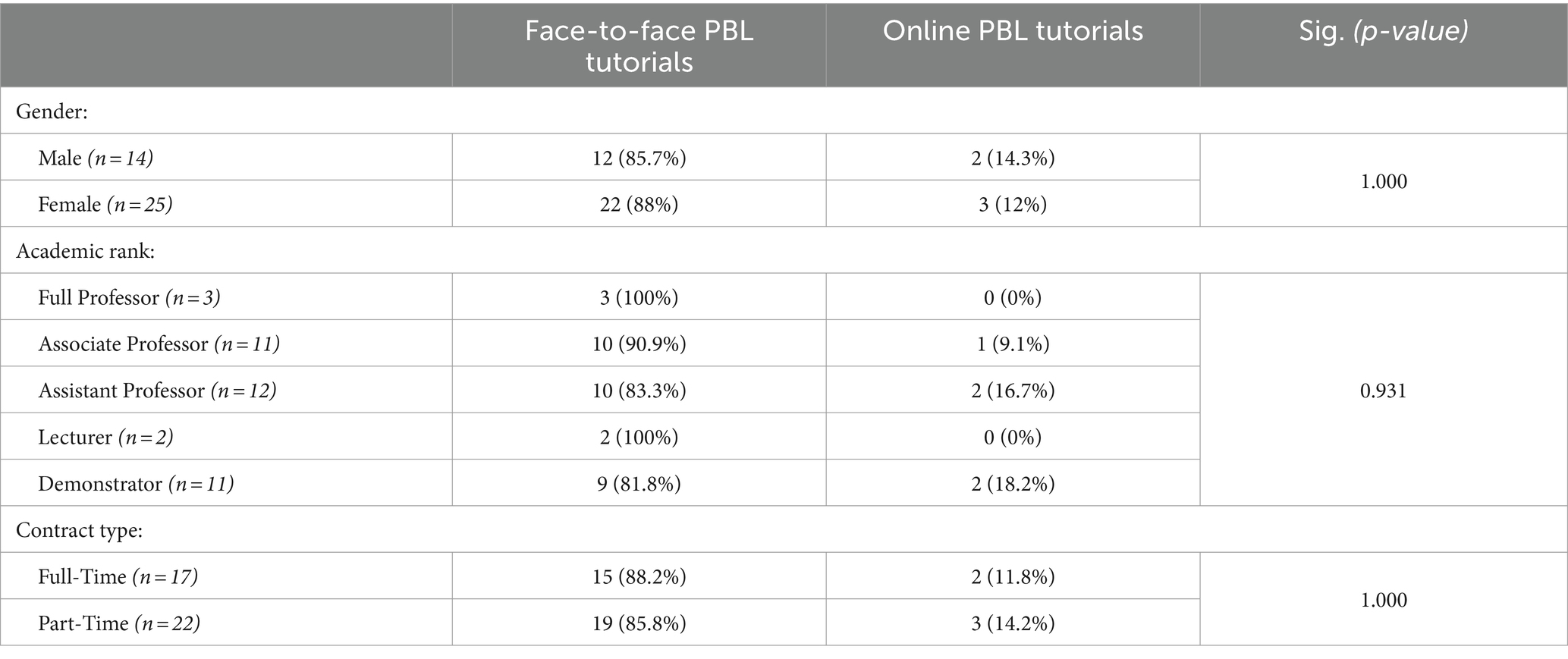
Table 7. Comparison of responses of tutors regarding their preference of the mode of conducting PBL tutorials in the future based on gender, academic rank, and contract type (through Fisher’s Exact test).
Table 8 shows students’ reported advantages and challenges of online and face-to-face PBL tutorials. Regarding the advantages of online PBL tutorials, the majority of students (56.2%) mentioned saving time, as they do not have to commute to the university and can attend sessions from the comfort of their homes. Other important advantages reported by students include the comfort and ease of attending all sessions (21.2%) and the flexibility of time and place (12.4%). A smaller number of students (5.8%) mentioned better interaction and more engagement in online tutorials, while 3.6% of students mentioned that online tutorials help shy students interact with peers and tutors. Only one student (0.8%) mentioned that there were no advantages to online PBL tutorials.
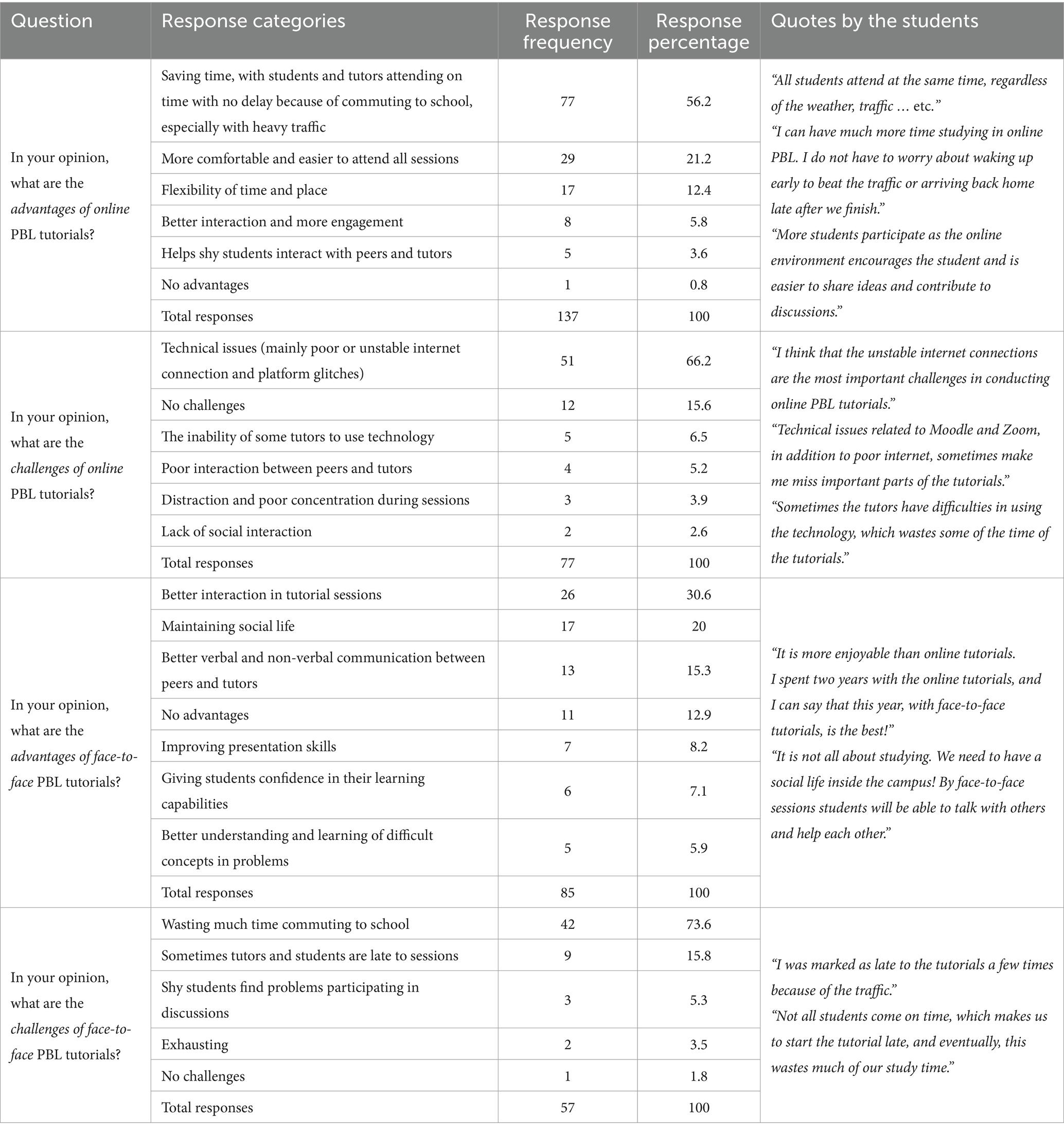
Table 8. Students’ responses to the survey’s open-ended questions.
Regarding the challenges of online PBL tutorials, the most common challenge mentioned by students (66.2%) was technical issues, particularly poor or unstable internet connection and platform glitches. Other challenges mentioned by students include the inability of some tutors to use technology (6.5%), poor interaction between peers and tutors (5.2%), distraction and poor concentration during sessions (3.9%), and a lack of social interaction (2.6%). However, a small number of students (15.6%) mentioned that there were no challenges in online PBL tutorials.
Regarding the advantages of face-to-face PBL tutorials, the most common advantage mentioned by students (30.6%) was better interaction during tutorials. Students appreciated the opportunity to communicate face-to-face with peers and tutors, which was perceived as more enjoyable and helpful in maintaining social life (20%). Other important advantages mentioned by students include better verbal and non-verbal communication (15.3%), improving presentation skills (8.2%), and giving students confidence in their learning capabilities (7.1%). A smaller number of students (5.9%) mentioned that face-to-face tutorials lead to better understanding and learning of difficult concepts in problems. Some students (12.9%) mentioned that there were no advantages to face-to-face PBL tutorials.
Regarding the challenges of face-to-face PBL tutorials, the most common challenge mentioned by students (73.6%) was wasting time commuting to school. Other challenges mentioned by students include tutors and students sometimes being late to sessions (15.8%), shy students finding it challenging to participate in discussions (5.3%), and exhaustion (3.5%). Only one student (1.8%) mentioned that there were no challenges to face-to-face PBL tutorials (see Table 8).
Table 9 shows the reported advantages and challenges of online and face-to-face PBL tutorials by the tutors. Regarding the advantages of online PBL tutorials, the majority of tutors (48.7%) mentioned saving time for both students and tutors, as they do not have to commute to the university and can attend sessions from the comfort of their homes. Other important advantages mentioned by tutors include the comfort and ease of attending all sessions (27%) and the flexibility of time and place (13.5%). A smaller number of tutors (8.1%) mentioned better interaction and more engagement in online tutorials, while only one tutor (2.7%) mentioned that there were no advantages to online PBL tutorials.
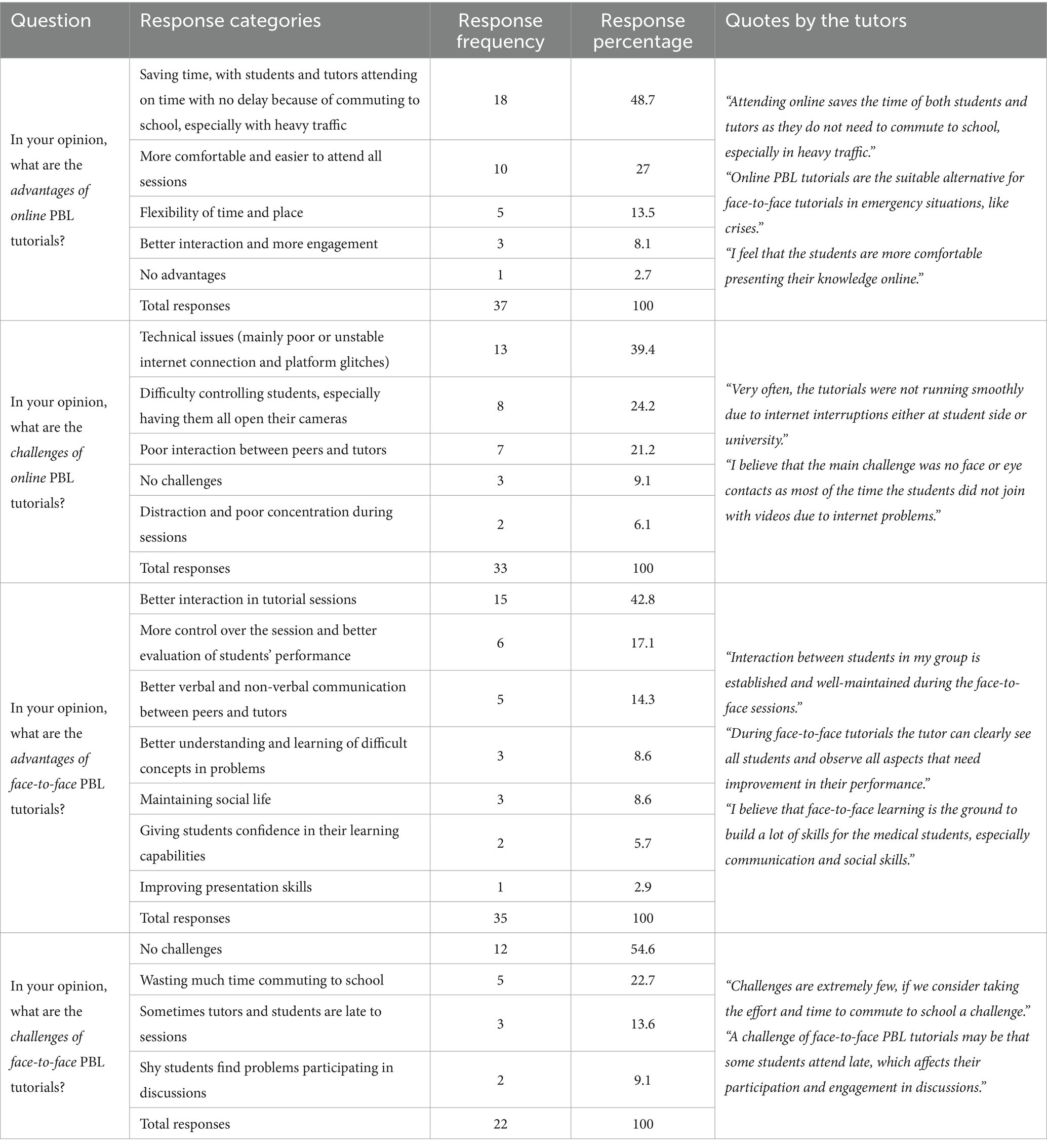
Table 9. Tutors’ responses to the survey’s open-ended questions.
Regarding the challenges of online PBL tutorials, the most common challenge mentioned by tutors (39.4%) was technical issues, mainly poor or unstable internet connection and platform glitches. Other important challenges mentioned by tutors include difficulty controlling students, especially in having them open their cameras (24.2%), and poor interaction between peers and tutors (21.2%). A small number of tutors (9.1%) mentioned that there were no challenges in online PBL tutorials.
Regarding the advantages of face-to-face PBL tutorials, the most common advantage mentioned by tutors (42.8%) was better interaction during tutorials. Tutors appreciated the opportunity to communicate face-to-face with peers and students, which was perceived as helpful in maintaining social life (8.6%) and giving students the confidence to develop communication and social skills (14.3%). Other advantages mentioned by tutors include more control over the session, better evaluation of students’ performance (17.1%), and better understanding and learning of difficult concepts in problems (8.6%). A smaller number of tutors (5.7%) mentioned that face-to-face tutorials improve students’ presentation skills. Only one tutor (2.9%) mentioned that face-to-face PBL tutorials have no advantages.
Regarding the challenges of face-to-face PBL tutorials, the most common response from tutors (54.6%) was that there were no challenges. Some tutors (22.7%) mentioned wasting time commuting to school as a challenge, while others (13.6%) mentioned that sometimes tutors and students are late to sessions. A smaller number of tutors (9.1%) mentioned that shy students find it challenging to participate in discussions.
4 Discussion
This study assessed the perceptions of both medical students and tutors regarding online and face-to-face PBL tutorials and compared the performance of students in both modes. The results revealed that students generally preferred online PBL tutorials, while tutors preferred face-to-face tutorials. Notably, there was no significant difference in student performance between online and face-to-face PBL tutorials.
4.1 Impact of online PBL tutorials on learning
PBL, historically, has its origins in medical education (Fidan and Tuncel, 2019). The findings from this study confirm the relevance of this instructional delivery method in medical education, as both students and tutors reflected a positive learning experience that occurred through PBL tutorials in its online mode. Both tutors and students reported that students were motivated to study all the content presented in the tutorials, were able to acquire new knowledge, could link the knowledge they gained from studying the tutorial content to patients’ problems, and were able to develop problem analysis, leadership, and communication skills through the PBL tutorials. As stated by Randazzo et al. (2021), problem-based learning in clinical contexts supports the development of self-directed learning skills that, in turn, underlie the development of clinical skills. For example, using PBL, students can formulate clinical questions, learn how to design research as they investigate the clinical problem and search for answers and work collaboratively in small groups that mimic research and clinical teams. However, other studies have found that students evaluate the online mode of PBL positively but still prefer face-to-face PBL tutorials with higher satisfaction and engagement levels than online PBL tutorials (Costa et al., 2023). Such findings may be attributed to the difference in the main subjects addressed in both studies but still create opportunities for additional research on factors that promote student engagement and satisfaction in online PBL tutorials.
4.2 Students’ preference for online versus face-to-face PBL tutorials
Students were found to prefer online tutorials (69.4%) compared to face-to-face PBL tutorials (31.6%). Gender-wise comparison of students’ preferences revealed a nearly equal preference for online and face-to-face tutorials across both genders, with the preference for online PBL tutorials remaining higher for both genders (68.6% for males; 69.6% for females) compared to the preference for face-to-face PBL tutorials (31% for males and 30.4% for females).
Students’ preference for online PBL is supported in the literature. Some studies have found that students prefer PBL (sans online delivery) to traditional lecture formats (Zhang, 2014; Sayyah et al., 2017). Previous research has also established that most students consider the online learning environment as good or even better than the traditional face-to-face learning environment (Wallis, 2020; Zvalo-Martyn, 2020). Our study, therefore, brings together two elements—PBL as an instructional method and online delivery of the tutorials—to indicate that students prefer online PBL tutorials over face-to-face PBL tutorials and that this preference holds even across both genders.
4.3 Tutors’ preference for online versus face-to-face PBL tutorials
Tutors were found to prefer face-to-face tutorials (87.2%) compared to online PBL tutorials (13.8%). There was no statistically significant difference between the preferences of male and female tutors for the mode of conducting PBL tutorials. Thus, our findings indicate that tutors prefer face-to-face PBL tutorials, which holds for both genders.
While a plethora of studies have been conducted on online learning and instructional techniques, particularly as a result of the COVID-19-driven expansion of online education, most of those studies have focused on student preferences and experiences (Ersoy and Başer, 2014; Foo et al., 2021; Atwa et al., 2022; Costa et al., 2023) rather than faculty preferences. Overall, students perceive online teaching as a useful tool to save time as well as to compensate for the need for face-to-face teaching hours (AlTamimi, 2023). From this perspective, our study contributes important information to literature regarding faculty perceptions and preferences regarding online versus face-to-face PBL tutorials.
4.4 Perceptions of online versus face-to-face PBL tutorial process
Independent samples t-test revealed that tutors ascribed a higher value to the face-to-face PBL processes (3.51 ± 1.05 for online tutorial and 4.67 ± 0.48 for face-to-face tutorial; p = 0.000) while students ascribed a higher value to online PBL processes (4.31 ± 0.98 for online tutorials and 3.55 ± 1.28 for face-to-face tutorials; p = 0.000). The findings indicate that tutors perceived themselves to engage in higher levels of encouragement and enthusiasm, creating a non-threatening, friendly learning environment during face-to-face tutorials. Tutors also attended PBL tutorials on time, and engaged in processes to help students stay more focused on tasks during face-to-face PBL tutorials compared to online tutorials. On the other hand, students ascribed higher scores to these processes in the online mode compared to the face-to-face mode.
These findings reflect a difference in how tutors and students perceive the integral processes in PBL tutorials as well as align with preferred PBL tutorial modes—online for students and face-to-face for faculty. It must be noted, however, that this difference in perceptions occurs within the context of different roles. Faculty members play the role of facilitators of learning in PBL and, therefore, present their perceptions from an assessment of their own actions, skills, and responsibilities as educators and facilitators. On the other hand, students present their perceptions as beneficiaries of the PBL process and recipients of instruction (Zhang, 2014; Fidan and Tuncel, 2019; Randazzo et al., 2021). In addition, the different perceptions and preferences can be attributed to generation variations. Earlier generations most often approach online learning with some degree of caution, revealing concerns about its authenticity and effectiveness in comparison to traditional methods and find difficulty to adapt digital initiatives (Lee, 2010; Malay et al., 2022). In contrast, modern generations, especially the digital natives have more tendency to accept online learning (Kennedy et al., 2008). The younger generation is more appreciative of the convenience, interactivity, engagement, flexibility, and multimedia traits of online learning (Ally, 2008). In addition, younger learners adapt to digital platforms readily, and view them as potential prospects for self-directed learning and skill development (Bayne and Ross, 2007; McLoughlin and Lee, 2008; Jaschik, 2019).
Furthermore, other researchers explored the potential reasons for the faculty preferences of face-to-face mode. Some studies concluded that faculty are usually more critical of online mode due to lack of human interface and presence of dummy students (Gonzalez and Moore, 2020; Dadhich et al., 2021; Wang, 2021). In contrast, some studies have shown that faculty favor online learning because of their inherent desire to update their digital skills and resume (Myers et al., 2004; Malay et al., 2022). In addition, faculty with prior training through certification courses in online and blended methods of learning perceived online teaching environments differently when compared to faculty who received few on-the-job faculty development workshops (Gurley, 2018).
4.5 Advantages, disadvantages, challenges
Regarding the advantages of online PBL tutorials, most students and tutors identified the key advantages of time savings from reduced commuting, ease, and comfort in attending all sessions, and flexibility of time and place. These advantages are supported in the literature; online PBL tutorials offer the advantages of flexibility, accessibility (An and Reigeluth, 2008; Randazzo et al., 2021), and convenience as students can participate remotely in PBL activities from anywhere and at any time (Chen, 2016). Randazzo et al. (2021) also found that online PBL tutorials promote more collaboration and self-directed learning among students than face-to-face tutorials.
Both tutors and students identified key challenges to online PBL as technical issues (poor or unstable internet connection and platform glitches), level of tutor skills with technology, reduced social interaction, and distraction during sessions. Again, these challenges are supported by the literature as there are arguments that online PBL tutorials may reduce social interaction and collaboration among students (Norman, 2000), may not be suitable for all students as some students prefer face-to-face interaction, and may require additional technological skills for both students and tutors (O’Doherty et al., 2018; Hosny et al., 2021).
Face-to-face PBL had the advantages of facilitating greater interaction, better communication, and better student evaluations. The key challenges listed by both tutors and students for face-to-face PBL tutorials were commuting time, lateness on the part of students and tutors, and difficulties engaging shy students in the class.
In summary, both online and face-to-face PBL tutorials each have their advantages, disadvantages, and associated challenges. From the higher level of student preference for online PBL tutorials, it may be inferred that for students at the research site, the advantages associated with online PBL tutorials outweigh the disadvantages and challenges compared to face-to-face PBL tutorials. Research evidence has shown that students prefer the online learning environment and find it more motivating, challenging, and enjoyable (Fidan and Tuncel, 2019; Dos Santos, 2022).
4.6 Impact on student performance
An assessment of students’ performance, based on marks of the students in both online and face-to-face PBL tutorials, revealed no significant difference in students’ scores between the two modes.
Tutor interaction with students and engagement are critical dimensions of the tutorial process. Concerns regarding student engagement during online PBL tutorials and its impact on learning outcomes were a core issue underlying this investigation. The study’s findings reveal that tutors score 8.1% on these dimensions in online tutorials and 42.8% in face-to-face tutorials. Similarly, students rate these dimensions at 5.6% for online tutorials and 30.6% for face-to-face tutorials, representing an alignment between both groups—a higher level of interaction and engagement occurs within face-to-face PBL tutorials than online tutorials. In the survey, tutors ascribe a higher level of student interaction and engagement to the face-to-face PBL tutorial, while students ascribe a higher level of interaction and engagement to the online mode. While this finding may suggest a discrepancy in the results from the quantitative and qualitative aspects of the study, it perhaps underscores the subjective nature of self-reports. It also draws attention to the role of interaction and engagement in the success of online PBL tutorials and begs questions such as “Does the level of interaction and engagement really matter? Are the levels of these elements satisfactory in the programs being investigated? Can they be improved?”
In the literature, the relationship between online classroom interaction and student outcomes has received special attention due to the rapid development of online learning (Gok et al., 2021). A large section of literature supports interaction and engagement as important processes that promote learning. Some studies have identified the importance of feedback from teachers and classmates in the online environment as a factor that helps students meet their learning expectations (Martin and Alvarez Valdivia, 2017). Some scholars proffer that students show greater engagement with course and content in online mode; as it offers enhancement of individualized interaction between teachers and students; promote use of active and interactive strategies which drive success in online learning (Randazzo et al., 2021). Conversely, some authors proffer that learner motivation and learning outcomes remain the same as long as the teaching and learning strategy is effective (Kurucay and Inan, 2017).
In this study, despite the low scores attributed to interaction and engagement in online PBL tutorials by tutors, the online mode of PBL delivery has still been found to be effective for student learning and performance as evaluated by students. This phenomenon creates an opportunity to explore strategies that can improve both tutor and student engagement and interaction in the online PBL tutorial to increase the effectiveness of the process and student learning. Furthermore, conceptual clarity regarding these dimensions will be necessary to promote a better understanding of the impact of engagement and interaction on the effectiveness of the online PBL module. Such conceptual clarity may involve exploring students’ perceptions of student–student interaction, student-tutor interaction, level of tutor engagement, and level of student engagement, and vice-versa for tutor perceptions.
5 Limitations
This study utilized a stringent data collection and analysis process, representing a key strength of the study. However, additional research is necessary in order to establish the relationships, if any, between the perceptions of the online versus face-to-face PBL tutorial “processes” and the preferences of students and tutors. More in depth correlation with academic performance of students other than their marks in the PBL tutorials might have provided more insight about the effectiveness of online PBL.
6 Conclusion
The backdrop to this study was that PBL tutorials were conducted face-to-face in the research setting before and after the COVID-19 pandemic, and online tutorial PBL tutorial mode was a core instructional strategy at the institution during COVID. This study explored the effectiveness of online versus face-to-face PBL tutorials for medical students by comparing the perspectives and preferences of tutors and students at the CMMS-AGU. The study’s key findings were that tutors preferred face-to-face PBL tutorials, while students preferred online PBL tutorials. Similarly, a review of students’ marks comparing their performance in online versus face-to-face PBL tutorials revealed an insignificant difference.
The findings from the study have practical, methodological, and scholarly implications. The impact of the educational strategy and student preferences are important considerations for educators in decision-making around instructional delivery. By identifying student preference for online PBL tutorials, this study provided valuable information to inform educators and instructional designers about the possible alternatives for delivering PBL. The study may also have broader implications for using online versus face-to-face instruction in medical education in similar contexts. Furthermore, the study identified tutors’ preference for the face-to-face PBL tutorial mode. This finding presents an opportunity to research strategies to improve tutors’ acceptance and engagement in the online PBL process. Methodological implications include serving as a resource for scholars who may want to replicate similar studies. Lastly, the study contributes to the growing body of literature on online and face-to-face PBL tutorials and informs educators and instructional designers about the available modes for delivering PBL in medical education contexts.
The difference in faculty and students’ preferences and perceptions towards online or offline mode cannot be attributed to a single factor. In fact, it is influenced by multiple contributing factors that are related to generation difference, level of interest, previous expertise, and the different contexts.
It is recommended that the educators should receive training at the proper depth to enable efficient use of digital initiatives and to become more neutral towards the use of online modes of learning.
Data availability statement
The raw data supporting the conclusions of this article will be made available by the authors, without undue reservation.
Ethics statement
Ethical clearance to conduct this study was granted by the Research and Ethics Committee (REC) of CMMS-AGU (#E20-PI-10-22). Participants had the option to refrain from survey response and withdraw from the study at any point without repercussions. Voluntary completion of the survey served as consent for participation. Confidentiality was strictly upheld throughout data collection and analysis. Students’ marks in PBL tutorials were obtained anonymously.
Author contributions
HA: Conceptualization, Data curation, Formal analysis, Methodology, Project administration, Supervision, Writing – original draft, Writing – review & editing, Funding acquisition. WN: Conceptualization, Data curation, Methodology, Writing – original draft, Supervision. AK: Data curation, Formal analysis, Methodology, Writing – original draft. BP: Data curation, Formal analysis, Methodology, Writing – original draft. YT: Data curation, Supervision, Writing – original draft. AA: Data curation, Methodology, Supervision, Writing – review & editing. AD: Methodology, Project administration, Supervision, Writing – review & editing. MS: Conceptualization, Data curation, Formal analysis, Supervision, Writing – original draft, Writing – review & editing.
Funding
The author(s) declare financial support was received for the research, authorship, and/or publication of this article. The authors declare financial support was received for the publication of this article from the Arabian Gulf University.
Acknowledgments
We would like to express our gratitude to the students and tutors who participated in the study. We also want to thank the college administration for their support and facilitation of the data collection process.
Conflict of interest
The authors declare that the research was conducted in the absence of any commercial or financial relationships that could be construed as a potential conflict of interest.
Publisher’s note
All claims expressed in this article are solely those of the authors and do not necessarily represent those of their affiliated organizations, or those of the publisher, the editors and the reviewers. Any product that may be evaluated in this article, or claim that may be made by its manufacturer, is not guaranteed or endorsed by the publisher.
References
Ahmed, S. A., Hegazy, N. N., Abdel Malak, H. W., Cliff Kayser, W., Elrafie, N. M., Hassanien, M., et al. (2020). Model for utilizing distance learning post COVID-19 using (PACT)™ a cross sectional qualitative study. BMC Med. Educ. 20, 400–413. doi: 10.1186/s12909-020-02311-1
Ally, M. (2008). “Foundations of educational theory for online learning” in Theory and practice of online learning. ed. T. Anderson (Athabasca, Alberta, Canada: Athabasca University Press), 15–44.
Al-Shaibani, T. A., Naguib, Y. M., Razzak, R. L. A., and Ali, F. A. (2020). Impact of COVID19-pandemic on students' performance in a problem-based learning system: comparative study between face-to-face and virtual learning. Arab Gulf J. Sci. Res. 38, 75–85. doi: 10.51758/agjsr-02-2020-0005
AlTamimi, R. N. (2023). EFL writing teaching/learning could go online: instructors’ perceptions, students’ perceptions, and achievement. J. Lang. Teach. Res. 14, 360–367. doi: 10.17507/jltr.1402.11
An, Y. J., and Reigeluth, C. M. (2008). Problem-based learning in online environments. Quart. Rev. Distance Educ. 9, 1–16.
Atwa, H., Shehata, M. H., Al-Ansari, A., Kumar, A., Jaradat, A., Ahmed, J., et al. (2022). Online, face-to-face, or blended learning? Faculty and medical students' perceptions during the COVID-19 pandemic: a mixed-method study. Front. Med. 9:15. doi: 10.3389/fmed.2022.791352
Barrows, H. S. (1996). Problem-based learning in medicine and beyond: a brief overview. New Directions Teach. Learn. 1996, 3–12. doi: 10.1002/tl.37219966804
Bayne, S., and Ross, J. (2007). The ‘digital native’ and ‘digital immigrant’: a dangerous opposition. In Annual conference of the Society for Research into Higher Education (SRHE) (Vol. 20).
Chen, R. (2016). Learner perspectives of online problem-based learning and applications from cognitive load theory. Psychol. Lear. Teach. 15, 195–203. doi: 10.1177/1475725716645961
Chen, C. H., Hung, H. T., and Yeh, H. C. (2021). Virtual reality in problem-based learning contexts: effects on the problem-solving performance, vocabulary acquisition and motivation of English language learners. J. Comput. Assist. Learn. 37, 851–860. doi: 10.1111/jcal.12528
Costa, A. M., Escaja, N., Fité, C., González, M., Madurga, S., and Fuguet, E. (2023). Problem-based learning in graduate and undergraduate chemistry courses: face-to-face and online experiences. J. Chem. Educ. 100, 597–606. doi: 10.1021/acs.jchemed.2c00741
Dadhich, M., Hiran, K. K., and Rao, S. S. (2021). Teaching–learning perception toward blended E-learning portals during pandemic lockdown. In Soft computing: Theories and applications: Proceedings of SoCTA 2020, volume 2 (pp. 119–129). Singapore: Springer Singapore. doi: 10.1007/978-981-16-1696-9_11
Dennis, J. (2003). Problem-based learning in online vs. face-to-face environments. Educ. Health Change Learn. Pract. 16, 198–209. doi: 10.1080/1357628031000116907
Dos Santos, L. M. (2022). Online learning after the COVID-19 pandemic: learners’ motivations. Front. Educ. 7:879091. doi: 10.3389/feduc.2022.879091
Ersoy, E., and Başer, N. (2014). The effects of problem-based learning method in higher education on creative thinking. Procedia-Social Behav. Sci. 116, 3494–3498. doi: 10.1016/j.sbspro.2014.01.790
Fidan, M., and Tuncel, M. (2019). Integrating augmented reality into problem based learning: the effects on learning achievement and attitude in physics education. Comput. Educ. 142:103635. doi: 10.1016/j.compedu.2019.103635
Foo, C. C., Cheung, B., and Chu, K. M. (2021). A comparative study regarding distance learning and the conventional face-to-face approach conducted problem-based learning tutorial during the COVID-19 pandemic. BMC Med. Educ. 21, 141–146. doi: 10.1186/s12909-021-02575-1
Gok, D., Bozoglan, H., and Bozoglan, B. (2021). Effects of online flipped classroom on foreign language classroom anxiety and reading anxiety. Comput. Assit. Lang. Learn. 36, 840–860. doi: 10.1080/09588221.2021.1950191
Gonzalez, M., and Moore, N. (2020). A comparison of faculty and graduate Students' perceptions of engaging online courses: a mixed-method study. Int. J. Educ. Method. 6, 223–236. doi: 10.12973/ijem.6.1.223
Gurley, L. E. (2018). Educators' preparation to teach, perceived teaching presence, and perceived teaching presence behaviors in blended and online learning environments. Online Lear. 22, 197–220. doi: 10.24059/OLJ.V22I2.1255
Hmelo-Silver, C. E. (2004). Problem-based learning: what and how do students learn? Educ. Psychol. Rev. 16, 235–266. doi: 10.1023/B:EDPR.0000034022.16470.f3
Hosny, S., Ghaly, M., Hmoud AlSheikh, M., Shehata, M. H., Salem, A. H., and Atwa, H. (2021). Developing, validating, and implementing a tool for measuring the readiness of medical teachers for online teaching post-COVID-19: a multicenter study. Adv. Med. Educ. Pract. 12, 755–768. doi: 10.2147/AMEP.S317029
Hung, P. H., Hwang, G. J., Lee, Y. H., Wu, T. H., Vogel, B., Milrad, M., et al. (2014). A problem-based ubiquitous learning approach to improving the questioning abilities of elementary school students. J. Educ. Technol. Soc. 17, 316–334.
Jaschik, S. (2019). Survey finds skepticism about online learning. Inside Higher Ed. Available at: https://www.insidehighered.com/news/survey/survey-faculty-attitudes-technology (Accessed December 12, 2023)
Jurewitsch, B. (2012). A meta-analytic and qualitative review of online versus face-to-face problem-based learning. J. Distance Educ. 26, 1–6.
Kennedy, G., Dalgarno, B., Gray, K., Judd, T., Waycott, J., Bennett, S. J., et al. (2008). “The net generation are not big users of web 2.0 technologies: preliminary findings” in Hello! Where are you in the landscape of educational technology? Proceedings of the 25th ASCILITE conference. eds. R. Atkinson and C. McBeath (Melbourne, Victoria, Australia: Deakin University Melbourne Campus), 534–543.
Kirschner, P. A., Sweller, J., and Clark, R. E. (2006). Why minimal guidance during instruction does not work: An analysis of the failure of constructivist, discovery, problem-based, experiential, and inquiry-based teaching. Educ. Psychol. 41, 75–86. doi: 10.1207/s15326985ep4102_1
Kumar, A. P., Al Ansari, A. M., Shehata, M. H. K., Tayem, Y. I. Y., Arekat, M. R. K., Kamal, A. A. M., et al. (2020). Evaluation of curricular adaptations using digital transformation in a medical School in Arabian Gulf during the COVID-19 pandemic. J. Microscopy Ultrastruct. 8, 186–192. doi: 10.4103/jmau.jmau_87_20
Kurucay, M., and Inan, F. A. (2017). Examining the effects of learner-learner interactions on satisfaction and learning in an online undergraduate course. Comput. Educ. 115, 20–37. doi: 10.1016/j.compedu.2017.06.010
Lee, M. J. W. (2010). “Technology in higher education: learning in innovative ways” in Web 2.0-based e-learning: Applying social informatics for tertiary teaching. eds. M. J. W. Lee and C. McLoughlin (New York, USA: IGI Global), 3–17.
Malay, J., Kassab, S., Merghani, T., Rathan, R., and Sreejith, A. (2022). Faculty and students’ perceptions about online teaching styles of Faculty in Large Group Lectures. Adv. Med. Educ. Pract. 13, 1261–1266. doi: 10.2147/AMEP.S377351
Martin, S., and Alvarez Valdivia, I. M. (2017). Students’ feedback beliefs and anxiety in online foreign language oral tasks. Int. J. Educ. Technol. High. Educ. 14:18. doi: 10.1186/s41239-017-0056-z
McLoughlin, C., and Lee, M. J. W. (2008). The three P's of pedagogy for the networked society: personalization, participation, and productivity. Int. J. Teach. Learn. Higher Educ. 20, 10–27.
Myers, C., Bennett, D., Brown, G., and Henderson, T. (2004). Emerging online learning environments and student learning: An analysis of faculty perceptions. Educ. Technol. Soc. 7, 78–86.
Norman, G. (2000). The essential role of basic science in medical education: the perspective from psychology. Clin. Invest. Med. 23, 47–51.
O’Doherty, D., Dromey, M., Lougheed, J., Hannigan, A., Last, J., and McGrath, D. (2018). Barriers and solutions to online learning in medical education – an integrative review. BMC Med. Educ. 18:130. doi: 10.1186/s12909-018-1240-0
Qin, Y., Wang, Y., and Floden, R. E. (2016). The effect of problem-based learning on improvement of the medical educational environment: a systematic review and meta-analysis. Med. Princip. Pract. 25, 525–532. doi: 10.1159/000449036
Randazzo, M., Priefer, R., and Khamis-Dakwar, R. (2021). Project-based learning and traditional online teaching of research methods during COVID-19: an investigation of research self-efficacy and student satisfaction. Front. Educ. 6:662850. doi: 10.3389/feduc.2021.662850
Ranggi, N. L., Ramli, M., and Yuliani, H. (2021). Meta-analysis of the effectiveness of problem-based learning towards critical thinking skills in science learning. J. Physics Conf. Ser. 1842:012071. doi: 10.1088/1742-6596/1842/1/012071
Sayyah, M., Shirbandi, K., Saki-Malehi, A., and Rahim, F. (2017). Use of a problem-based learning teaching model for undergraduate medical and nursing education: a systematic review and meta-analysis. Adv. Med. Educ. Pract. 8, 691–700. doi: 10.2147/amep.s143694
Wallis, L. (2020). Growth in distance learning outpaces total enrollment growth. Available online at: https://www.qualityinfo.org/-/growth-in-distance#learning-outpaces-total-enrollment-growth (Accessed December 12, 2023).
Wang, Z. (2021). Research on students-centered teaching in primary and secondary school. Learn. Educ. 10, 124–125. doi: 10.18282/l-e.v10i3.2413
Zhang, W. (2014). Problem based learning in nursing education. Adv. Nurs. 2014:125707, 1–5. doi: 10.1155/2014/125707
Keywords: problem-based learning, PBL tutorials, online, face-to-face, medical students, PBL tutors
Citation: Atwa HS, Nasr El-Din WA, Kumar AP, Potu BK, Tayem YI, Al-Ansari AM, Deifalla AS and Shehata MH (2024) Online or face-to-face problem-based learning tutorials? Comparing perceptions and preferences of students and tutors. Front. Educ. 9:1354494. doi: 10.3389/feduc.2024.1354494
Edited by:
Alfonso Garcia De La Vega, Autonomous University of Madrid, SpainReviewed by:
Pinaki Chakraborty, Netaji Subhas University of Technology, IndiaFrancisco Xosé Armas Quintá, University of Santiago de Compostela, Spain
Okkyong Yoon, Cheongju National University of Education, Republic of Korea
Copyright © 2024 Atwa, El-Din, Kumar, Potu, Tayem, Al-Ansari, Deifalla and Shehata. This is an open-access article distributed under the terms of the Creative Commons Attribution License (CC BY). The use, distribution or reproduction in other forums is permitted, provided the original author(s) and the copyright owner(s) are credited and that the original publication in this journal is cited, in accordance with accepted academic practice. No use, distribution or reproduction is permitted which does not comply with these terms.
*Correspondence: Hani Salem Atwa, aGFueXNtYUBhZ3UuZWR1LmJo