 Prashant Mahajan
- R. C. Patel Institute of Technology, Shirpur, India
Introduction: This study explores the dynamic relationship among different academic career stages within engineering education, using academic career self-efficacy (ACSE) – one’s belief in their academic ability, as the unitary construct. The purpose of this study was to examine the relationships between the academic career segments demonstrating self-efficacy at the beginning of career, during academic progression, and post-graduation completion, along with the mediating and moderating effects corresponding to the relationships.
Methods: Quantitative survey was conducted on Indian recent engineering graduates. Data was collected from closed-ended questionnaire. Structural equation modeling was employed to analyze the relationships among academic career segments, mediation and the moderating impact of personal traits.
Results: There were statistical significances among the relationships between academic career segments with each other. Notably, ACSE during academic progression emerged as a crucial mediator between entry-level ACSE and ACSE post-graduation completion. Furthermore, gender, social caste, engineering major, campus placement and engineering grade were identified as significant moderators for these relationships.
Discussion: It sheds light on the significance of ACSE throughout diverse academic career segments enhancing career aspirations, engineering skills, and expressions and reflections that facilitate collaborative co-creation for engineering as a career. It contributes to the positive propagation of engineering education as an excellent and rewarding career choice.
1 Introduction
Engineering education has historically been essential for economic growth, ensuring a steady supply of skilled engineers critical for national development (Centre for Economics and Business Research, 2016a; Tilak, 2023). In recent years, global demand for engineering education has surged due to promising career prospects and its role in developing skilled human capital essential for economic growth (Dubey et al., 2019; Gille et al., 2022). This rising demand aligns with the UNESCO Institute for Statistics’ (UIS) advocacy for increased participation in engineering education to advance sustainable development goals (Kanga, 2021). In response, the All India Council for Technical Education (AICTE), New Delhi allowed doubling of intake capacity across India (AICTE, 2021). Despite these efforts, several concerning issues have emerged.
1.1 Emerging trends and challenges
Firstly, there remains a notable gap between actual enrollments and sanctioned capacities in engineering programs. The All India Survey of Higher Education (AISHE) reports a 10.3% decline in undergraduate engineering enrolments from 2016 to 2021, with vacancy rates of 40% to 50% becoming prevalent (AICTE, 2021; Government of India, 2021). This discrepancy suggests a disconnect between educational capacity and the actual demand for engineering positions.
Secondly, the employment landscape for engineering graduates in India has deteriorated. The phase termed ‘jobless growth,’ where economic expansion did not lead to increased employment, has transitioned to ‘job-loss growth,’ directly leading to job losses (Kannan and Raveendran, 2019; Kathuria and Krishna, 2021). Recent reports indicate declining employment rates among Indian engineering graduates, with less than 40% securing immediate employment after graduation (SHL India, 2019; Wheebox, 2020; AICTE, 2021; Statista, 2022). This high unemployment rate, despite robust corporate demand, highlights a significant skills gap. The India Skills Report and subsequent studies have consistently underscored this misalignment between educational outcomes and job market needs (Wheebox, 2018, 2020; Statista, 2022).
This situation has led to negative stereotypes and misconceptions about the Indian engineering field, impacting motivation and reducing interest among potential students (Gupta, 2012, 2019). Consequently, there is a negative public perception of the profession and concerns among graduates about their societal standing (Gupta, 2012; Pavai Madheswari and Uma Mageswari, 2020).
1.2 International comparison and implications
India produces a vast number of engineering graduates, but its per capita engineer count and low ranking on the Engineering Index reveal gaps in quality and employability compared to countries like Russia, the EU, Japan, China, and Brazil (World Bank, 2013; Centre for Economics and Business Research, 2016a). Research highlights a significant perception that many Indian engineering graduates lack critical competencies, including technical skills and soft skills (Blom and Saeki, 2011; Loyalka et al., 2014; Honnutagi et al., 2016). This perception restricts employment opportunities and results in lower starting salaries for engineering graduates (Kolmos and Holgaard, 2019; SHL India, 2019; Tilak and Choudhury, 2021).
1.3 Self-efficacy in engineering education
These trends raise critical questions about the effectiveness of the skills that Indian engineering graduates possess. Research by Shekhawat (2020), Sinha (2021), and Roy and Roy (2023) indicates that the primary cause of unemployment among these graduates is the lack of perceived employable skills. Academic performance and career trajectories in engineering are significantly influenced by students’ psychological and behavioral beliefs (Zimmerman, 2000a; Wigfield and Cambria, 2010). Students’ aspirations and attitudes towards their careers shape their skills acquisition and employment perspectives (Becker, 2010; Crawley et al., 2014; Chan et al., 2019). Recent studies in the Indian context highlight perceived ability as crucial in reinforcing engineering education outcomes, particularly in fostering problem-solving abilities and persistence (Venugopal and Singh, 2020).
To mitigate these impacts, aspiring engineers must be self-reliant and improve their awareness and perceptions of engineering education. Self-efficacy is a crucial part of engineering education (Venugopal et al., 2020), significantly influencing academic performance and persistence. Students with high self-efficacy engage deeply with complex tasks and persist through challenges, leading to academic success (Bandura, 1989; Lent and Brown, 2019). Success in engineering as an academic career, largely depends on the self-efficacy of aspiring and graduate engineers. Addressing self-efficacy issues is vital, as the quality and quantity of engineers significantly influence a nation’s economic performance.
1.4 The research objective
This study aims to explore the disparity in beliefs about academic career among students throughout their engineering educational trajectory. By examining beliefs at three critical stages—entry, progression, and completion—the study seeks to understand how these perceptions influence academic career choices and success. Specifically, it will:
(1) Academic Career Entry: Investigate students’ initial beliefs about engineering, focusing on their awareness, interest, and expectations.
(2) Academic Career Progression: Examine beliefs regarding their ability to meet academic and skills challenges.
(3) Academic Career Completion (Post-graduation Completion): Explore beliefs about academic career experience and post-graduation reflections.
This research will assess the relationships and potential mediating influences among these stages while considering individual student characteristics within the Indian context. The ultimate goal is to bridge the gap between high demand and declining interest in engineering education, revitalizing its appeal and relevance for future generations.
This study refers to an academic career self-efficacy (ACSE) rather than work / occupation related career self-efficacy. An academic career self-efficacy (ACSE) refers to an individual’s belief in their ability to successfully perform academic tasks and achieve academic goals. This is different from work or occupation-related career self-efficacy, which focuses on confidence in performing job-related tasks and succeeding in a professional career.
2 Literature review
In engineering education, students’ self-beliefs about their capacity to acquire necessary skills and knowledge are crucial determinants of their success (Venugopal and Singh, 2020). Suresh (2006) emphasized that these beliefs and the confidence levels with which students choose engineering as a profession significantly influence participation rates, especially in India. Moreover, the ability of students to make informed decisions and maintain a strategic belief in their capabilities is vital in shaping their educational outcomes, including achievements, motivation, and overall learning experiences (Ponton et al., 2001; Mourshed et al., 2014).
2.1 Concept of self-efficacy
Self-efficacy, defined by Bandura (1986) and elaborated by Labib et al. (2021), refers to an individual’s confidence in their ability to achieve specific goals or tasks. This belief system evolves through an interplay of cognitive, social, motivational, and behavioral factors, making self-efficacy a dynamic and inherently subjective construct. Over the past decades, self-efficacy has been identified as a strong predictor of career trajectories, influencing career choice, performance, and persistence (Hackett, 1995; Zeigler-Hill et al., 2020). It is particularly significant in social cognitive career theory (SCCT), where it is shaped by mastery experiences, vicarious experiences, social persuasion, and emotional states (Bandura, 1977). Notably, self-efficacy is not an assessment of one’s inherent abilities but rather a belief in one’s capacity to effectively utilize their skills to achieve goals (Bandura, 1977; Betz and Hackett, 1981).
2.2 Academic career self-efficacy as a transformative construct
The concept of academic career self-efficacy (ACSE), introduced by Betz and Hackett (1981), applies self-efficacy to academic and career-related beliefs and behaviors. This domain-specific adaptation, sometimes referred to as academic self-efficacy, is crucial in understanding and addressing the challenges specific to engineering education (Elias and MacDonald, 2007; Honicke and Broadbent, 2016; Gerçek and Elmas-Atay, 2022). Engineering self-efficacy, in particular, relates to students’ beliefs in their ability to navigate the rigorous academic challenges characteristic of the engineering field (Concannon and Barrow, 2009). This form of self-efficacy significantly impacts academic persistence, academic performance, and career choices within engineering (Lent et al., 2005; Raque-Bogdan and Lucas, 2016; Lent and Brown, 2019; Kenny and Claudius, 2020). It is vital to note that within this study, “CSE” primarily refers to self-efficacy related to academic matters, distinct from occupational self-efficacy.
2.3 The significance of academic CSE in engineering education
Extensive educational research has underscored the pivotal role of Academic Career Self-Efficacy (ACSE) in shaping engineering students’ academic and career trajectories. ACSE influences a broad spectrum of outcomes, including students’ career choices, establishment of career goals, engagement in academic tasks, and their perseverance in completing these tasks (Van Dinther et al., 2011). This impact is supported by motivational and behavioral theories which suggest that students’ academic progress is heavily dependent on their belief in their ability to overcome various academic challenges throughout their educational journey.
Research has led to the development of several models based on Western studies on academic ACSE, which integrate psychological, cognitive, and environmental factors to explain disparate career outcomes across different cultural contexts (Betz and Hackett, 1986; Niles and Sowa, 1992; Lent et al., 1994). These models have effectively delineated the complex interactions between ACSE and various career-related behaviors and developments (Schunk, 1991; Hackett et al., 1992; Zimmerman et al., 1992; Pajares, 1996; De Vos and Soens, 2008; Hulleman and Harackiewicz, 2009). They have been instrumental in linking academic CSE to critical outcomes such as career performance and persistence (Lent and Hackett, 1987; Multon et al., 1991; Lent et al., 2008), employability (Rothwell et al., 2008; Gbadamosi et al., 2015; Praskova et al., 2015; Wang et al., 2022a; Yang and Zhang, 2022), skills development (Kenny and Claudius, 2020), career satisfaction (Rothwell and Arnold, 2007; De Vos and Soens, 2008; Duffy et al., 2015; Gerçek and Elmas-Atay, 2022), and overall career accomplishment (De Vos and Soens, 2008; Smale et al., 2019).
Empirical studies by Sullivan and Baruch (2009) and Honicke and Broadbent (2016) have further validated that engineering students with higher self-efficacy are more likely to excel academically. The application of academic ACSE has proven to be a valuable tool in attracting a diverse cohort of students and enhancing academic attainment in engineering disciplines (Hofacker, 2014). In summary, the literature firmly establishes the profound impact of self-efficacy beliefs on students’ academic performance, career choices, and pathways within the engineering field (Fouad et al., 2002; Betz and Hackett, 2006; Lent et al., 2008).
2.4 Research gap
The literature has extensively examined the utilization of self-efficacy in all aspects of human existence, encompassing both professional pursuits and educational endeavors across diverse cultures (Betz and Hackett, 1981; Zimmerman, 1995; Betz, 2000). However, the literature review identifies several notable research gaps in the field of academic ACSE, particularly in the context of engineering education and within the Indian cultural context. These research gaps can serve as potential avenues for future research:
• Indian Context: There is a noticeable shortage of research focused on ACSE within the Indian engineering education context. Limited studies explore how self-efficacy beliefs influence career choices and academic outcomes among Indian engineering students. Future research could illuminate specific challenges and factors influencing the academic trajectories of these students. (Lent and Hackett, 1987; Venugopal and Singh, 2020).
• Cross-cultural application of academic CSE models: Most existing ACSE models are developed from a Western perspective, which may not fully translate to diverse cultural contexts such as India. Future studies should examine how cultural variations impact self-efficacy beliefs and career choices, potentially refining CSE models for broader applicability. (Lent and Hackett, 1987; Sullivan and Baruch, 2009; Johnston, 2018).
• Comprehensive understanding of academic CSE: Research tends to focus on CSE at the early stages of engineering careers, particularly related to entry decisions. There is a need for more detailed studies that encompass the entire engineering educational trajectory—from entry through to culmination—to better understand how self-efficacy evolves and influences career development over time. (Hackett et al., 1992; Hackett and Betz, 1995; Sullivan and Baruch, 2009; Dunsmore et al., 2011; Lent and Brown, 2019; Warner and French, 2020; Wang et al., 2022b).
• Attracting diverse student populations: An enhanced understanding of CSE, particularly in early career decisions, could help attract a more diverse student body to engineering fields. Further exploration of CSE’s predictive and explanatory power could aid in increasing diversity within the engineering profession. (Hackett et al., 1992; Byars-Winston, 2010; Hofacker, 2014).
• Self-Efficacy post-graduation completion: While substantial research exists on self-efficacy during educational advancement, studies exploring self-efficacy post-graduation are limited. Understanding how engineering graduates value their education and perceive their self-efficacy in professional settings could provide insights into the long-term impacts of engineering education. (Bandura, 1977; Gainor, 2006; Lent et al., 2013; Kenny and Claudius, 2020)
Promotion of engineering as a career: Investigating how self-efficacy beliefs contribute to creating an inclusive environment within engineering professions could be crucial. This area of research could explore how individuals from diverse backgrounds and with varying self-efficacy levels can contribute to the co-creation of a supportive engineering community. In summary, these identified gaps underscore the need for more nuanced and culturally sensitive studies on CSE, emphasizing the entire career trajectory. By addressing these gaps, researchers can enhance understanding of how self-efficacy influences entrance into, progression within, and accomplishment in engineering and related fields, ultimately contributing to more effective career development strategies.
2.5 Research questions
Based on the research objectives, a literature review followed by a research gap, and the exploitation of ACSE as a construct, the present study seeks to answer the following research questions to examine students’ academic CSE throughout engineering graduation trajectory representing three career segments. These research questions are designed to provide a comprehensive understanding of the dynamics of academic CSE in engineering education and how it relates to students’ academic career segments.
RQ1: How do academic CSE evolve throughout the engineering academic career segments? What are the factors associated with the development of these academic career segments?
RQ2: What is the relationship among the academic career segments? Is there any mediation effect between them?
RQ3: How do students’ personal traits moderate these relationships?
3 Conceptual framework and hypothesis formation
In the field of engineering education, understanding the development of students’ ACSE across various segments of their academic journey is paramount. This conceptual framework aims to elucidate the multifaceted nature of self-efficacy among engineering students, which encompasses three distinctive segments. Each segment plays a pivotal role in shaping students’ perceptions of their abilities towards career entry, progression and post-graduation expressions and reflections. By delving into these segments, one can gain valuable insights into how ACSE progresses throughout an engineering student’s trajectory (refer Figure 1).
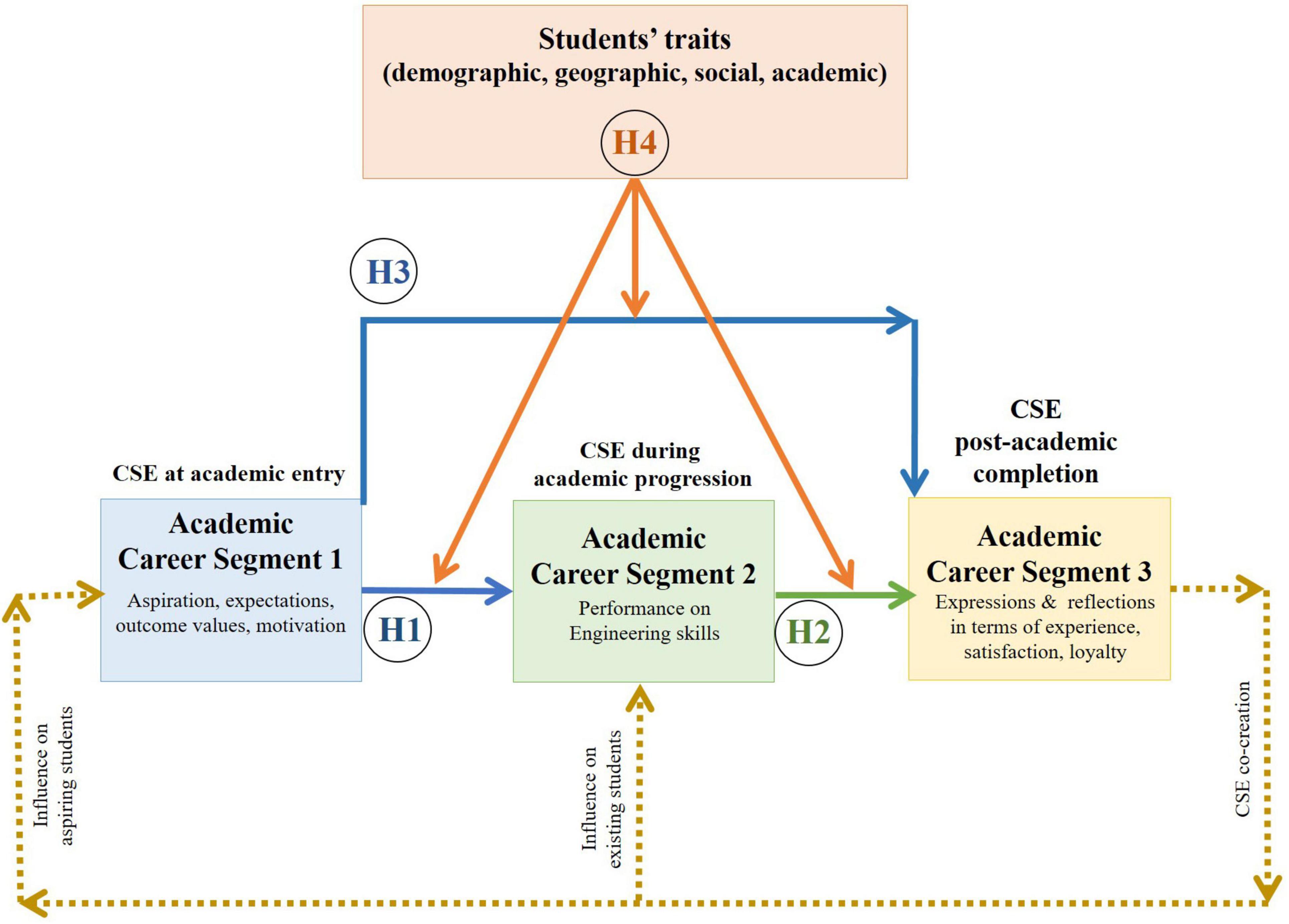
Figure 1. Conceptual engineering academic CSE model. Source: Own creation.
3.1 Segment 1: academic CSE at career entry
The initial phase of conceptual framework focuses on students’ ACSE at the point of entry into their engineering programs. At this stage, students are faced with crucial challenges and decisions (National Academy of Engineering, 2018) that have a lasting impact on their engineering journey. Several factors come into play during the beginning stage of an engineering education journey, the ACSE undergoes a transformative process influenced by an array of factors discussed below.
• Personal Interests: Students’ inherent interests and passions play a significant role in their decision to pursue engineering as a career (Lent et al., 2008; Park and Park, 2020).
• Aspirations: Students performance goals and desires can attribute their choice of career in engineering (Alpay et al., 2008; Rohde et al., 2019).
• Competencies: Students who possess prior academic abilities related to STEM and entrepreneurship are more likely to choose engineering path (Mau, 2003; Itani and Srour, 2016; Kutnick et al., 2018; Chan et al., 2019).
• Expectations: Students’ expectations regarding the outcomes of pursuing engineering, such as job prospects and financial stability, shape their career decisions (Alpay et al., 2008). The perceived value of an engineering career, in terms of social prestige and status, and personal insights and attitude towards the career and possession of its related skills, also plays a role in governing students’ career choices (De Vos and Soens, 2008; Chan et al., 2019; Park and Park, 2020).
• Motivation: Factors like intrinsic motivation, social motivation, financial motivation, and mentor motivation further contribute to students’ career-related decisions (Betz and Hackett, 1981; Adamic et al., 1984; Lent et al., 1986, 2013; Betz et al., 1996; Kolmos et al., 2013).
The amalgamation of these factors guides students toward either embracing engineering or seeking alternative career paths. Hence, this career segment signifies the crucial juncture where ACSE begins to take root. Furthermore, these factors signify mastery and vicarious experience, social conviction, and emotional condition that have proven to be a potent stimulus for this particular segment. This particular segment, which is titled ‘ACSE at career entry’, has been formulated using scale items that have been predominantly adopted from Western literature. This is due to the scarcity of validated scale items specifically designed for the Indian context at present (refer to Table 1).
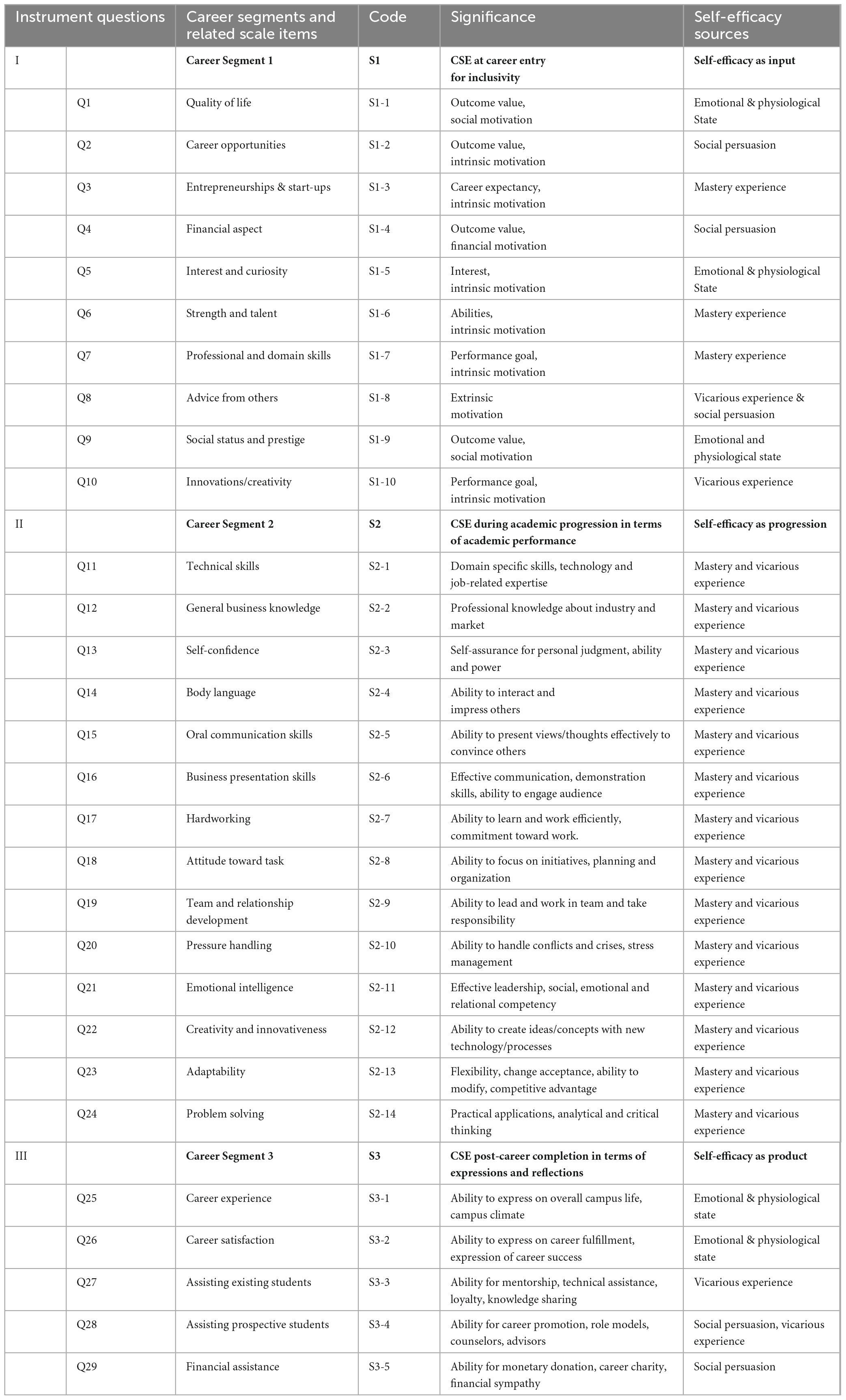
Table 1. Questionnaire scale items and its significance on conceptualization of career segments.
3.2 Segment 2: academic CSE during academic progression
Self-efficacy in engineering education is a dynamic concept that evolves throughout an engineering student’s academic journey. A critical phase where self-efficacy plays a pivotal role is during academic progression.
Numerous studies highlight the significant relationship between self-efficacy and academic performance (Elias and MacDonald, 2007; Honicke and Broadbent, 2016). Self-efficacy beliefs drive students to set challenging goals, persevere in the face of difficulties, and maintain high levels of effort and commitment, contributing to improved academic performance (Hackett et al., 1992).
3.2.1 Measuring self-efficacy during academic progression
Self-efficacy related to academic progression is assessed from both objective and subjective perspectives. Objectively, it can be measured by examining graduation scores or grades (Hsieh et al., 2012; Fang, 2014). Subjectively, it encompasses the development of engineering skills, which bridge the gap between academic accomplishments and employability (Harvey et al., 2002; Itani and Srour, 2016).
3.2.2 Engineering skills as a unitary construct of academic progression
Engineering graduates need a diverse set of skills to thrive in the corporate world, including technical competencies, problem-solving abilities, communication skills, and teamwork (Wheebox, 2019). Engineering is not just about theoretical knowledge; it requires practical and technical skills to contribute meaningfully to infrastructure, goods, and services (Kubler and Forbes, 2004). Skills are developed through academic performance (Lent et al., 1994; Lent and Brown, 2013), and experiences gained throughout the academic journey (Pool and Sewell, 2007; Dražić et al., 2018; Schunk and DiBenedetto, 2021; Wujema et al., 2022).
The evolving nature of the engineering profession necessitates continuous skill enhancement. Graduates must adapt to dynamic workforce demands, ensuring long-term career success and satisfaction (Nisha and Rajasekaran, 2018). Lifelong learning and skill development are essential for maintaining competitiveness in a globalized workforce (Vuksanovic et al., 2014).
The National Academy of Engineering in the United States emphasizes the importance of cultivating skills that enhance employability (Vest, 2005). In today’s diverse and interconnected workplaces, engineering graduates need not only technical skills but also employability and entrepreneurial skills (Nair et al., 2009; Makki et al., 2016). These skills increase job market competitiveness and enable graduates to explore entrepreneurial ventures.
Employability skills, often referred to as ‘soft skills,’ ‘transferable skills,’ ‘professional skills,’ or ‘generic skills,’ are highly valued by employers for their benefits to individuals, the workforce, and the economy (Yorke, 2006). Researchers, such as Roy et al. (2018), have identified a significant association between self-efficacy and employment-related endeavors in India. Self-efficacy beliefs not only drive academic performance but also influence the development and application of engineering skills essential for professional success.
In India, employability skills often overlap with entrepreneurial skills, including business knowledge, self-confidence, communication, leadership, and problem-solving abilities (Singh and Kumar, 2022; Kaushal and Vaghela, 2023). Despite their significance, these skills have received less attention compared to traditional academic achievements (Sabharwal, 2013; Singh et al., 2014; Kolmos and Holgaard, 2019).
This study recognizes the diverse aspects of engineering skills and views academic progression as a dynamic process aimed at improving employability and entrepreneurial skills. This aligns with the development of self-efficacy through mastery and vicarious experiences. The selection of these skills is based on the 2019 Indian Skills Report (Wheebox, 2019), reflecting the global demand for well-rounded Indian engineering graduates. This construct, termed ‘ACSE during academic progression,’ encompasses a diverse set of skills that empower engineering students to excel academically, adapt to workforce demands, and thrive in a competitive job market (refer to Table 1).
3.3 Segment 3: academic CSE post-graduation completion
The final phase of the engineering education journey involves the transition of students into alumni (recent graduates). This phase is characterized by alumni expressions about their campus experiences, their engagement in student endeavors, and their contributions as donors (Alnawas and Phillips, 2015). Academic self-efficacy during this phase is crucial, particularly concerning academic career reflections and expressions, which typically occur upon the successful completion of engineering education (Hirschman, 1974).
3.3.1 Career reflections and alumni engagement
Career reflections encompass beliefs rooted in academic experiences (Elliott and Healy, 2001; Rothwell and Arnold, 2007; Muslim et al., 2012), career satisfaction (Lent and Brown, 2008; Smale et al., 2019), success (Duffy et al., 2015; Gerçek and Elmas-Atay, 2022), and accomplishment (De Vos and Soens, 2008; Smale et al., 2019). These reflections foster commitment and loyalty, essential for the long-term support of academic institutions and loyalty (Niles and Sowa, 1992; Baruch, 2001; Helgesen and Nesset, 2007). Alumni relationships with their alma mater, characterized by supportive attitudes and trust, greatly benefit career support, skill development, and personal growth (Millett et al., 2018).
3.3.2 Social persuasion and vicarious experiences
Social persuasion nurtures self-efficacy by acknowledging one’s abilities, often through positive feedback and endorsements from senior peers, significantly boosting self-efficacy (Abdul Gafoor and Muhammed Ashraf, 2012; Ahuja, 2016; Venugopal et al., 2020). Positive social support from senior peers enhances the academic beliefs, performance, and satisfaction of junior peers (Matusovich et al., 2010; Bonfield, 2021; Nob, 2021; Escobar et al., 2023).
Vicarious experiences, observing similar individuals effectively engage in a particular endeavor, play a crucial role in building self-efficacy (Bandura, 1977). Peer interactions provide valuable insights and experiences, improving the academic performance and skills of existing students and inspiring prospective students to enhance their belief in their abilities knowledge (Bandura, 1977; Boles et al., 2006; Hutchison-Green et al., 2008; Sithole et al., 2017).
3.3.3 Physiological and emotional states
Physiological and emotional states, such as enjoyment, anxiety, satisfaction, and loyalty, influence self-efficacy by fostering a constructive environment for career development (Bandura, 1977; Ponton et al., 2001). Alumni’s cognitive and emotional reactions drive them to mentor, advocate, exchange knowledge, influence, and fundraise, benefiting both prospective and existing students (Bandura, 1977; Betz, 2007; Helgesen and Nesset, 2007; Kolmos et al., 2013; Komarraju and Nadler, 2013; Yousefian, 2015; Lent and Brown, 2020; Al-Kumaim et al., 2021; Wang et al., 2022b; Zarandi et al., 2022)
Positive reinforcement through career expressions and reflections originates from sources of self-efficacy, including social persuasion, vicarious experiences, and physiological and emotional states (Ponton et al., 2001). The scales used to construct this segment include career experience, career satisfaction, assistance to prospective and existing students, and financial assistance. This segment is referred to as “ACSE post-graduation completion” (refer to Table 1).
3.4 Relationships between academic career segments
The importance of entry-related ACSE lies in its predictive value for students’ career choices, outcomes, and aspirations (Nauta et al., 1998). Students’ beliefs in their abilities to pursue and succeed in an educational program significantly influence their interest and commitment to that program (Jackson and Wilton, 2017). Research consistently shows that entry-related CSE predicts students’ performance in acquiring skills (Rothwell et al., 2009; Itani and Srour, 2016; Wang et al., 2022a; Yang and Zhang, 2022). As students progress through their engineering education, the positive impacts of early self-efficacy continue to resonate (Gbadamosi et al., 2015; Dražić et al., 2018). In the Indian context, students’ beliefs about their career prospects upon entering an engineering program also influence their employability skills (Wheebox, 2023).
Hypothesis 1 (H1): Students’ entry-related ACSE is positively associated with their ACSE during academic progression
Career segment 1 → Career segment 2
As students progress through their engineering programs, their ACSE about engineering skills plays a pivotal role in shaping their career reflections after academic completion (Rothwell and Arnold, 2007; De Vos and Soens, 2008). Academic experiences, career success, satisfaction, and loyalty contribute to the broader concept of career reflections post-academic completion (Baruch, 2001; Harvey, 2005, 2010; Yorke, 2006). A strong sense of ACSE regarding engineering skills is closely linked with satisfaction in one’s chosen field (Dacre Pool and Qualter, 2013). Moreover, employability directly influences behaviors and intentions post-graduation, including those aimed at assisting future generations (Borraz-Mora et al., 2020).
Hypothesis 2 (H2): Students’ ACSE during academic progression is positively associated with their ACSE post-graduation completion
Career segment 2 → Career segment 3
3.5 Mediating effect between the segments
Direct Connection: Students’ self-efficacy at the entry point of their educational program directly impacts their subsequent career reflections and behaviors upon completion (Ahuja, 2016; Roy et al., 2018). Students who enter their engineering program with high career self-efficacy are more likely to exhibit positive career reflections, such as satisfaction, upon academic completion (Lent et al., 2007, 2015).
Indirect Connection: Research suggests that the direct relationship between entry-related ACSE and post-graduation ACSE is mediated by ACSE during academic progression (Rothwell and Arnold, 2007; De Vos and Soens, 2008; Duffy et al., 2015; Wilkins-Yel et al., 2018). Entry-related ACSE impacts ACSE during academic progression, which in turn influences post-graduation ACSE.
Hypothesis 3 (H3): Students’ entry-related ACSE has a direct positive connection with ACSE post-graduation completion and an indirect connection via the mediating effect of ACSE during academic progression.
Career segment 1 → Career segment 3
Career Segment 1 → Career Segment 2 (Indirect, Mediating Effect) → Career Segment 3
3.6 Students’ traits as moderators
Incorporating students’ traits as moderators adds a valuable dimension to understanding the relationships among ACSE across different career segments in context to India (Geetha Rani, 2019; Gupta, 2019). Traits such as gender, social caste, native place, major enrolled in, academic grades, and campus placement opportunities can significantly influence self-efficacy and career-related behaviors.
• Gender: Gender has been recognized as an influential factor in self-efficacy and career-related decisions. Previous research indicates that males and females may have different levels of self-efficacy and may approach their careers differently (Lent et al., 2000; Marra et al., 2009; Komarraju and Nadler, 2013; Saifuddin et al., 2013; Angeline, 2021)
• Social caste: In India, social caste plays a significant role in educational attainment and opportunities. It can impact students’ access to resources, support systems, and career aspirations (Gupta, 2019).
• Native place: The geographic location and cultural background of students’ places of origin can influence their beliefs and career choices. Rural and urban backgrounds, in particular, can shape career expectations and opportunities (Tilak J. B. G., 2020).
• Major enrolled-in: The choice of engineering major can also be a moderating factor. For example, in India computer-related majors might have different career expectations than other majors. These majors have more privilege based on their growing enrollments (Gupta, 2012), specific employability skills (Gokuladas, 2011), and career opportunities (Gokuladas, 2010a).
• Academic grades: Academic grades at the time of career entry (entry grade) and completion (engineering grade) can influence self-efficacy beliefs. Students with high grades might have greater confidence in their career prospects (Tilak J. B. G., 2020).
• Campus placement: The availability of campus placement opportunities is a crucial factor in the career progression of students. Following the advent of globalization, student placement is considered the ultimate outcome of higher education. In today’s world, providing campus placement opportunities for students is perceived as an institutional responsibility, and institutions are evaluated based on the successful job placements they offer on campus (Shenoy and Aithal, 2016). It can influence students’ self-efficacy and career reflections.
Hypothesis 4 (H4): Relationships among CSE related to academic entry, academic progression, and post-graduation completion are influenced by students’ personal traits.
4 Research methodology
4.1 Research approach
Career segments; second and third are dependable constructs, whereas career segment one is an independent construct of the model, as presented in Figure 1. Due to its efficiency and applicability for gathering primary data from a large population, the quantitative survey approach was preferred (Kotler et al., 2016) with recent engineering graduates (alumni) as a single point of contact.
4.2 Participants
As this study belongs to full spectrum of engineering trajectory, it became imperative to take into account the experiences of students who have been exposed to all three segments of academic career paths. Recent graduates are the only output indicators in a position to comment on whether or not the engineering profession has met their career goals and expectancies (Saunders-Smits and de Graaff, 2012; Alnawas and Phillips, 2015) in regard to their academic progression and completion. Consequently, in this study recently engineering graduated students (recent alumni) who were about to enter into their occupational career (job market) were selected as the subject group (population) purposefully for this investigation. They firmly provided valuable insights into their academic aspirations, progression and career experiences.
A selection of thirteen engineering institutions located in North Maharashtra, India was made from a sampling frame consisting number of engineering institutions, based on their accessibility and convenience. The nominated participants were recent graduates who had completed their graduation in the recent academic year 2019 from these institutions. Contacts of 2,449 graduates including their email addresses and WhatsApp numbers, were obtained by formally requesting the data from these institutions. Consent was received from these institutions to use the provided data for the self-report survey. The survey specifically targeted individuals aged between 21 and 24 years, ensuring diversity in terms of demographic characteristics, geographical locations, social status, and academic backgrounds as exhibited in Table 2.
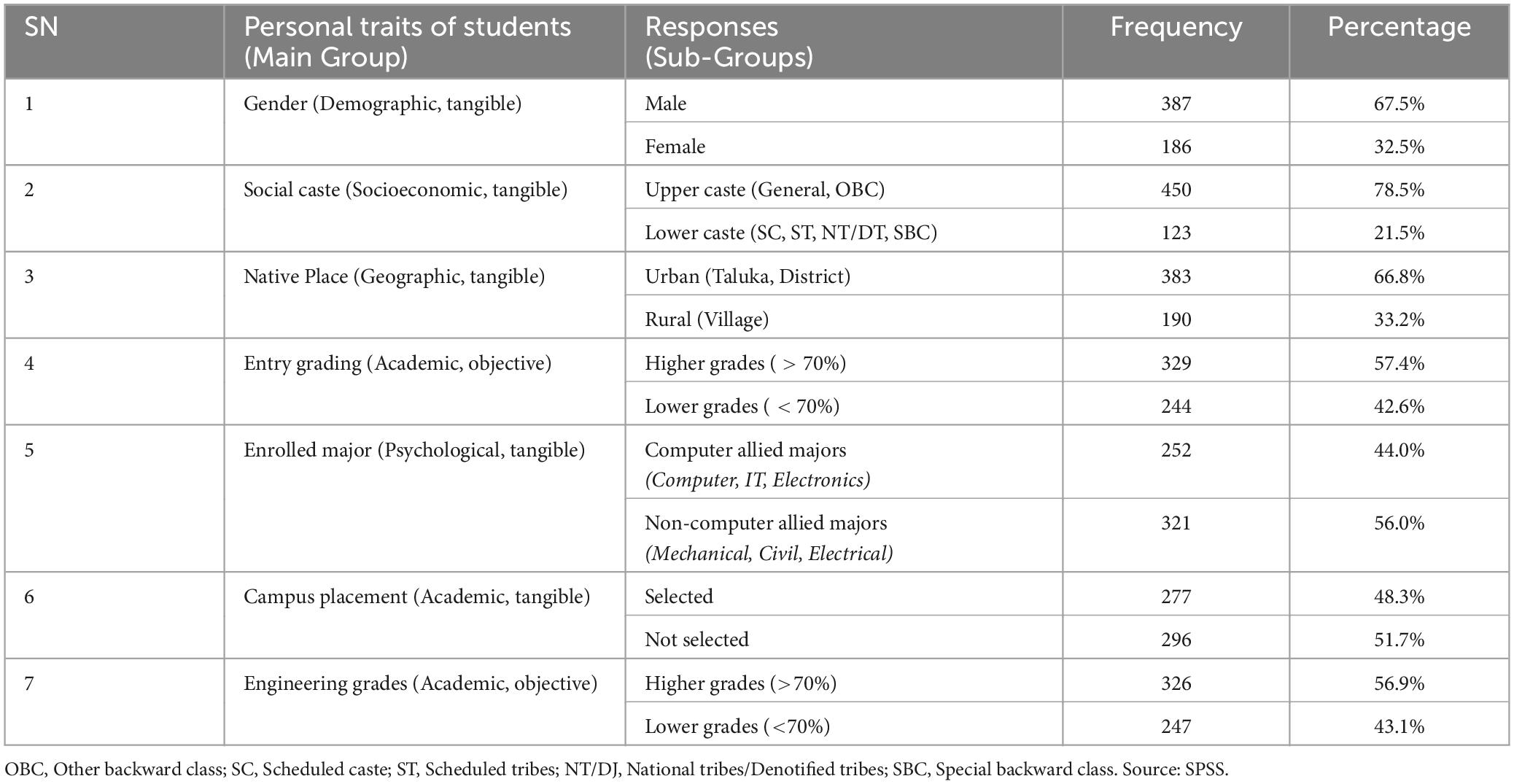
Table 2. Descriptive statistics of alumni students participated in survey.
4.3 Procedures
To enhance the flexibility of participation in terms of time and location, and to facilitate a prompt response from the student participants, an online self-report survey was conducted using the Google Form tool over the internet (Kolb, 2008). The decision to use an online survey was informed by its ability to automatically collect responses and the convenience it offers to both researchers and participants (Vasantha Raju and Harinarayana, 2016).
In early March 2020, a link to the survey questionnaire, created through the Google Form tool, was distributed to the identified contacts of recent engineering graduates via email and WhatsApp. After a 15-day data collection period, the availability of the Google Form questionnaire link was terminated. During the first half of March 2020, out of the initial pool of 2,449 sample graduates, a total of 573 (N = 573) responses were received within the fifteen-day timeframe, resulting in a response rate of 23.4%. It is important to note that no missing data was reported due to non-response to the questions. All survey respondents provided written authorization before responding to survey, indicating their consent to participate in the survey and allowing for the survey data to be made public. The responses were automatically collected and stored in the researcher’s Google account.
The data for this study was collected in March 2020, just before the COVID-19 pandemic’s full impact. The four-year reporting delay is due to pandemic disruptions. Despite this, the data remains applicable as it provides a baseline for comparing pre- and post-pandemic trends in ACSE among engineering students. The core issues of self-efficacy, employability skills, and career choices have persisted, making the findings relevant. Additionally, these insights can inform strategies to address challenges in engineering education caused by the pandemic.
The use of a self-reported survey offered several advantages, primarily the elimination of potential bias that could arise from a surveyor’s influence or interpretation. Additionally, it enabled the researchers to maximize the number of participants who could respond within the set timeframe. It’s important to note that, since this survey involved human participants, it was reviewed and approved by the Institutional Ethical Committee to ensure ethical research practices.
4.4 Measures
4.4.1 Instrument development
To measure the constructs of interest, a closed-ended questionnaire was developed, following the guidelines provided by Cohen et al. (2007) and Ary et al. (2010). The development process involved a meticulous examination of the existing body of literature on ACSE in engineering education. To enhance the questionnaire’s content validity, the scale items were critically assessed by esteemed educational authorities, including academic professors, deans, and principals, along with a subset of alumni respondents who served as representatives of the sampling units.
The content validation process ensured that the scale items were comprehensive and reflective of the formulated hypotheses, following the recommendations of Straub (1989). This rigorous review process helped refine the questionnaire items and confirm their relevance to the research objectives.
4.4.2 Instrument structure
The questionnaire consisted of several sections. It began with an introductory section that emphasized the importance of the survey and collected participants’ demographic information, including gender, socio-demographic factors (such as social caste), and geographic details related to their native place. Additionally, the questionnaire gathered academic data, such as the specific engineering major in which participants were enrolled, the grades they had received before entering their engineering programs, the grades they earned upon graduation, and whether they had received a campus placement offer before completion of their education.
The main body of the questionnaire consisted of questions related to the three career segments of ACSE. Respondents provided their responses using a Likert scale, ranging from 1 (indicating the least importance) to 5 (indicating the most importance).
• Section I: This section focused on ACSE for pursuing a career in engineering. It included ten scale items that captured aspects of career aspiration, expectations, goals, and outcome values, aimed at assessing ACSE at the entry level.
• Section II: This section explored ACSE during academic progression. It posed questions related to ACSE concerning engineering skills, encompassing both subjective skills related to employability and entrepreneurship. This section comprised fourteen scale items.
• Section III: The final section of the questionnaire addressed ACSE post-graduation completion. It presented five scale items that measured ACSE in terms of career experience, satisfaction, and loyalty, beliefs held after the completion of their engineering education.
The questionnaire’s structure allowed for a comprehensive assessment of the participants’ career ACSE across different segments of their engineering education (refer Table 1).
4.4.3 Pilot testing
Before the official survey commenced, a pilot testing phase was conducted on a small-scale sample comprising 57 respondents (10% sample). The pilot test aimed to evaluate the feasibility of the proposed conceptual framework, validate the technical language used in the questionnaire, and assess the sequence of the questions within the survey instrument.
Based on the feedback received, minor refinements were made to enhance the clarity and flow of the questionnaire. The survey instrument demonstrated excellent internal consistency, with a Cronbach’s Alpha coefficient exceeding 0.9. This high level of internal consistency suggests that the scale items within each section of the questionnaire measured the intended constructs effectively and reliably. The results of the pilot testing indicated that the survey instrument was well-structured and comprehensible.
4.5 Analysis
To address research question RQ1, a Confirmatory Factor Analysis (CFA) analysis was conducted to assess the significance and accountability of scale items included in Sections I, II, and III in contributing to their respective constructs (career segments). This analysis aimed to assess the factor structure of the scale items and their alignment with the corresponding career segments (constructs). It’s important to note that no specific hypothesis were formulated for this stage of the analysis, as the question primarily focused on understanding the accountability of structure of the data for corresponding constructs.
To validate the hypotheses outlined in H1, H2, and H3, and to arrive at conclusions for research question RQ2, CFA was performed first to validate the structural relationships. Reliability and validity tests were also performed to ensure the robustness of the measurement models. Then, Structural Equation Modelling (SEM) was employed. SEM allowed for the confirmation of the conceptual relationships between the career segments, as well as the examination of potential mediation effects. SEM was confirmed with the related fitness indices. Sections I, II, and III collectively contributed to the validation of H1, H2, and H3 by assessing the relationships between these career segments. Furthermore, in conjunction with the personal characteristics of the graduate engineers, these sections played a crucial role in the validation of hypothesis H4, as well as in responding to research question RQ3.
The statistical analysis was conducted using the Statistical Package for Social Sciences (SPSS 29.0). Specifically, SPSS was used for data processing, descriptive statistics, and initial exploratory analyses. For the more complex SEM analyses, IBM AMOS (version 29.0) was employed. AMOS facilitated the confirmation of the relationships and mediation effects within the structural model. Additionally, AMOS was utilized to perform multiple group comparisons, enabling the identification of potential moderating effects of students’ personal traits on the relationships between career segments. These analyses involved pairwise parameter comparisons to evaluate the impact of individual characteristics on the model’s outcomes.
5 Results
5.1 Descriptive statistics
Descriptive analysis was performed as the first stage of the statistical analysis through SPSS to determine the profile of the survey respondents, as presented in Table 2.
5.2 Classification of traits
Table 2 provides an overview of the survey participants’ characteristics, including their personal traits. These traits were used to categorize and analyze the respondents based on their demographic, geographic, and socioeconomic backgrounds.
The social caste group division was based on educational and cultural advancements (Bertrand et al., 2010). In India, the caste system is complex and diverse, with scheduled tribes, scheduled castes, and special backward castes considered historically disadvantaged groups (lower caste), while other backward castes and general castes tend to enjoy greater social and educational privileges (upper caste) (Subramanian, 2015; Malish and Ilavarasan, 2016). Accordingly, panticipants were categorized into upper caste and lower caste groups.
Considering India’s diverse linguistic, religious, and cultural landscape, individuals’ beliefs and perspectives can vary based on their local context. Place of origin was categorized as rural or urban, with rural areas often defined by panchayat governance and urban areas encompassing tehsil and municipal governance (Bhagat, 2005; Census Commissioner of India, 2011).
Engineering majors were categorized based on their curriculum and practicality in the industry (Tilak J. B., 2020). Computer allied majors included fields such as computer science, information technology, and electronics, while the rest were classified as non-computer allied majors.
The grading system used in this study adhered to the assessment and evaluation criteria of the respective boards or universities. Grading criteria can vary between institutions, and this classification ensured consistency in the analysis (SCRIBD, 2009).
5.3 Confirmatory factor analysis with reliability and validity
CFA was conducted to evaluate the precision of the constructed indicators and assess the factor structure associated with the three identified constructs (Segments S1, S2, and S3) (Field, 2013; Kline, 2015). The study had predetermined assumptions and hypotheses, confirming the existence of these constructs and their corresponding factor structures: S1 ← (S1-1 to S1-10), S2 ← (S2-1 to S2-14) and S3 ← (S3-1 to S3-5). Henceforth, CFA was directly conducted to confirm or reject the hypothetical paths specified in the conceptual model (Barrett, 2007).
Prior to conducting CFA, data were screened for normality, with skewness values ranging from −0.067 to −0.636 and kurtosis values ranging from −0.943 to −1.335. All these values exhibited normality, ensuring the validity of further analysis (Kline, 2015). Further statistical tests, such as the Kaiser-Meyer-Olkein value (0.98), Bartlett’s Test of Sphericity (p-value < 0.001), and communalities above 0.5, confirmed excellent sample adequacy for all three constructs (S1, S2, and S3) (Vogt and Johnson, 2011). The sample size of 573 exceeded the minimum ratio of 20 (samples to the number of variables) required for robust analysis (Floyd and Widaman, 1995; Maxwell Scott, 2000; Creswell, 2012). Additionally, the sample size met Hoelter’s critical N criteria (N = 436, p < 0.01) for Structural Equation Modeling (SEM).
Factor analysis was separately performed for each construct (S1, S2, and S3) with Eigenvalues greater than 1. The included scale items (factor structure) for ACSE at career entry (S1), during academic progression (S2), and post-completion (S3) explained 77.33%, 92.3%, and 92.62% of the variance, respectively. All factor structures provided strong conceptual foundations and support for their inclusion in their respective constructs (refer Table 3). The response to the research answer RQ1 is provided as all three segments have been accounted strongly by the virtue of their factor structure (Fornell and Larcker, 1981; Hair, 2009).
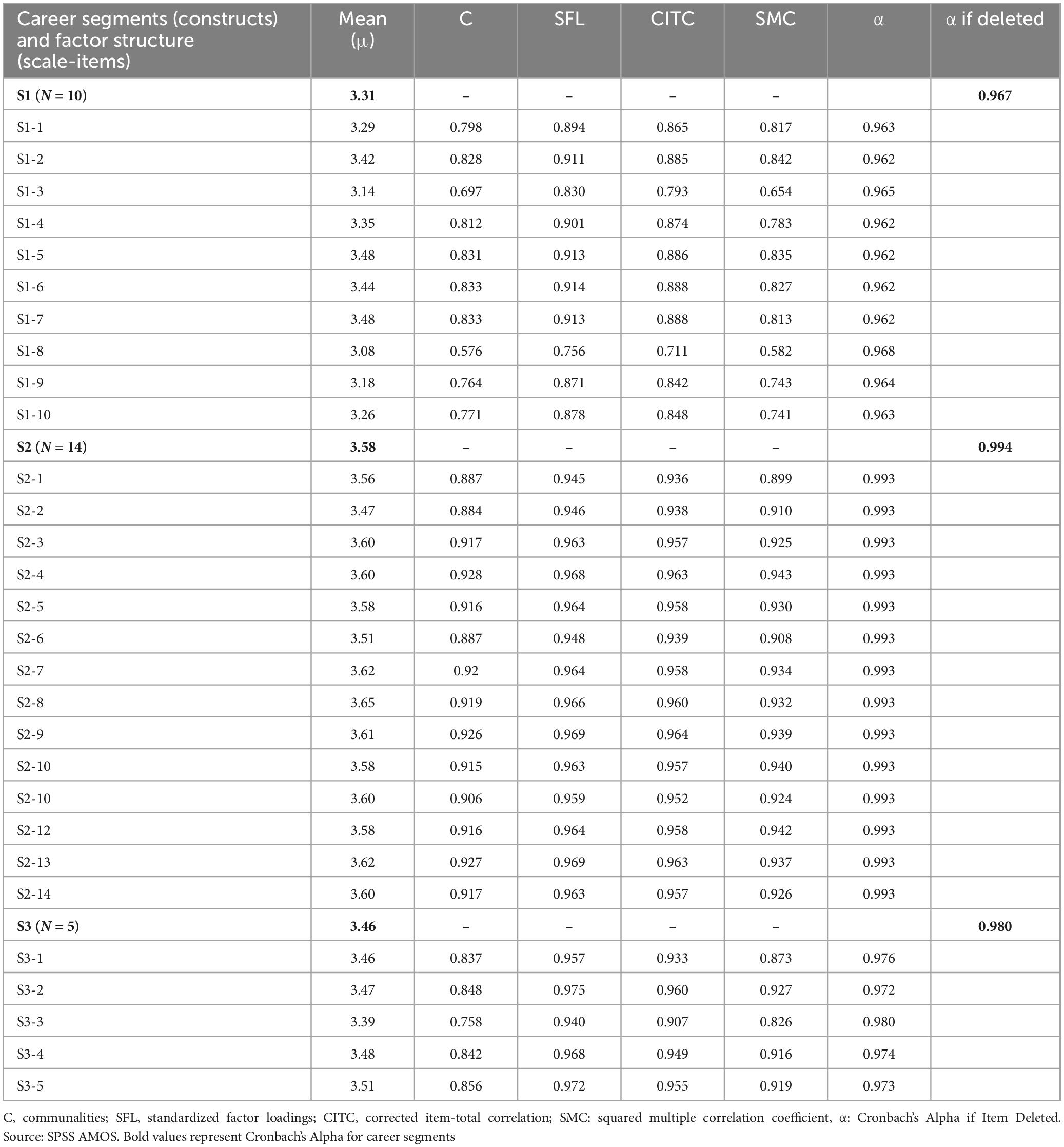
Table 3. Scale reliability: factors with internal consistency.
Reliability was assessed using Cronbach’s alpha, which showed excellent internal consistency with values above 0.90 (Churchill, 1979). Item-to-total correlations were examined, with strong values > 0.6 (Fornell and Larcker, 1981; Briggs and Cheek, 1986), further confirming the reliability of the scale items.
Convergent validity was established through construct reliability (CR) and average variance extracted (AVE), with CR values ranging from 0.971 to 0.991, exceeding the minimum 0.80 threshold (Fornell and Larcker, 1981; Bagozzi and Yi, 1988) (refer Table 3). AVE values for the constructs (S1 = 0.773, S2 = 0.923, S3 = 0.926) were above 0.50, indicating good convergent validity (Fornell and Larcker, 1981). Additionally, CR values were higher than the AVE values for all three constructs, confirming convergent validity (Hair, 2009; Hair et al., 2010) (refer Table 4).
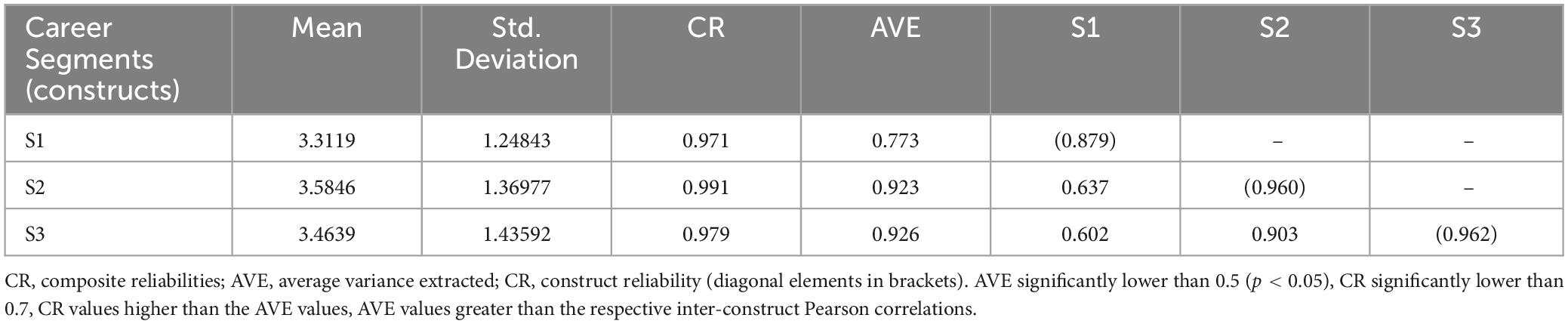
Table 4. Descriptive statistics: convergent validity and discriminant validity.
Discriminant validity was also established, with the square roots of the AVEs (S1 = 0.879, S2 = 0.960, S1 = 0.962) exceeding the respective inter-construct Pearson correlations (S1 → S2 = 0.637, S2 → S3 = 0.903, S1 → S3 = 0.602, p < 0.001) (Bagozzi, 1981; Fornell and Larcker, 1981; Hair et al., 2010). These results indicated that the constructs manifested distinct characteristics from one another, ensuring discriminant validity (refer Table 4).
5.4 Structural equation modeling
Based on the conceptual framework, the three constructs characterizing career segments derived from CFA were linked by the hypothetical paths depicted in Figure 1. To evaluate the structural model, SEM was performed using IBM SPSS Amos 29 software. The SEM involved a total of 63 variables, comprising 29 observable and 34 unobserved variables, with 32 exogenous variables and 31 endogenous variables. The SEM results indicated that the model with a sample size of 573 was overidentified and recursive.
The SEM output, as presented in Figure 2, displayed values without modification of indices. Modifications were applied only to some error variances identified by AMOS through the modification indices tab. These modifications aimed to establish connections to reduce discrepancies and enhance the model’s fit (Schreiber, 2008). These adjustments were made while ensuring that the underlying hypotheses remained unaffected.

Figure 2. Structural equation model for engineering academic CSE. Source: SPSS AMOS.
The residual variables, identified with modification indices equal to or greater than 30 (Ho, 2014), were interconnected to yield the final measurement model with improved fit indices. After modification, the chi-square (χ2) result remained significant, indicating a good fit for the hypothesized model (χ2 = 3115.63, df = 1071, p < 0.001, χ2/df = 2.9, TLI = 0.963, CFI = 0.967, RMSEA = 0.041).
The R2 values for the endogenous variables S2 (ACSE during academic progression) and S3 (ACSE post-graduation completion) were 0.42 and 0.84, respectively. These values indicated moderate and strong strength of estimation, respectively (Cohen et al., 2013; Hair et al., 2013).
The fitness metrics, as shown in Table 5, for the measurement model in this investigation align with diverse fitness metrics suggested for SEM, substantiating the credibility of the associations among variables (Teo, 2014). SEM also established the direct and indirect effects among the underlying constructs, as revealed by the findings of this study (refer Table 6).
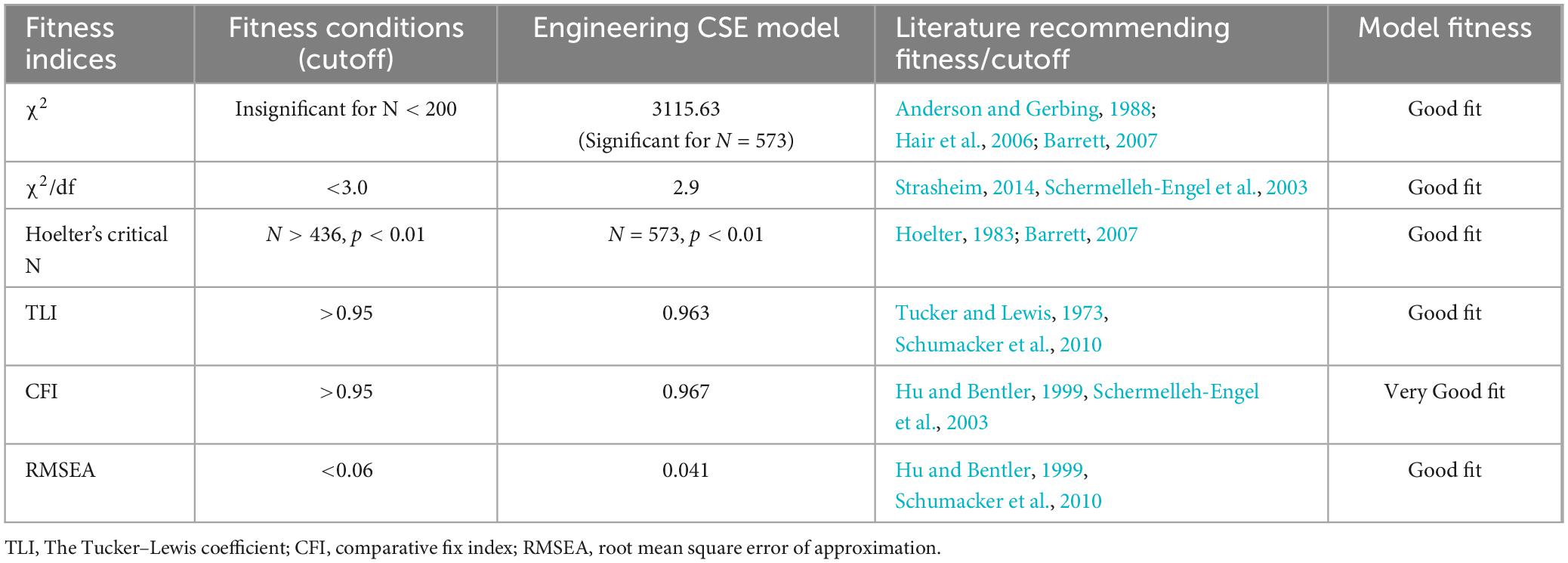
Table 5. Fitness of engineering CSE model.
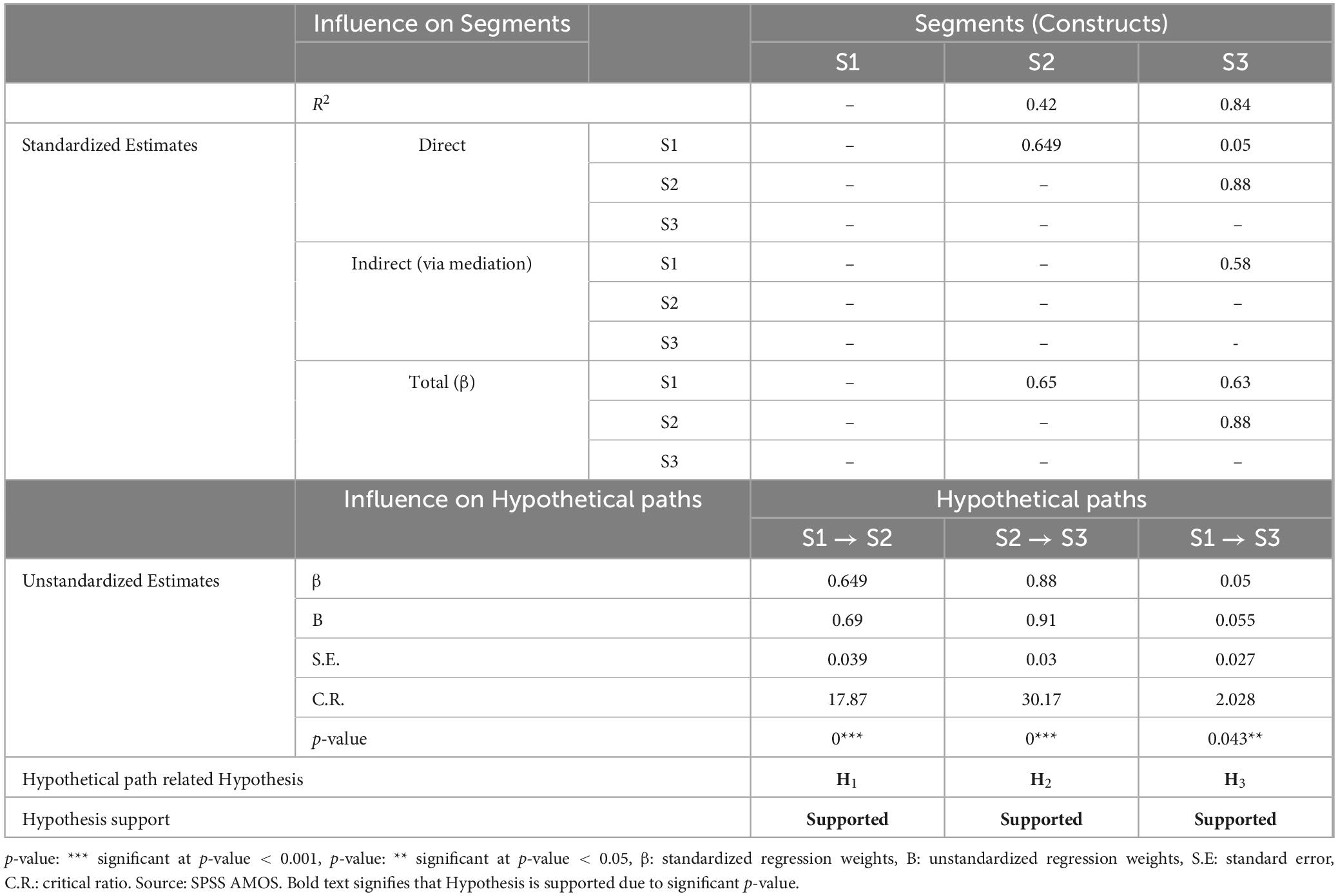
Table 6. Relationships and Mediation: Estimates between the segment constructs.
5.5 Relationship between career segments 1 and 2: testing of hypothesis H1
The ACSE structural model revealed a significant and substantial impact of career segment S1 on career segment S2, with an accountability of 42%. This impact was positive, denoted as S1 → S2, with a path coefficient (β) of 0.65. When career segment S1 increases by one standard deviation (SD), career segment S2 increases by 0.65 SD (B = 0.69, S.E. = 0.04, C.R. = 17.86, p < 0.001).
This result validates and, therefore, accepts the hypothesis 1 (H1) stating that students’ entry-related ACSE (S1) is positively associated with their ACSE during academic progression (S2) (refer to Table 6). In other words, ACSE related to aspiration, expectation, outcome values, and motivation at the entry level significantly impacts ACSE during academic progression aligned with engineering skills. This finding emphasizes the importance of engineering skills in students’ academic progression.
This result is consistent with prior research by Mamaril et al. (2016) and Zimmerman (2000b), who found that engineering ACSE related to program utility and task value significantly influences students’ performance in engineering skills. It also aligns with previous studies that demonstrated how ACSE related to choice decisions and expectancy are influencing factors for ACSE perceived throughout academic learning (Hackett et al., 1992) and performance (Park and Park, 2020; Labib et al., 2021) and skills (Itani and Srour, 2016).
5.6 Relationship between career segments 2 and 3: testing of hypothesis H2
The SEM results indicated that career segment S3 was significantly and directly impacted, with 84% of its variance explained by career segment S2. There was a positive influence of S2 on career segment S3, denoted as S2 → S3, with a path coefficient (β) of 0.88. In practical terms, as career segment S2 increases by 1 SD, career segment S3 increases by 0.92 SD (B = 0.92, S.E. = 0.03, C.R. = 30.167, p < 0.001).
This result provides strong support for hypothesis H2 (refer to Table 6). It suggests that students’ ACSE (S2) regarding the engineering skills they acquire during their academic progression has a significant and positive impact on their ACSE (S3) post-graduation completion expressions and reflections, including their experience, satisfaction, and loyalty to their engineering studies.
This finding aligns with research by (Bandura and Locke (2003) and (Berntson et al., 2010), which emphasize that performance attainment and perceived experience lead to varying levels of career completion reflections. This finding is in line with studies that have reported a positive correlation between self-perceived engineering skills and career satisfaction (Dacre Pool and Qualter, 2013) and between engineering skills and indicators of career success such as voice and loyalty (Berntson et al., 2010).
5.7 Mediating effect corresponding to career segment 1 and 3: testing hypothesis H3
Examining the relationship between career segments S1 and S3, it was found that career segment S1 has a direct and significant impact on career segment S3, indicating a positive association (S1 → S3, β = 0.05, B = 0.055, S.E. = 0.027, C.R. = 2.028, p < 0.05). Furthermore, an additional significant impact was observed indirectly, mediated by career segment S2 (β = 0.58, p < 0.001). Consequently, career segment S3 is significantly and positively influenced by career segment S1 both directly and indirectly through the mediating role of career segment S2, with a total standardized estimate (β = 0.63), as detailed in Table 6.
These results provide support for hypothesis H3, which posits that students’ entry-related ACSE has both a direct positive connection with ACSE in post-academic completion behaviors and an indirect connection via the mediating effect of ACSE during academic progression.
The expressions and reflections that mark the completion of one’s career, such as academic satisfaction (Borrego et al., 2018) and perceived experiences (Breeding, 2008), can serve as persuasive influences operating through vicarious means. This influence not only imparts knowledge and information to prospective students but also offers guidance and support to existing students (Hofacker, 2014; Borrego et al., 2018). Similar findings have been reported by Sheldon and Kasser (2001), Duffy et al. (2015), and Gerçek and Elmas-Atay (2022), who observed positive relationships between ACSE perceived at career entry and expressions of satisfaction post-graduation completion. According to this study, improved academic performance in terms of engineering skills may have met students’ expectations about their careers, thus influencing their perspectives on career completions. Consequently, engineering skills play a significant role in facilitating the transition from the commencement of a career to its successful completion.
5.8 Effect of moderator: testing hypothesis H4
Moderation involves examining whether the relationship between an independent variable and a dependent variable is influenced by a third variable known as the moderator variable (Swanson and Holton, 2005). Moderation helps assess heterogeneity in data (Strasheim, 2014), and it can impact both the direction and strength of the relationship between two variables. In this study, the author used the subgroup methodology in AMOS, which is considered a robust technique for analyzing categorical moderation (Lowry and Gaskin, 2014). Multiple groups were moderated through a series of pairwise parameter comparisons, which aimed to assess differences in the parameters of hypothetical paths (S1 → S2, S2 → S3, S1 → S3) connecting the constructs. These comparisons were designed to investigate the moderating effect of categorical variables (students’ traits) on the hypothetical paths. The presence of moderation was evaluated based on critical ratios that indicate differences akin to z-scores at a 95% confidence level (Singh and Sharma, 2016; Feder and Niţu-Antonie, 2017). To identify the presence of moderation, a threshold value of z > 1.96 was used (Gao et al., 2008).
CFA model was assessed for the moderating influence of seven independent categorical variables representing students’ individual characteristics through pairwise parameter comparisons. The results of these analyses are summarized in Table 7.
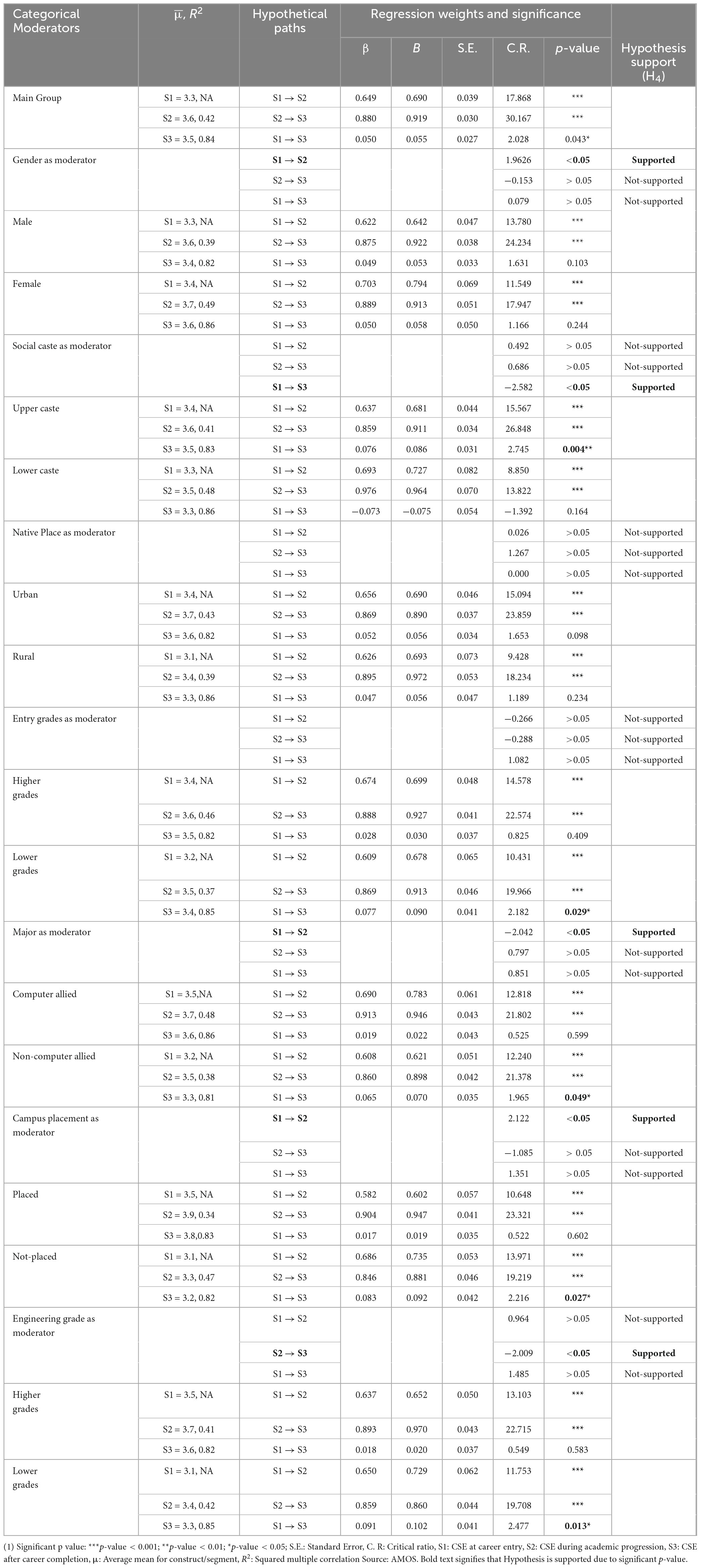
Table 7. Multi-group confirmatory factor analysis (MGCFA) for evaluating moderating effect.
5.8.1 Gender as a moderator
In this study, the author examined the moderating effect of gender on three hypothesized relationships: S1 → S2, S2 → S3, and S1 → S3. Gender was found to be a significant moderator, particularly in the relationship between S1 and S2 (CR = 1.9626 > |1.96|), supporting hypothesis H4. This implies that the effect of S1 on S2 differs significantly depending on gender. The path coefficient (β) for S1 → S2 was significantly different from zero for both males and females, and these coefficients also significantly differed from each other across the sexes. However, gender was not found to be a statistically significant moderator for the paths S2 → S3 (CR = −0.153 < |1.96|) and S1 → S3 (CR = 0.079 < |1.96|), leading to the rejection of H4 for these paths.
An interesting observation was that females (S1 = 3.4, S2 = 3.7, S3 = 3.6) exhibited higher levels of ACSE than males (S1 = 3.3, S2 = 3.6, S3 = 3.4) across all three career segments within the engineering trajectory.
The significant gender moderation effect for S1 → S2 indicated that both males and females experienced a positive influence of S1 on S2. However, the moderation effect was more pronounced in females. Specifically, when the ACSE at career entry (S1) increased by one standard deviation (SD) for females, their ACSE during academic progression (S2) increased by 0.703 in SD, while for males, it increased by 0.622 in SD.
This finding is in line with the trend observed in India, where females have shown a growing interest in pursuing engineering as a profession (Gupta, 2012, 2019) and have demonstrated superior academic performance in this field compared to males (Singh et al., 2007). Females tend to perform better in engineering skills (Gokuladas, 2011; Macphee et al., 2013) and display higher levels of ACSE, particularly when provided with contextual support and social persuasion at the beginning of their engineering education (Raelin et al., 2014; Mahajan, 2019). Several studies have also reported higher levels of ACSE among females than males (Hutchison et al., 2006; Lent et al., 2013; Pantic and Clarke-Midura, 2023). Therefore, female students in this study exhibited stronger ACSE during their academic progression (S2) in comparison to their male counterparts, mainly because of the higher levels of ACSE they held at the beginning of their careers (S1).
5.8.2 Social caste as a moderator
In this study, the author investigated the moderating effect of social caste on the relationships between different career segments (S1, S2, and S3). It was observed that individuals from the upper social caste (S1 = 3.4, S2 = 3.6, S3 = 3.5) displayed stronger ACSE across all career segments compared to those from the lower social caste (S1 = 3.3, S2 = 3.5, S3 = 3.3). Social caste was found to be a significant moderator for the relationship between S1 and S3 (CR = −2.582 > |1.96|), supporting hypothesis H4. However, for the relationships S1 → S2 (CR = 0.492 < |1.96|) and S2 → S3 (CR = 0.686 < |1.96|), the moderating effect was not statistically significant, leading to the rejection of H4 for these relationships.
The moderating effect of social caste was observed to weaken the impact across social caste groups. The effect of ACSE at career entry (S1) on ACSE post-graduation completion (S3) was significant but varied across social caste groups. Specifically, the impact was positive and significant for the upper social caste (S2 → S3; R2 = 0.83, β = 0.076, B = 0.086, S.E. = 0.031, C.R. = 2.745, p-value < 0.01) but lower than expected (negatively poised) and statistically insignificant for the lower social caste (S2 → S3; R2 = 0.86, β = −0.073, B = −0.075, S.E. = 0.054, C.R. = −1.392, p-value > 0.05). A one SD increase in S1 led to a 0.076 SD increase in S2 for the upper social caste and a 0.073 SD decrease for the lower social caste. This suggests that, due to their ACSE at the beginning of their engineering education (S1), students from the lower social caste tend to express lower levels of satisfaction, experience, and loyalty upon completing their academic studies (S3) compared to students from the upper social caste.
For the career segment S1, students from lower social caste backgrounds have possessed low ACSE (S1 = 3.3) for their inclusion into engineering career than their higher social caste counterpart (S1 = 3.4), supporting the study of Gupta (2019). Furthermore, in accordance with the findings of Deshpande and Newman (2007) and Gupta (2019), this study revealed that lower caste students possessed a lower level of engineering skills (S2, = 3.5) than did their upper caste counterparts (S2, = 3.6). Similarly, the study demonstrated lower ACSE post-graduation completion for lower caste students (S3, = 3.3) than for upper caste students (S3, = 3.5). As noted by this study, S2 as a mediator additionally has a mediating impact on post-graduation completion (S3).
Furthermore, within the surveyed population, 59.4% of lower caste students did not secure campus placements, which is greater than that of their upper caste counterparts (49.5%). The outcomes of students’ careers and their subsequent behaviors, such as satisfaction and loyalty, are contingent upon the gain in engineering skills (Blom and Saeki, 2012) and, consequently, placement (Thomas, 2011). In such a scenario, ACSE post-academic completion in terms of career expressions and reflections of lower social caste students may fall short of their initial expectations due to a lack of engineering skills and subsequent without campus placement selection. Consequently, students from lower caste backgrounds exhibit lower ACSE after career completion in terms of experience and reflections (S3) than do their upper caste counterparts because ACSE is believed at their career entry (S1) and ACSE believed during academic progression on engineering skills (S2). This specific form of moderation effect sheds light on how social caste can influence the relationship between career segments and has not been extensively documented in previous literature.
5.8.3 Native place as a moderator
Previous studies conducted in India have underscored the significance of students’ geographical backgrounds, distinguishing between urban and rural areas, as influential factors in shaping their career-related decisions and actions (Sahni and Shankar, 2012; Krishna, 2014; Jha, 2017). Often, urban students tend to outperform their rural counterparts in various aspects related to ACSE. This study also found that urban students (S1 = 3.4, S2 = 3.7, S3 = 3.6) exhibited more pronounced impacts on all dimensions of ACSE compared to their rural counterparts (S1 = 3.1, S2 = 3.4, S3 = 3.3).
However, the results of this study presented contradictory findings concerning the relationships among different career segments of ACSE. For all hypothetical paths; S1 → S2 (CR = 0.026 < |1.96|), S2 → S3 (CR = 1.267 < |1.96|), and S1 → S3 (CR = 0.000 < |1.96|), the moderating effect of native place was found to be statistically insignificant. This suggests that there are similar patterns of ACSE across these specific hypothetical paths among students from both urban and rural geographical areas. Consequently, hypothesis H4, which proposed a moderating effect of native place, is rejected. These findings are consistent with prior research conducted in the Indian context, which also indicated that students’ place of origin does not significantly influence their academic performance (Kittur, 2020) or overall ACSE (Abdul Gafoor and Muhammed Ashraf, 2012).
It’s worth noting that the insignificance of native place as a moderator in this study could have implications for educational policy and interventions aimed at narrowing the urban-rural divide in terms of career ACSE and related outcomes among students in India.
5.8.4 Entry grade as a moderator
The influence of students’ prior academic performance in science and mathematics subjects before entering an engineering profession has been widely recognized as a significant factor that shapes individuals’ career choices, aspirations, and outcomes (Lent et al., 1986; Tilak J. B. G., 2020). It has also been shown to impact academic progress within the Indian context (Gokuladas, 2010b) as well as in Western countries (Betz and Hackett, 2006). Similarly, in the present study, students with higher entry-level grades (S1 = 3.4, S2 = 3.6, S3 = 3.5) displayed higher levels of ACSE across all career segments compared to students with lower grades (S1 = 3.2, S2 = 3.5, S3 = 3.4).
However, the findings of this study revealed unexpected results regarding the role of entry grade as a moderator. Entry grade as a moderator was found to be statistically insignificant across the academic journey in engineering, encompassing the hypothetical paths S1 → S2 (CR = −0.266 < |1.96|), S2 → S3 (CR = −0.288 < |1.96|), and S1 → S3 (CR = 1.080 < |1.96|). These results suggest that there is a similar pattern of ACSE among students, irrespective of their entry grades (whether higher or lower), concerning these specific paths. Consequently, hypothesis H4, which proposed entry grade as a moderator, was not supported.
These findings may have implications for educational policies and interventions aimed at addressing disparities in ACSE and related outcomes among students in the field of engineering. While entry grades may influence initial career choices, they do not seem to significantly impact students’ ACSE and career outcomes as they progress in their engineering education.
5.8.5 Major as a moderator
Hypothesis H4 has been supported, indicating that the hypothetical path S1 → S2 (CR = −2.042 > |1.96|) significantly impacts the moderator variable, which is students’ enrolled major. However, for the paths S2 → S3 (CR = 0.797 < |1.96|) and S1 → S3 (CR = 0.851 < |1.96|), the moderating effect is not significant, leading to the rejection of H4 for these paths.
Students enrolled in computer-related majors (S1 = 3.5, S2 = 3.7, S3 = 3.6) exhibited higher levels of ACSE across all three career segments (S1, S2, and S3) compared to students in non-computer-related majors (S1 = 3.2, S2 = 3.5, S3 = 3.3). However, regarding the moderating effect, it negatively impacts the relationship between S1 and S2. The moderating effect weakens this relationship, with a more pronounced impact on students enrolled in computer-related majors. For students in computer-related majors, a one-standard deviation increase in S1 results in a 0.783 standard deviation increase in S2 (S1 → S2; R2 = 0.48, β = 0.690, B = 0.783, S.E. = 0.061, C.R. = 12.818, p-value < 0.001). In contrast, for students in non-computer allied majors, this increase in S2 is limited to 0.621 standard deviations (S1 → S2; R2 = 0.38, β = 0.608, B = 0.621, S.E. = 0.051, C.R. = 12.240, p-value < 0.001).
The choice of enrollment in an engineering major, specifically computer-related majors, is often influenced by factors such as recognition, higher compensation, and various career opportunities (Tendhar et al., 2018). These factors lead students to hold stronger beliefs in their academic performance (María Cubillo-Pinilla et al., 2006). Consequently, students enrolled in computer-related majors tend to have higher ACSE early in their academic journey, which, in turn, positively influences their performance in engineering skills. Among students enrolled in computer-related majors, the growth of their ACSE related to engineering skills throughout their academic progression was significantly greater (S2 = 3.7, R2 = 0.48) than that of students enrolled in non-computer majors (S2 = 3.5, R2 = 0.38). This difference can be attributed to the unwavering belief in ACSE they held at the beginning of their academic journey, encompassing their aspirations, perceived outcome value, and motivation, in the context of major enrollment. These results align with previous research conducted in India by Gokuladas (2011) and Western studies conducted by Pantic and Clarke-Midura (2023), which indicated that students pursuing computer-related majors tend to possess superior engineering skills compared to their counterparts in non-computer-related majors.
5.8.6 Campus placement as a moderator
The influence of ‘campus placement’ on engineering students’ ACSE across different career segments was explored in this study. The results indicated that campus placement plays a significant moderating role in determining the impact of ACSE at the beginning of students’ professional journey (S1) on their ACSE during their academic progression (S2), as evidenced by the significant path S1 → S2 (CR = 2.122 > |1.96|). Hypothesis H4 has been supported in this context. However, campus placement did not show a significant moderating effect on other pathways, namely, S2 → S3 (CR = −1.085 < |1.96|) and S1 → S3 (CR = 1.351 < |1.96|). Therefore, H4 is rejected for these specific pathways.
In terms of ACSE within individual segments (S1, S2, and S3), students who secured campus placements (S1 = 3.5, S2 = 3.9, S3 = 3.8) exhibited higher levels of ACSE compared to students who did not secure campus placements (S1 = 3.1, S2 = 3.3, S3 = 3.2).
Regarding the path S1 → S2, the moderating impact was more pronounced for students who did not secure campus placements. For students who were not selected in campus placements, a one SD increase in S1 resulted in a 0.74 SD increase in S2 (S1 → S2; R2 = 0.47, β = 0.686, B = 0.735, S.E. = 0.053, C.R. = 13.971, p-value < 0.001). In contrast, for students who were selected through campus placements, this increase in S2 was 0.60 SD (S1 → S2; R2 = 0.34, β = 0.582, B = 0.602, S.E. = 0.057, C.R. = 10.648, p-value < 0.001).
Campus placement has been recognized as a significant factor in the higher education system in India, influencing college choice in engineering and employability skills (Senthilkumar and Arulraj, 2011; Kaur and Bhala, 2015; Tilak J. B., 2020). The employability skills and placement outcomes of students are directly impacted by their self-efficacy (Shekhawat, 2020; Singh and Singh, 2021). In general, the employability skills and placement of students are impacted by students’ self-efficacy (Kulkarni and Chachadi, 2015). Overall, the results provide support for the aforementioned studies to some extent. This is evident from the average scores of the each career segments across the groups segregated by campus placement selection, which showed students who were not selected in campus placements had lower ACSE (S1 = 3.1 and S2 = 3.3) than their counterparts who were selected (S1 = 3.5 and S2 = 3.9).
However, the impact of an increase in S1 on S2 was greater for students who were not selected (R2 = 0.47, β = 0.686) than for those who were selected (R2 = 0.34, β = 0.582). The presence of this type of moderation effect is a novel finding in the existing body of scholarly work, and further research is needed to understand the underlying reasons for this phenomenon.
5.8.7 Engineering grade as a moderator
The influence of engineering grades obtained upon completing an engineering education on students’ ACSE across different career segments was examined in this study. The results revealed that engineering grades did not significantly moderate the hypothetical paths S1 → S2 (CR = 0.964 < |1.96|) and S1 → S3 (CR = 1.485 < |1.96|), leading to the rejection of hypothesis H4 for these paths. However, hypothesis H4 was supported for the hypothetical path S2 → S3, as the moderating effect of engineering grades had a significant impact on this path (CR = −2.009 > |1.96|).
In general, students who achieved higher engineering grades (S1 = 3.5, S2 = 3.7, S3 = 3.6) in career segments S1, S2, and S3 displayed higher levels of ACSE compared to students who obtained lower engineering grades (S1 = 3.1, S2 = 3.4, S3 = 3.3).
For the moderating effect on the path S2 → S3, the impact decreased from students with higher grades (S2 → S3; R2 = 0.41, β = 0.893, B = 0.970, S.E. = 0.043, C.R. = 22.715, p-value < 0.001) to students with lower grades (S2♢S3; R2 = 0.42, β = 0.859, B = 0.860, S.E. = 0.044, C.R. = 19.708, p-value < 0.001). In this context, a one SD increase in S2 resulted in an increase of 0.97 SD in S3 for students with higher grades, while for students with lower grades, this increase was 0.86 SD. This suggests that students who achieved higher engineering grades are expected to exhibit a stronger inclination toward post-graduation completion behaviors than students with lower grades. This difference can be attributed to their ability to acquire employability skills during their career progression.
Engineering course grades have been consistently linked to self-efficacy (Hsieh et al., 2012). As observed in this study, the impact of ACSE on engineering skills acquired during academic progression and post-graduation completion is more pronounced for students who obtained higher engineering grades (S2 = 3.7, S3 = 3.6) compared to those with lower grades (S2 = 3.4, S3 = 3.3). Higher academic performance, as indicated by engineering grades, is positively associated with students’ mastery experiences in terms of employability skills (Gokuladas, 2011), leading to better academic achievement (Lent et al., 1986; Lent and Hackett, 1987). Additionally, academic competencies, such as employability skill development during academic progression, have been shown to positively relate to career reflections, including experience, satisfaction, and loyalty, as discussed in the literature review. Consequently, the impact of engineering skills acquired during academic advancement (S2) on post-graduation completion behaviors (S3) is more pronounced among students who achieved higher grades in engineering than among their counterparts with lower grades.
6 Discussion
This research significantly contributes to both theoretical knowledge and practical applications for Academic Career Self-Efficacy (ACSE), highlighting the relationships between academic career segments and the mediator and moderating effects within these segments.
6.1 ACSE over the engineering academic spectrum
This study represents a pioneering effort to comprehensively examine self-efficacy within the context of an engineering career. It builds upon Bandura’s self-efficacy theory, adapting it to encompass three distinct career segments. Each of these segments—entry into engineering education, progression throughout academic development, and post-graduation completion reflections—has been rigorously analyzed, confirming the robustness of study’s measurement constructs within the Indian context.
The mean scores for each segment (S1 = 3.3119, S2 = 3.5846, S3 = 3.4639) underscore the prominence of self-efficacy in terms of engineering skills development during the academic progression. These findings not only validate study’s research questions but also affirm the significance of considering engineering skills in the context of academic progression within engineering education.
Through Structural Equation Modeling (SEM), this study unearthed compelling relationships between these career segments. Of note, the combined influence of ACSE at the commencement of engineering education (direct and indirect) and ACSE throughout academic progression (direct) had the most substantial impact on ACSE post-graduation completion. Furthermore, results of this study affirm the mediation role of ACSE during academic progression between the entry-level ACSE and the post-graduation ACSE.
Thus, this study not only underscores the importance of ACSE across the various stages of an engineer’s professional journey but also validates the presence of mediation processes among these ACSE segments. It has thus successfully fulfilled the necessary requirements for extended intervention/mediation between the segments of self-efficacy (Lent et al., 2013; Lent and Brown, 2019; Bandura, 2021; Wang et al., 2022b). These findings add depth to author’s understanding of how self-efficacy evolves and shapes behavior throughout an engineer’s career.
6.2 Impact of academic CSE on students’ backgrounds
This study also investigated the moderating effects of various student characteristics, such as gender, social caste, enrolled majors, campus placement, and engineering grades, on the relationship between career segments.
Interestingly, female students, those enrolled in computer-related majors, and those not selected through campus placements reported higher ACSE regarding engineering skills, attributing this to their entry-level ACSE in terms of aspirations, goals, motivation, and outcome value. Conversely, engineering grades played a moderating role in amplifying the link between ACSE during academic progression and post-graduation ACSE. Students with higher grades demonstrated greater academic experiences, satisfaction, and loyalty, driven by their engineering skills development during academic progression. Additionally, social diversity, specifically social caste, also emerged as a moderator. Students from upper castes showed greater expressions and reflections in terms of academic experience, satisfaction, and loyalty, primarily due to their entry-level ACSE.
These findings demonstrate the influence of individual characteristics and academic achievements on the development and transformation of self-efficacy across different career segments. Recognizing these moderating effects is essential for engineering institutions to tailor support and interventions to the specific needs of their diverse student populations.
6.3 Emergence of self-efficacy co-creation
Present study highlights the strong connections between career segments, with the most significant impact observed in the context of ACSE post-graduation completion. By exploring the link between academic performance and post-graduation completion behaviors, model of this study sheds light on how these ACSE segments collectively predict co-creation behaviors.
Notably, certain scale items, such as career experiences, satisfaction, assistance to future and existing students, and financial assistance, emerged as significant contributors to the development of ACSE post-graduation completion.
Findings of this study revealed that the factor structure, shaped by vicarious and social persuasion, as well as emotional states, plays a more vital role in establishing ACSE post-graduation completion compared to mastery experience, in alignment with Bandura (1977). These sources have a profound impact with several far-reaching effects. Firstly, they enhance the reputation of the engineering profession and instill enthusiasm in individuals considering engineering careers. Secondly, they facilitate co-creation, transmitting the importance of the engineering profession to future generations of potential students and motivating current students to excel.
Drawing from insights of Bansal et al. (2004), individuals who possess higher self-efficacy and satisfaction with a service are more likely to endorse it through verbal persuasion and affective commitment. In the realm of students as service customers, as they transition into active participants (Lusch et al., 2007), their expressions and reflections become instrumental in value co-creation (Prahalad and Ramaswamy, 2004), resulting in ‘win more - win more’ outcomes (Ramaswamy and Ozcan, 2014). The collective influence of these expressions and reflections, as indicated in study’s investigation, also extends to word-of-mouth recommendations for engineering programs and related offerings (McKee et al., 2006).
A comprehensive review conducted by Iskhakova et al. (2017) underscores the significance of alumni loyalty, which contributes to attracting new enrollments, securing funding, and supporting existing and aspiring students. In the Indian context, Micari and Pazos (2016) have highlighted the role of alumni interactions in fostering self-efficacy and enhancing satisfaction among aspiring engineers. Through their shared experiences and intentional behaviors (Hofacker, 2014), alumni have the power to transfer their intellectual capabilities to the next generation of engineering students. Consequently, alumni involvement facilitates the process of value co-creation, benefiting both students and institutions (Dollinger et al., 2018).
Given that engineering identity and value are significantly influenced by peer’s beliefs themselves (National Academy of Engineering, 2018), career experiences and reflections (Rehman et al., 2022), play a pivotal role in cultivating loyalty (Lin and Tsai, 2008), and shaping beliefs (Hutchison et al., 2006; Chen et al., 2023). This investigation, through its unique positioning, has the potential to foster the co-creation of self-efficacy among both prospective and current engineering students.
As this study has shown and as emphasized by Zeldin and Pajares (2000), alumni, as effective sources of self-efficacy, offer unique advantages through the co-creation of self-efficacy within engineering institutions. Firstly, this exploration into co-creation provides a foundation for enhancing organizational competitiveness while reducing marketing expenditures. Moreover, it furnishes additional evidence for the utilization of students’ word-of-mouth (Palma et al., 2018), outreach programs (Fogg-Rogers and Moss, 2019), Alumni-Alma Mater connections (Natarajan, 2002) and social media engagement (Kowalik, 2011). Furthermore, co-creation has the potential to challenge and transform engineering stereotypes, such as ‘muscularity,’ ‘richer’s game,’ ‘superior culturist,’ ‘chilly climate,’ ‘technical,’ and ‘tough and hard.’ The model proposed in this study possesses significant potential to operate independently, facilitating a student-as-partner approach. These unique outcomes accentuate the pivotal role of self-efficacy in co-creating ACSE, marking a significant milestone in the history of career self-efficacy.
6.4 Significance and implications of the study
The findings of this study have significant implications for the field of engineering education and its potential to enhance the career trajectories of aspiring engineers. Here are the key implications:
Exploiting Bandura’s theory of self-efficacy: The study highlights the potential of applying Bandura’s theory of self-efficacy in engineering education. By doing so, institutions can improve students’ beliefs about entering the field, enhance their engineering skills, and promote their reflections and expressions as future engineers. This can contribute to a more robust and confident engineering workforce.
Empowering aspiring engineers: Aspiring engineering students can benefit immensely from understanding the profound impact of their self-efficacy before entering their educational journey. They can mitigate the influence of misinterpretations, misconceptions, and stereotypes about engineering careers by looking up to role models, engaging with alumni, and participating in outreach programs offered by institutions. With 80% of India’s aspiring generation interested in engineering careers (Centre for Economics and Business Research, 2016b), this research holds significant implications for empowering these future engineers, including a substantial female presence in the field. It can help fulfill their aspirations and contribute to India’s vision of becoming a global leader.
Engineering skills as academic advancement: The research offers a thorough examination engineering skills as an academic progression, encompassing its significance in entrepreneurial ventures and employability gain. This highlights the crucial proficiencies that engineers need to succeed in their careers. Students are required to manage and build their own skills since skills cannot be taught but can be acquired. Rather than relying solely on formal skill-enhancing training, institutions should encourage students to participate in extracurricular and co-curricular activities. Skills are acquired through hands-on experiences, and these activities can help students build their skills. Further this will enable the institutions to cut down their cost on skill training programs. Thus, this investigation serves as the basis for bolstering students’ self-efficacy pertaining to engineering skills by means of extracurricular, co-curricular and extension activities.
Encouraging career expressions and reflections: The third career segment focuses on career expressions and reflections following graduation. It provides valuable insights for prospective students, motivating them to pursue engineering careers. Existing students can find inspiration to excel academically. Institutions should facilitate role models, career counseling programs, and alumni engagement initiatives to support this segment.
Promoting participation in social media: Educators and institutions can enhance their presence on social media platforms like Facebook, Instagram, Twitter, and LinkedIn to foster the co-creation of self-efficacy. Social media can be a powerful tool for connecting with students and alumni, sharing success stories, and promoting the engineering profession (Murphy and Salomone, 2013). Engineering institutions will be in greater position in terms of their financial stability and enrollments if they involve its alumni students to express and reflect their academic experience through social media platforms.
Contributing India’s initiatives and economy: This study, by examining the realm of self-efficacy, possesses the potential to allure a multitude of aspiring engineers while simultaneously enhancing their caliber.
In India, a multitude of progressive undertakings are currently underway, their triumph largely hinging upon the numerical strength and expertise of engineers. This study is poised to play a crucial role in initiatives like Make in India, Digital India, Smart Cities, and Skill India (Puri and Misra, 2017; Verma, 2018) along with revolution of Industry 0.4 (Sony and Aithal, 2020).
It aligns with India’s Education Policy’s goal of achieving a gross enrolment ratio of 50% by 2035 (MHRD India, 2020). It can help address the anticipated shortage of engineering graduates by 2028 and contribute to India’s economic growth (NASSCOM, 2023). The research additionally serves as the important foundation for addressing the challenges of 4Es; education, employability, employment, and entrepreneurship (Sabharwal, 2013), and further dignifies towards enhancing India’s total built asset wealth in the years to come (Centre for Economics and Business Research, 2016b).
In summary, this study offers a comprehensive exploration of self-efficacy in engineering education, providing valuable insights and recommendations for institutions, educators, and aspiring engineers. It has the potential to shape the future of engineering education in India and contribute to the nation’s growth and development.
7 Limitations and future research directions
While this study has provided valuable insights into academic career self-efficacy among Indian engineering students, it is important to acknowledge its limitations and consider avenues for future research as discussed below.
Extending scope: This investigation focused exclusively on engineering education in India. Future research should expand its scope to include other fields within higher education, such as management and pharmacy. This broader perspective would allow for a comparative analysis of academic career self-efficacy across different disciplines.
International context: While the study primarily concentrated on India, future research could explore academicCSE segments in the context of other countries. Comparing findings from different cultural and educational contexts would help assess the generalizability of the results obtained in this study.
Academic CSE during academic progression: This career segment includes engineering skills as a measuring construct. Future investigations should incorporate a wider range of addition of scales such as extracurricular, co-curricular activities and extension activities. The scrutiny of the consequences arising from such a comprehensive approach may yield more profound discernment.
Academic CSE post-graduation completion: The newly emerged career segment, ACSE post-graduation completion, which includes aspects like experience, satisfaction, and loyalty, should be further explored and tested in future research. Investigating the impact of word-of-mouth endorsements, and students’ commitment to promoting engineering as a career in developing co-creating ACSE for prospective and existing engineering students can provide deeper insights.
Longitudinal studies: Future research should consider longitudinal studies, which involve collecting data from the same sample of participants at three career segments. By conducting such analysis, it becomes possible to ascertain the dissimilarities in the associations between career segments in contrast to those observed in a single point contact study.
Perception Shifts due to Pandemic Impact: The perceptions of academic career self-efficacy, and employability skills may have shifted significantly after the onset of the pandemic due to changes in the academic career prospects and job market. These shifts are not reflected in the data collected in March 2020.
Periodic assessment: Recognizing that students’ academic CSE is subjective and dynamic, future research should conduct periodic assessments of academic career self-efficacy using the framework developed in this study. This would allow for a more nuanced understanding of how self-efficacy evolves over time and with environmental changes, and how it can be nurtured.
8 Conclusion
In conclusion, this study has provided valuable insights into the multifaceted nature of academic career self-efficacy among engineering students in India. It successfully examined the development of ACSE across three distinct career segments: entry, academic progression, and career completion. The study also explored the influence of mediators and the impact of individual characteristics as moderators. The research objectives were effectively achieved, and several important findings have emerged.
This study highlighted the significant and positive impact of ACSE at the entry stage on ACSE beliefs throughout academic progress. Furthermore, it found that ACSE during academic progression plays a crucial mediating role between ACSE at entry and academic CSE post-graduation completion. The influence of ACSE during academic progression on ACSE post completion was also noted to be significantly positive. Among all the segment relationships, the most substantial impact was observed for ACSE post career completion.
Moreover, the study revealed that certain individual characteristics, such as gender, social caste, major enrollment, placement status, and engineering grade, moderate the relationships between different career segments. These moderating effects are novel contributions to the field of engineering ACSE research and have important managerial implications for various stakeholders involved in engineering education.
The findings of this study underscore the importance of nurturing and promoting ACSE among aspiring and graduate engineers, particularly in terms of their engineering skills and their ability to effectively convey their career experiences and reflections. The future success of engineers and the engineering education sector in India will depend on the self-efficacy of these individuals and their capacity to adapt to changing circumstances.
This research aligns with the recommendations of leading scholars in the field, such as Bandura, Brown and Lent, and Betz and Hackett, who emphasize the significance of self-efficacy in shaping career outcomes. By fostering co-creation of self-efficacy through mastery experience, vicarious and social persuasion, and emotional state, engineering institutions and universities can better prepare their students for successful and fulfilling engineering careers.
Ultimately, this study contributes to the positive propagation of engineering education as an excellent and rewarding career choice, one that embraces students from diverse backgrounds and equips them with the confidence and competence to excel in the field. It is a significant step towards fulfilling the vision of a vibrant and skilled engineering workforce in India, poised to contribute to the nation’s technological and economic growth and development.
Data availability statement
The datasets generated and analyzed for this study can be found in the figshare with DOI 10.6084/m9.figshare.23641587.
Ethics statement
The studies involving humans were approved by the Institutional Ethical Committee of R. C. Patel Institute of Pharmaceutical Education and Research, Shirpur, India. The studies were conducted in accordance with the local legislation and institutional requirements. The participants provided their written informed consent to participate in this study. Written informed consent was obtained from the individual(s) for the publication of any potentially identifiable images or data included in this article.
Author contributions
PM: Conceptualization, Data curation, Formal analysis, Funding acquisition, Investigation, Methodology, Project administration, Resources, Software, Supervision, Validation, Visualization, Writing−original draft, Writing−review and editing.
Funding
The author(s) declare that no financial support was received for the research, authorship, and/or publication of this article.
Conflict of interest
The author declares that the research was conducted in the absence of any commercial or financial relationships that could be construed as a potential conflict of interest.
Publisher’s note
All claims expressed in this article are solely those of the authors and do not necessarily represent those of their affiliated organizations, or those of the publisher, the editors and the reviewers. Any product that may be evaluated in this article, or claim that may be made by its manufacturer, is not guaranteed or endorsed by the publisher.
References
Abdul Gafoor, K., and Muhammed Ashraf, P. (2012). Contextual influences on sources of academic self-efficacy: A validation with secondary school students of Kerala. Asia Pac. Educ. Rev. 13, 607–616. doi: 10.1007/s12564-012-9223-z
Adamic, L. A., Alaszewski, A., Alberts, J. K., and Allen, I. L. (1984). Barber, BR; 1984. Strong democracy. Participatory politics for a new age. Berkeley, LA: University of California Press.
Ahuja, A. (2016). A study of self-efficacy among secondary school students in relation to educational aspiration and academic achievement. Educ. Quest Int. J. Educ. Appl. Soc. Sci. 7, 275–283.
Al-Kumaim, N. H., Alhazmi, A. K., Ramayah, T., Shabbir, M. S., and Gazem, N. A. (2021). Sustaining continuous engagement in value co-creation among individuals in universities using online platforms: Role of knowledge self-efficacy, commitment and perceived benefits. Front. Psychol. 12:637808. doi: 10.3389/fpsyg.2021.637808
Alnawas, I., and Phillips, C. (2015). Alumni orientation: Development of the construct. J. Nonprofit Public Sect. Market. 27, 183–215. doi: 10.1080/10495142.2014.965075
Alpay, E., Ahearn, A. L., Graham, R. H., and Bull, A. M. J. (2008). Student enthusiasm for engineering: Charting changes in student aspirations and motivation. Eur. J. Eng. Educ. 33, 573–585.
Anderson, J. C., and Gerbing, D. W. (1988). Structural equation modeling in practice: A review and recommended two-step approach. Psychol. Bull. 103:411.
Angeline, J. (2021). Influence of perceived social support on career decision-making self efficacy among undergraduate students. Turk. J. Comput. Maths. Educ. 12, 1824–1829.
Ary, D., Jacobs, L. C., Sorensen, C. K., and Walker, D. A. (2010). Introduction to research in education, 8th Edn. Wadsworth, OH: Cengage Learning.
Bagozzi, R. P. (1981). Evaluating structural equation models with unobservable variables and measurement error: A comment. Los Angeles, CA: SAGE Publications Sage CA.
Bagozzi, R. P., and Yi, Y. (1988). On the evaluation of structural equation models. J. Acad. Market. Sci. 16, 74–94.
Bandura, A. (1977). Self-efficacy: Toward a unifying theory of behavioral change. Psychol. Rev. 84, 191–215. doi: 10.1037/0033-295X.84.2.191
Bandura, A., and Locke, E. A. (2003). Negative self-efficacy and goal effects revisited. J. Appl. Psychol. 88, 87–99. doi: 10.1037/0021-9010.88.1.87
Bansal, H. S., Irving, P. G., and Taylor, S. F. (2004). A three-component model of customer commitment to service providers. J. Acad. Market. Sci. 32, 234–250. doi: 10.1177/0092070304263332
Barrett, P. (2007). Structural equation modelling: Adjudging model fit. Pers. Individ. Diff. 42, 815–824. doi: 10.1016/j.paid.2006.09.018
Baruch, Y. (2001). Employability: A substitute for loyalty? Hum. Resour. Dev. Int. 4, 543–566. doi: 10.1080/13678860010024518
Becker, F. S. (2010). Why don’t young people want to become engineers? Rational reasons for disappointing decisions. Eur. J. Eng. Educ. 35, 349–366. doi: 10.1080/03043797.2010.489941
Berntson, E., Näswall, K., and Sverke, M. (2010). The moderating role of employability in the association between job insecurity and exit, voice, loyalty and neglect. Econ. Ind. Democ. 31, 215–230. doi: 10.1177/0143831X09358374
Bertrand, M., Hanna, R., and Mullainathan, S. (2010). Affirmative action in education: Evidence from engineering college admissions in India. J. Public Econ. 94, 16–29.
Betz, N. E. (2000). Self-efficacy theory as a basis for career assessment. J. Career Assess. 8, 205–222. doi: 10.1177/106907270000800301
Betz, N. E. (2007). Career self-efficacy: Exemplary recent research and emerging directions. J. Career Assess. 15, 403–422. doi: 10.1177/1069072707305759
Betz, N. E., and Hackett, G. (1981). The relationship of career-related self-efficacy expectations to perceived career options in college women and men. J. Couns. Psychol. 28, 399–410. doi: 10.1037/0022-0167.28.5.399
Betz, N. E., and Hackett, G. (1986). Applications of self-efficacy theory to understanding career choice behavior. J. Soc. Clin. Psychol. 4, 279–289. doi: 10.1521/jscp.1986.4.3.279
Betz, N. E., and Hackett, G. (2006). Career self-efficacy theory: Back to the future. J. Career Assess. 14, 3–11. doi: 10.1177/1069072705281347
Betz, N. E., Klein, K. L., and Taylor, K. M. (1996). Evaluation of a short form of the career decision-making self-efficacy scale. J. Career Assess. 4, 47–57. doi: 10.1177/106907279600400103
Bhagat, R. B. (2005). Rural–urban classification and municipal governance in India. Singapore J. Trop. Geogr. 26, 61–73.
Blom, A., and Saeki, H. (2011). Employability and skill set of newly graduated engineers in India. World Bank Policy Research Working Paper. doi: 10.1596/1813-9450-5640
Blom, A., and Saeki, H. (2012). Employability and skill sets of newly graduated engineers in India: A study. IUP J. Soft Skills 6, 7–50.
Boles, W., Murray, M., Campbell, D., and Mahalinga-Iyer, R.-I. (2006). Engineering the learning experience: Influences and options. Proceedings of the 17th annual conference of the Australasian association for engineering education, Brisbane, VIC, 1–10.
Bonfield, D. (2021). Diversity and inclusion in engineering: Engineering education for the future. Paris: UNESCO, 43–46.
Borraz-Mora, J., Hernandez-Ortega, B., and Melguizo-Garde, M. (2020). The influence of generic-academic competences on satisfaction and loyalty: The view of two key actors in higher education. J. High. Educ. Policy Manag. 42, 563–578. doi: 10.1080/1360080X.2019.1689802
Borrego, M., Knight, D. B., Gibbs, K., and Crede, E. (2018). Pursuing graduate study: Factors underlying undergraduate engineering students’ decisions. J. Eng. Educ. 107, 140–163. doi: 10.1002/jee.20185
Breeding, R. R. (2008). Empowerment as a function of contextual self-understanding: The effect of work interest profiling on career decision self-efficacy and work locus of control. Rehabil. Couns. Bull. 51, 96–106. doi: 10.1177/0034355207311346
Briggs, S. R., and Cheek, J. M. (1986). The role of factor analysis in the development and evaluation of personality scales. J. Pers. 54, 106–148.
Byars-Winston, A. (2010). The vocational significance of Black identity: Cultural formulation approach to career assessment and career counseling. J. Career Dev. 37, 441–464.
Centre for Economics and Business Research (2016a). Engineering and economic growth: A global view. Royal Academy of Engineering. Available online at: https://raeng.org.uk/media/mp2odj00/final-cebr-report-12-09.pdf (accessed January 24, 2023).
Centre for Economics and Business Research (2016b). Engineering and economic growth: A global view. London: Royal Academy of Engineering.
Chan, C. K. Y., Yeung, N. C. J., Kutnick, P., and Chan, R. Y. Y. (2019). Students’ perceptions of engineers: Dimensionality and influences on career aspiration in engineering. Int. J. Technol. Des. Educ. 29, 421–439. doi: 10.1007/s10798-018-09492-3
Chen, X. Y., Usher, E. L., Roeder, M., Johnson, A. R., Kennedy, M. S., and Mamaril, N. A. (2023). Mastery, models, messengers, and mixed emotions: Examining the development of engineering self-efficacy by gender. J. Eng. Educ. 112, 64–89. doi: 10.1002/jee.20494
Churchill, G. A. (1979). A paradigm for developing better measures of marketing constructs. J. Market. Res. XVI, 64–73.
Cohen, J., Cohen, P., West, and Aiken. (2013). Applied multiple regression/correlation analysis for the behavioral sciences. Mahwah, NJ: Lawrence Erlbaum Associates, Inc, doi: 10.4324/9780203774441
Cohen, L., Manion, L., and Morrison, K. (2007). Research methods in education. Br. J. Educ. Stud. 55:3. doi: 10.1111/j.1467-8527.2007.00388_4.x
Concannon, J. P., and Barrow, L. H. (2009). A cross-sectional study of engineering students’ self-efficacy by gender, ethnicity, year, and transfer status. J. Sci. Educ. Technol. 18, 163–172. doi: 10.1007/s10956-008-9141-3
Crawley, E. F., Malmqvist, J., Östlund, S., Brodeur, D. R., and Edström, K. (2014). Outlook BT - rethinking engineering education: The CDIO approach eds Crawley, E. F., Malmqvist, J., Östlund, S., Brodeur, D. R. and Edström K. (Cham: Springer International Publishing), doi: 10.1007/978-3-319-05561-9_11
Creswell, J. W. (2012). Educational research: Planning, conducting, and evaluating quantitative and qualitative research. Boston, MA: Pearson, doi: 10.1017/CBO9781107415324.004
Dacre Pool, L., and Qualter, P. (2013). Emotional self-efficacy, graduate employability, and career satisfaction: Testing the associations. Aust. J. Psychol. 65, 214–223. doi: 10.1111/ajpy.12023
De Vos, A., and Soens, N. (2008). Protean attitude and career success: The mediating role of self-management. J. Vocat. Behav. 73, 449–456. doi: 10.1016/j.jvb.2008.08.007
Deshpande, A., and Newman, K. (2007). Where the path leads: The role of caste in post-university employment expectations. Econ. Polit. Wkly 28, 4133–4140.
Dollinger, M., Lodge, J., and Coates, H. (2018). Co-creation in higher education: Towards a conceptual model. J. Market. High. Educ. 28:6756. doi: 10.1080/08841241.2018.1466756
Dražić, M. Ć, Petrović, I. B., and Vukelić, M. (2018). Career ambition as a way of understanding the relation between locus of control and self-perceived employability among psychology students. Front. Psychol. 9:1729. doi: 10.3389/fpsyg.2018.01729
Dubey, A., Mehndiratta, A., Sagar, M., and Kashiramka, S. (2019). Reforms in technical education sector: Evidence from World Bank-assisted technical education quality improvement programme in India. High. Educ. 78, 273–299.
Duffy, R. D., Douglass, R. P., and Autin, K. L. (2015). Career adaptability and academic satisfaction: Examining work volition and self-efficacy as mediators. J. Vocat. Behav. 90, 46–54. doi: 10.1016/j.jvb.2015.07.007
Dunsmore, K., Turns, J., and Yellin, J. M. (2011). Looking toward the real world: Student conceptions of engineering. J. Eng. Educ. 100, 329–348.
Elias, S. M., and MacDonald, S. (2007). Using past performance, proxy efficacy, and academic self-efficacy to predict college performance. J. Appl. Soc. Psychol. 37, 2518–2531. doi: 10.1111/j.1559-1816.2007.00268.x
Elliott, K. M., and Healy, M. A. (2001). Key factors influencing student satisfaction related to recruitment and retention key factors influencing student satisfaction related to recruitment and retention. J. Market. High. Educ. 10, 1–11. doi: 10.1300/J050v10n04
Escobar, M., Majewski, H. M., Qazi, M., and Rawajfih, Y. (2023). Self-efficacy in STEM. Int. Encyclop. Educ. 89, 388–394. doi: 10.1016/b978-0-12-818630-5.13049-0
Fang, N. (2014). Correlation between students’ motivated strategies for learning and academic achievement in an engineering dynamics course. Glob. J. Eng. Educ. 16, 6–12.
Feder, E.-S., and Niţu-Antonie, R.-D. (2017). Connecting gender identity, entrepreneurial training, role models and intentions. Int. J. Gender Entrepreneursh. 9, 87–108.
Floyd, F., and Widaman, F. (1995). Factor analysis in the development and refinement of clinical assessment instruments. Psychol. Assess. 7, 286–299. doi: 10.1037/1040-3590.7.3.286
Fogg-Rogers, L., and Moss, T. (2019). Validating a scale to measure engineers’ perceived self-efficacy for engineering education outreach. PLoS One 14:e0223728. doi: 10.1371/journal.pone.0223728
Fornell, C., and Larcker, D. F. (1981). Evaluating structural equation models with unobservable variables and measurement error. J. Market. Res. 18, 39–50.
Fouad, N. A., Smith, P. L., and Zao, K. E. (2002). Across academic domains: Extensions of the social-cognitive career model. J. Couns. Psychol. 49:164.
Gainor, K. A. (2006). Twenty-five years of self-efficacy in career assessment and practice. J. Career Assess. 14, 161–178. doi: 10.1177/1069072705282435
Gao, S., Mokhtarian, P. L., and Johnston, R. A. (2008). Nonnormality of data in structural equation models. Transport. Res. Record 2082, 116–124.
Gbadamosi, G., Evans, C., Richardson, M., and Ridolfo, M. (2015). Employability and students’ part-time work in the UK: Does self-efficacy and career aspiration matter? Br. Educ. Res. J. 41, 1086–1107. doi: 10.1002/berj.3174
Geetha Rani, P. (2019). Diversity in higher education in India BT - Including the excluded in South Asia: Power, politics and policy perspectives from the region, eds M. Sekher and R. Carciumaru (Singapore: Springer Singapore), 219–240. doi: 10.1007/978-981-32-9759-3_14
Gerçek, M., and Elmas-Atay, S. (2022). Academic self-efficacy and career decision-making self-efficacy: Effects on academic major satisfaction via career optimism. Int. J. Educ. Vocat. Guid. 5, 1–23.
Gille, M., Moulignier, R., and Kövesi, K. (2022). Understanding the factors influencing students’ choice of engineering school. Eur. J. Eng. Educ. 47, 245–258. doi: 10.1080/03043797.2021.1993795
Gokuladas, V. K. (2010a). Factors that influence first-career choice of undergraduate engineers in software services companies. Career Dev. Int. 15, 144–165. doi: 10.1108/13620431011040941
Gokuladas, V. K. (2010b). Technical and non-technical education and the employability of engineering graduates: An Indian case study. Int. J. Train. Dev. 14, 130–143. doi: 10.1111/j.1468-2419.2010.00346.x
Gokuladas, V. K. (2011). Predictors of employability of engineering graduates in campus recruitment drives of Indian software services companies. Int. J. Select. Assess. 19, 313–319. doi: 10.1111/j.1468-2389.2011.00560.x
Government of India (2021). The all India survey on higher education (AISHE) 2020-21. New Delhi: Government of India.
Gupta, N. (2012). Women undergraduates in engineering education in India: A study of growing participation. Gender Technol. Dev. 16, 153–176. doi: 10.1177/097185241201600202
Gupta, N. (2019). Intersectionality of gender and caste in academic performance: Quantitative study of an elite Indian engineering institute. Gender Technol. Dev. 23, 165–186. doi: 10.1080/09718524.2019.1636568
Hackett, G. (1995). “Self-efficacy in career choice and development,” in Self-efficacy in changing societies, ed. A. Bandura (Cambridge: Cambridge University Press), 232–258. doi: 10.1017/CBO9780511527692.010
Hackett, G., and Betz, N. E. (1995). Self-efficacy and career choice and development. Self-Effic. Adapt. Adjust. Theory Res. Appl. 26, 249–280.
Hackett, G., Betz, N. E., Casas, J. M., and Rocha-Singh, I. A. (1992). Gender, ethnicity, and social cognitive factors predicting the academic achievement of students in engineering. J. Couns. Psychol. 39, 527–538. doi: 10.1037/0022-0167.39.4.527
Hair, J. F., Black, W. C., Babin, B. J., Anderson, R. E., and Tatham, R. L. (2006). Multivariate data analysis, Vol. 6.
Hair, J. F., Black, W. C., Babin, B. J., and Anderson, R. E. (2010). Canonical correlation: A supplement to multivariate data analysis. Multivariate data analysis: A global perspective, 7th Edn. Upper Saddle River, NJ: Pearson Prentice Hall Publishing.
Hair, J. F., Black, W. C., Babin, B. J., and Anderson, R. E. (2013). Multivariate data analysis: Pearson new international edition PDF eBook. Upper Saddle River, NJ: Pearson Prentice Hall Publishing.
Harvey, L. (2005). Embedding and integrating employability. New Direct. Inst. Res. 2005, 13–28. doi: 10.1002/ir.160
Harvey, L. (2010). Quality in higher education defining and measuring employability. Q. High. Educ. 7, 37–41. doi: 10.1080/1353832012005999
Harvey, L., Harvey, L., Locke, W., and Morey, A. (2002). Enhancing employability, recognising diversity: Making links between higher education and the world of work: Main report. London: Universities UK.
Helgesen, Ø, and Nesset, E. (2007). What accounts for students’ loyalty? Some field study evidence. Int. J. Educ. Manag. 21, 126–143. doi: 10.1108/09513540710729926
Hirschman, A. O. (1974). “Exit, voice, and loyalty:” Further reflections and a survey of recent contributions. Soc. Sci. Inform. 13, 7–26. doi: 10.1177/053901847401300101
Ho, R. (2014). Handbook of univariate and multivariate data analysis with IBM SPSS. New York, NY: Chapman and Hall/CRC.
Hoelter, J. W. (1983). The analysis of covariance structures: Goodness-of-fit indices. Sociol. Methods Res. 11, 325–344.
Hofacker, S. A. (2014). Diversity and inclusion in the engineering workplace: A call for majority intentionality to increase career self-efficacy CHANGING DEMOGRAPHICS AND THE ENGINEER: GRAND CHALLENGE IN THE FUTURE. Proceedings of the 2014 ASEE southeast section conference. Brisbane, VIC.
Honicke, T., and Broadbent, J. (2016). The influence of academic self-efficacy on academic performance: A systematic review. Educ. Res. Rev. 17, 63–84. doi: 10.1016/j.edurev.2015.11.002
Honnutagi, A. R., Sonar, R., and Babu, A. S. (2016). Achieving quality excellence in Indian engineering education: Modelling and analysis using system dynamics. Int. J. Bus. Excell. 10, 90–119.
Hsieh, P. H., Sullivan, J. R., Sass, D. A., and Guerra, N. S. (2012). Undergraduate engineering students beliefs, coping strategies, and academic performance: An evaluation of theoretical models. J. Exp. Educ. 80, 196–218. doi: 10.1080/00220973.2011.596853
Hu, L., and Bentler, P. M. (1999). Cutoff criteria for fit indexes in covariance structure analysis: Conventional criteria versus new alternatives. Struct. Equ. Model Multidiscipl. J. 6, 1–55.
Hulleman, C. S., and Harackiewicz, J. M. (2009). Promoting interest and performance in high school science classes. Science 326, 1410–1412. doi: 10.1126/science.1177067
Hutchison, M. A., Follman, D. K., Sumpter, M., and Bodner, G. M. (2006). Factors influencing the self-efficacy beliefs of first-year engineering students. J. Eng. Educ. 95, 39–47. doi: 10.1002/j.2168-9830.2006.tb00876.x
Hutchison-Green, M. A., Follman, D. K., and Bodner, G. M. (2008). Providing a voice: Qualitative investigation of the impact of a first-year engineering experience on students’ efficacy beliefs. J. Eng. Educ. 97, 177–190. doi: 10.1002/j.2168-9830.2008.tb00966.x
Iskhakova, L., Hoffmann, S., and Hilbert, A. (2017). Alumni loyalty: Systematic literature review. J. Nonprofit Public Sect. Market. 29, 274–316. doi: 10.1080/10495142.2017.1326352
Itani, M., and Srour, I. (2016). Engineering Students’ perceptions of soft skills, industry expectations, and career aspirations. J. Profess. Issues Eng. Educ. Pract. 142:247. doi: 10.1061/(ASCE)EI.1943-5541.0000247
Jackson, D., and Wilton, N. (2017). Career choice status among undergraduates and the influence of career management competencies and perceived employability. J. Educ. Work 30, 552–569. doi: 10.1080/13639080.2016.1255314
Jha, S. (2017). Socio-economic determinants of inter-state student mobility in India: Implications for higher education policy. High. Educ. Future 27:8069. doi: 10.1177/2347631117708069
Johnston, C. S. (2018). A systematic review of the career adaptability literature and future outlook. J. Career Assess. 26, 3–30. doi: 10.1177/1069072716679921
Kanga, M. (2021). Engineering a more sustainable world: Engineering education for the future. Paris: UNESCO, 16–27. doi: 10.1002/9781119721079.ch10
Kannan, K., and Raveendran, G. (2019). from jobless growth to job-loss growth: India’s employment performance during 2012-18. Econ. Polit. Wkly. 54, 38–44.
Kathuria, R., and Krishna, U. (2021). The crisis of jobless growth in India: India higher education report 2020. Milton Park: Routledge, 25–36.
Kaur, H., and Bhala, D. G. S. (2015). Satisfaction of students towards quality in higher education-a study of higher education sector Punjab (India). Pac. Bus. Rev. Int. 8, 83–91.
Kaushal, U., and Vaghela, K. (2023). Change in the demand for employability skills of engineers: An Indian study. J. Eng. Educ. Transform. 37, 120–133. doi: 10.16920/jeet/2023/v37i1/23138
Kenny, M. E., and Claudius, M. (2020). Career self-efficacy conceptualization. Eur. J. Psychol. Assess. III, 393–397.
Kittur, J. (2020). Measuring the programming self-efficacy of electrical and electronics engineering students. IEEE Trans. Educ. 63, 216–223. doi: 10.1109/TE.2020.2975342
Kline, R. B. (2015). Principles and practice of structural equation modeling. Methodology in the social sciences. New York, NY: Guilford publications.
Kolmos, A., and Holgaard, J. E. (2019). Employability in engineering education: Are engineering students ready for work? Philos. Eng. Technol. 32, 499–520. doi: 10.1007/978-3-319-99636-3_22
Kolmos, A., Mejlgaard, N., Haase, S., and Holgaard, J. E. (2013). Motivational factors, gender and engineering education. Eur. J. Eng. Educ. 38, 340–358. doi: 10.1080/03043797.2013.794198
Komarraju, M., and Nadler, D. (2013). Self-efficacy and academic achievement: Why do implicit beliefs, goals, and effort regulation matter? Learn. Individ. Differ. 25, 67–72. doi: 10.1016/j.lindif.2013.01.005
Kotler, P., Armstrong, G., Saunders, J., and Wong, V. (2016). Principles of marketing, 4th Edn. Hoboken, NJ: Prentice Hall Europe.
Kowalik, E. (2011). Engaging alumni and prospective students through social media. Cutt. Edge Technol. High. Educ. 2:2014. doi: 10.1108/S2044-996820110000002014
Krishna, A. (2014). Examining the structure of opportunity and social mobility in India: Who becomes an engineer? Dev. Change 45, 1–28. doi: 10.1111/dech.12072
Kubler, B., and Forbes, P. (2004). Student employability profiles engineering. York: Enhancing Student Employability Coordination Team (ESECT).
Kulkarni, N., and Chachadi, A. H. (2015). Self-efficacy beliefs and campus placement outcome. SCMS J. Indian Manag. 289, 104–119.
Kutnick, P., Chan, R. Y. Y., Chan, C. K. Y., Good, D., Lee, B. P. Y., and Lai, V. K. W. (2018). Aspiring to become an engineer in Hong Kong: Effects of engineering education and demographic background on secondary students’ expectation to become an engineer. Eur. J. Eng. Educ. 43, 824–841. doi: 10.1080/03043797.2018.1435629
Labib, W., Abdelsattar, A., Ibrahim, Y., and Abdelhadi, A. (2021). What motivates students to study engineering? A comparative study between males and females in Saudi Arabia. Educ. Sci. 11:147. doi: 10.3390/educsci11040147
Lent, R. W., and Brown, S. D. (2008). Social cognitive career theory and subjective well-being in the context of work. J. Career Assess. 16, 6–21.
Lent, R. W., and Brown, S. D. (2013). Social cognitive model of career self-management: Toward a unifying view of adaptive career behavior across the life span. J. Couns. Psychol. 60:557.
Lent, R. W., and Brown, S. D. (2019). Social cognitive career theory at 25: Empirical status of the interest, choice, and performance models. J. Vocat. Behav. 115:103316. doi: 10.1016/j.jvb.2019.06.004
Lent, R. W., and Brown, S. D. (2020). Career decision making, fast and slow: Toward an integrative model of intervention for sustainable career choice. J. Vocat. Behav. 120:103448. doi: 10.1016/j.jvb.2020.103448
Lent, R. W., and Hackett, G. (1987). Career self-efficacy: Empirical status and future directions. J. Vocat. Behav. 30, 347–382. doi: 10.1016/0001-8791(87)90010-8
Lent, R. W., Brown, S. D., and Hackett, G. (1994). Toward a unifying social cognitive theory of career and academic interest, choice, and performance. J. Vocat. Behav. 45, 79–122. doi: 10.1006/jvbe.1994.1027
Lent, R. W., Brown, S. D., and Hackett, G. (2000). Contextual supports and barriers to career choice: A social cognitive analysis. J. Couns. Psychol. 47, 36–49. doi: 10.1037/0022-0167.47.1.36
Lent, R. W., Brown, S. D., and Larkin, K. C. (1986). Self-efficacy in the prediction of academic performance and perceived career options. J. Couns. Psychol. 33, 265–269. doi: 10.1037/0022-0167.33.3.265
Lent, R. W., Miller, M. J., Smith, P. E., Watford, B. A., Hui, K., and Lim, R. H. (2015). Social cognitive model of adjustment to engineering majors: Longitudinal test across gender and race/ethnicity. J. Vocat. Behav. 86, 77–85. doi: 10.1016/j.jvb.2014.11.004
Lent, R. W., Miller, M. J., Smith, P. E., Watford, B. A., Lim, R. H., Hui, K., et al. (2013). Social cognitive predictors of adjustment to engineering majors across gender and race/ethnicity. J. Vocat. Behav. 83, 22–30. doi: 10.1016/j.jvb.2013.02.006
Lent, R. W., Sheu, H., Bin, Schmidt, J., Brenner, B. R., Wilkins, G., et al. (2005). Social cognitive predictors of academic interests and goals in engineering: Utility for women and students at historically black universities. J. Couns. Psychol. 52, 84–92. doi: 10.1037/0022-0167.52.1.84
Lent, R. W., Sheu, H., Bin, Singley, D., Schmidt, J. A., Schmidt, L. C., et al. (2008). Longitudinal relations of self-efficacy to outcome expectations, interests, and major choice goals in engineering students. J. Vocat. Behav. 73, 328–335. doi: 10.1016/j.jvb.2008.07.005
Lent, R. W., Singley, D., Sheu, H., Bin, Schmidt, J. A., and Schmidt, L. C. (2007). Relation of social-cognitive factors to academic satisfaction in engineering students. J. Career Assess. 15, 87–97. doi: 10.1177/1069072706294518
Lin, C. P., and Tsai, Y. H. (2008). Modeling educational quality and student loyalty: A quantitative approach based on the theory of information cascades. Qual. Quant. 42, 397–415. doi: 10.1007/s11135-006-9051-5
Lowry, P. B., and Gaskin, J. (2014). Partial least squares (PLS) structural equation modeling (SEM) for building and testing behavioral causal theory: When to choose it and how to use it. IEEE Trans. Profess. Commun. 57, 123–146.
Loyalka, P., Carnoy, M., Froumin, I., Dossani, R., Tilak, J. B., and Yang, P. (2014). Factors affecting the quality of engineering education in the four largest emerging economies. High. Educ. 68, 977–1004.
Lusch, R. F., Vargo, S. L., and O’brien, M. (2007). Competing through service: Insights from service-dominant logic. J. Retail. 83, 5–18.
Macphee, D., Farro, S., and Canetto, S. S. (2013). Academic self-efficacy and performance of underrepresented STEM majors: Gender, ethnic, and social class patterns. Anal. Soc. Issues Public Policy 13, 347–369. doi: 10.1111/asap.12033
Mahajan, P. (2019). Engineering a Woman Marketing opportunities and challenges. IEEE Women Eng. Magazine 13:7. doi: 10.1109/mwie.2019.2911445
Makki, B. I., Javaid, M. U., and Bano, S. (2016). Level of work readiness skills, career self-efficacy and career exploration of engineering students. NFC IEFR J. Eng. Sci. Res. 4, 91–96. doi: 10.24081/nijesr.2016.1.0017
Malish, C. M., and Ilavarasan, P. V. (2016). Higher education, reservation and scheduled castes: Exploring institutional habitus of professional engineering colleges in Kerala. High. Educ. 72, 603–617. doi: 10.1007/s10734-015-9966-7
Mamaril, N. A., Usher, E. L., Li, C. R., Economy, D. R., and Kennedy, M. S. (2016). Measuring undergraduate students’ engineering self-efficacy: A validation study. J. Eng. Educ. 105, 366–395. doi: 10.1002/jee.20121
María Cubillo-Pinilla, J., Sánchez-Herrera, J., and Pérez-Aguir, W. S. (2006). The influence of aspirations on higher education choice: A telecommunication engineering perspective. Eur. J. Eng. Educ. 31, 459–469. doi: 10.1080/03043790600676570
Marra, R. M., Rodgers, K. A., Shen, D., and Bogue, B. (2009). Women engineering students and self-efficacy: A multi-year, multi-institution study of women engineering student self- efficacy. J. Eng. Educ. 98, 27–38. doi: 10.1002/j.2168-9830.2009.tb01003.x
Matusovich, H. M., Streveler, R. A., and Miller, R. L. (2010). Why do students choose engineering? A qualitative, longitudinal investigation of students’ motivational values. J. Eng. Educ. 99, 289–303. doi: 10.1002/j.2168-9830.2010.tb01064.x
Mau, W. C. (2003). Factors that influence persistence in science and engineering career aspirations. Career Dev. Q. 51, 234–243. doi: 10.1002/j.2161-0045.2003.tb00604.x
Maxwell Scott, E. (2000). Sample size and multiple regression analysis. Psychol. Methods 5, 434–458.
McKee, D., Simmers, C. S., and Licata, J. (2006). Customer self-efficacy and response to service. J. Serv. Res. 8, 207–220. doi: 10.1177/1094670505282167
Micari, M., and Pazos, P. (2016). Fitting in and feeling good: The relationships among peer alignment, instructor connectedness, and self-efficacy in undergraduate satisfaction with engineering. Eur. J. Eng. Educ. 41, 380–392. doi: 10.1080/03043797.2015.1079814
Millett, C. M., Saunders, S. R., and Kevelson, M. J. C. (2018). College access program alumni reflect on their experiences in the program and its impact on their skills and college outcomes. ETS Res. Rep. Ser. 2018, 1–64.
Mourshed, M., Patel, J., and Suder, K. (2014). Education to employment: Getting Europe’s youth into work. New York, NY: Mckinsey and Company.
Multon, K. D., Brown, S. D., and Lent, R. W. (1991). Relation of self-efficacy beliefs to academic outcomes: A meta-analytic investigation. J. Couns. Psychol. 38, 30–38. doi: 10.1037/0022-0167.38.1.30
Murphy, G., and Salomone, S. (2013). Using social media to facilitate knowledge transfer in complex engineering environments: A primer for educators. Eur. J. Eng. Educ. 38, 70–84. doi: 10.1080/03043797.2012.742871
Muslim, M. H., Karim, H. A., and Abdullah, I. C. (2012). Satisfaction of students’ living environment between on-campus and off-campus settings: A conceptual overview. Proc. Soc. Behav. Sci. 68, 601–614. doi: 10.1016/j.sbspro.2012.12.252
Nair, C. S., Patil, A., and Mertova. (2009). Re-engineering graduate skills – a case study. Eur. J. Eng. Educ. 2, 131–139.
Natarajan, P. R. (2002). “Emerging trends in engineering education – Indian perspectives,” in Proceedings of the 16th Australian international education conference, October, (Cham), 1–11. doi: 10.1016/j.sbspro.2014.01.914
National Academy of Engineering (2018). Understanding the educational and career pathways of engineers. Washington, DC: National Academies Press.
Nauta, M. M., Epperson, D. L., and Kahn, J. H. (1998). A multiple-groups analysis of predictors of higher level career aspirations among women in mathematics, science, and engineering majors. J. Couns. Psychol. 45, 483–496. doi: 10.1037/0022-0167.45.4.483
Niles, S. G., and Sowa, C. J. (1992). Mapping the nomological network of career self-efficacy. Career Dev. Q. 41, 13–21.
Nisha, S. M., and Rajasekaran, V. (2018). Employability skills: A review. IUP J. Soft Skills 12, 29–37.
Nob, R. M. (2021). Dimensionality of social persuasion and its relationship with academic self-efficacy. Psychol. Stud. 66, 49–61. doi: 10.1007/s12646-020-00588-2
Pajares, F. (1996). Self-efficacy beliefs in academic settings. Rev. Educ. Res. 66, 543–578. doi: 10.3102/00346543066004543
Palma, F. C., Trimi, S., and Hong, S. G. (2018). Motivation triggers for customer participation in value co-creation. Serv. Bus. 856:0123456789. doi: 10.1007/s11628-018-00395-w
Pantic, K., and Clarke-Midura, J. (2023). Social interactions and practices that positively influenced women’s retention in their computer science major. Comput. Sci. Educ. 33, 286–314.
Park, S., and Park, S. Y. (2020). Career adaptability of South Korean engineering students: Personal and contextual influencing factors. Eur. J. Train. Dev. 44, 469–488. doi: 10.1108/EJTD-10-2019-0181
Pavai Madheswari, S., and Uma Mageswari, S. D. (2020). Changing paradigms of engineering education - An Indian perspective. Proc. Comput. Sci. 172, 215–224. doi: 10.1016/j.procs.2020.05.034
Ponton, M. K., Edmister, J. H., Ukeiley, L. S., and Seiner, J. M. (2001). Understanding the role of self-efficacy in engineering education. J. Eng. Educ. 90, 247–251.
Pool, L. D., and Sewell, P. (2007). The key to employability: Developing a practical model of graduate employability. Educ. Train. 49, 277–289. doi: 10.1108/00400910710754435
Prahalad, C. K., and Ramaswamy, V. (2004). Co-creation experiences: The next practice in value creation. J. Interact. Market. 18, 5–14.
Praskova, A., Creed, P. A., and Hood, M. (2015). Career identity and the complex mediating relationships between career preparatory actions and career progress markers. J. Vocat. Behav. 87, 145–153. doi: 10.1016/j.jvb.2015.01.001
Raelin, J. A., Bailey, M. B., Hamann, J., Pendleton, L. K., Reisberg, R., and Whitman, D. L. (2014). The gendered effect of cooperative education, contextual support, and self-efficacy on undergraduate retention. J. Eng. Educ. 103, 599–624.
Ramaswamy, V., and Ozcan, K. (2014). The co-creation paradigm. Redwood City, CA: Stanford University Press.
Raque-Bogdan, T. L., and Lucas, M. S. (2016). Career aspirations and the first generation student: Unraveling the layers with social cognitive career theory. J. Coll. Student Dev. 57, 248–262. doi: 10.1353/csd.2016.0026
Rehman, M. A., Woyo, E., Akahome, J. E., and Sohail, M. D. (2022). The influence of course experience, satisfaction, and loyalty on students’ word-of-mouth and re-enrolment intentions. J. Market. High. Educ. 32, 259–277. doi: 10.1080/08841241.2020.1852469
Rohde, J. A., Verdin, D., Doyle, J., Godwin, A., Kirn, A., Benson, L., et al. (2019). “Investigating the intersection of career aspirations and engineering beliefs in first year engineering students,” in Proceedings of the Frontiers in education conference, FIE, 2018, (Berlin), doi: 10.1109/FIE.2018.8659311
Rothwell, A., and Arnold, J. (2007). Self-perceived employability: Development and validation of a scale. Pers. Rev. 36, 23–41. doi: 10.1108/00483480710716704
Rothwell, A., Herbert, I., and Rothwell, F. (2008). Self-perceived employability: Construction and initial validation of a scale for university students. J. Vocat. Behav. 73, 1–12. doi: 10.1016/j.jvb.2007.12.001
Rothwell, A., Jewell, S., and Hardie, M. (2009). Self-perceived employability: Investigating the responses of post-graduate students. J. Vocat. Behav. 75, 152–161. doi: 10.1016/j.jvb.2009.05.002
Roy, S., Morton, M., and Bhattacharya, S. (2018). Hidden human capital: Self-efficacy, aspirations and achievements of adolescent and young women in India. World Dev. 111, 161–180.
Roy, T., and Roy, S. (2023). Engineering education in India problem of assessment and challenges of employability. Econ. Polit. Wkly 58, 13–16.
Sabharwal, M. (2013). in Education, employability, employment, and entrepreneurship: Meeting the challenge of the 4Es BT - skills development for inclusive and sustainable growth in developing Asia-Pacific, eds R. Maclean, S. Jagannathan, and J. Sarvi (Heidelberg: Springer Netherlands), 67–87. doi: 10.1007/978-94-007-5937-4_4
Sahni, R., and Shankar, V. K. (2012). Girls’ higher education in India on the road to inclusiveness: On track but heading where? High. Educ. 63, 237–256. doi: 10.1007/s10734-011-9436-9
Saifuddin, S. M., Dyke, L. S., and Rasouli, M. (2013). Gender and careers: A study of persistence in engineering education in Bangladesh. Gender Manag. Int. J. 28, 188–209. doi: 10.1108/GM-01-2013-0009
Saunders-Smits, G., and de Graaff, E. (2012). Assessment of curriculum quality through alumni research. Eur. J. Eng. Educ. 37, 133–142. doi: 10.1080/03043797.2012.665847
Schermelleh-Engel, K., Moosbrugger, H., and Müller, H. (2003). Evaluating the fit of structural equation models: Tests of significance and descriptive goodness-of-fit measures. MPR-Online 8, 23–74.
Schreiber, J. B. (2008). Core reporting practices in structural equation modeling. Res. Soc. Admin. Pharm. 4, 83–97. doi: 10.1016/j.sapharm.2007.04.003
Schunk, D. H. (1991). Self-efficacy and academic motivation. Educ. Psychol. 26, 207–231. doi: 10.1080/00461520.1991.9653133
Schunk, D. H., and DiBenedetto, M. K. (2021). Self-efficacy and human motivation: Advances in motivation science, 1st Edn, Vol. 8. Amsterdam: Elsevier Inc, doi: 10.1016/bs.adms.2020.10.001
SCRIBD (2009). Academic grading in India. Available online at: https://www.scribd.com/doc/22496537/Academic-Grading-in-India (accessed March 14, 2023).
Senthilkumar, N., and Arulraj, A. (2011). SQM-HEI – determination of service quality measurement of higher education in India. J. Modell. Manag. 6, 60–78. doi: 10.1108/17465661111112502
Shekhawat, S. (2020). “Enhancing employability skills of engineering graduates,” in Proceedings of the enhancing future skills and entrepreneurship: 3rd Indo-German conference on sustainability in engineering, (New York, NY), 263–269.
Sheldon, K. M., and Kasser, T. (2001). Goals, congruence, and positive well-being: New empirical support for humanistic theories. J. Hum. Psychol. 41, 30–50.
Shenoy, V., and Aithal, P. S. (2016). Changing approaches in campus placements-a new futuristic model. Int. J. Sci. Res. Modern Educ. 1, 2455–5630.
Singh, A., and Singh, S. (2021). Do employability skills matter in placement: An exploratory study of private engineering institutions and IT firms in Delhi NCR. Indian J. Lab. Econ. 64, 1093–1113.
Singh, A., Singh, S., and Singh, K. (2014). Engineering education and entrepreneurial attitudes among students: Ascertaining the efficacy of the Indian educational system. Indian J. Manag. 7, 7–20.
Singh, K., Allen, K. R., Scheckler, R., and Darlington, L. (2007). Women in computer-related majors: A critical synthesis of research and theory from 1994 to 2005. Rev. Educ. Res. 77, 500–533. doi: 10.3102/0034654307309919
Singh, S., and Kumar, M. (2022). Employability and entrepreneurial skills in the Digital Era: A critical review. Acad. Market. Stud. J. 26, 1–11.
Singh, V., and Sharma, S. K. (2016). Analyzing the moderating effects of respondent type and experience on the fuel efficiency improvement in air transport using structural equation modeling. Eur. Transport Res. Rev. 8:659. doi: 10.1007/s12544-016-0199-3
Sinha, R. (2021). General, technical, and professional education: Employability skill gaps. India higher education report 2020. Milton Park: Routledge India, 132–152.
Sithole, A., Chiyaka, E. T., McCarthy, P., Mupinga, D. M., Bucklein, B. K., and Kibirige, J. (2017). Student attraction, persistence and retention in STEM programs: Successes and continuing challenges. High. Educ. Stud. 7:46. doi: 10.5539/hes.v7n1p46
Smale, A., Bagdadli, S., Cotton, R., Dello Russo, S., Dickmann, M., Dysvik, A., et al. (2019). Proactive career behaviors and subjective career success: The moderating role of national culture. J. Organ. Behav. 40, 105–122. doi: 10.1002/job.2316
Sony, M., and Aithal, P. S. (2020). Transforming Indian engineering Industries through industry 4.0: An integrative conceptual analysis. Int. J. Appl. Eng. Manag. Lett. 4, 111–123.
Statista (2022). Rate of hiring amongst engineers across India from 2014 to 2020. India: Rate of hiring among engineers 2020. Hamburg: Statista.
Strasheim, A. (2014). Testing main and interaction effects in structural equation models with a categorical moderator variable. Manage. Dyn. 23, 31–67.
Subramanian, A. (2015). Making merit: The Indian institutes of technology and the social life of caste. Comp. Stud. Soc. Hist. 57, 291–322. doi: 10.1017/S0010417515000043
Sullivan, S. E., and Baruch, Y. (2009). Advances in career theory and research: A critical review and agenda for future exploration. J. Manag. 35, 1542–1571. doi: 10.1177/0149206309350082
Suresh, R. (2006). The relationship between barrier courses and persistence in engineering. J. Coll. Student Retent. Res. Theory Pract. 8, 215–239. doi: 10.2190/3QTU-6EEL-HQHF-XYF0
Swanson, R. A., and Holton, E. F. (2005). Research in organizations: Foundations and methods in inquiry. Oakland, CA: Berrett-Koehler Publishers.
Tendhar, C., Singh, K., and Jones, B. D. (2018). Using the domain identification model to study major and career decision-making processes. Eur. J. Eng. Educ. 43, 235–246.
Teo, T. (2014). Handbook of quantitative methods for educational research. Berlin: Springer Science & Business Media.
Thomas, S. (2011). What drives student loyalty in universities: An empirical model from India. Int. Bus. Res. 4:183. doi: 10.5539/ibr.v4n2p183
Tilak, J. (2023). Economics of engineering education in India: Growing challenges of access, excellence and equity. Milton Park: Taylor & Francis.
Tilak, J. B. (2020). Who goes to private colleges in India and why? Determinants of students’ choice of engineering institutions in India. Glob. Comp. Educ. 4, 78–110.
Tilak, J. B. G. (2020). Determinants of Students’ choice of engineering disciplines in India. Yuksekogretim Dergisi 10, 163–180. doi: 10.2399/yod.19.017000
Tilak, J. B. G., and Choudhury, P. K. (2021). Employment and employability of engineering graduates in India. J. Contemp. Educ. Res. 5, 1–14. doi: 10.26689/jcer.v5i3.1825
Tucker, L. R., and Lewis, C. (1973). A reliability coefficient for maximum likelihood factor analysis. Psychometrika 38, 1–10.
Van Dinther, M., Dochy, F., and Segers, M. (2011). Factors affecting students’ self-efficacy in higher education. Educ. Res. Rev. 6, 95–108.
Vasantha Raju, N., and Harinarayana, N. S. (2016). “Online survey tools: A case study of google forms,” in Proceedings of the national conference on scientific, computational & information research trends in engineering, GSSS-IETW, (Mysore).
Venugopal, A., and Singh, R. (2020). “Role of self-efficacy in the learning output of engineering education,” in Proceedings of the enhancing future skills and entrepreneurship: 3rd indo-german conference on sustainability in engineering, (Berlin), 233–242.
Venugopal, A., Singh, R., and Devika. (2020). “Role of self-efficacy in the learning output of engineering education,” in Proceedings of the enhancing future skills and entrepreneurship: 3rd Indo-German conference on sustainability in engineering, (Berlin), 233–242.
Verma, N. (2018). Initiatives of Government of India to boost up Indian economy. J. Manage. 5, 496–503.
Vest, C. M. (2005). Educating engineers for 2020 and beyond. New Delhi: National Academy of Engineering.
Vogt, W. P., and Johnson, B. (2011). Dictionary of statistics & methodology: A nontechnical guide for the social sciences. New York, NY: Sage.
Vuksanovic, N., Santa, R., Moisander, T., Taskila, V. M., and Leen, E. (2014). Student advancement of graduates employability: Employability with students’ eyes. Bruxelles: European Students’ Union.
Wang, D., Guo, D., Song, C., Hao, L., and Qiao, Z. (2022a). General self-efficacy and employability among financially underprivileged Chinese college students: The mediating role of achievement motivation and career aspirations. Front. Psychol. 12:719771. doi: 10.3389/fpsyg.2021.719771
Wang, D., Liu, X., and Deng, H. (2022b). The perspectives of social cognitive career theory approach in current times. Front. Psychol. 13:1023994. doi: 10.3389/fpsyg.2022.1023994
Warner, L. M., and French, D. P. (2020). “Self-Efficacy Interventions,” in The handbook of behavior change, eds M. S. Hagger, L. D. Cameron, K. Hamilton, N. Hankonen, and T. Lintunen (Cambridge: Cambridge University Press), 461.
Wheebox (2018). India skills report 2018. United Nations development programme. Available online at: https://wheebox.com/assets/pdf/ISR_Report_2018.pdf (accessed May 13, 2023).
Wheebox (2019). India skills report 2019. Available online at: https://wheebox.com/assets/pdf/ISR_Report_2019.pdf (accessed May 13, 2023).
Wheebox (2023). India Skills Report 2023. Available online at: https://do3n1uzkew47z.cloudfront.net/siteassets/pdf/ISR_Report_2023.pdf (accessed May 5, 2023).
Wheebox, All India Council for Technical Education, United Nations Development Programme, and Confederation of Indian Industry (2020). India skills report 2020. 1–88. Available online at: https://wheebox.com/assets/pdf/ISR_Report_2020.pdf
Wigfield, A., and Cambria, J. (2010). Students’ achievement values, goal orientations, and interest: Definitions, development, and relations to achievement outcomes. Dev. Rev. 30, 1–35. doi: 10.1016/j.dr.2009.12.001
Wilkins-Yel, K. G., Roach, C. M. L., Tracey, T. J. G., and Yel, N. (2018). The effects of career adaptability on intended academic persistence: The mediating role of academic satisfaction. J. Vocat. Behav. 108, 67–77. doi: 10.1016/j.jvb.2018.06.006
World Bank. (2013). International comparative study: Engineering education in India. South Asia Human Development Sector, Report No. 57. Available online at: https://fid4sa-repository.ub.uni-heidelberg.de/3469/1/Engineering%20Education%20India.pdf (accessed February 3, 2023).
Wujema, B. K., Rasdi, R. M., Zaremohzzabieh, Z., and Ahrari, S. (2022). The role of self-efficacy as a mediating variable in CareerEDGE employability model: The context of undergraduate employability in the north-east region of Nigeria. Sustainability 14:4660. doi: 10.3390/su14084660
Yang, L., and Zhang, H. (2022). The chain mediating effect of network behavior and decision self-efficacy between work skills and perceived employability based on social cognitive theory. Comput. Intell. Neurosci. 2022:5240947. doi: 10.1155/2022/5240947
Yorke, M. (2006). Employability in higher education: What it is-what it is not, Vol. 1. York: Higher Education Academy York.
Yousefian, J. (2015). The effect of self-efficacy, role clarity, and trust on customer well-being and loyalty through value co-creation: The case of fitness centres. Hull: University of Hull.
Zarandi, N., Soares, A. M., and Alves, H. (2022). Student roles and behaviors in higher education co-creation – a systematic literature review. Int. J. Educ. Manag. 36, 1297–1320. doi: 10.1108/IJEM-08-2021-0317
Zeigler-Hill, V., Shackelford, T. K., and Hanbury, D. (2020). Encyclopedia of personality and individual differences. Encyclopedia of personality and individual differences. Cham: Springer, doi: 10.1007/978-3-319-28099-8_961-1
Zeldin, A. L., and Pajares, F. (2000). Against the odds: Self-efficacy beliefs of women in mathematical, scientific, and technological careers. Am. Educ. Res. J. 37, 215–246.
Zimmerman, B. J. (1995). “Self-efficacy and educational development,” in Self-efficacy in changing societies, ed. A. Bandura (Cambridge: Cambridge University Press), 202–231. doi: 10.1017/CBO9780511527692.009
Zimmerman, B. J. (2000a). Chapter 2 - attaining self-regulation: A social cognitive perspective eds Boekaerts, M., Pintrich, P. R, and Zeidner, S.-R (Cambridge, MA: Academic Press). doi: 10.1016/B978-012109890-2/50031-7
Zimmerman, B. J. (2000b). Self-efficacy: An essential motive to learn. Contemp. Educ. Psychol. 25, 82–91. doi: 10.1006/ceps.1999.1016
Keywords: academic career self-efficacy, engineering education, academic career segments, academic entry, academic progression, academic post-completion, mediation and moderation, co-creation
Citation: Mahajan P (2024) Co-creating academic career self-efficacy: exploring academic career segments, mediating and moderating influences in engineering education trajectory. Front. Educ. 9:1359848. doi: 10.3389/feduc.2024.1359848
Received: 07 January 2024; Accepted: 22 July 2024;
Published: 21 August 2024.
Edited by:
Dillip Das, University of KwaZulu-Natal, South AfricaReviewed by:
Ewald Kiel, Ludwig Maximilian University of Munich, GermanyRose Baker, University of North Texas, United States
Copyright © 2024 Mahajan. This is an open-access article distributed under the terms of the Creative Commons Attribution License (CC BY). The use, distribution or reproduction in other forums is permitted, provided the original author(s) and the copyright owner(s) are credited and that the original publication in this journal is cited, in accordance with accepted academic practice. No use, distribution or reproduction is permitted which does not comply with these terms.
*Correspondence: Prashant Mahajan, cmVnaXN0cmFyLnJjcGl0QGdtYWlsLmNvbQ==