 Dace Medne1
 Agnese Lastovska
 Gatis Lama
 Jana Grava
- 1Jazeps Vitols Latvian Academy of Music, Riga Technical University Liepaja Academy, Liepāja, Latvia
- 2Faculty of Education Sciences and Psychology, University of Latvia, Riga, Latvia
- 3Riga Technical University Liepaja Academy, Liepāja, Latvia
This study aims to identify and analyze the self-assessment of entrepreneurship sub-competences among students at Latvian higher education institutions. The research questions addressed include: What is the self-assessment of students’ entrepreneurship competence at different levels of education? How and to what extent does the self-assessment of students’ entrepreneurship competence vary across different thematic groups? How and to what extent does the self-assessment of students’ entrepreneurship competence differ between academic and professional programs? Do bachelor’s and Master’s students’ entrepreneurship competences improve during the study process? Additionally, the study explores the correlation between students’ self-assessment of their entrepreneurship competence and their research competence. Data were collected using an assessment tool for students’ transversal competences developed in the ESF project “Development and implementation of the education quality monitoring system”, which consists of an online survey data and were analyzed with SPSS Statistics v.21. The results show that students evaluated their entrepreneurship competence just above average. Bachelor-level students improved their entrepreneurship competences during their studies, but there were no statistically significant differences between Master’s students’ evaluations in their first and last study years. Network analysis indicates that the entrepreneurship sub-competence “Identification, mobilization, and efficient use of internal and external resources” is connected with most research competence dimensions, and improving this sub-competence will therefore have the most effect on influencing research competence.
1 Introduction
Knowledge and learning serve as the foundation for renewal and transformation. However, global disparities, coupled with a pressing need to reimagine the purposes, methods, content, locations, and timing of learning, indicate that education is not fully realizing its potential to assist in shaping peaceful, just, and sustainable futures (International Commission on the Futures of Education, 2021). This difference is attributed to socio-economic shifts globally, demanding a transformation in educational offerings. Transformation involves enhancing the capacity of education systems to ensure quality learning, effectively plan and prepare, moderate negative impacts, resist and recover from unforeseen events and disruptions, and adapt to changing circumstances (Hynes et al., 2020). In order to reduce the gap between the obtained education and the requirements of the labor market, educational stakeholders must reconsider how to empower students to realize their full potential and evolve into progressive, open-minded, creative, communicative, and collaborative citizens. It is important to consider how to equip students with the skills necessary to tackle higher-level tasks, especially in light of the fact that intelligent machines can now handle everyday and time-consuming tasks routinely (Zhao, 2023).
Numerous unprecedented challenges, including but not limited to the knowledge economy, globalization, financial crises, and environmental degradation, are playing a significant role in reshaping and expanding the missions of universities (El Hadidi and Kirby, 2016; Rubens et al., 2017; Trencher et al., 2014). One of the challenges facing higher education is the difficulty of adapting to the evolving needs of our society. This entails preparing students to confront the challenges and adversities they may encounter in their professional endeavors. Moreover, there is a growing demand to outfit students with the skills to navigate intense workplace pressures and demands. Strengthening students’ sense of social responsibility and collective awareness is imperative, along with fostering active participation in democratic issues rooted in principles such as equality and social justice (Anderson, 2022; Lake et al., 2016; UNESCO, 2015; United Nations, 2015; Urias et al., 2020).
Entrepreneurship is highlighted as one of the key competences for graduates to effectively navigate and compete in today’s dynamic job market, ensuring their long-term employability (Council of the European Union, 2018). In line with this, UNESCO advocates for the promotion of an entrepreneurial culture within higher education, viewing it as a critical quality indicator (Tojar-Hurtado and Estrada-Vidal, 2019). This involves universities committing to qualifying students with the knowledge, skills, and attitudes needed to respond to the demands of the contemporary labor market (Espíritu et al., 2012; O’Neill and McMahon, 2005).
Unlike mere employment, employability places the responsibility on individuals for their ongoing lifelong learning and career development. It reinforces the significance of considering both individual employment suitability and national economic prosperity as the primary objectives of higher education (Mok, 2016). This calls for a willingness to take the initiative, act proactively, identify and capitalize on opportunities, comprehend the economic and business environment, self-assess, set goals, and communicate and collaborate effectively (Komarkova et al., 2015), all of which are encompassed within the competence of entrepreneurship.
Employers’ concern that potential employees are not provided with the competences required for the labor market is also reflected in statistical indicators. For example, in 2022, the OECD Skills for Jobs database highlighted significant skill imbalances (shortages, surpluses, and mismatches) across OECD countries and partner economies (OECD, 2022). As of 2022, at least 80 million European workers had skills mismatched with their jobs; they accounted for 44.2% of the total number of people employed aged 25–64. Although the unemployment rate fell in 2022 to 6.2%, 13.3 million people were still unemployed (European Commission, 2023). Approximately 40% of employers are struggling to fill job vacancies due largely to a lack of necessary skills, while 30% of graduates are working in a job where the competences they acquired at university are not required (Duell et al., 2023), which slows organizational growth and does not facilitate innovation implementation. This situation poses a significant barrier to making decisions regarding long-term investments (OECD, 2020) and impacts a country’s development overall and in specific sectors, such as investment availability in scientific research.
The disparity between the skills demanded by the labor market and those offered by graduates is evident in employment indicators, underscoring the need to cultivate students’ transversal skills to enhance workforce preparedness and foster sustained economic development (Rios et al., 2020) in which the exploitation of natural resources, the direction of investment, the orientation of technological development, and institutional change or reform are all in coordination and harmony and enhance both the current and future potential for meeting human needs (Wang, 1996). One of the contributing factors to the gap between the skills possessed by employees and the demands of employers is the occurrence of overly theoretical and academic knowledge that lacks practical relevance to the real-world environment. This gap is closely tied to the research-based study process, wherein students are encouraged to dig into contemporary issues, design solutions with significant added value, and attempt to commercialize their knowledge. This can take the form of developing products or services or seeking employment where they can apply their innovative insights. Although higher education’s traditional mission is teaching and research, emphasizing both their social function and relationship with surrounding organizations (Compagnucci and Spigarelli, 2020; Liu and van der Sijde, 2021), according to a broad range of studies, the notion of a third mission of universities entails a gradual transition toward activities with economic implications, particularly in terms of knowledge commercialization (Compagnucci and Spigarelli, 2020; Günther and Wagner, 2008). This shift involves using university research to facilitate the commercialization of technological and innovative outcomes (Rothaermel et al., 2007; Shore and McLauchlan, 2012; Van Looy et al., 2011). These activities, often referred to as technology transfer initiatives, are visible endeavors that significantly impact the academic ethos (Aragonés-Beltrán et al., 2017; de la Torre et al., 2018; Montesinos et al., 2008) and entail collaborations with economic actors to establish and reinforce partnerships (Kotosz et al., 2016). Furthermore, a continuous process of entrepreneurial discovery and exploration of market opportunities can foster university-industry-government collaboration (Compagnucci and Spigarelli, 2020).
According to the European Commission, Latvian higher education, research, and innovation systems are encountering challenges related to fostering closer collaboration between academia, research, and industry and enhancing innovation capacity within the private sector (European Commission, 2021). However, the deficiency in entrepreneurship competence, culture, and mindset within higher education is a significant obstacle to the emergence of new ideas and ventures (European Commission, 2021). Many studies agree that the development of an entrepreneurial mindset is the main mechanism through which academia can effectively participate in economic development (Brennan and McGowan, 2006; Fairweather, 1990; Hagen, 2002; Liu and Dubinsky, 2000). Nevertheless, despite longstanding efforts to build entrepreneurial capacity, there remains a lack of consensus regarding the distinct elements of entrepreneurship as a competence, significantly impeding its development process (Slišāne and Rubene, 2021).
Some empirical studies have explored the correlation between entrepreneurially oriented activities, teaching, and research performance. According to such studies, a negative association exists between teaching responsibilities and entrepreneurial activities, while a positive relationship is observed between research activities and entrepreneurial initiatives (de la Torre et al., 2017; García-Aracil and Palomares-Montero, 2012). Moreover, numerous empirical studies have affirmed that universities’ engagement in business activities can yield positive outcomes for both the institution itself and scholarly performances in terms of research. Specifically, scholars may enhance their flexibility and autonomy, while traditional university norms may be reinforced through involvement in business ventures (Compagnucci and Spigarelli, 2020; DeglInnocenti et al., 2019).
This study has selected entrepreneurship and research competences, given that entrepreneurship aims to create societal value and commercialize it, while research forms the cornerstone of scientific activity (Slišāne et al., 2021). Entrepreneurship competence can also serve as a support tool to strengthen the individual to commercialize and apply their knowledge in the labor market, showing initiative or commercializing scientific discoveries and innovations, solving specific challenges, and creating innovations. Therefore, fostering an entrepreneurial mindset and providing support for entrepreneurial attempts can significantly enhance the utilization of knowledge and expertise within the labor market, ultimately leading to positive economic outcomes. This study aims to identify and analyze the self-assessment of entrepreneurship sub-competences among students at Latvian higher education institutions. The research questions addressed include:
• What is the self-assessment of students’ entrepreneurship competence at different levels of education?
• How and to what extent does the self-assessment of students’ entrepreneurship competence vary across different thematic groups?
• How and to what extent does the self-assessment of students’ entrepreneurship competence differ between academic and professional programs?
• Do bachelor’s and Master’s students’ entrepreneurship competences improve during the study process?
Additionally, the study explores the correlation between students’ self-assessment of entrepreneurship competence and their research competence concerning how entrepreneurship supports universities’ core competence, i.e., research.
1.1 Entrepreneurship competence as a tool for enhancing students’ competitiveness in the labor market
The increasing need to produce, transfer, and commercially exploit viable research findings has progressively led universities to rethink and adjust their role (Goethner and Wyrwich, 2019). Thus, universities often see the entrepreneurial culture as a new way of bringing in much-needed resources, such as funds, collaborations, and access to facilities, from different sources (Mariani et al., 2018).
Research on entrepreneurship has traditionally been closely associated with commercial activities and economics, with the conceptualization of the concept largely grounded in the principles and frameworks of these disciplines (Komarkova et al., 2015). As a result, much of the research has focused on the development of skills essential for entrepreneurship, such as the ability to create and manage companies (Ferreras-Garcia et al., 2021). This emphasis reflects the historical context in which entrepreneurship was initially studied and understood, with a primary focus on business creation, innovation, and economic growth. However, in the Council of the European Union, 2018 recommendations, which characterized entrepreneurship competence, the interdisciplinary nature of entrepreneurship competence was emphasized, extending its applicability to both the professional and personal spheres, including enhancing individuals’ overall quality of life across various domains (Council of the European Union, 2018).
In the higher education setting, entrepreneurship learning serves as a fundamental mechanism to enhance students’ entrepreneurship competence, motivating them to embark on business ventures or pursue self-employment (Dermol, 2010). This includes fostering entrepreneurship as a professional competence while also indirectly ensuring that the developed components benefit the individual in various aspects of life, irrespective of whether they choose to be an employer or an employee.
Entrepreneurship is a competence that facilitates the generation and implementation of innovative ideas aimed at addressing economic or social challenges, whether by establishing a business, enhancing a product or service, or refining organizational processes internally (Volkmann, 2004). It is crucial to emphasize that entrepreneurship is a broader concept than simply starting a business and can manifest in various facets of life, both personal and professional. Through entrepreneurship development, students not only gain business knowledge but also cultivate skills and logical thinking that are applicable in both the private (companies and organizations) and public (e.g., government) sectors, especially when confronted with uncertain objectives and an unpredictable future (Yamakawa et al., 2016). According to the OECD report “Developing Entrepreneurship Competencies,” entrepreneurship empowers individuals to identify and seize opportunities, leverage resources, exhibit self-efficacy, confidence, and a determination to overcome obstacles, and create value for themselves or others through their actions (OECD, 2018).
Varied elements characterizing entrepreneurship competence have been explored in previous research. However, this study adopts three competence areas outlined in the policy document EntreComp: The Entrepreneurship Competence Framework (Bacigalupo et al., 2016): Ideas and Opportunities, Resources, and Into Action. Each area encompasses five competences that collectively form the foundational components of entrepreneurship as a competence. The framework represents 15 sub-competences utilized in the questionnaire, comprising spotting opportunities, creativity, vision, valuing ideas, ethical and sustainable thinking, self-awareness and self-efficacy, motivation and perseverance, mobilizing resources, financial and economic literacy, mobilizing others, taking the initiative, planning and management, coping with uncertainty, ambiguity, and risk, working with others, and learning through experience.
1.2 Research competence as a basis for acquiring and valorizing knowledge
The concept of “transversal research competence” appears to be elusive as a standalone term in the literature. However, publications on research skills highlight the increasing emphasis on these skills for effective performance across various fields. While 21st-century skill classifications may not explicitly name research skills or competences as separate entities, research-related skills and characteristics such as critical thinking, creativity, initiative, problem-solving, risk assessment, decision-making, and emotional intelligence are recognized as crucial in all skill classifications, underscoring their importance within core competency frameworks.
The competency-based approach in education is commonly defined as an approach that prioritizes educational outcomes, manifested as competencies, rather than focusing solely on content (Azizov and Azizov, 2018). Research is widely regarded as a key indicator of success for higher educational institutions globally (Marin et al., 2017). Consequently, developing research competence among future specialists within higher educational institutions is a crucial component of successful professional performance. Although the development of student research skills at university is associated with the improvement of skills related to critical thinking, problem-solving (Missingham et al., 2016), and employment skills (Bandaranaike and Willison, 2015), especially among those who become employed graduates (Willison et al., 2017), there will sometimes be a lack of connection with real-life needs.
Developing research competences is fundamental to accelerating knowledge acquisition, educational innovation, and successful professional development (Reyes and Glasserman, 2020). The importance of developing research competence also drives the task of finding and implementing new, effective, and modern forms of its organization in the educational process. However, the teaching methods that teachers currently use seem far from reality and do not contribute to its development (Ávalos et al., 2019).
A set of criteria for research competence was formulated for the present study by drawing upon a review of the existing literature during the implementation of the ESF project “Assessment of the competences of students in higher education and the dynamics of their development during the study period.” These criteria encapsulate four key dimensions emphasizing the composite nature of research competence:
1. Attitude and ethics – an individual’s ability to engage in research, formulate research interests, evaluate the importance and impact of their research activity on the development of the industry, and manage their work in accordance with the requirements of research ethics.
2. Knowledge conceptualization/research planning – an individual’s ability to understand the added value of the research in a wider context, choose information sources critically and argue their point of view, and conceptualize the course of their research, starting with setting their research goals and ending with the creation of a research design.
3. Conduct of research – an individual’s ability to organize the research process and ensure quality, choose and apply appropriate research methodology, perform data analysis, interpret research results, and justify their conclusions in a wider context.
4. Cooperation and communication – an individual’s ability to relate their research activity to the wider context, cooperate with colleagues, communicate the results of their research, and promote their practical application (Rubene et al., 2022).
2 Methodology
Data were collected using an assessment tool for students’ transversal competences developed in the ESF project “Development and implementation of the education quality monitoring system” (8.3.6.2/17/I/001), which consists of an online survey (Dimdiņs et al., 2022; Miltuze et al., 2021). This study deals with two of the six transversal competences measured: entrepreneurship competence and research competence. Entrepreneurship competence consists of three sub-competences: problem-solving skills and creativity (5 statements), identification, mobilization, and efficient use of internal and external resources (5 statements), and initiative and action orientation (5 statements). Research competence consists of four sub-competences: attitudes and ethics (3 statements), knowledge conceptualization/study planning (3 statements), conducting research (4 statements), and cooperation and communication (3 statements).
The study used a stratified sample, but participants were selected on an accessibility basis. However, their selection was adjusted according to each subgroup’s size. In total, 1,166 bachelor’s students (756 from the first study year and 410 from the last study year) and 354 Master’s students (181 from the first study year and 173 from the last study year) participated in the study. These students represented 22 Latvian higher education institutions. In total, there are 24,687 students in the first or last year of their bachelor’s or Master’s studies in Latvia (National Statistical System of Latvia, 2023), 1,520 of whom participated in this study. Therefore, with a 95% confidence level, the margin of error is 2.45%. The average age of the participants was 26 (Me = 22, SD = 9.58).
Cronbach’s alpha was used to determine the reliability of the Likert scales. Additionally, a Mann–Whitney U test was carried out to determine whether there were significant differences between the first and last study year entrepreneurship sub-competences scores. A Kruskal–Wallis H Test was conducted to determine whether significant differences existed between the self-assessments for students from different thematic groups. Finally, a Spearman rank correlation test was carried out to determine whether there was a correlation between students’ entrepreneurship and research competences. The questionnaire was available for completion from November 26, 2022 to June 30, 2023, and the data were analyzed using SPSS Statistics v.21 and Microsoft Excel. This study followed all ethical research standards in accordance with the General Data Protection Regulation (GDPR). Participants completed the questionnaire anonymously, and participation was entirely voluntary. Approval for conducting this research was obtained from the Research Ethics Committee of Social Sciences and Humanities of the University of Latvia (08.02.2023. Nr.71–46/35).
3 Results
Cronbach’s alpha values for entrepreneurship competence and research competence were calculated to determine the Likert scales’ internal consistency. The results indicate that for both entrepreneurship competence (α = 0,959) and research competence (α = 0,950), the scale’s reliability should be considered excellent (Taber, 2018).
Analyzing bachelor’s students’ entrepreneurship competences’ self-assessments, it can be concluded that, on average, students from the first study year evaluated all the entrepreneurship sub-competences higher than the scale’s mean value (Table 1). First-year bachelor’s students self-assessed “initiative and action orientation” (mean = 4,16, median = 4,20, SD = 1,53) and “identification, mobilization, and efficient use of internal and external resources” (mean = 4,10, median = 4,00, SD = 1,45) as their most developed entrepreneurship sub-competences. The mean values of both self-assessments are above 4 and are similar for both sub-competences. Students’ self-assessment of the sub-competence “problem-solving skills and creativity” was lower (mean = 3,63, median = 3,80, SD = 1,59). Comparing first-year bachelor’s students’ self-assessments with final-year bachelor’s students’ self-assessments, it can be concluded that there are similarities as the latter also self-assessed “initiative and action orientation” (mean = 4,36, median = 4,40, SD = 1,50) and “internal and external resources” (mean = 4,26, median = 4,20, SD = 1,50) higher than “problem-solving skills and creativity” (mean = 3,88, median = 4,00, SD = 1,60). Final-year bachelor’s students self-assessed all their entrepreneurship sub-competences higher than first-year students. A Mann–Whitney U test indicates that there are statistically significant differences between first- and last-year bachelor’s students’ self-assessments’ of “problem-solving skills and creativity” (p = 0,018) and “initiative and action orientation” (p = 0,025), but the differences for “identification, mobilization and efficient use of internal and external resources” (p = 0,074) are not statistically significant (Table 2). Therefore, it can be concluded that students develop their problem-solving skills, creativity, initiative, and action orientation during their bachelor-level studies.
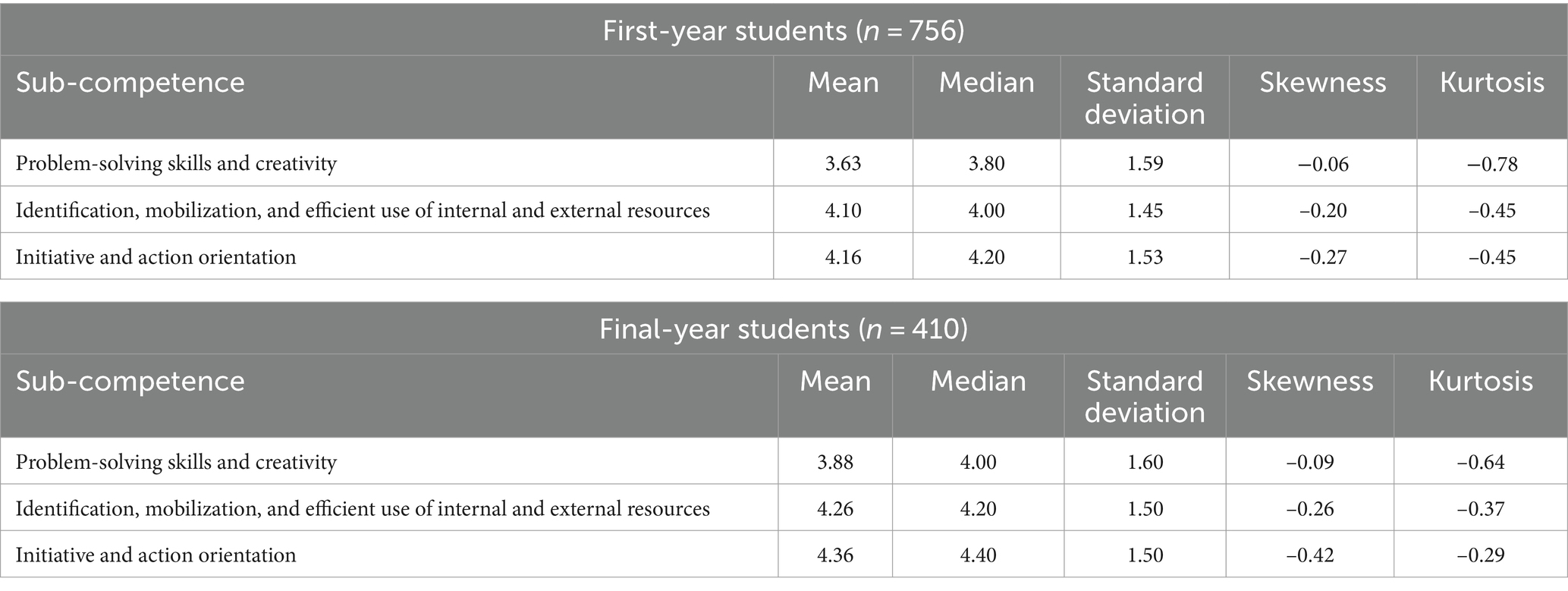
Table 1. Self-assessments of bachelor’s students’ entrepreneurship competence.
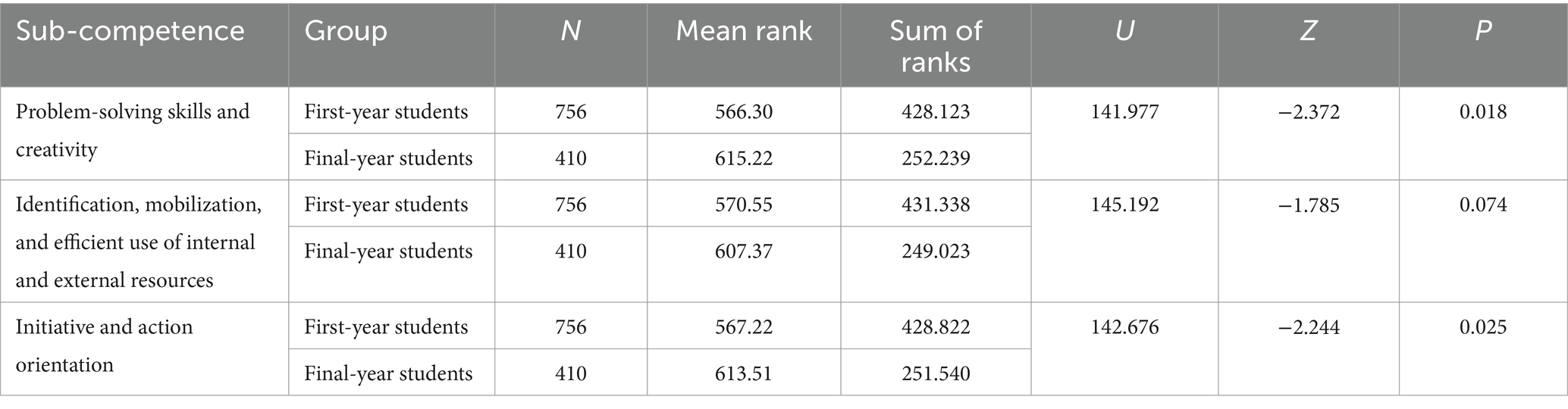
Table 2. Comparison of bachelor’s students’ self-assessment rankings (Mann–Whitney U test).
The results for Master’s students’ entrepreneurship sub-competences self-assessments have a similar pattern to bachelor’s students’ self-assessments (Table 3). First-year Master’s students’ self-assessed “initiative and action orientation” (mean = 4,37, median = 4,60, SD = 1,62) and “identification, mobilization, and efficient use of internal and external resources” (mean = 4,31, median = 4,60, SD = 1,52) higher than “problem-solving skills and creativity” (mean = 3,80, median = 4,00, SD = 1,79). Comparing first-year Master’s students’ self-assessments with final-year bachelor’s students’ self-assessments, it can be seen that the mean values are almost identical. However, Master’s students’ self-assessment standard deviation is higher for all entrepreneurship sub-competences than bachelor’s students’ self-assessments, which indicates a higher data dispersion.
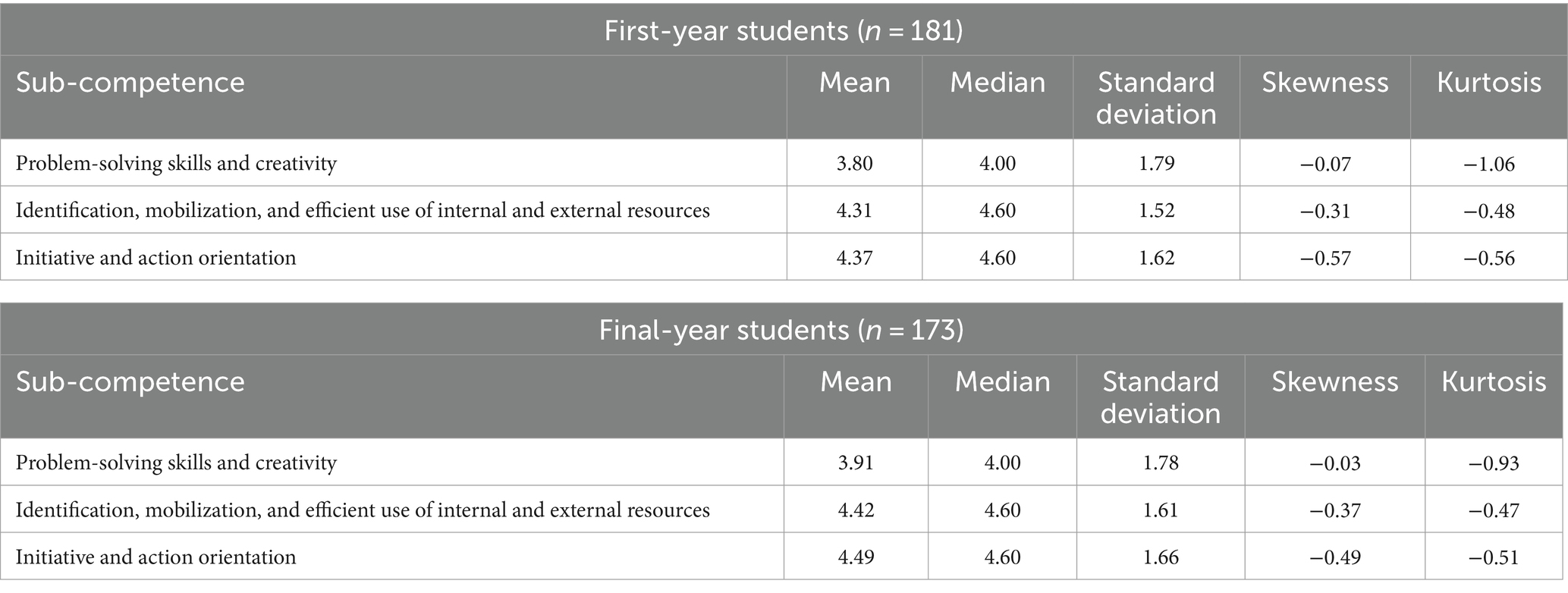
Table 3. Self-assessments of Master’s students’ entrepreneurship competence.
Final-year Master’s students self-assessed their entrepreneurship sub-competences similarly to first-year Master’s students. “Initiative and action orientation” (mean = 4,49, median = 4,60, SD = 1,66) and “identification, mobilization, and efficient use of internal and external resources” (mean = 4,42, median = 4,60, SD = 1,61) were both self-assessed with a mean value above 4 and higher than “problem-solving skills and creativity” (mean = 3,91, median = 4,00, SD = 1,79). However, unlike for bachelor’s students, there were no significant differences between first- and final-year Master’s students for any entrepreneurship sub-competence. Mann–Whitney U test p values are well above 0,05 for all entrepreneurship sub-competences (Table 4), indicating that Master’s students do not improve their entrepreneurship competences during their studies. However, it should be pointed out that there is a limitation due to the measuring methodology. All students were assessed at the same time; therefore, there is a three-year difference between most of the bachelor’s students and only a one-year difference between Master’s students, which might not be a long enough interval if their improvement is insignificant.

Table 4. Comparison of Master’s students’ self-assessment rankings (Mann–Whitney U test).
Further analysis indicates a difference in students’ entrepreneurship competence development between government-funded and private higher education institutions (Table 5). Students from private higher education institutions self-assessed “initiative and action orientation” (mean = 4,67, median = 4,60, SD = 1,44) and “identification, mobilization, and efficient use of internal and external resources” (mean = 4,64, median = 4,60, SD = 1,41) similarly and with a higher mean value than “problem-solving skills and creativity” (mean = 4,24, median = 4,20, SD = 1,48). Students from government-funded higher education institutions also self-assessed “initiative and action orientation” (mean = 4,21, median = 4,20, SD = 1,57) and “identification, mobilization, and efficient use of internal and external resources” (mean = 4,13, median = 4,20, SD = 1,49) similarly and with a higher mean value than “problem-solving skills and creativity” (mean = 3,66, median = 3,8, SD = 1,65). However, students from government-funded higher education institutions self-assessed all their entrepreneurship sub-competences lower than students from private higher education institutions. A Mann–Whitney U test showed statistically significant differences for all entrepreneurship sub-competences between students from private and government-funded higher education institutions (Table 6).
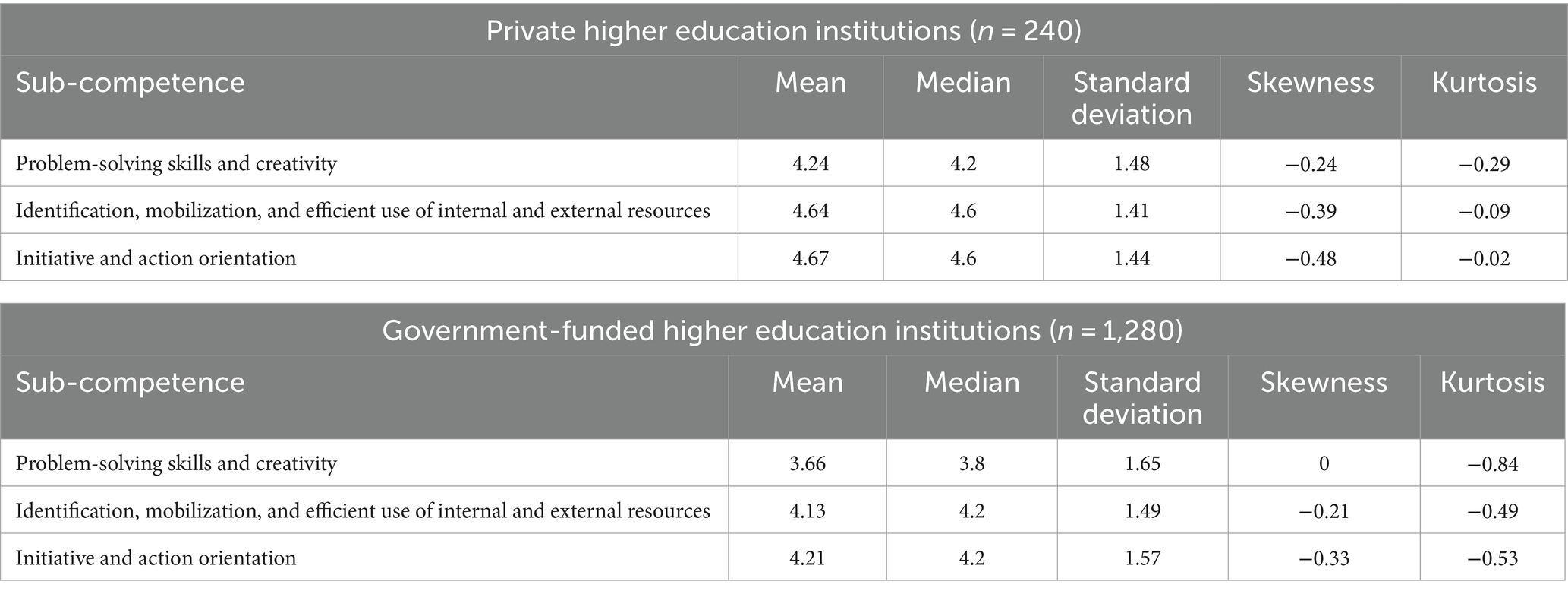
Table 5. Self-assessments of entrepreneurship competences of students from private higher education institutions and government-funded higher education institutions.
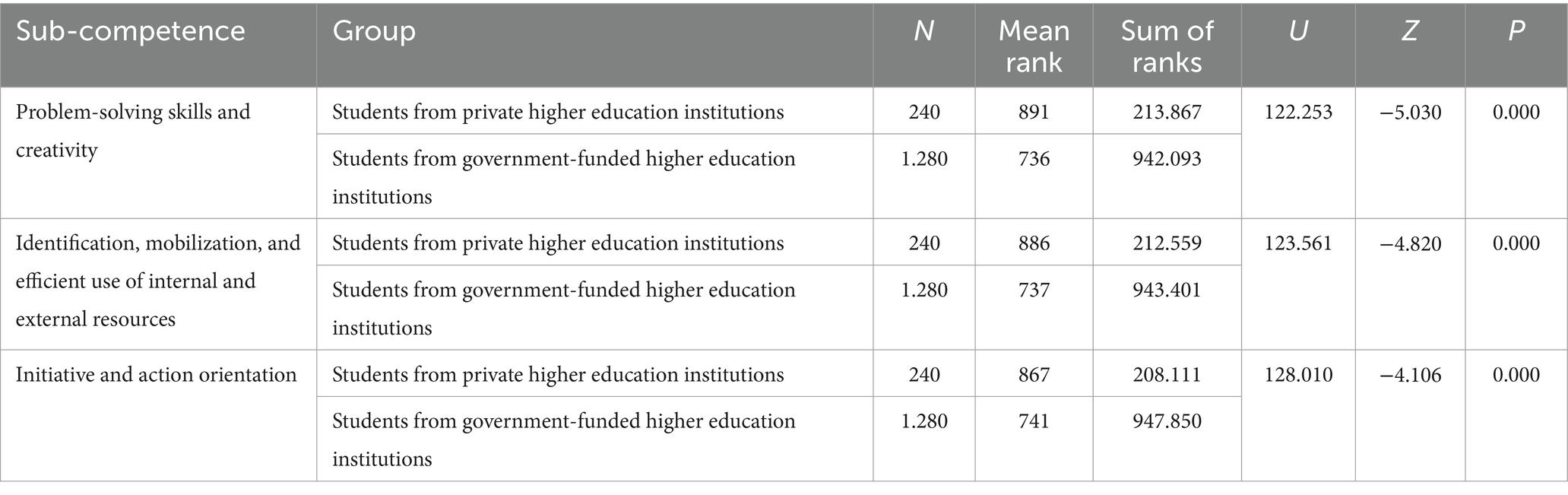
Table 6. Self-assessment rankings of students from private higher education institutions and government-funded higher education institutions (Mann–Whitney U test).
Students also differ in their self-assessment mean values based on their represented thematic group (Table 7). “Problem-solving skills and creativity” was self-assessed as the most developed sub-competence by students from the field of education sciences (mean = 4,10, SD = 1,68). Only this cohort self-assessed this sub-competence above 4. “Problem-solving skills and creativity” was self-assessed as the least developed sub-competence by students from the fields of services (mean = 3,58, SD = 1,43), health care and social welfare (mean = 3,57, SD = 1,69), agriculture (mean = 3,55, SD = 1,49), and natural sciences, mathematics and information technologies (mean = 3,54, SD = 1,69). Students from these four study fields self-assessed “problem-solving skills and creativity” very similarly. Students from education sciences (mean = 4,47, SD = 1,51) also self-assessed “identification, mobilization, and efficient use of internal and external resources” higher than students from all other study fields. Students from the field of social sciences, business, and law (mean = 4,33, SD = 1,55) also self-assessed this sub-competence relatively highly compared to others. “Identification, mobilization, and efficient use of internal and external resources” was evaluated lower compared to other study fields by students from natural sciences, mathematics, and information technologies (mean = 3,80, SD = 1,32), humanities and arts (mean = 4.20, SD = 1,34), and engineering sciences, manufacturing, and construction (mean = 3,78, SD = 1,44). Students from education sciences (mean = 4,57, SD = 1,59) and social sciences, business, and law (mean = 4,40, SD = 1,61) also self-assessed “initiative and action orientation” higher than other students, and again, students from the fields of natural sciences, mathematics, and information technologies (mean = 3,94, SD = 1,43) and engineering sciences, manufacturing, and construction (mean = 3,99, SD = 1,52) self-assessed “initiative and action orientation” lower than students from other fields. Consequently, it can be concluded that students from education sciences and social sciences, business, and law have better-developed entrepreneurship competences, while those of students from natural sciences, mathematics, and information technologies and from engineering sciences, manufacturing, and construction are less developed. A Kruskal–Wallis H test indicated significant differences between students’ self-assessments from different study fields for all entrepreneurship sub-competences (Table 8).
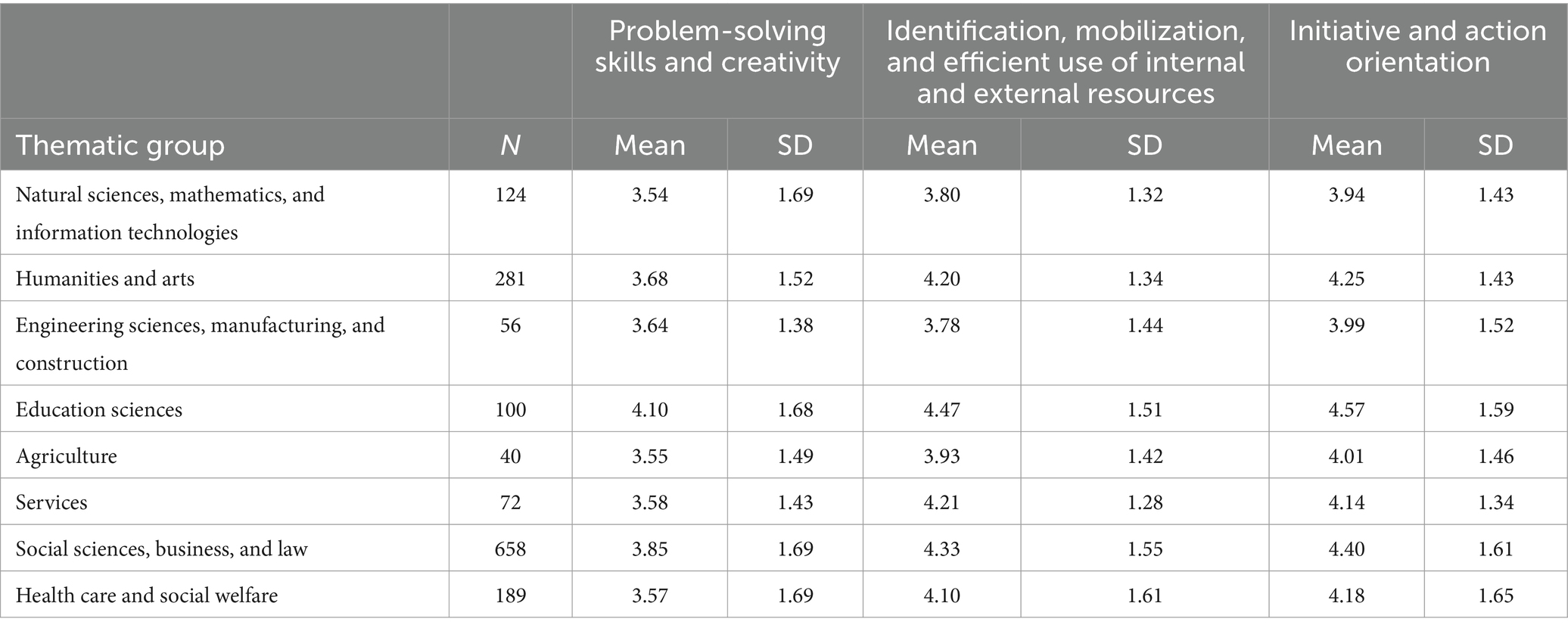
Table 7. Self-assessments of students’ entrepreneurship competence by thematic group.
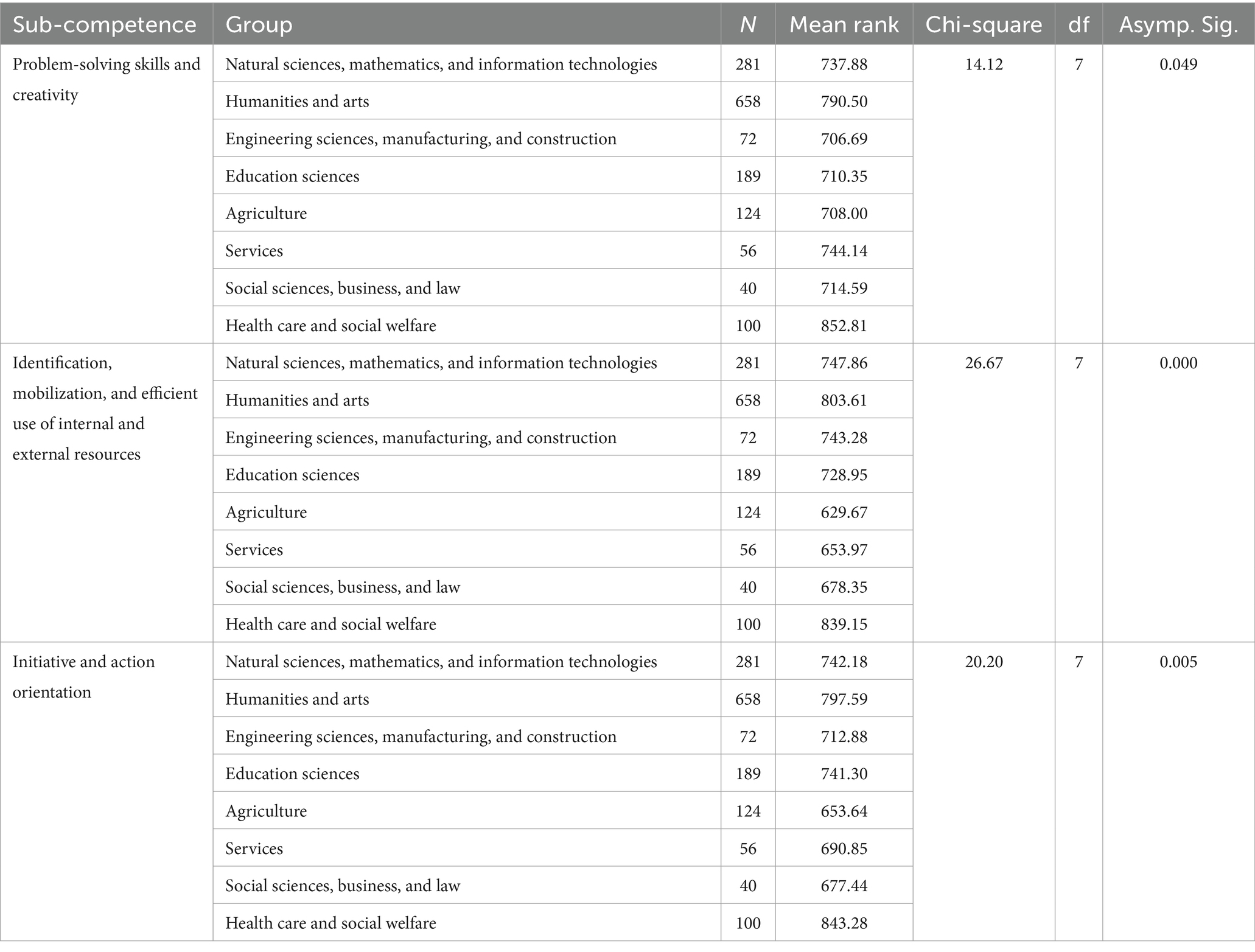
Table 8. Students’ self-assessments by thematic group (Kruskal–Wallis H test).
A Spearman rank correlation test was carried out to determine whether entrepreneurship competence is connected with research competence (Table 9). This showed a statistically significant moderate correlation (0,40 ≤ r < 0,6) between all research and entrepreneurship sub-competences (Akoglu, 2018). Therefore, it can be concluded that research competences and entrepreneurship competences are connected.
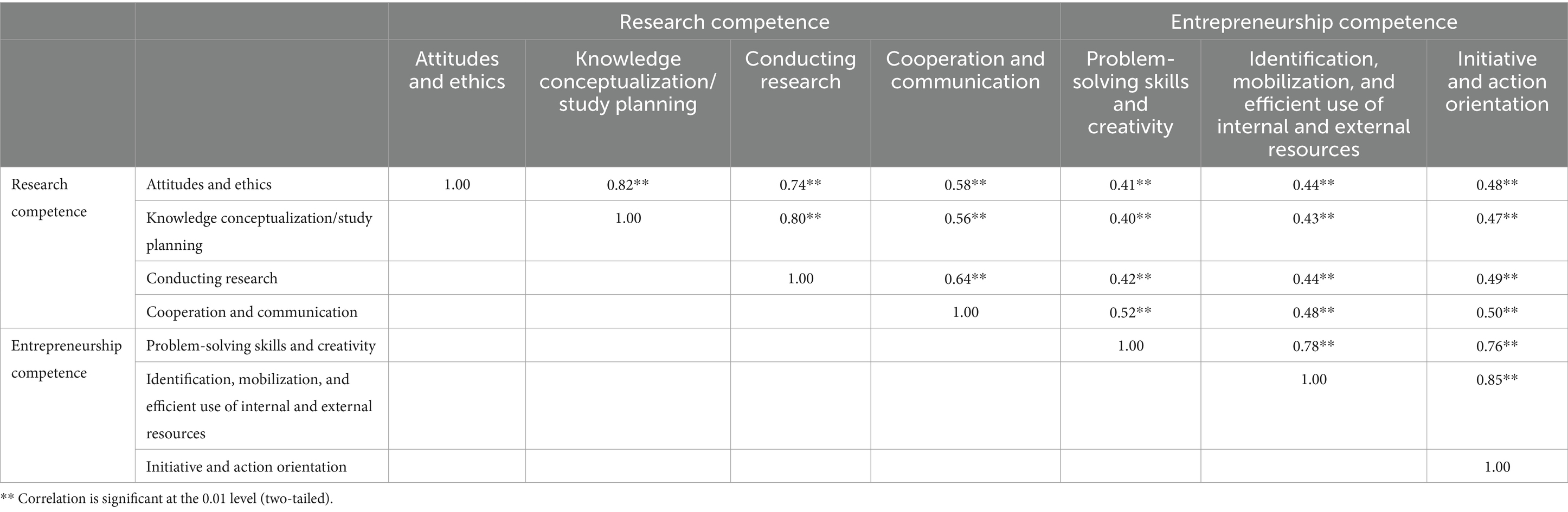
Table 9. Spearman rank correlations between entrepreneurship competences and research competences.
4 Discussion
While entrepreneurship competence is increasingly acknowledged as interdisciplinary in higher education and is integrated into various thematic groups, research findings suggest that students primarily enhance their entrepreneurship competence during bachelor’s studies. This raises the question: why is entrepreneurship competence not developed further during Master’s studies? Exploring the concept of self-assessment reveals that while links between self-assessment accuracy and performance have been identified, it is important to acknowledge that developing such skills takes time. Furthermore, assessment design needs to be aligned to support the development of self-assessment skills (Boud et al., 2013; Evans, 2013). One possible explanation for Master’s students’ low self-assessment of their entrepreneurship competence could be related to the Dunning–Kruger effect, which suggests that individuals with limited competence in a particular domain tend to overestimate their abilities. Therefore, it is plausible that bachelor’s students, who are still developing their self-assessment skills, may overestimate their entrepreneurship competence compared to Master’s students, who may have a more accurate perception of their abilities.
Interestingly, there is a discrepancy in different thematic groups of students’ self-assessments of their entrepreneurship competence. Those studying education sciences, social sciences, business, and law tend to rate their entrepreneurship competence higher, whereas students from natural sciences, mathematics, information technologies, engineering sciences, manufacturing, and construction exhibit lower self-assessments. This observation invites discussion on the methods used to develop entrepreneurship competence in the study process. Integrating entrepreneurship competence into the study process involves employing non-traditional teaching methods such as situation simulations and practical applications of learning theories, making entrepreneurship competence development relevant beyond traditional business studies (Komarkova et al., 2015). This approach is significant for enhancing employees’ competitiveness across various sectors. It also challenges the previous assumption that entrepreneurship is an innate trait, as research suggests that entrepreneurship competence can be acquired and refined over time (Borjas, 2003; Gibb and Hannon, 2006; Kirby, 2004; Lans et al., 2014; Tan and Ng, 2006).
It is essential to recognize that the level of students’ entrepreneurship competence development may vary, and inherited characteristics, such as communication skills and risk-taking propensity, can contribute to higher competence indicators. Like other competences, entrepreneurship competence can be enhanced through practice. To strengthen it, the study process should employ methods that engage students in active participation, problem-solving scenarios, and collaborative teamwork. These methods foster autonomy, initiative, opportunity recognition, effective communication, risk assessment, planning, resource allocation, and reflection while also reducing the fear of failure and enhancing awareness (OECD, 2018). Enhancing the entrepreneurship competence of students in exact and technological sciences is particularly significant for promoting innovation in technology, developing solutions with high added value, obtaining patents, and ultimately driving overall economic growth.
Creative thinking and problem-solving abilities are adaptable tools used for handling a variety of unfamiliar situations in a flexible way that strengthens adaptive and constructive behavior (Adeoye and Jimoh, 2023). Unfortunately, however, these were self-assessed the lowest at all educational levels and in all thematic groups. Promoting innovation and creativity among learners is challenging for educators as they contend with various obstacles that hinder the development of these abilities. These challenges encompass limited resources, cultural barriers, and resistance to change. For example, resource constraints can impede the implementation of innovative teaching methods like project-based learning (Norahmi, 2017; Sivarajah et al., 2019). Similarly, cultural barriers may obstruct the acceptance of new ideas and practices, such as entrepreneurship education. Additionally, resistance to change presents a significant obstacle, particularly within traditional education systems that prioritize rote learning (Adeoye and Jimoh, 2023), and hinders the use of new technologies, a student-centered approach, and collaboration with non-academic stakeholders.
Based on previous studies and the literature review, some conclusions can be drawn and recommendations formulated for higher education stakeholders to promote the development of entrepreneurship competence in the study process:
1. Begin the study process by assessing students’ entrepreneurship competence to identify the components and levels of competence that require development.
2. Increase educators’ awareness of entrepreneurship competence, its purpose, and its value in fostering both professional and personal well-being among students.
3. Recognize entrepreneurship competence as a transversal skill best developed through action and design the study process to incorporate professional practice, where students engage in real-world problems, receive feedback, and reflect on their experiences. Research suggests that competence development occurs when students encounter professional challenges and solve them with the support of peers and educators. This development is facilitated through metacognitive activities, where students reconfigure previously learned theoretical knowledge in response to new challenges (Langa, 2015).
4. Encourage students to identify current problems and collaborate with industry partners to search for research-based solutions and emphasize the importance of creating innovations and high-value products while using knowledge gained during the study process.
Research confirms that entrepreneurship competence and research competence are correlated with each other; however, the question of what the causal relationship remains unanswered, as does the issue of whether modern research competence already includes elements of entrepreneurship and, if not, in order for entrepreneurship competence to be effectively applied, if it must contain elements of research competence. Therefore, future research must answer the following crucial question: does today’s research competence also include entrepreneurship competence?
Data availability statement
The raw data supporting the conclusions of this article will be made available by the authors, without undue reservation.
Ethics statement
The study was conducted in accordance with the Declaration of Helsinki and approved by the Ethics Committee of the University of Latvia (08.02.2023. Nr. 71–46/35). All the respondents were informed about the use of their research data and read the following statement: “By filling in this questionnaire, you agree that the information provided will be used anonymously in the research. You can stop filling in the form if you feel that you do not wish to answer any of the questions.”
Author contributions
DM: Supervision, Writing – review & editing, Funding acquisition, Project administration, Resources. AL: Methodology, Writing – original draft, Writing – review & editing, Conceptualization, Formal analysis, Supervision, Validation. GL: Writing – review & editing, Methodology, Software, Visualization, Writing – original draft, Data curation. JG: Funding acquisition, Project administration, Writing – review & editing.
Funding
The author(s) declare financial support was received for the research, authorship, and/or publication of this article. This research was supported by the project “Vectors of societal cohesion: from cohesion around the nation-state (2012–2018) to a cohesive civic community for the security of the state, society and individuals (2024–2025)” (No. VPP-KM-SPASA-2023/1–0002).
Conflict of interest
The authors declare that the research was conducted in the absence of any commercial or financial relationships that could be construed as a potential conflict of interest.
Publisher’s note
All claims expressed in this article are solely those of the authors and do not necessarily represent those of their affiliated organizations, or those of the publisher, the editors and the reviewers. Any product that may be evaluated in this article, or claim that may be made by its manufacturer, is not guaranteed or endorsed by the publisher.
References
Adeoye, M., and Jimoh, A. (2023). Problem-solving skills among 21st-century learners toward creativity and innovation ideas. Think. Ski. Creat. 6, 52–58. doi: 10.23887/tscj.v6i1.62708
Akoglu, H. (2018). User’s guide to correlation coefficients. Turk. J. Emerg. Med. 18, 91–93. doi: 10.1016/j.tjem.2018.08.001
Anderson, L. (2022). Communities and students together (CaST): Piloting new approaches to engaged learning in Europe. IDC impact series 3. Antwerp: Maklu-Publishers.
Aragonés-Beltrán, P., Poveda-Bautista, R., and Jiménez-Sáez, F. (2017). An in-depth analysis of a TTO’s objectives alignment within the university strategy: an ANP-based approach. J. Eng. Tech. Manag. 44, 19–43. doi: 10.1016/j.jengtecman.2017.03.002
Ávalos, C., Pérez-Escoda, A., and Monge, L. (2019). Lean startup as a learning methodology for developing digital and research competencies. J. New Approaches Educ. Res. 8, 227–242. doi: 10.7821/naer.2019.7.438
Azizov, S. Y., and Azizov, A. A. (2018). Competence approach in education. Scientific notes of Khujand state university. Acad. B. Gafurov Humanities 3, 164–168.
Bacigalupo, M., Kampylis, P., Punie, Y., and Van den Brande, G. (2016). EntreComp: The entrepreneurship competence framework. Luxembourg: Publications Office of the European Union.
Bandaranaike, S., and Willison, J. (2015). Building capacity for work-readiness: bridging the cognitive and affective domains. Asia-Pacific J. Cooperative Educ. 16, 223–233.
Borjas, L. (2003). Espiritu emspresarial, creatividad empressarial. Un nuevo neto. Anales Universidad Metrop. 3, 133–156.
Boud, D., Lawson, R., and Thompson, D. G. (2013). Does student engagement in self-assessment calibrate their judgement over time? Assess. Eval. High. Educ. 38, 941–956. doi: 10.1080/02602938.2013.769198
Brennan, M. C., and McGowan, P. (2006). Academic entrepreneurship: an exploratory case study. Int. J. Entrep. Behav. Res. 12, 144–164. doi: 10.1108/13552550610667431
Compagnucci, L., and Spigarelli, F. (2020). The third Mission of the university: a systematic literature review on potentials and constraints. Technol. Forecast. Soc. Change 161:120284. doi: 10.1016/j.techfore.2020.120284
Council of the European Union. (2018). Council recommendation of 22 may 2018 on key competences for lifelong learning. Available at: https://eur-lex.europa.eu/legal-content/EN/TXT/?uri=uriserv:OJ.C_.2018.189.01.0001.01.ENG&toc=OJ:C:2018:189:TOC
De La Torre, E. M., Agasisti, T., and Perez-Esparrells, C. (2017). The relevance of knowledge transfer for universities’ efficiency scores: an empirical approximation on the Spanish public higher education system. Res. Eval. 26, 211–229. doi: 10.1093/reseval/rvx022
De La Torre, E. M., Pérez-Esparrells, C., and Casani, F. (2018). The policy approach for the third Mission of universities: the Spanish case (1983 – 2018). Reg. Sect. Econ. Stud. 18, 13–33.
Deglinnocenti, M., Matousek, R., and Tzeremes, N. G. (2019). The interconnections of academic research and universities’ “third mission”: evidence from the UK. Res. Policy 48:103793. doi: 10.1016/j.respol.2019.05.002
Dimdiņs, Ģ., Miltuze, A., and Oļesika, A. (2022). “Development and initial validation of an assessment tool for student transversal competences,” in Human, technologies and quality of education, 2022. Proceedings of scientific papers = Cilvēks, tehnoloģijas un izglītības kvalitāte, Rakstu Krājums, ed. L. Daniela Riga: University of Latvia, 449–463.
Duell, N., Guzi, M., Kahancova, M., Martiskova, M., Pavlovaite, I., and Manoudi, A. (2023). Thematic review 2023: Skills shortages and structural changes in the labour market during COVID 19 and in the context of the digital and green transitions. Brussels: European Commission.
El Hadidi, H. E., and Kirby, D. A. (2016). Universities and innovation in a factor-driven economy: the performance of universities in Egypt. Ind. High. Educ. 30, 140–148. doi: 10.5367/ihe.2016.0302
Espíritu, R., González, R. F., and Alcaraz, E. (2012). Desarrollo de competencias emprendedoras: Un análisis explicativo con estudiantes universitarios. Cuadernos Estudios Empresariales 22, 29–53.
European Commission. (2021). EU valorisation policy: making research results work for society. Available at: https://research-and-innovation.ec.europa.eu/research-area/industrial-research-and-innovation/eu-valorisation-policy_en (Accessed April 9, 2024)
European Commission (2023). Eurostat regional yearbook. 2023rd Edn. Luxembourg: Publications Office of the European Union.
Evans, C. (2013). Making sense of assessment feedback in higher education. Rev. Educ. Res. 83, 70–120. doi: 10.3102/0034654312474350
Fairweather, J. S. (1990). The university’s role in economic development: lessons for academic leaders. J. Soc. Res. Adm. 22, 5–11.
Ferreras-Garcia, R., Sales-Zaguirre, J., and Serradell-Lopez, E. (2021). Developing entrepreneurial competencies in higher education: a structural model approach. J. Educ. Train. 63, 720–743. doi: 10.1108/ET-09-2020-0257
García-Aracil, A., and Palomares-Montero, D. (2012). Agrupación alternativa para la evaluación de las universidades públicas españolas. Reg. Sect. Econ. Stud. 12, 177–192.
Gibb, A., and Hannon, P. (2006). Towards the entrepreneurial university? Int. J. Entrep. Educ. 4, 73–110.
Goethner, M., and Wyrwich, M. (2019). Cross-faculty proximity and academic entrepreneurship: the role of business schools. J. Technol. Transf. 45, 1016–1062. doi: 10.1007/s10961-019-09725-0
Günther, J., and Wagner, K. (2008). Getting out of the ivory tower – new perspectives on the entrepreneurial university. Euro. J. Int. Manag. 2:400. doi: 10.1504/EJIM.2008.021245
Hagen, R. (2002). Globalization, university transformation and economic regeneration: a UK case study of public/private sector partnership. Int. J. Public Sect. Manag. 15, 204–218. doi: 10.1108/09513550210423370
Hynes, W., Linkov, I., and Trump, B. (2020). New approaches to economic challenges (NAEC): a systemic approach to dealing with COVID-19 and future shocks. Available at: http://www.oecd.org/naec/projects/resilience/NAEC_Resilience_and_Covid19.pdf (Accessed April 9, 2024).
International Commission on the Futures of Education (2021). Reimagining our futures together: A new social contract for education. Paris: UNESCO.
Kirby, D. A. (2004). Entrepreneurship education: can business schools meet the challenge? J. Educ. Train. 46, 510–519. doi: 10.1108/00400910410569632
Komarkova, I., Gagliardi, D., Conrads, J., and Collado, A. (2015). Entrepreneurship competence: an overview of existing concepts, policies and initiatives. JRC Work. Papers 11, 1–158. doi: 10.2791/067979
Kotosz, B., Lukovics, M., Molnár, G., and Zuti, B. (2016). How to measure the local economic impact of universities? Methodological overview. Reg. Stat. 5, 3–19. doi: 10.15196/RS05201
Lake, D., Fernando, H., and Eardley, D. (2016). The social lab classroom: wrestling with—and learning from—sustainability challenges. Sustain. For. 12, 76–87. doi: 10.1080/15487733.2016.11908155
Langa, C. (2015). The contribution of transversal competences to the training of the educational sciences specialist. Procedia – Soc. Behav. Sci. 180, 7–12. doi: 10.1016/j.sbspro.2015.02.077
Lans, T., Blok, V., and Wesselink, R. (2014). Learning apart and together: towards an integrated competence framework for sustainable entrepreneurship in higher education. J. Clean. Prod. 62, 37–47. doi: 10.1016/j.jclepro.2013.03.036
Liu, S. L., and Dubinsky, A. J. (2000). Institutional entrepreneurship – a panacea for universities-in-transition? Euro. J. Market. 34, 1315–1337. doi: 10.1108/03090560010348470
Liu, S., and van der Sijde, P. C. (2021). Towards the entrepreneurial university 2.0: reaffirming the responsibility of universities in the era of accountability. Sustain. For. 13:3073. doi: 10.3390/su13063073
Mariani, G., Carlesi, A., and Scarfò, A. (2018). Academic spinoffs as a value driver for intellectual capital. The case of the University of Pisa. J. Intell. Cap. 19, 202–226. doi: 10.1108/JIC-03-2017-0050
Marin, E., Iftimescu, S., Ion, G., Stingu, M., and Proteasa, C. (2017). “Academic managers’ perspective on research management in higher education institutions across Romania,” in Proceedings of the 3rd international conference on higher education advances, eds. J. Domenech I Soria, M. Cinta Vincent Vela, E. PozaDe La, and And D. Blazquez (Valencia: Valencia Polytechnic University), 1185–1192.
Miltuze, A., Dimdiņš, Ģ., Oļesika, A., Āboliņa, A., Lāma, G., Medne, D., et al. (2021). Manual for the use of the competency assessment tool for students studying in higher education. Riga: University of Latvia.
Missingham, D., Cheong, M., Serfas, L., Phadke, D., and Symes, M, (2016). “Validating student-led learning initiatives in problem solving: a cross institutional case study,” in Proceedings of the 27th annual conference of the Australasian Association for Engineering Education, 598–609.
Mok, K. H. (2016). Massifying and internationalising higher education, changing labour markets and social mobility: challenges for education and urban governance. J. High. Educ. Pol. Manag. 38, 233–241. doi: 10.1080/1360080X.2016.1174402
Montesinos, P., Carot, J. M., Martinez, J.-M., and Mora, F. (2008). Third mission ranking for world class universities: beyond teaching and research. High. Educ. Eur. 33, 259–271. doi: 10.1080/03797720802254072
National Statistical System of Latvia. (2023). Available at: https://data.stat.gov.lv/pxweb/en/OSP_PUB/ (Accessed June 30, 2023).
Norahmi, M. (2017). 21st century teachers: the students’ perspectives. J. Eng. For. Lang. 7, 77–96. doi: 10.23971/jefl.v7i1.538
O’Neill, G., and McMahon, T. (2005). “Student-centred learning: what does it mean for students and lecturers?” in Emerging issues in the practice of university learning and teaching. eds. G. O’Neill, S. Moore, and B. McMullin (Dublin: AISHE), 30–39.
OECD (2020). “Education policy outlook in Latvia” in OECD education policy perspectives 19 (Paris: OECD).
OECD (2022). Mapping skill requirements in occupations based on job postings data: An application to the skills for jobs database 2022. Paris: OECD.
Reyes, C. E. G., and Glasserman, L. (2020). Research competencies mediated by technologies: a systematic review of the literature in Scopus. Preprints 2020:2020070125. doi: 10.20944/preprints202007.0125.v1
Rios, J. A., Ling, G., Pugh, R., Becker, D., and Bacall, A. (2020). Identifying critical 21st-century skills for workplace success: a content analysis of job advertisements. Educ. Res. 49, 80–89. doi: 10.3102/0013189X19890600
Rothaermel, F. T., Agung, S. D., and Jiang, L. (2007). University entrepreneurship: a taxonomy of the literature. Ind. Corp. Change 16, 691–791. doi: 10.1093/icc/dtm023
Rubene, Z., Dimdinš, G., Miltuze, A., Baranova, S., Medne, D., Jansone-Ratinika, N., et al. (2022). Evaluation of the competences of students in higher education and their development dynamics during the study period. Riga: University of Latvia.
Rubens, A., Spigarelli, F., Cavicchi, A., and Rinaldi, C. (2017). Universities third mission and the entrepreneurial university and the challenges they bring to higher education institutions. J. Enterp. Commun 11, 354–372. doi: 10.1108/JEC-01-2017-0006
Shore, C., and McLauchlan, L. (2012). ‘Third mission’ activities and academic entrepreneurs: commercialization and the remaking of the university. Soc. Anthrop. 20, 267–286. doi: 10.1111/j.1469-8676.2012.00207.x
Sivarajah, R. T., Curci, N. E., Johnson, E. M., Lam, D. L., Lee, J. T., and Richardson, M. L. (2019). A review of innovative teaching methods. Acad. Radiol. 26, 101–113. doi: 10.1016/j.acra.2018.03.025
Slišāne, A., Lāma, G., and Bernande, M. (2021). Knowledge valorisation in doctoral studies in Latvia: entrepreneurship and the development of research competencies in the study process. Acta Paedagogica Vilnensia 47, 193–210. doi: 10.15388/ActPaed.2021.47.13
Slišāne, A., and Rubene, Z. (2021). Entrepreneurship pedagogy: entrepreneurial skills and mindset? Int. J. Smart Educ. Urb. Soc. 12, 60–71. doi: 10.4018/IJSEUS.2021040106
Taber, K. S. (2018). The use of Cronbach’s alpha when developing and reporting research instruments in science education. Res. Sci. Educ. 48, 1273–1296. doi: 10.1007/s11165-016-9602-2
Tan, S. S., and Ng, C. (2006). A problem-based learning approach to entrepreneurship education. J. Educ. Train. 48, 416–428. doi: 10.1108/00400910610692606
Tojar-Hurtado, J.-C., and Estrada-Vidal, L.-I. (2019). Assessing and developing social entrepreneurship competencies in university subjects. New Trends Issues 6, 91–99. doi: 10.18844/prosoc.v6i1.4159
Trencher, G., Yarime, M., McCormick, K. B., Doll, C. N. H., and Kraines, S. B. (2014). Beyond the third mission: exploring the emerging university function of co-creation for sustainability. Sci. Public Policy 41, 151–179. doi: 10.1093/scipol/sct044
UNESCO. (2015). UNESCO and sustainable development goals. Available at: https://es.unesco.org/sdgs (Accessed April 9, 2024).
United Nations. (2015). Sustainable development goals. https://www.un.org/sustainabledevelopment/ (Accessed April 9, 2024).
Urias, E., Vogels, F., Yalcin, S., Malagrida, R., Steinhaus, N., and Zweekhorst, M. (2020). A framework for science shop processes: results of a modified Delphi study. Futures 123:102613. doi: 10.1016/j.futures.2020.102613
Van Looy, B., Landoni, P., Callaert, J., Van Pottelsberghe, B., Sapsalis, E., and Debackere, K. (2011). Entrepreneurial effectiveness of European universities: an empirical assessment of antecedents and trade-offs. Res. Policy 40, 553–564. doi: 10.1016/j.respol.2011.02.001
Volkmann, C. (2004). Entrepreneurial studies in higher education. High. Educ. Euro. 29, 177–185. doi: 10.1080/0379772042000234802
Wang, Y.-Y. (1996). “Sustainable economic development” in Inflation and growth in China. eds. M. Guitián and R. A. Mundell (Washington, DC: International Monetary Fund), 123–133.
Willison, J., Sabir, F., and Thomas, J. (2017). Shifting dimensions of autonomy in students. Research and employment. High. Educ. Res. Dev. 36, 430–443. doi: 10.1080/07294360.2016.1178216
Yamakawa, Y., McKone-Sweet, K., Hunt, J., and Greenberg, D. (2016). Expanding the focus of entrepreneurship education: a pedagogy for teaching the entrepreneurial method. J. Bus. Entrep. 27, 19–46.
Keywords: transversal competences, entrepreneurship competences, employability, higher education, research competence
Citation: Medne D, Lastovska A, Lama G and Grava J (2024) Unlocking potential: exploring the interplay between entrepreneurship and research competence across diverse academic disciplines. Front. Educ. 9:1415599. doi: 10.3389/feduc.2024.1415599
Edited by:
Paula Bajdor, Częstochowa University of Technology, PolandReviewed by:
Carla Fidalgo, Superior Institute of Engineering of Coimbra (ISEC), PortugalWaldemar Jędrzejczyk, Częstochowa University of Technology, Poland
Copyright © 2024 Medne, Lastovska, Lama and Grava. This is an open-access article distributed under the terms of the Creative Commons Attribution License (CC BY). The use, distribution or reproduction in other forums is permitted, provided the original author(s) and the copyright owner(s) are credited and that the original publication in this journal is cited, in accordance with accepted academic practice. No use, distribution or reproduction is permitted which does not comply with these terms.
*Correspondence: Agnese Lastovska, YWduZXNlLmxhc3RvdnNrYUBsdS5sdg==