 Yaranay López-Angulo1*
 Rubia Cobo-Rendón2
 Fabiola Sáez-Delgado3
 Javier Mella-Norambuena4
 María Victoria Pérez-Villalobos1
 Alejandro Díaz-Mujica1
- 1Departamento de Psicología, Facultad de Ciencias Sociales, Universidad de Concepción, Concepción, Chile
- 2Instituto de Bienestar Socioemocional IBEM, Facultad de Psicología, Universidad del Desarrollo, Concepción, Chile
- 3Departamento Fundamentos de la Pedagogía, Facultad de Educación, Centro de Investigación en Educación y Desarrollo (CIEDE-UCSC), Universidad Católica de la Santísima Concepción, Concepción, Chile
- 4Facultad de Salud y Ciencias Sociales, Universidad de Las Américas, Concepción, Chile
Introduction: The intention to dropout and dropout is a problem still unresolved in higher education institutions.
Objective: To estimate the differences in the levels of engagement, motivation and academic satisfaction according to (a) intention to dropout and (b) students who remained with those who dropped out. Method: non-experimental designs were used. Two studies are reported, study 1 involved 3,256 students and study 2 involved 2,110 students. The Utrecht Work Engagement Scale Student Test, the Academic Self-Regulation Scale and the Academic Satisfaction Scale were used. The intention to dropout was measured with 3 items and the final dropout data was taken from the official register of students who dropped out of university.
Results: There are significant differences in the levels of engagement, autonomous motivation and satisfaction between the students who remained and those who dropped out of the university.
Discussion: Students who dropped out in the 3rd semester presented lower levels of academic engagement, motivation and academic satisfaction than those who remained. The intention to dropout and lower levels of these cognitive-motivational variables may contribute to the identification of students at high risk of dropping out. These results contribute to unveiling key variables for the educational transformation of Higher Education in the 21st century.
1 Introduction
Dropout from tertiary education is a relevant issue that can be evidenced in different regions of the world (Behr et al., 2021; Perchinunno et al., 2021; Delogu et al., 2024). This is no exception in the Latin American region (Acevedo, 2021; Arias et al., 2023; Heredia and Carcausto-Calla, 2024), which reports concern about dropout levels in universities. Specifically, in Chile, the figures shown in recent years confirm the importance of addressing this phenomenon (López-Angulo et al., 2023; Sáez-Delgado et al., 2021; Von Hippel and Hofflinger, 2021). According to the Higher Education Information Service (SIES; for its acronym in Spanish), the dropout rate of students in Chilean universities has remained between 21 and 30% (SIES, 2017, 2019, 2020), with a decrease of 1.2% in the first year (SIES, 2023).
In this context, the specialized literature highlights that cognitive and motivational skills are required to respond to academic, social and institutional demands at the university stage (Long and Noor, 2023; López-Angulo et al., 2022; Lorenzo-Quiles et al., 2023; Sáez-Delgado et al., 2023). Overcoming these challenges can be complex despite having met the formal requirements for university entrance (Kocsis and Molnár, 2024). The causes for students dropping out can be categorized into individual, academic, economic, institutional, and cultural factors (Aina et al., 2022; Bernardo et al., 2022; de la Cruz-Campos et al., 2023). Within the individual factors are, among others, academic motivation, academic satisfaction, academic engagement and intention to dropout (Álvarez-Pérez et al., 2021; Bernardo et al., 2022; Litalien et al., 2019; Marôco et al., 2020; Truta et al., 2018).
Motivation refers to the energy that moves the person to act. It can be observed from one extreme with no motivation, through controlled force or regulation to the other extreme of autonomous motivation (Ryan and Deci, 2000). Controlled motivation alludes to external pressures or external control (Vansteenkiste et al., 2006). At an opposite extreme, motivation is delineated as autonomous to emphasize its basic characteristic of choice and psychological freedom; this motivation and sense of academic enjoyment are favorable for progress in studies (Corpus et al., 2020; Noyens et al., 2019) is facilitated by perceived support for one’s decisions from one’s teachers (Alrabai, 2021), is linked to superior academic performance (Manzoor et al., 2023) and less likelihood of dropping out (Yusof et al., 2023). Consideration of this motivation may prove valuable in predicting future university dropout (Wild et al., 2024).
When students can actively participate in the achievement of their goals, they experience higher levels of academic satisfaction (Sánchez-Cardona et al., 2021). In the academic context, satisfaction is understood as well-being and enjoyment of the experiences lived by the student (Diener et al., 2018); it can be influenced by aspects such as academic self-efficacy, the expectation of results, progress in the established goals and social support (López-Angulo et al., 2021; Mostert and Pienaar, 2020). It is associated with characteristics of the university center, with pedagogical practices developed by its teachers (Espinoza and McGinn, 2018) and to the intention to dropout during the period of university entrance (Bernardo et al., 2018).
Academic engagement is another aspect linked to success in university (Acosta-Gonzaga, 2023; Ayala and Manzano, 2018; Cobo-Rendón et al., 2022; Martínez et al., 2019). It is a positive state of mind and persistent satisfaction, disaggregated into vigor, dedication, and absorption (Schaufeli and Bakker, 2003). Vigor is the student’s willingness to exert effort and persist in academic activities. Dedication is a desire for involvement in academic activities, enthusiasm, a sense of pride and inspiration, related to studies. Absorption is a condition of concentration and involvement in academic activities, associated with a loss of the notion of time, which makes the student persist in the task without being aware of the time spent in its realization (Liébana-Presa et al., 2014; Schaufeli and Bakker, 2003). Engagement is related to academic satisfaction (Fisher et al., 2021) and to university persistence (Álvarez-Pérez et al., 2021). In contrast, a lack of dedication (dimension of engagement) to studies has been found to be a predictor of dropout intention (Truta et al., 2018).
The process of disengagement with the university career begins with an intention to dropout, understood as part of a decision-making process developed during the early stages of the university experience, associated with the students’ probability of discontinuing their studies (Song et al., 2023; Muñoz-Inostroza et al., 2024). The dropout intention alludes to desires to dropout corresponds to cognitions of changing or abandoning the career or the university institution (Bean and Metzner, 1985; Mashburn, 2000). The presence of these thoughts associated with dropping out can facilitate the disengagement process and is considered an early warning of a possible dropout situation. The intention to dropout is more frequent in first-year students (Bernardo et al., 2018; Behr et al., 2020; Lorenzo-Quiles et al., 2023). Definitive dropout refers to the cessation of institutionalized academic activities, for three or more consecutive terms (Bean and Eaton, 2001; Tinto, 1982). It is evident when a student interrupts studies before finishing university and does not enroll for two consecutive years (Acevedo, 2021).
Obtaining early warnings of eventual dropouts can facilitate the adoption of actions or interventions to mitigate them (Sáez-Delgado et al., 2020). Previous research has identified a variety of factors that contribute to dropout, including individual, academic, economic, institutional and cultural factors. However, there is a gap in the literature regarding how cognitive and motivational variables can be changed through student-teacher interactions in the teaching-learning process (López-Angulo et al., 2023). This study seeks to fill that gap by focusing on variables such as academic self-efficacy, academic satisfaction, academic engagement, and intention to drop out, which are crucial and modifiable factors that can influence student retention (Sánchez-Cardona et al., 2021; Respondek et al., 2017). The proposed study is relevant because it addresses the critical problem of university dropout by analyzing cognitive and motivational variables that are modifiable through student-faculty interaction. This research not only has the potential to improve students’ well-being and academic satisfaction by identifying key factors that influence their intention to drop out, but can also inform institutional policies and practices that promote a more favorable educational environment. In addition, reducing dropout rates has important economic implications, improving the efficiency of the educational system and reducing the costs associated with dropout. Ultimately, the study contributes significantly to scientific knowledge by providing a basis for future research and practical applications in higher education (Cela et al., 2024; Holland et al., 2020; Tinto, 2017). In the present paper, the main objective was to estimate the differences in cognitive-motivational variables such as academic engagement, motivation, and academic satisfaction in groups of students who reported intention to dropout in first year of their careers and in students who dropped out of university in the second year, for which were carried two studies.
2 Study 1
Study 1 was carried out in the first academic semester. It aimed to estimate the differences in levels of academic engagement, motivation and academic satisfaction according dropout intentions.
2.1 Design
The design was non-experimental, descriptive, cross-sectional study (Ato et al., 2013). It was conducted in the university setting, without manipulation by the researchers.
2.2 Participants
A total of 3,256 first-semester university students from the 2017 and 2018 enrolled cohorts participated, with an average age of 19.2 years (SD = 1.82 years), of these 1,638 were male (50.3%) and 1,618 female (49.7%). The students belonged to 6 universities in Chile different faculties: Faculty of Education, the Faculty of Social Sciences, the Faculty of Engineering and the Faculty of Physical and Mathematical Sciences.
2.3 Measuring instruments
2.3.1 Sociodemographic questionnaire
A questionnaire was designed to obtain information on age, sex, career and year of entry to the university.
2.3.2 Academic motivation
The Academic Self-Regulation Scale (Vansteenkiste et al., 2009) was used. It assesses autonomous motivation (e.g., “I study this career because it is fun”) and controlled motivation (e.g., “I study this career because others expect me to”). A seven-alternative Likert-type response scale was used. In this research it presented a reliability index of α = 0.88 in the dimension of autonomous motivation and of 0.87 controlled motivation (or external pressure).
2.3.3 Academic satisfaction
The Spanish version of the Academic Satisfaction Scale was used. It evaluates the degree to which students feel satisfied in general with their studies (e.g., “I am satisfied with being in this career”). A Likert-type scale with seven alternatives was used. Of the original scale, a unifactorial structure and reliability indexes of α = 0.94 are reported. The Spanish version maintains the unifactorial structure with a reliability index of 0.85 (Medrano et al., 2014). In this research it presented a reliability index of α = 0.91.
2.3.4 Academic engagement
The Spanish version of the Utrecht Work Engagement Scale Student Test UWES-9 (Schaufeli et al., 2002) was used. It evaluates the degree of engagement to studies, and is composed of three dimensions: vigor (student’s willingness to make an effort and persist during study, e.g., I feel strong and vigorous when I study or attend classes), dedication (desire to be involved in the academic activity, e.g., I am enthusiastic about my career) and absorption (state of concentration and involvement in the academic task, e.g., I am happy when I am doing tasks related to my studies). The internal consistency indices in this study were: academic engagement α = 0.90, vigor α = 0.82, dedication α = 0.84, absorption α = 0.78.
2.3.5 Intention to dropout
Three items were used: “I hope to complete my studies in this career,” “I am thinking of changing careers,” “Do you want to continue studying the same career? A Likert-type scale of seven alternatives was used (1 = totally disagree to 7 = totally disagree). The intention to dropout is the result of averaging the items (reversing the second item); an average score below 5 indicates intention to dropout. The internal consistency index was α = 0.82.
2.4 Procedure
The approaches for the development of social science research presented in the Singapore Declaration on Integrity in Research were taken into account. The students responded to the questionnaires after reading the informed consent. To obtain the results Student’s t test was performed for independent samples. Compliance with assumptions and homogeneity of variances were checked with Levene’s test; in cases where this was not met, a nonparametric test for independent groups was used.
2.5 Results of study 1
In order to respond to the objective of estimating the differences in cognitive-motivational variables such as academic engagement, motivation and academic satisfaction in groups of students who declared their intention to dropout in the first year of their degree, the first study identified students with intention to dropout of their first year of studies. Of the 3,256 students in the total sample, 358 were categorized as intending to dropout and 2,898 as not intending to dropout (see Table 1).
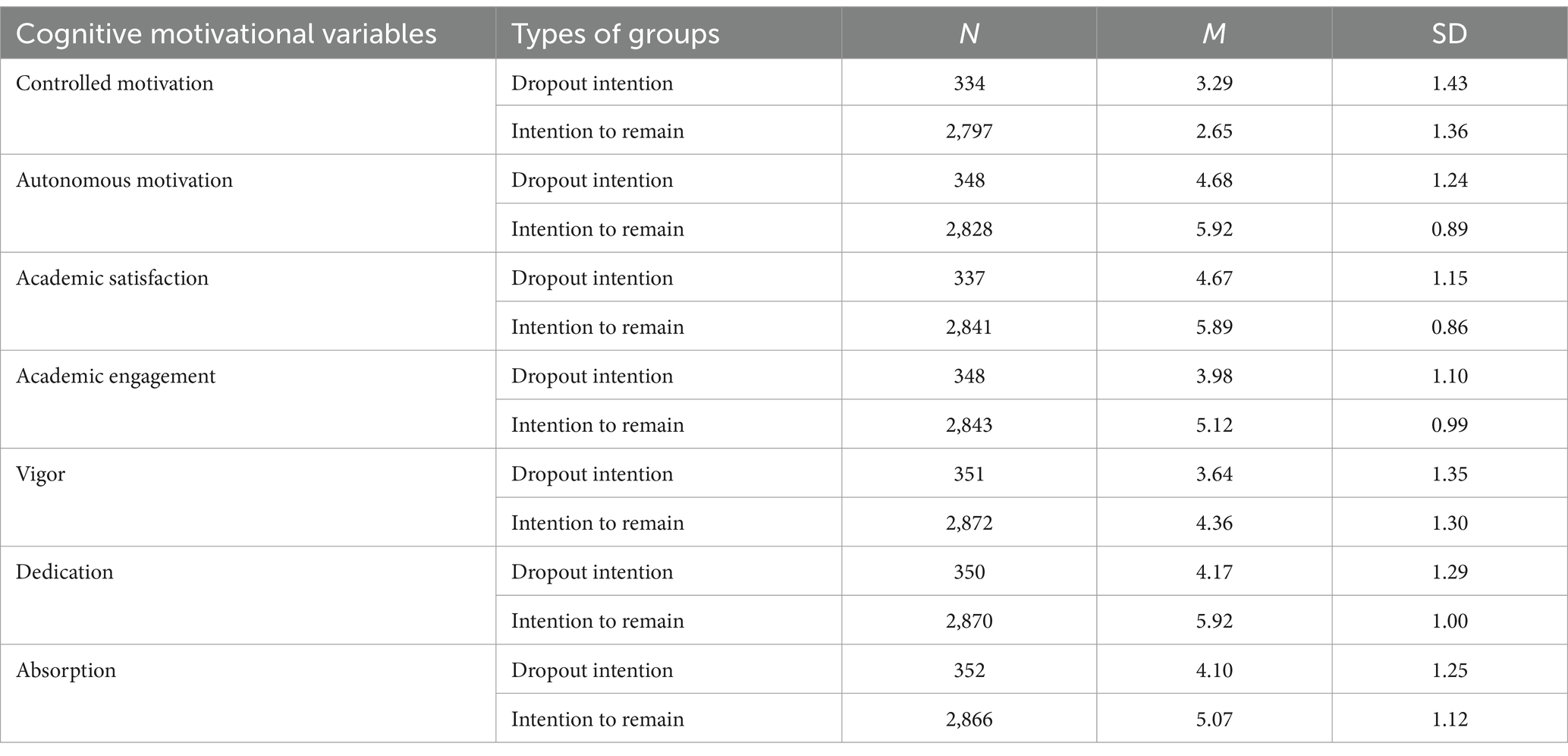
Table 1. Descriptive statistics of cognitive and motivational variables in the first academic year.
The results indicate statistically significant differences in all the variables considered, between the group with intention to dropout (1st semester) and the group without intention to dropout (Table 2). The students with intention to dropout presented lower scores for autonomous motivation, academic satisfaction and engagement than the group with intention to remain; however, the score for controlled motivation (or external pressure) is higher.
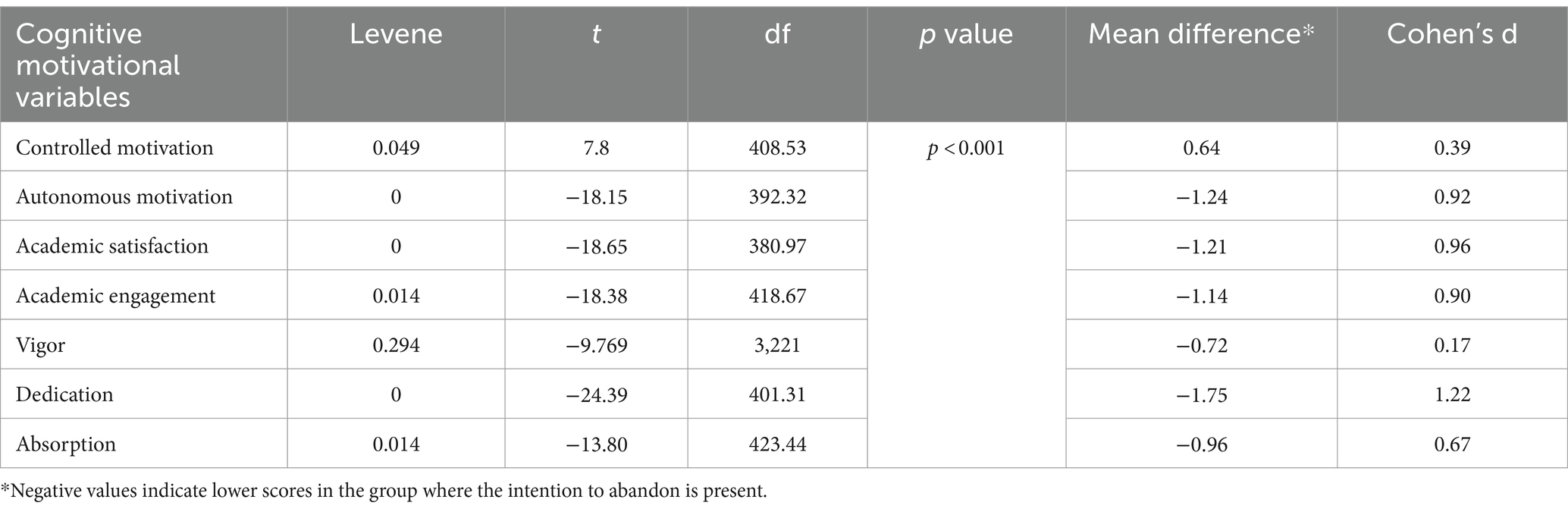
Table 2. Differences in cognitive motivational variables with respect to intention to dropout.
3 Study 2
Study 2 estimated differences in the levels of academic engagement, motivation and academic satisfaction between students who remained and students who had dropout in the 3rd semester.
3.1 Design
Was used quantitative approach with non-experimental design of kind longitudinal panel. Panel analysis involves following exactly the same people over the period of the study. The variables (academic engagement, motivation and satisfaction) were measured (in the first semester) and then (in the third semester) the students who dropout were identified.
3.2 Participants
A total of 2,110 students completed the second instrument measurement. The mean age of the participants was 19.3 years (SD = 1.83 years). The gender distribution was 1,116 males (53%) and 994 females (47%).
3.3 Measuring instruments
3.3.1 Sociodemographic questionnaire
A questionnaire was designed to obtain information on age, sex, career and year of entry to the university.
3.3.2 Academic motivation
The Academic Self-Regulation Scale (Vansteenkiste et al., 2009) was used. It assesses autonomous motivation (e.g., “I study this career because it is fun”) and controlled motivation (e.g., “I study this career because others expect me to”). A seven-alternative Likert-type response scale was used. In this research it presented a reliability index of α = 0.88 in the dimension of autonomous motivation and of 0.87 controlled motivation (or external pressure).
3.3.3 Academic satisfaction
The Spanish version of the Academic Satisfaction Scale was used. It evaluates the degree to which students feel satisfied in general with their studies (e.g., “I am satisfied with being in this career”). A Likert-type scale with seven alternatives was used. Of the original scale, a unifactorial structure and reliability indexes of α = 0.94 are reported. The Spanish version maintains the unifactorial structure with a reliability index of 0.85 (Medrano et al., 2014). In this research it presented a reliability index of α = 0.91.
3.3.4 Academic engagement
The Spanish version of the Utrecht Work Engagement Scale Student Test UWES-9 (Schaufeli et al., 2002) was used. It evaluates the degree of engagement to studies, and is composed of three dimensions: vigor (student’s willingness to make an effort and persist during study, e.g., I feel strong and vigorous when I study or attend classes), dedication (desire to be involved in the academic activity, e.g., I am enthusiastic about my career) and absorption (state of concentration and involvement in the academic task, e.g., I am happy when I am doing tasks related to my studies). The internal consistency indices in this study were: academic engagement α = 0.90, vigor α = 0.82, dedication α = 0.84, absorption α = 0.78.
3.3.5 Final dropout
Data was taken from the official register of students who dropped out of university.
3.4 Procedure
In addition to the above measures, the university was asked for information on the permanence of students in the 3rd semester. Based on this information, groups of students who remained and those who dropout were formed. Descriptive results were generated, and Student’s t-test for independent samples was used to answer the objective.
3.5 Results of study 2
We identified 321 students who were withdrawn from their university career (15.2% of the study participants) (see Table 3).
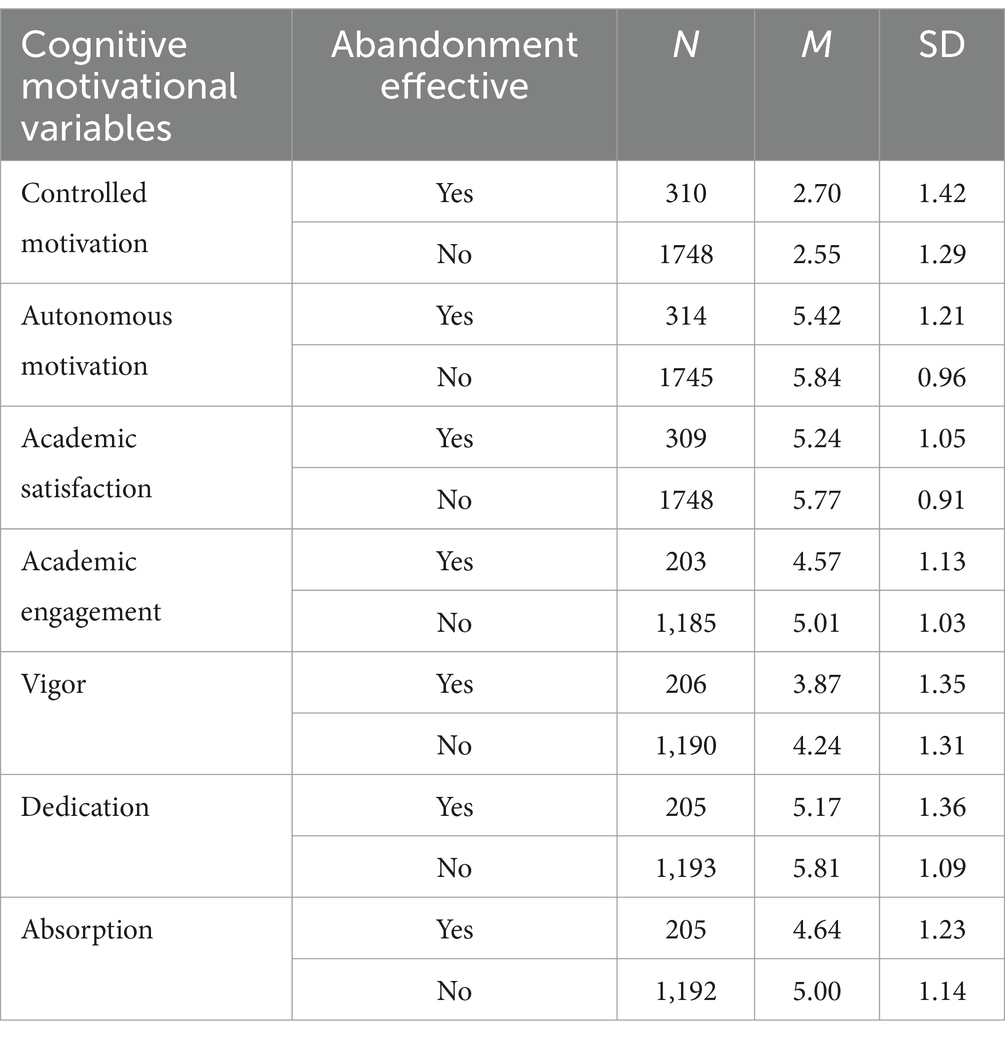
Table 3. Descriptive statistics of cognitive-motivational variables in students who dropout in the second academic year.
The descriptive statistical analyses indicate that the levels of autonomous motivation, academic satisfaction and academic engagement of the students who dropped out were lower than those who remained in their studies, with controlled motivation (external pressure) being the only variable in which they obtained higher scores (see Table 3). The differences between the groups are statistically significant; additionally, it was identified that there were no statistically significant differences in controlled motivation (external pressure) (p = 0.09) (Table 4).
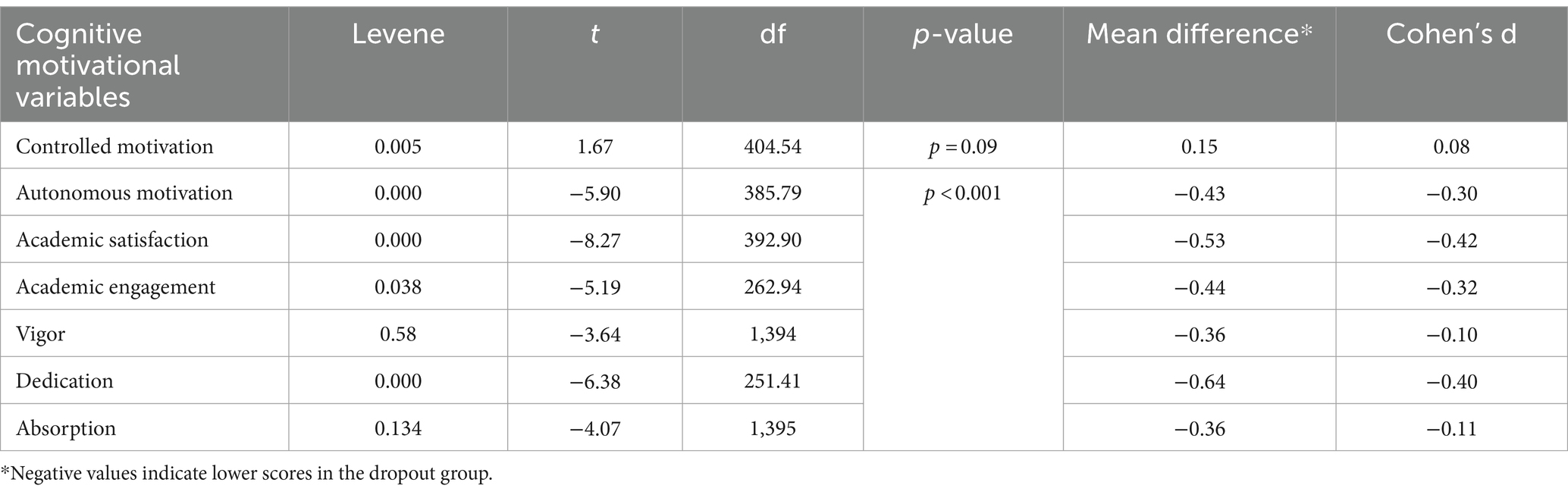
Table 4. Differences in cognitive motivational variables with respect to effective dropout.
4 Discussion
The objective of this investigation was to estimate the differences in the levels of academic engagement, motivation and academic satisfaction (1st) according to the intention to dropout of first academic year students and (2nd) between students who remained and students who dropped out in the 3rd semester, that is, in the second year of his career. The main results are discussed below, and limitations, future lines of research and conclusions are specified.
4.1 Motivation
In first-year university students, there are statistically significant differences in the levels of autonomous motivation according to the intention to abandon their studies. Students with intention to dropout showed lower scores in autonomous motivation, this result confirms the findings of research that indicate that high autonomous motivation is associated with intention to stay in university (Fernández et al., 2024). This finding underscores the importance of fostering autonomous motivation to reduce dropout rates.
Motivation as a cognitive motivational variable is linked to social factors, and moderately stable motivation could be modified based on contextual factors such as the relationship with the teacher (Duchatelet and Donche, 2019; García-Ros et al., 2018). Therefore, it is pertinent to propose that it is possible to influence these variables through the interaction of students and teachers. In this case, the role of the teacher in the development of autonomy, competence and relationship can improve autonomous motivation and reduce the intention to dropout (Huéscar and Moreno-Murcia, 2017; Oriol-Granado et al., 2017).
This result corroborates those students who show greater interest in carrying out academic activities show more persistence in their development (Corpus et al., 2020). The results found in Study 2 are consistent with those of Study 1, observing that those who had abandoned their university careers presented lower levels of autonomous motivation than those who remained. The situations that occur in motivation at the beginning of the career have an impact on performance and the intention to change careers or to dropout of university altogether (Wild and Grassinger, 2023).
4.2 Academic satisfaction
High levels of academic satisfaction favor the intention to remain in the career. This result is in line with other research showing the relationship between academic satisfaction and intention to stay in university (Meštrović, 2017; Wilkins-Yel et al., 2018). Also, high life satisfaction is associated with academic success, specifically good performance, student engagement, academic self-efficacy, defined goals, and perceived lower stress; all of these are conditions that are not present in students with medium or low levels of satisfaction (Antaramian, 2017; Díaz-Mujica et al., 2022).
The results of this study indicate that students with high levels of academic satisfaction also presented high scores in academic motivation. This finding is consistent with previous research (Vergara-Morales et al., 2019) showing relationships between academic satisfaction and different levels of motivation: poor (r = −0.92), low (r = −0.66), good (r = −0.54), and high (r = 0.29). Another study found that, the greater the satisfaction with the course, the greater the use of self-regulation strategies, the greater the students’ engagement and the lower the intention to dropout (Bernardo et al., 2022). It is possible to affirm that students who are satisfied with their careers have sufficient motivation to develop academic activities in accordance with their interests, are motivated to learn, achieve good performance and remain in their careers.
4.3 Academic engagement
Students with the intention of dropping out in the first year presented lower scores in academic engagement and in each of its subcomponents (dedication, absorption, and vigor), with respect to students without the intention of dropping out. Students who start university with thoughts of dropping out have lower behaviors associated with dedication, sustained energy, and involvement in academic activities. Lack of dedication to university studies is a significant predictor of intention to dropout and definitive dropout (Llauró et al., 2023; Truta et al., 2018). The large effect size reported for the variable dedication (d = 1.22) is noteworthy, which is statistically possible (Sawilowsky, 2009), and suggests a significant difference in dedication between students with and without dropout intentions. This implies that students intending to dropout show significantly lower dedication compared to their peers.
Engagement is a positively related variable in students’ academic life; an engaged student exhibits better academic performance (Qureshi et al., 2023; Tight, 2020), reports higher levels of hedonic well-being (Kaya and Erdem, 2021; Kryza-Lacombe et al., 2019) and good self-regulation skills (Ketonen et al., 2016). Research has consistently shown that a high level of academic engagement is associated with better academic outcomes and lower dropout intention (Myint and Khaing, 2020; Paloș et al., 2019). Encouraging student engagement from the beginning of university studies could be a protective element for continuation of studies.
This engagement is influenced by factors such as social support, positive coping strategies, and positive perceptions of teaching competence (Paloș et al., 2019). To reduce dropout rates, it is essential that universities develop strategies that foster students’ academic engagement from the first year.
4.4 Strengths, limitations of the study and future lines of research
One of the main strengths of this research is the sample size, with 3,256 first-semester university students in Study 1 and 2,110 students in Study 2. A large sample size provides a robust basis for generalization of the results and increases the external validity of the study. Similarly, the inclusion of students from six different universities in Chile ensures a diversity in educational experiences and contexts, allowing for greater generalizability of the findings. The study focuses on critical cognitive and motivational variables such as autonomous motivation, academic satisfaction and academic engagement, which are essential for understanding the phenomenon of university dropout. This is one of the few studies that follows students over time and shows how cognitive and motivational variables influence not only intention but also dropout. This provides valuable information for the development of interventions aimed at improving these specific areas.
This study contributes to the understanding of the dropout phenomenon in higher education. However, among the possible limitations to be considered are the measurement instruments selected for data collection, given that these are self-report instruments and, therefore, the results should take into account the biases associated with this type of measurement. On this point, future studies could consider other data to analyze the dropout phenomenon, for example, learning analytics, available in the activity performed by students and teachers in institutional LMSs (Mella-Norambuena et al., 2023). Also, based on the evidence on the impact of teachers’ encouragement of self-determined behaviors in students (Huéscar and Moreno-Murcia, 2017; Oriol-Granado et al., 2017); it will be of interest to explore in the future the behavior of the variables analyzed in the teacher-student interaction, with special attention to the way in which, through the teaching-learning process, the basic psychological needs of competence, autonomy and relatedness are satisfied in students.
5 Conclusion
(a) Students with intention to dropout present lower levels of academic engagement, autonomous motivation and academic satisfaction than students who reported intention to remain in their career; the latter, on the other hand, present higher levels of controlled motivation; (b) Students who dropped out of their careers in the 3rd semester had lower scores for engagement, autonomous motivation and satisfaction from the beginning of their professional training than those who continued their studies; (c) The cognitive-motivational variables: autonomous motivation, academic satisfaction and academic engagement, together with the intention to dropout in the 1st semester of the career, can be used as indicators of future dropout of first-year students at the university.
This study provides specific result of the cognitive and motivational factors that influence dropout intention and actual dropout in university students. The findings suggest that improving autonomous motivation, academic satisfaction, and academic engagement may be key to reducing dropout rates and improving academic success in higher education. Higher education institutions should focus on improving students’ academic experience to reduce dropout rates (Meštrović, 2017; Wilkins-Yel et al., 2018). Implementing support and counseling programs that increase satisfaction and motivation could be an effective strategy to keep students engaged in their studies. Programs that teach time management techniques, effort regulation, and study environment management can help students improve their academic performance and overall satisfaction. Similarly, academic purposes can be fostered as they provide meaning, motivation, and direction, acting as self-regulatory mechanisms for academic behavior (López-Angulo et al., 2024). Incorporating counseling and psychological support services into the curriculum and university life can provide students with the resources they need to manage stress and emotional challenges, which in turn can improve their academic satisfaction and reduce dropout intention. This includes providing a learning environment that supports autonomous motivation and offers robust academic and emotional support. Integrating activities that promote dedication, absorption, and vigor into learning experiences can help keep students engaged and reduce intent to dropout.
Data availability statement
The original contributions presented in the study are included in the article/supplementary material, further inquiries can be directed to the corresponding author.
Ethics statement
The studies involving humans were approved by ethics committee of the University of Concepcion Comité Ético Científico de la Universidad de Concepción. The studies were conducted in accordance with the local legislation and institutional requirements. The participants provided their written informed consent to participate in this study.
Author contributions
YL-A: Conceptualization, Data curation, Formal analysis, Funding acquisition, Investigation, Methodology, Project administration, Resources, Software, Supervision, Validation, Visualization, Writing – original draft, Writing – review & editing. RC-R: Writing – original draft, Writing – review & editing. FS-D: Writing – review & editing. JM-N: Writing – review & editing. MP-V: Writing – review & editing. AD-M: Writing – review & editing.
Funding
The author(s) declare that financial support was received for the research, authorship, and/or publication of this article. This study was funded by FONDECYT Initiation Project N°11230864 entitled “Academic and life purposes, social adaptation, emotional, motivational, and academic self-regulation: A mixed design to explain dropout intention and university academic performance” of the National Research and Development Agency of Chile (ANID) assigned to YL-A; and Project COVID-1012 “Development and implementation of teaching procedures to facilitate willingness to learn under conditions of physical distancing due to COVID-19 pandemic, in first year university subjects with medium or high risk of failure.”
Acknowledgments
The authors are grateful to the students from the universities of the Biobio region who participated in this study.
Conflict of interest
The authors declare that the research was conducted in the absence of any commercial or financial relationships that could be construed as a potential conflict of interest.
The reviewer JV-M declared a shared affiliation with the author JM-N to the handling editor at the time of review.
Publisher’s note
All claims expressed in this article are solely those of the authors and do not necessarily represent those of their affiliated organizations, or those of the publisher, the editors and the reviewers. Any product that may be evaluated in this article, or claim that may be made by its manufacturer, is not guaranteed or endorsed by the publisher.
References
Acevedo, F. (2021). Concepts and measurement of dropout in higher education: a critical perspective from Latin America. Issues Educ. Res. 31, 661–678. doi: 10.3316/informit.190795958120286
Acosta-Gonzaga, E. (2023). The effects of self-esteem and academic engagement on university students’ performance. Behav. Sci. 13:348. doi: 10.3390/bs13040348
Aina, C., Baici, E., Casalone, G., and Pastore, F. (2022). The determinants of university dropout: a review of the socio-economic literature. Socio-Econ. Plan. Sci. 79, 1–16. doi: 10.1016/j.seps.2021.101102
Alrabai, F. (2021). The influence of autonomy-supportive teaching on EFL students’ classroom autonomy: an experimental intervention. Front. Psychol. 12:728657. doi: 10.3389/fpsyg.2021.728657
Álvarez-Pérez, P., López-Aguilar, D., González-Morales, M., and Peña-Vázquez, R. (2021). Academic engagement and dropout intention in undergraduate university students. J. Coll. Stud. Ret. 26, 108–125. doi: 10.1177/15210251211063611
Antaramian, S. (2017). The importance of very high life satisfaction for students’ academic success. Cogent Educ. 4, 1–10. doi: 10.1080/2331186X.2017.1307622
Arias, A., Linares-Vásquez, M., and Héndez-Puerto, N. (2023). Undergraduate dropout in Colombia: a systematic literature review of causes and solutions. J. Lat. Educ. 23, 1–16. doi: 10.1080/15348431.2023.2171042
Ato, M., López, J., and Benavente, A. (2013). Un sistema de clasificación de los diseños de investigación en psicología. An. de Psicol. 29, 1038–1059. doi: 10.6018/analesps.29.3.178511
Ayala, J., and Manzano, G. (2018). Academic performance of first-year university students: the influence of resilience and engagement. High. Educ. Res. Dev. 37, 1321–1335. doi: 10.1080/07294360.2018.1502258
Bean, J., and Eaton, S. (2001). The psychology underlying successful retention practices. J. Coll. Stud. Ret. 3, 73–89. doi: 10.2190/6R55-4B30-28XG-L8U0
Bean, J., and Metzner, B. (1985). A conceptual model of nontraditional undergraduate student attrition. Rev. Educ. Res. 55, 485–540. doi: 10.3102/00346543055004485
Behr, A., Giese, M., Teguim Kamdjou, H., and Theune, K. (2020). Dropping out of university: a literature review. Rev. Educ. 8, 614–652. doi: 10.1002/rev3.3202
Behr, A., Giese, M., Teguim Kamdjou, H., and Theune, K. (2021). Motives for dropping out from higher education—an analysis of bachelor's degree students in Germany. Eur. J. Educ. 56, 325–343. doi: 10.1111/ejed.12433
Bernardo, A., Cervero, A., Estebam, M., Fernández, A., Solano, P., and Agulló, E. (2018). Variables relacionades amb la intenció d'abandonament universitari en el període de transició. Rev. d'Innov. Doc. Univ. 10, 122–130. doi: 10.1344/RIDU2018.10.11
Bernardo, A., Galve-González, C., Núñez, J., and Almeida, L. (2022). A path model of university dropout predictors: the role of satisfaction, the use of self-regulation learning strategies and students’ engagement. Sustain. For. 14, 1–10. doi: 10.3390/su14031057
Cela, E., Barley, R., and Hedenstrom, H. (2024). Factors influencing student retention in higher education. J. High. Educ. 95, 112–130. doi: 10.1080/00221546.2024.1258953
Cobo-Rendón, R., López-Angulo, Y., Sáez-Delgado, F., and Mella-Norambuena, J. (2022). Engagement, motivación académica y ajuste de estudiantado universitario. Rev. Electr. Educ. 26, 1–19. doi: 10.15359/ree.26-3.15
Corpus, J., Robinson, K., and Wormington, S. (2020). Trajectories of motivation and their academic correlates over the first year of college. Contemp. Educ. Psychol. 63, 1–15. doi: 10.1016/j.cedpsych.2020.101907
De la Cruz-Campos, J., Victoria-Maldonado, J., Martínez-Domingo, J., and Campos-Soto, M. (2023). Causes of academic dropout in higher education in Andalusia and proposals for its prevention at university: a systematic review. Front. Educ. 8, 1–13. doi: 10.3389/feduc.2023.1130952
Delogu, M., Lagravinese, R., Paolini, D., and Resce, G. (2024). Predicting dropout from higher education: evidence from Italy. Econ. Model. 130, 1–15. doi: 10.1016/j.econmod.2023.106583
Díaz-Mujica, A., Sáez-Delgado, F., Cobo-Rendón, R., Del Valle, M., López-Angulo, Y., and Pérez-Villalobos, M. (2022). Systematic review for the definition and measurementof self-efficacy in university students. Interdisciplinaria 39, 37–54. doi: 10.16888/interd.2022.39.2.3
Diener, E., Oishi, S., and Tay, L. (2018). Advances in subjective well-being research. Nat. Hum. Behav. 2, 253–260. doi: 10.1038/s41562-018-0307-6
Duchatelet, D., and Donche, V. (2019). Fostering self-efficacy and self-regulation in higher education: a matter of autonomy support or academic motivation? High. Educ. Res. Dev. 38, 733–747. doi: 10.1080/07294360.2019.1581143
Espinoza, O., and McGinn, N. (2018). Graduates’ satisfaction as a measure of quality: evidence from two programs in three Chilean universities. Int. J. Educ. Res. 90, 133–143. doi: 10.1016/j.ijer.2018.05.009
Fernández, M., Álvarez, D., Fernández García-Valdecasas, F., and González, E. (2024). Dropout in Andalusian universities: prediction and prevention. Front. Educ. 8, 1–11. doi: 10.3389/feduc.2023.1304016
Fisher, R., Perényi, A., and Birdthistle, N. (2021). The positive relationship between flipped and blended learning and student engagement, performance, and satisfaction. Active Learn. High. Educ. 22, 97–113. doi: 10.1177/1469787418801702
García-Ros, R., Pérez-González, F., Cavas-Martínez, F., and Tomás, J. (2018). Social interaction learning strategies, motivation, first-year students’ experiences and permanence in university studies. Educ. Psychol. 38, 451–469. doi: 10.1080/01443410.2017.1394448
Heredia, R., and Carcausto-Calla, W. (2024). Factors associated with student dropout in Latin American universities: scoping review. J. Educ. Soc. Res. 14, 62–72. doi: 10.36941/jesr-2024-0026
Holland, C., Westwood, C., and Hanif, N. (2020). Underestimating the relationship between academic advising and attainment: a case study in practice. Front. Educ. 5, 1–11. doi: 10.3389/feduc.2020.00145
Huéscar, E., and Moreno-Murcia, J. (2017). Apoyo a la autonomía entre estudiantes estrés percibido y miedo a la evaluación negativa: relaciones con la satisfacción con la vida. Psicol Conductual. 25, 517–528. Available at: https://www.behavioralpsycho.com/wp-content/uploads/2018/10/05.Huescar_25-3.
Kaya, M., and Erdem, C. (2021). Students’ well-being and academic achievement: a meta-analysis study. Child Indic. Res. 14, 1743–1767. doi: 10.1007/s12187-021-09821-4
Ketonen, E., Haarala-Muhonen, A., Hirsto, L., Hänninen, J., Wähälä, K., and Lonka, K. (2016). Am I in the right place? Academic engagement and study success during the first years at university. Learn. Indiv. Dif. 51, 141–148. doi: 10.1016/j.lindif.2016.08.017
Kocsis, Á., and Molnár, G. (2024). Factors influencing academic performance and dropout rates in higher education. Oxf. Rev. Educ. 1-19, 1–19. doi: 10.1080/03054985.2024.2316616
Kryza-Lacombe, M., Tanzini, E., and O’Neill, S. (2019). Hedonic and eudaimonic motives: associations with academic achievement and negative emotional states among urban college students. J. Happiness Stud. 20, 1323–1341. doi: 10.1007/s10902-018-9994-y
Liébana-Presa, C., Fernández-Martínez, M., Gándara, Á., Muñoz-Villanueva, M., Vázquez-Casares, A., and Rodríguez-Borrego, M. (2014). Psychological distress in health sciences college students and its relationship with academic engagement. Rev. Esc. Enferm. USP 48, 715–722. doi: 10.1590/S0080-623420140000400020
Litalien, D., Gillet, N., Gagné, M., Ratelle, C., and Morin, A. (2019). Self-determined motivation profiles among undergraduate students: a robust test of profile similarity as a function of gender and age. Learn. Individ. Differ. 70, 39–52. doi: 10.1016/j.lindif.2019.01.005
Llauró, A., Fonseca, D., Romero, S., Aláez, M., Lucas, J., and Felipe, M. (2023). Identification and comparison of the main variables affecting early university dropout rates according to knowledge area and institution. Heliyon 9, e17435–e17416. doi: 10.1016/j.heliyon.2023.e17435
Long, Z., and Noor, M. (2023). Factors influencing dropout students in higher education. Educ. Res. Int. 2023, 1–13. doi: 10.1155/2023/7704142
López-Angulo, Y., Sáez-Delgado, F., and Mella-Norambuena, J. (2024). Propósitos de vida y académicos en estudiantes universitarios chilenos de carreras STEM (Ciencia, Tecnología, Ingeniería, y Matemáticas). Form. Univ. 17, 83–100. doi: 10.4067/s0718-50062024000200083
López-Angulo, Y., Sáez-Delgado, F., Mella-Norambuena, J., Bernardo, A., and Díaz-Mujica, A. (2023). Predictive model of the dropout intention of Chilean university students. Front. Psychol. 13:893894. doi: 10.3389/fpsyg.2022.893894
López-Angulo, Y., Sáez-Delgado, F., Torres, K., Vega, C., Fuentes, C., and García, T. (2022). Prácticas docentes de autorregulación del aprendizaje para la promoción de la permanencia universitaria en contexto de pandemia. Rev. E-Psi 11, 141–156. Available at: https://artigos.revistaepsi.com/2022/Ano11-Volume1-Artigo8.pdf
López-Angulo, Y., Villalobos, M., Bernardo, A., Sáez-Delgado, F., and Mujica, A. (2021). Propiedades psicométricas de la Escala Multidimensional de Apoyo Social Percibido en estudiantes universitarios chilenos. Rev. Iberoamer. Diagn. Eval. Psicol. 1, 127–140. doi: 10.21865/RIDEP58.11
Lorenzo-Quiles, O., Galdón-López, S., and Lendínez-Turón, A. (2023). Dropout at university. Variables involved on it. Front. Educ. 8:1159864. doi: 10.3389/feduc.2023.1159864
Manzoor, A., Dastgir, G., and Waqas, M. (2023). Effect of autonomous learning on university students’ academic motivation. J. Dev. Soc. Sci. 4, 82–92. doi: 10.47205/jdss.2023(4-I)07
Marôco, J., Assunção, H., Harju-Luukkainen, H., Lin, S., Sit, P., Cheung, K., et al. (2020). Predictors of academic efficacy and dropout intention in university students: can engagement suppress burnout? PLoS One 15, 1–26. doi: 10.1371/journal.pone.0239816
Martínez, I., Youssef-Morgan, C., Chambel, M., and Marques-Pinto, A. (2019). Antecedents of academic performance of university students: academic engagement and psychological capital resources. Educ. Psychol. 39, 1047–1067. doi: 10.1080/01443410.2019.1623382
Mashburn, A. (2000). A psychological process of college student dropout. J. Coll. Stud. Ret. 2, 173–190. doi: 10.2190/U2QB-52J9-GHGP-6LEE
Medrano, L., Fernández-Liporance, M., and Pérez, E. (2014). Computarized assessment system for academic satisfaction (ASAS) for first-year university student. Electr. J. Res. Educ. Psychol. 12, 541–562. doi: 10.14204/ejrep.33.13131
Mella-Norambuena, J., Sáez-Delgado, F., López-Angulo, Y., Sáez, Y., and León-Ron, V. (2023). Analíticas de aprendizaje y su potencial para una educación de calidad sostenible. Ciencia Latina Revista Científica Multidisciplinar 7, 5446–5468. doi: 10.37811/cl_rcm.v7i1.4840
Meštrović, D. (2017). Service quality, students’ satisfaction and behavioural intentions in stem and ic higher education institutions. Interdiscip. Descript. Comp. Syst. 15, 66–77. doi: 10.7906/indecs.15.1.5
Mostert, K., and Pienaar, J. (2020). The moderating effect of social support on the relationship between burnout, intention to dropout, and satisfaction with studies of first-year university students. J. Psychol. Afr. 30, 197–202. doi: 10.1080/14330237.2020.1767928
Muñoz-Inostroza, K., López-Angulo, Y., Sáez-Delgado, F., Pinto-Vigueras, J., Melo-Moreno, P., and Bernardo, A. B. (2024). Measuring dropout intention in college students: a systematic literature review. J. High. Educ. Theory Pract. 24:21. doi: 10.33423/jhetp.v24i6.7019
Myint, S., and Khaing, M. (2020). Academic engagement and its determinants: a meta-analysis. Eur. J. Psychol. Educ. 35, 475–493. doi: 10.1007/s10212-019-00449-2
Noyens, D., Donche, V., Coertjens, L., Van Daal, T., and Van Petegem, P. (2019). The directional links between students’ academic motivation and social integration during the first year of higher education. Eur. J. Psychol. Educ. 34, 67–86. doi: 10.1007/s10212-017-0365-6
Oriol-Granado, X., Mendoza-Lira, M., Covarrubias-Apablaza, C., and Molina-López, V. (2017). Emociones positivas apoyo a la autonomía y rendimiento de estudiantes universitarios: el papel mediador del compromiso académico y la autoeficacia. Rev. de Psicodidactica 22, 45–53. doi: 10.1016/S1136-1034(17)30043-6
Paloș, R., Mărginean, I., and Bocoș, M. (2019). Academic engagement: assessment, conditions, and effects—a study in higher education from the perspective of the person-situation interaction. Eur. J. Psychol. Educ. 34, 267–290. doi: 10.1007/s10212-018-00421-7
Perchinunno, P., Bilancia, M., and Vitale, D. (2021). A statistical analysis of factors affecting higher education dropouts. Soc. Indic. Res. 156, 341–362. doi: 10.1007/s11205-019-02249-y
Qureshi, M., Khaskheli, A., Qureshi, J., Raza, S., and Yousufi, S. (2023). Factors affecting students’ learning performance through collaborative learning and engagement. Interact. Learn. Environ. 31, 2371–2391. doi: 10.1080/10494820.2021.1884886
Respondek, L., Seufert, T., and Nett, U. E. (2017). The role of academic motivation in the relation between academic self-concept and achievement: a multiple mediation model. Learn. Individ. Differ. 56, 113–121. doi: 10.1016/j.lindif.2017.02.003
Ryan, R., and Deci, E. (2000). Intrinsic and extrinsic motivations: classic definitions and new directions. Contemp. Educ. Psychol. 25, 54–67. doi: 10.1006/ceps.1999.1020
Sáez-Delgado, F., Díaz-Mujica, A., Bustos, C., and Pérez-Villalobo, M. (2020). Impacto de un Programa Intracurricular Para la Disposición al Estudio en Universitarios. Formación Universitaria 13, 101–110. doi: 10.4067/S0718-5006202000040010
Sáez-Delgado, F., Mella-Norambuena, J., López Angulo, Y., Olea-González, C., García-Vásquez, H., and Porter, B. (2021). Association between self-regulation of learning, forced labor insertion, technological barriers, and dropout intention in Chile. Front. Educ. 6, 1–10. doi: 10.3389/feduc.2021.801865
Sáez-Delgado, F., Mella-Norambuena, J., López-Angulo, Y., Sáez, Y., and León-Ron, V. (2023). Invariant and suboptimal trajectories of self-regulated learning during secondary. Front. Psychol. 14:1235846. doi: 10.3389/fpsyg.2023.1235846
Sánchez-Cardona, I., Ortega-Maldonado, A., Salanova, M., and Martínez, I. (2021). Learning goal orientation and psychological capital among students: a pathway to academic satisfaction and performance. Psychol. Sch. 58, 1432–1445. doi: 10.1002/pits.22505
Sawilowsky, S. S. (2009). New effect size rules of thumb. J. Mod. Appl. Stat. Methods 8, 597–599. doi: 10.22237/jmasm/1257035100
Schaufeli, W., and Bakker, A. (2003). UWES–Utrecht work engagement scale: test manualñ. Unpublished Manuscript, The Netherland: Department of Psychology, Utrecht University, 8.
Schaufeli, W., Martinez, I., Marques, A., Salanova, M., and Bakker, A. (2002). Burnout and engagement in university students: a cross-national study. J. Cross-Cult. Psychol. 33, 464–481. doi: 10.1177/0022022102033005003
SIES . (2017). Informe retención de 1er año de pregrado. Cohortes 2013–2017. División de Educación Superior, Ministerio de Educación. Available at: https://analisis.umag.cl/documentos/retencion_1er_ano_sies_2018.pdf.
SIES . (2019). Informe retención de 1er año de pregrado. Cohortes 2014–2018. División de Educación Superior, Ministerio de Educación. Available at: https://www.mifuturo.cl/wp-content/uploads/2019/10/Informe-de-Retencion_SIES_2019-octubre.pdf.
SIES . (2020). Informe 2020 Matrícula en Educación Superior. Available at: https://www.mifuturo.cl/wp-content/uploads/2020/07/Informe-matricula_2020_SIES.pdf.
SIES (2023). Informe retención de 1er año de pregrado. Cohorte, 2018–2022. Available at: https://www.mifuturo.cl/wp-content/uploads/2023/09/Retencion_de_Pregrado_2023_SIES.pdf
Song, Z., Sung, S., Park, D., and Park, B. (2023). All-year dropout prediction modeling and analysis for university students. Appl. Sci. 13:1143. doi: 10.3390/app13021143
Tight, M. (2020). Student retention and engagement in higher education. J. Furth. High. Educ. 44, 689–704. doi: 10.1080/0309877X.2019.1576860
Tinto, V. (1982). Limits of theory and practice in student attrition. J. High. Educ. 53, 687–700. doi: 10.1080/00221546.1982.11780504
Tinto, V. (2017). Through the eyes of students. J. Coll. Stud. Retent. Res. Theory Pract. 19, 254–269. doi: 10.1177/1521025115621917
Truta, C., Parv, L., and Topala, I. (2018). Academic engagement and intention to dropout: levers for sustainability in higher education. Sustain. For. 10:4637. doi: 10.3390/su10124637
Vansteenkiste, M., Lens, W., and Deci, E. (2006). Intrinsic versus extrinsic goal contents in self-determination theory: another look at the quality of academic motivation. Educ. Psychol. 41, 19–31. doi: 10.1207/s15326985ep4101_4
Vansteenkiste, M., Sierens, E., Soenens, B., Luyckx, K., and Lens, W. (2009). Motivational profiles from a self-determination perspective: the quality of motivation matters. J. Educ. Psychol. 101:671. doi: 10.1037/a0015083
Vergara-Morales, J., Del Valle, M., Díaz-Mujica, A., Matos, L., and Pérez, M.-V. (2019). Motivational profiles related to the academic satisfaction of university students. Anal. Psicol. 35, 464–471. doi: 10.6018/analesps.35.3.320441
Von Hippel, P., and Hofflinger, A. (2021). The data revolution comes to higher education: identifying students at risk of dropout in Chile. J. High. Educ. Policy Manag. 43, 2–23. doi: 10.1080/1360080X.2020.1739800
Wild, S., and Grassinger, R. (2023). The importance of perceived quality of instruction, achievement motivation and difficulties in self-regulation for students who dropout of university. Br. J. Educ. Psychol. 93, 758–772. doi: 10.1111/bjep.12590
Wild, S., Rahn, S., and Meyer, T. (2024). Factors mitigating the decline of motivation during the first academic year: a latent change score analysis. Motivation and Emotion. 48, 36–50. doi: 10.1007/s11031-023-10050-1
Wilkins-Yel, K., Roach, C., Tracey, T., and Yel, N. (2018). The effects of career adaptability on intended academic persistence: the mediating role of academic satisfaction. J. Vocat. Behav. 108, 67–77. doi: 10.1016/j.jvb.2018.06.006
Keywords: academic engagement, motivation, academic satisfaction, intention to dropout, dropout, university quitting, higher education, quitting
Citation: López-Angulo Y, Cobo-Rendón R, Sáez-Delgado F, Mella-Norambuena J, Pérez-Villalobos MV and Díaz-Mujica A (2024) Cognitive motivational variables and dropout intention as precursors of university dropout. Front. Educ. 9:1416183. doi: 10.3389/feduc.2024.1416183
Edited by:
Silvia F. Rivas, Universidad de Salamanca, España, SpainReviewed by:
Jorge Vergara-Morales, University of the Americas (UDLA), ChileAlberto Crescentini, University of Applied Sciences and Arts of Southern Switzerland, Switzerland
Copyright © 2024 López-Angulo, Cobo-Rendón, Sáez-Delgado, Mella-Norambuena, Pérez-Villalobos and Díaz-Mujica. This is an open-access article distributed under the terms of the Creative Commons Attribution License (CC BY). The use, distribution or reproduction in other forums is permitted, provided the original author(s) and the copyright owner(s) are credited and that the original publication in this journal is cited, in accordance with accepted academic practice. No use, distribution or reproduction is permitted which does not comply with these terms.
*Correspondence: Yaranay López-Angulo, eWFyYWxvcGV6QHVkZWMuY2w=