 Jerin Mathew
 Muhammed Rashid
 Priyanka Shirsath
 Kavitha Raja3
- 1Department of Anatomy, School of Biomedical Sciences, University of Otago, Dunedin, New Zealand
- 2Discipline of Physiotherapy, School of Allied Health, Human Service and Sport, La Trobe University, Melbourne, VIC, Australia
- 3JSS College of Physiotherapy, Mysuru, India
- 4Potentia Multispeciality Physiotherapy Clinic, Nashik, Maharashtra, India
Introduction: Among healthcare professionals, Physiotherapists (PTs) are important members of pain management teams and are often the first contact clinicians. PTs must stay informed about the latest advancements in pain management to ensure effective practice. India graduates around 15,000 physiotherapy (PT) students annually, with over 20,000 PTs working in various institutions. However, the current pain curriculum needs to be updated, and resources need to be aligned with internationally accepted standards to improve the PT pain education program.
Methods: A three-phase action research methodology (nominal group technique process) was adapted to identify gaps in pain science within the PT curricula of 30 universities in India. Experts used consensus methods to develop e-learning resources (Online and Instructional Digital Versatile Disks; DVDs) to address the gaps in curricula, following the IASP Curriculum Outline on Pain for Physical Therapy.
Results: A total of 22 h of pain lectures were recorded, and four DVDs were produced and duplicated for distribution. These DVDs were mailed to all universities and 469 individual institutions, with a recommendation for integration into undergraduate and postgraduate curricula. The lecture series was made freely accessible online through the institutional library repository.
Conclusion: We employed an innovative method for content development based on the IASP curriculum, which involved consulting with experts and undergoing external peer review, leading to the development of e-learning resources. This project has initiated a ripple effect by providing evidence-based knowledge to young therapists and teaching faculty, with e-learning resources and materials readily accessible online. The resources created through this project could support ongoing pain management education for academic professionals and practicing PTs. This could facilitate evidence-based clinical practice and improve patient care.
1 Introduction
Pain is a significant factor driving individuals to seek healthcare services. Persistent pain often impacts activities of daily living and quality of life. This impacts individuals, their families, and the broader healthcare system (Cohen et al., 2021; Dueñas et al., 2016). Among healthcare professionals, Physiotherapists (PTs) are important members of pain management teams and are often the first contact clinicians (Holm et al., 2016; Mills et al., 2016). Adequate and appropriate management of pain is important to prevent cascading physical and emotional adverse effects that can affect the person afflicted with pain and their immediate families (Sinatra, 2010). It is well established that pain is impacted by various factors, including biological, psycho-behavioral, and socio-cultural factors (Darnall et al., 2017; Nicholas, 2022; Smart, 2023a). Due to the multifactorial characteristics of pain, a comprehensive evaluation that involves a critical evaluation of all the domains is an essential skill for PTs in order to be able to engage in clinical reasoning and plan a standardized and consistent management plan that aligns with international standards of clinical practice (Ernstzen et al., 2017; Jones et al., 2002; Lin et al., 2020).
The International Association for the Study of Pain (IASP) has developed curricula for various health disciplines, including physiotherapy (PT) education, which was most recently revised in 2018 (Slater et al., 2018). Although this curriculum exists, it is not universally followed, and there is a wide variation in the pain curriculum across countries (Vijayanand, 2016), as reiterated by reports from the United Kingdom and Finland (Ehrström et al., 2018; Jones and Hush, 2011). In India, the PT curricula at both undergraduate (UG) and postgraduate (PG) levels pay scant attention to various aspects of pain science (Bhatnagar et al., 2018; Raja, 2017). India graduates around 15,000 PT students annually, with over 20,000 PTs working in various institutions (Raja, 2017). The Indian Association of Physiotherapists (IAP) recognizes 185 institutions in the country that offer UG and PG education in PT programme (IAP, 2020). It is unofficially known that a large number of additional institutions exist that are not affiliated with IAP and, hence, are not listed in their database. In total, unofficial estimates suggest that there are 469 Physiotherapy institutions offering UG education (IAP registered and non-registered) (Shiksha, 2024). A review of the websites of major universities revealed that the pain curriculum is not current in most of them. The absence of a central body that standardizes educational content adds to the non-uniformity in education and lack of delivery of evidence-based pain education (Raja, 2017). Indian curricula exemplify the widespread knowledge gap in pain science education in PT. Recent reports reiterate that current concepts and understanding of pain are absent or scantily included in both UG and PG levels of education in many universities, especially in developing countries and low-resource countries (Bond, 2011). As outlined in the IASP's response letter addressing pain education challenges in developing countries, the absence of fundamental and foundational pain science knowledge can affect evidence-based clinical practice, resulting in a “treatment gap” (Bond, 2011). Exposure to a globally recognized pain education curriculum is expected to improve the understanding and practice at both UG and PG levels, thereby benefiting their patients (Briggs et al., 2015). Moreover, this updated curriculum would pave their career pathway and make them globally relevant and competitive as practicing clinicians or academics.
In 2002, the IASP formed a Developing Countries Taskforce to enhance pain education and management in developing nations (Bond, 2012). This was achieved through a grant support program for grassroots projects proposed by members from these countries. As a collective effort to support this initiative, in 2015, we were awarded an IASP Developing Countries Project: Initiative for Improving Pain Education titled “Imparting the IASP Pain Curriculum to Physiotherapists through Distance Mode: A Study of Impact on Knowledge Attitudes and Beliefs about Pain” (Mani et al., 2016). The project sought to improve the current understanding of pain among the course attendees over a one-year intensive mixed-methods coaching method using hybrid modes (online and residential). The feedback from attendees was encouraging, but this program was able to enroll only a small fraction of PTs in India (Mani et al., 2016). This suggests that such a method is neither adequate nor feasible to ensure that there is an effective change in the pain curricula nationally. Hence, it was decided that a more effective strategy aimed at reaching an audience across the country was needed. One such option was real-time massive open online courses (MOOCs) (Atiaja and Proenza, 2016). Although the MOOC method has promising benefits, the method has been shown to pose many barriers in developing countries, such as inconsistency of the internet, economic circumstances, the additional cost associated with joining the course, and time commitment and constraints for practicing physiotherapists (PTs) to attend online classes (de Moura et al., 2018; Ma and Lee, 2018; Maphosa and Maphosa, 2023). Hence, it was decided to opt for pre-recorded lectures, which could be accessed by the audience at any time, free of cost. With this aim, the objectives of this study were (1) to identify the missing topics of pain education from major Indian universities and develop a series of lecture recordings of these missing topics based on the IASP PT curriculum recommendations; (2) Distribute the lecture recordings to institutions and universities through mail Digital Versatile Disks (DVD) and also through online links the institution's online resource library.
2 Model description and evaluation
Study design and framework outline: This study employed an action research-guided approach (Feldman and Minstrell, 2000; Robertson, 2000) to develop e-learning resources for enhancing the pain education curriculum in physiotherapy programs. A three-phase framework has been used for conceptualizing and organizing methodologies (Robinson et al., 2007) and the methodological descriptions of this study adhered to the ACCORD (ACcurate COnsensus Reporting Document) guidelines: a reporting guideline for consensus methods in biomedicine (Gattrell et al., 2024).
Participant selection framework: The study included physiotherapy educators and professionals with at least three years of teaching experience in pain management or related fields. Participants were required to demonstrate familiarity with e-learning tools, be willing to attend meetings, actively contribute to the consensus development, and agree to be recorded for the video lecture series if chosen as an expert on an identified topic. This process ensured that the participants have a shared understanding of the research goals, are capable of contributing to curriculum mapping and analysis, and are willing to take part in the cycle of reflection and action that characterizes the methodology (Creswell, 2015; Kindon et al., 2007). Undergraduate (Year 3 to trainee interns) physiotherapy students participated in evaluating the acceptance of the online lecture series and the difficulty of the recorded lecture content through a questionnaire. Individuals were excluded if they were unavailable during the study period, lacked access to the internet, or declined to participate in the video recording process.
The study protocol was reviewed and approved by the JSS College of Physiotherapy Institutional Research Committee (JSSCPT/IRC/2017/012). The schematics of the curriculum review and conceptual roadmap of the methodological framework are illustrated in Figure 1.
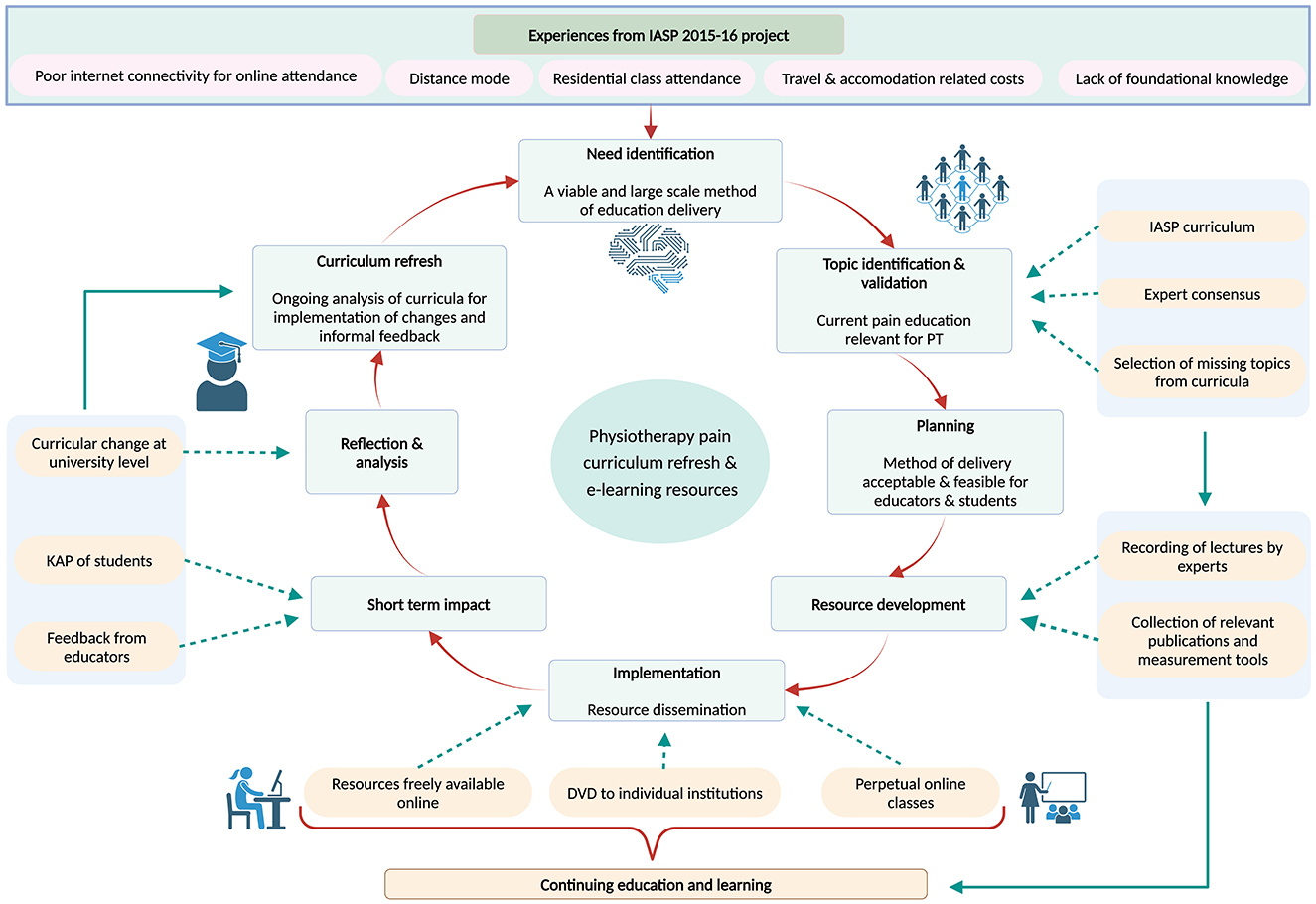
Figure 1. Curriculum review and conceptual roadmap of the methodological framework. Created with www.biorender.com.
2.1 Phase 1—Curriculum review and content validation
The primary point of guidance was the experiences from the project funded by IASP 2015-16 (Mani et al., 2016). After synthesizing the feedback from participants and educators, the main concern was identified as the centralized format that was used, requiring participants to travel from various parts of the country for the two residential blocks. Another challenge that was identified was poor or unreliable internet connectivity for real-time online classes in various parts of the country. Moreover, it was discovered that many participants from the earlier project lacked foundational knowledge about the current understanding of pain, making the courses unappealing and confusing. This indirectly highlights the inadequacy of pain science education in the undergraduate curriculum, as the project was tailored for postgraduate students who were presumed to have basic knowledge of pain science. In an effort to overcome these challenges, a three-step approach was employed for curriculum mapping and content validation for the recorded delivery of content for the current project.
2.1.1 Step 1. Curriculum retrieval and checklist
UG and PG pain curricula for PT from 30 major universities in India were collected and archived in the institutional library data-sharing system under the supervision of the senior subject librarian. A checklist was created based on the IASP Curriculum Outline on Pain for Physical Therapy (IASP, 2018) by two senior academics with 10 to 18 years of post-PhD experience in teaching and research in PT and pain management.
2.1.2 Step 2. Curriculum mapping and content identification
The curriculum of each university was matched manually against the checklist. Thereafter, curricula were critically analyzed, and necessary additions were identified by comparing them with the IASP curriculum for PT by the Institutional Review Committee (IRC). The IRC included 12 members, with 10 senior academic faculty (assistant professor and above) members and two research associates (equivalent to the level of Indian Council of Medical Research-Research Associates-I) from the research institution. Missing areas of pain science were identified and listed by each IRC member.
2.1.3 Step 3. Nominal group technique (NGT) process
The IRC members convened a consensus meeting to finalize these topics following the NGT process (Jones and Hunter, 1995; Waggoner et al., 2016). NGT is a qualitative research methodology widely used in educational research for consensus development (Dobbie et al., 2004; Giuliani et al., 2023; Harvey and Holmes, 2012; Potter et al., 2004). Following the five consecutive steps of NGT (Introduction and overview, Silent generation of ideas, Sharing ideas using the round-robin technique, Group discussion, and Voting and ranking) (Giuliani et al., 2023), the IRC finalized the missing topics/contents of pain education from the existing curricula and recommended estimated hours of lecture recording of the missing contents.
2.1.4 Step 4. Shared decision-making and content validation
All the universities and colleges offering PT education were sent an invitation to participate in the project. Those institutions and universities that indicated an interest in participating were included in the project and were involved in the development of the methodology and review processes. An external expert review committee (EERC) of 10 members was formed, consisting of selected members of the boards of studies (BOS) of consenting universities (Thomas et al., 2022). The topics for inclusion in the lecture series, which were previously identified in Step 3, were listed. Thereafter, an estimate of the number of hours of lecture required was circulated to the EERC members for validation using a secure institutional email and a survey form. Members were invited to provide detailed opinions on the project under the following heads: objectives, methodology, willingness to deliver lectures for recording and free dispersal. Members of the EERC were asked to establish learning objectives for the planned lectures. Consensus was achieved via online meetings, employing the NGT process described in Step 3. Experts for each topic were selected and invited to record the lectures. Each chosen expert had at least 10 years of clinical, academic, and research experience in their respective fields (Thomas et al., 2022). An overview of the evaluation methodology and study phases is presented in Figure 2.
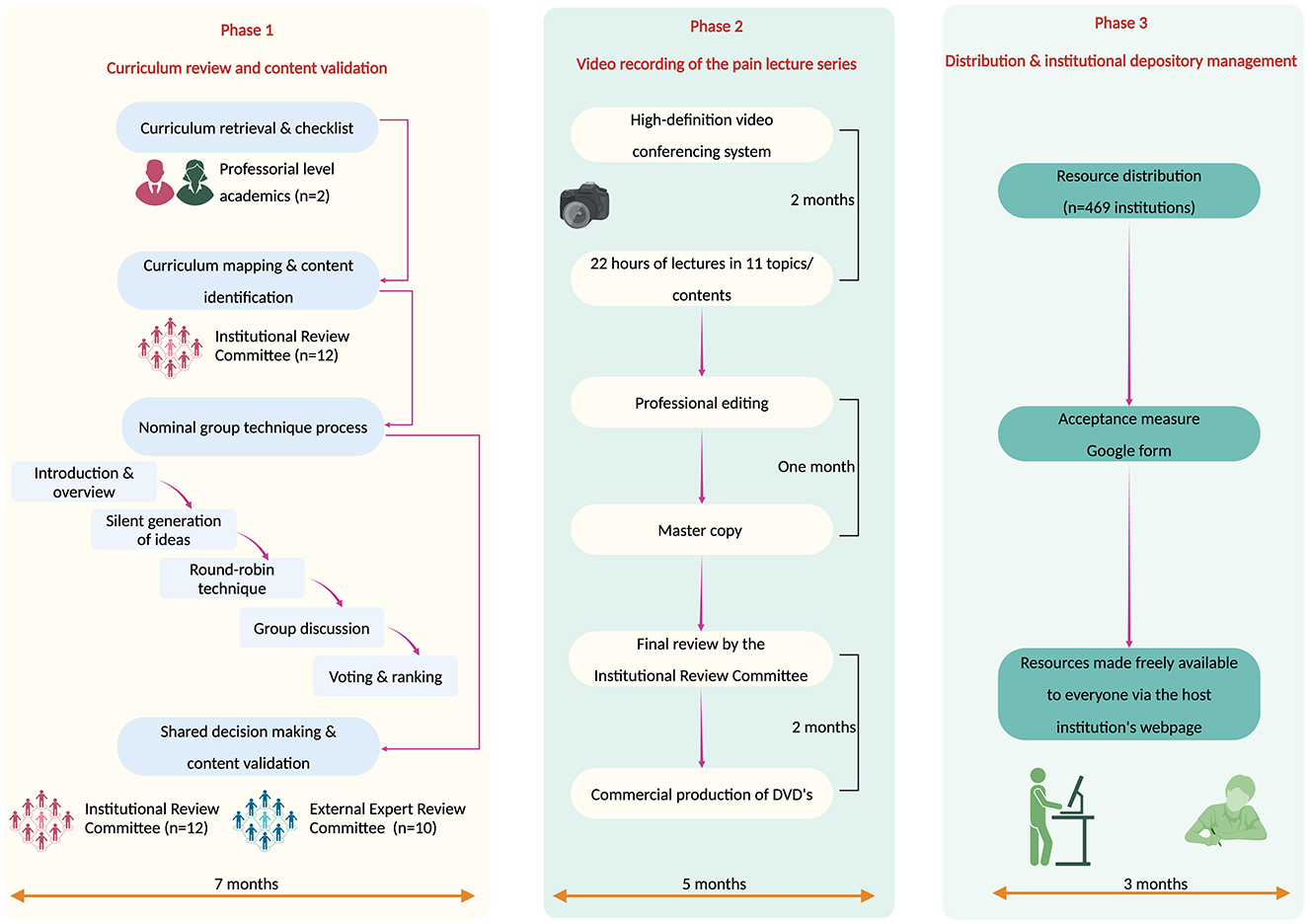
Figure 2. Evaluation methodology and study phases. Created with www.biorender.com.
2.2 Phase 2—Video recording of the pain lecture series
Lectures and demonstrations were captured using a high-definition video conferencing setup (EVC150 point-to-point) provided by Aver Information Inc. This equipment features full HD 720P resolution, a Pan-Tilt-Zoom camera, and a microphone array. A schedule was established in advance over a two-month period, with agreement from all participating speakers. To ensure consistency in the learning process, all participants were provided with detailed schedules and access to recorded lectures. Each speaker involved in the study reviewed their recorded lecture to assess the clarity of the content and the effectiveness of their delivery. The recorded videos were edited under the supervision of experts to ensure no content was lost. Repeat recording was done when necessary to enrich the recordings. The final videos were saved as a master copy for bulk production of DVDs and entrusted to a professional studio for production and labeling in order to dispatch them to 469 colleges in India (IAP, 2020; Shiksha, 2024). Each DVD folder had the relevant lecture recordings of the topic and associated reading materials provided by the expert lecturer.
2.3 Phase 3—Distribution and institutional depository management
Student and faculty acceptance is imperative for effectively implementing and facilitating the developed e-learning resources (Hu et al., 2024; Joseph Jeyaraj, 2020). This aligns with the Technology Acceptance Model (TAM), which outlines the factors influencing technology acceptance, focusing on two key aspects: perceived ease of use and perceived usefulness (Marangunić and Granić, 2015; Rahimi et al., 2018). Likewise, the difficulty of the learning materials can affect the overall learning experience for the individual, potentially being seen as either too challenging and frustrating or too simple and dull (Challco et al., 2016; Graesser and D'Mello, 2012; Sweller, 1994). Therefore, a simple online survey was sent to two selected colleges in Southern India to measure the acceptance of the lecture series before circulating to the rest of the country. Participants evaluated the acceptance of the online lecture series and the difficulty of the recorded lecture content using a Visual Analog Scale (VAS; Acceptance: 0-not at all acceptable to 10-highly acceptable; Difficulty level: 0-not at all difficult to 10-extremely difficult). Subsequently, the IRC and institutional clerical staff arranged for the DVDs to be dispatched to all 469 colleges (223 registered and 246 non-registered with IAP) and BOS heads using India Post's registered parcel service, which included a return-to-sender option. A log was kept tracking any DVDs that were returned due to delivery issues. One set of DVDs was dispatched, along with an appreciation letter to participating institutions and a recommendation to include the material in their teaching curriculum of pain science. Moreover, all 469 institutional heads were requested to keep the DVD set in the library as a resource accessible to all the faculty and students with appropriate and adequate signages. This method was expected to enhance self-learning even before the curricular changes were affected over time. Institutions were also requested to conduct workshops using the material and with enhancement as they saw fit for various student groups.
Alongside the DVDs, the IRC and EERC have chosen to make the materials developed through this project available as an e-learning resource on the host institution's online library platform, ensuring global free access. Descriptive statistical techniques were employed to create graphs displaying means and measures of variance. Additionally, means with 95% confidence interval (CI) were computed for the survey responses (acceptance and difficulty level of the created materials) using GraphPad Prism software (version 9.1.0).
3 Results
3.1 Phase 1—Curriculum review and topic validation
The IRC identified nine key areas/topics lacking in mainstream pain education curricula. Following the review process (Phase 1, Stage 3), it was determined that approximately 22 h of lectures would be required to cover these gaps. The topics identified in Phase 1, Stage 3, along with the estimated duration for each, are detailed in Figure 3.
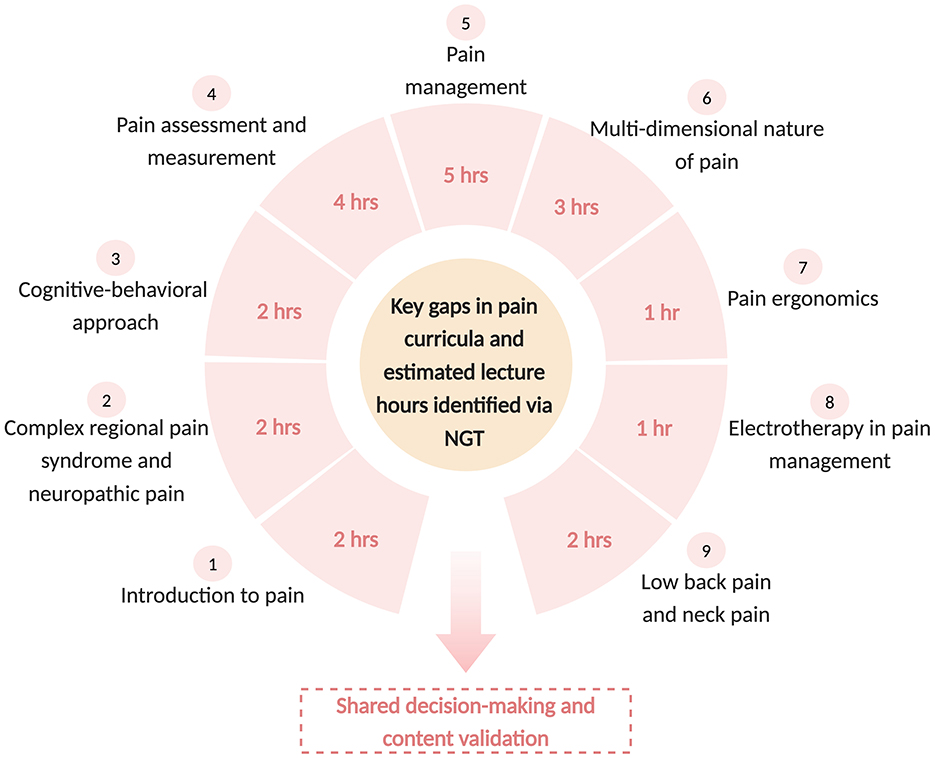
Figure 3. Topics identified (Phase 1, Stage 3) and estimated hours for each topic. Created with www.biorender.com.
3.2 Phase 2—Video recording of the lecture series
The results from Phase 1 (Phase 1, Stage 4) guided the modification of the content, and they were subdivided (11 topics in total) and recorded as per the pre-determined order. A summary of this order and topics is illustrated in Figure 4. According to the consensus reached by the EERC through the NGT process, it was decided that “low back pain” and “neck pain” would be recorded as separate topics by two experts in the field. Likewise, “pain management” was subdivided into “pharmacological management of pain,” “exercise therapy for pain management,” and “electrotherapy for pain management.” The remaining topics identified in Phase 1, Step 3 have remained unchanged for lecture recording.
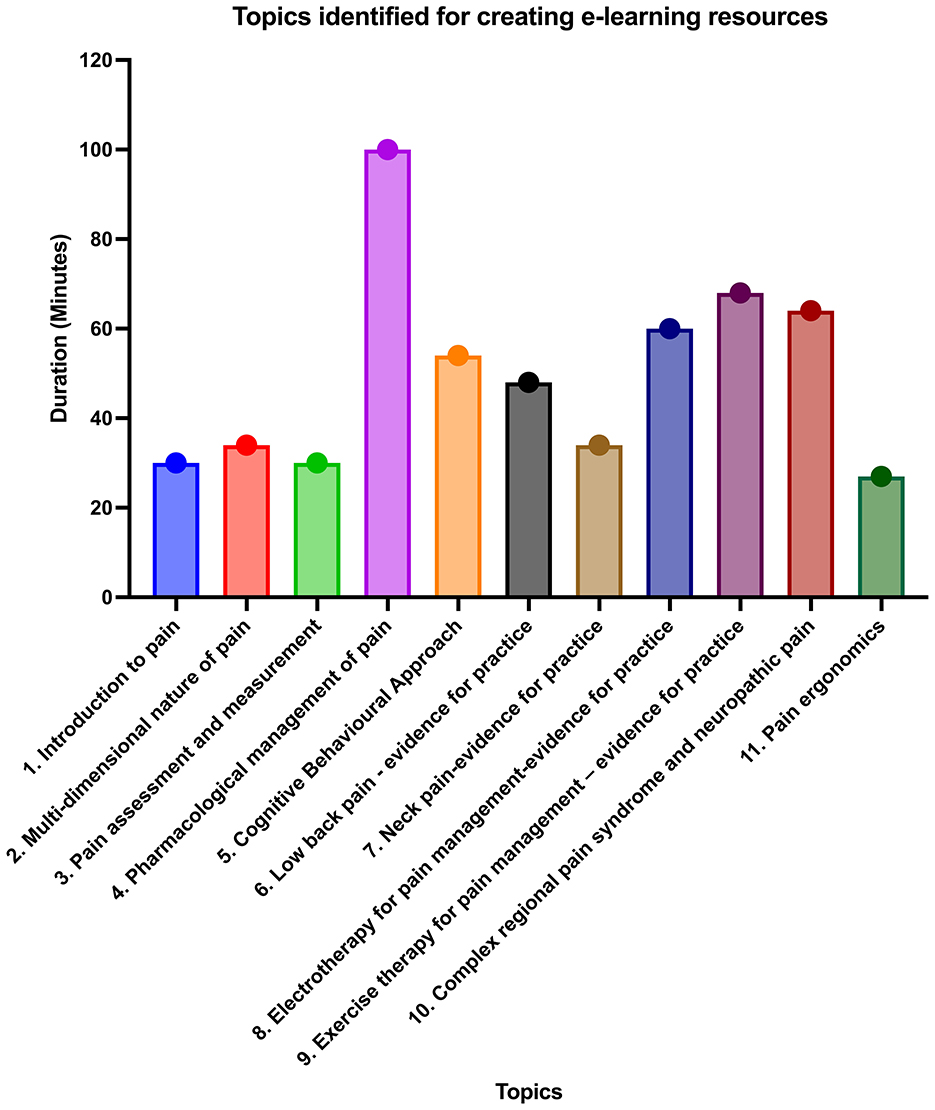
Figure 4. Summary of the pain lecture series and hours (Phase 1, Stage 4) for each topic decided for recording.
3.3 Phase 3—Distribution and institutional depository management
The invitation to participate yielded a response rate of 58.2 per cent. Five universities (of the 469 institutions invited) responded positively to the email within a period of one month. State universities in India have several affiliated institutions, and these institutions were approached individually, of which 25 colleges responded with their interest in participating in the study. Several others (n = 10) responded with interest but sought to defer their participation to the subsequent academic year. Based on the recordings and our recommendations, four institutions reported that they had conducted a pain workshop based on the provided e-learning resources and recorded lecture series. Additionally, 550 respondents rated the acceptance and difficulty level of the learning materials on the VAS. All respondents rated the acceptance between 8 and 10 on the VAS. Similarly, 85.64% of the participants indicated a low difficulty level (VAS 1). The summary of the survey is illustrated in Figure 5 (mean and 95% confidence interval).
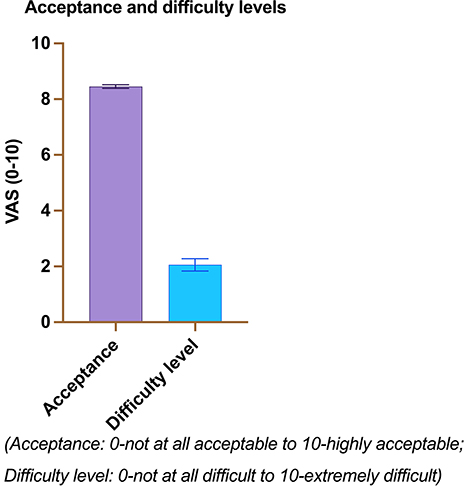
Figure 5. Summary of acceptance and difficulty levels of the learning materials.
In order to reach working professionals in India, the lecture series was also made freely available from the host institutional website (https://www.jssphysiotherapy.edu.in/Home/understanding_pain) as an e-learning resource to facilitate continuing education. This online resource platform is freely available to access globally.
4 Discussion and implication for practice
We utilized a novel approach to develop content aligned with the IASP curriculum. This method included collaboration with experts and undergoing external peer review, resulting in the creation of e-learning resources. This initiative has had a cascading impact, disseminating current knowledge to young therapists and educators, as these resources and reading materials are freely accessible online. The outputs from this project have the potential to bolster continuing education in pain management for both academic professionals and practicing PTs. Indeed, this could enhance evidence-based clinical practices and contribute to better patient care.
The results suggest that the concept was accepted, and the recommendations were feasible in terms of time and human resources. The responses received were considerable as each institution had a large number of students and faculty. Approximately 15,000 (minimum) students are graduated every year from different institutions in India. More than 20,000 faculty members and PTs teach or practice in various colleges, hospitals, and universities (Grafton and Gordon, 2019; Raja, 2017).
Although the resources created through this project were based on the curriculum of the PT program in India, they can be utilized and integrated into other developing and low-resource countries (Bond, 2011, 2012). Furthermore, these materials are accessible and beneficial for other allied health professionals. Evidence-based knowledge of pain mechanisms and clinical management is essential not only for PTs but also for all members of the interdisciplinary pain management team (Benes et al., 2022; Connell et al., 2022; Stanos and Houle, 2006). This project aims to create a ripple effect (Seo et al., 2008) by sharing advanced knowledge and implications for practice in pain science with emerging PTs and educators. Additionally, the cultural and educational contexts are comparable across South Asia (India, Pakistan, Sri Lanka, Nepal, Bhutan, Bangladesh, Maldives, and Myanmar), where English is commonly used as the language of instruction in higher education. Hence, a regional impact is anticipated. Moreover, studies have suggested that the issue of inadequate pain education in PT curricula is not confined to developing countries. A survey of undergraduate pain curricula for healthcare professionals in the United Kingdom (UK) revealed that pain education is insufficient, constituting <1% of program hours in some of the UG health professional programs, including PT (Briggsl et al., 2011). Comparable problems were identified in a Canadian study focused on Canadian Physiotherapy Programmes, thus recommending integrating pain competencies into standards and regulatory processes (Wideman et al., 2018). The current study is, therefore, well in line with the global requirement for knowledge complementation using self-learning resources.
Compared to our previous project in 2015 (Mani et al., 2016), which engaged only 25 PTs, the current study has reached a significantly broader audience. The lecture series and related study materials are accessible at no cost on our institutional website and available to a broader audience. As a result, this project has significantly expanded its reach. In the short term, only reachability could be evaluated and hence reported in this paper. The pain lectures were based on missing topics from the existing pain curricula for PT students in India. Evidence-based pain knowledge and its multidimensional nature are key domains for PTs in clinical reasoning and tailoring patient-specific interventions. We believe that the available resources will enhance curriculum revision and self-directed learning for the UG and PG PT students in India and other similar South Asian countries. The developed resources have a wider acceptance, and we have received a good percentage of acknowledgment and appreciation from other institutions indicating their interest in taking part in future pain education research and incorporating the resources available in their institutional library. Similar pedagogical research from Israel and Spain has demonstrated the beneficial effects of targeted pain-related education on the knowledge, attitudes, and practices of physical therapists (Jacobs et al., 2016; Springer et al., 2018). Moreover, as outlined in the introduction, the issue of fragmented evidence-based pain science content in PT curricula is not only confined to developing countries but may be considered a global issue. Knowledge translation is imperative in all health professional programs, including PT. Fundamental and foundational knowledge of pain science and practice should be regarded as a “threshold concept” and included in assessments for both UG and PG students, as well as for independent PT practice registration (Meyer and Land, 2003; Smart, 2023b). These assessment components should align with IASP recommendations and curriculum standards, ensuring an international level of clinical practice and the delivery of quality treatment for individuals seeking PT for pain management.
5 Conclusion
This action research study employed innovative methods to develop e-learning resources based on the IASP curriculum outline to improve pain education in the PT programme. This project has initiated a ripple effect by providing evidence-based knowledge to young therapists and teaching faculty, with e-learning resources that are freely and readily accessible online. The resources created through this project could support ongoing pain management education for academic professionals and practicing PTs. Moreover, the study used a novel and innovative methodological framework for developing learning resources. These approaches could be adapted to develop e-learning resources across various educational practices and professions.
6 Limitations and future directions
This study is based on the pain education curriculum of the PT programme in India. Therefore, the identified gaps in the pain education curriculum may not be representative and comparable to other countries. However, the pain education materials were developed based on the IASP curriculum outline, which is widely accepted and incorporated into pain education for PT globally. In the current paper, we have only included data from the short-term impact and acceptance of the learning recourses. In the future, a long-term impact assessment of this project will be conducted by evaluating the knowledge, attitudes, and practices of physical therapy graduates. A five-year impact and implementation analysis is planned to build on this project, with the study projected to be carried out over the next two years. This long-term evaluation aims to provide insights into the sustained influence of the developed resources. The recorded lectures covered specific topics, and based on user feedback, we plan to add more content areas to the e-learning resources. This effort is part of our ongoing commitment to developing pain education materials that are freely accessible worldwide.
Data availability statement
The datasets presented in this study can be found in online repositories. The names of the repository/repositories and accession number(s) can be found below: https://jssphysiotherapy.edu.in//assets/documents/library/pain-lecture-series.pdf.
Ethics statement
The study protocol was reviewed and approved by the JSS College of Physiotherapy Institutional Research Committee (JSSCPT/IRC/2017/012).
Author contributions
JM: Conceptualization, Data curation, Formal analysis, Investigation, Methodology, Project administration, Software, Validation, Visualization, Writing – original draft, Writing – review & editing. MR: Data curation, Formal analysis, Investigation, Methodology, Software, Validation, Visualization, Writing – review & editing. PS: Data curation, Investigation, Methodology, Project administration, Visualization, Writing – review & editing. KR: Conceptualization, Formal analysis, Funding acquisition, Investigation, Methodology, Project administration, Resources, Supervision, Validation, Visualization, Writing – review & editing.
Funding
The author(s) declare financial support was received for the research, authorship, and/or publication of this article. This study was funded by the 2018 International Association for the Study of Pain Developing Countries Project: Initiative for Improving Pain Education Grant.
Acknowledgments
The authors acknowledge Dr. Akkamahadevi P, Dr. Prabhleen Jaggi Singh, Dr. Saumen Gupta, Dr. Twinkle Dabholkar, Dr. Anushee Narekuli, Dr. Vijay Samuel Raj, and Dr. Nityal Kumar Alagingi for their expertise in creating the pain lecture series. We also acknowledge the office staff, librarian, and student council members (2018) of the institution for their active support and help throughout the project.
Conflict of interest
The authors declare that the research was conducted in the absence of any commercial or financial relationships that could be construed as a potential conflict of interest.
Publisher's note
All claims expressed in this article are solely those of the authors and do not necessarily represent those of their affiliated organizations, or those of the publisher, the editors and the reviewers. Any product that may be evaluated in this article, or claim that may be made by its manufacturer, is not guaranteed or endorsed by the publisher.
References
Atiaja, L. A., and Proenza, R. (2016). The MOOCs: origin, characterization, principal problems and challenges in higher education. J. e-Learn. Knowl. Soc. 12:1. doi: 10.20368/1971-8829/1093
Benes, L. L., Keefe, F. J., and DeBar, L. L. (2022). Treating persistent pain: a nurse co-led, interdisciplinary model for primary care. Pain Managem. Nurs, 23, 728–736. doi: 10.1016/j.pmn.2022.07.004
Bhatnagar, S., Patel, A., and Raja, S. N. (2018). Aspiring pain practitioners in India: Assessing challenges and building opportunities. Indian J. Palliat. Care 24:93. doi: 10.4103/IJPC.IJPC_148_17
Bond, M. (2011). Pain education issues in developing countries and responses to them by the International Association for the Study of Pain. Pain Res. Managem. 16:404. doi: 10.1155/2011/654746
Bond, M. (2012). A decade of improvement in pain education and clinical practice in developing countries: IASP initiatives. Br. J. Pain 6, 81–84. doi: 10.1177/2049463712444062
Briggs, E. V., Battelli, D., Gordon, D., Kopf, A., Ribeiro, S., Puig, M. M., et al. (2015). Current pain education within undergraduate medical studies across Europe: advancing the Provision of Pain Education and Learning (APPEAL) study. BMJ Open 5:e006984. doi: 10.1136/bmjopen-2014-006984
Briggsl, E. V., Carrl, E. C. J., and Whittakerl, M. S. (2011). Survey of undergraduate pain curricula for healthcare professionals in the United Kingdom. Eur. J. Pain 15, 789–795. doi: 10.1016/j.ejpain.2011.01.006
Challco, G. C., Andrade, F. R., Borges, S. S., Bittencourt, I. I., and Isotani, S. (2016). Toward a unified modeling of learner's growth process and flow theory. J. Educ. Technol. Soc. 19, 215–227. Available at: https://www.jstor.org/stable/10.2307/jeductechsoci.19.2.215
Cohen, S. P., Vase, L., and Hooten, W. M. (2021). Chronic pain: an update on burden, best practices, and new advances. Lancet 397, 2082–2097. doi: 10.1016/S0140-6736(21)00393-7
Connell, N. B., Prathivadi, P., Lorenz, K. A., Zupanc, S. N., Singer, S. J., Krebs, E. E., et al. (2022). Teaming in interdisciplinary chronic pain management interventions in primary care: a systematic review of randomized controlled trials. J. Gen. Intern. Med. 37, 1501–1512. doi: 10.1007/s11606-021-07255-w
Creswell, J. W. (2015). Educational Research: Planning, Conducting, and Evaluating Quantitative and Qualitative Research. London: Pearson.
Darnall, B. D., Carr, D. B., and Schatman, M. E. (2017). Pain psychology and the biopsychosocial model of pain treatment: ethical imperatives and social responsibility. Pain Med. 18, 1413–1415. doi: 10.1093/pm/pnw166
de Moura, V. F., Correa, J. N. N., de Oliveira Neto, J. D., de Souza, C. A., and Viana, A. B. N. (2018). “Challenges for using massive open online courses (MOOCS) in Latin America,” in User Innovation and the Entrepreneurship Phenomenon in the Digital Economy (Hershey: IGI Global), 92–109.
Dobbie, A., Rhodes, M., Tysinger, J. W., and Freeman, J. (2004). Using a modified nominal group technique as a curriculum evaluation tool. Family Med. 36, 402–406.
Dueñas, M., Ojeda, B., Salazar, A., Mico, J. A., and Failde, I. (2016). A review of chronic pain impact on patients, their social environment and the health care system. J. Pain Res. 9:457. doi: 10.2147/JPR.S105892
Ehrström, J., Kettunen, J., and Salo, P. (2018). Physiotherapy pain curricula in Finland: a faculty survey. Scand. J. Pain 18, 593–601. doi: 10.1515/sjpain-2018-0091
Ernstzen, D. V., Louw, Q. A., and Hillier, S. L. (2017). Clinical practice guidelines for the management of chronic musculoskeletal pain in primary healthcare: a systematic review. Implement. Sci. 12, 1–13. doi: 10.1186/s13012-016-0533-0
Feldman, A., and Minstrell, J. (2000). Action Research as a Research Methodology for the Study of the Teaching and Learning of Science. New York, NY: ERIC Clearinghouse.
Gattrell, W. T., Logullo, P., van Zuuren, E. J., Price, A., Hughes, E. L., Blazey, P., et al. (2024). ACCORD (ACcurate COnsensus Reporting Document): a reporting guideline for consensus methods in biomedicine developed via a modified Delphi. PLoS Med. 21:e1004326. doi: 10.1371/journal.pmed.1004326
Giuliani, M. E., Papadakos, T., Coolens, C., Fregnani, J., Gebhardt, P., Julius, A., et al. (2023). Using a nominal group technique to develop a science communication curriculum for health professionals and clinical researchers. J. Cancer Educ. 38, 1459–1465. doi: 10.1007/s13187-023-02282-z
Graesser, A. C., and D'Mello, S. (2012). Emotions during the learning of difficult material. Psychol. Learn. Motivat. 57, 183–225. doi: 10.1016/B978-0-12-394293-7.00005-4
Grafton, K., and Gordon, F. (2019). A grounded theory study of the narrative behind Indian physiotherapists global migration. Int. J. Health Plann. Manage. 34, 657–671. doi: 10.1002/hpm.2725
Harvey, N., and Holmes, C. A. (2012). Nominal group technique: an effective method for obtaining group consensus. Int. J. Nurs. Pract. 18, 188–194. doi: 10.1111/j.1440-172X.2012.02017.x
Holm, S., Ljungman, G., Åsenlöf, P., Linton, S. J., and Söderlund, A. (2016). Treating youth in pain: comparing tailored behavioural medicine treatment provided by physical therapists in primary care with physical exercises. Eur. J. Pain 20, 626–638. doi: 10.1002/ejp.780
Hu, S.-G., Wang, W.-Y., Wang, X.-X., and Yin, Y.-M. (2024). Assessing the intention to accept inquiry-based teaching pedagogy among Chinese university students: an extension of technology acceptance model. Front. Psychol. 15:1265047. doi: 10.3389/fpsyg.2024.1265047
IAP (2020). List of Recognised/Approved Under-Graduate Colleges By Indian Association Of Physiotherapist (IAP) In India. Available at: https://www.physiotherapyindia.org/affiliated-institutes/approved-ug-colleges/3988-list-of-recognised-approved-under-graduate-colleges-by-indian-association-of-physiotherapist-iap-in-india.html, IAP.
IASP (2018). IASP Curriculum Outline on Pain for Physical Therapy. Available at: https://www.iasp-pain.org/education/curricula/iasp-curriculum-outline-on-pain-for-physicaltherapy/
Jacobs, C. M., Guildford, B. J., Travers, W., Davies, M., and McCracken, L. M. (2016). Brief psychologically informed physiotherapy training is associated with changes in physiotherapists' attitudes and beliefs towards working with people with chronic pain. Br. J. Pain 10, 38–45. doi: 10.1177/2049463715600460
Jones, J., and Hunter, D. (1995). Consensus methods for medical and health services research. BMJ 311:376. doi: 10.1136/bmj.311.7001.376
Jones, L. E., and Hush, J. M. (2011). Pain education for physiotherapists: is it time for curriculum reform? J. Physiother. 57, 207–208. doi: 10.1016/S1836-9553(11)70049-2
Jones, M., Edwards, I., and Gifford, L. (2002). Conceptual models for implementing biopsychosocial theory in clinical practice. Man. Ther. 7, 2–9. doi: 10.1054/math.2001.0426
Joseph Jeyaraj, J. (2020). Possibilities for critical pedagogy engagement in higher education: exploring students' openness and acceptance. Asia Pacific Educ. Rev. 21, 27–38. doi: 10.1007/s12564-019-09605-0
Kindon, S., Pain, R., and Kesby, M. (2007). “Introduction: Connecting people, participation and place,” in Participatory Action Research Approaches and Methods (London: Routledge), 27–32.
Lin, I., Wiles, L., Waller, R., Goucke, R., Nagree, Y., Gibberd, M., et al. (2020). What does best practice care for musculoskeletal pain look like? Eleven consistent recommendations from high-quality clinical practice guidelines: systematic review. Br. J. Sports Med. 54, 79–86. doi: 10.1136/bjsports-2018-099878
Ma, L., and Lee, C. S. (2018). Understanding the barriers to the use of MOOCs in a developing country: an innovation resistance perspective. J. Educ. Comp. Res. 57, 571–590. doi: 10.1177/0735633118757732
Mani, R., Engheepi, F. B. P., Gupta, S., and Raja, K. (2016). Imparting the IASP Pain Curriculum to Physiotherapists through Distance Mode: A Study of Impact on Knowledge Attitudes and Beliefs about Pain 16th World Congress on Pain, Japan. Available at: https://www.researchgate.net/publication/309731551_Imparting_the_IASP_Pain_Curriculum_to_Physiotherapists_through_Distance_Mode_A_Study_of_Impact_on_Knowledge_Attitudes_and_Beliefs_about_Pain
Maphosa, V., and Maphosa, M. (2023). Opportunities and challenges of adopting MOOCs in Africa: A systematic literature review. IntechOpen. Available at: https://www.intechopen.com/chapters/1126035
Marangunić, N., and Granić, A. (2015). Technology acceptance model: a literature review from 1986 to 2013. Universal Access Inform. Soc. 14, 81–95. doi: 10.1007/s10209-014-0348-1
Meyer, J., and Land, R. (2003). Threshold Concepts and Troublesome Knowledge: Linkages to Ways of Thinking. Princeton: Citeseer.
Mills, S., Torrance, N., and Smith, B. H. (2016). Identification and management of chronic pain in primary care: a review. Curr. Psychiatry Rep. 18:22. doi: 10.1007/s11920-015-0659-9
Nicholas, M. K. (2022). The biopsychosocial model of pain 40 years on: time for a reappraisal? Pain 163, S3–S14. doi: 10.1097/j.pain.0000000000002654
Potter, M., Gordon, S., and Hamer, P. (2004). The nominal group technique: a useful consensus methodology in physiotherapy research. NZ J. Physiother. 32, 126–130.
Rahimi, B., Nadri, H., Afshar, H. L., and Timpka, T. (2018). A systematic review of the technology acceptance model in health informatics. Appl. Clin. Inform. 9, 604–634. doi: 10.1055/s-0038-1668091
Raja, K. (2017). Physiotherapy-The state of the profession in India: an analysis. Physiotherapy 11:34. doi: 10.4103/PJIAP.PJIAP_17_17
Robertson, J. (2000). The three Rs of action research methodology: Reciprocity, reflexivity and reflection-on-reality. Educ. Action Res. 8, 307–326. doi: 10.1080/09650790000200124
Robinson, M. A., Sparrow, P. R., Clegg, C., and Birdi, K. (2007). Forecasting future competency requirements: a three-phase methodology. Person. Rev. 36:1. doi: 10.1108/00483480710716722
Seo, K. K., Templeton, R., and Pellegrino, D. (2008). Creating a ripple effect: Incorporating multimedia-assisted project-based learning in teacher education. Theory Pract. 47, 259–265. doi: 10.1080/00405840802154062
Sinatra, R. (2010). Causes and consequences of inadequate management of acute pain. Pain Medicine 11, 1859–1871. doi: 10.1111/j.1526-4637.2010.00983.x
Slater, H., Sluka, K., and Söderlund, A. (2018). “IASP curriculum outline on pain for physical therapy,” in International Association for the Study of Pain. Available at: https://www.iasp-pain.org/education/curricula/iasp-curriculum-outline-on-pain-for-physical-therapy/
Smart, K. M. (2023a). The biopsychosocial model of pain in physiotherapy: past, present and future. Phys. Ther. Rev. 28, 61–70. doi: 10.1080/10833196.2023.2177792
Smart, K. M. (2023b). Pain science and practice as a ‘threshold concept' within undergraduate and pre-registration physiotherapy education: a jewel of the curriculum? BMC Med. Educ. 23:732. doi: 10.1186/s12909-023-04733-z
Springer, S., Gleicher, H., and Hababou, H. (2018). Attitudes and beliefs about musculoskeletal pain and its association with pain neuroscience knowledge among physiotherapy students in Israel. Isr. J. Health Policy Res. 7:67. doi: 10.1186/s13584-018-0266-4
Stanos, S., and Houle, T. T. (2006). Multidisciplinary and interdisciplinary management of chronic pain. Phys. Med. Rehabilitat. Clinics 17, 435–450. doi: 10.1016/j.pmr.2005.12.004
Sweller, J. (1994). Cognitive load theory, learning difficulty, and instructional design. Learn. Instruct. 4, 295–312. doi: 10.1016/0959-4752(94)90003-5
Thomas, P. A., Kern, D. E., Hughes, M. T., Tackett, S. A., and Chen, B. Y. (2022). Curriculum Development for Medical Education: A Six-Step Approach. Baltimore: JHU Press.
Waggoner, J., Carline, J. D., and Durning, S. J. (2016). Is there a consensus on consensus methodology? Descriptions and recommendations for future consensus research. Academic Med. 91, 663–668. doi: 10.1097/ACM.0000000000001092
Keywords: pain curriculum, pain education, action research, IASP, e-learning, clinical education
Citation: Mathew J, Rashid M, Shirsath P and Raja K (2025) Development of e-learning resources to enhance the pain education curriculum in physiotherapy programs using an action research-guided approach. Front. Educ. 9:1466404. doi: 10.3389/feduc.2024.1466404
Received: 29 August 2024; Accepted: 06 December 2024;
Published: 10 January 2025.
Edited by:
Shaista S. Guraya, Mohammed Bin Rashid University of Medicine and Health Sciences, United Arab EmiratesReviewed by:
Dmytro Dmytriiev, National Pirogov Memorial Medical University, UkraineWidowati Pusporini, Yogyakarta State University, Indonesia
Pramila Ramani, Central University of Tamil Nadu, India
Copyright © 2025 Mathew, Rashid, Shirsath and Raja. This is an open-access article distributed under the terms of the Creative Commons Attribution License (CC BY). The use, distribution or reproduction in other forums is permitted, provided the original author(s) and the copyright owner(s) are credited and that the original publication in this journal is cited, in accordance with accepted academic practice. No use, distribution or reproduction is permitted which does not comply with these terms.
*Correspondence: Jerin Mathew, amVyaW4ubWF0aGV3QG90YWdvLmFjLm56