 Susan J. Chambre
 Alida Anderson
- 1Department of Special Education and Literacy, College of Education, Kean University, Union, NJ, United States
- 2Special Education Program, School of Education American University, Washington, DC, United States
This paper presents findings from an exploratory descriptive qualitative inquiry of preservice teachers’ (PSTs’) self-reported dyslexia knowledge sources. The purpose of this research is to provide a baseline understanding of how and where PSTs’ understandings of dyslexia originate to inform teacher educators about sources of misconceptions and to support PSTs’ conceptual growth about dyslexia. Seventy-six PSTs in the United States completed written responses to online learning module questions about dyslexia knowledge sources. Sources of PSTs’ dyslexia knowledge were identified via thematic coding, to include popular media, friends or acquaintances, college coursework, and family. Findings indicate PSTs’ dyslexia knowledge as stemming from sources that perpetuate misconceptions of dyslexia. Discussion centers on the implications of identifying PSTs’ initial knowledge sources for teacher preparation research and practice by guiding PSTs’ conceptual growth regarding dyslexia.
Introduction
The purpose of this study is to explore and better understand self-reported initial sources of dyslexia knowledge among preservice teachers (PSTs) in the United States (US). Dyslexia is the most prevalent form of specific learning disability identified for US school children (Cortiella and Horowitz, 2014). Over five decades of research leads to a consensus definition of dyslexia, adopted by the National Institutes of Child Health and Development and the International Dyslexia Association (IDA) (International Dyslexia Association, 2020a; Lyon et al., 2003). This definition describes students’ primary difficulties in accurate and/or fluent word recognition, highlighting underlying phonological difficulties that lead to challenges with word recognition (Lyon et al., 2003).
Dyslexia is a neurobiological condition with both genetic and environmental influences (Pennington and Olson, 2005). Brain imaging data shows structural and functional differences in the brains of dyslexic individuals1 (Norton et al., 2015). Cognitive-linguistic skills such as phonological awareness and rapid automatized naming are other typically observed challenges for dyslexic students (Vellutino et al., 2004; Wolf and Bowers, 1999). Dyslexic students may also have Attention Deficit Hyper-Activity disorder (ADHD) (Madaus et al., 2011; International Dyslexia Association, 2020b), communication challenges such as stuttering (Elsherif et al., 2021), and other neurodevelopmental disorders (Černickaja and Sokolová, 2024).
Additionally, participatory research with dyslexic students reveals that these individuals report social and emotional challenges, including rejection, isolation, bullying, and hostility from peers and instructors because of their learning differences (Evans, 2014; Shaw et al., 2016, 2022; Shaw and Anderson, 2018). Despite our scientific understanding of the neuro-biological, cognitive-linguistic, and social–emotional underpinnings of dyslexia based on decades of research, dyslexia misconceptions persist among the general public as well as educators, with the most intractable misconception being that dyslexia is a visual problem involving “backwards reading” (Dekker et al., 2012; MacDonald et al., 2017).
The impact of dyslexia knowledge misconceptions on students and schools
Dyslexia knowledge misconceptions lead to fundamental misunderstandings of its cause among PSTs and in-service teachers working directly with dyslexic students. Education professionals’ misconceptions of dyslexia interfere with providing evidence-based practices for identification and intervention (Castles et al., 2018). For instance, education professionals may not identify a student with dyslexia because the student is not reversing their letters; or families may pursue ineffective visual interventions due to misunderstandings about the role of visual processing in dyslexia (Pennington, 2008, 2011; Fletcher and Currie, 2011; American Academy of Pediatrics, 2009, 2014).
Efforts to educate PSTs, teachers, parents, and medical professionals about the underlying causes of dyslexia continue through national professional associations (i.e., American Academy of Pediatrics, 2009) and advocacy organizations such as the IDA and Decoding Dyslexia. Still, continued work is needed to guide teacher preparation professionals working with PSTs to dispel harmful and persistent dyslexia misconceptions that arise from various sources (Anderson et al., 2020; Anderson, 2021).
Teachers’ endorsement of dyslexia misconceptions
Professional development researchers identify the magnitude of the problem of teachers’ dyslexia misconceptions, revealing that misconceptions exist among PSTs as well as in-service teachers. This research emphasizes an essential need for teachers to access current and accurate dyslexia knowledge for use with assessment and reading interventions for dyslexic students (Washburn et al., 2011, 2014, 2017). Research by Washburn et al. (2011) shows that elementary school teachers lack explicit literacy knowledge to guide reading intervention. These findings also indicate that teachers hold common misconceptions of dyslexia as a visually-based processing weakness rather than phonological processing one. Research by Washburn et al. (2014) reveals that PSTs from the US and the UK have limited knowledge of dyslexia as a language-based learning disability as well as hold misconceptions about dyslexia’s causes and treatments. Research from 2017 by Washburn and colleagues shows that novice teachers hold dyslexia misconceptions specifically in relation to “backwards reading”.
More recently, a survey of teacher knowledge and misconceptions of dyslexia across five states, two of which had passed legislation pertaining to teacher education and dyslexia, shows that in-service teachers continue to misunderstand dyslexia as a visually-based disorder (Peltier et al., 2020, 2022). While researchers document the persistence of dyslexia misconceptions among PSTs (Ness and Southall, 2010; White et al., 2020), only work by Ness and Southall (2010) investigates PSTs’ sources of dyslexia knowledge. To date, no research has investigated how knowledge sources impact the development of PSTs’ conceptual knowledge of dyslexia.
Impact of dyslexia misconceptions on students and schools
Teachers’ dyslexia misconceptions may impact rates of identification of learning-disabled students as well as students’ access to evidence-based reading interventions. This professional development problem contributes to inappropriate and disproportionate identification of students from minoritized ethnic and racial backgrounds in special education categories (Gage et al., 2019; Skiba et al., 2011). Historically, students from ethnically and racially minoritized backgrounds have been overrepresented as having emotional-behavioral and intellectual disabilities (Sullivan and Bal, 2013); and students from these backgrounds are underrepresented as having specific learning disabilities (Morgan et al., 2015; Munk et al., 2019). Therefore, identifying sources of PSTs’ dyslexia knowledge may address hegemonizing principles that contribute to the misrepresentation of diverse populations of students as either having or not having dyslexia (Lytle, 2016; Robinson and Thompson, 2019).
Conceptual framework and research question
This section outlines the status of dyslexia misconceptions in higher education professional preparation, reflecting the need for solutions that address dyslexia misconceptions through professional development efforts focused on dyslexia knowledge and concepts.
Origins of dyslexia misconceptions
Dyslexia has been described as “word blindness” in individuals who may otherwise have typical intelligence but cannot learn to read (Morgan, 1896; Orton, 1925). Early 20th century theories of dyslexia focused on visual-perceptual, visual-memory, and visual-motor problems, forming the basis for the belief that the defining symptom of dyslexia is reading, as well as writing, letters and/or words backwards. These theories have been rejected over time as the science of dyslexia developed. Evidence dating back to the 1970s has discredited visual theories of dyslexia (Fischer et al., 1978; Liberman et al., 1971; Treiman et al., 2014; Vellutino, 1979; Ziegler et al., 2010).
Despite decades of research, misconceptions surrounding dyslexia persist because of the complexity of dyslexia research coupled with a lack of venues for disseminating increasingly complicated representations of science to the public (Anderson, 2021). Also, some dyslexic students do make letter reversals in their writing, which serves to reinforce the notion of “backwards reading.” Letter reversals, however, are developmentally common during early literacy acquisition (Vellutino, 1979) and reversals that appear early in literacy acquisition (i.e., kindergarten) are unrelated to later reading abilities (i.e., grades 2–3) (Treiman et al., 2014). When reversals continue for dyslexic students, they may reverse letters in their own language, but not unfamiliar letters or symbols from another language (Vellutino, 1979), emphasizing that the difficulty with letters is related to linguistic features rather than visual processing. The widespread misunderstandings of the causal role of letter reversals in dyslexia can be understood in the context of the common logical error of inferring causation from correlation. While dyslexic students reverse letters, which they sometimes do beyond developmentally typical windows, letter reversals are not a cause of their reading problems.
Identifying sources of dyslexia misconceptions
In addition to misconceptions about letter reversals, researchers identify the lack of professional development about dyslexia due to “The Peter Effect” as a potential misconception source (i.e., one cannot teach what they do not know, Applegate et al., 2004, as cited in Binks-Cantrell et al., 2012). Application of the Peter Effect to dyslexia professional development indicates that the problem stems from teachers’ lacking knowledge of current research and best practices to implement evidence-based interventions. Research supports this idea with the finding that misconceptions about dyslexia are prevalent among instructors in higher education at similar rates to preservice and in-service teachers (Betts et al., 2019; Fragkaki et al., 2022; see reviews by Rousseau, 2021; Torrijos-Muelas et al., 2021). For instance, Betts et al. (2019) report that dyslexia myths are endorsed by nearly 80% of higher education faculty, instructors, and instructional designers across education, psychology, and neuroscience disciplines (N = 929).
Another potential source of dyslexia misconceptions is related to a larger family of misconceptions about the brain and learning known as “neuromyths”. MacDonald et al. (2017) report a clustering of “classic” neuromyths (items related to learning styles, dyslexia, the Mozart effect, the impact of sugar on attention, right-brain/left-brain learners, and using 10% of the brain), such that the dyslexia myth of backwards reading is often endorsed by the same individuals who endorse other neuromyths.
Previous research aimed at identifying misconceptions about the brain and learning, particularly among educators, focuses on how myths such as dyslexia’s arise and why they persist (Howard-Jones, 2014; Pasquinelli, 2012). Howard-Jones (2014) argues that the most persistent myths endorsed by educators from Prekindergarten through the end of university coursework, or the 16th year of formal schooling (i.e., PK-16 education) in the US, arise from the “cultural distance” between the fields of science and education. Howard-Jones (2014) explains that persistent myths about the brain and learning germinate from “seeds of confusion,” “cultural conditions,” and biased distortions of scientific data (pp. 817–819). Similarly, Pasquinelli (2012) identifies three processes about misconceptions as origins as (1) distortions of scientific facts, (2) obsolete offspring of scientific hypotheses, or (3) outgrowths from misinterpretations of experimental results. Strategies for dispelling dyslexia misconceptions must be responsive to “cultural conditions” and “seeds of confusion” that maintain these myths over time (Howard-Jones, 2014). Therefore, helping PSTs to self-interrogate their existing dyslexia knowledge concepts through knowledge sources directly addresses cultural conditions surrounding dyslexia myths as well as the seeds of PSTs’ confusion.
Assessing teachers’ knowledge of reading
Studies examining teachers’ knowledge of reading and student reading achievement may play a role in clarifying how knowledge acquisition can work to dispel dyslexia’s myth of backwards reading. Carlisle et al. (2011) comprehensive evaluation examines the relationship between teachers’ knowledge of early reading and students’ reading achievement, controlling for mediating variables (e.g., teacher characteristics, students’ prior reading achievement, and demographic characteristics). Findings show that first-grade students working with teachers who had high-reading knowledge perform better on reading comprehension assessments than students with low-reading knowledge, but these effects are not found for word analysis. Similarly, there is no statistically significant effects for high-knowledge teachers at the second and third-grade levels on measures of comprehension or word analysis. Carlisle et al. (2011) caution, however, that their study should not be interpreted as empirical evidence demonstrating a lack of relationship between teacher knowledge and student performance; rather, their study highlights the complexity of measuring teacher knowledge.
The measure of teacher knowledge that Carlisle et al. (2011) developed, Teachers’ Knowledge of Reading and Reading Practices, may reliably identify teachers with limited knowledge but is less reliable in identifying teachers with high levels of knowledge. These researchers posit that unreliability at the higher levels of teacher knowledge may underestimate teacher knowledge effects. Researchers also examine PSTs’ knowledge of dyslexia (Chambre and Anderson, 2024a; Toglia, 2021; White et al., 2020), highlighting which knowledge is essential, and how that knowledge is most effectively obtained through teacher education and professional development programs.
Dyslexia professional development efforts
Some US based dyslexia professional development researchers (Carreker et al., 2010; Peltier et al., 2022) identify key factors of teachers’ literacy-related content knowledge and application. Generally, the number of hours of professional development is related to greater teacher knowledge and application of concepts.
Altogether, recent findings about the endorsement of the dyslexia myth (e.g., Betts et al., 2019, in press; Macdonald et al., 2017; Washburn et al., 2017) indicate that it is one of the most common and persistent misconceptions held by PSTs, PK-12 in-service teachers, and higher education course instructors. Additionally, practical solutions targeting conceptual change based on existing teachers’ knowledge sources are relatively understudied (see Peltier et al., 2020, 2022 for discussion). This is particularly concerning as educators play a key role in identifying students who are at risk for dyslexia and in helping guide families towards appropriate assessment and intervention. Moreover, recent research indicates that US higher education instructors, who are training the next generation of teachers, seem to be perpetuating dyslexia’s most common misunderstanding (Betts et al., 2019; Fragkaki et al., 2022; Rousseau, 2021; Torrijos-Muelas et al., 2021). Anderson et al., (2020) demonstrate that the few available online dyslexia modules, as required by US state and federal policies for dyslexia education among preservice and in-service teachers, did not directly address this misconception.
Research question
Our study seeks to answer the following research question: What are PSTs’ self-reported dyslexia knowledge sources? We contend that improved professional development of dyslexia concepts directly benefits PSTs and in-service teachers working with students who have specific learning disabilities and students who may be at risk for reading difficulties. As a result, professional development aimed at improving US preservice and in-service teachers’ dyslexia knowledge through interrogating knowledge sources potentially benefits learning-disabled students and those at risk for developing reading difficulties, as accurate dyslexia knowledge among teachers will likely improve identification rates and access to evidence-based reading interventions. Addressing teachers’ conceptual misunderstandings of dyslexia may also support the social–emotional experiences of dyslexic students by negating misconceptions and by supporting appropriate identification of minoritized students who have been historically underrepresented as having specific learning disabilities.
Methods
Research design
This study uses an exploratory descriptive research design to explore the topic of PSTs’ dyslexia knowledge sources (Sandelowski, 2000, 2010), since little research currently exists on this topic. By purposefully conducting textual analysis via thematic coding of PSTs’ written responses to open-ended questions (Sandelowski, 2010), our findings offer initial interpretations about the sources that PSTs draw upon to inform their conceptual understanding of dyslexia.
Data collection
Our data collection includes written responses from 76 undergraduates (73 female, 3 male) PSTs, attending a small private liberal-arts college located in the US. At the time of data collection, the PSTs were enrolled as full-time students, resided on-campus, ranged in age from 19 to 22 years old, and the majority identified as white. All PSTs were enrolled in a dual degree undergraduate Bachelor of Science program in psychology and childhood/students with disabilities (grades 1–6), which included education and psychology coursework. Upon graduation, PSTs were recommended for state licensure to teach students in grades 1–6.
The PSTs were in their second year of a four-year dual-degree program. The majority of the PSTs were in the second semester of their sophomore year and were enrolled in the first of three methods courses focused on theoretical and practical implications of literacy and language development. During their previous three semesters of study, PSTs completed required liberal arts coursework, introductory level psychology coursework, and introduction to teaching coursework. Psychology courses included topics such as child development and human exceptionality. Education courses addressed pedagogical strategies such as lesson planning and initial clinical observation experiences, in which PSTs self-reflected on the nature of teaching through written assignments. At the time of data collection, none of the PSTs had completed coursework on methodological practices or instructional tools for teaching literacy, nor had they completed their final clinical student teaching experiences.
The 76 PSTs were enrolled in four distinct course sections of an instructional literacy course during Spring 2021 and Spring 2023 academic semesters. Course content was identical across all four sections and was taught by the same instructor, the first author. Course topics included theory and methods for teaching phonological awareness, phonics, vocabulary, writing, and spelling for students in grades 1–6. Institutional review board (IRB) approval and consent to analyze PSTs’ written responses for presentation and publication was obtained on February 1st, 2021. All data were anonymized at the time of data collection.
Data source
Our data source was PSTs’ written responses to online learning module questions collected during the first week of the semester of the literacy instruction courses. The PSTs were required to complete a total of eight online learning modules through the course of the semester, with the written responses from the first module used for analysis in the current study. The modules were developed by the first author to enhance PSTs’ dyslexia knowledge outside of the course instructional time. The modules also met requirements for state policy directives for PSTs to complete coursework focused on dyslexia knowledge and practice (New York Legislative Assembly, 2019). Based on the IDA’s Knowledge and Practice Standards for Teachers of Reading (International Dyslexia Association, 2018), the eight modules consisted of content related to NICHD/IDA’s definition of dyslexia, characteristics of dyslexia, screening for dyslexia, and classroom intervention practices.
The first module included 11 questions about dyslexia with text-box responses (Chambre and Anderson, 2024a). The text-box response format was selected to elicit PSTs’ current understanding of dyslexia and to minimize limitations associated with forced-choice responses such as multiple choice or true-false. The first five questions queried PSTs’ general dyslexia knowledge (e.g., How long does dyslexia last?). The remaining six questions focused on dyslexia instruction and classroom implications (e.g., How do you screen for dyslexia?). See Table 1 for a list of questions used in Module One. The other six modules included videos, articles, or infographics and accompanying open-ended free-form response questions to assess PSTs’ understanding of module content. Module Eight, the final module, was completed at the end of the course. This module included the same questions from Module One and was included to support PSTs to monitor growth in their understanding of dyslexia as a result of interacting with the module content (see Chambre and Anderson, 2024a for further discussion).
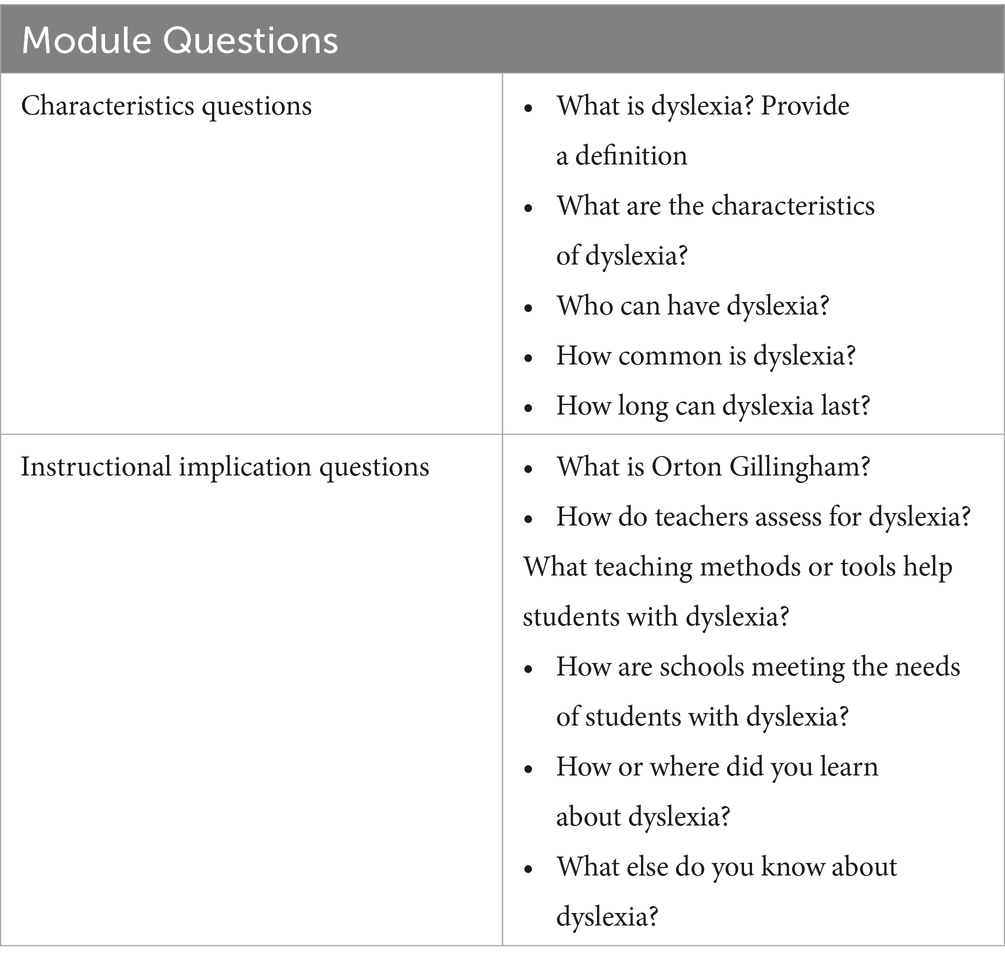
Table 1. Module Questions
Preservice teachers provided their written responses in a discussion forum on the course’s online learning management system. To minimize researcher bias, PSTs’ responses were anonymized and collected asynchronously and outside of course lecture time. The total module completion rate was 91% across the four sections, with two PSTs missing one module and one PST completing four modules. These PSTs’ data were removed from the sample.
Coding and data analysis
Based on grounded theory principles (Glaser and Strauss, 1967), we conducted inductive coding of PSTs’ responses via reflexive thematic analysis. Reflexive thematic analysis (Braun and Clarke, 2006, 2020) is a sequential and recursive process (Strauss, 2017), allowing researchers to move back and forth between data sources across several coding phases to uncover recurring patterns and overarching themes related to the study question. This process supported our efforts to examine where PSTs’ first encounter dyslexia knowledge, a topic about which little is known (Braun and Clarke, 2006, 2020; Savin-Baden and Howell Major, 2013).
The research phases followed the six phases of reflexive thematic analysis as outlined by Braun and Clarke (2006, 2020). During the first step, familiarization with the data, we conducted open coding of the PSTs’ written responses and generated descriptions of knowledge sources via edge coding. At this time, we wrote reflexive notes while examining the data. In the second step, generating codes via inductive coding, we reexamined the data via axial coding of the open coded comments to make connections between emerging themes. During the third step, we created initial codes to determine the viability of the coding scheme. We grouped similar codes together, collapsing redundant codes and reviewing them in light of our research question. We identified four categories in this phase: friends, media, college coursework, and family.
To determine viability of coding practices, in the fourth step we checked the codes to determine if the definitions and naming conventions were supported by the data. We created and reviewed a code book for clarity and ambiguity with assistance from a trained undergraduate research assistant who had successfully completed the three-literacy course sequence and their final student teaching placement. Table 2 provides codes, definitions, and examples of our data analysis process.
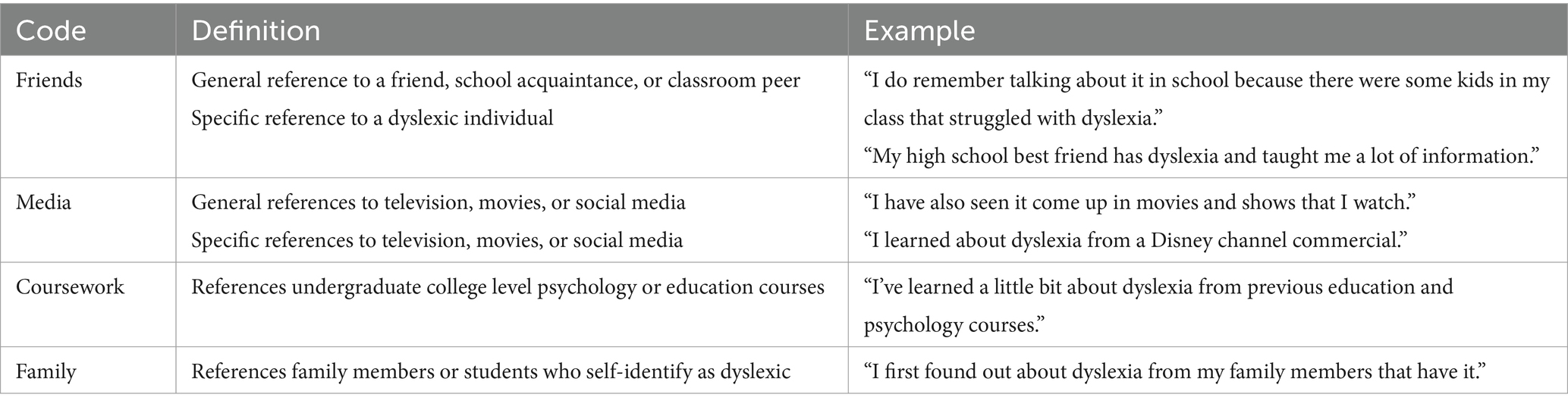
Table 2. Codes, definitions, and examples.
To refine, define, and name themes in the fifth phase of the research, we double-coded a selection of the data set, 21 comments (27% of the total data set), and compared coding application to finalize code categorization. When we had disagreements, we reviewed our code-book definitions in conjunction with the data extract until we reached a consensus on the final code application. We calculated code counts for each theme by course section and collapsed them into the four code categories. For example, we tabulated all friends codes from each course section and then recounted them to reach a final friends code number. The second researcher then re-coded the comments to establish inter-coder reliability. We calculated an intercoder rating reliability of 93% by counting the number of times the codes were agreed upon both researchers across all four distinct course sections following three rounds of coding.
To support the trustworthiness of study conclusions we employed several steps as outlined by Lincoln and Guba (1985). We first disclosed our analysis methods. Then we utilized peer debriefing to establish credibility and wrote thick descriptions to support transferability. Next, we established dependability by consulting with a trained undergraduate research assistant during code creation. Finally, we conducted an audit trail of research steps to establish confirmability (Lincoln and Guba, 1985).
Results
Our research question examines self-reported sources of US PSTs’ dyslexia conceptual knowledge. Findings indicate that this sample of PSTs’ dyslexia knowledge originates from four sources: experiences with friends, interactions with family members, previous college coursework, and popular media. Results include thick descriptions of PSTs’ self-reported knowledge sources, including specific quotes that exemplify the sources that PSTs draw upon when forming their conceptual understanding of dyslexia. A total of 97 codes are applied across all four sections. Figure 1 shows the distribution of source code occurrence across the categories of friends (n = 30), media (n = 28), coursework (n = 26), and family (n = 13).
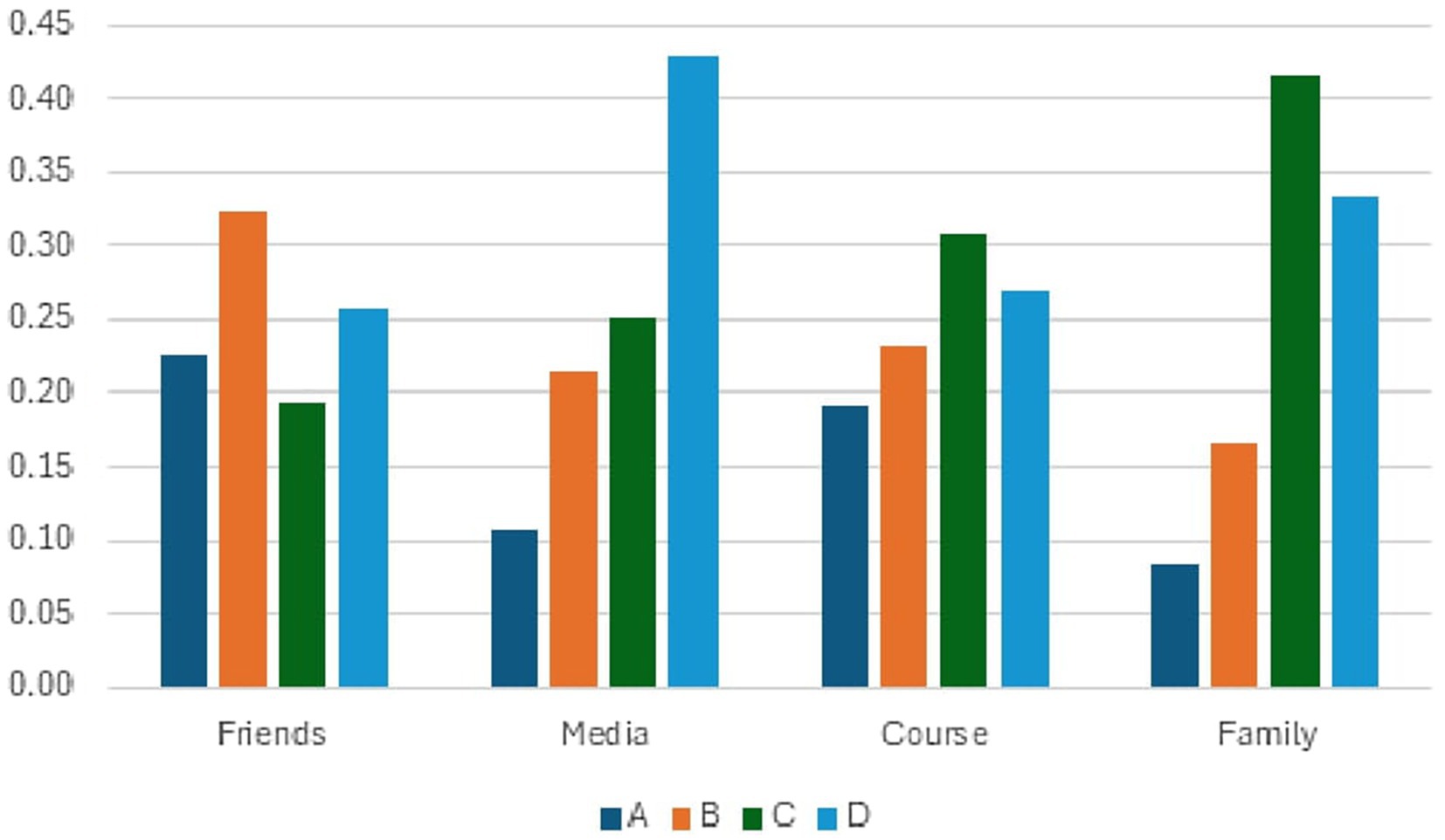
Figure 1. Frequency of code occurrence across class sections. A = section A; B = section B; C = section C; D = section D.
Friends
The friends code (n = 30) includes two types of PSTs’ statements about their interactions with dyslexic friends, global and fine-grained level. Global level statements include comments that are general in nature, without specifying a specific friend or classmate. Preservice teachers describe “a friend,” school acquaintances, or classroom peer from their PK-12 education. For instance, one PST explains, “I do remember talking about it in school because there were some kids in my class that struggled with dyslexia.” Another PST states, “I had friends in elementary and middle school who had it so I witnessed what it was first hand.” Table 3 provides additional examples from PSTs’ written statements that broadly highlight their global interactions with dyslexic friends during their PK-16 schooling.
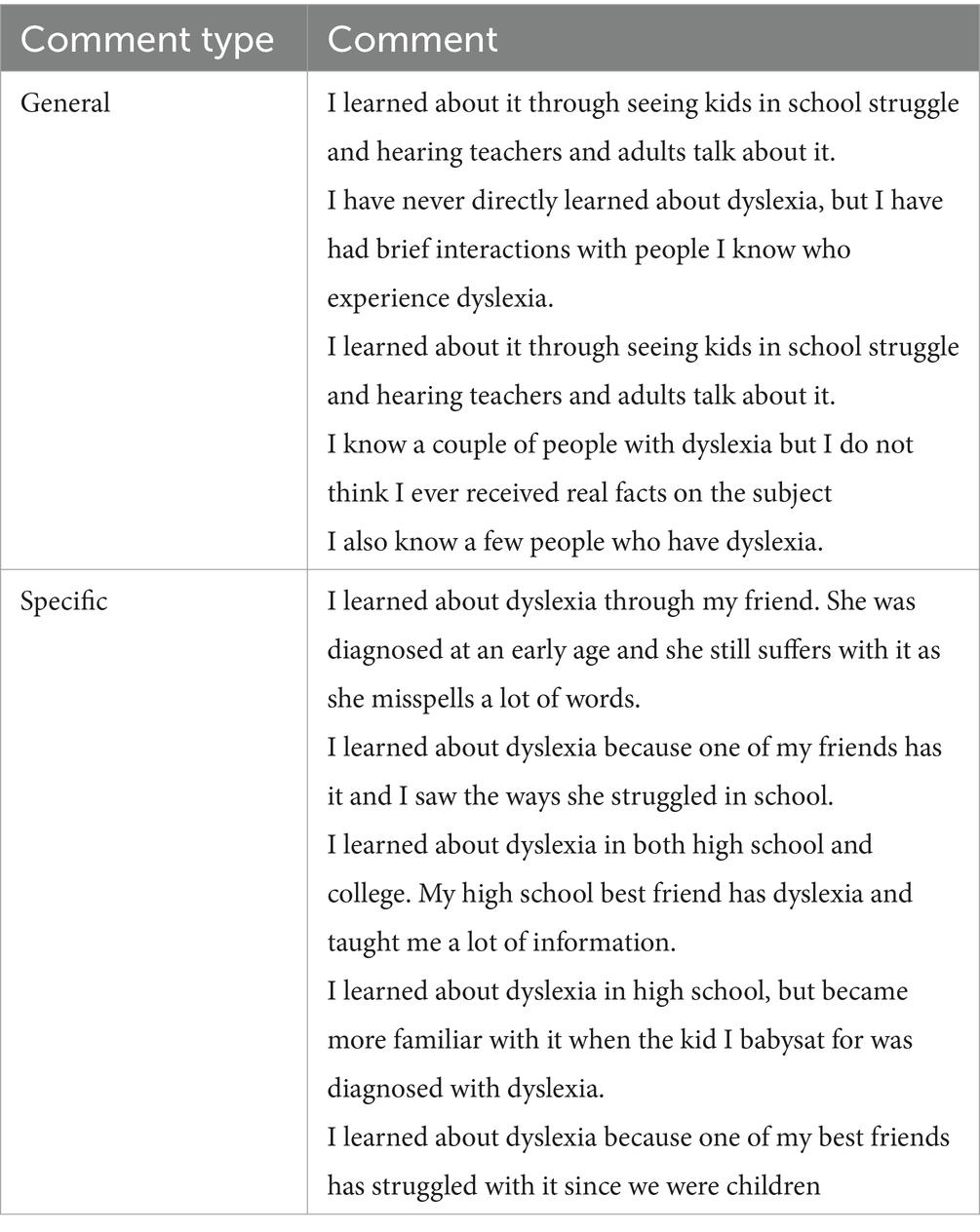
Table 3. Participant comments: friends (N = 30).
Preservice teachers also report 14 fine-grained statements in which they name specific dyslexic individuals. These statements name an individual and their relationship with the PST (see Table 3). Eight PSTs report PK-16 peer interactions, such as “One of the kids in my elementary school class had dyslexia, so I observed his learning style and informally learned about it.” Two PSTs describe having dyslexic best friends, e.g., “My high school best friend has dyslexia and taught me a lot of information.” One PST reports learning about dyslexia from a dyslexic classroom teacher; another PST describes learning about the condition from their dyslexic college roommate (Figure 2).
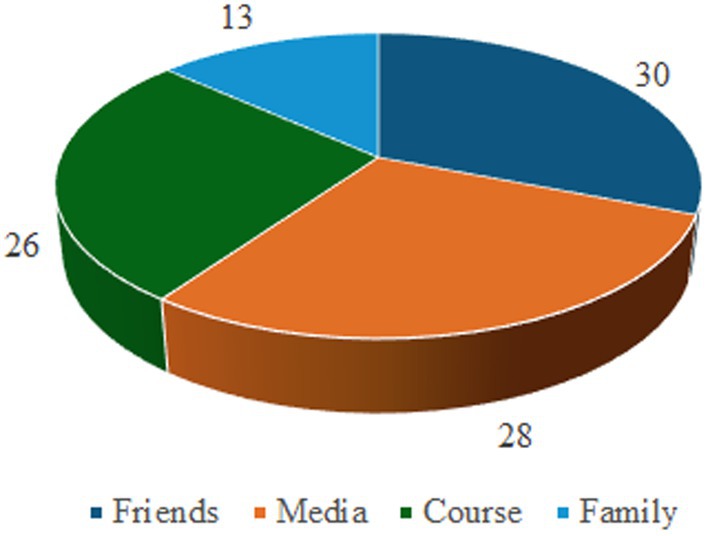
Figure 2. Preservice teachers’ dyslexia knowledge sources (N = 97).
Media
The media code (N = 28) includes statements related to television, movies, and/or social media. The first eight PSTs’ statements are general in nature, lacking specific references to a particular TV show, movie, or social media source. Preservice teachers mention exposure to dyslexia by general TV watching, such as “I have also read books where characters have dyslexia, as well as watched shows and seen commercials of individuals explaining their struggles with dyslexia”; or “I have also seen it come up in movies and shows that I watch.” Two PSTs state general “media” as a source of knowledge and one PST references social media as an initial dyslexia source. See Table 4 for additional examples of PSTs’ media sources.

Table 4. Participant comments: media (N = 28).
The remaining 19 specific statements include two separate media sources: (a) the Disney Channel (e.g., Disney Channel actress Bella Thorne, who identifies as dyslexic; and/or a commercial featuring Thorne discussing her dyslexia), and (b) the Percy Jackson book or movie (e.g., a scene from the film where letters are flipped and inverted). Both media clips are easily accessible on Youtube.com. The majority of the specific media statements (n = 16) describe Thorne’s openness describing her experiences with dyslexia. For example, a PST reports, “I remember first hearing about dyslexia on a Disney channel commercial where Bella Thorne shared her story of growing up with dyslexia.” Another PST reflects, “The first time I remember learning about dyslexia was when I was watching the show, Shake It Up, when I was little. Bella Thorne, who plays the main character, had dyslexia and spoke out about it on Disney Channel.” Additionally, the Percy Jackson film and book are referenced by three PSTs in statements such as, “I learned about dyslexia from the Percy Jackson books, as many of the characters in the series had dyslexia and talked about the challenges it caused for them.”
Coursework
The coursework code (n = 26) includes statements related to PSTs’ college level coursework specifically addressing dyslexia. The first set of PSTs’ statements address general references to psychology or education coursework (n = 17). For example, one PST reports, “I’ve learned a little bit about dyslexia from previous education and psychology courses. I would like to learn more, especially after realizing how little that I do know.” Another PST writes, “One of my education courses at [College] briefly talked about this topic.” These broad comments do not reference specific course content, texts read, participation in dyslexia simulations, or engaging with learning materials such as watching a film or reading first-hand accounts from dyslexic individuals. The PSTs’ written statements reflect their brief or surface level conceptualizations of dyslexia, without in-depth information on what dyslexia is and how it impacts individuals. Table 5 provides additional examples of PSTs’ statements which reference both general and specific psychology or education courses.
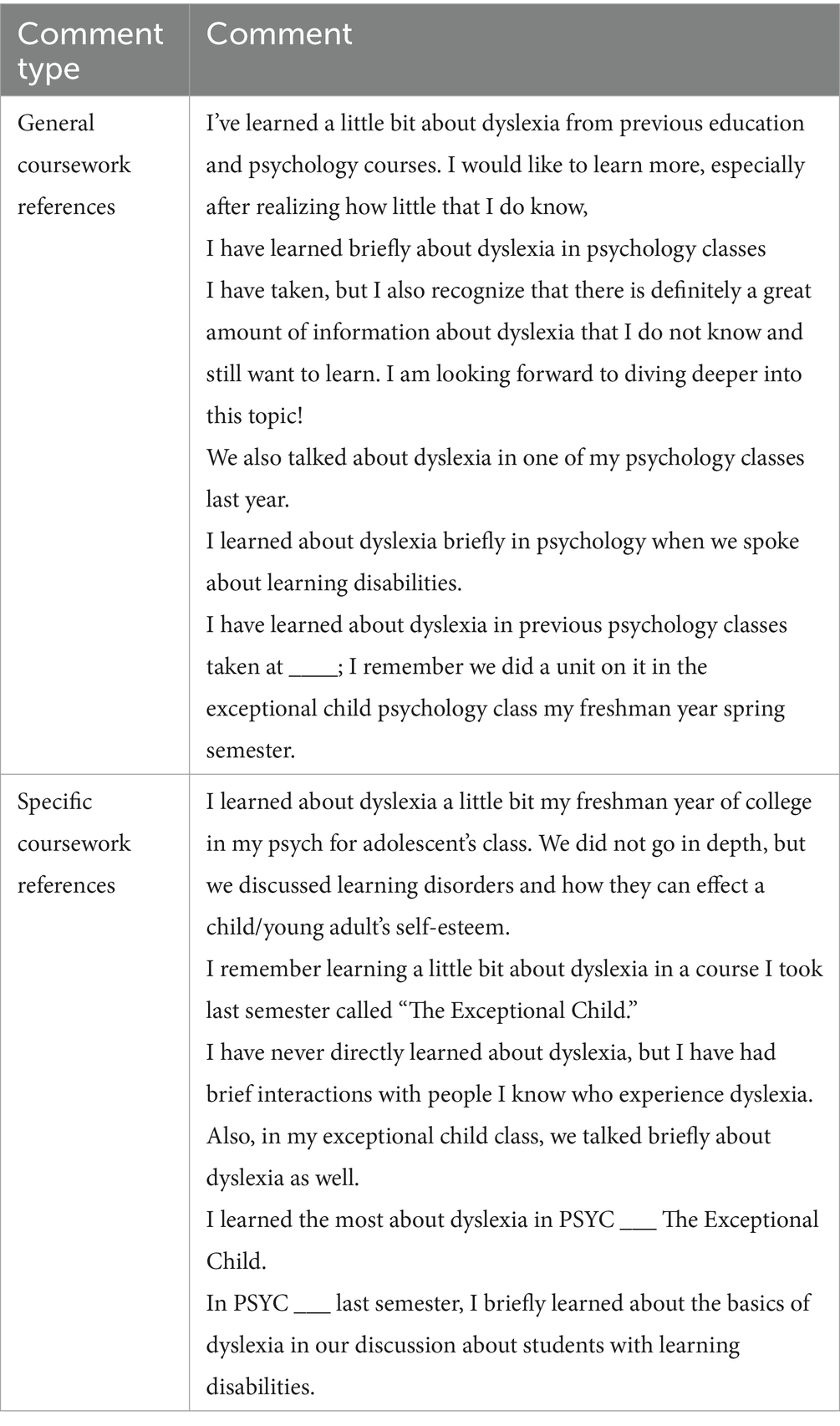
Table 5. Participant comments: coursework (N = 26).
The second coursework category includes statements which reference specific education or psychology classes (n = 9). One PST explains, “I learned about dyslexia a little bit my freshman year of college in my psych for adolescents class. We did not go in depth…” Another PST states that, “I remember learning a little bit about dyslexia in a course I took last semester called The Exceptional Child.” While PSTs’ statements refer to a course number or course name, they do not include information about specific course content or material, how course instructors introduce or address dyslexia, or whether course content addresses common dyslexia misconceptions.
Family
The final code, family (n = 13), includes PSTs’ statements about dyslexic family members as well as self-disclosure as a dyslexic individual. Ten PSTs describe specific family members (e.g., parent, sibling, uncle, cousin, or grandfather). These statements include general references about the family member’s lived experiences (e.g., “My uncle has dyslexia so I learned about it when I was pretty young.”). Other PSTs’ comments provide specific references to dyslexia’s impact on the family member or how interactions influence their understanding of dyslexia (e.g., “My cousin is dyslexic and has told me a few things about it and how it has affected her school life.”). Table 6 provides additional examples of family-coded comments from PSTs.
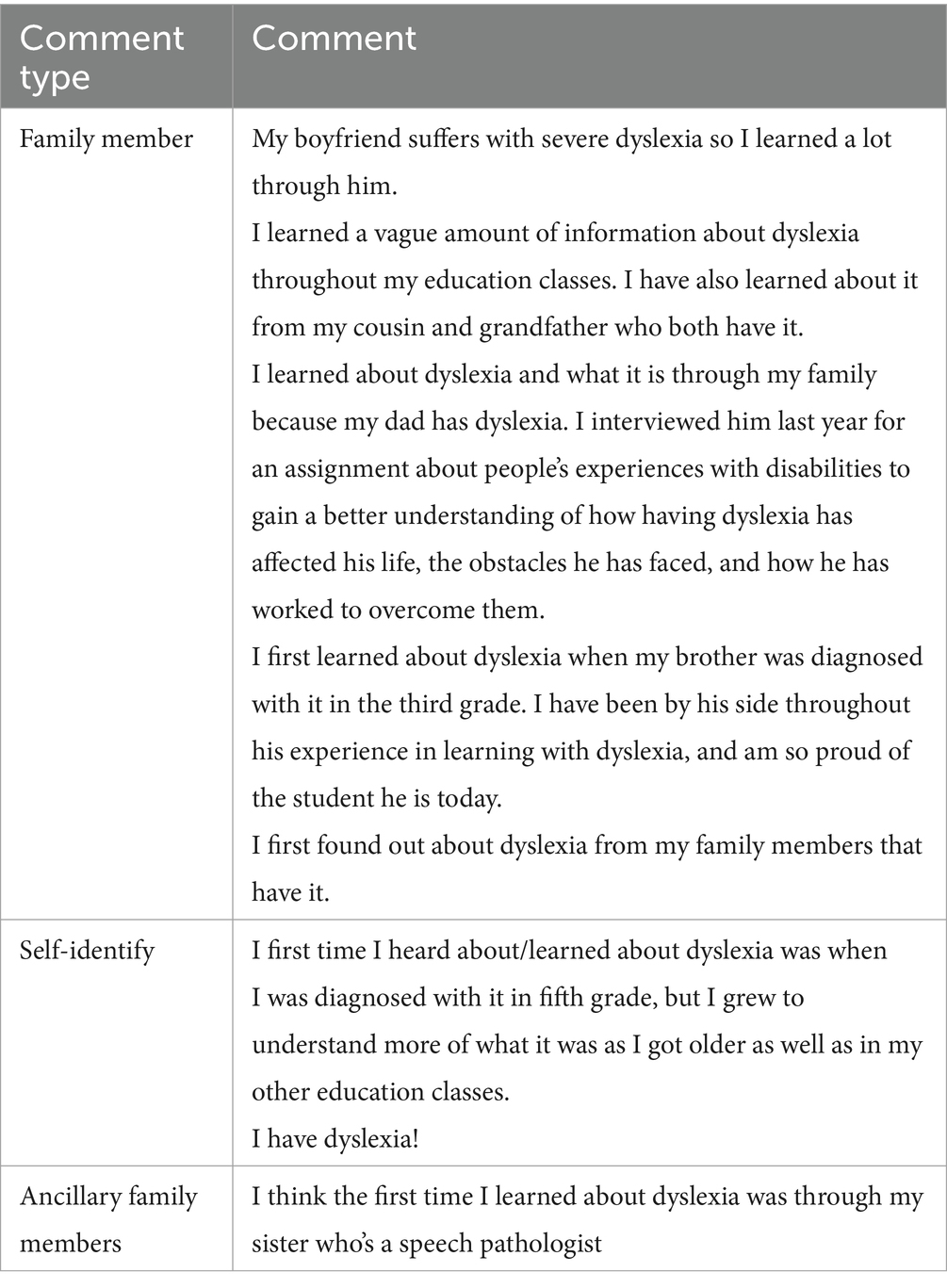
Table 6. Participant comments: family (N = 12).
Three PSTs self-identify as dyslexic. The first PST writes, “I have dyslexia,” which is broad in nature and provides no further elaboration. Another PST states, “I have dyslexia but it affected me mostly when I was younger so I never learned much about what it was when I got older.” Two PSTs’ statements include brief descriptions dyslexia’s impact on their schooling experiences, particularly about being diagnosed in elementary school. Of note, both PSTs discuss understanding more about dyslexia as they age. One PST reports learning about dyslexia from a family member who works as an educator for dyslexic students. None of these PSTs includes information about learning about dyslexia and how to navigate schooling during their elementary school years after their diagnoses.
Discussion
Using an exploratory descriptive qualitative approach, this study employs thematic analysis to examine US PSTs’ self-reported dyslexia knowledge sources. While a growing body of literature directly examines PSTs’ dyslexia knowledge (Peltier et al., 2020, 2022; Washburn et al., 2011, 2014, 2017; White et al., 2020), less is known about PSTs’ initial dyslexia knowledge sources and how knowledge sources inform conceptual development of dyslexia. To date, only work by Ness and Southall (2010) reports PSTs’ dyslexia knowledge sources. As this research was conducted over a decade ago, enhanced interpretations of how knowledge sources impact PSTs’ dyslexia conceptual knowledge development is warranted. Via an iterative process of thematic coding, our findings indicate that PSTs report that their dyslexia knowledge stems from four sources: friends, family members, university coursework, and popular media. More specifically, PSTs’ friends and coursework knowledge sources appear at similar rates as popular media. The dyslexia knowledge family source is reported the least by PSTs as compared to the other three dyslexia knowledge sources.
This specific examination of PSTs’ reported knowledge sources provides an initial step towards informing PSTs’ conceptual change centered on dyslexia knowledge. To address “seeds of confusion” (Howard-Jones, 2014) or biased distortions of scientific data resulting in misconceptions, our findings identify initial sources of PSTs’ conceptual knowledge to better understand how and where misconceptions originate. This work serves to establish baseline understanding of PSTs’ knowledge sources by exploring a population of US PSTs at the beginning of their teacher preparation program, at the onset of their engagement with literacy instruction via coursework. Although this sample of PSTs is homogeneous, the findings shed light on the varied types of sources that contribute to PSTs’ dyslexia knowledge. Systematically examining PSTs’ written statements contributes valuable insights into how knowledge sources impact their conceptual understanding of dyslexia.
Our results also confirm information about PSTs’ knowledge sources as reported by Ness and Southall (2010). Their work reveals that a US sample of PSTs (N = 287) identify 10 knowledge sources that contribute to their dyslexia understanding. Ness and Southall (2010) findings align with our four categories and include three additional sources not reported by our PSTs sample: lack of knowledge (33%), working with a dyslexic student (4%), and online research (1%). Strikingly, the role of media in 2010 was reported at 6%, contrasting with our reported findings at 37%. This 15-year difference reflects changes in media’s influence, underscoring the increasingly prominent role popular media plays in influencing dyslexia knowledge.
Our findings also reveal that PSTs derive their dyslexia knowledge from specific and general sources. Specific references attach a concrete term or label to the PST’s knowledge source. By naming a distinct source such as a television show or family member, we can trace where PSTs initially engage with dyslexia to develop their conceptual knowledge. General references provide scoping interactions with knowledge sources such as interactions with elementary school peers or watching a film with a dyslexic character. While these references provide insight into how PSTs’ dyslexia knowledge sources contribute to their conceptual understanding, lack of specificity may hinder efforts to support conceptual change to address “seeds of confusion” (Howard-Jones, 2014) since the source is vague, abstract, and may present a biased distortion of the concept. Identifying or pinpointing initial knowledge sources is a key first step in the process of supporting dyslexia conceptual change among PSTs and in-service teachers. To directly impact the literacy experiences of dyslexic students, we must address the formation and perpetuation of dyslexia misconceptions (e.g., backwards reading). Further work is needed to provide learning opportunities for PSTs, educators, and the general public to effectively engage with the neurobiological basis of dyslexia and phonological underpinnings of reading difficulties, and to target sources of commonly held dyslexia misconceptions (see Anderson, 2021 for discussion).
An additional challenge that PSTs face in conceptualizing dyslexia is the heterogeneity of dyslexia characteristics. For instance, some individuals have phonological decoding challenges, while other dyslexic individuals have challenges with orthographic encoding, also known as surface dyslexia (Peterson et al., 2013). This variety of dyslexia characteristics may contribute to misunderstandings of dyslexia since two students in the same class may present with different challenges, requiring highly differentiated reading interventions.
Implications
We offer implications from this sample of US PSTs to extend teacher educators’ understanding of how dyslexia knowledge sources contribute to persistent misunderstandings among PSTs about dyslexia. Establishing a baseline of PSTs’ dyslexia knowledge sources challenges teacher educators to create course content that counters dyslexia misconceptions and supports knowledge restructuring (Nadelson et al., 2018). By understanding the nature of PSTs’ misconceptions, teacher preparatory programs can more effectively design instruction and create learning opportunities for PSTs that counter damaging narratives about dyslexic individuals.
In this data set, PSTs report learning about dyslexia from college coursework in both general and special education courses as well as in psychology courses. This finding reflects the importance of educating PSTs across curricular areas about the experiences of dyslexic students in academic and socioemotional domains. It is encouraging that PSTs report their knowledge sources from coursework in non-literacy methods and psychology courses. This may reflect dyslexia’s receiving broader coverage in non-literacy PST education classes due to national and international policy and advocacy efforts over the past decades. Future research could investigate the extent to which dyslexia content is addressed across PST education coursework, as well as investigate the accuracy of this information. Questions remain about the effectiveness of course content, as PSTs have been shown to report dyslexia misinformation even when it has been refuted through coursework (Chambre and Anderson, 2024a, 2024b; Knight, 2018). It is also possible that PSTs receive misinformation through coursework, in line with findings by Betts et al. (2019), who report that 77% of higher-education instructors endorse dyslexia misconceptions.
A broader implication of this research is that media plays an influential role on PSTs’ understanding of dyslexia, reflecting the strong and sustaining impact of popular media sources on PSTs’ dyslexia concepts. As our nation engages in critical debates about dyslexia advocacy, policy, and instruction, teacher educators should engage in dialogue with PSTs about how their dyslexia concepts develop to intentionally prime their conceptual change. In our sample, PSTs specifically reference interactions with media during their PK-12 years, describing television and movies that portray dyslexia misconceptions such as reversed or flipped letters. These media sources highlight the influential nature of popular media in propagating and sustaining PSTs’ misinformation about dyslexia. In this way, teacher educators’ use of critical media literacy and data literacy activities could support PSTs to question dyslexia’s portrayal and to interrogate potential misinformation about dyslexia found in mainstream media.
We offer interpretations from this sample of PSTs’ dyslexia knowledge sources to extend teacher educators’ understanding about how dyslexia knowledge sources may contribute to misinformation among future teacher educators, even when PSTs have completed coursework aimed at dispelling misunderstandings about dyslexia. Encouragingly, multiple PSTs refer to their PK-16 schooling experiences in which friends or classmates spoke openly about living with dyslexia, including three PSTs who acknowledge their own dyslexia status. These statements reflect an openness of individuals from recent generations to acknowledge challenges as dyslexic individuals as well as embracing their learning differences to positively affirm their dyslexic identities (Cuervo-Rodríguez and Castañeda-Trujillo, 2021; Evans, 2014). Communicating these beliefs may support dyslexic individuals to reshape their experiences and may also address negative perceptions of dyslexia that PSTs may hold, beginning a process of removing long held stigmas associated with difficulties in learning to read.
Recent participatory research sheds light on the lived experiences of dyslexic students in higher education, revealing challenges that dyslexic students still encounter and the need for PST education spaces to center the experiences of dyslexic PSTs. Conducted in various international higher education settings, the experiences of future nurses (Evans, 2014), medical doctors (Shaw et al., 2016, 2022; Shaw and Anderson, 2018), and PSTs (Cuervo-Rodríguez and Castañeda-Trujillo, 2021; Gwernan-Jones, 2010), reveal that dyslexic students often face rejection, report feelings of isolation, and experience bullying or hostility from peers for receiving accommodations. Dyslexic students report challenges including cultural barriers, worries about disclosure, and negative perceptions of their dyslexia status by non-dyslexic higher-education instructors and peers. These studies offer important implications for teacher preparation faculty and staff about the importance of understanding socioemotional dimensions of dyslexia as they relate to individuals’ professional identities and lived experiences; as well as the ways that PST education may be enhanced through participatory activities with dyslexic PSTs in teacher education settings.
A final implication of this study is how interrogating sources of PSTs’ dyslexia misinformation advances culturally responsive and humanizing practices about dyslexia through PST training. The concept of hegemony in dyslexia illuminates the complex nature of PSTs’ misinformation as it relates to the sources of their dyslexia knowledge. The theory-of-change literature on teachers’ “sensemaking” (Phillip, 2011) and conceptual change (diSessa, 1993) identifies possibilities for countering dominant discourses containing misconceptions about dyslexia in PST education, while also addressing stereotypes about dyslexic students’ experiences as compared to individuals from other disability categories and other marginalized groups (see Robinson and Thompson, 2019 for a discussion). This work may ultimately influence referral rates and access to evidence-based reading interventions for dyslexic students, as well as ameliorate the disproportionate identification of students from minoritized backgrounds in special education categories, a key goal of special education theory to practice (Gage et al., 2019; Skiba et al., 2011).
Limitations
While our findings provide insights into PSTs’ dyslexia knowledge sources, our work is limited by sampling constraints. Our sample size is homogeneous with respect to geography, ethnicity, language and gender background factors. These limitations impact the extent to which we can generalize findings to other PST populations, particularly since data was collected among PSTs living and receiving education in the US. Generalizations to international PST populations are limited and research examining knowledge sources of PSTs across the globe is a key next step.
Additionally, the researcher-created module questions could contain bias with regard to wording and how PSTs interpreted the questions, therefore limiting the reliability and validity of findings. To limit priming of PSTs’ responses, the module question on knowledge sources was broadly worded to ask, “Where did you learn about dyslexia?” A more targeted question for temporal information could result in more specific and productive responses. Alternatively, conducting follow-up interviews with PSTs after they identified their knowledge sources might provide an enhanced understanding of the contextual variables surrounding their dyslexia knowledge.
The study is also limited with regard to engaging in participatory research with dyslexic individuals. In the current sample, three of the 76 PSTs self-identify as dyslexic. To support ableist assumptions and language, future research could explicitly incorporate statements and feedback from dyslexic PSTs or other dyslexic educators regarding the creation of the module questions, interpretation of results, and design of future studies. However, this study specifically examined what PSTs report or chose to disclose, as PSTs were not specifically asked to self-identify as dyslexic nor to report additional factors related to their learning profiles or experiences. While some PSTs self-identify and disclosed their dyslexic status, the majority did not provide personal information about their learning abilities. A more inclusive research paradigm that centers the learning experiences of PSTs including dyslexic PSTs may support efforts to challenge deficit thinking about dyslexia and to promote identity-first ideologies for dyslexic individuals in education teaching, research, and practice.
Future research
Nonetheless, these descriptive exploratory findings provide important next steps for research investigations of PSTs’ dyslexia knowledge sources. Future research could increase sampling to address heterogeneity and representation of US PSTs across regional areas, thereby increasing the generalizability of the research to PST populations nationally. Additionally, an item analysis questionnaire and modified module questions could enhance reliability and validity of the study findings for use with heterogeneous PST populations.
Participatory research could provide valuable insights into the lived experiences of dyslexic PSTs seeking certification as classroom or special education teachers. To date, little research has explored the experiences of PSTs with dyslexia and those with co-occurring learning differences such as ADHD (Cuervo-Rodríguez and Castañeda-Trujillo, 2021). Examining how dyslexic PSTs navigate course content and the demands of their preservice training could raise much needed awareness among instructors in teacher preparatory programs about the urgency to effectively screen and provide high-quality literacy instruction for dyslexic individuals. Further examining the co-occurrence of other learning differences among dyslexic individuals could more fully capture how dyslexic PSTs and adults navigate the school to workplace transition. Research by Wissell et al. (2022) shows that Australian dyslexic adults experience multiple workplace challenges, including burnout, exhaustion, and fear of disclosing their status as a dyslexic individual. Such research could provide a more complete understanding of these individuals’ experiences and support advocacy efforts for conceptual change surrounding stigma and bias related to dyslexia.
Another next step for research is to compare dyslexia knowledge sources among PSTs, in-service teachers, and teacher preparation instructors to better understand how dyslexia knowledge sources change over education professionals’ careers and experiences. Additionally, comparison of different generations of media representations of dyslexia could contribute to a better understanding of the extent to which popular media plays a role in PSTs’ dyslexia knowledge.
Another research direction includes examining the potential impact of conceptual shifts of PSTs’ and in-service teachers’ dyslexia knowledge on referral rates for students overrepresented with emotional and behavioral disabilities as well as for students of color from marginalized backgrounds.
A final area of future research could focus on obtaining solutions to PSTs’ misunderstandings about dyslexia through explicit teacher education centered on critical literacy, critical media literacy, and critical data literacy activities. These areas of critical inquiry are most often associated with communication fields; however, as the current findings reflect, PSTs are media consumers from early ages and report sustaining influences of hegemonic media sources as the underpinning of their dyslexia knowledge.
Conclusion
In conclusion, our findings indicate that this sample of US PSTs draws upon various sources to inform their understanding of dyslexia. Popular media influences PSTs’ dyslexia misconceptions (1984–present), such as the 1984 ABC Afterschool Special entitled, Backwards: The Riddle of Dyslexia, which was re-aired and published in 1989 as “educational programming” for dyslexia awareness in the US. Numerous media clips, such as the Bella Thorne commercial are cited by PSTs in the current study, promoting explanations of dyslexia that propagate misconceptions (e.g., moving, reversed, or flipped letters, or “backwards reading”). Moreover, there is a sustaining impact of popular media on PSTs’ dyslexia concepts, even when misinformation has been addressed and refuted through teacher preparation coursework.
Our results corroborate recent research from the UK by Kirby (2019) who reveals the complexities of popular media’s portrayals of dyslexia by examining the Percy Jackson book series and movies, an initial knowledge source identified by some PSTs in this study. Kirby (2019) identifies three forms of dyslexia media portrayals: dyslexia as a gift which supports or may harm an individual, dyslexia as a functional limitation requiring external intervention, or dyslexia as a joke to elicit humor from the viewer. These tropes highlight the complicated binaries in which dyslexia is often conceptualized (e.g., positive or negative). Questions remain about the impact of binary representations of dyslexia on PSTs’ conceptualization of dyslexia as well as the role of media in perpetuating dyslexia tropes among PSTs.
Additionally, PSTs’ dyslexia knowledge sources are prominently influenced during their PK-16 experiences, through their relationships with their family and friends, and via personal testimonies. Questions remain about generalizing these findings as the reliability of personal testimony in PSTs’ dyslexia knowledge may possibly result from social desirability bias (Dillman, 1978).
Addressing persistent deficit narratives about dyslexic students and supporting PSTs’ dyslexia knowledge growth has the potential to promote asset-based practices and attitudes. Special education training and practice for too long has maintained systems-level inequities perpetuating deficit-based perspectives and engendering inequitable access to education for marginalized populations and their families. We join the call for critical teacher education research and practical applications to interrogate sources of PSTs’ dyslexia knowledge, which ultimately may negatively impact future students and their families. We offer this actionable approach to teacher educators as a means of disrupting systemic biases towards dyslexic individuals by expanding PSTs’ dyslexia knowledge through critical inquiry of their knowledge sources.
Data availability statement
The raw data supporting the conclusions of this article will be made available by the authors, without undue reservation.
Ethics statement
The studies involving humans were approved by Erik Moody, IRB Chair Marist College. The studies were conducted in accordance with the local legislation and institutional requirements. The participants provided their written informed consent to participate in this study.
Author contributions
SC: Writing – original draft, Writing – review & editing. AA: Writing – original draft, Writing – review & editing.
Funding
The author(s) declare that no financial support was received for the research, authorship, and/or publication of this article.
Conflict of interest
The authors declare that the research was conducted in the absence of any commercial or financial relationships that could be construed as a potential conflict of interest.
Publisher’s note
All claims expressed in this article are solely those of the authors and do not necessarily represent those of their affiliated organizations, or those of the publisher, the editors and the reviewers. Any product that may be evaluated in this article, or claim that may be made by its manufacturer, is not guaranteed or endorsed by the publisher.
Footnotes
1. ^In this paper, we use identity-first language in relation to dyslexia, i.e., dyslexic individual, instead of person-first language, i.e., individual with dyslexia. Identify-first language frames dyslexia within a neurodiversity model that challenges ableist ideologies about dyslexic individuals (Bottema-Beutel et al., 2021). Identity-first language is framed and shaped by varying linguistic practices, social and cultural assumptions, with varying contextual factors across national and international settings (Černickaja and Sokolová, 2024).
References
American Academy of Pediatrics (2009). Learning disabilities, dyslexia, and vision. Pediatrics 124, 837–844. doi: 10.1542/peds.2009-1445
American Academy of Pediatrics (2014). Joint statement: learning disabilities, Dyslexia, and Vision – Reaffirmed 2014. Available at: https://www.aao.org/clinical-statement/joint-statement-learning-disabilities-dyslexia-vis (Accessed December 28, 2024).
Applegate, A. J., Applegate, M. D., Mercantini, M., McGeehan, C., Cobb, J., DeBoy, J., et al. (2004). The Peter effect: Reading habits and attitudes of preservice teachers. Read. Teach. 53, 188–204. doi: 10.1080/19388071.2014.898719
Anderson, A. (2021). Advancing school professionals’ dyslexia knowledge through neuroscience: Bridging the science-education gap through developmental psychology. Front. Educ. 5. doi: 10.3389/feduc.2020.615791
Anderson, A., Pearlstein, H., Sarlo, G., and McGrath, L. M. (2020). A review of online dyslexia learning modules. Front. Educ. 5, 1–13. doi: 10.3389/feduc.2020.00118
Betts, K., Miller, M., Tokuhama-Espinosa, T., Shewokis, P., Anderson, A., Borja, C., et al. (2019). International report: Neuromyths and evidence-based practices in higher education : Online Learning Consortium Available at: https://eric.ed.gov/?id=ED599002 (Accessed December 28, 2024).
Binks-Cantrell, E., Washburn, E. K., Joshi, R. M., and Hougen, M. (2012). Peter effect in the preparation of reading teachers. Sci. Stud. Read. 16, 526–536. doi: 10.1080/10888438.2011.601434
Bottema-Beutel, K., Kapp, S. K., Lester, J. N., Sasson, N. J., and Hand, B. N. (2021). Avoiding ableist language: suggestions for autism researchers. Autism Adulthood 3, 18–29. doi: 10.1089/aut.2020.0014
Braun, V., and Clarke, V. (2006). Using thematic analysis in psychology. Qualitative Research in Psychology. 3, 77–101. doi: 10.1191/1478088706qp063oa
Braun, V., and Clarke, V. (2020). One size fits all? What counts as quality practice in (reflexive) thematic analysis? Qualitative Research in Psychology. 18, 328–352. doi: 10.1080/14780887.2020.1769238
Carlisle, J. F., Kelcey, B., Rowan, B., and Phelps, G. (2011). Teachers’ knowledge about early reading: effects on students’ gains in reading achievement. J. Res. Educ. Effect. 4, 289–321. doi: 10.1080/19345747.2010.539297
Carreker, S., Joshi, R. M., and Boulware-Gooden, R. (2010). Spelling-related teacher knowledge: the impact of professional development on identifying appropriate instructional activities. Learn. Disabil. Q. 33, 148–158. doi: 10.1177/073194871003300304
Castles, A., Rastle, K., and Nation, K. (2018). Ending the Reading wars: Reading acquisition from novice to expert. Psychol. Sci. Public Interest 19, 5–51. doi: 10.1177/1529100618772271
Černickaja, K., and Sokolová, L. (2024). Dyslexia in higher education – teacher’s perspective: scoping review. Front. Educ. 9:1372699. doi: 10.3389/feduc.2024.1372699
Chambre, S., and Anderson, A. (2024a). Identifying sources of preservice teachers’ dyslexia knowledge to guide teacher education. Paper presented at the American Education Research Association Annual Meeting. Philadelphia, PA.
Chambre, S., and Anderson, A. (2024b). Mixed-methods investigation of US preservice teachers’ dyslexia concepts and knowledge sources. Paper presented at the Annual Meeting of the Society for the Scientific Study of Reading. Copenhagen, Denmark.
Cortiella, C., and Horowitz, S. H. (2014). The state of learning disabilities: facts, trends, and emerging issues. 3rd Edn: National Centre for Learning Disabilities Available at: https://www.researchgate.net/publication/238792755 (Accessed December 28, 2024).
Cuervo-Rodríguez, K. A., and Castañeda-Trujillo, J. E. (2021). Dyslexic individuals' narratives on their process of becoming English language teachers. HOW 28, 79–96. doi: 10.19183/how.28.2.621
Dekker, S., Lee, N. C., Howard-Jones, P., and Jolles, J. (2012). Neuromyths in education: prevalence and predictors of misconceptions among teachers. Front. Psychol. 3:429. doi: 10.3389/fpsyg.2012.00429
Elsherif, M. M., Wheeldon, L. R., and Frisson, S. (2021). Do dyslexia and stuttering share a processing deficit? J. Fluen. Disord. 67:105827. doi: 10.1016/j.jfludis.2020.105827
Evans, W. (2014). “I am not a dyslexic person I’m a person with dyslexia”: identity constructions of dyslexia among students in nurse education. J. Adv. Nurs. 70, 360–372. doi: 10.1111/jan.12199
Fischer, F. W., Liberman, I. Y., and Shankweiler, D. (1978). Reading reversals and developmental dyslexia: a further study. Cortex 14, 496–510. doi: 10.1016/S0010-9452(78)80025-2
Fletcher, J. M., and Currie, D. (2011). Vision efficiency interventions and reading disability. Perspect. Lang. Lit. 37, 21–24. Available at: https://dyslexialibrary.org/wp-content/uploads/file-manager/public/1/Vision%20Winter%202011%20Fletcher.pdf (Accessed December 28, 2024).
Fragkaki, M., Mystakidis, S., and Dimitropoulos, K. (2022). Higher education faculty perceptions and needs on neuroeducation in teaching and learning. Educ. Sci. 12:707. doi: 10.3390/educsci12100707
Gage, N. A., Whitford, D. K., Katsiyannis, A., Adams, S., and Jasper, A. (2019). National analysis of the disciplinary exclusion of black students with and without disabilities. J. Child Fam. Stud. 28, 1754–1764. doi: 10.1007/s10826-019-01407-7
Glaser, B. G., and Strauss, A. L. (1967). The discovery of grounded theory: strategies for qualitative research : Aldine.
Gwernan-Jones, R. (2010). A life history study with dyslexic adults mapping meaning-making and its relationship to the development of positive self-perceptions and coping skills : University of Exeter Available at: http://hdl.handle.net/10036/3308 (Accessed December 28, 2024).
Howard-Jones, P. A. (2014). Neuroscience and education: myths and messages. Nat. Rev. Neurosci. 15, 817–824. doi: 10.1038/nrn3817
International Dyslexia Association (2018). Knowledge and practice standards for teachers of reading. Available at: https://dyslexiaida.org/knowledge-and-practices/ (Accessed December 28, 2024).
International Dyslexia Association. (2020a). Dyslexia basics (fact sheet). Available at: https://app.box.com/s/1h4c6zrqcqsrgzds7u934xdjki8fl71i (Accessed December 28, 2024).
International Dyslexia Association. (2020b). Attention-deficit/hyperactivity disorder (AD/HD) and dyslexia (fact sheet). Available at: https://app.box.com/s/3t48u8ofwc9w3ml6yu11mydtzropz9ud.
Kirby, P. (2019). Gift from the gods? Dyslexia, popular culture and the ethics of representation. Disabil. Soc. 34, 1573–1594. doi: 10.1080/09687599.2019.1584091
Knight, C. (2018). What is dyslexia? An exploration of the relationship between teachers' understandings of dyslexia and their training experiences. Dyslexia 24, 207–219. doi: 10.1002/dys.1593
Liberman, I. Y., Shankweiler, D., Orlando, C., Harris, K. S., and Berti, F. B. (1971). Letter confusions and reversals of sequence in the beginning reader: implications for Orton’s theory of developmental dyslexia. Cortex 7, 127–142. doi: 10.1016/s0010-9452(71)80009-6
Lyon, G. R., Shaywitz, S. E., and Shaywitz, B. A. (2003). A definition of dyslexia. Ann. Dyslexia 53, 1–14. doi: 10.1007/s11881-003-0001-9
Lytle, C. (2016). Hegemony and disability, a further social critique. Available at: https://blog.firstreference.com/hegemony-and-disability-a-further-social-critique/ (Accessed December 28, 2024).
Macdonald, K., Germine, L., Anderson, A., Christodoulou, J., and McGrath, L. M. (2017). Dispelling the myth: training in education or neuroscience decreases but does not eliminate beliefs in neuromyths. Front. Psychol. 8:1314. doi: 10.3389/fpsyg.2017.01314
Madaus, J. W., Banerjee, M., McKeown, K., and Gelbar, N. (2011). Online and blended learning: the advantages and the challenges for students with learning disabilities and attention-deficit/hyperactivity disorder. Learn. Disabil. 17, 69–76. Available at: https://js.sagamorepub.com/index.php/ldmj/article/view/5339 (Accessed December 28, 2024).
Morgan, W. P. (1896). A case of congenital word blindness. Br. Med. J. 2:1378. doi: 10.1136/bmj.2.1871.1378
Morgan, P. L., Farkas, G., Hillemeier, M. M., Mattison, R., Maczuga, S., Li, H., et al. (2015). Minorities are disproportionately underrepresented in special education: longitudinal evidence across five disability conditions. Educ. Res. 44, 278–292. doi: 10.3102/0013189x15591157
Munk, T., O’Hara, N., and Sulzberger, L. (2019). Examining representation and identification: Over, under, or both? (Version 2.0) : IDEA Data Center. Westat Available at: https://ideadata.org/sites/default/files/media/documents/2019-05/idc_over_under_scenario5_2_19%20Updated_0.pdf (Accessed December 28, 2024)
Nadelson, L. S., Heddy, B. C., Jones, S., Taasoobshirazi, G., and Johnson, M. (2018). Conceptual change in science teaching and learning: introducing the dynamic model of conceptual change. Int. J. Educ. Psychol. 7, 151–195. doi: 10.17583/ijep.2018.3349
Ness, M. K., and Southall, G. (2010). Preservice teachers' knowledge of and beliefs about dyslexia. J. Read. Educ. 36, 36–43.
New York Legislative Assembly. S2675, Regular Session, (2019). Available at: https://www.nysenate.gov/legislation/bills/2019/S2675 (Accessed December 28, 2024)
Norton, E. S., Beach, S. D., and Gabrieli, J. D. (2015). Neurobiology of dyslexia. Curr. Opin. Neurobiol. 30, 73–78. doi: 10.1016/j.conb.2014.09.007
Orton, S. T. (1925). Word-blindness in school children. Arch. Neurol. Psychiatr. 14, 581–615. doi: 10.1001/archneurpsyc.1925.02200170002001
Pasquinelli, E. (2012). Neuromyths: why do they exist and persist? Mind Brain Educ. 6, 89–96. doi: 10.1111/j.1751-228X.2012.01141.x
Peltier, T. K., Heddy, B. C., and Peltier, C. (2020). Using conceptual change theory to help preservice teachers understand dyslexia. Ann. Dyslexia 70, 62–78. doi: 10.1007/s11881-020-00192-z
Peltier, T. K., Washburn, E. K., Heddy, B. C., and Binks-Cantrell, E. (2022). What do teachers know about dyslexia? It’s complicated! Read. Writ. 35, 2077–2107. doi: 10.1007/s11145-022-10264-8
Pennington, B. F. (2008). Diagnosing learning disorders: A neuropsychological framework. 2nd Edn: Guilford (Accessed December 28, 2024).
Pennington, B. F. (2011). Controversial therapies for dyslexia. Perspect. Lang. Lit. 37, 7–8. Available at: https://app.box.com/s/eztvfm1j7h8ii8evaoke2uhnyg803dn5
Pennington, B. F., and Olson, R. K. (2005). “Genetics of dyslexia” in The science of reading: a handbook (9). eds. M. J. Snowling and C. Hulme (Blackwell), 453–472.
Peterson, R. L., Pennington, B. F., and Olson, R. K. (2013). Subtypes of developmental dyslexia: testing the predictions of the dual-route and connectionist frameworks. Cognition 126, 20–38. doi: 10.1016/j.cognition.2012.08.007
Robinson, S. A., and Thompson, C. (2019). Promoting academic readiness for African American males with dyslexia: Implications for preschool to elementary school teaching. New York: Routledge.
Rousseau, L. (2021). Interventions to dispel neuromyths in educational settings — a review. Front. Psychol. 12:71962. doi: 10.3389/fpsyg.2021.719692
Sandelowski, M. (2000). Whatever happened to qualitative description? Res. Nurs. Health 23, 334–340. doi: 10.1002/1098-240X(200008)23:4<334::AID-NUR9>3.0.CO;2-G
Sandelowski, M. (2010). What's in a name? Qualitative description revisited. Res. Nurs. Health 33, 77–84. doi: 10.1002/nur.20362
Savin-Baden, M., and Howell Major, C. (2013). Qualitative Research: The Essential Guide to Theory and Practice (1st ed). Routledge.
Shaw, S. C., and Anderson, J. L. (2018). The experiences of medical students with dyslexia: an interpretive phenomenological study. Dyslexia 24, 220–233. doi: 10.1002/dys.1587
Shaw, S. C., Anderson, J. L., and Grant, A. J. (2016). Studying medicine with dyslexia: a collaborative autoethnography. Qual. Rep. 21, 2036–2054. doi: 10.46743/2160-3715/2016.2570
Shaw, S. C. K., Okorie, M., and Anderson, J. L. (2022). Safe and effective prescribing with dyslexia: a collaborative autoethnography. Qual. Rep. 27, 1710–1729. doi: 10.46743/2160-3715/2022.4776
Skiba, R. J., Horner, R. H., Chung, C. G., Rausch, M. K., May, S. L., and Tobin, T. (2011). Race is not neutral: a national investigation of African American and Latino disproportionality in school discipline. Sch. Psychol. Rev. 40, 85–107. doi: 10.1080/02796015.2011.12087730
Strauss, A. L. (2017). The discovery of grounded theory: Strategies for qualitative research : Routledge.
Sullivan, A. L., and Bal, A. (2013). Disproportionality in special education: effects of individual and school variables on disability risk. Except. Child. 79, 475–494. doi: 10.1177/001440291307900406
Toglia, M. (2021). Examining the impact of one professional development program in structured literacy on teacher knowledge: A quasi-experimental study [Doctoral dissertation]. Drexel University. doi: 10.17918/00000334
Torrijos-Muelas, M., González-Víllora, S., and Bodoque-Osma, A. R. (2021). The persistence of neuromyths in the educational settings: a systematic review. Front. Psychol. 11:591923. doi: 10.3389/fpsyg.2020.591923
Treiman, R., Gordon, J., Boada, R., Peterson, R. L., and Pennington, B. F. (2014). Statistical learning, letter reversals, and reading. Sci. Stud. Read. 18, 383–394. doi: 10.1080/10888438.2013.873937
Vellutino, F. R., Fletcher, J. M., Snowling, M. J., and Scanlon, D. M. (2004). Specific reading disability (dyslexia): what have we learned in the past four decades? J. Child Psychol. Psychiatry 45, 2–40. doi: 10.1046/j.0021-9630.2003.00305.x
Washburn, E. K., Binks-Cantrell, E. S., and Joshi, R. M. (2014). What do preservice teachers from the USA and the UK know about dyslexia? Dyslexia 20, 1–18. doi: 10.1002/dys.1459
Washburn, E. K., Joshi, R. M., and Binks-Cantrell, E. S. (2011). Teacher knowledge of basic language concepts and dyslexia. Dyslexia 17, 165–183. doi: 10.1002/dys.426
Washburn, E. K., Mulcahy, C. A., Musante, G., and Joshi, R. (2017). Novice teachers' knowledge of reading-related disabilities and dyslexia. Learn. Disabil. 15, 169–191. Available at: https://eric.ed.gov/?id=EJ1160653
White, J., Mather, N., and Kirkpatrick, J. (2020). Preservice educators’ and noneducators’ knowledge and perceptions of responsibility about dyslexia. Dyslexia 26, 220–242. doi: 10.1002/dys.1653
Wissell, S., Karimi, L., Serry, T., Furlong, L., and Hudson, J. (2022). “You Don’t look dyslexic”: using the fob demands—resource model of burnout to explore employment experiences of Australian adults with dyslexia. Int. J. Environ. Res. Public Health 19:10719. doi: 10.3390/ijerph191710719
Wolf, M., and Bowers, P. G. (1999). The double-deficit hypothesis for the developmental dyslexias. J. Educ. Psychol. 91, 415–438. doi: 10.1037/0022-0663.91.3.415
Keywords: dyslexia, preservice teachers, online learning, teacher knowledge, teacher preparation
Citation: Chambre SJ and Anderson A (2025) Identifying sources of preservice teachers’ dyslexia knowledge to guide teacher education. Front. Educ. 9:1468923. doi: 10.3389/feduc.2024.1468923
Edited by:
David Lansing Cameron, University of Agder, NorwayReviewed by:
David Paige, Northern Illinois University, United StatesMahmoud Medhat Elsherif, University of Leicester, United Kingdom
Μαρία Ροντου, University of Peloponnese, Greece
Copyright © 2025 Chambre and Anderson. This is an open-access article distributed under the terms of the Creative Commons Attribution License (CC BY). The use, distribution or reproduction in other forums is permitted, provided the original author(s) and the copyright owner(s) are credited and that the original publication in this journal is cited, in accordance with accepted academic practice. No use, distribution or reproduction is permitted which does not comply with these terms.
*Correspondence: Susan J. Chambre, c2NoYW1icmVAa2Vhbi5lZHU=