 Mayra D'Armas Regnault1†
 Ligia Fajardo Vaca1†
 Agustín Mejías-Acosta2†Pedro Noboa Romero1†
 Wellington Álvarez Baque1†
 Cristian Vidal-Silva3*†
- 1Universidad Estatal de Milagro, Milagro, Guayas, Ecuador
- 2Universidad de Carabobo, Valencia, Carabobo, Venezuela
- 3Facultad de Ingeniería y Negocios, Universidad de Las Américas, Providencia, Santiago, Chile
Entrepreneurship is an essential driver of economic development, fostering innovation, job creation, and business growth. Universities play a crucial role in nurturing entrepreneurial capacity among students, making it imperative to identify and understand the factors influencing this capacity. This study investigates the determinants of entrepreneurial capacity among students at Milagro State University (UNEMI), utilizing the Theory of Planned Behavior (TPB) as a conceptual framework. A comprehensive measurement instrument was designed and administered to a sample of 2,570 students, and the data were analyzed using Structural Equation Modeling (SEM). The findings highlight that personal attitude and perceived behavioral control significantly influence students' entrepreneurial intentions, whereas subjective norms show no direct effect. These insights provide valuable guidance for the development of targeted policies and educational strategies to enhance the education of university entrepreneurship, ultimately contributing to regional economic development.
1 Introduction
Entrepreneurship is increasingly being recognized as a fundamental driver of national development, contributing significantly to generating new businesses, employment opportunities, and an environment that promotes innovation and creativity. This global interest in entrepreneurship is fueled by its proven ability to enhance resource utilization and address the persistent challenge of unemployment (Hoda et al., 2020). The expansion of entrepreneurial activities is considered essential for economic growth, job creation, and technological advancement (Nguyen, 2020). In fact, the rise of start-ups and emerging businesses is often regarded a critical indicator of economic progress (Hoda et al., 2020).
In emerging economies, entrepreneurship is seen as a vital mechanism for achieving rapid economic growth (Apostu and Gigauri, 2023). It is increasingly viewed as a global phenomenon due to its positive impact on economic development across different regions (Duong et al., 2020). As a competitive behavior, entrepreneurship drives the creation of new markets, generates employment, and fosters innovation (Niu et al., 2022). It acts as a catalyst for development and growth (Bayona-Oré, 2023). Given the significant role of entrepreneurs in developing societies, the study of their characteristics and the factors influencing their entrepreneurial intentions has gained considerable attention (Diez Farhat and Guevara, 2020).
Research on entrepreneurship has expanded significantly over the past four decades, solidifying its recognition as an academic field (Thurik et al., 2024). Studies in this area have consistently highlighted the role of entrepreneurial actions and innovation in driving socio-economic growth (Lopes et al., 2023). The relationship between entrepreneurship and economic growth remains a central topic of interest among scholars, with a consensus that entrepreneurial activity is closely linked to economic development (Gomes et al., 2022).
Entrepreneurship can be understood from various perspectives, including opportunity-seeking and process-oriented views. It is often defined as identifying business opportunities through the innovative and creative use of existing or new resources (Ratten, 2023). According to Prince et al. (2021), entrepreneurship involves generating and developing an idea for its validation. Bayona-Oré (2023) describes it as a creative process to create value. In contrast, Duong et al. (2020) define it as creating a new business, either individually or in collaboration with others.
In the context of higher education, the measurement of entrepreneurial capacity is often seen as a determinant of entrepreneurial intention. The predominant and scientifically supported approach in this regard has been the Theory of Planned Behavior (TPB), which posits that personal attitude, subjective norms, and perceived behavioral control are key predictors of entrepreneurial intention (Ajzen, 1985, 1991, 2020). The TPB, which describes and predicts human behavior based on intentions, is widely regarded as one of the most effective models for explaining entrepreneurial behavior and intentions (Sahinidis and Tsaknis, 2020). Specifically, it focuses on psychological traits to explain intentions (Hoda et al., 2020).
As a precursor to entrepreneurial behavior, entrepreneurial intention has been the subject of extensive research, with TPB as a widely used theoretical framework to explore this phenomenon (Andrade and Carvalho, 2023). According to the TPB, behavioral intentions are influenced by three factors: (1) attitude toward behavior, (2) perceived behavioral control (often referred to as feasibility), and (3) social norms that shape the perception of this behavior (Lopes et al., 2023). High levels of these three components are associated with a strong prediction of entrepreneurial behavior (Ynzunza Cortés and Izar Landeta, 2020).
As Shi et al. (2020) explain, according to the TPB, entrepreneurial behavior can be understood as follows: entrepreneurial intention is related to the attitude toward the behavior; the entrepreneurial intention is associated with normative beliefs and motivation to comply (subjective norms); and entrepreneurial intention is related to control beliefs and perceived facilitation conditions (perceived behavioral control). Intention is a key antecedent of action, making the study of entrepreneurial intention critical for deepening our understanding of entrepreneurial knowledge and behavior patterns (Ferreira-Neto et al., 2023).
Studies conducted by Donaldson and Grant-Vallone (2002) assert that self-report bias and single-method bias often threaten the validity of research conducted in business environments, thereby hindering the development of organizational behavior theories. However, they suggest that self-report bias tends not to be uniform across all constructs evaluated in psychological research within business settings. Authors such as Koller et al. (2023), who acknowledge that self-reported survey measurements often contain a negligible measurement error that can bias estimates and lead to incorrect results, propose that researchers could mitigate measurement bias using indirect questioning techniques. On the other hand, Anvari et al. (2023), based on the premise that such bias potentially undermines the validity of many research findings and that more recent studies have found little evidence supporting the phenomenon, argue with their findings that the validity threats posed by the phenomenon are indeed real and should be taken into account.
Regarding the lack of significance of subjective norms in entrepreneurial intention, it is worth highlighting that this refers to the direct relationship. However, subjective norms significantly influence personal attitude and perceived behavioral control. This lack of significance may be due to the high importance attributed to other constructs, namely personal attitude and perceived behavioral control, as well as factors associated with the Ecuadorian context, suggesting the need for further studies to investigate this aspect. On the other hand, authors such as Teoh et al. (2024), with similar results, argue that if interventions need to be prioritized, they should focus on personal attitude and perceived behavioral control.
This research is part of initiatives aimed at identifying opportunities for improvement in the curriculum for UNEMI (UNiversidad Estatal de Milagro, Ecuador) students. Although extensive studies on entrepreneurial capacity have been conducted, most authors suggest evaluating its implications in different contexts. One of the novel aspects of this research is precisely the finding that students prioritize personal attitude and perceived behavioral control over social norms, which could help university administrators tailor their policies to focus on these factors.
This article is structured as follows. Section 3 outlines the research methodology, detailing the study design, sample selection, development of the measurement instruments, and analytical techniques employed. Section 3 presents the results of the study, highlighting the key findings of the data analysis, including the relationships between personal attitude, subjective norms, perceived behavioral control, and entrepreneurial intentions. Section 4 discusses the implications of these findings, drawing connections to existing literature and suggesting areas for further research. Section 5 addresses potential threats to the validity of the study. Finally, the paper concludes with a summary of the key contributions and practical implications of the research, along with recommendations for future studies.
2 Methodology
This study employed a comprehensive literature review to design an instrument tailored to the context of entrepreneurship among higher education students in Ecuador. The instrument was based on Ajzen's Theory of Planned Behavior (TPB; Ajzen, 1985, 1991, 2020) and further informed by the works of Liñán and Chen (2009) and Kolvereid (1996), with validations by Hoda et al. (2020) among others.
Each dimension of the TPB model was measured using a 5-point Likert scale (1 = Strongly disagree, 5 = Strongly agree). Specifically, entrepreneurial intention (EI) was assessed using six elements: personal attitude toward entrepreneurship (PA) with five elements, perceived behavioral control (PBC) with six items, and subjective norms (SN) with three elements reflecting entrepreneurial perceptions within the student's environment. The dimensions and corresponding variables are presented in Table 1.
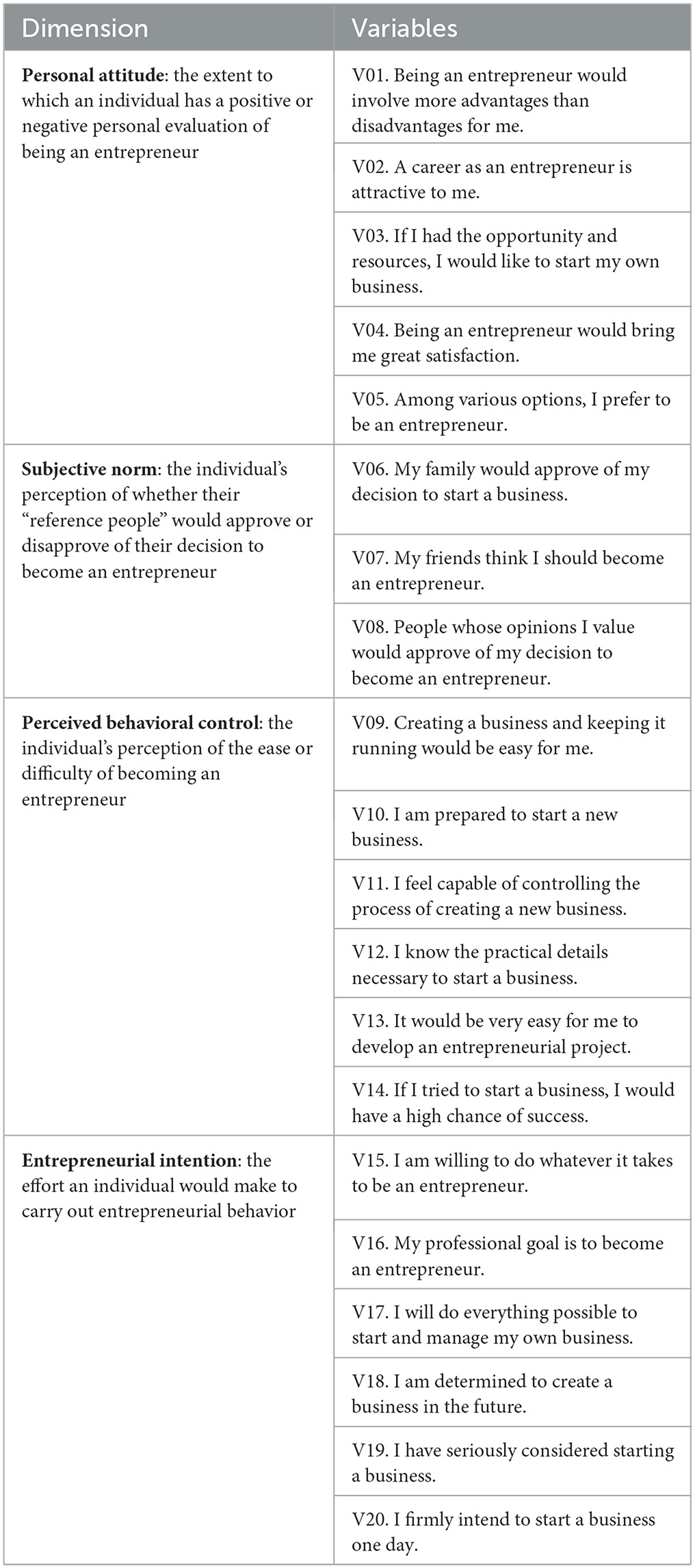
Table 1. Dimensions characterizing the entrepreneurial profile.
In addition, two questions were included to test the statistical hypotheses and validate the scale used: (1) self-perception as a future entrepreneur and (2) perception of university preparation to help students achieve entrepreneurial roles. Furthermore, students were asked to rate their self-perceived entrepreneurial competencies using a 5-point Likert scale, focusing on competencies highlighted in the literature, such as problem solving, creativity, financial management, leadership, negotiation skills, decision making, self-confidence, and resilience (Andrade-Adaime et al., 2022; Fernandez et al., 2022; Chávez Moreno, 2020; Marcano et al., 2020; Gómez Miranda, 2023; López and Gómez, 2018).
The target population for this study consisted of undergraduate students from Milagro State University during the academic term May–September 2022. According to the Institutional Management Report, the total number of students enrolled during this period was 39,524 (UNEMI, 2022). Primary data were collected through Google Forms, with a survey link shared via the institution's academic management system. A total of 2,570 students participated voluntarily, providing a robust dataset for analysis.
Data analysis was performed using SPSS 20.0 for descriptive and exploratory analyzes and Amos 22.0 for confirmatory factor analysis. To assess the suitability of the model, that is, whether the data fit the theoretical model, a structural equation modeling (SEM) approach was applied based on the collected samples. SEM is a general statistical approach to modeling mechanisms that explain the variability, covariation, and observed patterns in the data (Hoyle, 2023). Its increasing importance in data analysis is largely due to its ease of use (Arbuckle, 2021). One of the criteria for sample selection was voluntary participation by respondents. Once consent was obtained, the questionnaire was sent by email. The questionnaire has content validity, as it is based on robust research and its widespread use, as evidenced in the relevant literature. Furthermore, the development of the model using structural equation modeling provides evidence of the construct validity.
SEM is a multivariate technique predominantly used in the social and behavioral sciences to fit and test hypothetical models (Hai et al., 2024). It allows researchers to test hypotheses about the data by proposing a data-generating model, which may or may not fit the data (Soriano and Mejía-Trejo, 2022). As a linear model used to establish relationships between variables, SEM is related to techniques such as analysis of variance (ANOVA), multiple regression analysis, and factor analysis, with which it shares similarities and can produce identical results. Thus, SEM can be described in part as a generalization, integration, and extension of these models (Hoyle, 2023).
This research follows the methodological framework proposed by Hoyle (2023), which includes four steps: specification, estimation, fit evaluation, interpretation, and presentation of results. It also involves data acquisition/preparation, identification, respecification, and model selection. Furthermore, the study uses AMOS software (Analysis of Moment Structures), one of the most widely used programs for SEM analysis, which integrates an easy-to-use graphical interface with an advanced computational engine for SEM (Arbuckle, 2021). AMOS is a popular tool in the social sciences (Soriano and Mejía-Trejo, 2022).
To evaluate the fit of the model, several statistics were used, including Chi-square, Chi-square probability, RMSEA, GFI, AGFI, CMIN/DF, TLI, and CFI (Yaskun et al., 2023). Chi-square, CMIN/DF, AGFI, RMSEA, TLI, and CFI were the variables included in the model fit testing process. A good model indicates that the research measurement model is consistent with the activity of the population as observed in the real world (Suganda and Simbolon, 2023). The indices should be used to evaluate the goodness of fit of a model (Black and Babin, 2019), including the value of χ2 and the associated degrees of freedom (df); an absolute fit index (GFI, RMSEA or SRMR); an incremental fit index (CFI or TLI); a goodness of fit index (GFI, CFI, TLI, etc.); a badness of fit index (RMSEA, SRMR, etc.); and the ATFI, which provides a useful perspective on the relative fit of structural and measurement models.
In general, significant χ2 values (p-value < 0.05) and CMIN/DF values between 2 and 3 are recommended; CFI values >0.94, typically between 0.95 and 0.97; AGFI values between 0.85 and 0.90; GFI values between 0.90 and 0.95; NFI values between 0.90 and 0.95; and RMSEA values between 0.09 and 0.95 (Civelek, 2018). Kline (2005) suggests significant values for χ2, values above 0.94 for CFI or TLI, and values below 0.07 for RMSEA. Mangin (2003) recommends values >0.90 for GFI, TLI, AGFI, and NFI; above 0.95 for CFI; and <0.05 for RMSEA.
3 Analysis of results
The descriptive statistics (Table 2) indicate that a significant proportion of the study participants were female (72.4%). Approximately 49% of the participants were 24 years old or younger. Most had some work experience (76.5%), while a substantial portion had neither entrepreneurial experience nor a family history in entrepreneurship (55.8%). However, a large percentage had relationships with entrepreneurs who could serve as role models (82%).
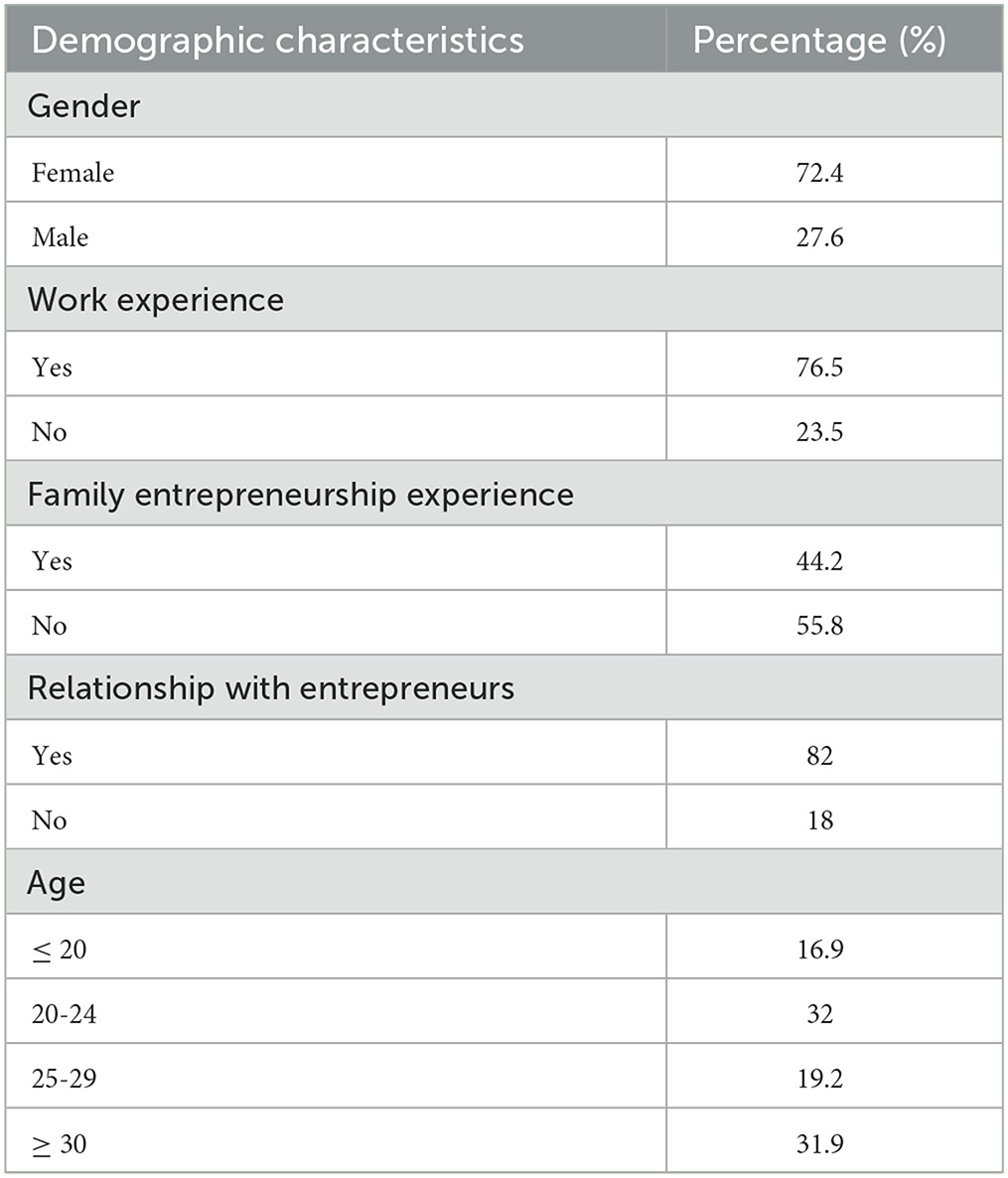
Table 2. Demographic characteristics of the participants.
From the responses provided by the students in the sample, latent dimensions were examined to summarize the information contained in the 20 items that characterize the entrepreneurial profile. As part of data acquisition and preparation, a database of 2,570 surveys was analyzed using Principal Components Analysis as the extraction method, establishing four factors and employing the Varimax with Kaiser normalization rotation method (Table 3). The statistics reported - Determinant of the correlation matrix (Det. = 5.65x10⁻⁹), Sample Adequacy Index (KMO = 0.966), and percentage of explained variance (%VE = 77.22%)—along with Cronbach's Alpha coefficients (α ranging from 0.792 to 0.955) support the goodness of fit, validity, and reliability of the model.
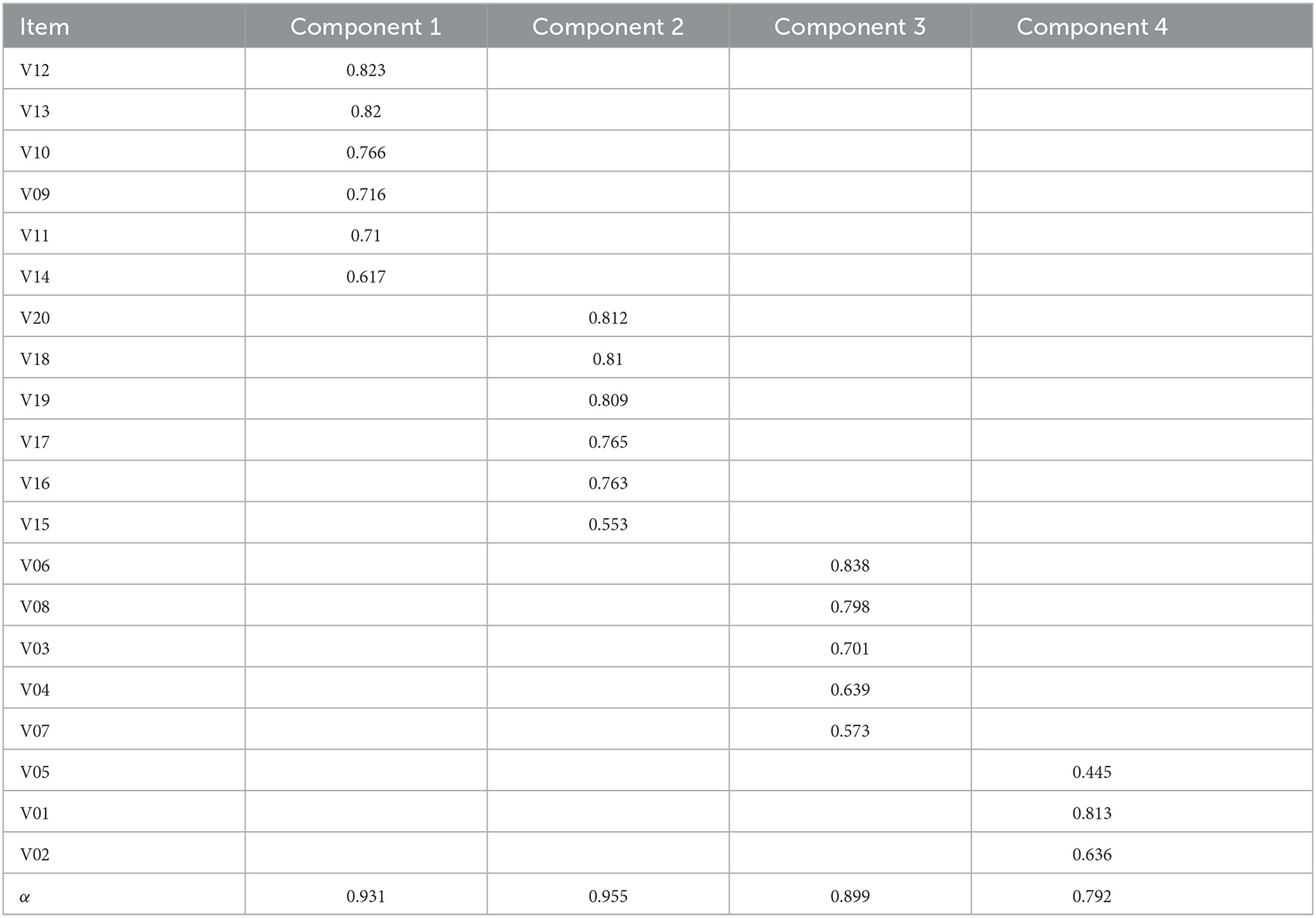
Table 3. Rotated component matrix.
The model specification was grounded in insights from a systematic review of the literature on the applications of the TPB in entrepreneurship among university students. Figure 1 presents the theoretical model, which illustrates the interrelationship between Personal Attitude, Subjective Norms, and Perceived Behavioral Control, which influence entrepreneurial intention. The model in Figure 1 corresponds to the TPB as described by Ajzen (1991) and utilized by Liñán and Chen (2009); Liñán et al. (2013); Poveda et al. (2020), and Sarmiento-Suárez et al. (2022), highlighting a pattern of relationships between motivational antecedents of entrepreneurial intention. It posits that subjective norms influence both personal attitude and perceived behavioral control.

Figure 1. Entrepreneurial intention model for university students.
Based on the model presented in Figure 1, the following hypotheses were established:
1. Personal attitude determines the entrepreneurial intention of UNEMI students.
2. Subjective norms determine the entrepreneurial intention of UNEMI students.
3. Perceived Behavioral Control determines the entrepreneurial intention of UNEMI students.
The model identification process ensured that the model was overidentified. Each parameter in the specific model was identified and with all parameters considered, the model was considered identified (Hoyle, 2023). Figure 2 presents the identified model with its parameters and variables, showing that the degrees of freedom (120—36 parameters = 84) result in an overidentified model, allowing for continued analysis.
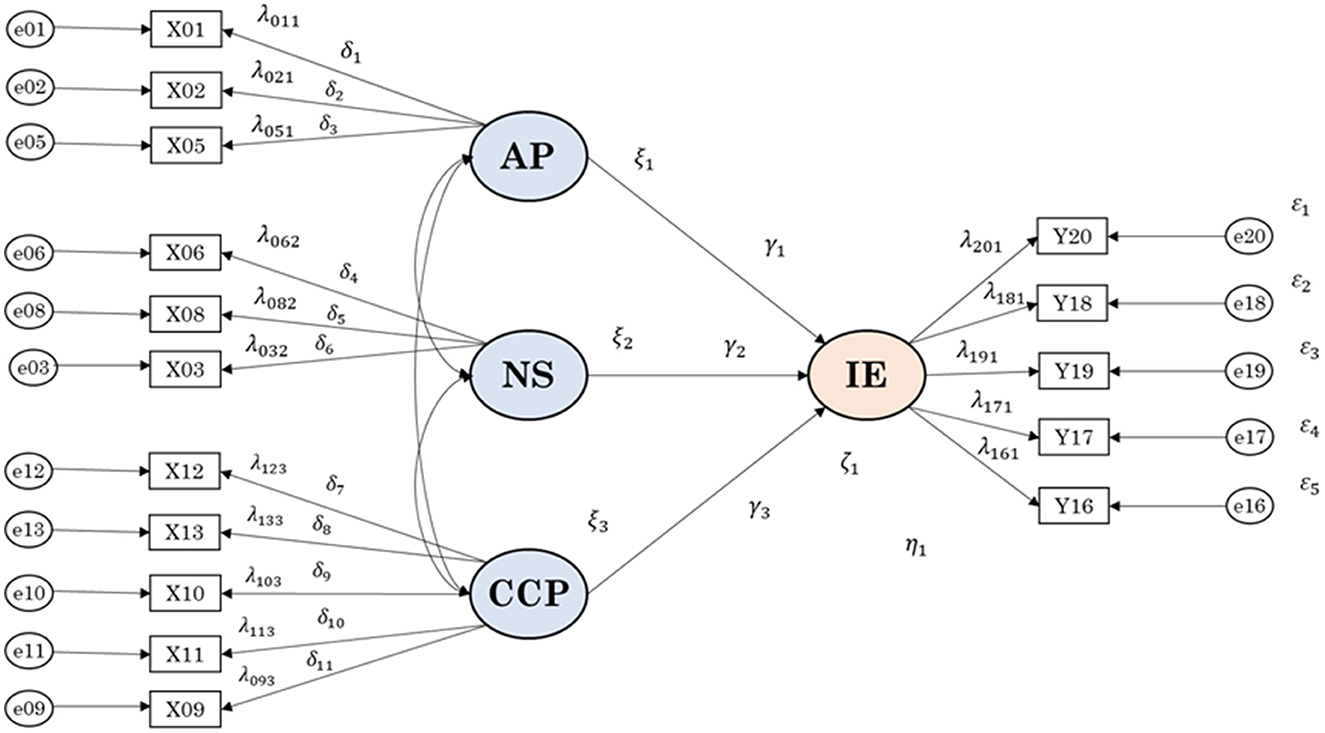
Figure 2. Identified model.
Through a confirmatory factor analysis of the 20 total variables, four were discarded due to loadings < 0.7 (from the PA dimension: V04; from SN: V07; from PBC: V14; and EI: V15), leaving 16 variables for hypothesis testing to determine acceptance or rejection. Some variables were also reconfigured into other dimensions based on the data structure and statistical analysis derived from the sample. Table 4 and Figure 3 present the estimated parameters of the model and its representation.
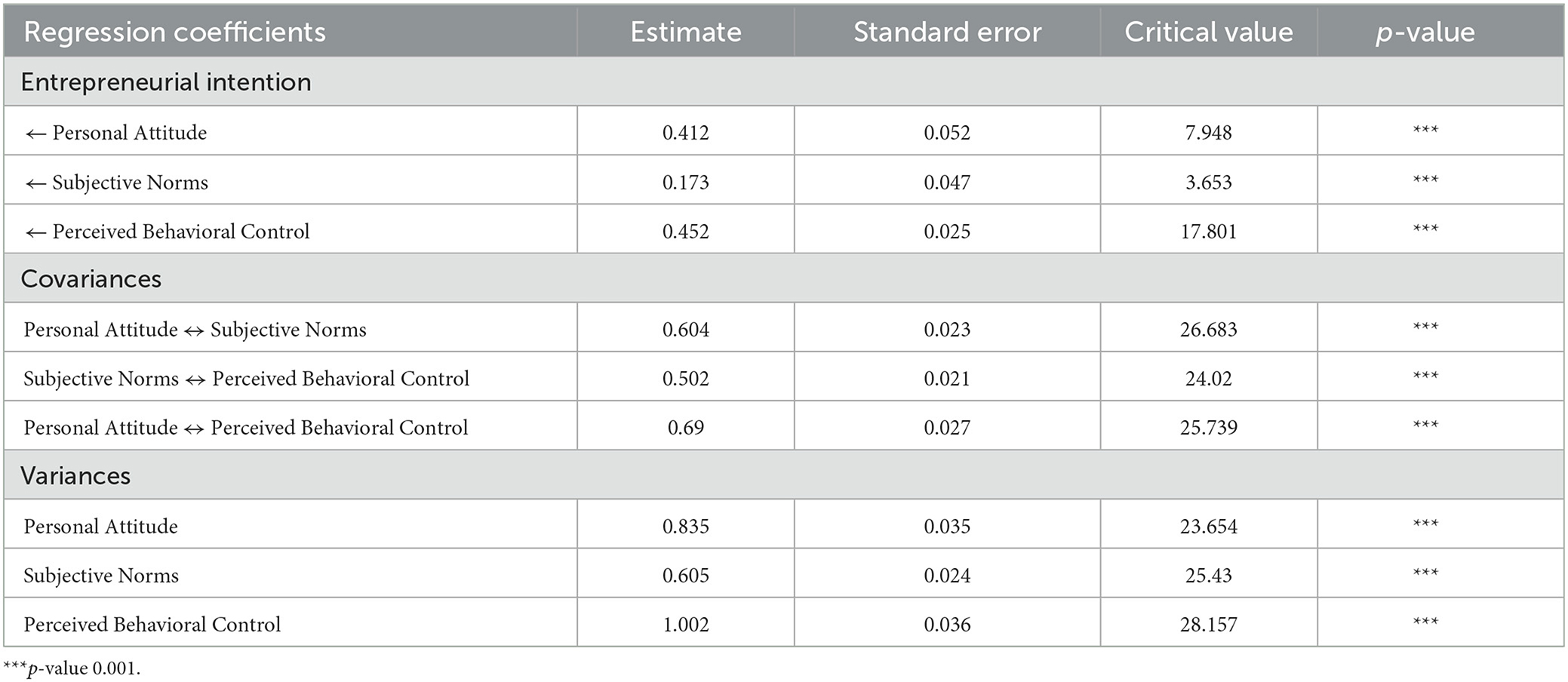
Table 4. Parameter estimates for the structural equation model.
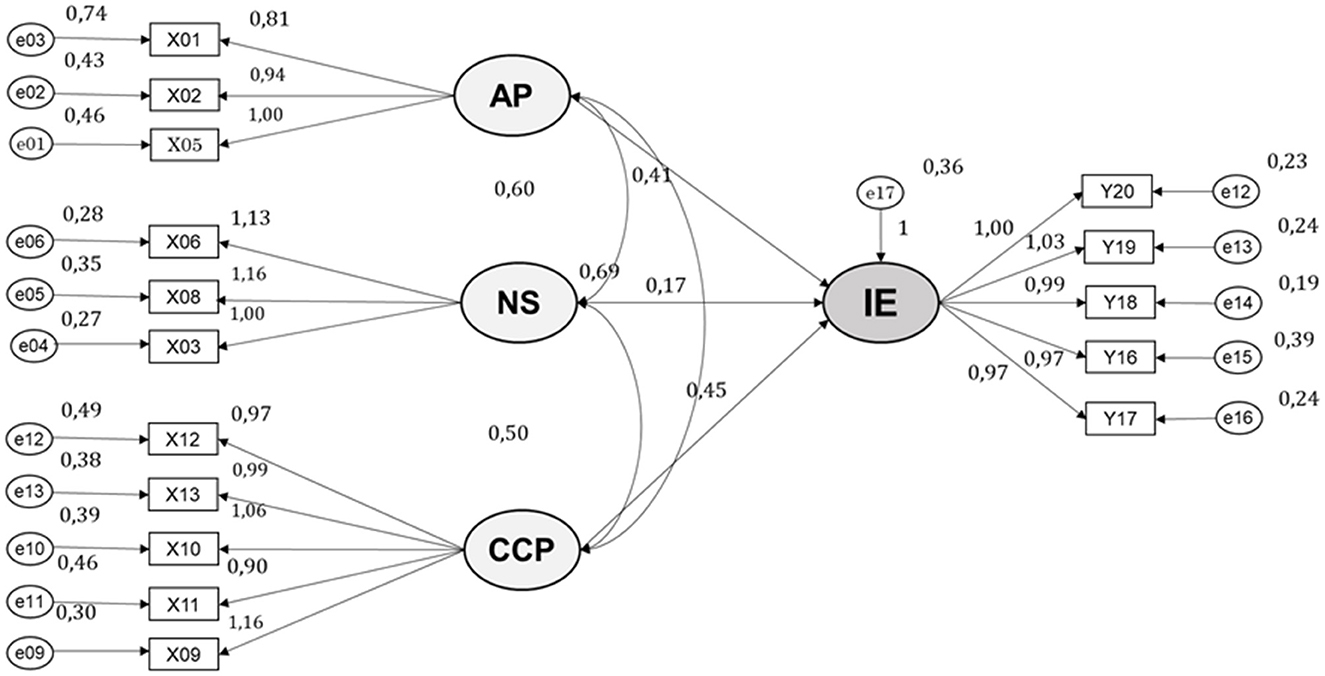
Figure 3. Structural equation model.
The values reported in Figure 3 indicate a direct relationship between Personal Attitude and Entrepreneurial Intention, with a significant result of 0.41 (p < 0.05), supporting Hypothesis a. On the other hand, the effect of Subjective Norms on Entrepreneurial Intention is reported as 0.17 and is not significant (p > 0.05), suggesting that this relationship (EI ← SN) should be discarded as there is insufficient statistical evidence to support Hypothesis b. However, Perceived Behavioral Control (PBC), or Entrepreneurial Self-Efficacy, has a significant effect on Entrepreneurial Intention (0.45, p < 0.05), thus supporting Hypothesis c.
These results align with findings from Valencia-Arias et al. (2022) and Valenzuela Keller et al. (2022), who identified significant relationships between Personal Attitude and Entrepreneurial Intention, as well as between Perceived Behavioral Control and Entrepreneurial Intention. However, they differ from the results of Amaleshwari and Jeevitha (2023), whose model only found a significant relationship between Personal Attitude and Entrepreneurial Intention.
Barba-Sánchez et al. (2022), along with Ynzunza Cortés and Izar Landeta (2020), also demonstrated that both Attitudes toward Entrepreneurial Behavior (PA) and Perceived Behavioral Control (PBC) exert a significant influence on the Entrepreneurial Intention (EI) of university students, while Social Norms (SN) do not. Similarly, the findings of Bayona-Oré (2023) suggest that Perceived Behavioral Control has a positive effect on Entrepreneurial Intention. However, unlike this research, Bayona-Oré (2023) found that Subjective Norms also had a positive effect on Entrepreneurial Intention, while Personal Attitude did not.
On the other hand, the results reported by Al-Ghani et al. (2022) show that there is a significant relationship between Attitude, Subjective Norms, and Perceived Behavioral Control toward Entrepreneurial Intention among university students. Similarly, the findings of Phuc et al. (2020) indicate that Subjective Norms, Attitude toward Entrepreneurship, and Perceived Behavioral Control all had direct effects on Entrepreneurial Intention, with Perceived Behavioral Control having the greatest influence.
Following the recommendations to ensure the fit of the proposed model (Black and Babin, 2019), the evaluation results should show at least χ2 with associated degrees of freedom (df) and one fit index from each category to assess the fit of the model. Thus, Table 5 presents the fit statistics from three perspectives: absolute fit, incremental fit, and parsimonious fit.
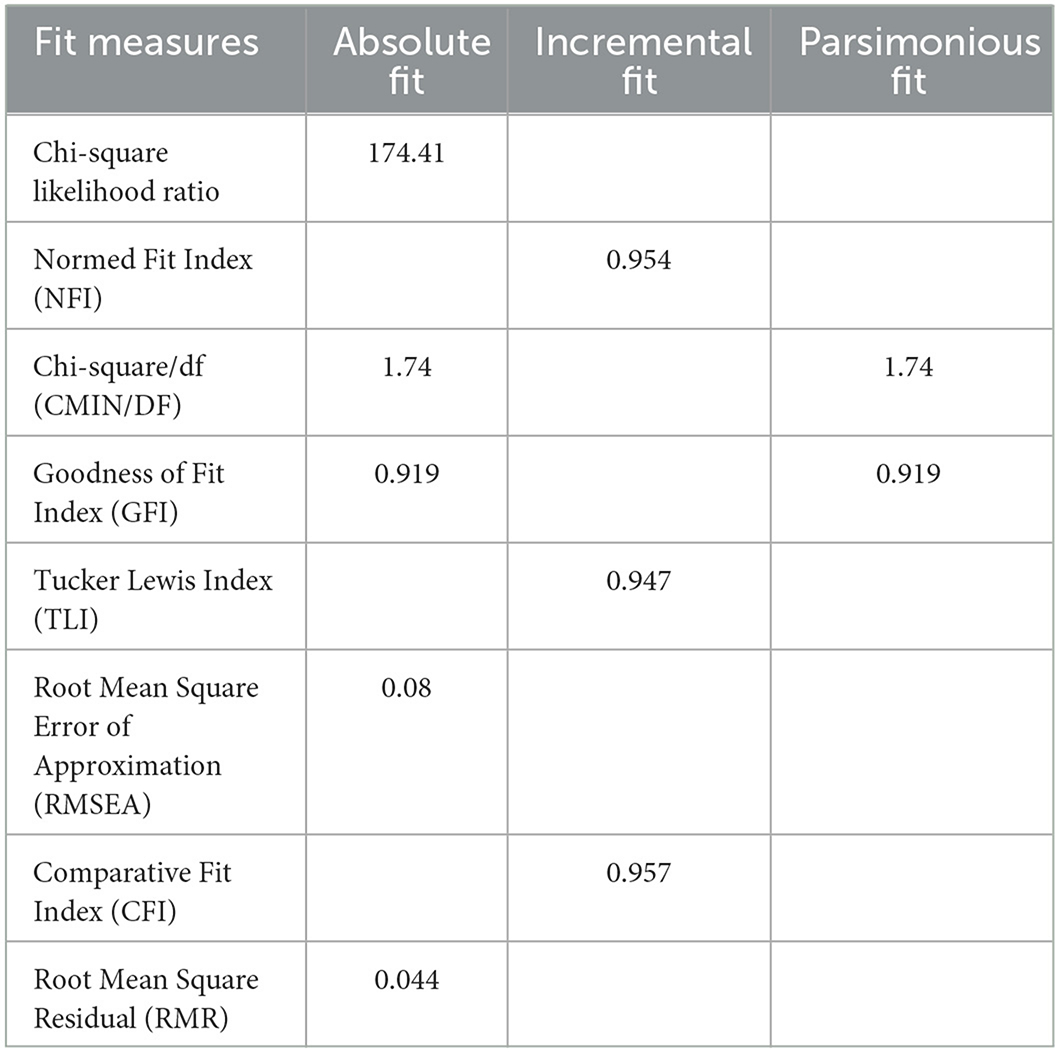
Table 5. Model fit statistics obtained in CFA.
According to Black and Babin (2019), the statistic χ2 has a problematic property, as it is a mathematical function of the sample size (n) and the difference between the observed and estimated covariance matrices. As n increases, so does the value of χ2, even if the differences between matrices are identical. In this case, the goodness of fit statistic χ2 = 174.41 does not indicate that the observed covariance matrix matches the estimated covariance matrix within the sample variance, falling outside the established ranges to support the model adequacy. However, given the issues associated with statistical power and the effective sample size of 2,570, it is suggested that other indices are preferable for this case.
Regarding RMSEA, a value below 0.05 indicates a perfect fit and a value below 0.10 indicates an adequate fit (Steiger, 1990). The obtained RMSEA value of 0.080 suggests a good fit. The GFI value obtained of 0.919 indicates an adequate fit, as any value between 0.90 and 0.95 is considered a good fit. The RMR value of 0.044 suggests an acceptable model fit, with values close to zero indicating a good fit. NFI = 0.954, TLI = 0.947, CFI = 0.957, and GFI = 0.919 are considered acceptable as they typically range between 0 and 1, with values above 0.90 acceptable. The obtained values support the acceptance of the proposed model. In summary, regarding the model's goodness-of-fit, the results indicate that the model is appropriate for representing the data structure generated from the perceptions of UNEMI students.
4 Discussion
The findings of this study reveal significant insights into the entrepreneurial intentions of students at Milagro State University (UNEMI) and the factors that influence these intentions. The results corroborate previous research that highlights the importance of personal attitude and perceived behavioral control in shaping entrepreneurial intentions. Specifically, students who exhibit a positive attitude toward entrepreneurship and who believe in their ability to successfully start and manage a business are more likely to express strong entrepreneurial intentions.
The lack of a significant direct relationship between subjective norms and entrepreneurial intention is an intriguing outcome that merits further discussion. This result may suggest that while social pressures and expectations from family, friends, and other significant influencers are important, they are not as pivotal as one's self-perception and confidence in their entrepreneurial capabilities. This finding aligns with the notion that entrepreneurship is often driven by intrinsic motivations and a sense of self-efficacy, rather than external validation or societal expectations.
Furthermore, the study provides evidence that universities play a crucial role in fostering entrepreneurial intentions by enhancing students' perceptions of their capabilities. Educational programs and initiatives that focus on developing students' entrepreneurial skills and attitudes can have a profound impact on their intention to pursue entrepreneurship. This highlights the need for universities to adopt a more proactive approach to embedding entrepreneurial education into their curricula. Regarding entrepreneurial education, authors such as Anubhav et al. (2024) suggest, among other aspects, investigating the impact of entrepreneurial education on students, exploring the role of entrepreneurial intentions in the success of startups, assessing the influence of entrepreneurship education on entrepreneurial intentions and capabilities, formulating strategies for effective entrepreneurship education and entrepreneurial intentions, and examining the factors that influence entrepreneurial intentions among university students. Others, such as Saputra et al. (2023), argue that introducing the concept of entrepreneurship into higher education curricula can be a strategic step toward addressing issues related to the lack of employment opportunities.
Furthermore, the use of Structural Equation Modeling (SEM) allowed for a nuanced analysis of the relationships between the different factors influencing entrepreneurial intention. The robust model fit indices confirm that the theoretical framework applied in this study is appropriate to understand the dynamics of entrepreneurial intention among university students. These findings contribute to the growing body of literature on the Theory of Planned Behavior (TPB) and its applicability in the field of entrepreneurship.
However, it is important to acknowledge that entrepreneurial intentions do not always translate into entrepreneurial actions. Future research should explore the factors that facilitate or hinder the transition from intention to action, particularly in the context of university graduates. Understanding these factors could provide valuable information for policymakers and educators aiming to bridge the gap between entrepreneurial dreams and actual business creation.
5 Threats to validity
This study, although comprehensive, is not without limitations, which may affect the validity of the findings. One potential threat to validity is the use of self-reported data. The data collected were based on students' perceptions of their attitudes, subjective norms, and perceived behavioral control, which may be subject to bias. For example, respondents might overestimate or underestimate their entrepreneurial abilities or intentions due to bias toward social desirability or lack of self-awareness. Future studies could benefit from incorporating objective measures or longitudinal designs to capture changes in entrepreneurial intentions over time.
Another limitation is the generalizability of the findings. The study was conducted at a single university in Ecuador, which may limit the extent to which the results can be generalized to other contexts, such as different cultural settings, educational systems, or regions. The entrepreneurial ecosystem in Ecuador may have unique characteristics that influence the factors affecting entrepreneurial intention. Thus, replicating the study in other universities or countries could provide a broader understanding of the factors that influence entrepreneurial intention in different contexts.
In addition, the cross-sectional design of this study does not allow the examination of causal relationships between the variables. Although SEM analysis provides information on the associations between constructs, it cannot definitively establish causation. Future research could employ experimental or longitudinal designs to better understand the causal pathways linking personal attitude, subjective norms, perceived behavioral control, and entrepreneurial intention.
Lastly, the exclusion of other potential influencing factors, such as access to financial resources, exposure to entrepreneurial role models, or the influence of macroeconomic conditions, could also be considered a limitation. These factors could interact with the constructs examined in this study, potentially altering the dynamics of entrepreneurial intention. Future studies should consider including these additional variables to provide a more comprehensive understanding of the factors driving entrepreneurial intentions.
6 Conclusions
Entrepreneurship, particularly entrepreneurial capacity and intention, are key constructs for the future performance of university students and, as such, require attention from policymakers aiming to support national development, with universities positioned as key players. Numerous studies have demonstrated the role of entrepreneurial activities in economic growth, job creation, and fostering innovation and creativity. Therefore, initiatives in studies on entrepreneurial capacity and intention contribute to this shared goal.
The findings of this study are crucial for understanding the dimensions of Entrepreneurial Intention (EI) among UNEMI students. A proper understanding of students' EI would facilitate their adequate training, ultimately making it easier for them to become entrepreneurs. It is important to note that many factors can pose barriers to students assuming entrepreneurial roles, even if they have high EI. This area warrants further research.
Based on the Theory of Planned Behavior (TPB) model and a robust Structural Equation Modeling (SEM) analysis, the factors determining entrepreneurial capacity and their impact on entrepreneurial intention among UNEMI students were identified as Personal Attitude and Perceived Behavioral Control directly, and Subjective Norms indirectly, due to their correlation with the other two factors.
Perceived Behavioral Control and Personal Attitude were found to have a positive relationship with entrepreneurial intentions, consistent with the findings of Valencia-Arias et al. (2022) and Valenzuela Keller et al. (2022). Regarding Subjective Norms, previous studies have shown mixed results, with some finding a significant relationship and others finding none with Entrepreneurial Intention. In this study, Subjective Norms were found to not affect Entrepreneurial Intention, which aligns with the results of Barba-Sánchez et al. (2022), as well as Ynzunza Cortés and Izar Landeta (2020).
On the other hand, the reported statistical indicators highlight the model's goodness of fit, suggesting that it could be used in future research within the Ecuadorian context. The model in this study was validated with a large sample of students from the same university; therefore, it should be replicated in other Ecuadorian universities to generalize the results for Ecuador, provided the hypotheses are confirmed. Additionally, social variables could be added to the model in future research.
Data availability statement
The original contributions presented in the study are included in the article/supplementary material, further inquiries can be directed to the corresponding author.
Author contributions
MD'A: Conceptualization, Data curation, Formal analysis, Funding acquisition, Investigation, Methodology, Project administration, Resources, Software, Supervision, Validation, Visualization, Writing – original draft, Writing – review & editing. LFV: Conceptualization, Data curation, Formal analysis, Funding acquisition, Investigation, Methodology, Project administration, Resources, Software, Supervision, Validation, Visualization, Writing – original draft, Writing – review & editing. AM-A: Writing – original draft, Writing – review & editing. PNR: Conceptualization, Data curation, Formal analysis, Funding acquisition, Investigation, Methodology, Project administration, Resources, Software, Supervision, Validation, Visualization, Writing – original draft, Writing – review & editing. WÁB: Conceptualization, Data curation, Formal analysis, Funding acquisition, Investigation, Methodology, Project administration, Resources, Software, Supervision, Validation, Visualization, Writing – original draft, Writing – review & editing. CVS: Conceptualization, Data curation, Formal analysis, Funding acquisition, Investigation, Methodology, Project administration, Resources, Software, Supervision, Validation, Visualization, Writing – original draft, Writing – review & editing.
Funding
This work was the result of the research project “Characterization of the Entrepreneurial Capacity Profile of Students at the Universidad Estatal de Milagro, UNEMI, Ecuador.” The authors declare that financial support was received from the Office of the Vice President for Research and Graduate Studies at the Universidad Estatal de Milagro for the publication of this article.
Conflict of interest
The authors declare that the research was conducted in the absence of any commercial or financial relationships that could be construed as a potential conflict of interest.
Publisher's note
All claims expressed in this article are solely those of the authors and do not necessarily represent those of their affiliated organizations, or those of the publisher, the editors and the reviewers. Any product that may be evaluated in this article, or claim that may be made by its manufacturer, is not guaranteed or endorsed by the publisher.
References
Ajzen, I. (1985). “From intentions to actions: a theory of planned behavior,” in Action Control: From Cognition to Behavior (Berlin: Springer), 11–39.
Ajzen, I. (2020). The theory of planned behavior: frequently asked questions. Hum. Behav. Emerg. Technol. 2, 314–324. doi: 10.1002/hbe2.195
Al-Ghani, A., Al-Qaisi, B., and Gaadan, W. (2022). A study on entrepreneurial intention based on theory of planned behaviour (TPB). Int. J. Form. Sci. Curr. Fut. Res. Trends 13, 12–21.
Amaleshwari, U. A., and Jeevitha, R. (2023). Entrepreneurial orientation and circular business practices: a conceptual framework. J. Manag. Publ. Pol. 14, 16–26. doi: 10.47914/jmpp.2023.v14i2.003
Andrade, F. L. d., and Carvalho, L. M. C. (2023). Entrepreneurial intention of university students under the perspective of the theory of planned behaviour: integrative literature review. Admin. Sci. 13:242. doi: 10.3390/admsci13110242
Andrade-Adaime, M. C., Pardo-Rozo, Y. Y., and Marlés-Betancourt, C. (2022). Desarrollo de competencias en emprendimiento en estudiantes de la universidad de la amazonia (2019–2020). I+D Revista de Investigaciones 17, 131–140. doi: 10.33304/revinv.v17n2-2022009
Anubhav, K., Dwivedi, A., and Aashish, K. (2024). Entrepreneurship education in higher education (2002–2022): a technology-empowered systematic literature review. Int. J. Manag. Educ. 22:100993. doi: 10.1016/j.ijme.2024.100993
Anvari, F., Efendic, E., Olsen, J., Arslan, R. C., Elson, M., and Schneider, I. K. (2023). Bias in self-reports: an initial elevation phenomenon. Soc. Psychol. Personal. Sci. 14, 727–737. doi: 10.1177/19485506221129160
Apostu, S.-A., and Gigauri, I. (2023). Sustainable development and entrepreneurship in emerging countries: are sustainable development and entrepreneurship reciprocally reinforcing? J. Entrepr. Manag. Innov. 19, 41–77. doi: 10.7341/20231912
Arbuckle, J. (2021). Amos Development Corporation.
Available at: https://www.ibm.com/docs/en/SSLVMB_28.0.0/pdf/amos/IBM_SPSS_Amos_User_Guide.pdf (accessed August 08, 2024).
Barba-Sánchez, V., Mitre-Aranda, M., and del Brío-González, J. (2022). The entrepreneurial intention of university students: an environmental perspective. Eur. Res. Manag. Bus. Econ. 28:100184. doi: 10.1016/j.iedeen.2021.100184
Bayona-Oré, S. (2023). The theory of planned behaviour and the entrepreneurial intention of university students. J. Turk. Sci. Educ. 20, 136–149. doi: 10.36681/used.2023.008
Black, W., and Babin, B. J. (2019). “Multivariate data analysis: its approach, evolution, and impact,” in The Great Facilitator: Reflections on the Contributions of Joseph F. Hair, Jr. to Marketing and Business Research (Berlin: Springer), 121–130.
Chávez Moreno, E. A. (2020). Análisis comparativo de competencias emprendedoras entre estudiantes de la uabc. RIDE. Revista Iberoamericana para la Investigación y el Desarrollo Educativo 10:646. doi: 10.23913/ride.v10i20.646
Diez Farhat, S., and Guevara, R. (2020). Incidence of the behavioral attitude in the entrepreneurial intentions in undergraduate students. Contaduría y administración 65:2074. doi: 10.22201/fca.24488410e.2019.2074
Donaldson, S. I., and Grant-Vallone, E. J. (2002). Understanding self-report bias in organizational behavior research. J. Bus. Psychol. 17, 245–260. doi: 10.1023/A:1019637632584
Duong, C., Nguyen, H., Ngo, T., Nguyen, V., and Nguyen, T. (2020). The impact of individual and environmental characteristics on students' entrepreneurial intention. Manag. Sci. Lett. 10, 599–608. doi: 10.5267/j.msl.2019.9.020
Fernandez, G. M. Q., Ayaviri, R. D., Nina, V. D. A., and Núñez, A. I. M. (2022). Competencias emprendedoras para generar una cultura de emprendimiento en la educación superior. Revista de ciencias sociales 28, 297–313. doi: 10.31876/rcs.v28i.38847
Ferreira-Neto, M. N., de Carvalho Castro, J. L., de Sousa-Filho, J. M., and de Souza Lessa, B. (2023). The role of self-efficacy, entrepreneurial passion, and creativity in developing entrepreneurial intentions. Front. Psychol. 14:1134618. doi: 10.3389/fpsyg.2023.1134618
Gomes, S., Ferreira, J., Lopes, J. M., and Farinha, L. (2022). The impacts of the entrepreneurial conditions on economic growth: evidence from OECD countries. Economies 10:163. doi: 10.3390/economies10070163
Gómez Miranda, O. M. (2023). Actitudes emprendedoras de estudiantes universitarios: caso de una institución de educación superior en colombia. Tendencias 24, 174–197. doi: 10.22267/rtend.222302.220
Hai, D. N., Minh, C. C., and Huynh, N. (2024). Meta-analysis of driving behavior studies and assessment of factors using structural equation modeling. Int. J. Transport. Sci. Technol. 14, 219–236. doi: 10.1016/j.ijtst.2023.05.002
Hoda, N., Ahmad, N., Ahmad, M., Kinsara, A., Mushtaq, A. T., Hakeem, M., et al. (2020). Validating the entrepreneurial intention model on the university students in Saudi Arabia. J. Asian Fin. Econ. Bus. 7, 469–477. doi: 10.13106/jafeb.2020.vol7.no11.469
Kline, R. (2005). Principles and Practice of Structural Equation Modeling, 2nd Edn. Methodology in the Social Sciences. New York, NY: Guilford Publications.
Koller, K., Pankowska, P., and Brick, C. (2023). Identifying bias in self-reported pro-environmental behavior. Curr. Res. Ecol. Soc. Psychol. 4:100087. doi: 10.1016/j.cresp.2022.100087
Kolvereid, L. (1996). Prediction of employment status choice intentions. Entrepr. Theor. Pract. 21, 47–58.
Liñán, F., and Chen, Y.-W. (2009). Development and cross–cultural application of a specific instrument to measure entrepreneurial intentions. Entrepr. Theor. Pract. 33, 593–617. doi: 10.1111/j.1540-6520.2009.00318.x
Liñán, F., Nabi, G., and Krueger, N. (2013). British and spanish entrepreneurial intentions: a comparative study. Revista de economía Mundial 33, 73–103. doi: 10.33776/rem.v0i33.4761
Lopes, J. M., Laurett, R., Ferreira, J. J., Silveira, P., Oliveira, J., and Farinha, L. (2023). Modeling the predictors of students' entrepreneurial intentions: the case of a peripheral European region. Industry High. Educ. 37, 208–221. doi: 10.1177/09504222221117055
López, R. R., and Gómez, E. B. (2018). El perfil del emprendedor. construcción cultural de la subjetividad laboral postfordista. Cuadernos de Relaciones Laborales 36:265. doi: 10.5209/CRLA.60697
Mangin, J. P. L. (2003). “Modelización y análisis con ecuaciones estructurales,” in Análisis multivariable para las ciencias sociales, eds. J. P. L. Mangin and J. Varela Mallou (Madrid: Pearson Educación), 767–814.
Marcano, A. I. P., Crespo, J. A. S., Guiliany, J. G., and Barros, H. B. S. (2020). Perfil emprendedor en la formación universitaria venezolana. Revista de Ciencias Sociales 26, 161–174. doi: 10.31876/rcs.v26i1.31317
Nguyen, T. (2020). Impact of entrepreneurship environmental support factors to university students' entrepreneurship self-efficacy. Manag. Sci. Lett. 10, 1321–1328. doi: 10.5267/j.msl.2019.11.026
Niu, X., Niu, Z., Wang, M., and Wu, X. (2022). What are the key drivers to promote entrepreneurial intention of vocational college students? an empirical study based on structural equation modeling. Front. Psychol. 13:1021969. doi: 10.3389/fpsyg.2022.1021969
Phuc, P., Vinh, N., and Do, Q. (2020). Factors affecting entrepreneurial intention among tourism undergraduate students in Vietnam. Manag. Sci. Lett. 10, 3675–3682. doi: 10.5267/j.msl.2020.6.026
Poveda, F. K. I., Velástegui, O. S. V., Nuñez, E. R. V., Córdova, V. H., et al. (2020). Modelo de ecuaciones estructurales para determinar la intención de emprendimiento de estudiantes de posgrado. Revista de Métodos Cuantitativos para la Economía y la Empresa 30, 346–357. doi: 10.46661/revmetodoscuanteconempresa.3715
Prince, S., Chapman, S., and Cassey, P. (2021). The definition of entrepreneurship: is it less complex than we think? Int. J. Entrepr. Behav. Res. 27, 26–47. doi: 10.1108/ijebr-11-2019-0634
Ratten, V. (2023). Entrepreneurship: definitions, opportunities, challenges, and future directions. Glob. Bus. Org. Excell. 42, 79–90. doi: 10.1002/joe.22217
Sahinidis, A. G., and Tsaknis, P. A. (2020). Shaping entrepreneurial intentions: the impact of entrepreneurship education on university students. Zeszyty Naukowe Małopolskiej Wyższej Szkoły Ekonomicznej w Tarnowie 48, 49–58. doi: 10.3390/su162210070
Saputra, Y. A., Novilia, F., and Hendrayati, H. (2023). Entrepreneurship curriculum in higher education: a systematic literature review (SLR). West Sci. Interdiscipl. Stud. 1, 1519–1531.
Sarmiento-Suárez, J. E., Reyes-Rodríguez, J. F., and Ramírez-Montañez, J. C. (2022). Intención emprendedora en estudiantes de la universidad pontificia bolivariana: exploración de un modelo basado en la teoría del comportamiento planeado. Revista CEA 8:e2018. doi: 10.22430/24223182.2018
Shi, Y., Yuan, T., Bell, R., and Wang, J. (2020). Investigating the relationship between creativity and entrepreneurial intention: the moderating role of creativity in the theory of planned behavior. Front. Psychol. 11:1209. doi: 10.3389/fpsyg.2020.01209
Soriano, J. L., and Mejía-Trejo, J. (2022). Modelado de ecuaciones estructurales en el campo de las ciencias de la administración. Revista de Métodos Cuantitativos para la Economía y la Empresa 33, 242–263. doi: 10.46661/revmetodoscuanteconempresa.5414
Steiger, J. H. (1990). Structural model evaluation and modification: an interval estimation approach. Multivar. Behav. Res. 25, 173–180.
Suganda, U. K., and Simbolon, E. D. (2023). Building entrepreneurial intention: the moderating role of social support. Quant. Econ. Manag. Stud. 4, 304–313. doi: 10.35877/454RI.qems1560
Teoh, W. M. Y., Chong, S. C., Yuen, Y. Y., Ravichander, S., and Chong, C. W. (2024). Entrepreneurial intentions among business undergraduates: the malaysian case. J. Educ. Bus. 2024, 1–11. doi: 10.1080/08832323.2024.2424181
Thurik, A. R., Audretsch, D. B., Block, J. H., Burke, A., Carree, M. A., Dejardin, M., et al. (2024). The impact of entrepreneurship research on other academic fields. Small Bus. Econ. 62, 727–751. doi: 10.1007/s11187-023-00781-3
UNEMI (2022). Informe de Gestión Institucional 2022. Universidad Estatal de Milagro.
Available at: https://www.unemi.edu.ec/wp-content/uploads/2023/06/Informe-de-Gestion-Institucional-UNEMI-2022.pdf (accessed August 08, 2024).
Valencia-Arias, A., Rodríguez-Correa, P. A., Cárdenas-Ruiz, J. A., and Gómez-Molina, S. (2022). Factores que influyen en la intención emprendedora de estudiantes de psicología de la modalidad virtual. RETOS. Revista de Ciencias de la Administración y Economía 12, 5–24. doi: 10.17163/ret.n23.2022.01
Valenzuela Keller, A., Gálvez Gamboa, F. A., García Ramírez, I., and González Ibarra, J. (2022). Intención emprendedora en estudiantes universitarios en chile: el rol de la formación y la educación en emprendimiento. Revista complutense de educación. 2022:73888. doi: 10.5209/rced.73888
Yaskun, M., Sudarmiatin, S., Hermawan, A., and Rahayu, W. P. (2023). The effect of market orientation, entrepreneurial orientation, innovation and competitive advantage on business performance of Indonesian MSMES. Int. J. Prof.Bus. Rev. 8:39. doi: 10.26668/businessreview/2023.v8i4.1563
Keywords: entrepreneurship, entrepreneurial intention, Theory of Planned Behavior, structural equation modeling, university students
Citation: D'Armas Regnault M, Fajardo Vaca L, Mejías-Acosta A, Noboa Romero P, Álvarez Baque W and Vidal-Silva C (2025) Understanding the entrepreneurial capacity of university students: an empirical study at Milagro State University, Ecuador. Front. Educ. 9:1491468. doi: 10.3389/feduc.2024.1491468
Received: 04 September 2024; Accepted: 16 December 2024;
Published: 17 January 2025.
Edited by:
Sheikh Farhan Ashraf, Jiangsu University, ChinaReviewed by:
Sílvio Manuel da Rocha Brito, Polytechnic Institute of Tomar (IPT), PortugalDeasy Arisanty, Lambung Mangkurat University, Indonesia
Copyright © 2025 D'Armas Regnault, Fajardo Vaca, Mejías-Acosta, Noboa Romero, Álvarez Baque and Vidal-Silva. This is an open-access article distributed under the terms of the Creative Commons Attribution License (CC BY). The use, distribution or reproduction in other forums is permitted, provided the original author(s) and the copyright owner(s) are credited and that the original publication in this journal is cited, in accordance with accepted academic practice. No use, distribution or reproduction is permitted which does not comply with these terms.
*Correspondence: Cristian Vidal-Silva, Y3Jpc3RpYW4udmlkYWwuc2lsdmFAZWR1LnVkbGEuY2w=
†These authors have contributed equally to this work