 Noelia Arroyo1†
 Jorge Rubilar-Cuevas
 Paulo Salinas
- 1Laboratory of Animal and Experimental Morphology, Institute of Biology, Faculty of Sciences, Pontificia Universidad Católica de Valparaíso, Valparaíso, Chile
- 2Department of Therapeutic Processes, Faculty of Health Sciences, Universidad Católica de Temuco, Temuco, Chile
- 3Department of Applied Pedagogy, Universitat Autónoma de Barcelona, Barcelona, Spain
Background: Formative feedback (FF) is a key pedagogical tool in anatomy education, aiming to enhance learning by fostering self-regulation, motivation, and conceptual understanding. However, its effectiveness in improving academic performance remains inconclusive.
Objective: This study investigates the impact of FF on student perceptions and academic performance in an undergraduate anatomy course using a mixed-methods approach.
Methods: A convergent parallel design was employed, integrating qualitative and quantitative analyses. Qualitative data from open-ended questionnaires and focus groups were analyzed through thematic coding using ATLAS.ti, resulting in 140 initial codes, later refined into 34 key themes. A coding network was constructed to map students' perceptions. Quantitative analysis compared students' pre- and post-feedback academic performance using paired Student's t-tests in GraphPad Prism 9.0.
Results: Qualitative findings indicate that students perceive FF as beneficial for reinforcing anatomical concepts, improving study techniques, and fostering self-regulated learning. However, concerns about superficiality, lack of specificity, and cognitive overload were frequently mentioned. Quantitative analysis revealed no significant differences in grades before and after FF implementation, suggesting that while FF is valued by students, it does not necessarily translate into measurable academic gains in the short term.
Conclusion: FF positively impacts student engagement, motivation, and learning strategies, yet its academic benefits may depend on feedback structure, specificity, and integration into assessment frameworks. Enhancing dialogic and visually supported feedback mechanisms may optimize FF's effectiveness in anatomy education.
1 Introduction
Feedback is a fundamental component of university teaching, providing students with information on their performance to enhance learning (Cobbold and Wright, 2021). As a key aspect of formative assessment, it supports understanding and academic progress (Wisniewski et al., 2020). In health sciences, particularly anatomy, students encounter significant academic challenges, including high failure rates (Thomas et al., 2015). Research indicates that anatomy students often perceive feedback as generic, lacking specificity in addressing spatial comprehension of complex structures, such as neurovascular pathways, which are essential for clinical application (Ye et al., 2023).
Professional training requires minimizing the gap between student performance and expected competencies, highlighting the need to analyze feedback's role in academic development and skill acquisition (Hattie and Timperley, 2007). Integrating feedback into a continuous formative plan enhances academic performance, motivation, and self-regulation. Qualitative approaches, such as open questionnaires and focus groups, provide insights into its impact on university learning (Thijssen et al., 2019). Formative feedback (FF) is a collaborative process aimed at improving future performance (Ajjawi and Boud, 2017). Competency-based FF, particularly in anatomical training, enhances procedural confidence, as seen in the identification of anatomical landmarks in radiology (Brenner, 2022).
The FF supports student progress by identifying areas for improvement and fostering a feedback culture across educational levels (Beaumont et al., 2011). It enhances learning motivation, aligning evaluative tasks with learning goals for better outcomes (Beaumont et al., 2011; Smith et al., 2014). Integrating FF with digital anatomy platforms, such as 3D interactive models, improves engagement and reduces cognitive load (Say et al., 2019). FF promotes content mastery, personal growth, and academic development through diverse assessment forms (Kulasegaram and Rangachari, 2018; Musick, 2014; Núñez-Peña et al., 2015). Both external instructor feedback and internal self-assessments influence knowledge acquisition and self-regulated learning (Smith et al., 2014). Structured FF protocols, validated through fidelity checks, enhance student satisfaction in anatomy practical exams (Atwa et al., 2024). A socio-constructivist approach, emphasizing constructive dialogue, is essential for effective feedback (Hattie and Timperley, 2007; Hatziapostolou and Paraskakis, 2010; Buckley et al., 2009). Meta-analyses indicate that dialogic feedback significantly improves long-term retention compared to unilateral instructor feedback (Castro et al., 2021), reinforcing FF's role in fostering autonomy, metacognition, and lifelong learning skills.
The impact of FF on student performance remains understudied, with findings indicating its effects are complex and context-dependent (Thijssen et al., 2019; Natesan et al., 2023). A systematic review highlights that FF efficacy varies with learner readiness and institutional culture (Natesan et al., 2023). While feedback moderately influences learning, it is more effective in improving cognitive and motor skills than motivational or behavioral aspects (Wisniewski et al., 2020). In clinical education, targeted feedback enhances procedural performance and motivation (Eckner et al., 2011). Constructive, balanced feedback, incorporating reinforcement, yields higher student performance than corrective feedback alone (Faulconer et al., 2021). Addressing misconceptions directly, rather than broadly reinforcing understanding, improves clinical assessment accuracy (Hattie and Timperley, 2007). In anatomy education, traditional pedagogical approaches emphasize memorization rather than conceptual understanding, limiting long-term retention (Aboregela et al., 2022; Abdellatif et al., 2022). Passive learning techniques, such as rereading, correlate with weaker anatomical knowledge retention (Urrizola et al., 2023). Integrating authentic learning approaches, including clinical applications, problem-solving, and ethics, enhances student preparation (Owen, 2016; Eladl et al., 2018; Kanwar and Sanjeeva, 2022). Emerging evidence supports immersive virtual reality (iVR) and augmented reality as effective supplemental tools, outperforming traditional methods in engagement and comprehension (García-Robles et al., 2024). However, despite their appeal, VR technologies do not significantly improve academic performance or long-term retention compared to conventional strategies (da Cruz Torquato et al., 2023). Given the scarcity of research on student perceptions of FF, this study aims to examine its role in anatomy education, proposing strategies to optimize its effectiveness in fostering academic and personal development (Owen, 2016).
The research question for this study is to ascertain the impact of FF on students' perceptions of their learning in an anatomy course and how this affects their academic performance and understanding of anatomical concepts. Our hypothesis is that precise and timely formative feedback (FF) significantly enhances academic performance, comprehension, and engagement in university anatomy students by improving their perception of the learning process and their ability to integrate anatomical knowledge. The aim of our study is to determine whether formative feedback influences academic performance and comprehension in university anatomy students. Through a mixed-methods approach, we assess student perceptions of the feedback they receive and analyze its impact on their learning experience. Here, we demonstrate that the feedback provided in an anatomy course is currently superficial and does not significantly impact academic performance. However, its potential as a significant influence on improving student learning is recognized.
2 Methodology
2.1 Ethical considerations
All subjects involved in this study provided appropriate informed consent. The process for obtaining informed consent was conducted in accordance with the guidelines outlined by according to the Regulations of Law 20120, article 8, which regulates biomedical scientific research in human beings. Participants were informed about the study's objectives, procedures, potential risks, and benefits, and they provided written consent prior to participation. This research adheres to the guidelines on Protection of Research Participants as stipulated by the International Committee of Medical Journal Editors (ICMJE), the Belmont Report, and the Declaration of Helsinki. In instances where the requirement for informed consent was waived, the ethics committee provided a formal waiver, and the rationale for this decision is detailed within the manuscript. All procedures performed in studies involving human participants were in accordance with the ethical standards of the institutional and/or national research committee and with the 1964 Helsinki declaration and its later amendments or comparable ethical standards.
2.2 Design
This study follows the mixed-methods framework proposed by Creswell and Clark (2018), adopting a convergent parallel design where qualitative (QUAL) and quantitative (QUANT) data were collected and analyzed concurrently. The integration of findings was conducted at the interpretation stage, following a QUAL → QUANT transformation approach, where qualitative themes informed the interpretation of statistical results. Furthermore, the study was structured according to the Good Reporting of a Mixed Methods Study (GRAMMS) criteria (O'Cathain et al., 2008) to ensure methodological rigor and transparency. Qualitative data were collected through open-ended questionnaires and focus groups, while quantitative analysis examined academic performance through statistical comparisons. The integration of qualitative and quantitative data through triangulation strengthened the validity of our findings.
2.3 Participants
Participants were students enrolled in an anatomy course during an academic semester, aimed at first-year students. The mixed sampling included 25 students selected through a convenience sampling method for a non-random study, considering variations in class participation. The sample comprised five groups of students, four from the Pontificia Universidad Católica de Valparaíso (PUCV) and one from the Universidad Católica de Temuco (UCT). Specifically, the PUCV sample included 20 students from the Institute of Biology, primarily enrolled in the Physiotherapy (BIO 128, n = 5; BIO 129, n = 5), Physical Education Teaching (BIO 1116-1, n = 5), and Bachelor of Biology (BIO 1,165, n = 5) courses. Additionally, 5 students from the UCT, all enrolled in the Bachelor of Science program (CCB 1,115, n = 5), were also part of the study. These students were chosen based on their accessibility and voluntary willingness to participate in the research, and all had previously received feedback from the first semester assessment in an anatomy course. Two data collection instruments were implemented: an open-ended questionnaire and a focus group. The questionnaire was conducted at the PUCV, and remotely for the students of the UCT using the ZOOM platform. The instruments were applied in the spring of 2023, during class hours, and each had a maximum duration of 20 min. The questionnaire was first administered through Google Forms (Google, Mountain View, CA), immediately followed by the in-person focus group. The sessions were supported with voice recordings for later transcription. All participants who completed the questionnaire and attended the focus group gave their informed consent to participate in the research. Before administering the questionnaire and conducting the focus group, clear verbal information about the study's objectives, procedures to follow, and other relevant aspects was provided. The voluntary nature of their participation was emphasized, with the option to withdraw at any time without consequences. The confidentiality of the information collected was also guaranteed.
2.4 Data generation, questionnaire and focus group
To gather student perceptions of FF, we employed a qualitative methodology using an open-ended questionnaire and a focus group. The “Questionnaire on Feedback Perception in the Anatomy Course” was developed to allow students to articulate their thoughts, feelings, and reactions freely. This questionnaire was validated by two experts: one specializing in anatomical disciplines and another in the assessment and feedback of learning in health sciences. Alongside, a focus group was organized to capture both group and individual reflections, guided by three questions that helped direct the discussion. This dual approach provided rich, in-depth insights into students' opinions, attitudes, preferences, motivations, and emotional responses, thereby enhancing our understanding of FF's impact on their learning experience. To assess how feedback affected academic performance and understanding of anatomical concepts, we analyzed grades from the semester's first two evaluations. The data from the questionnaire and focus group were processed using methodologies based on models (Buckley et al., 2009; Kanwar and Sanjeeva, 2022; McAloon et al., 2020), involving transcription, coding, and detailed analysis. This analysis identified various feedback types and their effects, enhancing our understanding of its role in the learning process. The feedback based on purpose, types, impact, and contextual conditions on learning were also explored and are detailed in Table 1. Subsequently, four research questions were derived from these categories, as listed in Table 2. After completing the questionnaire, each student group participated in a focus group session to further explore these themes. These sessions, facilitated by structured yet open-ended discussion, provided deeper insights into the students' perspectives on feedback. Conversations were recorded to maintain data integrity and accuracy. In these focus groups, we applied three tailored questions to probe deeper into the questionnaire findings, ensuring a comprehensive analysis of the feedback's efficacy (Table 3).
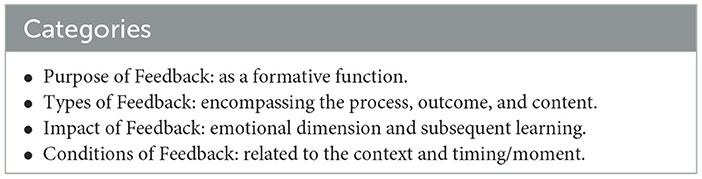
Table 1. Categorization of feedback based on purpose, types, impact, and contextual conditions.
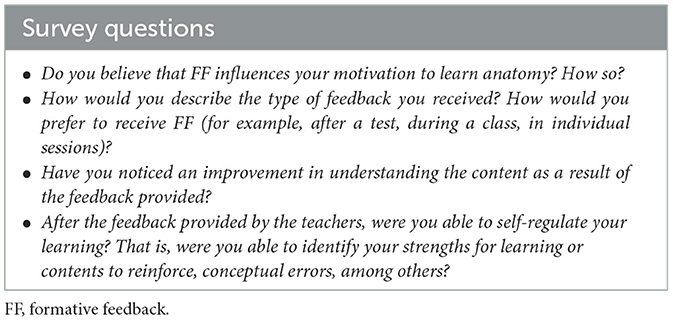
Table 2. Survey questions on formative feedback perceptions and preferences in anatomy learning.
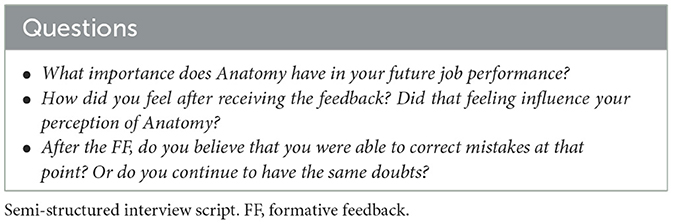
Table 3. Questions used in the focus group.
2.5 Data analysis
To recognize student perceptions regarding FF, the transcriptions of the questionnaire responses and focus group discussions were analyzed using the Atlas ti software version 8.4.24 for MacOS (Atlas.ti GmbH, Berlin), which employs artificial intelligence to facilitate the identification of complex relationships in qualitative data. This tool aided in identifying complex relationships present in the qualitative data by providing a robust and intuitive network of comments and categories. A literal coding of the responses was carried out, ensuring an appropriate semantic interpretation of the data. Subsequently, a selective and detailed coding was performed, constructing categories that were then represented in diagrams or networks of relationships among the codes. To assess how feedback influenced the understanding of anatomical concepts and therefore the grades, the list of grades from the theoretical assessments conducted before and after a feedback activity in the course was obtained. For this purpose, the grades of the students from each course were analyzed using the GraphPad Prism 9.0 software for MacOS (GraphPad Software, San Diego, CA, USA). A paired Student's t-test was used. A p-value of < 0.05 was considered significant, with a 95% confidence interval.
3 Results
Data coding was performed using Atlas.ti software, leveraging artificial intelligence to generate an initial set of approximately 140 codes. However, after reviewing the conceptual relationships among these codes, redundancies were identified, leading to their consolidation into 12 distinct codes derived from the focus group responses (Figure 1) and 22 from the responses collected through the Google Forms questionnaire (Figure 2). As a result, a total of 34 primary codes were established, each accompanied by its respective subcodes. The complete classification and organization of these codes are detailed in Supplementary Tables 1, 2, which present the outputs from both the focus group and questionnaire responses. To visualize the relationships between these codes, a network diagram was generated (Figure 3). This network illustrates the interconnections between the codes emerging from the questionnaire data and those from the focus group discussions, enabling a comprehensive interpretation of the students' perceptions regarding formative feedback. Within this framework, codes associated with students' recognition of feedback as a learning tool revealed a predominant positive perception. A considerable proportion of participants reported that receiving feedback facilitated their understanding of anatomical terminology, particularly in reinforcing key concepts introduced in lectures and practical sessions (Table 4). Additionally, students highlighted how feedback enabled the identification of knowledge gaps, supported the refinement of study strategies, and encouraged self-regulated learning. Specifically, the role of feedback in allowing students to reassess their learning progress and seek clarifications on anatomical structures was frequently emphasized. Furthermore, students associated feedback with the development of professional and academic competencies, particularly in refining their ability to analyze anatomical structures critically and apply theoretical knowledge to practical settings. Despite the overall positive reception, negative perceptions also emerged, with some students expressing dissatisfaction due to the perceived superficiality of the feedback received. This dissatisfaction was primarily attributed to an excessive amount of information presented within a short time, a lack of specificity in some explanations, and difficulties in retaining content due to its format. These critiques led to the identification of emergent codes linked to students' expectations for improving the feedback process. Among the most recurrent suggestions was the incorporation of visual reinforcements, particularly for clarifying anatomical structures that were challenging to conceptualize through text alone.
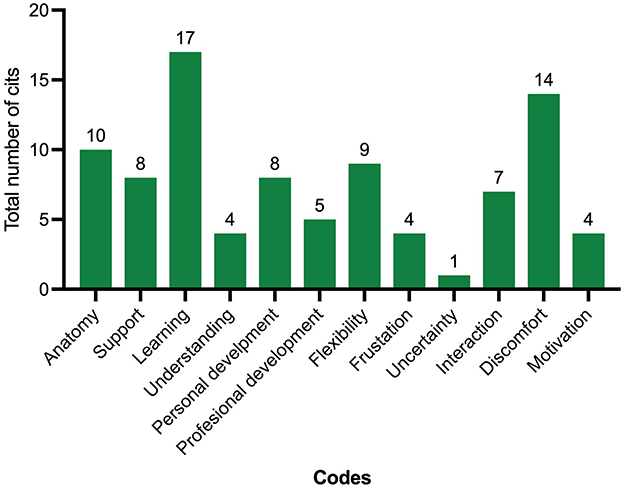
Figure 1. Distribution of codes related to student perceptions of formative feedback. This figure presents the frequency of different thematic codes identified in student responses regarding formative feedback. The categories include aspects such as learning support, understanding, personal and professional development, flexibility, frustration, uncertainty, interaction, discomfort, and motivation. The numbers represent the total citations for each code.
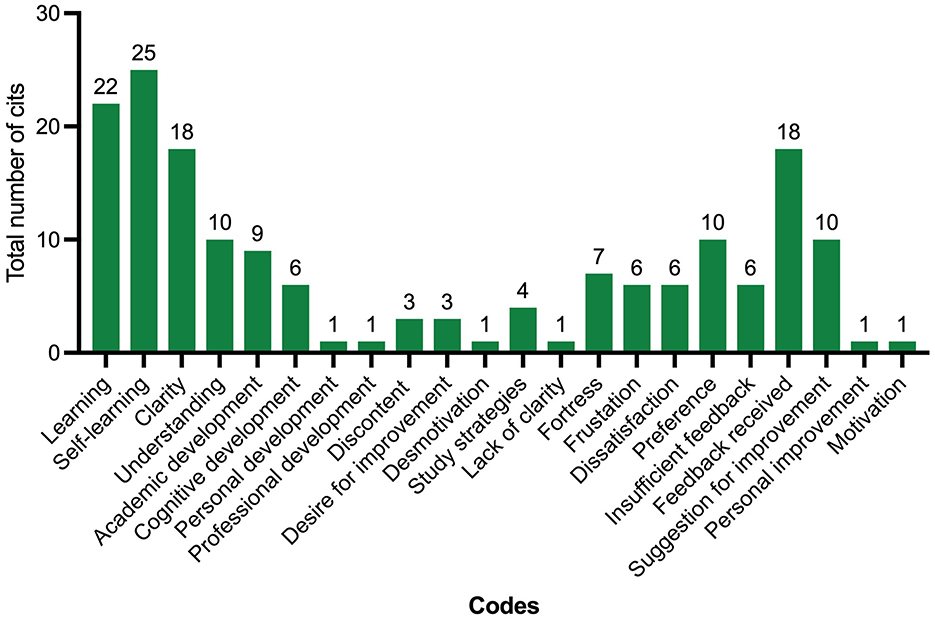
Figure 2. Frequency of coded themes in student perceptions of formative feedback. This figure illustrates the distribution of coded themes based on student responses regarding formative feedback in anatomy education. The categories include aspects related to learning, self-learning, clarity, academic and cognitive development, personal and professional growth, as well as negative experiences such as discontent, frustration, and dissatisfaction. Additionally, themes such as motivation, feedback preferences, and suggestions for improvement are represented. The numbers indicate the total citations for each theme.
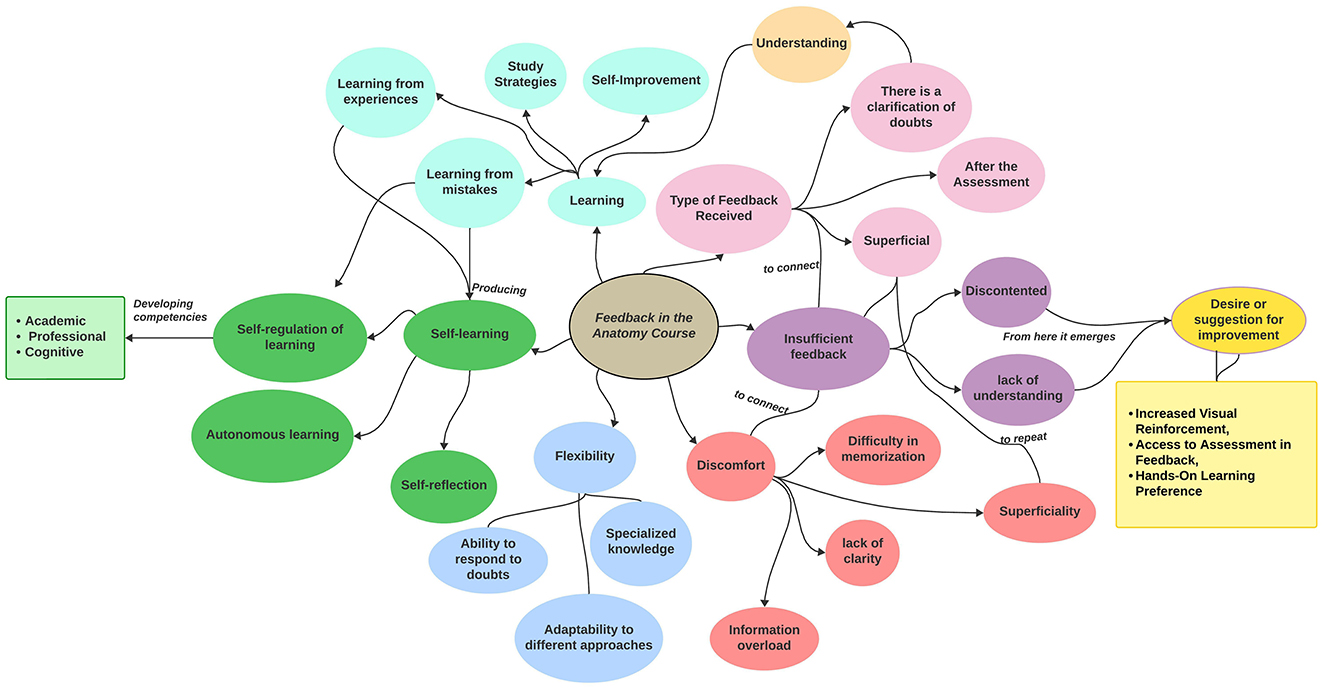
Figure 3. Network of codes based on collected data. Based on the collected data, a network of codes. This visualization represents the relationships between key themes related to formative feedback in anatomy education, including self-regulation of learning, self-learning, flexibility, and student perceptions of insufficient or superficial feedback. The network also highlights areas for improvement suggested by students, such as increased visual reinforcement, better access to assessment-based feedback, and a preference for hands-on learning approaches.
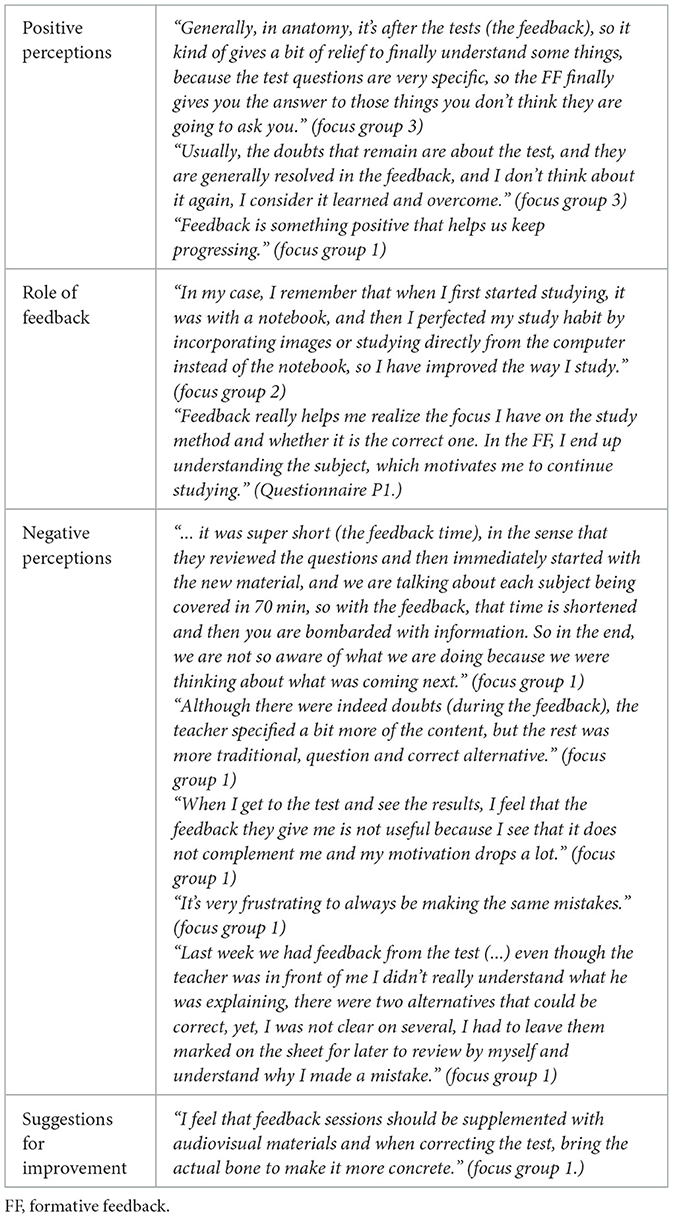
Table 4. Student perspectives on formative feedback: positive insights, role in learning, and challenges faced.
Additionally, students emphasized the necessity of accessing their own performance assessments to better track their academic progress, alongside a preference for more interactive and applied teaching methods in anatomy instruction. The effectiveness of FF on learning outcomes was further analyzed by comparing students' performance before and after receiving feedback. Table 5 presents the comparative analysis of grades obtained in the first and second assessments across different academic programs. No statistically significant differences were observed in the mean scores for students enrolled in Bachelor of Biology (p = 0.2980), Bachelor of Science (p = 0.5111), Physical Education Teaching (p = 0.9469), or Physiotherapy (p = 0.0838). This finding suggests that while students subjectively recognized improvements in their learning approach, these perceptions were not necessarily reflected in their numerical performance. The implications of this result point to the need for further analysis regarding the alignment between perceived learning gains and actual academic performance, particularly considering the influence of other variables such as instructional methods and assessment formats.
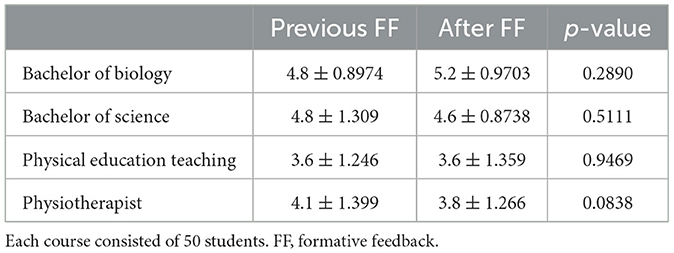
Table 5. Comparative analysis of academic performance before and after formative feedback across different academic programs (Scale: 1–7).
4 Discussion
This study explores student perceptions of FF in an anatomy course and its impact on academic performance and conceptual understanding. Our findings indicate that while FF enhances learning and self-regulation, its effect on academic performance is contingent on the strategies employed by educators. These results underscore the necessity of adapting feedback approaches to individual student needs to optimize learning outcomes in anatomy, a subject characterized by high cognitive demands. To achieve a comprehensive understanding of student experiences, we employed a qualitative methodology integrating open-ended questionnaires and focus groups, a well-established approach in educational research (Buckley et al., 2009; Kanwar and Sanjeeva, 2022; McAloon et al., 2020). Open-ended questionnaires facilitated a nuanced exploration of student perspectives, allowing for a deeper analysis beyond quantitative metrics (Wang et al., 2023; Chacko, 2013). Similarly, focus groups enabled the identification of shared experiences and contextualized insights into the effectiveness and limitations of FF in anatomy education (Uygur, 2022; Philippon et al., 2021). Data analysis was conducted using Atlas.Ti, a widely recognized tool in health sciences research for coding and structuring qualitative data (Martínez-Huamán et al., 2022). Its application ensured coherence in data interpretation, improving the reliability of findings and facilitating the visualization of conceptual relationships (Paulus and Bennett, 2017; Woods et al., 2016). These methodological choices reinforced the rigor of our study, allowing for a more detailed exploration of how students perceive and engage with FF in anatomy education.
4.1 Regarding student perceptions
Student perceptions of FF in anatomy education are predominantly positive, particularly in its role in clarifying doubts and deepening the understanding of anatomical terminology. Effective formative assessment—comprising FF, self-assessment, and peer assessment—has been shown to foster student self-regulation, increasing engagement with learning and attracting growing interest from educational researchers (Weldmeskel and Michael, 2016). The promotion of reflective practices through assessment and feedback mechanisms is essential for developing lifelong learning skills, with evidence suggesting that authentic assessment not only enhances learning experiences but also improves performance and employability by facilitating the transition to professional practice (Hill and Worth, 2019). These findings support the view that well-structured feedback actively involves students in their learning process, helping them assess their performance, refine their learning strategies, and self-regulate their educational progress (Weldmeskel and Michael, 2016). In anatomy education, student-centered, problem-based, and clinically relevant FF approaches have been linked to improved short- and long-term knowledge retention (Hill and Worth, 2019). However, students also report deficiencies in the format and delivery of FF, raising concerns about its superficiality and limited usefulness (Lin et al., 2023). Recurring themes include frustration, dissatisfaction, and a need for greater flexibility, particularly regarding feedback that lacks specific guidance on conceptual misunderstandings. The balance between positive reinforcement and constructive critique is crucial for maintaining an emotionally supportive environment, where students can actively engage with their feedback without experiencing discouragement (Gnepp et al., 2020). The perception of feedback varies significantly across different academic levels, with advanced students exhibiting higher expectations for detailed and actionable feedback, while early-year students often seek basic clarification and reassurance (Alkhiyami et al., 2024). This suggests that the effectiveness of FF may depend on the student's prior knowledge and stage of academic development, highlighting the need for adaptive feedback strategies tailored to different levels of expertise. An additional challenge is the student's role in engaging with feedback. Research emphasizes that FF is only effective if students actively utilize it to refine their understanding and learning strategies (Van der Kleij and Lipnevich, 2020). The lack of student involvement in processing feedback can diminish its impact, reinforcing the importance of transforming FF into a reflective dialogue that fosters critical engagement and active construction of knowledge (Wisniewski et al., 2020).
Our qualitative analysis identified emerging student concerns through coding, including the “wish” or “suggestion for improvement” category. A key issue raised was the lack of access to individual assessments during feedback sessions, which limits students' ability to self-correct and understand their errors. Typically, students receive a general guideline outlining correct answers but lack a personalized reference to their own responses, making it difficult to analyze mistakes in depth (DeJonckheere and Vaughn, 2019). Additionally, students advocate for greater use of visual reinforcements, as visual stimuli play a critical role in learning anatomy, strengthening cognitive associations and facilitating knowledge application in complex scenarios (Budinger and Scheich, 2009). Feedback strategies that incorporate visual elements can enhance conceptual retention and bridge the gap between theoretical knowledge and clinical practice (Bergman et al., 2013). To optimize the effectiveness of FF, it is essential to go beyond binary evaluation (correct/incorrect) and instead focus on detailed, process-oriented feedback that aligns with students' cognitive development and academic level. Moreover, feedback must be explicitly linked to learning objectives and practical applications, such as laboratory-based tasks, to ensure that students can integrate anatomical concepts into their broader professional training. A more structured, personalized, and visually supported FF approach has the potential to enhance academic performance and reinforce anatomy's relevance in future professional development (Blake-Beard et al., 2021).
4.2 Academic performance and feedback effectiveness
Quantitative analysis revealed that while the quality and relevance of FF are critical for student learning, its impact on academic performance in anatomy remains inconclusive. Feedback serves as a fundamental component of formative guidance, providing continuous support throughout the learning process (Thijssen et al., 2019). However, our findings indicate that FF did not significantly influence students' grades, raising important questions regarding its implementation. Several factors may contribute to this lack of impact. First, the alignment between FF strategies and assessment methods must be critically examined. If summative evaluations prioritize memorization rather than conceptual understanding and application, the potential benefits of FF in fostering deeper learning may not be reflected in exam scores. Studies emphasize that effective feedback enhances student engagement and emotional support, yet its influence on measurable academic outcomes depends on how well it integrates with assessment structures (Lin et al., 2023; Gnepp et al., 2020). Second, the time allocated for FF application and the intensity of the anatomy curriculum could limit its effectiveness. Anatomy courses often involve high cognitive loads, requiring students to process vast amounts of information within restricted timeframes. If feedback is not timely or iterative, its ability to support long-term retention and conceptual clarity may be reduced (Van der Kleij and Lipnevich, 2020). Moreover, students must be guided on how to actively utilize feedback, as passive reception does not necessarily translate into improved performance. Research underscores that FF is most effective when students engage in reflective dialogues, incorporating it into their learning strategies rather than viewing it as isolated corrections (Van der Kleij and Lipnevich, 2020; Kozato et al., 2023). Despite the lack of significant changes in grades, students perceived an improvement in their learning experience and self-regulation skills, suggesting that FF contributes to the formative process even if it does not immediately translate into higher scores. The development of metacognitive skills, critical thinking, and self-directed learningare essential outcomes of FF that may not be captured by conventional grading metrics (Hill and Worth, 2019). Another key factor influencing FF effectiveness is the format of feedback delivery. In anatomy education, feedback often consists of binary grading (correct/incorrect) or general comments, which may not provide actionable insights for students to improve. The use of structured, detailed, and contextualized feedback, particularly in clinically relevant scenarios or problem-based learning environments, could enhance its impact. Research suggests that discipline-specific FF formats should be tailored to the students' academic level, with early-year students benefiting from clarification-based feedback, whereas advanced students require higher-order critical engagement (Alkhiyami et al., 2024). Moreover, the curricular variations across academic programs influence how anatomy is taught and assessed. Programs such as Physiotherapy and Physical Education emphasize functional anatomy and biomechanics, while Biology and Science majors adopt a more comprehensive and molecular approach. This variability in educational objectives could moderate the perceived utility of FF, as students may require different types of guidance depending on their professional trajectory (Thomas et al., 2015). Future research should investigate whether FF strategies need to be discipline-specific to maximize their effectiveness.
4.3 Challenges and strategies for effective formative feedback
The implementation of FF in university settings presents challenges, particularly in large student groups, where integrating FF into summative assessments remains complex (Gnepp et al., 2020). In distance education, the effectiveness of FF relies on structured feedback systems and clear expectations, which significantly influence student performance (Singh and Srivastava, 2020). A comprehensive approach involving all educational stakeholders is necessary to ensure its integration into academic curricula (Cobbold and Wright, 2021). However, insufficient faculty training and resistance to change among educators and students often hinder its proper implementation (Aboregela et al., 2022). Addressing these challenges requires specific faculty training programs that focus on constructive FF delivery, student engagement techniques, and digital feedback tools. Educators need continuous professional development to refine their approach and integrate FF within active learning strategies, ensuring feedback is timely, actionable, and aligned with learning objectives. Additionally, fostering student participation in feedback sessions through reflective dialogue enhances self-assessment and engagement, strengthening the learning process (Henderson et al., 2021). Research suggests that successful FF models in anatomy education, such as structured rubrics, peer assessment, and iterative feedback cycles, improve student understanding and retention (Eladl et al., 2018; Singh and Srivastava, 2020). Immediate and proactive feedback remains crucial for reinforcing learning, promoting self-reflection, and improving academic performance (Dihoff et al., 2003; Lin et al., 2023). Students value in-person feedback, but complementing it with concise content synthesis after each session can extend learning beyond assessments. Strengthening FF methodologies and educator preparation will enhance its role as a transformative tool in anatomy education, bridging the gap between student perception, self-regulation, and measurable academic outcomes.
4.4 Implications for educators and researchers
The findings of this study highlight the need for educators to adapt their formative feedback (FF) strategies to enhance students' understanding and self-regulation in anatomy learning. Pedagogically, instructors should design FF methodologies that align with students' cognitive development levels, ensuring that feedback is timely, specific, and applicable in practical contexts. Additionally, incorporating visual elements and digital tools may optimize anatomical knowledge retention and strengthen the connection between theoretical concepts and clinical practice. From a research perspective, these results suggest the need for further studies exploring the relationship between different FF formats and academic performance in biomedical disciplines. Future research should evaluate the impact of personalized FF strategies and their integration with summative assessment methods to develop more effective interventions that promote deep learning in anatomy. Moreover, examining how curricular differences across academic programs influence the perception and effectiveness of FF would provide evidence-based recommendations for health sciences education.
4.5 Study limitations
A limiting factor was one of the questions formulated in the Google Forms questionnaire, specifically the one that inquiries about: “Have you observed an improvement in the understanding of the contents as a result of the feedback received?,” which limited the range of response options that could be retrieved. This is because the question suggests a closed response rather than a more open approach. Although there were predominant answers of “yes” and “no,” various responses that included more detailed explanations were also recorded. To address this limitation in future research, it is suggested to add a directive that instructs respondents to provide explanations, examples, or details when answering this question. The limitation of using closed questions in questionnaires, evidenced in the study on FF, has also been noted in various research works that propose alternatives to obtain richer and more detailed responses. Reducing the number of questions in surveys to increase the response rate and adjusting the rating scales in closed questions are recommended to mitigate response bias toward the highest scores (Torbas et al., 2020). The advantages of open-ended questions for capturing more informative responses are also emphasized, despite the challenges associated with their analysis (Zimmermann, 2016). Open-ended questions in surveys can provide more detailed and meaningful data, suggesting that reformulating questions to encourage participants to give more detailed and explanatory answers could enrich the quality of the information collected.
5 Conclusions
Our study has revealed a variety of perceptions among students about FF in the context of the Anatomy course. The responses indicate that feedback is fundamental as a learning tool, highlighting its positive contribution in clarifying doubts, improving the understanding of terms and anatomical processes, and promoting autonomous learning. In addition, it was observed that feedback improves study techniques, favors the self-regulation of learning, and the development of personal, professional, and cognitive skills. These detailed perceptions provide crucial information for optimizing educational practices and adjusting feedback strategies to the needs and expectations of students. Regarding the understanding of anatomical concepts, the quantitative analysis revealed that, despite the implementation of FF with the intention of improving academic performance and understanding of concepts, no significant impact was observed in these aspects. Student responses highlighted the need for adjustments in the application and approach of feedback. Given the data that emerged, it is necessary to increase and diversify the sample size, as well as to classify according to the evaluative plans and teaching-learning strategies implemented to obtain data faithful to the learning experiences of different study houses. This result underscores the importance of focusing not only on the implementation but also on the quality and adaptation of the feedback to the learning objectives, in order to achieve more positive and concrete effects on academic performance and understanding of anatomical concepts.
Data availability statement
The raw data supporting the conclusions of this article will be made available by the authors, without undue reservation.
Ethics statement
Ethical approval was not required for the studies involving humans because ethical approval for this manuscript was not required because the study did not involve direct experimentation with human subjects or any interventions that could affect their well-being. The data collected came from questionnaires and focus groups, which are considered low-risk methodologies. Additionally, all participants provided informed consent and participated voluntarily. This type of research, focusing on students' perceptions and academic performance, adheres to the regulations and guidelines established for educational studies, which generally do not require Ethical Committee approval when there is no direct intervention or risk to participants. The studies were conducted in accordance with the local legislation and institutional requirements. The participants provided their written informed consent to participate in this study.
Author contributions
NA: Formal analysis, Investigation, Methodology, Writing – original draft, Writing – review & editing, Software. CQ: Formal analysis, Investigation, Methodology, Software, Writing – original draft, Writing – review & editing. JR-C: Methodology, Writing – original draft, Writing – review & editing. PS: Formal analysis, Investigation, Methodology, Supervision, Writing – original draft, Writing – review & editing.
Funding
The author(s) declare that no financial support was received for the research, authorship, and/or publication of this article.
Acknowledgments
The authors would like to express our deepest gratitude to the anatomy students from the Universidad Católica de Temuco (UCT) and the Pontificia Universidad Católica de Valparaíso (PUCV) who dedicated their valuable time to participate in our survey. Their collaboration was essential for the development and in-depth analysis of our study.
Conflict of interest
The authors declare that the research was conducted in the absence of any commercial or financial relationships that could be construed as a potential conflict of interest.
Publisher's note
All claims expressed in this article are solely those of the authors and do not necessarily represent those of their affiliated organizations, or those of the publisher, the editors and the reviewers. Any product that may be evaluated in this article, or claim that may be made by its manufacturer, is not guaranteed or endorsed by the publisher.
Supplementary material
The Supplementary Material for this article can be found online at: https://www.frontiersin.org/articles/10.3389/feduc.2025.1471254/full#supplementary-material
Abbreviations
FF, Formative Feedback; PUCV, Pontificia Universidad Católica de Valparaíso; UCT, Universidad Católica de Temuco; iVR, Immersive Virtual Reality; ATLAS.ti, Qualitative Data Analysis Software; t-test, Student's t-test; ICMJE, International Committee of Medical Journal Editors; QUAL, qualitative; QUANT, quantitative.
References
Abdellatif, H., Al Mushaiqri, M., Albalushi, H., Al-Zaabi, A. A., Roychoudhury, S., and Das, S. (2022). Teaching, learning and assessing anatomy with artificial intelligence: the road to a better future. Int. J. Environ. Res. Public Health 19:14209. doi: 10.3390/ijerph192114209
Aboregela, A. M., Sonpol, H. M. A., Metwally, A. S., El-Ashkar, A. M., Hashish, A. A., Mohammed, O. A., et al. (2022). Medical students' perception and academic performance after team-based and seminar-based learning in human anatomy. J. Taibah Univ. Med. Sci. 18, 65–73. doi: 10.1016/j.jtumed.2022.08.005
Ajjawi, R., and Boud, D. (2017). Researching feedback dialogue: an interactional analysis approach. Assess. Eval. Higher Educ. 42, 252–265. doi: 10.1080/02602938.2015.1102863
Alkhiyami, D., Abou Safrah, S., Sethi, A., and Hadi, M. A. (2024). Exploring feedback mechanics during experiential learning in pharmacy education: a scoping review. Pharmacy 12:74. doi: 10.3390/pharmacy12030074
Atwa, H. S., Potu, B. K., Fadel, R. A., Deifalla, A. S., Fatima, A., Othman, M. A., et al. (2024). Implementing formative assessment in human anatomy practical sessions: medical students' perception and effect on final exam performance. Adv. Med. Educ. Pract. 15, 551–563. doi: 10.2147/AMEP.S465384
Beaumont, C., O'Doherty, M., and Shannon, L. (2011). Reconceptualising assessment feedback: a key to improving student learning? Stud. High. Educ.36, 671–687. doi: 10.1080/03075071003731135
Bergman, E. M., de Bruin, A. B., Herrler, A., Verheijen, I. W., Scherpbier, A. J., and van der Vleuten, C. P. (2013). Students' perceptions of anatomy across the undergraduate problem-based learning medical curriculum: a phenomenographical study. BMC Med. Educ. 13:152. doi: 10.1186/1472-6920-13-152
Blake-Beard, S., Shapiro, M., and Ingols, C. (2021). A model for strengthening mentors: frames and practices. Int. J. Environ. Res. Public Health 18:6465. doi: 10.3390/ijerph18126465
Brenner, E. (2022). Anatomy in competencies-based medical education. Educ. Sci. 12:610. doi: 10.3390/educsci12090610
Buckley, S., Coleman, J., Davison, I., Khan, K. S., Zamora, J., Malick, S., et al. (2009). The educational effects of portfolios on undergraduate student learning: a best evidence medical education (BEME) systematic review. BEME guide No. 11. Med. Teach. 31, 282–298. doi: 10.1080/01421590902889897
Budinger, E., and Scheich, H. (2009). Anatomical connections suitable for the direct processing of neuronal information of different modalities via the rodent primary auditory cortex. Hear. Res. 258, 16–27. doi: 10.1016/j.heares.2009.04.021
Castro, M. A. B. E., de Almeida, R. L. M., Lucchetti, A. L. G., Tibiri,çá, S. H. C., da Silva Ezequiel, O., and Lucchetti, G. (2021). The use of feedback in improving the knowledge, attitudes and skills of medical students: a systematic review and meta-analysis of randomized controlled trials. Med. Sci. Educ. 31, 2093–2104. doi: 10.1007/s40670-021-01443-3
Chacko, T. (2013). Use of qualitative analysis to supplement program evaluation of a faculty development program. Arch. Med. Health Sci. 1, 67–72. doi: 10.4103/2321-4848.113581
Cobbold, C., and Wright, L. (2021). Use of FF to enhance summative performance. Anat. Educ. J. 6, 109–116. doi: 10.29333/aje.2021.619a
Creswell, J. W., and Clark, V. L. (2018). Designing and Conducting Mixed Methods Research. 3rd ed. Thousand Oaks, CA, USA: Sage Publications.
da Cruz Torquato, M., Menezes, J. M., Belchior, G., Mazzotti, F. P., Bittar, J. S., Dos Santos, G. G. R., et al. (2023). Virtual reality as a complementary learning tool in anatomy education for medical students. Med. Sci. Educ. 33, 507–516. doi: 10.1007/s40670-023-01774-3
DeJonckheere, M., and Vaughn, L. M. (2019). Semistructured interviewing in primary care research: a balance of relationship and rigour. Fam. Med. Community Health 7:e000057. doi: 10.1136/fmch-2018-000057
Dihoff, R., Brosvic, G., and Epstein, M. (2003). The role of feedback during academic testing: the delay retention effect revisited. Psychol. Rec. 53, 533–548. doi: 10.1007/BF03395451
Eckner, J. T., Chandran, S., and Richardson, J. K. (2011). Investigating the role of feedback and motivation in clinical reaction time assessment. PM R 3, 1092–1097. doi: 10.1016/j.pmrj.2011.04.022
Eladl, M., Abdalla, M., and Ranade, A. (2018). A mixed method study to validate a two-way feedback between student and faculty to improve learning of anatomy. anatomy and cell. Biology 51, 98–104. doi: 10.5115/acb.2018.51.2.98
Faulconer, E., Griffith, J., and Gruss, A. (2021). The impact of positive feedback on student outcomes and perceptions. assessment and evaluation in higher. Education 47, 259–268. doi: 10.1080/02602938.2021.1910140
García-Robles, P., Cortés-Pérez, I., Nieto-Escámez, F. A., García-López, H., Obrero-Gaitán, E., and Osuna-Pérez, M. C. (2024). Immersive virtual reality and augmented reality in anatomy education: a systematic review and meta-analysis. Anat. Cell Biol. 17, 514–528. doi: 10.1002/ase.2397
Gnepp, J., Klayman, J., Williamson, I. O., and Barlas, S. (2020). The future of feedback: motivating performance improvement through future-focused feedback. PLoS ONE 15:e0234444. doi: 10.1371/journal.pone.0234444
Hattie, J., and Timperley, H. (2007). The power of feedback. Rev. Educ. Res. 77, 81–112. doi: 10.3102/003465430298487
Hatziapostolou, T., and Paraskakis, I. (2010). Enhancing the impact of ff on student learning through an online feedback system. Electron. J. e-Learn. 8, 111–122. Available at: https://eric.ed.gov/?id=EJ895699
Henderson, M., Ryan, T., Boud, D., Dawson, P., Phillips, M., Molloy, E., et al. (2021). The usefulness of feedback. Active Learn. High. Educ. 22, 229–243. doi: 10.1177/1469787419872393
Hill, J., and Worth, N. (2019). Authentic Assessment and Feedback to Develop Lifelong Learning. In Handbook for Teaching and Learning in Geography. Cheltenham, UK: Edward Elgar Publishing, 309–328.
Kanwar, A., and Sanjeeva, M. (2022). Student satisfaction survey: a key for quality improvement in the higher education institution. J. Innov. Entrep. 11:27. doi: 10.1186/s13731-022-00196-6
Kozato, A., Shikino, K., Matsuyama, Y., Hayashi, M., Kondo, S., Uchida, S., et al. (2023). A qualitative study examining the critical differences in the experience of and response to FF by undergraduate medical students in Japan and the UK. BMC Med. Educ. 23:408. doi: 10.1186/s12909-023-04257-6
Kulasegaram, K., and Rangachari, P. K. (2018). Beyond ‘formative': assessments to enrich student learning. Adv. Physiol. Educ. 42, 5–14. doi: 10.1152/advan.00122.2017
Lin, G. S. S., Tan, W. W., Hashim, H., and Foong, C. C. (2023). The use of feedback in teaching undergraduate dental students: feedback sandwich or ask-tell-ask model? BMC Oral Health 23:417. doi: 10.1186/s12903-023-03141-5
Martínez-Huamán, E. L., Aguirre Landa, J. P., Lizama Mendoza, V. E., and García Rivas Plata, C. E. (2022). Formative assessment: component of teaching-learning process in the university context in post-COVID-19. Int. J. Learn. Teach. Educ. Res. 21, 300–314. doi: 10.26803/ijlter.21.11.17
McAloon, C. G., Kelly, E., Rackard, S., McAloon, C., Beltman, M., O'Grady, L., et al. (2020). Using examination performance data and focus groups to inform teaching—a case study from final year students of veterinary medicine. Ir. Vet. J. 73:1. doi: 10.1186/s13620-020-0155-3
Musick, D. (2014). The effective use of feedback in health professions teaching. Revista HUPE 13, 67–72. doi: 10.12957/rhupe.2014.13957
Natesan, S., Jordan, J., Sheng, A., Carmelli, G., Barbas, B., King, A., et al. (2023). Feedback in medical education: an evidence-based guide to best practices from the council of residency directors in emergency medicine. West. J. Emerg. Med. 24, 479–494. doi: 10.5811/WESTJEM.56544
Núñez-Peña, M. I., Bono, R., and Suárez-Pellicioni, M. (2015). Feedback on students' performance: a possible way of reducing the negative effect of math anxiety in higher education. Int. J. Educ. Res.70, 80–87. doi: 10.1016/j.ijer.2015.02.005
O'Cathain, A., Murphy, E., and Nicholl, J. (2008). The quality of mixed methods studies in health services research. J. Health Serv. Res. Policy 13, 92–98. doi: 10.1258/jhsrp.2007.007074
Owen, L. (2016). The impact of feedback as formative assessment on student performance. Int. J. Learn. High. Educ. 28, 168–175. Available at: https://eric.ed.gov/?id=EJ1111131
Paulus, T., and Bennett, A. (2017). ‘I have a love–hate relationship with ATLAS.ti™': integrating qualitative data analysis software into a graduate research methods course. Int. J. Res. Method. Educ.40, 19–35. doi: 10.1080/1743727X.2015.1056137
Philippon, A. L., Truchot, J., De Suremain, N., Renaud, M. C., Petit, A., Baron, G. L., et al. (2021). Medical students' perception of simulation-based assessment in emergency and paediatric medicine: a focus group study. BMC Med. Educ. 21:586. doi: 10.1186/s12909-021-02957-5
Say, R., Visentin, D., Betihavas, V., and Minutillo, S. (2019). A cognitive load theory simulation design to assess and manage deteriorating patients. Int. J. Nurs. Educ. Scholarsh. 16, 20190009. doi: 10.1515/ijnes-2019-0009
Singh, A., and Srivastava, A. (2020). Perception and feedback of medical students about teaching methods in anatomy. Indian J. Clin. Anat. Physiol. 7, 104–109. doi: 10.18231/j.ijcap.2020.022
Smith, C. F., Martinez-Álvarez, C., and McHanwell, S. (2014). The context of learning anatomy: does it make a difference? J. Anat. 224, 270–278. doi: 10.1111/joa.12089
Thijssen, D. H. J., Hopman, M. T. E., van Wijngaarden, M. T., Hoenderop, J. G. J., Bindels, R. J. M., and Eijsvogels, T. M. H. (2019). The impact of feedback during formative testing on study behaviour and performance of (bio)medical students: a randomised controlled study. BMC Med. Educ. 19:97. doi: 10.1186/s12909-019-1534-x
Thomas, P. A., Kern, D. E., Hughes, M. T., and Chen, B. Y. (2015). Curriculum Development for Medical Education: A Six-Step Approach. Baltimore, MD: Johns Hopkins University Press.
Torbas, O. O., Hloviuk, I. V., and Malakhova, O. V. (2020). Student survey for higher education quality—challenges to design and analyse data. Human. Soc. Sci. Rev. 8, 85–92. doi: 10.18510/hssr.2020.82e09
Urrizola, A., Santiago, R., and Arbea, L. (2023). Learning techniques that medical students use for long-term retention: a cross-sectional analysis. Med. Teach.45, 412–418. doi: 10.1080/0142159X.2022.2137016
Uygur, M. (2022). Using Information and Communication Technologies in Education: Exploring the Views of Classroom Teachers. E-Uluslararasi Egitim Araştirmalari Dergisi 13, 165–177. doi: 10.19160/e-ijer.1145117
Van der Kleij, F. M., and Lipnevich, A. A. (2020). Student perceptions of assessment feedback: a critical scoping review and call for research. Educ. Assess. Eval. Accountability 33, 345–373. doi: 10.1007/s11092-020-09331-x
Wang, M., Chen, X., Sun, Y., Wang, Q., and Liu, G. (2023). Functions, advantages and challenges facing private healthcare organisations in china's healthcare system: a qualitative analysis through open-ended questionnaires. BMJ Open 13:e069381. doi: 10.1136/bmjopen-2022-069381
Weldmeskel, F. M., and Michael, D. J. (2016). The impact of formative assessment on self-regulating learning in university classrooms. Teach. High. Educ. 4, 99–118. doi: 10.18543/tjhe-4(1)-2016pp99-118
Wisniewski, B., Zierer, K., and Hattie, J. (2020). The power of feedback revisited: a meta-analysis of educational feedback research. Front. Psychol. 10:3087. doi: 10.3389/fpsyg.2019.03087
Woods, M., Paulus, T., Atkins, D. P., and Macklin, R. (2016). Advancing qualitative research using qualitative data analysis software (QDAS)? Reviewing Potential Versus Practice in Published Studies Using ATLAS.ti and NVivo, 1994–2013. Soc. Sci. Comput. Rev 34, 597–617. doi: 10.1177/0894439315596311
Ye, Z., Jiang, H., Bai, S., Wang, T., Yang, D., Hou, H., et al. (2023). Meta-analyzing the efficacy of 3D printed models in anatomy education. Front. Bioeng. Biotechnol.11:1117555. doi: 10.3389/fbioe.2023.1117555
Keywords: formative feedback, anatomy education, academic performance, student perception, higher education
Citation: Arroyo N, Quizás C, Rubilar-Cuevas J and Salinas P (2025) Effect of formative feedback on human anatomy learning: a mixed-methods study on student perceptions and academic performance. Front. Educ. 10:1471254. doi: 10.3389/feduc.2025.1471254
Received: 26 July 2024; Accepted: 17 February 2025;
Published: 05 March 2025.
Edited by:
Raona Williams, Ministry of Education, United Arab EmiratesReviewed by:
Giacomo Rossettini, University of Verona, ItalyHui Helen Li, Wuhan University of Technology, China
Copyright © 2025 Arroyo, Quizás, Rubilar-Cuevas and Salinas. This is an open-access article distributed under the terms of the Creative Commons Attribution License (CC BY). The use, distribution or reproduction in other forums is permitted, provided the original author(s) and the copyright owner(s) are credited and that the original publication in this journal is cited, in accordance with accepted academic practice. No use, distribution or reproduction is permitted which does not comply with these terms.
*Correspondence: Paulo Salinas, cGF1bG8uc2FsaW5hc0BwdWN2LmNs
†These authors have contributed equally to this work and share first authorship