 David Pérez-Jorge
 Elena Olmos-Raya
 Ana Isabel González-Contreras
 Itahisa Pérez-Pérez
- 1Department of Didactics and Educational Research, University of La Laguna, San Cristóbal de La Laguna, Spain
- 2Department of Psychology and Anthropology, University of Extremadura, Badajoz, Spain
- 3History and Philosophy of Science, Education and Language, University of La Laguna, San Cristóbal de La Laguna, Spain
This systematic review, conducted following the PRISMA (Preferred Reporting Items for Systematic Reviews and Meta-Analyses) guidelines, evaluates the efficacy of emerging digital technologies—namely virtual reality (VR), augmented reality (AR), and adaptive learning technologies (ALT)—in enhancing vocabulary acquisition within English as a second language (ESL) education. By addressing a notable gap in the literature, this review explores how these technologies mitigate common learning challenges and improve educational outcomes. Through a critical analysis of recent empirical studies across diverse educational stages, it synthesizes findings to assess their impact on vocabulary retention and overall academic performance. The results indicate that these technologies enhance vocabulary acquisition and increase student motivation and engagement, significantly impacting educational practices and policymaking. This review highlights the transformative potential of VR, AR, and ALT in ESL education by providing immersive and personalized learning experiences that address traditional barriers in language acquisition.
1 Introduction
In today’s globalised world, English as a second language (ESL) proficiency is essential for international communication and access to higher education and career opportunities (Smith et al., 2021). However, despite its critical importance, vocabulary acquisition—fundamental for achieving communicative competence—remains a persistent challenge for ESL learners (Alfadil, 2020). These challenges are multifaceted, encompassing issues such as low motivation, anxiety related to learning a new language, and cognitive difficulties associated with mastering new vocabulary (Kassim and Said, 2020). For instance, Pan et al. (2022) demonstrated how flipped instruction and massive open online courses (MOOCs) can influence foreign language learning motivation and reduce anxiety in language acquisition.
In this context, emerging technologies such as virtual reality (VR), augmented reality (AR), and adaptive learning technologies (ALT) are transforming pedagogical approaches in ESL education. Hsu (2024) explored EFL learners’ acceptance and cognitive absorption in VR-based language learning, highlighting how immersive environments foster engagement and language acquisition. Recent studies have demonstrated that these technologies can significantly enhance vocabulary retention and learner motivation (Chen, 2020; Zhao et al., 2023). For instance, VR offers immersive environments that provide learners with realistic and engaging contexts for language use (Yu et al., 2022; Hung and Yeh, 2023), while AR enriches the learning experience by overlaying visual elements that help contextualise vocabulary (Lee and Park, 2020).
Despite the growing body of research on these technologies, a critical gap remains in the literature regarding a comprehensive synthesis that evaluates their effectiveness across diverse educational and demographic contexts. Most existing reviews have not thoroughly explored how these technological innovations specifically address common barriers to vocabulary acquisition among ESL learners in varying educational settings (MacCallum, 2022).
This study seeks to bridge this gap by conducting a systematic review of recent literature to critically assess the impact of VR, AR, and ALT on vocabulary learning in ESL. It aims to identify and analyse how these technologies can help overcome specific challenges learners face and provide evidence-based recommendations for their effective implementation in diverse educational contexts (Henderson et al., 2010).
By addressing these issues, our review aims to update existing knowledge, guide future research, and inform pedagogical practices, ensuring that the advantages of emerging technologies are both accessible and effective for a global audience in education.
2 Literature review
Incorporating emerging digital technologies such as virtual reality (VR), augmented reality (AR), and adaptive learning technologies (ALT) into ESL instruction offers a promising pathway for innovation. These technologies address the critical need for pedagogical approaches that enhance learning effectiveness, enrich the educational experience, and provide personalised solutions tailored to individual learning processes.
VR and AR, as demonstrated by Hung and Yeh (2023), play a pivotal role in improving vocabulary retention. By offering immersive visual experiences that simulate real-life interactions, these technologies create practical, interactive, and safe contexts for language practice. Additionally, as Chen (2020) highlighted, AR videos can act as scaffolds to foster academic achievement and enhance learners’ motivation in EFL learning. Hung and Yeh (2023) further support this, showing that AR-enhanced game-based learning improves creative thinking and significantly enhances vocabulary acquisition.
Aggarwal (2023) and Kaur et al. (2023) emphasise that these technologies allow educators to identify specific areas of difficulty in vocabulary learning and adapt study materials accordingly. By providing targeted activities and tailored support, they effectively address the diverse educational needs of individual learners.
Learner motivation also improves significantly in gamified environments through VR and AR. These technologies make learning more engaging and entertaining, fostering greater interest and active participation in vocabulary learning and other language activities (Liu et al., 2023; Chen et al., 2023). This increased engagement translates into heightened motivation and effort in learning (Pérez-Jorge and Martínez-Murciano, 2022; Martínez-Murciano and Pérez-Jorge, 2024).
Finally, VR and AR offer safe, supportive environments that are particularly beneficial for learners experiencing language anxiety. As Peterson et al. (2024) point out, these platforms enable students to practice English without fearing making mistakes in front of their peers, thereby fostering confidence and a positive attitude toward language learning. Zhao et al. (2023) further note that these environments help students develop emotional resilience and a stronger connection to learning English.
While emerging technologies such as VR, AR, and ALT have proven to be powerful tools in ESL teaching, it is crucial to acknowledge and address their limitations. Technical challenges include the need for specialised hardware, which can be prohibitively expensive and inaccessible for many educational institutions, particularly in regions with limited resources (Chen, 2020; Hsu et al., 2024). Furthermore, the successful implementation of these technologies depends on adequately trained teachers, which poses an additional barrier in contexts where professional development opportunities are scarce (Chen, 2020). As Pérez-Jorge et al. (2020a) emphasise, fostering teacher training in digital technologies is fundamental to enhancing their effective implementation in educational settings. Additionally, Chao et al. (2023) highlight how technologies can specifically enhance writing skills in ESL/EFL classes, providing opportunities for collaboration and immediate feedback. Disparities in access to these tools can also exacerbate the educational gap between students from different socio-economic backgrounds, as inequitable distribution of resources limits the broader adoption of these innovations (Kaur et al., 2023).
To address these challenges, it is essential to develop strategies that promote equitable access to advanced educational technologies. Potential solutions include establishing grant programmes, fostering partnerships with the technology industry, and adapting existing tools to create more affordable and accessible alternatives (Aggarwal, 2023; Kaur et al., 2023; Pérez-Jorge et al., 2020b).
Finally, while integrating VR, AR, and ALT into ESL education can enrich the learning experience, these tools are not without risks. Technical failures can disrupt the learning process, and poorly implemented technologies may be perceived as dehumanising, potentially alienating students from meaningful interaction with educators and peers (Hung et al., 2023; Shadiev et al., 2023). Future research should continue to examine these critical aspects to maximise the benefits of these emerging technologies while minimising their potential drawbacks (Hung et al., 2023; Shadiev et al., 2023).
This systematic review aims to deepen the understanding of their effectiveness in the ESL context with the following approach:
1. To examine how virtual reality, augmented reality, and adaptive learning technologies impact vocabulary acquisition and retention in various educational contexts.
2. Evaluate the ability of these technologies to mitigate common learning difficulties among ESL students, thereby improving their overall educational experience.
3. Synthesize and compare findings from recent empirical studies to determine the consistency and applicability of results across different settings and student populations.
3 Methods
This study adheres to the PRISMA (Preferred Reporting Items for Systematic Reviews and Meta-Analyses) guidelines, a recognized framework designed to enhance the transparency and quality of systematic reviews and meta-analyses. Figure 1 illustrates the application of the PRISMA model in this study, outlining the identification, screening, and inclusion steps.
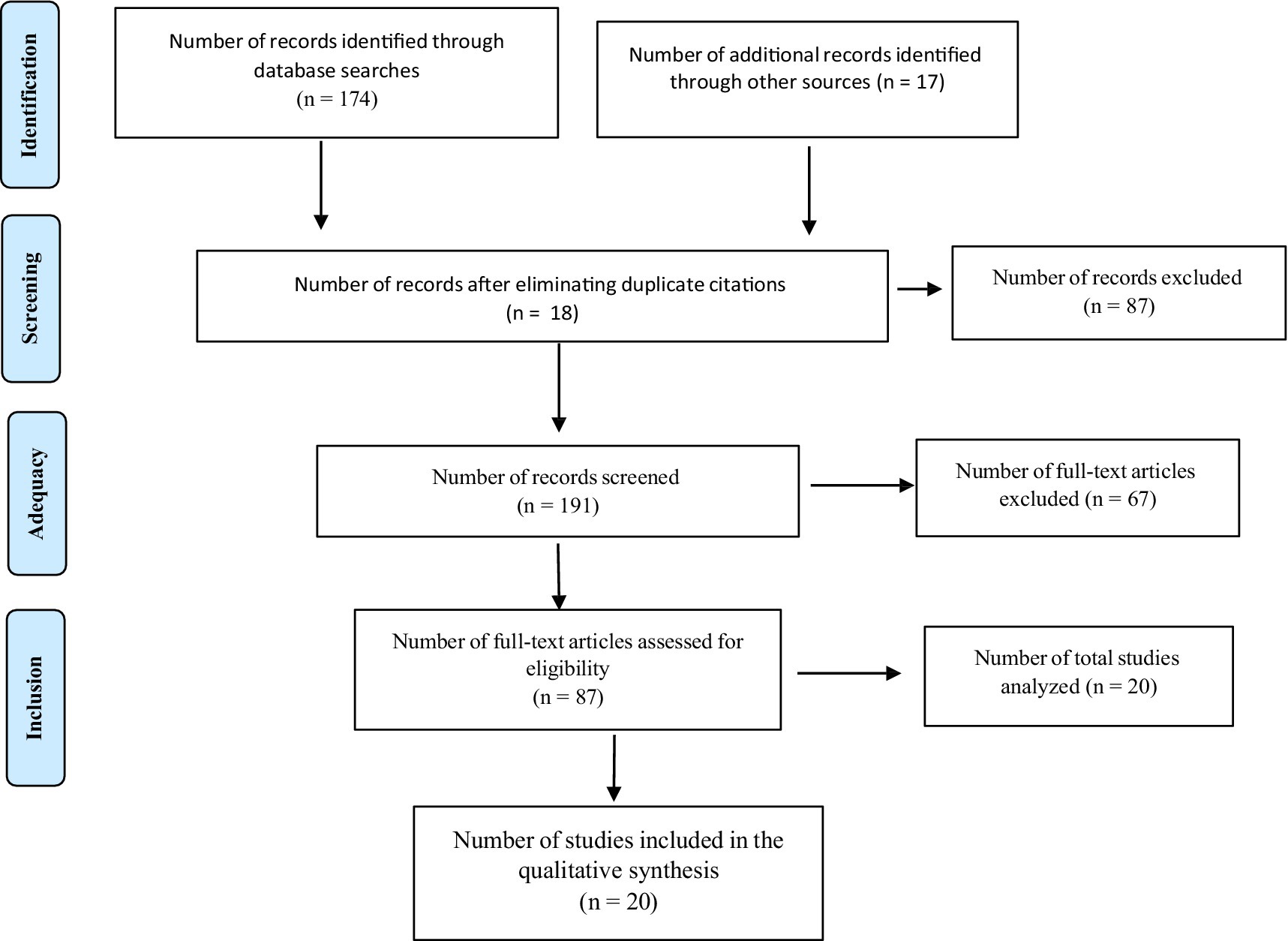
Figure 1. Flow diagram of the study selection process.
Explicit inclusion and exclusion criteria were established to guide the study selection process. These criteria were applied based on the results obtained from the search equation, which was carefully designed to identify studies that employed VR, AR, and ALT as strategies to improve vocabulary acquisition and address learning difficulties in ESL contexts. The review encompassed studies across various educational stages, from early childhood to secondary education. The detailed criteria are summarized in Table 1.
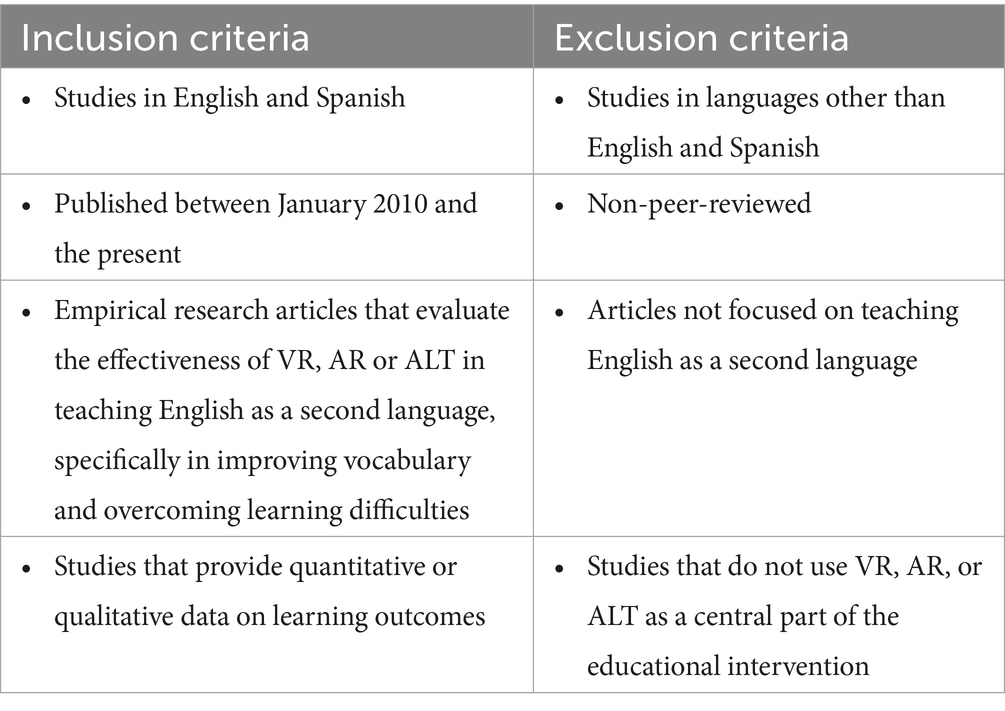
Table 1. Inclusion and exclusion criteria.
3.1 Procedure
An exhaustive search was conducted between January 2010 and May 2024 using a predefined set of keywords and Boolean operators (OR and AND) specified in the initial search equation. The search targeted studies that employed virtual reality (VR), augmented reality (AR), and adaptive learning technologies (ALT) in teaching English as a second language (ESL), with a particular focus on improving vocabulary acquisition and addressing learning difficulties. The Mendeley bibliographic manager was used to organise references and eliminate duplicates.
The search equation in SCOPUS yielded 135 records using the following combination: (“English as a second language” OR “ESL” OR “English language learning”) AND (“virtual reality” OR “augmented reality” OR “adaptive learning technologies”) AND (effectiveness OR “learning outcomes”) AND (“vocabulary improvement” OR “learning difficulties” OR “vocabulary acquisition”) AND (empirical study OR “controlled trial” OR “quantitative research” OR “qualitative research”) AND (2010: *). In Web of Science (WOS), the search equation was: (“English language learning” OR “ESL” OR “TESOL” OR “EFL”) AND (“virtual reality” OR “augmented reality” OR “educational technology”) AND (“learning outcomes” OR “academic effectiveness” OR “educational impact”), which yielded 38 articles.
The search strategy utilised resources such as the Web of Science (WOS) and Scopus electronic databases, as well as the library search engines of the University of La Laguna and the University of Extremadura.
One unique record was identified during the deduplication process, resulting in 174 unique articles. Additionally, 17 documents were retrieved through manual reference tracking and grey literature sources, ensuring comprehensive coverage of the topic and bringing the total number of records screened to 191.
Three independent reviewers screened titles and abstracts to assess eligibility based on the predefined inclusion criteria. The analysis focused on studies relevant to early childhood education (second cycle), primary education, and secondary education. To ensure consistency and reliability in the selection process, inter-rater agreement was calculated using Cohen’s Kappa coefficient, supplemented by the Bennett coefficient (κ = 0.78), indicating substantial agreement among the reviewers. Disagreements were resolved collectively through discussion, and in cases where consensus could not be reached, a fourth independent reviewer provided the final decision. This rigorous process ensured a transparent and reliable selection of studies for the final analysis.
After applying the inclusion criteria, 14 articles from SCOPUS and six from WOS were deemed suitable, resulting in a final sample of 20 studies. Figure 1 provides a detailed representation of the search process, illustrating the identification, screening, and inclusion steps.
The growing body of research on incorporating technologies such as VR, AR, and ALT in ESL education highlights the importance of synthesizing these findings (see Table 2).
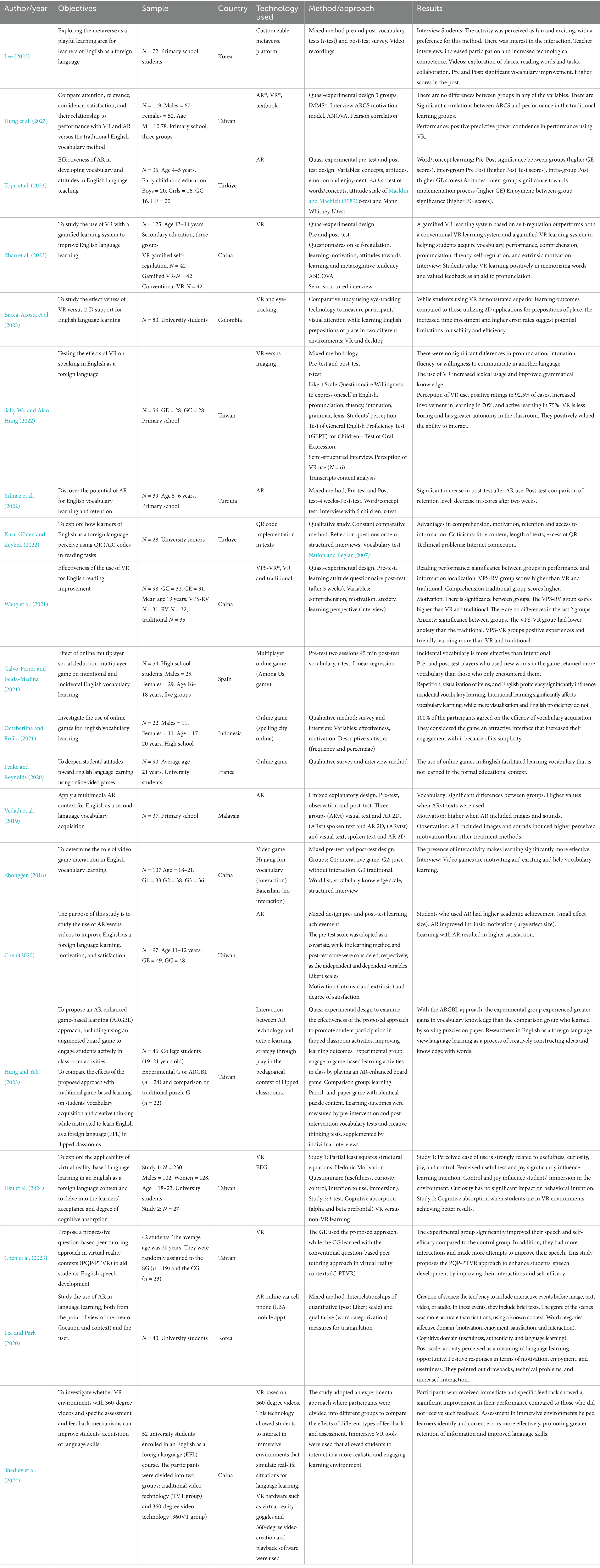
Table 2. Summary of the main characteristics and results of the selected studies.
4 Results
4.1 General description of the manuscripts
The 20 selected articles were published between 2010 and 2024. The emergence of publications in 2018 aligns with the increasing accessibility and affordability of VR devices, such as those developed by Oculus, following its acquisition by Facebook in 2014. However, the temporal concentration of studies, with 80% published after 2020, indicates that research in this area is still in its early stages. This trend reflects the novelty of technologies like AR and ALT, which have only recently become more accessible for educational applications, underscoring the need for further investigation to consolidate findings.
Figure 2 illustrates the distribution of publications by year, showing 5% of the articles published in 2018 (N = 1) and 2019 (N = 1), respectively. In 2024, 10% of the articles were published (N = 2), followed by 15% in 2020 (N = 3) and 2021 (N = 3). The years 2022 (N = 4) and 2023 (N = 4) accounted for 20 and 30% of publications, respectively. As the search concluded in May 2024, the data for that year should be considered incomplete.
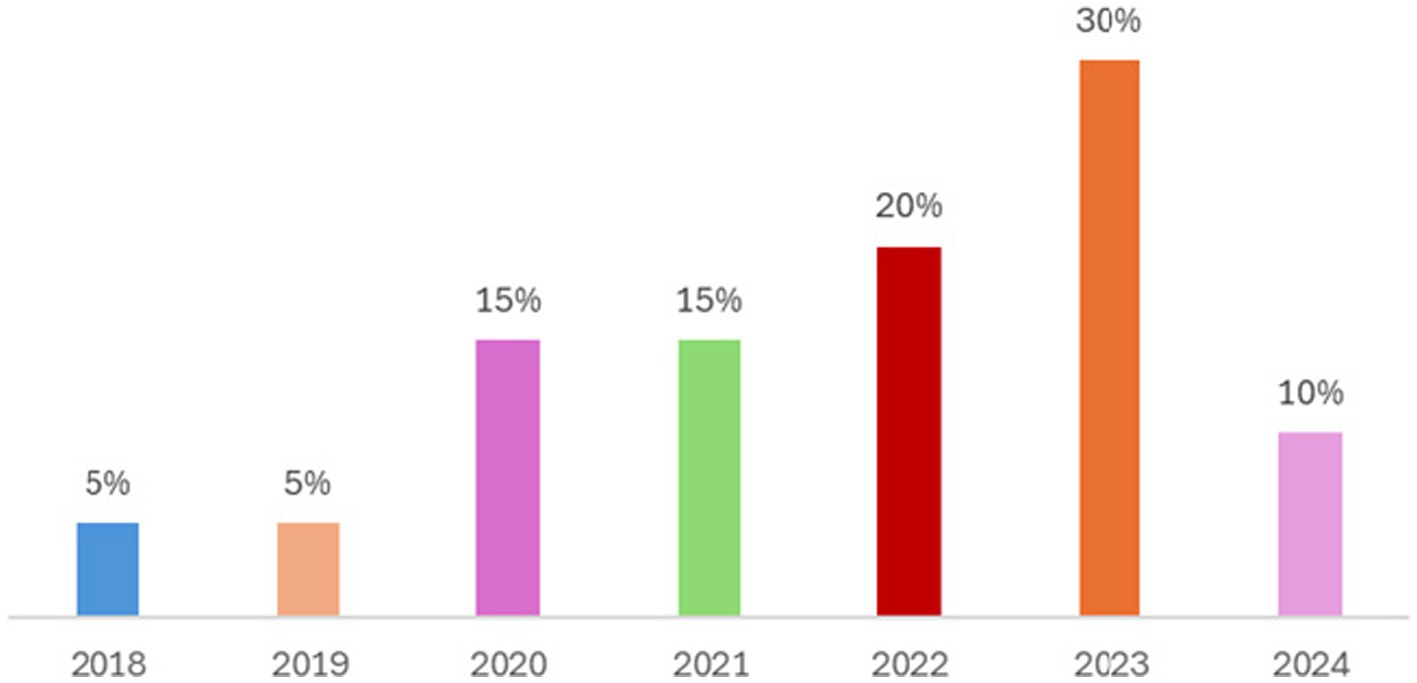
Figure 2. Percentage of publications per year.
The studies reviewed involved an average of 73.3 participants, from a minimum of 22 to a maximum of 230 participants. As shown in Table 3, 5% of the publications focused on primary education (N = 1), 10% on secondary education (N = 5), and another 10% on high school (N = 5). Most of the research (50%) was conducted at the university level (N = 10).
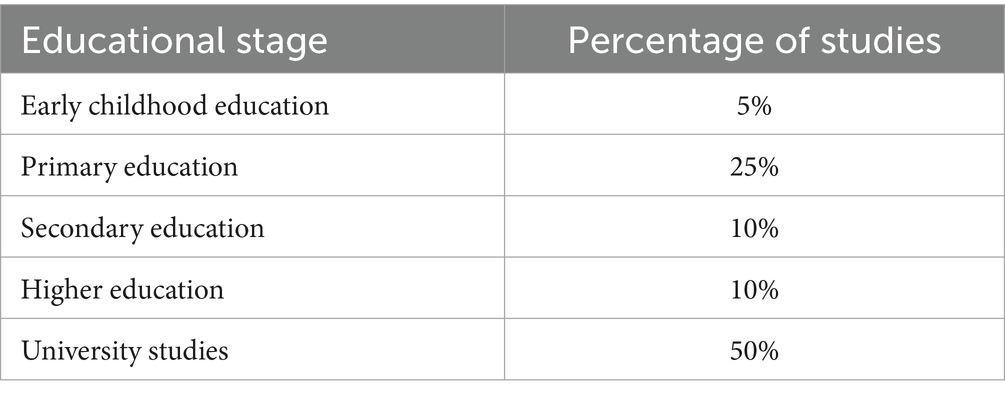
Table 3. Percentage of publications by educational stage.
The distribution of articles by country reveals that Taiwan accounted for the most significant proportion (30%; N = 6), followed by China (20%; N = 4), Turkey (15%; N = 3), and Korea (10%; N = 2). Fewer publications originated from Colombia (5%; N = 1), Spain (5%; N = 1), Indonesia (5%; N = 1), France (5%; N = 1), and Malaysia (5%; N = 1). The prominence of Taiwan and China in this research area may be attributed to their rapid economic growth, international expansion, and openness, which likely reflect a heightened emphasis on promoting English language learning (see Figure 3).
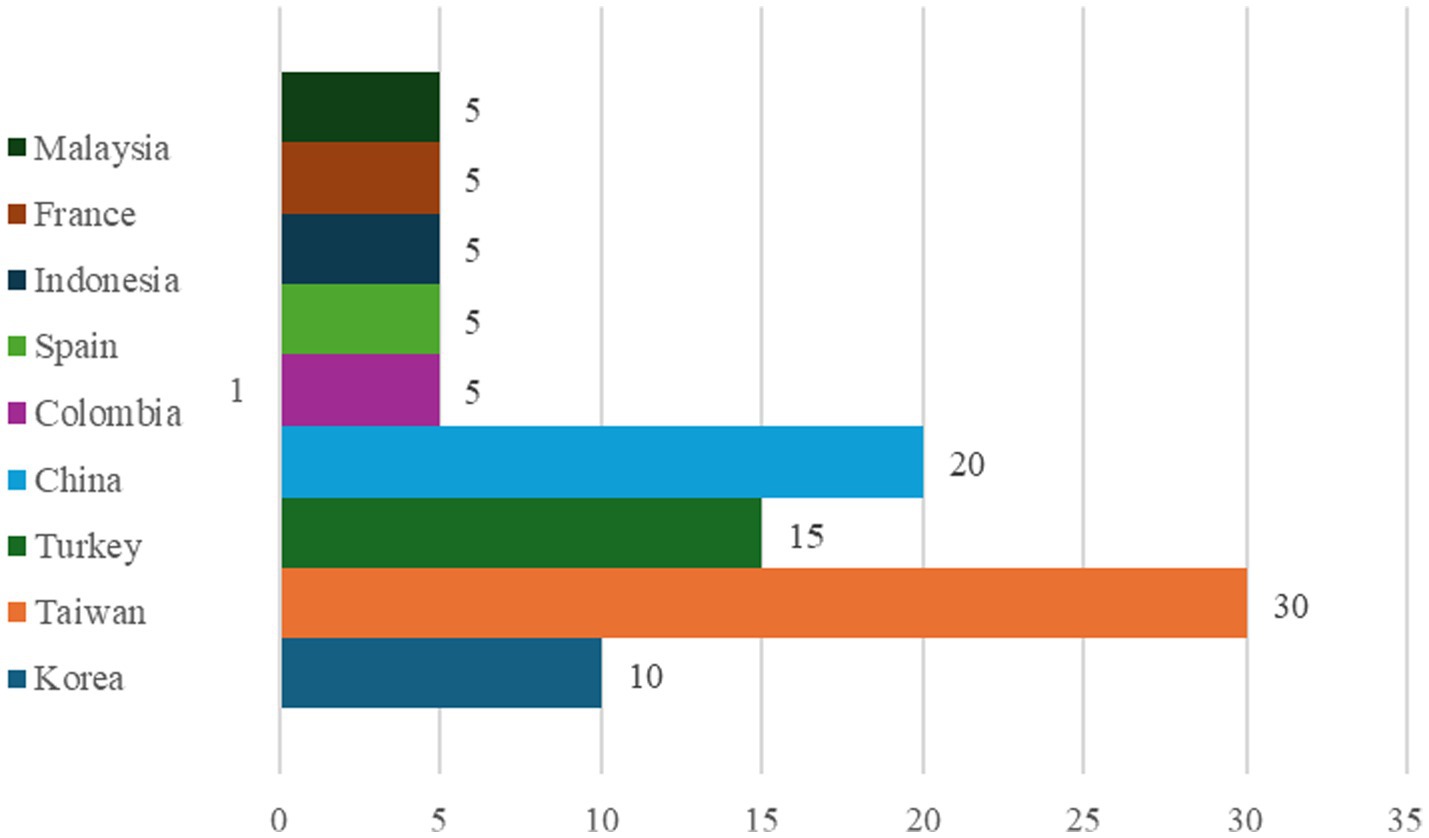
Figure 3. Percentage of publications by country.
Regarding technological support, virtual reality (VR) ranked first, accounting for 35% of the studies (N = 7). Two publications combined VR with physiological measures such as eye tracking and EEG, while one study used 360° VR technology.
The use of augmented reality (AR) and adaptive learning technologies (ALT) was equally represented, with both accounting for 30% of the studies (N = 6 each). Within the ALT category, studies employed metaverse contexts (5%; N = 1), online games (20%; N = 4), and QR codes (5%; N = 1), with online games being the most frequently utilised ALT (see Figure 4).
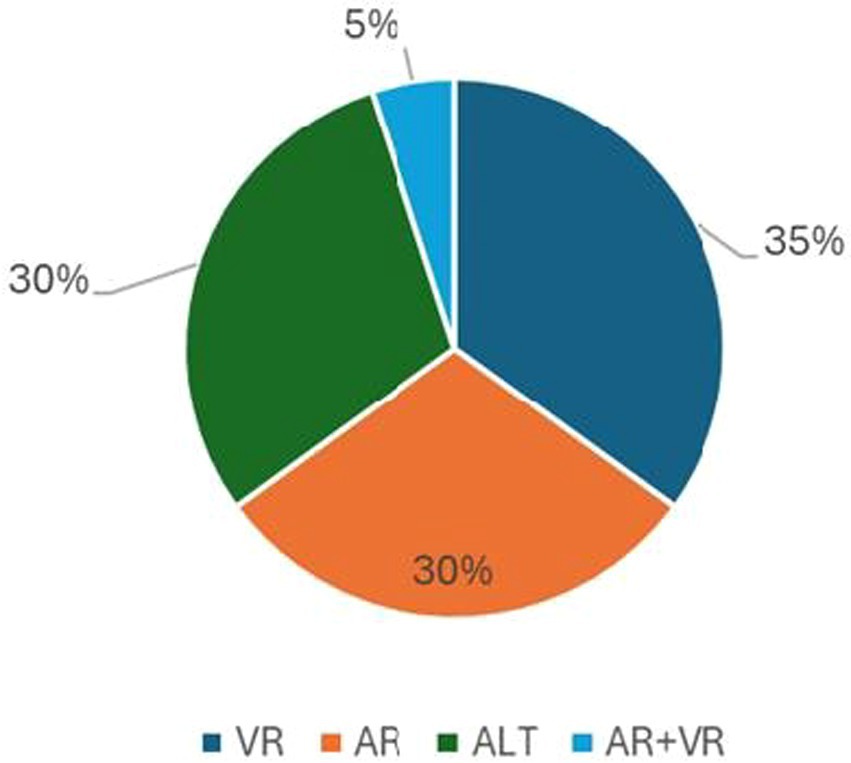
Figure 4. Technological support used.
Methodologically, 55% of the studies utilised a single group of participants (N = 11), 35% included a control group and an experimental group (N = 7), and 10% employed three comparison groups (N = 2). Regarding experimental designs, 35% of the studies implemented a mixed experimental design with pre-test and post-test measures using Student’s t-test. A quasi-experimental design was applied in 40% of the studies, employing methods such as ANCOVA and correlational analysis (N = 1), ANCOVA (N = 5), Mann–Whitney U (N = 1), or regression analysis (N = 1). Additionally, 10% of the studies applied a comparative design, and 10% used quantitative analysis.
Concerning the instruments used, heterogeneous tests were employed in studies involving ALT, 50% utilised semi-structured interviews combined with vocabulary tests (Kuru Gönen and Zeybek, 2022), surveys (Peake and Reynolds, 2020), or word lists, and the Vocabulary Knowledge Scale (Zhonggen, 2018). Thirty-three percent of the studies employed instruments such as reading motivation, anxiety, or performance questionnaires (Wang et al., 2021) or vocabulary acquisition questionnaires (Calvo-Ferrer and Belda-Medina, 2021). Only one study (16.6%) utilised surveys and video recordings (Lee, 2023).
For articles focusing on AR, 33.3% employed the Likert scale combined with instruments such as the Motivation Scale (Chen, 2020) and word categorisation (Lee and Park, 2020). The remaining 66.6% used other instruments, including ad hoc questionnaires and Attitude Scales (Topu et al., 2023), semi-structured interviews and concept tests (Yilmaz et al., 2022), individual interviews and game scores (Hung and Yeh, 2023), and AR markers with vocabulary (Vedadi et al., 2019).
Studies using VR technology often employed semi-structured interviews and questionnaires, as Zhao et al. (2023) illustrated, including a general proficiency test. Additional tools included physiological measures such as eye tracking (Bacca-Acosta et al., 2023), questionnaires related to hedonic motivation (Hsu, 2024), semantic categorisation questions (Lee and Park, 2020), and game-based performance scores (Shadiev et al., 2024). In the study by Topu et al. (2023), which combined VR and AR, results were obtained through an ad hoc questionnaire and an Attitude Scale.
The semantic analysis of the results across the publications (Figure 5) focused on vocabulary learning and motivation. Motivation emerged as a critical factor in teaching and learning, with “interaction” being a key concept. This term relates to the ability of these technological learning contexts to provide feedback to students—an aspect often lacking in traditional educational tools.
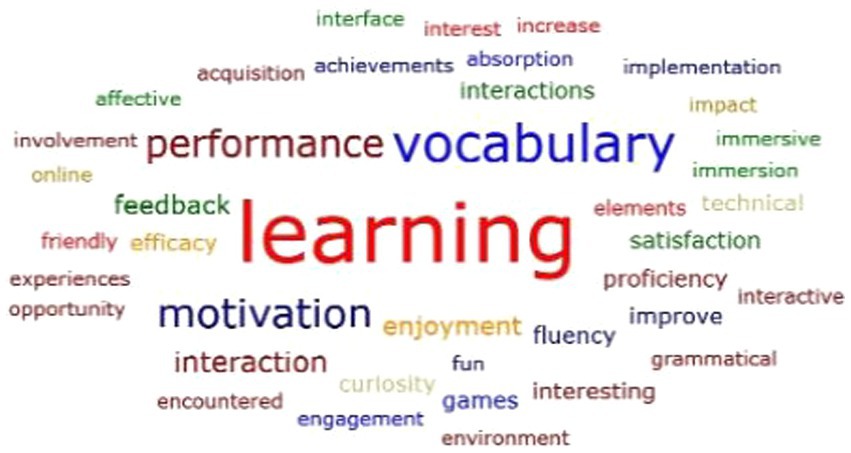
Figure 5. Semantic analysis.
4.2 Analysis of the estimated dimensions in the different manuscripts
The results for each dimension are presented based on evidence from various studies, emphasising significant findings and their practical implications for integrating technologies such as VR, AR, and ALT into educational contexts.
4.2.1 Vocabulary learning
The selected studies consistently demonstrate improvements in English vocabulary acquisition across VR, AR, and ALT implementations. For example, Zhao et al. (2023) reported significant vocabulary gains in a gamified VR learning environment, highlighting that interactivity and immediate feedback play a crucial role in enhancing retention. Similarly, Shadiev et al. (2024) found that VR is particularly effective when coupled with detailed feedback mechanisms. In contrast, Sally Wu and Alan Hung (2022) observed vocabulary improvements without employing specific strategies, raising questions about the relative impact of novelty versus pedagogical design on learning outcomes.
In the context of AR, Yilmaz et al. (2022) identified a substantial increase in vocabulary retention after 2 weeks of use, supported by positive participant feedback and post-test results. Vedadi et al. (2019) corroborated these findings, emphasising the efficacy of combining visual and auditory stimuli to create a more immersive and natural learning environment. These studies underscore the importance of multimodal stimuli in facilitating long-term vocabulary retention.
Regarding ALT, Lee (2023) demonstrated that a customizable metaverse platform significantly improved vocabulary acquisition, likely due to its capacity to adapt to individual learner needs. Similarly, Calvo-Ferrer and Belda-Medina (2021) reported incidental vocabulary learning in a multiplayer online game, where collaborative tasks supported retention. However, Zhonggen (2018) noted that while video games were effective for learning new words, their impact depended heavily on the game’s educational design and the frequency of word repetition.
Despite these positive outcomes, discrepancies across studies highlight the need for further investigation. While VR and AR excel at delivering immersive contexts, their effectiveness is influenced by the quality of feedback and the integration of multimodal elements. Conversely, ALT platforms like video games show potential for incidental learning but require deliberate instructional design to achieve comparable results. These findings call for more comprehensive research to optimise the integration of these technologies in educational contexts.
4.2.2 Motivation
Motivation emerges as a critical factor influencing the effectiveness of VR and AR in ESL education, though the underlying mechanisms and impacts differ between these technologies. Zhao et al. (2023) found that gamified VR environments significantly enhance extrinsic motivation by leveraging the interactive and engaging features of the tool. This finding aligns with Wang et al. (2021, 2021a), who identified a direct correlation between motivation levels and the degree of interaction within virtual learning contexts. However, these results suggest that extrinsic motivation in VR may be closely linked to novelty effects, which risk diminishing over time without sustained engagement strategies.
Conversely, AR appears to foster intrinsic motivation more effectively. Chen (2020) observed that participants were driven primarily by the activity rather than the tool, highlighting AR’s potential to engage learners on a deeper level. This intrinsic engagement is often amplified by multimodal stimuli, such as the combination of sounds and images, which create a more immersive and enjoyable learning experience (Vedadi et al., 2019). Furthermore, Lee and Park (2020) emphasized the role of social interaction in enhancing motivation through online AR, suggesting that collaborative elements are key to maintaining learner interest and engagement over time.
Despite these promising findings, gaps remain in understanding how these technologies sustain motivation in the long term. For instance, while AR has shown potential in fostering intrinsic motivation, its effectiveness in sustaining prolonged engagement requires further investigation. Similarly, the potential decline in extrinsic motivation associated with VR underscores the importance of adaptive learning designs that continuously challenge and engage learners. Future research should explore how integrating social and multimodal elements can optimise and sustain motivation across both technologies, ensuring their effectiveness in diverse educational settings.
4.2.3 Interaction
Interaction emerges as a pivotal component in enhancing the effectiveness of AR, ALT, and VR in ESL education. Lee and Park (2020) emphasised that AR’s capacity to provide dynamic and responsive learning contexts positively influenced students’ perceptions of the learning process. However, the absence of interactive elements in specific AR applications was identified as a limitation, highlighting the need to design tools that actively engage learners. Similarly, ALT environments, such as metaverse platforms (Lee, 2023) and video games (Zhonggen, 2018), were lauded for their interactive features, fostering collaborative learning and improving students’ perceptions of learning efficacy.
In the case of VR, interaction with virtual environments serves a dual purpose: enhancing the immersive experience and encouraging linguistic expression. For instance, Sally Wu and Alan Hung (2022) observed that VR visuals engaged learners and created a safe space for practising another language. Chen et al. (2023) corroborated this, noting that interactive feedback mechanisms within VR environments helped learners build confidence and improve their communicative skills.
Despite these advantages, discrepancies were observed across the studies. While ALT platforms, particularly video games, demonstrated high levels of interaction, their educational outcomes varied significantly depending on the game’s instructional design and collaborative components. Similarly, some AR tools lacked sufficient scaffolding to maximise their interactive potential, potentially limiting their effectiveness. These findings underscore that while interaction is critical, its quality and alignment with pedagogical objectives ultimately determine its impact on learning outcomes.
Future research should focus on optimising interactive features across these technologies to support individual and collaborative learning processes better. Additionally, longitudinal studies are needed to investigate how sustained interaction influences learners’ self-perception, engagement, and motivation.
4.2.4 Enjoyment
Enjoyment significantly shapes students’ experiences with VR, AR, and ALT technologies in ESL education. Sally Wu and Alan Hung (2022) highlighted that VR fosters an engaging and immersive learning environment, which students perceive as more enjoyable than traditional methods. Similarly, Wang et al. (2021) found that VR’s immersive features enhanced positive emotional experiences, suggesting that the sense of “presence” in virtual environments contributes to higher levels of enjoyment. However, these findings raise important questions about whether the engagement is primarily driven by the novelty of the technology or its underlying pedagogical design.
AR applications also elicited high levels of enjoyment, particularly when interactive elements, such as gamified tasks, were incorporated (Hung and Yeh, 2023). This aligns with Lee (2023), who observed that ALT tools, including metaverse platforms, promoted enjoyment through their adaptive and interactive design, enabling students to feel more in control of their learning experiences. Interestingly, AR and ALT enhance enjoyment, but their effectiveness appears closely linked to how well these tools are customised to meet learners’ preferences and needs.
Despite these positive outcomes, a key limitation across the studies is the lack of longitudinal data to evaluate whether initial enjoyment translates into sustained engagement and improved learning outcomes. Additionally, the potential for enjoyment to overshadow the instructional goals of these technologies warrants further investigation, particularly in cases where students may prioritise entertainment over meaningful learning experiences. Future research should explore strategies to balance enjoyment with educational efficacy, ensuring these technologies maintain appeal while aligning with pedagogical objectives.
4.2.5 Performance
Academic performance is a key metric for assessing the effectiveness of AR, VR, and ALT in ESL learning contexts, with notable differences observed across these technologies. Chen (2020) demonstrated that AR applications significantly enhanced academic performance, particularly when visual and interactive elements were integrated into the learning process. However, Hung et al. (2023) argued that VR has greater predictive power over academic performance due to its immersive and interactive capabilities, which foster a more engaging learning environment. This is further supported by Wang et al. (2021), who emphasised the role of interaction within virtual environments in promoting deeper cognitive engagement and improving learning outcomes.
Zhao et al. (2023) extended these findings by showing that gamified learning within VR environments improved academic performance and facilitated meaningful engagement, highlighting the importance of aligning game mechanics with pedagogical objectives. While VR appears to have an advantage in promoting academic gains, its effectiveness is closely tied to the quality of interaction and feedback mechanisms.
Despite these promising findings, the studies reviewed reveal certain limitations. For example, the effectiveness of AR and VR varies significantly depending on learners’ familiarity with the technologies and the instructional design implemented. Additionally, while ALT platforms were less frequently discussed in this context, their potential to enhance academic performance through adaptive learning warrants further investigation. Future studies should explore ways to optimise the instructional design of AR and VR tools to maximise their impact on academic performance, especially in diverse educational settings.
5 Discussion
The findings of this study support previous research that highlights how VR, AR, and ALT technologies can enhance vocabulary acquisition in ESL (Alfadil, 2020). Students demonstrated increased competence and enjoyment when interacting with these tools, which led to improved performance compared to traditional methods. These results are also consistent with studies showing the effectiveness of AR in other domains, such as science (Buentello et al., 2021; Vuta, 2020). However, the observed benefits are not uniform; variables such as pedagogical design and implementation context appear to influence the outcomes significantly.
Alfadil (2020) noted that VR aids vocabulary retention by creating immersive contexts, confirming that these methods can surpass traditional teaching approaches (Benoit, 2017; Xu et al., 2020). However, other studies suggest that the effects of VR may diminish over time if used merely as a novelty or for short durations (Wang et al., 2021, 2021b). This highlights the importance of transforming these technologies into sustainable, long-term strategies.
Technologies such as AR and ALT have also demonstrated promising results. AR, by combining multimodal stimuli like images and sounds, enhances vocabulary retention (Vedadi et al., 2019). However, some applications lacking sufficient support elements, such as visual or auditory stimuli, yield less favourable outcomes. Similarly, ALT, such as metaverse environments, stand out for their adaptability to individual student needs, although they still require further research to evaluate their long-term effectiveness (Lee, 2023).
Despite the observed benefits, implementing these technologies faces significant challenges. The lack of adequate teacher training, the high costs of VR and AR, and limited access in under-resourced settings hinder their widespread use (Chen, 2020; Hung and Yeh, 2023). Furthermore, no validated pedagogical design exists to facilitate their generalised and extended use, which may significantly impact their efficacy. In this regard, the development of generalisable pedagogical models remains a necessity.
Longitudinal studies are crucial to determine whether the positive effects observed are sustained over time and to explore how these technologies can be effectively integrated into diverse educational contexts. Additionally, strategies should be explored to balance enjoyment, interaction, and academic outcomes, ensuring these tools are both engaging and effective in achieving educational objectives.
Collectively, VR, AR, and ALT have the potential to transform ESL teaching. However, their effectiveness depends on the design of appropriate pedagogical models that support effective implementation and ongoing evaluation, ultimately maximising their impact on learning, particularly in ESL contexts.
6 Conclusion
The findings of this review highlight that VR, AR, and ALT-based methods are generally more effective than traditional approaches in ESL learning. These technologies enhance vocabulary acquisition, oral presentation skills, learning motivation, and comprehension. VR has been widely utilised, with non-immersive VR being the most commonly applied modality. However, recent evidence suggests that immersive VR holds significant potential, although prolonged exposure could negatively impact performance.
This study underscores the need for further research, particularly comparing the effectiveness of immersive and non-immersive VR across different educational contexts. Additionally, it is crucial to develop student-centred applications that incorporate adaptive learning models powered by artificial intelligence, alongside regular feedback mechanisms, to optimise the learning process.
From a practical standpoint, these findings highlight several key implications for real-world educational settings. Educators must receive appropriate training to effectively integrate these technologies into the curriculum, ensuring their use aligns with pedagogical objectives. Addressing accessibility challenges is equally critical to ensure equitable adoption across diverse educational contexts. Moreover, the adaptability of these tools offers significant potential to meet individual learner needs, positioning them as valuable resources for enhancing ESL teaching.
Integrating emerging digital technologies such as VR, AR, and ALT presents transformative opportunities for ESL education. However, their success depends on careful implementation, ongoing evaluation, and overcoming barriers to their adoption to maximise their impact on student learning outcomes.
Author contributions
DP-J: Conceptualization, Data curation, Formal analysis, Investigation, Supervision, Methodology, Writing – original draft, Writing – review & editing. EO-R: Conceptualization, Investigation, Resources, Supervision, Writing – review & editing. AG-C: Data curation, Formal analysis, Investigation, Validation, Writing – review & editing. IP-P: Conceptualization, Data curation, Resources, Supervision, Writing – original draft.
Funding
The author(s) declare that no financial support was received for the research, authorship, and/or publication of this article.
Acknowledgments
ChatGPT 4.0 was used to correct and improve some expressions in the manuscript.
Conflict of interest
The authors declare that the research was conducted in the absence of any commercial or financial relationships that could be construed as a potential conflict of interest.
The author(s) declared that they were an editorial board member of Frontiers, at the time of submission. This had no impact on the peer review process and the final decision.
Publisher’s note
All claims expressed in this article are solely those of the authors and do not necessarily represent those of their affiliated organizations, or those of the publisher, the editors and the reviewers. Any product that may be evaluated in this article, or claim that may be made by its manufacturer, is not guaranteed or endorsed by the publisher.
References
Aggarwal, D. (2023). Integrating innovative technological developments and AI with education for an adaptive learning pedagogy. China Pet. Process. Petrochem. Technol. 23, 709–714.
Alfadil, M. (2020). Effectiveness of virtual reality game in foreign language vocabulary acquisition. Comput. Educ. 153:103893. doi: 10.1016/j.compedu.2020.103893
Bacca-Acosta, J., Tejada, J., Lampropoulos, G., and Avila, C. (2023). A comparative eye-tracking study between a virtual reality system and a desktop environment for learning the prepositions of place in English. CALICO J. 40, 68–90. doi: 10.1558/cj.22803
Benoit, J. M. (2017). “The effect of game-based learning on vocabulary acquisition for middle school English language learners” in Dissertation (Lynchburg, VA: Liberty University).
Buentello, D. A., Lomelí-Plascencia, M. G., and Medina-Herrera, L. M. (2021). The role of reality enhancing technologies in teaching and learning of mathematics. Comput. Electr. Eng. 94:107287. doi: 10.1016/j.compeleceng.2021.107287
Calvo-Ferrer, J. R., and Belda-Medina, J. (2021). The effect of multiplayer video games on incidental and intentional L2 vocabulary learning: the case of Among Us. Multimodal Technol. Interact. 5:80. doi: 10.3390/mti5120080
Chao, K.-W. C., Lira-Gonzales, M.-L., and David, J. (2023). Technologies in English as a second/foreign language writing classes. Folios 58, 171–187. doi: 10.17227/folios.58-16435
Chen, C. H. (2020). AR videos as scaffolding to foster students’ learning achievements and motivation in EFL learning. Br. J. Educ. Technol. 51, 657–672. doi: 10.1111/bjet.12902
Chen, C. Y., Chang, S. C., Hwang, G. J., and Zou, D. (2023). Facilitating EFL learners’ active behaviors in speaking: a progressive question prompt-based peer-tutoring approach with VR contexts. Interact. Learn. Environ. 31, 2268–2287. doi: 10.1080/10494820.2021.1878232
Henderson, L. K., Craig, J. C., Willis, N. S., Tovey, D., and Webster, A. C. (2010). How to write a Cochrane systematic review. Nephrology 15, 617–624. doi: 10.1111/j.1440-1797.2010.01380.x
Hsu, L. (2024). Exploring EFL learners’ acceptance and cognitive absorption at VR-based language learning: a survey and experimental study. Heliyon 10, 2405–8440. doi: 10.1016/j.heliyon.2024.e24863
Hsu, W. C., Lee, M. H., and Zheng, K. W. (2024). From virtual to reality: the power of augmented reality in triggering impulsive purchases. J. Retail. Consum. Serv. 76:103604. doi: 10.1016/j.jretconser.2023.103604
Hung, C. Y., Lin, Y. T., Yu, S. J., and Sun, J. C. Y. (2023). Effects of AR-and VR-based wearables in teaching English: the application of an ARCS model-based learning design to improve elementary school students' learning motivation and performance. J. Comput. Assist. Learn. 39, 1510–1527. doi: 10.1111/jcal.12814
Hung, H. T., and Yeh, H. C. (2023). Augmented-reality-enhanced game-based learning in flipped English classrooms: effects on students’ creative thinking and vocabulary acquisition. J. Comput. Assist. Learn. 39, 1786–1800. doi: 10.1111/jcal.12839
Kassim, H. M., and Said, N. E. M. (2020). The integration of mobile learning among ESL teachers to enhance vocabulary learning. Educ. Soc. Sci. Rev. 1, 28–36. doi: 10.29210/07essr55400
Kaur, P., Kumar, H., and Kaushal, S. (2023). Technology-assisted language learning adaptive systems: a comprehensive review. Int. J. Cogn. Comput. Eng. 4, 301–313. doi: 10.1016/j.ijcce.2023.09.002
Kuru Gönen, S. İ., and Zeybek, G. (2022). Using QR code enhanced authentic texts in EFL extensive reading: a qualitative study on student perceptions. Educ. Inf. Technol. 27, 2039–2057. doi: 10.1007/s10639-021-10695-w
Lee, S. M. (2023). Second language learning through an emergent narrative in a narrative-rich customizable metaverse platform. IEEE Trans. Learn. Technol. 16, 1071–1081. doi: 10.1109/TLT.2023.3267563
Lee, S. M., and Park, M. (2020). Reconceptualization of the context in language learning with a location-based AR app. Comput. Assist. Lang. Learn. 33, 936–959. doi: 10.1080/09588221.2019.1602545
Liu, Y. L., Chang, C. Y., and Wang, C. Y. (2023). Using VR to investigate bystander behavior and the motivational factors in school bullying. Comput. Educ. 194:104696. doi: 10.1016/j.compedu.2022.104696
MacCallum, K. (2022). The integration of extended reality for student-developed games to support cross-curricular learning. Front. Virtual Real. 3:888689. doi: 10.3389/frvir.2022.888689
Macklin, M. C., and Machleit, K. A. (1989). The development of an attitude scale appropriate for use with preschoolers. ACR North American Advances.
Martínez-Murciano, M. C., and Pérez-Jorge, D. (2024). Computational thinking with Scratch or App Inventor in primary education. Campus Virtuales 13, 107–122. doi: 10.54988/cv.2024.2.1364
Octaberlina, L. R., and Rofiki, I. (2021). Using online game for Indonesian EFL learners to enrich vocabulary. Int. J. Interact. Mob. Technol. 15, 158–163. doi: 10.3991/ijim.v15i01.17513
Pan, H., Xia, F., Kumar, T., Li, X., and Shamsy, A. (2022). Massive open online course versus flipped instruction: impacts on foreign language speaking anxiety, foreign language learning motivation, and learning attitude. Front. Psychol. 13:833616. doi: 10.3389/fpsyg.2022.833616
Peake, J., and Reynolds, A. (2020). “There’s a sniper on that hill!”: Gaming in English as a global language environment. J. Himal. Earth Sci. 11, 1–26. doi: 10.4000/angles.3237
Pérez-Jorge, D., and Martínez-Murciano, M. C. (2022). Gamification with scratch or app inventor in higher education: a systematic review. Future Internet 14:374. doi: 10.3390/fi14120374
Pérez-Jorge, D., Rodríguez-Jiménez, M., Del, C., Marrero-Rodríguez, N., Pastor-Llarena, S., and Mateos Peñas, M. D. (2020b). Virtual teachers’ toolbox (VTT-BOX)—the experience of the Costa Adeje International School and the University of La Laguna. Int. J. Interact. Mob. Technol. 14, 212–229. doi: 10.3991/ijim.v14i13.14109
Pérez-Jorge, D., Rodríguez-Jiménez, M., Gutiérrez-Barroso, J., and Castro-León, F. (2020a). Training in digital skills in early childhood education teachers: the case of the University of La Laguna. Int. J. Interact. Mob. Technol. 14, 35–49. doi: 10.3991/ijim.v14i20.17339
Peterson, B. S., Trampush, J., Brown, M., Maglione, M., Bolshakova, M., Rozelle, M., et al. (2024). Tools for the diagnosis of ADHD in children and adolescents: a systematic review. Pediatrics 153:e2024065854. doi: 10.1542/peds.2024-065854
Sally Wu, Y.-H., and Alan Hung, S.-T. (2022). The effects of virtual reality infused instruction on elementary school students’ English-speaking performance, willingness to communicate, and learning autonomy. J. Educ. Comput. Res. 60, 1558–1587. doi: 10.1177/07356331211068207
Shadiev, R., Liu, J., and Yang, L. (2023). The effect of evaluation and feedback in 360-degree video-based VR environments on language learning outcomes. Comput. Assist. Lang. Learn., 1–31. doi: 10.1080/09588221.2023.2300990
Shadiev, R., Wang, X., and Shen, S. (2024). Effects of immersion and interactive strategies on students’ intercultural competence in virtual learning environments. Educ. Inf. Technol. 1–37. doi: 10.1007/s10639-024-13030-1
Smith, D., Johnson, L. L., Watson, V. W., and Torres, A. B. (2021). Announcing the 2019–2020 Alan C. Purves award recipients: inspiring transformative literacy pedagogies. Res. Teach. Engl. 55, 322–328. doi: 10.58680/rte202131189
Topu, F. B., Yilmaz, R. M., and Tulgar, A. T. (2023). The effects of using augmented reality on vocabulary learning and attitude of preschool children in English education. Educ. Inf. Technol. 29, 11733–11764. doi: 10.1007/s10639-023-12284-5
Vedadi, S., Abdullah, Z. B., and Cheok, A. D. (2019). The effects of multi-sensory augmented reality on students’ motivation in English language learning. 2019 IEEE Global Engineering Education Conference (EDUCON). 1079–1086
Vuta, D. R. (2020). Augmented reality technologies in the education literature review. Bull. Transilvania Univ. Brasov V Econ. Sci. 13, 35–46. doi: 10.31926/but.es.2020.13.62.2.4
Wang, Z., Guo, Y., Wang, Y., Tu, Y. F., and Liu, C. (2021). Soluciones tecnológicas para el desarrollo sostenible: efectos de un enfoque de realidad virtual basado en andamiaje de indicaciones visuales en la comprensión lectora, la actitud de aprendizaje, la motivación y la ansiedad de los estudiantes de EFL. Sustainability 13:13977. doi: 10.3390/su132413977
Wang, Z., Hwang, G. J., Yin, Z., and Ma, Y. (2021a). Un enfoque de ecología de aprendizaje móvil autodirigido orientado a la contribución para mejorar la retención de vocabulario y la motivación para el segundo idioma de los estudiantes de EFL. J. Educ. Technol. Soc. 23, 16–29.
Wang, A., Yan, M., Wang, B., Jia, G., and Inhoff, A. W. (2021b). La amplitud perceptiva en la lectura tibetana. Psychol. Res. 85, 1307–1316. doi: 10.1007/s00426-020-01313-4
Xu, Z., Chen, Z., Eutsler, L., Geng, Z., and Kogut, A. (2020). A scoping review of digital game-based technology on English language learning. Educ. Technol. Res. Dev. 68, 877–904. doi: 10.1007/s11423-019-09702-2
Yilmaz, R. M., Topu, F. B., and Takkaç Tulgar, A. (2022). An examination of preschool children's vocabulary learning and retention levels using augmented reality technology in English language learning. Educ. Inf. Technol. 27, 6989–7017. doi: 10.1007/s10639-022-10916-w
Yu, Z., Yu, L., Xu, Q., Xu, W., and Wu, P. (2022). Effects of mobile learning technologies and social media tools on student engagement and learning outcomes of English learning. Technol. Pedagog. Educ. 31, 381–398. doi: 10.1080/1475939X.2022.2045215
Zhao, J. H., Panjaburee, P., Hwang, G. J., and Wongkia, W. (2023). Effects of a self-regulated-based gamified virtual reality system on students’ English learning performance and affection. Interact. Learn. Environ. 32, 5509–5536. doi: 10.1080/10494820.2023.2219702
Keywords: digital technologies, virtual reality, augmented reality, adaptive learning technologies, vocabulary acquisition, ESL education, language acquisition
Citation: Pérez-Jorge D, Olmos-Raya E, González-Contreras AI and Pérez-Pérez I (2025) Technologies applied to education in the learning of English as a second language. Front. Educ. 10:1481708. doi: 10.3389/feduc.2025.1481708
Edited by:
Elis Kakoulli Constantinou, Cyprus University of Technology, CyprusReviewed by:
Hiroyuki Obari, Aoyama Gakuin, JapanKee-Man Chuah, University of Malaysia Sarawak, Malaysia
Copyright © 2025 Pérez-Jorge, Olmos-Raya, González-Contreras and Pérez-Pérez. This is an open-access article distributed under the terms of the Creative Commons Attribution License (CC BY). The use, distribution or reproduction in other forums is permitted, provided the original author(s) and the copyright owner(s) are credited and that the original publication in this journal is cited, in accordance with accepted academic practice. No use, distribution or reproduction is permitted which does not comply with these terms.
*Correspondence: Itahisa Pérez-Pérez, aXBlcmV6cGVAdWxsLmVkdS5lcw==