 Alexandros-Stamatios Antoniou
 Garyfalia Charitaki
 Kyriaki Pavlidou
 Anastasia Alevriadou
- 1Department of Primary Education, National and Kapodistrian University of Athens, Athens, Greece
- 2Department of Primary Education, University of Ioannina, Ioannina, Greece
- 3Department of Primary Education, University of Western Macedonia, Florina, Greece
- 4Department of Psychology, Aristotle University of Thessaloniki, Thessaloniki, Greece
In the present research, the relationship between emotional intelligence and burnout was investigated in a sample of Greek special education teachers. The cusp catastrophe model was used for the statistical analysis. Based on the analysis, emotional intelligence was negatively correlated with burnout. Surprisingly, this negative relationship was reversed when the increase in the level of emotional intelligence exceeded a certain point. There seems to be a fragile balance between caring and caring too much. Teachers who cannot regulate their sentimentality can be overwhelmed by emotions and become prone to stress and burnout. The cusp catastrophe model managed to describe that phenomenon more satisfactorily than the linear and quadratic models tested. According to the other analysis results, factors such as mental resilience and self-efficacy had a negative relationship with burnout. Practical implications such as emotional intelligence training and self-focus wellbeing were discussed.
Keypoints:
• Teachers with high levels of Emotional Intelligence can identify emotional triggers and find constructive ways of managing emotions that benefit learners.
• The cusp catastrophe model, demonstrated that there is a fragile balance between caring and caring too much.
• In-service programs for teachers could include training in EI.
Introduction
Burnout is a major issue in education because it often causes teachers to resign (Madigan and Kim, 2021). In special education, the phenomenon of leaving the profession or turning to general education is particularly elevated (Billingsley and Bettini, 2019). Burnout rates are significantly higher among special education teachers (Robinson et al., 2019). Current research has identified emotional intelligence (EI) as one of the protective factors against burnout and also for reducing teachers’ intention to leave (Mérida-López et al., 2020).
By definition, burnout results from accumulated stress at work leading to severe physical and mental exhaustion (Freudenberger, 1974). According to Maslach and Jackson (1981), burnout consists of three components: emotional exhaustion, depersonalization, and diminished personal growth. Teacher burnout levels are influenced by age, gender, number of hours per week of instruction, and family background (Bianchi et al., 2021). Teachers in special education face daily stressors such as challenging working conditions, insufficient support from the government (Antoniou et al., 2009), and challenging behaviors of their students (Aloe et al., 2014). As a result, burnout can be expressed early, which has a significant impact on health, wellbeing, and performance (Conley and You, 2017; Pavlidou et al., 2022). Once one develops the necessary resilience, positive strategies can eliminate the negative effects of stress (Martínez-Monteagudo et al., 2019). Thus, developing emotional intelligence can help reduce teacher burnout (Puertas Molero et al., 2019).
Respectively, EI is the ability of a person to acknowledge, regulate, express, and reason his feelings as well as a person’s capability of recognizing differentiating, and understanding other people’s emotions through their behavior (Salovey and Mayer, 1990). It consists of four basic elements which include affectivity, self-regulation, emotional wellbeing, and extraversion (Petrides and Furnham, 2001). EI has been demonstrated to be associated with better social interaction (Macula, 2017), leadership skills (Gómez-Leal et al., 2022), improved teaching (Wu et al., 2019), and enhanced mental wellbeing (Puertas Molero et al., 2019). The question of whether EI comprises abilities or personality traits has been controversial (Mayer et al., 2001; Petrides and Furnham, 2001).
Daily, special education teachers need to use their EI to understand contextual signals and determine the most suitable emotions and responses. Platsidou (2010) indicated that special education Greek teachers exhibited relatively high scores in both the distinct components and the overall EI. The perceived EI demonstrated a significant correlation with burnout syndrome. This suggests that teachers with higher EI exhibited reduced burnout. High levels of EI are associated with low levels of burnout in special education teachers and this relationship does not seem to be influenced by gender, qualification, and experience (Al-Bawaliz et al., 2015).
One factor that appears to relate to teachers’ burnout is self-efficacy. It can be referred to as a person’s belief in his or her capability to organize and execute actions that are necessary for the attainment of certain goals (Bandura, 1977). With time, this belief is shaped by experience and through interaction with others. Consequently, it influences an individual’s decisions, efforts, behavior, resilience as well as strategies employed when handling challenges and setbacks (Schunk and Meece, 2006). Teaching effectiveness in contrast to personal teaching efficacy includes the belief that teachers know that they can motivate students who are considered difficult. This concept differs from general teaching competence whereby it involves elements such as organizational systems or family support and socio-economic background and refers to how teachers see themselves (Kamboj and Garg, 2021).
Teachers who have a strong belief in their abilities (self-efficacy) tend to experience higher levels of job satisfaction and lower levels of professional burnout (Skaalvik and Skaalvik, 2010). Such teachers are more likely to utilize supportive strategies when dealing with challenging behavior from children with special educational needs and disabilities in inclusive classrooms (Almog and Shechtman, 2007). Additionally, research has shown that self-efficacy is a significant predictor of professional burnout in teachers working in inclusive education settings (Cappe et al., 2017). The relationship between teacher self-efficacy and burnout is a major area of study (Skaalvik and Skaalvik, 2017).
Another factor that seems to reduce teachers’ burnout is mental resilience (Burić et al., 2019). According to Sun et al. (2014), resilience consists of five factors namely willpower, family support, optimism and self-confidence, problem-solving, and interpersonal interaction. Resilience has been studied in relation to both burnout and emotional intelligence. It seems to be positively associated with emotional intelligence (López-Angulo et al., 2022) and negatively with burnout. It may also mediate the relationship between affective intelligence and burnout (Kamboj and Garg, 2021), which may lend it a role as a protective factor against burnout (De Vera and Gabar, 2020). Resilient teachers can regulate feelings while facing challenges that cause burnout (Zhang and Luo, 2023), such as provoking student behavior, demanding working conditions, or difficult parents (Li et al., 2019; Sideridis and Alghamdi, 2023). Also, they are more adaptive, resourceful, and optimistic, which allows them to address issues as they arise, rather than let them overwhelm them (Kangas-Dick and O’Shaughnessy, 2020). They often rely on their families and social interactions for support, wellbeing, and relaxation (Muller et al., 2011, p. 553).
Recapitulating, it can be argued that teacher burnout is a concept that is influenced by many factors, such as emotional intelligence, self-efficacy, and mental resilience. The way of studying the relationship between these variables in most cases followed the logic of a linear correlation. However, in cases of multifactorial concepts, the approach of other, non-linear models could perhaps better describe the phenomena. Sometimes, predictions are limited with a simple straight line- model. Therefore, in this research, an attempt is made to study the relationship between emotional intelligence, self-efficacy, mental resilience, and burnout by applying a non-linear model, specifically the cusp catastrophe model.
Specifically, Zeeman (1977) set the theoretical framework for the cusp catastrophe model in 1977. It has been used in various fields to explain unpredicted changes in variables’ correlations (Guastello, 2001; Stamovlasis and Tsaparlis, 2012). The tipping point or cusp of the model denotes the point where an abrupt change occurs in one or more variables causing a reversal of the expected path of a dependent variable. The model graph is a curved surface with many dimensions. Usually, the change is described as a discontinuity, it is abrupt and unexpected. The appropriate application of the cusp catastrophe model from the Nonlinear Dynamical Systems theory can successfully describe social systems and predict reversals and disturbances in the smooth evolution of a phenomenon with relatively simple underlying dynamics (Chen and Chen, 2017).
In this study, the cusp catastrophe model is used to explore the relationship between EI and special teachers’ burnout. It is expected to provide a better fit than the linear or logistic model. Secondly, it is hypothesized that EI, resilience, and burnout would have a negative correlation with burnout.
Materials and methods
Sample
A total number of n = 523 participants, teachers working in public schools in Greece, were recruited for this study through random sample technique. The distribution of the sample across gender was not equal to a situation, which is representative of the Greek education system. Males comprised 15.5% of the sample, while females comprised 84.5%. The sample teachers had a wide range of teaching experience from naïve to experienced teachers. A detailed description of the teachers’ characteristics is presented in Table 1.
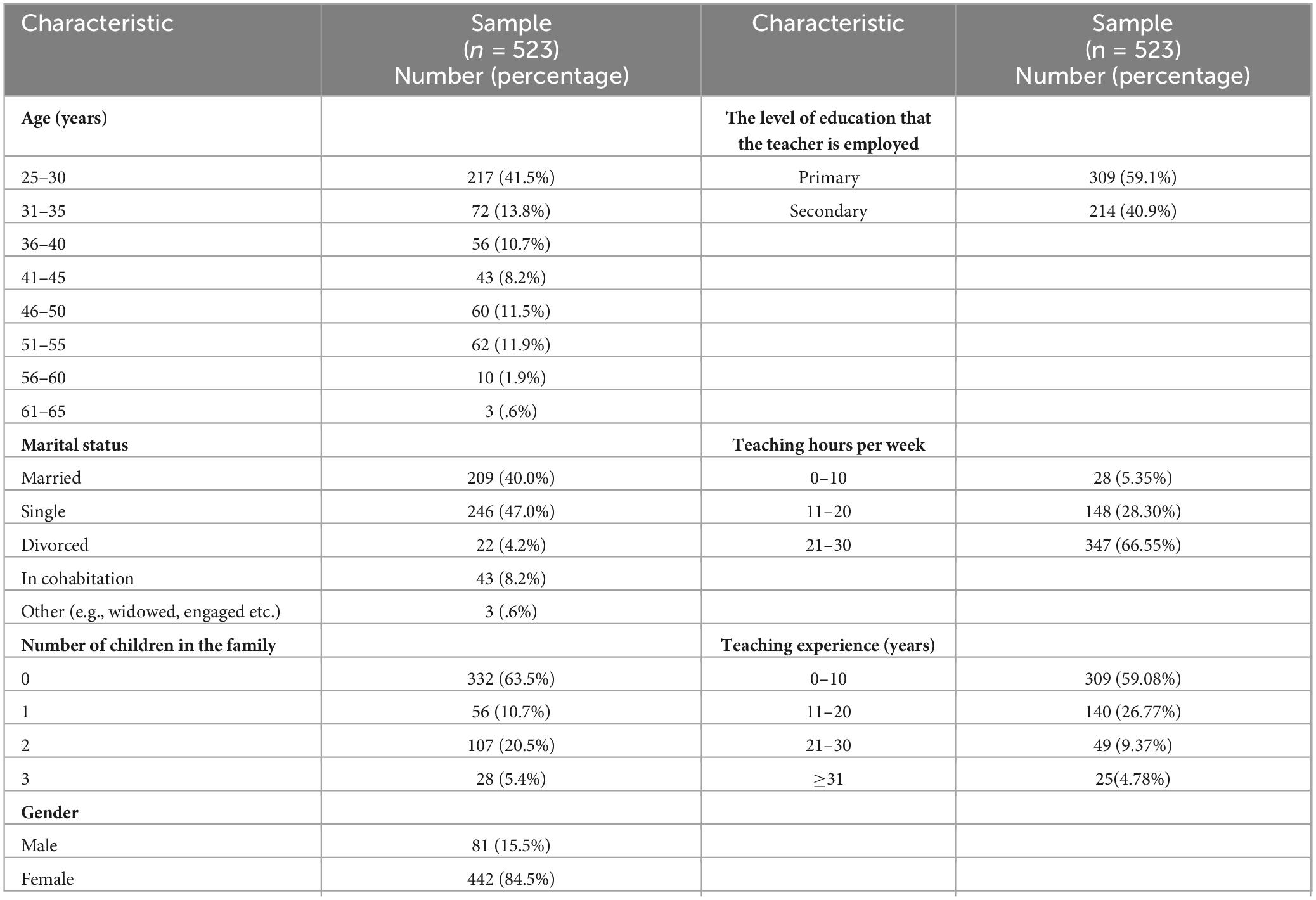
Table 1. Description of the sample’s characteristics (n = 523).
Measures
The items of each measure can be found in Supplementary material.
The Maslach Burnout Inventory
The questionnaire (Maslach et al., 1986) consists of 18 items rated on a seven-point Likert scale (0 = never to 6 = every day). A total number of four items were discarded because they were loaded on multiple factors. The questionnaire assesses teacher burnout through three dimensions namely: emotional exhaustion, depersonalization, and personal accomplishment. Results from EFA and CFA supported construct validity. More specifically, all goodness of fit indices generated by CFA were found satisfactory (TLI = 0.974 > 0.950, RMSEA = 0.038 < 0.080, CFI = 0.952 ≥ .900, χ2/df < 2, p = 0.164 and SRMR = 0.017 < 0.080). The correlational analysis supported the internal consistency of the construct. Further evidence for internal consistency was provided by the estimation of coefficient omega which was formed at 0.891 (Table 2).
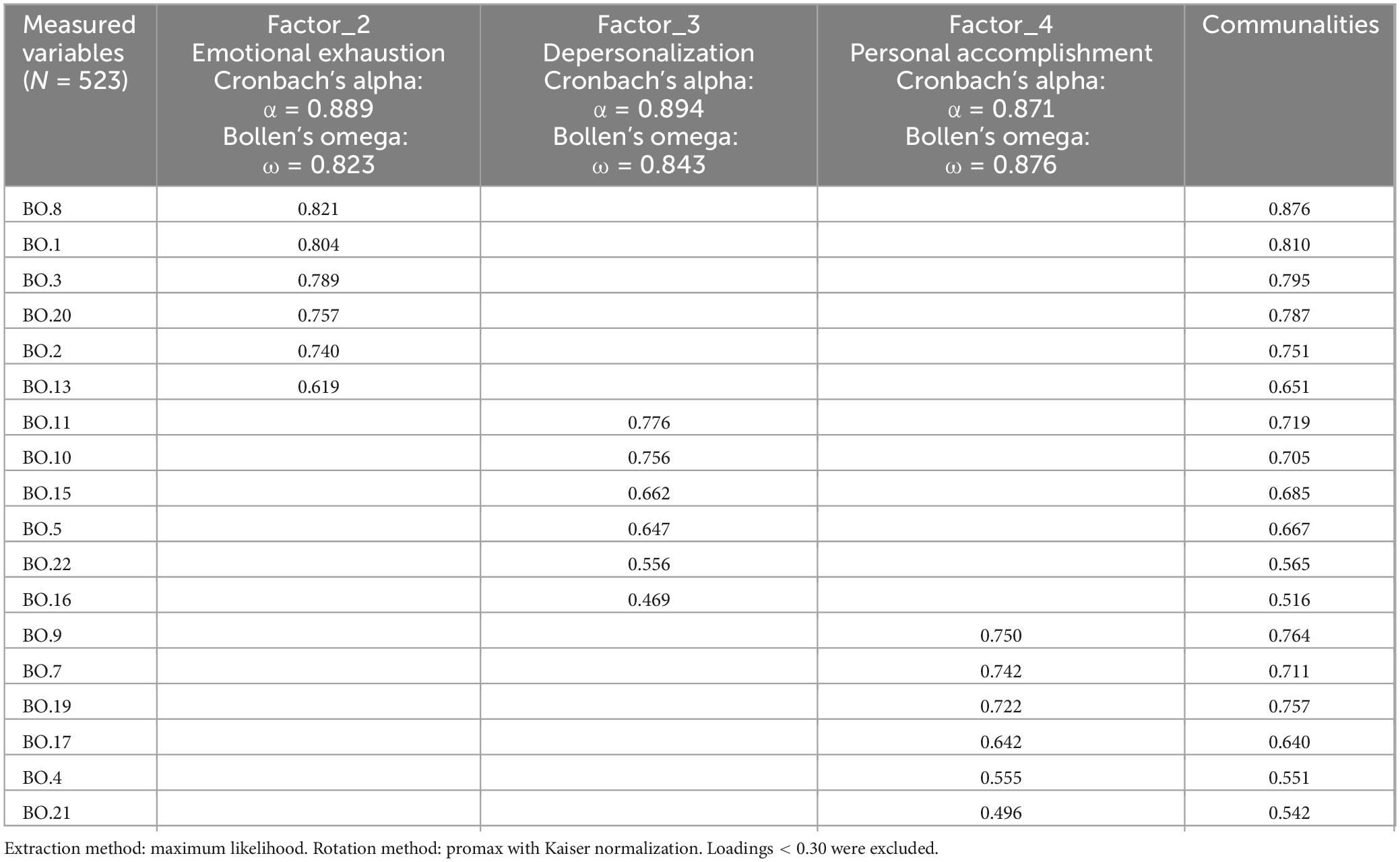
Table 2. Rotated Factor Matrix (EFA factor loadings) and communalities for the Maslach Burnout Inventory (MBI-ES).
Trait Emotional Intelligence Questionnaire-Short Form
The Trait Emotional Intelligence Questionnaire – Short Form (TEIQue-SF) (Petrides and Furnham, 2001) consists of 30 items rated on a seven-point Likert scale (1 = completely disagree to 7 = completely agree). A total number of six items were discarded because they were loaded on multiple factors. The questionnaire assesses emotional intelligence through four dimensions namely: sentimentality, self-control, wellbeing, and sociability. Results from EFA and CFA supported construct validity. More specifically, all goodness of fit indices generated by CFA were found satisfactory (TLI = 0.952 > 0.950, RMSEA = 0.052 < 0.080, CFI = 0.934 ≥ 0.900, χ2/df < 2, p = 0.117 and SRMR = 0.031 < 0.080). The correlational analysis supported the internal consistency of the construct. Further evidence for internal consistency was provided by the estimation of coefficient omega which was formed at 0.831 (Table 3).
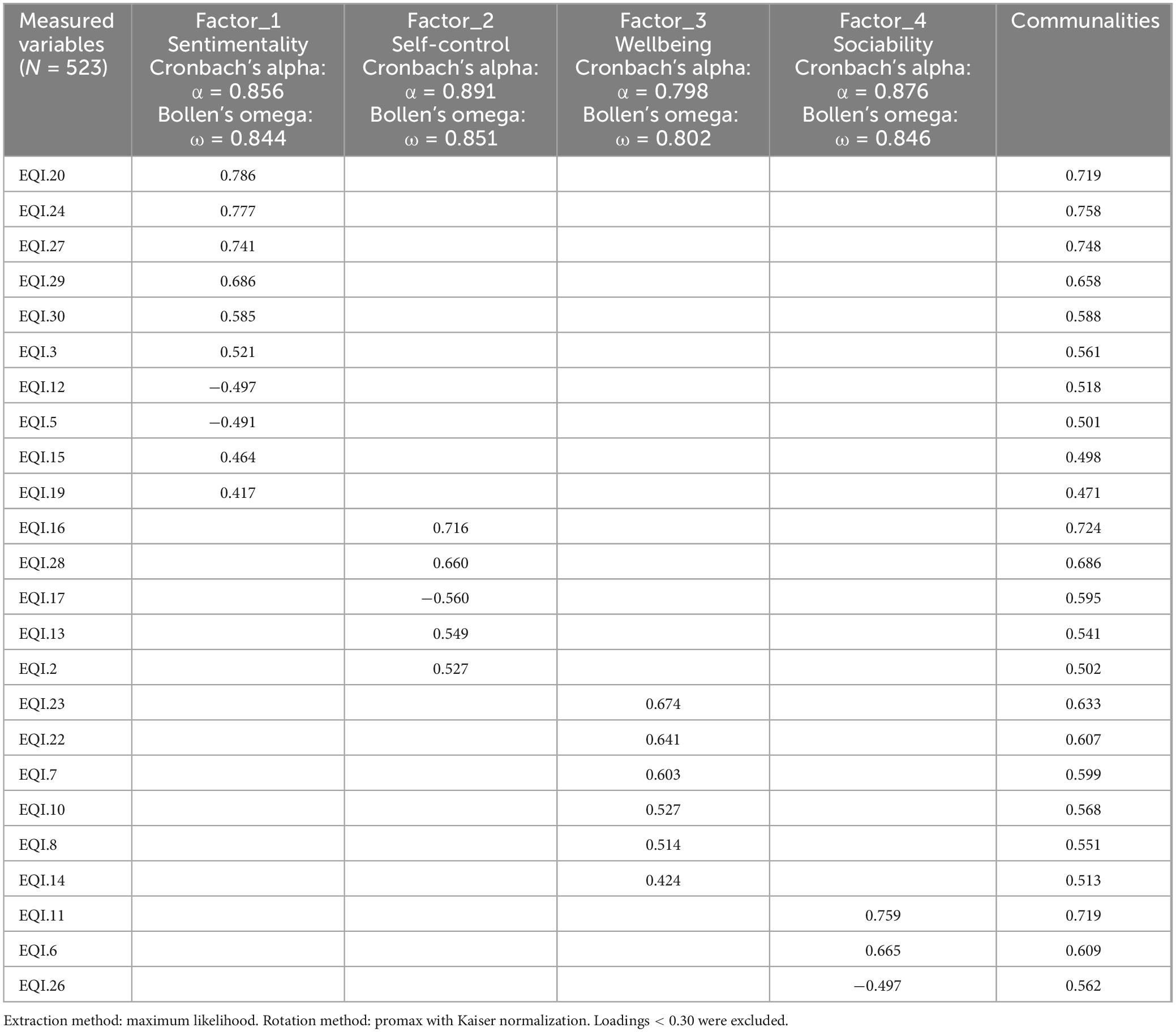
Table 3. Rotated Factor Matrix (EFA factor loadings) and communalities for the Trait Emotional Intelligence Questionnaire-Short Form (TEIQue-SF).
Chinese Mental Resilience Scale
The Chinese Mental Resilience Scale (CMRS) (Sun et al., 2014) consists of 31 items rated on a seven-point Likert scale (1 = completely disagree to 7 = completely agree). The questionnaire assesses mental resilience through five dimensions namely: willpower (e.g., “I live a happy life.”), family support (e.g., “I receive emotional support from my family during difficult periods.”), optimism/self-confidence (e.g., “I believe in myself.”), problem-solving (e.g., “I can consider a variety of different points of view for a problem.”), and interpersonal interaction (e.g., “I can rely on my friends in times of difficulty.”). Results from EFA and CFA supported construct validity. More specifically, all goodness of fit indices generated by CFA were found satisfactory (TLI = 0.964 > 0.950, RMSEA = 0.044 < 0.080, CFI = 0.933 ≥ 0.900, χ2/df < 2, p = 0.204 and SRMR = 0.033 < 0.080). The correlational analysis supported the internal consistency of the construct. Further evidence for internal consistency was provided by the estimation of coefficient omega which was formed at 0.841 (Table 4).
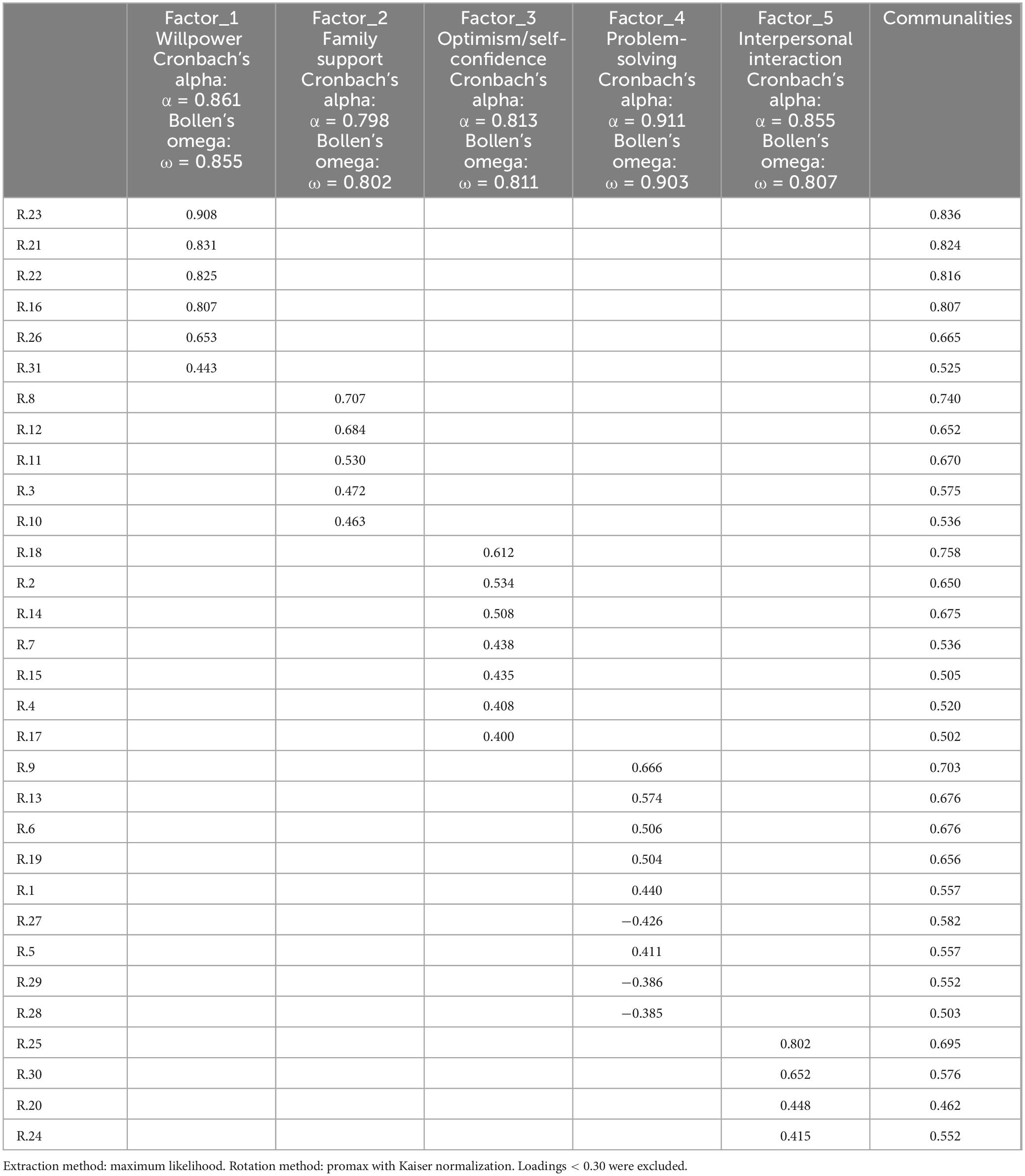
Table 4. Rotated Factor Matrix (EFA factor loadings) and communalities for the Chinese Mental Resilience Scale (CMRS).
Personal Teaching Efficacy Scale
The Personal Teaching Efficacy Scale (PTE) (Kamboj and Garg, 2021) consists of 5 items rated on a six-point Likert scale (1 = strongly agree to 6 = strongly disagree). The questionnaire assesses teachers’ self-perception for their teaching efficacy. Results from EFA and CFA supported construct validity/unidimensional structure. More specifically, all goodness of fit indices generated by CFA were found satisfactory (TLI = 0.971 > 0.950, RMSEA = 0.037 < 0.080, CFI = 0.952 ≥ 0.900, χ2/df < 2, p = 0.413 and SRMR = 0.036 < 0.080). The correlational analysis supported the internal consistency of the construct. Further evidence for internal consistency was provided by the estimation of coefficient omega which was formed at 0.913 (Table 5).
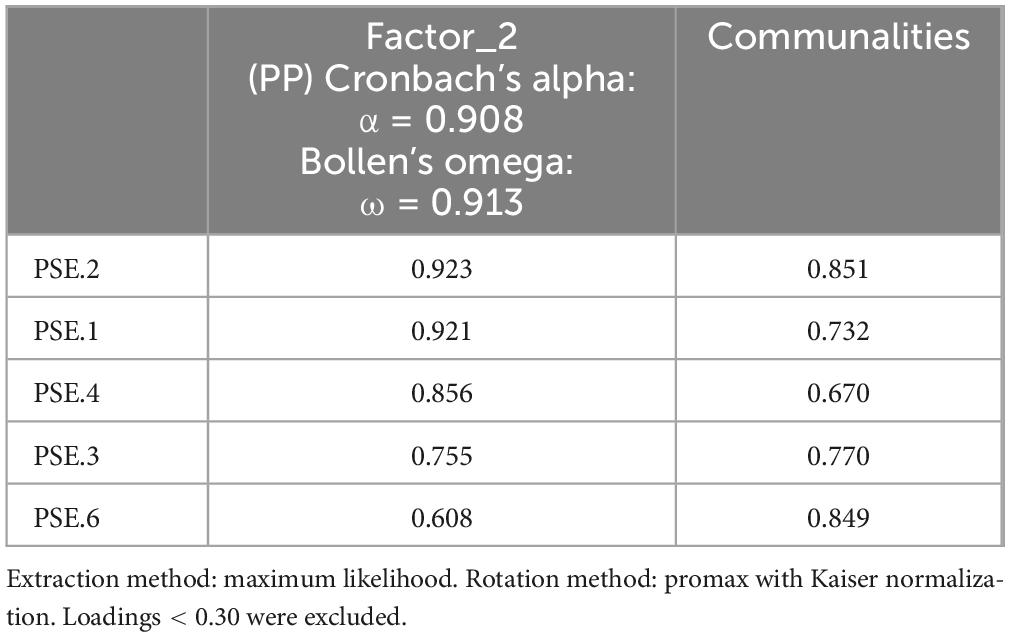
Table 5. Factor Matrix (EFA factor loadings) and communalities for the Personal Teaching Efficacy Scale (PTE).
Data analysis
Data analysis was implemented with the use of R. Firstly, we performed an Exploratory Factor Analysis (EFA), with the extraction method of Maximum Likelihood and the method of Varimax Rotation with Kaiser Normalization. A Confirmatory Factor Analysis was also performed. A variety of Goodness of Fit indexes were estimated, including Model Chi-Square (p > 0.05), Confirmatory Fix Index (CFI ≥ 0.90), Tucker-Lewis Index (TLI ≥ 0.95), Root Mean Square Error of Approximation (RMSEA < 0.08) and (Standardized) Root Mean Square Residual (SRMR < 0.08) (Hooper et al., 2008; Kline, 2015). We also estimated measures of internal consistency, such as Cronbach’s alpha, and McDonald’s Omega coefficients (McDonald, 1999; Revelle and Condon, 2019). Then, we evaluated linear, quadratic, and cubic models to select a model with the best fit for the description of the association of teacher’s emotional intelligence with burnout. Since the association between the teacher’s emotional intelligence and burnout is better described through a cubic model, a cusp catastrophe modeling approach was employed to reveal potential effects on teachers’ burnout. Finally, a second catastrophe modeling approach was employed to evaluate the specific effects of the dimensions of emotional intelligence. For the estimation of the cusp catastrophe model we employed the maximum likelihood method. Ethics committee approval was obtained by the Department of Primary Education—National Kapodistrian University of Athens.
Results
Selecting a model for the description of the association of teacher’s emotional intelligence with burnout
Since both quadratic and cubic equation has a cusp catastrophe, it is important to specify the nature of the associations among the variables assessed (emotional intelligence and burnout). Results suggested that the model with the best fit was the cubic model (b = -0.038, p = 0.000, R2 = 77.66%). The quadratic (b = 0.081, p = 0.000, R2 = 57.02%) and the linear model (b = 0.161, p = 0.000, R2 = 49.71%) demonstrated worse fits.
Employing a cusp catastrophe modeling approach to describe the effect of emotional intelligence on teacher burnout
The intercept of asymmetry variables included teachers’ personal teaching efficacy, mental resilience, teaching experience (years), age (years), and teaching hours per week. The intercept of the bifurcation variable included teachers’ emotional intelligence. The intercept of the outcome variable included the teachers’ burnout (Table 6). As we can see in Table 6 some variables contribute either positively, or negatively to teachers’ burnout. Through catastrophe theory, we can identify critical points of the function assessed. In these points, not only the first derivative but also one or more higher derivatives of the function assessed are also zeroed. The analysis suggested that this is exactly the case when we assess the effect of emotional intelligence on teachers’ burnout, meaning that there is a critical point and a specified area where the teachers’ burnout is chaotic.
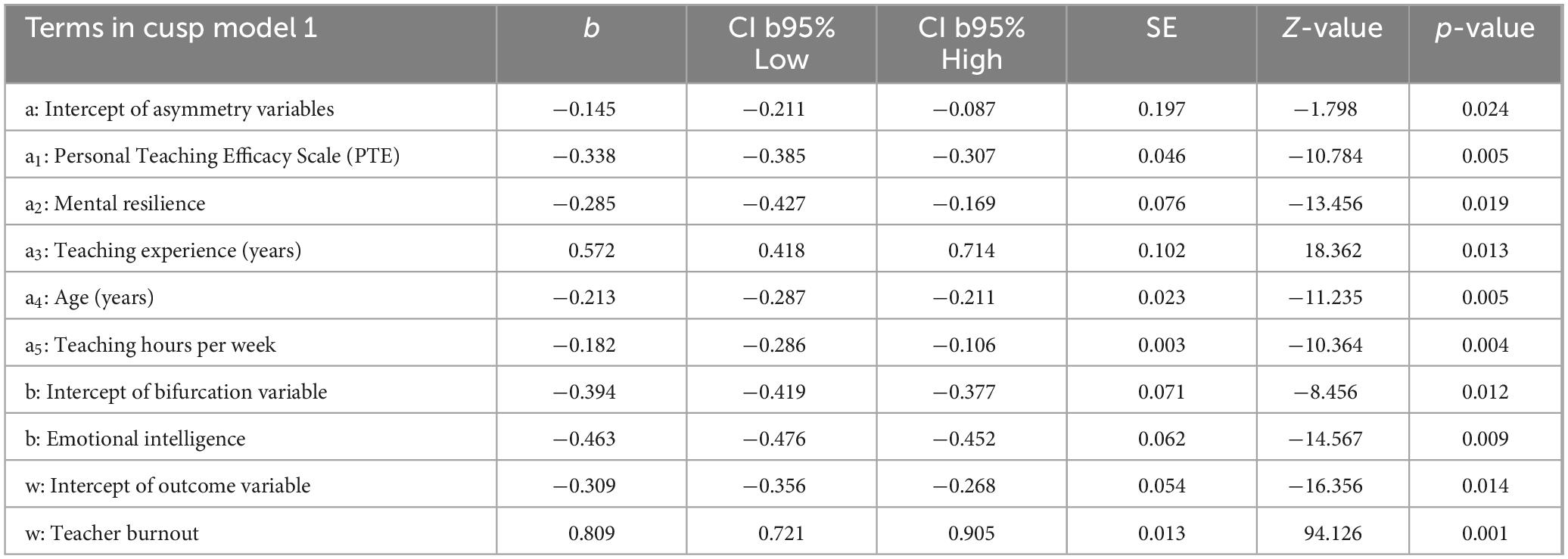
Table 6. Parameter estimates of the cusp model 1 for the prediction of teacher burnout.
All asymmetry variables (personal teaching efficacy, mental resilience, teaching experience (years), age (years), and teaching hours per week) proved to have a significant effect on special education teachers’ burnout (Figures 1, 2). Variations among the effects mentioned above were observed, meaning that other variables had a positive, while others had a negative effect. The suggested cusp model highlighted the significant effect of the bifurcation variable “Emotional Intelligence” on special education teachers’ burnout (Table 6). Results from the chi-square difference test suggested that the covariance among the above variables is better described through the cusp model compared to a linear model [χ2(2) = 349.425, p < 0.001]. Additionally, information criteria namely Akaike Criterion, Akaike Criterion Corrected, and Bayesian Information Criterion were used for the comparison of the linear, logistic, and cusp model. Analysis suggested significantly different values of the cusp compared to the linear and logistic models (Table 7).
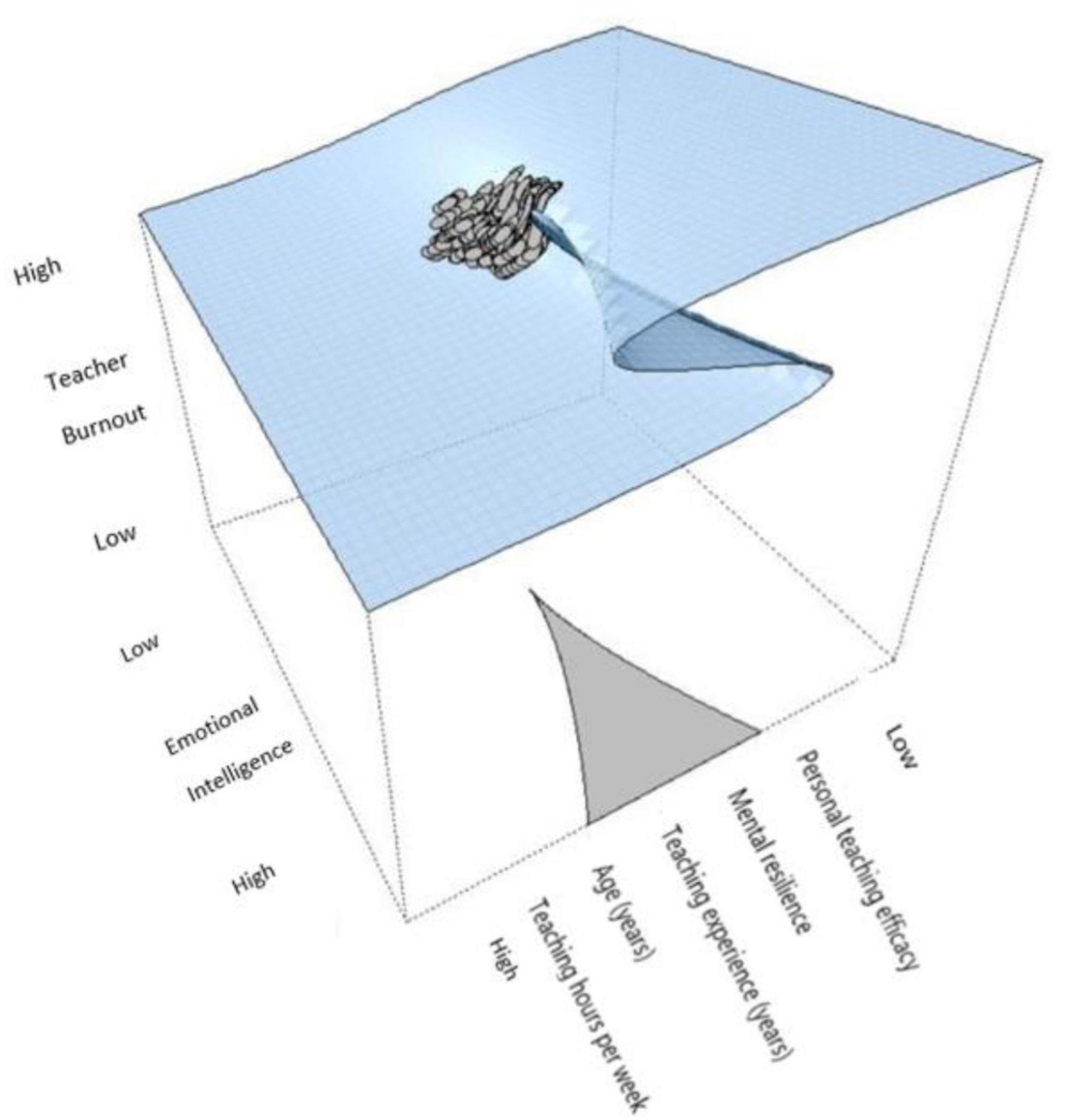
Figure 1. Cusp catastrophe model 1 (from the stable upper to the lower attractor).
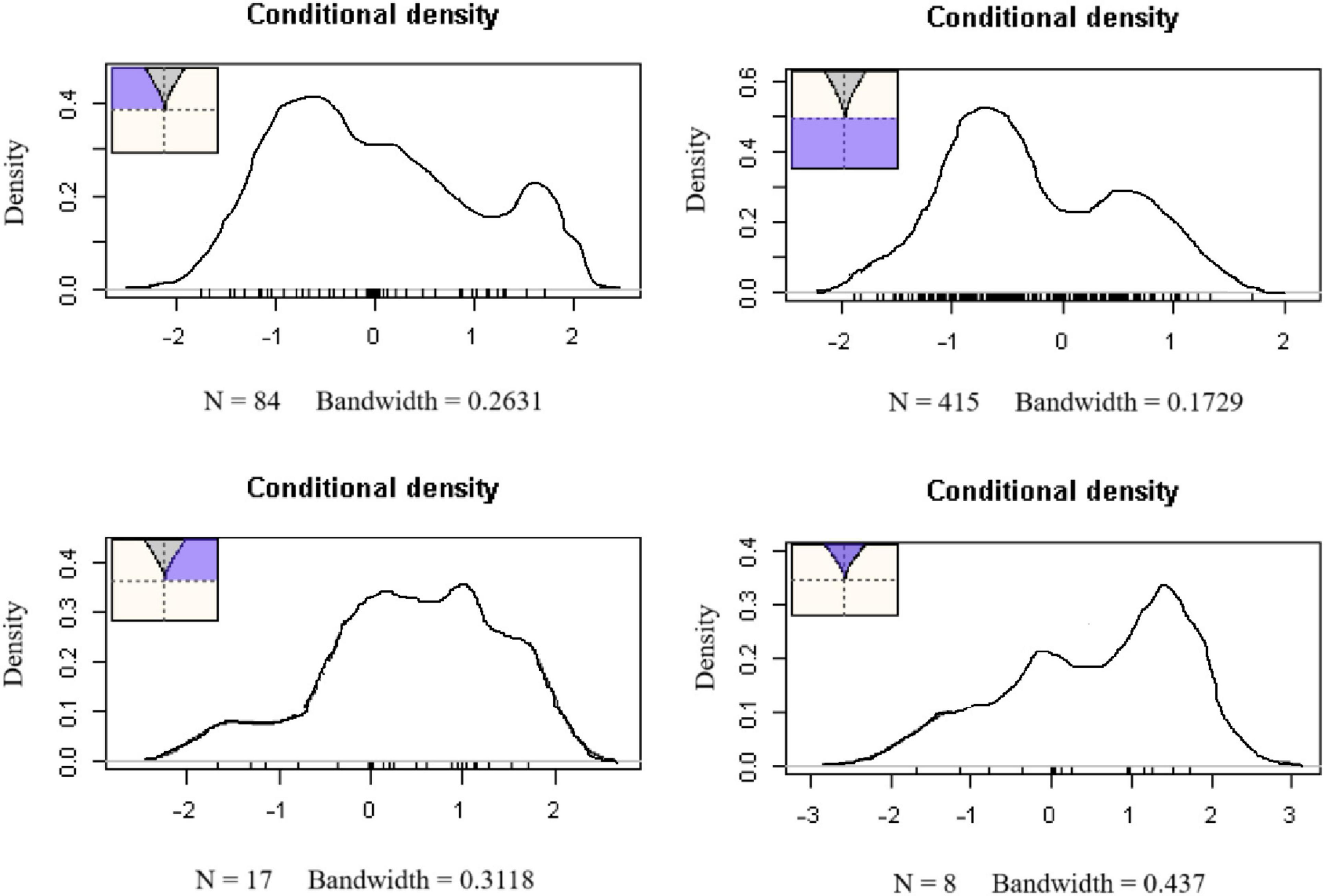
Figure 2. Conditional densities of observations on the surface of Cusp 1.

Table 7. Model comparison using information criteria.
Since both quadratic and cubic equation has a cusp catastrophe, it is important to specify the nature of the associations among the variables assessed (sentimentality and burnout). Results suggested that the model with the best fit was the cubic model (b = -0.304, p = 0.000, R2 = 56.13%). The quadratic (b = -0.081, p = 0.000, R2 = 14.08%) and the linear model (b = -0.091, p = 0.000, R2 = 8.06%) demonstrated worse fits.
Emotional intelligence is measured through four dimensions including self-control, wellbeing, sociability, and sentimentality. Consequently, we supposed that a further investigation should be made through a second cusp catastrophe model. The intercept of asymmetry variables included teachers’ self-control, wellbeing, and sociability. The intercept of the bifurcation variable included teachers’ sentimentality. The intercept of the outcome variable included the teachers’ burnout (Figures 3, 4; Table 8). As we can see in Table 8, the variables that contribute negatively to teachers’ burnout.

Figure 3. Cusp catastrophe model 2 (from the stable upper to the lower attractor).
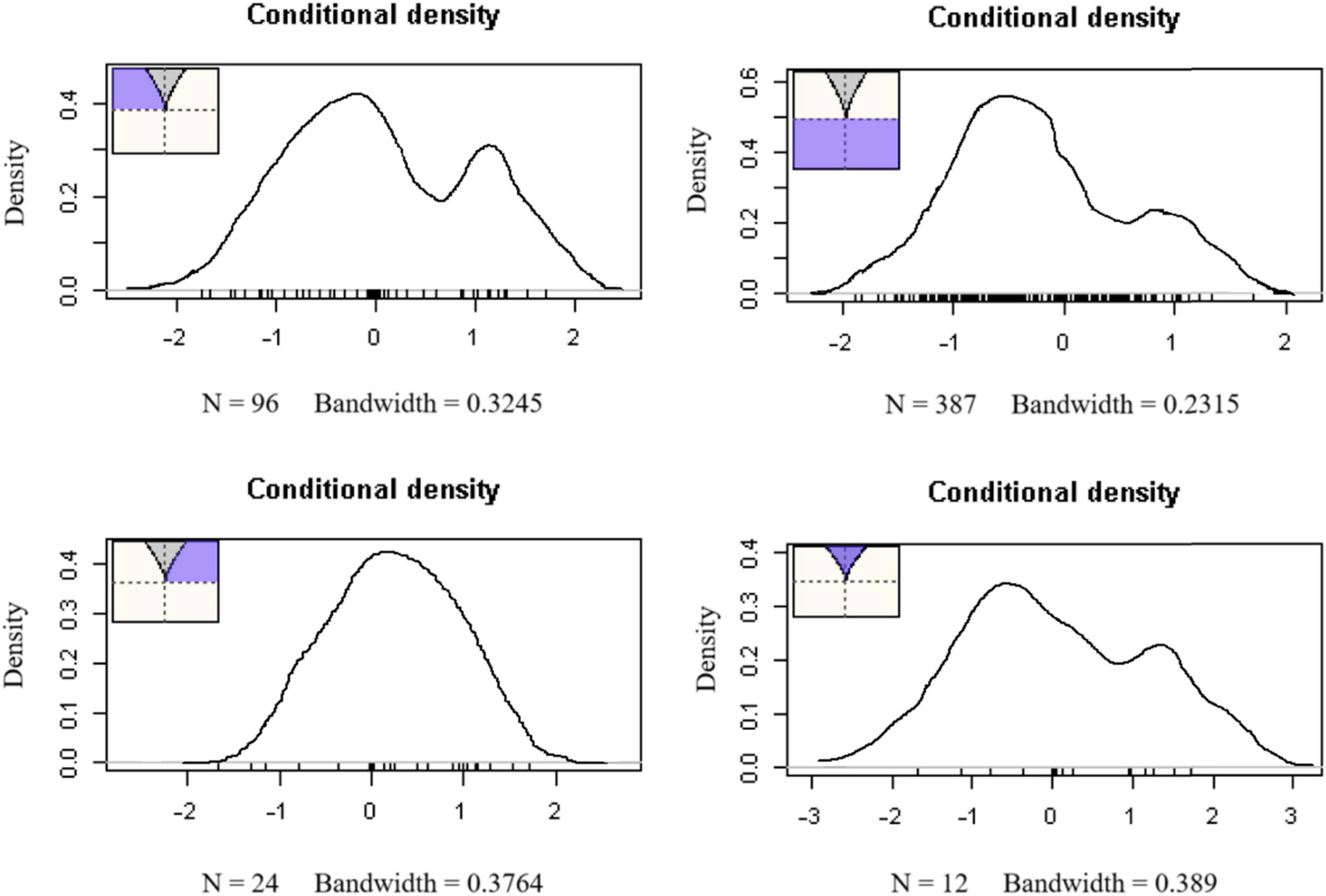
Figure 4. Conditional densities of observations on the surface of Cusp 2.
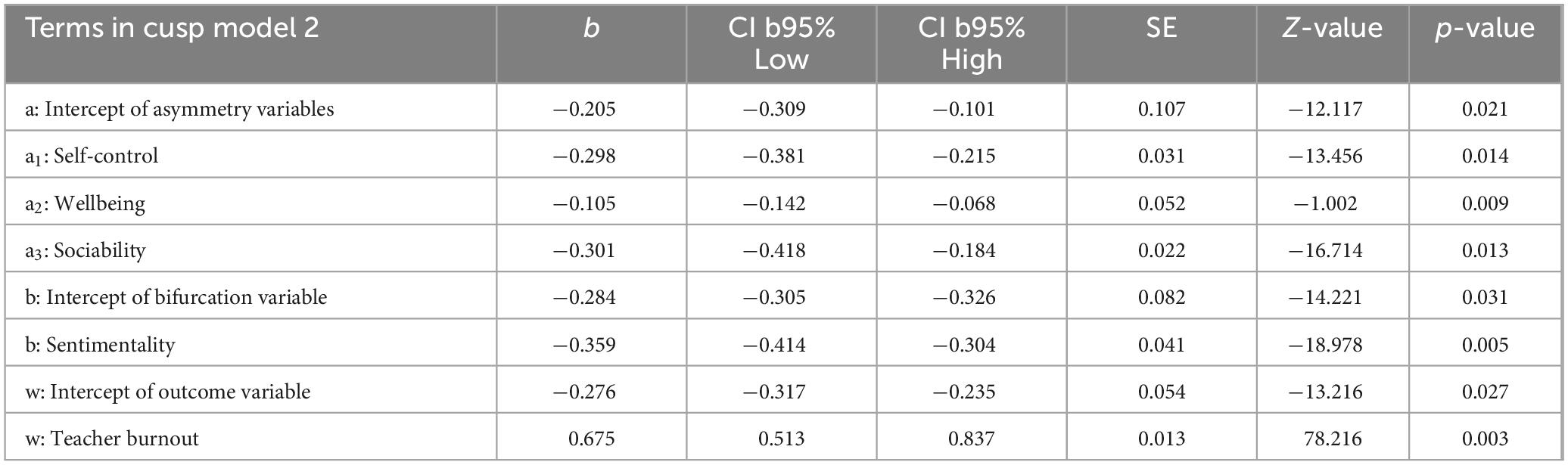
Table 8. Parameter estimates of the cusp model 2 for the prediction of teacher burnout.
More specifically, all asymmetry variables (teachers’ self-control, wellbeing, and sociability) proved to have a significant effect on special education teachers’ burnout. The suggested cusp model highlighted the significant effect of the bifurcation variable “sentimentality” on special education teachers’ burnout (Table 8). Results from the chi-square difference test suggested that the covariance among the above variables is better described through the cusp model compared to a linear model [χ2(2) = 377.112, p < 0.001]. Additionally, information criteria namely Akaike Criterion, Akaike Criterion Corrected, and Bayesian Information Criterion were used for the comparison of the linear, logistic, and cusp model. Analysis suggested significantly different values of the cusp compared to the linear and logistic models (Table 9).

Table 9. Model comparison using information criteria.
Discussion
In the present research, the relationship between emotional intelligence and burnout in special education teachers in Greece was studied, using the cusp catastrophe model. According to the research results, the model provided the best fit, when compared to the quadratic and the linear models. Based on the analysis, EI had a significant influence on burnout among special education teachers in Greece. Specifically, EI was negatively correlated with burnout. However, when EI increased beyond a certain point, burnout unexpectedly increased. The cusp catastrophe model best describes this phenomenon.
EI is considered a protective factor against burnout. Many studies have confirmed that as teachers develop their EI, the possibility of developing burnout decreases (Martínez-Monteagudo et al., 2019; Mérida-López and Extremera, 2017; Zysberg et al., 2017). This negative correlation was noted in this study, too. However, our study found that the relationship between EI and burnout was not linear. The cusp catastrophe model indicated a crucial point where an EI increase led to a burnout increase instead of a decrease. This could indicate that, in a way, teachers had reversed the beneficial effect of EI on burnout.
Though high EI can usually help people handle emotions and interpersonal relationships, it is not immune to causing stress due to excessive empathy (Davis and Nichols, 2016). Sentimentality had a significant effect on special education teachers’ burnout, as shown by the cusp model analysis. Sentimentality expresses the ability of people to understand their own and others’ feelings, to express emotions, and to use emotions to build and maintain close relationships (Petrides and Furnham, 2001). However, it is very difficult for teachers to constantly manage contradictory emotions, experience empathetic distress and sentimental tiredness, or even role conflict, in demanding or stressful environments such as special education classes (Bianchi et al., 2021; Wink et al., 2021). This means that these teachers might be so attached emotionally and mentally to students that they overextend themselves thereby developing burnout over time. Emotionally perceptive people can be more strongly affected by stress (Ciarrochi et al., 2002). Striking a balance between empathy and self-care is essential for preventing burnout.
As to the other findings of the study, all hypotheses were confirmed. As hypothesized, teachers’ self-efficacy correlated negatively to burnout. This is a common finding in research, as teachers who believe in their abilities are protected against burnout (Skaalvik and Skaalvik, 2010). Another factor that had a negative relationship with burnout, was mental resilience. That was also a finding that is often noted in the literature (Burić et al., 2019; De Vera and Gabar, 2020). Resilient teachers find the means to compress job stressors, overcome difficulties, and find solutions (Kangas-Dick and O’Shaughnessy, 2020).
A contradiction in the results was noted between teaching experience, age, and burnout. Teaching experience had a positive impact on burnout, suggesting that experienced teachers could develop a greater level of burnout in comparison to novice ones. This may seem contradictory to the fact that, according to the results, teachers’ age was negatively correlated to burnout. One can assume that older teachers have more teaching experience than younger ones. Although this seems like a paradox, there is an explanation. In Greece, teachers’ age doesn’t always go along with teaching experience. Many teachers are appointed to schools at an advanced age, after having experienced periods of unemployment or reduced employment as substitutes. However, teaching experience and age have been both negatively and positively associated with burnout, in research (Antoniou et al., 2006; Bianchi et al., 2021; Maslach et al., 2001).
Conclusion
Special education settings require teachers to manage unexpected situations and face emotional difficulties. EI offers a means of handling stress and promoting resilience (Begum et al., 2024). Teachers with high levels of EI can identify emotional triggers as well as find constructive ways of managing emotions that benefit learners. If one develops the necessary coping skills, positive mechanisms can neutralize stress’s negative effects. The cusp catastrophe model, in the current research, demonstrated that there is a fragile balance between caring and caring too much. Teachers could benefit from educational programs that help them to develop emotional intelligence skills in a way that they improve the recognition and regulation of emotions and do not allow over-whelming or empathetic distress.
Practical implications
In-service programs for teachers could include training in EI. This training can be used to help teachers develop their self-awareness and control, empathy, and effective communication skills, which are all main parts of emotional intelligence (Pozo-Rico et al., 2023). Special education teachers with high EI can be more aware of their stress levels, understand their students’ emotions, and adopt strategies that would help them deal with stressful situations appropriately. They also could learn to regulate sentimentality and not let themselves be overwhelmed by emotions.
Support against stress can also come from family, peer groups, and school administration. Schools may implement wellness initiatives built on principles of EI with a focus on promoting a self-care culture among teachers. It can include strategies for self-control, stress management as well as resilience that may be obtained by a teacher. In schools where self-care is valued and supported, burnout can be prevented, thereby ensuring the teacher’s overall wellbeing.
Data availability statement
The datasets presented in this article are not readily available because the project has not been completed yet. Requests to access the datasets should be directed to Y2hhcml0YWtpLmdhcnlmYWxpYUBhYy5lYXAuZ3I=.
Ethics statement
The studies involving humans were approved by the National and Kapodistrian University of Athens. The studies were conducted in accordance with the local legislation and institutional requirements. The participants provided their written informed consent to participate in this study.
Author contributions
A-SA: Writing – original draft, Writing – review & editing. GC: Writing – original draft, Writing – review & editing. KP: Writing – original draft, Writing – review & editing. AA: Writing – original draft, Writing – review & editing.
Funding
The author(s) declare that financial support was received for the research, authorship, and/or publication of this article by the Special Research Funds Account of National Kapodistrian University.
Acknowledgments
We acknowledge all parents enrolled in the study.
Conflict of interest
The authors declare that the research was conducted in the absence of any commercial or financial relationships that could be construed as a potential conflict of interest.
The reviewer JV declared a shared affiliation with the author AA to the handling editor at the time of review.
Generative AI statement
The authors declare that no Generative AI was used in the creation of this manuscript.
Publisher’s note
All claims expressed in this article are solely those of the authors and do not necessarily represent those of their affiliated organizations, or those of the publisher, the editors and the reviewers. Any product that may be evaluated in this article, or claim that may be made by its manufacturer, is not guaranteed or endorsed by the publisher.
Supplementary material
The Supplementary Material for this article can be found online at: https://www.frontiersin.org/articles/10.3389/feduc.2025.1512197/full#supplementary-material
References
Al-Bawaliz, M. A., Arbeyat, A., and Hamadneh, B. M. (2015). Emotional intelligence and its relationship with burnout among special education teachers in Jordan: An analytical descriptive study on the southern territory. J. Educ. Pract. 6, 88–95.
Almog, O., and Shechtman, Z. (2007). Teachers’ democratic and efficacy beliefs and styles of coping with behavioural problems of pupils with special needs. Eur. J. Special Needs Educ. 22, 115–129. doi: 10.1080/08856250701267774
Aloe, A., Shisler, S., Norris, B., Nickerson, A., and Rinker, T. (2014). A multivariate meta-analysis of student misbehavior and teacher burnout. Educ. Res. Rev. 12, 30–44. doi: 10.1016/j.edurev.2014.05.003
Antoniou, A., Polychroni, F., and Kotroni, C. (2009). Working with students with special educational needs in Greece: Teachers’ stressors and coping strategies. Int. J. Special Educ. 24, 100–111.
Antoniou, A.-S., Polychroni, F., and Vlachakis, A.-N. (2006). Gender and age differences in occupational stress and professional burnout between primary and high-school teachers in Greece. J. Manag. Psychol. 21, 682–690. doi: 10.1108/02683940610690213
Bandura, A. (1977). Self-efficacy: Toward a unifying theory of behavioral change. Psychol. Rev. 84, 191–215. doi: 10.1037/0033-295X.84.2.191
Begum, F., Hazra, J., and Sultana, M. (2024). Are emotional intelligence and resilience predicting burnout among school teachers? Can. J. Educ. Soc. Stud. 4, 63–74. doi: 10.53103/cjess.v4i1.212
Bianchi, R., Manzano-García, G., and Rolland, J.-P. (2021). Is burnout primarily linked to work-situated factors? A relative weight analytic study. Front. Psychol. 11:623912. doi: 10.3389/fpsyg.2020.623912
Billingsley, B., and Bettini, E. (2019). Special education teacher attrition and retention: A review of the literature. Rev. Educ. Res. 89, 697–744. doi: 10.3102/0034654319862495
Burić, I., Slišković, A., and Penezić, Z. (2019). Understanding teacher well-being: A cross-lagged analysis of burnout, negative student-related emotions, psychopathological symptoms, and resilience. Educ. Psychol. 39, 1136–1155. doi: 10.1080/01443410.2019.1577952
Cappe, É, Poirier, N., Boujut, É, Nader-Grosbois, N., Dionne, C., and Boulard, A. (2017). Autism spectrum disorder and evaluation of perceived stress parents and professionals: Study of the psychometric properties of a French adaptation of the appraisal of life event scale (ALES-vf). Encephale 43, 321–325. doi: 10.1016/j.encep.2016.08.001
Chen, D.-G. D., and Chen, X. J. (2017). Cusp catastrophe regression and its application in public health and behavioral research. Int. J. Environ. Res. Public Health 14, 1220–1235. doi: 10.3390/ijerph14101220
Ciarrochi, J., Dean, F. P., and Anderson, S. (2002). Emotional intelligence moderates the relationship between stress and mental health. Pers. Ind. Dif. 32, 197–209. doi: 10.1016/S0191-8869(01)00012-5
Conley, S., and You, S. (2017). Key influences on special education teachers’ intentions to leave: The effects of administrative support and teacher team efficacy in a mediational model. Educ. Manag. Adm. Leadersh. 45, 521–540. doi: 10.1177/1741143215608859
Davis, S. K., and Nichols, R. (2016). Does emotional intelligence have a “dark side”? A review of the literature. Front. Psychol. 7:1316. doi: 10.3389/fpsyg.2016.01316
De Vera, M., and Gabar, M. (2020). Associated factors with resilience and burnout: A cross-sectional study in a teaching group in Spain. Aula Abierta 49, 117–184. doi: 10.17811/rifie.49.2.2020.177-184
Freudenberger, H. (1974). Staff burnout. J. Soc. Issues 30, 159–165. doi: 10.1111/j.1540-4560.1974.tb00706.x
Gómez-Leal, R., Holzer, A., Bradley, C., Fernández-Berrocal, P., and Patti, J. (2022). The relationship between emotional intelligence and leadership in school leaders: A systematic review. Cambridge J. Educ. 52, 1–21. doi: 10.1080/0305764X.2021.1927987
Guastello, S. J. (2001). Nonlinear dynamics in psychology. Discrete Dyn. Nat. Soc. 6, 11–19. doi: 10.1155/S1026022601000024
Hooper, D., Coughlan, J., and Mullen, M. (2008) “Evaluating the model fit a synthesis of the structural equation modeling literature,” in Proceedings of the 7th European Conference on Research Methodology for Business and Management Studies, Vol. 2008, (London), 195–200.
Hoy, W. K., and Woolfolk, A. E. (1993). Teachers’ sense of efficacy and the organizational health of schools. Elementary School J. 93, 355–372. doi: 10.1086/461729
Kamboj, K., and Garg, P. (2021). Teachers’ psychological wellbeing role of emotional intelligence and resilient character traits in determining the psychological well-being of Indian school teachers. Int. J. Educ. Manag. 35, 768–788. doi: 10.1108/IJEM-08-2019-0278
Kangas-Dick, K., and O’Shaughnessy, E. (2020). Interventions that promote resilience among teachers: A systematic review of the literature. Int. J. School Educ. Psychol. 8, 131–146. doi: 10.1080/21683603.2020.1734125
Kline, P. (2015). A Handbook of Test Construction (Psychology Revivals): Introduction to Psychometric Design. Milton Park: Routledge.
Li, Q., Gu, Q., and He, W. (2019). Resilience of Chinese teachers: Why perceived work conditions and relational trust matter, measurement. Interdisciplinary Res. Perspect. 17, 143–159. doi: 10.1080/15366367.2019.1588593
López-Angulo, Y., Mella-Norambuena, J., Sáez-Delgado, F., Portillo Peñuelas, S. A., and Reynoso González, O. U. (2022). Association between teachers’ resilience and emotional intelligence during the COVID-19 outbreak. Rev. Latinoamericana Psicol. 54, 51–59. doi: 10.14349/rlp.2022.v54.6
Macula, A. M. (2017). Emotional intelligence, its relation with social interaction and perceived social support. Eur. J. Soc. Sci. Educ. Res. 4, 31–37. doi: 10.26417/ejser.v10i2.p57-63
Madigan, D. J., and Kim, L. E. (2021). Towards an understanding of teacher attrition: A meta-analysis of burnout, job satisfaction, and teachers’ intentions to quit. Teach. Teach. Educ. 105:103425. doi: 10.1016/j.tate.2021.103425
Martínez-Monteagudo, M., Inglés, C., Granados, L., Aparisi, D., and García-Fernández, J. (2019). Trait emotional intelligence profiles, burnout, anxiety, depression, and stress in secondary education teachers. Pers. Ind. Dif. 142, 53–61. doi: 10.1016/j.paid.2019.01.036
Maslach, C., and Jackson, S. E. (1981). The measurement of experienced burnout. J. Organ. Behav. 2, 99–113.
Maslach, C., Jackson, S. E., and Schwab, R. (1986). Maslach Burnout Inventory-Educators Survey (MBI-ES). Mountain View, CA: CPP, Inc.
Maslach, C., Schaufeli, W. B., and Leiter, M. P. (2001). Job burnout. Annu. Rev. Psychol. 52, 397–422. doi: 10.1146/annurev.psych.52.1.397
Mayer, J. D., Salovey, P., Caruso, D. R., and Sitarenios, G. (2001). Emotional intelligence as a standard intelligence. Emotion 1, 232–242. doi: 10.1037/1528-3542.1.3.232
Mérida-López, S., and Extremera, N. (2017). Emotional intelligence and teacher burnout: A systematic review. Int. J. Educ. Res. 85, 121–130. doi: 10.1016/j.ijer.2017.07.006
Mérida-López, S., Sánchez-Gómez, M., and Extremera, N. (2020). Leaving the teaching profession: Examining the role of social support, engagement and emotional intelligence in teachers’ intentions to quit. Psychosoc. Intervention 29, 141–151. doi: 10.5093/pi2020a10
Muller, S. M., Gorrow, T. R., and Fiala, K. A. (2011). Considering protective factors as a tool for teacher resiliency. Education 131, 545–555.
Pavlidou, K., Alevriadou, A., and Antoniou, A.-S. (2022). Professional burnout in general and special education teachers: The role of interpersonal coping strategies. Eur. J. Special Needs Educ. 37, 191–205. doi: 10.1080/08856257.2020.1857931
Petrides, K. V., and Furnham, A. (2001). Trait emotional intelligence: Psychometric investigation with reference to established trait taxonomies. Eur. J. Pers. 15, 425–448.
Platsidou, M. (2010). Trait emotional intelligence of Greek special education teachers in relation to burnout and job satisfaction. School Psychol. Int. 31, 60–76. doi: 10.1177/0143034309360436
Pozo-Rico, T., Poveda, R., Gutiérrez-Fresneda, R., Castejón, J. L., and Gilar-Corbi, R. (2023). Revamping teacher training for challenging times: Teachers’ well-being, resilience, emotional Intelligence, and innovative methodologies as key teaching competencies. Psychol. Res. Behav. Manag. 16, 1–18. doi: 10.2147/PRBM.S382572
Puertas Molero, P., Zurita Ortega, F., Ubago Jiménez, J. L., and González Valero, G. (2019). Influence of emotional intelligence and burnout syndrome on teachers well-being: A systematic review. Soc. Sci. 8:185. doi: 10.3390/socsci8060185
Revelle, W., and Condon, D. M. (2019). Reliability from α to ω: A tutorial. Psychol. Assess. 31, 1395–1411.
Robinson, O. P., Bridges, S. A., Rollins, L. H., and Schumacker, R. E. (2019). A study of the relation between special education burnout and job satisfaction. J. Res. Special Educ. Needs 19, 295–303. doi: 10.1111/1471-3802.12448
Salovey, P., and Mayer, J. D. (1990). Emotional intelligence. Imagination Cogn. Pers. 9, 185–211. doi: 10.2190/DUGG-P24E-52WK-6CDG
Schunk, D. H., and Meece, J. L. (2006). “Self-efficacy development in adolescence,” in Self-Efficacy Beliefs of Adolescents, eds F. Pajares and T. Urdan (Greenwich, CT: Information Age Publishing), 71–96.
Sideridis, G., and Alghamdi, M. H. (2023). Teacher burnout in Saudi Arabia: The catastrophic role of parental disengagement. Behav. Sci. 13:367. doi: 10.3390/bs13050367
Skaalvik, E. M., and Skaalvik, S. (2010). Teacher self-efficacy and teacher burnout: A study of relations. Teach. Teach. Educ. 26, 1059–1069. doi: 10.1016/j.tate.2009.11.001
Skaalvik, E. M., and Skaalvik, S. (2017). “Teacher stress and teacher self-efficacy: Relations and consequences,” in Educator Stress. Aligning Perspectives on Health, Safety and Well-Being, eds T. McIntyre, S. McIntyre, and D. Francis (Cham: Springer), doi: 10.1007/978-3-319-53053-6_5
Stamovlasis, D., and Tsaparlis, G. (2012). Applying catastrophe theory to an information-processing model of problem solving in science education. Sci. Educ. 96, 392–410. doi: 10.1002/sce.21002
Sun, X., Kong, L., Zhang, Q., Tao, F., Ma, A., Liu, Y., et al. (2014). The Chinese mental resilience scale and its psychometric properties. J. Health Psychol. 21, 1383–1393. doi: 10.1177/1359105314554474
Wink, M. N., LaRusso, M. D., and Smith, R. L. (2021). Teacher empathy and students with problem behaviors: Examining teachers’ perceptions, responses, relationships, and burnout. Psychol. Sch. 58, 1575–1596. doi: 10.1002/pits.22516
Wu, Y., Lian, K., Hong, P., Liu, S., Lin, R.-M., and Lian, R. (2019). Teachers’ emotional intelligence and self-efficacy: Mediating role of teaching performance. Soc. Behav. Pers. Int. J. 47, 1–10. doi: 10.2224/sbp.7869
Zhang, S., and Luo, Y. (2023). Review on the conceptual framework of teacher resilience. Front. Psychol. 14:1179984. doi: 10.3389/fpsyg.2023.1179984
Keywords: special education, burnout, emotional intelligence, cusp catastrophe model, teachers
Citation: Antoniou A-S, Charitaki G, Pavlidou K and Alevriadou A (2025) An exploratory statistical cusp catastrophe model for the prediction of the effect of special education teachers’ emotional intelligence on their burnout. Front. Educ. 10:1512197. doi: 10.3389/feduc.2025.1512197
Received: 16 October 2024; Accepted: 17 January 2025;
Published: 21 February 2025.
Edited by:
David Pérez-Jorge, University of La Laguna, SpainReviewed by:
Julie Vaiopoulou, Aristotle University of Thessaloniki, GreeceAna Isabel González, University of Extremadura, Spain
Münevver Can Yaşar, Alanya Alaaddin Keykubat University, Türkiye
Copyright © 2025 Antoniou, Charitaki, Pavlidou and Alevriadou. This is an open-access article distributed under the terms of the Creative Commons Attribution License (CC BY). The use, distribution or reproduction in other forums is permitted, provided the original author(s) and the copyright owner(s) are credited and that the original publication in this journal is cited, in accordance with accepted academic practice. No use, distribution or reproduction is permitted which does not comply with these terms.
*Correspondence: Garyfalia Charitaki, Y2hhcml0YWtpLmdhcnlmYWxpYUBhYy5lYXAuZ3I=