 Yvonne Abt
 Lars Holzäpfel
 Heiko Oberfell1
 Markus Antonius Wirtz
- 1Centre for Practical School Studies, University of Education, Freiburg, Germany
- 2Department of Research Methods in Health Sciences, University of Education, Freiburg, Germany
During teaching internships, student teachers face a range of demands and new challenges that can affect their emotional wellbeing and motivation to pursue a teaching career. This study examined how various personal and contextual resources relate to emotional exhaustion and career motivation among student teachers during their internship semester using structural equation modeling. After validating the questionnaire structure with confirmatory factor analysis, a structural equation model was estimated (RMSEA = 0.052; CFI = 0.947) on data from 194 student teachers. Reflection, occupational insight, university mentoring support, and transparency showed indirect associations with emotional exhaustion and career motivation through self-efficacy and internship satisfaction as mediators. Furthermore, transparency also had a direct negative effect on career motivation. The model accounted for 40% of the variance in emotional exhaustion and 46% in career motivation. These findings underscore the importance of strengthening both personal and contextual resources to enhance teacher wellbeing and sustain career motivation in early teacher education.
1 Introduction
Teacher wellbeing is a critical factor influencing both individual and systemic educational outcomes. It is closely linked to teachers’ job and life satisfaction, instructional quality, and students’ achievements (Dreer, 2023; Ryan and Deci, 2016). Teachers who experience higher wellbeing show greater job engagement and are more likely to remain in the profession (Wang and Hall, 2021), whereas low wellbeing is associated with poorer instructional quality and reduced classroom management effectiveness (Klusmann et al., 2022), as well as a higher intention to leave the profession (Goddard and Goddard, 2006; Skaalvik and Skaalvik, 2016). The promotion of teacher wellbeing is therefore not only important at the individual level, but also a systemic strategy for advancing educational quality.
Work-related wellbeing among teachers is commonly conceptualized as a multidimensional construct that integrates both positive indicators (e.g., job satisfaction, work engagement) and negative indicators (e.g., stress, burnout). Previous research has shown that teacher motivation plays a key role in predicting teaching as a career choice and teacher engagement (Fokkens-Bruinsma and Canrinus, 2014; Watt and Richardson, 2007). Sinclair (2008), p.80 defined teacher motivation as something that determines “what attracts individuals to teaching, how long they remain in their initial teacher education courses and subsequently the teaching profession, and the extent to which they engage with their courses and the profession”. Teaching internships provide critical opportunities for pre-service teachers to develop and strengthen career-choice motivation (König et al., 2016; Sinclair, 2008). The structure and duration of these internships vary depending on the university and its specific teacher education program. Typically, student teachers are supervised by school mentors; in some cases, they also attend accompanying university seminars or they are visited and supervised by university lecturers at their schools. Tasks in teaching internships are mostly differentiated into school pedagogical tasks (getting to know the school as an institutional environment and the professional areas of responsibility) and teaching-learning research tasks (lesson planning, conducting lessons and reflecting on the lessons carried out; Arnold et al., 2014). Research on pre-service teachers’ career-choice motivation during teaching internships presents a multifaceted picture: König et al. (2016) reported that within initial teacher education, intrinsic motivation tends to increase, extrinsic motivation remains stable, and altruistic motivation (the motivation to work with children or adolescents) may even decline. However, Bauer et al. (2020) found that career-choice motives remained relatively stable over the course of a 16-week internship.
In contrast to teacher motivation and engagement, burnout represents the negative pole of teacher wellbeing. Globally, the prevalence of burnout among teachers varies considerably (2.81–70.9%), with a median of 28.8% (Agyapong et al., 2022). Burnout is a prolonged response to chronic work-related stress and encompasses three core dimensions: emotional exhaustion, dissatisfaction with one’s own performance, and depersonalization or loss of empathy. Emotional exhaustion describes the feeling of being drained of energy and is assumed to be the first stage in the development of burnout (Maslach et al., 1996). There is empirical evidence that emotional exhaustion increases within early career phases of teachers (Dicke et al., 2015; Klusmann et al., 2012), underscoring its role as a central indicator of teachers’ occupational wellbeing.
Teachers face numerous job demands, including classroom management challenges (e.g., maintaining student motivation and discipline), high workload and administrative burdens, and role-related stressors such as ambiguity, external evaluation, and insecure contracts. Additional pressures stem from adapting to change, increased technology use, difficult working conditions, and strained social interactions or unhealthy competition among colleagues (Kyriacou, 2001; Lu et al., 2024). The stressors in the teaching internship differ from those in the later teaching profession, but there are also overlaps, like workload and time pressure. Additional stress factors perceived by student teachers are inconsistent role attributions, discrepancies in the organization of the internship, assessments of student teachers, and accompanying tasks at the university (Kokkinos et al., 2016; Krawiec et al., 2020).
According to Lazarus’ transactional stress model, stress arises when there is an incongruence between the demands of the environment and the resources of an individual. The appraisal of the situation and individual coping strategies determine the strength of the stress reaction (Lazarus and Folkman, 1984). The Job Demands-Resources Model (Bakker and Demerouti, 2007) differentiates work characteristics into demands and resources. Available resources (e.g., social support, self-efficacy) may have a buffering effect by mitigating the negative impact of demands. Prolonged exposure to high demands without adequate resources can lead to elevated stress levels, emotional exhaustion and burnout, negatively impacting teacher engagement and motivation, what may lead to teachers leaving the profession (Collie, 2023; Klassen and Chiu, 2011).
Distinguishing between internal (personal) and external (contextual) resources is essential, as both can aid in managing stress during teaching internships in the early stages of a teaching career (Kücholl et al., 2019). Self-efficacy has been extensively researched as a key personal resource mitigating stress and burnout at work (Shoji et al., 2016). It describes the subjective conviction of being able to cope with new or difficult challenging situations based on one’s own competencies (Bandura, 1977). A correlation between high self-efficacy and low burnout symptoms was found both among teachers in the profession (Holmström et al., 2023; Skaalvik and Skaalvik, 2007) and among student teachers during school internships (Fives et al., 2007). Bauer et al. (2020) reported that teacher self-efficacy significantly increased after a 16-week teaching internship in a pre-post study with a control group, suggesting that structured practical experience can meaningfully enhance confidence in professional abilities. During the pandemic, student teachers reported fewer practical learning opportunities as well as a lower development of self-efficacy (König et al., 2022). This suggests that reduced learning opportunities and weaker growth in self-efficacy are closely related. Recent findings also highlight the mediating role of self-efficacy in the relationship between social and emotional competencies and burnout among early career teachers (Pikić Jugović et al., 2025).
Additionally, job-specific characteristics and competencies may serve as personal resources for coping with stress (Lazarus and Folkman, 1984). These resources can support prospective teachers during their initial practical phase and may help to reduce stress reactions. One focus of teaching internships is linking theoretical knowledge and practical action (Holzäpfel et al., 2019; Schubarth et al., 2016). Practical school components in teacher training have the potential to help student teachers gain more realistic professional expectations through practical experience and insights into the professional field (Košinár et al., 2016). Reflexivity, flexibility, and resource awareness are described as important characteristics of professional teaching, as teachers must continually deal constructively with new challenges in the teaching profession (Bonnet and Hericks, 2014). Reflective practice in teacher preparation has the potential to enhance student teachers’ educational knowledge, skills, and dispositions by encouraging critical contemplation on actions in the school environment (Slade et al., 2019). Furthermore, reflection opportunities in teaching internships can have an effect on the teacher self-efficacy (Bauer et al., 2020).
Social support has been identified as a significant resource in protecting individuals from the adverse effects of stress. It has been defined as “efforts to aid individuals or that encourage their sense of attachment to significant groups” (Hobfoll, 2001). For teachers, support from superiors and a positive relationship with colleagues are predictors of lower emotional exhaustion, higher job satisfaction, and higher career motivation (Mijakoski et al., 2022; Skaalvik and Skaalvik, 2011). Close guidance and support from mentors and university lecturers are also important for student teachers in practical phases, as this protects against burnout symptoms and contributes to higher satisfaction and motivation (Fives et al., 2007; Hobson et al., 2009). During the traineeship, support from fellow trainees may help mitigate emotional exhaustion. Trainee teachers were less stressed if they received advice or specific help from their fellows or if there was an exchange of teaching materials (Richter et al., 2011). Social support may also contribute to the enhancement of self-efficacy (Fives et al., 2007; Kücholl et al., 2019; Richter et al., 2011). Kücholl et al. (2019) assume that students are more likely to develop self-efficacy and confidence in their own abilities if these abilities are discussed with mentors in the context of feedback. It is also important to ensure transparency regarding the tasks, objectives, and support services of the internship in order to clarify the relevance of the internship and provide guidance for student teachers (Schubarth et al., 2016). Stress at the workplace can be reduced if there is a high level of transparency for employees through clear guidelines and information (Kaluza, 2023).
Teaching internships mark student teachers’ initial exposure to both practical teaching experience and teaching-related stress. During this period, routines and strategies for managing work demands may be established and developed. An imbalance between demands and resources, combined with a lack of coping strategies during these early practical experiences, may lead to unprofessional behavior, higher stress levels and emotional exhaustion (Dicke et al., 2018; Darius et al., 2021; Drüge et al., 2014; Fives et al., 2007).
The present study focuses on stress-protective resources during teaching internships that help student teachers reduce stress and prevent burnout in the early stages of the teaching profession. Using a structural equation model (SEM), the study examines both internal and external resources associated with lower levels of emotional exhaustion and higher career choice motivation among student teachers during their 16-week internship semester at the Freiburg University of Education (Germany). The findings aim to highlight the importance of considering stress-protective resources in the planning and organization of the internship to support teachers’ wellbeing and promote sustainable teaching practices.
The literature-based structural path model (see Figure 1) includes all constructs, each incorporated in the model individually, measured by its respective scale. The constructs can be grouped as follows:
1. Contextual constructs, representing environmental resources within the internship setting, including:
• Transparency: clarity about the process and objectives of the internship,
• Internship group support: social support from fellow student interns, and
• University mentoring support: guidance provided by university mentors.
2 Personal/professional competencies, representing individual resources and skills, including:
• Theory–practice link in seminars: the extent to which theoretical knowledge from seminars can be applied in practical teaching situations,
• Theory–practice link in practical experience: the contribution of hands-on teaching experiences to understanding theoretical concepts,
• Reflection: the ability to critically reflect on teaching experiences, and
• Occupational insight: gaining insight into the work of teachers and school operations.
3 Mediating constructs
• Self-efficacy, and
• Satisfaction with the internship.
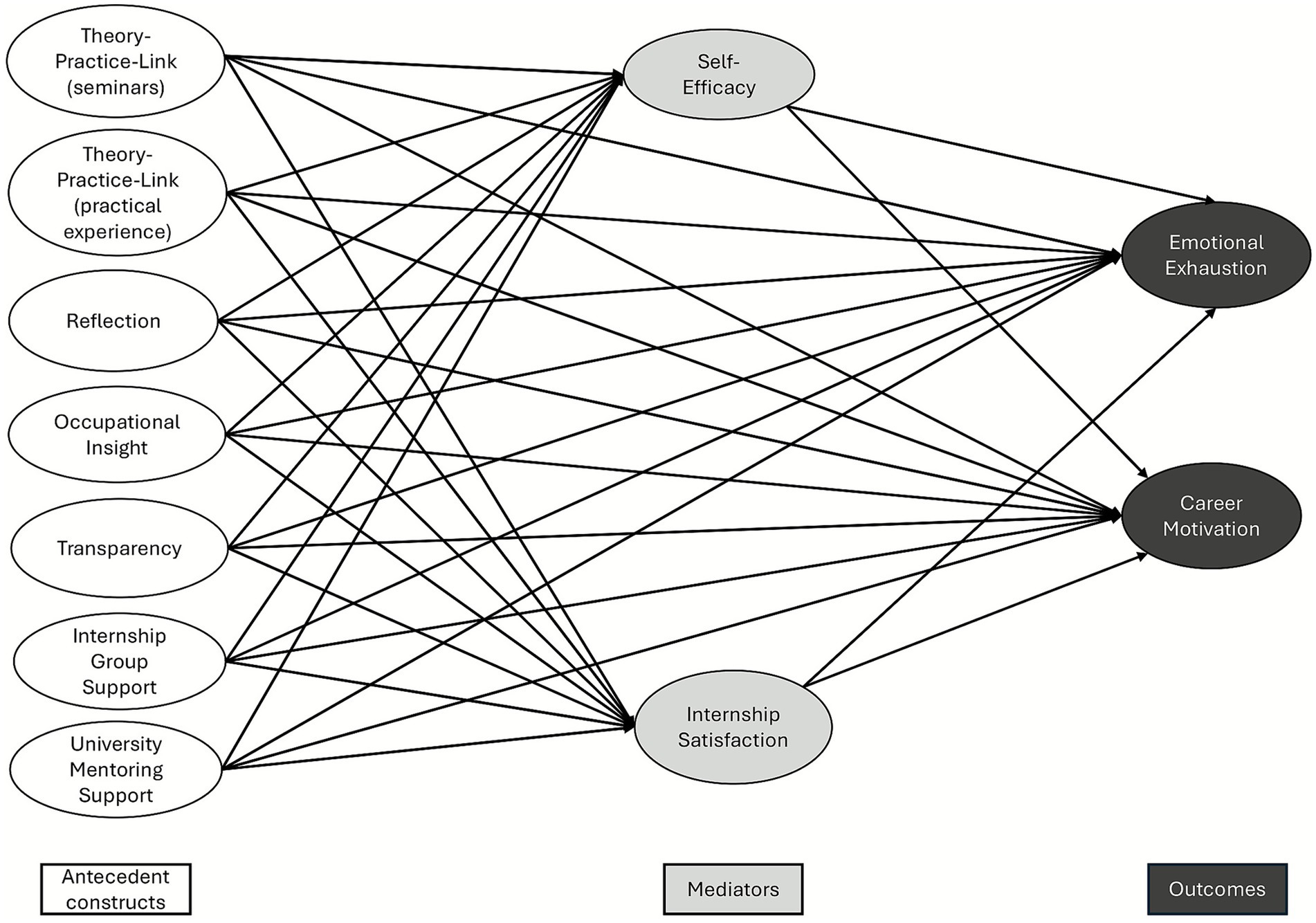
Figure 1. Literature-based structural path model including all hypothized antecedent constructs.
The following hypotheses are tested using the path model:
H1: Contextual constructs (social support, transparency) and professional competency constructs (theory-practice-link in the seminars and in practical experience, reflection, occupational insight) are associated with
(i) lower emotional exhaustion during the internship as well as
(ii) higher career choice motivation
H2: Self-efficacy and internship satisfaction mediate the association of the antecedent contextual constructs and the professional competency constructs and the outcome variables.
H3: The regression weights of the antecedent constructs on internship satisfaction and self-efficacy are positive.
2 Materials and methods
2.1 Research context and data collection
At the Freiburg University of Education (Germany), student teachers complete a semester-long internship, known as the Integrated Semester Practicum (ISP), which combines university-based support with school-based supervision. The ISP takes place either in the fifth semester of the bachelor’s program for future primary school teachers or in the second semester of the master’s program for prospective lower secondary school teachers. The student teachers spend 15–16 weeks at a school where they actively participate in everyday school life, observe lessons, and teach lessons themselves. At the same time, they attend seminars at the university and are supervised weekly by university lecturers during their teaching activities at school. This close university-based supervision, aimed at strengthening the theory–practice link during the internship, is rare in both national and international contexts.
The data collection was conducted as part of the student evaluation of the ISP during the winter semester 2023/24. Data were gathered in the final 3 weeks of the internship (February 2024) using an online questionnaire administered via the LimeSurvey platform. 217 out of 268 student teachers participated in the voluntary evaluation (response rate of 84.1%).
At the beginning of the survey, the student teachers were informed about its purpose in relation to the internship evaluation. However, it was only later decided to use the data for further analysis and publication. Since this was not included in the information provided, the ethics committee of the Albert Ludwig University of Freiburg was asked to approve the use of the data for these purposes. The ethics committee stated that they had no ethical or legal reservations to this course of action (24-1505-request).
2.2 Measures
The evaluation of the ISP has been conducted every semester since the summer semester of 2013. Since then, the evaluation questionnaire has been regularly developed and revised. The current version consists of 67 quantitative and 7 qualitative items that ask about internship-related characteristics. Most of the scales were developed in-house and are based on a 7-point Likert scale (from 1 “strongly disagree” to 7 “strongly agree”).
The two scales on self-efficacy and emotional exhaustion were taken from the MBI-SS KV (student short version of the Maslach Burnout Inventory; Wörfel et al., 2015) and the ASKU General Self-Efficacy Expectation Short Scale (Beierlein et al., 2013). The wording of the items was adapted to the context of the teaching internship. Of the MBI-SS KV only the items of the emotional exhaustion dimension were used, as this symptom is considered to be the first indicator in the development of burnout symptoms.
The evaluation survey included: perceived theory–practice link (in both the accompanying university seminars and the general practical experience), occupational insight, reflection on the practical experience, university mentoring support, internship group support, perceived transparency, self-efficacy (measured using the ASKU; Beierlein et al., 2013), internship satisfaction, emotional exhaustion (assessed via the German student version of the MBI; Wörfel et al., 2015), and career motivation. The Supplementary material includes the complete evaluation survey and a table with the model-relevant items.
2.3 Data analysis
Of the 217 students who took part in the evaluation, 194 cases had less than 10% missing data. Prior to the main analyses, missing values of these 194 cases were imputed using the Expectation–Maximization method in SPSS (Version 29). The procedure helps to minimize power loss and distortions due to missing-at-random processes (Wirtz, 2004). The maximum number of missing responses per item was eight (4.1% of 194).
Structural equation modelling (SEM) was performed to estimate the multivariate dependencies of the constructs within the assumed path model. We used maximum likelihood estimation implemented in the AMOS 29.0 software. This procedure assumes multivariate normal distribution of the analyzed variables (skewness ≤ 3; kurtosis ≤ 8; Kline, 2023). The SEM was conducted according to the two-step procedure proposed by Kline (2023). In the first step, a CFA model assuming all constructs to be intercorrelated was estimated. The combined inclusion of these constructs does not represent a single overarching theoretical construct; each scale reflects its respective latent construct. This approach allows examination of the measurement model prior to hypothesis testing. Subsequently, the path model was defined. Global model fit was assessed by different measures (Kline, 2023; Schermelleh-Engel et al., 2003), indicating the fit of the empirical variance–covariance matrix with the data structure implied by the model. Due to its critical dependence on the sample size, the χ2-test is an overly strict measure of global fit (p > 0.05). The assessment of model quality is therefore primarily based on the Root Mean Square Error of Approximation (RMSEA) indicating the proportion of variance–covariance information that is not explained by the model (RMSEA ≤ 0.08: acceptable fit; RMSEA ≤ 0.05: good fit; Schermelleh-Engel et al., 2003) as well as incremental fit measure CFI and TLI, representing the data information that is explained by the model (CFI, TLI > 0.95: acceptable fit: > 0.97: good fit according to Schermelleh-Engel et al. (2003); CFI, TLI > 0.90: acceptable fit: > 0.95: good fit according to Hu and Bentler, 1999; Hair et al., 2010).
The latent factor structure and the item-construct fit were tested using the local fit indices, which reflect whether the construct is reliably measured by its indicators and whether the constructs within the model are sufficiently distinguishable. The standardized factor loadings were examined to ensure that each indicator showed a sufficient association with its latent construct (λ ≥ 0.50; Hair et al., 2010). The squared factor loadings (indicator reliability) specify the proportion of variance of the item that can be explained by the latent construct (> 0.40; Bagozzi and Baumgartner, 1994). The average variance extracted (AVE) measured by the construct should be > 0.5 (Bagozzi and Yi, 1988). Factor reliability > 0.6 (Bagozzi and Yi, 1988) and internal consistency (Cronbach’s α) ≥ 0.7 (Lienert and Raatz, 1994) indicates deemed satisfactory fit. To test discriminant reliability, the Fornell–Larcker criterion was used, which requires that a latent construct i to be estimated shares on average a higher proportion of variance with the respective indicators than with any other construct within the model (AVEi > r2ij). If this criterion is met, it can be assumed that the modelled constructs are sufficiently separable (Fornell and Larcker, 1981). The significance of the regression weights and their effect sizes were assessed (|β | > 0.1: small effect; |β| > 0.3: medium effect; |β| > 0.5: large effect).
3 Results
3.1 Confirmatory factor analysis
The CFA, assuming each item to be a unique indicator of the assumed underlying constructs—“theory-practice-link,” “reflection,” “occupational insight,” “transparency,” “university mentoring support,” “internship group support,” “self-efficacy,” “emotional exhaustion,” and “career motivation”—already indicates an acceptable global model fit (Table 1, original CFA model; RMSEA = 0.057; CFI = 0.913). However, low factor loadings (λ < 0.50) and low indicator reliability (IR < 0.40) of single items reflect systematic model violations due to insufficient item-construct associations. In order to address these issues, λ and IR values were determined and items with insufficient λ or IR values were removed from the model.
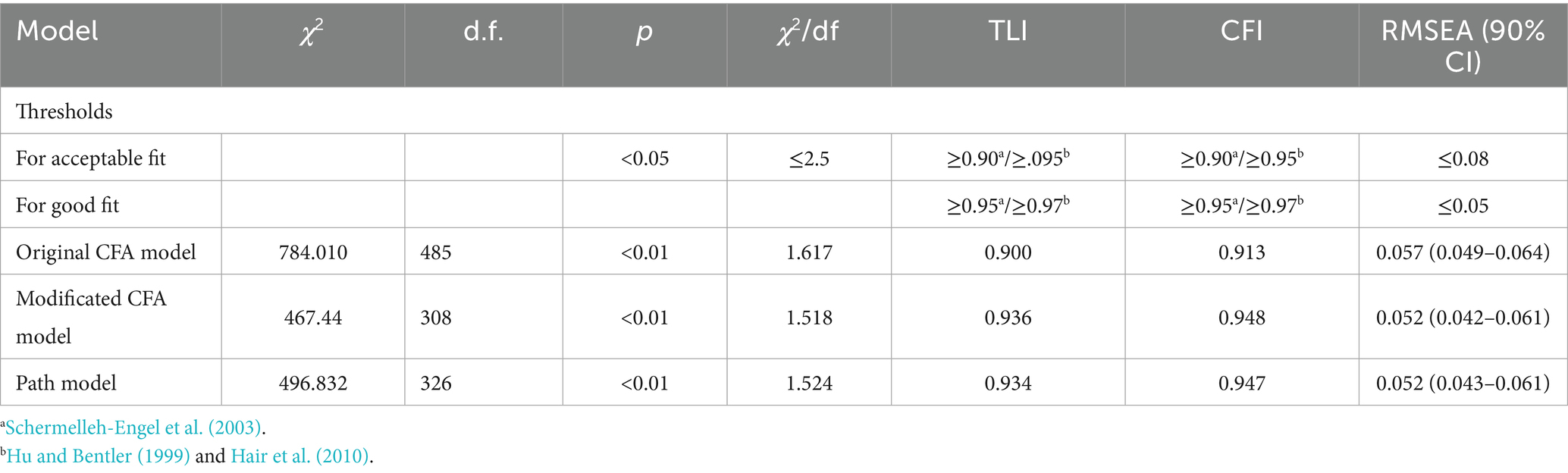
Table 1. Global goodness of fit indices (N = 194).
For the construct “theory-practice-link (practical experience)” the item addressing how practice inspired academic studies (TP_P_1; λ = 0.52; IR = 0.27) and the item on the practical relevance of academic texts (TP_P_4; λ = 0.58; IR = 0.34) exhibited insufficient IR values. Consequently, this construct is represented in the final model only by the items on how practice helps to understand theory (TP_P_2; λ = 0.70; IR = 0.49) and how theory can be applied in teaching situations (TP_P_3; λ = 0.73; IR = 0.53). Regarding the construct “reflection “the item on improved support for student learning (Ref_3; λ = 0.34; IR = 0.11) and the item concerning areas for professional development (Ref_4; λ = 0.34; IR = 0.11) proved to be unacceptable. Thus, the construct is now represented only by reflection on one’s own teaching (Ref_1; λ = 0.81; IR = 0.66) and reflection on the teaching of others (Ref_2; λ = 0.87; IR = 0.75). In case of “transparency” the item concerning the internship process (Tra_1; λ = 0.50; IR = 0.25) was found to be inadequate. Consequently, “transparency” is represented in the final model by the clarity of assessment criteria (Tra_2; λ = 0.67; IR = 0.44), internship objectives (Tra_3; λ = 0.72; IR = 0.52), and subject-specific requirements (Tra_4; λ = 0.75; IR = 0.56). For “university mentoring support” the item addressing prompt feedback (Ment_2; λ = 0.56; IR = 0.31) was excluded due to low IR. Accordingly, this is now defined by the aspects of helpful feedback (Ment_1; λ = 87; IR = 0.75), encouragement for critical reflection (Ment_3; λ = 84; IR = 0.71), responsiveness to questions (Ment_4; λ = 0.87; IR = 0.76) and overall satisfaction with university support (Ment_5; λ = 0.85; IR = 0.72). All remaining items demonstrated satisfactory factor loading (λ > 0.50) and squared loadings (IR > 0.40). The removal of the above-mentioned items improved local model fit (Table 2) and substantially enhanced the global model fit (Table 1, modified CFA model; RMSEA = 0.052; CFI = 0.948).
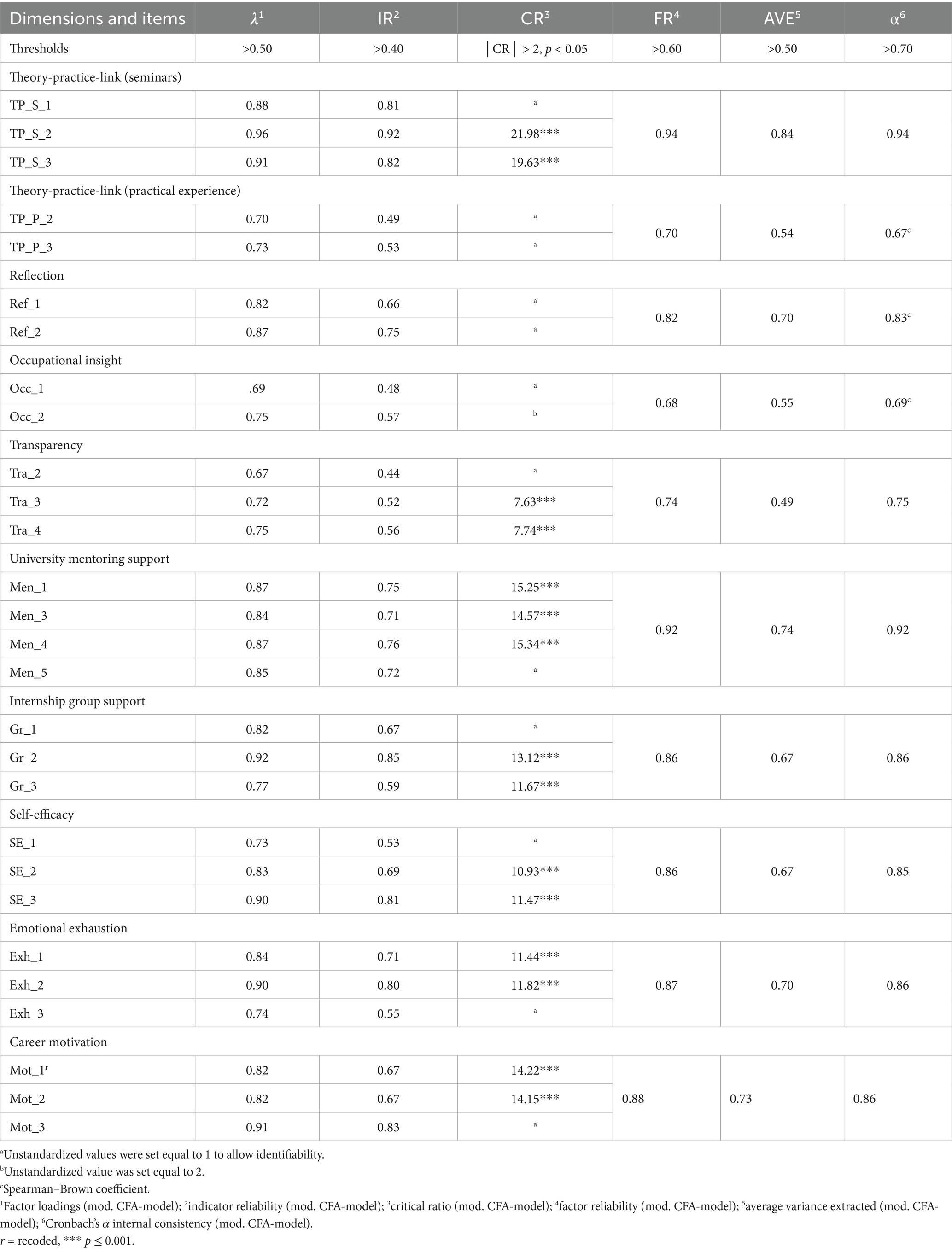
Table 2. Scales and local goodness of fit indices of the structural model.
The reliability of all scales was satisfactory; Cronbach’s α values (0.67–0.94) and further reliability indices are provided in Table 2. The intercorrelations between the constructs are in the low to medium range (see Appendix Table A1: │r│ = 0.00–0.48; Cohen, 1988). Since the root of the average variance (AVE) of all constructs exceeds the correlations between the constructs, the Fornell–Larcker criterion is fulfilled, and consequently, the divergent validity of the factor structure is confirmed.
3.2 Path model
Subsequently, the path model was calculated. All the antecedent constructs (see Figure 1) were simultaneously included in the model as correlated constructs to estimate “emotional exhaustion” and “career motivation” in the teaching internship, as well as “internship satisfaction” and “self-efficacy” as mediators. According to measures of global (Table 1, path model; RMSEA = 0.052; CFI = 0.947) and local fit (Table 2), the data adequately represent the model. The final model structure, including all statistically significant regression paths, is shown in Figure 2. The corresponding standardized regression coefficients (β) for these paths are reported in Table 3.
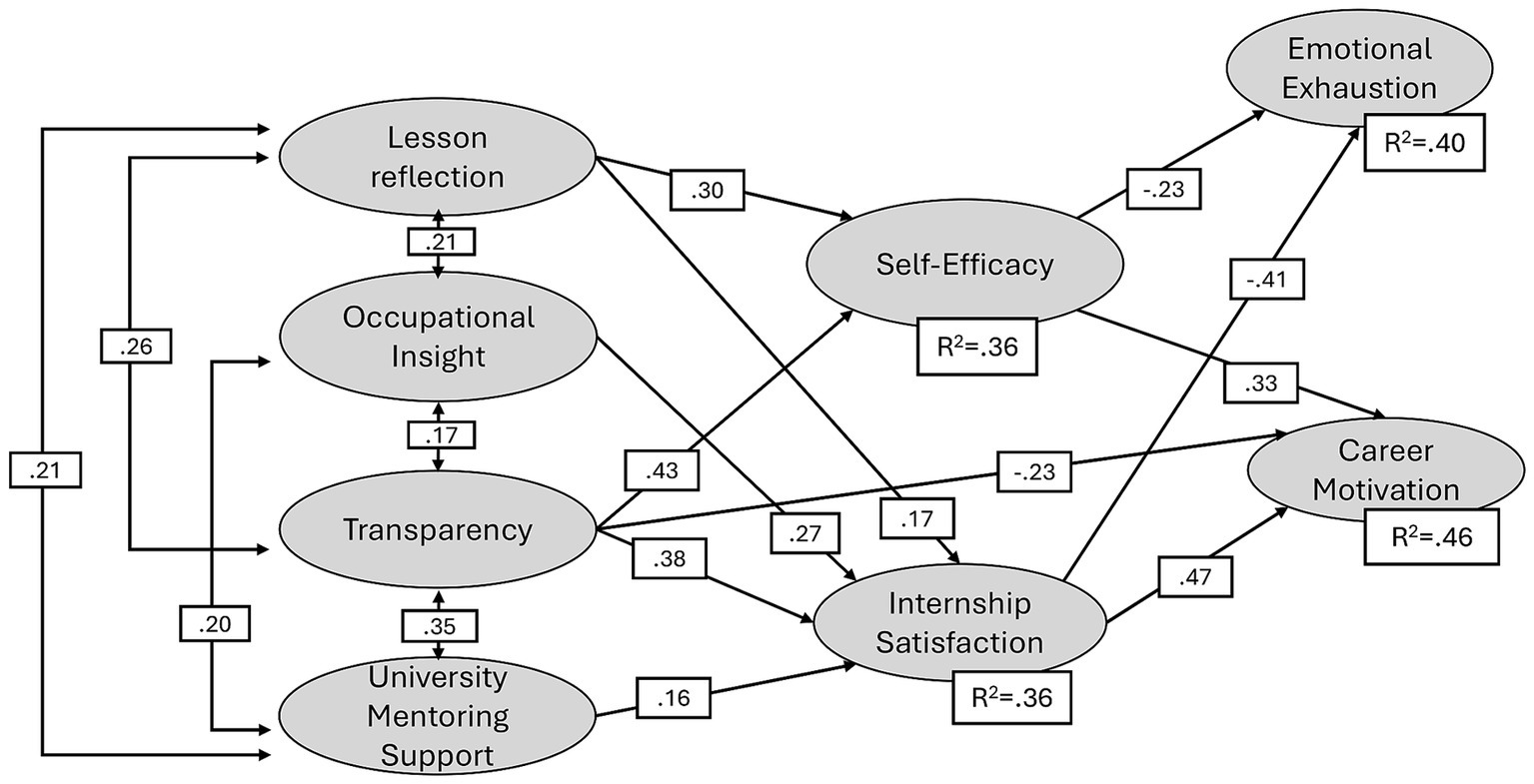
Figure 2. Structural path model illustrating only statistically significant paths. Note: The figure presents a simplified illustration of the model. All constructs were measured by their respective individual items, which were included as indicators in the analyses.
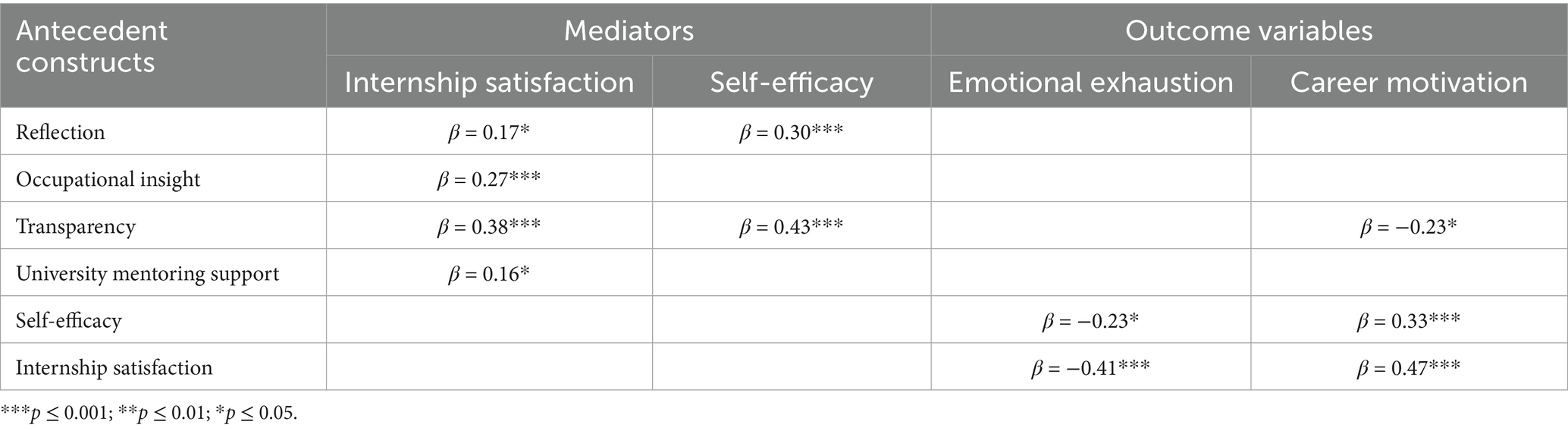
Table 3. Significant regression weights in the path model.
Overall, the model explained 40% of the variance in “emotional exhaustion” and 46% in “career motivation.” Regarding H1, most of the antecedent constructs showed the expected associations with both outcome variables: “Reflection” (β = 0.17), “occupational insight” (β = 0.27), “transparency” (β = 0.38) and “university mentoring support” (β = 0.16) were positively associated with “internship satisfaction” which in turn was negatively related to emotional exhaustion and positively related to career motivation. Furthermore, “reflection” (β = 0.30) and “transparency” (β = 0.43) were positively associated with “self-efficacy” which also was negatively related to “emotional exhaustion” and positively related to “career motivation.” These findings indicate indirect associations between the antecedent constructs and the outcomes through the mediators “self-efficacy” and “internship satisfaction” (H2). As expected, the regression weights of the antecedent constructs on internship satisfaction and self-efficacy were positive (H3), and 36% of the variance in both mediators was explained by the model.
Besides these indirect associations, a significant direct association was found between “transparency” and “career motivation.” In contrast to the initial hypothesis (H1), the regression weight of “transparency” on “career motivation” was negative (β = −0.23). This indicates that, “transparency” was directly associated with lower “career motivation” but at the same time showed an indirect positive association with “career motivation” mediated through “self-efficacy” and “internship satisfaction.”
Unexpectedly, “theory-practice link” (in both the accompanying seminars and the school-based internship) and “internship group support” did not prove to be significantly associated with any of the dependent constructs. A complete list of standardized regression coefficients for all tested paths, both statistically significant and non-significant, is provided in Appendix A.2.
4 Discussion
The present study developed and validated a path model to examine how personal and contextual constructs relate to “emotional exhaustion” and “career motivation” among student teachers during their internship semester. “Reflection,” “transparency,” and “occupational insight” together explained 40% of the variance in student teachers’ “emotional exhaustion” and 46% of the variance in their “career motivation. The associations proved to be both significant directly and indirectly, mediated by “self-efficacy” and “internship satisfaction.”
The scales were developed in alignment with the objectives of the ISP and have been used in the university’s evaluation since 2013, with wording adjustments and some additional items over time. In the present study, to ensure appropriate measurement models and item-construct-fit, six items had to be removed from their theoretically assumed item groups: The focus of the “reflection” construct now tends to be more on reflection related to teaching practice, while the construct “theory practice link (practical experience)” is now more clearly centered on understanding and application of learning theories in teaching. The construct “transparency” now emphasizes expectations regarding internships, whereas “university mentoring support” focuses on content-related support. Taken together, these revisions resulted in an acceptable model fit.
Consistent with Hypothesis 1, “reflection,” “occupational insight” and “university mentoring support” showed negative associations with “emotional exhaustion” and positive associations with “career motivation” indicating that these constructs may serve as valuable resources within the internship context. Effective reflection methods for student teachers include portfolios (Nguyen, 2021) and video-based reflection (Hamel et al., 2019). Furthermore, mentor feedback on lesson plans and lessons conducted plays a crucial role in supporting the reflection process and enhancing self-efficacy (Mok et al., 2023). However, neither of the “theory-practice link” constructs nor “internship group support” showed any significant direct or indirect association with the outcome variables.
Contrary to expectations, “transparency” was directly associated with lower career motivation, despite its indirect positive association via the mediators. This might reflect a dual role of transparency in student internships. As Nicol and Macfarlane-Dick (2006) emphasize, clear and transparent feedback, as well as explicit information about learning goals, can help learners understand expectations and prepare effectively for tasks. From the perspective of self-determination theory (Ryan and Deci, 2016), transparency supports autonomy when presented as constructive guidance, but it may also undermine motivation if perceived as controlling or evaluative. Together, these perspectives highlight the importance of differentiating how transparency is communicated, and which kinds of information are emphasized. Future research could build on these findings by examining which forms of transparency—such as clarity about learning goals versus detailed workload expectations—support student motivation and which might unintentionally increase stress or reduce perceived autonomy.
In accordance with hypothesis 2 “internship satisfaction” and “self-efficacy” were identified as mediators, explaining a substantial proportion of the variance in the outcome constructs “emotional exhaustion” and “career motivation.” The regression weights of the antecedent constructs for internship satisfaction, and self-efficacy were positive, as expected (hypothesis 3). Previous research supports the assumption that students who are satisfied with their internship experience tend to show greater confidence and motivation regarding their future career path (König et al., 2016; Wolf et al., 2021). However, other studies found that career motivation is a relatively stable construct, which is difficult to change (Bauer et al., 2020). This discrepancy might suggest that “internship satisfaction” may only temporarily boost “career motivation,” its long-term impact may depend on additional factors. According to Bandura’s social-cognitive theory, expectation of self-efficacy is a decisive factor in whether people engage in activities to cope with stressful situations or whether they avoid obstacles (Bandura, 1977). Self-efficacy is a well-researched construct and has been consistently linked to both burnout symptoms and job satisfaction in studies involving teachers and trainee teachers (Fives et al., 2007; Klassen and Chiu, 2010; Skaalvik and Skaalvik, 2007). For example, Bing and colleagues found that self-efficacy accounted for 20% of the variance in burnout symptoms among English-as-a-foreign-language teachers (Bing et al., 2022). However, it is important to note that Bing and other studies used a specific measure of self-efficacy focusing on facets such as student engagement, instructional strategies and classroom management. In contrast, our study assessed general self-efficacy, as the 16-week ISP represents a protected practice space, in which students cannot yet be expected to have developed strong self-efficacy beliefs in these domain-specific areas. Consistent with our findings, the study by Bauer et al. (2020) showed a correlation between opportunities for reflection and self-efficacy. Moreover, problem-oriented coping strategies, like active problem-solving, may increase self-efficacy (Lazarus and Folkman, 1984).
Many studies have described a protective effect of mentoring on stress and emotional exhaustion among teacher candidates (Fives et al., 2007; Hobson et al., 2009; Kücholl et al., 2019). In our study, “university mentoring support” showed an indirect effect on “emotional exhaustion” mediated by “internship satisfaction” but no direct effect. While most studies focus on school-based mentors (i.e., supervising teachers), our study investigated the mentoring provided by university lecturers. According to Power and colleagues, a distinction can be made between emotional and practical support (Power et al., 1988). We assume that student teachers receive different forms of social support from school and university mentors, which may help explain why university mentoring support showed no direct effect on emotional exhaustion in our model. Given that student teachers spend 16 weeks at their internship school, they likely build closer relationships with school staff, who may provide more emotional support. University lecturers, by contrast, typically visit students only once a week and may offer mainly practical support such as theoretical input and feedback, which may be perceived as less relevant than hands-on classroom experience (Holtz, 2014). Empirically supporting this assumption, Gröschner et al. (2013) found that during a five-month teaching internship, school-based mentoring was rated as significantly more satisfactory than university-based mentoring. However, perceptions of university mentoring in subject didactics and educational sciences predicted increases in self-assessed competencies over the course of the internship, whereas the school-based mentoring predicted no increases in self-assessed competencies. This finding underlines the relevance of university mentoring in supporting student teachers’ professional learning and competence development during their internships. Future research could further examine how support from school mentors and university lecturers differs, and how the different forms of supervision relate to the professional development of student teachers during their internship. Understanding these differences could help optimize the complementary roles of school and university mentoring in reducing stress and supporting teacher competence development.
Furthermore, the results of this study can be compared to those of Skaalvik and Skaalvik (2011), who used a structural equation model to investigate predictors of teacher burnout. Their model explained 38% of the variance in emotional exhaustion, 45% in job satisfaction, and 52% in the intention to leave the profession—values comparable to our model, which accounted for 31 to 47% of the variance in emotional exhaustion and career motivation. However, while their model predicts job satisfaction and the intention to leave the profession through various school context variables, mediated by emotional exhaustion and the feeling of belonging, our model uses internship satisfaction as a mediator between internship-specific conditions (lesson reflection, occupational insight, mentoring, transparency) and the outcomes emotional exhaustion and career motivation. This comparison underlines the added value of our model, which focuses on internship-specific factors relevant to emotional exhaustion and career motivation at an early stage of professional development.
4.1 Limitations of the study
The results of this study should be interpreted with caution due to several limitations. First, the sample is not representative for teaching internships in general, as data collection was restricted to a single institution. As noted, the organization and structure of teaching internships can differ considerably across universities, regions or study programs, particularly regarding the level of university supervision. While this limits the generalizability of the findings to student teachers at other institutions in Germany or abroad, the insights gained remain relevant and offer valuable implications for teacher education in diverse educational contexts. Second, the total sample size (n = 194) is relatively small considering the complexity of the structural model, which includes a large number of variables (Kline, 2023). However, this sample represents 84.1% of the students completing the teaching internship in the given semester, as the survey was originally conducted for internal university evaluation purposes, and a larger sample was therefore not feasible. Despite the sample size, the structural equation model is theoretically grounded, and the model fit indices indicate good fit, supporting the stability and validity of the estimated parameters. Due to the sample size, the study has an exploratory character, and future research may validate these findings with confirmatory approaches. Another limitation resulting in the original evaluation purpose is that no demographic characteristics of the participants were collected. Furthermore, the cross-sectional design of the study limits the ability to draw causal conclusions. While the model is theoretically grounded, the direction of the investigated relationships is not definitive. For instance, Lam et al. (2023) identified job satisfaction as a predictor of self-efficacy, which implies a different directionality compared to the assumption in our model. Moreover, the use of self-reported data among student teachers, as in our survey, introduces the potential for response biases and may result in either overestimation or underestimation of their own abilities (Ernst et al., 2023; Wisniewski et al., 2023). A further limitation concerns the assessment of career motivation. The use of only three items to capture such a complex construct may not fully reflect the multifaceted nature of career motivation. However, it should be noted that in the present study, the focus was not on identifying specific career-choice motives, but rather on assessing the overall strength of student teachers’ motivation to enter and remain in the profession.
4.2 Conclusion and future research
This study highlights the associations of lesson reflection, occupational insight, university mentoring support, and transparency with lower emotional exhaustion and higher career motivation among student teachers during their teaching internship. The findings align with the model assumptions, suggesting that professional competencies, social support, and transparency are related to the outcomes of emotional exhaustion and career motivation, partially mediated by internship satisfaction and self-efficacy. Interestingly, transparency showed an ambivalent role—being directly negatively associated with career motivation, but positively associated through indirect pathways—indicating the need for careful calibration in its implementation. Therefore, when designing and implementing teaching internships, greater attention should be paid to providing structured opportunities to lesson reflection, consistent and clear mentor feedback, and transparent yet supportive communication of internship expectations. Future research could explore how institutional differences in internship structures influence the activation of these protective resources, ensuring sustainable support for beginning teachers across diverse contexts. In this context, the differences between school-based and university-based supervision could be examined in more detail. Moreover, further studies should investigate which specific aspects of transparency promote student motivation and which might unintentionally increase stress or reduce perceived autonomy.
Data availability statement
The raw data supporting the conclusions of this article will be made available by the authors, without undue reservation.
Ethics statement
The studies involving humans were approved by the Ethics Commitee of Albert Ludwigs University of Freiburg. The studies were conducted in accordance with the local legislation and institutional requirements. The ethics committee/institutional review board waived the requirement of written informed consent for participation from the participants or the participants’ legal guardians/next of kin because the data were originally collected for internal evaluation purposes and analyzed anonymously. The committee confirmed that there were no ethical or legal objections to the subsequent use of the data for scientific publication (approval no. 24-1505-request).
Author contributions
YA: Methodology, Formal analysis, Data curation, Conceptualization, Writing – original draft, Writing – review & editing. LH: Conceptualization, Methodology, Writing – review & editing. HO: Writing – review & editing, Methodology. MW: Writing – review & editing, Methodology, Formal analysis, Data curation, Conceptualization.
Funding
The author(s) declare that no financial support was received for the research and/or publication of this article.
Acknowledgments
We would like to thank Christine Menzer, who organized the data collection and prepared the data.
Conflict of interest
The authors declare that the research was conducted in the absence of any commercial or financial relationships that could be construed as a potential conflict of interest.
Generative AI statement
The authors declare that Gen AI was used in the creation of this manuscript. Generative AI was used during the preparation of this work, the authors used the ChatGPT language model (GPT-4o-mini) developed by OpenAI (2024) to assist with language improvement. After using this tool, the authors reviewed and edited the content as needed and take full responsibility for the content of the publication.
Any alternative text (alt text) provided alongside figures in this article has been generated by Frontiers with the support of artificial intelligence and reasonable efforts have been made to ensure accuracy, including review by the authors wherever possible. If you identify any issues, please contact us.
Publisher’s note
All claims expressed in this article are solely those of the authors and do not necessarily represent those of their affiliated organizations, or those of the publisher, the editors and the reviewers. Any product that may be evaluated in this article, or claim that may be made by its manufacturer, is not guaranteed or endorsed by the publisher.
Supplementary material
The Supplementary material for this article can be found online at: https://www.frontiersin.org/articles/10.3389/feduc.2025.1662562/full#supplementary-material
References
Agyapong, B., Obuobi-Donkor, G., Burback, L., and Wei, Y. (2022). Stress, burnout, anxiety and depression among teachers: a scoping review. Int. J. Environ. Res. Public Health 19:10706. doi: 10.3390/ijerph191710706,
Arnold, K.-H., Gröschner, A., and Hascher, T. (2014). “Pedagogical field experiences in teacher education: introduction to the research area” in Pedagogical field experiences in teacher education. eds. K.-H. Arnold, A. Gröschner, and T. Hascher (Münster, New York: Waxmann), 11–26.
Bagozzi, R., and Baumgartner, H. (1994). “The evaluation of structural equation models and hypothesis testing” in Principles of marketing research. ed. R. Bagozzi, Cambridge, MA: Blackwell 386–422.
Bagozzi, R. P., and Yi, Y. (1988). On the evaluation of structural equation models. JAMS 16, 74–94. doi: 10.1007/BF02723327
Bakker, A. B., and Demerouti, E. (2007). The job demands-resources model: state of the art. J. Manag. Psychol. 22, 309–328. doi: 10.1108/02683940710733115
Bandura, A. (1977). Self-efficacy: toward a unifying theory of behavioral change. Psychol. Rev. 84, 191–215. doi: 10.1037/0033-295X.84.2.191,
Bauer, M., Traub, S., and Kunina-Habenicht, O. (2020). Zur Stabilität und Variabilität motivationaler Orientierungen angehender Lehrkräfte im Verlauf des Integrierten Semesterpraktikums [On the stability and variability of pre-service teachers’ motivational orientations during the integrated semester practicum]. Z. Erziehungswiss. 23, 367–391. doi: 10.1007/s11618-020-00940-2
Beierlein, C., Kemper, C. J., Kovaleva, A., and Rammstedt, B. (2013). Kurzskala zur Erfassung allgemeiner Selbstwirksamkeitserwartungen (ASKU) [Short scale for measuring general self-efficacy beliefs (ASKU)]. Methoden Daten Anal. 7, 251–278. doi: 10.12758/mda.2013.014
Bing, H., Sadjadi, B., Afzali, M., and Fathi, J. (2022). Self-efficacy and emotion regulation as predictors of teacher burnout among English as a foreign language teachers: a structural equation Modeling approach. Front. Psychol. 13:900417. doi: 10.3389/fpsyg.2022.900417,
Bonnet, A., and Hericks, U. (2014). Professionalisierung und Deprofessionalisierung im Lehrer/innenberuf. Ansätze und Befunde aktueller empirischer Forschung [editorial] [Professionalization and Deprofessionalization in the teaching profession: approaches and findings from current empirical research [editorial]. Z. Interpr. Sch.- U. Unter. 3, 3–13. doi: 10.25656/01:16026.
Cohen, J. (1988). Statistical Power analysis for the Behavioral sciences. 2nd Edn. Hillsdale, NJ: Lawrence Erlbaum Associates.
Collie, R. J. (2023). Teacher well-being and turnover intentions: investigating the roles of job resources and job demands. Br. J. Educ. Psychol. 93, 712–726. doi: 10.1111/bjep.12587,
Darius, S., Bunzel, K., Ehms-Ciechanowicz, E., and Böckelmann, I. (2021). Psychische gesundheit bei Referendaren [Mental health among trainee teachers]. Präv. Gesundheitsf. 16, 215–224. doi: 10.1007/s11553-020-00809-6
Dicke, T., Parker, P. D., Holzberger, D., Kunina-Habenicht, O., Kunter, M., and Leutner, D. (2015). Beginning teachers' efficacy and emotional exhaustion: latent changes, reciprocity, and the influence of professional knowledge. Contemp. Educ. Psychol. 41, 62–72. doi: 10.1016/j.cedpsych.2014.11.003
Dicke, T., Stebner, F., Linninger, C., Kunter, M., and Leutner, D. (2018). A longitudinal study of teachers' occupational well-being: applying the job demands-resources model. J. Occup. Health Psychol. 23, 262–277. doi: 10.1037/ocp0000070,
Dreer, B. (2023). On the outcomes of teacher wellbeing: a systematic review of research. Front. Psychol. 14:1205179. doi: 10.3389/fpsyg.2023.1205179,
Drüge, M., Schleider, K., and Rosati, A.-S. (2014). Psychosoziale Belastungen im Referendariat - Merkmale, Ausprägungen, Folgen [Psychosocial stress in trainee teachers - characteristics, manifestations, consequences]. Die deutsche Schule 106, 358–372. doi: 10.25656/01:25900
Ernst, H. M., Wittwer, J., and Voss, T. (2023). Do they know what they know? Accuracy in teacher candidates' self-assessments and its influencing factors. Br. Educ. Res. J. 49, 649–673. doi: 10.1002/berj.3860
Fives, H., Hamman, D., and Olivarez, A. (2007). Does burnout begin with student-teaching? Analyzing efficacy, burnout, and support during the student-teaching semester. Teach. Teach. Educ. 23, 916–934. doi: 10.1016/j.tate.2006.03.013
Fokkens-Bruinsma, M., and Canrinus, E. T. (2014). Motivation for becoming a teacher and engagement with the profession: evidence from different contexts. Int. J. Educ. Res. 65, 65–74. doi: 10.1016/j.ijer.2013.09.012
Fornell, C., and Larcker, D. F. (1981). Evaluating structural equation models with unobservable variables and measurement error. J. Mark. Res. 18, 39–50. doi: 10.1177/002224378101800104
Goddard, R., and Goddard, M. (2006). Beginning teacher burnout in Queensland schools: associations with serious intentions to leave. Aust. Educ. Res. 33, 61–75. doi: 10.1007/BF03216834
Gröschner, A., Schmitt, C., and Seidel, T. (2013). Veränderung subjektiver Kompetenzeinschätzungen von Lehramtsstudierenden im Praxissemester [Change in student teachers’ subjective competence assessments during the teaching internship]. Z. Padagog. Psychol. 27, 77–86. doi: 10.1024/1010-0652/a000090
Hair, J. F., Anderson, R. E., Tatham, R. L., and Black, W. C. (2010). Multivariate data analysis. 7. ed. Upper Saddle River, NJ: Pearson Prentice Hall.
Hamel, C., Viau-Guay, A., and Nkuyubwatsi, B. (2019). Using video to support teachers’ reflective practice: a literature review. Cogent Educ. 6:1. doi: 10.1080/2331186X.2019.1673689
Hobfoll, S. E. (2001). “Social support and stress” in International encyclopedia of the social & behavioral sciences. eds. N. J. Smelser and P. B. Baltes (Kent, Ohio: Elsevier), 14461–14465.
Hobson, A. J., Ashby, P., Malderez, A., and Tomlinson, P. D. (2009). Mentoring beginning teachers: what we know and what we don't. Teach. Teach. Educ. 25, 207–216. doi: 10.1016/j.tate.2008.09.001
Holmström, A., Tuominen, H., Laasanen, M., and Veermans, M. (2023). Teachers’ work engagement and burnout profiles: associations with sense of efficacy and interprofessional collaboration in school. Teach. Teach. Educ. 132:104251. doi: 10.1016/j.tate.2023.104251
Holtz, P. (2014). “Es heißt ja Auch Praxissemester und nicht Theoriesemester: quantitative und qualitative Befunde zum Spannungsfeld zwischen “Theorie” und “praxis” im Jenaer Praxissemester [it's called a practical semester and not a theory semester. Quantitative and qualitative findings on the tension between "theory" and "practice" in the Jena internship semester]” in Ein Praxissemester in der Lehrerbildung: Konzepte, Befunde und Entwicklungssperspektiven am Beispiel des Jenaer Model, ed. K. Kleinespel 1st ed. (Bad Heilbrunn: Verlag Julius Klinkhardt), 97–118.
Holzäpfel, L., Schulz, A., and Nikel, J. (2019). “Längsschnittliche Effekte von fokussierten Unterstützungsmaßnahmen zur Theorie-praxis-Vernetzung im Praxissemester aus Studierendensicht [Longitudinal effects of focused support measures for theory-practice networking in the practical semester from the student perspective]” in Fachdidaktische Forschung in der Lehrerbildung (Münster, New York: Waxmann), 99–110.
Hu, L., and Bentler, P. M. (1999). Cutoff criteria for fit indexes in covariance structure analysis: conventional criteria versus new alternatives. Struct. Equ. Model. 6, 1–55. doi: 10.1080/10705519909540118
Kaluza, G. (2023). Gelassen und sicher im Stress [Calm and confident under stress]. Berlin, Heidelberg: Springer Berlin Heidelberg.
Klassen, R. M., and Chiu, M. M. (2011). The occupational commitment and intention to quit of practicing and pre-service teachers: influence of self-efficacy, job stress, and teaching context. Contemp. Educ. Psychol. 36, 114–129. doi: 10.1016/j.cedpsych.2011.01.002
Klassen, R. M., and Chiu, M. M.. (2010). Effects on teachers, self-efficacy and job satisfaction: Teacher gender, years of experience, and job stress. Journal of Educational Psychology 102, 741–756. doi: 10.1037/a0019237
Kline, R. B. (2023). Principles and practice of structural equation modeling. Fifth edition. New York: The Guilford Press.
Klusmann, U., Aldrup, K., Roloff, J., Lüdtke, O., and Hamre, B. K. (2022). Does instructional quality mediate the link between teachers’ emotional exhaustion and student outcomes? A large-scale study using teacher and student reports. J. Educ. Psychol. 114, 1442–1460. doi: 10.1037/edu0000703
Klusmann, U., Kunter, M., Voss, T., and Baumert, J. (2012). Berufliche Beanspruchung angehender Lehrkräfte: die Effekte von Persönlichkeit, pädagogischer Vorerfahrung und professioneller Kompetenz [Occupational strain among prospective teachers: the effects of personality, prior pedagogical experience, and professional competence]. Z. Pädag. Psychol. 26, 275–290. doi: 10.1024/1010-0652/a000078
Kokkinos, C. M., Stavropoulos, G., and Davazoglou, A. (2016). Development of an instrument measuring student teachers’ perceived stressors about the practicum. Teach. Dev. 20, 275–293. doi: 10.1080/13664530.2015.1124139
König, J., Gerhard, K., and Jäger-Biela, D. J. (2022). Practical learning opportunities and changes in teachers' self-efficacy beliefs: does the development of bachelor student teachers' competence differ before and during COVID-19? Z. Bild Forsch. 12, 217–234. doi: 10.1007/s35834-022-00357-3,
König, J., Rothland, M., Tachtsoglou, S., and Klemenz, S. (2016). Comparing the change of teaching motivations among preservice teachers in Austria, Germany, and Switzerland: do in-school learning opportunities matter? IJHE 5, 91–103. doi: 10.5430/ijhe.v5n3p91
Košinár, J., Schmid, E., and Leineweber, S. (2016). “Schulpraktische Professionalisierung angehender Lehrpersonen – eine Einführung [Practical professionalization of prospective teachers - an introduction]” in Professionalisierungsprozesse angehender Lehrpersonen in den berufspraktischen Studien, ed. J. Košinár, S. Leineweber, and E. Schmid. 1st ed. (Münster, New York: Waxmann), 13–30.
Krawiec, V., Fischer, A., and Hänze, M. (2020). “Anforderungen und Erschöpfung während Schulpraktika im Lehramtsstudium, [Demands and exhaustion while practical training in teacher education]” in Praxissemester im Lehramtsstudium in Deutschland: Wirkungen auf Studierende. eds. I. Ulrich and A. Gröschner (Wiesbaden: Springer Fachmedien Wiesbaden), 265–287.
Kücholl, D., Westphal, A., Lazarides, R., and Gronostaj, A. (2019). Beanspruchungsfolgen Lehramtsstudierender im Praxissemester [Demands of beginning teachers during first practical experiences]. Z. Erziehungswiss. 22, 945–966. doi: 10.1007/s11618-019-00897-x
Kyriacou, C. (2001). Teacher stress: directions for future research. Educ. Rev. 53, 27–35. doi: 10.1080/00131910120033628
Lam, S. M. I., Kuok, A. C. H., and Sze, T. M. (2023). Self-efficacy, stress and job satisfaction among pre-service, novice and experienced English teachers: a study of their occupational health. Health Psychol. Report 11, 108–123. doi: 10.5114/hpr.2022.115768,
Lazarus, R. S., and Folkman, S. (1984). Stress, appraisal, and coping. New York: Springer Publishing Company.
Lienert, G. A., and Raatz, U. (1994). Testaufbau und Testanalyse [Test setup and test analysis]. Weinheim: Beltz.
Lu, J., Chen, J., Li, Z., and Li, X. (2024). A systematic review of teacher resilience: a perspective of the job demands and resources model. Teach. Teach. Educ. 151:104742. doi: 10.1016/j.tate.2024.104742
Maslach, C., Jackson, S. E., and Leiter, M. P. (1996). Maslach burnout inventory manual. 3rd Edn. Palo Alto: Consulting Psychologist Press.
Mijakoski, D., Cheptea, D., Marca, S. C., Shoman, Y., Caglayan, C., Bugge, M. D., et al. (2022). Determinants of burnout among teachers: a systematic review of longitudinal studies. Int. J. Environ. Res. Public Health 19:5776. doi: 10.3390/ijerph19095776,
Mok, S. Y., Rupp, D., and Holzberger, D. (2023). What kind of individual support activities in interventions foster pre-service and beginning teachers’ self-efficacy? A meta-analysis. Educ. Res. Rev. 40:100552. doi: 10.1016/j.edurev.2023.100552
Nguyen, M. B. (2021). Portfolio assessment as a tool for promoting reflection in teacher education: a literature review. JFS 37, 26–38. doi: 10.25073/2525-2445/vnufs.4751
Nicol, D. J., and Macfarlane-Dick, D. (2006). Formative assessment and self-regulated learning: a model and seven principles of good feedback practice. Stud. High. Educ. 31, 199–218. doi: 10.1080/03075070600572090
OpenAI (2024). GPT-4o-mini: OpenAI Language Model. OpenAI. Available at: https://www.openai.com
Pikić Jugović, I., Marušić, I., and Matić Bojić, J. (2025). Early career teachers' social and emotional competencies, self-efficacy and burnout: a mediation model. BMC Psychol. 13:9. doi: 10.1186/s40359-024-02323-2,
Power, M. J., Champion, L. A., and Aris, S. J. (1988). The development of a measure of social support: the significant others (SOS) scale. Br. J. Clin. Psychol. 27, 349–358. doi: 10.1111/j.2044-8260.1988.tb00799.x,
Richter, D., Kunter, M., Lüdtke, O., Klusmann, U., and Baumert, J. (2011). Soziale Unterstützung beim Berufseinstieg ins Lehramt. Eine empirische Untersuchung zur Bedeutung von Mentoren und Mitreferendaren [Social support at career entry for teachers. An empirical study on the importance of mentors and peers.]. Z. Erziehungswiss. 14, 35–59. doi: 10.1007/s11618-011-0173-8
Ryan, R. M., and Deci, E. L. (2016). “Facilitating and hindering motivation, learning, and well-being in schools: research and observations from self-determination theory” in Handbook of motivation at school. eds. K. R. Wentzel and D. B. Miele (New York, NY: Routledge), 96–119.
Schermelleh-Engel, K., Moosbrugger, H., and Müller, H. (2003). Evaluating the fit of structural equation models: tests of significance and descriptive goodness-of-fit measures. Methods Psychol. Res. 8, 23–74. doi: 10.23668/psycharchives.12784
Schubarth, W., Speck, K., and Ulbricht, J. 2016. Qualitätsstandards für Praktika. Bestandsaufnahme und Empfehlungen [Quality standards for internships. Review and recommendations]. Available online at: https://www.hrk-nexus.de/fileadmin/redaktion/hrk-nexus/07-Downloads/07-02-Publikationen/Praktika_Fachgutachten.pdf. [Accessed August 12, 2024].
Shoji, K., Cieslak, R., Smoktunowicz, E., Rogala, A., Benight, C. C., and Luszczynska, A. (2016). Associations between job burnout and self-efficacy: a meta-analysis. Anxiety Stress Coping 29, 367–386. doi: 10.1080/10615806.2015.1058369,
Sinclair, C. (2008). Initial and changing student teacher motivation and commitment to teaching. Asia Pac. J. Teach. Educ. 36, 79–104. doi: 10.1080/13598660801971658
Skaalvik, E. M., and Skaalvik, S. (2007). Dimensions of teacher self-efficacy and relations with strain factors, perceived collective teacher efficacy, and teacher burnout. J. Educ. Psychol. 99, 611–625. doi: 10.1037/0022-0663.99.3.611
Skaalvik, E. M., and Skaalvik, S. (2011). Teacher job satisfaction and motivation to leave the teaching profession: relations with school context, feeling of belonging, and emotional exhaustion. Teach. Teach. Educ. 27, 1029–1038. doi: 10.1016/j.tate.2011.04.001
Skaalvik, E. M., and Skaalvik, S. (2016). Teacher stress and teacher self-efficacy as predictors of engagement, emotional exhaustion, and motivation to leave the teaching profession. Creative Educ. 7, 1785–1799. doi: 10.4236/ce.2016.713182
Slade, M. L., Burnham, T., Catalana, S. M., and Waters, T. (2019). The impact of reflective practice on teacher candidates' learning. ij-sotl 13:2. doi: 10.20429/ijsotl.2019.130215
Wang, H., and Hall, N. C. (2021). Exploring relations between teacher emotions, coping strategies, and intentions to quit: a longitudinal analysis. J. Sch. Psychol. 86, 64–77. doi: 10.1016/j.jsp.2021.03.005,
Watt, H. M. G., and Richardson, P. W. (2007). Motivational factors influencing teaching as a career choice: development and validation of the FIT-choice scale. J. Exp. Educ. 75, 167–202. doi: 10.3200/JEXE.75.3.167-202
Wirtz, M. (2004). Über das problem fehlender Werte: Wie der Einfluss fehlender Informationen auf Analyseergebnisse entdeckt und reduziert werden kann [On the problem of missing data: how to identify and reduce the impact of missing data on findings of data analysis]. Rehabilitation (Stuttg) 43, 109–115. doi: 10.1055/s-2003-814839
Wisniewski, B., Tögel, J., and Zierer, K. (2023). Inkompetent, ohne es zu merken? Tendenzen der Selbsteinschätzung am Beispiel von Lehramtsstudierenden [Incompetent without realizing it? Self-assessment trends among students for the teaching profession]. Psychol. Erzieh. Unterr. 70, 79–92. doi: 10.2378/peu2023.art09d
Wolf, A. G., Auerswald, S., Seinsche, A., Saul, I., and Klocke, H. (2021). German student teachers’ decision process of becoming a teacher: the relationship among career exploration and decision-making self-efficacy, teacher motivation and early field experience. Teach. Teach. Educ. 105:103350. doi: 10.1016/j.tate.2021.103350
Wörfel, F., Burkhard, G., Lohman, K., and Kleiber, D. (2015). Validierung der deutschen Kurzversion des Maslach-burnout-Inventars für Studierende (MBI-SS KV) [Validation of the German short version of the Maslach-burnout-inventory for students (MBI-SS KV)]. Z. Gesundheitspsychol. 23, 191–196. doi: 10.1026/0943-8149/a000146
Keywords: student teachers, teaching internship, resources, emotional exhaustion, career motivation, structural equation modeling
Citation: Abt Y, Holzäpfel L, Oberfell H and Wirtz MA (2025) Internship resources, mediating mechanisms, emotional exhaustion and career motivation in student teachers: a structural equation model. Front. Educ. 10:1662562. doi: 10.3389/feduc.2025.1662562
Edited by:
Ying Zhang, Purdue University, United StatesReviewed by:
Max Bauer, University of Education Karlsruhe, GermanyUğur Özbilen, Akdeniz University, Türkiye
Jenette Puyod, Assumption Universtiy, Thailand
Copyright © 2025 Abt, Holzäpfel, Oberfell and Wirtz. This is an open-access article distributed under the terms of the Creative Commons Attribution License (CC BY). The use, distribution or reproduction in other forums is permitted, provided the original author(s) and the copyright owner(s) are credited and that the original publication in this journal is cited, in accordance with accepted academic practice. No use, distribution or reproduction is permitted which does not comply with these terms.
*Correspondence: Yvonne Abt, eXZvbm5lLmFidEBwaC1mcmVpYnVyZy5kZQ==