 Muna Ahmead
- Faculty of Public Health, Al-Quds University, Jerusalem, Palestine
Background: After 12th grade, the General Secondary Examination determines career paths and university eligibility. There is a lack of research on the association between depression, anxiety and academic achievement among 12th grade students in Palestine.
Methods: The current study aimed to assess the prevalence of depression and anxiety and their association with academic achievement among 12th grade students. The study utilized a cross-sectional research design. A self-reported questionnaire, including the Hospital Anxiety and Depression Scale (HADS), was used to gather data.
Results: A total of 1,083 students were recruited. Additionally, 27.3% of the students were experiencing depression, while 50.5% were experiencing anxiety. In comparison to other students, male students, those who attended government schools, resided in the southern region or the middle governorate, and had weak or moderate relationships with their teachers were less likely to achieve a high grade point average (GPA). However, students who resided in villages, had employed fathers or private employment, had mothers with higher education levels, were enrolled in the scientific stream, and were without anxiety were more likely to achieve a high GPA than other students.
Conclusion: The findings of the current study may indicate the importance of educating students, parents, policymakers, and teachers about the effect of anxiety and sociodemographic variables on the academic achievement of students. Also, they highlight the importance of managing these factors to improve students' mental health and academic performance.
1 Introduction
The educational system of a society has a significant effect on its identity and future prospects. Education is a fundamental human right because it facilitates the realization of all other rights (Rad et al., 2022). The objective of offering a superior education is to improve the academic achievement of students (Oriaku et al., 2025). Students' performance in their classes and programs primarily determines their academic success (Duke, 2015; Oriaku et al., 2025). Students' performance significantly influences the quality and success of educational systems globally. It serves as an indicator of the effectiveness of the teaching methods and learning environment. Governments, educational institutions, and communities utilize achievement indicators to evaluate the effectiveness of curricular standards, allocate resources, and establish policies. Furthermore, student performance is essential for more than just individual learning outcomes; it also impacts national educational standards and contributes to social development. As a result, educational research continues to emphasize the identification of the factors that enhance or decrease learning achievement (Sangsawang and Yang, 2025). Mahnaz and Kiran (2024) define academic achievement as the extent to which a student succeeds in their studies. This achievement is frequently assessed through grades, test scores, or other methods. Academic achievement measures a student's ability to comprehend, learn, and apply the knowledge and skills taught in educational institutions. In general, a student's ability to effectively demonstrate a comprehensive understanding of the subject matter through tests or assignments or a high grade point average (GPA) is indicative of a high academic achievement (Mahnaz and Kiran, 2024).
Among the numerous factors that influence academic achievement are the availability of learning resources, socioeconomic status, student engagement, and teaching strategies (Cavanagh et al., 2018). Educational research emphasizes that student success is not solely determined by intrinsic abilities or the quality of instruction. Student outcomes are also significantly influenced by school-level characteristics, parental involvement, teacher strategies, student engagement, socioeconomic status, and the availability of learning resources (Cavanagh et al., 2018). Furthermore, socioeconomic status is frequently used to describe the factors that substantially influence a student's access to educational resources and opportunities, including family income, parental education, and occupation (Sangsawang and Yang, 2025). Students from lower socioeconomic backgrounds often face insufficient resources and support systems, hindering their academic achievement. The school environment, which incorporates a variety of factors, such as the character of the teacher and the availability of learning resources, significantly influences the academic progress of students (Sangsawang and Yang, 2025). Additionally, the experience of acceptance and appreciation within the school community has a substantial impact on the academic achievement and emotional wellbeing of students (Ekiugbo, 2023; Willms, 2003). Social support from parents, teachers, and peers would also positively impact academic performance (Clark et al., 2020). Clark et al. (2020) define social support as an evaluation of the general or specific supportive behaviors of individuals in one's immediate environment. Rueger et al. (2008) demonstrated a positive correlation between social support and two adaptive outcomes for students: academic achievement and social-emotional wellbeing. Social support can result in improved academic performance, positive emotions, and healthy relationships within a social network (Kong et al., 2021; Talamor and Cruz, 2025). Longobardi et al. (2016) found that teachers who demonstrate sympathy and encouragement are more likely to inspire students to engage in similar behaviors and comply with classroom regulations.
There has been increasing attention recently on the impact of mental health disorders, including anxiety and depression (López-López et al., 2021), on the academic performance of students (Gedda-Muñoz et al., 2023; Awadalla et al., 2020). A depressive disorder is a negative emotional state that significantly impairs daily functioning and can vary from mild sadness to severe sadness, pessimism, and despair (American Psychiatric Association, 2013). When a person anticipates a possible danger, disaster, or loss, anxiety develops, characterized by apprehension and physical stress (VandenBos, 2015). Numerous factors can contribute to anxiety and depression in the context of education. These factors include being subjected to physical and verbal bullying, experiencing discomfort at school, and lacking social acceptability and support (Yockey et al., 2019). It is widely acknowledged that academic achievement and internalizing disorders are intrinsically linked in adolescents. Internalizing disorders can result in diminished energy and motivation, a reduction in self-esteem, and disengagement from educational pursuits. Additionally, it may hinder students' concentration, potentially affecting their learning capabilities (Urbańska-Grosz et al., 2023; Lereya et al., 2019). Consequently, students who experience internalizing issues demonstrate inferior academic performance, as evidenced by their diminished grades and test scores, alongside an increased likelihood of school dropout (Mikkonen et al., 2020; Jensen et al., 2021; Okano et al., 2020; Bortes et al., 2022; Chen et al., 2022; Landstedt et al., 2021). The existing research on the relationship between academic achievement and internalizing problems is fragmented and limited (Högberg et al., 2025). Some studies have shown a significant negative correlation between anxiety and students' academic performance, with lower achievement also being associated with higher depressive symptoms (Zhang et al., 2019; Khesht-Masjedi et al., 2019; Horn et al., 2021; Van Der Ende et al., 2016), while others have found either a positive or nonexistent correlation (Krasniqi, 2014). For example, one cohort study, which included 13,599 British adolescents between 11 and 18 years, found a negative association between depression and academic achievement. Also, it found that lower academic achievement was associated with increased depressive symptoms at a later period, up until the completion of compulsory education (López-López et al., 2021). Another study investigated the development of the cross-sectional associations between academic achievement and internalizing disorders in Swedish students aged 16 years between 1990 and 2018, and it revealed a strong negative association between academic achievement and internalizing disorders (Högberg et al., 2025). Additionally, Horn et al. (2021) showed a weak and negative correlation between anxiety and depression symptoms and school performance, whereas Huang (2015) did not identify any association between academic achievement and depression in a meta-analysis. Identifying the impact of depression and anxiety on academic achievement might enhance preventative and early intervention programs for youth, therefore improving both mental wellbeing and academic achievement (Davey and McGorry, 2019).
1.1 Theoretical framework of the study
The ecological approach to education, which Bronfenbrenner (1977) introduced, underscores the dynamic relationships between learners and their environments. It imparts a thorough comprehension of the diverse degrees of influence that affect academic performance. Environmental contingencies are both influenced by and influence individuals, according to this model. Bronfenbrenner and Morris (1998) structure environmental contingencies into five systems: the micro-, meso-, exo-, macro-, and chronosystems. The microsystem is a collection of interpersonal relationships that people engage in in real-world settings. The mesosystem is a collection of two or more contexts that actively participate in the individual's development and collectively influence it. The exosystem includes settings that are not directly associated with the individual, but whose events either influence or are influenced by the individual. The macrosystem, which interacts with the individual, consists of lifestyles, political forces, and cultural beliefs. Lastly, the chronosystem is concerned with the progression of time throughout history and lifetime (Costa et al., 2024; Tong and An, 2024). Interactions at the microsystem level can directly influence individual development, while relationships among various environments may exert indirect effects (Bronfenbrenner, 1979). This theory provides a valuable framework for analyzing academic achievement from a holistic and ecological standpoint. It accomplishes this by acknowledging the dynamics of change in academic achievement, the proactive role of the individual in their development, and the interactions between the individual and the context (Costa et al., 2024; Tong and An, 2024). Bioecological systems theory has demonstrated its usefulness in the discussion of factors related to academic achievement, including family involvement and the home environment, family-school relationships, school climate, neighborhood context, and sense of belonging (Costa et al., 2024; Tong and An, 2024).
Based on the Bronfenbrenner framework, the current study examines the relationship between academic achievement and personal and contextual factors. Personal factors included gender and emotional factors (anxiety and depression). Contextual factors included the microsystem, such as the family factors (family's socioeconomic status, parental educational background, occupation, and parent-child relationship), school factors (teacher-student relationships), and broader social factors (the student's neighborhood, including place of residency and governorate; Costa et al., 2024).
1.2 Education system in Palestine
The Palestinian education system is structured into a 12-year process that includes grades 1–12. In the eleventh grade, students are obligated to choose between a literary or scientific stream. Literary disciplines encompass languages, social sciences, and history, while the scientific branch comprises mathematics, physics, and chemistry (Ministry of Education and Higher Education, 2017). Palestine's Ministry of Education and Higher Education administers the Tawjihi (General Secondary Education Certificate) test to twelfth-grade students upon completion of 12 years of formal education. The Palestinian educational system regards this examination as a critical standard. The test serves as a systematic evaluation of students' qualifications for further university education and potential career paths. As a result, students are under significant pressure from their parents and teachers to study extensively to achieve high test scores (Ahmead et al., 2025a,b). They are more susceptible to the development of anxiety symptoms, such as excessive anxiety, irritability, concentration difficulties, depression, and suicidal thoughts (Najdawi et al., 2022). Research on the factors that impact the academic achievement of 12th graders in Palestine is limited, despite the existence of numerous studies in other countries (Ismail et al., 2018). Educators, policymakers, and institutions need to recognize the primary factors influencing students' academic performance to enhance learning outcomes and facilitate targeted interventions (Suleiman et al., 2024). Therefore, it is imperative to conduct a thorough examination of the factors that affect academic performance, with an emphasis on their identification, interaction, and relative impact (Suleiman et al., 2024). The objective of this study is to assess the prevalence of anxiety and depression and their association with academic achievement among 12th-grade students. It also sought to predict the variables that affect the academic achievement of these students.
2 Materials and methods
2.1 Design, and participants
The study was a descriptive cross-sectional survey performed from February 21 to May 1, 2025. It targeted all Palestinian 12th grade students from the West Bank and Jerusalem, including boys and girls aged 18 years old. Using a 0.05 level of significance, a 95% confidence level, and a 3% accuracy, the study utilized SurveyMonkey to calculate a sample size of 1,046 students as follows:
• N = population
• e = margin of error (percentage in decimal form)
• z = z-score* (how many standard deviations data is from the mean)
• *95% confidence level is a 1.96 z-score
However, a total of 1,083 students filled out the questionnaire. Due to the blockade on Palestinian cities and travel restrictions in the West Bank, the participants were recruited using convenience sampling, a non-probability approach that selects people from the target population based on their availability. An anonymous online self-administered survey was used to collect data. The researcher sent an electronic version of the questionnaire to the students using Google Forms, along with an introductory invitation. The researcher distributed the questionnaire online using Facebook, student groups, social media sites, and WhatsApp.
2.2 Measures
Participants in this study completed a self-reported questionnaire with four components. Section one included a socio-demographic sheet that asked about the participant's gender, type of school, streams (science, literary, and other streams such as industrial, agricultural, entrepreneurship, sharia, hotel management, and information Technology), grade point average (GPA), place of residence, governorate (south, middle, and north), father's and mother's education, and work. Furthermore, it had questions about the students' relationships with their father, mother, and teachers. The second section had the Hospital Anxiety and Depression Scale (HADS), which is a 14-item scale created to assess the presence of anxiety and depression. The HADS creates two scales to distinguish the two states: HADS–A for anxiety (seven questions) and HADS–D for depression (seven questions). On a 4-point severity scale, items are rated, and each question is scored between 0 (no impairment) and 3 (severe impairment), with 3 denoting the highest anxiety or depression level. A case is considered conclusive if the score on either scale is greater than or equal to 11. A score of 0–7 is considered normal, 8–10 indicates mild depression, 11–14 indicates moderate depression, and a score of 15–21 is equal to severe depression. The internal consistency coefficient (Cronbach's α) was 0.825.
A committee of five mental health specialists reviewed the scale's content to ensure cultural appropriateness, and no changes were made. The scale was first translated into Arabic by the study team and then back into English by a professional translator. During the pilot phase, the instrument was administered to 25 students to assess language clarity; both the original English questionnaire and the back-translated version were reviewed to ensure translation correctness.
2.3 Statistical analysis
The data were analyzed with SPSS version 25 (IBM Corp., Chicago, IL, USA). The descriptive analysis for all study variables is reported in the form of frequencies and percentages, and a chi-square test was performed. Furthermore, a multivariate regression analysis was carried out, and the results were given as an adjusted odd ratio (AOR) with a 95% confidence range. The adjusted model included all potential study confounders as well as factors associated with smartphone addiction. A p-value of less than 0.05 was considered a significant association.
2.4 Ethics
This study adhered to the Declaration of Helsinki in all its methods. The study was approved by the Al-Quds University Research Ethics Committee (Ref No: 431/REC/2024). This online survey was anonymous. At the beginning of the study, written information about the aim of the study and how the data would be used was provided. Also, students were asked to obtain permission from their caregivers or parents before filling out the questionnaire. Upon filling out the questionnaire, students provided informed consent for participation in this study.
3 Results
3.1 Socio-demographic characteristics of the participants
The findings in Table 1 showed that the majority of the participants were females (67.8%), studied in governmental schools (83.9%), 59.6% had high grades between 80 and 100, and 47.6% enrolled in the art branch. Also, 48.6% lived in the city, and 47.8% were from the south governorate. Additionally, 36.9% of their fathers had private work, and 53.8% of their mothers had an education level equal to or less than 12 years. 77.5% had a strong relationship with their mothers, and 30.5% had a strong relationship with their teachers.
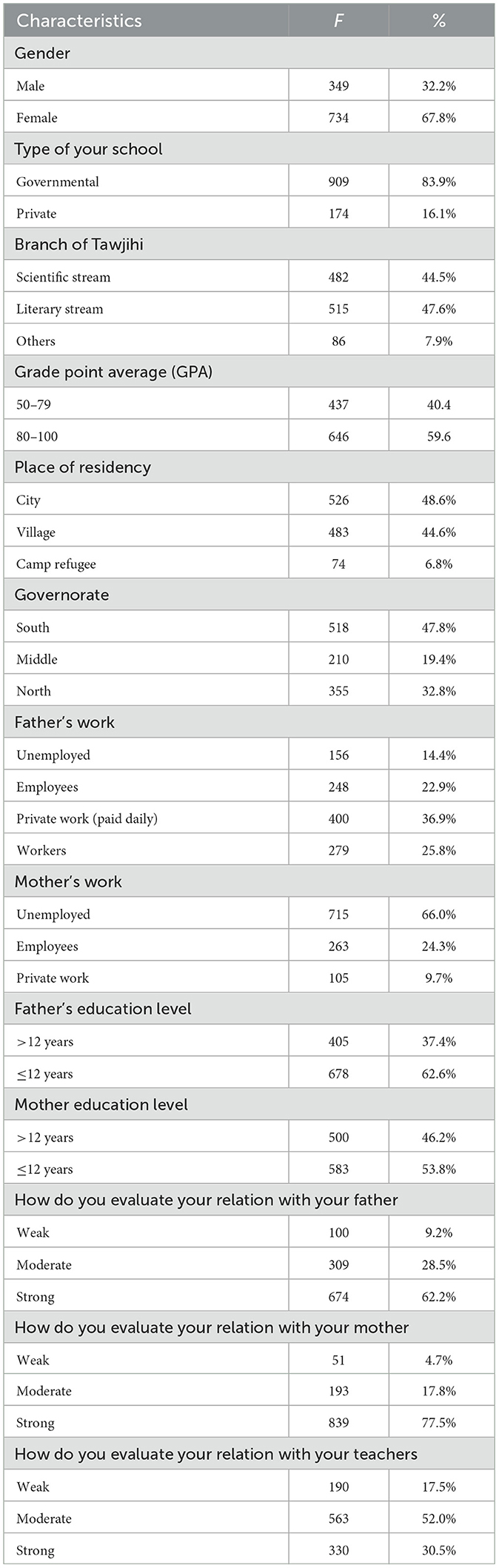
Table 1. Socio-demographic characteristics of the participants.
3.2 Prevalence of depression, and anxiety
The findings in Figure 1 shows that 27.3% of the participants had depression, and 50.5% had anxiety.
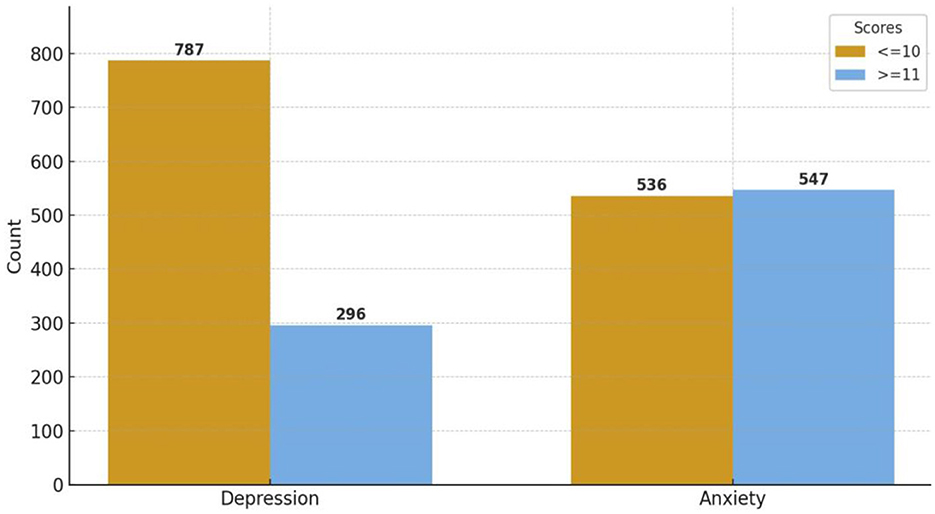
Figure 1. The prevalence of depression and anxiety.
3.3 The association between grade point average (GPA), sociodemographic variables, depression and anxiety
Table 2 shows the results of the chi-square test, which examined the associations between GPA, respondent characteristics, and all study factors. Significant relationships were found between GPA and the following factors: gender (p < 0.032), type of school (p < 0.001), branch of Tawjihi (p < 0.001), place of residency (p < 0.008), governorate (p < 0.013), father's occupation (p < 0.001), mother's occupation (p < 0.001), father's education level (p < 0.001), mother's education level (p < 0.001), relationship with fathers (p < 0.049), relationship with teachers (p < 0.001), depression scale (p < 0.010), and anxiety scale (p < 0.003).

Table 2. The association between grade point average, sociodemographic variables, social relation variables depression, and anxiety.
3.4 Multivariate logistic regression for grade point average (GPA)
Multivariate logistic regression was performed to investigate the determinants of grade point average (GPA), as shown in Table 3. Male students had a lower likelihood of achieving a high GPA compared to female students (AOR: 0.442, p < 0.001). Furthermore, students attending governmental schools had a lower likelihood of having a high GPA compared to those in private schools (AOR: 0.497, p = 0.001). Moreover, participants enrolling in the scientific stream had a greater likelihood of having a high GPA compared to those in other branches (AOR: 1.760, p = 0.030). Furthermore, participants residing in villages (AOR: 3.239, p < 0.001) displayed a greater likelihood of obtaining high GPAs compared to those living in refugee camps. Conversely, students from the southern region (AOR: 0.606, p = 0.002) or the middle governorate (AOR: 0.591, p < 0.012) were less likely to attain a high GPA than those who were from the northern governorate. Additionally, students whose fathers were employed (AOR: 1.871, p = 0.002) or engaged in private work (AOR: 1.483, p = 0.025) and those whose mothers possessed an education level exceeding 12 years (AOR: 2.045, p < 0.001) exhibited a higher likelihood of achieving a high GPA compared to students whose fathers were laborers or whose mothers had 12 years or less of education. Furthermore, students without anxiety (score ≤ 10) were more likely to achieve a high GPA compared to those with anxiety (AOR: 1.621, p = 0.001). Finally, students with weak (AOR: 0.372, p < 0.001) or moderate (AOR: 0.526, p < 0.001) relationships with their teachers were less likely to achieve a high GPA compared to those with a strong relationship.
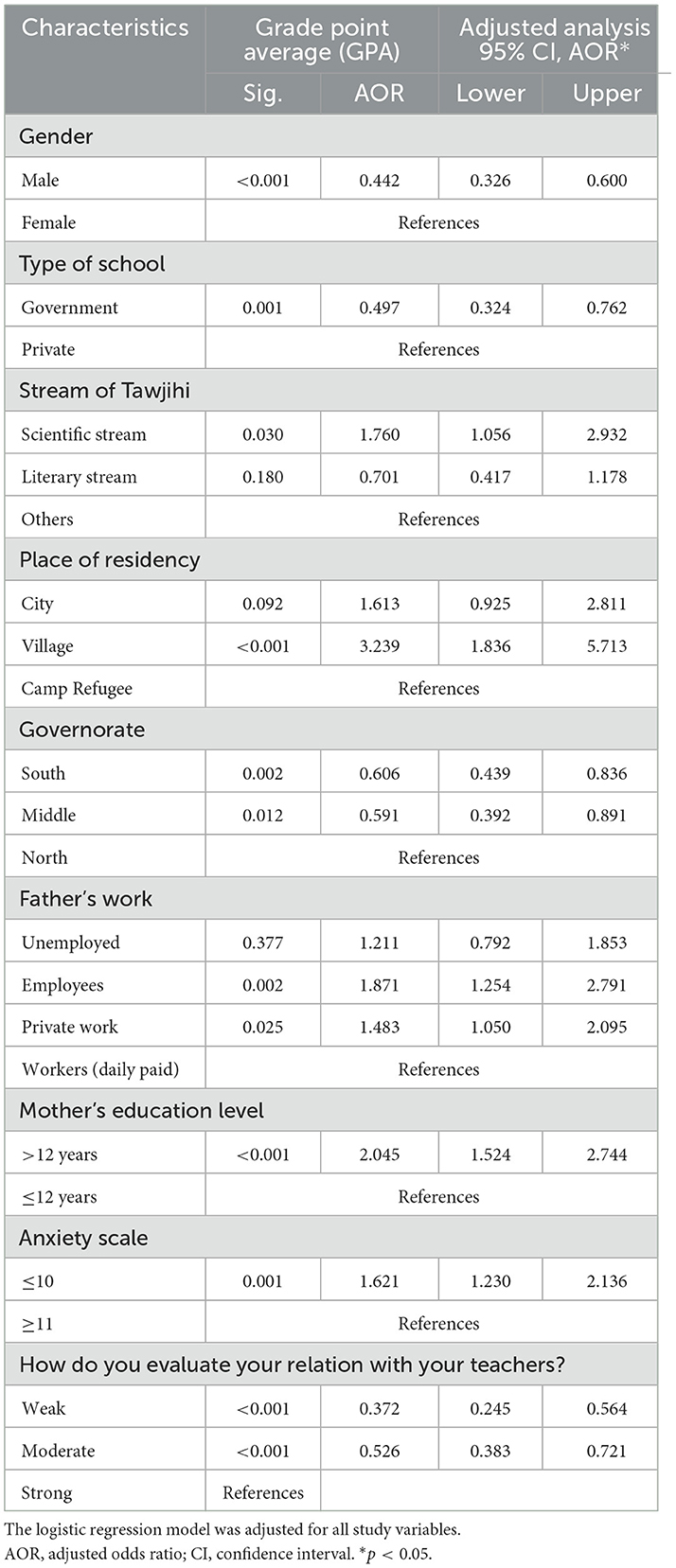
Table 3. Multivariate logistic regression for grade point average (GPA).
4 Discussion
Our research is the first to explicitly identify the impact of mental health problems on the academic achievement of a high grade point average among Palestinian 12th-grade students. The current study revealed a high prevalence of anxiety and depression among 12th-grade Palestinian students. The results found that anxiety was present in 50.5% of the participants, while depression was present in 27.3% of them. The elevated finding of our study may be attributed to the significant pressure that these students face from their parents and teachers to succeed on the General Secondary Education Certificate exam. This pressure may exacerbate their anxiety and depression. Another potential explanation is that these students reside in Palestine, where there is an ongoing political violence conflict, particularly the Gaza war that occurred after October 7, 2023. In this context, they are confronted with insecurity, violence, death, destruction, and displacement. For example, during the ongoing Gaza war, researchers discovered post-traumatic stress disorder (PTSD) in 65.9% of Palestinian university students (Ahmead et al., 2025a,b). Furthermore, another study indicated that the prevalence of anxiety was 60.9% and depression was 65.9% among young adults in Palestine (Ahmead et al., 2024). This conflict resulted in a general lack of optimism for the future, altered living conditions, insufficient healthcare, unemployment, and a diminished economy (Ahmead et al., 2024). These factors may have a negative effect on the mental health of students, increasing their levels of anxiety and depression. Compared to other research, our finding is considered high (Alharbi et al., 2019; Bhandari, 2016; Kumar and Akoijam, 2017; Al-Abbudi, 2019; Dong et al., 2025). However, other studies have suggested a higher prevalence than the current research (Nakie et al., 2022; Osborn et al., 2020). Anxiety and depression impact students' academic performance by interfering with their emotional, cognitive, and social capabilities, thereby increasing absenteeism. This phenomenon significantly undermines the emotional, psychological, social, and physical wellbeing of students (Nakie et al., 2022). Consequently, 12th-grade students might need mental health interventions and therapies to alleviate anxiety and depression, in addition to enhanced current counseling services.
According to the Bronfenbrenner framework, the findings of the current study revealed that the academic achievement of students was influenced by personal factors (gender and anxiety) and conceptual factors included family factors (the education of the mother and occupation female of father), school factors (type of school, academic stream, and teacher-student relationships), and broader social factors (place of residency and the governorate).
For personal factors, the findings showed that male students were less likely than female students to attain a high GPA, which is consistent with prior research (Lwin et al., 2025; Workman and Heyder, 2020). Female students' higher academic achievement is mostly attributable to greater effort than male students. Female students are viewed as “good” students who thrive academically and work hard (Legewie and DiPrete, 2012; Workman and Heyder, 2020). In contrast, the male gender role is less aligned with the student role, which may involve opposing authority and facing institutional restrictions. Thus, the greater effort that female students put into school in comparison to male students is a significant factor contributing to their higher achievement (Workman and Heyder, 2020). On the other hand, those who strive for academic achievement may experience social isolation or ridicule as nerds or geeks (Workman and Heyder, 2020).
Additionally, the current study, like previous research, found that anxious students were less likely to have a high GPA (Elhag et al., 2025; Jiménez-Mijangos et al., 2023; Högberg et al., 2025). According to Getachew, there is a significant association between student performance and anxiety. Anxiety, even if it is acute or pervasive, can be detrimental to one's health. Anxiety associated with schoolwork includes social interactions, examinations, and grades. Additionally, anxious students may experience challenges with concentration, memory, and performance (Getachew, 2015). Further, students who experience internalizing problems exhibit lower academic achievement, test scores, and school dropout rates (Bortes et al., 2022). Parents' anxiety may influence the anxiety levels of these students. Zhao et al. (2025) found that parental educational anxiety was a negative predictor of student academic performance. Stress management, meditation, and problem-solving techniques may be beneficial in reducing anxiety. The results also suggest that to protect vulnerable students, schools and mental health institutions must collaborate to integrate the treatment of academic and mental problems.
However, our study results did not show a significant relationship between GPA and depression, which contradicts previous research findings (Bhandari, 2016; Meskini et al., 2024; Peng et al., 2023). One possible explanation for our findings is that these students were highly resilient; hence, depressive symptoms had no effect on their GPA. Furthermore, the competitiveness for success on this test may act as motivation for students to overcome their mental health problems. Some research has supported the negative association between academic achievement and depression (Ahmed and Julius, 2015). One research study in Ethiopia found a significant negative relationship between academic achievement and depression (Tareke et al., 2025). The authors concluded that this result could be due to depression, which is characterized by low self-esteem, feelings of inferiority, decreased motivation for learning, hopelessness about the future, and poor relationships with classmates as a result of depressive symptoms' social withdrawal (Tareke et al., 2025). Therefore, more research is required to evaluate the correlation between GPA and depression in Palestinian 12th-grade students.
For family factors, the findings showed that students with fathers who were employed or in the private sector were more likely to achieve a commendable GPA than those with fathers in the labor sector. This result could be attributed to the fact that the student's achievements may be influenced by the father's employment, which subsequently affects learning outcomes by determining access to educational opportunities and resources. Shah and Hussain (2021) found that parental employment significantly influences the income and educational achievement of children. Due to their jobs, parents can't provide their children with the support, encouragement, and modern educational resources they need to help them learn better. While some studies reported comparable findings (Amuda and Ali, 2016; Wang and Chen, 2025; Singh and Imam, 2014), others did not demonstrate a correlation (Alibraheim, 2023; Breinholt and Holm, 2020).
Additionally, the results of the present study indicated that students whose mothers had completed more than 12 years of formal education were more likely to attain a high GPA than those whose mothers had completed 12 years or less of formal education. Parents who possess higher educational qualifications may motivate their children to realize their intellectual capabilities, which could lead to improved academic performance and advanced education (Amuda and Ali, 2016). Consequently, the educational attainment of mothers may influence students' academic performance. Moreover, the educational background of parents may affect the home learning environment, students' attitudes toward its use, and their perceptions of the importance of scientific education (Singh and Imam, 2014). On the contrary, some studies indicate that women who have received a higher education are less likely to prioritize their children's education. This could potentially result in a decrease in GPA if students are unable to learn due to the time spent studying with their mothers, as their mothers' jobs may disrupt the time allocated for their children at home (Shah and Hussain, 2021). Subsequently, our results suggest that parents must provide their children with necessary educational resources to improve their academic performance and encourage them to focus on their studies (Loice et al., 2020). It is possible for all students who are underprivileged to receive support from the government and NGOs to pursue a high-quality education. Furthermore, they have to stress the importance of education to students, regardless of their parents' backgrounds or jobs.
For school factors, our results found that students who attended public schools had a lower likelihood of achieving a high GPA than other students who attended private schools. This finding could be attributed to the fact that in Palestine, wealthy families enroll their children in costly private schools, which provide more educational resources and teaching opportunities than public schools, to achieve higher levels of success. This finding is consistent with the results of prior research (Carbonaro and Covay, 2010) and contradicts other studies (Dijkstra et al., 2025; Getachew, 2015). Globally, private schools are becoming more significant in the provision of educational services, even to economically disadvantaged households. Globally, approximately one in every eight students attends a private school. One-fourth of secondary students in middle-income countries attend private schools (World Bank, 2018). Competition among private schools may enhance performance (Kosec, 2014), as private school students completed more intensive academic courses than their public school counterparts, which explains the majority of the achievement disparity between the two sectors (Carbonaro and Covay, 2010). According to Guo et al. (2025), students from private high schools and those from higher socioeconomic backgrounds were more satisfied with the quality of school services and learning experiences than their counterparts from public schools and lower socioeconomic backgrounds. The study stressed the importance of educational policies that close these inequalities to improve the quality of education in public schools and help students from low-income households. To foster equitable educational opportunities and enhance student satisfaction, it is imperative to implement such policies (Guo et al., 2025). On the other hand, cross-country data research revealed that private schools did not possess any comparative advantages in terms of student performance in the majority of countries (Sakellariou, 2017).
Further, the current study found that students in the scientific stream were more likely to achieve a high GPA than those in other streams. This finding can be attributed to the educational system, which encourages students who attain high grades in the scientific stream to enroll in faculties of health sciences and engineering at universities after completing their 12th grade. A minimum score of 80 was required for candidates to enroll in the scientific stream in these faculties. According to Qalalwi (2021), the majority of students in the science stream possess a transitional level of scientific epistemological belief, whereas those in the arts stream possess naive and low levels. In addition, it found that respondents from the scientific stream possessed a more comprehensive understanding of the application of physics concepts in ordinary life, sources of information, theories, and laws (Hui and Phang, 2015). Deupa and Pathani (2018) found that students who achieve exceptional academic success and have an elevated IQ are more inclined to enroll in a scientific stream that generates a scientific workforce that meets the country's professional needs (Hui and Phang, 2015). Furthermore, the entire educational system may be significantly and negatively impacted by students with low intelligence and achievement in the arts stream (Deupa and Pathani, 2018). To recruit students with exceptional academic achievements and cognitive abilities to the arts stream, the teaching profession must be deemed appealing to enhance the quality and efficacy of education.
Moreover, the GPA of students who had weak or moderate relationships with their teachers was low, similar to prior research (Talamor and Cruz, 2025; Zhong et al., 2025). This might be because students need positive interactions with teachers in order to create intrinsic motivation and a sense of belonging. Werang et al. (2025) assert that students are motivated to explore their interests and express themselves freely in such an environment, which is essential for their holistic development. In addition, social support has the potential to mitigate the adverse effects of stress and enhance performance, mood, and relationships (Kong et al., 2021). Federici and Skaalvik (2014) argued that students' academic performance improves when they feel appreciated and cared for. Moreover, students who receive support are more enthusiastic about learning and eager to achieve success (Talamor and Cruz, 2025). Students' academic performance and overall wellbeing are enhanced by this social support, which encourages them to value knowledge and support in the classroom (Talamor and Cruz, 2025). Over the course of three years, Affuso et al. (2023) found that teacher support enhanced students' achievement and increased students' motivation and self-efficacy. Therefore, students are more inclined to engage in academic activities and feel more affiliated with the learning environment when their teachers exhibit compassion and empathy (Bakadorova et al., 2020; Hagenauer and Raufelder, 2021).
For broader social factors, the findings of the current study found that the GPA of students who resided in villages was higher than that of those who resided in refugee camps, which is consistent with prior research (Li and Liu, 2022; Wang et al., 2022). This finding may be attributed to the elevated educational expectations held by rural parents and grandparents, stemming from their culturally ingrained reverence for education. Research has shown that the educational expectations of caregivers have a substantial impact on the academic performance and educational achievement of children (Zhang and Huang, 2022). Pinquart and Ebeling (2020) revealed associations between the academic achievements of students and the educational aspirations of caregivers. The educational expectations of parents partially mediate the relationship between academic achievement and family assets. Additionally, the socioeconomic status of students in rural areas may be higher than that of students in refugee camps, which could potentially increase their access to educational resources. Other studies, however, have shown that rural schools lack the necessary and supportive resources, which impairs students' learning experiences and outcomes (Li and Xue, 2022). Additionally, teacher quality is a significant determinant in the promotion of educational equity in schools, particularly in refugee camps, and it contributes to enhanced academic achievement. Therefore, ongoing access to educational resources and teacher training is essential for the execution of improvements that integrate these elements (Liu, 2025).
Also, the current study revealed that students from the southern area or the middle governorate were less likely to achieve a high GPA than those from the northern governorate. At present, there is no formal statistic that is readily accessible that specifically compares the Tawjihi grades between the northern and southern regions of Palestine. However, this finding may be the result of a multifaceted interplay between socioeconomic, educational, and cultural factors in Palestine. There is a possibility that poverty and a lack of financial stability may be substantial factors, as the southern region of the West Bank is frequently more impoverished than the northern region. For example, the Southern West Bank has a poverty rate of 13.6%, while the Northern West Bank has a poverty rate of 10.5% [Palestinian Central Bureau of Statistics (PCBS) (2020)]. Consequently, poverty may restrict access to educational resources, including private tutoring, libraries, educational seminars, and high-quality schools. To mitigate this inequality, it would be necessary to implement comprehensive interventions that prioritize the equitable distribution of educational resources, socioeconomic development, and tailored support initiatives for students and schools in impoverished governorates.
The study has a few limitations. Although data were collected cross-sectionally, a longitudinal approach is necessary to investigate the association between academic achievement, depression, and anxiety. Due to restricted access to 12th-grade students, we used a convenience sample strategy. Convenience sampling may limit the generalizability of the findings and reduce their representativeness, as some students with or without internet access or those with low or high academic achievement may not have participated in the research. Therefore, we recommend caution when interpreting the data. Although we used a validated questionnaire to measure various mental health problems, including depression and anxiety, respondents' biases may exist. Furthermore, there is a need to investigate other variables such as social support, loneliness, drug use, smartphone addiction, and their relationships with academic achievement.
4.1 Implication for practice
Public and mental health practitioners, policymakers, and teachers might use our findings to help 12th graders succeed academically. Therefore, teachers need to establish and maintain positive relationships with students to support their academic improvement. Our results may highlight the importance of teacher training, curriculum design, and textbooks in public schools. A well-designed public-private partnership, where the government purchases a service for a specific term, can increase enrollment, reduce inequality, and provide access to high-quality education. Teachers and policymakers have to pay attention students' economic backgrounds and consider their parents' employment and mothers' education to better support students facing academic difficulties. Additionally, the Ministry of Education, administrators, and curriculum developers must focus on low-income students and those in the south governorate to ensure quality education for all. Physical activity, positive relationships, hope, time management, and self-worth are also crucial for reducing anxiety.
Additionally, policymakers have to allocate specific resources to ensure that all schools, particularly those that are government-funded or underserved, have an increased number of certified school counselors and clinical psychologists. Schools should also implement mental health screening programs to identify mental health problems such as anxiety and anxiety and address them early in the academic year. The curriculum should also include seminars on managing stress, controlling emotions, and reducing anxiety. Furthermore, the significant disparities in social and economic status—where a high GPA is linked to attending private schools and having well-educated mothers, while a low GPA is tied to attending government schools, living in a refugee camp, and having parents who work for daily wages—need attention. Additionally, the recognized benefits for female students, students in scientific fields, and students living in rural areas suggest that these groups could gain from supportive frameworks that could be replicated. To ensure all students have access to safety and relationship guidance, schools should study these successful examples to improve personalized support, especially for students in the arts, other streams, and males. Finally, there is a need for further studies to investigate the causes of low achievement in school and its connection to stress, personality characteristics, mental illness, and political violence among these students. Furthermore, the current research did not examine the participants' ongoing medical or psychological treatment, diagnosed medical conditions, or medication use. Therefore, both quantitative and qualitative studies are necessary to explore the relationship between these factors and academic achievement, in addition to conducting longitudinal quantitative research.
5 Conclusion
The results of this study suggest that there are correlations between academic achievement and specific personal and contextual factors (gender, anxiety, parental education and employment, school type, academic stream, relationship with teachers, governorate, and place of residence). These factors are identified as modifiable predictors of academic underachievement in the 12th grade. This study provides practitioners and policymakers with data for establishing comprehensive interventions to assist these students. Therefore, a campaign is needed to inform students, parents, policymakers, and teachers about how anxiety and negative sociodemographic factors can affect achievement. Also, this study shows how important it is to manage these factors to improve both student mental health and academic performance at the same time. There is a need to conduct longitudinal studies to carefully look at the long-term effects of mental health screening and academic support programs for 12th-grade students. Moreover, additional qualitative and quantitative research is necessary to examine the unique risk profile identified among male students, those in non-scientific disciplines, students living in refugee camps, and those experiencing anxiety and belonging to lower socioeconomic groups. Finally, the findings of the current study may indicate the importance of educating students, parents, policymakers, and teachers about the effect of anxiety and sociodemographic variables on the academic underachievement of students and the importance of managing these factors to improve students' mental health and academic performance.
Data availability statement
The original contributions presented in the study are included in the article/supplementary material, further inquiries can be directed to the corresponding author.
Ethics statement
The studies involving humans were approved by the Al-Quds University Research Ethics Committee (Ref No: 431/REC/2024). The studies were conducted in accordance with the local legislation and institutional requirements. The participants provided their written informed consent to participate in this study.
Author contributions
MA: Conceptualization, Data curation, Formal analysis, Investigation, Methodology, Project administration, Supervision, Validation, Writing – original draft, Writing – review & editing.
Funding
The author(s) declare that no financial support was received for the research and/or publication of this article.
Acknowledgments
The author would like to thank the students who participated in this study.
Conflict of interest
The author declares that the research was conducted in the absence of any commercial or financial relationships that could be construed as a potential conflict of interest.
Generative AI statement
The author(s) declare that no Gen AI was used in the creation of this manuscript.
Any alternative text (alt text) provided alongside figures in this article has been generated by Frontiers with the support of artificial intelligence and reasonable efforts have been made to ensure accuracy, including review by the authors wherever possible. If you identify any issues, please contact us.
Publisher's note
All claims expressed in this article are solely those of the authors and do not necessarily represent those of their affiliated organizations, or those of the publisher, the editors and the reviewers. Any product that may be evaluated in this article, or claim that may be made by its manufacturer, is not guaranteed or endorsed by the publisher.
References
Affuso, G., Zannone, A., Esposito, C., Pannone, M., Miranda, M. C., De Angelis, G., et al. (2023). The effects of teacher support, parental monitoring, motivation and self-efficacy on academic performance over time. Eur. J. Psychol. Educ. 38, 1–23. doi: 10.1007/s10212-021-00594-6
Ahmead, M., El Sharif, N., Abuiram, I., Alshawish, E., and Dweib, M. (2024). Depression, anxiety and coping strategies among Palestinian university students during political violence: a cross sectional study. Front. Public Health 12:1436672. doi: 10.3389/fpubh.2024.1436672
Ahmead, M., El Sharif, N., Alshawish, E., Abuiram, I., and Dweib, M. (2025a). PTSD and coping strategies among Palestinian university students during political violence: a cross sectional study. Terror. Polit. Violence 1−15. doi: 10.1080/09546553.2025.2525831
Ahmead, M., Maqboul, E., Alshawish, E., and Dweib, M. (2025b). The prevalence of smartphone addiction and its related risk factors among Palestinian high school students: a cross-sectional study. Front. Psychiatry 16:1636080. doi: 10.3389/fpsyt.2025.1636080
Ahmed, Z., and Julius, S. H. (2015). Academic performance, resilience, depression, anxiety and stress among women college students. Indian J. Posit. Psychol. 6, 367–370. doi: 10.15614/IJPP/2015/V6I4/127155
Al-Abbudi, S. (2019). Prevalence of symptoms of depression, anxiety and stress among secondary school students in Baghdad, Iraq. Int. J. Curr. Res. 10, 66257–66261.
Alharbi, R., Alsuhaibani, K., Almarshad, A., and Alyahya, A. (2019). Depression and anxiety among high school student at Qassim Region. J. Family Med. Prim. Care 8, 504–510. doi: 10.4103/jfmpc.jfmpc_383_18
Alibraheim, E. A. (2023). The relationship between mothers' educational levels and their children's academic performance. Pegem J. Educ. Instr. 13, 36–40. doi: 10.47750/pegegog.13.03.04
American Psychiatric Association (2013). Diagnostic and Statistical Manual of Mental Disorders: DSM-5. Washington, DC: American Psychiatric Association. doi: 10.1176/appi.books.9780890425596
Amuda, B., and Ali, D. (2016). Parents' level of education as predictors of academic performance of NCE students of colleges of education in the north-eastern states of Nigeria. J. Humanit. Soc. Sci. 21, 41–47. doi: 10.9790/0837-21224147
Awadalla, S., Davies, E. B., and Glazebrook, C. (2020). A longitudinal cohort study to explore the relationship between depression, anxiety and academic performance among Emirati university students. BMC Psychiatry 20:448. doi: 10.1186/s12888-020-02854-z
Bakadorova, O., Lazarides, R., and Raufelder, D. (2020). Efects of social and individual school self-concepts on school engagement during adolescence. Eur. J. Psychol. Educ. 35, 73–91. doi: 10.1007/s10212-019-00423-x
Bhandari, M. (2016). Anxiety and depression among adolescent students at higher secondary school. Bibechana 14:103. doi: 10.3126/bibechana.v14i0.16019
Bortes, C., Nilsson, K., and Strandh, M. (2022). Associations between children's diagnosed mental disorders and educational achievements in Sweden. Scand. J. Public Health 50, 1140–1147. doi: 10.1177/14034948221089056
Breinholt, A., and Holm, A. (2020). Heterogeneous effects of less educated mothers' further education during early childhood on children's educational performance in adolescence. Res. Soc. Stratif. Mobil. 68:100506. doi: 10.1016/j.rssm.2020.100506
Bronfenbrenner, U. (1977). Toward an experimental ecology of human development. Am. Psychol. 32, 513–531. doi: 10.1037/0003-066X.32.7.513
Bronfenbrenner, U. (1979). The Ecology of Human Development: Experiments by Nature and Design. Cambridge, MA: Harvard University Press. doi: 10.4159/9780674028845
Bronfenbrenner, U., and Morris, P. A. (1998). “The bioecological model of human development,” in Handbook of Child Psychology, ed. R. M. Lerner (Hoboken, NJ: Wiley and Sons), 993–1027.
Carbonaro, W., and Covay, E. (2010). School sector and student achievement in the era of standards based reforms. Sociol. Educ. 83, 160–182. doi: 10.1177/0038040710367934
Cavanagh, A. J., Chen, X., Bathgate, M., Frederick, J., Hanauer, D. I., and Graham, M. J. (2018). Trust, growth mindset, and student commitment to active learning in a college science course. CBE Life Sci. Educ. 17:ar10. doi: 10.1187/cbe.17-06-0107
Chen, J., Huebner, E. S., and Tian, L. (2022). Longitudinal associations among academic achievement and depressive symptoms and suicidal ideation in elementary schoolchildren: disentangling between- and within-person associations. Eur. Child Adolesc. Psychiatry 31, 1405–1418. doi: 10.1007/s00787-021-01781-y
Clark, K. N., Dorio, N. B., Eldridge, M. A., Malecki, C. K., and Demaray, M. K. (2020). Adolescent academic achievement: a model of social support and grit. Psychol. Sch. 57, 204–221. doi: 10.1002/pits.22318
Costa, A., Moreira, D., Casanova, J., Azevedo, Â., Gonçalves, A., Oliveira, Í., et al. (2024). Determinants of academic achievement from the middle to secondary school education: a systematic review. Soc. Psychol. Educ. 27, 3533–3572. doi: 10.1007/s11218-024-09941-z
Davey, C. G., and McGorry, P. D. (2019). Early intervention for depression in young people: a blind spot in mental health care. Lancet Psychiatry 6, 267–272. doi: 10.1016/S2215-0366(18)30292-X
Deupa, M., and Pathani, S. (2018). A study of achievement and intelligence level of students in secondary education in Nepal with regard to education stream. Int. J. Educ. Learn. Dev. 6, 1–15.
Dijkstra, A. B., Daas, R., Munniksma, A., and Ten Dam, G. (2025). Citizenship in public, non-religious private and religious private schools. A comparison of student citizenship competences in Dutch secondary education. Educ. Rev. 77, 427–445. doi: 10.1080/00131911.2023.2203393
Dong, T., Wang, Y., and Lin, Y. (2025). Prevalence and determinants of depression, anxiety, and stress among secondary school students. PLoS ONE 20:e0328785. doi: 10.1371/journal.pone.0328785
Duke, N. (2015). For the rich its richer, print environments and experience offered to first grade students in very low and high – SES school zones. Am. Educ. Res. J. 37, 456–457. doi: 10.1598/RRQ.35.4.1
Ekiugbo, U. K. E. E. (2023). School environment: implication for pedagogy and quality assurance in social studies classroom in Nigeria. Br. J. Educ. 11, 1–13. doi: 10.37745/bje.2013/vol11n10113
Elhag, H., Hassan, A. A., Alharbi, H. Y., and Adam, I. (2025). Correlation between anxiety scores and academic performance among adolescent schoolchildren in Northern Sudan: a cross-sectional study. World J. Psychiatry 15:107446. doi: 10.5498/wjp.v15.i7.107446
Federici, R. A., and Skaalvik, E. M. (2014). Students' perceptions of emotional and instrumental teacher support: relations with motivational and emotional responses. Int. Educ. Stud. 7, 21–35. doi: 10.5539/ies.v7n1p21
Gedda-Muñoz, R., Fuentez Campos, Á., Valenzuela Sakuda, A., Retamal Torres, I., Cruz Fuentes, M., Badicu, G., et al. (2023). Factors associated with anxiety, depression, and stress levels in high school students. Eur. J. Investig. Health Psychol. Educ. 13, 1776–1786. doi: 10.3390/ejihpe13090129
Getachew, A. (2015). Anxiety, attitude towards mathematics and mathematics achievement of tenth grade students at government and private schools in Kolfe Keranio sub-city of Addis Ababa (Unpublished M.A. thesis). Addis Ababa University, Addis Ababa, Ethiopia.
Guo, T., Li, T., and Qi, Z. (2025). The impact of school service quality on student learning satisfaction: a comparative study of public and private high schools in China. Eur. J. Educ. 60:e70013. doi: 10.1111/ejed.70013
Hagenauer, G., and Raufelder, D. (2021). “Lehrer-Schüler-Beziehung,” in Handbuch Schulforschung, ed. T. H. T.-S. I. W. Helsper (Heidelberg: Springer), 1–19. doi: 10.1007/978-3-658-24734-8_47-1
Högberg, B., Strandh, M., Petersen, S., and Nilsson, K. (2025). Associations between academic achievement and internalizing disorders in Swedish students aged 16 years between 1990 and 2018. Eur. Child Adolesc. Psychiatry 34, 1661–1671. Erratum in: Eur. Child Adolesc. Psychiatry 34, 1673–1674. doi: 10.1007/s00787-024-02597-2
Horn, Â. M., Silva, K. A. D., and Patias, N. D. (2021). School performance and symptoms of depression, anxiety, and stress in adolescents. Psic. Teor. Pesqui. 37. doi: 10.1590/0102.3772e372117
Huang, C. (2015). Academic achievement and subsequent depression: a meta-analysis of longitudinal studies. J. Child Fam. Stud. 24, 434–442. doi: 10.1007/s10826-013-9855-6
Hui, Y. X., and Phang, F. A. (2015). Science and arts streams students' scientific epistemological beliefs. Int. Educ. Stud. 8, 88–92. doi: 10.5539/ies.v8n13p88
Ismail, A. O., Mahmood, A. K., and Abdelmaboud, A. (2018). Factors influencing academic performance of students in blended and traditional domains. Int. J. Emerg. Technol. Learn. 13:170. doi: 10.3991/ijet.v13i02.8031
Jensen, M. R., van der Wel, K. A., and Bråthen, M. (2021). Adolescent mental health disorders and upper secondary school completion – the role of family resources. Scand. J. Educ. Res. 67, 1–14. doi: 10.1080/00313831.2021.1983864
Jiménez-Mijangos, L. P., Rodríguez-Arce, J., Martínez-Méndez, R., and Reyes-Lagos, J. J. (2023). Advances and challenges in the detection of academic stress and anxiety in the classroom: a literature review and recommendations. Educ. Inf. Technol. 28, 3637–3666. doi: 10.1007/s10639-022-11324-w
Khesht-Masjedi, M. F., Shokrgozar, S., Abdollahi, E., Habibi, B., Asghari, T., Ofoghi, R. S., et al. (2019). The relationship between gender, age, anxiety, depression, and academic achievement among teenagers. J. Family Med. Prim. Care 8, 799–804. doi: 10.4103/jfmpc.jfmpc_103_18
Kong, F., Yang, K., Yan, W., and Li, X. (2021). How does trait gratitude relate to subjective wellbeing in Chinese adolescents? The mediating role of resilience and social support. J. Happiness Stud. 22, 1611–1622. doi: 10.1007/s10902-020-00286-w
Kosec, K. (2014). Relying on the private sector: the income distribution and public investments in the poor. J. Dev. Econ. 107, 320–42. doi: 10.1016/j.jdeveco.2013.12.006
Krasniqi, N. (2014). Anxiety/depression and academic achievement in adolescents in Prishtina. J. Educ. Soc. Res. 4. doi: 10.5901/jesr.2014.v4n2p375
Kumar, K. S., and Akoijam, B. S. (2017). Depression, anxiety and stress among higher secondary school students of Imphal, Manipur. Indian J. Community Med. 42, 94–96. doi: 10.4103/ijcm.IJCM_266_15
Landstedt, E., Bortes, C., and Strandh, M. (2021). Is there a social gradient in how youth with mental disorder perform academically? Findings from a Swedish longitudinal register-based study. BMC Psychiatry 21:441. doi: 10.1186/s12888-021-03448-z
Legewie, J., and DiPrete, T. A. (2012). School context and the gender gap in educational achievement. Am. Sociol. Rev. 77, 463–485. doi: 10.1177/0003122412440802
Lereya, S. T., Patel, M., dos Santos, J. P. G. A., and Deighton, J. (2019). Mental health difficulties, attainment and attendance: a cross-sectional study. Eur. Child Adolesc. Psychiatry 28, 1147–1152. doi: 10.1007/s00787-018-01273-6
Li, J., and Xue, E. (2022). Unpacking the policies, historical stages, and themes of the education equality for educational sustainable development: evidence from China. Sustainability 14:10522. doi: 10.3390/su141710522
Li, L., and Liu, Y. (2022). An integrated model of principal transformational leadership and teacher leadership that is related to teacher self-efficacy and student academic performance. Asia Pac. J. Educ. 42, 661–678. doi: 10.1080/02188791.2020.1806036
Liu, F. (2025). Factors affecting academic achievement gap amongst urban and rural students in education. J. Glob. Res. Educ. Soc. Sci. 19, 64–70. doi: 10.56557/jogress/2025/v19i29285
Loice, W., David, K., and Ndaita, J. (2020). Influence of socioeconomic factors on KCSE performance of boy child in Kakamega Nairobi sub-county, Kenya. Int. J. Acad. Res. Bus. Soc. Sci. 10, 662–688. doi: 10.6007/IJARBSS/v10-i4/7218
Longobardi, C., Prino, L. E., Marengo, D., and Settanni, M. (2016). Student-teacher relationships as a protective factor for school adjustment during the transition from middle to high school. Front. Psychol. 7:1988. doi: 10.3389/fpsyg.2016.01988
López-López, J. A., Kwong, A. S. F., Washbrook, L., Tilling, K., Fazel, M. S., Pearson, R. M., et al. (2021). Depressive symptoms and academic achievement in UK adolescents: a cross-lagged analysis with genetic covariates. J. Affect. Disord. 284, 104–113. doi: 10.1016/j.jad.2021.01.091
Lwin, E. Z., Watthanakulpanich, D., Phetrak, A., Soonthornworasiri, N., and Prangthip, P. (2025). Factors influencing secondary school students' nutrition, mindfulness, and academic performance in Nan Province, Thailand. PLoS ONE 20:e0308882. doi: 10.1371/journal.pone.0308882
Mahnaz, W., and Kiran, S. (2024). Big five personality traits and social network sites preferences: the mediating role of academic achievement in educational outcomes of secondary school student. Soc. Sci. Rev. Arch. 2, 1353–1370. doi: 10.70670/sra.v2i2.187
Meskini, N., Chakit, M., Lamtai, M., and Ftih, Z. (2024). Relationship between academic achievement and depressive syndrome among middle school students in Kenitra. Community Pract. 21, 308–318.
Mikkonen, J., Remes, H., Moustgaard, H., and Martikainen, P. (2020). Early adolescent health problems, school performance, and upper secondary educational pathways: a counterfactual-based mediation analysis. Soc. Forces 99, 1146–1175. doi: 10.1093/sf/soaa048
Ministry of Education and Higher Education (2017). Education Sector Strategic Plan 2017–2022. Ramallah: MOHE.
Najdawi, Z. R., Kardan, R., Zuraik, I., Shobaki, Z. A., Alarood, S., Dardas, L. A., et al. (2022). Depressive symptoms among students pursuing the general secondary education certificate examination (Tawjihi): a national study. Int. J. Ment. Health 1–18. Advance online publication. doi: 10.1080/00207411.2021.2017393
Nakie, G., Segon, T., Melkam, M., Desalegn, G. T., and Zeleke, T. A. (2022). Prevalence and associated factors of depression, anxiety, and stress among high school students in Northwest Ethiopia, 2021. BMC Psychiatry 22:739. doi: 10.1186/s12888-022-04393-1
Okano, L., Jeon, L., Crandall, A., and Riley, A. (2020). Differential effects of internalizing behaviors on academic functioning for girls versus boys: an analysis of developmental cascades from elementary to high school. Dev. Psychopathol. 32, 751–764. doi: 10.1017/S0954579419000737
Oriaku, I. G., Ezugwu, E. I., and Kolade, T. F. (2025). Influence of gender based violence on students' academic achievements in public senior secondary schools of Nasarawa West Senatorial District of Nasarawa State. Sch. J. Sci. Educ. 3. doi: 10.5281/zenodo.15045873
Osborn, T. L., Venturo-Conerly, K. E., Wasil, A. R., Schleider, J. L., and Weisz, J. R. (2020). Depression and anxiety symptoms, social support, and demographic factors among Kenyan high school students. J. Child Fam. Stud. 29, 1432–1443. doi: 10.1007/s10826-019-01646-8
Palestinian Central Bureau of Statistics (PCBS) (2020). Multidimensional Poverty Report, 2017. Main Results. Ramallah: Palestine. Available online at: https://www.mppn.org/wp-content/uploads/2020/06/book2524-Palestine-28-48.pdf (Accessed October 28, 2025).
Peng, X., Liang, S., Liu, L., Cai, C., Chen, J., Huang, A., et al. (2023). Prevalence and associated factors of depression, anxiety and 616 suicidality among Chinese high school E-learning students during the COVID-19 617 lockdown. Curr. Psychol. 42, 30653–30664. doi: 10.1007/s12144-021-02512-x
Pinquart, M., and Ebeling, M. (2020). Parental educational expectations and academic achievement in children and adolescents—a meta-analysis. Educ. Psychol. Rev. 32, 463–480. doi: 10.1007/s10648-019-09506-z
Qalalwi, N. N. (2021). Reasons behind low achievement in English language for Tawjihi students and suggested remedies. J. Contemp. Issues Bus. Gov. 27, 462–471. doi: 10.47750/cibg.2021.27.03.064
Rad, D., Redeş, A., Roman, A., Ignat, S., Lile, R., Demeter, E., et al. (2022). Pathways to inclusive and equitable quality early childhood education for achieving SDG4 goal—a scoping review. Front. Psychol. 13:955833. doi: 10.3389/fpsyg.2022.955833
Rueger, S. Y., Malecki, C. K., and Demaray, M. K. (2008). Gender differences in the relationship between perceived social support and student adjustment during early adolescence. Sch. Psychol. Q. 23, 496–514. doi: 10.1037/1045-3830.23.4.496
Sakellariou, C. (2017). Private or public school advantage? Evidence from 40 countries using PISA 2012–mathematics. Appl. Econ. 49, 2875–2892. doi: 10.1080/00036846.2016.1248361
Sangsawang, T., and Yang, L. (2025). Predicting student achievement using socioeconomic and school-level factors. Artif. Intell. Learn. 1, 20–34. doi: 10.63913/ail.v1i1.4
Shah, S. O., and Hussain, M. (2021). Parental occupation and its effect on the performance of children. J. Emerg. Technol. Innov. Res. 8, 576–583.
Singh, G. P., and Imam, A. (2014). Effect of gender, TV watching, father occupation and science resources available at home on science achievement of secondary school students of central UP. J. Humanit. Soc. Sci. 19, 35–43. doi: 10.9790/0837-19663543
Suleiman, I. B., Okunade, O. A., Dada, E. G., and Ezeanya, U. C. (2024). Key factors influencing students' academic performance. J. Electr. Syst. Inf. Technol. 11:41. doi: 10.1186/s43067-024-00166-w
Talamor, M. A. L., and Cruz, C. J. B. C. D. (2025). Social support and academic performance of bachelor of arts in economics students in a state university in the Philippines. Asian J. Nat. Sci. 4, 131–146. doi: 10.55927/ajns.v4i2.33
Tareke, M., Yirdaw, B. A., Mossie, T. B., Gebeyehu, A., Gelaye, B., Azale, T., et al. (2025). Depression and academic performance among youths in armed conflict areas in North Wollo, Ethiopia: structural equation modeling. Int J Soc Psychiatry. 71, 1086–1099. doi: 10.1177/00207640251323350
Tong, P., and An, I. S. (2024). Review of studies applying Bronfenbrenner's bioecological theory in international and intercultural education research. Front. Psychol. 14:1233925. doi: 10.3389/fpsyg.2023.1233925
Urbańska-Grosz, J., Walkiewicz, M., and Sitek, E. J. (2023). Is there sufficient evidence for the association between executive dysfunctionand academic performance in adolescents with major depressive disorder? A systematic review. Eur. Child Adolesc. Psychiatry 33, 2129–2140. doi: 10.1007/s00787-023-02275-9
Van Der Ende, J., Verhulst, F. C., and Tiemeier, H. (2016). The bidirectional pathways between internalizing and externalizing problems and academic performance from 6 to 18 years. Dev. Psychopathol. 28, 855–867. doi: 10.1017/S0954579416000353
VandenBos, G. R. (ed.)., (2015). APA Dictionary of Psychology. Washington, DC: American Psychological Association. doi: 10.5860/choice.191867
Wang, B., Luo, X., Yue, A., Tang, L., and Shi, Y. (2022). Family environment in rural China and the link with early childhood development. Early Child Dev. Care 192, 617–630. doi: 10.1080/03004430.2020.1784890
Wang, L., and Chen, C. J. (2025). Factors affecting student academic performance: a systematic review? Int. J. Stud. Educ. 7, 1–47. doi: 10.46328/ijonse.276
Werang, B. R., Agung, A., Agung, G., Marlina, S., Radja Leba, S., Asaloei, S., et al. (2025). School environment, student learning motivation, and academic achievement among the state junior high school students. J. Arts Humanit. Soc. Sci. 2, 285–291. Available online at: https://www.researchgate.net/publication/391594291_School_Environment_Student_Learning_Motivation_and_Academic_Achievement_among_the_State_Junior_High_School_Students (Accessed December 3, 2025).
Willms, J. D. (2003). Student Engagement at School: A Sense of Belonging and Participation. Results from PISSA 2000. Paris: OECD. Available online at: https://rb.gy/zqj61r (Accessed October 28, 2025).
Workman, J., and Heyder, A. (2020). Gender achievement gaps: the role of social costs to trying hard in high school. Soc. Psychol. Educ. 23, 1407–1427. doi: 10.1007/s11218-020-09588-6
World Bank (2018). Program Appraisal Document: Secondary Education Quality Improvement Program. Washington, DC: World Bank.
Yockey, R. A., King, K. A., and Vidourek, R. A. (2019). School factors and anxiety disorder among Hispanic youth: results from the 2016 US national survey on children's health. Sch. Psychol. Int. 40, 403–415. doi: 10.1177/0143034319849621
Zhang, T., and Huang, H. (2022). The effect of parents' educational expectation on the ability development of rural left-behind children—an empirical study based on CEPS data. China Econ. Educ. Rev. 7, 75–92. (In Chinese)
Zhang, W., Zhang, L., Chen, L., Ji, L., and Deater-Deckard, K. (2019). Developmental changes in longitudinal associations between academic achievement and psychopathological symptoms from late childhood to middle adolescence. J. Child Psychol. Psychiatry 60, 178–188. doi: 10.1111/jcpp.12927
Zhao, H., Zhu, X., Li, W., and Lin, X. (2025). When parents worry: how parental educational anxiety impacts adolescent academic success through depression, self-efficacy, and social media. Int. J. Ment. Health Promot. 27, 517–540. doi: 10.32604/ijmhp.2025.062739
Keywords: students, academic achievement, depression, anxiety, secondary schools, Palestine
Citation: Ahmead M (2025) Determinants of academic achievement and its association with depression and anxiety among Palestinian secondary school students. Front. Educ. 10:1717388. doi: 10.3389/feduc.2025.1717388
Received: 01 October 2025; Revised: 28 October 2025;
Accepted: 20 November 2025; Published: 10 December 2025.
Edited by:
Noel Purdy, Stranmillis University College, United KingdomReviewed by:
Kakollu Suresh, SRM University AP, IndiaAtieq Ul Rehman, Maulana Azad National Urdu University, India
Copyright © 2025 Ahmead. This is an open-access article distributed under the terms of the Creative Commons Attribution License (CC BY). The use, distribution or reproduction in other forums is permitted, provided the original author(s) and the copyright owner(s) are credited and that the original publication in this journal is cited, in accordance with accepted academic practice. No use, distribution or reproduction is permitted which does not comply with these terms.
*Correspondence: Muna Ahmead, bXVuYWFobWVhZEB5YWhvby5jb20=