 Edith Debrenti
 Andrea Bordás
 Miklós Hoffmann
- 1Department of Human and Social Sciences, Faculty of Economics and Social Sciences, Partium Christian University, Oradea, Romania
- 2Institute of Mathematics and Computer Science, Eszterházy Károly Catholic University, Eger, Hungary
- 3Faculty of Informatics, University of Debrecen, Debrecen, Hungary
The Poly-Universe educational game family, a manipulative, colorful geometric educational tool, fosters the development of mathematical, logical and artistic competencies, along with soft skills, by leveraging its unique “scale-shifting” symmetry and a universal color combination system. These features offer broad applicability and hold significant potential for influencing education—particularly in the teaching of mathematical fields, such as geometry and combinatorics, but also arts and further interdisciplinary areas. At its core, the game aims to establish a new visual approach to mathematics education. Due to its intricate design, Poly-Universe transcends the boundaries of a traditional game, blending elements of art and mathematics, and play into a unified educational synergy. In this paper we present the findings of a needs analysis and survey conducted with 101 educators across four European countries related to the potential role of the Poly-Universe tool in preschool and primary education. As revealed, teachers predominantly use manipulatives with children aged 3–10. The results indicated a need for a methodological teaching tool suitable for both kindergarten and lower elementary school settings. No significant gender differences were found in preferences for manipulative tools or in attitudes and abilities related to STEAM education. Educators reported that the use of such facilitates the transition from kindergarten to primary school and that both formal and non-formal educational contexts are equally relevant for this age group. The importance of art in STEAM education was also emphasized, with educators expressing a need for additional practical resources and best practices for the application of manipulatives.
1 Introduction
Early childhood education refers to the educational stage for children aged 0–6 years. At this level, children are provided with various forms of stimulation to support their growth and development during this period, helping to prepare them for entry into higher levels of education.
Early childhood represents the most rapid phase of physical and mental growth in a person's life. It is considered the most crucial and fundamental period in human development, often referred to as the “golden age,” as children's potential develops rapidly during this time. Learning during early childhood should be enjoyable and engaging, offering meaningful experiences that leave a lasting impression and foster growth through exploration and play (Maryani, 2019).
According to Ginsburg et al. (2008) from birth to age five, young children naturally develop a broad and often surprisingly sophisticated understanding of everyday mathematics. This includes informal concepts such as more and less, taking away, shapes, sizes, location, patterns, and spatial relationships. Learning mathematics during this stage is both natural and developmentally appropriate, forming an integral part of early cognitive growth. Preschool education (usually in the period of age 3–6) can significantly support this process.
Children in primary schools are typically between 6 and 10 years old, attending the first stage of formal education following early childhood or preschool. At this level, children develop foundational skills in reading, writing, mathematics, and other basic subjects, while also building social, emotional, and cognitive competencies essential for later learning and personal growth.
Children's development and growth must be properly stimulated to ensure optimal progress. One key area to support is cognitive development, which can be encouraged through the introduction of objects in the child's environment. As children grow, they cannot be separated from the objects around them: their development is closely tied to their surroundings. The world of children is a playful one. Play is a spontaneous and enjoyable activity that brings children a sense of calm and happiness. Engaging in play naturally provides satisfaction and joy. Play activities can take place both in the family and school environments. In a school setting, play can be especially beneficial as a medium for learning and stimulation, supporting the development of all aspects of early childhood. Introducing simple, abstract, pure geometric shapes in early childhood can be effectively achieved through various games. These activities help children develop the ability to recognize, point to, name, and group objects around them based on geometric shapes. The process begins with building basic geometric concepts by helping children identify and understand the characteristics of different shapes.
Game-based learning (GBL) can serve as a powerful pedagogical tool and effective classroom strategy to enhance mathematics education (Szilágyi et al., 2025). Well-designed games and manipulatives play a key role in deepening students' mathematical understanding by helping them build, strengthen, and connect diverse representations of mathematical ideas. High-quality games are especially beneficial for learners, offering opportunities for choice, adaptability, and engagement. These games are thoughtfully aligned with cognitive and mathematical structures, supporting the integration of various forms of knowledge and fostering meaningful learning connections (Debrenti, 2024a).
The objective of our EARLYPOLY (Preschool and Lower Primary STEAM Education with Poly-Universe) project is to introduce the Poly-Universe game family to pupils in preschool and primary education, respectively to university students in preschool and primary school teacher training programmes to familiarize participants with the game's potential applications and educational aspects, with special emphasis on the transfer phase from kindergarten to primary school. Research and experience indicate that exposing children to STEAM subjects at an early age can foster their interest, creativity, and problem-solving skills. The project aims to strengthen STEAM education in preschools and primary schools by integrating the Poly-Universe tool and incorporating a STEAM-focused approach into the curriculum.
2 Manipulative tools and constructive games in early mathematics education
(Fröebel 2021) viewed play as the highest form of childhood self-expression, essential for learning about the world through direct experience. He believed that play is not idle, but a purposeful activity that supports cognitive and emotional growth. His theory influences this study, where kindergarten games are used to help children achieve key learning goals, supported by collaboration among parents, teachers, and educational authorities (Cadag, 2024). Montessori education also centers on the child, with adults creating an environment that fosters independence and self-directed learning. It emphasizes discovery through hands-on activities, allowing children to explore at their own pace and find intrinsic motivation through meaningful achievements. Drew's (2023) learning theory provides a clear framework for understanding how learners acquire and retain knowledge. It outlines principles that guide teachers in supporting learning. In this study, kindergarten teachers used games to engage learners, promote participation, and help them process and retain information through structured play.
Preschool children learn most effectively through play, often without being aware that learning is taking place. Games not only foster creativity but also promote integrated learning across various curricular areas, thereby supporting the teaching of mathematical concepts. Through play, children are able to understand mathematical ideas, develop essential skills, learn key facts, and acquire the language and vocabulary of mathematics. Early mathematical concepts emerge in this context through notions such as higher and lower, above and below, more and fewer, larger and smaller, taller and shorter, as well as addition and subtraction. Using a game-based approach in early mathematics teaching and learning is a strategy widely recommended by researchers and early childhood education experts.
(Poland and van Oers 2007) in their large-scale longitudinal study provided strong evidence that children's meaningful learning in play-based settings significantly fosters the development of mathematical thinking. Chin and Zakaria's (2015) review of the literature indicates that challenges related to mastering number concepts and operations at the early stages of mathematics can be effectively addressed through well-structured and purposeful game-based activities. Children learn about ordering, size and quantity comparison, sets and numbers took place in kindergarten through physical objects. Activities may use objects intentionally designed for this purpose, such as Cuisenaire rods, Dienes blocks, as well as everyday physical objects such as beads, shoes, toys, towels, cutlery, stones, trees (Gulz et al., 2020). According to Russo and Russo (2018) and Russo et al. (2023), six key principles define educationally rich mathematical games: (1) student engagement; (2) a balance between skill and chance; (3) mathematics as the core focus; (4) flexibility in both teaching and learning; (5) encouragement of home-school connections; and (6) integration of games into broader studies. The educational value of a game is closely tied to how teachers perceive its appropriateness in terms of challenge, engagement, enjoyment, adaptability for diverse learners, and potential to support inquiry-based learning or deeper mathematical exploration. Similarly, teachers consider students' enjoyment and engagement levels, as well as a game's capacity to foster meaningful mathematical inquiry and discussion, when deciding whether to use it in future classroom activities.
Beka (2017) found that the use of mathematical games with preschool children positively impacts the development of number sense and understanding of numerical concepts. Additionally, incorporating these games into mathematics lessons enhances both the effectiveness and overall quality of instruction. Seo and Ginsburg (2004) observed that preschool children, at least intuitively, often demonstrate a more advanced understanding of geometric concepts than many elementary school students. For instance, they frequently create symmetrical patterns during play (Sarama and Clements, 2009).
Gulz et al. (2020) define a physical manipulative as an object that can be manipulated—grasped or moved—and that has the potential to support learning. According to them, physical manipulatives for early math fall into two categories: those specifically designed for educational purposes and everyday objects not originally intended for learning.
According to Rosli et al. (2015), teachers at the prekindergarten, kindergarten, and elementary levels frequently use tangible manipulatives as instructional tools to support students' understanding of various mathematical concepts, including numbers, operations, geometry, algebra, measurement, data analysis, and probability. These hands-on materials enable students to build, reinforce, and connect a wide range of mathematical ideas. In practice, primary school teachers often incorporate non-digital mathematical games—such as board games, dice games, and card games—to further enhance mathematics learning. Manipulatives can take many forms, including materials such as cardboard, cloth, plastic, pencils, food items, cutlery, cans, bottles, ropes, bottle caps, rubber, twigs, leaves, rocks, flowers, and seeds (Seefeldt and Wasik, 2008). They may also include structured tools like puzzles, marbles, number trains, ice cream sticks, counting trees, picture cards, dice, congklak, and number blocks. However, as Dienes (1964) emphasized, it is not the material itself that creates a meaningful mathematical learning experience, but how it is used within the learning context. The use of visualization and manipulatives in mathematics instruction is frequently recommended as an effective teaching strategy (Körei and Szilágyi, 2024). To evaluate the empirical support for this approach, a systematic review of the literature was conducted by Carbonneau et al. (2013). This review identified 55 studies comparing instruction with manipulatives to instruction relying solely on abstract mathematical symbols, encompassing a total of 7,237 students from kindergarten through college. Overall, the use of manipulatives was associated with statistically significant small to moderate effect sizes (Cohen's d) in favor of improved learning outcomes. However, the effectiveness of manipulatives was influenced by both instructional and methodological variables within the studies. Further analyses targeting specific learning outcomes revealed moderate to large effects for retention, and small but positive effects for problem solving, transfer, and justification, all favoring the use of manipulatives over purely abstract instruction.
Schumacher's (2021) qualitative study explored the benefits of math manipulatives in Montessori and traditional classrooms, aiming to highlight the strengths of each and promote mutual learning. Using a narrative inquiry approach, both Montessori and traditional teachers were interviewed about their use of manipulatives. Findings confirmed the effectiveness of manipulatives in Montessori settings, emphasizing their structured progression from concrete to abstract, color-coding, developmental alignment, and consistency across grade levels. However, the study also identified areas for improvement, such as strengthening the connection between language and manipulatives, using observation more intentionally, conducting regular assessments, and supplementing missing materials. Overall, the research supports the value of manipulatives in Montessori math instruction while calling for refinements to enhance student learning. Laski et al. (2015) proposed four key principles for maximizing the effectiveness of manipulatives in mathematics education: (1) use manipulatives consistently and over an extended period of time; (2) start with highly transparent, concrete representations and gradually transition to more abstract ones; (3) avoid manipulatives that resemble everyday objects or contain distracting, irrelevant features; and (4) Provide explicit explanations that clearly connect the manipulative to the underlying mathematical concept.
According to Dienes (2015), mathematics learning should be grounded in activities, games, and hands-on experiences, making it both effective and enjoyable. In primary school, children better understand abstract concepts by linking them to concrete experiences, especially through playful learning. It is not the manipulatives themselves that lead to learning, but the actions performed with them and the reflections they provoke. Debrenti (2025) found that integrating chess into both primary classroom and leisure activities is worthwhile, as it supports not only mathematical and strategic thinking but also contributes to character development and the growth of the whole personality of elementary students.
(Krpec and Zemanová 2011) presented practical activities using board games to develop mathematical competence in pre-primary education. These games not only enhance mathematical skills but also support related cognitive functions such as reflection, judgment, and engaging with questions and answers. Moreover, many other board and table games similarly contribute to early mathematical development. (Debrenti and László 2020) found that mental calculation in the elementary classroom can be developed more effectively using card games than the traditional method.
Starkey et al. (2004) proposed that early mathematical knowledge primarily develops in social contexts involving mathematical content, the use of concrete manipulatives, and guidance from a more knowledgeable individual, typically a parent or teacher. Their study aimed to provide a comprehensive assessment of pre-kindergarten children's informal mathematical understanding—encompassing not only numerical skills but also knowledge in arithmetic, spatial reasoning and geometry, measurement, patterns, and logical relations. The findings revealed that children from middle-income families demonstrated significantly more developed mathematical knowledge compared to those from low-income families.
Vandermaas-Peeler et al. (2011) involved 28 parent–child pairs, families were randomly assigned to either a numeracy awareness group—where parents received suggested numeracy activities to integrate into games—or a comparison group with no such guidance. Parents in the awareness group provided twice as much support for both basic and advanced numeracy skills. Children who encountered more numeracy-related questions during play gave more correct answers. These findings highlight how everyday activities can serve as valuable opportunities for parents to promote numeracy learning and foster meaningful socio-cultural interactions around mathematics.
According to Russo et al. (2021), 248 primary school teachers completed a questionnaire investigating their use of mathematical games in the classroom. The study focused on teachers' motivation and frequency of use, how games are incorporated into lesson routines, and their perceptions of the games' effectiveness in meeting teaching objectives. Nearly all respondents reported using mathematical games at least once a week, viewing them as highly effective tools for developing the four key proficiencies outlined in the Mathematics Curriculum: fluency, understanding, problem-solving, and reasoning. Additionally, the curriculum emphasizes the development of skills such as orientation in the plane, spatial visualization, spatial reasoning, and the ability to recognize figures in diverse contexts (Debrenti, 2016). In the literature, there is a predominance of research focusing on digital games in mathematics education, despite the use of non-digital games by teachers in the classroom (Hainey et al., 2016; Hussein et al., 2022).
Current educational trends support the use of construction and building games, aligning with pedagogical goals that emphasize playful learning, active engagement, and knowledge construction. McKnight and Mulligan (2012) highlight that such games tap into children's intuitive and informal knowledge while enabling differentiated exploration of thinking and skills. Their research focused on children's spatial problem-solving through open-ended tasks. However, integrating new play tools into the classroom raises the challenge of balancing developmental benefits with genuine play experiences—since children don't always prefer games with the highest learning potential. As a result, growing attention is being paid to game-based learning and how different types of games can be effectively embedded in education (Babály, 2020). The toy industry now offers a wide variety of construction and logic games that foster spatial skills. Traditional construction toys typically fall into three overlapping categories: (1) blocks with symbols, letters, or words; (2) simple geometric shapes; and (3) models or architectural structures (Hewitt, 2001). Toys featuring symbols, letters, or words support the integration of conceptual and visual thinking, while model-based constructions help children develop a more accurate sense of scale and dimension. A distinct category includes logic and thinking games specifically designed to enhance mental spatial abilities, such as mental rotation and transformation (Babály, 2020). Debrenti (2024b) experienced that learners are open to participating in new learning experiences and are willing to collaborate with the teacher when it comes to trying out a new tool.
Consistent with existing research, interest in building-block play is growing, as it fosters abstract thinking, symbolic representation, and understanding of rules—key foundations for mathematical learning. Pirrone et al. (2015) examined the relationship between constructive play, mathematical skills, and mental imagery in children aged 10–12, using LEGO® play, standardized math tests, and mental imagery tests (MITs). Gender differences were minimal, except in visuo-spatial memory, where boys scored higher. Mental imagery showed significant positive correlations with all variables and mediated the relationship between block play and math performance. These findings support the potential of construction play as a basis for developing effective teaching strategies in mathematics.
3 The Poly-Universe game
The Poly-Universe game is an “educational game, aims to create a new visual system for teaching mathematics. It is a didactic tool with multiple scientifically proven benefits. It is a training system for aesthetic and mathematical skills based on the symmetry of scale change, inherent to its geometric shapes. It is made up of manipulable materials, with combinations of primary colors, in different ways, which allows infinite combinations and aims to develop a new methodology for mathematics education.” (Santos et al., 2023, 235)
The Poly-Universe toolkit was established from an art-driven concept that, beyond its aesthetic qualities, soon revealed new possibilities—first in mathematics education, and later across other disciplines as well (Andić et al., 2022). The game's inventor, visual artist János Saxon Szász, sought to unite art and mathematics through a visually simple game family. Designed not only for mathematically inclined students, the game's form and use of basic colors also engage those with artistic talents. By connecting art with formal structures, the game encourages learners to activate both hemispheres of the brain, promoting relational thinking.
The Poly-Universe game family is based on three basic shapes: circle, triangle, and square (see Figures 1, 2). On each shape, a proportionally smaller copy of the given shape appears at the vertices, in the ratio of consecutive powers of 2 (see Figure 3). Each of these basic shape sets consist of 24 toy elements, according to the color configurations.
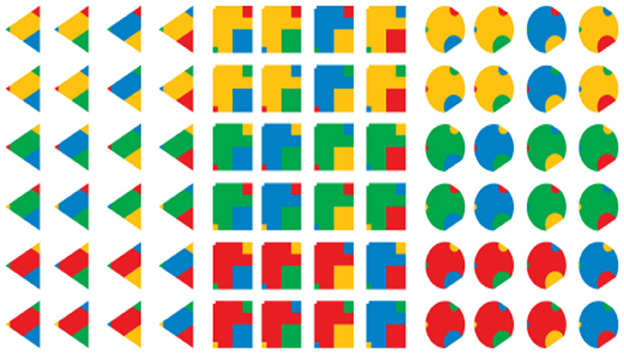
Figure 1. The elements of the Poly-Universe game family.

Figure 2. The Poly-Universe game has three different basic shapes.

Figure 3. The Poly-Universe game—one shape, four different sizes.
The colors of the game family are red, green, yellow, and blue. All four colors can be found on a single piece, making it a very eye-catching toy. The base color is the color of the middle range of the specific piece.
A game piece can be divided into four parts in terms of size, in descending order of sub-areas: the basic piece part (A), the large part (N), the medium part (K), the small part (P) and, in the case of a square, the hole part (L). Pieces as building blocks can be connected in various ways: linked by the proportional parts (see Figure 4), by its vertices (see Figure 5), or, alternatively, in an “offset way,” by parts of the same size but different size (see Figure 6).

Figure 4. Linking the game elements.

Figure 5. The meeting of the elements at the top.

Figure 6. Offset contact of the elements of the Poly-Universe.
In this way, a very large number of shapes, combinations and patterns can be achieved and laid out from the individual elements. When connecting elements, pupils and educators can focus either purely on the colors, or purely on the shapes, or both, depending on the level of practice and development.
Over the past decade, thousands of teachers and students aged 6–18 have tested this game in hundreds of institutions and events across Europe, including school workshops, conferences, “art & mathematics” festivals, and museums. Debrenti and Bella (2025) in their study introduced the Poly-Universe game family to students (grades I–VI and mathematically gifted high schoolers). Findings showed improved attitudes toward mathematics and highlighted the toolkit's adaptability across subjects—including personal development, language, math, and art, the hands-on approach fostered creativity, engagement, and confidence.
4 Research methodology, participants, instrument
Our research was based on a comprehensive survey, providing insights into the needs and challenges faced by formal and non-formal preschool and lower primary educators and further education providers at this level as well as institutions in implementing STEAM education using Poly-Universe.
The survey was conducted between October 2024 and January 2025. Data have been collected through a Google Forms. The questionnaire was completed anonymously, and only fully completed responses were included in the analysis. Overall, we have received 101 responses. This means that the survey is sufficiently comprehensive and relevant for statistical purposes as well. The respondents—educators, kindergarten and primary school teachers—were allowed to complete the survey in their own native language in order to avoid any language difficulties (overall results have been translated to English). They were coming from the countries of the partner institutions of the project—Finland, France, Hungary and Romania. Respondents show great variety in terms of the age group in which they do their regular educational work. There were some teachers (7) who worked with all three age groups, and others (23) who worked with at least two age groups. Thus, 45.54% of respondents had experience working with the 3–5 age group, 36.63% with the 5–7 age group, and 41.58% with the 7–10 age group, while the remaining 20.79% tend to work with other age groups.
During data processing, we fully complied with the relevant regulations, GDPR regulations and ethical standards. These were also checked and approved by the Scientific Ethics Committee of the project coordinator Eszterházy Károly Catholic University.
4.1 Research questions, hypotheses
Our research questions are:
• RQ1: What kind of games do educators prefer to use in their educational practice: manipulatives or digital tools? Do teachers' opinions on this topic differ depending on the age group of the children?
• RQ2: What do they think about the importance of formal and non-formal educational settings in the given age group?
• RQ3: Is there a difference between the attitude and abilities of genders in terms of STEAM education in the given age group?
Based on preliminary research, we have formulated the following hypotheses:
• H1: We assume that respondents overall prefer to use manipulative tools, including Poly-Universe in their educational practice, but also that the opinions of teachers in the three age groups differ regarding the proportion of manipulative and digital tools used.
• H2: We assume that respondents attribute an important role to both formal and informal educational environments.
• H3: We assume that respondents do not differentiate between boys' and girls' attitudes and abilities in relation to STEAM.
5 Results
One of the most important aspects was to understand the need for educational tools which can support the transition from kindergarten to the primary school, that is it can be used in both age groups, such as the Poly-Universe tool.
Using a 5-point Likert scale, we examined how necessary our respondents considered methodological teaching tools to be that can be used in both kindergarten and in primary school, and to what extent they believed these tools facilitated the transition from kindergarten to elementary school. Respondents answered both questions very positively, with an average score of 4.45 in both cases. However, we found an interesting difference when we geographically divided the responses into two groups based on where the respondents work. While respondents from Eastern European countries rated the need for teaching tools at 4.70 on a 5-point Likert scale, respondents from Northern and Western European countries rated this question at 4.05. Using F and t-tests, we can conclude that there is a significant difference between the responses of the two groups (t = 3.089, with p = 0.003) and that teachers in Eastern European countries consider the use of teaching tools to be much more important than their Western European counterparts.
It is also clear from the responses that in the targeted age group, manipulative tools, such as the Poly-Universe, play pivotal role in educational practice. Although the primacy of manipulative tools is clear, Figure 7 clearly shows that the use of digital tools gradually increases with age. The age of children influences the proportion of manipulative and digital tools used. There is a significant difference in the opinions about the tools used in the three age groups (χ2 = 105.41, p = 0.000): respondents with younger children significantly more often chose exclusively manipulative tools than those with older children.
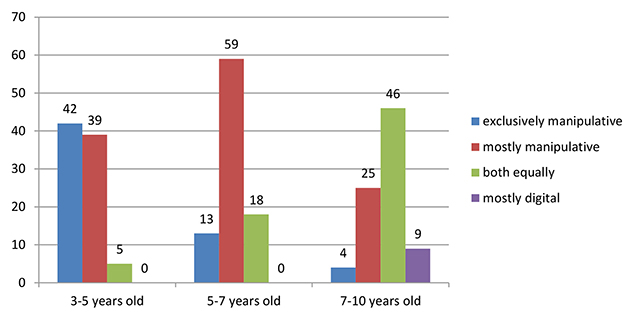
Figure 7. Educational tool preference in working with different age groups.
The importance of formal education is almost trivial. What can be surprising and inspiring is that non-formal educational settings are thought to be just as important as regular forms. This means that we also have to pay extra attention to the effective application of Poly-Universe in this kind of educational settings. For the sake of simplicity, we combined the responses “only formal education is relevant” and “mostly formal education is relevant,” as well as “mostly non-formal education is relevant” and “only non-formal education is relevant” for statistical purposes. Figure 8 illustrates this situation. We performed a chi-square test, which showed that the age of the children significantly influences how important teachers consider the formal and non-formal educational environment to be for children. The younger the children, the more likely teachers are to consider non-formal educational environments important, and the older the children, the more teachers emphasize the importance of both formal and non-formal educational settings (χ2 = 26.49, p = 0.000).
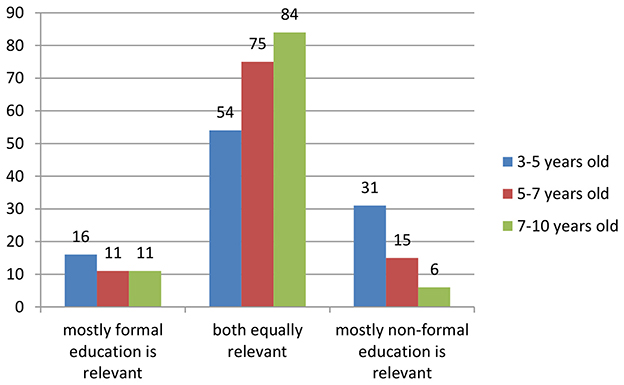
Figure 8. The relevance of formal and non-formal educational settings.
It is also an important confirmational feedback, that those who have already used Poly-Universe (about 2/5 of the respondents), think that this tool is highly suitable for use in both formal and non-formal educational settings.
A crucial point in our survey was the evaluation of a potential gender difference. Figure 9 shows how teachers perceive boys' and girls' attitudes toward STEAM and STEAM-related abilities. While approximately three-quarters of respondents believe that there is no difference between boys' and girls' STEAM attitudes/skills in the 3–5 and 5–7 age groups, slightly less than two-thirds believe the same about 7–10-year-olds. Although no significant differences can be observed in the chi-square test, the trend is still visible: as children get older, teachers increasingly observe difference between the STEAM attitudes and abilities of boys and girls. As we have learned from the responses, educators see no relevant difference between genders in terms of the use of manipulative tools, while roughly 1/3 of the respondents see some difference between the attitudes (with a bias toward boys). This means we have to encourage educators to pay special attention to the involvement of girls in every type of STEAM related actions.
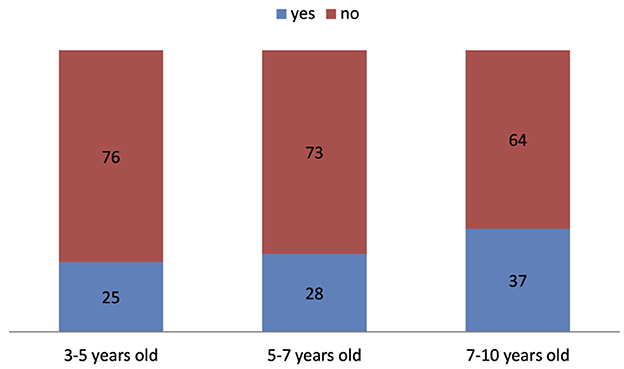
Figure 9. Responses to the question: Is there a difference between the attitude/abilities of genders in terms of STEAM education?
Finally, it is evident from the survey, that there is a high need for further educational supporting material, specifically in terms of applying Poly-Universe in formal as well as in non-formal educational settings. And this is the ultimate aim of the Early-Poly project.
6 Discussion
Chen (2025) found a significant positive correlation between early mathematical knowledge and later achievement in mathematics. Children with stronger early math skills tended to perform better academically over time. Key influencing factors included parental involvement, socioeconomic status, and the quality of early math instruction. Notably, the study underscores the critical role of early math development in shaping effective educational practices and supporting long-term success in mathematics. Russo et al. (2024) investigated 111 Australian primary teachers' use of and preferences for digital and non-digital games in mathematics instruction. While both types of games were found to effectively support student engagement, participants were significantly more likely to use—and prefer—non-digital games. Thematic analysis revealed that this preference was largely driven by pedagogical reasons, including enhanced collaboration and communication, opportunities for hands-on learning with manipulatives, and greater adaptability for diverse learners. Additionally, non-digital games were seen as more effective for assessing students' understanding through observation.
Results of our survey are in close consonance to these outcomes. One hundred and one educators across four European countries revealed that teachers predominantly use manipulatives with children aged 3–10. The results indicated a need for a methodological teaching tool suitable for both kindergarten and lower elementary school settings.
We assumed that respondents overall prefer to use manipulative tools, including Poly-Universe in their educational practice, but also that the opinions of teachers in the three age groups differ regarding the proportion of manipulative and digital tools used (hypothesis 1).
We assumed that respondents attribute an important role to both formal and informal educational environments (hypothesis 2).
We assumed that respondents do not differentiate between boys' and girls' attitudes and abilities in relation to STEAM (hypothesis 3).
The statistical analysis of our survey supported all three of our hypotheses. We found a clear preference for the early use of manipulative tools, such as the Poly-Universe. It also became clear that the younger the age group we examined, the more pronounced this preference was, while even among the 7–10 years old age group, the manipulative tool was preferred or treated equally to the digital tool. It is noteworthy that those who have already used Poly-Universe found this manipulative tool to be highly suitable for all three age groups. This confirms our first hypothesis (H1).
It is well evidenced by the statistical analysis, that respondents attribute an equally important role to both formal and informal educational environments. This is an important finding because the Poly-Universe toolkit has been proven to be suitable for developing competencies in both educational settings. However, this result is also a warning in that the methodological elements and supportive materials for use in non-formal educational settings are much less developed—this is something that the participants of the EARLY-POLY project also intend to work on in the future. This confirms our second hypothesis (H2).
Finally, it was found that the majority of respondents do not differentiate between boys' and girls' attitudes and abilities in relation to STEAM, but as the children grow older, this thinking shifts toward attributing a more positive attitude to boys in the older age group. This is also an observation that the project intends to focus on in the future. This confirms our third hypothesis (H3).
Educators reported that the use of manipulative tools, notably the Poly-Universe tool facilitates the transition from kindergarten to primary school. The importance of art in STEAM education was also emphasized, with educators expressing a need for additional practical resources for the art-related application of manipulatives. The problem-solving activities conducted with the Poly-Universe games demonstrated a significant positive shift in pupils' attitudes toward mathematics. The game fostered creative thinking through hands-on tasks, thereby enhancing engagement and confidence in learning among students of various ages.
Overall, we can say that our studies on the Poly-Universe tool have proven that this tool is very useful in the early development of many competencies, and according to users, it is an excellent tool for facilitating the transition from kindergarten to school. The future tasks are also clear: developing more good practices and more methodological tools for this type of tool—and this is what we are trying to achieve within the framework of the EARLY-POLY project.
Data availability statement
The raw data supporting the conclusions of this article will be made available by the authors, without undue reservation.
Author contributions
ED: Writing – review & editing, Writing – original draft, Investigation, Formal analysis, Project administration, Conceptualization, Methodology. AB: Formal analysis, Writing – original draft, Methodology, Data curation, Investigation, Conceptualization, Writing – review & editing. MH: Data curation, Methodology, Funding acquisition, Writing – review & editing, Resources, Conceptualization, Project administration, Writing – original draft, Supervision.
Funding
The author(s) declare that financial support was received for the research and/or publication of this article. This research was supported by the 2024-1-HU01-KA220-SCH-000252133 Preschool and Lower Primary STEAM Education with Poly-Universe (EARLY-POLY) Erasmus+ project, Co-funded by the European Union.
Acknowledgments
The authors thank to János Saxon-Szász for graciously permitting the use of his figures and images, which have made this paper more informative and visually representative.
Conflict of interest
The authors declare that the research was conducted in the absence of any commercial or financial relationships that could be construed as a potential conflict of interest.
Generative AI statement
The author(s) declare that no Gen AI was used in the creation of this manuscript.
Any alternative text (alt text) provided alongside figures in this article has been generated by Frontiers with the support of artificial intelligence and reasonable efforts have been made to ensure accuracy, including review by the authors wherever possible. If you identify any issues, please contact us.
Publisher's note
All claims expressed in this article are solely those of the authors and do not necessarily represent those of their affiliated organizations, or those of the publisher, the editors and the reviewers. Any product that may be evaluated in this article, or claim that may be made by its manufacturer, is not guaranteed or endorsed by the publisher.
References
Andić, B., Bordás, A., Fenyvesi, K., Hoffmann, M., Szász Saxon, J., Téglási, I., et al. (2022) eds. PUNTE Methodological Study: Poly-Universe in Teacher Training Education – Handbook for Pre-Service and In-Service Teachers and Students Eger: Líceum Press-Eszterházy Károly Catholic University, 12–15. Available online at: http://www.punte.eu/wp-content/uploads/PUNTE_Study_PUBLISH_Final-1.pdf (Accessed October 8, 2025).
Babály, B. (2020). Spatial skills: assessment of development and recommendations for art education (Ph.D. dissertation). ELTE University, Budapest, Hungary. Available online at: https://ppk.elte.hu/dstore/document/619/Babaly_Bernadett_tezisfuzet_%20angol.pdf (Accessed October 8, 2025).
Beka, A. (2017). The impact of games in understanding mathematical concepts to preschool children. J. Educ. Soc. Res. 7, 187–194. doi: 10.5901/jesr.2017.v7n1p187
Cadag, G. P. (2024). Manipulative games used to enhance the learning competencies of kindergarten learners in donsol east I, schools division of Sorsogon. Int. J. Educ. Bus. Economics Res. 4, 201–236. doi: 10.59822/IJEBER.2024.4211
Carbonneau, K. J., Marley, S. C., and Selig, J. P. (2013). A meta-analysis of the efficacy of teaching mathematics with concrete manipulatives. J. Educ. Psychol. 105, 380–400. doi: 10.1037/a0031084
Chen, W. (2025). Problem-solving skills, memory power, and early childhood mathematics: understanding the significance of the early childhood mathematics in an individual's life. J. Knowl. Econ. 16, 1–25. doi: 10.1007/s13132-023-01557-6
Chin, L., and Zakaria, E. (2015). Understanding of number concepts and number operations through games in early mathematics education. Creat. Educ. 6, 1306–1315. doi: 10.4236/ce.2015.612130
Debrenti, E. (2016). Some components of geometric knowledge of future elementary school teachers. Acta Didact. Napoc. 9, 11–20. Available online at: https://padi.psiedu.ubbcluj.ro/adn/article_9_3_2.pdf
Debrenti, E. (2024a). Game-based learning experiences in primary mathematics education. Front. Educ. 9:1331312. doi: 10.3389/feduc.2024.1331312
Debrenti, E. (2024b). Using digital game-based learning in mathematics education: a case study with teacher training students. Int. J. Technol. Math. Educ. 31, 153–162. doi: 10.1564/tme_v31.3.06
Debrenti, E. (2025). The chess palace complex skills development programme in primary school. Int. J. Math. Educ. Sci. Technol. 56, 1–23. doi: 10.1080/0020739X.2025.2514103
Debrenti, E., and Bella, H. A. (2025). Teaching mathematics with non-digital tools: a case study with elementary school students using Poly-Universe game. Acta Didact. Napoc. 18, 46–58. Available online at: https://adn.reviste.ubbcluj.ro/papers/article_18_1_5.pdf
Debrenti, E., and László, B. (2020). Developing elementary school students' mental computation skills through didactic games. Acta Didact. Napoc. 13, 80–92. doi: 10.24193/adn.13.2.6
Drew, C. (2023). 31 Major Learning Theories in Education, Explained! Vancouver, BC: Helpful Professor. Available online at: https://helpfulprofessor.com/learning-theories/ (Accessed October 8, 2025).
Fröebel, F. (2021). Who was Friedrich Fröebel (1782–1852). St Albans: Early Education, The British Association For Childhood Education. Available online at: https://early-education.org.uk/friedrich-froebel/ (Accessed October 8, 2025).
Ginsburg, H. P., Lee, J. S., and Boyd, J. S. (2008). Mathematics education for young children: what it is and how to promote it. Soc. Policy Rep. 22, 1–24. doi: 10.1002/j.2379-3988.2008.tb00054.x
Gulz, A., Kjällander, S., Frankenberg, S., and Haake, M. (2020). Early math in a preschool context: spontaneous extension of the digital into the physical. Interact. Des. Archit. 44, 129–154. doi: 10.55612/s-5002-044-007
Hainey, T., Connolly, T. M., Boyle, E. A., Wilson, A., and Razak, A. (2016). A systematic literature review of games-based learning empirical evidence in primary education. Comput. Educ. 102, 202–223. doi: 10.1016/j.compedu.2016.09.001
Hewitt, K. (2001). Blocks as a tool for learning: a historical and contemporary perspective. Young Child. 56, 6–14. Available online at: https://learningmaterialswork.com/wp-content/uploads/2016/06/BlocksAsAToolForLearning.pdf
Hussein, M. H., Ow, S. H., Elaish, M. M., and Jensen, E. O. (2022). Digital game-based learning in K-12 mathematics education: a systematic literature review. Educ. Inf. Technol. 27, 2859–2891. doi: 10.1007/s10639-021-10721-x
Körei, A., and Szilágyi, S. (2024). Visualization of cycloid curves by educational robotics in the classroom environment. Int. J. Math. Educ. Sci. Technol. 1–17. doi: 10.1080/0020739X.2024.2439052
Krpec, R., and Zemanová, R. (2011). “Improving mathematical competencies in pre-primary education by playing table games,” in Proceedings of International Conference Presentation of Mathematics'11 (Liberec), 207–213. Available online at: https://www.researchgate.net/publication/304487776_IMPROVING_MATHEMATICAL_COMPETENCIES_IN_PRE-PRIMARY_EDUCATION_BY_PLAYING_TABLE_GAMES (Accessed October 8, 2025).
Laski, E. V., Jor'dan, J. R., Daoust, C., and Murray, A. K. (2015). What makes mathematics manipulatives effective? Lessons from cognitive science and Montessori education. Sage Open 5, 1–8. doi: 10.1177/2158244015589588
Maryani, S. (2019). Math game for early childhood. J. Empower. 8, 38–47. doi: 10.22460/empowerment.v8i1p39-48.1156
McKnight, A., and Mulligan, J. (2012). Teaching early mathematics “smarter not harder”: using open- ended tasks to build models and construct patterns. Aust. Prim. Math. Classr. 15, 4–9.
Pirrone, C., Nicolosi, A., Passanisi, A., and Di Nuovo, S. (2015). Learning potential in mathematics through imagination and manipulation of building blocks. Mediterr. J. Soc. Sci. 6:152. doi: 10.5901/mjss.2015.v6n4s3p152
Poland, M., and van Oers, B. (2007). Effects of schematising on mathematical development. Eur. Early Child. Educ. Res. J. 15, 269–293. doi: 10.1080/13502930701321600
Rosli, R., Goldsby, D., and Capraro, M. M. (2015). Using manipulatives in solving and posing mathematical problems. Creat. Educ. 6, 1718–1725. doi: 10.4236/ce.2015.616173
Russo, J., Bragg, L., and Russo, T. (2021). How primary teachers use games to support their teaching of mathematics. Int. Electron. J. Elem. Educ. 13, 407–419. doi: 10.26822/iejee.2021.200
Russo, J., Bragg, L., Russo, T., and Minas, M. (2023). Identifying the characteristics of non-digital mathematical games most valued by educators. Educ. Sci. 13:30. doi: 10.3390/educsci13010030
Russo, J., and Russo, T. (2018). “What makes a ‘good' mathematical game?” in Proceedings of the 55th Annual Conference of the Mathematics Association of Victoria (Melbourne, VIC). Available online at: https://www.researchgate.net/publication/329403821_What_makes_a_'good'_mathematical_game (Accessed October 8, 2025).
Russo, J. A., Roche, A., Russo, T., and Kalogeropoulos, P. (2024). Examining primary school educators' preferences for using digital versus non-digital games to support mathematics instruction. Int. J. Math. Educ. Sci. Technol. 56, 1778–1803. doi: 10.1080/0020739X.2024.2361699
Santos, V., Vaz-Rebelo, P., and Bidarra, G. (2023). Re (creating) games with Poly-Universe: an innovative practice. Int. J. Technol. Math. Educ. 30, 235–240. doi: 10.1564/tme_v30.4.5
Sarama, J., and Clements, D. D. H. (2009). Building blocks and cognitive building blocks: playing to know the world mathematically. Am. J. Play. 1, 313–337.
Schumacher, C. R. (2021). Qualitative research on math manipulatives in Montessori and traditional elementary 1st-3rd grade classrooms (M.Sc. dissertation). University of Wisconsin, Madison, WI, United States. Available online at: https://minds.wisconsin.edu/handle/1793/82448 (Accessed October 8, 2025).
Seefeldt, C., and Wasik, B. A. (2008). Pendidikan Anak Usia Dini: Menyiapkan Anak Usia Tiga, Empat, dan Lima Tahun Masuk Sekolah. Jakarta: PT Indeks, 129.
Seo, K.-H., and Ginsburg, H. P. (2004). “What is developmentally appropriate in early childhood mathematics education? Lessons from new research,” in Engaging Young Children in Mathematics, eds. D. H. Clements, and J. Sarama (Mahwah, NJ: Erlbaum Associates Inc.), 91–104. Available online at: https://www.researchgate.net/publication/242738332_What_is_developmentally_appropriate_in_early_childhood_mathematics_education_Lessons_from_New_Research (Accessed October 8, 2025).
Starkey, P., Klein, A., and Wakeley, A. (2004). Enhancing young children's mathematical knowledge through a pre-kindergarten mathematics intervention. Early Child. Res. Q. 19, 99–120. doi: 10.1016/j.ecresq.2004.01.002
Szilágyi, S., Palencsár, E., Körei, A., and Török, Z. (2025). Examining the effectiveness of non-digital game-based learning among university computer science students on the topic of improper integrals. Educ. Sci. 15:132. doi: 10.3390/educsci15020132
Keywords: game-based learning, non-digital games, STEAM, manipulatives, concrete, early childhood, preschool, primary school
Citation: Debrenti E, Bordás A and Hoffmann M (2025) Poly-Universe game family in preschool and primary school STEAM education. Front. Educ. 10:1720919. doi: 10.3389/feduc.2025.1720919
Received: 08 October 2025; Accepted: 20 November 2025;
Published: 09 December 2025.
Edited by:
Dina Tavares, Polytechnic University of Leiria, PortugalReviewed by:
Branislav M. Randjelovic, University of Niš, SerbiaLászló Németh, University of Sopron, Hungary
Copyright © 2025 Debrenti, Bordás and Hoffmann. This is an open-access article distributed under the terms of the Creative Commons Attribution License (CC BY). The use, distribution or reproduction in other forums is permitted, provided the original author(s) and the copyright owner(s) are credited and that the original publication in this journal is cited, in accordance with accepted academic practice. No use, distribution or reproduction is permitted which does not comply with these terms.
*Correspondence: Edith Debrenti, ZGVicmVudGkuZWRpdEBwYXJ0aXVtLnJv