 Josefina Amanda Suyo-Vega*
 Monica Elisa Meneses-La-Riva
 Víctor Hugo Fernández-Bedoya
 Sofía Almendra Alvarado-Suyo
 Hitler Giovanni Ocupa-Cabrera
- Grupo de Investigación “Educación Virtual”, Universidad César Vallejo, Trujillo
Educational policies, aligned with the paradigm of change, position learning as the central axis of higher education, emphasizing assessment not only as a tool for measurement and monitoring but also as an object of pedagogical inquiry aimed at understanding students’ formative processes. This study sought to analyze the meaning of formative assessment in university settings from the perspective of research-oriented faculty, adopting an onto-epistemic approach. A qualitative methodology with a phenomenological design was employed, allowing for in-depth exploration consistent with the research objectives, data collection techniques, and instruments used. The theoretical framework drew on Guba and Lincoln to ground the constructivist paradigm, and on Vygotsky and Ausubel to examine teacher mediation and meaningful learning. The sample comprised ten professors with established research trajectories in education and university assessment. Data was collected through an interview guide, validated by experts, addressing conceptions, strategies, and instruments related to formative assessment. Findings revealed a lack of conceptual clarity regarding the meaning of formative assessment, even among experienced scholars, reflected in diverse and unarticulated practices. The study concludes that the gap between theoretical foundations and teaching practice sustains traditional schemes and restricts the development of essential competencies, underscoring the need to strengthen faculty epistemological and pedagogical training.
1 Introduction
1.1 Formative assessment and educational transformation in higher education
Educational policy frameworks, aligned with the paradigm of change, place learning at the core of global transformations. Within this context, assessment is not only understood as a mechanism for measuring, monitoring, and improving teaching and learning processes, but also as a key tool for advancing educational research in higher education. This perspective acknowledges assessment as an essential component of the student’s formative process. In response to the challenges associated with learning, both teachers and policymakers have been encouraged to continue implementing teaching plans through the use of available digital and technological resources. These efforts aim to strengthen the foundations of the educational system and contribute to the achievement of the goals outlined in the 2030 Agenda for Sustainable Development (UNESCO, 2020).
At the same time, there is a growing interest in examining how pedagogical strategies used in formative assessment are being adapted to improve student learning outcomes. Achieving an assessment approach that is coherent with emerging educational demands requires digital transformation supported by proper planning, mastery of innovative methodologies, strong pedagogical knowledge, and teaching experience that enable rigorous interpretation of the evidence collected. However, the authentic logic of formative assessment cannot rely solely on individual initiatives; rather, it must be systematically integrated across all levels of the educational system (UNESCO, 2021).
In this study, formative assessment is understood as a systematic, continuous, and dialogic process aimed at supporting student learning through the generation and interpretation of evidence during the learning process. Unlike summative assessment, which focuses on certification and grading, formative assessment emphasizes feedback, self-regulation, and pedagogical decision-making oriented toward improvement. From an onto-epistemic perspective, formative assessment is not merely a technical procedure but a pedagogical act that shapes how knowledge is constructed, interpreted, and transformed in higher education contexts. It involves intentional mediation by the teacher, active student participation, and reflective use of evidence to guide learning toward meaningful understanding and competency development.
1.2 Context and research problem
This research focused on higher education, specifically on faculty members teaching scientific research courses at both undergraduate and graduate levels. Although formative assessments were often implemented more as an urgent response than as part of systematic pedagogical planning, it became necessary to reformulate these practices within a fully virtual methodology. This process involved not only technological adaptation but also a critical review of the pedagogical foundations that support formative assessment in digital environments (García-Peñalvo et al., 2020).
The university system has progressed in developing key capacities for digital transformation, moving from emergency remote teaching toward hybrid, distance, and fully digital models. Within this context, digital formative assessment has been incorporated into the process. Nonetheless, many of the evaluative practices applied lack theoretical grounding and are carried out routinely, making it difficult to identify learning achievements and competency development in an integrated manner (Tobón et al., 2015), particularly in research courses at both undergraduate and graduate levels.
Higher education, by fostering critical reflection and self-directed learning, requires faculty to design assessment systems aligned with curricular objectives. In the case of research courses, in particular, assessment must promote deep analysis and critical thinking.
From this standpoint, the following guiding question was formulated: What does formative assessment mean in higher education according to research faculty? Theoretically, this category is justified by its potential to generate knowledge from a deep understanding of the meanings that research faculty attribute to formative assessment, through the observation, description, and analysis of their discourses. The subcategories emerged inductively from faculty discourse and were theoretically validated with the frameworks of Guba, Ausubel, and Vygotsky.
In higher education, the notion of compliance refers to the fulfillment of institutional, administrative, and regulatory requirements associated with assessment practices, such as grading policies, documentation, and reporting procedures. While these requirements aim to ensure accountability and standardization, an excessive focus on compliance may reduce assessment to a bureaucratic exercise. Within this debate, formative assessment risks being implemented as a formal obligation rather than as a pedagogical strategy oriented toward learning. This study critically examines how compliance-driven assessment practices can overshadow formative intentions, generating tensions between institutional demands and meaningful educational processes.
1.3 Onto-epistemic and methodological foundations
The study was conducted under a phenomenological design with an onto-epistemic foundation, seeking to explore faculty members’ in-depth conceptions of formative assessment. This approach allowed the construction of emerging categories and the development of a proposal aimed at strengthening formative assessment in the university context (Hernández-Sampieri and Mendoza Torres, 2018).
From a practical perspective, this research enabled critical analysis and reflection on formative assessment in virtual higher education environments, drawing on the voices of research faculty. The findings highlighted the need to strengthen pedagogical practice through a deeper understanding of the formative approach and contributed to establishing an assessment culture grounded in diverse perspectives, aimed at addressing current challenges in higher education (Hernández-Sampieri and Mendoza Torres, 2018).
From a methodological standpoint, the study made visible the processes involved in formative assessment through an onto-epistemic lens that integrates knowledge, understanding, and emotion. This approach allowed the identification of emerging ideas related to the conceptions, meanings, and practices that research faculty construct around assessment (Monje Álvarez, 2011). Epistemologically, the justification rests on the need to understand formative assessment as an integral process that brings together the knowledge, practice, and sensibility of research faculty. This view entails knowing the theoretical concepts that support formative assessment, applying strategies consistent with competency achievement, and experiencing the assessment process through a humanistic ethic (Espinoza Freire and Calva Nagua, 2020; Perrenoud, 2004). From an onto-epistemic perspective, the goal is to analyze the conceptions, practices, and meanings that faculty assign to assessment in virtual environments as part of the formative process.
The conceptual framework of this study integrates formative assessment with an onto-epistemic perspective grounded in constructivist epistemology. Drawing on Guba and Lincoln’s constructivist paradigm, knowledge is understood as co-constructed, contextual, and intersubjective. Within this framework, formative assessment functions as a mediating practice through which teachers and students negotiate meanings, evaluate learning progress, and regulate pedagogical actions.
The framework is further supported by Ausubel’s theory of meaningful learning, which emphasizes the importance of connecting new knowledge to prior cognitive structures, and by Vygotsky’s sociocultural theory, which highlights mediation, interaction, and the zone of proximal development. Together, these perspectives conceptualize formative assessment as a reflective and dialogic process that links epistemological assumptions about knowledge with ontological assumptions about teaching, learning, and becoming in higher education.
1.4 International perspectives on formative assessment
In this framework, the general objective of the research was to analyze the meaning of formative assessment in higher education from the perspective of research faculty in Peru, considering an onto-epistemic approach. More specifically, the study explored their conceptions of assessment, the approaches guiding assessment design, and the techniques and instruments they use to achieve competencies, integrating both theoretical foundations and professional experience.
Recent studies have examined formative assessment from diverse perspectives. In Chile, for instance, research on assessment culture revealed systemic anomalies related to academic writing and scholarly work, which negatively affect the development of university activities (Santos Hecerg, 2020). Other studies analyzed the meanings pre-service teachers attribute to formative assessment and feedback, concluding that dialogue is essential to enrich initial teacher training (Sánchez et al., 2022).
In Mexico, formative assessment at the graduate level was analyzed, revealing practices that often diverge from meaningful feedback, creating a need to reflect on the formative role of assessment (Jiménez et al., 2022). Furthermore, laptops and smartphones were identified as the most widely used devices for teaching, a situation that hindered the reception and evaluation of learning activities. The study recommends conducting in-depth research to identify other factors shaping teaching experiences and compliance with tasks and responsibilities (Portillo Peñuelas et al., 2020).
In Spain, research focused on faculty perceptions of using digital platforms for teaching and assessment. Findings indicated that teachers are aware of available didactic tools, though many remained underutilized. To fully benefit from these resources, two key elements were deemed essential: commitment and attitude (Viñoles-Cosentino et al., 2021). Other studies investigated the improvement of teaching–learning processes through digital tools such as Socrative and Moodle quizzes, concluding that self-assessment alone is insufficient for student learning, and that further factors influencing the process must be explored (Cosi et al., 2020; Fraile et al., 2021). Additional research assessed the use of evaluation strategies to review course plans and verify competency acquisition across different subjects (Ruiz and Moya, 2020). Moreover, it emphasized the importance of fostering student motivation to achieve generic, specific, and personal competencies, which cannot be reached through traditional teaching but rather through formative and collaborative assessment, regardless of synchronous or asynchronous contexts (Aretio, 2021; Benfeld and Lazo, 2021; Cañadas and Santos-Pastor, 2021; Galán et al., 2018; González-Gómez et al., 2020).
In Colombia, qualitative assessment was re-evaluated in contrast to quantitative assessment in learning processes. The study suggested creating dialogue spaces between students and teachers to reach consensus and identify strengths and weaknesses on both sides of the assessment process (Rodríguez-Pérez, 2019). It also underscored the importance of three key aspects of formative assessment: (a) knowledge of the assessment system, (b) anticipation of assessments, and (c) agreement on assessment criteria. These three moments are crucial to improving the teacher–student relationship, enhancing student motivation, and reducing anxiety and fear related to assessment (Sonlleva et al., 2018). Along similar lines, other studies concluded that academic performance is closely linked to formative and shared assessment practices (Molina-Soria et al., 2020).
A study conducted in Thailand suggested that formative assessment should be systematically incorporated into curricula, with active participation in continuous testing projects. Such an approach would increase the effectiveness of formative assessment while enabling faculty to design a wide range of tests and instruments to support student learning (Treve, 2021).
In Argentina, research on university assessment, carried out under a qualitative approach, sought to encourage reflection on evaluative practices in higher education classrooms. The study found that examinations continue to be the predominant assessment tool, certifying students’ acquisition of knowledge (Krzemien et al., 2021).
In the Netherlands, formative assessment strategies in higher education were examined through the lens of scaffolding theory as proposed by Vygotsky. The findings indicated that faculty regarded scaffolding as a useful complement to assessment (Kruiper et al., 2022). Likewise, dialogic learning was found to enhance results when combined with meaningful learning (Lopez de Aguileta and Soler-Gallart, 2021).
In Anglo-Saxon higher education contexts, recent research frames formative assessment as a dialogic and learner-centered practice closely linked to feedback literacy. Formative assessment becomes effective when both teachers and students actively engage in the interpretation and use of feedback, highlighting shared responsibility in assessment processes (Carless and Winstone, 2023). From this perspective, formative assessment supports learner agency and self-regulation, positioning assessment as a pedagogical process oriented toward learning rather than a compliance-driven or bureaucratic requirement.
1.5 Classical theoretical foundations
From an onto-epistemic perspective, formative assessment reveals a major challenge: university faculty are still not fully prepared to implement it with formative intent. This type of assessment originates in the learning process itself, guiding pedagogical decisions to redesign teaching and learning with a flexible and affective approach. It allows for the evaluation of student progress over time, offering multiple opportunities for improvement. Strategies include presentations, workshops, research projects, and competitions, assessing both students and faculty. Within this framework, research on knowledge and pedagogical practice should become a priority in national education policies (Zacarias, 2018). As Santos Guerra emphasized, assessment is about understanding, not merely measuring; it is about fostering growth, not simply assigning grades (Santos Guerra, 1996).
One of the main theoretical references for formative assessment is Michael Scriven, who coined the terms formative assessment and summative assessment, as well as the concept of meta-evaluation. Scriven critiqued reductionist conceptions of assessment that focused exclusively on the attainment of objectives, instead advocating for evaluation oriented toward meeting the real needs of educational stakeholders (Pimienta Prieto, 2008). Another key figure is Arturo de la Orden, who precisely defined the concepts of evaluation, educational evaluation, and educational quality. He proposed a systemic model that integrates functionality, efficiency, and effectiveness, allowing assessment to be approached as a complex process in which all elements of teaching and learning can be evaluated, including the instruments used (De La Orden, 2009; Pimienta Prieto, 2008).
David Ausubel’s theory of meaningful learning was also considered, which asserts that learning is most effective when new knowledge is substantively related to the learner’s prior knowledge. In this framework, faculty assume the role of mediators and facilitators of cognitive and affective processes that foster knowledge construction. From an onto-epistemic perspective, this theory helps explain how the meanings that emerge in assessment practices are linked to student experience, context, and subjectivity. Thus, formative assessment in higher education is conceived not merely as a measurement of performance but as a reflective and dialogic process that promotes autonomy, self-assessment, and the reconstruction of knowledge, consistent with the principles of meaningful learning (Ferreira de Souza, 2021).
Similarly, Vygotsky’s sociocultural theory emphasizes that learning is constructed through interaction with others and the environment, enabling students to make sense of their reality. In this process, faculty play a crucial role in mediating the development of the different zones: the actual, the potential, and the proximal. The latter is activated through guidance and support from the teacher, allowing students to reach higher levels of comprehension and analysis. From an onto-epistemic lens, this approach positions formative assessment as a process that values the potential of the learner as a being in construction, always in dialogue with their context (Pimienta Prieto, 2008).
1.6 Toward a formative and student-centered assessment culture
Formative assessment is the most coherent way of evaluating when teaching is student-centered. It supports the development of autonomy, enables timely and constructive feedback, and encourages the reformulation of teaching practices (Gallardo-Fuentes et al., 2019; Gallardo-Fuentes et al., 2020; Guzmán and Alvarez, 2022; Lavado Guzmán and Herrera Alvarez, 2022; Ortega-Quevedo and Puente, 2020; Pascual-Arias and Soria, 2020; Romero et al., 2018). When formative assessment is carried out in real contexts, it benefits students by preparing them to perform efficiently as professionals (Lupión Cobos and Caracuel González, 2021). Therefore, there is a need to rethink assessment from a formative, systematic, and continuous perspective, guiding learning processes to support timely pedagogical decision-making (Aretio, 2021).
Some authors have concluded that formative assessment is more effective than summative assessment, after experimenting with groups of students (Carrió-Pastor, 2021). Consequently, it is essential to value formative assessment in the teaching–learning process, as it fosters student learning through timely feedback and stimulates interest in knowledge acquisition (Lavado Guzmán and Herrera Alvarez, 2022). A holistic perspective of formative assessment should also include teaching, learning, and assessment for students with visual impairments, incorporating Braille systems and printed texts. However, assessment in this area has not been sufficiently developed, largely due to faculty’s lack of knowledge of the system (Martínez Castillo et al., 2021).
Formative assessment in higher education focuses on updating models of faculty evaluation, identifying key concepts, and developing comprehensive frameworks tailored to institutional contexts. It is essential to recognize the distinctive characteristics of each university rather than generalizing practices. For instance, some institutions place significant emphasis on faculty publications in high-impact indexed journals. Therefore, the design of micro-policies is necessary to guide decision-making at both the national and institutional levels (Suárez et al., 2021).
Progressive changes are required in university assessment processes. A crucial strategy involves analyzing competencies throughout the academic journey (during coursework and upon graduation) thus enabling the identification of skills acquired and areas needing reinforcement. This requires systematic alignment of teaching, learning, and assessment activities, accompanied by timely feedback. Assigned tasks should also be balanced with available time, ensuring that students can complete them while faculty have sufficient time to provide feedback. Likewise, fostering self-assessment and peer assessment enhances evaluative autonomy, supported by diverse instruments or mobile applications that facilitate continuous monitoring of learning. A simple yet effective practice is to begin each session by revisiting previous topics to encourage active participation (Cañadas, 2020; Golzar et al., 2022).
Regarding feedback, five types are proposed: (a) dialogic, (b) peer-to-peer, (c) coded, (d) final direct, and (e) collective oral. Following this sequence can strengthen the effectiveness of feedback (Fernández, 2022). Another innovative approach to moving beyond traditional assessments is the use of ludic-assessment activities, which position students as active participants in their own evaluation while fostering self-reflection. Such practices enhance dialogue, participation, and transform assessment into a space of reflection rather than control. Gradual feedback, in turn, becomes a powerful tool for promoting student autonomy and ownership of their learning process (Bailini, 2020; Borjas et al., 2019; Golzar et al., 2022). Likewise, bilingual argumentative maps have been identified as key tools for fostering scientific literacy at the university level (Archila et al., 2022).
For these strategies to be effective, a culture of formative assessment must be cultivated within universities. Current practices are often inconsistent with curricular content and pedagogical approaches, or lack theoretical grounding, leading to superficial assessment processes. Implementing formative assessment requires commitment from both faculty and institutions, professional rigor, and dedicated time (Zabalza Beraza and Lodeiro Enjo, 2019). Properly enacted, formative assessment becomes a pedagogical strategy that advances equity and serves as a roadmap for both students and faculty, oriented toward competency development (Perrenoud, 2008; Sánchez et al., 2022).
University assessment must meet certain conditions, including integration into the curriculum. Students, in turn, must demonstrate professional competencies to ensure competent performance in their future careers, even at a basic level. Assessment, though complex, must remain objective, transparent, and clearly explained. Ultimately, assessment is understood as the final stage of the formative process (Zabalza Beraza and Lodeiro Enjo, 2019).
From an onto-epistemic perspective, this study adopts Guba and Lincoln’s theoretical framework, which posits that reality is intersubjectively constructed and knowledge is a situated co-construction (Guba and Lincoln, 1994). This framework allows formative assessment to be understood as a complex, ethical, contextualized, and dynamic process. Within this approach, the subcategories—conceptualization, normative linkage, competencies, and resources—are analyzed as interconnected dimensions emerging from faculty discourse in the university context, theoretically validated by Guba, Ausubel, and Vygotsky.
The first category, Conceptualization, rests on the premise that without a comprehensive understanding of this process, university faculty cannot effectively enhance student learning. While many educators already incorporate regulatory practices into their assessment strategies, fully internalizing the meaning of assessment and effectively applying evaluation tools remains a challenge (Díaz Barriga, 2006; Maldonado-Fuentes Carolina et al., 2020; Morales Salas and Rodríguez Pavón, 2022). Competency-based assessment requires the use of techniques such as rubrics, with clearly defined indicators and descriptors (Torres Díaz, Gabriel et al., 2022). Timely communication between faculty and students is also critical for supporting the learning process (Cardini et al., 2020; Domínguez, 2021; Sánchez Mendiola and González Martínez, 2020).
The second category, Competences in the evaluation, highlights the relationship between formative assessment and institutional curricular frameworks. Although faculty establish connections between student competencies and curricular content, a lack of specific regulation on formative assessment persists in higher education (Sudario et al., 2022). This gap underscores the need for institutional strategies that foster shared, reflective, and critical approaches to learning. Educational resources such as “learning pills” exemplify innovative practices that enhance student engagement (Mora-Vicarioli et al., 2017). Empirical studies demonstrate that faculty and student commitment to formative assessment, coupled with technological tools for design, organization, and communication, strengthens learning outcomes and reduces perceived barriers (Romaní-Romaní and Gutiérrez, 2022).
The third category, Evaluation, emphasizes that formative assessment fosters essential skills such as critical thinking, negotiation, and problem-solving—key for students’ holistic formation and professional performance (Delgado Fernández et al., 2020). Faculty must continually update their strategies, methodologies, and evaluative practices to provide timely feedback and achieve intended learning outcomes (Ruiz and Moya, 2020; Sánchez Mendiola and Martínez González, 2020; Santos Hecerg, 2020). Subcategories encompass cognitive, procedural, and attitudinal aspects. While the cognitive dimension requires years to fully mature, in disciplines such as Medicine, non-technical competencies also demand significant depth and reinforcement (Sánchez-Vásquez et al., 2022).
The fourth category, Formative Evaluation Resources, focuses on motivation, feedback, and technological support. Motivation directly influences academic performance by fostering confidence, autonomy, and a positive attitude toward learning (Bonilla-Yucailla et al., 2022). Feedback, in particular, emerges as a central element and a strong predictor of student satisfaction, though it requires institutional support (Contreras, 2018; Rigopoulos, 2022). Students often prefer immediate, private, or flexible feedback outside regular schedules, underscoring the importance of adaptability in formative assessment practices (Ahmad et al., 2022; Al Hashimi et al., 2022; Krajčovič et al., 2022; Ulfa et al., 2022; Wong Abdullah et al., 2022).
Finally, adopting an onto-epistemic perspective underscores that assessment cannot be reduced to a technical or administrative procedure. It is an ethical, reflective, and transformative practice. Ontology highlights how the being of the teacher and the student are constituted in the act of teaching and learning; evaluation thus transcends grading to recognize the learner’s integral development. Epistemology, in turn, addresses how knowledge is generated, validated, and transmitted, demanding coherence with the diverse ways in which students learn and make sense of their experiences.
To move beyond reductionist approaches, formative assessment must embrace dialogic, collaborative, and student-centered practices. In this sense, assessment becomes an act of co-construction of knowledge, where timely feedback, pedagogically intentional tools, and faculty reflection converge to strengthen meaningful learning. Therefore, adopting an onto-epistemic stance entails transforming the culture of assessment in higher education, fostering critical awareness of what is assessed, how it is assessed, and why it is assessed.
To ensure coherence across the introductory sections, this article follows a progressive argumentative structure. See sections “1.1 Formative assessment and educational transformation in higher education” to “1.3 Onto-epistemic and methodological foundations” establish the educational and epistemological context of formative assessment in higher education, while Sections “1.4 International perspectives on formative assessment” and “1.5 Classical theoretical foundations” review international empirical evidence and classical theoretical foundations. See section “1.6 Toward a formative and student-centered assessment culture” integrates these strands by articulating formative assessment as an onto-epistemic practice that connects theory, policy, and pedagogical action. This structure allows the reader to understand formative assessment not as a fragmented concept but as a coherent analytical construct guiding the research design and interpretation of findings.
2 Materials and methods
2.1 Research design and approach
This study is framed within a qualitative research approach and corresponds to basic research, aimed at deepening the understanding of formative assessment in higher education from an onto-epistemic perspective (Denzin and Lincoln, 1994). An onto-epistemically grounded phenomenological design was applied to explore faculty members’ underlying conceptions of formative assessment, with the purpose of analyzing the conceptions, practices, and tensions that emerge from the discourses of research-oriented faculty.
This design enables the exploration of subjective representations and pedagogical practices of participants from a stance that not only interprets the phenomenon but also problematizes it epistemologically.
For data collection, a semi-structured interview guide was employed, including questions on conceptions, strategies, and formative assessment instruments, previously validated by experts. Data analysis was conducted using open and axial coding in Atlas.ti 27, with the process triangulated among three researchers to ensure credibility and trustworthiness.
The theoretical framework supporting this research draws on foundations of formative assessment, pedagogical epistemology, teacher competencies, and critical approaches to evaluation (Borda et al., 2017; Hernández-Sampieri and Mendoza Torres, 2018), and is shown in Table 1.

Table 1. Categories and subcategories.
2.2 Participants and sampling
In this study, the participants were university professors and researchers with scientific production on assessment across different educational levels and modalities, all actively engaged in higher education institutions. None of the researchers had prior relationships with the participants. Contact was established through institutional email accounts to ensure neutrality in the process. Initially, more than twenty scholar-teachers were invited; however, after a rigorous review of the quality and depth of their responses, ten participants were selected, as they fully met the inclusion criteria and demonstrated analytical relevance. Some interviewees were excluded because their responses were superficial or given merely out of obligation, without providing substantive reflection on the phenomenon under study.
The interviews were conducted by university professors with backgrounds in education and extensive experience in formative assessment. Their role was to guide both the design and analysis of the study.
As seen in Table 2, a total of ten university professors were selected through purposive sampling and the principle of theoretical saturation. Inclusion criteria required participants to have at least 5 years of professional experience and documented scientific production on assessment. Both male and female participants, all over the age of thirty, were included. Theoretical saturation was reached once no new categories emerged in the final interviews, allowing the consolidation of a representative sample of the phenomenon within a qualitative framework (Hernández-Sampieri and Mendoza Torres, 2018).

Table 2. Categories and subcategories.
2.3 Data collection techniques and instruments
The techniques employed in this study included observation, in-depth semi-structured interviews, qualitative description, and categorical analysis. Semi-structured online interviews were conducted via Zoom with audio recordings, complemented by non-participant observation and field notes for triangulation (Hernández-Sampieri and Mendoza Torres, 2018).
The first step consisted of the full transcription of the collected data, adhering to the criteria of scientific and methodological rigor inherent to qualitative research. Subsequently, the analysis was carried out by three independent coders, referencing participant number, gender, and age (e.g., S10F55), and discussed in consensus sessions. The interviews were transcribed verbatim in Word and archived using alphanumeric codes. Each interview lasted approximately 40–60 min.
The semi-structured interview guide used in this study is provided as Supplementary Material 1 (Spanish and English translation). The guide outlines the thematic dimensions explored, including conceptions of formative assessment, assessment strategies, feedback practices, and the use of technological resources. Its inclusion as Supplementary material ensures transparency and allows replication or further analysis by other researchers.
2.4 Data analysis procedures
Emerging subcategories were then identified, enabling the search for patterns and regularities to support further in-depth analysis (Vaismoradi et al., 2013). The responses of key participants were examined in depth by the research team through a collaborative and reflective process. Analytical tables were developed for each subcategory, in which the emerging content was systematized and compared against prior research and the established theoretical framework.
The emergent categories demonstrated internal coherence, supported by consistent narratives across participants. All subcategories were thoroughly discussed within the research team, leading to the formulation of a new conceptualization from an onto-epistemic perspective. As a methodological decision, transcripts were not returned to participants for review.
2.5 Thematic analysis procedure
Thematic analysis was conducted following a systematic and transparent process inspired by Braun and Clarke’s six-phase approach, adapted to an onto-epistemic phenomenological framework. The analysis unfolded in the following stages:
(a) Familiarization with the data: All interviews were transcribed verbatim and independently read several times by the research team to gain an overall understanding of participants’ meanings and experiences regarding formative assessment.
(b) Initial coding: An open coding process was conducted using Atlas.ti 27. Codes were generated inductively from the data, remaining close to participants’ language. At this stage, no predefined coding scheme was imposed.
(c) Code refinement and categorization: Similar codes were grouped and refined through constant comparison, leading to the formation of preliminary subcategories aligned with conceptual, epistemological, and ontological dimensions of formative assessment.
(d) Theme construction: Subcategories were examined to identify broader patterns of meaning. These patterns were consolidated into four main analytical categories: (a) Conceptualization, (b) Evaluation, (c) Competency development in assessment, and (d) Formative evaluation resources.
(e) Collaborative validation: Coding and thematic construction were discussed in consensus meetings among the authors. Discrepancies were resolved through dialogic reflection grounded in the theoretical framework.
(f) Interpretation: Themes were interpreted through an onto-epistemic lens, integrating constructivist epistemology (Guba and Lincoln, 1994), meaningful learning (Ausubel), and sociocultural mediation (Vygotsky).
Three authors (J.A.S.-V., M.E.M.-L.-R., and V.H.F.-B.) actively participated in data coding and analysis. The remaining authors contributed to interpretative discussions and theoretical validation of the themes.
2.6 Ethical considerations
Throughout the research process, strict adherence to ethical principles was ensured, including beneficence, justice, truthfulness, and non-maleficence, which remain central in research ethics (Roqué-Sánchez and Macpherson, 2018). Additionally, ethical principles related to the educational field were observed: respect for individuals and their freedom of expression, recognition of knowledge, commitment to democratic values, assurance of quality in the research process, academic freedom, voluntariness, and the pursuit of collective benefit. Ethical conduct was further guided by honesty, responsibility, integrity, impartiality, professional competence, and the protection of participant confidentiality (Espinoza Freire and Calva Nagua, 2020; Roqué-Sánchez and Macpherson, 2018).
The study was conducted in accordance with the Declaration of Helsinki, and approved by the Ethics Committee of Universidad César Vallejo (section doctorate in education, date of approval: 2024, 3rd December).
2.7 Rigor and trustworthiness of the study
This study was guided by the criteria of methodological and scientific rigor inherent to the qualitative approach, particularly concerning credibility, confirmability, and transferability (Castillo and Vásquez, 2003).
Credibility was achieved by ensuring that the emerging categories were recognized by key participants as meaningful and plausible, reflecting real situations experienced in their professional university practice. This recognition was further strengthened through methodological triangulation and the collaborative analysis of the research team.
Confirmability was ensured through the researcher’s neutrality during the interpretation of data, supported by a systematic coding and analysis process until reaching theoretical saturation. Theoretical saturation was achieved when no new categories emerged in the final interviews. This procedure minimized personal biases, ensuring that findings emerged from participants’ testimonies rather than the researcher’s assumptions.
Transferability was addressed through thick, contextualized descriptions that allow the applicability of the findings to be assessed in other educational settings of a similar nature. In this regard, participants’ responses were contrasted with prior research and foundational theories to establish meaningful connections with other contexts.
On an ethical level, the fundamental principles of autonomy, dignity, beneficence, and justice were observed, in accordance with established bioethical postulates (Koepsell and Ruiz de Chavez, 2015). Autonomy was respected through informed consent, which was read at the beginning of each interview and approved by the Ethics Committee of Universidad César Vallejo. Participants were also informed of their right to withdraw at any time without consequences or pressure.
Dignity was expressed through respectful and inclusive treatment, without distinctions based on origin, gender, or academic trajectory. Beneficence was guaranteed through a research attitude oriented toward the common good, avoiding any form of harm or disadvantage to participants. Finally, justice was reflected in equal opportunities for participation and equitable treatment throughout the research process. An empathetic and professional relationship was fostered with interviewees, generating a climate of trust that facilitated the genuine expression of their experiences regarding formative assessment in the university setting.
Finally, the results underwent a rigorous interpretative analysis by the research team. The emerging subcategories were compared with the theoretical foundations proposed by Vygotsky and David Ausubel, whose conceptions of meaningful learning and the mediating role of the teacher enrich the ontological and epistemological understanding of formative assessment (Diaz-Bazo, 2019).
3 Results
The presentation of the results is guided by the main research question: What does formative assessment mean in higher education according to research-oriented faculty? The findings are organized around this question and its analytical dimensions, revealing how faculty conceptualize formative assessment, how they enact it in practice, and how institutional and epistemological factors shape these meanings. Each results subsection addresses a specific aspect of this central question, linking empirical evidence with the study’s onto-epistemic framework.
The following section presents the main findings of the study concerning formative assessment, examined from an onto-epistemic perspective. Figures 1–5 illustrate how teachers understand and implement formative assessment, shedding light on the tensions between discourse and practice, as well as between institutional requirements and pedagogical intentions.

Figure 1. Onto-epistemic vision.

Figure 2. Conceptualization.

Figure 3. Evaluation.

Figure 4. Competencies in the evaluation.
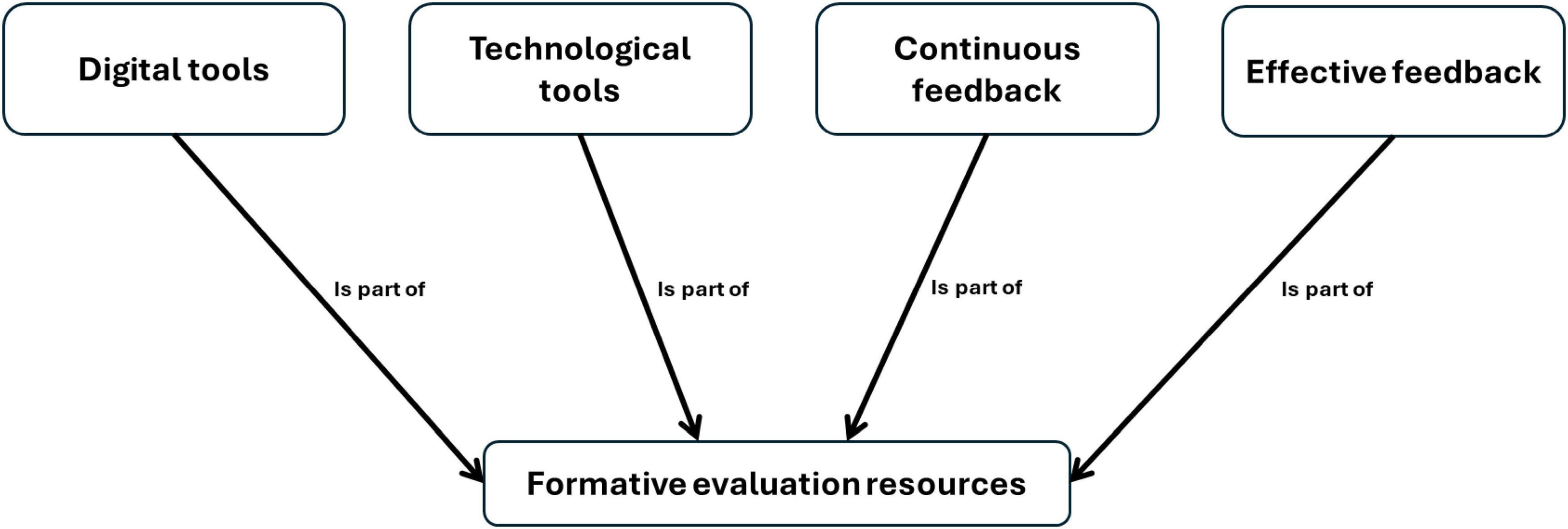
Figure 5. Formative evaluation resources.
The analysis reveals that although formative assessment is widely recognized in theory, its application often remains fragmented, instrumental, and primarily oriented toward compliance rather than transformation. What emerges is a picture of assessment that oscillates between descriptive practices and the potential for reflective, dialogic, and pedagogically meaningful processes.
Rather than treating assessment as a technical exercise, the findings underscore the need to reclaim it as an educational act that carries epistemological and ontological implications. This perspective highlights assessment as a practice that can shape both teaching and learning, fostering deeper understanding, critical reflection, and meaningful student development.
In Figure 1, formative assessment is examined from an onto-epistemic perspective, through emerging subcategories such as competencies in the evaluation, conceptualization, evaluation, and formative evaluation resources.
From an ontological standpoint, assessment is not conceived as a constitutive act of either the teacher’s or the student’s being. Instead, a predominantly descriptive approach prevails, reducing assessment to a system of control, monitoring, and grading. This perspective constrains its formative nature, which should be oriented toward processes of self-knowledge, self-regulation, and pedagogical transformation. The lack of conceptual clarity in the first subcategory reveals a weak construction of pedagogical knowledge regarding formative assessment.
From an epistemological perspective, the findings suggest an absence of critical reflection on the knowledge underpinning assessment practices. Although digital and technological tools are employed, they are often used without formative or coherent intentionality. Similarly, feedback tends to be reactive rather than framed as a strategy for meaningful learning. The competencies fostered through assessment prioritize technical or reproductive skills over those related to critical thinking or communication.
Consequently, formative assessment emerges as a field of tension between theory and practice, between institutional requirements of compliance and the pedagogical possibility of transformation. The findings indicate that formative assessment has not yet been fully appropriated from an onto-epistemic perspective, limiting its implementation as a mechanism for student autonomy and holistic development. The results were interpreted in light of onto-epistemic theories, meaningful learning, and dialogic assessment.
In Figure 2, five nodes emerge regarding the concept of formative assessment: academic evaluation, consistent evaluation, educational adaptation, and student resistance to evaluation. Although all interviewees had published research on formative assessment, their responses revealed a lack of epistemological clarity about the concept. They referred instead to general practices or experiences (such as feedback processes, graded activities, or difficulties with students) without articulating a clear conceptual definition.
These results point to a fragmented understanding and the absence of a well-defined theoretical framework within professional practice, which becomes critical when aiming to develop a coherent formative assessment approach. Moreover, participants referred to students’ resistance to being assessed without questioning whether such resistance stems from inadequate or poorly understood forms of assessment. This is illustrated in comments such as: “many do not practice it,” “many let it pass,” “many students do not continue in this situation” (S10F55), and “the student submits work that is not correct” (S5F43).
From an onto-epistemic perspective, this inconsistency is particularly significant, as it demonstrates that authentic formative practice cannot be enacted without a deep understanding of the concept that sustains it. In this regard, conceptualization is not merely a theoretical definition but rather a way of knowing (episteme) and acting (ontology) in the classroom.
In Figure 3, the subcategory Evaluation is presented, along with its connection to four emerging nodes: continuous evaluation, formative evaluation, self-evaluation, and teacher resistance to formative assessment. Although the interviewed teachers reported assessing constantly and acknowledged the importance of processes such as self-assessment and feedback, the findings suggest that their practices are disconnected from a critical and epistemic understanding. In other words, they assess without clearly knowing from which perspective they are doing so, or why they do it in that way.
From an onto-epistemic standpoint, this finding is crucial, as it reveals that assessment practices are not grounded in conscious reflection on pedagogical knowledge. Instead, assessment has been normalized as an institutional requirement—meeting deadlines, filling out forms, assigning grades (rather than as an act of deep understanding about learning). This is evidenced in comments such as: “we must get to know them in order to understand their needs,” “assess students in different aspects” (S10F55); “I tried to be very clear but the student does not understand,” “they write to me in the forum and say, professor, what do you mean by that?” (S5F43).
Some teachers consider formative assessment to be too time-consuming—a response that reflects not only conceptual misunderstanding but also an ontological tension. Teachers do not see themselves as reflective mediators of the assessment process, but rather as mere implementers of instruments provided by the institution where they work.
This reinforces the study’s initial premise: resistance is not merely operational or methodological but also epistemological, as it entails a stance toward knowledge, toward the teaching role, and toward assessment itself as an educational act.
In Figure 4, the subcategory Competencies in the Evaluation is presented, which is broken down into the following dimensions: soft skills, development of critical skills, development of competencies, core skills, communication skills. The interviewees indicated that the purpose of assessment is the development of competencies. However, the semantic analysis of their responses reveals a fragmented and instrumentalized understanding of the concept of competencies. While specific skills (such as communication or critical thinking) were mentioned, they appeared as isolated lists of abilities rather than as complex processes integrated into learning.
This is illustrated in responses such as: “ethics, the innovation classroom,” “social responsibility” (S10F55).
From an onto-epistemic perspective, this fragmentation highlights the disconnection between declared knowledge (that is, what teachers say they assess) and operative knowledge (what they do when assessing). Competency, from a formative perspective, implies the reflective mobilization of knowledge in real contexts. However, the interviewed teachers tend to reduce it to observable skills.
These findings suggest that competency-based assessment is neither understood nor applied within a coherent formative framework, reflecting epistemological and pedagogical limitations that directly affect the quality of assessment processes.
Figure 5 presents the subcategory Formative Evaluation Resources, which unfolds into digital tools, technology tools, constructive feedback, continuous feedback, and effective feedback.
The notion of digital tools is understood more in terms of operational use than pedagogical intentionality. Teachers acknowledge the use of platforms; however, they do not problematize their application in relation to competency development or students’ reflective processes. Technology tools are conceived as ends in themselves rather than as mediators of the evaluative process with formative implications.
Similarly, regarding feedback, significant limitations were identified in both conceptualization and practice. Although feedback is frequently recognized as an inherent component of assessment, it is often focused on error correction rather than on supporting learning. Constructive feedback is rarely distinguished from continuous or effective feedback, revealing conceptual confusion and, consequently, limited practice. This is reflected in statements such as: “yes, feedback is very useful, but I think there is nothing better than face-to-face” (S10F55).
From the perspective of the ontology of pedagogical knowledge, this category demonstrates that assessment is not conceived as a dialogic or transformative practice. The epistemology prevailing among the interviewees remains technical, instrumental, and descriptive.
Therefore, while resources for formative assessment are acknowledged in a declarative way, they do not constitute a reflective practice aligned with an onto-epistemic approach to education.
4 Discussion
The findings of this research contribute to an ongoing international debate regarding the conceptualization and practice of formative assessment in higher education. Similar studies conducted in diverse contexts such as Spain, Mexico, and Colombia have reported the persistence of evaluative practices that lack theoretical coherence and are applied in a routine or superficial manner. This study corroborates those results, while extending the discussion by foregrounding the onto-epistemic tensions that underpin these practices.
A key contribution lies in highlighting the predominance of instrumental and descriptive orientations toward assessment. Faculty narratives repeatedly emphasized fulfilling institutional requirements, complying with deadlines, and assigning grades, with little evidence of deeper pedagogical intentionality. This reinforces the critique advanced by Perrenoud and Santos Guerra, who warned against the reduction of assessment to bureaucratic control mechanisms that undermine its formative potential.
The analysis also reveals the epistemological superficiality with which concepts such as competencies and feedback are approached. Rather than being understood as complex, integrative, and dialogic processes, they are reduced to operational tasks or lists of discrete skills. This reductionism not only weakens the coherence of formative assessment but also restricts its capacity to contribute to meaningful learning and to the development of higher-order skills. In this regard, the study underscores the urgency of strengthening epistemological clarity through faculty development initiatives that integrate theoretical, methodological, and ethical dimensions of assessment.
The relationship between formative assessment and faculty capabilities becomes especially evident when considering how feedback is enacted in practice. Effective formative assessment requires not only knowledge of assessment tools but also advanced pedagogical judgment, epistemological awareness, and communicative competence. For example, a faculty member with strong formative capabilities does not merely indicate whether a student’s response is correct or incorrect but interprets student errors as indicators of underlying conceptions and uses them to guide subsequent instructional decisions. In contrast, limited faculty capability often results in feedback that is corrective but not formative, focused on surface-level issues rather than on fostering conceptual understanding or self-regulation. This illustrates that formative assessment is inseparable from faculty professional competencies, as its quality depends on teachers’ ability to interpret evidence of learning, engage in dialogic interaction, and align assessment decisions with meaningful learning goals.
Ontologically, the research reveals a deeper layer of resistance that transcends methodological difficulties. Faculty often conceptualize assessment as an external demand rather than as an inherent component of their professional identity. This lack of recognition produces a form of ontological disconnection: teachers view themselves as implementers of institutional tools rather than as reflective mediators of student learning. Such positioning not only constrains formative assessment but also undermines the dialogic relationship that should constitute the core of teaching and learning.
A concrete example of this onto-epistemic tension can be observed in research methodology courses at the undergraduate and graduate levels. In such courses, formative assessment is often reduced to the submission of partial drafts or compliance with institutional milestones, while its epistemological potential remains underexploited. For instance, instead of using formative feedback to interrogate how students construct research problems, justify methodological decisions, or validate sources of knowledge, assessment frequently focuses on formal aspects such as structure, deadlines, or formatting. This practice reflects an implicit epistemology in which knowledge is treated as a product to be delivered rather than as a process of inquiry and construction. Incorporating formative assessment strategies that explicitly address epistemological reasoning (such as dialogic feedback on the coherence between research questions, theoretical frameworks, and methodological choices) would allow assessment to function as a space for knowledge co-construction rather than mere academic compliance.
The role of digital and technological tools further illustrates the gap between discourse and practice. Although teachers reported extensive use of platforms and resources, these tools were generally employed for operational purposes and rarely integrated into a coherent formative design. This finding mirrors international research indicating that digital transformation does not generate pedagogical innovation. Rather, it requires intentionality, theoretical grounding, and reflective use if it is to enhance formative assessment.
Taken together, the findings indicate that resistance to formative assessment is not solely operational but epistemological and ontological. Addressing this resistance re-quires reorienting professional development and institutional policy toward a conception of assessment as an act of knowledge co-construction and dialogic transformation. The study therefore positions formative assessment as a critical site where theory, practice, and institutional culture intersect (one that demands sustained efforts to overcome reductionist practices and to cultivate a culture of reflective, student-centered evaluation).
4.1 Comparison of findings with prior research
The results of this study align with and extend prior research on formative assessment in higher education, particularly regarding the persistent gap between theoretical discourse and pedagogical practice. Similar to findings reported in studies conducted in Spain, Mexico, and Colombia, formative assessment in this study appears to be frequently implemented in a fragmented and instrumental manner, often driven by institutional compliance rather than by formative pedagogical intentions (Cañadas, 2020; Jiménez et al., 2022; Rodríguez-Pérez, 2019). These studies likewise report that assessment practices tend to emphasize grading, documentation, and task completion, while neglecting feedback as a dialogic and transformative process.
In line with international research, this study confirms that faculty often possess declarative knowledge about formative assessment but struggle to translate it into coherent practice. For instance, Carless and Winstone (2023) emphasize that formative assessment is effective only when teachers demonstrate strong feedback literacy and engage students actively in interpreting and using feedback. In contrast, the present findings reveal that feedback is frequently reduced to corrective or procedural comments, a pattern also identified by Cosi et al. (2020) and Fraile et al. (2021) in digital higher education contexts.
Regarding competency-based assessment, the results are consistent with Díaz Barriga (2006) and Molina-Soria et al. (2020), who argue that competencies are often treated as isolated skills rather than as integrated and contextualized learning processes. Similar to these studies, participants in the present research referred to competencies in abstract or declarative terms, without demonstrating a clear formative strategy for their development or assessment.
However, this study goes beyond existing literature by explicitly framing these inconsistencies through an onto-epistemic lens. While previous research has documented operational or methodological limitations, the present findings highlight deeper epistemological and ontological tensions. Faculty resistance to formative assessment is not merely due to workload or lack of tools, as suggested by Viñoles-Cosentino et al. (2021), but is also rooted in how teachers conceptualize knowledge, learning, and their own professional identity. This contributes to the literature by showing that formative assessment difficulties are embedded in underlying assumptions about teaching and evaluation, rather than solely in technical implementation issues.
In this sense, the findings resonate with Perrenoud’s (2008) and Santos Guerra’s (1996) critiques of assessment cultures dominated by control and certification. Yet, the present study extends these perspectives by demonstrating how such cultures are sustained through epistemological ambiguity and ontological detachment, even among research-active faculty. Thus, while corroborating international evidence on the limited enactment of formative assessment, this study adds explanatory depth by revealing the onto-epistemic foundations that perpetuate these practices.
5 Conclusion
This study provides evidence that formative assessment in higher education continues to be characterized by conceptual ambiguity, fragmented implementation, and instrumental orientation. Although participants frequently invoked formative assessment in their discourses, their practices revealed a persistent reliance on control, grading, and administrative compliance, which dilutes its transformative potential. What emerges is a field of tension between institutional mandates and pedagogical intentions, where formative assessment is acknowledged rhetorically but seldom enacted with coherence or depth.
The findings underscore a significant gap between theoretical foundations and pedagogical practice. Even among faculty members with demonstrated research experience in assessment, there is limited epistemological clarity about the meaning of formative assessment. Concepts such as feedback, competencies, or technological resources were often invoked, yet largely understood in reductionist or operational terms. This lack of integration reflects a disconnection between declared knowledge (what teachers claim to assess, and operative knowledge) and what they do in practice.
From an ontological perspective, the study reveals that assessment is not yet recognized as a constitutive dimension of teaching and learning. Faculty often perceive themselves as executors of institutional mandates rather than as reflective mediators of student learning. This orientation reproduces an evaluative culture centered on external compliance, thereby restricting the recognition of assessment as an ethical, dialogic, and transformative act.
From an epistemological perspective, the predominance of descriptive and instrumental approaches limits the capacity of assessment to generate knowledge and to promote autonomy, self-regulation, and critical reflection. Feedback is frequently reduced to corrective mechanisms rather than being employed as a pedagogical strategy to stimulate dialogue and cognitive growth. Similarly, competencies are frequently framed as isolated skills or observable behaviors, neglecting their complex, integrative, and contextual character.
Taken together, these findings demonstrate that formative assessment has not yet been fully appropriated within higher education as an onto-epistemic practice. Instead, its implementation remains subordinated to institutional imperatives, thereby curtailing its potential to foster student autonomy, dialogic interaction, and integral development.
The study highlights the necessity of re-signifying formative assessment in higher education. This requires moving beyond its technical and bureaucratic dimensions to recognize its ontological and epistemological foundations. Only by reclaiming formative assessment as a reflective, ethical, and transformative practice can universities align assessment with the goals of meaningful learning, critical awareness, and the holistic formation of students.
6 Limitations
This study is subject to several limitations that should be acknowledged when interpreting the findings. First, the sample was restricted to ten university professors with prior research experience in education and assessment. While purposive sampling ensured analytical depth, the small number of participants necessarily constrains the transferability of the results. Future research with larger and more diverse populations would allow for a more comprehensive understanding of the phenomenon.
An additional limitation of this study is that it focuses exclusively on the perspectives of research-oriented faculty members. Although their views provide valuable insight into the conceptual and practical challenges of formative assessment, the absence of administrative voices limits understanding of how institutional policies, managerial expectations, and regulatory frameworks shape the actual implementation of formative or competency-based assessment. Including administrators’ perspectives could illuminate structural constraints, policy interpretations, and decision-making processes that influence assessment practices at the institutional level. Future studies would benefit from incorporating these viewpoints to provide a more comprehensive picture of how formative assessment is operationalized within higher education systems.
Third, the study relied primarily on self-reported accounts gathered through semi-structured interviews. Although methodological triangulation and collaborative coding were employed to strengthen credibility, self-reporting remains susceptible to bias and selective recall. The absence of classroom observations or direct analysis of assessment artifacts may limit the extent to which findings capture actual practices.
Fourth, the focus on faculty perspectives excluded the voices of students, whose experiences with formative assessment could provide valuable insights into how evaluative practices are perceived, interpreted, and enacted in real learning contexts. Including student perspectives would contribute to a more holistic understanding of the dynamics of assessment.
Finally, the study was conducted within the Peruvian higher education system, which has distinctive cultural and institutional characteristics. While some results resonate with international research, caution should be exercised in extrapolating the findings to other contexts.
7 Implications
The implications of this study extend across pedagogical practice, institutional policy, student engagement, and future research.
7.1 Pedagogical practice
The findings underscore the need for a paradigmatic shift in how formative assessment is conceptualized and implemented. Teacher professional development should not be confined to technical training in the use of assessment instruments or digital platforms. Rather, it must foster onto-epistemic awareness, enabling faculty to critically reflect on how their evaluative practices are grounded in assumptions about knowledge, learning, and teaching. Faculty must be encouraged to reconceptualize assessment as a dialogic and transformative act that promotes autonomy, critical thinking, and meaningful learning.
7.2 Institutional policy
The study highlights the importance of revising the bureaucratic and compliance-driven culture of assessment that currently prevails in many universities. Institutional frameworks should move beyond emphasizing deadlines, formats, and administrative requirements, and instead promote policies that value reflective, innovative, and student-centered assessment practices. This requires allocating time, resources, and incentives that enable faculty to design and implement authentic formative processes. Recognizing assessment as an ethical and ontological practice would align institutional priorities with the broader goals of educational transformation.
7.3 Student engagement
The findings imply the necessity of granting students a more active role in their own assessment processes. Practices such as self-assessment, peer assessment, and dialogic feedback should be institutionalized, as they contribute to building evaluative autonomy and co-constructing knowledge. Such approaches also help to reduce student resistance to evaluation by framing it as a collaborative and supportive process rather than as a mechanism of control.
7.4 Research
Future investigations should adopt more comprehensive designs that include student perspectives and triangulate data through classroom observations and analysis of assessment artifacts. Comparative studies across disciplines, institutions, and countries would enrich understanding of how cultural and contextual variables shape assessment practices. Longitudinal studies could also examine how faculty conceptions of assessment evolve over time, particularly when exposed to targeted professional development programs.
The findings related to the epistemological and pedagogical insufficiency underlying competency-based assessment practices open a particularly relevant line of inquiry for future research. Further studies should explore how these insufficiencies are produced, reproduced, or mitigated through faculty training programs, institutional cultures, and policy frameworks. Longitudinal and comparative research could examine how sustained professional development initiatives influence faculty epistemological positioning and assessment practices over time. Expanding the scope of inquiry in this direction would contribute to moving competency-based assessment beyond declarative adoption and toward coherent formative implementation grounded in reflective pedagogical knowledge.
In broader terms, the study calls for a cultural transformation of assessment in higher education. By embracing an onto-epistemic stance, universities can move beyond reductionist and instrumental approaches, fostering a culture in which assessment is understood as a reflective, dialogic, and transformative act. This cultural shift is essential not only for improving learning outcomes but also for preparing students to engage critically and autonomously with the complex challenges of the twenty-first century.
Data availability statement
The raw data supporting the conclusions of this article will be made available by the authors, without undue reservation.
Ethics statement
The studies involving humans were approved by Ethics Committee of Universidad César Vallejo (section doctorate in education, date of approval: 2024, 3rd December). The studies were conducted in accordance with the local legislation and institutional requirements. The participants provided their written informed consent to participate in this study.
Author contributions
JS-V: Conceptualization, Data curation, Formal analysis, Funding acquisition, Investigation, Methodology, Project administration, Resources, Software, Supervision, Validation, Visualization, Writing – original draft, Writing – review & editing. MM-L-R: Formal analysis, Methodology, Project administration, Supervision, Validation, Writing – original draft, Writing – review & editing. VF-B: Writing – original draft, Writing – review & editing. SA-S: Writing – original draft, Writing – review & editing. HO-C: Writing – original draft, Writing – review & editing.
Funding
The author(s) declared that financial support was received for this work and/or its publication. This research was funded by Universidad César Vallejo, in accordance with FAI 2025 program (project ID 3410).
Conflict of interest
The author (s) declared that this work was conducted in the absence of any commercial or financial relationships that could be construed as a potential conflict of interest.
Generative AI statement
The author(s) declared that generative AI was not used in the creation of this manuscript.
Any alternative text (alt text) provided alongside figures in this article has been generated by Frontiers with the support of artificial intelligence and reasonable efforts have been made to ensure accuracy, including review by the authors wherever possible. If you identify any issues, please contact us.
Publisher’s note
All claims expressed in this article are solely those of the authors and do not necessarily represent those of their affiliated organizations, or those of the publisher, the editors and the reviewers. Any product that may be evaluated in this article, or claim that may be made by its manufacturer, is not guaranteed or endorsed by the publisher.
Supplementary material
The Supplementary Material for this article can be found online at: https://www.frontiersin.org/articles/10.3389/feduc.2026.1706921/full#supplementary-material
References
Ahmad, M. D., Haimur, T., Bawalsah, J. A., Hiari, M. O., Musleh, M., and Haimur, T. (2022). Students’ perceptions toward a smart equation exam system for students with and without handwriting difficulties. Cypriot J. Educ. Science 17, 2447–2461. doi: 10.18844/cjes.v17i7.7644
Al Hashimi, S., Alamarat, Y., and Zaki, Y. (2022). Students’ perceptions of online assessment, feedback practices, and challenges. Int. J. Eval. Res. Educ. 11:1939. doi: 10.11591/ijere.v11i4.22753
Archila, P. A., Gravier, G., Levy, L., Ortiz, B. T., Rodríguez, A., Wilches, L., et al. (2022). Using formal and informal formative assessment to support bilingual argument mapping in university bilingual science courses. Int. J. Biling. Educ. Biling. 25, 1–16. doi: 10.1080/13670050.2022.2062218
Aretio, L. G. (2021). Can we trust evaluation in distance and digital education systems? RIED-Revista Iberoamericana de Educacion a Distancia 24, 9–29. doi: 10.5944/ried.24.2.30223
Bailini, S. L. (2020). El feedback como herramienta didáctica para el desarrollo de la autonomía en la adquisición de lenguas extranjeras. Philol. Hispalensis 34, 25–39. doi: 10.12795/PH.2020.v34.i01.02
Benfeld, J., and Lazo, P. (2021). La evaluación formativa en la enseñanza de la ética profesional de los futuros abogados: aspectos cognitivos y evaluativos a través de un caso de estudio. Rev. Pedagogia Univ. Didactica Del Derecho 8, 97–116. doi: 10.5354/0719-5885.2021.58422
Bonilla-Yucailla, D., Balseca-Acosta, A., Cárdenas-Pérez, M. J., and Moya-Ramírez, D. (2022). Emotional intelligence, engagement and academic self-efficacy. Analysis mediation within Ecuadorian universities. Interdisciplinaria 39, 249–264. doi: 10.16888/interd.2022.39.2.16
Borda, P., Dabenigno, V., Freidin, B., and Güelman, M. (2017). Estrategias Para el Análisis de Datos Cualitativos. Buenos Aires: Instituto de Investigaciones Gino Germani
Borjas, M. P., Navarro-Lechuga, E., Puentes-Ospino, D., De la cruz-García, J., Yepes-Martínez, J., Muñoz-Alvis, A., et al. (2019). Experiencias ludoevaluativas en el contexto universitario: la evaluación desde una comunidad de aprendizaje. Rev. Investig. Desarrollo e Innovac. 10, 177–190. doi: 10.19053/20278306.v10.n1.2019.10021
Cañadas, L. (2020). Evaluación formativa en el contexto universitario: oportunidades y propuestas de actuación. Rev. Digital de Investig. Docencia Univ. 14:e1214. doi: 10.19083/10.19083/ridu.2020.1214
Cañadas, L., and Santos-Pastor, M. L. (2021). Formative assessment in primary and secondary physical education classes from novel teachers’ perspective. Rev. Electron. Educ. 25, 1–20. doi: 10.15359/ree.25-3.25
Cardini, A., Bergamaschi, A., D’Alessandre, V., Torre, E., and Ollivier, A. (2020). Educar en pandemia: Entre el aislamiento y la distancia social. Banco Interamericano Desarrollo 1–84. doi: 10.18235/0002494
Carless, D., and Winstone, N. (2023). Teacher feedback literacy and its interplay with student feedback literacy. Teach. High. Educ. 28, 150–163. doi: 10.1080/13562517.2020.1782372
Carrió-Pastor, M. L. (2021). A comparative analysis of the use of metadiscourse markers in online formative and summative assessment. Tejuelo 34, 261–292. doi: 10.17398/1988-8430.34.261
Castillo, E., and Vásquez, M. L. (2003). El rigor metológico en la investigación cualitativa. Colombia Méd. 3, 164–167. doi: 10.25100/cm.v34i.3.269
Contreras, G. A. (2018). Peer teacher feedback at the university. an alternative of formative assessment. Formacion Univ. 11, 83–94. doi: 10.4067/S0718-50062018000400083
Cosi, S., Voltas, N., Lázaro-Cantabrana, J. L., Morales, P., Calvo, M., Molina, S., et al. (2020). Formative assessment at university using digital technology tools. Profesorado 24, 164–183. doi: 10.30827/profesorado.v24i1.9314
De La Orden, A. (2009). Evaluación y calidad: análisis de un modelo. Estudios Sobre Educ. 16, 17–36. doi: 10.15581/004.16.22426
Delgado Fernández, J., Medina Cepeda, N., and Becerra de Romero, M. (2020). La evaluación por pares. Una alternativa de evaluación entre estudiantes universitarios. ReHuSo 5:14. doi: 10.33936/rehuso.v5i2.2393
Denzin, N. K., and Lincoln, Y. S. (1994). Manual de la Investigación Cualitativa I: Ingresando al Campo de la Investigación Cualitativa. California: Sage, 1–29.
Díaz Barriga, Á (2006). El enfoque por competencias en la Educación. ¿Una alternativa o un disfraz de cambio?. [The competency-based approach in education: An alternative or a disguise for change?] Perfiles Educativos 28, 7–36. [Spanish]. doi: 10.22201/iisue.24486167e.2006.111.61545
Diaz-Bazo, C. (2019). Strategies to ensure the quality of qualitative research. The case of articles published in Education journals. Rev. Lusofona Educ. 44, 29–45. doi: 10.24140/issn.1645-7250.rle44.02
Domínguez, L. C. (2021). Closing the gaps between teachers and students in formative assesment. Iatreia 34, 293–394. doi: 10.17533/udea.iatreia.127
Espinoza Freire, E., and Calva Nagua, D. X. (2020). La ética en las investigaciones educativas. Rev. Univ. Soc. 12, 333–340.
Fernández, S. S. (2022). Feedback interactivo y producción escrita en la enseñanza del español LE/L2. J. Spanish Lang. Teach. 9, 36–51. doi: 10.1080/23247797.2022.2055302
Ferreira de Souza, G. (2021). Articulações entre a avaliação formativa alternativa e a aprendizagem significativa. Rev. Meta 13:819. doi: 10.22347/2175-2753v13i41.3485
Fraile, J., Ruiz-Bravo, P., Zamorano-Sande, D., and Orgaz-Rincón, D. (2021). Evaluación formativa, autorregulación, feedback y herramientas digitales: uso de Socrative en educación superior. Retos 42, 724–734. doi: 10.47197/retos.v42i0.87067
Galán, C. H., Moreno-Murcia, J. A., and Martín, R. B. (2018). Means of assessment and development of competences in higher education for physical education students. Estud. Pedagogicos 44, 241–257. doi: 10.4067/S0718-07052018000200241
Gallardo-Fuentes, F., López-Pastor, V., Martínez-Angulo, C., and Carter-Thuillier, B. (2019). Formative evaluation in physical education and the attention paid to diversity. Magis 12, 169–186. doi: 10.11144/Javeriana.m12-25.efef
Gallardo-Fuentes, F. J., López-Pastor, V. M., and Carter-Thuillier, B. I. (2020). Advantages and issues of formative assessment and its influence on self-perception of competences in students of pre-service physical education teacher training. Retos 83, 417–424. doi: 10.47197/retos.v38i38.75540
García-Peñalvo, F. J., Corell, A., Abella-García, V., and Grande, M. (2020). La evaluación online en la educación superior en tiempos de la COVID-19. Educ. Knowl. Soci. 21:26. doi: 10.14201/eks.23086
Golzar, J., Momenzadeh, S. E., and Abdullah Miri, M. (2022). Afghan English teachers’ and students’ perceptions of formative assessment: a comparative analysis. Cogent Educ. 9:2107297. doi: 10.1080/2331186X.2022.2107297
González-Gómez, D., Su Jeong, J., and Cañada-Cañada, F. (2020). Examining the effect of an online formative assessment tool (OFAT) of students’ motivation and achievement for a university science education. J. Baltic Sci. Educ. 19, 401–414. doi: 10.33225/jbse/20.19.401
Guba, E. G., and Lincoln, Y. S. (1994). “Competing paradigms in qualitative research (M. E. Perrone, Trans.),” in Handbook of Qualitative Research, eds N. K. Denzin and Y. S. Lincoln (Sage Publications), 105–117.
Guzmán, M. Y. L., and Alvarez, A. M. H. (2022). Formative assessment as a challenge for university education in the face of virtuality in times of the pandemic. Rev. Ciencias Soc. 28, 16–18. doi: 10.31876/rcs.v28i1.37673
Hernández-Sampieri, R., and Mendoza Torres, C. P. (2018). Metodología de la Investigación. Las Rutas Cuantitativa, Cualitativa y Mixta. Columbus, OH: McGraw-Hill.
Jiménez, J., Tafoya, A., and Boroel, B. (2022). Evaluación formativa de programas de posgrado. Un caso de la Universidad Autónoma de Baja California. Rev. Mexicana Investig. Educ. 27, 483–509.
Koepsell, D. R., and Ruiz de Chavez, M. H. (2015). Ética de la Investigación, Integridad Científica. México: Comisión Nacional de Bioética/Secretaría de Salud.
Krajčovič, M., Gabajová, G., Matys, M., Furmannová, B., and Dulina, Ľ (2022). Virtual reality as an immersive teaching aid to enhance the connection between education and practice. Sustainability 14:9580. doi: 10.3390/su14159580
Kruiper, S. M. A., Leenknecht, M. J. M., and Slof, B. (2022). Using scaffolding strategies to improve formative assessment practice in higher education. Assess. Eval. High. Educ. 47, 458–476. doi: 10.1080/02602938.2021.1927981
Krzemien, D., Pietrantuono, L., and Yedaide, M. M. (2021). Evaluación universitaria del aprendizaje en el área psicológica-Una mirada crítica. Psicol. Escolar Educ. 25, 1–9. doi: 10.1590/2175-35392021210204
Lavado Guzmán, M. Y., and Herrera Alvarez, A. M. (2022). Evaluación formativa como desafío de la educación universitaria ante la virtualidad en tiempos de pandemia. [Formative assessment as a challenge for university education in the face of virtuality during times of pandemic]. Rev. Ciencias Social. 26, 16–18. Spanish. doi: 10.31876/rcs.v28i1.37673
Lopez de Aguileta, G., and Soler-Gallart, M. (2021). Aprendizaje significativo de Ausubel y segregación educativa. Multidiscip. J. Educ. Res. 11, 1–19. doi: 10.17583/remie.0.7431
Lupión Cobos, T., and Caracuel González, M. (2021). Professional competences of future teachers of Secondary Education. Case study of the formative evaluation promoted by e-rubrics in the specialty of Physics and Chemistry. Profesorado 25, 197–221. doi: 10.30827/profesorado.v25i1.8374
Maldonado-Fuentes Carolina, A. C., Tapia-Ladino, M. I., and Arancibia-Gutiérrez, B. M. (2020). ¿Qué significa evaluar? Perfiles Educativos 42, 138–157. doi: 10.22201/iisue.24486167e.2019.167.59208
Martínez Castillo, Y. A., Naranjo Cotacio, K. G., and Torres García, M. M. (2021). Evaluación de aprendizajes en personas ciegas. [Assessment of learning in blind people]. Educ. Educ. 24:e2435. Spanish. doi: 10.5294/edu.2021.24.3.5
Molina-Soria, M., Pascual-Arias, C., and López-Pastor, V. M. (2020). El rendimiento académico y la evaluación formativa y compartida en formación del profesorado. Alteridad 15, 204–215. doi: 10.17163/alt.v15n2.2020.05
Monje Álvarez, C. A. (2011). Metodología de la Investigación Cuantitativa y Cualitativa. Guía Didáctica. Neiva: Universidad Surcolombiana.
Morales Salas, R. E., and Rodríguez Pavón, P. R. (2022). Challenges in higher education: a view from teachers’ perceptions. Educ. Knowl. Soc. 23:e264020. doi: 10.14201/eks.26420
Mora-Vicarioli, F., Hooper-Simpson, C., and Durán-Gutiérrez, Y. (2017). Definición de aspectos procedimentales y buenas prácticas para el servicio de asesoría del programa Aprendizaje en Línea en la Universidad Estatal a Distancia de Costa Rica. [Definition of procedural aspects and best practices for the advisory service of the Online Learning program at the State Distance University of Costa Rica]. Rev. Electron. Educ. 21, 1–28. Spanish. doi: 10.15359/ree.21-3.11
Ortega-Quevedo, V., and Puente, C. G. (2020). Formative assessment as element to make visible the development of competences in science and technology and critical thinking. Publ. La Facult. Educ. Human. Del Campus de Melilla 50, 275–291. doi: 10.30827/PUBLICACIONES.V50I1.15977
Pascual-Arias, C., and Soria, M. M. (2020). Assessing to learn in the “Practicum”: a proposal for formative and shared assessment during pre-service teacher education. Publ. La Facul. Educ. Human. Del Campus de Melilla 50, 183–206. doi: 10.30827/PUBLICACIONES.V50I1.15959
Perrenoud, P. (2008). La Evaluación de los Alumnos. De la Producción de la Excelencia a la Regulación de Los Aprendizajes. Murcia: Universidad de Murcia
Pimienta Prieto, J. H. (2008). Evaluación de los Aprendizajes. Un enfoque basado en Competencias. Murcia: Universidad de Murcia
Portillo Peñuelas, S. A., Castellanos Pierra, L. I., Reynoso González, ÓU., and Gavotto Nogales, O. I. (2020). Enseñanza remota de emergencia ante la pandemia Covid-19 en Educación Media Superior y Educación Superior. [Emergency remote teaching in response to the Covid-19 pandemic in upper secondary and higher education]. Propósitos y Representaciones 8, 54-73. Spanish. doi: 10.20511/pyr2020.v8nspe3.589
Rigopoulos, G. (2022). Assessment and feedback as predictors for student satisfaction in UK higher education. Int. J. Modern Educ. Comput. Sci. 14, 1–9. doi: 10.5815/ijmecs.2022.05.01
Rodríguez-Pérez, M. V. (2019). Reflexión sobre las prácticas educativas que realizan los docentes Universitarios: El Caso de la Facultad de Educación de UNIMINUTO. Form. Univ. 12, 109–120. doi: 10.4067/s0718-50062019000100109
Romaní-Romaní, F., and Gutiérrez, C. (2022). Experience, attitudes and perceptions towards scientific research in medical students in the context of a curricular strategy for training research skills. Educ. Med. 23, 100745. doi: 10.1016/j.edumed.2022.100745
Romero, I., Gómez, P., and Pinzón, A. (2018). Compartir metas de aprendizaje como estrategia de evaluación formativa: un caso con profesores de matemáticas. Perfiles Educ. 40, 117–137. doi: 10.22201/iisue.24486167e.2018.162.58632
Roqué-Sánchez, M. V., and Macpherson, I. (2018). Análisis de la ética de principios, 40 años después. Rev. Bioét. 26, 189–197. doi: 10.1590/1983-80422018262239
Ruiz, J., and Moya, S. (2020). Evaluación de las competencias y de los resultados de aprendizaje en destrezas y habilidades en los estudiantes de Grado de Podología de la Universidad de Barcelona. Educ. Méd. 21, 127–136. doi: 10.1016/j.edumed.2018.08.007
Sánchez, G. I., González, M. T., and Bustamante, J. A. (2022). Evaluación formativa en el aula: un análisis desde los significados de educadoras de párvulos en formación. Form. Univ. 15, 69–78. doi: 10.4067/s0718-50062022000300069
Sánchez Mendiola, M., and González Martínez, A. (2020). Evaluación y Aprendizaje en Educación Universitaria: Estrategias e Instrumentos. New Delhi: CODEIC
Sánchez Mendiola, M., and Martínez González, A. (2020). Evaluación del y Para el Aprendizaje: Instrumentos y Estrategias. New Delhi: CODEIC.
Sánchez-Vásquez, U., Espino-Núñez, J. S., Figueroa-Morales, A., and Rubio-Martínez, R. (2022). Un modelo para la evaluación de las habilidades no técnicas en anestesiología: una revisión de la literatura. Rev. Mexicana Anestesiol. 45, 35–39. doi: 10.35366/102901
Santos Guerra, M. A. (1996). Evaluar es comprender: De la concepción técnica a la dimensión crítica. Investig. La Escuela 30, 5–13. doi: 10.12795/IE.1996.i30.01
Santos Hecerg, J. (2020). Universidad y desempeño académico. Distorsiones y anomalías de la cultura evaluativa en Chile. Atenea 25, 153–169. doi: 10.29393/at522-101udjs10101
Sonlleva, M., Martínez, S., and Monjas, R. (2018). Los procesos de evaluación y sus consecuencias. Análisis de la experiencia del profesorado de educación física. Estud. Pedagógicos 44, 329–351. doi: 10.4067/s0718-07052018000200329
Suárez, N., Requeiro, R., Urosa, B. M., and Cáceres, M. L. (2021). Evaluación de la docencia universitaria. Tendencias y tensiones fundamentales. Formación Univ. 14, 37–46. doi: 10.4067/s0718-50062021000300037
Sudario, G., Wiechmann, W., Youm, J., Le-Bucklin, K., and Van. (2022). An effective COVID-19 medical student elective. Western J. Emerg. Med. 23, 40–46. doi: 10.5811/westjem.2021.11.53656
Tobón, S., Gonzalez, L., Salvador Nambo, J., and Vásquez Antonio, J. M. (2015). La Socioformación: Un Estudio Conceptual. Paradigma 36, 7–29.
Torres Díaz, Gabriel, A., Perea Valencia, J. T., García Leyva, D. M., and De la Hoz- Escorcia, S. (2022). Atributos didácticos de las rúbricas en la formación del ingeniero civil: Una mirada desde la estática. Rev. Ciencias Social. 26, 202–215. doi: 10.31876/rcs.v28i1.37685
Treve, M. (2021). English for academic purposes (EAP) lecturers’ perceptions of formative assessment integration in the Thai EAP context. J. Lang. Linguist. Stud. 17, 1096–1113. doi: 10.52462/jlls.77
Ulfa, S. M., Susanto, S., and Purwati, O. (2022). The impact of online platform Edmodo to enhance students’ motivation in learning writing at tertiary education. World J. Educ. Technol. 14, 704–713. doi: 10.18844/wjet.v14i3.7207
UNESCO (2020). COVID-19 y Educación Superior: De los efectos Inmediatos al día Después. Paris: UNESCO.
UNESCO (2021). Evaluación Formativa: Una Oportunidad Para Transformar la Educación en Tiempos de Pandemia. Paris: UNESCO.
Vaismoradi, M., Turunen, H., and Bondas, T. (2013). Content analysis and thematic analysis: Implications for conducting a qualitative descriptive study. Nurs. Health Sci. 15, 398–405. doi: 10.1111/nhs.12048
Viñoles-Cosentino, V., Esteve-Mon, F. M., and Llopis-Nebot, M. Á, andAdell-Segura, J. (2021). Validación de una plataforma de evaluación formativa de la competencia digital docente en tiempos de Covid-19. RIED-Rev. Iberoamericana Educ. Distancia 24, 87–106. doi: 10.5944/ried.24.2.29102
Wong Abdullah, S. I. N., Arokiyasamy, K., Leng Goh, S., Culas, A. J., and Abdul Manaf, N. M. (2022). University students’ satisfaction and future outlook towards forced remote learning during a global pandemic. Smart Learn. Environ. 9:15. doi: 10.1186/s40561-022-00197-8
Zabalza Beraza, M. A., and Lodeiro Enjo, L. (2019). El desafío de evaluar por Competencias en la Universidad. Reflexiones y experiencias prácticas. Rev. Iberoamericana Eval. Educ. 12, 29–47. doi: 10.15366/riee2019.12.2.002
Keywords: constructivist paradigm, epistemology, formative assessment, higher education, meaningful learning, pedagogical research, teacher mediation
Citation: Suyo-Vega JA, Meneses-La-Riva ME, Fernández-Bedoya VH, Alvarado-Suyo SA and Ocupa-Cabrera HG (2026) Beyond compliance: an onto-epistemic analysis of formative assessment practices in higher education. Front. Educ. 11:1706921. doi: 10.3389/feduc.2026.1706921
Received: 22 December 2025; Revised: 18 December 2025; Accepted: 06 January 2026;
Published: 22 January 2026.
Edited by:
Alfonso Garcia De La Vega, Autonomous University of Madrid, SpainReviewed by:
Serafina Pastore, University of Bari Aldo Moro, ItalySophia Sandeep Gaikwad, Symbiosis International University, India
Copyright © 2026 Suyo-Vega, Meneses-La-Riva, Fernández-Bedoya, Alvarado-Suyo and Ocupa-Cabrera. This is an open-access article distributed under the terms of the Creative Commons Attribution License (CC BY). The use, distribution or reproduction in other forums is permitted, provided the original author(s) and the copyright owner(s) are credited and that the original publication in this journal is cited, in accordance with accepted academic practice. No use, distribution or reproduction is permitted which does not comply with these terms.
*Correspondence: Josefina Amanda Suyo-Vega, anN1eW92MUB1Y3YuZWR1LnBl