 Birger Olav Sætre
 Hermundur Sigmundsson
- Department of Psychology, Norwegian University of Science and Technology (NTNU), Trondheim, Norway
This study examined how four motivational constructs—growth mindset, self-efficacy, grit, and passion for achievement—relate to school outcomes among upper secondary students in Norway. Specifically, it investigated how these constructs predict perceived competence, in-subject wellbeing, and grades in Norwegian and physical education, and whether gender is associated with differences in motivation and school-related outcomes. The sample consisted of 249 students (148 females, 99 males, 1 other and 1 did not answer), aged 15 to 19, recruited from general studies (43.8%), vocational studies (24.5%), and sports programs (31.7%). Participants completed a survey including measures of growth mindset, self-efficacy, grit, and passion for achievement. Data were analyzed using t-tests, correlational analyses, and linear regression. Growth mindset emerged as the most consistent predictor of academic outcomes across both school subjects; Norwegian, Physical education; while self-efficacy showed significant predictive effects only in physical education, specifically for perceived competence and wellbeing. Passion for achievement was consistently correlated with all outcome variables but did not demonstrate unique predictive value in regression models. Grit showed weaker and less consistent correlations but significantly predicted in-subject wellbeing in Norwegian. The study also revealed significant gender differences in favor of males in passion and grit, but this did not translate into better academic performance, as females scored better in perceived competence and grades in Norwegian. These findings highlight the importance of cognitive motivational constructs in structured academic settings and suggest that supporting students' belief in their ability to improve may be particularly impactful. The results also offer new insight into gender-based differences in motivation and educational outcomes.
Introduction
Skill development typically emerges from deliberate practice—structured, goal-oriented effort sustained over time to drive improvement (Ericsson et al., 1993). However, engaging in deliberate practice over time requires more than structure and repetition alone; it depends on psychological factors that help individuals persist, adapt, and stay engaged (Sigmundsson, 2024; Sigmundsson et al., 2020a). Exploring how key motivational constructs relate to academic performance and in-subject wellbeing may provide insight into the motivational foundations of learning.
Adolescence is widely seen as a formative period for developing motivational traits, as students begin to take greater ownership of their learning. During this stage, motivation may shift from being externally regulated—by parents or teachers—to being driven by internal goals and values (Ryan and Deci, 2000, 2020; Zimmerman, 2002). As academic tasks grow more complex, individual differences in motivation may become especially relevant for understanding how students engage with learning and perform across different subjects (DeCaro et al., 2015).
Research suggests that motivational factors such as growth mindset, grit, passion, and self-efficacy may play important roles in supporting students' engagement, persistence, and perceived competence in school. For instance, grit has been linked to long-term effort toward goals (Duckworth et al., 2007), self-efficacy to beliefs about mastering challenges (Bandura, 1977), growth mindset to a belief in personal development through effort and learning (Dweck and Yeager, 2019; Sigmundsson and Haga, 2024a) and passion for achievement to sustained interest in personally meaningful goals (Sigmundsson et al., 2020c). These traits may also relate to students' sense of wellbeing and academic performance in specific subjects. Despite extensive research on motivational constructs in education, fewer studies have examined how multiple motivational factors jointly relate to grades, perceived competence, and subject-specific wellbeing in upper secondary education. This study focuses on Norwegian and physical education (PE), two core and contrasting subjects that differ in cognitive and physical demands, as well as in the types of motivation they may elicit. By examining how motivation relates to outcomes in these subjects, the study contributes to a broader understanding of how motivational factors operate in diverse learning contexts.
Furthermore, gender differences in motivational constructs have been observed in previous studies, with research suggesting that males and females may differ in traits such as grit and passion. For instance, Sigmundsson et al. (2020a) found that males scored significantly higher on passion. The same study found no significant gender differences in grit, whereas Sigmundsson and Leversen (2024) females scored higher on grit. Exploring these differences is essential for developing a nuanced understanding of how motivational factors operate across groups. By investigating these relationships, this study aims to contribute to the broader discourse on motivation and skill development, offering insights that may inform tailored educational strategies to support success across various contexts.
Growth mindset
The concept of a growth mindset stems from the work of Dweck, who proposed that individuals hold implicit beliefs about the nature of ability. These beliefs exist along a continuum from a fixed mindset—the belief that ability is innate—to a growth mindset, which holds that ability can be developed through effort, learning. Individuals with a growth mindset are more likely to embrace challenges, persist through setbacks, and view effort as a necessary path to mastery (Dweck, 2006).
In recent years, the concept has been extended and adapted to broader domains of functioning beyond intelligence. Sigmundsson and Haga (2024a) introduced the Growth Mindset Scale (GMS), designed to measure mindset as domain-general relevant to skill development across multiple domains. Their model proposes that mindset influences persistence and motivation across domains, not just in academics (Sigmundsson and Haga, 2024a). Mindset correlates positively with other motivational traits such as passion and grit (Sigmundsson et al., 2020b), suggesting that it may serve as a motivational foundation that supports sustained engagement.
Gender differences in growth mindset have been inconsistently reported in the literature. Several studies using Dweck's Theories of Intelligence Scale (TIS) have found no significant gender differences (Sigmundsson, 2021; Sigmundsson et al., 2021, 2020a). Similarly, Sigmundsson and Leversen (2024) also found no gender differences. However, in the validation study for the GMS, Sigmundsson and Haga (2024a) reported a small but statistically significant gender difference in favor of males. This variation highlights the need for further research.
Research has linked growth mindset to outcomes such as academic achievement, self-regulation, and perceived competence (Blackwell et al., 2007). Their study demonstrated that teaching a growth mindset improved students' math grades and motivation. While Sisk et al. (2018) reported a small effect size in their meta-analysis, they noted that growth mindset interventions may be especially beneficial for students facing academic challenges. Recent intervention research (I CAN) has begun to explore how growth mindset and related motivational traits may be strengthened (Sigmundsson et al., 2024). Sigmundsson et al. (2024) implemented a school-based intervention for 15-year-olds, aiming to increase growth mindset and grit. Grit increased among boys in the experimental group. This suggests that mindset-oriented interventions may influence other motivational traits. Still, the conditions under which such interventions are most effective remain debated (Dweck and Yeager, 2019).
Grit
Grit, as conceptualized by Duckworth and colleagues, is defined as “perseverance and passion for long-term goals” (Duckworth et al., 2007, p. 1087). It emphasizes commitment to goals despite challenges, setbacks, or lack of immediate rewards. Introduced to explain achievement differences among individuals of similar intelligence, grit highlights the role of long-term resilience in success.
The construct comprises two components: Perseverance of Effort (POE) and Consistency of Interest (COI). POE reflects sustained effort toward goals even under adversity, while COI refers to stable interests over time. Meta-analytic findings show that POE is more strongly associated with performance, retention, and long-term success, whereas COI demonstrates weaker correlations and lower reliability (Credé et al., 2017). This has led some to argue that perseverance and passion should be studied separately (Jachimowicz et al., 2018), with growing attention to grit's subcomponents in applied research (Ivcevic and Brackett, 2014; Muenks et al., 2018). Grit also overlaps conceptually with conscientiousness, as both emphasize diligence, discipline, and goal-directed behavior. Credé et al. (2017) concluded that grit's predictive utility often diminishes once conscientiousness is controlled for, and Rimfeld et al. (2016) reported that Perseverance of Effort (POE) yielded a heritability estimate of 37%. Conistency of Interest (COI) had 20%.
Beyond this overlap, grit's predictive strength may depend on context. Several studies indicate that it is most influential when goals are personally meaningful or intrinsically motivating (Ivcevic and Brackett, 2014; Jachimowicz et al., 2018; Muenks et al., 2018). This highlights that grit may operate less consistently in academic settings where goals are externally defined.
Despite debate, grit remains widely used in psychology. In education, it has been linked to achievement and retention (Duckworth et al., 2007; Eskreis-Winkler et al., 2014). Duckworth et al. (2007) for example, found grit explained around 4% of variance in outcomes such as GPA, educational attainment, and West Point retention, even after controlling for intelligence. Eskreis-Winkler et al. (2014) similarly associated grit with persistence in teaching, military training, and sales performance. In higher education, Buzzetto-Hollywood and Mitchell (2019) reported positive associations with GPA and persistence to graduation. Collectively, these findings underscore grit's relevance to success beyond cognitive ability (Duckworth and Gross, 2014).
Gender differences in grit have been inconsistently reported. Some studies show no meaningful differences (Sigmundsson, 2021; Sigmundsson et al., 2020b), while others report small effects. For example, Sigmundsson and Leversen (2024) observed slightly higher grit among females, and Credé et al. (2017) noted that reported differences are generally inconsistent across samples. Overall, grit does not exhibit a stable gender pattern, reflecting variability in measurement and context.
Passion
Passion can be defined as a sustained motivational orientation toward skill development and achievement in areas that hold personal meaning (Sigmundsson et al., 2020c). It goes beyond temporary enthusiasm, reflecting long-term commitment, persistence, and an intrinsic drive to invest time and energy in valued pursuits. Several frameworks have sought to conceptualize how passion operates. Among the most influential is Vallerand et al.'s (2003) Dualistic Model of Passion (DMP), which distinguishes between harmonious passion—autonomously internalized and linked to adaptive outcomes—and obsessive passion, which reflects more controlled internalization and is often associated with conflict or negative affect. Although not applied directly in this study, the DMP provides an important conceptual backdrop given its influence on research into performance and wellbeing.
Building on these foundations, Sigmundsson and colleagues developed the Passion Scale, a domain-general measure designed to capture sustained motivation for skill development across contexts (Sigmundsson et al., 2020c). Unlike domain-specific scales, it assesses a general disposition toward persistence and mastery, independent of activities such as sport, music, or academics.
Passion has been positively linked to motivational and performance-related outcomes, though findings vary depending on conceptualization. Bonneville-Roussy et al. (2011) for example, found that harmonious passion predicted mastery goal orientation, which was associated with greater deliberate practice. From the perspective of grit theory, Duckworth et al. (2011) argued that passion for long-term goals is essential for sustained perseverance. Jachimowicz et al. (2018) further proposed that grit's effectiveness depends on passion, as perseverance is most predictive when directed toward personally meaningful goals. Empirical evidence also supports passion's role in performance-driven contexts. In a study of Norwegian elite football players, passion significantly differentiated the highest- from the lowest-performing athletes across both junior and senior teams (Sigmundsson et al., 2022). Notably, grit and growth mindset did not show the same effect, underscoring the unique role of passion in contexts characterized by strong personal investment. These findings align with broader perspectives suggesting that passion channels effort and energy toward valued goals (Jachimowicz et al., 2018; Vallerand, 2010).
Gender differences in passion have received growing attention. Several studies using the Passion for Achievement Scale found that males reported significantly higher levels of passion than females (Sigmundsson et al., 2021, 2020a; Sigmundsson and Leversen, 2024). Sigmundsson et al. (2021) partly interpret these differences in light of biological and motivational factors, such as sex differences in dopamine-related drive and approach behavior.
Self-efficacy
The concept of self-efficacy was introduced by Bandura (1977, 1997) as part of social cognitive theory. Self-efficacy refers to an individual's belief in their capacity to execute behaviors necessary to achieve specific performance outcomes. These beliefs are often task- and context-specific, meaning that individuals may feel efficacious in one domain but not in another. While growth mindset reflects a general belief that abilities can be developed through effort, self-efficacy concerns confidence in one's capacity to succeed in specific tasks. The two constructs are often correlated and mutually reinforcing, but differ in scope: mindset provides a broad orientation toward learning and development, whereas self-efficacy reflects task-specific confidence in performance (Bandura, 1997; Sigmundsson and Haga, 2024a). Self-efficacy has been discussed at different levels of specificity, ranging from beliefs about performing particular tasks to more generalized beliefs about one's capability to cope with demands across situations (Bandura, 1997). In the present study, self-efficacy was assessed using a general self-efficacy measure, capturing participants' generalized beliefs about their ability to cope with challenges. Findings related to self-efficacy are therefore interpreted at this level of generality. In educational settings, self-efficacy has been consistently linked to positive outcomes, including motivation, persistence, academic performance, and self-regulation (Schunk and Pajares, 2002; Zimmerman, 2002). Students who believe in their ability to succeed are more likely to take on challenging tasks, exert effort, and persevere in the face of setbacks. Meta-analytic evidence shows moderate associations with academic achievement and persistence (Multon et al., 1991), and more recent research highlights links to engagement, wellbeing, and perceived competence (Honicke and Broadbent, 2016; Zhen et al., 2017). Although findings on gender differences are mixed, some studies report modest advantages for males in domains such as mathematics and for females in language-related subjects (Fahle et al., 2019). These differences appear to be domain-specific rather than general disparities in motivational beliefs.
Interrelations between the factors
Motivational constructs such as growth mindset, grit, passion, and self-efficacy are often examined separately, though research increasingly emphasizes their interconnections. These constructs tend to co-occur and may reinforce one another in ways that shape persistence and learning outcomes. For instance, Sigmundsson and Haga (2024b) found a modest correlation (r = 0.18, p < 0.01) between growth mindset and grit in a large sample (N = 1,548). Longitudinal work has also shown bidirectional effects between the two constructs (Park et al., 2020).
Experimental evidence points in the same direction: in the I CAN intervention, mindset training led to increases in grit among adolescent boys (Sigmundsson et al., 2024), suggesting transfer effects between motivational beliefs.
Passion and grit are also closely related. In large-scale Norwegian samples, correlations have ranged from r = 0.33 to 0.39 (Sigmundsson et al., 2020b; Sigmundsson and Haga, 2024b), while studies in performance-driven contexts report even stronger associations—for example, r = 0.58 among Norwegian football players, rising to r = 0.66 among youth athletes (Sigmundsson et al., 2022). Jachimowicz et al. (2018) argue that grit is most predictive when paired with strong passion, showing that perseverance without interest has limited utility for achievement.
Growth mindset has also shown strong associations with passion. In the validation of the Growth Mindset Scale, the two correlated at r = 0.50 (Sigmundsson and Haga, 2024a), supporting the idea that beliefs in malleability may foster sustained engagement with personally meaningful pursuits.
Finally, self-efficacy has demonstrated significant overlap with other motivational constructs. It correlated at r = 0.49 with grit in an adult sample (De La Cruz et al., 2021) and at r = 0.64 with growth mindset in the present study. While conceptually distinct—self-efficacy reflects task-specific confidence, whereas growth mindset represents a broader orientation toward skill development (Bandura, 1997; Dweck, 2006)—these beliefs often reinforce one another and may operate in tandem to support motivation.
Patterns may also vary by gender. In a study of young Icelandic adults, Sigmundsson et al. (2020a) reported that among females, passion, grit, and mindset (TIS) were all significantly correlated (r = 0.30– 0.38), while among males, only passion–grit (r = 0.50) and passion–mindset (r = 0.26) reached significance.
These findings suggest that the structure of motivational interrelations may differ between groups, adding nuance to how these constructs operate across populations. In sum, the evidence indicates that growth mindset, grit, passion, and self-efficacy form a broader motivational network rather than functioning in isolation. While the strength of associations varies across studies and contexts, their co-occurrence helps explain why constructs such as growth mindset and self-efficacy emerged as particularly strong predictors in the present study.
Norwegian upper secondary school
This study focused on two contrasting subjects: Norwegian and Physical Education (PE). Norwegian emphasizes reading, writing, and oral communication, with assessment largely based on written assignments and exams (Kunnskapsdepartementet, 2024). PE centers on physical learning and is assessed through participation, skill development, and practical performance (Kunnskapsdepartementet, 2019). Grades in both subjects, ranging from 1 (lowest) to 6 (highest), were used as indicators of academic performance. These grades reflect final evaluations informed by ongoing assessments during the semester. While informative, grades are not psychometric instruments and may also be influenced by contextual factors such as teacher practices.
Gender patterns in academic achievement provide important context for interpreting outcomes in these subjects. Research consistently shows that girls outperform boys in language-related subjects, including Norwegian, while performance in PE appears less gender-differentiated (Bakken, 2009; Aasen et al., 2015). These trends are reflected in both national and international literature, where boys are often described as underperforming relative to girls in reading and writing skills, whereas achievement gaps are smaller or absent in physical subjects.
Subject-specific perceived competence and in-subject wellbeing were also included. These outcomes were measured using single-item scales developed by an NTNU research group (Sigmundsson et al., 2023), based on Harter's (1978, 1982) work on self-perception and competence.
Current study
Based on the theoretical framework and overall aims of the study, two main research questions were formulated. Together, these questions aim to clarify how motivational constructs, and academic outcomes interrelate during adolescence, including potential variations by gender. The unique contribution of this study lies in examining multiple motivational constructs simultaneously in relation to subject-specific academic outcomes among upper secondary school students.
RQ1: Are there gender differences in motivational constructs and academic outcomes?
RQ2: How are motivational constructs (growth mindset, passion for achievement, grit, and self-efficacy) related to academic outcomes—grades, perceived competence, and in-subject wellbeing in Norwegian and Physical Education?
Methods
Participants
The final sample consisted of 249 students (148 females, 99 males, 1 other and 1 did not answer) from Norwegian upper secondary schools. Participants ranged in age from 15 to 19 years with mean age M = 17.11 (SD = 0.780) and were enrolled across all 3 years of upper secondary education. Regarding school track, 109 students (43.8%) attended general studies, 61 (24.5%) vocational studies, and 79 (31.7%) sports programs.
Procedure
Participants were recruited using a convenience sampling strategy. An information letter preceded the questionnaire, explaining the purpose of the study and introducing key themes such as motivation, competence, and wellbeing in school subjects. The letter also emphasized that the study was anonymous, participation was voluntary, and that only age, gender, and school program would be recorded. No personal data were collected, and participants could withdraw at any point or skip questions they were uncomfortable with. Informed consent was provided by clicking “Start” and completing the survey. All responses were screened for completeness. The median answer time was 5 min and 47 s. The total number of items were 46. The order of the the survey was first background variables, then a randomized order of motivational constructs, and last the academic variables.
Translation and ethical considerations
All instruments used in the present study were administered in Norwegian. The Grit-S scale was based on a previously validated Norwegian version developed by Sending (2014). The Growth Mindset Scale and Passion for Achievement Scale were translated from English into Norwegian specifically for this study. The General Self-Efficacy Scale (GSE) was originally developed by Schwarzer and Jerusalem (1995) and administered in a Norwegian translation by Røyksamb et al. (1998). Formal ethical approval was not required for this study, as the data were fully anonymous and involved no sensitive personal information.
Design
This study used a cross-sectional, correlational design to examine relationships between motivational constructs (growth mindset, grit, passion for achievement, and self-efficacy) and educational outcomes (grades, perceived competence, and subject-specific wellbeing) in a sample of upper secondary school students. In addition, group differences were analyzed by gender. Motivational constructs and outcome variables were assessed separately for Norwegian and Physical Education to allow for comparisons across distinct subject domains.
Measurements
Growth mindset scale
Growth mindset was measured using the Growth Mindset Scale (GMS) developed by Sigmundsson and Haga (2024a). The scale consists of 8 items, each rated on a 5-point Likert scale ranging from 1 (Not like me at all) to 5 (Very much like me). Example items include: “Effort makes me stronger” and “I see learning as my goal.” In the present sample, the scale demonstrated good internal consistency (Cronbach's α = 0.86).
Grit-S scale
Grit was measured using the Grit-S Scale (Duckworth and Quinn, 2009) translated into Norwegian by Sending (2014). The scale consists of 8 items divided into two subscales: Perseverance of Effort (POE) and Consistency of Interest (COI). Respondents rated each statement on a 5-point Likert scale ranging from 1 (“Not like me at all”) to 5 (“Very much like me”). A sample item from the POE subscale is “I finish whatever I begin,” while a sample COI item is “I often set a goal but later choose to pursue a different one” (reverse-scored). The Grit-S has demonstrated good psychometric properties in previous research, with internal consistency estimates of α = 0.82 and α = 0.84 and found evidence for the predictive validity, consensual validity and test-restest (Duckworth and Quinn, 2009). In the present study, internal consistency was slightly lower (α = 0.68), indicating some heterogeneity in item responses. However, this value remains within acceptable limits for exploratory research.
Passion scale
The Passion Scale (Sigmundsson et al., 2020c) was used to assess participants' level of passion for achievement. It consists of 8 items rated on a 5-point Likert scale ranging from 1 (“Not like me at all”) to 5 (“Very much like me”). Sample items include: “I have an area/theme/skill I am really passionate about” and “I would like to spend a lot of time becoming good in that area/theme/skill.” Higher scores indicate greater passion for achievement. Construct validity for the passion scale with the grit scale were r = 0.39 (Sigmundsson et al., 2020b). In the current study, the Passion for Achievement Scale showed high internal consistency (α = 0.89), supporting its reliability in an adolescent sample.
General self-efficacy scale
General self-efficacy was measured using the General Self-Efficacy Scale (GSES) developed by Schwarzer and Jerusalem (1995). The scale includes 10 items designed to assess individuals' beliefs in their ability to handle a broad range of demanding situations. Sample items include “I can solve most problems if I invest the necessary effort” and “No matter what comes my way, I'm usually able to handle it.” Responses were rated on a 5-point Likert scale ranging from 1 (Not at all true) to 5 (Exactly true), consistent with the format used for the other motivational scales in this study. Although the original scale uses a 4-point format, the 5-point version was chosen here to improve consistency across instruments. Former studies have shown that the scale has good psychometrical properties (Schwarzer and Jerusalem, 1995). In the present sample, internal consistency was excellent (Cronbach's α = 0.91), supporting the reliability of the GSES in this adolescent context, suggesting that the adapted response format did not compromise reliability.
Educational outcome variables
Students self-reported their most recent final grade in Norwegian and Physical Education. Grades in Norwegian upper secondary school aged (comparable to high school) are awarded on a scale from 1 to 6, with 2 or above considered passing. These grades were treated as continuous variables and used as formal indicators of academic performance. For first-year students who had not yet received final grades in these subjects, responses reflected their final grades from lower secondary school (10th grade, comparable to middle school).
In-subject wellbeing was assessed using single-item statements developed by a NTNU research group (Sigmundsson et al., 2023). Students responded to the items “I enjoy the subject of Norwegian/Physical Education”). While the original version of the instrument used an emoji-based 5-point Likert scale, a standard 1–5 Likert scale was employed in the present study to better suit the adolescent sample. Although not directly derived from a specific theoretical model, the variable has face validity and practical relevance in school-based research. Higher scores indicated greater in-subject wellbeing.
Perceived competence in Norwegian and Physical Education was measured using single-item statements developed by the same NTNU research group (Sigmundsson et al., 2023), based on the theoretical framework of Harter's work on self-perception and perceived competence (Harter, 1978, 1982). Students responded to the statements “I have good competence in Norwegian/Physical Education.” Higher scores indicated greater perceived competence in subjects. These measures have shown strong reliability (ICC = 0.87–1.00; Sigmundsson et al., 2023) and were chosen for their simplicity and applicability in school-based settings. Perceived competence and wellbeing are related but distinct constructs. Sigmundsson et al. (2023) found strong positive correlations when measured within the same subject—for example, PE (r = 0.66) and Math (r = 0.71)—but weaker associations across different subjects (e.g., PE competence with Reading wellbeing, r = 0.19). This distinction underscores the importance of assessing both subjective and objective dimensions of academic functioning in motivation research.
Data analysis plan
Correlational analyses were conducted to examine bivariate relationships among all study variables, including both motivational constructs and subject-specific outcomes in Norwegian and Physical Education (research question 2). To examine the predictive value of motivational factors, multiple linear regression analyses were conducted for each educational outcome variable. The four motivational variables served as predictors, and separate models were tested for outcomes in both Norwegian and Physical Education (research question 2). Group differences were assessed using independent-samples t-tests for gender (research question 1). Statistical significance was evaluated at an alpha level of p < 0.05.
Results
Research question 1: Are there gender differences in motivational constructs and academic outcomes?
Table 1 presents descriptive statistics for all variables, including means, standard deviations, and internal consistency estimates for the motivational scales. Reliability was satisfactory for growth mindset (α = 0.86), passion (α = 0.89), self-efficacy (α = 0.91), and acceptable for grit (α = 0.68). Age ranged from 15 to 19 years (M = 17.11, SD = 0.78).

Table 1. Descriptive statistics and gender differences for key variables.
To address the first research question, gender differences were examined across motivational constructs and outcome variables. Independent-samples t-tests were used to examine gender differences. While several variables showed non-normal distributions, the t-test is robust to moderate violations of normality in large samples (Lumley et al., 2002). Non-parametric alternatives (e.g., Mann–Whitney U) yielded comparable results and are therefore not reported separately. Independent-samples t-tests showed that male students reported significantly higher scores than females on passion (M = 4.01, SD = 0.81 vs. M = 3.72, SD = 0.76), t(245) = 2.86, p = 0.005, d = 0.37, and grit (M = 3.10, SD = 0.54 vs. M = 2.93, SD = 0.59), t(245) = 2.38, p = 0.018, d = 0.31—both small to moderate effect sizes. No significant gender differences were observed for growth mindset or self-efficacy (p > 0.05).
Female students scored significantly higher than male students on perceived competence in Norwegian (M = 3.59, SD = 1.00 vs. M = 3.21, SD = 1.10), t(241) = −2.81, p = 0.005, d = 0.37, and on Norwegian grades (M = 4.49, SD = 0.91 vs. M = 3.91, SD = 0.99), t(243) = −4.77, p < 0.001, d = 0.62. No significant gender differences were found for perceived competence in PE, PE grades, or in-subject wellbeing in either subject.
Research question 2: How are motivational constructs (growth mindset, passion for achievement, grit, and self-efficacy) related to academic outcomes—grades, perceived competence, and wellbeing in Norwegian and Physical Education?
Bivariate associations between the motivational variables and educational outcomes were examined using Spearman's rank-order correlations (ρ).
This non-parametric method was selected due to slight non-normality and potential ceiling effects observed in several variables. As shown in Table 2, all four motivational constructs were positively associated with one another. The strongest correlations were observed between growth mindset and passion (ρ = 0.60, p < 0.01), and between growth mindset and self-efficacy (ρ = 0.64, p < 0.01). All motivational constructs showed small but statistically significant positive correlations with wellbeing in Norwegian (ρs ranging from 0.14 to 0.20, all p < 0.05), and moderate correlations with wellbeing in PE—especially for self-efficacy (ρ = 0.31, p < 0.01) and growth mindset (ρ = 0.34, p < 0.01).

Table 2. Correlation between motivational factors and educational outcomes.
Perceived competence in PE was significantly correlated with all four motivational constructs, with the strongest associations seen for self-efficacy (ρ = 0.39, p < 0.01) and growth mindset (ρ = 0.38, p < 0.01). Similarly, perceived competence in Norwegian was significantly related to growth mindset (ρ = 0.28, p < 0.01), passion (ρ = 0.22, p < 0.01), and self-efficacy (ρ = 0.23, p < 0.01), though not grit. Grades in both subjects were positively associated with multiple motivational constructs. Norwegian grades were significantly related to growth mindset (ρ = 0.29, p < 0.01), passion (ρ = 0.22, p < 0.01), and self-efficacy (ρ = 0.19, p < 0.01). PE grades showed significant correlations with all four motivational constructs, including growth mindset (ρ = 0.38, p < 0.01), self-efficacy (ρ = 0.29, p < 0.01), passion (ρ = 0.28, p < 0.01), and grit (ρ = 0.21, p < 0.01).
Regression analyses for predicting educational outcomes
A multiple linear regression was conducted to examine whether growth mindset, passion, grit, and self-efficacy predicted wellbeing in Norwegian. As shown in Table 3, the overall model was statistically significant, F(4, 237) = 4.09, p = 0.003, and explained 6.5% of the variance in wellbeing (R2 = 0.065, Adjusted R2 = 0.049). Among the predictors, only grit was a significant positive predictor of wellbeing in Norwegian (β = 0.19, p = 0.006).

Table 3. Regression results for in-subject wellbeing Norwegian.
A multiple linear regression was conducted to examine whether growth mindset, passion, grit, and self-efficacy predicted wellbeing in physical education. As shown in Table 4, the model was statistically significant, F(4, 240) = 11.28, p < 0.001, explaining approximately 15.8% of the variance (R2 = 0.158, Adjusted R2 = 0.144). Among the predictors, only self-efficacy was a significant positive predictor (β = 0.21, p = 0.018).

Table 4. Regression results for in-subject wellbeing PE.
A multiple linear regression was conducted to examine whether growth mindset, passion, grit, and self-efficacy predicted perceived competence in Norwegian. As shown in Table 5, the overall model was significant, F(4, 239) = 6.51, p < 0.001, and explained approximately 9.8% of the variance in perceived competence scores (Adjusted R2 = 0.083). Of the four predictors, only growth mindset emerged as a statistically significant predictor (β = 0.25, p = 0.010), indicating that a stronger growth mindset was associated with higher perceived competence in Norwegian.
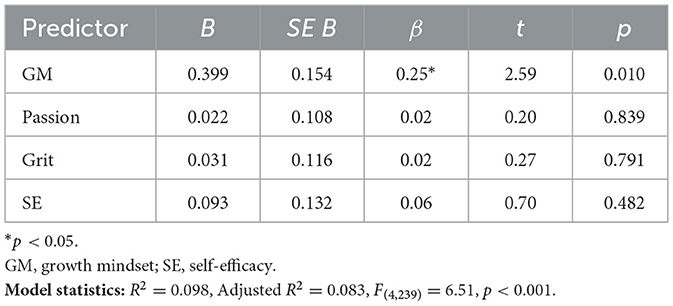
Table 5. Regression results for Norwegian perceived competence.
A multiple regression analysis was conducted to examine whether growth mindset, passion, grit, and self-efficacy predicted perceived competence in physical education. As shown in Table 6, the overall model was statistically significant, F(4, 241) = 18.41, p < 0.001, and accounted for approximately 23.4% of the variance in perceived competence in PE (Adjusted R2 = 0.221). Two predictors emerged as statistically significant: self-efficacy (β = 0.26, p = 0.002) and growth mindset (β = 0.21, p = 0.017).

Table 6. Regression results for perceived competence in physical education.
A multiple linear regression was conducted to examine whether growth mindset, passion, grit, and self-efficacy predicted Norwegian grades. As shown in Table 7, the overall model was statistically significant, F(4, 241) = 7.09, p < 0.001, and explained approximately 10.5% of the variance (R2 = 0.105, Adjusted R2 = 0.090). Among the motivational variables, only growth mindset was a significant positive predictor (β = 0.36, p < 0.001), indicating that students with a stronger growth mindset tended to report higher grades in Norwegian.

Table 7. Regression results for Norwegian grades.
A multiple linear regression was conducted to examine the extent to which growth mindset, passion, grit, and self-efficacy predicted grades in physical education. As presented in Table 8, the overall model was statistically significant, F(4, 239) = 7.60, p < 0.001, explaining approximately 11.3% of the variance (R2 = 0.113, Adjusted R2 = 0.098). Growth mindset was a significant positive predictor of PE grades (β = 0.26, p = 0.006), while grit showed a borderline significant positive association (β = 0.13, p = 0.050).

Table 8. Regression results for grades in physical education.
Discussion
This study examined how four motivational constructs—growth mindset, grit, passion for achievement, and self-efficacy—relate to school outcomes in upper secondary students, and whether these relationships does differ by gender. Figure 1 presents a conceptual model illustrating the broader motivational network linking growth mindset, grit, passion, and self-efficacy.

Figure 1. Conceptual model of motivation adapted from Sigmundsson et al. illustrating how growth mindset, passion, and grit interact to support goal-directed effort and skill development. Adapted from passion, grit and mindset: exploring gender differences (Sigmundsson et al., 2021).
The findings revealed a clear pattern: cognitive beliefs about growth and competence (growth mindset and self-efficacy) emerged as stronger and more consistent predictors of grades, perceived competence, and wellbeing than emotional or effort-related constructs (passion and grit). Growth mindset predicted both grades and competence across subjects, while self-efficacy was particularly important for outcomes in physical education, including wellbeing. In contrast, grit showed only a selective effect on wellbeing in Norwegian, and passion, despite positive correlations with several outcomes, did not provide unique predictive value once other constructs were considered.
Small but meaningful gender differences also appeared: boys reported higher passion and grit, while girls achieved higher grades and perceived competence in Norwegian. No gender differences were observed in growth mindset, self-efficacy, or outcomes in physical education.
Research question 1
The first research question examined gender differences in motivational constructs and school outcomes. Male students reported significantly higher levels of passion (M = 4.01 vs. 3.72, d = 0.37) and grit (M = 3.10 vs. 2.93, d = 0.31), whereas no differences were observed for growth mindset or self-efficacy. These results are partly consistent with earlier findings. Prior studies have repeatedly shown higher male scores on passion (Sigmundsson et al., 2021, 2020b), though effect sizes vary. Evidence on grit is more mixed: some studies report no gender differences (Sigmundsson, 2021; Sigmundsson et al., 2020b), while others find slightly higher scores among females (Sigmundsson and Leversen, 2024). The present finding of higher grit in males underscores the variability across samples and contexts.
Growth mindset and self-efficacy, by contrast, appeared evenly distributed across genders. This aligns with several studies reporting no gender differences in growth mindset (Sigmundsson, 2021; Sigmundsson et al., 2021, 2020a; Sigmundsson and Leversen, 2024). One exception is the validation of the Growth Mindset Scale, where males scored slightly higher (Sigmundsson and Haga, 2024a), suggesting that gender differences may partly depend on the measurement instrument used (e.g., GMS vs. TIS). For self-efficacy, Fahle et al. (2019) found gender differences varied by educational stage, but not consistently. The lack of gender differences in the present study may therefore reflect subject specificity, as only Norwegian and physical education were included.
Gender differences were, however, evident in academic outcomes. Female students scored higher than males on perceived competence in Norwegian (M = 3.59 vs. 3.21, p = 0.005, d = 0.37) and Norwegian grades (M = 4.49 vs. 3.91, p < 0.001, d = 0.62), indicating a moderate advantage in language-related performance. No gender differences were observed in physical education grades, perceived competence, or wellbeing. These results mirror broader trends in academic achievement favoring females, while performance in physical education appears less gender-differentiated (Bakken, 2009; Aasen et al., 2015).
Interestingly, the motivational advantage of males in passion and grit did not translate into higher performance outcomes. Instead, females outperformed males in Norwegian despite lower passion and grit scores. This discrepancy suggests that motivational beliefs alone may not account for gender gaps in achievement. Other factors, such as classroom practices, assessment formats, or socio-cultural expectations, may also shape gender differences in school outcomes. Given the cross-sectional design, causal mechanisms cannot be established, but the findings highlight the need for longitudinal research on how motivation and contextual factors jointly influence achievement across genders.
Research question 2
The second research question—and the central focus of this study—addressed how growth mindset, self-efficacy, grit, and passion for achievement relate to students' grades, perceived competence, and wellbeing. The findings revealed a consistent pattern: growth-related beliefs provided stronger and more consistent predictions than either passion or grit. Growth mindset emerged as the most robust predictor across outcomes. It significantly predicted grades in both Norwegian (β = 0.36, p < 0.001) and physical education (β = 0.26, p = 0.006), as well as perceived competence in both subjects (β = 0.25 and β = 0.21). These results suggest that students who believe abilities can improve through effort tend to view themselves as more competent and achieve better academically, regardless of subject type. Importantly, the associations held even if scores on the scale were skewed toward stronger growth beliefs, indicating meaningful variation among students. While growth mindset correlated moderately with wellbeing, these associations did not remain significant in regression models, suggesting a closer link to competence and performance than to affective experiences. This aligns with Dweck's (2006) theorizing on the malleability of ability and with recent work conceptualizing growth mindset more broadly as a belief in skill development across domains (Sigmundsson and Haga, 2024a). Meta-analyses have reported only small to moderate links between growth mindset and academic achievement (Sisk et al., 2018), particularly among younger or at-risk students, yet the present findings suggest that such associations extend to a broader population of upper secondary students.
Self-efficacy showed a somewhat different pattern, being more domain-sensitive. It was the strongest predictor of perceived competence in physical education (β = 0.26, p = 0.002) and the only motivational construct that significantly predicted wellbeing (β = 0.21, p = 0.018 in PE. Although self-efficacy was positively correlated with all outcomes, its predictive strength was clearest in physical education. One possible explanation is that confidence may be more salient in contexts where performance is immediately observable and feedback is visible, such as PE. Alternatively, adolescents' experiences with organized sports outside of school may strengthen their sense of efficacy in physical activities. However, the cross-sectional design limits conclusions about directionality. These results are consistent with Bandura (1997) theory of self-efficacy and with a long line of studies linking it to academic performance, persistence, and self-regulation (Schunk and Pajares, 2002; Zimmerman, 2002). Meta-analyses have reported moderate associations with achievement (Multon et al., 1991), and more recent work emphasizes its role in engagement, competence, and wellbeing in school (Honicke and Broadbent, 2016; Zhen et al., 2017).
In contrast, grit and passion played a weaker role. Grit predicted only wellbeing in Norwegian (β = 0.19, p = 0.006) and showed small correlations with PE competence and grades (rs = 0.20; 4% of the variance), but did not reliably account for performance when other constructs were included. While grit has previously been linked to educational achievement and persistence (Buzzetto-Hollywood and Mitchell, 2019; Duckworth et al., 2007), the present findings align with critiques of grit's limited incremental validity when controlling for related traits such as conscientiousness (Credé et al., 2017). Passion, by contrast, correlated with all outcomes (rs = 0.14–0.32; 2%−10% of the variance), but none of these associations remained significant in regression models. Prior studies suggest that passion for achievement may be more influential in self-selected domains where emotional investment is high. For example, Sigmundsson et al. (2022) found higher passion scores among athletes rated as more competent by coaches, supporting the idea that passion differentiates performance most clearly when activities are voluntary and personally meaningful. Moreover, research by Jachimowicz et al. (2018) indicates that grit's predictive value is strongest when paired with passion, which may explain why neither construct independently explained much variance in the current study.
Overall, RQ2 indicates that growth mindset and self-efficacy were the most consistently associated predictors of school outcomes, whereas grit and passion were more modest and context-dependent. These findings reinforce meta-analytic evidence on growth mindset (Sisk et al., 2018) and self-efficacy (Honicke and Broadbent, 2016; Multon et al., 1991) while also highlighting the limits of effort-related or affective constructs in compulsory education. The results suggest that motivational constructs differ not only in strength but also in orientation: growth mindset reflects a general belief in improvement across contexts, self-efficacy operates more strongly in specific domains, and grit and passion may be most relevant in voluntary pursuits where persistence and emotional commitment align (Sigmundsson et al., 2020c).
Interrelations
Although RQ2 focused on individual predictors, the interrelations among the constructs provide useful context. Growth mindset and self-efficacy showed the strongest correlation (r = 0.64, p < 0.01; 41% shared variance), reflecting the link between beliefs in malleability and confidence in success (Bandura, 1997). This association has received limited attention with the Growth Mindset Scale specifically (Sigmundsson and Haga, 2024a), suggesting a novel contribution of the present study. Growth mindset also correlated strongly with passion for achievement (r = 0.60, p < 0.01; 36% shared variance), consistent with Sigmundsson and Haga's (2024a) validation study (r = 0.50; 25% shared variance), supporting the idea that growth-oriented beliefs are often paired with pursuing personally meaningful goals.
Other associations were more modest. Grit correlated with growth mindset (r = 0.35, p < 0.01) and self-efficacy (r = 0.32, p < 0.01), in line with studies showing perseverance and motivational beliefs to co-develop (De La Cruz et al., 2021; Park et al., 2020). The correlation between grit and passion (r = 0.26, p < 0.01) was lower than reported in prior studies—for instance, r = 0.58 among Norwegian elite football players (Sigmundsson et al., 2022) and r = 0.33–0.39 in general population samples (Sigmundsson et al., 2020c; Sigmundsson and Haga, 2024b)—which may reflect weaker alignment between effort and emotional engagement in compulsory schooling.
Passion and self-efficacy also correlated moderately (r = 0.52, p < 0.01), highlighting a possible but underexplored link between emotional investment and confidence in one's ability.
Taken together, these findings suggest that growth mindset, grit, passion, and self-efficacy are not independent but tend to co-occur, with especially strong connections between growth mindset and both self-efficacy and passion. While directionality cannot be determined in the present cross-sectional design, the results support theoretical accounts of motivation as arising from interconnected beliefs and dispositions (Sigmundsson et al., 2021).
Although several motivational constructs were meaningfully associated with academic outcomes, the proportion of variance explained by the models was moderate, indicating that substantial variance remains unaccounted for. This suggests that academic performance and wellbeing in upper secondary school are shaped by a broader set of factors beyond individual motivational beliefs, including instructional practices, prior achievement, assessment formats, and social or contextual influences. The present findings therefore highlight the importance of viewing motivational constructs as part of a larger explanatory framework rather than as exhaustive predictors of educational outcomes.
Limitations
Several limitations should be noted. First, the study relied on a convenience sample of upper secondary students recruited through voluntary school and teacher participation. This strategy may introduce self-selection bias and limits the generalizability of findings, particularly given the uneven distribution of students across educational tracks. Second, the cross-sectional design precludes causal inference. While growth mindset and self-efficacy emerged as consistent predictors, the directionality of these associations remains uncertain and may be influenced by unmeasured variables.
Third, academic grades were self-reported rather than obtained from official school records. Although self-reported grades are commonly used in educational research, they may be subject to recall errors or social desirability bias, which could introduce measurement error.
A further limitation concerns score distributions. Mean values for growth mindset were high (M = 4.09), consistent with the validation study of the Growth Mindset Scale (Sigmundsson and Haga, 2024a), where all genders averaged above 4.25. Passion, self-efficacy, and PE-related competence and wellbeing also showed elevated means. In such contexts, high mean levels may reflect generally positive motivational climates rather than measurement limitations alone. However, ceiling effects may nonetheless attenuate associations and obscure meaningful individual differences. Further studies examining the implications of ceiling effects of motivational constructs should be conducted, to gain a better understanding of the potential psychometric limitations of these instruments. Grades, while useful, are not psychometric instruments and may reflect contextual factors such as grading practices in addition to individual performance.
Additionally, academic outcome variables were assessed using single-item measures. While such measures reduce participant burden and are commonly used to capture subject-specific perceptions (e.g., competence and wellbeing in a given subject), they may offer less precision and reliability than multi-item scales.
Finally, construct overlap may partly account for the observed patterns. Growth mindset and self-efficacy were strongly correlated (r = 0.64, p < 0.001), and both also relate conceptually to perceived competence. Despite this, each showed unique predictive value in regression analyses. By contrast, grit's limited predictive strength aligns with broader critiques of its distinctiveness and validity (Credé et al., 2017; Jachimowicz et al., 2018). Conceptual overlap between grit's Consistency of Interest facet and passion for achievement may have further contributed to the weak effects of these constructs. Future research on effort-related motivation may benefit from focusing on the perseverance of effort facet rather than the full Grit-S scale.
Implications for further research
Future studies should clarify how motivational constructs function across contexts. In particular, passion for achievement may operate differently in voluntary vs. compulsory activities, and examining these distinctions could shed light on its inconsistent predictive value. More research is also needed on the interrelations between constructs, as understanding how beliefs such as growth mindset, self-efficacy, grit, and passion interact may provide deeper insight into skill development. Since growth mindset emerged as the most consistent predictor in this study, longitudinal designs are recommended to establish directionality of effects. Future studies may extend this work by examining interactional or longitudinal models of motivational processes.
Continued development and evaluation of intervention programs, such as the I CAN project (Sigmundsson et al., 2024), are also warranted, particularly given the observed links between growth mindset and both performance and wellbeing. To address ceiling effects observed here and elsewhere, future work should consider refining measurement sensitivity, for example by expanding response formats to capture greater variation among highly motivated students.
The present study also highlighted gender differences. Further research should examine the mechanisms underlying why males reported higher motivation (passion and grit) yet did not achieve better outcomes, while females outperformed in Norwegian despite lower motivational scores. Clarifying whether these discrepancies stem from subject-specific demands, assessment practices, classroom climate, or broader socio-cultural factors would provide a more comprehensive picture of the mechanisms supporting motivation and learning in schools. The findings suggest that strengthening students' growth mindset and self-efficacy beliefs may represent a promising avenue for supporting engagement and academic functioning in upper secondary school. In line with this, interventions designed to foster adaptive mindsets may help students navigate academic challenges, persist through setbacks, and develop a stronger sense of agency in their learning processes. At the same time, the more modest and context-dependent effects observed for grit and passion for achievement suggest that effort- and affect-related constructs may be particularly sensitive to task structure and motivational context, highlighting the need for further research on when and where such constructs are most relevant in educational settings.
Conclusion
This study examined how four motivational constructs—growth mindset, self-efficacy, grit, and passion for achievement—relate to school outcomes in upper secondary education, with a particular focus on grades, perceived competence, and wellbeing in Norwegian and physical education. Gender analyses showed that males reported higher passion and grit, while females performed better in Norwegian and reported higher competence. Importantly, the motivational advantages among males did not translate into stronger achievement, suggesting that factors beyond motivation may contribute to observed gender disparities.
Growth mindset and self-efficacy emerged as the most consistent factors, whereas passion and grit showed only limited unique contributions once other factors were controlled. These findings highlight the central role of cognitive self-beliefs in compulsory school contexts, compared to effort-related or affective traits. Together, the findings indicate that strengthening students' growth beliefs and confidence may be a promising avenue for supporting engagement and performance in upper secondary school, for instance through interventions such as the I CAN program (Sigmundsson et al., 2024). At the same time, limitations such as the cross-sectional design, reliance on self-report measures, and high mean scores on several scales underscore the need for longitudinal studies and refined measurement approaches in future research.
Data availability statement
The raw data supporting the conclusions of this article will be made available by the authors, without undue reservation.
Ethics statement
Ethical approval was not required for the studies involving humans because the study was anonymous, participation was voluntary, and that only age, gender, and school program would be recorded. No personal data were collected, and participants could withdraw at any point or skip questions they were uncomfortable with. Informed consent was provided by clicking “Start” and completing the survey. All responses were screened for completeness. The studies were conducted in accordance with the local legislation and institutional requirements. The participants provided their written informed consent to participate in this study.
Author contributions
BS: Conceptualization, Methodology, Data curation, Investigation, Formal analysis, Validation, Writing – original draft, Project administration. HS: Conceptualization, Methodology, Validation, Writing – original draft, Project administration.
Funding
The author(s) declared that financial support was not received for this work and/or its publication.
Conflict of interest
The author(s) declared that this work was conducted in the absence of any commercial or financial relationships that could be construed as a potential conflict of interest.
Generative AI statement
The author(s) declared that generative AI was not used in the creation of this manuscript.
Any alternative text (alt text) provided alongside figures in this article has been generated by Frontiers with the support of artificial intelligence and reasonable efforts have been made to ensure accuracy, including review by the authors wherever possible. If you identify any issues, please contact us.
Publisher's note
All claims expressed in this article are solely those of the authors and do not necessarily represent those of their affiliated organizations, or those of the publisher, the editors and the reviewers. Any product that may be evaluated in this article, or claim that may be made by its manufacturer, is not guaranteed or endorsed by the publisher.
References
Aasen, A. M., Lekahl, R., Drugli, M. B, and Nordahl, T. (2015). Kjønnsforskjeller i skolefaglige prestasjoner—Forklaringer i elevenes holdninger til og væremåte i skolen, samt relasjonelle forhold. Available online at: https://utdanningsforskning.no/artikler/2015/kjonnsforskjeller-i-skolefaglige-prestasjoner-forklaringer-i-elevenes-holdninger-til-og-varemate-i-skolen-samt-relasjonelle-forhold/ (Accessed January 18, 2026).
Bakken, A. (2009). Ulikheter på tvers. Har foreldres utdanning, kjønn og minoritetsstatus like stor betydning for elevers karakterer på alle skoler? [Report]. Oslo Metropolitan University - OsloMet: NOVA. Available online at: https://nva.sikt.no/registration/0198cc40e598-bf12683a-3b6b-4d95-a61f-161eeacf1618 (Accessed January 18, 2026).
Bandura, A. (1977). Self-efficacy: toward a unifying theory of behavioral change. Psychol. Rev. 84, 191–215. doi: 10.1037/0033-295X.84.2.191
Bandura, A. (1997). Self-Efficacy: The Exercise of Control. New York: W H Freeman/Times Books/ Henry Holt and Co.
Blackwell, L. S., Trzesniewski, K. H., and Dweck, C. S. (2007). Implicit theories of intelligence predict achievement across an adolescent transition: a longitudinal study and an intervention. Child Dev. 78, 246–263. doi: 10.1111/j.1467-8624.2007.00995.x
Bonneville-Roussy, A., Lavigne, G. L., and Vallerand, R. J. (2011). When passion leads to excellence: the case of musicians. Psychol. Music 39, 123–138. doi: 10.1177/0305735609352441
Buzzetto-Hollywood, N. A., and Mitchell, B. C. (2019). Grit and persistence: findings from a longitudinal study of student performance. Issues Informing Sci. Inf. Technol. 16, 377–391. doi: 10.28945/4375
Credé, M., Tynan, M. C., and Harms, P. D. (2017). Much ado about grit: a meta-analytic synthesis of the grit literature. J. Pers. Soc. Psychol. 113, 492–511. doi: 10.1037/pspp0000102
De La Cruz, M., Zarate, A., Zamarripa, J., Castillo, I., Borbon, A., Duarte, H., et al. (2021). Grit, self-efficacy, motivation and the readiness to change index toward exercise in the adult population. Front. Psychol. 12:732325. doi: 10.3389/fpsyg.2021.732325
DeCaro, D. A., DeCaro, M. S., and Rittle-Johnson, B. (2015). Achievement motivation and knowledge development during exploratory learning. Learn. Indiv. Diff. 37, 13–26. doi: 10.1016/j.lindif.2014.10.015
Duckworth, A., and Gross, J. J. (2014). Self-control and grit: related but separable determinants of success. Curr. Dir. Psychol. Sci. 23, 319–325. doi: 10.1177/0963721414541462
Duckworth, A. L., Kirby, T. A., Tsukayama, E., Berstein, H., and Ericsson, K. A. (2011). Deliberate practice spells success: why grittier competitors triumph at the national spelling bee. Soc. Psychol. Pers. Sci. 2, 174–181. doi: 10.1177/1948550610385872
Duckworth, A. L., Peterson, C., Matthews, M. D., and Kelly, D. R. (2007). Grit: perseverance and passion for long-term goals. J. Pers. Soc. Psychol. 92, 1087–1101. doi: 10.1037/0022-3514.92.6.1087
Duckworth, A. L., and Quinn, P. D. (2009). Development and validation of the short grit scale (Grit–S). J. Pers. Assess. 91, 166–174. doi: 10.1080/00223890802634290
Dweck, C. S. (2006). Mindset: The New Psychology of Success. New York: Random House Publishing Group.
Dweck, C. S., and Yeager, D. S. (2019). Mindsets: a view from two eras. Perspect. Psychol. Sci. 14, 481–496. doi: 10.1177/1745691618804166
Ericsson, K. A., Krampe, R. T., and Tesch-Römer, C. (1993). The role of deliberate practice in the acquisition of expert performance. Psychol. Rev. 100, 363–406. doi: 10.1037/0033-295X.100.3.363
Eskreis-Winkler, L., Duckworth, A. L., Shulman, E. P., and Beal, S. (2014). The grit effect: predicting retention in the military, the workplace, school and marriage. Front. Psychol. 5:36. doi: 10.3389/fpsyg.2014.00036
Fahle, E. M., Lee, M. G., and Loeb, S. (2019). A Middle School Drop | Policy Analysis for California Education. Available online at: https://edpolicyinca.org/publications/gender-differences-students-self-efficacy(Accessed January 18, 2026).
Harter, S. (1978). Effectance motivation reconsidered: toward a developmental model. Hum. Dev. 21, 34–64. doi: 10.1159/000271574
Harter, S. (1982). The perceived competence scale for children. Child Dev. 53, 87–97. doi: 10.2307/1129640
Honicke, T., and Broadbent, J. (2016). The influence of academic self-efficacy on academic performance: a systematic review. Educ. Res. Rev. 17, 63–84. doi: 10.1016/j.edurev.2015.11.002
Ivcevic, Z., and Brackett, M. (2014). Predicting school success: comparing conscientiousness, grit, and emotion regulation ability. J. Res. Pers. 52, 29–36. doi: 10.1016/j.jrp.2014.06.005
Jachimowicz, J. M., Wihler, A., Bailey, E. R., and Galinsky, A. D. (2018). Why grit requires perseverance and passion to positively predict performance. Proc. Natl. Acad. Sci. 115, 9980–9985. doi: 10.1073/pnas.1803561115
Kunnskapsdepartementet (2019). Fagets relevans og sentrale verdier—Kroppsøving (KRO01-05) (KRO01-05) | udir.no. Available online at: https://www.udir.no/lk20/kro01-05/om-faget/fagets-relevans-og-verdier?lang=nob (Accessed January 18, 2026).
Kunnskapsdepartementet (2024). Fagets relevans og sentrale verdier—Norsk (NOR01-07) (NOR01-07) | udir.no. Available online at: https://www.udir.no/lk20/nor01-07/om-faget/fagets-relevans-og-verdier?lang=nob (Accessed January 18, 2026).
Lumley, T., Diehr, P., Emerson, S., and Chen, L. (2002). The importance of the normality assumption in large public health data sets. Ann. Rev. Public Health 23, 151–169. doi: 10.1146/annurev.publhealth.23.100901.140546
Muenks, K., Yang, J. S., and Wigfield, A. (2018). Associations between grit, motivation, and achievement in high school students. Motiv. Sci. 4, 158–176. doi: 10.1037/mot0000076
Multon, K. D., Brown, S. D., and Lent, R. W. (1991). Relation of self-efficacy beliefs to academic outcomes: a meta-analytic investigation. J. Couns. Psychol. 38, 30–38. doi: 10.1037/0022-0167.38.1.30
Park, D., Tsukayama, E., Yu, A., and Duckworth, A. L. (2020). The development of grit and growth mindset during adolescence. J. Exp. Child Psychol. 198:104889. doi: 10.1016/j.jecp.2020.104889
Rimfeld, K., Kovas, Y., Dale, P. S., and Plomin, R. (2016). True grit and genetics: predicting academic achievement from personality. J. Pers. Soc. Psychol. 111, 780–789. doi: 10.1037/pspp0000089
Røyksamb, E., Schwarzer, R., and Matthias, J. (1998). Norwegian version of the general perceived self-efficacy scale. Available online at: https://userpage.fu-berlin.de/~health/norway.htm (Accessed January 18, 2026).
Ryan, R. M., and Deci, E. L. (2000). Self-determination theory and the facilitation of intrinsic motivation, social development, and well-being. Am. Psychol. 55, 68–78. doi: 10.1037/0003-066X.55.1.68
Ryan, R. M., and Deci, E. L. (2020). Intrinsic and extrinsic motivation from a self-determination theory perspective: definitions, theory, practices, and future directions. Contemp. Educ. Psychol. 61:101860. doi: 10.1016/j.cedpsych.2020.101860
Schunk, D. H., and Pajares, F. (2002). “The development of academic self-efficacy,” in Development of Achievement Motivation, eds. A. Wigfield and J. S. Eccles (Cambridge: Academic Press, 15–31).
Schwarzer, R., and Jerusalem, M. (1995). “Generalized self-efficacy scale,” in Measures in Health Psychology: A User's Portfolio, eds. J. Weinman, S. Wright, and M. Johnston (Windsor: Nfer-Nelson), 35–37.
Sending, V. (2014). Thinking success, behaving successfully: the relation between hypothetical thinking strategies, effort towards goal attainment and grit. [Master thesis]. UiT Norges arktiske universitet, Norway.
Sigmundsson, H. (2021). Passion, grit and mindset in the ages 14 to 77: exploring relationship and gender differences. New Ideas Psychol. 60:100815. doi: 10.1016/j.newideapsych.2020.100815
Sigmundsson, H., Clemente, F. M., and Loftesnes, J. M. (2020a). Passion, grit and mindset in football players. New Ideas Psychol. 59:100797. doi: 10.1016/j.newideapsych.2020.100797
Sigmundsson, H., Dybendal, B. H., Loftesnes, J. M., Ólafsson, B., and Grassini, S. (2022). Passion a key for success: exploring motivational factors in football players. New Ideas Psychol. 65:100932. doi: 10.1016/j.newideapsych.2022.100932
Sigmundsson, H., Guãnason, S., and Jóhannsdóttir, S. (2021). Passion, grit and mindset: exploring gender differences. New Ideas Psychol. 63:100878. doi: 10.1016/j.newideapsych.2021.100878
Sigmundsson, H., and Haga, M. (2024a). Growth mindset scale: aspects of reliability and validity of a new 8-item scale assessing growth mindset. New Ideas Psychol. 75:101111. doi: 10.1016/j.newideapsych.2024.101111
Sigmundsson, H., and Haga, M. (2024b). Passion and grit in individuals with high levels of growth mindset are different than in individuals who have low growth mindset. Acta Psychol. 250:104480. doi: 10.1016/j.actpsy.2024.104480
Sigmundsson, H., Haga, M., and Hermundsdottir, F. (2020b). Passion, grit and mindset in young adults: exploring the relationship and gender differences. New Ideas Psychol. 59:100795. doi: 10.1016/j.newideapsych.2020.100795
Sigmundsson, H., Haga, M., and Hermundsdottir, F. (2020c). The passion scale: aspects of reliability and validity of a new 8-item scale assessing passion. New Ideas Psychol. 56:100745. doi: 10.1016/j.newideapsych.2019.06.001
Sigmundsson, H., Hauge, H., Leversen, J. S. R., and Haga, M. (2024). I CAN intervention to increase grit and growth mindset: exploring the intervention for 15-year-olds Norwegian adolescents. Front. Educ. 9:1438280. doi: 10.3389/feduc.2024.1438280
Sigmundsson, H., Ingebrigtsen, J., and Dybendal, B. (2023). Well-being and perceived competence in school children from 1 to 9 class. Int. J. Environ. Res. Public Health 20:2116. doi: 10.3390/ijerph20032116
Sigmundsson, H., and Leversen, J. S. R. (2024). Exploring gender differences in the relations between passion, grit and flow. Acta Psychol. 251:104551. doi: 10.1016/j.actpsy.2024.104551
Sisk, V. F., Burgoyne, A. P., Sun, J., Butler, J. L., and Macnamara, B. N. (2018). To what extent and under which circumstances are growth mind-sets important to academic achievement? Two meta-analyses. Psychol. Sci. 29, 549–571. doi: 10.1177/0956797617739704
Vallerand, R. J. (2010). “On passion for life activities: the dualistic model of passion,” in Advances in Experimental Social Psychology, ed. M. P. Zanna, Vol. 42 (Cambridge: Academic Press), 97–193.
Vallerand, R. J., Blanchard, C., Mageau, G. A., Koestner, R., Ratelle, C., Leonard, M., et al. (2003). Les passions de l'ame: on obsessive and harmonious passion. J. Pers. Soc. Psychol. 85, 756–767. doi: 10.1037/0022-3514.85.4.756
Zhen, R., Liu, R.-D., Ding, Y., Wang, J., Liu, Y., and Xu, L. (2017). The mediating roles of academic self-efficacy and academic emotions in the relation between basic psychological needs satisfaction and learning engagement among Chinese adolescent students. Learn. Indiv. Diff. 54, 210–216. doi: 10.1016/j.lindif.2017.01.017
Keywords: academic outcomes, gender differences, grit, growth mindset, passion, self-efficacy, skill development
Citation: Sætre BO and Sigmundsson H (2026) The motivational predictors and gender differences of academic outcomes in upper secondary education: exploring the role of growth mindset, self-efficacy, grit and passion. Front. Educ. 11:1708978. doi: 10.3389/feduc.2026.1708978
Received: 19 September 2025; Revised: 06 January 2026;
Accepted: 12 January 2026; Published: 30 January 2026.
Edited by:
Jody Siker, Northeastern Illinois University, United StatesReviewed by:
Evely Boruchovitch, State University of Campinas, BrazilTeresa Maria Dias Paiva, Polytechnic Institute of Guarda, Portugal
Copyright © 2026 Sætre and Sigmundsson. This is an open-access article distributed under the terms of the Creative Commons Attribution License (CC BY). The use, distribution or reproduction in other forums is permitted, provided the original author(s) and the copyright owner(s) are credited and that the original publication in this journal is cited, in accordance with accepted academic practice. No use, distribution or reproduction is permitted which does not comply with these terms.
*Correspondence: Hermundur Sigmundsson, SGVybXVuZHVyLnNpZ211bmRzc29uQG50bnUubm8=