 Narongsak Sukma
 Adisorn Leelasantitham
- Technology of Information System Management Division, Faculty of Engineering, Mahidol University, Nakhonpathom, Thailand
The Sustainable Development Goals were designed by the United Nations to help all organizations understand that any development must be balanced with the three pillars of sustainability: society, economy, and environment. Therefore, every organization must be more vigilant before introducing something that could have social consequences. This study aims to investigate all of the necessary components for proposing and establishing a community sustainability ecosystem model that supports local business sustainability with participation by highlighting essential variables that foster sustainable business prospects. The researcher distributed a questionnaire on a five-point Likert scale to 1,000 community water users in Thailand and received 627 valid responses. Using a simple random sampling technique with a sampling ratio of 14 villages, data was obtained. Subsequently, descriptive statistics are used to characterize the data (frequency distributions, percentages, averages, medians, and standard deviations). Furthermore, PLS-SEM was used to examine the relationships between factors and to launch the conceptual model using PLS path modeling. This study aimed to enhance the original Commitment-Trust theory relying on sustainability by examining the relationships between accepted variables pertaining to change agents, stakeholders, transparency, social networking, and good governance in order to provide new knowledge to the sustainability community and local sustainability businesses. In addition, this conceptual model can be applied to new business cases in which businesses need a framework that can be followed rapidly and reduces the danger of making mistakes on their own. In light of these considerations, this article proposes a novel community sustainability ecosystem model that may be adopted by the majority of businesses as a framework for managing the entire firm. Not only does it aid local businesses, but it can also adapt to any business change in order to become more profitable and sustainable.
1 Introduction
Every year, the world environment changes, and we must acknowledge that this is partially due to human actions in a variety of domains, such as business and success, that promote the maximization of profit by disregarding social and ecological costs. However, we cannot deny that irresponsible corporate practices produce several problems, such as air and water pollution; greenhouse gas emissions that contribute to global warming; the use of illegal labor and unfair employment, which undermine the quality of life for the entire global population. In light of this, it is essential that future initiatives be more thoroughly deliberated. The Sustainable Development Goals of the (United Nations, 2021) were established to make the world a better place by 2030 through development that takes into account the holistic nature of all aspects, is balanced on the basis of natural resources, wisdom, and culture, and involves the participation of all groups of people with generosity, mutual respect for the ability to be self-sufficient, and an equal quality of life. Several departments, including educational institutions, government organizations, and private companies, have established sustainable development strategies to implement and organize operations according to international and global objectives (Fonseca et al., 2020). There are 17 goals for sustainable development (SDG). All of the aforementioned goals seek to improve collaboration between developed and developing countries (North-South) as well as between developing and developing countries (South-South) by supporting the national plan to achieve the goal. This goal seeks to promote international trade and assist developing countries in increasing their export rates (Tsalis et al., 2020). Here are all the elements that will contribute to the establishment of a worldwide standard and a fair-trade system that is equitable, transparent, and advantageous to all stakeholders. There are many policy visions in many countries, such as Society 5.0 in Japan, Smart Nation in Singapore, and Thailand 4.0 in Thailand.
Therefore, the SDGs and Thailand, published by (Sachs et al., 2021) has shed more light on sustainable development and Thailand. The Sustainable Development Report 2021 published the SDG Index rating report in June 2021, in which 165 nations were ranked. Thailand was subsequently placed 43rd in the world, third in Asia, and first in ASEAN for the third consecutive year. Thailand achieved an overall average score of 74.2, which was higher than the average for East and South Asia (65.7). Nevertheless, there is a little decline from the year 2020, when Thailand obtained an evaluation score of 74.5. However, due to COVID-19, global poverty and unemployment rates have increased. Similarly, numerous nations are ranked poorly. However, Thailand still faces substantial obstacles in reaching the following targets (red status): SDG 2: “Zero Hunger,” SDG three is “Good Health and Well-Being,” whereas SDG 10 is “Reduced Inequality.” Figures 1, 2), sourced from (Kroll et al., 2021), depicts SDG 14 Oceans and Marine Resources (Life Underwater) and SDG 15 Terrestrial Ecosystems (Life on Land).
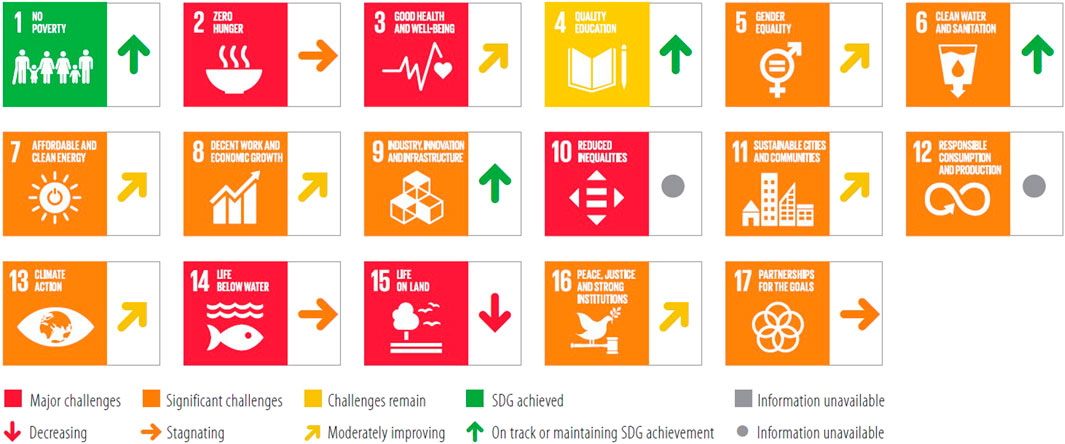
FIGURE 1. SDGs Country Profiles; Thailand, sourced (Kroll et al., 2021).
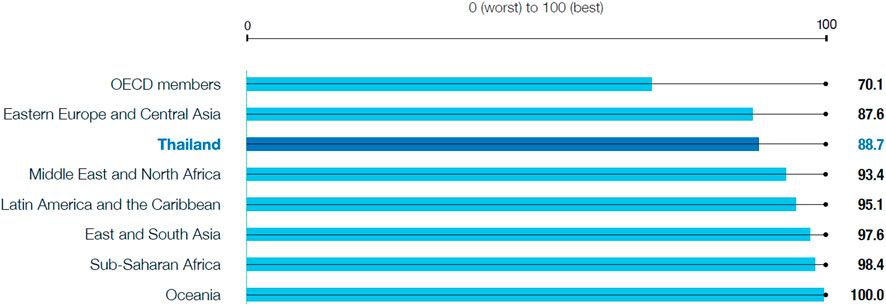
FIGURE 2. International spillover index; Thailand, sourced (Kroll et al., 2021).
Consequently, to emphasize the importance of the SDGs as what the world is interested in when researching papers published in international databases such as Scopus, it is also essential to underline the significance of the Sustainable Development Goals (SDGs) as what the world cares about from an environmental science perspective. Research on the Sustainable Development Goals (SDGs) has been determined to increase, particularly in parts that rely on environmental science topics. In 2021, 45.49% of all published research on the SDGs will be related to the field of environmental science (see Table 1 and Figure 3). Given these points, this paper is one of the most significant research projects (SDGs) in environmental science, and its main objective is to find an appropriate economic model for the water supply business. Through a combination of SDG 6 (clean water and sanitation) and SDG 9 (industry, sustainability, and infrastructure), for research developments in the remaining Thailand goals, which still have a high challenge target (red status) that needs to focus on improvements in three important topics: SDG 3: “Good Health and Wellbeing”, SDG 10: “Reduced Inequality”, and SDG 15: Land Ecosystems (Life on Land).
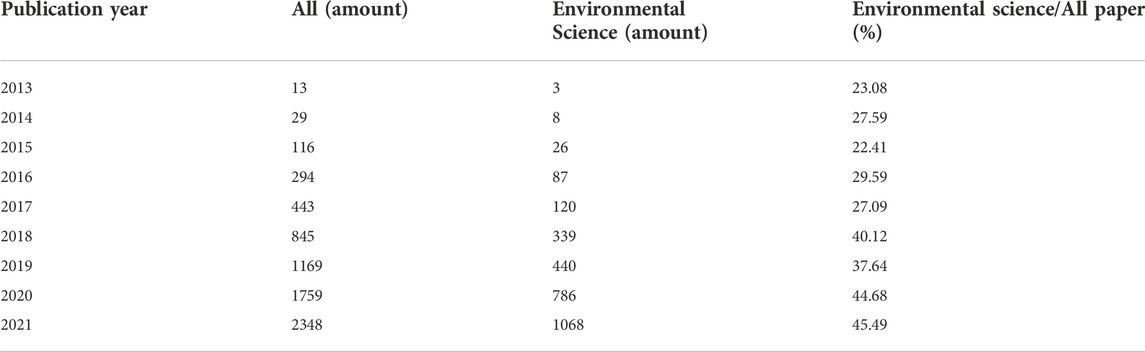
TABLE 1. A summary publication on the SDGs from 2013 to 2021, based on Scopus.
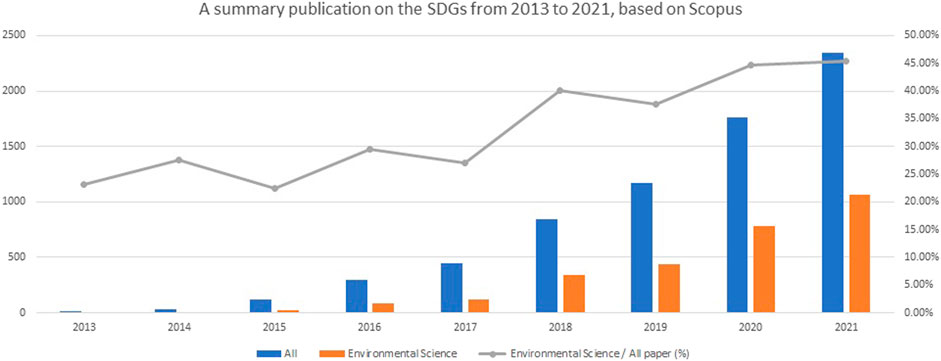
FIGURE 3. A summary publication on the SDGs from 2013 to 2021, based on Scopus.
Thus, (Jabłoński and Jabłoński, 2019) results contribute to our understanding of The characteristic of trust may be one such component on which successful social business models may be built as a crucial feature in developing the company’s social business model. Also, some research demonstrates that transparency fosters trust and cooperation. Subsequently, (Clark et al., 2017) have shown that stakeholder factors and change agents can contribute to system development’s effectiveness. Suddenly, it was discovered that if any unit cooperated, it would encourage a more successful business, lower operating expenses, and create additional value for that product or service. Multiple stakeholders are also becoming more common in a new business model, called the local sustainable business model, which is used in the community energy sector (Leelasantitham, 2020). This new business model has several advantages, such as reducing operational procedures, making quick decisions to save money, and making operations more transparent. It may also open up new opportunities for entrepreneurialism and sustainability.
The following research questions have been used to clarify the purpose of the study.
RQ1. What factors contribute to the sustainability of the community water supply business?
RQ2. How can social media, transparency, change agents, and stakeholders enhance a local sustainability business model?
By the way, neither study analyzed all critical factors in the same workplace nor did it examine the transparency and stakeholders connected with current local ecosystem modeling using an end-to-end sustainability business model. Additionally, there has been no research on the relationship between these factors, from internal management to establishing a Community Sustainability Ecosystem Modeling capable of meeting customer expectations for products and supporting long-term services. This research was carried out to fill the gaps in the current community water supply business by adding social networks and also focusing on the participation management paradigm. Every residence must cope with a water supply problem, which might vary based on the circumstances, such as water that does not flow, smells terrible, or contains silt, which can also be a problem for various reasons.
However, there is only one route for citizens to contact the organization official responsible for registering complaints and reporting documents on the official day and time. Moreover, the worst aspect is that citizens are unable to monitor the processes of government officials after receiving complaints. Alternatively, suppose that there is an online community of users leading people in each village. Specifically, this paper approaches a conceptual model in which the commitment-trust theory (CTT) of relationship marketing (Morgan and Hunt, 1994) is compared and reconciled with three significant theories: traditional IS participation theory (Mckeen et al., 1994), resource dependence theory (RDT), and social exchange theory (SET) (Cook and Emerson, 1987) that relies on business models to enable community sustainability ecosystems to discover new pieces of knowledge that five factors: social media, transparency, change agents, good governance, and stakeholders.
Furthermore, the studies by (Ikram et al., 2021; Ikram et al., 2022) have shed more light on the findings of the technology indicate a significant subfactor of Sustainable Development Goals (SDGs). It has the potential to make any business more productive and improve its chances of gaining a good reputation by adding significant value to their products and services. This model is the first conceptual model for community water supply businesses based on participation by proposing to use structural equation modeling (SEM) (Hair et al., 2021) to examine the link between variables. Significantly, this conceptual model can be adapted to all related sectors. This includes the management of community electricity, water supply, waste management, and the management of village funds. The current management service requires the participation of all sectors to maintain transparency and auditability, thus establishing credibility in collaboration and reducing overall management spending.
2 Literature review
2.1 Community water supply business
A literature review, present community water supply enterprises can be categorized into three categories, with gaps in each category analyzed:
First, public utilities are a traditional management model where government agencies build and manage all communities. It is a bureaucratic management style characterized by an intricate organizational structure. Also, (Banister, 2014) there was an issue with the central government policy being inconsistent with the context of each location, resulting in the community water supply system being unable to address the issues desired by the community. Furthermore, (Schweitzer and Mihelcic, 2012) a management issue involves the use of authorities and duties to benefit specific groups of people in order to obtain preferential access to water.
Second, private utilities when the government offers concessions to private businesses to handle them. The benefit is that it is a highly adaptable organization capable of self-management. However, (Leviäkangas et al., 2015) there were issues with pricing transparency and a lack of checks and balances from the public sector, which resulted in people not receiving equitable access to water and selling at prices that we could not verify. If that is true, then private businesses may be able to set the price of water delivery without the public sector being able to bargain for a better deal.
Third, PPP (Public-Private Partnership) is a modern management paradigm well suited for large-scale infrastructure and public service projects across various sectors. Operations require a sizable budget, which may be insufficient if funded exclusively by the public sector. However, this type of joint venture has drawbacks, including governance. Formalized investment initiatives It is more complicated than state-owned businesses. If the policy wasn’t written and implemented correctly, the PPP project would fail and become ineffective (Romano et al., 2017; Li et al., 2020). This is because the public and private sectors would have to share the risk.
In this study, researchers looked for ways to fill in some of the gaps in the current community water supply business, which operates in a monopolistic market with less participation and less pricing transparency. Researchers also wanted to make it easier to run small community water supply businesses by increasing online community water user participation, which they accomplished through designing a business model based on sustainable growth that will benefit the environment more. It also helps to solve the problem of inequality and encourages openness in the management of all sectors that take part.
2.2 The sustainable business framework to align with the local sustainability ecosystem
Business model sustainability is a priority for most industrial organizations, and it has generated considerable interest in the management literature. (Dasilva and Trkman, 2014) is present. A business model is a diagrammatic representation of how a company develops, delivers, and captures value. Also, from the literature review, a case study in the energy sector (Rossignoli and Lionzo, 2018) shows that sustainability in business models is critical for sustainable growth. The following section discusses the fundamental elements of the business model. To be successful, each phase of a new business model, value generation, and capture activities must be aligned. The definition of the value proposition, the design of the value provision, and value-in-use delivery are critical to the success of an innovative new business model. The business sustainability ecosystem is a required business tool for implementing a business plan that every organization should develop to ensure the business’s long-term viability. Businesses must design everything from the first product or service manufacturing process to the end-user or client, including good business partners. Furthermore, (Pieroni et al., 2019) to enable customers to purchase or desire our items, a successful business plan should prioritize meeting their demands. Additionally, a strong business model is important for a business plan to achieve its goals quickly and efficiently. According to the examination of the relevant literature, the existing study on sustainable business models leaves a significant vacuum, particularly in the research article.
This is the first study to look at all three factors, namely value creation, value proposition, and value capture, in the same work. The aim is based on a Community Sustainability Ecosystem Model adapted by defining three functions: the value proposition, value creation and delivery, and value capture. The business model lays out the scope and goals of the company, helps align corporate processes, and supports the growth of small community water supply businesses through the idea of a sustainability business model.
2.3 Commitment-trust theory
The commitment–trust concept aims to explain how long-term partnerships between trading partners develop. Commitment is defined as the parties' “constant desire” to maintain a useful and crucial connection (Moorman et al., 1992). It is a collection of requirements for sustaining a desirable connection and preventing relationship change. Trust is a broad concept that refers to when one party has confidence in the trustworthiness and integrity of another. (Morgan and Hunt, 1994) identifies five antecedent variables (relationship termination costs, benefits, shared values, communication, and opportunistic behavior) and five outcome variables (acquiescence, proclivity to leave, cooperation, functional conflict, and decision-making uncertainty), with commitment and trust acting as key mediators between these antecedent and outcome variables. In addition, rapid trust and distrust foster collaboration in competitive situations. Additionally, (Schiffling et al., 2020) social presence has an effect on trust and participation. Nevertheless, (Morgan and Hunt, 1999) provides an examination of the commitment–trust principal in the business view that has aligned relationship marketing. It requires three linked sets of characteristics to succeed: economic rewards, practical cooperation, and the preservation and durability of these ties. Suddenly, take a look at the relationship-based competitive advantages (RBCAs) of maturing partnerships.
Consequently, a review of relevant prior research on the commitment-trust hypothesis has shown significant inadequacies. Obviously, no research has been undertaken on the variables revealed via theory synthesis that promote enhanced collaboration. No study has been undertaken on the degree to which water supply customers and stakeholders may contribute via online communities. Due to the fact that social media usage is now more accessible than in the past, online communities now stimulate stakeholder participation in a different manner than they did in the past. In addition, it may facilitate the transition of significant partnerships to more sustainable practices, a crucial aspect of how cooperative water supply users and enterprises operate together.
3 Research model and hypotheses
As discussed previously, the current community water delivery business has administrative and managerial hurdles. To begin with, all structured public, private, and public-private partnerships have benefits and drawbacks, provide restricted possibilities, and prevent competition among independent enterprises. Second, the research model designed to examine a sustainable community business model through the lens of CTT and sustainability consists of five constructs (change agent, stakeholder, transparency, social network, and good governance) that reflect value creation, value proposition, and value caption. (See Figure 4).
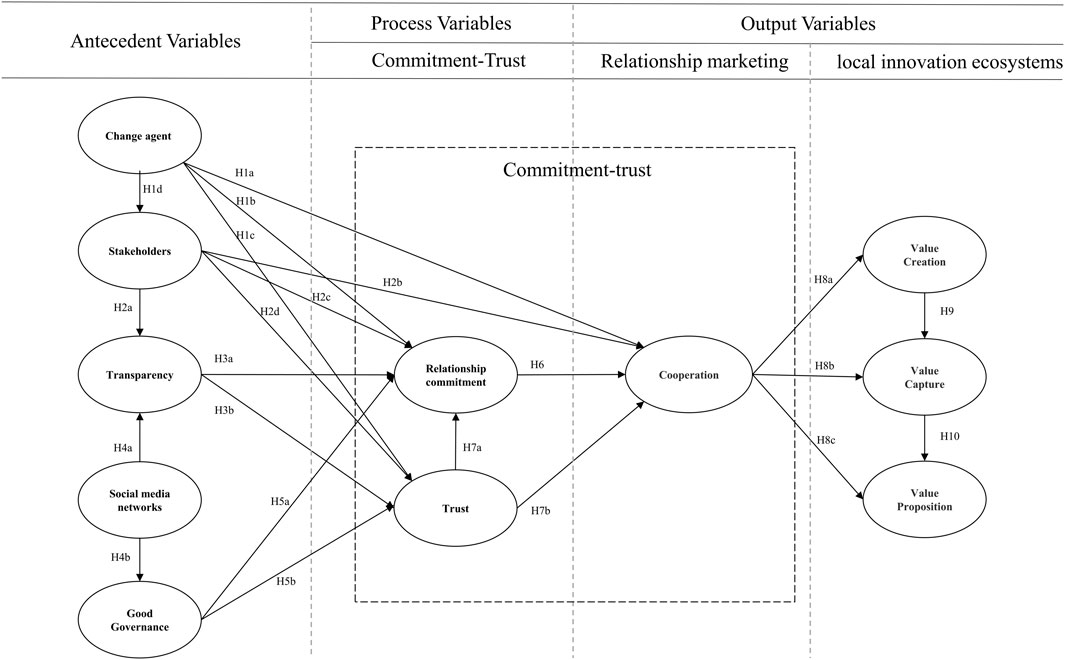
FIGURE 4. Proposed research model: A community sustainability ecosystem model.
This study will test 22 hypotheses to address the challenges outlined in the research question by analyzing five aspects derived from the review of the literature: change agent, stakeholder, transparency, social networking, and good governance, utilizing an integrated model with CTT and a sustainable business model as the two main theories. As a result, we anticipate developing a sustainable community and local sustainability business model for the current local community enterprises, which will deliver greater service and faster responses. This concept proposes an innovative and sustainable business model for local community-based enterprises that can be reviewed by all stakeholders for transparency using a well-managed and regulated trust information management system. Also, an overview of the formulation used to suggest a new research model is presented, along with comparisons to earlier work (see Table 2).
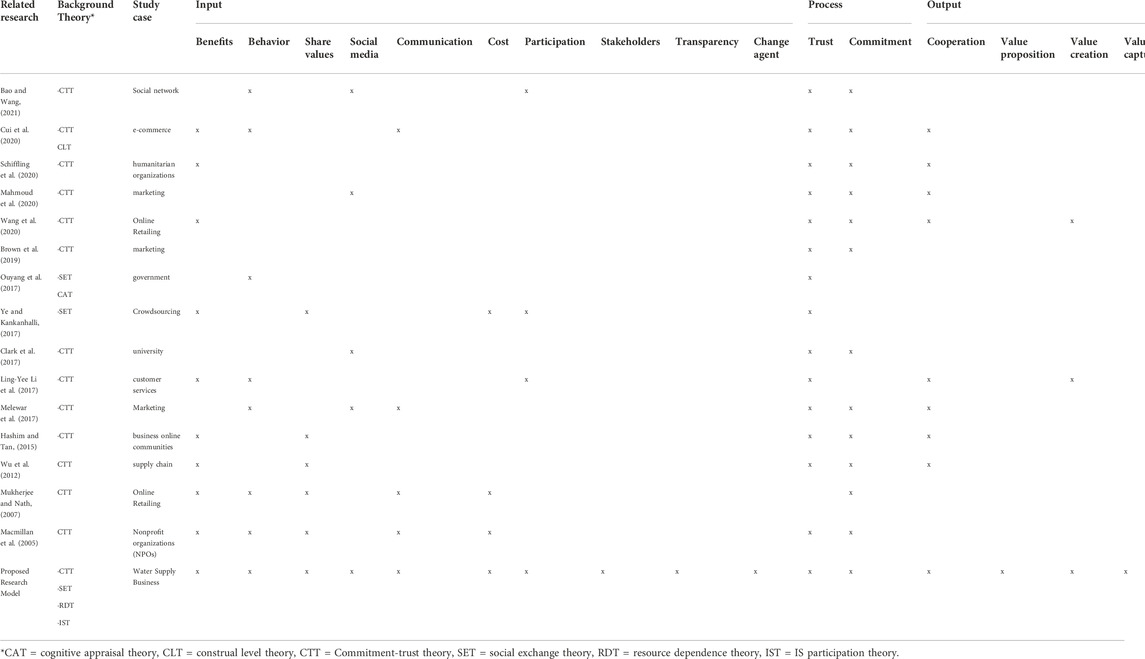
TABLE 2. A review of the literature of relevant articles compared to the proposed research model.
3.1 Hypotheses
In this study, the model is separated into three major components: input, process, and output. To begin with, input is defined as any factor that contributes to the concept of “trust and commitment.” Change agents (CA), stakeholders (ST), transparency (TP), social media networks (SO), and good governance (GV) are five antecedent variables. Second, the procedure is defined in accordance with the trust-commitment paradigm. There are two variables: relationship commitment (RC) and trust (TR). Finally, output is defined as the factors that support the relationship between marketing and the local sustainability ecosystem. This definition is based on the commitment-trust theory of relationship marketing and research on business models capable of supporting the sustainability business model mentioned in Chapter 2. Four output variables are available: cooperation (CO), value creation (VCR), value capture (VCA), and value proposition (VP). In summary, Figure 3 shows the model along with theories about their relationships.
3.1.1 Change agent
The change agent is a variable in the IS participation theory that contributes to the success of the system (Markus and Mao, 2004). Regardless of its size, every organization requires at least one change agent. (Wiering et al., 2018) defines a change agent as someone who possesses the capability and authority necessary to initiate, facilitate, and coordinate a change initiative. Internal workers or external agencies may designate change agents. The change agent is the one who organizes the participation of all users to ensure the success of the system or the project. Change agents are those who play a critical role in the establishment and implementation of opportunities for stakeholders to participate. They could decide who is eligible to participate and how participation is conducted. Thus, we have the following hypotheses:
CA:
o H1a, H1b, and H1c have positive effects on trust, commitment to relationships, and cooperation, respectively.
o H1d has positive effects on stakeholders.
3.1.2 Stakeholders or participants
According to stakeholders or participants, an actor’s influence in a network is contingent upon the other players' reliance on the resources they control (Hein et al., 2017). Also, stakeholders are a variable in the IS participation theory that adds to the system’s success. Participants are subgroups of stakeholders who are given the opportunity to contribute to the solution’s development and/or execution. Stakeholders and participants may differ in a variety of ways. Furthermore, selecting acceptable members from the composition of the participating group can be challenging. (Markus and Mao, 2004) may be a correlation between the success of solution development and solution execution. Additionally, stakeholders are critical success factors because they generate significant new knowledge and insights about stakeholder circumstances, restrictions, and possibilities. Thus, we have the following hypotheses:
ST:
o H2a has positive effects on transparency.
o H2b, H2c, and H2d have positive effects on trust, commitment to the relationship, and cooperation, respectively.
3.1.3 Transparency
Based on a literature review, it was found that a significant issue in the management of the water supply business is ethics, where social and legal issues are inextricably tied to ethical issues. To discover a solution to this issue (Lockwood, 2010), we found several papers that suggest integrating transparency, good governance, and social media (Bertot et al., 2012) into the management process can assist in overcoming ethical challenges and gaining more trust. According to an interesting study (Norman et al., 2010), a leader’s optimism and transparency influenced followers' perceptions of trust and assessments of the leader’s efficacy. Numerous beneficial correlations between transparency and trust have been identified to increase trust in a leader or organization and demonstrate that good government can resolve ethical difficulties such as this one. As a result, the study considers transparency to be critical. We, thus, have the following hypotheses:
TP:
o H3a, H3b have positive effects on relationship commitment and trust.
3.1.4 Social media networks
A social network can be defined as a series of relationships between individuals, objects, and events; Different networks can be formed using the same elements due to various relationship types. (Sykes et al., 2009) A business implements an information technology system; network centrality is a critical component. Individuals residing in the network center can direct the flow of resources and associated knowledge. Furthermore, in various studies (Tsai and Kang, 2019), social exchange is used to describe how social networks work in exchange for social advantages and community support. More crucially, several positive links were discovered between the commitment-trust theory and the Social Exchange Theory for co-creating brand value in the social commerce community. Businesses are increasingly using social media to promote their products and services. As a result, social networks are considered relevant for the study. Hence, we set the following hypotheses:
SO:
o H4a and H4b have positive effects on transparency and good governance.
3.1.5 Good governance
Governance entails the appointment, accountability, and removal of government officials; the safeguarding of individual rights; and the government’s capacity to formulate and implement policies. There is no such thing as universally sound governance, nor is there a one-size-fits-all solution. These are indicators: involvement, compliance with the law, accountability, transparency, responsiveness, and openness. Citizen participation in government selection is a crucial component of democracy. Participation, as defined by (Woods and Narlikar, 2001), is good governance that necessitates a vital signal. The findings established a direct and indirect causal link between outstanding governance practices and public trust in government. As a result, the following possibilities are proposed:
GV:
o H5a, H5b have positive effects on relationship commitment and trust.
3.1.6 Relationship commitment
Relationship commitment: trust not only does trust directly affect the quality of relationships, but it also has an indirect effect on relationship quality through relationship commitment (Morgan and Hunt, 1994). Commitment to a relationship refers to an individual’s or organization’s ongoing desire to sustain a beneficial exchange relationship (Park et al., 2012). Commitment to a relationship occurs when an exchange partner believes that a continuing relationship is so vital that it requires the greatest effort or investment to continue (Hoppner et al., 2015). Therefore, the hypotheses are stated as follows:
RC:
o H6 have positive effects on cooperation.
3.1.7 Trust
According to the theory and literature, trust is critical for effective long-term partnerships. Additionally, (Moorman et al., 1992) has been linked to other desirable characteristics such as consistency, competence, honesty, justice, accountability, helpfulness, and compassion. Individuals and institutions (eg., colleges) that exhibit these characteristics are more likely to be seen as trustworthy. This results in the establishment of stronger interpersonal links, an increased possibility of reciprocal “good faith” conduct, and, ultimately, a better likelihood of developing high-quality relationships. According to (Ouyang et al., 2017) has studied how trust in the government encapsulates their support. Emotional attachment to an event affects your actions, attitudes, and support. Social exchange theory and related research describe how benefits, costs, and trust influence the participation of solvers. Numerous studies have established a connection between the theory of social exchange, participation, and trust. Hereby, the following hypothesis is stated:
TR:
o H7a have positive effects on relationship commitment.
o H7b has positive effects on cooperation.
3.1.8 Cooperation
Cooperation, like the commitment and trust variables discussed above, is based on the same fundamental theory: commitment-trust theory and literature. Cooperation is advantageous in that it has several advantages (Moorman et al., 1992). It can boost performance by encouraging collaboration, on the one hand, and forcing its organizations to engage in competitive interactions, on the other. As a result, (Le Roy and Czakon, 2016) pursuing a competitive strategy, can reap the benefits of both collaborative and competitive interactions. The scope of collaboration has been defined. Since its introduction (Bengtsson and Kock, 2014) has been modified and expanded from a dyadic perspective to encompass many things. It identifies three reasons for enterprises to collaborate: expanding the size of the market or developing a new one; improving resource usage efficiency; and improving the firms' competitive positions. As a result, studies (Schiffling et al., 2020) studies emphasize the strategic benefits of cooperation. Cooperation is enhanced by rapid trust and distrust. So, the following hypotheses are presented:
CO:
o H8a, H8b, and H8c have positive effects on value creation, value capture, and value proposition.
3.1.9 Value proposition, value capture, value creation and delivery
The sustainability of the business model is compatible with local sustainability ecosystems. Combined with transformational and transactional leadership, it can help foster general openness and strategic stability, bridging the border with customers, and codeveloping new goods. The strategy is centered on sustainability with transformational and transactional leadership. Additionally, (Maria Stock et al., 2017) explained that resource dependence and social exchange theories explain how varying levels of resource reliance drive organizations to form networks and modify their business models to achieve sustainability. Furthermore, (Kim and Park, 2017) has details on how employee work involvement is critical to improving human performance and organizational sustainability. So, the following hypotheses are presented:
VCR:
o H9 have positive effects on value capture.
VCA:
o H10 have positive effects on value proposition.
3.2 Research methodology
3.2.1 Analysis and synthesis
The first and second sections examined the analysis of the problem, the research questions, the objectives, and the literature review. In addition to the conceptual model synthesis discussed in Section 3, a community sustainability ecosystem model is proposed by formulating and comparing related research publications to identify the gaps between variables and background theory. Figure 5 shows flowcharts of research methodology processes as follows.
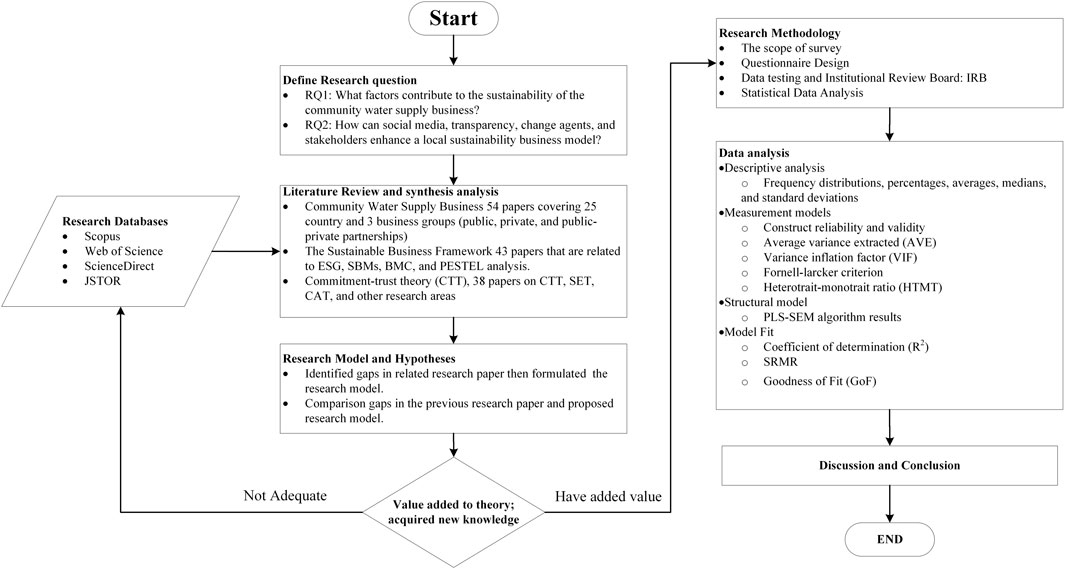
FIGURE 5. Flowcharts of research methodology processes.
3.2.2 The scope of survey
Selection of target audience and study area: Na Thon Subdistrict, That Phanom District, Nakhon Phanom Province, Thailand.
According to the report on population statistics for 2021, Nakhon Phanom Province had a population-to-approximately 80% ratio of people using the community water supply, and from the Nakhon Phanom Province development plan, Phanom District was identified as having problems with the quality of water used for household consumption, including inefficient water management. particularly in Na Thon Subdistrict (2,584 houses), which is located beyond the Provincial Waterworks' service area. Each household consumes water from the community water supply system (100%). A simple random sampling approach was adopted for this study based on the sampling ratio of 14 villages (every village in Na Thon Subdistrict was sampled), which was generated from the sample size calculation of all samples who had lived in the study region for at least 12 months. The questionnaire (see Supplementary Information) was used to collect data from participants who volunteered to collect it and asked each family to send it in the return box that was installed in a convenient location for everyone in the village, such as the village multipurpose building. The sampling size was determined using the Taro Yamane formula, which computed the number of samples from a total of 2,584 households and the allowed error value, e =.05. The calculation determined that the sample size should be 347 samples and the dropout allowance should be 20% without replacement. As a result, a sample size of at least 417 samples is required. By compiling questionnaires and verifying the completeness of all 627 samples used in this study.
3.2.3 Questionnaire design
In this study, the relevance was analyzed into 11 constructs, and then 33 questions were selected from those structures to be included in the questionnaire. All data subjects gave their consent to data collection and experimentation. The questionnaire, which can be found in the Supplemental Information section, was used to collect data from those who had shown an interest in participating. To determine the necessary number of samples, the Taro-Yamane formula was used. It included 2,584 households with an acceptable margin of error of.05. According to estimates, the sample size should have been 347 respondents, which is what was required to collect this research. However, thanks to the incredible participation of communities, we received 627 respondents, which is 180% of the requirement’s sample size. This provided sufficient data to proceed to the next level, where the model and the research hypothesis will be evaluated. The quantitative evidence supports the hypotheses that the research model proposes. The following questions will be included in the following sections: It is necessary to enter information on the individual’s gender, age (in years), level of education, and the amount of time they use the community water supply. A look at the factors that influence the level of community cooperation in prosperous areas. The degree to which communities are able to work together effectively is directly proportional to the degree to which they can do so.
3.2.4 Data testing and institutional review board
In addition, after undergoing pilot tests and further modification, the questionnaire was published in 1,000 copies and sent to the mailboxes of all households with even numbers. Participants were instructed to return completed documents to a return box that was placed in a position that was convenient for them, such as the multipurpose building in the village. This process ensured that the questionnaire had enough participants and data reliability for further studies. Furthermore, the sample size of each resident in the study zone was counted, and that number was used to calculate the sampling ratio for each community included in the investigation. 627 respondents filled out the questionnaire for this research. All completed questionnaires underwent a thorough inspection to ensure everything was accurate. In the questionnaire document, the researcher describes the conditions for data collection and destruction, of which participants were informed and gave consent to collect data for research. Given these points, consent documentation was provided through questionnaires, and all questions included in the research protocol were revised and approved by the IRB. This study was classified as low risk and was exempted from the Mahidol University central institutional review board (COE No. MU-CIRB 2021/249.2709), which can be found in the Supplementary Materials section, because it did not record information that could easily identify the subject (direct or indirect/linked).
3.2.5 Statistical data analysis
Data The results of the questionnaire were imported and cleaned up in preparation for the structural equation modeling (SEM) analysis that was to follow. It will be used to perform partial least squares structural equation modeling (PLS-SEM) using SmartPLS 3.3.0 software (Ringle et al., 2015), which will include the measurement model, the fit of the structural model, and the model (Sitar-Taut, 2021). The last part of the study involves the examination of descriptive and inferential statistical analysis, which will be examined and discussed in the discussion section. This step follows the collecting, processing, and analysis of questionnaire data, which was the previous step. After that, the data will be easier to understand and more specific. In order to evaluate the study model and questionnaire for their reliability and validity, we are using SmartPLS to analyze some of the least square data sets that we have collected. In particular, this methodology was chosen for this investigation because it is an element-based statistical tool for the creation of causal models and has the potential to be applied to the study issues that are now being considered (Tenenhaus et al., 2005). PLS is a method of modeling structural equations that saves time and effort by evaluating measurement data and structural models in a single phase of analysis with the same result as (Phaosathianphan and Leelasantitham, 2019; Phaosathianphan and Leelasantitham, 2021). PLS is also known as the partial least-squares method. We decided to use PLS rather than covariance-based SEM techniques such as LISREL because it not only requires a smaller sample size and indicator distribution, but also produces more accurate estimates (Hair et al., 2021). To investigate the reliability and validity, a method of iterative data analysis consisting of two stages is used. In the first step of the process, the reliability and validity of the measurement model are investigated and analyzed. After that, the structural model is examined to see whether it is capable of representing a hypothetical relationship in as accurate a manner as is practicable.
4 Results
To analyze the study model and questionnaire’s reliability and validity. SmartPLS is being used to evaluate some of the collected least square data sets. This method was chosen for this investigation because it is an element-based statistical tool for generating causal models that are applicable to research issues. The PLS is a technique for structural equation modeling that analyzes both measurement and structural models simultaneously in a single step. We choose PLS over covariance-based SEM techniques such as LISREL because it requires a smaller sample size and indicator distribution and is more accurate. A two-step data analysis procedure is used, with the first stage assessing the measurement model to determine the measurement’s reliability and validity. Then the structural model is examined for its ability to approximate a hypothetical relationship.
4.1 Descriptive analysis
The demographic profile of 627 community water supply users is shown in Table 3. At the same time, men had 42.9%, while women had 57.1%. Subsequently, it was discovered that respondents were more likely to be 41–50 years old, 29.8%, followed by 30–40 years old, 29.0%, over 50 years old, at 25.0%, and 18–30 years old, at 16.1%. When the level of education was considered, it was discovered that most of the sample group, 71.1%, had less than a bachelor’s degree. This was followed by a group with a bachelor’s degree (23.6%) and a higher education group (5.3%). Finally, when the findings of the survey of community water supply users were analyzed in terms of years of usage, it was discovered that the group with the highest rate, at 60.9%, was those who had used community water for more than 15 years. The group that had used community water for 5–10 years had the highest rate (20.4%), followed by the group that had used community water for 11–15 years (20.4%), and finally, the group that had used community water for less than 5 years (6.1%). By and large, the sample of respondents to this questionnaire consisted of individuals who had first-hand experience with communal water delivery. Most community water users have experience with community water supply during a 5-year period. These 627 people made up 93.9% of the total sample. When considering the age, it was discovered that around 83.8% of the respondents were above the age of 30, with an average male and female response rate of 42.9 and 57.1%, respectively. Thus, the data used in this research study is from a group that has lived in the area for an extended period and has used community water since birth, with appropriate distribution within each group for further study of the relationship between various factors affecting community water supply.
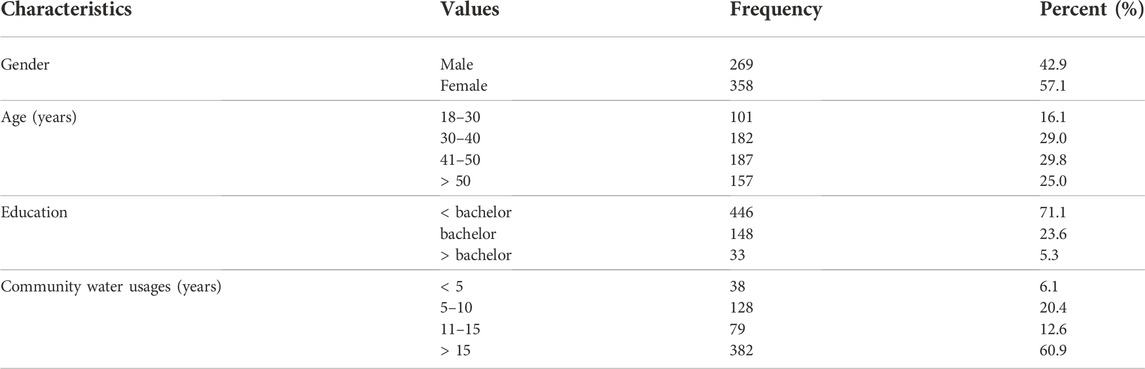
TABLE 3. Demographic data of main testing respondents, Total (N = 627).
4.2 Measurement models
According to the methodology of (Hair et al., 2021), we obtained Cronbach’s Alpha scores of between 0.778 and 0.820 during the evaluation of the suggested study model, which is above the acceptable threshold of 0.7. Internal consistency testing results for the model were examined for Composite Reliability (CR), which resulted in a score of 0.869–0.893, which is acceptable because it is above the criteria of 0.70. The extracted average variance (AVE) should have a convergence validity greater than 0.50, and the model results produced AVE values between 0.690 and 0.737. Specifics are contained in Table 4. Additionally, Table 5 shows the validity and reliability of the answers acquired from question items, such as the median, mean, standard deviation, loading, and variance inflation factor (VIF), among other things. All the questions are open-ended and there are 33 of them in total. The questions for general information on the responders and the questions for the proposed model are presented in two sections. A Cronbach’s alpha value of better than 0.7 is also required for a score to be considered acceptable. As a result of Cronbach’s alpha of 0.970, it was found that the questionnaire’s reliability and validity could be verified as follows: The standard deviations are between 0.724 and 1.310, with a range from 3.53 to 4.13 as the median. This table shows that scores ranging between 0.768 and 0.884 for factor loading are above the allowed threshold of 0.70. Outside VIF scores for items that should be less than 5.00 for a threshold of 2.000–4.000 should be less than 5.00. Table 5 shows that their VIF ratings by items are less than 5. Thus, the fact that all predictive factors have an association coefficient of less than five explains why these factors are all acceptable. Thus, none of the variables used to make predictions in this study were multicollinear.
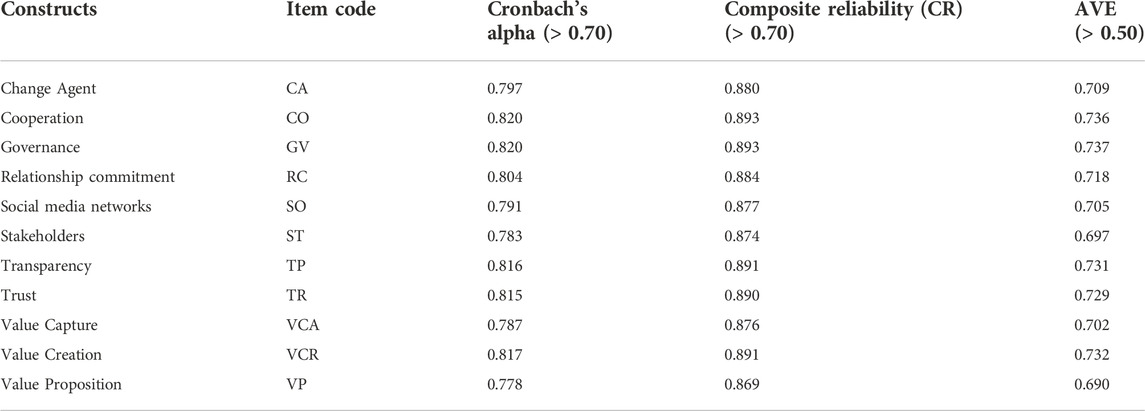
TABLE 4. Build reliability and validity.
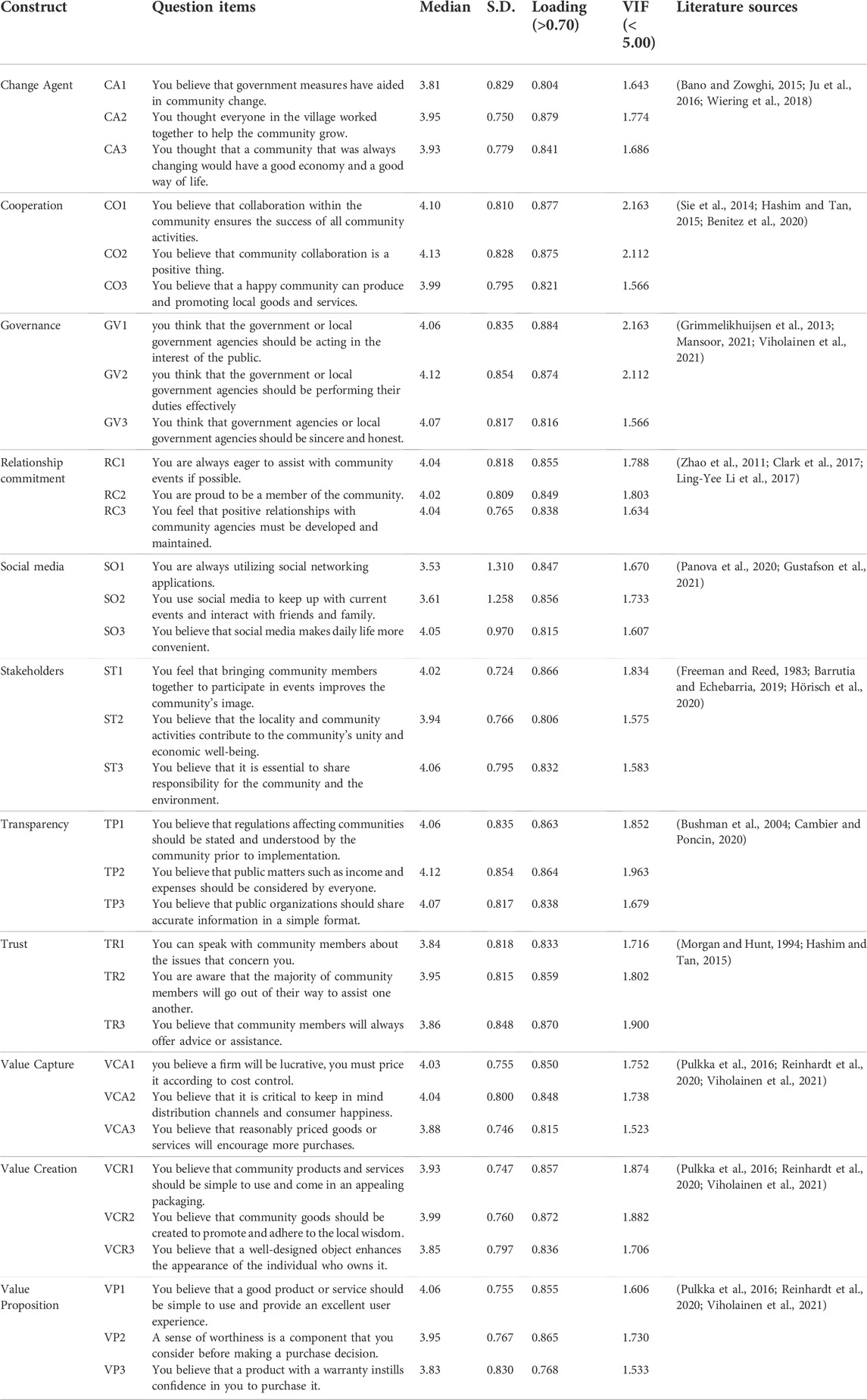
TABLE 5. The reliability and validity of the results.
Furthermore, we evaluated the discriminant validity of the model using (Fornell and Larcker, 1981). Each diagonal value in each construct will be more than the sum of the column values, with a requirement of no less than 0.70. For example, the square root of AVE equals 0.709 in Change Agent (CA), which is higher than the correlation of the other constructs, which ranged between 0.401 and 0.501. As a result, the research model qualifies as a model. Table 6 summarizes the Fornell-Larcker criterion’s findings. Additionally, discriminant validity testing has become a widely acknowledged criterion for studying latent variable relationships. The Fornell-Larcker criterion and cross-loading analysis are two of the most frequently used methodologies for establishing discriminant validity. In addition, we offer an alternative strategy based on the multi-trait multi-method matrix, sometimes referred to as the “Heterotrait-Monotrait ratio (HTMT)" in Table 7. The term “HTMT” refers to the sum of all indicators' cross-variable correlations. As proposed by (Henseler et al., 2015), a value of less than 0.85 should be established for HTMT. All requirements are met according to the readings of Tables 4–7, verifying the validity of the discriminant.
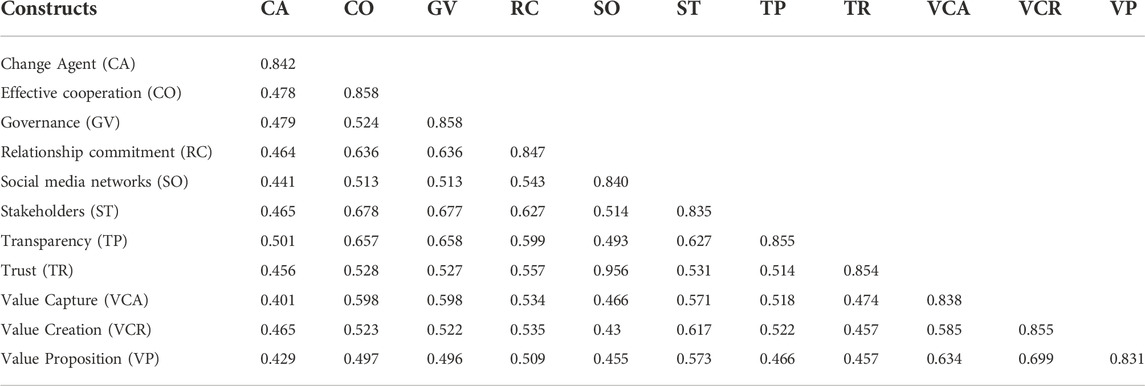
TABLE 6. Fornell-Larcker criterion.
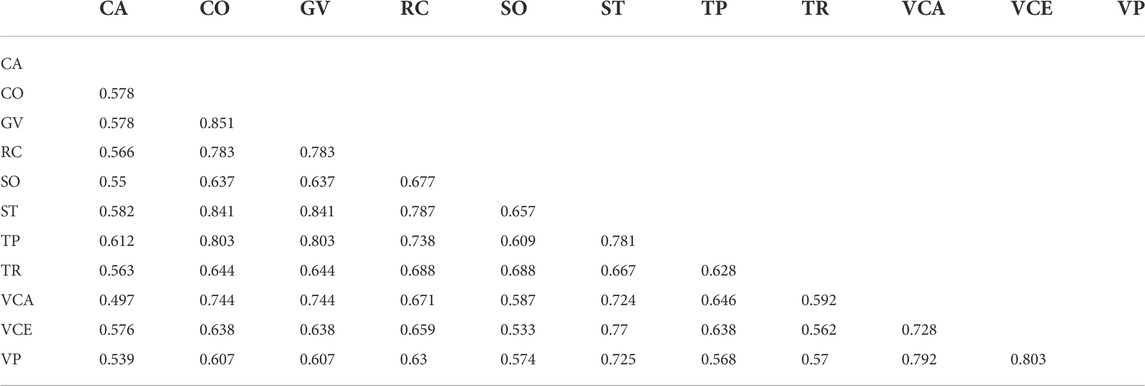
TABLE 7. Heterotrait-Monotrait ratio (HTMT).
4.3 Structural model
After obtaining acceptable results from the prior evaluation, we used SmartPLS 3.3.0 to undertake hypothesis testing and goodness of fit (GoF). In this section, we test the hypotheses underlying the suggested research model discussed in Section 3.2. We used a bootstrapping approach to 5,000 as suggested by (Hair et al., 2019) resamples with a significance level of 0.05 for the Path coefficient, t-value and p-value. Acceptance conditions for the path coefficient (β) (> 0.10), t-value (> 1.96), and p-value (<0.05) are respectively. As a result, the findings indicate that only H1b is rejected, and all remaining hypotheses have been accepted. H1a, H1c, H1d, H3a, H3b, H6a, H6b, H7a, H7b, H8a, H8b, H8c, H9, H10, H11a, H11b, and H11c. Table 8 summarizes the findings, and Figure 6 depicts the model’s output with an indication of hypothesis testing from the SmartPLS application. In terms of model fit, we received a goodness-of-fit (GOF) score of 0.531.
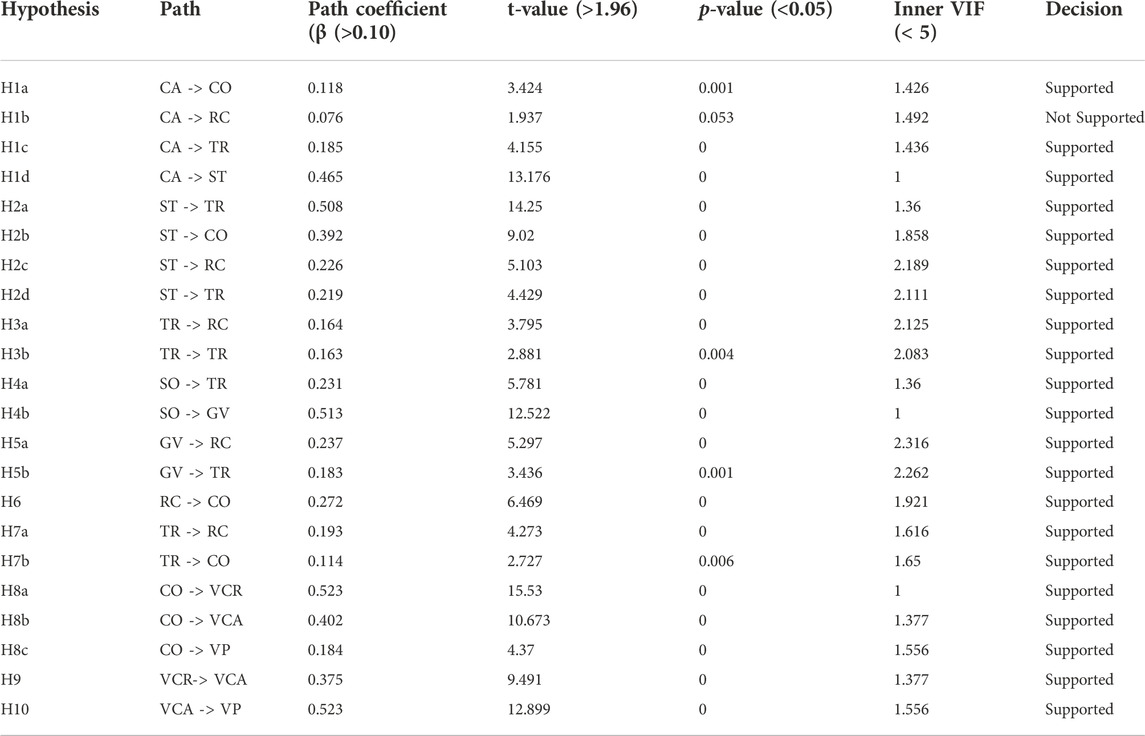
TABLE 8. Structural model results.
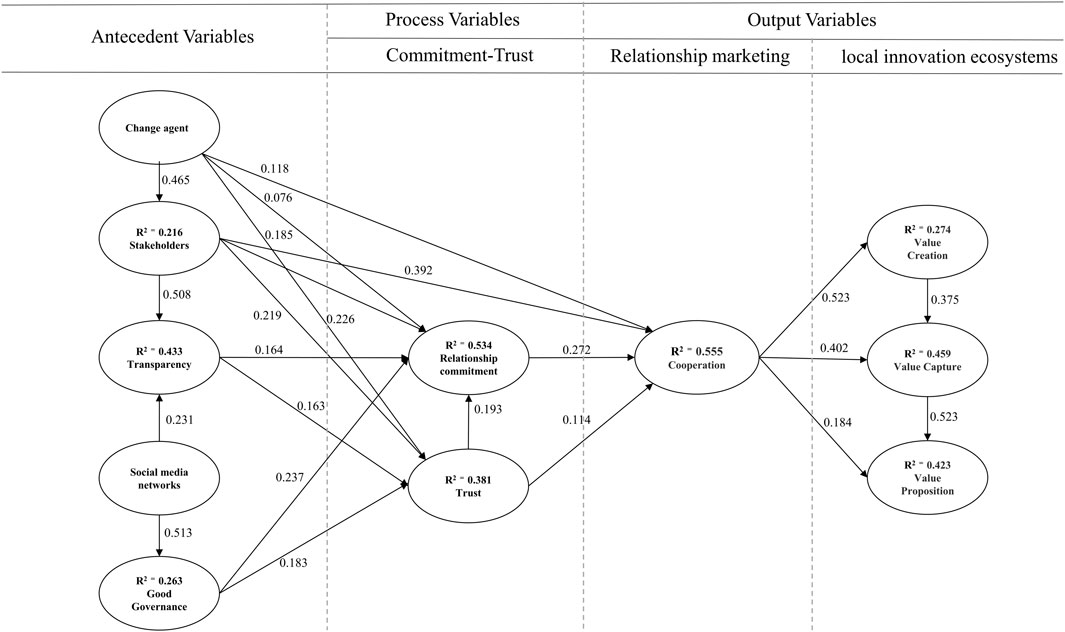
FIGURE 6. PLS algorithm results.
4.4 Model fit
The findings of each construct included in the proposed model have been presented. The findings of the structural model using SmartPLS have been examined in this part, utilizing data from all constructions of the proposed model, as shown in Figure 6. The results of the structural model using SmartPLS are presented in Table 8. In a research model, the model fit is comprised of the following three components: First, the coefficient of determination (R2) is unacceptable when it is less than 0.19, poor when it is between 0.19 and 0.33, moderate when it is between 0.33 and 0.67, and excellent when it is greater than 0.67. All components have a moderate impact: ST, TP, GV, RC, TR, CO, VCA, VCR, and VP are around 0.216, 0.433, 0.263, 0.534, 0.381, 0.555, 0.274, 0.459, and 0.423. Second, standardized root refers to square residual (SRMR), and it should not be greater than 0.080 in order to be considered normalized. This results in an acceptable value of 0.065 for the calculation result. Goodness of Fit (GoF) is a measure of how well a model fits its data. As shown in (1), it can be classified as low (less than 0.10), small (between 0.10 and 0.25), moderate (0.25–0.36) or high (more than 0.36), depending on this output. This results in a high level of GoF, which is 0.531. The result of GoF can be determined using the Eq. 1 provided below.
5 Discussion
According to the results, this section will elaborate on comparisons between a proposed research model and prior research work, as well as their implications for theories and practice.
5.1 Analyzed results
It becomes clear that the five antecedent variables—change agent (CA), stakeholders (ST), transparency (TP), social media network (SO), and good governance (GV)—all have major consequences for connections that foster commitment and trust and rely on cooperation. As a result, cooperation grows with a power predictive value (R2) of 0.555 and can reach as high as 55%. However, one hypothesis that is inconsistent with the PLS analysis finding is that the change agent does not directly affect relation commitment but rather directly affects trust, which then affects relation commitment again. Based on the analysis and in-depth interviews, it is possible to conclude that the bureaucratic model was created by the community with the experience of government officials who are unimpressed in a variety of ways. Because the bureaucratic work process is connected to the main process, delaying service, the bureaucratic model’s advantages are the same certainty and standard of work, making it suitable for large organizational structures. However, there is a disadvantage: management is delayed. When the community raises concerns about the community’s interests, the government’s reaction is delayed because the proposal must go through numerous phases to take those concerns into account. An option for dealing with bureaucratic problems is decentralization (Brinker and Satchwell, 2020) a model of stakeholder management that has been found to improve the effectiveness and efficiency of institutional restructuring efforts. Each idea emphasizes that decentralization entails the formation of elected groups in which various stakeholders participate in decision-making and that organizations are capable of setting their own goals and objectives (Chen and Bellavitis, 2020). Prospects for increasing and sustaining user (change agents) and stakeholder participation in decision-making, as well as tailoring management arrangements to the time-and-place specificities of specific resources and leveraging local knowledge, are all predicated on the prospect of increasing and sustaining user (change agents) and stakeholder participation in decision-making. Decentralization is a process that combines user (change agents) and stakeholder action, ranging from internal management to the development of a decentralized organization capable of meeting customer expectations for products and services. Due to the fact that it enables all companies to compete autonomously by setting business goals to maintain the quality of their products and services, the decentralized business model is now under fire, as demonstrated in this study. In addition, social networking is a crucial factor in promoting efficient decentralized management. Good governance and openness in government happen when people have faith in each other. This helps to prevent people from being corrupted by the government.
5.2 Comparison between a proposed conceptual model and prior work
According to the analysis of the 22 hypotheses, trust, commitment to relationships, and cooperation have a positive effect on each other. This supports the proposed Community Sustainability Ecosystem Modeling. First, there are three new antecedent variables in this study: stakeholders (ST), transparency (TR), and change agents (CA). This is the first time that this concept has been argued on the basis of the commitment-trust theory (CTT). Thus, the study by (Clark et al., 2017; Brown et al., 2019; Schiffling et al., 2020; Wang et al., 2020) leaves many questions unanswered. Due to the study of structural relationships, it was found that stakeholders (ST), transparency (TP) and change agents (CA) are all variables that help build commitment and trust, leading to cooperation (CO) and support for the sustainability business ecosystem. These variables should be looked at more at the conceptual framework level (VCA, VCR, VP). Second, unlike earlier findings of (Baldassarre et al., 2017; Evans et al., 2017; Ritala et al., 2018), these results suggest that in some antecedent variables that have been previously identified in other study areas but have never been identified in the areas of baseness of the community water supply, were social networking, participation, and cooperation, all of which were verified as positive in this study. In addition, all expressed a favorable attitude towards variable factors. Furthermore, these results differ slightly from those reported by (Tortajada et al., 2019; Ahmadov, 2020) was examined, and the argument presented in this study was examined in a previously unstudied location. Additionally, there is a community sustainability ecosystem model for community water supply business that has produced positive research results that create commitment (RC) and trust (TR)Similar results were obtained in the experiment by (Sukma and Leelasantitham, 2022a; Sukma and Leelasantitham, 2022b; Sukma and Leelasantitham, 2022c), which results in cooperation (CO) and promotes the sustainability business ecosystem, which is worth additional investigation at the conceptual framework level. Last but not least, the dependent variables, value capture (VCA) and value proposition (VP), which comprise two-thirds of the conceptual business model framework, are two novel dependent variables that have not been explored previously using the CTT but have been evaluated and argued in this study. However, only one variable, Value Creation (VCR), has previously been examined in the contexts of online retailing (Wang et al., 2020) and customer service (Ling-Yee Li et al., 2017). Thus, this study explores the three components of the interaction between the conceptual business model framework (VCA, VCR, and VP). The findings are consistent with the concept that cooperation (CO) immediately benefits the three factors of value creation (VCR), value capture (VCA), and value proposition (VP). Additionally, it demonstrates the critical relationship between these three dependent variables: value creation is an activity that involves creating and delivering adequate value to target customers. It is very important that this encourages value capture (VCA), which is the ability to store value that a company makes. This then improves the value proposition (VP), which is the value that a business gives to a customer when it has a product or service that is similar to or very different from that of its competitors.
Finally, this research can be described at the outset by examining the antecedent variables, both those previously studied and new antecedent variables that must be included at the moment, such as stakeholders (ST), transparency (TP), and change agents (CA), as well as the links between value creation (VCR), value capture (VCA), and value proposition (VP) that contribute to the development of a more complete local suitability ecosystem in order to establish a model for community water supply business management or in community-based enterprises to achieve more success than has been reported in previous research.
5.3 Theoretical and practical implications
This research study broadens the scope of the investigation and clarifies the relationships between the many input factors. In the debate, relying on theories is utilized to determine the outcomes that result in noteworthy findings and new knowledge for future research projects.
At present, theoretical perception has two objectives: First, this research aimed to enhance the original commitment-trust theory by examining the relationship between accepted variables related to the origin, commitment and output of trust. The commitment-trust theory explains what happens when individuals cooperate. This study found that new information about collaboration is a new factor that helps to form relationships between value creation, value capture, and value proposition in local sustainability ecosystems. This creates a new conceptual model and framework for local sustainability ecosystems. Second, this research aims to generate new knowledge and conclusions based on the arguments found in the review of relevant research literature by introducing theoretically correlated variables that are likely to be promoted in order to integrate knowledge from the other three related theories: traditional IS participation theory, Resource Dependence Theory (RDT), and Social Exchange Theory (SET). This study contributes new knowledge about the conceptual model for managing community businesses in local sustainability ecosystems that can explain and demonstrate their link using internationally approved advanced statistical procedures.
Then, based on practical perception, this research study offers actionable insights to a vital audience of business owners. In addition, it can be used in new business cases where organizations are looking for a framework that can be quickly followed and that minimizes the risk of making mistakes on their own. The three goals are as follows: First, this research study introduces a community sustainability ecosystem with a novel approach to community water supply businesses that is also effective in managing the general organization and can be applied to the work of most companies that not only run community water supply businesses, but also adapt to any monopoly industry to transform and encourage any local enterprises to be more successful. In addition, the work process that deals with these issues can be done quickly and efficiently for the benefit of the organization. Second, this study gives models and frameworks appropriate for the current corporate environment, which is rapidly evolving in terms of social context, emphasizing the critical nature of hearing diverse perspectives. The agency’s openness to participation from all parties involved in implementing a new management approach that is consistent with the current context in which critical factors such as transparency, social media, and good governance are factors that must be accepted today as having a significant impact on the products and services of every organization, as well as the organization’s image. To remain competitive, all organizations, public and private, must adapt. Within this framework, new entrepreneurs or current business units can be immediately deployed to mitigate the risk of business failure. According to research, agency inputs must be prioritized without resorting to trial and error, saving significant time and mitigating business risks. It's important for businesses and organizations to pay attention to changemakers, stakeholders, transparency, social networking, and good governance. All of these things help goods and services last for a long time. Third, this conceptual model applies to various industries, not just community water businesses. It can be used for any industry that requires long-term sustainability business, such as community electricity and trash collection. Additionally, it can be utilized to launch a new business with a decentralized business strategy in order to disrupt the established monopoly business model. Every business must examine and select which challenges to prioritize in today’s business management. This is because participation is critical to the acceptance and long-term growth of a product or service.
5.4 Limitations and further directions
The purpose of this study is to analyze all relevant components for proposing and building a community sustainability ecosystem model that promotes local business sustainability through participation by identifying key characteristics that promote sustainable business prospects. During the COVID-19 pandemic, most of this study was conducted remotely by volunteers representing each hamlet. Therefore, researchers cannot independently evaluate the study site to complete the research process. Future research may incorporate three-stage follow-up surveys to establish a causal relationship between variables. This research uses a simple random sample technique and focuses particularly on locations where a large number of people have experience with community water service. Therefore, additional research can expand the scope of future studies by collecting samples from different locations or interviewing a larger number of urban water consumers, leading to more convincing study results. Furthermore, the research area for future studies should be as expansive as feasible, which can be accomplished by performing additional qualitative research in diverse study zones and in-depth interviews. In addition, the statistics and methods used in this inquiry were selected based on the objectives of the study and the results of pertinent literature reviews. To transform this study into a practical framework, researchers must create a conceptual framework and enhance it using the appropriate methods.
6 Conclusion
This study used a PLS structural equation model to evaluate field data, including 627 community water customers from 14 villages. Consistent This research tries to enhance the original commitment-trust theory by using a sustainable business model argument and five additional variables obtained from a literature review synthesis: change agents, stakeholders, transparency, social networking, and good governance. This study examined the link between accepted characteristics related to the origin of trust, commitment, and output in an effort to strengthen the original commitment-trust hypothesis, as shown by the results. The CTT describes what happens when people collaborate. The findings of this research indicate that fresh knowledge regarding cooperation is a component that contributes to the construction of links between value creation, value capture, and value proposition in local sustainability ecosystems. This study aims to find new information and come to new conclusions by adding factors that are related to the other three theories and are likely to be encouraged. These factors are ISPT, RDT, and SET.
In addition, this study revises and maintains the theory current in light of the ever-changing nature of the contemporary environment by including crucial factors such as change agents, stakeholders, transparency, social media, and good governance. This research provides models and frameworks suitable for the contemporary business environment, which is rapidly changing in terms of social context and highlights the need to hear varied viewpoints. Openness of the agency to participation from all parties involved in implementing a new management approach that is consistent with the current context, in which important factors such as transparency, social media, and good governance must be viewed as having a significant impact on the products and services of every organization, as well as its reputation. The research creates a community sustainability ecosystem that takes a new approach to community water supply businesses. This approach is also good at managing the organization as a whole, and it can be used by most companies that not only run community water supply businesses but also change any monopoly industry to help local businesses do better.
Moreover, this research provides a conceptual model that may be used as a guide for establishing a social network-driven organization that drives work while enabling people to participate in it and monitor its success. This is because an organization or agency effort will result in improved services when each step can be verified. In addition, the conceptual model outlined in this document will assist the organization in developing a comprehensive plan for digital services that provides users with easy access to support information and services that are relevant to their jobs and daily lives, can be accessed from anywhere, and emphasizes the equality of all genders, ages, and educational levels participating in the social network system used in public administration to improve efficiency and customer satisfaction. Moreover, e-Services is a new kind of digital administration that uses computer technology and communication networks to enhance the efficiency of operations and the quality of services delivered to individuals. In addition, the goal of e-services is to deliver online services and transform the business into a customer-centric one. The organization has made services straightforward and accessible to the population. The organization is well managed using information technology. New technologies are altering the work patterns of employees, and e-services may not be the only choice in the future. Additionally, this report provides company owners with practical information. In addition, it may be used for new business cases in which businesses need a framework that can be followed rapidly and reduces the danger of making errors on their own.
In summary, this study concludes by arguing that social media, transparency, change agents, and stakeholders enhance a local sustainability business model, hence contributing to the sustainability of the community water supply company. This research provides models and frameworks suitable for the contemporary business environment, which is rapidly changing in terms of social context and highlights the need to hear varied viewpoints. The agency’s openness to participation from all parties involved in implementing a new management approach that is consistent with the current context in which critical factors such as transparency, social media, and good governance have a significant impact on the products and services of every organization, as well as the organization’s reputation. To remain competitive, both public and private companies must change. Within this approach, new entrepreneurs or existing business units may be deployed instantly to reduce the chance of company failure. According to studies, agency inputs must be prioritized without trial and error, saving substantial time and reducing business risks. Businesses and organizations must prioritize change agents, stakeholders, transparency, social media, and good governance. All of these factors contribute to the durability of products and services. Future research will focus on developing a conceptual framework for public administration. It is feasible to identify public sector management that blends agile private management with the concept of excellence based on a variety of supporting factors. The most important things for the organization and any public firm are to use current technology to increase the role of the private sector in managing public services and to focus on providing services to people while keeping quality of life, the environment, and society in mind.
Data availability statement
The data analyzed in this study cannot be shared publicly because of the Personal Data Protection Act and is managed by the Institutional Review Board of Mahidol University, which authorized the questionnaire and assigned it the approval number COE No. MU-CIRB 2021/249.2709 only.
Author contributions
NS and AL: Conceived and designed the experiments; Performed the experiments; Analyzed and interpreted the data; Contributed reagents, materials, analysis tools or data; Wrote the paper.
Funding
NS reports administrative support is partially supported by the Faculty of Graduate Studies and Graduate Studies of Mahidol University Alumni Association [Grant Numbers: 6236209, EGIT/D].
Conflict of interest
The authors declare that the research was conducted in the absence of any commercial or financial relationships that could be construed as a potential conflict of interest.
Publisher’s note
All claims expressed in this article are solely those of the authors and do not necessarily represent those of their affiliated organizations, or those of the publisher, the editors and the reviewers. Any product that may be evaluated in this article, or claim that may be made by its manufacturer, is not guaranteed or endorsed by the publisher.
Supplementary material
The Supplementary Material for this article can be found online at: https://www.frontiersin.org/articles/10.3389/fenvs.2022.940955/full#supplementary-material
References
Ahmadov, E. (2020). Water resources management to achieve sustainable development in Azerbaijan. Sustain. Futur. 2, 100030. doi:10.1016/j.sftr.2020.100030
Baldassarre, B., Calabretta, G., Bocken, N. M. P., and Jaskiewicz, T. (2017). Bridging sustainable business model innovation and user-driven innovation: a process for sustainable value proposition design. J. Clean. Prod. 147, 175–186. doi:10.1016/j.jclepro.2017.01.081
Banister, J. M. (2014). Are you wittfogel or against him? geophilosophy, hydro-sociality, and the state. Geoforum 57, 205–214. doi:10.1016/j.geoforum.2013.03.004
Bano, M., and Zowghi, D. (2015). A systematic review on the relationship between user involvement and system success. Inf. Softw. Technol. 58, 148–169. doi:10.1016/j.infsof.2014.06.011
Bao, Z., and Wang, D. (2021). Examining consumer participation on brand microblogs in china: perspectives from elaboration likelihood model, commitment–trust theory and social presence. J. Res. Interact. Mark. 15, 10–29. doi:10.1108/jrim-02-2019-0027
Barrutia, J. M., and Echebarria, C. (2019). Comparing three theories of participation in pro-environmental, collaborative governance networks. J. Environ. Manage. 240, 108–118. doi:10.1016/j.jenvman.2019.03.103
Bengtsson, M., and Kock, S. (2014). Coopetition—quo vadis? past accomplishments and future challenges. Ind. Mark. Manag. 43, 180–188. doi:10.1016/j.indmarman.2014.02.015
Benitez, G. B., Ayala, N. F., and Frank, A. G. (2020). Industry 4.0 innovation ecosystems: an evolutionary perspective on value cocreation. Int. J. Prod. Econ. 228, 107735. doi:10.1016/j.ijpe.2020.107735
Bertot, J. C., Jaeger, P. T., and Grimes, J. M. (2012). Promoting transparency and accountability through ICTs, social media, and collaborative e-government.” in Transforming government: people, process and policy.
Brinker, L., and Satchwell, A. J. (2020). A comparative review of municipal energy business models in germany, california, and great britain: institutional context and forms of energy decentralization. Renew. Sustain. Energy Rev. 119, 109521. doi:10.1016/j.rser.2019.109521
Brown, J. R., Crosno, J. L., and Tong, P. Y. (2019). Is the theory of trust and commitment in marketing relationships incomplete? Ind. Mark. Manag. 77, 155–169. doi:10.1016/j.indmarman.2018.10.005
Bushman, R. M., Piotroski, J. D., and Smith, A. J. (2004). What determines corporate transparency? J. Account. Res. 42, 207–252. doi:10.1111/j.1475-679x.2004.00136.x
Cambier, F., and Poncin, I. (2020). Inferring brand integrity from marketing communications: the effects of brand transparency signals in a consumer empowerment context. J. Bus. Res. 109, 260–270. doi:10.1016/j.jbusres.2019.11.060
Chen, Y., and Bellavitis, C. (2020). Blockchain disruption and decentralized finance: the rise of decentralized business models. J. Bus. Ventur. Insights 13, e00151. doi:10.1016/j.jbvi.2019.e00151
Clark, M., Fine, M. B., and Scheuer, C.-L. (2017). Relationship quality in higher education marketing: the role of social media engagement. J. Mark. High. Educ. 27, 40–58. doi:10.1080/08841241.2016.1269036
Cui, Y., Mou, J., Cohen, J., Liu, Y., and Kurcz, K. (2020). Understanding consumer intentions toward cross-border m-commerce usage: a psychological distance and commitment-trust perspective. Electron. Commer. Res. Appl. 39, 100920. doi:10.1016/j.elerap.2019.100920
Dasilva, C. M., and Trkman, P. (2014). Business model: what it is and what it is not. Long. range Plan. 47, 379–389. doi:10.1016/j.lrp.2013.08.004
Evans, S., Vladimirova, D., Holgado, M., Van Fossen, K., Yang, M., Silva, E. A., et al. (2017). Business model innovation for sustainability: towards a unified perspective for creation of sustainable business models. Bus. Strategy Environ. 26, 597–608. doi:10.1002/bse.1939
Fonseca, L. M., Domingues, P., and Dima, A. M. (2020). Mapping the sustainable development goals relationships. Sustainability 12, 3359. doi:10.3390/su12083359
Fornell, C., and Larcker, D. F. (1981). Evaluating structural equation models with unobservable variables and measurement error. J. Mark. Res. 18, 39. doi:10.2307/3151312
Freeman, R. E., and Reed, D. L. (1983). Stockholders and stakeholders: a new perspective on corporate governance. Calif. Manag. Rev. 25, 88–106. doi:10.2307/41165018
Grimmelikhuijsen, S., Porumbescu, G., Hong, B., and Im, T. (2013). The effect of transparency on trust in government: a cross-national comparative experiment. Public Adm. Rev. 73, 575–586. doi:10.1111/puar.12047
Gustafson, B. M., Pomirleanu, N., Mariadoss, B. J., and Johnson, J. L. (2021). The social buyer: a framework for the dynamic role of social media in organizational buying. J. Bus. Res. 125, 806–814. doi:10.1016/j.jbusres.2019.05.004
Hair, J. F., Hult, G. T. M., Ringle, C. M., and SarsteDT, M. (2021). A primer on partial least squares structural equation modeling (PLS-SEM). New York: Sage publications.
Hair, J. F., Hult, G. T. M., Ringle, C. M., and Sarstedt, M. (2013). A primer on partial least squares structural equation modeling. PLS-SEM.
Hair, J. F., Ringle, C. M., and Sarstedt, M. (2014). PLS-SEM:indeed a silver bullet. J. Mark. Theory Pract. 19, 139–152. doi:10.2753/mtp1069-6679190202
Hair, J. F., Risher, J. J., Sarstedt, M., and Ringle, C. M. (2019). When to use and how to report the results of PLS-SEM. Eur. Bus. Rev. 31, 2–24. doi:10.1108/ebr-11-2018-0203
Hashim, K. F., and Tan, F. B. (2015). The mediating role of trust and commitment on members’ continuous knowledge sharing intention: a commitment-trust theory perspective. Int. J. Inf. Manag. 35, 145–151. doi:10.1016/j.ijinfomgt.2014.11.001
Hein, A. M., Jankovic, M., Feng, W., Farel, R., Yune, J. H., Yannou, B., et al. (2017). Stakeholder power in industrial symbioses: a stakeholder value network approach. J. Clean. Prod. 148, 923–933. doi:10.1016/j.jclepro.2017.01.136
Henseler, J., Ringle, C. M., and SarstedT, M. (2015). A new criterion for assessing discriminant validity in variance-based structural equation modeling. J. Acad. Mark. Sci. 43, 115–135. doi:10.1007/s11747-014-0403-8
Hoppner, J. J., Griffith, D. A., and White, R. C. (2015). Reciprocity in relationship marketing: a cross-cultural examination of the effects of equivalence and immediacy on relationship quality and satisfaction with performance. J. Int. Mark. 23, 64–83. doi:10.1509/jim.15.0018
Hörisch, J., Schaltegger, S., and Freeman, R. E. (2020). Integrating stakeholder theory and sustainability accounting: a conceptual synthesis. J. Clean. Prod. 275, 124097. doi:10.1016/j.jclepro.2020.124097
Ikram, M., Ferasso, M., Sroufe, R., and Zhang, Q. (2021). Assessing green technology indicators for cleaner production and sustainable investments in a developing country context. J. Clean. Prod. 322, 129090. doi:10.1016/j.jclepro.2021.129090
Ikram, M., Sroufe, R., Awan, U., and Abid, N. (2022). Enabling progress in developing economies: a novel hybrid decision-making model for green technology planning. Sustainability 14, 258. doi:10.3390/su14010258
Jabłoński, A., and Jabłoński, M. (2019). Trust as a key factor in shaping the social business model of water supply companies. Sustainability 11, 5805. doi:10.3390/su11205805
Ju, P.-H., Wei, H.-L., and Tsai, C.-C. (2016). Model of post-implementation user participation within ERP advice network. Asia Pac. Manag. Rev. 21, 92–101. doi:10.1016/j.apmrv.2015.11.001
Kim, W., and Park, J. (2017). Examining structural relationships between work engagement, organizational procedural justice, knowledge sharing, and innovative work behavior for sustainable organizations. Sustainability 9, 205. doi:10.3390/su9020205
Kroll, C., Woelm, F., Fuller, G., Lafortune, G., and Sachs, J. (2021). Country profiles. Sustainable development report 2021. Cambridge: Cambridge University Press.
Le Roy, F., and Czakon, W. (2016). Managing coopetition: the missing link between strategy and performance. Ind. Mark. Manag. 53, 3–6. doi:10.1016/j.indmarman.2015.11.005
Leelasantitham, A. (2020). A business model guideline of electricity utility systems based on blockchain technology in thailand: a case study of consumers, prosumers and SMEs. Wirel. Pers. Commun. 115, 3123–3136. doi:10.1007/s11277-020-07202-8
Leviäkangas, P. J., Nokkala, M. J. M., and Talvitie, A. P. (2015). A slice or the whole cake? network ownership, governance and public–private partnerships in finland. Res. Transp. Econ. 49, 2–13. doi:10.1016/j.retrec.2015.04.001
Li, H., Lv, L., Zuo, J., Bartsch, K., Wang, L., Xia, Q., et al. (2020). Determinants of public satisfaction with an urban water environment treatment PPP project in Xuchang, China. Sustain. Cities Soc. 60, 102244. doi:10.1016/j.scs.2020.102244
Ling-Yee Li, E., Liu, B. S.-C., and Luk, S. T. (2017). Customer participation behavior in high-versus low-contact services: the multiple roles of customer trust. J. Glob. Mark. 30, 322–341. doi:10.1080/08911762.2017.1343886
Lockwood, M. (2010). Good governance for terrestrial protected areas: a framework, principles and performance outcomes. J. Environ. Manage. 91, 754–766. doi:10.1016/j.jenvman.2009.10.005
Macmillan, K., Money, K., Money, A., and Downing, S. (2005). Relationship marketing in the not-for-profit sector: an extension and application of the commitment–trust theory. J. Bus. Res. 58, 806–818. doi:10.1016/j.jbusres.2003.08.008
Mahmoud, M. A., Adams, M., Abubakari, A., Commey, N. O., and Kastner, A. N. A. (2020). Social media resources and export performance: the role of trust and commitment. Int. Mark. Rev. 37, 273–297. doi:10.1108/imr-02-2019-0084
Mansoor, M. (2021). Citizens' trust in government as a function of good governance and government agencys provision of quality information on social media during COVID-19. Gov. Inf. Q. 38, 101597. doi:10.1016/j.giq.2021.101597
Maria Stock, R., Zacharias, N. A., and Schnellbaecher, A. (2017). How do strategy and leadership styles jointly affect co-development and its innovation outcomes? J. Prod. Innov. Manage. 34, 201–222. doi:10.1111/jpim.12332
Markus, M. L., and Mao, J.-Y. (2004). Participation in development and implementation-updating an old, tired concept for today's IS contexts. J. Assoc. Inf. Syst. 5, 514–544. doi:10.17705/1jais.00057
Mckeen, J. D., Guimaraes, T., and Wetherbe, J. C. (1994). The relationship between user participation and user satisfaction: an investigation of four contingency factors. MIS Q. 18, 427. doi:10.2307/249523
Melewar, T., Foroudi, P., Gupta, S., Kitchen, P. J., and Foroudi, M. M. (2017). Integrating identity, strategy and communications for trust, loyalty and commitment. Eur. J. Mark. 51, 572–604. doi:10.1108/ejm-08-2015-0616
Moorman, C., Zaltman, G., and Deshpande, R. (1992). Relationships between providers and users of market research: the dynamics of trust within and between organizations. J. Mark. Res. 29, 314. doi:10.2307/3172742
Morgan, R. M., and Hunt, S. D. (1994). The commitment-trust theory of relationship marketing. J. Mark. 58, 20. doi:10.2307/1252308
Morgan, R. M., and Hunt, S. (1999). Relationship-based competitive advantage: the role of relationship marketing in marketing strategy. J. Bus. Res. 46, 281–290. doi:10.1016/s0148-2963(98)00035-6
Mukherjee, A., and Nath, P. (2007). Role of electronic trust in online retailing: A re-examination of the commitment-trust theory. Eur. J. Mark. 41, 1173–1202. doi:10.1108/03090560710773390
Norman, S. M., Avolio, B. J., and Luthans, F. (2010). The impact of positivity and transparency on trust in leaders and their perceived effectiveness. Leadersh. Q. 21, 350–364. doi:10.1016/j.leaqua.2010.03.002
Ouyang, Z., Gursoy, D., and SharmA, B. (2017). Role of trust, emotions and event attachment on residents' attitudes toward tourism. Tour. Manag. 63, 426–438. doi:10.1016/j.tourman.2017.06.026
Panova, T., Carbonell, X., Chamarro, A., and Puerta-Cortés, D. X. (2020). Specific smartphone uses and how they relate to anxiety and depression in University students: a cross-cultural perspective. Behav. Inf. Technol. 39, 944–956. doi:10.1080/0144929x.2019.1633405
Park, J., Lee, J., Lee, H., and Truex, D. (2012). Exploring the impact of communication effectiveness on service quality, trust and relationship commitment in IT services. Int. J. Inf. Manag. 32, 459–468. doi:10.1016/j.ijinfomgt.2012.02.005
Phaosathianphan, N., and Leelasantitham, A. (2021). An intelligent travel technology assessment model for destination impacts of tourist adoption. Tour. Manag. Perspect. 40, 100882. doi:10.1016/j.tmp.2021.100882
Phaosathianphan, N., and Leelasantitham, A. (2019). Understanding the adoption factors influence on the use of intelligent travel assistant (ITA) for eco-tourists: an extension of the UTAUT. Int. J. Innov. Technol. Manag. 16, 1950060. doi:10.1142/s0219877019500603
Pieroni, M. P. P., Mcaloone, T. C., and Pigosso, D. C. A. (2019). Business model innovation for circular economy and sustainability: a review of approaches. J. Clean. Prod. 215, 198–216. doi:10.1016/j.jclepro.2019.01.036
Pulkka, L., Ristimäki, M., Rajakallio, K., and Junnila, S. (2016). Applicability and benefits of the ecosystem concept in the construction industry. Constr. Manag. Econ. 34, 129–144. doi:10.1080/01446193.2016.1179773
Reinhardt, R., Christodoulou, I., García, B. A., and Gasso-Domingo, S. (2020). Sustainable business model archetypes for the electric vehicle battery second use industry: Towards a conceptual framework. J. Clean. Prod. 254, 119994. doi:10.1016/j.jclepro.2020.119994
Ritala, P., Huotari, P., Bocken, N., Albareda, L., and Puumalainen, K. (2018). Sustainable business model adoption among S&P 500 firms: a longitudinal content analysis study. J. Clean. Prod. 170, 216–226. doi:10.1016/j.jclepro.2017.09.159
Romano, G., Molinos-Senante, M., and Guerrini, A. (2017). Water utility efficiency assessment in italy by accounting for service quality: an empirical investigation. Util. Policy 45, 97–108. doi:10.1016/j.jup.2017.02.006
Rossignoli, F., and Lionzo, A. (2018). Network impact on business models for sustainability: case study in the energy sector. J. Clean. Prod. 182, 694–704. doi:10.1016/j.jclepro.2018.02.015
Sachs, J., Kroll, C., Lafortune, G., Fuller, G., and Woelm, F. (2021). Sustainable development report 2021. Cambridge: Cambridge University Press.
Schiffling, S., Hannibal, C., Fan, Y., and Tickle, M. (2020). Coopetition in temporary contexts: examining swift trust and swift distrust in humanitarian operations. Int. J. Operations Prod. Manag. 40, 1449–1473. doi:10.1108/ijopm-12-2019-0800
Schweitzer, R. W., and Mihelcic, J. R. (2012). Assessing sustainability of community management of rural water systems in the developing world. J. Water, Sanitation Hyg. Dev. 2, 20–30. doi:10.2166/washdev.2012.056
Sie, R. L., Bitter-Rijpkema, M., Stoyanov, S., and SloeP, P. B. (2014). Factors that influence cooperation in networks for innovation and learning. Comput. Hum. Behav. 37, 377–384. doi:10.1016/j.chb.2014.04.033
Sitar-Taut, D. A. (2021). Mobile learning acceptance in social distancing during the COVID-19 outbreak: the mediation effect of hedonic motivation. Hum. Behav. Emerg. Technol. 3, 366–378. doi:10.1002/hbe2.261
Sukma, N., and Leelasantitham, A. (2022a). Factors affecting adoption of online community water user participation. Hum. Behav. Emerg. Technol. 2022, 1. doi:10.1155/2022/1732944
Sukma, N., and Leelasantitham, A. (2022b). The influence and continuance intention of the E-government system: a case study of community water supply business. Front. Environ. Sci. 10. doi:10.3389/fenvs.2022.918981
Sukma, N., and Leelasantitham, A. (2022c). Understanding online behavior towards community water user participation: A perspective of a developing country. PLOS ONE 17, e0270137. doi:10.1371/journal.pone.0270137
Sykes, T. A., Venkatesh, V., and Gosain, S. (2009). Model of acceptance with peer support: a social network perspective to understand employees' system use. MIS Q. 33, 371. doi:10.2307/20650296
Tenenhaus, M., Vinzi, V. E., Chatelin, Y.-M., and Lauro, C. (2005). PLS path modeling. Comput. statistics data analysis 48, 159–205. doi:10.1016/j.csda.2004.03.005
Tortajada, C., González-Gómez, F., Biswas, A. K., and Buurman, J. (2019). Water demand management strategies for water-scarce cities: The case of Spain. Sustain. cities Soc. 45, 649–656. doi:10.1016/j.scs.2018.11.044
Tsai, J. C.-A., and Kang, T.-C. (2019). Reciprocal intention in knowledge seeking: examining social exchange theory in an online professional community. Int. J. Inf. Manag. 48, 161–174. doi:10.1016/j.ijinfomgt.2019.02.008
Tsalis, T. A., Malamateniou, K. E., Koulouriotis, D., and Nikolaou, I. E. (2020). New challenges for corporate sustainability reporting: United Nations' 2030 Agenda for sustainable development and the sustainable development goals. Corp. Soc. Responsib. Environ. Manag. 27, 1617–1629. doi:10.1002/csr.1910
Viholainen, N., Kylkilahti, E., Autio, M., Pöyhönen, J., and Toppinen, A. (2021). Bringing ecosystem thinking to sustainability-driven wooden construction business. J. Clean. Prod. 292, 126029. doi:10.1016/j.jclepro.2021.126029
Wang, X., Tajvidi, M., Lin, X., and Hajli, N. (2020). Towards an ethical and trustworthy social commerce community for brand value co-creation: a trust-commitment perspective. J. Bus. Ethics 167, 137–152. doi:10.1007/s10551-019-04182-z
Wiering, M., Liefferink, D., and Crabbé, A. (2018). Stability and change in flood risk governance: on path dependencies and change agents. J. Flood Risk Manag. 11, 230–238. doi:10.1111/jfr3.12295
Woods, N., and Narlikar, A. (2001). Governance and the limits of accountability: the WTO, the IMF, and the world bank. Int. Soc. Sci. J. 53, 569–583. doi:10.1111/1468-2451.00345
Wu, M. Y., Weng, Y. C., and Huang, I. C. (2012). A study of supply chain partnerships based on the commitment-trust theory. Asia Pac. J. Mark. Logist. 24, 690–707. doi:10.1108/13555851211259098
Ye, H. J., and Kankanhalli, A. (2017). Solvers’ participation in crowdsourcing platforms: Examining the impacts of trust, and benefit and cost factors. J. Strategic Inf. Syst. 26, 101–117. doi:10.1016/j.jsis.2017.02.001
Keywords: community engagement, participation intention, long-term sustainability, community water supply business, community water supply business, sustainable development goals
Citation: Sukma N and Leelasantitham A (2022) A community sustainability ecosystem modeling for water supply business in thailand. Front. Environ. Sci. 10:940955. doi: 10.3389/fenvs.2022.940955
Received: 10 May 2022; Accepted: 06 July 2022;
Published: 17 August 2022.
Edited by:
Maria Urbaniec, Kraków University of Economics, PolandReviewed by:
Muhammad Ikram, Al Akhawayn University, MoroccoManob Das, University of Gour Banga, India
Arijit Das, University of Gour Banga, India
Copyright © 2022 Sukma and Leelasantitham. This is an open-access article distributed under the terms of the Creative Commons Attribution License (CC BY). The use, distribution or reproduction in other forums is permitted, provided the original author(s) and the copyright owner(s) are credited and that the original publication in this journal is cited, in accordance with accepted academic practice. No use, distribution or reproduction is permitted which does not comply with these terms.
*Correspondence: Adisorn Leelasantitham, YWRpc29ybi5sZWVAbWFoaWRvbC5hYy50aA==