 Lehua Gao1,2
 An Yan
- 1Marine Development Studies Institute of OUC, Key Research Institute of Humanities and Social Sciences at Universities, Ministry of Education, Qingdao, China
- 2Management College, Ocean University of China, Qingdao, China
Based on the general reality that new media with massive information and strong interactivity play an increasingly prominent role in marine ecological governance, this study introduces the coastal public participation mechanism under the new media environment. Furthermore, based on the assumption of limited rationality, an evolutionary game model among local governments, marine enterprises, and the coastal public is constructed to explore the changes in game strategies among the three participating subjects over time. Then, we used MATLAB to simulate and analyze the evolutionary stabilization strategies under different parameters by combining our research data on governments at all levels, marine enterprises, and the coastal public in 14 cities in coastal areas of China. The study shows that: 1) an objective and a fair new media environment exert a positive guiding effect on marine ecological governance, whereas a false and distorted one will lead to chaos in marine ecological governance. 2) Considering the high accuracy of new media reports, the higher the sensitivity of the local governments and marine enterprises to media reports, the more inclined they are toward strong regulation and active governance. 3) The local governments can effectively restrain the marine hazard behavior of the marine enterprises by increasing penalties and environmental protection taxes, and it is equally important to guide marine enterprises to fully utilize high and new technology in the marine industry for improving economic benefits and reducing governance costs. 4) Coastal public participation can effectively compensate for the local governments’ regulatory loopholes and can reduce the cost of government regulation. Therefore, for ensuring objective reports of new media by establishing reward and punishment mechanisms and regularly selecting excellent new media, using new media to enhance the level of marine publicity and education to encourage the coastal public to widely and fully participate in marine ecological governance is an effective means.
Introduction
The overexploitation of marine resources, severe pollution of the marine environment, and increasing frequency of marine disasters have highlighted the crisis of sustainable development in coastal areas, which has gradually become a global focus. In recent years, the research on marine ecology by global scholars has been roughly classified into four aspects. First, the analysis of marine environmental regulation strategies based on evolutionary game theory, which mainly focuses on four levels—the environmental regulation strategy between governments (Wei, 2020), the environmental behavior of governments and enterprises (Du et al., 2021), the environmental behavior of governments and individual stakeholders (Ding et al., 2021), and the game of multiple interests of various subjects related to the process of environmental regulation (Wan et al., 2021; Xu et al., 2021). Second, from the perspective of marine pollution sources, scholars have proposed that the main factors of marine pollution include land-based pollution (Li et al., 2017), ship oil spill pollution (Cross, 1992), oil exploration (Xie et al., 2014), and marine accidents (Bailly du Bois et al., 2012). These sources of pollution compromise seawater quality, destroy marine biodiversity, and disrupt the normal operation of the marine ecosystem. Third, from the perspective of the impact of marine economic and social development on marine ecology, researchers suggested that although activities for marine development promote marine economic growth, they seriously alter the sustainability of marine ecosystems (Mcnelis and Schweitzer, 2001). The relationship between the two is more of an N-shaped relationship than a simple linear relationship (Wang et al., 2014). In addition, Wang et al. (2020) and Wu et al. (2020) pointed out that the coordinated development of marine ecology and economy is inseparable from the improvement of the levels of marine scientific and technological innovation. Finally, the fourth aspect involves the solution to marine ecological problems from the perspective of marine management mechanisms. Some scholars believe that the root of the increasingly severe marine ecological situation lies in the lack of coordination between marine management systems (Wang and Song, 2017), and put forward a collaborative governance mechanism with the government as the core and the participation of enterprises, the public, social organizations, and other subjects (O’hara, 1988; Castilla, 2000; Cicin-Sain and Belfiore, 2005). Moreover, it includes cross-boundary protection mechanisms between governments (Guerreiro et al., 2010) and the overall governance theory (Tissot et al., 2009) to reduce the cost and improve the efficiency of government supervision. In summary, scholars have made a detailed analysis of marine ecological problems from various viewpoints and provided suggestions for governance. Thus, scholars agree that marine ecological governance requires the joint participation of multiple subjects.
First, the government plays an important regulatory role in the process of marine ecological governance. However, government regulation does not always exhibit self-discipline and effectivity due to the existence of objective problems, such as opportunism (King and Lenox, 2000), the vague division of labor, and the duplication of functions (Khalid, 2016). Since enterprise development is crucial to the country’s economic growth (Abbas et al., 2019c), it is easy for local governments (LGs) to deregulate marine enterprises (MEs) in order to maintain local economic growth (Cao et al., 2019; Liu and Lin, 2019; Yu et al., 2019), leading to further deterioration of marine ecology. With the increasing global attention on ecological issues, perfecting government regulation mechanisms and improving the level of regulation are urgent aspects. On the one hand, the regulatory mechanism of the government should be improved; moreover, the effect of marine ecological governance should be incorporated into the performance assessment system of the government (Gerhardinger et al., 2011). Another important aspect is strengthening communication and cooperation among all relevant government agencies at varying levels to enhance the exchange of information and benefits (Backer et al., 2010; Carollo and Reed, 2010). Doing so can effectively avoid the situation of each government or institution acting independently (Gerhardinger et al., 2006). On the other hand, the government should also recognize the important role of the public (Wan et al., 2021) and new media (Potts et al., 2016) in the regulation of marine ecology. Public participation can compensate for the lack of government regulation and become an important factor that influences the environmental behavior of enterprises (Kostka and Mol, 2013). Moreover, new media can provide the government with effective information channels, reduce the cost of government supervision, and reduce asymmetry in information (Aerts and Cormier, 2009).
Second, as the main body of governance, the public can supplement the unity of the government in marine ecological governance (Abe et al., 2016). For example, Busenberg (2007), Kathuria (2007), Dasgupta et al. (2001), and Trucco (2016) confirmed the role of the public in improving the effect of ecological governance through studies on public participation in the process of environmental policy-making. As such, public participation in ecological governance cannot only reduce governance costs but also enhance the awareness of the public about environmental protection (Dasgupta et al., 2001; Driessen et al., 2012), which is a cheap and effective strategy. To improve public participation, it is necessary to establish an ecological governance system with clear rights and responsibilities, rich paths, and smooth channels (Peschard, 2007).
With the progress of information technology, media forms are constantly changing, new media has rapidly replaced traditional media to become the mainstream of information transmission (Tur and Homsi, 2017), and the guidance and scope of social public opinion have greatly changed. Different from the one-way and fixed nature of traditional media, new media have the characteristics of instantaneousness, openness, interactivity and niche, which in turn make the information exchange between societies more convenient (Abbas et al., 2019a) and better promote the universality and enthusiasm of public participation in governance (Yang and Su, 2020). In turn, new media has fostered a better understanding among the public regarding the effects of marine ecological governance, thereby effectively improving social supervision and exerting a great impact on marine ecological governance. New media reports can form a more effective external regulatory force for enterprises (Borochin and Cu, 2018) and improve the management decisions of enterprises by affecting their reputation (Liu and McConnell, 2013), thus enhancing their sense of social responsibility (Li et al., 2019), and reducing the probability of behavior which adverse to the public (Li et al., 2017), which can increase the public’s willingness to purchase the products or services from socially responsible companies (Awan and Raza, 2012) and enhances their sustainable performance (Abbas et al., 2019b). When the ecological destruction behavior of enterprises is exposed, they will pay high violation costs in exchange for the loss of their reputation (Core et al., 2008). One can easily see that enterprises have not only faced the direct supervision of the LGs but have also been constrained by the external public opinion of new media. In other words, new media and the government have formed a dual supervision over enterprises. At the same time, great changes due to the rise of new media have occurred for LGs in terms of the information dissemination pattern and environment, which has led to great challenges for government public relations. When faced with the report of their dereliction of duty, controlling the spread of relevant scandals will be difficult for LGs, and a loss of credibility will occur among governments. Research has indicated that new media can judge the situation and identify disadvantages in the supervision of social and ecological events, which is an important supplement to administrative means. However, distorted reports from new media will cause adverse ecological problems to be ignored or even exacerbated by inciting public opinion and diverting public attention (Pennycook et al., 2020; Kapantai et al., 2021). This aspect will cause great harm to the process of social development. Therefore, the government should ensure the accuracy of reports and strengthen the qualification evaluation and real-time supervision of authoritative new media platforms before encouraging them to participate in governance (Wang and Guo, 2020).
Scholars point out that the government should adapt to the characteristics of the new media era in a timely manner in the process of promoting the transformation of marine ecological governance from the sole governance of governments to multiple co-governance. Although it utilizes new media and the public to participate in governance, the government should also attach importance to the objectivity and authenticity of new media reports. Therefore, this study considers the public participation mechanism under new media environment, constructs a three-party evolutionary game model among LGs, marine enterprises and coastal public (CP), analyzes the evolutionary stabilization strategies of each party and the influence of parameter changes on strategy choice, and then combines our research data on governments at all levels, MEs and CP in 14 coastal cities in China, and conducts numerical simulations using MATLAB 2020b. MATLAB 2020b was used to conduct numerical simulations to verify the results of our theoretical analysis. This study addresses the following questions: What role can the CP play in marine ecological governance under the new media environment? How can the change in the accuracy of new media coverage affect the strategic choices of various parties? How should government departments promote the active participation of all parties in marine ecological governance? In summary, the research in this study mainly follows three key points. The first point involves bringing the CP into the research framework of marine ecological governance and fully considering the role of the CP in the supervision of marine ecological governance to promote the practicality of research results. Second, based on the general reality that the role of new media in marine ecological governance is becoming increasingly prominent, this study constructs a three-party evolutionary game model that involves the LGs, MEs, and CP and discusses the influence of the accuracy of new media coverage on the equilibrium point between pure strategy and the mixed strategies of the three parties. Third, through the derivation and solution of the game model in the context of changes in various parameters, the study accurately describes the dynamic impact law of various parameters on marine ecological governance. These parameters include the influence of new media reports on the LGs and MEs, the punishment of the LGs, the supervision cost of the LGs, the participation cost of the CP, and the participation income of the CP.
This study first introduces the background of marine ecological governance, then makes assumptions and constructs the evolutionary game model in the model assumptions and construction. In the model analysis of each game subject, the stability of each party’s strategy is analyzed, and in the stability analysis of the evolutionarily stable strategy (ESS), the stability of the strategy combination is analyzed according to Lyapunov’s stability theory. In simulation analysis, we combined our research data with numerical simulations using MATLAB 2020b to analyze the effects of different parameter changes on the evolutionary stable strategy combinations, and finally, we give our results and suggestions and explain some research limitations of this study. From the abstract, introduction, and method to the results and discussion of this study, we draw on some excellent references to improve our study (Awan and Raza, 2012; Abbas et al., 2019a; Abbas et al., 2019b; Golinska-Dawson and Spychała, 2019).
Model Assumptions and Construction
The logical relationship between the subjects of the three-party evolutionary game of marine ecological governance under the new media environment constructed in this study is shown in Figure 1.
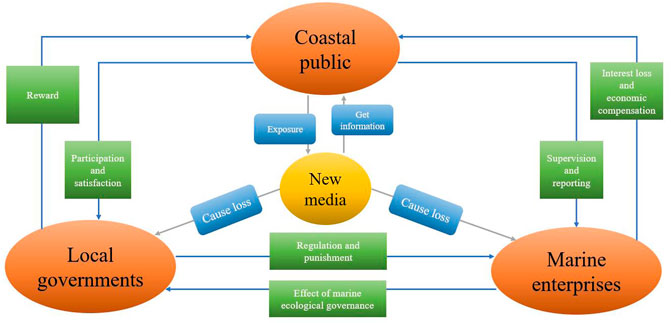
FIGURE 1. Diagram of the logical relationships in the tripartite evolutionary game model.
Model Assumptions
To analyze the evolutionarily stable strategy of all parties and the relationship between various elements, the game model is constructed and the following assumptions are made:
Assumption 1. The MEs denote Player 1, the CP is Player 2, and the LGs represent Player 3. The three parties are limited rational participants, and the strategy selection is stable in the optimal strategy with the changes over time.
Assumption 2. Due to the fluidity of water, the pollution of land-based rivers has become the major contributor to the pollution of the seas (Chen et al., 2021). Therefore, the scope of the MEs includes not only coastal enterprises but also inland river basin enterprises involved in land-based pollution discharge. MEs are not only the destroyer but also the administrator of marine ecology. MEs, as absolutely rational economic men, are driven by the pursuit of the maximization of economic benefits; therefore, MEs typically continue to expand production, ignore the discharge of pollutants into the sea, and reduce the cost of pollution control. However, as one of the subjects of marine ecology governance and under external incentives and supervision, MEs can effectively reduce pollutant emissions, realize the intensive utilization of marine resources, win social reputation and bring higher profits (Mubeen et al., 2021). These actions can be achieved by improving production technology, implementing lean management, changing production modes, and optimizing business processes. In view of this notion, the strategic space of the MEs can be classified into positive and negative governance. The proportions of positive and negative governance are denoted as
Assumption 3. The income of the MEs under normal operations is R, whereas long-term additional income due to “active governance” is
Assumption 4. When MEs opt for “active governance,” marine ecology is improved, and the benefit obtained by the government is
Assumption 5. The cost of the CP participation in marine ecological governance is
Assumption 6. If LGs select the “strong regulation” strategy, their cost after accepting public reports is
Assumption 7. The report of new media will lead to certain losses for MEs, such as the loss of corporate social reputation, economic compensation to the CP, decline in share price, loss of customers, and other business losses. Indeed, the report will also lead to certain losses for LGs, including the decline of government credibility and the accountability of high-level governments, which are recorded as
Assumption 8. If LGs select the “weak regulation” strategy, the CP cannot get the LGs’ response to the reporting behavior of MEs, and the probability of independent exposure to new media will increase to put pressure on LGs and MEs. However, the reports of new media are not always true and reliable, such as deliberately falsifying facts to discredit a competitor or expressing with subjective intention, which will lead to the miscommunication of reported events and to misunderstandings of the outside world. We assume that the probability of correct media exposure is α, and the probability of false reporting is
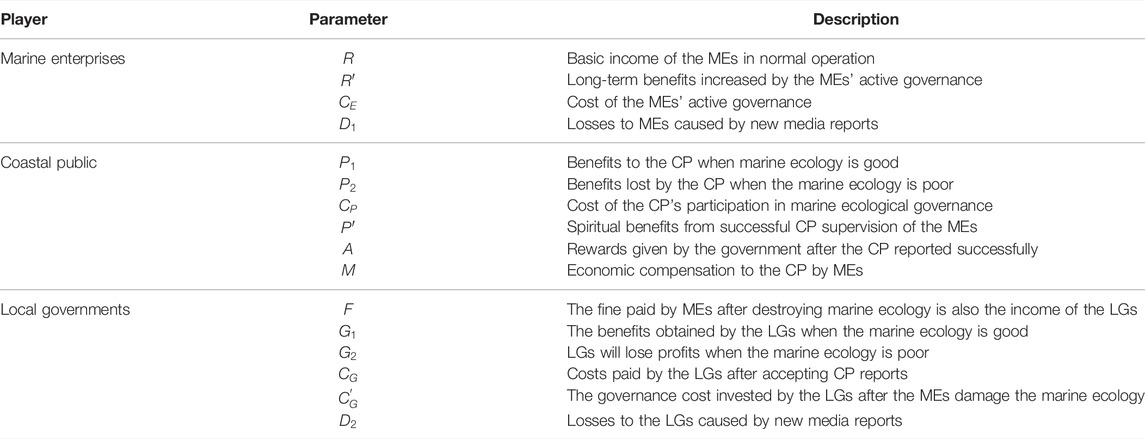
TABLE 1. Model parameters and definitions.
Model Construction
According to the abovementioned assumptions, the evolutionary game payment matrix among MEs, CP, and LGs is constructed, as shown in Table 2.
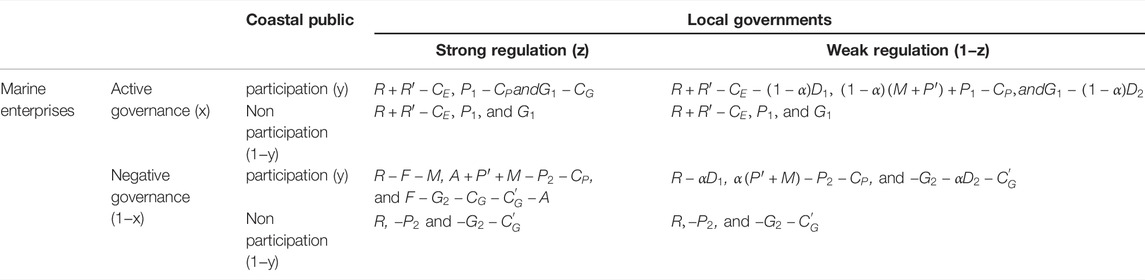
TABLE 2. Game payment matrix of the three parties.
Model Analysis of Each Game Subject
According to the evolutionary game matrix, the expected and average returns of the MEs, CP, and LGs are calculated, following which the replication dynamic equation of each subject is constructed.
Analysis of Strategic Stability of the Marine Enterprises
Based on the payment matrix in Table 2, the expected returns corresponding to different strategy choices are calculated, and the replication dynamic equation of the MEs evolutionary game is constructed.
The expected return for active governance is
The expected return of the MEs opting for negative governance is
The average expected return of the decision-making behavior of the MEs is
According to the evolutionary game theory, the replication dynamic equation for MEs for selecting active governance is as follows:
Find the first-order partial derivative of
Make
From
Conclusion 1. When the probability of the authenticity of new media reports is high and if the CP tends to opt for the “participation” strategy, then the probability of the MEs selecting “active governance” will approach 1. On the contrary, if the CP tends to select the “non-participation” strategy, then the probability of the MEs opt for the negative governance strategy will approach 0.Proof: If
(1) If
(2) If
The abovementioned conclusions can be expressed in three-dimensional coordinates, and the dynamic evolution trend of the behaviors of the MEs can be obtained, as shown in Figure 2.Conclusion 1 indicates that media reports speak using facts in a fair and objective new media environment. At this time, the choice of strategy of the MEs is closely related to the behavior of the CP. When the probability of the CP’s participation in marine ecological governance increases, MEs tend to govern actively. When MEs select the “active governance” strategy, they undertake a series of marine eco-friendly behaviors. Even if they are monitored by LGs or exposed by new media at this time, their positive behaviors related to marine ecological governance do not cause serious consequences; as such, the actual reputation and operation losses are small. In contrast, if the CP does not participate in marine ecological governance and tolerate the actions of the MEs, then MEs will be increasingly inclined to choose the negative governance strategy, which is inconducive to the maintenance of public interests in marine ecology.Figure 2 indicates that volume
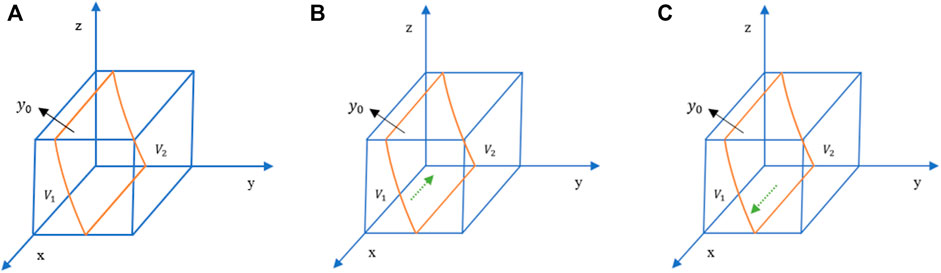
FIGURE 2. Dynamic evolution trend of the behaviors of the Marine enterprises. (A) y = y0. (B) y < y0. (C) y > y0.
Conclusion 2. When the other parameters remain unchanged, the probability of the MEs selecting the active governance strategy will increase with the increase in long-term additional income
Analysis of the Coastal Public’s Strategic Stability
Based on the payment matrix in Table 2, we calculated the expected returns corresponding to different strategy choices of the CP; then, the replication dynamic equation of the public evolutionary game is constructed.
The expected benefits of the CP selecting participation in marine ecological governance are given as
The expected return of the CP choosing “nonparticipation” in marine ecological governance is given as
The average expected return of the decision-making behavior of the CP is given as
According to the evolutionary game theory, the replication dynamic equation of the CP’s “participation” strategy is derived as follows:
Make
From
Conclusion 3. When media reports are more credible and if MEs tend to select the active governance strategy, the probability of the CP choosing the “nonparticipation” strategy will approach 1. On the contrary, if MEs tend to opt for the “negative governance” strategy, then the probability of the CP selecting the participation strategy will be close to 1.Proof: If
(1) If
(2) If
According to the aforementioned analysis, the dynamic evolution trend of the CP’s behavior can be obtained by expressing the aforementioned conclusions as three-dimensional coordinates, as shown in Figure 3.Conclusion 3 demonstrates that the probability of the CP to participate in governance is influenced by the choice of strategy of the MEs in a fair and objective new media environment. If MEs display a series of marine pollution behaviors to maximize their interests, such as expanding the production scale, ignoring the extensive use of marine resources, directly discharging pollutants into the sea, and reducing the cost of marine governance, and these behaviors have caused severe losses to the public interests in marine ecology. To safeguard their interests, MEs will pay a huge price regardless of whether or not the public opts to report or expose them through new media. On the contrary, if MEs pay attention to marine ecological governance, then doing so will help the CP to obtain a healthy marine ecological environment, additional sea-related jobs, and convenient supporting facilities and services; moreover, the probability of the CP to select supervision, reporting, and litigation will decrease.
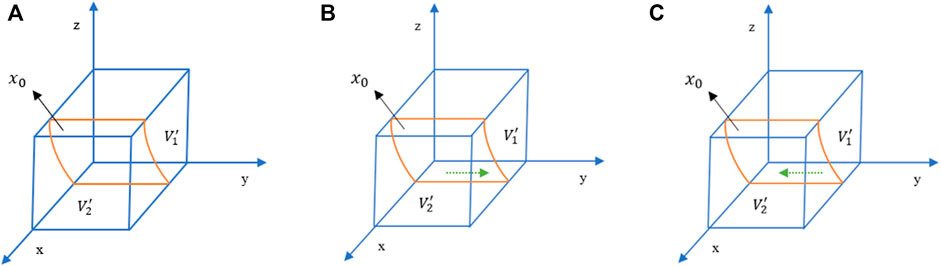
FIGURE 3. Dynamic evolution trend of the behavior of the CP. (A) x − x0. (B) x < x0. (C) x > x0.
Conclusion 4. If the probability of fair and objective reporting by new media is low and if MEs tend to govern actively, then the probability of the CP participation will approach 1. On the contrary, if MEs tend to opt for negative governance, then the probability of the CP’s participation will approach 0.Proof: If
(1) If
(2) If
Figure 4 expresses the abovementioned conclusions as three-dimensional coordinates, and the dynamic evolution trend of the behavior of the CP can be obtained.Conclusion 4 illustrates that reports are biased and even turn black and white upside down in a false and distorted new media environment. At this point, the CP’s strategy selection is completely opposite to that of Conclusion 3. Even if the probability of the MEs selecting the “active governance” strategy increases at this time, the probability of the CP reporting will not be reduced. The reason for this finding is that the positive governance behavior of the MEs is reported by unscrupulous and distorted new media, which maliciously fabricate facts and deliberately tarnish the image of related MEs. Even if MEs do not cause actual damage to marine ecology, the CP who lacks certain independent thinking and discrimination abilities will also tend to report due to their sense of environmental responsibility or to safeguard their interests. Thus, the trust between CP and MEs is undermined, and the stable development of the coastal economy and society is endangered.
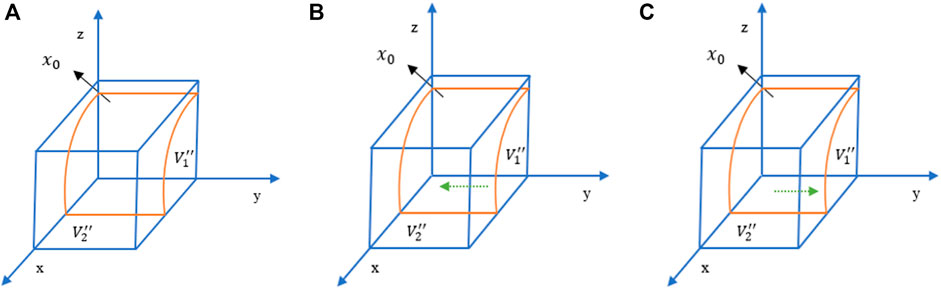
FIGURE 4. Dynamic evolution trend of the behavior of the CP. (A) x = x0. (B) x < x0. (C) x > x0.
Analysis of the Strategic Stability of the Local Governments
Referring to the payment matrix in Table 2, the study calculated the expected returns corresponding to the different strategy choices of the LGs; the replication dynamic equation of the evolutionary game of the LGs was then constructed.
The expected return of the LGs selecting strong regulation marine ecology is given as
The expected return of the LGs choosing the weak regulation marine ecology is given as
The average expected return of the decision-making behavior of the LGs is given as
According to the evolutionary game theory, the replication dynamic equation of the LGs selecting the strong supervision strategy is as follows:
Find the first-order partial derivative of
Make
When
Conclusion 5. When the probability of fair and objective reporting by new media is high and if MEs actively govern marine ecology, then the probability of the LGs selecting weak regulation will be close to 1. On the contrary, if MEs negatively govern marine ecology, then the probability of the LGs opting for strong regulation is close to 1.Proof: If
(1) If
(2) If
Figure 5 expresses the abovementioned conclusion using three-dimensional coordinates and presents the dynamic evolution trend of the behavior of the LGs.Conclusion 5 demonstrates that media reports follow facts in a fair and objective new media environment. At this time, the strategy choice of the MEs will influence the strategic stability of the LGs. If MEs select active governance, then CP and LGs will gain more ecological, economic, and social benefits; in particular, LGs will increase their trust in MEs. Even if LGs opt for the weak regulation strategy, the outside world will default that LGs have done their best in marine ecological governance (Du et al., 2022). To reduce unnecessary financial expenditure, LGs prefer to select the weak regulation strategy. Conversely, if MEs choose negative governance to pursue short-term economic interests and damage the interests of the LGs and CP, then the probability of the CP reporting will increase; in addition, LGs will increase their response to public reporting and actively investigate and punish illegal MEs.In Figure 5, volume
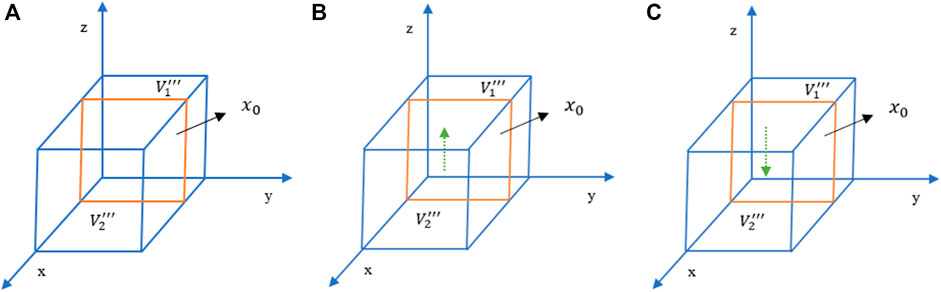
FIGURE 5. Dynamic evolution trend of the behavior of the LGs. (A) x − x0. (B) x < x0. (C) x > x0.
Conclusion 6. when other parameters remain unchanged, the probability of the LGs selecting strong regulation will increase with the increase of penalty F for MEs and loss
Stability Analysis of the ESS in the Tripartite Evolutionary Game
The previous discussion only analyzes the strategy evolution process of each game player and the influence of changes in parameter from the perspective of a single game player. However, as the constraints on the behavior of MEs, which damages marine ecology, it requires the joint participation of the LGs, CP and new media, this study will continue to conduct overall research on the three parties. From
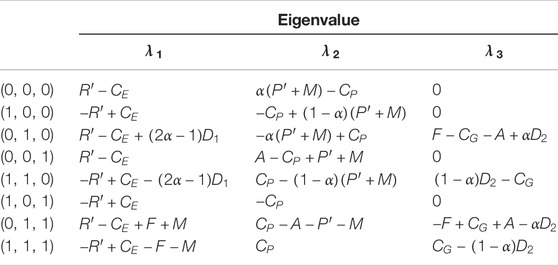
TABLE 3. ESS and eigenvalues of the dynamic system.
In particular, we only need to discuss
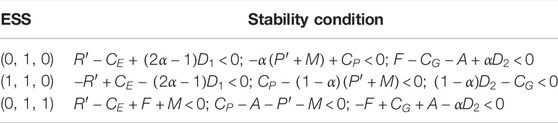
TABLE 4. Stability conditions of equilibrium points in the evolutionary game.
Conclusion 7. If
Conclusion 8. If
Conclusion 9. If
Simulation Analysis
For the abovementioned ESS
First, the survey involves Chinese LGs, MEs, and CP. The form of the questionnaire is semi-open, and the main contents of the questionnaire include the basic information of interviewees and the value of relevant parameters in the income matrix. In detail, 1) 550 questionnaires were distributed to LGs out of which 442 were completed (recovery rate: 80%); 2) 1,230 questionnaires were distributed to MEs out of which 1,085 were returned (recovery rate: 88%); and 3) 1,170 questionnaires were distributed to the CP out of which 1,000 were recovered (recovery rate: 85%). Some questionnaires were discarded because they contained a substantial quantity of missing data or had too many similar responses. Then, 397, 877, and 832 valid surveys were received, respectively. Several variables of the survey results are interval values; hence, this study adopts the average values. The specific survey values are as follows. 1) LGs: the average amount of punishment set for illegal MEs is 31,876 RMB each time, and the total annual amount of administrative penalties for the marine environment is approximately 1.011 billion RMB. The annual average number of reports received from the CP is 20,198, and the cost of supervision is approximately 19,876 RMB each time, which indicates that the total annual cost of supervision to MEs is 402 million RMB. 2) MEs: the total annual investment in marine ecological governance is approximately 1.123 billion RMB. Second, for data that were not investigated, the study was proposed based on stability conditions. (400 million RMB as a unit) ① LGs:
To satisfy the conditions of Conclusion 8, we assume that
First, to analyze the influence of
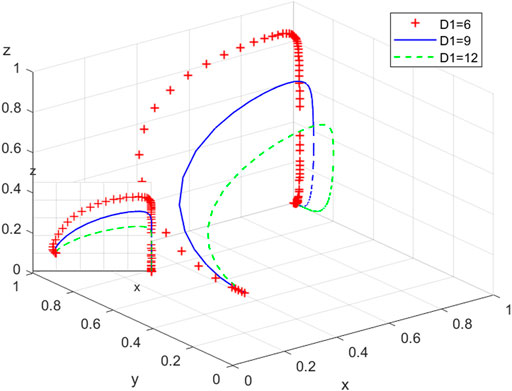
FIGURE 6. Impact of the losses of the MEs due to new media exposure on the evolution track of the tripartite evolutionary game.
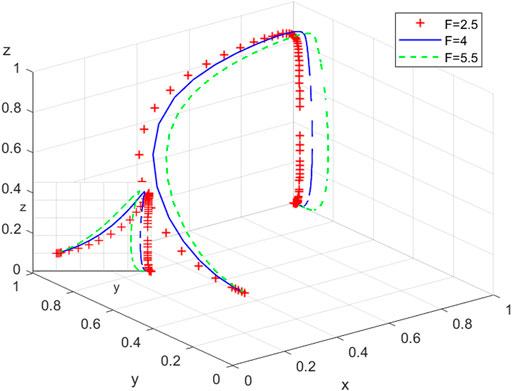
FIGURE 7. Impact of the punishment of the LGs on MEs on the evolution track of the tripartite evolutionary game.
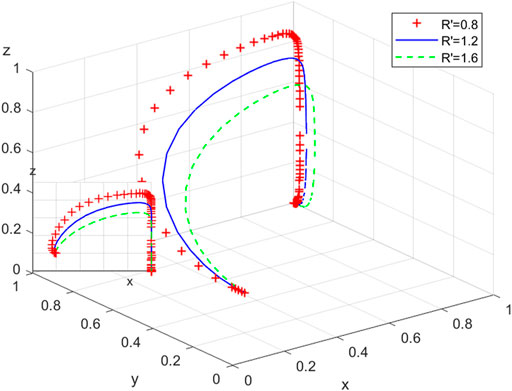
FIGURE 8. Impact of long-term additional benefits on the evolution track of the tripartite game when MEs govern actively.
Figure 6 illustrates that the increase in the losses of the MEs due to new media exposure can improve the probability of the “active governance” of the MEs, while decreasing the probability of the “strong regulation” of the LGs. This finding implies that the greater the negative impact of new media exposure on MEs is, the higher is the violation cost they will take, which in turn will urge MEs to actively govern marine ecology. New media can share the regulatory pressure of the LGs, which wins the space of weak regulation for LGs.
Figure 7 highlights that when the probability of active governance of the MEs stabilizes before 1, with the increase in government punishment on MEs, then LGs are profitable and the probability of the “strong regulation” of the LGs increases. However, if the probability of “active governance” has stabilized at 1, then the probability of the “strong regulation” of the LGs decreases and tends to approach 0. To reduce the probability of high punishment by LGs, MEs who seek to maximize benefits will gradually tend to active governance of marine ecology. Thus, the greater the punishment is, the higher is the probability of active governance. At the same time, the benefits obtained by the CP are improved; the trust of the CP in MEs and LGs reaches a high level; and the probability of public reporting will also decline. After MEs choose active governance, the LGs will gradually select “weak regulation” for reducing the regulation cost.
As shown in Figure 8, the probability of selection of strong regulation by LGs decreases with the increase in the long-term benefits after the active governance of the MEs, which can effectively stimulate the active governance behavior of the MEs. This result indicates that when MEs win social reputation by safeguarding the marine public interests or obtain better corporate performance by improving the competitiveness of their products (Liu et al., 2021), which leads to a greater increase in their operating income, it is beneficial to strengthen their main responsibility and promote their transformation from negative to active governance. This notion is conducive to the protection of the interests of the CP, such that the trust of the LGs in MEs will increase, and the probability of the strong regulation of the LGs will decrease.
Next, this study denotes
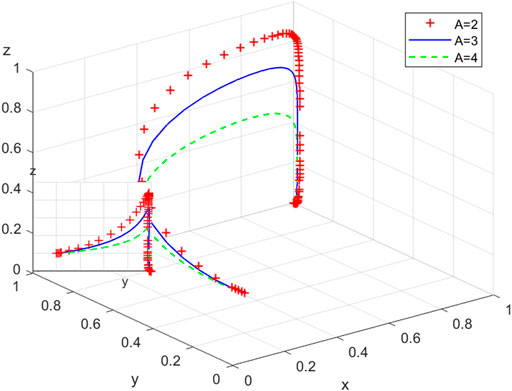
FIGURE 9. Impact of the reward amount set by LGs for CP on the evolution track of the tripartite evolutionary game.
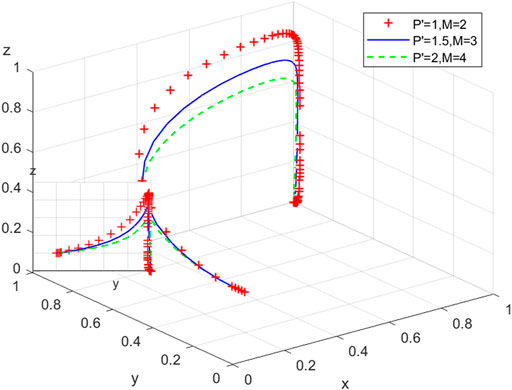
FIGURE 10. Impact of the benefits obtained by CP after successfully supervising MEs on the evolution track of the tripartite evolutionary game.
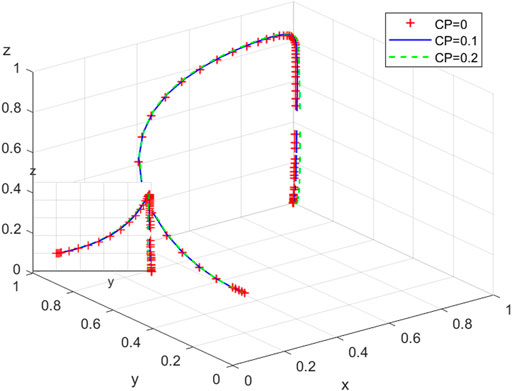
FIGURE 11. Impact of the CP’s participation cost on the evolution track of the tripartite evolutionary game.
Figure 9 indicates that with the increase of the reward amount set by LGs for the CP, the probability of the CP’s participation in marine ecological governance will increase, whereas the probability of the LGs selecting strong regulation will decrease. In other words, LGs will influence the CP’s choice of strategy; thus, LGs play a guiding role for the CP. When the reward amount is set at a high level, then the willingness of the CP to participate in governance is high for profit, such that they can supervise the behaviors of the MEs through new media, which wins the space of weak regulation for LGs. If the probability of the active governance of the MEs stabilizes at 1, then LGs will gradually eliminate regulation.
Figures 10, 11 imply that with the increase in the benefits obtained by the CP after successfully supervising MEs or the decrease of the CP’s participation cost, there will be an increase in the probability of the CP’s participation in marine ecological governance, whereas the probability of LGs selecting strong regulation will decrease. This result indicates that displaying a high sense of achievement or economic compensation after the successful supervision of the MEs by the CP is conducive to enhancing the awareness of the CP in participating in marine ecological governance and stimulating their enthusiasm for supervising marine ecology. At the same time, the low information and economic costs of the CP’s participation in marine ecological governance also promote the initiative and enthusiasm of the CP’s participation to a great extent, which can effectively supplement the regulatory function of the LGs.
Finally, we assume that
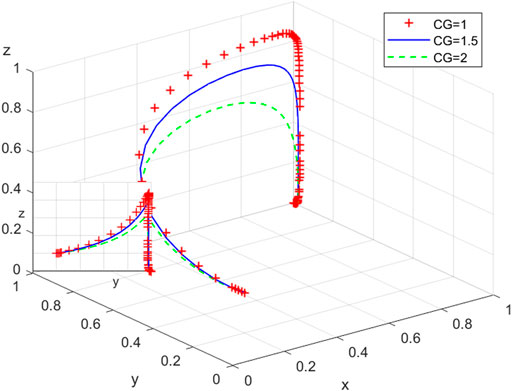
FIGURE 12. Impact of the supervision cost of the LGs on MEs on the evolution track of the tripartite evolutionary game.
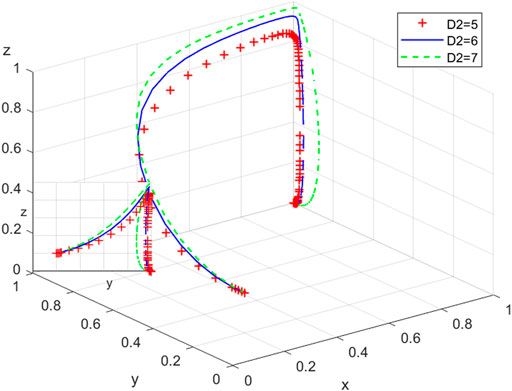
FIGURE 13. Impact of the losses of LG by new media on the evolution track of the tripartite evolutionary game.
Figure 12 indicates that with the increase in the cost of the supervision of the LGs on MEs, the probability of the LGs selecting the strong regulation strategy has decreased, whereas the probability of the CP’s participation has increased. The reason is that LGs cannot afford high regulation costs due to limited resources, which results in a large number of MEs that lack efficient supervision. In addition, the lack of supervision by LGs will increase the illegal behavior of the MEs, promote the loss of the CP’s interests, arouse the CP’s dissatisfaction, and force the CP to report. However, in terms of the CP reports, the LGs intend to respond, but the cost of supervision is extremely high. This is consistent with the old adage: the spirit is willing, but the flesh is weak. As such, the CP will then further expose illegal MEs through new media; consequently, MEs will gradually govern marine ecology to safeguard their reputation and interests. When the probability of active governance stabilizes at 1, the LGs will gradually and completely divert from regulation.
Figure 13 indicates that with the increase in the negative effects of LGs exposure through new media, the probability of strong regulation will increase, whereas the probability of the CP participation in marine ecological governance will decrease. In other words, the higher the traffic is, the greater is the impact of new media, and the greater is the change in the behavior choice of the LGs and MEs. To avoid the deterioration of their credibility due to new media exposure, LGs will actively perform their responsibilities. To avoid the high-pressure punishment by the strong regulation of the LGs and great losses after media exposure, MEs will also opt to actively govern marine ecology. The CP will then be satisfied with the MEs and the LGs due to the improvement of their interests; as a result, their reporting behavior will decrease.
In the aforementioned discussion, the influencing factors of the tripartite evolutionary game are analyzed separately. To verify the analysis of the equilibrium and strategic stability of the evolutionary game system, arrays 1 and 2 are substituted into the model for simulation analysis. Among them, array 1 exceeds the parameter value, which meets the conditions of Conclusion 8. We set array 2 at the same time:
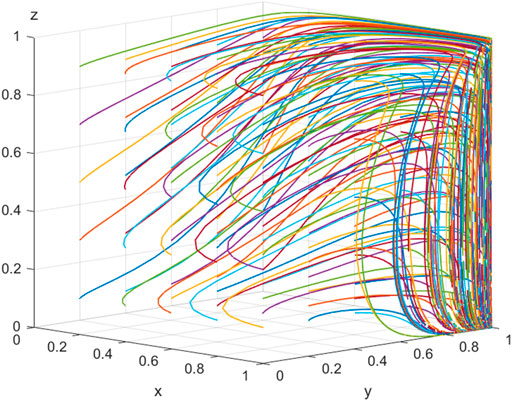
FIGURE 14. Fifty evolution results of array 1.
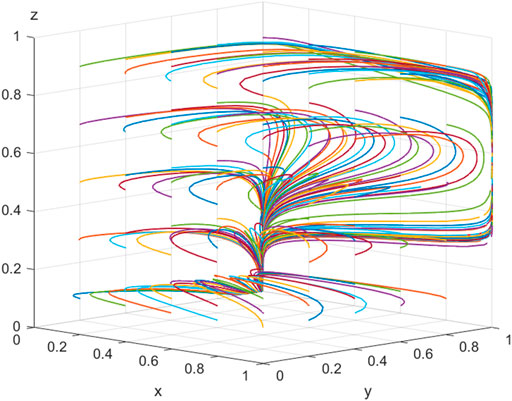
FIGURE 15. Fifty evolution results of array 2.
Figure 14 demonstrates that when array 1 satisfies the following:
Finally, Figure 15 suggests that only one ESS (negative governance, participation, strong regulation) exists when the new media reports distort the truth because array 2 satisfies the following:
Conclusion and Discussion
Based on the evolutionary game theory, this study focuses on the problem of marine ecological governance and constructs a three-party evolutionary game model composed of the MEs, CP, and LGs in a new media environment. Moreover, it intends to analyze and infer the stability of strategy selection, the stability of equilibrium strategy combination of the game system, and the mechanism of influence of various elements on the subjects. This study conducts an empirical analysis of the results of the evolutionary game through numerical simulation, particularly highlighting the impact of changes in relevant parameters on the dynamic evolution trajectory of the three parties in a fair and objective new media environment. These parameters include the sensitivity of the MEs and LGs to new media reports, the increased benefits of the MEs after active governance, the supervision cost of the LGs, and the intensity of punishment on MEs by LGs. The study draws the following conclusions.
(1) The authenticity of new media reports will exert an impact on the results of the tripartite evolutionary game. The fair and objective new media environment can not only serve as an effective means for the CP to safeguard their interests but also complement the governance functions of the LGs. The greater the influence of new media reports is, the more will the MEs tend to govern marine ecology in an active manner, which will increase the probability of strong regulation of the LGs. On the contrary, a false and distorted new media environment will lead to chaos in the marine ecological governance order.
(2) In a fair and objective new media environment, the punishment and environmental taxes for MEs, which are increased by LGs, or the increase in the benefits of the MEs after actively governing marine ecology will help to improve the probability of the MEs. Furthermore, improving the CP’s awareness regarding environmental protection and social responsibility is required to effectively stimulate the CP’s enthusiasm to participate in marine ecological governance. Similarly, reducing the cost of the CP’s participation in marine ecological governance is important.
(3) Implementation of the strong regulation strategy by LGs will be restricted by the high supervision cost of the MEs. The high cost of regulation is inconducive to the exertion of the administrative guiding role of the LGs. Notably, however, the participation of the CP in marine ecological governance can compensate for the lack of the regulation function of the LGs to a certain extent, i.e., it can reduce the negative impact of marine ecology due to the lack of LG regulation.
At present, the global marine ecological degradation situation is serious, posing a serious threat to life on Earth (Cheng et al., 2021), therefore, it is important to join forces to govern marine ecology to achieve human sustainable development. Based on the abovementioned conclusions, this study proposes the following suggestions.
Creation of a Fair and Objective New Media Environment
First, considering the importance of cultivating the social responsibility of the new media platform, it is necessary to establish a reward and punishment system and regularly select excellent new media institutions and websites. In this manner, new media can be encouraged to strengthen their own construction, earnestly fulfill their obligation to disseminate information, and improve the accuracy and quality of their disclosure of marine ecological information. Second, since new media platforms with large traffic and high specifications can win more CP trust and exert a greater impact on MEs and LGs, LGs must focus on such new media platforms. This aspect is one means of ensuring their reporting quality and utilizing new media as a truly powerful assistant of the LGs in supervision. Therefore, LGs must severely punish or even ban new media platforms that blindly pursue traffic and hotspots regardless of facts. Third, creating a positive new media environment requires acceleration of the legal construction of new media, standardization of the behavior of network communication, elimination of false information and extreme speech according to law and regulations, and the cessation of unhealthy tendencies of using new media to incite CP opinion and disrupt the market.
Reduce the Regulation Cost of the Local Governments
The responsibilities and authorities of various government departments require clarification to avoid miscellaneous costs. Various measures need to be implemented—for example, establishing a cross-departmental and special marine ecological supervision and management organization, centralizing the management authority, conducting unified management, and constantly refining marine ecological supervision measures. The second pertains to strictly controlling the recruitment of personnel and institutions. On the one hand, the team of government personnel should be optimized through high-standard recruitment, education and training, competition, and incentive. On the other hand, necessary measures need to be taken to abolish outdated institutions, streamline troops, and simplify administration, which could reduce administrative links and eliminate unnecessary administrative examination and approval aspects. Third, e-government should be promoted; modern information technologies, such as big data and cloud computing, should be fully utilized; and work procedures should be simplified to improve productivity and realize intensive operation in an active manner. In addition, the application of detection technology, satellite remote sensing, and telemetry technology in marine ecological regulation continued improvement in the pertinence and effectiveness of the marine ecological supervision of the CP; the timely and efficient discovery of the violations of MEs need to be fully promoted.
Increase in the Motivation of the Marine Enterprises to Actively Govern Marine Ecology
The study initially suggests establishing the idea of paying equal attention to both land and sea. To impose strict external constraints on MEs, high amounts of penalties, resource taxes, and environmental protection taxes need to be set. This will increase the cost of negative governance for MEs, which will have a deterrent effect on MEs and promote their governance of marine ecology. Second, a special fund for marine ecological protection should be established using the proceeds from fines and taxes collected from illegal MEs. The LGs can then provide financial support to the fund for marine ecological protection through equity participation. In return, the fund provides preferential loans to MEs actively engaged in marine ecological protection. In this manner, a new mechanism of compensating for corporate interests is constructed, which can reduce the costs incurred for the ME governance of marine ecology and enhance the willingness of the MEs to govern. Third, due to the protection of carbon emissions and long-term sustainable environment, more attention should be paid to the application of renewable energy (Abbasi et al., 2021a). Therefore, it is necessary to replace the traditional non-renewable energy as the goal (Abbasi et al., 2021b), to provide the necessary policy guidance and technical guidance to MEs, and to encourage them to increase investment in advanced marine technology. Thus, an intensive production mode with low levels of consumption and greater environmental protection can replace an extensive production mode with fundamentally high levels of energy and pollution and make renewable energy instead of traditional non-renewable energy, thereby promoting change in the income growth mode of the MEs to win long-term economic benefits and achieve social sustainability. Other studies have also shown that green manufacturing practices can help achieve social sustainability performance at the firm level (Awan, 2019).
Cultivation of the Coastal Public’s Marine Awareness
To meet the different needs of various groups, establishing a targeted and multidimensional, integrated marine ecological education system is necessary. At the same time, promoting the popularization of marine knowledge and the development of marine awareness is important for the adoption of methods to strengthen the publicity of marine environmental protection, such as the use of new media. Second, improving the reward mechanism for CP complaints and reports on marine ecological problems and encouraging the CP to express their opinions and suggestions regarding the decision of the LGs related to marine ecological supervision, administrative licensing, and law enforcement are necessary aspects, given the importance of the CP’s attention toward the ocean. Third, establishing a disclosure system for marine ecological information is crucial for reducing the information cost of the CP’s participation in governance. Simultaneously, LGs should fulfill their public service functions, establish a special foundation for marine ecological governance to provide financial subsidies for the CP, and formulate tax reduction policies to provide adequate financial support for the CP participating in marine ecological governance. These measures can effectively reduce the economic cost of the CP.
It should be noted that since the outbreak of COVID-19, it has not only posed a serious threat to human health but also posed unprecedented challenges to economic development (Li et al., 2021), public health (Faruqui et al., 2021), social entrepreneurship (Ge et al., 2022), mental health (Zhou et al., 2021), and environmental governance (Lehmann et al., 2021). However, this study only focuses on the negative impact of public reporting on government and enterprises through new media, and does not consider the impact of COVID-19 on the marine ecological governance system. Therefore, in further research, it is a worthwhile topic to integrate the impact of COVID-19 into the dynamic evolutionary game of marine ecological governance in a more fine-grained way, which is also more relevant to the actual situation.
Data Availability Statement
The datasets presented in this article are not readily available because of the privacy and confidential nature of its respondents, further inquiries can be directed to the corresponding author.
Ethics Statement
Ethics review and approval/written informed consent was not required as per local legislation and institutional requirements.
Author Contributions
LG: conceptualization and writing—review and editing. AY: conceptualization, writing—original draft, methodology, and software. QY: writing—original draft and writing—reviewing, and editing.
Funding
This work was supported by the National Natural Science Foundation of China (Grant no. 71904181).
Conflict of Interest
The authors declare that the research was conducted in the absence of any commercial or financial relationships that could be construed as a potential conflict of interest.
Publisher’s Note
All claims expressed in this article are solely those of the authors and do not necessarily represent those of their affiliated organizations, or those of the publisher, the editors, and the reviewers. Any product that may be evaluated in this article, or claim that may be made by its manufacturer, is not guaranteed or endorsed by the publisher.
References
Abbas, J., Hussain, I., Hussain, S., Akram, S., Shaheen, I., and Niu, B. (2019a). The Impact of Knowledge Sharing and Innovation Upon Sustainable Performance in Islamic Banks: A Mediation Analysis through an SEM Approach. Sustainability 11 (15), 4049. doi:10.3390/su11154049
Abbas, J., Mahmood, S., Ali, H., Raza, M., Ali, G., Aman, J., et al. (2019b). The Effects of Corporate Social Responsibility Practices and Environmental Factors through a Moderating Role of Social Media Marketing on Sustainable Performance of Firms' Operating in Multan, Pakistan. Sustainability 11 (12), 3434. doi:10.3390/su11123434
Abbas, J., Raza, S., Nurunnabi, M., Minai, M. S., and Bano, S. (2019c). The Impact of Entrepreneurial Business Networks on Firms' Performance Through a Mediating Role of Dynamic Capabilities. Sustainability 11 (11), 3006. doi:10.3390/su11113006
Abbasi, K. R., Abbas, J., and Tufail, M. (2021a). Revisiting Electricity Consumption, Price, and Real GDP: A Modified Sectoral Level Analysis from Pakistan. Energy Policy 149, 112087. doi:10.1016/j.enpol.2020.112087
Abbasi, K. R., Adedoyin, F. F., Abbas, J., and Hussain, K. (2021b). The Impact of Energy Depletion and Renewable Energy on CO2 Emissions in Thailand: Fresh Evidence from the Novel Dynamic ARDL Simulation. Renew. Energy 180, 1439–1450. doi:10.1016/j.renene.2021.08.078
Abe, J., Brown, B., Ajao, E. A., and Donkor, S. (2016). Local to Regional Polycentric Levels of Governance of the Guinea Current Large Marine Ecosystem. Environ. Dev. 17, 287–295. doi:10.1016/j.envdev.2015.06.006
Aerts, W., and Cormier, D. (2009). Media Legitimacy and Corporate Environmental Communication. Account. Organ. Soc. 34 (1), 1–27. doi:10.1016/j.aos.2008.02.005
Awan, U. (2019). Impact of Social Supply Chain Practices on Social Sustainability Performance in Manufacturing Firms. Int. J. Innovation Sustainable Development 13 (2), 198–219. doi:10.1504/ijisd.2019.10019789
Awan, U. S. A. M. A., and Raza, M. A. (2012). Green Consumer Behavior: Empirical Study of Swedish Consumer Behavior. Recent Res. Econ. 1, 89–104.
Backer, H., Leppänen, J.-M., Brusendorff, A. C., Forsius, K., Stankiewicz, M., Mehtonen, J., et al. (2010). HELCOM Baltic Sea Action Plan - A Regional Programme of Measures for the Marine Environment Based on the Ecosystem Approach. Mar. Pollut. Bull. 60 (5), 642–649. doi:10.1016/j.marpolbul.2009.11.016
Bailly du Bois, P., Laguionie, P., Boust, D., Korsakissok, I., Didier, D., and Fiévet, B. (2012). Estimation of Marine Source-Term Following Fukushima Dai-Ichi Accident. J. Environ. Radioact. 114, 2–9. doi:10.1016/j.jenvrad.2011.11.015
Bjornerstedt, J., and Weibull, J. W. (1994). Nash Equilibrium and Evolution by Imitation. London: Macmillan.
Borochin, P., and Cu, W. H. (2018). Alternative Corporate Governance: Domestic Media Coverage of Mergers and Acquisitions in China. J. Bank. Finance 87, 1–25. doi:10.2139/ssrn.244839210.1016/j.jbankfin.2017.08.020
Busenberg, G. J. (2007). Citizen Participation and Collaborative Environmental Management in the Marine Oil Trade of Coastal Alaska. Coast. Manag. 35 (2-3), 239–253. doi:10.1080/08920750601042310
Cao, X., Kostka, G., and Xu, X. (2019). Environmental Political Business Cycles: the Case of PM2.5 Air Pollution in Chinese Prefectures. Environ. Sci. policy 93, 92–100. doi:10.1016/j.envsci.2018.12.006
Carollo, C., and Reed, D. J. (2010). Ecosystem-based Management Institutional Design: Balance between Federal, State, and Local Governments within the Gulf of Mexico Alliance. Mar. Policy 34 (1), 178–181. doi:10.1016/j.marpol.2009.06.002
Castilla, J. C. (2000). Roles of Experimental Marine Ecology in Coastal Management and Conservation. J. Exp. Mar. Biol. Ecol. 250 (1-2), 3–21. doi:10.1016/S0022-0981(00)00177-5
Chen, Q., Yu, H., and Wang, Y. (2021). Research on Modern Marine Environmental Governance in China: Subject Identification, Structural Characteristics, and Operational Mechanisms. Int. J. Environ. Res. Public Health 18 (9), 4485. doi:10.3390/ijerph18094485
Cheng, Y., Awan, U., Ahmad, S., and Tan, Z. (2021). How Do Technological Innovation and Fiscal Decentralization Affect the Environment? A Story of the Fourth Industrial Revolution and Sustainable Growth. Technol. Forecast. Soc. Change 162, 120398. doi:10.1016/j.techfore.2020.120398
Cicin-Sain, B., and Belfiore, S. (2005). Linking Marine Protected Areas to Integrated Coastal and Ocean Management: a Review of Theory and Practice. Ocean Coast. Manag. 48 (11-12), 847–868. doi:10.1016/j.ocecoaman.2006.01.001
Core, J. E., Guay, W., and Larcker, D. F. (2008). The Power of the Pen and Executive Compensation. J. financial Econ. 88 (1), 1–25. doi:10.1016/j.jfineco.2007.05.001
Cross, A. M. (1992). Monitoring Marine Oil Pollution Using AVHRR Data: Observations off the Coast of Kuwait and Saudi Arabia during January 1991. Int. J. Remote Sens. 13 (4), 781–788. doi:10.1080/01431169208904152
Dasgupta, S., Laplante, B., Mamingi, N., and Wang, H. (2001). Inspections, Pollution Prices, and Environmental Performance: Evidence from China. Ecol. Econ. 36 (3), 487–498. doi:10.1016/S0921-8009(00)00249-4
Ding, L., Lu, M., and Xue, Y. (2021). Driving Factors on Implementation of Seasonal Marine Fishing Moratorium System in China Using Evolutionary Game. Mar. Policy 133, 104707. doi:10.1016/j.marpol.2021.104707
Driessen, P. P. J., Dieperink, C., Laerhoven, F., Runhaar, H. A. C., and Vermeulen, W. J. V. (2012). Towards a Conceptual Framework for The Study of Shifts in Modes of Environmental Governance - Experiences From The Netherlands. Env. Pol. Gov. 22 (3), 143–160. doi:10.1002/eet.1580
Du, Y., Sun, H.-R., and Wan, X.-L. (2022). Tripartite Supervision Mechanism and Evolutionary Strategies for Marine Ranching Ecological Security: Policy Tools Perspective. Regional Stud. Mar. Sci. 50, 102125. doi:10.1016/j.rsma.2021.102125
Du, Y., Sun, H. R., and Wang, Y. F. (2021). Evolutionary Game Model and Simulation for Supervising Ecological Security of Marine Ranching. Acta Eco Sin. 41 (12), 4795–4805. (in Chinese). doi:10.5846/stxb202002100220
Faruqui, N., Raman, V., Shiv, J., Chaturvedi, S., Muzumdar, M., and Prasad, V. (2021). Informal Collectives and Access to Healthcare during India's COVID-19 Second Wave Crisis. BMJ Glob. Health 6 (7), e006731. doi:10.1136/bmjgh-2021-006731
Ge, T., Abbas, J., Ullah, R., Abbas, A., Sadiq, I., and Zhang, R. (2022). Women's Entrepreneurial Contribution to Family Income: Innovative Technologies Promote Females' Entrepreneurship amid COVID-19 Crisis. Front. Psychol. 13, 828040. doi:10.3389/fpsyg.2022.828040
Gerhardinger, L. C., Godoy, E. A. S., Jones, P. J. S., Sales, G., and Ferreira, B. P. (2011). Marine Protected Dramas: The Flaws of the Brazilian National System of Marine Protected Areas. Environ. Manag. 47 (4), 630–643. doi:10.1007/s00267-010-9554-7
Gerhardinger, L. C., Marenzi, R. C., Bertoncini, Á. A., Medeiros, R. P., and Hostim-Silva, M. (2006). Local Ecological Knowledge on the Goliath Grouper Epinephelus Itajara (Teleostei: Serranidae) in Southern Brazil. Neotrop. Ichthyol. 4 (4), 441–450. doi:10.1590/S1679-62252006000400008
Golinska-Dawson, P., and Spychała, M. (2019). Corporate Social Responsibility in the Manufacturing and Services Sectors. Berlin: Springer.
Guerreiro, J., Chircop, A., Grilo, C., Viras, A., Ribeiro, R., and van der Elst, R. (2010). Establishing a Transboundary Network of Marine Protected Areas: Diplomatic and Management Options for the East African Context. Mar. Policy 34 (5), 896–910. doi:10.1016/j.marpol.2010.01.014
Kapantai, E., Christopoulou, A., Berberidis, C., and Peristeras, V. (2021). A Systematic Literature Review on Disinformation: Toward a Unified Taxonomical Framework. New Media and Soc. 23 (5), 1301–1326. doi:10.1177/1461444820959296
Kathuria, V. (2007). Informal Regulation of Pollution in a Developing Country: Evidence from India. Ecol. Econ. 63 (2-3), 403–417. doi:10.1016/j.ecolecon.2006.11.013
Khalid, S. M. N. (2016). Food Safety and Quality Management Regulatory Systems in Afghanistan: Policy Gaps, Governance and Barriers to Success. Food control. 68, 192–199. doi:10.1016/j.foodcont.2016.03.022
King, A. A., and Lenox, M. J. (2000). Industry Self-Regulation without Sanctions: The Chemical Industry's Responsible Care Program. Amj 43 (4), 698–716. doi:10.5465/1556362
Kostka, G., and Mol, A. P. J. (2013). Implementation and Participation in China's Local Environmental Politics: Challenges and Innovations. J. Environ. Policy and Plan. 15 (1), 3–16. doi:10.1080/1523908X.2013.763629
Lehmann, P., Beck, S., de Brito, M. M., Gawel, E., Groß, M., Haase, A., et al. (2021). Environmental Sustainability Post-covid-19: Scrutinizing Popular Hypotheses from a Social Science Perspective. Sustainability 13 (16), 8679. doi:10.3390/su13168679
Li, M. C., Dai, M., and Zhou, B. (2017). Research on Sewage Reduction Optimal Method of Marine Pollution Sources by Data-Driven Model. J. Water Resour. Water Eng. (in Chinese). doi:10.11705/j.issn.1672-643X.2017.02.02
Li, H., Hameed, J., Khuhro, R. A., Albasher, G., Alqahtani, W., Sadiq, M. W., et al. (2021). The Impact of the Economic Corridor on Economic Stability: A Double Mediating Role of Environmental Sustainability and Sustainable Development Under the Exceptional Circumstances of COVID-19. Front. Psychol. 11, 634375. doi:10.3389/fpsyg.2020.634375
Li, X. Y., Li, Q. W., and Shi, Y. Y. (2019). Research on the Influence of Media Supervision on Corporate Social Responsibility Report Assurance. Rev. Econ. Manag. 35 (06), 81–92. (in Chinese). doi:10.13962/j.cnki.37-1486/f.2019.06.008
Li, Y. H., Ni, D. B., and Tang, X. W. (2017). Signal Quality in Supply Chains by Corporate Social Responsibility. Chin. J. Manag. Sci. 25 (07), 38–47. (in Chinese). doi:10.16381/j.cnki.issn1003-207x.2017.07.005
Liu, B., and McConnell, J. J. (2013). The Role of the Media in Corporate Governance: Do the Media Influence Managers' Capital Allocation Decisions? J. Financial Econ. 110 (1), 1–17. doi:10.1016/j.jfineco.2013.06.003
Liu, K., and Lin, B. (2019). Research on Influencing Factors of Environmental Pollution in China: A Spatial Econometric Analysis. J. Clean. Prod. 206, 356–364. doi:10.1016/j.jclepro.2018.09.194
Liu, Q., Qu, X., Wang, D., Abbas, J., and Mubeen, R. (2021). Product Market Competition and Firm Performance: Business Survival through Innovation and Entrepreneurial Orientation amid COVID-19 Financial Crisis. Front. Psychol. 12, 790923. doi:10.3389/fpsyg.2021.790923
Mcnelis, D. N., and Schweitzer, G. E. (2001). Peer Reviewed: Environmental Security: An Evolving Concept. Environ. Sci. Technol. 35 (5), 108A–113A. doi:10.1021/es0122849
Mubeen, R., Han, D., Abbas, J., Raza, S., and Bodian, W. (2021). Examining the Relationship between Product Market Competition and Chinese Firms Performance: The Mediating Impact of Capital Structure and Moderating Influence of Firm Size. Front. Psychol. 12, 6686. doi:10.3389/fpsyg.2021.709678
O'hara, K. J. (1988). A Citizen's Guide to Plastics in the Ocean: More than a Litter Problem. Washington, DC: Center for Marine Conservation, 1725 DeSales Street, NW,# 500.
Pennycook, G., McPhetres, J., Zhang, Y., Lu, J. G., and Rand, D. G. (2020). Fighting COVID-19 Misinformation on Social Media: Experimental Evidence for a Scalable Accuracy-Nudge Intervention. Psychol. Sci. 31 (7), 770–780. doi:10.1177/0956797620939054
Peschard, I. (2007). Participation of the Public in Science: Towards a New Kind of Scientific Practice. Hum. Aff. 17 (2), 138–153. doi:10.2478/v10023-007-0013-x
Potts, T., Pita, C., O’Higgins, T., and Mee, L. (2016). Who Cares? European Attitudes towards Marine and Coastal Environments. Mar. Policy 72, 59–66. doi:10.1016/j.marpol.2016.06.012
Tissot, B. N., Walsh, W. J., and Hixon, M. A. (2009). Hawaiian Islands Marine Ecosystem Case Study: Ecosystem- and Community-Based Management in Hawaii. Coast. Manag. 37 (3-4), 255–273. doi:10.1080/08920750902851096
Trucco, L. (2016). Broken Cites: The Effect of Government Responsiveness on Citizens’ Participation. Working Paper.
Tur, G., and Homsi, M. N. (2017). “Cost-sensitive Classifier for Spam Detection on News Media Twitter Accounts,” in 2017 XLIII Latin American Computer Conference (CLEI) (IEEE), 1–6. doi:10.1109/clei.2017.8226378
Wan, X., Xiao, S., Li, Q., and Du, Y. (2021). Evolutionary Policy of Trading of Blue Carbon Produced by Marine Ranching with Media Participation and Government Supervision. Mar. Policy 124, 104302. doi:10.1016/j.marpol.2020.104302
Wang, G., and Song, K. Y. (2017). China’s Marine Environmental Management System: Change, Dilemma and Reform. J. China Univ. Ocean 2, 22–31. doi:10.16497/j.cnki.1672-335x.2017.02.006
Wang, G. S., Guo, P. F., and Tan, Y. Y. (2014). The EKC Analysis between China’s Marine Pollution and the Growth of Marine Economy Based on the Unit Root Test. Mar. Environ. Sci. 33 (3), 425445–426430. (in Chinese). doi:10.13634/j.cnki.mes.2014.03.017
Wang, Y., Deng, Q., and Zhang, Y. (2020). Research on the Coupling and Coordinated Development of Marine Technological Innovation and Marine Ecological Economic Development. J. Coast. Res. 99 (SI), 419–427. doi:10.2112/SI99-057.1
Wang, Z., and Guo, Y. (2020). Rumor Events Detection Enhanced by Encoding Sentimental Information into Time Series Division and Word Representations. Neurocomputing 397, 224–243. doi:10.1016/j.neucom.2020.01.095
Wei, H. (2020). Ecological Evolution Governance of Marine Fishery Communities-Evolutionary Game Model-Based Analysis. J. Coast. Res. 107 (SI), 323–327. doi:10.2112/JCR-SI107-076.1
Wu, F., Wang, X., and Liu, T. (2020). An Empirical Analysis of High-Quality Marine Economic Development Driven by Marine Technological Innovation. J. Coast. Res. 115 (SI), 465–468. doi:10.2112/JCR-SI115-129.1
Xie, S., Deng, H., Wang, R., Jiang, G., Liu, G., and Xu, Y. (2014). Source Control Technology of Environmental Pollution for Offshore Drilling. Environ. Eng. Manag. J. 13 (2), 275–280. doi:10.30638/eemj.2014.031
Xu, X., Hou, Y., Zhao, C., Shi, L., and Gong, Y. (2021). Research on Cooperation Mechanism of Marine Plastic Waste Management Based on Complex Network Evolutionary Game. Mar. Policy 134, 104774. doi:10.1016/j.marpol.2021.104774
Yang, Y., and Su, Y. (2020). Public Voice via Social Media: Role in Cooperative Governance during Public Health Emergency. Int. J. Environ. Res. Public Health 17 (18), 6840. doi:10.3390/ijerph17186840
Yu, Y., Yang, X., and Li, K. (2019). Effects of the Terms and Characteristics of Cadres on Environmental Pollution: Evidence from 230 Cities in China. J. Environ. Manag. 232, 179–187. doi:10.1016/j.jenvman.2018.11.002
Zhou, Y., Draghici, A., Abbas, J., Mubeen, R., Boatca, M. E., and Salam, M. A. (2021). Social Media Efficacy in Crisis Management: Effectiveness of Non-Pharmaceutical Interventions to Manage COVID-19 Challenges. Front. Psychiatry 12, 626134. doi:10.3389/fpsyt.2021.626134
Keywords: new media environment, marine ecological governance, evolutionary game, numerical simulation, coastal public participation, accuracy of new media reports
Citation: Gao L, Yan A and Yin Q (2022) Marine Ecological Governance Under New Media Environment: Tripartite Evolutionary Game and Simulation Analysis. Front. Environ. Sci. 10:941247. doi: 10.3389/fenvs.2022.941247
Received: 11 May 2022; Accepted: 10 June 2022;
Published: 18 July 2022.
Edited by:
Guo Wei, University of North Carolina at Pembroke, United StatesReviewed by:
J. Abbas, Shanghai Jiao Tong University, ChinaLufeng Gou, Qingdao University of Technology, China
Chen Ming Bao, Sun Yat-sen University, China
Copyright © 2022 Gao, Yan and Yin. This is an open-access article distributed under the terms of the Creative Commons Attribution License (CC BY). The use, distribution or reproduction in other forums is permitted, provided the original author(s) and the copyright owner(s) are credited and that the original publication in this journal is cited, in accordance with accepted academic practice. No use, distribution or reproduction is permitted which does not comply with these terms.
*Correspondence: An Yan, eWFuYW5vdWMyMDIyQDE2My5jb20=