 Jianli Luo
 Yanhu Bai
- School of Business, Wenzhou University, Wenzhou, Zhejiang, China
A low-carbon supply chain is generally a clean practice to achieve carbon peak and neutralization; it transforms supply chain management into a green economy, aiming to reduce energy consumption, reduce pollution and achieve sustainable development in all parts of the supply chain. However, there are few specific reviews of low-carbon supply chains to date. Therefore, this article provides a comprehensive analysis of the literature on low-carbon supply chains, explores the current knowledge system, evolution trend of topics, and future research directions, and enriches the green economy framework. A systematic analysis was conducted using bibliometric and content analysis. Up to 1,811 articles from 2003 to 2021 were selected, discussed, and analyzed. This study found that the low carbon supply chain is a growing research topic. Some influential authors, the geographical distribution of articles, and subject categories in this field were also identified. Next, five clusters, which are logistics management, carbon accounting, driving forces, sustainability management, and barriers, were defined using exhaustive content analysis. The evolution trend of significant topics, mainly including global value chain, additive manufacturing, deterioration, and decarbonization, was explored. Finally, we proposed a future research agenda for low-carbon supply chains and further deepened the green economy’s knowledge structure.
1 Introduction1
Low-carbon supply chain (LCSC) was originally raised in 2010. It aims to strike a balance between carbon reduction, economic performance, and social welfare (Govindan and Sivakumar, 2016; Yenipazarli, 2016). In particular, with the increased concerns about global climate change, energy consumption, and environmental awareness, as well as a consensus on carbon peaking and carbon neutrality targets, LCSC has presented an enormous opportunity for international climate action within the industry (BCG, 2021; WEForum, 2021). Since it not only emphasizes the role of carbon reduction and energy efficiency in logistics management (Khan et al., 2019) as well as the role of coordination and innovation in sustainable management (Sharma et al., 2022), but also identifies carbon emission pathways through carbon accounting methods (Benjaafar et al., 2013). By implementing an LCSC, companies can meet carbon emission standards, achieve market competitiveness (Chen and Wang, 2017; Manupati et al., 2019), be environmentally friendly (Zhou X. et al., 2020), and increase social welfare (Tang and Yang, 2020). Therefore, as an emerging field, the concept and application research of LCSC is in the process of exploration, practice, and development.
The concept of the LCSC is derived from green supply chain and environmentally responsible supply chain, aiming to reduce CO2 emissions and energy consumption in supply chain management (Hsu et al., 2014; Das and Jharkharia, 2019). Unlike green supply chains, LCSCs are designed to reduce carbon dioxide emissions and improve energy efficiency (Jassim et al., 2018). In addition, as an extension of the green supply chain, the LCSC aims to highlight the use of supply chain management methods to indirectly help companies reduce their carbon emissions (Das and Jharkharia, 2018). Combining the above definitions, the concept of LCSC in this paper underlines the reduction of carbon emissions in logistics management, the coordination and innovation in sustainable management, the barriers and drivers in the implementation process, and monitoring and tracking of carbon emission pathways among the supply chain.
In principle, LCSC emphasizes supply chain management strategy and requires enterprises to adopt low-carbon strategies to redesign the supply chain to meet carbon emission standards and achieve market competitiveness (Chen and Wang, 2017; Manupati et al., 2019). Most importantly, Calkins (1996) first introduced a life cycle assessment (LCA) to study the product life cycle. Nicholson et al. (2014) used this approach to calculate carbon footprint of the supply chain. Moreover, it is an effective method for identifying carbon hotspots and helping managers make low-carbon decisions (Wiebe, 2018). Consequently, carbon accounting has promoted the development of the LCSC. Similarly, various carbon reduction tools have been used in this field in recent years. For instance, firms use alternative fuels such as biomass energy to reduce greenhouse gas (GHG) emissions during production and transportation (Brennan and Owende, 2010). Carbon capture, absorption, and storage technologies neutralize the emissions generated by business activities (Hasan et al., 2014). Moreover, carbon certification supports upstream and downstream supply chains in reducing emissions. On this basis, the carbon labelling system promotes companies’ initiatives to reduce carbon emissions by influencing consumers’ low-carbon purchasing behavior (Acquaye et al., 2015).
Drivers such as consumer low carbon preferences and government low carbon policies are crucial for enterprises implementing LCSC (Wang et al., 2016; Zhou et al., 2016; Ji et al., 2017; Kang et al., 2019). Although the LCSC is a better choice for enterprises considering consumers’ low-carbon preferences, the investment cost in low-carbon technologies increases, making it difficult for them to carry out low-carbon management when they pursue maximum profit effectively. To address this issue, the government’s carbon labelling technology allows consumers to identify low-carbon products to reduce information asymmetry (Liu et al., 2016). In addition, the government’s low-carbon policy needs to consider not only the effectiveness of corporate emissions reduction but also fairness concerns and social welfare (Zhou et al., 2016). Similarly, several challenges exist and also need to be resolved, such as demand uncertainty (Peng et al., 2020), lack of information sharing (Nakajima et al., 2015), and lack of capital or resource for LCSC (Hitchcock, 2012).
Despite LCSC has been discussed widely in the literature, further research on exploration of drivers and barriers and the role of synergy and innovation for sustainable management is necessary. Although an increasing number of scholars have begun investigating the logistics management, drivers of LCSC and the application of carbon accounting, a systematic understanding of green economy framework from the supply chain management perspective is still limited. This study fills that research gap.
Literature review is significant for developing specific concepts or research topics in different domains (Palmatier et al., 2018). In particular, systematic literature review, which integrates and systematically analyzes existing research, identifies research gaps and establishes a knowledge framework system (Marabelli and Newell, 2014). On this basis, the bibliometrics method, as a powerful visual analysis tool, innovatively integrates massive literature data through computer algorithms. This method introduces a more objective measure for the evaluation of scientific literature, which increases the preciseness of scientific literature review and reduces the bias of researchers by aggregating multiple scholars’ opinions in a field (Zupic and Cater, 2015). In addition, the bibliometric method mainly includes performance analysis and science mapping. Performance analysis helps researchers identify individual, institutional, journal, and national publication performance; science mapping reveals a research field’s structure and dynamic development (Zupic and Cater, 2015). Compared to traditional and systematic literature reviews, bibliometric is a more scientific and intuitive approach. Therefore, it is necessary to conduct the publication performance and science mapping in the low-carbon supply chain field using bibliometric method. Nowadays, bibliometric method is widely used in various research fields, mainly including green supply chain management (Fahimnia et al., 2015), supply chain digitalization (Seyedghorban et al., 2020), and sustainable supply chain (Beske-Janssen et al., 2015).
Many authors (Das and Jharkharia, 2018; Chelly et al., 2019; Jabbour et al., 2019; Waltho et al., 2019; Zhou et al., 2021) have contributed to the reviews on LCSC. Table 1 shows the review articles related to this field. These reviews are extensive and cover carbon reduction issues in supply chain operations. For instance, Das and Jharkharia (2018) redefined supply chain functions under carbon emission using content analysis while lacking quantitative analysis. Shaharudin et al. (2019) focused on supply chain practices and energy management using bibliometric analysis. Still, they ignored the important impacts of drivers and barriers to LCSC. Other scholars have focused on the drivers and barriers in LCSC. For example, Waltho et al. (2019) provided an overview of LCSC operations management based on four government policies. Zhou et al. (2021) presented an extensive review of this area based on a carbon tax perspective. Jabbour et al. (2019) focused on the drivers and barriers in the LCSC operation process while lacking quantitative analysis. These reviews have made a significant contribution to this topic. However, no comprehensive review was found that exclusively reviewed LCSC, combining qualitative and quantitative methods, based on a systematic and comprehensive perspective from supply chain management, carbon accounting, drivers and barriers. In addition, most of these reviews provide a systematic overview of management practices in this field while being short of further exploration of the theoretical framework. Thus, to provide an overall view of the current status, evolution trend, and research opportunities in LCSC studies, we conduct holistic bibliometrics and content analysis focusing on this domain, combining quantitative and qualitative analyses. Our study adopts a multidimensional and comprehensive perspective of the LCSC domain. It includes logistics management, carbon accounting, driving forces, sustainability management and barriers, topics that lack a systematic discussion in previous research. Moreover, this study constructs a green economy framework based on the supply chain perspective. These are the innovation of this paper.
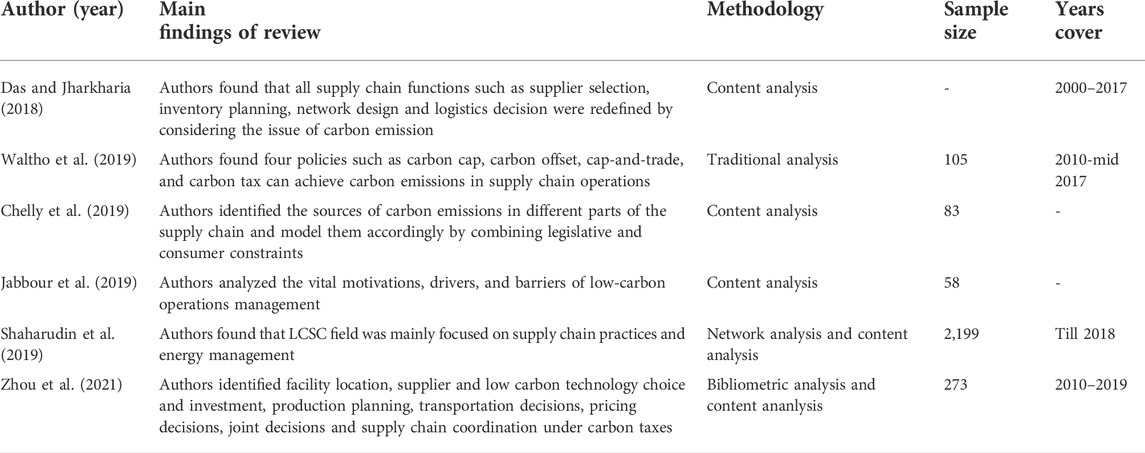
TABLE 1. Literature review articles related to the LCSC.
The purpose of this study is, thus, to explore the literature on LCSC through a systematic analysis, provide new entrants with a detailed knowledge base, help supply chain researchers obtain in-depth insights, and provide supply chain managers with practical low-carbon strategies. Several research questions (RQs) were formulated:
● RQ1: What is the current status of the literature on the publication trends, influential authors, geographical distribution of articles, and the subject categories of LCSC?
● RQ2: What are the main research themes regarding LCSC?
● RQ3: What are the evolution trends and upcoming topics in LCSC-related fields?
● RQ4: What are the opportunities for future research, and how the green economy is framed in LCSC, as derived from our analysis?
Therefore, to answer the above questions, using the combination of bibliometric and content analysis methods, the information presented in this study aims to analyze the development status, research hotspots, topic trend, and future research directions of the LCSC as well as the theoretical framework of green economy from the perspective of the supply chain. Bibliometric analysis is scientific research based on statistics to sort out knowledge, construct knowledge frameworks, and capture the state of the art of the domain (Chen, 2017). In this study, one search was based on the Web of Science Core Collection (WOSCC) database for a total of 5,111 articles. We started by categorizing the 5,111 papers from journals published from 2003 to 2021 and leaving 4,574 articles. Further determining the most relevant publication, the number came down to 1,811. Some influential authors, the geographical distribution of articles, and subject categories in this field were also identified by using Bibexcel. Next, VOSviewer was employed to reveal research hotpots and five clusters were defined, and the evolution trend of important topics was explored using Bibliometrix R-package. Finally, we proposed a future research agenda for low-carbon supply chains and further deepened the knowledge structure of the green economy. The main contribution of the study is not only providing a scientific quantitative and qualitative approach to grasp generalized science research but also demonstrating the current status and hot-spots, research trends and future research directions in this field for researchers who are interested and constructing a green economy framework from a low-carbon supply chain perspective.
The remainder of this article is organized as follows. Section 2 presents the methods and data. The characteristics analysis, topic clusters analysis, and the research trends of LCSC are shown in Section 3. Section 4 presents a discussion and outlines future opportunities. Finally, section 5 draws conclusions and limitations.
2 Methods and data
2.1 Methods
Content and bibliometric analysis were employed in this paper to explore the literature on LCSC. Moreover, the BibExcel, VOSviewer and the Bibliometrix R-package were used to perform bibliometric analysis.
Content analysis, a valid qualitative research technique, is generally performed to make inferences from data based on the context (Hsieh and Shannon, 2005; Krippendorff, 2018). Advanced research and popular ideas were refined from existing papers on subtopics in this field. Bibliometric analysis is a popular and rigorous quantitative method for analyzing and exploring large volumes of scientific literature (Donthu et al., 2021). It is especially used to systematically study research status quos, hotspots, evolution trends, and upcoming changes in a specific field (Cobo et al., 2011). Several bibliometric methods were used in this study, including characteristic, theme cluster, and trend topic analysis.
The characteristic analysis clearly shows the basic information of the research field. This analysis was carried out using BibExcel, a convenient and robust software that accepts documents downloaded from the Web of Science (Ruas and Pereira, 2014). Its unique feature is that the processed files can be quickly imported into Excel for further analysis (Persson et al., 2009). Relevant information, such as the year of publication, leading author, country, and subject category, were extracted for further analysis.
Theme cluster analysis provides holistic cognition of scientific outputs (Rodriguez and Laio, 2014) and detects hotspots in a specific field. VOSviewer (Leiden University, Netherlands), an excellent visualization tool, was employed in our analysis. The algorithm of this software is based on the principle of similarity (Rodriguez and Laio, 2014). Compared to other visualization tools such as SPSS, Pajek, and Gephi, VOSviewer has unique advantages in constructing and visualizing scientific maps, especially for describing complex network structures simply and understandably (van Eck and Waltman, 2010).
It is necessary to capture topic trends based on their importance over time, so a trend topic analysis has a unique advantage in helping scholars identify evolving research topics and dynamics in a specific field (Sharma et al., 2021). Bibliometrix R-package, a unique open-source tool, was used to investigate trends. This technique is programmed in R and is flexible and up-and-date, thus supporting a comprehensive scientific map analysis (Aria and Cuccurullo, 2017).
2.2 Data collection
This study included articles on LCSC retrieved from the WOSCC database. This database was selected for its pioneering content, high scientific impact, and quality-oriented data for scientific bibliometric analysis (Chen et al., 2017). To ensure the reliability of the data source, our analysis followed three steps, as Tranfield et al. (2003) suggested: 1) defining keywords; 2) determining the criteria for screening; and 3) improving sample quality. The detailed process is illustrated in Figure 1.
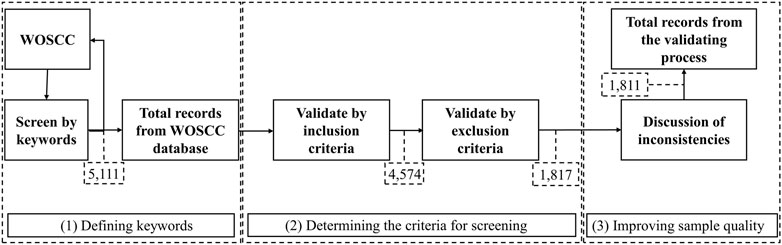
FIGURE 1. The process of data extraction.
First, we defined keywords for ‘low carbon’ and ‘supply chain*’. We obtained the possible keywords for this topic by browsing the top 500 records, which were retrieved from the initial keywords search above, in each subject classification. We further limited the keywords related to “low carbon” to make the results more accurate, such as expanding this keyword to “carbon policy”, “carbon footprint”. In addition, we also used “GHG”, “CO2” instead of “low carbon” to make the search information more complete. Thus, we ended up with the following search string was used in WOSCC: [TS=(“net-zero carbon” OR “low carbon” OR “decarbon*ˮ OR “peak carbon” OR “carbon peak” OR “carbon neutral*ˮ OR “carbon emission*ˮ OR “carbon tax*ˮ OR “carbon trad*ˮ OR “carbon footprint*ˮ OR “carbon pric*ˮ OR “carbon cap” OR “carbon market*ˮ OR “carbon management” OR “carbon label*" OR “greenhouse gas” OR “GHG” OR “CO2 emission*ˮ OR “CO2 footprint*ˮ OR “carbon dioxide emission*ˮ OR “carbon dioxide footprint*ˮ OR “greenhouse gas emission*ˮ OR “greenhouse gas footprint*")] AND [TS=(“supply chain*ˮ OR “supply network*ˮ OR “value chain*ˮ OR “supply channel*ˮ OR “SC")]. A total of 5,111 records were retrieved using this search string.
Further screening was performed based on time period, research theme, language, and article type. To ensure that the search articles were accurate and comprehensive, we limited the time from 2003 to 2021, and all candidate keywords appearing in the ‘title’, ‘abstract’, and ‘keywords’ were included. The starting point was chosen in 2003, because the earliest government document regarding a ‘low-carbon economy’ was the British energy-related white paper ‘Our Energy Future: Creating a Low-carbon Economy’ in 2003. Then, the publication type was restricted to ‘journal articles’, as they contained the most reliable knowledge (Caputo et al., 2021), and only the English language was included. A total of 4,574 records related to LCSC remained, yielding a scientific and appropriate database. Next, a thorough screening process was conducted, with two researchers independently reading the articles’ metadata, such as title, keyworks and abstract, and filtering relevant articles according to the inclusion and exclusion criteria (Table 2). For articles that were difficult to determine, they then skimmed through the full text to determine whether they were consistent with the topic. More than half of the papers were excluded, either because they were beyond the scope of the current study (for example, only circular and sustainable supply chains were mentioned, without emphasis on carbon emission reduction) or because they had no direct or indirect connection with LCSC (for example, taking carbon emissions as one of the various factors affecting supply chain management). After filtering irrelevant articles, 1,817 articles were left.

TABLE 2. Inclusion and exclusion criteria for screening records.
Finally, we found slight differences in the documents retrieved by the two authors, and controversial articles were subjected to further discussion until an agreement was reached. Consequently, 1,811 articles remained, which was the final dataset of our analysis.
3 Results
3.1 The characteristics analysis of LCSC research
To gain a more intuitive understanding of the LCSC field, a characteristics analysis -which reveals the current state of knowledge to researchers in a specific field - was conducted. Specifically, we explored the publication trends in this field and analyzed prolific authors, contributing countries, and subject categories.
3.1.1 Publication trends
The number of scientific publications and their growth tendency are important indicators for discipline’s development. Similarly, to some extent, the scientific impact of an article is determined by the number of citations (Choudhri et al., 2015). Figure 2 presents the growth trajectory of papers and their citations from 2003 to 2021. Before 2009, few papers were published in this field - fewer than 10 per year - indicating little scholarly attention on LCSCs during the early years. Since Meinshausen et al. (2009) proposed GHG emission targets to limit the increase in global warming to 2 °C, the focus on reducing carbon emissions has increased. A continued increase in GHG emissions has intensified or accelerated global warming (Barros et al., 2014). Soon after the United Nations Framework Convention on Climate Change adopted the Paris Agreement in 2015, industries formulated independent emission reduction schemes in various countries. Thus, research on LCSCs has rapidly begun to develop. However, the number of papers published in 2019 was slightly lower than that in 2018, indicating that research concerning carbon management in the supply chain domain was insufficient, although it is a topic worth studying. With carbon emissions in Scope three being larger than those of other commercial activities and many countries gradually joining the ranks of countries actively pursuing carbon peak and neutralization in recent years, academia has refocused on the LCSC-related field.
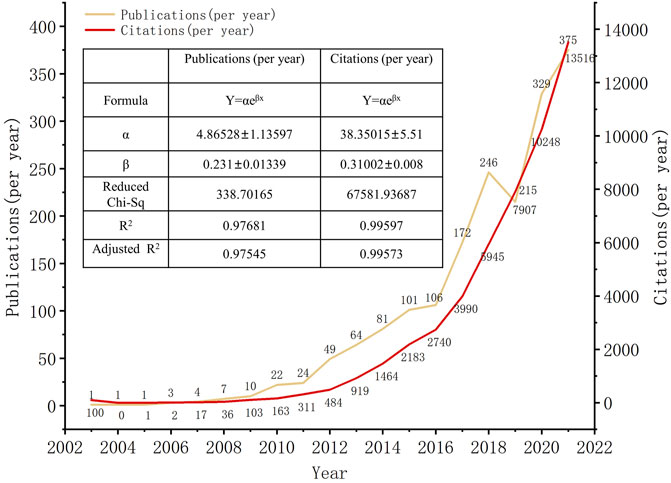
FIGURE 2. Publications and citations over the time horizon.
To better illustrate the characteristics of this trend, we constructed the index growth rate (which can be expressed as Y =
3.1.2 Author analysis
Author analysis supports researchers in finding influential authors in LCSC-related fields who have made a fundamental contribution to this field’s development (Merigo and Yang, 2017). Analysis of prolific and influential authors can help researchers quickly grasp the frontiers and dynamic evolution of the field (Cui et al., 2018). Table 3 shows the top 12 productive authors’ information following their total publications. Biswajit, Sarkar, who specializes in designing sustainable and green supply chains to reduce carbon emissions, produced the highest number of papers on LCSC at 26. He advocated solving the enterprise’s optimized inventory management under controllable carbon emission (Mishra et al., 2020; Mishra et al., 2021). Joseph, Sarkis, an author ranked fourth, engaged in supplier selection, low-carbon production management, and low-carbon cooperation. Dou et al. (2015) proposed a portfolio evaluation model for environmental supplier development to study supplier performance improvement. More than 40% of them were from China. Bai, Qingguo (ranked 2nd) emphasized supply chain coordination with deteriorating items (Bai et al., 2017). Wang, Chuanxu (ranked third) and Yang, Lei (ranked fifth) contribute to emission reduction from consumers’ green preference, the government’s low-carbon regulation, and vertical and horizontal cooperation. An h-index, developed by Jorge Hirsch (Hirsch, 2005, 2007), was adopted to evaluate the scholars’ scientific output. Wang, Chuanxu and, Joseph, Sarkis have a high h-index, indicating that these authors have made major contributions to the LCSC field.
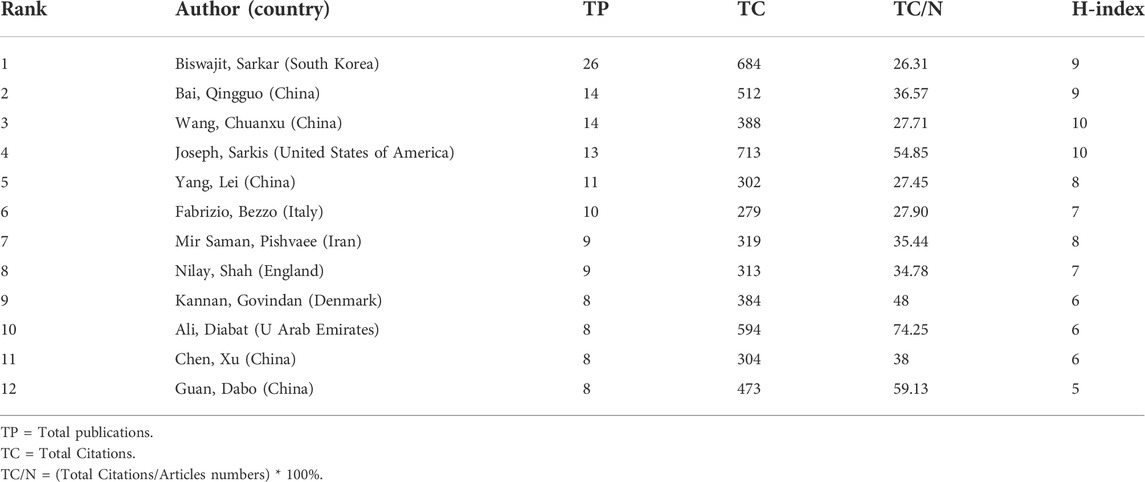
TABLE 3. The most productive authors in the field of LCSC from 2003 to 2021.
3.1.3 Country analysis
A country analysis presents countries’ contributions and international cooperation to the LCSC field. Here, we exhibit the main characteristics of the most prolific countries and their international cooperation network. Figure 3 presents the countries that have published papers in LCSC field in recent years, and it uses diverse colors depending on the number of publications. During the 2003–2014 period, the United States appears to have been the most prolific country in the LCSC area (69 papers), followed by the United Kingdom (54 papers) and China (38 papers) (shown in Table 4). However, China overtook the United States 217) during the 2015–2021 period with 739 publications, followed by the United Kingdom with 135. Similarly, several countries such as India and Iran have shown significant growth, indicating that emerging countries have aroused growing interest in the LCSC field. It is not surprising that China has been the most productive country in the LCSC field in recent years. At the end of 2014, China implemented a nationwide carbon emission quota system. From 2015 to 2021, Chinese scholars’ research on the LCSC under the carbon quota system accounted for approximately 10% of all published papers.
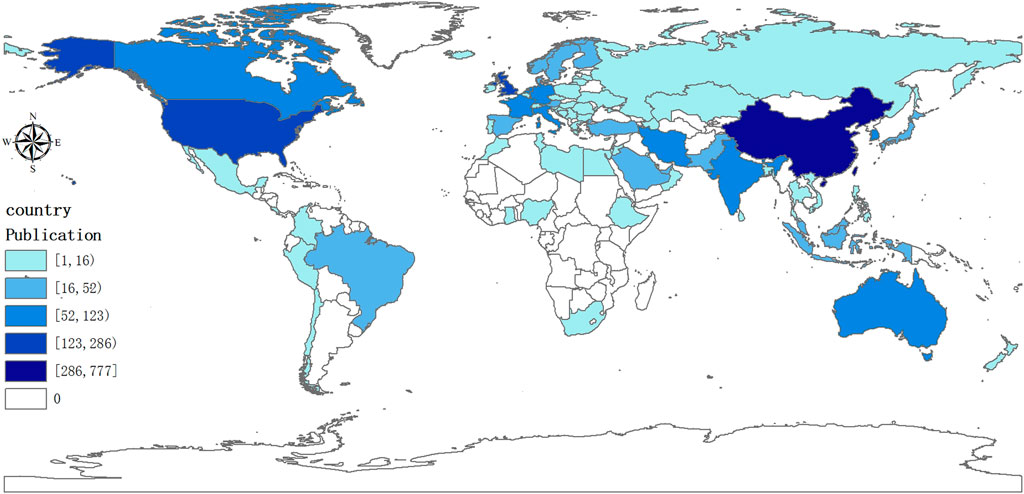
FIGURE 3. Geographical distribution of publications.
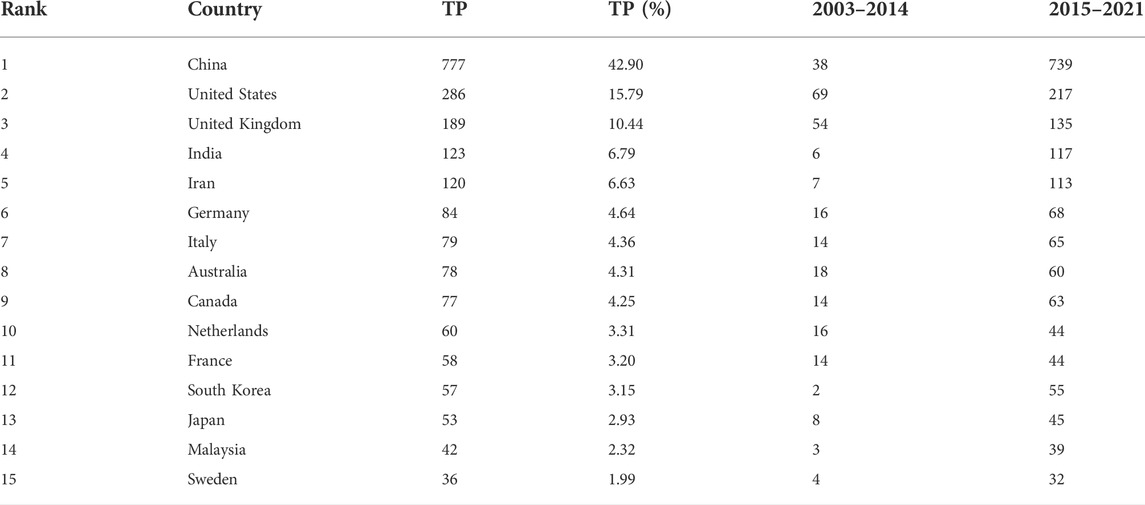
TABLE 4. Most productive countries in the field of LCSC.
Figure 4 depicts the cooperation mapping between main countries based on the co-authorship of papers in LCSC domain. The nodes’ radius represents the networks’ productivity, and the thickness of the connecting lines between nodes indicates the degree of cooperation between countries. Only countries with a joint production of more than 10 are shown in this picture. This result demonstrates the extent of cooperation among main countries in the LCSC domain, with 37 countries forming three cooperation networks. Among them, the red cooperation network is mainly formed by 20 countries, such as the United States, Germany, France, Italy, and Canada, which demonstrates that the LCSC field has a broad base of cooperation among these countries. The green cooperation network is formed by 10 countries such as Iran, and South Korea. China, England, Australia, Japan and several other countries form a blue cooperation network. Although China has the most productivity in this field, its level of cooperation with countries is not yet very high. In addition, there are strong collaborative relationships within individual networks, yet cooperation between different networks is more distant. Therefore, to further promote the development of LCSC area, it is necessary to strengthen the cooperation among countries both in practice and in theory.
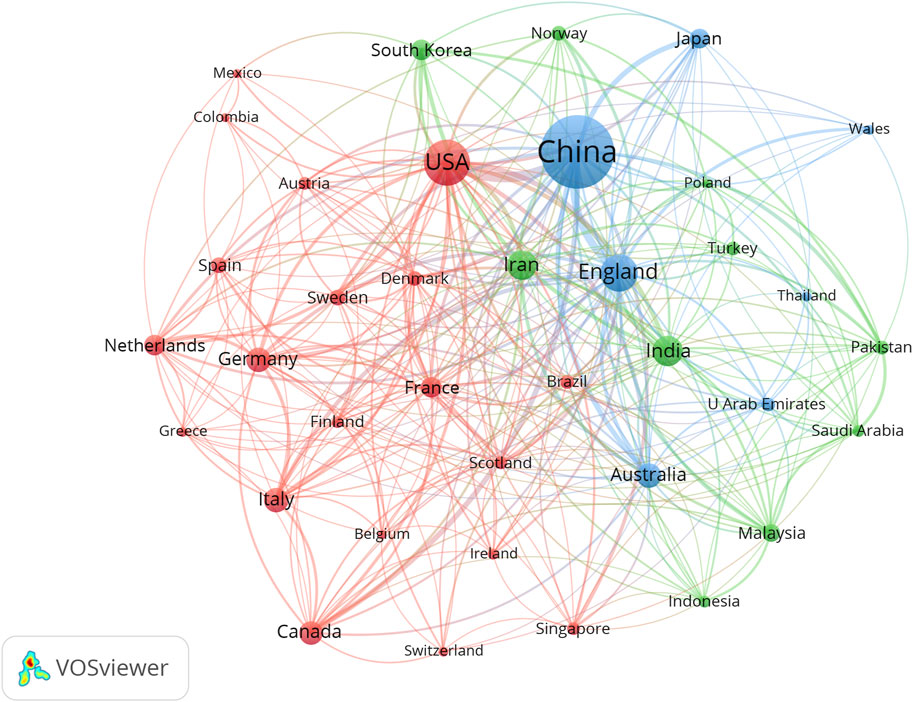
FIGURE 4. The cooperation mapping between main countries based on the co-authorship of papers in the area of LCSC.
3.1.4 Subject category analysis
Subject category analysis helps scholars grasp the subject classification in a field and capture information on interdisciplinary subjects (shown in Table 5). It is worth noting that the articles on LCSC may have interdisciplinary features and potentially belong to multiple research areas; therefore, the total number of publications in the different research fields is larger than the total number of LCSC articles published. In general, the related publications of LCSCs mainly belong to engineering (47.98%), environmental Sciences Ecology (42.08%), science Technology (29.31%), operation management (17.89%) and business economics (15.18%). Interestingly, LCSC research also involves energy fuels (9.39%), computer science (8.23%), mathematics (5.36%), and transportation (3.70%) because of the popularity of alternative fuels, digital transformation, mathematical models, and logistics management in LCSC design.

TABLE 5. Most relevant Subject category analysis (2003–2021).
3.2 The topics and research hotspots of LCSC research
In this section, VOSviewer was used to map the cluster network, which can quickly help researchers identify research hotspots in a specific field. Researchers can get a broad picture of the main research hotspots in a field by using this approach, including its methods, objectives and perspectives (Rejeb et al., 2020). Therefore, the cluster analysis in this article is important to uncover existing themes and connections between themes in the field of LCSC. First, according to the keywords from our final filtered articles, each note was defined systematically by VOSviewer as a noun phrase. In addition, candidate items were automatically labelled by VOSviewer and were manually cleaned by the two authors. In particular, this process has two steps: 1) excluding keywords with no actual meaning (such as ‘cities’, ‘0’, ‘item’, ‘perspective’, ‘experience’); 2) merging keywords with the same meaning (such as ‘lot-sizing’, ‘lot-size model’). After fixing the threshold of keyword co-occurrence at a minimum of three, a total of 337 notes were presented in the visualization mapping. Finally, to produce a more reliable and scientific result, we performed an empirical parameter setting with a resolution of 1.15. We then ran the software and obtained five clusters, as shown in Figure 5.
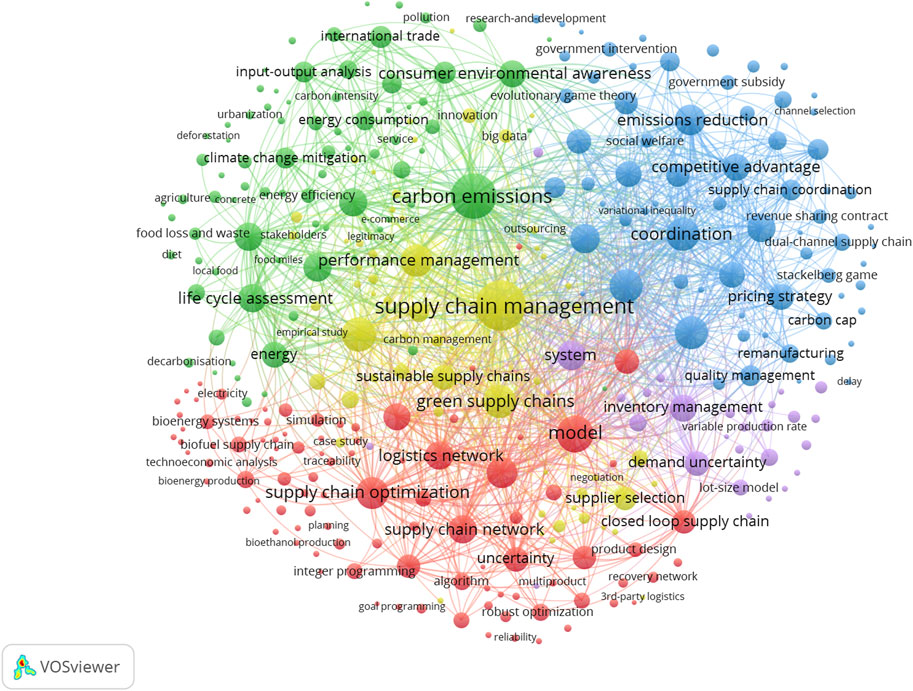
FIGURE 5. The clusters of keywords in LCSC.
Figure 5 depicts a cluster map of 1,811 articles published from 2003 to 2021, including 337 notes divided into five clusters. The top 15 keywords of each cluster and their frequencies are shown specifically in Table 6. The radius of the nodes reflects the frequency of keywords occurrence, while the thickness of the connecting line in the middle represents the frequency of keywords co-occurrence. Among these nodes, the link between supply chain management and carbon emissions is very strong, indicating that many researchers are interested in carbon reduction in the supply chain management process. Moreover, the sub-fields derived from supply chain management, such as green supply chain, sustainable supply chain, and supply chain optimization, have also been widely discussed by scholars. Each cluster has a distinct color and represents a different research topic. These topics reveal the integrated framework of LCSC, which will be analyzed in the next section.
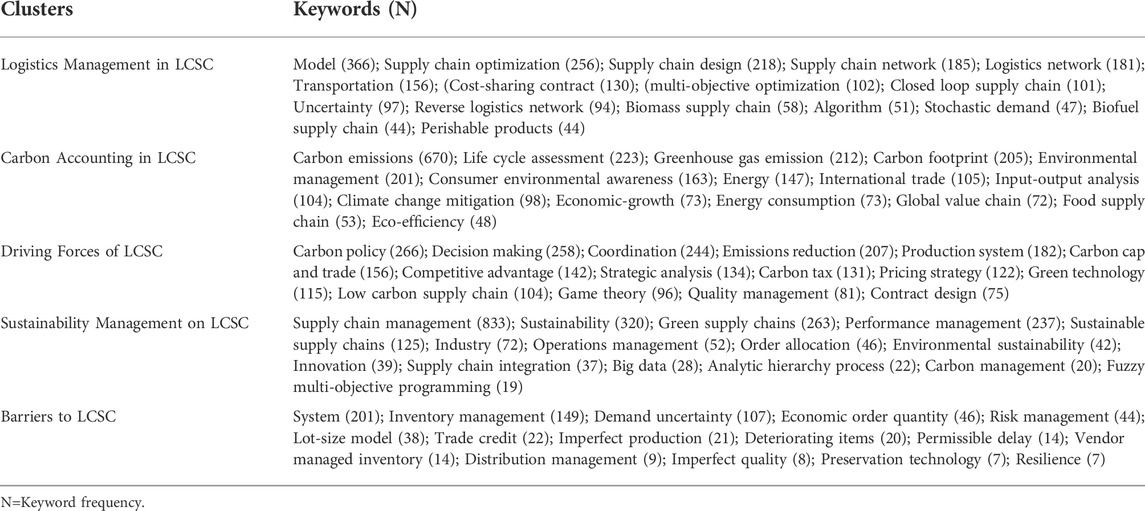
TABLE 6. Top 15 keywords and their frequency in each cluster.
3.2.1 Cluster 1 (red): Logistics management in LCSC
Research in cluster one focuses on understanding logistics design and optimization considering carbon reduction, one of the most critical research topics in the LCSC field. In most studies, scholars’ attention ranges from a single logistics cost to combined logistics efficiency and carbon emission reduction (Figueroa et al., 2014; Jin et al., 2017; Mohebalizadehgashti et al., 2020). Many specific studies on logistics design and optimization that jointly consider carbon management have been conducted, including the issues of traffic mode selection, facility location and last-mile delivery (Govindan et al., 2014; Ashtineh and Pishvaee, 2019; Hong et al., 2022).
There is general agreement that a vital factor determining the carbon emissions in logistics is the choice of transportation mode, vehicle selection, and emerging logistics modes. Transportation modes mainly include air, water channels, roads, and rail, each of which has a different rate of CO2 emissions. Light-duty vehicles are responsible for nearly 58% of the emissions. Medium-and heavy-duty trucks account for nearly 24% of CO2 emissions, whereas freight transportation modes contribute only 10% of CO2 emissions (Facts, 2021). Thus, the choice of vehicles, especially electric vehicles and alternative fuels, such as biomass fuels, make pivotal contributions to carbon abatement (Karimi et al., 2017; Ashtineh and Pishvaee, 2019; Pozzi et al., 2020). Recently, interest in reverse logistics and green logistics has increased, and several scholars have investigated the effects of these strategies on reducing CO2 emissions concerning the case analysis method (Niwa, 2014; Tacken et al., 2014; Gao, 2019). Others have paid continuous attention to information integration, joint transportation, and vertical and horizontal cooperation in improving logistics efficiency and increasing the carbon emissions reduction rate (Shi et al., 2012; Li H. et al., 2017; Munoz-Villamizar et al., 2021).
Facility location is another determinant of carbon reduction in transportation and logistics systems. The traditional vendor location problem only considers the lowest logistics costs and consumer demand satisfaction. However, under pressure from government carbon-control directives, enterprises must redesign the issues of facility location and introduce carbon reduction into supply chain management. Research on facility location mainly focuses on solution algorithms and model formulations (Klose and Drexl, 2005; Zhao et al., 2018; Kheybari et al., 2019). A multi-objective optimization approach is commonly employed to address this problem in distribution systems (Gong et al., 2017). Moreover, a group of studies investigated routing optimization using mathematical models and big data analysis. For example, Hopkins and Hawking (2018) analyzed the role of big data and the Internet of Things in supporting logistics systems to lower operating costs and reduce carbon emissions.
End distribution, that is, the last-mile delivery problem, is a key obstacle to achieving an efficient and low-carbon logistics system. Brown and Guiffrida (2014) pointed out that e-commerce-based online retailing involving last-mile delivery will likely result in higher carbon emissions. Despite the significant challenge of the last-mile delivery problem, emerging technologies have been applied to address these obstacles. For example, as a low-carbon transportation tool, the drone is commonly employed in this field (Rashidzadeh et al., 2021; Wangsa et al., 2021).
3.2.2 Cluster 2 (green): Carbon accounting in LCSC
Carbon accounting in supply chain measures enterprises’ direct and indirect emissions. The carbon footprint is a theme of growing interest in carbon accounting for different application scenarios. On the one hand, with the increasingly serious impact of business activities on global climate change, scholars have begun to evaluate the economic, social, and environmental performance of a product from production, use, recycling, and remanufacturing process, that is, from its whole lifecycle or supply chain. On the other hand, with increasing consumer environmental awareness and low-carbon preferences, there was a rise in voluntary environmental information disclosure to secure more customer loyalty and market competitiveness (Blass and Corbett, 2018). For these two reasons, carbon footprint has been introduced in enterprises for carbon accounting in all business activities. According to the existing research, carbon footprint helps enterprises identify carbon hotspots and supports decision-makers in allocating more carbon reduction efforts to the areas, where such effort is most needed (Acquaye et al., 2011).
Although the carbon footprint is calculated throughout the production life cycle or the whole supply chain, the primary concern of scholars has been transportation, such as the choice of transportation modes and optimal route design (Caracciolo et al., 2018). Moreover, by influencing consumers’ low-carbon preferences and purchase intention as well as changing the supply-side production patterns and SC structures, the carbon footprint has been extended to a new field, that is, climate information disclosure - such as carbon labels and carbon footprint certification - to achieve carbon neutrality (Jira and Toffel, 2013; Birkenberg et al., 2021). Furthermore, researchers have conducted extensive footprint studies, such as material, water, and even eco-footprint or environmental footprint.
In general, research on carbon footprints in the existing literature mainly focuses on calculation approaches, labelling (Onozaka et al., 2016) and standardization (Rugani et al., 2013). The most popular topic concerns the methods suitable to evaluate various supply chains. LCA is the most common tool for measuring the environmental impact in the food supply chain, especially in production (Handayani et al., 2021), transportation (Dong and Miller, 2021), packaging (Accorsi et al., 2015; Beitzen-Heineke et al., 2017), storage and retail (Burek and Nutter, 2020), distribution (Wong et al., 2021) and recycling; it supports supply chain managers in determining the optimal scheme for food supply chain management. Recently, food losses and waste evaluation have been emerging topics (Scholz et al., 2015; Cattaneo et al., 2021). In addition to the food supply chain, LCA has been widely applied in the construction, service, power, coal energy and carbon capture-utilization supply chains.
Moreover, any limitations of LCA have been continuously improved, and carbon accounting has been extended to input-output analysis and hybrid LCA. In some cases, the input-output method was applied in disaster recovery (Hata et al., 2021), multi-regional and global supply chains. For example, Liu et al. (2015) applied a multi-regional input-output model to evaluate CO2 emissions embodied in imports and exports. Moreover, the hybrid LCA, such as the Economic Input-Output LCA model, has been used to estimate the carbon footprint in the US manufacturing industry (Egilmez et al., 2017).
3.2.3 Cluster 3 (blue): Driving forces of LCSC
Some scholars have shown great interest in the driving factors that promote the development of LCSCs (Yuan et al., 2019; Li Q. P. et al., 2021; Su et al., 2022). By exploring this cluster’s literature in detail, we find that the driving forces for promoting LCSC research mainly include the government, consumers, and intra- or inter- organizations.
The impact of government regulations on supply chain members is discussed intensively in this cluster. Specifically, the carbon tax, carbon cap, carbon cap-and-trade, and carbon offset are the carbon policies of most concern to scholars. Some studies have examined how a single or mixed carbon policy affects all supply chain sectors and how enterprises restructure the supply chain in response to such policy. Among them, research on the impact of these policies on production and transportation (Li J. et al., 2017), channel selection (Kushwaha et al., 2020), supply chain network reconfiguration (Jin et al., 2014) and closed-loop supply chain (Xu et al., 2017) is the most extensive. In addition, the pros and cons of setting rates and the possible negative impacts of various carbon policies have been studied thoroughly (Xu et al., 2021a). Moreover, in addition to government regulation, research on the role of government subsidies in enterprises’ low-carbon behavior is gradually increasing. Scholars on this topic firmly believe that appropriate subsidies increase the willingness of firms to invest in green technology to achieve carbon emission reduction (Cao et al., 2017; Li Z. et al., 2021).
Consumers’ demand for green and low-carbon products is also a significant driving factor in companies’ carbon emission abatement efforts (Liao et al., 2021). On the one hand, consumers’ low carbon preference, environmental awareness, price sensitivity, and attitude exert a positive promoting effect on carbon reduction and profits in the supply chain (Ghosh and Shah, 2015; Xia et al., 2018; Xu et al., 2019; Sun et al., 2020; Birkenberg et al., 2021). On the other hand, using carbon labels also reduces the negative impact of information asymmetry, enabling consumers to identify low-carbon products and forcing enterprises to consider emission reduction in supply chain management (Acquaye et al., 2015).
In general, stakeholder collaboration and competition strategies drive LCSC practices. Several scholars have used the evolutionary game method to study the strategies adopted by stakeholders in LCSCs. For example, Yuan et al. (2019) investigated the interplay principles of operational strategies among stakeholders in an LCSC. In addition, the competition strategy and pricing strategy between the upstream and downstream of the supply chain encourage enterprises to compete continuously in the market and promote carbon emission reduction. Enterprises’ low-carbon awareness and corporate culture have become key factors in promoting the operation of LCSCs, especially corporate social responsibility (Tidy et al., 2016; Ali et al., 2020; Modak and Kelle, 2021). Owing to this awareness, enterprises are more willing to invest in new technologies, such as blockchain, big data analysis, and cloud computing, to increase the traceability and transparency of the supply chain, increase the trust of consumers, and promote the balance between profits and emission reduction (Singh et al., 2015; Esmat et al., 2021).
3.2.4 Cluster 4 (yellow): Sustainability management on LCSC
Based on the triple bottom line principle, sustainability management in LCSCs is a topic of growing interest. The literature in this cluster can be classified into three dimensions: purchase strategy, innovation management, and coordination.
Supplier selection is an inevitable issue in realizing the sustainable purchase strategy in an LCSC (Beiki et al., 2021). The choice of supplier in the early literature focused on quality, cost, and lead time, while Rao (2002), the pioneer, found that supplier selection played a significant role in making the supply chain green. Indeed, supply chain practitioners have conducted various studies on the choice of green suppliers and performance evaluation, using various methods such as Analytic Hierarchy Process and Technique for Order Preference by similarity to an ideal solution (Azimifard et al., 2018). Similarly, multi-criteria decision-making and performance evaluation are popular in choosing a supplier by considering environmental performance (Pinar et al., 2021), carbon emission (Shaw et al., 2012), information sharing (Li G. et al., 2019), and resilience (Hosseini and Barker, 2016). Moreover, some articles investigate the role of the carbon tax in selecting suppliers through potential cost increases affected by the carbon tax (Choi, 2013; Kondo et al., 2019; Lamba et al., 2019).
The role of innovation in LCSC management is the focus of several studies that highlight the importance of technology, eco-innovation, business models, and collaboration. Some articles present the role of a government policy (e.g., environmental regulation) (Zhang et al., 2020; Deng et al., 2021) and consumers’ channel preferences (Xin et al., 2019) in promoting innovative technology. In addition, the perspective of eco-innovation has appeared frequently in LCSC management in recent years. According to de Jesus and Mendonca (2018), eco-innovation is not just green technology but also a strategic promoter of the whole value chain transformation. Finally, innovation plays an important role in the circular development of the LCSC, which also involves collaborative innovation (Hao and Li, 2020) and business model innovation (Hall et al., 2020).
Recently, discussions on supply chain coordination associated with the carbon economy have increased. In general, the literature on this topic has highlighted the role of government policies, consumers’ low-carbon preferences and supply chain members’ altruistic behaviors in supply chain coordination (Wang et al., 2016; Xu et al., 2018; Fan et al., 2019). Based on these key factors, coordination contracts, such as revenue-sharing contracts, cost-sharing contracts, wholesale prices, quantity discount contracts, and buybacks, have been investigated by decision-makers in recent years (Shen et al., 2017; Taleizadeh et al., 2018; Li T. et al., 2019). Furthermore, compared with a cost-sharing contract, a revenue-sharing contract is the perfect strategy to achieve supply chain coordination (Bai et al., 2019). On the contrary, Peng et al. (2018) point out that a revenue-sharing contract cannot coordinate the LCSC efficiently under yield uncertainty. Moreover, according to Peng et al. (2018), joint emission reduction is regarded as an important strategy for optimizing carbon emissions in LCSCs, in the case of the joint decision of channel selection (Yang et al., 2018) and the firm’s green R&D cooperation behaviors (Chen et al., 2019).
3.2.5 Cluster 5 (purple): Barriers to LCSC
Cluster five focuses on barriers to LCSC, which has been widely discussed in the existing literature. Attention to this topic has increased in recent years, emphasizing the transition from barriers within an enterprise to external obstacles (Goh, 2019). The literature reveals two major research issues that have attracted the most interest: one is related to barriers in designing an LCSC, and the other is focused on the opportunity to overcome these barriers.
Barriers to LCSCs are an inevitable topic in supply chain design and have three dimensions: enterprises, consumers, and governments. First, some of the literature in this cluster considers internal barriers, such as the lack of capital or resources, lack of information-sharing between enterprises, and lack of cooperation between supply chain members (Khan et al., 2019). In addition, some uncertainties, such as suppliers’ capacities, warehousing capacities, and yield uncertainty, also hinder supply chain optimization (Shaw et al., 2016). Moreover, the research on demand, return, and market uncertainty caused by consumer preferences in recent years has become more popular, mainly focusing on its impact on closed-loop supply chain designs and solutions (Soleimani et al., 2021). Consumers’ low-carbon awareness is insufficient, and the application of carbon labels cannot attract their attention. Moreover, uncertainty also appears in government regulations, in the case of implementing the carbon tax rate (Alizadeh et al., 2019), the time lag of the carbon policy (Sun et al., 2020), and the fluctuation of carbon prices under carbon cap-and-trade (Ren et al., 2021), which are also barriers to achieving economic benefits and carbon reduction.
Due to these barriers to LCSCs, some studies provide effective and practical methods to overcome them. Garre et al. (2020) pointed out that data analysis and machine learning accurately predict demand and reduce market uncertainty. Information sharing among supply chain members can reduce the potential risks caused by information asymmetry and GHG emissions and increase supply chain members’ profits (Yu and Cao, 2020). Interestingly, some novel supply chain strategies have been implemented to reduce these barriers. For example, Izmirli et al. (2020) proposed an inventory share policy to address demand uncertainty. Moreover, product postponement and vendor-managed inventory practices have improved the supply chain system’s flexibility in managing market uncertainty and reducing supply chain emissions (Ugarte et al., 2016).
3.3 Trend topics analysis
In this section, the Bibliometrix R-package was employed to analyze the topic trends in the last 10 years (see Figure 6), which can intuitively reveal the evolution of topics in this field and the current research hotspots. We set the frequency of keywords to five, excluding keywords that appeared less than five times per year. The line’s starting point indicates the initial time of the themes, and the endpoint suggests the time the topics disappear. In addition, the circle indicates a sudden surge in the theme at a specific time; the larger the circle, the greater the surge for a brief time. It is worth noting that the author’s keywords are included in this analysis, while the keywords plus (refers to keywords related to the original article, but the author did not add them) are not included, which accurately reflects the topics that researchers focused on.
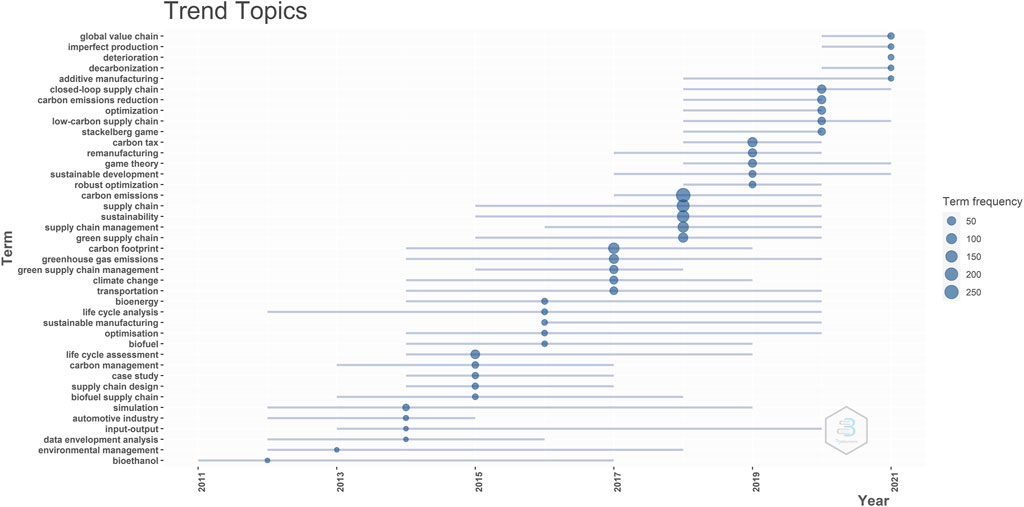
FIGURE 6. The trend topics analysis in authors’ keywords.
LCA appeared earlier than the input-output methods and was widely used in 2015 and 2016. Meanwhile, the input-output method was widely employed in 2014. Carbon accounting has been fully developed in recent years; therefore, we do not find the traces of these keywords in 2021. In addition, over the past 5 years, this research field has focused on green supply chain management, sustainable supply chains, carbon footprints and transportation management. Furthermore, the research direction has gradually shifted to the global value chain, additive manufacturing, deterioration, and decarbonization over the past 2 years.
4 Discussion
4.1 Future research directions
In this section, we discuss the results further and propose future opportunities to address the issues in academic research and the real world. An exhaustive analysis of the research directions for each cluster is presented in the following sections.
Research on Cluster one explored the logistics management in LCSCs, mainly focusing on the choice of transportation mode, facility location, and last-mile delivery. Even though clean transportation is chosen as the primary mode, few articles discuss the application of technology in logistics systems; thus, smart transportation in an LCSC should be highlighted in the future (Sarkar et al., 2019). As for facility location, previous literature has mainly focused on single variables, while future research should consider more complex and integrated models, such as using the location-inventory-routing model for LCSC design (Tavana et al., 2021). In addition, compared with conventional transport, future research on long-distance transport cannot be ignored; the integrated role of cooperation, technology applications, and operational management should form part of the agenda (Robertson et al., 2014). In recent years, COVID-19 has also seriously impacted transportation in LCSCs, especially in terms of the last-mile delivery issues caused by the lockdown. Therefore, it is necessary to comprehensively use artificial intelligence technology and unmanned aerial vehicle to address this challenge and reduce GHG emissions.
According to the existing literature, studies in Cluster two discussed carbon accounting in LCSC, mainly focusing on accounting methods and different application scenarios. However, few studies have analyzed the application of digital technologies such as big data, cloud computing, and blockchain in carbon accounting. Thus, in the future, more attention should be paid to constructing enterprises’ carbon emission data platforms to realize carbon transparency and precision by combining them with research on new digital infrastructure construction and firms’ digital transformation (Sun and Zhang, 2020). In addition, carbon certification is important, although little attention has been paid to it by scholars. In the future, more studies on the certification of low-carbon products can be carried out from two perspectives: the consumption subsidy on the demand side and the introduction of third-party evaluation on the supply side. In general, current research uses various methods to calculate the carbon footprint in supply chains, while the linkage effect of core firms tends to be ignored. Hence, studying core enterprises’ carbon accounting for upstream and downstream emission reductions is a novel research opportunity. Furthermore, owing to the prevalence of globalization, carbon emissions in industrial transfers are easily ignored, and carbon leakages may occur, which need to be concerned (Zhou B. et al., 2020).
The literature in Cluster three explored the driving forces of LCSCs. However, the current research is largely theoretical, lacking empirical research and data support, which should be strengthened in the future. Similarly, apart from green technology and information asymmetry, a higher number of driving factors should be considered in the future, such as evaluating third-party systems and the green finance of financial institutions. Most importantly, the supply chain structure also affects the implementation of carbon policies; therefore, more attention should be paid to the impact of different driving forces of LCSCs with different energy or market structures.
Cluster 4 (Sustainability Management in LCSC) is a vital topic closely related to external relations; however, it is not fully developed. The existing literature in this cluster mainly investigates purchase strategies, innovation management and coordination among supply chain members. However, according to the results above, most studies focus on coordinating manufacturers and retailers. In the future, more emphasis should be placed on supply chain social responsibility and achieving multiparty coordination by introducing multiple stakeholders (Govindan et al., 2016). Moreover, online-to-offline is a real opportunity, as current attention is paid to reverse logistics and closed-loop supply chain, which are suitable forms of supply chain networks to realize material circulation; by contrast, most literature has ignored the role of information. Thus, developing online-to-offline channels is necessary to achieve information sharing and transparency upstream and downstream of the supply chain, eliminate the carbon footprint, and realize end-to-end sustainable development (Xu et al., 2021b). In particular, the existing research on LCSC information management focuses on the perspectives of technology, theory, and practice.
Articles in Cluster five mainly explored barriers to LCSC, particularly their sources and opportunities. At present, a mixed-linear programming model has been used to evaluate uncertainty; however, it is difficult to describe the real world using this approach. Thus, a nonlinear programming approach is required to describe the complex, changeable, and uncertain real-world situations. To the best of our knowledge, the sources of these barriers are enterprises, consumers, and governments. From a broader perspective, we must further consider supply chain disruption and the increased carbon emissions caused by emergencies such as epidemics and natural disasters. Although a vast amount of literature has introduced stochastic models in recent years, the subject of the analysis is still a simple two-level supply chain structure; however, a complex multi-level supply chain structure should be explored in the future. Moreover, few papers have studied the application of machine learning and data analysis to predict uncertainty in the supply chain, but this topic is worthy of in-depth study. In the future, machine learning, scenario analysis, game theory, and sensitivity analysis can forecast uncertainty and overcome the barriers that the LCSC may face.
4.2 Expansion of the green economy framework
The green economy aims to achieve harmony between the economy, society and the environment (D'Amato et al., 2017), with particular emphasis on efficiency and innovation, as well as the role of non-governmental organizations (Lorek and Spangenberg, 2014). Green economy was first proposed by Pearce et al. (1989) in response to underestimating the current environmental and social costs (Loiseau et al., 2016). After then, it can be defined as low-carbon, resource-efficient and socially inclusive (UNEP, 2011).
However, it is very important to introduce the connotation of green economy into the supply chain management to achieve the innovative, coordinated and sustainable development of all actors in the supply chain. As shown in Figure 7, the connotation of logistics management (low energy consumption, high efficiency, low pollution, low emission) and sustainable management (coordination, innovation, sustainable development) in LCSC is the same as that of green economy (efficiency, innovation). In addition, carbon accounting provides a means for companies to transition to a green economy by making carbon emissions pathways more transparent through carbon footprint and the life cycle assessment. Finally, the barriers and drivers in constructing LCSC are equally important to achieving a green economy, mainly focusing on governments, consumers, businesses, and non-governmental organizations.
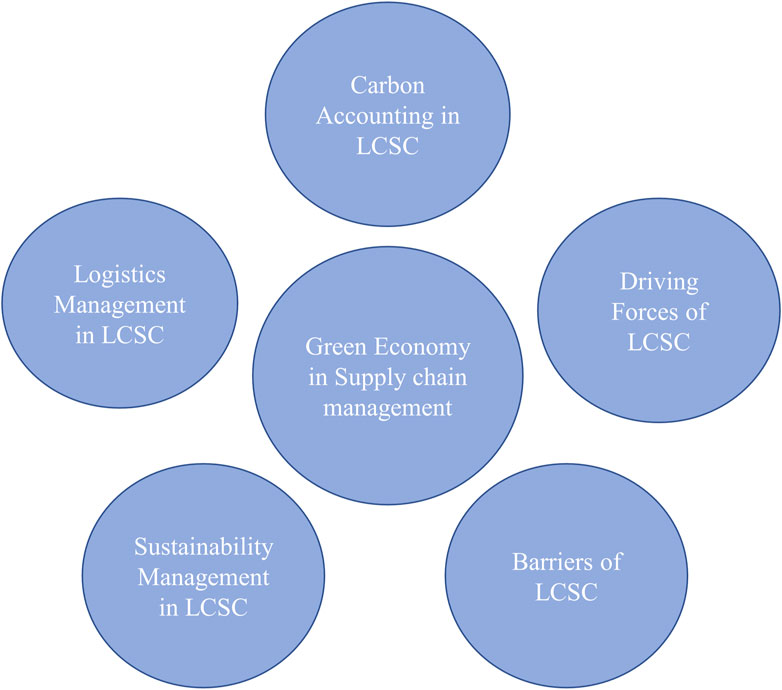
FIGURE 7. Green economy framework in the supply chain.
5 Conclusion
This paper undertakes a comprehensive study of LCSC domain, highlighting the research status of the five main sub-areas and the upcoming topics concerning LCSC field. We integrated the bibliometric and content analysis methods to support researchers and decision-makers in better understanding this field’s development, hotspots, and trend directions and enriching the green economy research framework.
A total of 1,811 articles from 2003 to 2021 were identified, discussed, and analyzed. To answer RQ1, we identified the publication trend, finding that the two key time nodes, 2009 and 2015, were accompanied by a sharp increase in article numbers. Biswajit, Sarkar, Bai, Qingguo and Wang, Chuanxu are the most prolific authors in this field. Moreover, China, the United States, and the United Kingdom have made irreplaceable contributions to this field. Countries should strengthen cooperation based on the co-authorship of papers in this field. Furthermore, this field is interdisciplinary, mainly involving energy, environmental science, science technology, and operations research management.
Concerning RQ2, this paper identifies five clusters: logistics management in LCSC, carbon accounting in LCSC, driving forces of LCSC, sustainability management in LCSC, and barriers to LCSC. These clusters emphasize the significance of logistics and sustainable management in LCSC designs, reveal the practicality of carbon footprint applications, and deeply explore the existing barriers and driving factors. Regarding RQ3, we identified the evolution trends of the important topics in the past 10 years and found that green supply chain management, sustainable supply chain, carbon footprint, and transportation management were hotspots in the last 5 years. Global value chains, additive manufacturing, deterioration, and decarbonization are upcoming topics in the LCSC field. Regarding RQ4, we outlined the current research gaps in each cluster to obtain future research directions. We also proposed the green economy framework in the supply chain to promote better implementation of LCSC.
As implication for theory, we extend the scope of knowledge from LCSC to green economy and construct a green economy framework from supply chain management perspective, which provides new ideas for the development of this field. As implications for practice, we present the authors, national publication performance, current research hot-spots and future research directions in LCSC field for researchers. In addition, advice is provided for supply chain practitioners in logistics management, sustainable development and carbon accounting as well as the opportunities and challenges faced by companies in the process of supply chain emissions reduction.
This study has some limitations. First, the dataset generated in this study was screened according to the inclusion and exclusion criteria by searching the keywords related to this field. Although we attempted to identify all keywords related to this field, we may still have inadvertently missed a few and may not have included all relevant literature. Therefore, selecting the dataset may be biased, even if we have done our best to minimize the potential bias. Moreover, only the WOSCC database was selected for this article, and expanding the scope of the literature may broaden coverage, therefore, multiple data sets should be analyzed in the future to expand coverage.
Data availability statement
The datasets presented in this study can be found in online repositories. The names of the repository/repositories and accession number(s) can be found below: Web of Science Core Collection database.
Author contributions
Conceptualization, JL and YB; Methodology, MH; Software, MH; Validation, JL and YB; Formal Analysis, MH; Investigation, YB; Resources, JL; Data Curation, MH; Writing—Original Draft Preparation, MH; Writing—Review and Editing, MH and YB; Visualization, YB; Supervision, JL; Project Administration, YB; Funding Acquisition, JL.
Funding
This work was supported by the Zhejiang Province Soft Science Research Program, Key Program (No. 2022C25034).
Acknowledgments
We thank the editors and reviewers for their valuable comments, which made important contributions to this study.
Conflict of interest
The authors declare that the research was conducted in the absence of any commercial or financial relationships that could be construed as a potential conflict of interest.
Publisher’s note
All claims expressed in this article are solely those of the authors and do not necessarily represent those of their affiliated organizations, or those of the publisher, the editors and the reviewers. Any product that may be evaluated in this article, or claim that may be made by its manufacturer, is not guaranteed or endorsed by the publisher.
Footnotes
1GHG, greenhouse gas; LCSC, low-carbon supply chain; LCA, life cycle assessment; WOSCC, web of science core collection
References
Accorsi, R., Versari, L., and Manzini, R. (2015). Glass vs. Plastic: Life cycle assessment of Extra-Virgin Olive oil Bottles across global supply chains. Sustainability 7 (3), 2818–2840. doi:10.3390/su7032818
Acquaye, A. A., Wiedmann, T., Feng, K., Crawford, R. H., Barrett, J., Kuylenstierna, J., et al. (2011). Identification of 'carbon hot-spots' and quantification of GHG Intensities in the Biodiesel supply chain using hybrid LCA and structural path analysis. Environ. Sci. Technol. 45 (6), 2471–2478. doi:10.1021/es103410q
Acquaye, A. A., Yamoah, F. A., and Feng, K. (2015). An integrated environmental and fairtrade labelling scheme for product supply chains. Int. J. Prod. Econ. 164, 472–483. doi:10.1016/j.ijpe.2014.12.014
Ali, S. S., Kaur, R., Ersoz, F., Altaf, B., Basu, A., and Weber, G.-W. (2020). Measuring carbon performance for sustainable green supply chain practices: A developing country scenario. Cent. Eur. J. Oper. Res. 28 (4), 1389–1416. doi:10.1007/s10100-020-00673-x
Alizadeh, M., Ma, J., Marufuzzaman, M., and Yu, F. (2019). Sustainable olefin supply chain network design under seasonal feedstock supplies and uncertain carbon tax rate. J. Clean. Prod. 222, 280–299. doi:10.1016/j.jclepro.2019.02.188
Aria, M., and Cuccurullo, C. (2017). bibliometrix: An R-tool for comprehensive science mapping analysis. J. Inf. 11 (4), 959–975. doi:10.1016/j.joi.2017.08.007
Ashtineh, H., and Pishvaee, M. S. (2019). Alternative fuel vehicle-routing problem: A life cycle analysis of transportation fuels. J. Clean. Prod. 219, 166–182. doi:10.1016/j.jclepro.2019.01.343
Azimifard, A., Moosavirad, S. H., and Ariafar, S. (2018). Selecting sustainable supplier countries for Iran's steel industry at three levels by using AHP and TOPSIS methods. Resour. Policy 57, 30–44. doi:10.1016/j.resourpol.2018.01.002
Bai, Q., Chen, M., and Xu, L. (2017). Revenue and promotional cost-sharing contract versus two-part tariff contract in coordinating sustainable supply chain systems with deteriorating items. Int. J. Prod. Econ. 187, 85–101. doi:10.1016/j.ijpe.2017.02.012
Bai, Q., Gong, Y., Jin, M., and Xu, X. (2019). Effects of carbon emission reduction on supply chain coordination with vendor-managed deteriorating product inventory. Int. J. Prod. Econ. 208, 83–99. doi:10.1016/j.ijpe.2018.11.008
Barros, V., Field, C., Dokken, D., Mastrandrea, M., Mach, K., Bilir, T., et al. (2014). IPCC, 2014: Climate Change 2014: Impacts, adaptation, and vulnerability. Part B: Regional aspects. Contribution of working Group II to the fifth assessment report of the intergovernmental panel on climate change. Cambridge: Cambridge University Press.
Beiki, H., Mohammad Seyedhosseini, S., Ponkratov, V. V., Olegovna Zekiy, A., and Ivanov, S. A. (2021). Addressing a sustainable supplier selection and order allocation problem by an integrated approach: A case of automobile manufacturing. J. Industrial Prod. Eng. 38 (4), 239–253. doi:10.1080/21681015.2021.1877202
Beitzen-Heineke, E. F., Balta-Ozkan, N., and Reefke, H. (2017). The prospects of zero-packaging grocery stores to improve the social and environmental impacts of the food supply chain. J. Clean. Prod. 140, 1528–1541. doi:10.1016/j.jclepro.2016.09.227
Benjaafar, S., Li, Y. Z., and Daskin, M. (2013). Carbon footprint and the management of supply chains: Insights from simple models. IEEE Trans. Autom. Sci. Eng. 10 (1), 99–116. doi:10.1109/tase.2012.2203304
Beske-Janssen, P., Johnson, M. P., and Schaltegger, S. (2015). 20 years of performance measurement in sustainable supply chain management - what has been achieved? Supply Chain Management-an Int. J. 20 (6), 664–680. doi:10.1108/scm-06-2015-0216
Birkenberg, A., Narjes, M. E., Weinmann, B., and Birner, R. (2021). The potential of carbon neutral labeling to engage coffee consumers in climate change mitigation. J. Clean. Prod. 278, 123621. doi:10.1016/j.jclepro.2020.123621
Blass, V., and Corbett, C. J. (2018). Same supply chain, different models integrating perspectives from life cycle assessment and supply chain management. J. Industrial Ecol. 22 (1), 18–30. doi:10.1111/jiec.12550
Brennan, L., and Owende, P. (2010). Biofuels from microalgae—A review of technologies for production, processing, and extractions of biofuels and co-products. Renew. Sustain. energy Rev. 14 (2), 557–577. doi:10.1016/j.rser.2009.10.009
Brown, J. R., and Guiffrida, A. L. (2014). Carbon emissions comparison of last mile delivery versus customer pickup. Int. J. Logist. Res. Appl. 17 (6), 503–521. doi:10.1080/13675567.2014.907397
Burek, J., and Nutter, D. W. (2020). Environmental implications of perishables storage and retailing. Renew. Sustain. Energy Rev. 133, 110070. doi:10.1016/j.rser.2020.110070
Calkins, P. A. (1996). “Lifecycle assessment at Xerox,” in 1996 IEEE international Symposium on Electronics and the environment, 161–166.()
Cao, K. Y., Xu, X. P., Wu, Q., and Zhang, Q. P. (2017). Optimal production and carbon emission reduction level under cap-and-trade and low carbon subsidy policies. J. Clean. Prod. 167, 505–513. doi:10.1016/j.jclepro.2017.07.251
Caputo, A., Pizzi, S., Pellegrini, M. M., and Dabic, M. (2021). Digitalization and business models: Where are we going? A science map of the field. J. Bus. Res. 123, 489–501. doi:10.1016/j.jbusres.2020.09.053
Caracciolo, F., Amani, P., Cavallo, C., Cembalo, L., D'Amico, M., Del Giudice, T., et al. (2018). The environmental benefits of changing logistics structures for fresh vegetables. Int. J. Sustain. Transp. 12 (4), 233–240. doi:10.1080/15568318.2017.1337834
Cattaneo, A., Federighi, G., and Vaz, S. (2021). The environmental impact of reducing food loss and waste: A critical assessment. Food Policy 98, 101890. doi:10.1016/j.foodpol.2020.101890
Chelly, A., Nouira, I., Frein, Y., and Hadj-Alouane, A. B. (2019). On the consideration of carbon emissions in modelling-based supply chain literature: The state of the art, relevant features and research gaps. Int. J. Prod. Res. 57 (15-16), 4977–5004. doi:10.1080/00207543.2018.1497310
Chen, C. M. (2017). Science mapping: A systematic review of the literature. J. Data Inf. Sci. 2 (2), 1–40. doi:10.1515/jdis-2017-0006
Chen, H., Jiang, W., Yang, Y., Yang, Y., and Man, X. (2017). State of the art on food waste research: A bibliometrics study from 1997 to 2014. J. Clean. Prod. 140, 840–846. doi:10.1016/j.jclepro.2015.11.085
Chen, X., and Wang, X. (2017). Achieve a low carbon supply chain through product mix. Industrial Manag. Data Syst. 117 (10), 2468–2484. doi:10.1108/imds-02-2017-0054
Chen, X., Wang, X., and Zhou, M. (2019). Firms' green R&D cooperation behaviour in a supply chain: Technological spillover, power and coordination. Int. J. Prod. Econ. 218, 118–134. doi:10.1016/j.ijpe.2019.04.033
Choi, T.-M. (2013). Optimal apparel supplier selection with forecast updates under carbon emission taxation scheme. Comput. Operations Res. 40 (11), 2646–2655. doi:10.1016/j.cor.2013.04.017
Choudhri, A. F., Siddiqui, A., Khan, N. R., and Cohen, H. L. (2015). Understanding bibliometric parameters and analysis. Radiographics 35 (3), 736–746. doi:10.1148/rg.2015140036
Cobo, M. J., Lopez-Herrera, A. G., Herrera-Viedma, E., and Herrera, F. (2011). Science mapping software tools: Review, analysis, and cooperative study among tools. J. Am. Soc. Inf. Sci. Technol. 62 (7), 1382–1402. doi:10.1002/asi.21525
Cui, Y., Mou, J., and Liu, Y. P. (2018). Knowledge mapping of social commerce research: A visual analysis using CiteSpace. Electron. Commer. Res. 18 (4), 837–868. doi:10.1007/s10660-018-9288-9
D'Amato, D., Droste, N., Allen, B., Kettunen, M., Lahtinen, K., Korhonen, J., et al. (2017). Green, circular, bio economy: A comparative analysis of sustainability avenues. J. Clean. Prod. 168, 716–734. doi:10.1016/j.jclepro.2017.09.053
Das, C., and Jharkharia, S. (2019). Effects of low carbon supply chain practices on environmental sustainability an empirical study on Indian manufacturing firms. South Asian J. Bus. Stud. 8 (1), 2–25. doi:10.1108/sajbs-04-2018-0037
Das, C., and Jharkharia, S. (2018). Low carbon supply chain: A state-of-the-art literature review. J. Manuf. Technol. Manag. 29 (2), 398–428. doi:10.1108/jmtm-09-2017-0188
de Jesus, A., and Mendonca, S. (2018). Lost in transition? Drivers and barriers in the eco-innovation road to the circular economy. Ecol. Econ. 145, 75–89. doi:10.1016/j.ecolecon.2017.08.001
de Solla Price, D. J., and Page, T. (1961). Science since babylon. Am. J. Phys. 29 (12), 863–864. doi:10.1119/1.1937650
Deng, Y., You, D., and Zhang, Y. (2021). Research on improvement strategies for low-carbon technology innovation based on a differential game: The perspective of tax competition. Sustain. Prod. Consum. 26, 1046–1061. doi:10.1016/j.spc.2021.01.007
Dong, Y., and Miller, S. A. (2021). Assessing the lifecycle greenhouse gas (GHG) emissions of perishable food products delivered by the cold chain in China. J. Clean. Prod. 303, 126982. doi:10.1016/j.jclepro.2021.126982
Donthu, N., Kumar, S., Mukherjee, D., Pandey, N., and Lim, W. M. (2021). How to conduct a bibliometric analysis: An overview and guidelines. J. Bus. Res. 133, 285–296. doi:10.1016/j.jbusres.2021.04.070
Dou, Y., Zhu, Q., and Sarkis, J. (2015). Integrating strategic carbon management into formal evaluation of environmental supplier development Programs. Bus. Strategy Environ. 24 (8), 873–891. doi:10.1002/bse.1851
Egilmez, G., Bhutta, K., Erenay, B., Park, Y. S., and Gedik, R. (2017). Carbon footprint stock analysis of US manufacturing: A time series input-output LCA. Industrial Manag. Data Syst. 117 (5), 853–872. doi:10.1108/imds-06-2016-0253
Esmat, A., de Vos, M., Ghiassi-Farrokhfal, Y., Palensky, P., and Epema, D. (2021). A novel decentralized platform for peer-to-peer energy trading market with blockchain technology. Appl. Energy 282, 116123. doi:10.1016/j.apenergy.2020.116123
Facts, E. (2021). US transportation sector greenhouse gas emissions, 1990–2019. Washington DC, USA: Office of Transportation and Air Quality.
Fahimnia, B., Sarkis, J., and Davarzani, H. (2015). Green supply chain management: A review and bibliometric analysis. Int. J. Prod. Econ. 162, 101–114. doi:10.1016/j.ijpe.2015.01.003
Fan, R., Lin, J., and Zhu, K. (2019). Study of game models and the complex dynamics of a low-carbon supply chain with an altruistic retailer under consumers' low-carbon preference. Phys. A Stat. Mech. its Appl. 528, 121460. doi:10.1016/j.physa.2019.121460
Figueroa, M., Lah, O., Fulton, L. M., McKinnon, A., and Tiwari, G. (2014). “Energy for transport,”. Editors A. Gadgil, and D. M. Liverman, Vol. 39, 295–325.Annu. Rev. Environ. Resour.
Gao, X. (2019). A novel reverse logistics network design considering multi-level investments for facility Reconstruction with environmental Considerations. Sustainability 11 (9), 2710. doi:10.3390/su11092710
Garre, A., Carmen Ruiz, M., and Hontoria, E. (2020). Application of Machine Learning to support production planning of a food industry in the context of waste generation under uncertainty. Operations Res. Perspect. 7, 100147. doi:10.1016/j.orp.2020.100147
Ghosh, D., and Shah, J. (2015). Supply chain analysis under green sensitive consumer demand and cost sharing contract. Int. J. Prod. Econ. 164, 319–329. doi:10.1016/j.ijpe.2014.11.005
Goh, S. H. (2019). Barriers to low-carbon warehousing and the link to carbon abatement A case from emerging Asia. Int. J. Phys. Distribution Logist. Manag. 49 (6), 679–704. doi:10.1108/ijpdlm-10-2018-0354
Gong, D. C., Chen, P. S., and Lu, T. Y. (2017). Multi-objective optimization of green supply chain network designs for transportation mode selection. Sci. Iran. 24 (6), 0–3370. doi:10.24200/sci.2017.4403
Govindan, K., Jafarian, A., Khodaverdi, R., and Devika, K. (2014). Two-echelon multiple-vehicle location-routing problem with time windows for optimization of sustainable supply chain network of perishable food. Int. J. Prod. Econ. 152, 9–28. doi:10.1016/j.ijpe.2013.12.028
Govindan, K., Seuring, S., Zhu, Q. H., and Azevedo, S. G. (2016). Accelerating the transition towards sustainability dynamics into supply chain relationship management and governance structures. J. Clean. Prod. 112, 1813–1823. doi:10.1016/j.jclepro.2015.11.084
Govindan, K., and Sivakumar, R. (2016). Green supplier selection and order allocation in a low-carbon paper industry: Integrated multi-criteria heterogeneous decision-making and multi-objective linear programming approaches. Ann. Oper. Res. 238 (1-2), 243–276. doi:10.1007/s10479-015-2004-4
Hall, S., Mazur, C., Hardy, J., Workman, M., and Powell, M. (2020). Prioritising business model innovation: What needs to change in the United Kingdom energy system to grow low carbon entrepreneurship? Energy Res. Soc. Sci. 60, 101317. doi:10.1016/j.erss.2019.101317
Handayani, D. I., Masudin, I., Rusdiansyah, A., and Suharsono, J. (2021). Production-distribution model considering traceability and carbon emission: A case study of the Indonesian canned fish food industry. Logistics 5 (3), 59. doi:10.3390/logistics5030059
Hao, X., and Li, B. (2020). Research on collaborative innovation among enterprises in green supply chain based on carbon emission trading. Sci. Prog. 103 (2), 003685042091632. doi:10.1177/0036850420916329
Hasan, M. M. F., Boukouvala, F., First, E. L., and Floudas, C. A. (2014). Nationwide, regional, and Statewide CO2 capture, utilization, and Sequestration supply chain network optimization. Ind. Eng. Chem. Res. 53 (18), 7489–7506. doi:10.1021/ie402931c
Hata, S., Nansai, K., Wakiyama, T., Kagawa, S., and Tohno, S. (2021). Embedding a low-carbon interregional supply chain into a recovery plan for future natural disasters. J. Clean. Prod. 315, 128160. doi:10.1016/j.jclepro.2021.128160
Hirsch, J. E. (2005). An index to quantify an individual's scientific research output. Proc. Natl. Acad. Sci. U. S. A. 102 (46), 16569–16572. doi:10.1073/pnas.0507655102
Hirsch, J. E. (2007). Does the h index have predictive power? Proc. Natl. Acad. Sci. U. S. A. 104 (49), 19193–19198. doi:10.1073/pnas.0707962104
Hitchcock, T. (2012). Low carbon and green supply chains: The legal drivers and commercial pressures. Supply Chain Manag. An Int. J. 17 (1), 98–101. doi:10.1108/13598541211212249
Hong, J. T., Zhan, C. L., and Lau, K. H. (2022). Leveraging joint distribution in urban express delivery to lessen environmental impacts: A case study. Nankai Bus. Rev. Int. doi:10.1108/nbri-08-2021-0060
Hopkins, J., and Hawking, P. (2018). Big data Analytics and IoT in logistics: A case study. Int. J. Logist. Manag. 29 (2), 575–591. doi:10.1108/ijlm-05-2017-0109
Hosseini, S., and Barker, K. (2016). A Bayesian network model for resilience-based supplier selection. Int. J. Prod. Econ. 180, 68–87. doi:10.1016/j.ijpe.2016.07.007
Hsieh, H.-F., and Shannon, S. E. (2005). Three approaches to qualitative content analysis. Qual. Health Res. 15 (9), 1277–1288. doi:10.1177/1049732305276687
Hsu, C. W., Kuo, R. J., and Chiou, C. Y. (2014). A multi-criteria decision-making approach for evaluating carbon performance of suppliers in the electronics industry. Int. J. Environ. Sci. Technol. (Tehran). 11 (3), 775–784. doi:10.1007/s13762-013-0265-5
Izmirli, D., Ekren, B. Y., and Kumar, V. (2020). Inventory share policy designs for a sustainable Omni-Chanel E-commerce network. Sustainability 12 (23), 10022. doi:10.3390/su122310022
Jabbour, A., Jabbour, C. J. C., Sarkis, J., Gunasekaran, A., Alves, M., and Ribeiro, D. A. (2019). Decarbonisation of operations management - looking back, moving forward: A review and implications for the production research community. Int. J. Prod. Res. 57 (15-16), 4743–4765. doi:10.1080/00207543.2017.1421790
Jassim, H. S. H., Lu, W. Z., and Olofsson, T. (2018). Assessing energy consumption and carbon dioxide emissions of off highway trucks in earthwork operations: An artificial neural network model. J. Clean. Prod. 198, 364–380. doi:10.1016/j.jclepro.2018.07.002
Ji, J., Zhang, Z., and Yang, L. (2017). Carbon emission reduction decisions in the retail-/dual-channel supply chain with consumers' preference. J. Clean. Prod. 141, 852–867. doi:10.1016/j.jclepro.2016.09.135
Jin, M., Granda-Marulanda, N. A., and Down, I. (2014). The impact of carbon policies on supply chain design and logistics of a major retailer. J. Clean. Prod. 85, 453–461. doi:10.1016/j.jclepro.2013.08.042
Jin, M., Tang, R., Ji, Y., Liu, F., Gao, L., and Huisingh, D. (2017). Impact of advanced manufacturing on sustainability: An overview of the special volume on advanced manufacturing for sustainability and low fossil carbon emissions. J. Clean. Prod. 161, 69–74. doi:10.1016/j.jclepro.2017.05.101
Jira, C., and Toffel, M. W. (2013). Engaging supply chains in climate change. Manuf. Serv. Oper. Manag. 15 (4), 559–577. doi:10.1287/msom.1120.0420
Kang, K., Zhao, Y., Zhang, J., and Qiang, C. (2019). Evolutionary game theoretic analysis on low-carbon strategy for supply chain enterprises. J. Clean. Prod. 230, 981–994. doi:10.1016/j.jclepro.2019.05.118
Karimi, M., Niknamfar, A. H., and Pasandideh, S. H. R. (2017). Two-stage single period inventory management for a manufacturing vendor under green-supplier supply chain. Int. J. Syst. Assur. Eng. Manag. 8 (4), 704–718. doi:10.1007/s13198-016-0557-5
Khan, S. A. R., Jian, C., Zhang, Y., Golpira, H., Kumar, A., and Sharif, A. (2019). Environmental, social and economic growth indicators spur logistics performance: From the perspective of South Asian Association for Regional Cooperation countries. J. Clean. Prod. 214, 1011–1023. doi:10.1016/j.jclepro.2018.12.322
Kheybari, S., Kazemi, M., and Rezaei, J. (2019). Bioethanol facility location selection using best-worst method. Appl. Energy 242, 612–623. doi:10.1016/j.apenergy.2019.03.054
Klose, A., and Drexl, A. (2005). Facility location models for distribution system design. Eur. J. operational Res. 162 (1), 4–29. doi:10.1016/j.ejor.2003.10.031
Kondo, R., Kinoshita, Y., and Yamada, T. (2019). Green procurement decisions with carbon leakage by global suppliers and order Quantities under different carbon tax. Sustainability 11 (13), 3710. doi:10.3390/su11133710
Kushwaha, S., Ghosh, A., and Rao, A. K. (2020). Collection activity channels selection in a reverse supply chain under a carbon cap-and-trade regulation. J. Clean. Prod. 260, 121034. doi:10.1016/j.jclepro.2020.121034
Lamba, K., Singh, S. P., and Mishra, N. (2019). Integrated decisions for supplier selection and lot-sizing considering different carbon emission regulations in Big Data environment. Comput. Industrial Eng. 128, 1052–1062. doi:10.1016/j.cie.2018.04.028
Li, G., Shao, S., and Zhang, L. (2019a). Green supply chain behavior and business performance: Evidence from China. Technol. Forecast. Soc. Change 144, 445–455. doi:10.1016/j.techfore.2017.12.014
Li, H., Wang, C., Shang, M., and Ou, W. (2017a). Pricing, carbon emission reduction, low-carbon promotion and returning decision in a closed-loop supply chain under vertical and horizontal cooperation. Int. J. Environ. Res. Public Health 14 (11), 1332. doi:10.3390/ijerph14111332
Li, J., Su, Q., and Ma, L. (2017b). Production and transportation outsourcing decisions in the supply chain under single and multiple carbon policies. J. Clean. Prod. 141, 1109–1122. doi:10.1016/j.jclepro.2016.09.157
Li, Q. P., Wu, S. M., Lei, Y. L., Li, S. T., and Li, L. (2021a). Evolutionary path and driving forces of inter-industry transfer of CO2 emissions in China: Evidence from structural path and decomposition analysis. Sci. Total Environ. 765, 142773. doi:10.1016/j.scitotenv.2020.142773
Li, T., Zhang, R., Zhao, S., and Liu, B. (2019b). Low carbon strategy analysis under revenue-sharing and cost-sharing contracts. J. Clean. Prod. 212, 1462–1477. doi:10.1016/j.jclepro.2018.11.282
Li, Z., Pan, Y., Yang, W., Ma, J., and Zhou, M. (2021b). Effects of government subsidies on green technology investment and green marketing coordination of supply chain under the cap-and-trade mechanism. Energy Econ. 101, 105426. doi:10.1016/j.eneco.2021.105426
Liao, Z. J., Liu, Y., Dai, J. L., and Li, Y. Y. (2021). An application of the planned behavior theory to predict Chinese firms' environmental innovation. J. Environ. Plan. Manag., 1–20. doi:10.1080/09640568.2021.1977616
Liu, H., Liu, W., Fan, X., and Zou, W. (2015). Carbon emissions embodied in demand-supply chains in China. Energy Econ. 50, 294–305. doi:10.1016/j.eneco.2015.06.006
Liu, T. T., Wang, Q. W., and Su, B. (2016). A review of carbon labeling: Standards, implementation, and impact. Renew. Sustain. Energy Rev. 53, 68–79. doi:10.1016/j.rser.2015.08.050
Loiseau, E., Saikku, L., Antikainen, R., Droste, N., Hansjurgens, B., Pitkanen, K., et al. (2016). Green economy and related concepts: An overview. J. Clean. Prod. 139, 361–371. doi:10.1016/j.jclepro.2016.08.024
Lorek, S., and Spangenberg, J. H. (2014). Sustainable consumption within a sustainable economy beyond green growth and green economies. J. Clean. Prod. 63, 33–44. doi:10.1016/j.jclepro.2013.08.045
Manupati, V. K., Jedidah, S. J., Gupta, S., Bhandari, A., and Ramkumar, M. (2019). Optimization of a multi-echelon sustainable production-distribution supply chain system with lead time consideration under carbon emission policies. Comput. Industrial Eng. 135, 1312–1323. doi:10.1016/j.cie.2018.10.010
Marabelli, M., and Newell, S. (2014). Knowing, power and materiality: A critical review and Reconceptualization of absorptive capacity. Int. J. Manag. Rev. 16 (4), 479–499. doi:10.1111/ijmr.12031
Meinshausen, M., Meinshausen, N., Hare, W., Raper, S. C. B., Frieler, K., Knutti, R., et al. (2009). Greenhouse-gas emission targets for limiting global warming to 2 °C. Nature 458 (7242), 1158–1162. doi:10.1038/nature08017
Merigo, J. M., and Yang, J. B. (2017). A bibliometric analysis of operations research and management science. Omega 73, 37–48. doi:10.1016/j.omega.2016.12.004
Mishra, U., Wu, J.-Z., and Sarkar, B. (2021). Optimum sustainable inventory management with backorder and deterioration under controllable carbon emissions. J. Clean. Prod. 279, 123699. doi:10.1016/j.jclepro.2020.123699
Mishra, U., Wu, J. Z., and Sarkar, B. (2020). A sustainable production-inventory model for a controllable carbon emissions rate under shortages. J. Clean. Prod. 256, 120268. doi:10.1016/j.jclepro.2020.120268
Modak, N. M., and Kelle, P. (2021). Using social work donation as a tool of corporate social responsibility in a closed-loop supply chain considering carbon emissions tax and demand uncertainty. J. Operational Res. Soc. 72 (1), 61–77. doi:10.1080/01605682.2019.1654413
Mohebalizadehgashti, F., Zolfagharinia, H., and Amin, S. H. (2020). Designing a green meat supply chain network: A multi-objective approach. Int. J. Prod. Econ. 219, 312–327. doi:10.1016/j.ijpe.2019.07.007
Munoz-Villamizar, A., Velazquez-Martinez, J. C., Mejia-Argueta, C., and Gamez-Perez, K. (2021). The impact of shipment consolidation strategies for green home delivery: A case study in a Mexican retail company. Int. J. Prod. Res. 60, 2443–2460. doi:10.1080/00207543.2021.1893852
Nakajima, M., Kimura, A., and Wagner, B. (2015). Introduction of material flow cost accounting (MFCA) to the supply chain: A questionnaire study on the challenges of constructing a low-carbon supply chain to promote resource efficiency. J. Clean. Prod. 108, 1302–1309. doi:10.1016/j.jclepro.2014.10.044
Nicholson, A. L., Olivetti, E. A., Gregory, J. R., Field, F. R., and Kirchain, R. E. (2014). “End-of-life LCA allocation methods: Open loop recycling impacts on robustness of material selection decisions,” in IEEE international Symposium on sustainable systems and technology, 93–98.
Onozaka, Y., Hu, W., and Thilmany, D. D. (2016). Can eco-labels reduce carbon emissions? Market-wide analysis of carbon labeling and locally grown fresh apples. Renew. Agric. Food Syst. 31 (2), 122–138. doi:10.1017/s174217051500006x
Palmatier, R. W., Houston, M. B., and Hulland, J. (2018). Review articles: Purpose, process, and structure. J. Acad. Mark. Sci. 46 (1), 1–5. doi:10.1007/s11747-017-0563-4
Pearce, D. W., Markandya, A., and Barbier, E. (1989). Blueprint for a green economy. London UK: Earth scan Publication.EB, 1989
Peng, H., Pang, T., and Cong, J. (2018). Coordination contracts for a supply chain with yield uncertainty and low-carbon preference. J. Clean. Prod. 205, 291–302. doi:10.1016/j.jclepro.2018.09.038
Peng, Q., Wang, C., and Xu, L. (2020). Emission abatement and procurement strategies in a low-carbon supply chain with option contracts under stochastic demand. Comput. Industrial Eng. 144, 106502. doi:10.1016/j.cie.2020.106502
Persson, O., Danell, R., and Schneider, J. W. (2009). How to use Bibexcel for various types of bibliometric analysis. Celebrating Sch. Commun. Stud. A Festschrift Olle Persson A. T. his 60th Birthd. 5, 9–24.
Pinar, A., Rouyendegh, B. D., and Ozdemir, Y. S. (2021). Q-rung Orthopair fuzzy TOPSIS method for green supplier selection problem. Sustainability 13 (2), 985. doi:10.3390/su13020985
Pozzi, C., Monarca, U., and Surdi, G. (2020). Electric vehicle evolution: Issues and policy implications. Glob. Local Econ. Rev. 24 (2), 1–13.
Rao, P. (2002). Greening the supply chain: A new initiative in South East Asia. Int. Jrnl. Op. Prod. Mnagemnt. 22, 632–655. doi:10.1108/01443570210427668
Rashidzadeh, E., Hadji Molana, S. M., Soltani, R., and Hafezalkotob, A. (2021). Assessing the sustainability of using drone technology for last-mile delivery in a blood supply chain. J. Model. Manag. 16 (4), 1376–1402. doi:10.1108/jm2-09-2020-0241
Rejeb, A., Keogh, J. G., Zailani, S., Treiblmaier, H., and Rejeb, K. (2020). Blockchain technology in the food industry: A review of potentials, challenges and future research directions. Logistics 4 (4), 27. doi:10.3390/logistics4040027
Ren, H., Zhou, W., Makowski, M., Yan, H., Yu, Y., and Ma, T. (2021). Incorporation of life cycle emissions and carbon price uncertainty into the supply chain network management of PVC production. Ann. Oper. Res. 300 (2), 601–620. doi:10.1007/s10479-019-03365-1
Robertson, K., Garnham, M., and Symes, W. (2014). Life cycle carbon footprint of the packaging and transport of New Zealand kiwifruit. Int. J. Life Cycle Assess. 19 (10), 1693–1704. doi:10.1007/s11367-014-0775-5
Rodriguez, A., and Laio, A. (2014). Clustering by fast search and find of density peaks. Science 344 (6191), 1492–1496. doi:10.1126/science.1242072
Ruas, T. L., and Pereira, L. (2014). Como construir indicadores de Ciência, Tecnologia e Inovação usando Web of Science, Derwent World Patent Index, Bibexcel e Pajek? Perspect. Cienc. Inf. 19 (3), 52–81. doi:10.1590/1981-5344/1678
Rugani, B., Vazquez-Rowe, I., Benedetto, G., and Benetto, E. (2013). A comprehensive review of carbon footprint analysis as an extended environmental indicator in the wine sector. J. Clean. Prod. 54, 61–77. doi:10.1016/j.jclepro.2013.04.036
Sarkar, B., Guchhait, R., Sarkar, M., and Cardenas-Barron, L. E. (2019). How does an industry manage the optimum cash flow within a smart production system with the carbon footprint and carbon emission under logistics framework? Int. J. Prod. Econ. 213, 243–257. doi:10.1016/j.ijpe.2019.03.012
Scholz, K., Eriksson, M., and Strid, I. (2015). Carbon footprint of supermarket food waste. Resour. Conservation Recycl. 94, 56–65. doi:10.1016/j.resconrec.2014.11.016
Seyedghorban, Z., Tahernejad, H., Meriton, R., and Graham, G. (2020). Supply chain digitalization: Past, present and future. Prod. Plan. Control 31 (2-3), 96–114. doi:10.1080/09537287.2019.1631461
Shaharudin, M. S., Fernando, Y., Jabbour, C. J. C., Sroufe, R., and Jasmi, M. F. A. (2019). Past, present, and future low carbon supply chain management: A content review using social network analysis. J. Clean. Prod. 218, 629–643. doi:10.1016/j.jclepro.2019.02.016
Sharma, D., Kumar, B., Chand, S., and Shah, R. R. (2021). A trend analysis of significant topics over time in machine learning research. SN Comput. Sci. 2 (6), 469–513. doi:10.1007/s42979-021-00876-2
Sharma, M., Kumar, A., Luthra, S., Joshi, S., and Upadhyay, A. (2022). The impact of environmental dynamism on low-carbon practices and digital supply chain networks to enhance sustainable performance: An empirical analysis. Bus. Strategy Environ. 31 (4), 1776–1788. doi:10.1002/bse.2983
Shaw, K., Irfan, M., Shankar, R., and Yadav, S. S. (2016). Low carbon chance constrained supply chain network design problem: A Benders decomposition based approach. Comput. Industrial Eng. 98, 483–497. doi:10.1016/j.cie.2016.06.011
Shaw, K., Shankar, R., Yadav, S. S., and Thakur, L. S. (2012). Supplier selection using fuzzy AHP and fuzzy multi-objective linear programming for developing low carbon supply chain. Expert Syst. Appl. 39 (9), 8182–8192. doi:10.1016/j.eswa.2012.01.149
Shen, B., Ding, X., Chen, L., and Chan, H. L. (2017). Low carbon supply chain with energy consumption constraints: Case studies from China's textile industry and simple analytical model. Supply Chain Management-an Int. J. 22 (3), 258–269. doi:10.1108/scm-05-2015-0197
Shi, X., Li, L. X., Yang, L., Li, Z., and Choi, J. Y. (2012). Information flow in reverse logistics: An industrial information integration study. Inf. Technol. Manag. 13 (4), 217–232. doi:10.1007/s10799-012-0116-y
Singh, A., Mishra, N., Ali, S. I., Shukla, N., and Shankar, R. (2015). Cloud computing technology: Reducing carbon footprint in beef supply chain. Int. J. Prod. Econ. 164, 462–471. doi:10.1016/j.ijpe.2014.09.019
Soleimani, H., Mohammadi, M., Fadaki, M., and Al-e-hashem, S. M. J. M. (2021). Carbon-efficient closed-loop supply chain network: An integrated modeling approach under uncertainty. Environ. Sci. Pollut. Res. Int. doi:10.1007/s11356-021-15100-0
Su, J., Shen, T., and Jin, S. X. (2022). Ecological efficiency evaluation and driving factor analysis of the coupling coordination of the logistics industry and manufacturing industry. Environ. Sci. Pollut. Res. Int. doi:10.1007/s11356-022-20061-z
Sun, L., Cao, X., Alharthi, M., Zhang, J., Taghizadeh-Hesary, F., and Mohsin, M. (2020). Carbon emission transfer strategies in supply chain with lag time of emission reduction technologies and low-carbon preference of consumers. J. Clean. Prod. 264, 121664. doi:10.1016/j.jclepro.2020.121664
Sun, M. L., and Zhang, J. (2020). Research on the application of block chain big data platform in the construction of new smart city for low carbon emission and green environment. Comput. Commun. 149, 332–342. doi:10.1016/j.comcom.2019.10.031
Tacken, J., Rodrigues, V. S., and Mason, R. (2014). Examining CO2e reduction within the German logistics sector. Int. J. Logist. Manag. 25 (1), 54–84. doi:10.1108/ijlm-09-2011-0073
Taleizadeh, A. A., Alizadeh-Basban, N., and Sarker, B. R. (2018). Coordinated contracts in a two-echelon green supply chain considering pricing strategy. Comput. Industrial Eng. 124, 249–275. doi:10.1016/j.cie.2018.07.024
Tang, R., and Yang, L. (2020). Impacts of financing mechanism and power structure on supply chains under cap-and-trade regulation. Transp. Res. Part E Logist. Transp. Rev. 139, 101957. doi:10.1016/j.tre.2020.101957
Tavana, M., Tohidi, H., Alimohammadi, M., and Lesansalmasi, R. (2021). A location-inventory-routing model for green supply chains with low-carbon emissions under uncertainty. Environ. Sci. Pollut. Res. 28 (36), 50636–50648. doi:10.1007/s11356-021-13815-8
Tidy, M., Wang, X., and Hall, M. (2016). The role of supplier relationship management in reducing greenhouse gas emissions from food supply chains: Supplier engagement in the UK supermarket sector. J. Clean. Prod. 112, 3294–3305. doi:10.1016/j.jclepro.2015.10.065
Tranfield, D., Denyer, D., and Smart, P. (2003). Towards a methodology for developing evidence‐informed management knowledge by means of systematic review. Br. J. Manag. 14 (3), 207–222. doi:10.1111/1467-8551.00375
Ugarte, G. M., Golden, J. S., and Dooley, K. J. (2016). Lean versus green: The impact of lean logistics on greenhouse gas emissions in consumer goods supply chains. J. Purch. Supply Manag. 22 (2), 98–109. doi:10.1016/j.pursup.2015.09.002
Unep, U. (2011). Towards a green economy: Pathways to sustainable development and poverty eradication. Nairobi, Kenya: UNEP.
van Eck, N. J., and Waltman, L. (2010). Software survey: VOSviewer, a computer program for bibliometric mapping. Scientometrics 84 (2), 523–538. doi:10.1007/s11192-009-0146-3
Waltho, C., Elhedhli, S., and Gzara, F. (2019). Green supply chain network design: A review focused on policy adoption and emission quantification. Int. J. Prod. Econ. 208, 305–318. doi:10.1016/j.ijpe.2018.12.003
Wang, Q., Zhao, D., and He, L. (2016). Contracting emission reduction for supply chains considering market low-carbon preference. J. Clean. Prod. 120, 72–84. doi:10.1016/j.jclepro.2015.11.049
Wangsa, I. D., Wee, H. M., Hsiao, Y. L., and Rizky, N. (2021). Identifying an effective last-mile customer delivery option with an integrated eco-friendly inventory model. INFOR Inf. Syst. Operational Res. 60, 165–200. doi:10.1080/03155986.2021.2012403
Wiebe, K. S. (2018). Identifying emission hotspots for low carbon technology transfers. J. Clean. Prod. 194, 243–252. doi:10.1016/j.jclepro.2018.05.003
Wong, E. Y. C., Ho, D. C. K., So, S., and Poo, M. C. P. (2021). Sustainable consumption and production: Modelling product carbon footprint of beverage merchandise using a supply chain input-process-output approach. Corp. Soc. Responsib. Environ. Manag. 29, 175–188. doi:10.1002/csr.2193
Xia, L., Hao, W., Qin, J., Ji, F., and Yue, X. (2018). Carbon emission reduction and promotion policies considering social preferences and consumers' low-carbon awareness in the cap-and-trade system. J. Clean. Prod. 195, 1105–1124. doi:10.1016/j.jclepro.2018.05.255
Xin, C., Zhou, Y., Zhu, X., Li, L., and Chen, X. (2019). Optimal decisions for carbon emission reduction through Technological innovation in a hybrid-channel supply chain with consumers' channel preferences. Discrete Dyn. Nat. Soc., 1–24. doi:10.1155/2019/4729358
Xu, L., Wang, C., Miao, Z., and Chen, J. (2019). Governmental subsidy policies and supply chain decisions with carbon emission limit and consumer's environmental awareness. RAIRO-Oper. Res. 53 (5), 1675–1689. doi:10.1051/ro/2018094
Xu, L., Wang, C., and Zhao, J. (2018). Decision and coordination in the dual-channel supply chain considering cap-and-trade regulation. J. Clean. Prod. 197, 551–561. doi:10.1016/j.jclepro.2018.06.209
Xu, X., Yu, Y., Dou, G., and Ruan, X. (2021a). The choice of cap-and-trade and carbon tax regulations in a cap-dependent carbon trading price setting. K. 51, 2554–2577. doi:10.1108/k-09-2020-0610
Xu, X., Zhang, M., Dou, G., and Yu, Y. (2021b). Coordination of a supply chain with an online platform considering green technology in the blockchain era. Int. J. Prod. Res., 1–18. doi:10.1080/00207543.2021.1894367
Xu, Z., Pokharel, S., Elomri, A., and Mutlu, F. (2017). Emission policies and their analysis for the design of hybrid and dedicated closed-loop supply chains. J. Clean. Prod. 142, 4152–4168. doi:10.1016/j.jclepro.2016.09.192
Yang, L., Ji, J., Wang, M., and Wang, Z. (2018). The manufacturer's joint decisions of channel selections and carbon emission reductions under the cap-and-trade regulation. J. Clean. Prod. 193, 506–523. doi:10.1016/j.jclepro.2018.05.038
Yenipazarli, A. (2016). Managing new and remanufactured products to mitigate environmental damage under emissions regulation. Eur. J. Operational Res. 249 (1), 117–130. doi:10.1016/j.ejor.2015.08.020
Yu, M., and Cao, E. (2020). Information sharing format and carbon emission abatement in a supply chain with competition. Int. J. Prod. Res. 58 (22), 6775–6790. doi:10.1080/00207543.2019.1685704
Yuan, R., Rodrigues, J. F. D., and Behrens, P. (2019). Driving forces of household carbon emissions in China: A spatial decomposition analysis. J. Clean. Prod. 233, 932–945. doi:10.1016/j.jclepro.2019.06.110
Zhang, Y., Guo, C., and Wang, L. (2020). Supply chain strategy analysis of low carbon subsidy policies based on carbon trading. Sustainability 12 (9), 3532. doi:10.3390/su12093532
Zhao, X., Xia, X., Wang, L., and Yu, G. (2018). Risk-averse facility location for green closed-loop supply chain networks design under uncertainty. Sustainability 10 (11), 4072. doi:10.3390/su10114072
Zhou, B., Zhang, C., Wang, Q. W., and Zhou, D. Q. (2020a). Does emission trading lead to carbon leakage in China? Direction and channel identifications. Renew. Sustain. Energy Rev. 132, 110090. doi:10.1016/j.rser.2020.110090
Zhou, X. Y., Wei, X. Y., Lin, J., Tian, X., Lev, B., and Wang, S. Y. (2021). Supply chain management under carbon taxes: A review and bibliometric analysis. Omega 98, 102295. doi:10.1016/j.omega.2020.102295
Zhou, X., Zhang, H., Xin, S., Yan, Y., Long, Y., Yuan, M., et al. (2020b). Future scenario of China's downstream oil supply chain: Low carbon-oriented optimization for the design of planned multi-product pipelines. J. Clean. Prod. 244, 118866. doi:10.1016/j.jclepro.2019.118866
Zhou, Y., Bao, M., Chen, X., and Xu, X. (2016). Co-op advertising and emission reduction cost sharing contracts and coordination in low-carbon supply chain based on fairness concerns. J. Clean. Prod. 133, 402–413. doi:10.1016/j.jclepro.2016.05.097
Keywords: bibliometrics, low-carbon supply chain, sustainable management, climate change, green economy
Citation: Luo J, Huang M and Bai Y (2022) Visual analysis of low-carbon supply chain: Development, hot-spots, and trend directions. Front. Environ. Sci. 10:995018. doi: 10.3389/fenvs.2022.995018
Received: 15 July 2022; Accepted: 12 August 2022;
Published: 07 September 2022.
Edited by:
Mohamed Chakib Kolsi, Emirates College of Technology, United Arab EmiratesReviewed by:
Tetyana Pimonenko, Sumy State University, UkraineAbderahman Rejeb, Széchenyi István University, Hungary
Copyright © 2022 Luo, Huang and Bai. This is an open-access article distributed under the terms of the Creative Commons Attribution License (CC BY). The use, distribution or reproduction in other forums is permitted, provided the original author(s) and the copyright owner(s) are credited and that the original publication in this journal is cited, in accordance with accepted academic practice. No use, distribution or reproduction is permitted which does not comply with these terms.
*Correspondence: Yanhu Bai, YmFpeWFuaHUyMDA4QDEyNi5jb20=