 Peng Wang
 Jingyuan Lin
 Wuji Lin
- Institute of Brain and Psychological Sciences, Sichuan Normal University, Chengdu, China
The well-established improvement effect of restorative environments on mental health has been demonstrated by numerous studies. However, there are relatively few related environmental neuroscience studies. Therefore, regarding the cognitive neural mechanism of the restorative environment in improving mental health, there are still many unknowns. In this article, we conducted a scoping review of the research in this field to map the current evidence base. Firstly, we summarized the main viewpoints of the existing theories and analyzed the limitations of each theory. After integrating the empirical studies on the regulation of mental health by the restorative environment, it was found that exposure to the restorative environment is associated with significant changes in mental health, as well as the cerebral cortex activity, brain structure, and functional connectivity. Based on the current literature, we proposed further suggestions from the aspects of theoretical development, study design, and analysis method.
1 Introduction
The widespread deterioration of mental health among urban residents has become a significant public health issue. Numerous studies have found that the mental health of urban residents is generally poor, exhibiting higher levels of psychological distress (Dunleavy et al., 2020; Gong et al., 2016; Williams et al., 2017), depression (Lecic-Tosevski, 2019; Xu et al., 2023), and anxiety (van der Wal et al., 2021; Ventimiglia and Seedat, 2019). Environmental psychology explains this as the continuous consumption of individual psychological resources by the urban environment and the lack of a recovery mechanism. Since the 1970s, scholars have increasingly recognized the key role of the physical environment in supporting the restoration of psychological resources and introduced the concept of “restorative environments” (Hartig, 2004).
Restorative environments are defined as physical environments that allow and promote the renewal, recovery, or reconstruction of depleted physical, psychological, and social resources during the continuous adaptation to demands (Hartig, 2004). A core premise of restorative environment research is that psychological resources are depleted in the process of meeting life demands and need to be replenished through a “recovery” process. Two basic requirements for an environment to have restorative functions are: “allowing” and “promoting.” First, the environment needs to allow restoration, meaning it should enable individuals to temporarily disengage from or pause activities that require significant resource consumption, and avoid introducing new demands that further deplete already exhausted resources (von Lindern et al., 2016). Second, the environment should be able to promote resource recovery. Although psychological activities are not necessarily directly related to specific environments, people may feel fatigued and troubled in any environment (e.g., those with rumination) (Collado et al., 2017), environments with restorative characteristics can attract and focus people’s attention, prompting them to engage with the external world, thereby extending the recovery process. In essence, restorative environments not only have low demands on depleted resources but also possess positive characteristics that can more quickly and thoroughly renew depleted psychological resources.
Restorative environments are a conceptual expression of such environments, with natural environments being their archetypal manifestation. On one hand, natural environments are considered to have lower arousal characteristics than urban environments, such as complexity, intensity, and mobility (Wohlwill, 1974), which reduces the continuous depletion of psychological resources. Moreover, natural environments lack many of many of the cognitive, social, and physical demands found in urban environments. and this reduction of “stressors” facilitates relaxation and promotes recovery (Kaplan and Kaplan, 1982; Staats et al., 2010). Therefore, natural environments, or those rich in natural elements, are widely recognized as prototypical examples of restorative environments, including forests, grasslands, wetlands, and rivers. However, the scope of restorative contexts extends beyond these natural archetypes to include urban green spaces (e.g., parks, community gardens, greenways) and select non-natural venues with restorative affordances, such as museums (Annechini et al., 2020), cafés (Staats et al., 2016), temples and churches (Ouellette et al., 2005), and public squares (Abdulkarim and Nasar, 2014). These settings can foster restoration through cultural immersion, aesthetic engagement, or social support, provided that they minimize environmental demands and avoid introducing new stressors. It is also important to recognize that restorative potential is not guaranteed; contextual barriers—such as overcrowding, noise, safety concerns, or social tensions—can diminish or even negate restorative benefits, even in otherwise supportive environments (Hartig et al., 2007). Conversely, by shaping certain conditions in the environment and increasing elements that promote resource recovery (mainly natural elements), residential areas (Dzhambov, 2018), workspaces (Bringslimark et al., 2011), schools (Han, 2009), and hospitals (Gao and Zhang, 2020) can also have restorative effects. The core of restorative environments lies in reducing psychological resource consumption (low arousal characteristics) and eliminating stressors (cognitive, social, and physical demands). Given the diversity of restorative contexts, it is essential to consider not only environmental attributes but also individual psychological needs, cultural backgrounds, and situational constraints that may facilitate or hinder restoration.
A substantial body of research has demonstrated the significant role of restorative environments in maintaining mental health, improving mood, promoting cognitive resource recovery, and enhancing wellbeing. For example, a meta-analysis of 263 studies found that 70% (184 out of 263 studies) of the studies support a positive relationship between restorative environments and mental health (Wendelboe-Nelson et al., 2019). Restorative environments not only contribute positively to individual psychological wellbeing but also yield substantial economic benefits at the societal level. A study found that the economic value of global nature reserves in enhancing mental health amounts to $6 trillion, which exceeds the value generated by tourism in protected areas by an order of magnitude and surpasses management costs by two to three orders of magnitude (Buckley et al., 2019).
Despite this clear evidence of their benefits, a comprehensive synthesis of the field’s current state is still needed. Therefore, the primary objective of this study is to systematically synthesize and critically evaluate current research on restorative environments. Furthermore, a key goal is to identify existing gaps in the literature and, based on this analysis, propose clear and actionable directions for future research.
2 Theories of restorative environments
There is currently a wealth of theoretical perspectives on how restorative environments promote mental health and overall recovery capacity, driving the research paradigm shift from phenomenological description to mechanistic analysis.
2.1 Attention Restoration Theory
Attention Restoration Theory (ART) was proposed by Kaplan and Kaplan (1989) and proposes that the perceptual features of natural environments can attract an individual’s involuntary attention, while also allowing for the restoration of limited, voluntary attention resources (Kaplan and Berman, 2010; Schertz and Berman, 2019). This perceptual feature in natural environments is referred to as “soft fascination.” Voluntary attention, which requires sustained effort to suppress distractions, is a limited cognitive resource (James, 1892), and under long-term cognitive load, it can lead to fatigue from directed attention. ART suggests that attention processing in natural environments is bottom-up and effortless. The perceptual features in these environments can automatically capture involuntary attention, and Kaplan and Kaplan (1989) refer to this state as “fascination.” During this process, voluntary attention enters an inactive state, allowing for cognitive resource recovery and alleviating fatigue. This theoretical framework presents four key restorative features: (1) Soft fascination; (2) Sense of being away; (3) Feeling of extent; (4) Compatibility with goals. However, the definitions in this theoretical framework are somewhat vague and lack operational clarity, making it difficult to clearly measure and manipulate the specific impacts of these features in empirical research.
Attention Restoration Theory is a functionalist psychological theory that has driven much research on restorative environments promoting cognitive resource recovery. Experimental paradigms typically induce attention fatigue through pre-test tasks and then compare cognitive performance differences after exposure to natural and urban environments. A meta-analysis found that exposure to restorative environments led to better performance on cognitive tasks such as working memory, cognitive flexibility, and attention control, which require attention involvement (Stevenson et al., 2018). However, there is no direct evidence to suggest that the process of cognitive resource recovery in natural environments is a process of restoring voluntary attention (Joye and Dewitte, 2018).
2.2 Stress Recovery Theory
Based on evolutionary psychology, Ulrich et al. (1991) proposed the Stress Recovery Theory (SRT), with the core hypothesis being: the environmental adaptation mechanisms formed during human evolution not only shaped the stress response system to threatening stimuli (Ulrich, 1983), but also built the neurobiological foundation for quickly recovering stress homeostasis in safe environments. Ulrich et al. (1991) proposed two aspects of recovery: (1) activation of the parasympathetic nervous system; (2) positive emotional state changes, both of which work together to maintain the dynamic balance of the stress system. They believed that physiological arousal and emotional changes serve adaptive purposes, helping individuals prepare for fight or flight when responding to threatening stimuli, with the resulting stress being an adaptive response beneficial for survival (Ulrich, 1983). SRT emphasizes that humans’ preference for natural environments has deep evolutionary logic. For example, savanna like landscapes—open terrain with abundant water sources—resemble early human evolutionary environments, suggesting the possibility of survival and thus fostering a sense of safety and adaptability. Such natural scenes replace negative emotions with positive emotions, thus promoting stress recovery and emotional.
Studies of comparing the recovery effects different environmental types and characteristics on emotions and stress-related physiological measures provide experimental support for the Stress Recovery Theory (Chiang et al., 2017; Huang et al., 2020; Tang et al., 2017). However, as an evolutionary psychological theory, its assumptions are difficult to test, and there is no empirical evidence confirming the recovery mechanisms outlined by SRT. Instead, it often aligns with research findings to some extent. In urban environments, SRT’s explanatory power is limited, particularly when explaining restorative effects in non-natural settings.
2.3 Biophilia hypothesis
The biophilia hypothesis suggests that humans have an inherent biophilia, defined as an innate tendency to affiliate with life and life-like processes (Wilson, 1984). Wilson argued from an evolutionary perspective that, in the long course of evolution, humans developed an intrinsic need to stay connected with the natural environment in order to adapt and optimize survival. This long-term interaction with nature shaped the human brain, enabling it to efficiently extract, process, and assess information from the natural world. Therefore, biophilia often becomes embedded in human cognition, emotions, and even artistic expression in an instinctive or subconscious way. Wilson further emphasized that continuous contact with the natural environment is a necessary condition for the development of human mental health. Deprivation of direct interaction with other species or life forms for extended periods can lead to psychological deprivation and functional decline, potentially causing issues like loneliness and depression.
Empirical evidence supporting the biophilia hypothesis mainly comes from the positive emotional and behavioral tendencies exhibited by humans when they come into contact with life and life-like forms. Examples include: studies showing that grassland landscapes can effectively induce positive emotional experiences (Heerwagen and Orians, 1993; Kahn, 1997). Animal-Assisted Therapy (AAT) has been proven to significantly improve mental health levels (Frumkin, 2001; Lin and Li, 2024), and vegetated environments often trigger positive aesthetic responses (Ulrich, 1993). A major criticism is that it is difficult to exclude the possibility that human biophilia is not an inherent instinct, but rather a product of cultural learning and social construction (Lewis, 2005).
2.4 Nature-Based Biopsychosocial Resilience Theory
The Nature-Based Biopsychosocial Resilience Theory (NBRT), proposed by White et al. (2023), integrates biological, psychological, and social resilience perspectives into a comprehensive framework that explains how nature contact influences mental health. The framework first addresses the relationship between stressors and adaptive resources. When an individual’s adaptive resources are sufficient to meet situational demands, the system maintains homeostasis. In contrast, stress involves the disruption of homeostasis (McEwen and Stellar, 1993), leading to imbalance. Following a stressful event, one may recover to the original state of equilibrium, improve beyond the initial state, or deteriorate. Under persistent stress, the lack of effective recovery may result in the accumulation of adaptive resource depletion, leading to allostatic load, which in turn reduces the capacity to cope with new stressors
(White et al., 2023). This explanation clarifies why urban residents face greater mental health challenges and underscores the importance of restoring adaptive resources. NBRT conceptualizes adaptive resources as biopsychosocial resilience resources, emphasizing that resilience is shaped by biological, psychological, and social factors. Biological resilience resources may include a healthy immune system, endocrine and neural functions, autonomic nervous system regulation, and higher levels of cardiovascular health (Dedoncker et al., 2021). Psychological resilience resources encompass personality traits such as openness, mindfulness, and optimism (Fletcher and Sarkar, 2013). Social resilience resources include personality characteristics such as extraversion, agreeableness, empathy, and general trust (Davydov et al., 2010). Moreover, White et al. (2023) posits that biopsychosocial resilience plays a functional role in responding to stressors, encompassing three key processes:
prevention (reducing the risk of potential stressors), coping (mitigating the immediate impact of stressors), and recovery (restoring homeostasis). The natural environment plays a crucial role in constructing, restoring, and maintaining biopsychosocial resilience resources across physiological, psychological, and social dimensions. For example, microbial diversity in natural environments supports immune regulation (Andersen et al., 2021) and reduces sympathetic nervous system activity (Jimenez et al., 2020), while exposure to nature effectively alleviates negative emotions, enhances positive emotions, and restores attentional resources through soft fascination (Kaplan and Kaplan, 1989). Additionally, nature-based experiences (e.g., community gardening) (McKlveen et al., 2013) strengthen social support networks.
Nature-Based Biopsychosocial Resilience Theory specifies the adaptive resources into biological, psychological, and social resources, which have high operability in empirical research. Based on existing research, this theory explains how biopsychosocial resilience resources are constructed, restored, and maintained in the process of contact with the natural environment. Although there is a lack of quantitative tools to assess biopsychosocial resilience resources, future research can further address this issue by developing new measurement tools and techniques.
2.5 Other theories
Prospect-Refuge Theory (Appleton, 1975), Perceptual Fluency Account Hypothesis (Joye and van den Berg, 2011), and Relational Restoration Theory (Hartig, 2021) offer complementary perspectives on the mechanisms underlying environmental preferences and restorative experiences. The Prospect-Refuge Theory emphasizes aesthetic preferences in landscapes, suggesting that individuals are drawn to environments offering both “prospects” (open views) and “refuges” (places of concealment) (Appleton, 1975). Empirical research supports this view, indicating that natural trails with greater “prospect” characteristics yield more substantial cognitive restoration compared to those with limited visibility (Dosen and Ostwald, 2016). The Perceptual Fluency Account Hypothesis, in contrast, approaches restoration from a cognitive processing perspective, proposing that natural environments exhibit higher perceptual fluency than urban settings, thereby reducing cognitive load and facilitating positive emotional responses. Urban environments, with their complex structures and high information density, impose greater cognitive demands, whereas the simplicity and coherence of natural scenes make them easier to process, leading to attention restoration and stress reduction as byproducts of enhanced perceptual fluency (Joye and van den Berg, 2011). Expanding beyond individual cognitive and affective processes, the Relational Restoration Theory introduces a relational dimension, arguing that restorative experiences are shaped not only by the physical environment but also by the quality of social interactions and shared experiences in nature (Hartig, 2021). Evidence suggests that positive social support buffers the neural impacts of urban life and enhances both wellbeing and social cohesion (Pasanen et al., 2023). Studies have shown that viewing images of close partners increases activity in rewards-related areas such as the vmPFC (Eisenberger et al., 2011) and caudate (Younger et al., 2010), whereas physically holding a partner’s hand reduces activity in threat-sensitive regions, including the anterior cingulate cortex and the insula (Coan et al., 2006). Collectively, these findings underscore that restoration is a multifaceted process shaped by environmental, cognitive, and social resources. Collectively, these theories underscore that restoration is a multifaceted process shaped by environmental, cognitive, and social resources.
Table 1 shows a table of theories vs. operational tests.
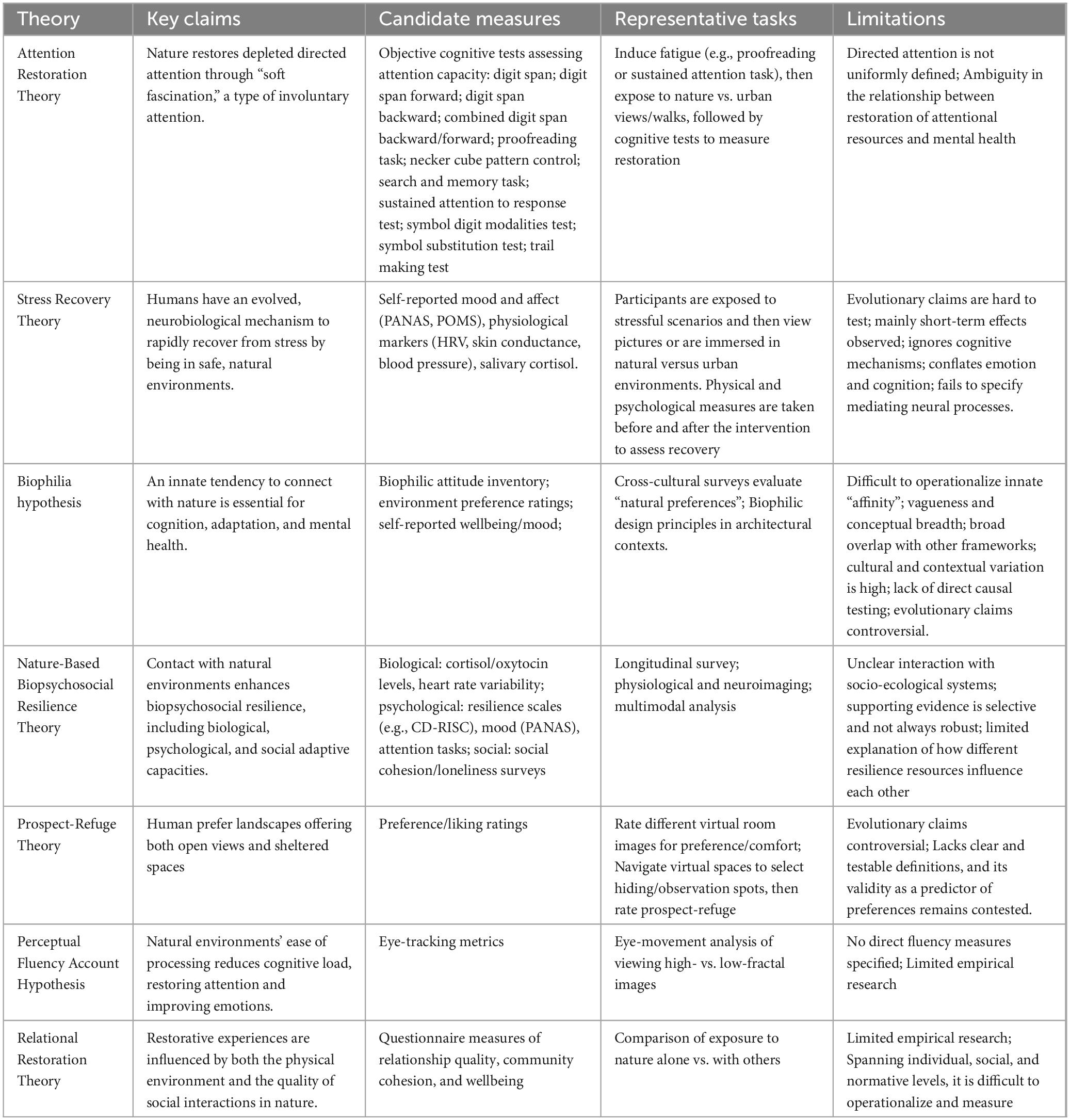
Table 1. Theories vs. operational tests.
3 Research on restorative environment and mental health
The positive effects of exposure to restorative environments on mental health have been repeatedly validated in numerous studies. The common research method is the Randomized Controlled Trial (RCT), psychological variables such as depression, stress, anxiety, positive emotions, and negative emotions. Additionally, some studies incorporate physiological indicators such as salivary cortisol and heart rate variability (HRV) to provide additional evidence for the benefits.
3.1 Depression
Depression, as a complex emotional disorder, is characterized by persistent low mood, anhedonia, and cognitive dysfunction, often accompanied by physiological and psychological symptoms such as sleep rhythm disturbances, changes in appetite, fatigue, and difficulties in concentration (Fried, 2017; Rotenstein et al., 2016; Tian et al., 2023; Lin et al., 2024). Its pathogenesis involves multiple factors, including genetics, social relationships, and the environment (Wray et al., 2018). Emerging environmental stressors in modern urban settings, such as air pollution, noise interference, and exposure to artificial electromagnetic fields, have been shown to potentially increase the risk of depression (van den Bosch and Meyer-Lindenberg, 2019). Therefore, whether restorative environments can reduce or prevent depression has become one of the important topics in this field of research.
Several studies have demonstrated that restorative environments, such as natural environments, can effectively improve depression levels or cognitive deficits caused by depression (Meuwese et al., 2021; Owens and Bunce, 2022; Watkins-Martin et al., 2022). For instance, Berman et al. (2012) compared emotional and cognitive changes in patients with depression after walking for 50 min in urban and natural environments, finding that the natural environment significantly improved the patients’ working memory and cognitive flexibility. In addition to direct exposure to natural environments, viewing images, videos, and virtual reality of natural environments can also effectively reduce depression levels (Li et al., 2021; Shu et al., 2022; Wang et al., 2022).
Roberts et al. (2019) conducted a meta-analysis of 33 studies on the effects of short-term exposure to natural environments on depression, revealing that natural environments have a significant but small effect on depression, potentially related to differences across studies. Although certain restorative benefits can be observed in single or short-term studies, depression, as an enduring emotional condition, is clinically diagnosed when it persists for at least 2 weeks. Therefore, it is necessary to assess the long-term benefits of restorative environments over time. Research on the timing of single exposures shows that exposure lasting over 60 min is needed to produce significant effects (Yeon et al., 2021). Frequent exposure (at least once a week, for 30 min each time) can significantly reduce the prevalence of depression in urban residents, with a reduction rate of 7% (Shanahan et al., 2016). Thus, conducting studies to comprehensively evaluate the effects of restorative environments on depression over time is crucial.
3.2 Stress
Stress refers to an individual’s physiological or psychological response to external or internal stressors, involving changes in multiple physiological systems that influence sensations and behaviors (VandenBos, 2015). Perceived stress (such as threats) is key to how humans cope with environmental challenges (McEwen, 2013). If stress is not alleviated or recovered from over a long period, it can turn into chronic stress, leading to persistent negative emotions and ultimately causing serious illness.
Existing studies have found that exposure to restorative environments can improve self-reported stress levels (Beyer et al., 2014; Lega et al., 2021; Van den Berg et al., 2014). From a physiological perspective, stress-related neurophysiological signals, including salivary cortisol (Daniels et al., 2022), hair cortisol (Jezova et al., 2025), norepinephrine (Mygind et al., 2021), and vagally mediated heart rate variability (Yin et al., 2020), indicate that restorative environments can significantly alleviate stress, with some effects, such as heart rate variability, varying with air temperature (Lamatungga et al., 2024). Daniels et al. (2022) conducted a study where two groups of participants engaged in activities (such as walking, cycling, etc.,) twice a week for 2 h each over a period of 3 weeks. The results showed that the group exposed to natural environments had lower heart rates and salivary cortisol levels, indicating that nature exposure significantly reduces stress levels. A cross-sectional survey showed that people who rarely had contact with nature had a 97.95% probability of experiencing moderate stress, while those who frequently interacted with nature had a probability of only 20.98% (Bressane et al., 2022). Moreover, many studies have explored the restorative effects of virtual natural environments (such as virtual reality, images, and videos) as an alternative, finding positive effects on emotional recovery (Gu et al., 2021), psychological stress reduction (Yu et al., 2018), and occupational stress (Naylor et al., 2020). Short-term (20–30 min) exposure to nature has also been shown to effectively reduce stress (Aziz et al., 2021; Takayama et al., 2014). Despite some evidence supporting the effects of short-term exposure to nature, there is still a lack of research on long-term stress management and coping abilities, which is particularly important for urban residents who are more susceptible to chronic stress (Berto, 2014).
3.3 Anxiety
Anxiety is an emotion characterized by worry and tension, often occurring when an individual anticipates an impending threat or misfortune, representing a long-term reaction to future events (VandenBos, 2015). A large number of studies have shown that exposure to restorative environments helps alleviate anxiety (Bray et al., 2022; Browning et al., 2023; Song et al., 2020; Grassini, 2022). For example, Song et al. (2020) assessed the changes in anxiety levels of 650 college students after watching a forest landscape for 15 min. They found that, compared to watching an urban landscape, watching the forest landscape significantly reduced anxiety levels. Moreover, this effect was particularly significant among participants with higher anxiety levels. This suggests that individuals with more depleted psychological resources have a greater potential to recover in restorative environments. It should be further clarified that anxiety includes various types such as generalized anxiety, state anxiety, trait anxiety, and social anxiety, and restorative environments show different effects in alleviating each type of anxiety. Kotera et al. (2021) conducted a systematic review of 12 studies on the effects of natural walking on mental health and found that natural walking significantly reduced state anxiety but had a smaller effect on generalized anxiety. This may be because generalized anxiety is a persistent state of anxiety not limited to specific situations or triggers and is less influenced by situational factors (Spitzer et al., 2006). State anxiety, on the other hand, is a temporary response to specific situations or events, and its intensity and variation are more susceptible to situational factors (Spielberger, 1983). These differences lead to better intervention effects of restorative environments on state anxiety, as safe, lowdistraction restorative environments can help individuals temporarily detach from anxietyinducing situations or events, thus restoring psychological resources and enhancing adaptive levels.
3.4 Wellbeing
Wellbeing refers to a state of happiness and life satisfaction, encompassing both physical and mental health (VandenBos, 2015). Exposure to restorative environments has been shown to enhance wellbeing (de Vries et al., 2021; Feng and Astell-Burt, 2017; White et al., 2019). For instance, White et al. (2019) found that spending over 120 min in nature per week predicted higher wellbeing and better health. Beyond self-reports, biomarkers have also been used to assess these effects (Jezova et al., 2025). Moreover, the quality of forest experiences, such as sensory features like smell, further shapes wellbeing gains (Výbošt’ok et al., 2024; Hedblom et al., 2019). Moreover, this effect was consistent across different groups. One explanation is that the wellbeing benefits of restorative environments may be closely linked to nature relatedness (NR), which describes the physical and psychological connection between humans and nature, including cognitive and emotional aspects (Nisbet et al., 2011). Samus et al. (2022) further demonstrated that the wellbeing effects of restorative environments are moderated by nature relatedness. The stronger an individual’s connection to nature, the greater the wellbeing benefits they experience from nature exposure. Research also suggests that species diversity in natural environments enhances nature relatedness, further amplifying the wellbeing benefits of restorative environments (Southon et al., 2018). Therefore, studies should also consider the moderating role of nature relatedness.
4 Cognitive neuroscience research on restorative environments
With advances in cognitive neuroscience technologies in recent years, environmental neuroscience has emerged. Environmental neuroscience is an interdisciplinary field that examines the bidirectional interactions between physical environments, brain activity, and behavior (Berman et al., 2019). This field investigates how environmental factors influence brain structure and function, ultimately shaping individual behavior and mental health. Numerous studies have sought to uncover the effects of restorative environments on mood enhancement and their underlying neural mechanisms. However, much remains unknown about the specific neural pathways involved.
4.1 Frontal cortex
The prefrontal cortex plays a central role in cognitive functions such as attention, working memory, and emotional regulation. Its activity is closely associated with the onset and persistence of emotional disorders like depression. Recent research suggests that exposure to restorative environments can modulate prefrontal cortex activity, thereby contributing to the alleviation of depressive symptoms (Bratman et al., 2015; Olszewska-Guizzo et al., 2020). For example, Bratman et al. (2015) used fMRI to examine brain activity in 31 participants after a forest walk and found reduced activation in the subgenual prefrontal cortex (sgPFC), alongside decreased self-reported rumination. Given the sgPFC’s involvement in self-focused emotional evaluation, this reduction may reflect a neural mechanism through which nature exposure disrupts repetitive negative thinking and facilitates more balanced emotional processing.
Beyond depressive symptoms, prefrontal cortex activity is also linked to stress responses and the experience of positive emotions. When stress levels decline, prefrontal activation tends to decrease, while positive affect increases (McKlveen et al., 2013). Tost et al. (2019) employed ecological momentary assessment over 7 days and found a significant positive correlation between exposure to urban green spaces and emotional wellbeing. MRI data further revealed that individuals with greater exposure to green spaces exhibited lower prefrontal cortex activity. This finding suggests that contact with natural environments may reduce the cognitive effort required to manage negative emotions, thereby allowing for more efficient emotional regulation and improved mood.
In terms of brain structure, exposure to green environments appears to support healthy development of the prefrontal cortex, particularly in children. Dadvand et al. (2018) studied 253 children aged 6–7 and found that increased time spent in green spaces was associated with greater gray matter volume in the bilateral prefrontal cortices and left premotor cortex, as well as increased white matter volume in the right prefrontal area, left premotor area, and cerebellar hemisphere. These structural changes may reflect enhanced neurodevelopmental processes such as synaptic growth and myelination, which are supported by reduced exposure to environmental stressors. In contrast, studies have consistently shown that individuals raised in urban environments tend to exhibit lower gray matter volume and reduced cortical thickness in the dorsolateral prefrontal cortex (Besteher et al., 2017; Haddad et al., 2014; Lammeyer et al., 2019).
In summary, restorative environments influence both the function and structure of the prefrontal cortex through mechanisms such as reducing cognitive strain associated with emotional regulation and supporting neurodevelopmental integrity. These effects collectively contribute to improved emotional resilience and mental health.
4.2 Amygdala
The amygdala, a central structure within the limbic system, plays a pivotal role in processing emotional stimuli, particularly those related to fear and anxiety (Davis, 1992). A growing body of research has demonstrated a significant link between exposure to restorative environments and modulation of amygdala activity (Kühn et al., 2017; Sudimac and Kühn, 2022; Sudimac et al., 2022). For instance, Sudimac et al. (2022) found that participants who walked in natural environments exhibited significantly reduced amygdala activation, whereas those who walked in urban settings showed no notable change. This reduction in activity may reflect a neurobiological mechanism through which nature exposure dampens emotional reactivity and facilitates psychological recovery from stress. However, this effect is not uniformly observed across populations. Sudimac and Kühn (2022) reported that the reduction in amygdala activity was significant only among female participants, suggesting potential gender differences in neural sensitivity to environmental stressors. The authors proposed that such variation may be rooted in differential amygdala responsivity to emotionally salient stimuli, as supported by prior findings (Goldfarb et al., 2019; Stevens and Hamann, 2012).
Beyond physical immersion in nature, visual exposure to environmental stimuli also appears to influence amygdala responses. Kim et al. (2010) found that viewing urban scenes elicited heightened amygdala activation, whereas rural landscapes did not produce such effects. These findings suggest that even passive exposure to restorative environments may help regulate emotional arousal by reducing the salience of potentially threatening or overstimulating cues.
Importantly, the influence of natural environments on the amygdala extends beyond transient changes in neural activity. Kühn et al. (2017) identified a positive correlation between forest coverage in residential areas and amygdala integrity, indicating that long-term exposure to green spaces may support structural resilience in emotion-related brain regions. Given the amygdala’s role in stress regulation, enhanced integrity may contribute to more effective coping strategies and improved emotional stability over time.
4.3 Other brain regions
Beyond the prefrontal cortex and amygdala, restorative environments have also been shown to influence a broader network of brain regions involved in spatial cognition, attentional control, and sensory integration. For instance, Chang et al. (2021) found that viewing urban landscapes with varying levels of green density activated multiple regions, including the bilateral posterior cingulate cortex (dPCC and vPCC), superior temporal gyrus (STG), and superior parietal lobule (SPL)—areas implicated in environmental awareness and attentional modulation. Given the posterior cingulate cortex’s established role in stress regulation and emotional disorders (Leech and Sharp, 2013), its activation pattern may reflect a mechanism through which restorative environments support psychological resilience by enhancing attentional disengagement from stress-inducing stimuli.
Complementary evidence from Dimitrov-Discher et al. (2022) showed that individuals residing in areas with greater green space within a 5-km radius exhibited reduced neural activity in the right insular cortex, superior parietal cortex, and lateral occipital cortex under stress conditions. These regions are involved in interoceptive awareness, sensory processing, and visuospatial attention, and their reduced activation may indicate a dampening of stress-related sensory vigilance in response to natural surroundings.
While these findings collectively suggest that restorative environments modulate neural systems beyond emotion-specific circuits, variability across studies—stemming from differences in experimental design, stimulus type, and measurement techniques—highlights the complexity of brain–environment interactions. As Berman et al. (2019) note, understanding how specific environmental features shape neural responses remains a central challenge in environmental neuroscience.
4.4 Brain functional network
Several studies have investigated how restorative environments influence brain functional connectivity. For example, Gould van Praag et al. (2017) compared the overall activation levels of the default mode network (DMN) under natural and artificial environmental sounds. Results indicated that while natural environmental sounds did not significantly enhance overall DMN activation, they shifted functional connectivity from the anterior to the posterior midline. This suggests that the focus of functional connectivity shifted from the front part of the DMN (such as the anterior cingulate cortex and medial prefrontal cortex) to the posterior part (such as the posterior cingulate cortex and precuneus), indicating that natural environmental sounds have a specific regulatory effect on the functional connectivity patterns of the DMN. Stobbe et al. (2024) studied the differences in resting-state fMRI (rs-fMRI) functional connectivity under natural and urban soundscapes and found that, under natural soundscape conditions, functional connectivity significantly increased between auditory networks, cingulate-insular networks, and somatomotor hand and mouth networks.
In terms of vision, Kühn et al. (2021) found that viewing images of natural environments enhanced connectivity between the dorsolateral attention network (DAN) and the visual attention network (VAN), as well as between DAN and the default mode network (DMN), and DMN and somatomotor networks. Among these, the DAN-DMN connection was the strongest, and numerous studies have linked it to cognitive processing (Dixon et al., 2017). Chang et al. (2021) found that when viewing urban green spaces, the effective connectivity between the ventral posterior cingulate cortex and prefrontal cortex and hippocampus may be one of the reasons for regulating stress. Since fMRI scanning environments cannot capture the real-time impact of natural settings on brain activity, some studies have employed portable EEG devices to investigate their effects on functional connectivity. Chen et al. (2020) compared the differences in EEG functional connectivity between exposure to natural and urban environments and found that functional connectivity was enhanced in the natural environment group, particularly in the right hemisphere. Moreover, the power correlations in delta, theta, alpha, and beta frequency bands were all significantly higher in the natural environment group compared to the urban environment group, indicating that the natural environment modulates functional connectivity across multiple EEG frequency bands. Imperatori et al. (2023) further observed that watching videos of natural environments increased theta wave power spectral density in the parietal region and significantly enhanced functional connectivity between brain regions. The topological patterns of these connections highly overlapped with the DMN.
Although relevant studies have explored the neural activity changes brought about by restorative environments from the perspective of brain connectivity, evidence for neural activity changes related to emotional improvement is still lacking. Limited by current equipment, most of the research focuses on observing resting-state neural activity before and after exposure to natural environments, or studying the effects of viewing restorative environment images and videos on brain activity. When investigating the effects on psychological health, short-term immediate changes are insufficient to fully reflect the impact of restorative environments. Therefore, it is more important to examine the long-term effects of restorative environments on mental health. This not only aligns with the need for psychological resource recovery in daily life but also provides empirical evidence for the use of restorative environments as an adjunct to treatment.
4.5 Converging neural patterns
Synthesizing existing research, the neural effects of restorative environments converge on two primary patterns: downregulated activity in key brain regions and reconfigured connectivity between large-scale networks. First, fMRI studies consistently reveal decreased activation in the amygdala and the subgenual prefrontal cortex (sgPFC), providing direct neural evidence for stress reduction and decreased rumination, respectively (Bratman et al., 2015; Sudimac et al., 2022). Second, at the network level, a core change involves enhanced functional connectivity between the Default Mode Network (DMN) and executive attention networks, a pattern thought to be the neural basis for shifting cognitive resources from internal thought to external perception (Kühn et al., 2021).
The granularity of these neural patterns is, however, method-dependent. fMRI, with its high spatial resolution, excels at pinpointing activity changes in specific structures and mapping interactions between distinct networks (e.g., Chang et al., 2021; Kühn et al., 2021). In contrast, EEG captures high-resolution temporal dynamics, typically revealing more global effects such as hemisphere-specific increases in connectivity or modulations of specific frequency bands like theta and alpha waves (Chen et al., 2020; Imperatori et al., 2023). In short, while fMRI clarifies where restorative effects occur, EEG elucidates the brain’s responsive rhythmic state.
5 Discussion
Research on the effects of restorative environments on mental health has been expanding annually. Methodologically, advancements in virtual reality, ecological momentary assessment, fMRI, and satellite remote sensing have improved the reliability of experimental studies. Theoretically, Attention Restoration Theory and Stress Recovery Theory remain dominant frameworks; however, both theories contain operationally ambiguous definitions and verification challenges. Despite these limitations, empirical findings consistently indicate that restorative environments positively impact depression, anxiety, stress, and wellbeing. This study confirms that restorative environments promote psychological improvements primarily through neural mechanisms involving two key brain regions: the amygdala and the prefrontal cortex. Exposure to these environments consistently downregulates amygdala activity, reducing emotional reactivity and stress responses, while concurrently enhancing prefrontal cortex function, supporting cognitive control and emotional regulation. These neural effects have been observed across both natural and simulated settings, with variations in intensity and duration depending on the mode of exposure. This complex process is summarized visually in Figure 1.
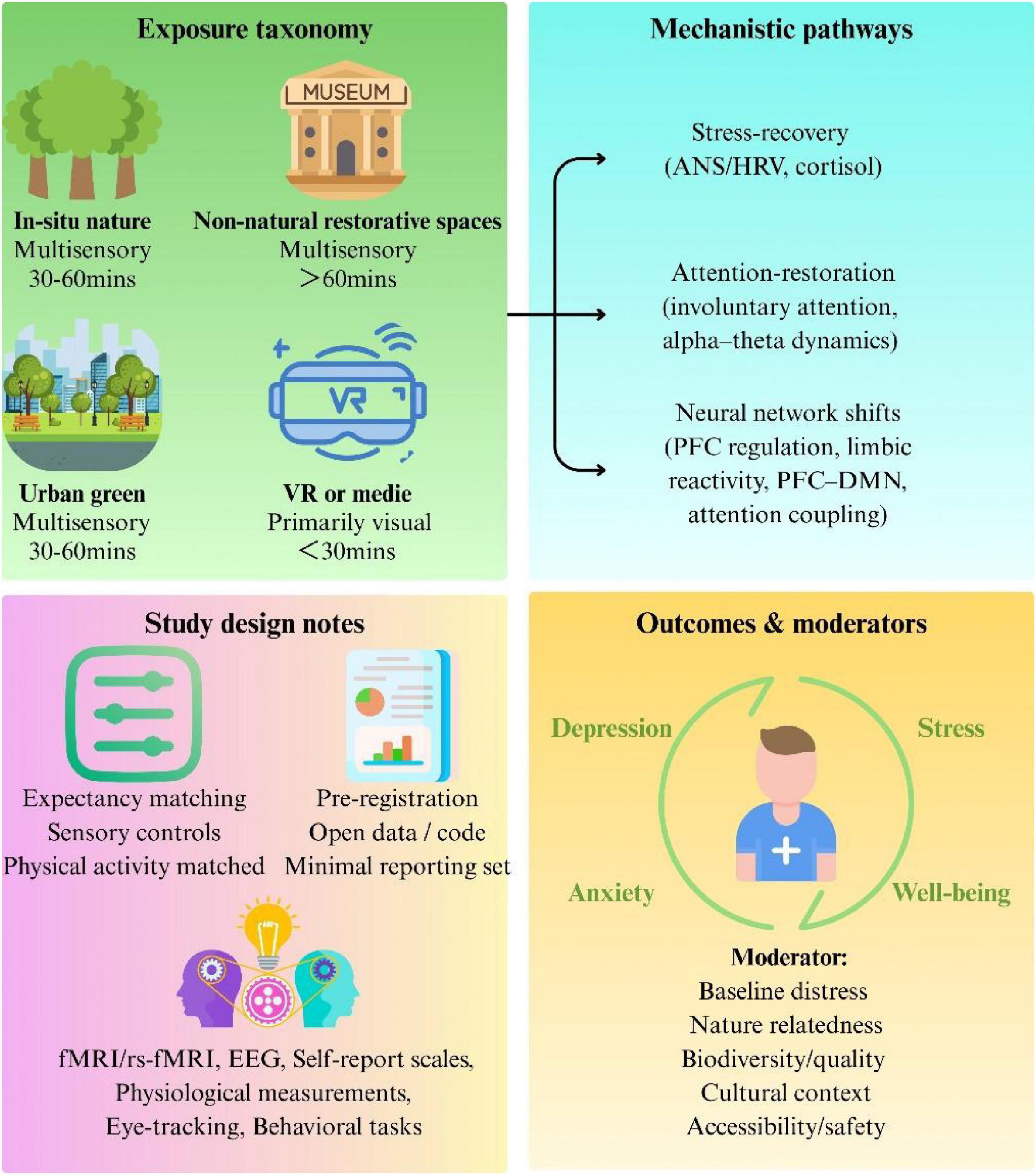
Figure 1. From setting to symptom: a multilevel map of restoration.
Notably, there is still no comprehensive model that systematically explains the relationship between environmental features, cognitive and neural responses, and psychological benefits. To address the limitations of current research, the following recommendations are proposed: Improvements in research methods: (1) Increase the collection and comprehensive analysis of multimodal data, integrating neuroimaging (e.g., fMRI/EEG), physiological biomarkers (e.g., cortisol, HRV), behavioral measurements (e.g., eye-tracking), and ecological sensor data (e.g., air quality, green space exposure) through machine learning algorithms. This could reveal the dynamic interactions between environmental stimuli, neural processing, and psychological outcomes. (2) Given evidence of reduced amygdala activation (Sudimac et al., 2022) and enhanced prefrontal connectivity (Chang et al., 2021), future studies are encouraged to develop nature-based interventions tailored to specific psychiatric conditions. Combining environmental exposure with neuroimaging may help identify neural markers of recovery and inform personalized treatment strategies. Additionally, early exposure to green environments during neurodevelopmental windows may support structural maturation of emotion- and cognition-related regions (Dadvand et al., 2018). It is recommended that future research examine how restorative environments contribute to long-term mental resilience in children through neural development pathways. (3) Incorporate comparative studies on different modes of exposure. While virtual reality and mental imagery approaches provide controlled and cost-effective alternatives to field experiments, their ecological validity remains underexplored. Future research should systematically compare the psychological and neural effects of VR-based, imagery-based, and real-world forest exposures. (4) Increase long-term intervention studies: Currently, most research results are based on short-term exposures, and the long-term effects of repeated interventions remain unclear. Individuals living in areas with varied vegetation cover show significant differences in brain structure and neural activity levels (Besteher et al., 2017; Dadvand et al., 2018; Lammeyer et al., 2019), suggesting that long-term restorative environment interventions may lead to lasting changes in mental health. In addition, evidence from large-scale, longitudinal surveys (e.g., Pichlerová et al., 2021, 2023) suggests that cumulative, real-life visits offer more conclusive insights into holistic wellbeing and can reveal potential risks such as biophobia associated with rewilding environments. Mixed-method designs that combine experimental precision with long-term ecological assessment will provide a more comprehensive understanding of restorative effects. Future studies should explore the effects of long-term, repeated interventions on mental and neural health and transform intervention strategies into practical tools for promoting mental health, ultimately improving public health. (5) Focus on individual differences and contextual moderators: Traits such as nature relatedness have been shown to amplify affective and cognitive benefits in natural settings (Southon et al., 2018), while baseline mental states like anxiety may modulate responsiveness to environmental cues (Song et al., 2020). Age-related variation is also salient: children and older adults exhibit distinct neural and behavioral restoration profiles (Wu and Gollo, 2025). Contextual factors—including urban density and the cultural symbolism of sites—can further influence perceived restorative value (Abdulkarim and Nasar, 2014; Ouellette et al., 2005). Future studies should incorporate these moderators into sampling, measurement, and analysis strategies to better capture population-specific dynamics and improve ecological validity. (6) Establish a minimal reporting set to enhance transparency and replicability. Future studies should clearly describe key methodological elements, including exposure characteristics (type, duration, intensity), comparator conditions, and blinding or expectancy control measures. Pre-registration of study protocols and hypotheses is strongly recommended. For neuroimaging studies, essential reporting should cover preprocessing pipelines, preregistered regions of interest or network-level analyses, and the availability of open data and code for independent verification. Adhering to such standardized reporting practices will facilitate cross-study comparisons and cumulative evidence synthesis.
New theoretical construction: Attention Restoration Theory and Stress Recovery Theory have evolutionary psychology implications, but they pose challenges in verification and cannot adequately explain the restorative effects of artificial environments. These theories do not provide sufficient guidance for applied research and practical environmental design. Future theoretical developments should evolve beyond a single perspective toward a multidimensional, interdisciplinary integration approach. Combining the cognitive appraisal model with a socio-ecological perspective—that is, considering human adaptation to nature as well as the role of cultural and social factors—should integrate individual differences, cognitive processing, and neural activity. This approach should also explore the complex interactions between these factors and the environment.
Brain network analysis methods: key cognitive functions do not rely on individual brain regions but rather on the communication between different brain regions. This view is increasingly accepted (Axer and Amunts, 2022; Lee et al., 2022; Thiebaut de Schotten and Forkel, 2022). But most studies on the cognitive-neural mechanisms of restorative environments focus on individual brain regions, with few studies exploring the effects from the perspective of brain connectivity (Chang et al., 2021; Kühn et al., 2021; Zhang et al., 2023). It is necessary to utilize global functional connectivity, non-linear brain dynamics, and brain network modularization to better reveal the interactions between the environment and the brain (Berman et al., 2019). Future research should focus on the changes in brain networks induced by restorative environments, as exploring the neural mechanisms of this impact is highly valuable. Yet the limited number of studies and their heterogeneous paradigms—for example, static images, virtual reality, or real-world exposure, as well as differing measures such as task-based activation, resting-state connectivity, and network-level dynamics—make it difficult to draw reliable quantitative conclusions about which environmental dimensions most strongly influence neural activity. Future research with larger samples and more standardized designs will be crucial to resolve these differences.
Practical implications for policy and management: Beyond theoretical and methodological advancements, these findings hold implications for practice. For policy-makers, integrating green infrastructure into urban planning is essential for preventive mental health strategies. Forest managers and landscape designers should consider not only the amount of greenery but also its accessibility, perceived safety, and opportunities for social interaction. To enhance the applicability of restorative design in urban contexts, planners should tailor interventions to the needs of diverse populations. For children, proximity to biodiverse green spaces supports cognitive development and attentional restoration (Dadvand et al., 2018). Older adults may benefit from low-stimulation, accessible natural paths that promote calm and mobility (Qiu et al., 2021). Individuals with elevated stress or anxiety may respond best to quiet, enclosed settings such as meditation gardens or small-scale green refuges. Cultural preferences should also inform design—spaces imbued with local meaning, such as religious or historical sites, may foster deeper psychological engagement and social cohesion Abdulkarim and Nasar, 2014; Ouellette et al., 2005). An inclusive, evidence-based framework that integrates these considerations can support more equitable and effective urban restoration strategies. Ultimately, interdisciplinary collaboration between environmental scientists, urban planners, and mental health professionals is critical for translating evidence into policies and interventions that promote population wellbeing.
Author contributions
PW: Writing – original draft. JL: Funding acquisition, Project administration, Writing – review & editing. WL: Conceptualization, Funding acquisition, Supervision, Writing – review & editing.
Funding
The author(s) declare financial support was received for the research and/or publication of this article. This study was supported by the National Natural Science Foundation of China (32400923), the Sichuan Science and Technology Program (2024NSFSC1226), and the Key Projects of Philosophy and Social Sciences (21JZD063). The procedures in this study were approved by the Ethical Review Board of Sichuan Normal University (ID: 2023LS018).
Conflict of interest
The authors declare that the research was conducted in the absence of any commercial or financial relationships that could be construed as a potential conflict of interest.
Generative AI statement
The authors declare that no Generative AI was used in the creation of this manuscript.
Any alternative text (alt text) provided alongside figures in this article has been generated by Frontiers with the support of artificial intelligence and reasonable efforts have been made to ensure accuracy, including review by the authors wherever possible. If you identify any issues, please contact us.
Publisher’s note
All claims expressed in this article are solely those of the authors and do not necessarily represent those of their affiliated organizations, or those of the publisher, the editors and the reviewers. Any product that may be evaluated in this article, or claim that may be made by its manufacturer, is not guaranteed or endorsed by the publisher.
References
Abdulkarim, D., and Nasar, J. L. (2014). Are livable elements also restorative? J. Environ. Psychol. 38, 29–38. doi: 10.1016/j.jenvp.2013.12.003
Andersen, L., Corazon, S. S. S., and Stigsdotter, U. K. K. (2021). Nature exposure and its effects on immune system functioning: A systematic review. Int. J. Environ. Res. Public Health 18:1416. doi: 10.3390/ijerph18041416
Annechini, C., Menardo, E., Hall, R., and Pasini, M. (2020). Aesthetic attributes of museum environmental experience: A pilot study with children as visitors. Front. Psychol. 11:508300. doi: 10.3389/fpsyg.2020.508300
Axer, M., and Amunts, K. (2022). Scale matters: The nested human connectome. Science 378, 500–504. doi: 10.1126/science.abq2599
Aziz, N. A. A., Shian, L. Y., Mokhtar, M. D. M., Raman, T. L., Saikim, F. H., Chen, W., et al. (2021). Effectiveness of urban green space on undergraduates’ stress relief in tropical city: A field experiment in Kuala Lumpur. Urban For. Urban Green. 63:127236. doi: 10.1016/j.ufug.2021.127236
Berman, M. G., Kardan, O., Kotabe, H. P., Nusbaum, H. C., and London, S. E. (2019). The promise of environmental neuroscience. Nat. Hum. Behav. 3, 414–417. doi: 10.1038/s41562-019-0577-7
Berman, M. G., Kross, E., Krpan, K. M., Askren, M. K., Burson, A., Deldin, P. J., et al. (2012). Interacting with nature improves cognition and affect for individuals with depression. J. Affect. Disord. 140, 300–305. doi: 10.1016/j.jad.2012.03.012
Berto, R. (2014). The role of nature in coping with psycho-physiological stress: A literature review on restorativeness. Behav. Sci. 4, 394–409. doi: 10.3390/bs4040394
Besteher, B., Gaser, C., Spalthoff, R., and Nenadić, I. (2017). Associations between urban upbringing and cortical thickness and gyrification. J. Psychiatric Res. 95, 114–120. doi: 10.1016/j.jpsychires.2017.08.012
Beyer, K. M., Kaltenbach, A., Szabo, A., Bogar, S., Nieto, F. J., and Malecki, K. M. (2014). Exposure to neighborhood green space and mental health: Evidence from the survey of the health of Wisconsin. Int J Environ Res Public Health 11, 3453–3472. doi: 10.3390/ijerph110303453
Bratman, G. N., Hamilton, J. P., Hahn, K. S., Daily, G. C., and Gross, J. J. (2015). Nature experience reduces rumination and subgenual prefrontal cortex activation. Proc. Natl. Acad. Sci. U. S. A. 112, 8567–8572. doi: 10.1073/pnas.1510459112
Bray, I., Reece, R., Sinnett, D., Martin, F., and Hayward, R. (2022). Exploring the role of exposure to green and blue spaces in preventing anxiety and depression among young people aged 14-24 years living in urban settings: A systematic review and conceptual framework. Environ. Res. 214:114081. doi: 10.1016/j.envres.2022.114081
Bressane, A., Negri, R. G., de Brito, I., Medeiros, L. C. D., Araujo, I. L. L., Silva, M. B., et al. (2022). Association between contact with nature and anxiety, stress and depression symptoms: A primary survey in Brazil. Sustainability 14:10506. doi: 10.3390/su141710506
Bringslimark, T., Hartig, T., and Grindal Patil, G. (2011). Adaptation to windowlessness: Do office workers compensate for a lack of visual access to the outdoors? Environ. Behav. 43, 469–487. doi: 10.1177/0013916510368351
Browning, M. H. E. M., Shin, S., Drong, G., McAnirlin, O., Gagnon, R. J., Ranganathan, S., et al. (2023). Daily exposure to virtual nature reduces symptoms of anxiety in college students. Sci. Rep. 13:1239. doi: 10.1038/s41598-023-28070-9
Buckley, R., Brough, P., Hague, L., Chauvenet, A., Fleming, C., Roche, E., et al. (2019). Economic value of protected areas via visitor mental health. Nat. Commun. 10:5005. doi: 10.1038/s41467-019-12631-6
Chang, D. H. F., Jiang, B., Wong, N. H. L., Wong, J. J., Webster, C., and Lee, T. M. C. (2021). The human posterior cingulate and the stress-response benefits of viewing green urban landscapes. Neuroimage 226:117555. doi: 10.1016/j.neuroimage.2020.117555
Chen, Z., He, Y., and Yu, Y. (2020). Attention restoration during environmental exposure via alpha-theta oscillations and synchronization. J. Environ. Psychol. 68:101406. doi: 10.1016/j.jenvp.2020.101406
Chiang, Y.-C., Li, D., and Jane, H.-A. (2017). Wild or tended nature? The effects of landscape location and vegetation density on physiological and psychological responses. Landscape Urban Plann. 167, 72–83. doi: 10.1016/j.landurbplan.2017.06.001
Coan, J. A., Schaefer, H. S., and Davidson, R. J. (2006). Lending a hand. Psychol. Sci. 17, 1032–1039. doi: 10.1111/j.1467-9280.2006.01832.x
Collado, S., Staats, H., Corraliza, J. A., and Hartig, T. (2017). “Restorative environments and health,” in Handbook of environmental psychology and quality of life research, eds G. FleuryBahi, E. Pol, and O. Navarro (Berlin: Springer International Publishing), 127–148. doi: 10.1007/978-3-319-31416-7_7
Dadvand, P., Pujol, J., Macia, D., Martinez-Vilavella, G., Blanco-Hinojo, L., Mortamais, M., et al. (2018). The association between lifelong greenspace exposure and 3-dimensional brain magnetic resonance imaging in barcelona schoolchildren. Environ. Health Perspect. 126:027012. doi: 10.1289/EHP1876
Daniels, S., Clemente, D. B. P., Desart, S., Saenen, N., Sleurs, H., Nawrot, T. S., et al. (2022). Introducing nature at the work floor: A nature-based intervention to reduce stress and improve cognitive performance. Int. J. Hyg. Environ. Health 240:113884. doi: 10.1016/j.ijheh.2021.113884
Davis, M. (1992). The role of the amygdala in fear and anxiety. Ann. Rev. Neurosci. 15, 353–375. doi: 10.1146/annurev.ne.15.030192.002033
Davydov, D. M., Stewart, R., Ritchie, K., and Chaudieu, I. (2010). Resilience and mental health. ClinicalPsychol. Rev. 30, 479–495. doi: 10.1016/j.cpr.2010.03.003
de Vries, S., Nieuwenhuizen, W., Farjon, H., van Hinsberg, A., and Dirkx, J. (2021). In which natural environments are people happiest? Large-scale experience sampling in the Netherlands. Landscape Urban Plann. 205:103972. doi: 10.1016/j.landurbplan.2020.103972
Dedoncker, J., Vanderhasselt, M.-A., Ottaviani, C., and Slavich, G. M. (2021). Mental health during the COVID19 pandemic and beyond: The importance of the vagus nerve for biopsychosocial resilience. Neurosci. Biobehav. Rev. 125, 1–10. doi: 10.1016/j.neubiorev.2021.02.010
Dimitrov-Discher, A., Wenzel, J., Kabisch, N., Hemmerling, J., Bunz, M., Schöndorf, J., et al. (2022). Residential green space and air pollution are associated with brain activation in a social-stress paradigm. Sc.i Rep. 12:10614. doi: 10.1038/s41598-022-14659-z
Dixon, M. L., Andrews-Hanna, J. R., Spreng, R. N., Irving, Z. C., Mills, C., Girn, M., et al. (2017). Interactions between the default network and dorsal attention network vary across default subsystems, time, and cognitive states. Neuroimage 147, 632–649. doi: 10.1016/j.neuroimage.2016.12.073
Dosen, A. S., and Ostwald, M. J. (2016). Evidence for prospect-refuge theory: A meta-analysis of the findings of environmental preference research. City Territory Arch. 3:4. doi: 10.1186/s40410-016-0033-1
Dunleavy, G., Bajpai, R., Tonon, A. C., Cheung, K. L., Thach, T.-Q., Rykov, Y., et al. (2020). Prevalence of psychological distress and its association with perceived indoor environmental quality and workplace factors in under and aboveground workplaces. Build. Environ. 175:106799. doi: 10.1016/j.buildenv.2020.106799
Dzhambov, A. M. (2018). Residential green and blue space associated with better mental health: A pilot followup study in university students. Arch. Indust. Hyg. Toxicol. 69, 340–349. doi: 10.2478/aiht-2018-69-3166
Eisenberger, N. I., Master, S. L., Inagaki, T. K., Taylor, S. E., Shirinyan, D., Lieberman, M. D., et al. (2011). Attachment figures activate a safety signal-related neural region and reduce pain experience. Proc. Natl. Acad. Sci. U. S A. 108, 11721–11726. doi: 10.1073/pnas.1108239108
Feng, X., and Astell-Burt, T. (2017). Residential green space quantity and quality and child well-being: A longitudinal study. Am. J. Prevent. Med. 53, 616–624. doi: 10.1016/j.amepre.2017.06.035
Fletcher, D., and Sarkar, M. (2013). Psychological resilience. Eur. Psychol. 18, 12–23. doi: 10.1027/1016-9040/a000124
Fried, E. I. (2017). The 52 symptoms of major depression: Lack of content overlap among seven common depression scales. J. Affect. Disord. 208, 191–197. doi: 10.1016/j.jad.2016.10.019
Frumkin, H. (2001). Beyond toxicity: Human health and the natural environment. Am. J. Prevent. Med. 20, 234–240. doi: 10.1016/S0749-3797(00)00317-2
Gao, C., and Zhang, S. S. (2020). The restorative quality of patient ward environment: Tests of six dominant design characteristics. Build. Environ. 180:11. doi: 10.1016/j.buildenv.2020.107039
Goldfarb, E. V., Seo, D., and Sinha, R. (2019). Sex differences in neural stress responses and correlation with subjective stress and stress regulation. Neurobiol. Stress 11:100177. doi: 10.1016/j.ynstr.2019.100177
Gong, Y., Palmer, S., Gallacher, J., Marsden, T., and Fone, D. (2016). A systematic review of the relationship between objective measurements of the urban environment and psychological distress. Environ. Intern. 96, 48–57. doi: 10.1016/j.envint.2016.08.019
Gould van Praag, C. D., Garfinkel, S. N., Sparasci, O., Mees, A., Philippides, A. O., et al. (2017). Mind-wandering and alterations to default mode network connectivity when listening to naturalistic versus artificial sounds. Sci. Rep. 7:45273. doi: 10.1038/srep45273
Grassini, S. (2022). A systematic review and meta-analysis of nature walk as an intervention for anxiety and depression. J. Clin. Med. 11:1731. doi: 10.3390/jcm11061731
Gu, L., Sun, B. Q., Liu, L. W., Li, Y., Zhang, Q. H., Yang, J. Y., et al. (2021). “Research and verification of a new relaxation technology based on virtual reality for human psychological security and psychosomatic recovery,” in Proceedings of the 2nd IEEE International Conference on Intelligence and Safety for Robotics (IEEE-ISR), Electr Network, (Piscataway, NJ: IEEE).
Haddad, L., Schafer, A., Streit, F., Lederbogen, F., Grimm, O., Wust, S., et al. (2014). Brain structure correlates of urban upbringing, an environmental risk factor for schizophrenia. Schizophr. Bull. 41, 115–122. doi: 10.1093/schbul/sbu072
Han, K. T. (2009). Influence of limitedly visible leafy indoor plants on the psychology, behavior, and health of students at a junior high school in Taiwan. Environ. Behav. 41, 658–692. doi: 10.1177/0013916508314476
Hartig, T. (2004). “Restorative environments,” in Encyclopedia of applied psychology, ed. C. Spielberger (San Diego, CA: Academic Press), doi: 10.1016/B0-12-657410-3/00821-7
Hartig, T. (2021). “Restoration in nature: Beyond the conventional narrative,” in Nature and psychology: Biological, cognitive, developmental, and social pathways to well-being, eds A. R. Schutte, J. C. Torquati, and J. R. Stevens (Berlin: Springer International Publishing), 89–151. doi: 10.1007/978-3-030-69020-5_5
Hartig, T., Catalano, R., and Ong, M. (2007). Cold summer weather, constrained restoration, and the use. of antidepressants in Sweden. J. Environ. Psychol. 27, 107–116. doi: 10.1016/j.jenvp.2007.02.002
Hedblom, M., Gunnarsson, B., Iravani, B., Knez, I., Schaefer, M., Thorsson, P., et al. (2019). Reduction of physiological stress by urban green space in a multisensory virtual experiment. Sci. Rep. 9:10113. doi: 10.1038/s41598-019-46099-7
Heerwagen, J. H., and Orians, G. H. (1993). “Humans, habitats, and aesthetics,” in The biophilia hypothesis, eds S. R. Kellert and E. O. Wilson (Washington, DC: Island Press), 138–172.
Huang, Q., Yang, M., Jane, H.-A., Li, S., and Bauer, N. (2020). Trees, grass, or concrete? The effects of different types of environments on stress reduction. Landscape Urban Plann. 193:103654. doi: 10.1016/j.landurbplan.2019.103654
Imperatori, C., Massullo, C., De Rossi, E., Carbone, G. A., Theodorou, A., Scopelliti, M., et al. (2023). Exposure to nature is associated with decreased functional connectivity within the distress network: A resting state EEG study. Front. Psychol. 14:1171215. doi: 10.3389/fpsyg.2023.1171215
Jezova, D., Hlavacova, N., Karailievova, L., Lamatungga, K. E., Halamova, J., Tamatam, D., et al. (2025). Reduced hair cortisol concentrations are associated with improved emotional wellbeing in older adults following repeated forest walking. Sci. Rep. 15:22087. doi: 10.1038/s41598-025-08378-4
Jimenez, M. P., Wellenius, G. A., James, P., Subramanian, S. V., Buka, S., Eaton, C., et al. (2020). Associations of types of green space across the life-course with blood pressure and body mass index. Environ. Res. 185:109411. doi: 10.1016/j.envres.2020.109411
Joye, Y., and Dewitte, S. (2018). Nature’s broken path to restoration. A critical look at attention restoration theory. J. Environ. Psychol. 59, 1–8. doi: 10.1016/j.jenvp.2018.08.006
Joye, Y., and van den Berg, A. (2011). Is love for green in our genes? A critical analysis of evolutionary assumptions in restorative environments research. Urban For. Urban Green. 10, 261–268. doi: 10.1016/j.ufug.2011.07.004
Kahn, P. H. (1997). Developmental psychology and the biophilia hypothesis: Children’s affiliation with nature. Dev. Rev. 17, 1–61. doi: 10.1006/drev.1996.0430
Kaplan, R., and Kaplan, S. (1989). The experience of nature: A psychological perspective. Cambridge, MA: Cambridge university press.
Kaplan, S., and Berman, M. G. (2010). Directed attention as a common resource for executive functioning and self-regulation. Perspect. Psychol. Sci. 5, 43–57. doi: 10.1177/1745691609356784
Kaplan, S., and Kaplan, R. (1982). Cognition and environment: Functioning in an uncertain world. London: Praeger.
Kim, T. H., Jeong, G. W., Baek, H. S., Kim, G. W., Sundaram, T., Kang, H. K., et al. (2010). Human brain activation in response to visual stimulation with rural and urban scenery pictures: A functional magnetic resonance imaging study. Sci. Total Environ. 408, 2600–2607. doi: 10.1016/j.scitotenv.2010.02.025
Kotera, Y., Lyons, M., Vione, K. C., and Norton, B. J. S. (2021). Effect of nature walks on depression and anxiety: A systematic review. Sustainability 13:4015. doi: 10.3390/su13074015
Kühn, S., Düzel, S., Eibich, P., Krekel, C., Wüstemann, H., Kolbe, J., et al. (2017). In search of features that constitute an “enriched environment” in humans: Associations between geographical properties and brain structure. Sci. Rep. 7:11920. doi: 10.1038/s41598-017-12046-7
Kühn, S., Forlim, C. G., Lender, A., Wirtz, J., and Gallinat, J. (2021). Brain functional connectivity differs when viewing pictures from natural and built environments using fMRI resting state analysis. Sci. Rep. 11:4110. doi: 10.1038/s41598-021-83246-5
Lamatungga, K. E., Pichlerová, M., Halamová, J., Kanovský, M., Tamatam, D., Ježová, D., et al. (2024). Forests serve vulnerable groups in times of crises: Improved mental health of older adults by individual forest walking during the COVID-19 pandemic. Front. For. Global Change 7:1287266. doi: 10.3389/ffgc.2024.1287266
Lammeyer, S., Dietsche, B., Dannlowski, U., Kircher, T., and Krug, A. (2019). Evidence of brain network aberration in healthy subjects with urban upbringing – A multimodal DTI and VBM study. Schizophr. Res. 208, 133–137. doi: 10.1016/j.schres.2019.03.027
Lecic-Tosevski, D. (2019). Is urban living good for mental health? Curr. Opin. Psychiatry 32, 204–209. doi: 10.1097/yco.0000000000000489
Lee, J. H., Liu, Q., and Dadgar-Kiani, E. (2022). Solving brain circuit function and dysfunction with computational modeling and optogenetic fMRI. Science 378, 493–499. doi: 10.1126/science.abq3868
Leech, R., and Sharp, D. J. (2013). The role of the posterior cingulate cortex in cognition and disease. Brain 137, 12–32. doi: 10.1093/brain/awt162
Lega, C., Gidlow, C., Jones, M., Ellis, N., and Hurst, G. (2021). The relationship between surrounding greenness, stress and memory. Urban For. Urban Green. 59:126974. doi: 10.1016/j.ufug.2020.126974
Lewis, J. L. (2005). “Challenges of interdisciplinarity for forest management and landscape perception research,” in From landscape research to landscape planning: Aspects of integration, education, and application, eds. G. T. Bärbel Tress, G. Fry, and P. Opdam (Netherlands: Springer), 83–94.
Li, H. Q. D., Dong, W. Y., Wang, Z. M., Chen, N., Wu, J. P., Wang, G. X., et al. (2021). Effect of a virtual reality-based restorative environment on the emotional and cognitive recovery of individuals with mild-to-moderate anxiety and depression. Int. J. Environ. Res. Public Health 18:9053. doi: 10.3390/ijerph18179053
Lin, G., and Li, M. (2024). Animal psychotherapist: The potential impacts of animal-based tourism on mental health. Tour. Manag. 105:104959. doi: 10.1016/j.tourman.2024.104959
Lin, J., Yang, X., Li, H., Lin, W., Zhang, J., and Lei, Y. (2024). Enhancing agency in individuals with depressive symptoms: The roles of effort, outcome valence, and its underlying cognitive mechanisms and neural basis. Dep. Anxiety 2024, 1–16. doi: 10.1155/2024/3135532
McEwen, B. S. (2013). The brain on stress: Toward an integrative approach to brain, body, and behavior. Perspect. Psychol. Sci. 8, 673–675. doi: 10.1177/1745691613506907
McEwen, B. S., and Stellar, E. (1993). Stress and the individual: Mechanisms leading to disease. Arch. Int. Med. 153, 2093–2101. doi: 10.1001/archinte.1993.00410180039004
McKlveen, J. M., Myers, B., Flak, J. N., Bundzikova, J., Solomon, M. B., Seroogy, K. B., et al. (2013). Role of Prefrontal Cortex Glucocorticoid Receptors in Stress and Emotion. Biol. Psychiatry 74, 672–679. doi: 10.1016/j.biopsych.2013.03.024
Meuwese, D., Maas, J., Krabbendam, L., and Dijkstra, K. (2021). Viewing nature lets your mind run free: Three experiments about the influence of viewing a nature video on cognitive coping with psychological distress. Int. J. Environ. Res. Public Health 18:8842. doi: 10.3390/ijerph18168842
Mygind, L., Kjeldsted, E., Hartmeyer, R., Mygind, E., Stevenson, M. P., Quintana, D. S., et al. (2021). Effects of public green space on acute psychophysiological stress response: A systematic review and meta-analysis of the experimental and quasi-experimental evidence. Environ. Behav. 53, 184–226. doi: 10.1177/0013916519873376
Naylor, M., Ridout, B., and Campbell, A. (2020). A scoping review identifying the need for quality research on the use of virtual reality in workplace settings for stress management. Cyberpsychol. Behav. Soc. Netw. 23, 506–518. doi: 10.1089/cyber.2019.0287
Nisbet, E. K., Zelenski, J. M., and Murphy, S. A. (2011). Happiness is in our nature: Exploring nature relatedness as a contributor to subjective well-being. J. Happ. Stud. 12, 303–322. doi: 10.1007/s10902-010-9197-7
Olszewska-Guizzo, A., Sia, A., Fogel, A., and Ho, R. (2020). Can exposure to certain urban green spaces trigger frontal alpha asymmetry in the brain?—preliminary findings from a passive task EEG study. Int. J. Environ. Res. Public Health 17:394. doi: 10.3390/ijerph17020394
Ouellette, P., Kaplan, R., and Kaplan, S. (2005). The monastery as a restorative environment. J. Environ. Psychol. 25, 175–188. doi: 10.1016/j.jenvp.2005.06.001
Owens, M., and Bunce, H. L. I. (2022). The potential for outdoor nature-based interventions in the treatment and prevention of depression. Front. Psychol. 13:740210. doi: 10.3389/fpsyg.2022.740210
Pasanen, T. P., White, M. P., Elliott, L. R., van den Bosch, M., Bratman, G. N., Ojala, A., et al. (2023). Urban green space and mental health among people living alone: The mediating roles of relational and collective restoration in an 18-country sample. Environ. Res. 232:116324. doi: 10.1016/j.envres.2023.116324
Pichlerová, M., Önkal, D., Bartlett, A., Výbošt’ok, J., and Pichler, V. (2021). Variability in forest visit numbers in different regions and population segments before and during the COVID-19 pandemic. Int. J. Environ. Res. Public Health 18:3469. doi: 10.3390/ijerph18073469
Pichlerová, M., Výbošt’ok, J., Önkal, D., Lamatungga, K. E., Tamatam, D., Marcineková, L., et al. (2023). Increased appreciation of forests and their restorative effects during the COVID-19 pandemic. Ambio 52, 647–664. doi: 10.1007/s13280-022-01816-x
Qiu, L., Chen, Q., and Gao, T. (2021). the effects of urban natural environments on preference and self-reported psychological restoration of the elderly. Int. J. Environ. Res. Public Health 18:509. doi: 10.3390/ijerph18020509
Roberts, H., van Lissa, C., Hagedoorn, P., Kellar, I., and Helbich, M. (2019). The effect of short-term exposure to the natural environment on depressive mood: A systematic review and meta-analysis. Environ. Res. 177:108606. doi: 10.1016/j.envres.2019.108606
Rotenstein, L. S., Ramos, M. A., Torre, M., Segal, J. B., Peluso, M. J., Guille, C., et al. (2016). Prevalence of depression, depressive symptoms, and suicidal ideation among medical students a systematic review and meta-analysis. JAMA-J. Am. Med. Assoc. 316, 2214–2236. doi: 10.1001/jama.2016.17324
Samus, A., Freeman, C., van Heezik, Y., Krumme, K., and Dickinson, K. J. M. (2022). How do urban green spaces increase well-being? The role of perceived wildness and nature connectedness. J. Environ. Psychol. 82:101850. doi: 10.1016/j.jenvp.2022.101850
Schertz, K. E., and Berman, M. G. (2019). Understanding nature and its cognitive benefits. Curr. Direct. Psychol. Sci. 28, 496–502. doi: 10.1177/0963721419854100
Shanahan, D. F., Bush, R., Gaston, K. J., Lin, B. B., Dean, J., Barber, E., et al. (2016). Health benefits from nature experiences depend on dose. Sci. Rep. 6:28551. doi: 10.1038/srep28551
Shu, Y., Wu, C. Z., and Zhai, Y. J. (2022). Impacts of landscape type, viewing distance, and permeability on anxiety, depression, and stress. Int. J. Environ. Res. and Public Health 19:22. doi: 10.3390/ijerph19169867
Song, C., Ikei, H., Park, B. J., Lee, J., Kagawa, T., and Miyazaki, Y. (2020). Association between the psychological effects of viewing forest landscapes and trait anxiety level. Int. J. Environ. Res. Public Health 17:5479. doi: 10.3390/ijerph17155479
Southon, G. E., Jorgensen, A., Dunnett, N., Hoyle, H., and Evans, K. L. (2018). Perceived species-richness in urban green spaces: Cues, accuracy and well-being impacts. Landscape Urban Plann. 172, 1–10. doi: 10.1016/j.landurbplan.2017.12.002
Spielberger, C. (1983). Manual for the state-trait anxiety inventory (Form Y). Palo Alto, CA: Consulting Psychologists Press.
Spitzer, R. L., Kroenke, K., Williams, J. B. W., and Löwe, B. (2006). A brief measure for assessing generalized anxiety disorder. Arch. Int. Med. 166, 1092–1097. doi: 10.1001/archinte.166.10.1092
Staats, H., Jahncke, H., Herzog, T. R., and Hartig, T. (2016). Urban options for psychological restoration: Common strategies in everyday situations. PLoS One 11:e0146213. doi: 10.1371/journal.pone.0146213
Staats, H., Van Gemerden, E., and Hartig, T. (2010). Preference for restorative situations: Interactive effects of attentional state, activity-in-environment, and social context. Leisure Sci. 32, 401–417. doi: 10.1080/01490400.2010.510990
Stevens, J. S., and Hamann, S. (2012). Sex differences in brain activation to emotional stimuli: A meta-analysis of neuroimaging studies. Neuropsychologia 50, 1578–1593. doi: 10.1016/j.neuropsychologia.2012.03.011
Stevenson, M. P., Schilhab, T., and Bentsen, P. (2018). Attention restoration theory II: A systematic review to clarify attention processes affected by exposure to natural environments. J. Toxicol. Environ. Health Part B 21, 227–268. doi: 10.1080/10937404.2018.1505571
Stobbe, E., Forlim, C. G., and Kühn, S. (2024). Impact of exposure to natural versus urban soundscapes on brain functional connectivity, BOLD entropy and behavior. Environ. Res. 244:117788. doi: 10.1016/j.envres.2023.117788
Sudimac, S., and Kühn, S. (2022). A one-hour walk in nature reduces amygdala activity in women, but not in men. Front. Psychol. 13:931905. doi: 10.3389/fpsyg.2022.931905
Sudimac, S., Sale, V., and Kühn, S. (2022). How nature nurtures: Amygdala activity decreases as the result of a one-hour walk in nature. Mol. Psychiatry 27, 4446–4452. doi: 10.1038/s41380-022-01720-6
Takayama, N., Korpela, K., Lee, J., Morikawa, T., Tsunetsugu, Y., Park, B.-J., et al. (2014). Emotional, restorative and vitalizing effects of forest and urban environments at four sites in Japan. Int. J. Environ. Res. Public Health 11, 7207–7230. doi: 10.3390/ijerph110707207
Tang, I. C., Tsai, Y.-P., Lin, Y.-J., Chen, J.-H., Hsieh, C.-H., Hung, S.-H., et al. (2017). Using functional Magnetic Resonance Imaging (fMRI) to analyze brain region activity when viewing landscapes. Landscape Urban Plann. 162, 137–144. doi: 10.1016/j.landurbplan.2017.02.007
Thiebaut de Schotten, M., and Forkel, S. J. (2022). The emergent properties of the connected brain. Science 378, 505–510. doi: 10.1126/science.abq2591
Tian, Y., Vitiello, M. V., Wang, H., Wang, Y., Dong, D., Xu, H., et al. (2023). Risk of insomnia during COVID-19: Effects of depression and brain functional connectivity. Cereb. Cortex 33, 7015–7025. doi: 10.1093/cercor/bhad016
Tost, H., Reichert, M., Braun, U., Reinhard, I., Peters, R., Lautenbach, S., et al. (2019). Neural correlates of individual differences in affective benefit of real-life urban green space exposure. Nat. Neurosci. 22, 1389–1393. doi: 10.1038/s41593-019-0451-y
Ulrich, R. S. (1983). “Aesthetic and affective response to natural environment,” in Behavior and the natural environment, eds I. Altman and J. F. Wohlwill (Berlin: Springer US), 85–125. doi: 10.1007/978-1-4613-3539-9_4
Ulrich, R. S. (1993). “Biophilia, biophobia, and natural landscapes,” in The biophilia hypothesis, eds S. R. Kellert and E. O. Wilson (Washington, DC: Island Press), 73–137.
Ulrich, R. S., Simons, R. F., Losito, B. D., Fiorito, E., Miles, M. A., and Zelson, M. (1991). Stress recovery during exposure to natural and urban environments. J. Environ. Psychol. 11, 201–230. doi: 10.1016/S0272-4944(05)80184-7
Van den Berg, A. E., Jorgensen, A., and Wilson, E. R. (2014). Evaluating restoration in urban green spaces: Does setting type make a difference? Landscape Urban Plann. 127, 173–181. doi: 10.1016/j.landurbplan.2014.04.012
van den Bosch, M., and Meyer-Lindenberg, A. (2019). Environmental exposures and depression: Biological mechanisms and epidemiological evidence. Ann. Rev. Public Health 40, 239–259. doi: 10.1146/annurev-publhealth-040218-044106
van der Wal, J. M., van Borkulo, C. D., Deserno, M. K., Breedvelt, J. J. F., Lees, M., Lokman, J. C., et al. (2021). Advancing urban mental health research: From complexity science to actionable targets for intervention. Lancet Psychiatry 8, 991–1000. doi: 10.1016/S2215-0366(21)00047-X
VandenBos, G. R. (2015). APA dictionary of psychology, 2nd Edn. Washington D.C: American Psychological Association, doi: 10.1037/14646-000
Ventimiglia, I., and Seedat, S. (2019). Current evidence on urbanicity and the impact of neighbourhoods on anxiety and stress-related disorders. Curr. Opin. Psychiatry 32, 248–253. doi: 10.1097/YCO.0000000000000496
von Lindern, E., Lymeus, F., and Hartig, T. (2016). “The restorative environment: A complementary concept for salutogenesis studies,” in The handbook of salutogenesis, eds M. Mittelmark, et al. (Cham: Springer International Publishing), 181–195. doi: 10.1007/978-3-319-04600-6_19
Výbošt’ok, J., Pichlerová, M., Lamatungga, K. E., et al. (2024). Preferences for woodland activities and forest features as predictors of well-being after forest visits: Evidence from a nationally representative survey in Slovakia. Ambio 53, 795–807. doi: 10.1007/s13280-024-01982-0
Wang, Z. M., Li, Y., An, J. C., Dong, W. Y., Li, H. Q. D., Ma, H. R., et al. (2022). Effects of restorative environment and presence on anxiety and depression based on interactive virtual reality scenarios. Int. J. Environ. Res. Public Health 19:27. doi: 10.3390/ijerph19137878
Watkins-Martin, K., Bolanis, D., Richard-Devantoy, S., Pennestri, M. H., Malboeuf-Hurtubise, C., Philippe, F., et al. (2022). The effects of walking in nature on negative and positive affect in adult psychiatric outpatients with major depressive disorder: A randomized-controlled study. J. Affect. Disord. 318, 291–298. doi: 10.1016/j.jad.2022.08.121
Wendelboe-Nelson, C., Kelly, S., Kennedy, M., and Cherrie, J. W. (2019). A scoping review mapping research on green space and associated mental health benefits. Int. J. Environ. Res. Public Health 16:2081. doi: 10.3390/ijerph16122081
White, M. P., Alcock, I., Grellier, J., Wheeler, B. W., Hartig, T., Warber, S. L., et al. (2019). Spending at least 120 minutes a week in nature is associated with good health and well-being. Sci. Rep. 9:7730. doi: 10.1038/s41598-019-44097-3
White, M. P., Hartig, T., Martin, L., Pahl, S., van den Berg, A. E., Wells, N. M., et al. (2023). Nature-based biopsychosocial resilience: An integrative theoretical framework for research on nature and health. Environ. Int. 181:108234. doi: 10.1016/j.envint.2023.108234
Williams, G., Di Nardo, F., and Verma, A. (2017). The relationship between self-reported health status and signs of psychological distress within European urban contexts. Eur. J. Public Health 27(Suppl._2), 68–73. doi: 10.1093/eurpub/ckx008
Wohlwill, J. F. (1974). Human adaptation to levels of environmental stimulation. Hum. Ecol. 2, 127–147. doi: 10.1007/BF01558117
Wray, N. R., Ripke, S., Mattheisen, M., Trzaskowski, M., Byrne, E. M., Abdellaoui, A., et al. (2018). Genome-wide association analyses identify 44 risk variants and refine the genetic architecture of major depression. Nat. Genet. 50, 668–681. doi: 10.1038/s41588-018-0090-3
Wu, K., and Gollo, L. L. (2025). Mapping and modeling age-related changes in intrinsic neural timescales. Commun. Biol. 8:167. doi: 10.1038/s42003-025-07517-x
Xu, C., Miao, L., Turner, D., and DeRubeis, R. (2023). Urbanicity and depression: A global meta-analysis. J. Affect. Disord. 340, 299–311. doi: 10.1016/j.jad.2023.08.030
Yeon, P. S., Jeon, J. Y., Jung, M. S., Min, G. M., Kim, G. Y., Han, K. M., et al. (2021). Effect of forest therapy on depression and anxiety: A systematic review and meta-analysis. Int. J. Environ. Res. Public Health 18:12685. doi: 10.3390/ijerph182312685
Yin, J., Yuan, J., Arfaei, N., Catalano, P. J., Allen, J. G., and Spengler, J. D. (2020). Effects of biophilic indoor environment on stress and anxiety recovery: A between-subjects experiment in virtual reality. Environ. Int. 136:105427. doi: 10.1016/j.envint.2019.105427
Younger, J., Aron, A., Parke, S., Chatterjee, N., and Mackey, S. (2010). Viewing pictures of a romantic partner reduces experimental pain: Involvement of neural reward systems. PLoS One 5:e13309. doi: 10.1371/journal.pone.0013309
Yu, C.-P., Lee, H.-Y., and Luo, X.-Y. (2018). The effect of virtual reality forest and urban environments on physiological and psychological responses. Urban For. Urban Green. 35, 106–114. doi: 10.1016/j.ufug.2018.08.013
Keywords: restorative environment, mental health, neural mechanisms, brain network, natural environment
Citation: Wang P, Lin J and Lin W (2025) Effects of restorative environments on mental health and its cognitive neural mechanisms. Front. For. Glob. Change 8:1651800. doi: 10.3389/ffgc.2025.1651800
Received: 22 June 2025; Revised: 26 September 2025; Accepted: 10 November 2025;
Published: 01 December 2025.
Edited by:
Diogo Guedes Vidal, Universidade Aberta, PortugalReviewed by:
Vignayanandam Ravindernath Muddapu, Azim Premji University, IndiaViliam Pichler, Technical University in Zvolen, Slovakia
Copyright © 2025 Wang, Lin and Lin. This is an open-access article distributed under the terms of the Creative Commons Attribution License (CC BY). The use, distribution or reproduction in other forums is permitted, provided the original author(s) and the copyright owner(s) are credited and that the original publication in this journal is cited, in accordance with accepted academic practice. No use, distribution or reproduction is permitted which does not comply with these terms.
*Correspondence: Wuji Lin, bGlud3VqaTU1NTU1QHNpY251LmVkdS5jbg==