 Jalila El Ati
 Radhouene Doggui
 Darine Dogui1
 Myriam El Ati-Hellal
- 1SURVEN (Nutrition Surveillance and Epidemiology in Tunisia) Research Laboratory, INNTA (National Institute of Nutrition and Food Technology), University of Tunis El Manar, Tunis, Tunisia
- 2Laboratory Materials Molecules and Applications, Preparatory Institute for Scientific and Technical Studies, University of Carthage, Tunis, Tunisia
Introduction: Breakfast is widely acknowledged as a crucial meal of the day, particularly for children, owing to its role in supplying essential nutrients and energy necessary for optimal growth and cognitive function. This study aims to examine differences in nutrient intake between breakfast skippers and non-skippers among children.
Methods: A representative sample of 1,200 Tunisian preschool and schoolchildren, aged 3–9 years, was randomly selected from kindergartens and primary schools in the Greater Tunis region which includes four governorates (Tunis, Ariana, Manouba and Ben Arous) using a two-stage cross-sectional design. Stratification was carried out depending on each of the selected governorates and urban/rural areas. Dietary intake was evaluated using the 24-hour recall method and a diet history covering the week preceding the survey. Nutritional food composition was derived from a specific Tunisian food composition database. Nutrient intake below age- and sex-specific reference values was considered inadequate.
Results and Discussion: The findings indicate that the daily intake of energy and nutrients was lower among breakfast skippers compared to regular breakfast eaters. After adjusting for energy, gender, age, BMI and household economic proxy, the daily consumption of total sugar, riboflavin, vitamin B-5, phosphorus and calcium was higher among breakfast consumers while saturated fatty acid intake was higher among skippers. A comparative analysis of daily mean food category intake between the two groups revealed a higher consumption of milk and dairy products among breakfast consumers. Regular breakfast consumption is an important part of maintaining a balanced diet and healthy weight.
1 Introduction
The negative effects of breakfast skipping on the cognitive performance, status of nutrition and body mass index (BMI) of children have been reported for many years (1–7). Lundqvist et al. (2019) found positive and conclusive effects of eating breakfast on cognitive performance and academic performance of school-aged children in their systematic review study (8). Likewise, Peña-Jorquera et al. (2021) reported better cognitive skills such as problem-solving, working memory, and selective attention in pupils who had a good quality breakfast (9).
Data from a cross-sectional study of US children aged 9–13 years showed a higher daily energy intake in breakfast consumers than in skippers. Children who consumed ready-to-eat cereals (RTEC) had a higher daily intake of vitamins and minerals than those who skipped breakfast (10). Similar findings were reported in African American children aged 1–12 years, with higher mean intakes of carbohydrates, total sugars, vitamins, and minerals in RTEC breakfast consumers than in skippers (11).
According to a systematic review by Monzani et al. (2019), skipping breakfast is associated with worse lipid profile, hypertension, insulin resistance, and metabolic syndrome. Furthermore, skipping breakfast was associated with overweight and obesity in 94.7% of the selected subjects (12). The meta-analysis of Ma et al. (2020) confirmed the increased risk of overweight and obesity with breakfast skipping and revealed no significant differences across different ages, genders, regions, and economic levels (3). So et al. (2011) found higher BMI and body fat percentage in 12% of Hong Kong children aged 9–18 years who skipped breakfast than their counterparts (13). Unlike breakfast skippers, who tend to eat more energy-dense food, breakfast eaters regularly have higher dietary quality and better nutritional choices during the daytime (12, 14). Tunisia, as many countries from the Middle East North African (MENA) region (Doggui et al., 2021), has experienced a rapid nutrition transition in recent decades, leading to a shift from traditional diets rich in raw and diversified products to those with higher energy density and nutritionally poor foods (15). Consequently, the occurrence of overweight in Tunisian children aged under five years almost quintupled from 2000 to 2022 (16).
The principal objective of this study was to compare the nutritional profile of breakfast skippers and non-skippers among Tunisian children aged 3–9 years to analyze the impact of skipping vs. not skipping breakfast on the quality of children's diets.
2 Material and methods
2.1 Survey design and population
This cross-sectional study involved a randomly selected sample and representative of Tunisian children aged 3–9 years living in the Greater Tunis region (n = 1,200). This region is mainly urban and is divided into four governorates (Manouba, Ariana, Tunis, and Ben Arous). Participants were selected according to a two-stage stratified clustered sampling plan performed by the National Institute of Statistics (17). The four governorates and the urban/rural environments were taken into consideration when stratification was carried out. From the original sample frame, 30 elementary schools and 30 kindergartens were chosen for the first stage. The second phase involved the random selection of 20 students from each educational institution. The sampling method and sample size determination previously published (18). The survey was conducted between April and May 2017.
2.2 Outcome variable
Breakfast was defined as an eating occasion occurring between 5 am and 10 am on weekdays and between 5 am and 11 am on weekends (19). Breakfast skippers were defined as children who consumed breakfast from zero to four times a week, whereas breakfast non-skippers ate breakfast from five to seven times a week (20).
2.3 Co-factors
2.3.1 Dietary intake
The 24-h recall method and the diet history covering the week prior the survey were used to assess dietary intake to capture regular consumption patterns (Gruson & Romon, 2007). Trained dieticians conducted face-to-face interviews with parents or tutors to gather information on children's food consumption. Portion sizes of foods and beverages were determined using household utensils, photographs depicting food portions (Bouchoucha et al., 2016), and known weights or specific portions. The nutritional composition of recipes was calculated by applying yield factors to account for weight changes during cooking and retention factors to adjust for changes in nutritional content (Reinivuo and Laitinen, 2007). To estimate the energy and nutritional content (including macro- and micronutrients) of identified food items and recipes, the researchers used the Tunisian food composition table (El Ati et al., 2007) supplemented by the USDA table (Gebhardt, 2008), along with additional laboratory analyses and the Food Processor software, version 8.3 (ESHA-Research-Inc, 2003). Nutrient intake below age- and sex-specific reference values was considered inadequate (Martin, 2018; WHO, 2023a, 2023b, 2023c). Macro and micronutrients were expressed per 1,000 kcal (Willet, 2013).
2.3.2 Anthropometric measures
Height and weight of the children were determined using standardized protocols. A wall-mounted stadiometer was used for the measurement of height. Weight was evaluated to the nearest 0.1 kg with a calibrated scale. These measurements were used to calculate the BMI for age z-scores which was used to define underweight (BMI-for-age z-score < −2), overweight (BMI-for-age z-score > +2 for children ≤5 years and > +1 for children > 5 years) and obesity (BMI-for-age Z-score > +3 for children ≤5 years and > +2 for children > 5 years). Stunting was defined as height-for-age Z-score < −2 (21).
2.3.3 Socio-demographic
Data on the parents’ educational level and professional occupation were collected using a questionnaire adapted for Tunisian population. A household economic level based on 17 variables describing dwelling characteristics and possession of comfort elements was established using an asset-based proxy. It was divided into tertiles which express “high”, “medium” or low economic household level (22).
2.4 Ethics
The survey protocol was reviewed and approved by the Tunisian National Council of Statistics (Visa n◦3/2017) and the Ethics Committee on Human Research of the National Institute of Nutrition and Food Technology. After being thoroughly informed of the purpose and procedures of the survey, all parents gave their written informed consent.
2.5 Data handling and statistical analysis
To ensure data quality, duplicate data entry was conducted using Epidata software (Epidata, 2008). The Stata 16 svy prefix command was employed to accommodate the complex survey design. The Shapiro-Wilk test was utilized to assess the normality of the distribution. Descriptive results were presented as weighted proportions for categorical variables and as means for continuous variables. The proportions of children skipping breakfast across different co-factor categories were compared using the Chi-square test. Linear regression analysis was employed to investigate the relationship between daily energy intake, nutrient intake, food group consumption, and breakfast skipping. Skippers vs. non-skippers nutrient intake values were adjusted for sex, age, BMI, economic household level and energy intake (kcal/d) in all analyses.
The significance level was set at 0.05.
3 Results
Of 1,200 children selected, 1,164 (582 boys and 582 girls) were actually surveyed about their food consumption, i.e., a response rate of 97%. Children who did not participate to the cross-sectional study were absent on the day of the survey.
The socio-demographic and anthropometric characteristics of the surveyed children were described elsewhere (20). For children, mean age was 6.3 (SE 0.1) years, mean weight 23.6 (SE 0.2) kg, mean height 112.0 (SE 0.4) cm and mean BMI-for-age 16.6 (SE 0.1). Wasting affected 3.0% of children, overweight 26.0% and obesity 9.9%M. Overall, 1.4% of children were stunted. The majority of parents (75%) attended secondary schooling or university education. Only 2.7% of parents had no professional activity and more than the third had upper level or intermediate level professional activity.
The findings revealed that 8.3% of preschool and school children aged 3–9 years opted to skip breakfast. The characteristics of breakfast skippers were previously outlined in our prior publication (20). Among school-aged children, those residing in households with lower economic status were more likely to skip breakfast compared to pre-schoolers. Additionally, more than a quarter of the children were overweight, with almost one-tenth classified as obese. The gender of the children and the educational level of their parents did not influence their tendency to skip breakfast.
Table 1 shows the mean energy and nutrient intakes of children/1,000 kcal according to their breakfast consumption habits.
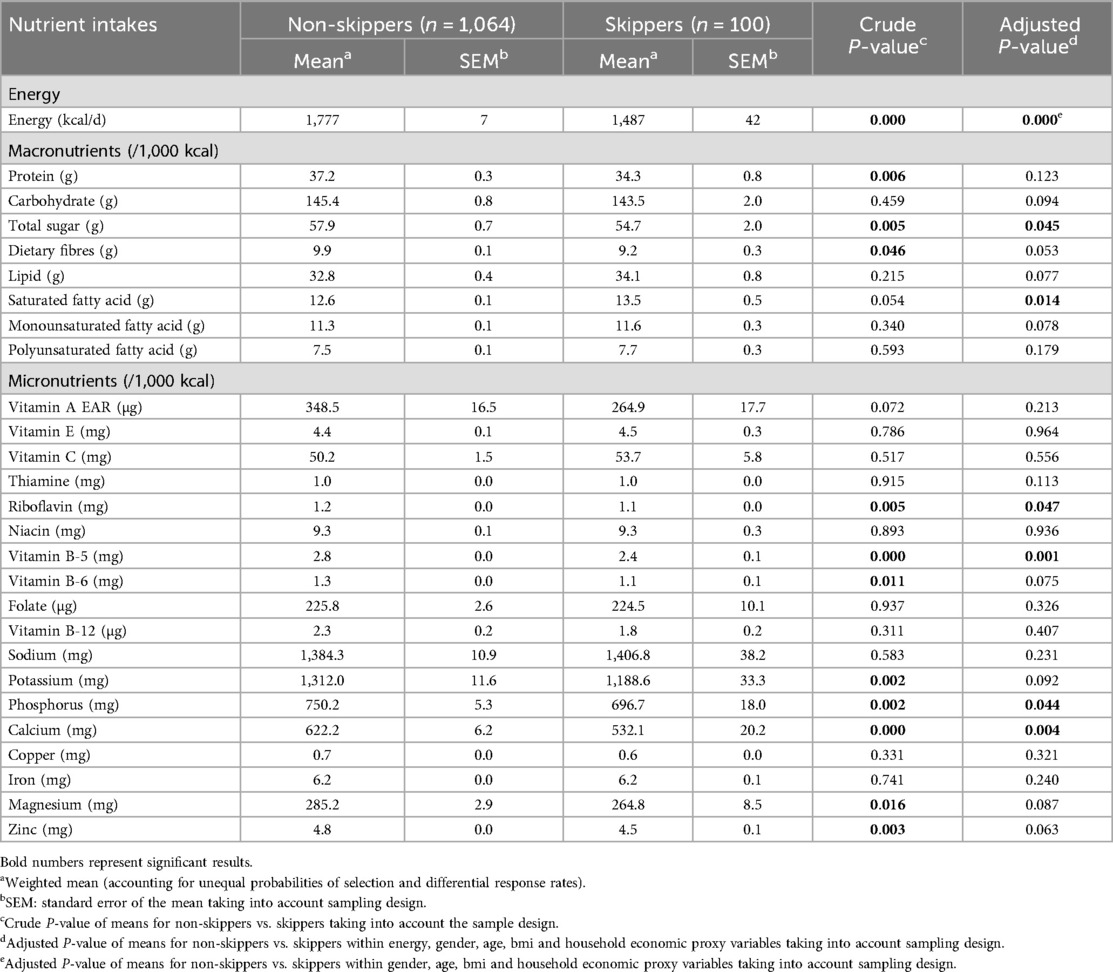
Table 1. Crude and adjusted energy, macro and micronutrient intakes/1,000 kcal, among children 3–9 years in greater Tunis, non-skippers vs. skippers (n = 1,164).
In the crude model, the majority of nutrients were consumed in higher proportions by breakfast non-skippers as compared to breakfast skippers. The differences between both groups were significant in the intake of energy, protein, total sugar, dietary fiber, riboflavin, vitamin B-5, vitamin B-6, potassium, phosphorous, calcium, magnesium and zinc (Table 1). After adjusting for energy, gender, age, bmi and household economic proxy, the consumption of total sugar, riboflavin, vitamin B-5, phosphorus and calcium was significantly higher among breakfast eaters than breakfast skippers, except for saturated fatty acids.
Generally, the prevalence of inadequacy was higher among breakfast skippers than among eaters (Table 2). In the adjusted model, the differences between both groups were significant for the intake of the majority of nutrients. The prevalence of inadequacy in Tunisian children was higher than 50% for the intake of dietary fiber, lipids [including monounsaturated fatty acids (MUFA)], vitamin A, vitamin E and vitamin C. This tendency was also noticed for the intake of energy, copper and zinc among breakfast skippers.
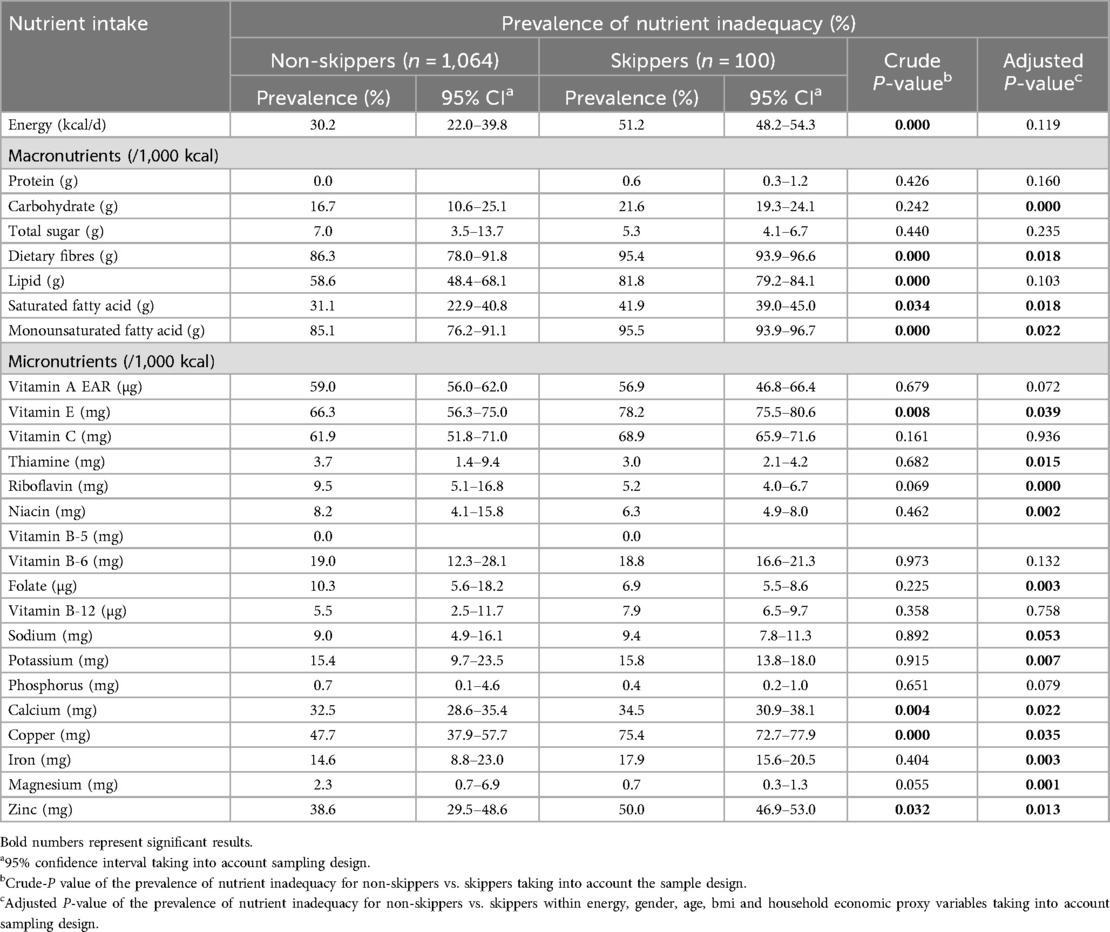
Table 2. Crude and adjusted prevalence of nutrient inadequacy among children 3–9 years in greater Tunis, non-skippers vs. skippers (n = 1,164).
Table 3 presents the daily mean intake of food for both groups. Breakfast consumers showed a higher intake in most food groups, except for processed meats. In the crude model, the differences between both groups of children were significant (p < 0.05) for the bread and cereals, milk and dairy products, and for the cakes and biscuits groups (Table 3). After adjustment for cofounding variables, only the milk and dairy products group remained significantly higher among breakfast non-skippers.
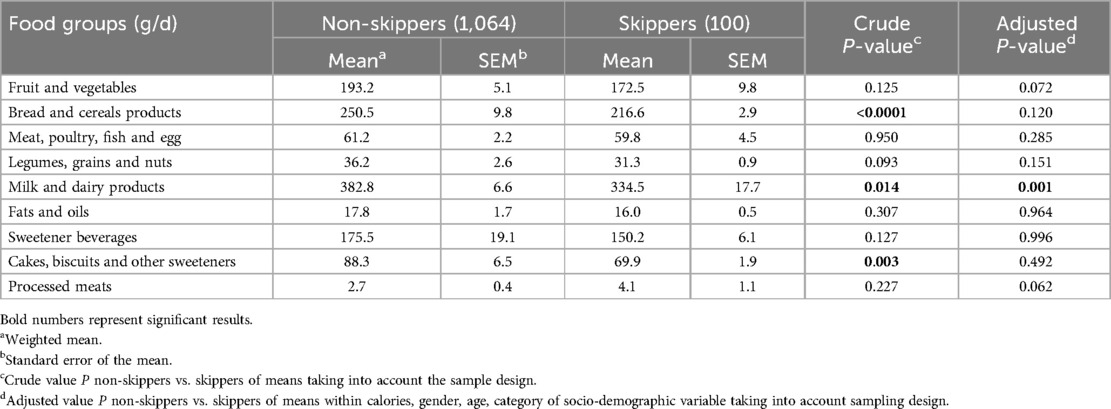
Table 3. Daily intakes of food groups in preschool and school Tunisian children according to their breakfast eating habits.
4 Discussion
To the best of our knowledge, the present cross-sectional study is the first Tunisian study that assessed the relationship between breakfast skipping and the nutritional profile of preschool and school-age Tunisian children. We found that breakfast eaters had a higher daily intake of most nutrients and accordingly a lower prevalence of inadequacy for nutrients in comparison to the breakfast skippers. These results confirm the finding that breakfast consumers make better nutritional choices during the day (14, 23–28).
As regards total energy, our results are in line with previous research studies reporting a deficit of energy intake in breakfast skippers, which is not compensated during the rest of the day (11, 14, 28–30). Correspondingly, Tunisian breakfast skippers tended to have lower daily intakes of macronutrients, as they consumed fewer amounts of energy-dense food groups, namely bread and cereals, dairy products, fats and oils or sweeteners, compared to breakfast eaters. The prevalence of inadequacy of energy intake was higher in breakfast skippers. This result is consistent with earlier studies and confirms the important contribution of breakfast calories fraction to the total energy intake of children throughout the day (23, 30–33).
We found a greater intake of total sugars among breakfast consumers. This is likely attributed to a higher consumption of cakes, biscuits, cereals, sweeteners or milk, a pattern consistent with findings reported in the literature. For example, in Australia, Fayet-Moore et al. (2016) found that children who consumed breakfast, and in particular cereals, had higher daily intakes of total sugars and better dietary intake profiles than those who skipped breakfast (34). Likewise, Jeans et al. (2020) reported that skipping breakfast is associated with lower total sugar intake in low-income Hispanic Children (35). According to the systematic review and meta-analysis of Giménez-Legarre et al. (2020), higher consumers of RTEC have higher intakes of carbohydrates and total sugars than RTEC non-consumers or breakfast skippers (28).
The paradox that breakfast skippers are at greater risk of being overweight or obese compared to non-skippers [supported by the results published in our previous article (20)], despite consuming less energy and sugar, can be explained by metabolic adaptations that favor fat storage following a period of morning fasting. Additionally, children who skip breakfast may experience reduced energy levels throughout the day, leading to decreased physical activity, which contributes to a positive energy balance and weight gain over time (36–38).
Regarding micronutrients, higher intakes of riboflavin, vitamin B-5, phosphorus and calcium were associated with breakfast eating. The mean daily intakes of the remaining nutrients tended to be higher in breakfast consumers, but the differences were no statistically significant. Furthermore, breakfast consumers are more likely to meet nutrient intake recommendations in comparison with breakfast skippers. Many studies showed that breakfast consumption enhanced the intake of micronutrients in the selected populations. A Japanese study recorded higher intakes of vitamin K, folate, vitamin C, phosphorus, calcium and magnesium in breakfast consumers compared to skippers (39). A study on children from the United States reported that skipping breakfast is associated with lower intakes of folate, calcium and iron (40). Frequent breakfast consumers in the United Kingdom had a better nutritional profile of micronutrients (folate, calcium, iron and iodine) than children with irregular breakfast habits (41).
Regarding food groups consumption, the milk and dairy products food group was consumed to a greater extent by breakfast eaters. This result could explain the higher intakes of riboflavin, phosphorous and calcium found in breakfast eaters as the major sources of these micronutrients are milk and dairy products (42, 43). The main food sources of vitamin B-5 are meat, poultry, eggs and whole grain cereals (43). Despite a higher mean daily intake of the bread and cereals group by breakfast consumers, the differences between both groups were significant only in the crude model. Hence, we can't conclude the dissimilar intakes of vitamin B-5 between breakfast eaters and skippers.
According to some authors, milk and dairy products, cereals and fruits are among the three fundamental food groups recommended for a good quality breakfast (24, 44). Prior research findings have indicated elevated consumption of dairy products during breakfast. Notably, in Brazil, this food group emerged as the predominant choice among low-income adults (45). In India, the intake of dairy products was 5.5 times higher among adolescents who regularly consumed breakfast compared to those who never consumed breakfast (46). Likewise, breakfast consumers, among female Japanese high school students, had higher intakes of dairy products than breakfast-skippers (31).
Comparing children's groups, breakfast skippers had higher inadequate intakes of most nutrients than consumers. Furthermore, the prevalence of inadequacy among both groups of children was particularly high in the consumption of dietary fiber, lipids and vitamins A, C and E. Therefore, Tunisian children should consume more fruits and vegetables, especially during the first meal of the day, to meet the recommendations in the intake of fiber and vitamins A and C. They should also enhance the consumption of fats, oils, grains and nuts to meet lipids and vitamin E targets.
The major strengths of this study are the large sample size and the method of dietary data collection, which is the combination of dietary history and 24-hour dietary recall to better reflect the dietary patterns of children. One of the limitations is the cross-sectional analysis, which could not identify causal associations. Furthermore, we didn't evaluate the type of breakfast (cereal or non-cereal) which may be important for meeting nutrient recommendations. The absence of a standardized definition for breakfast skipping may challenge the comparability of our study with prior research.
5 Conclusion
The results of the present study suggest that breakfast skipping is associated with lower intakes of energy and a higher occurrence of nutrient inadequacy in preschool and school Tunisian children. Furthermore, children who regularly consume breakfast revealed higher daily intakes of milk and dairy products. These results confirm the general idea linking breakfast intake with better overall diet quality and nutrient adequacy. Dietary guidelines should encourage the consumption of a good quality breakfast including dairy products, cereals and fruits to improve the mental and physical health of our children.
Data availability statement
The raw data supporting the conclusions of this article will be made available by the authors, without undue reservation.
Ethics statement
The studies involving humans were approved by Tunisian National Council of Statistics (Visa n◦3/2017) the Ethics Committee on Human Research of the National Institute of Nutrition and Food Technology. The studies were conducted in accordance with the local legislation and institutional requirements. Written informed consent for participation in this study was provided by the participants’ legal guardians/next of kin.
Author contributions
JE: Data curation, Methodology, Writing – original draft, Writing – review & editing, Conceptualization, Funding acquisition, Investigation, Project administration, Resources, Supervision, Visualization. RD: Data curation, Investigation, Methodology, Writing – review & editing, Formal Analysis, Software. DD: Formal Analysis, Software, Writing – review & editing, Conceptualization, Validation. ME: Formal Analysis, Validation, Writing – review & editing, Data curation, Methodology, Writing – original draft.
Funding
The author(s) declare that no financial support was received for the research, authorship, and/or publication of this article.
Conflict of interest
The authors declare that the research was conducted in the absence of any commercial or financial relationships that could be construed as a potential conflict of interest.
Publisher's note
All claims expressed in this article are solely those of the authors and do not necessarily represent those of their affiliated organizations, or those of the publisher, the editors and the reviewers. Any product that may be evaluated in this article, or claim that may be made by its manufacturer, is not guaranteed or endorsed by the publisher.
References
1. Wang K, Niu Y, Lu Z, Duo B, Effah CY, Guan L. The effect of breakfast on childhood obesity: a systematic review and meta-analysis. Front Nutr. (2023) 10:1222536. doi: 10.3389/fnut.2023.1222536
2. Rahman N, Ishitsuka K, Piedvache A, Horikawa C, Murayama N, Morisaki N. Guardians’ food literacy and breakfast skipping among Japanese school children. Appetite. (2024) 194:107200. doi: 10.1016/j.appet.2024.107200
3. Ma X, Chen Q, Pu Y, Guo M, Jiang Z, Huang W, et al. Skipping breakfast is associated with overweight and obesity: a systematic review and meta-analysis. Obes Res Clin Pract. (2020) 14(1):1–8. doi: 10.1016/j.orcp.2019.12.002
4. Zahedi H, Djalalinia S, Sadeghi O, Zare Garizi F, Asayesh H, Payab M, et al. Breakfast consumption and mental health: a systematic review and meta-analysis of observational studies. Nutr Neurosci. (2022) 25(6):1250–64. doi: 10.1080/1028415X.2020.1853411
5. Lopez-Gil JF, Sanchez-Miguel PA, Tapia-Serrano MA, Garcia-Hermoso A. Skipping breakfast and excess weight among young people: the moderator role of moderate-to-vigorous physical activity. Eur J Pediatr. (2022) 181(8):3195–204. doi: 10.1007/s00431-022-04503-x
6. Lopez-Gil JF, Smith L, Lopez-Bueno R, Tarraga-Lopez PJ. Breakfast and psychosocial behavioural problems in young population: the role of status, place, and habits. Front Nutr. (2022) 9:871238. doi: 10.3389/fnut.2022.871238
7. Wicherski J, Schlesinger S, Fischer F. Association between breakfast skipping and body weight–a systematic review and meta-analysis of observational longitudinal studies. Nutrients. (2021) 13(1):272–91. doi: 10.3390/nu13010272
8. Lundqvist M, Vogel NE, Levin LA. Effects of eating breakfast on children and adolescents: a systematic review of potentially relevant outcomes in economic evaluations. Food Nutr Res. (2019) 63:1618–32. doi: 10.29219/fnr.v63.1618
9. Pena-Jorquera H, Campos-Nunez V, Sadarangani KP, Ferrari G, Jorquera-Aguilera C, Cristi-Montero C. Breakfast: a crucial meal for Adolescents’ cognitive performance according to their nutritional Status. The cogni-action project. Nutrients. (2021) 13(4):1320–31. doi: 10.3390/nu13041320
10. Deshmukh-Taskar PR, Nicklas TA, O'Neil CE, Keast DR, Radcliffe JD, Cho S. The relationship of breakfast skipping and type of breakfast consumption with nutrient intake and weight status in children and adolescents: the national health and nutrition examination survey 1999–2006. J Am Diet Assoc. (2010) 110(6):869–78. doi: 10.1016/j.jada.2010.03.023
11. Williams BM, O'Neil CE, Keast DR, Cho S, Nicklas TA. Are breakfast consumption patterns associated with weight status and nutrient adequacy in African-American children? Public Health Nutr. (2009) 12(4):489–96. doi: 10.1017/S1368980008002760
12. Monzani A, Ricotti R, Caputo M, Solito A, Archero F, Bellone S, et al. A systematic review of the association of skipping breakfast with weight and cardiometabolic risk factors in children and adolescents. What should we better investigate in the future? Nutrients. (2019) 11(2):387–409. doi: 10.3390/nu11020387
13. So HK, Nelson EA, Li AM, Guldan GS, Yin J, Ng PC, et al. Breakfast frequency inversely associated with BMI and body fatness in Hong Kong Chinese children aged 9–18 years. Br J Nutr. (2011) 106(5):742–51. doi: 10.1017/S0007114511000754
14. Rampersaud GC, Pereira MA, Girard BL, Adams J, Metzl JD. Breakfast habits, nutritional status, body weight, and academic performance in children and adolescents. J Am Diet Assoc. (2005) 105(5):743–60. quiz 61-2. doi: 10.1016/j.jada.2005.02.007
15. Baker P, Machado P, Santos T, Sievert K, Backholer K, Hadjikakou M, et al. Ultra-processed foods and the nutrition transition: global, regional and national trends, food systems transformations and political economy drivers. Obes Rev. (2020) 21(12):e13126. doi: 10.1111/obr.13126
16. UNICEF, WHO, JME. Prevalence of Overweight (Modeled Estimate,% of Children under 5)-Tunisia. (2024). Available online at: https://data.worldbank.org/indicator/SH.STA.OWGH.ME.ZS?end=2020 (Accessed April 20, 2024).
17. INS. The National Institute of Satatistics (2024). Available online at: https://ins.tn/en (accessed April 20, 2024).
18. Dogui D, Doggui R, El Ati J, El Ati-Hellal M. Association between overweight and diet diversity score: a cross-sectional study conducted among Tunisian children. Children (Basel). (2021) 8(7):536–48. doi: 10.3390/children8070536
19. Albertson AM, Affenito SG, Bauserman R, Holschuh NM, Eldridge AL, Barton BA. The relationship of ready-to-eat cereal consumption to nutrient intake, blood lipids, and body mass index of children as they age through adolescence. J Am Diet Assoc. (2009) 109(9):1557–65. doi: 10.1016/j.jada.2009.06.363
20. Dogui D, Doggui R, El Ati J, El Ati-Hellal M. Prevalence of breakfast skippers among Tunisian preschool and school children and association with weight Status: a cross-sectional study. Children (Basel). (2023) 10(2):392–402. doi: 10.3390/children10020392
21. WHO. Anthroplus for Personal Computers Manual Software for Assessing Growth of the World's Children and Adolescents. Geneva: WHO (2009). Available online at: https://www.who.int/tools/growth-reference-data-for-5to19-years
22. Traissac P, Martin-Prevel Y. Alternatives to principal components analysis to derive asset-based indices to measure socio-economic position in low- and middle-income countries: the case for multiple correspondence analysis. Int J Epidemiol. (2012) 41(4):1207–8. author reply 9-10. doi: 10.1093/ije/dys122
23. Barr SI, DiFrancesco L, Fulgoni VL. 3rd. Consumption of breakfast and the type of breakfast consumed are positively associated with nutrient intakes and adequacy of Canadian adults. J Nutr. (2013) 143(1):86–92. doi: 10.3945/jn.112.167098
24. Giovannini M, Verduci E, Scaglioni S, Salvatici E, Bonza M, Riva E, et al. Breakfast: a good habit, not a repetitive custom. J Int Med Res. (2008) 36(4):613–24. doi: 10.1177/147323000803600401
25. Khusun H, Anggraini R, Februhartanty J, Mognard E, Fauzia K, Maulida NR, et al. Breakfast consumption and quality of macro- and micronutrient intake in Indonesia: a study from the Indonesian food barometer. Nutrients. (2023) 15(17):3792–807. doi: 10.3390/nu15173792
26. Gimenez-Legarre N, Miguel-Berges ML, Flores-Barrantes P, Santaliestra-Pasias AM, Moreno LA. Breakfast characteristics and its association with daily micronutrients intake in children and adolescents-A systematic review and meta-analysis. Nutrients. (2020) 12(10):3201–25. doi: 10.3390/nu12103201
27. Affinita A, Catalani L, Cecchetto G, De Lorenzo G, Dilillo D, Donegani G, et al. Breakfast: a multidisciplinary approach. Ital J Pediatr. (2013) 39:44. doi: 10.1186/1824-7288-39-44
28. Gimenez-Legarre N, Flores-Barrantes P, Miguel-Berges ML, Moreno LA, Santaliestra-Pasias AM. Breakfast characteristics and their association with energy, macronutrients, and food intake in children and adolescents: a systematic review and meta-analysis. Nutrients. (2020) 12(8):2460–99. doi: 10.3390/nu12082460
29. Nicklas TA, Reger C, Myers L, O'Neil C. Breakfast consumption with and without vitamin-mineral supplement use favorably impacts daily nutrient intake of ninth-grade students. J Adolesc Health. (2000) 27(5):314–21. doi: 10.1016/S1054-139X(00)00113-0
30. Cho S, Dietrich M, Brown CJ, Clark CA, Block G. The effect of breakfast type on total daily energy intake and body mass index: results from the third national health and nutrition examination survey (NHANES III). J Am Coll Nutr. (2003) 22(4):296–302. doi: 10.1080/07315724.2003.10719307
31. Matsumoto M, Hatamoto Y, Sakamoto A, Masumoto A, Ikemoto S. Breakfast skipping is related to inadequacy of vitamin and mineral intakes among Japanese female junior high school students: a cross-sectional study. J Nutr Sci. (2020) 9:e9. doi: 10.1017/jns.2019.44
32. Gaal S, Kerr MA, Ward M, McNulty H, Livingstone MBE. Breakfast consumption in the UK: patterns, nutrient intake and diet quality. A study from the international breakfast research initiative group. Nutrients. (2018) 10(8):999–1018. doi: 10.3390/nu10080999
33. Wang M, Zhong JM, Wang H, Zhao M, Gong WW, Pan J, et al. Breakfast consumption and its associations with health-related behaviors among school-aged adolescents: a cross-sectional study in Zhejiang province, China. Int J Environ Res Public Health. (2016) 13(8):761–73. doi: 10.3390/ijerph13080761
34. Fayet-Moore F, Kim J, Sritharan N, Petocz P. Impact of breakfast skipping and breakfast choice on the nutrient intake and body mass index of Australian children. Nutrients. (2016) 8(8):487–98. doi: 10.3390/nu8080487
35. Jeans MR, Asigbee FM, Landry MJ, Vandyousefi S, Ghaddar R, Leidy HJ, et al. Breakfast consumption in low-income Hispanic elementary school-aged children: associations with anthropometric, metabolic, and dietary parameters. Nutrients. (2020) 12(7):2038–54. doi: 10.3390/nu12072038
36. Szajewska H, Ruszczyński M. Systematic review demonstrating that breakfast consumption influences body weight outcomes in children and adolescents in Europe. Crit Rev Food Sci Nutr. (2010) 50(2):113–9. doi: 10.1080/10408390903467514
37. Betts JA, Richardson JD, Chowdhury EA, Holman GD, Tsintzas K, Thompson D. The causal role of breakfast in energy balance and health: a randomized controlled trial in lean adults. Am J Clin Nutr. (2014) 100(2):539–47. doi: 10.3945/ajcn.114.083402
38. Olson J, Aldrich H, Callahan TJ, Matthews EE, Gance-Cleveland B. Characterization of childhood obesity and behavioral factors. J Pediatr Health Care. (2016) 30(5):444–52. doi: 10.1016/j.pedhc.2015.10.009
39. Murakami K, Livingstone MBE, Fujiwara A, Sasaki S. Breakfast in Japan: findings from the 2012 national health and nutrition survey. Nutrients. (2018) 10(10):1551–67. doi: 10.3390/nu10101551
40. Ramsay SA, Bloch TD, Marriage B, Shriver LH, Spees CK, Taylor CA. Skipping breakfast is associated with lower diet quality in young US children. Eur J Clin Nutr. (2018) 72(4):548–56. doi: 10.1038/s41430-018-0084-3
41. Coulthard JD, Palla L, Pot GK. Breakfast consumption and nutrient intakes in 4–18-year-olds: UK national diet and nutrition survey rolling programme (2008–2012). Br J Nutr. (2017) 118(4):280–90. doi: 10.1017/S0007114517001714
42. El Ati-Hellal M, Hellal F. Food supplementation with vitamins and minerals: an overview. In: Prieto MA, Otero P, editors. Natural Food Additives. intechopen (2021). p. 1–23.
43. Rucker RBZ J, Suttie JW, McCormick DB. Handbook of Vitamins. 4th ed. Boca Raton, FL: CRC Press (2007).
44. Rani R, Dharaiya CN, Singh B. Importance of not skipping breakfast: a review. Int J Food Sci Technol. (2020) 56(1):28–38. doi: 10.1111/ijfs.14742
45. de Sousa JR, Botelho RBA, Akutsu R, Zandonadi RP. Nutritional quality of breakfast consumed by the low-income population in Brazil: a nationwide cross-sectional survey. Nutrients. (2019) 11(6):1418–31. doi: 10.3390/nu11061418
46. Arora M, Nazar GP, Gupta VK, Perry CL, Reddy KS, Stigler MH. Association of breakfast intake with obesity, dietary and physical activity behavior among urban school-aged adolescents in Delhi, India: results of a cross-sectional study. BMC Public Health. (2012) 12:881. doi: 10.1186/1471-2458-12-881
Keywords: nutrient intake, skipping breakfast, food groups, preshool children, schoolchildren, Tunisia
Citation: El Ati J, Doggui R, Dogui D and El Ati-Hellal M (2024) Skipping breakfast is associated to inadequate nutrient intakes among Tunisian children: a cross-sectional study. Front. Pediatr. 12:1427638. doi: 10.3389/fped.2024.1427638
Received: 4 May 2024; Accepted: 15 August 2024;
Published: 29 August 2024.
Edited by:
Radwan Qasrawi, Al-Quds University, PalestineReviewed by:
Hazem Agha, Al-Quds University, PalestineLenycia De Cassya Lopes Neri, University of Pavia, Italy
Copyright: © 2024 El Ati, Doggui, Dogui and El Ati-Hellal. This is an open-access article distributed under the terms of the Creative Commons Attribution License (CC BY). The use, distribution or reproduction in other forums is permitted, provided the original author(s) and the copyright owner(s) are credited and that the original publication in this journal is cited, in accordance with accepted academic practice. No use, distribution or reproduction is permitted which does not comply with these terms.
*Correspondence: Myriam El Ati-Hellal, bWZoMjIwMDJAeWFob28uZnI=