 Samia Sheikh1
 Zikria Saleem1*
 Shairyar Afzal2
 Muhammad Usman Qamar3,4
 Ali Abuzar Raza5,6
 Syed Zeeshan Haider Naqvi5Mahmood Basil A. Al-Rawi7
 Brian Godman8,9
- 1Department of Pharmacy Practice, Faculty of Pharmacy, Bahauddin Zakariya University, Multan, Pakistan
- 2Department of Pharmacy, DHQ Hospital Jhelum, Jhelum, Pakistan
- 3Institute of Microbiology, Faculty of Life Sciences, Government College University Faisalabad, Faisalabad, Pakistan
- 4Division of Infectious Diseases, Department of Medicine, Geneva University Hospitals and Medical School, Geneva, Switzerland
- 5Institute of Molecular Biology and Biotechnology (IMBB), The University of Lahore, Lahore, Pakistan
- 6Department of Microbiology, CMH Multan Institute of Medical Sciences, Multan, Pakistan
- 7Department of Optometry, College of Applied Medical Sciences, King Saud University, Riyadh, Saudi Arabia
- 8Department of Public Health Pharmacy and Management, School of Pharmacy, Sefako Makgatho Health Sciences University, Ga-Rankuwa, South Africa
- 9Strathclyde Institute of Pharmacy and Biomedical Sciences, University of Strathclyde, Glasgow, United Kingdom
Introduction: Surveillance of antibiotic use is crucial for identifying targets for antibiotic stewardship programs (ASPs), particularly in pediatric populations within countries like Pakistan, where antimicrobial resistance (AMR) is escalating. This point prevalence survey (PPS) seeks to assess the patterns of antibiotic use in pediatric patients across Punjab, Pakistan, employing the WHO AWaRe classification to pinpoint targets for intervention and encourage rational antibiotic usage.
Methods: A PPS was conducted across 23 pediatric wards of 14 hospitals in the Punjab Province of Pakistan using the standardized Global-PPS methodology developed by the University of Antwerp. The study included all pediatric inpatients receiving antibiotics at the time of the survey, categorizing antibiotic prescriptions according to the WHO Anatomical Therapeutic Chemical classification and the AWaRe classification system.
Results: Out of 498 pediatric patients, 409 were receiving antibiotics, representing an antibiotic use prevalence of 82.1%. A substantial majority (72.1%) of the prescribed antibiotics fell under the WHO's Watch category, with 25.7% in the Access category and 2.2% in the Reserve group. The predominant diagnoses were respiratory infections, notably pneumonia (32.4%). The most commonly used antibiotics were ceftriaxone (37.2%) and Vancomycin (13.5%). Only 2% of antibiotic uses were supported by culture sensitivity reports, highlighting a reliance on empirical therapy.
Conclusion: The high prevalence of antibiotic use, particularly from the Watch category, and low adherence to culture-based prescriptions underscore the critical need for robust antibiotic stewardship programs in Pakistan. Strengthening these programs could help mitigate AMR and optimize antibiotic use, aligning with global health objectives.
Introduction
Increasing antimicrobial resistance (AMR) hastens the arrival of the post-antibiotic era, which is a concern necessitating a range of different activities (1, 2). Extensive misuse of antibiotics contributes to increasing AMR, potentially reversing decades of medical accomplishments (3, 4). In 2021, it was estimated globally, there were 1.14 million deaths due to AMR, with 1 in 5 deaths occurring in children under 5 years of age, with the highest rates of AMR in low- and middle-income countries (LMICs) (5, 6). This is set to rise to 8.22 million deaths by 2050 alongside considerable morbidity, combined with an annual economic loss of approximately $US1 trillion unless addressed (6–8).
Antibiotics are the most commonly prescribed medicines in the pediatric population in both community and hospital settings with potentially inappropriate usage, with consumption increasing 46% between 2000 and 2018 in children under 5 years of age (9, 10). Antibiotic consumption also appreciably increased among sick children under the age of 5 in LMICs between 2005 and 2017, greatest in South-East Asia (11). This is a concern increasing both AMR as well as adverse events (12), with rapidly increasing resistant organisms, including gram-negative bacilli and Staphylococcus aureus (13). The pediatric population is particularly vulnerable to the consequences of AMR, resulting in increasing morbidity and mortality (12, 14, 15). Addressing this is a critical issue to reach the agreed Sustainable Development Goal to reduce newborn mortality, with Pakistan a key country with high mortality rates compared to a number of other LMICs (16, 17). Moreover, limitations pertaining to eligibility to participate in clinical trials impact optimal data generation and development, potentially enhancing AMR (18).
Concerns with growing rates of AMR and associated consequences have resulted in the instigation of the Global Action Plan (GAP) by the World Health Organization (WHO) to tackle AMR, leading to the development of National Action Plans (NAPs) emanating from the GAP also mimic objectives laid out in the latter (19, 20). However, there have been concerns with the implementation of NAPs, including both personnel and resource issues, as seen in Pakistan and other LMICs (21–23). The WHO also developed the Global Antimicrobial Resistance and Use Surveillance (GLASS) in 2017, given the considerable need to track resistance development (24). However, there are considerable challenges with the current report accentuating the limited surveillance capacities of LMICs to record resistance and antibiotic use data (25, 26). The WHO also introduced the AWaRe classification system in 2017, categorizing antibiotics into Access, Watch and Reserve classes (27). The AWaRe framework intends to work as a means of surveillance and act as a stewardship tool (28, 29). Alongside this, the WHO developed its own Point Prevalence Survey (PPS) methodology to document antibiotic use in hospitals, building on Global and ECDC methodologies (30–33). Antibiotic stewardship programs (ASPs) are increasingly seen as an effective means to enhance the appropriate use of antibiotics and reduce AMR and costs (34–36). However, there can be concerns among LMICs to implement ASP due to human resource shortages, diagnostic inadequacies, poor antibiotic use monitoring and surveillance capacity, as well as personnel shortages (37–40). The WHO has also recently provided guidance on undertaking ASPs (41). ASP implementation is particularly important in promoting judicious antibiotic use in the pediatric population, given current challenges (10, 42–44).
Although the NAP Pakistan against AMR has been in effect since 2017, Pakistan acknowledges AMR as a potential threat, whereas the ground realities of the AMR situation are dissent from what was pledged in official documents (23, 45–47) and inadequacies are conspicuous in implementing ASP protocols (48, 49). Pakistan is struggling in the battle against growing bacterial resistance (50–52). There have also been reports of a high prevalence of multi-drug resistance organisms (MDRO) among children in pediatric wards in Pakistan (53). Consequently, there is a need to urgently document current antibiotic utilization patterns among neonates and children in hospitals across Punjab, Pakistan. We are aware of published papers documenting concerns with high use of antibiotics, including high use of “Watch” antibiotics with their greater resistance potential, among the pediatric population in a limited number of hospitals in Pakistan, including tertiary hospitals (54–57). However, there is a need to update this, including evidence from a greater number of hospitals, to inform future ASPs where concerns have been identified. Consequently, the current study intends to expand on previous PPS studies in the pediatric population using the WHO AWaRe classification.
Methods
Study design and setting
This point prevalence survey (PPS) was conducted using the standardized Global Point Prevalence Survey on Antimicrobial Consumption and Resistance (Global-PPS) methodology developed by the University of Antwerp. The Anatomical Therapeutic Chemical (ATC) and AWaRe classification system of the WHO were employed to classify the different antibiotics used. Data were collected from 23 wards across 14 hospitals in Punjab, the most populous province of Pakistan, known for its diverse healthcare challenges and significant role in national health outcomes. The hospitals surveyed included a mix of seven secondary and six tertiary care facilities, one specialized cancer hospital, and a combination of ten public and four private sector hospitals. Participation in the survey was voluntary, ensuring that only those institutions willing to engage in this study were included, as mentioned in the Global PPS method.
Sampling and inclusion criteria
Pediatric patients (0–18 years) admitted to medical and surgical wards, pediatric intensive care units, and neonatal units at 8:00 a.m. on the day of the survey were included. Patients receiving at least one systemic antibiotic at the time of data collection formed the numerator, while all admitted pediatric patients on the surveyed wards comprised the denominator.
Data collection tools
Data collection was conducted using the standardized Global-PPS ward and patient forms. At the ward level, data included the total number of admitted patients, the total number of beds, and type of ward. At the patient level, detailed information was collected on demographics (age and gender), diagnosis and type of infection (e.g., community-acquired or hospital-acquired), the indication for antibiotic use (therapeutic or prophylactic), and the antimicrobial agent(s) prescribed, including the dose, route, and frequency of administration.
Data collection procedure
All pediatric inpatients receiving antimicrobial therapy at 08:00 a.m. were included, and data collection forms were completed for these patients only. All prescribed antimicrobials at the time of the survey were recorded. Patients who were transferred to another ward after 08:00 a.m. were included as part of the initial ward of admittance. Neonates born before 08:00 a.m. on the day of the survey were included. The last prescribed antibiotic was recorded if the prophylaxis or treatment was changed on the day of the survey before or at 08:00 a.m. Surgical wards were not surveyed on a day following a holiday but on other weekdays to capture information about prophylaxis in the last 24 h. Surgical prophylaxis included agents to prevent surgical site infections, and long-acting antibiotics or intermittent treatments given within 24 h before the survey were included. Medical prophylaxis was defined as the use of antibiotics to prevent infections in patients with specific medical conditions. Infections were classified as community-acquired infections (CAIs) if symptoms started less than 48 h from admission to the hospital or were present on admission. Hospital-acquired infections (HAIs) were defined as infections with symptoms starting 48 h after admission. The data collection was conducted by using the Global PPS standardized methodology to ensure consistency and adherence to standards. All available information documented in the Global PPS form was thoroughly collected. The detailed method is described on the Global-PPS website (58). Information included patients' demographics, diagnosis, infection type and prescribed antibiotics details. Data was collected from patients' medical notes and prescribing charts. Additional details from patients' medical case notes were recorded after discussions with nursing staff and physicians, when necessary, especially if crucial data such as antibiotic selection was missing. However, in most cases, only patients' notes were reviewed. The collected data were double-checked for completeness and accuracy to rule out any missing or inconsistent information. There was no direct contact with any patient during the data collection process in line with other PPS studies. Data from each ward being completely surveyed within 1 day to minimize the effect of patient movement between wards and within the hospital. The data was collected in March 2024. Patients' anonymity was maintained throughout the process.
Statistical analysis
Data were exported from the Global-PPS web application into a Microsoft Excel database for analysis. Statistical analyses were performed using SPSS version 25 (IBM Corporation, Armonk, NY, USA). In this study, we utilized both descriptive and inferential statistical methods to analyze the patterns of antibiotic usage across the AWaRe classifications (Access, Watch, Reserve) under varied clinical settings. Initially, descriptive statistics provided a foundational understanding of the data distribution and characteristics. Further, cross-tabulations were employed to examine the distribution and usage patterns of antibiotics classified as Access, Watch, and Reserve, highlighting the frequency and context of their utilization across different patient groups and departments. Subsequent to the descriptive analysis, logistic regression was applied to more deeply investigate the factors influencing the likelihood of antibiotics being classified under the “Watch” category. This method facilitated the quantification of the impact of various factors, including department type, patient age group, and diagnosis, on the AWaRe classification, allowing for a critical analysis of trends and associations within the data. The “Access” vs. “Watch” ratio was also calculated to assess the relative use given concerns with the increasing use of “Watch” antibiotics in LMICs in recent years, facilitating the identification of targets for stewardship interventions (59). The United Nations General Assembly (UNGA), in its meeting in September 2024, has set a global target of “Access” antibiotics to account for 70% of total utilization to counter AMR (60).
Ethical considerations
Ethical clearance for the study was obtained from the Human Ethics Division of the Department of Pharmacy Practice at the Faculty of Pharmacy, Bahauddin Zakariya University, Multan (Ref: BZU-FOPDPP-2446). Permission to conduct the study within the selected hospitals was also granted by their respective management teams. To ensure confidentiality, all patient data were anonymized at the time of collection. Unique, non-identifiable survey numbers generated by the Global-PPS software were used to maintain the anonymity of the data.
Results
The PPS was conducted across 23 pediatric wards of 14 hospitals, encompassing a total of 692 beds. Out of 498 pediatric patients assessed, 409 patients were prescribed antibiotics, giving a prevalence of 82.1%. The survey recorded a total of 734 instances where antibiotics were used across these pediatric cases. Around 327 patients were using more than one antibiotic. Only 2% of antibiotic use was based on culture sensitivity reports, and in only 23.2% of cases was the reason for prescribing an antibiotic mentioned on the patient notes. “Watch” antibiotics accounted for 72.1% (529) of the 734 antibiotics prescribed, followed by 25.7% of antibiotics in the “Access” category (Table 1). The highest prescribing of antibiotics was in the pediatric medical wards at 83.5%, with the distribution of antibiotics based on the AWaRe categories closely mirrored the overall findings. The Intensive Care Unit, although smaller in scale, showed a higher proportion of Reserve category antibiotics at 5.9% for central nervous system infections and prophylaxis, suggesting a focused approach to managing severe or high-risk infections. Parenteral administration dominated the route of administration, comprising 96.6% of the prescriptions.
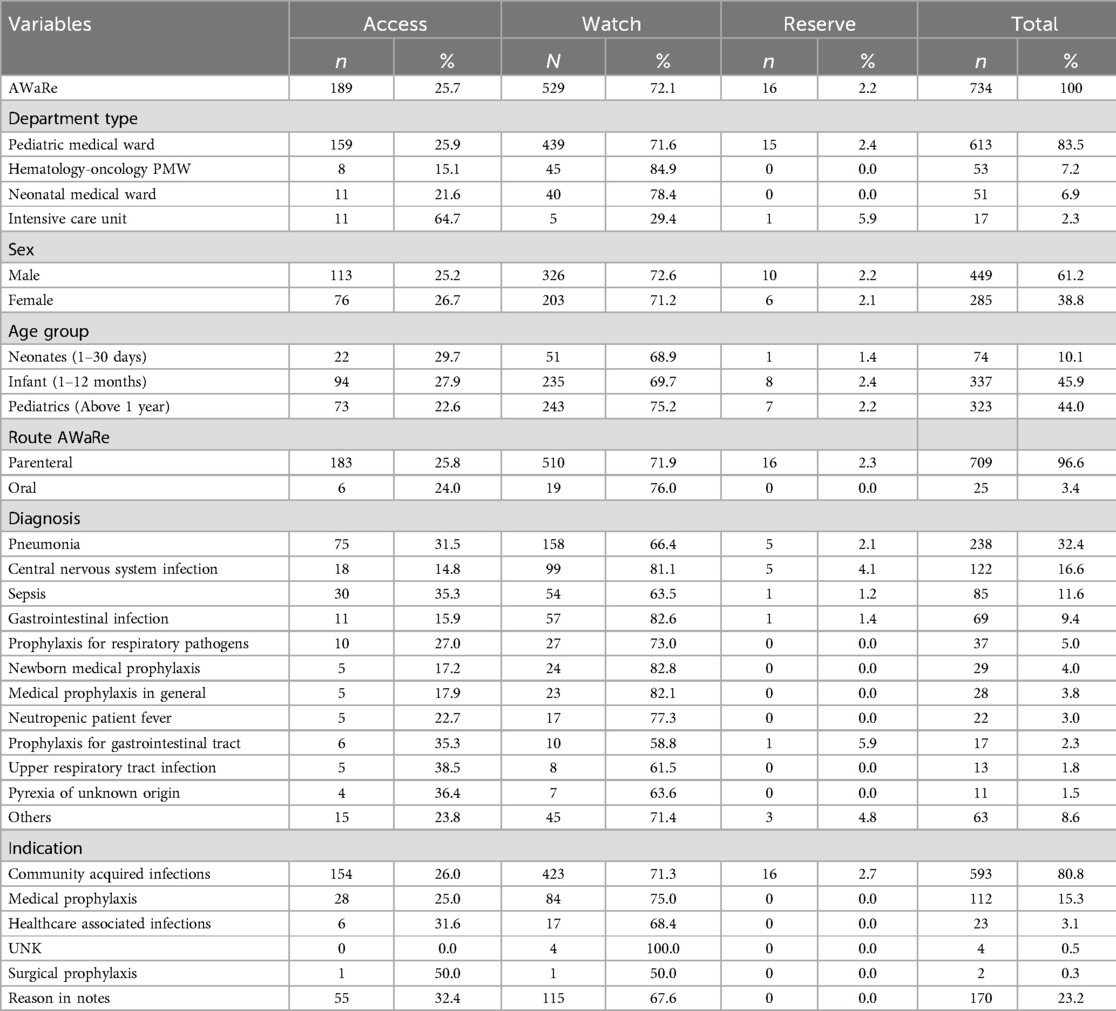
Table 1. Distribution of antibiotic use by AWaRe classification.
The most frequently reported diagnosis was pneumonia (32.4%), predominantly treated with Watch group antibiotics. Among the individual antibiotics, ceftriaxone, a “Watch” antibiotic, was the most commonly prescribed antibiotic, accounting for 37.2% of all antibiotics used, categorized under the Watch group, followed by vancomycin (13.5%) (Table 2). In examining the determinants influencing the use of “Watch” antibiotics, logistic regression analysis revealed several significant factors. The intercept, or constant term, of the model, was positive (coefficient = 1.96, p-value = 0.00), indicating the baseline log-odds of an antibiotic being classified as “Watch” when all other variables are zero. This result suggests a baseline propensity towards the “Watch” classification in the absence of modifying factors. Significantly, antibiotics administered within the ICU were substantially less likely to be classified as “Watch,” with a coefficient of −3.89 (p-value = 0.01) and an odds ratio of 0.02. This indicates a 98% decrease in the odds of “Watch” classification for antibiotics used in the ICU compared to the reference department, underscoring a conservative approach to antibiotic use in this high-risk setting (Table 3).
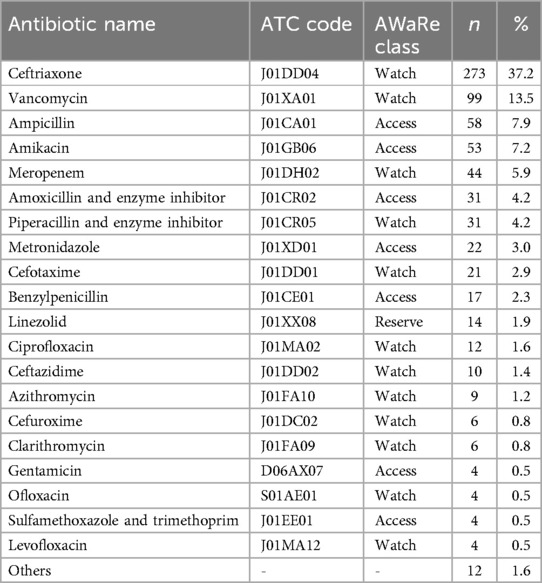
Table 2. Commonly prescribed antibiotics.
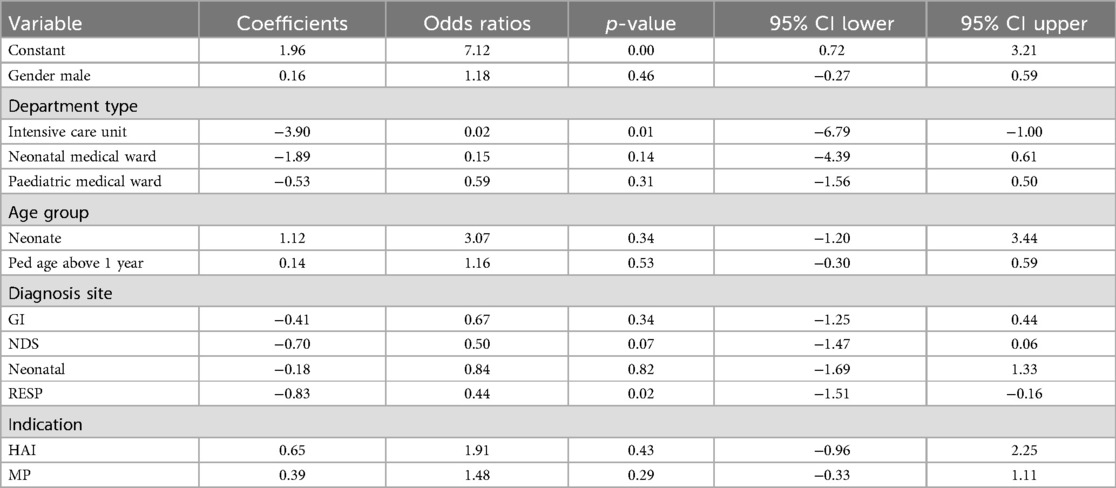
Table 3. Factors influencing the use of “watch” category antibiotics.
Discussion
Unequivocally, topnotch surveillance of antibiotic use is of prime importance to inform stewardship interventions, in which the PPS methodology offers a preeminent surveillance potential to monitor the use of antibiotics and acts as a baseline to inform policies regarding the correct utilization of antibiotics in hospital settings (11, 30). We believe this is the first comprehensive study undertaken in Pakistan to assess current antibiotic utilization rates among pediatric patients along with providing a comprehensive breakdown of antibiotic use across indications, wards and age groups. The prevalence rate of 82.1% for antibiotic use is similar to previous studies in Pakistan, including Mustafa et al. at 95.5% (56) and 97.5% (55) as well as Ambreen et al., with rates varying between 91% for the pediatric medical ward to 99% for pediatric intensive care and the neonatal medical ward (57). In addition, similar to a study in South Africa with a prevalence rate of 92% among hospitalized children (61) and in India, where up to 89% of neonates in NICUs were prescribed antibiotics (62). However, lower than seen in China (56.8%–66.1%) (63, 64), another study in India (61.5%) (65), Jordan at 75.6% overall, although up to 82.2% in Pediatric wards (66), Myanmar at 63.4% (67) and another study in South Africa at 49.7% (68). This compares with high-income countries that have shown decreasing trends in antibiotic utilization rates potentially enhanced by established ASPs, as well as adequate diagnostic and monitoring facilities compared to LMICs (69), where there is a dire need to upgrade existing laboratory infrastructure coupled with improving quality standards through international accreditation and standardizing procedures (70). The lack of monitoring of patient records as part of ASPs may help explain the fact that in only 23.2% of instances in our study, it was the reason for prescribing antibiotics mentioned in patients' notes. This compares to a Belgian study in which, on 81.9% of occasions, the indication for antibiotic use was recorded (33).
The high prevalence if antibiotic use may also have been exacerbated by the fact that in only 2% of occasions was culture and sensitivity testing undertaken. Whilst this is similar to other studies in Pakistan due to financial constraints (54, 56, 71), this is a concern going forward that needs to be urgently addressed along with addressing the lack of antibiograms to guide prescribing building on treatment recommendations in the recently launched AWaRe book (40, 72–74).
Our study findings revealed that pneumonia was the most prevalent infection for which antibiotics were prescribed (32.4%), similar to other studies from Pakistan (54–56). Given the epidemiological pattern, current diagnostic procedures may also need to be standardized as well because of the unreliability issues with the typically opted procedure of respiratory rate count in LMICs (75). An Ethiopian study also identified pneumonia as the most prevalent underlying infectious disease (28.6%) requiring antibiotics (76). However, a Jordanian study reported a lower prevalence of pneumonia at 20.6% among the underlying clinical conditions for the prescribing of antibiotics (66). Surprisingly, healthcare-associated infections (HAIs) were only noted in 3.1% of the patients as compared to 80.8% for community-acquired infections (CAIs). However, similar to the findings of Mustafa et al. (2022) (56). This result could be due to a lower reporting rate of HAIs in our study due to limited diagnostic modalities available, with Arif et al. (2021) reporting a higher rate at 20.3% (54). HAIs need to be addressed by strengthening the implementation of infection prevention and control programs (IPC) within hospital settings where this is an issue due to concerns about developing infections with multi-drug resistant organisms (MDROs). Hospitals may also benefit from the synergistic effect of combining infection prevention and control programs (IPCs) and ASPs to minimize resistant infections and antibiotic use (77, 78). This will be monitored in the future.
Parenteral administration was high at 96.6%, which is similar to other studies undertaken: Brazil (91%) (79), Pakistan (91.5%) (80), Ethiopia (90.5%) (76) and India (77.9%) (81). This also needs to be looked at in the future as part of possible ASPs with parenteral formulations and routes associated with an increased risk of infection (catheter-related infection) and higher costs if IV-to-oral switching is delayed (82). Increasing evidence suggests that an IV-to-Oral switching where this is practical is associated with improved clinical and economic outcomes (83, 84).
Another key concern is the high consumption of “Watch” category antibiotics in our study at 72.1%, indicating an appreciable divergence from the recent UNGA target of up to 70% consumption of “Access” antibiotics (60). However, such a non-judicious antibiotic use could be impeded by preferring ASP interventions, particularly formulary restriction or prior authorization of antibiotics (85, 86). Our findings are consistent with multifarious studies reporting inappropriate and high Watch category usage in various countries and worldwide (59, 64, 87–90). In contrast, South African studies (68, 91) reported 55.9%–70.2% antibiotic prescriptions from the Access category. Ceftriaxone was the most commonly used antibiotic in our study (37.2%), which is similar to other studies in Pakistan (25.8%) (56) as well as Ethiopia (30.4%) (76), and Uganda (50.6%) (92). Moreover, a point prevalence survey in 69 countries by Pauwels et al. concluded that Ceftriaxone is the most prescribed drug globally, predominantly used against pneumonia, with total prescriptions accounting for 20% (87).
Overuse of ceftriaxone has substantially contributed to its growing resistance against gram-negative pathogens (Klebsiella pneumoniae and E. Coli) in the pediatric population (50), which needs to be addressed going forward. Recently, a pharmacist-led educational intervention in one of the secondary care hospital in Pakistan showed an improvement in the knowledge, attitude, and practices of healthcare workers regarding the rational use of antibiotics and concluded that continuous educational programs could foster strong adherence to ASP guidelines (93). Such programs should be reciprocated to other facilities to generate strong compliance with ASP and curtail the threat of growing AMR.
The present study is not absolved of limitations. Although the study is multi-centric, we prefer not to generalize the results to Pakistan, as repeated PPS from all the provinces is a more balanced approach towards identifying trends affecting prescribing determinants. The study may not fully capture the influence of seasonal fluctuations on different diseases and use of antibiotics. The present study noted fewer antibiotic prescriptions in surgical prophylaxis as the survey day was “surgical OT day”; most of the patients were present in the operating room. Moreover, owing to the minimal reporting of antibiotic indications on patient notes, it was not possible to judge the appropriateness of the prescribed antibiotic. However, in conjunction with the existing literature, our study provides useful information regarding the state of antibiotic use in pediatrics and identifies areas of improvement and ASP implementation. Based on the findings, healthcare facilities can enhance guideline adherence and rationalize prescribing practices, contributing to better patient outcomes and reduced AMR in resource-limited settings.
Conclusion
This study reported a high prevalence of antibiotic use in pediatric patients. The use of the Watch category antibiotics was high, presenting a divergence from the target set by the WHO's AWaRe Classification. Although the AWaRe framework acts as a tool to instigate ASP, the practice of antibiotic use noted in our study highlights a clear deviation. Strong measures should be taken to ensure adherence to this tool. Moreover, the high empirical use of antibiotics highlights the lack of a microbiological laboratory infrastructure. It is time for ASP to be strengthened within hospital facilities to curb rising AMR and protect antibiotics for future use.
Data availability statement
The raw data supporting the conclusions of this article will be made available by the authors, without undue reservation.
Ethics statement
The studies involving humans were approved by Ethical clearance for the study was obtained from the Human Ethics Division of the Department of Pharmacy Practice at the Faculty of Pharmacy, Bahauddin Zakariya University, Multan (Ref: BZU-FOPDPP-2446). Permission to conduct the study within the selected hospitals was also granted by their respective management teams. To ensure confidentiality, all patient data were anonymized at the time of collection. Unique, non-identifiable survey numbers generated by the Global-PPS software were used to maintain the anonymity of the data. The studies were conducted in accordance with the local legislation and institutional requirements. Written informed consent for participation was not required from the participants or the participants' legal guardians/next of kin in accordance with the national legislation and institutional requirements.
Author contributions
SS: Conceptualization, Data curation, Writing – original draft. ZS: Conceptualization, Writing – original draft, Methodology, Project administration, Supervision, Writing – review & editing. SA: Conceptualization, Writing – review & editing. MQ: Methodology, Writing – review & editing. AR: Data curation, Writing – review & editing. SH: Methodology, Writing – original draft. BR: Project administration, Writing – review & editing, Funding acquisition. BG: Formal Analysis, Writing – original draft, Supervision.
Funding
The author(s) declare financial support was received for the research, authorship, and/or publication of this article. This study was supported by the Research Supporting Project, King Saud University, Riyadh, Saudi Arabia, (RSP2024R378) which provided funding for this work.
Conflict of interest
The authors declare that the research was conducted in the absence of any commercial or financial relationships that could be construed as a potential conflict of interest.
Publisher's note
All claims expressed in this article are solely those of the authors and do not necessarily represent those of their affiliated organizations, or those of the publisher, the editors and the reviewers. Any product that may be evaluated in this article, or claim that may be made by its manufacturer, is not guaranteed or endorsed by the publisher.
References
1. Wang CH, Hsieh YH, Powers ZM, Kao CY. Defeating antibiotic-resistant bacteria: exploring alternative therapies for a post-antibiotic era. Int J Mol Sci. (2020) 21(3):1–18. doi: 10.3390/ijms21031061
2. Abbott IJ, Peel TN, Cairns KA, Stewardson AJ. Antibiotic management of urinary tract infections in the post-antibiotic era: a narrative review highlighting diagnostic and antimicrobial stewardship. Clin Microbiol Infect. (2023) 29(10):1254–66. doi: 10.1016/j.cmi.2022.05.016
3. Dhingra S, Rahman NAA, Peile E, Rahman M, Sartelli M, Hassali MA, et al. Microbial resistance movements: an overview of global public health threats posed by antimicrobial resistance, and how best to counter. Front Public Health. (2020) 8:535668. doi: 10.3389/fpubh.2020.535668
4. Uddin TM, Chakraborty AJ, Khusro A, Zidan BRM, Mitra S, Emran TB, et al. Antibiotic resistance in microbes: history, mechanisms, therapeutic strategies and future prospects. J Infect Public Health. (2021) 14(12):1750–66. doi: 10.1016/j.jiph.2021.10.020
5. Sartorius B, Gray AP, Weaver ND, Aguilar GR, Swetschinski LR, Ikuta KS, et al. The burden of bacterial antimicrobial resistance in the WHO African region in 2019: a cross-country systematic analysis. Lancet Glob Health. (2024) 12(2):e201–16. doi: 10.1016/S2214-109X(23)00539-9
6. Naghavi M, Vollset SE, Ikuta KS, Swetschinski LR, Gray AP, Wool EE, et al. Global burden of bacterial antimicrobial resistance 1990–2021: a systematic analysis with forecasts to 2050. Lancet. (2024) 404(10459):1199–226. doi: 10.1016/S0140-6736(24)01867-1
7. Poudel AN, Zhu S, Cooper N, Little P, Tarrant C, Hickman M, et al. The economic burden of antibiotic resistance: a systematic review and meta-analysis. PLoS One. (2023) 18(5):e0285170. doi: 10.1371/journal.pone.0285170
8. World Bank Group. Pulling together to beat superbugs knowledge and implementation gaps in addressing antimicrobial resistance. (2019). Available online at: https://openknowledge.worldbank.org/server/api/core/bitstreams/8d47d47b-95f9-51b8-b6bc-055cd27611e6/content (accessed July 19, 2024).
9. Browne AJ, Chipeta MG, Haines-Woodhouse G, Kumaran EP, Hamadani BHK, Zaraa S, et al. Global antibiotic consumption and usage in humans, 2000–18: a spatial modelling study. Lancet Planet Health. (2021) 5(12):e893–904. doi: 10.1016/S2542-5196(21)00280-1
10. Principi N, Esposito S. Antimicrobial stewardship in paediatrics. BMC Infect Dis. (2016) 16(1):424. doi: 10.1186/s12879-016-1772-z
11. Bielicki JA, Fink G. Measuring antibiotic use in children: piecing together the puzzle. Lancet Glob Health. (2020) 8(6):e742–3. doi: 10.1016/S2214-109X(20)30209-6
12. Duong QA, Pittet LF, Curtis N, Zimmermann P. Antibiotic exposure and adverse long-term health outcomes in children: a systematic review and meta-analysis. J Infect. (2022) 85(3):213–300. doi: 10.1016/j.jinf.2022.01.005
13. Medernach RL, Logan LK. The growing threat of antibiotic resistance in children. Infect Dis Clin North Am. (2018) 32(1):1–17. doi: 10.1016/j.idc.2017.11.001
14. Williams PCM, Isaacs D, Berkley JA. Antimicrobial resistance among children in sub-Saharan Africa. Lancet Infect Dis. (2018) 18(2):e33–44. doi: 10.1016/S1473-3099(17)30467-X
15. Bamford A, Masini T, Williams P, Sharland M, Gigante V, Dixit D, et al. Tackling the threat of antimicrobial resistance in neonates and children: outcomes from the first WHO-convened paediatric drug optimisation exercise for antibiotics. Lancet Child Adolesc Health. (2024) 8(6):456–66. doi: 10.1016/S2352-4642(24)00048-8
16. WHO. Child mortality (under 5 years). 2022. Available online at: https://www.who.int/news-room/fact-sheets/detail/levels-and-trends-in-child-under-5-mortality-in-2020 (accessed July 20, 2024).
17. WHO. End preventable deaths of newborns and children under 5 years of age. Available online at: https://www.who.int/data/gho/data/themes/topics/sdg-target-3_2-newborn-and-child-mortality (accessed July 20, 2024).
18. Romandini A, Pani A, Schenardi PA, Pattarino GA, De Giacomo C, Scaglione F. Antibiotic resistance in pediatric infections: global emerging threats, predicting the near future. Antibiotics. (2021) 10(4):1–12. doi: 10.3390/antibiotics10040393
19. WHO. Global action plan on antimicrobial resistance. World Health Organization; (2015). Available online at: https://iris.who.int/bitstream/handle/10665/193736/9789241509763_eng.pdf?sequence=1 (Accessed July 02, 2024).
20. Munkholm L, Rubin O. The global governance of antimicrobial resistance: a cross-country study of alignment between the global action plan and national action plans. Global Health. (2020) 16:1–11. doi: 10.1186/s12992-020-00639-3
21. Godman B, Egwuenu A, Wesangula E, Schellack N, Kalungia AC, Tiroyakgosi C, et al. Tackling antimicrobial resistance across sub-Saharan Africa: current challenges and implications for the future. Expert Opin Drug Saf. (2022) 21(8):1089–111. doi: 10.1080/14740338.2022.2106368
22. Willemsen A, Reid S, Assefa Y. A review of national action plans on antimicrobial resistance: strengths and weaknesses. Antimicrob Resist Infect Control. (2022) 11(1):90. doi: 10.1186/s13756-022-01130-x
23. Saleem Z, Godman B, Azhar F, Kalungia AC, Fadare J, Opanga S, et al. Progress on the national action plan of Pakistan on antimicrobial resistance (AMR): a narrative review and the implications. Expert Rev Anti Infect Ther. (2022) 20(1):71–93. doi: 10.1080/14787210.2021.1935238
24. Ashley EA, Recht J, Chua A, Dance D, Dhorda M, Thomas NV, et al. An inventory of supranational antimicrobial resistance surveillance networks involving low- and middle-income countries since 2000. J Antimicrob Chemother. (2018) 73(7):1737–49. doi: 10.1093/jac/dky026
25. World Health Organization. Global Antimicrobial Resistance and Use Surveillance System (GLASS) Report: 2022. Geneva: World Health Organization (2022).
26. Pallett SJ, Charani E, Hawkins L, Mazzella A, Anton-Vazquez V, Banerjee R, et al. National action plans for antimicrobial resistance and variations in surveillance data platforms. Bull World Health Organ. (2023) 101(8):501. doi: 10.2471/BLT.22.289403
27. Sharland M, Gandra S, Huttner B, Moja L, Moja L, Pulcini C, et al. Encouraging AWaRe-ness and discouraging inappropriate antibiotic use—the new 2019 essential medicines list becomes a global antibiotic stewardship tool. Lancet Infect Dis. (2019) 19(12):1278–80. doi: 10.1016/S1473-3099(19)30532-8
28. Sharland M, Pulcini C, Harbarth S, Zeng M, Gandra S, Mathur S, et al. Classifying antibiotics in the WHO essential medicines list for optimal use—be AWaRe. Lancet Infect Dis. (2018) 18(1):18–20. doi: 10.1016/S1473-3099(17)30724-7
29. Tao W, Ivanovska V, Schweickert B, Muller A. Proxy indicators for antibiotic consumption; surveillance needed to control antimicrobial resistance. Bull World Health Organ. (2019) 97(1):3–3A. doi: 10.2471/BLT.18.227348
30. World Health Organization. WHO methodology for point prevalence survey on antibiotic use in hospitals. version 1.1. Geneva: World Health Organization; 2018. Available online at: https://iris.who.int/handle/10665/280063 (Accessed July 02, 2024).
31. Saleem Z, Hassali MA, Godman B, Versporten A, Hashmi FK, Saeed H, et al. Point prevalence surveys of antimicrobial use: a systematic review and the implications. Expert Rev Anti Infect Ther. (2020) 18(9):897–910. doi: 10.1080/14787210.2020.1767593
32. Versporten A, Zarb P, Caniaux I, Gros MF, Drapier N, Miller M, et al. Antimicrobial consumption and resistance in adult hospital inpatients in 53 countries: results of an internet-based global point prevalence survey. Lancet Glob Health. (2018) 6(6):e619–29. doi: 10.1016/S2214-109X(18)30186-4
33. Vandael E, Latour K, Goossens H, Magerman K, Drapier N, Catry B, et al. Point prevalence survey of antimicrobial use and healthcare-associated infections in Belgian acute care hospitals: results of the global-PPS and ECDC-PPS 2017. Antimicrob Resist Infect Control. (2020) 9(1):13. doi: 10.1186/s13756-019-0663-7
34. Karanika S, Paudel S, Grigoras C, Kalbasi A, Mylonakis E. Systematic review and meta-analysis of clinical and economic outcomes from the implementation of hospital-based antimicrobial stewardship programs. Antimicrob Agents Chemother. (2016) 60(8):4840–52. doi: 10.1128/AAC.00825-16
35. Lee CF, Cowling BJ, Feng S, Aso H, Wu P, Fukuda K, et al. Impact of antibiotic stewardship programmes in Asia: a systematic review and meta-analysis. J Antimicrob Chemother. (2018) 73(4):844–51. doi: 10.1093/jac/dkx492
36. Nathwani D, Varghese D, Stephens J, Ansari W, Martin S, Charbonneau C. Value of hospital antimicrobial stewardship programs [ASPs]: a systematic review. Antimicrob Resist Infect Control. (2019) 8(1):35. doi: 10.1186/s13756-019-0471-0
37. Otieno PA, Campbell S, Maley S, Obinju Arunga T, Otieno Okumu M. A systematic review of pharmacist-led antimicrobial stewardship programs in sub-Saharan Africa. Int J Clin Pract. (2022) 2022(1):3639943. doi: 10.1155/2022/3639943
38. Cox JA, Vlieghe E, Mendelson M, Wertheim H, Ndegwa L, Villegas MV, et al. Antibiotic stewardship in low-and middle-income countries: the same but different? Clin Microbiol Infect. (2017) 23(11):812–8. doi: 10.1016/j.cmi.2017.07.010
39. Kiggundu R, Lusaya E, Seni J, Waswa JP, Kakooza F, Tjipura D, et al. Identifying and addressing challenges to antimicrobial use surveillance in the human health sector in low- and middle-income countries: experiences and lessons learned from Tanzania and Uganda. Antimicrob Resist Infect Control. (2023) 12(1):9. doi: 10.1186/s13756-023-01213-3
40. Harun MGD, Sumon SA, Hasan I, Akther FM, Islam MS, Anwar MMU. Barriers, facilitators, perceptions and impact of interventions in implementing antimicrobial stewardship programs in hospitals of low-middle and middle countries: a scoping review. Antimicrob Resist Infect Control. (2024) 13(1):8. doi: 10.1186/s13756-024-01369-6
41. WHO. Antimicrobial stewardship programmes in health-care facilities in low-and middle-income countries: a WHO practical toolkit. (2019).
42. Di Pentima MC, Chan S, Hossain J. Benefits of a pediatric antimicrobial stewardship program at a children’s hospital. Pediatrics. (2011) 128(6):1062–70. doi: 10.1542/peds.2010-3589
43. Donà D, Barbieri E, Daverio M, Lundin R, Giaquinto C, Zaoutis T, et al. Implementation and impact of pediatric antimicrobial stewardship programs: a systematic scoping review. Antimicrob Resist Infect Control. (2020) 9(1):3. doi: 10.1186/s13756-019-0659-3
44. Silvestro E, Marino R, Cusenza F, Pruccoli G, Denina M, De Intinis G, et al. Antimicrobial stewardship experience in paediatrics: first-year activity report. Eur J Clin Microbiol Infect Dis. (2021) 40(8):1727–35. doi: 10.1007/s10096-021-04222-5
45. Ministry of National Health Services Regulations and Coordination, Government of Pakistan. National AMR action plan for Pakistan- May 2017. 2017. Available online at: https://www.flemingfund.org/wp-content/uploads/NationalAMRActionPlanforPakistan.pdf (accessed January 4, 2023).
46. Jabeen R, Rabbani U, Abbas N. Situation analysis of antimicrobial resistance control, policy and regulation-a reflection of Pakistan. Pak J Pharm Sci. (2021) 34(5):1723–8.34803008
47. Bajwa M, Afzal S, Sheikh SA, Saleem Z. Drug inspector as an antibiotic steward: challenges and recommendations to implement national action plan of Pakistan on antimicrobial resistance. Expert Rev Anti Infect Ther. (2024) 22(10):907–20. doi: 10.1080/14787210.2024.2368825
48. Raheem M, Anwaar S, Aziz Z, Raja SA, Saif-ur-Rehman N, Mubarak N. Adherence to the core elements of outpatient antibiotic stewardship: a cross-sectional survey in the tertiary care hospitals of Punjab, Pakistan. Infect Drug Resist. (2020) 13:3833–41. doi: 10.2147/IDR.S268574
49. Mubarak N, Khan AS, Zahid T, Ijaz UE, Aziz MM, Khan R, et al. Assessment of adherence to the core elements of hospital antibiotic stewardship programs: a survey of the tertiary care hospitals in Punjab, Pakistan. Antibiotics. (2021) 10(8):1–14. doi: 10.3390/antibiotics10080906
50. Iqbal Z, Sheikh AS, Basheer A, Hafsa HT, Ahmed M, Sabri AN, et al. Antibiotic drug resistance pattern of uropathogens in pediatric patients in Pakistani population. Antibiotics. (2023) 12(2):1–14. doi: 10.3390/antibiotics12020395
51. Bilal H, Khan MN, Rehman T, Hameed MF, Yang X. Antibiotic resistance in Pakistan: a systematic review of past decade. BMC Infect Dis. (2021) 21(1):244. doi: 10.1186/s12879-021-05906-1
52. Saleem Z, Haseeb A, Abuhussain SSA, Moore CE, Kamran SH, Qamar MU, et al. Antibiotic susceptibility surveillance in the Punjab province of Pakistan: findings and implications. Medicina. (2023) 59(7):1215. doi: 10.3390/medicina59071215
53. Qureshi S, Maria N, Zeeshan M, Irfan S, Qamar FN. Prevalence and risk factors associated with multi-drug resistant organisms (MDRO) carriage among pediatric patients at the time of admission in a tertiary care hospital of a developing country. A cross-sectional study. BMC Infect Dis. (2021) 21(1):547. doi: 10.1186/s12879-021-06275-5
54. Arif S, Sadeeqa S, Saleem Z. Patterns of antimicrobial use in hospitalized children: a repeated point prevalence survey from Pakistan. J Pediatric Infect Dis Soc. (2021) 10(10):970–4. doi: 10.1093/jpids/piab026
55. Mustafa ZU, Salman M, Yasir M, Godman B, Majeed HA, Kanwal M, et al. Antibiotic consumption among hospitalized neonates and children in Punjab province, Pakistan. Expert Rev Anti Infect Ther. (2022) 20(6):931–9. doi: 10.1080/14787210.2021.1986388
56. Mustafa ZU, Khan AH, Salman M, Syed Sulaiman SA, Godman B. Antimicrobial utilization among neonates and children: a multicenter point prevalence study from leading children’s hospitals in Punjab, Pakistan. Antibiotics. (2022) 11(8):1–14. doi: 10.3390/antibiotics11081056
57. Ambreen S, Safdar N, Ikram A, Baig MZ, Farooq A, Amir A, et al. Point prevalence survey of antimicrobial use in selected tertiary care hospitals of Pakistan using WHO methodology: results and inferences. Medicina. (2023) 59(6):1–12. doi: 10.3390/medicina59061102
58. The Global Point Prevalence Survey of Antimicrobial Consumption and Resistance (Global-PPS). Available online at: https://www.global-pps.com/ (Accessed December 9, 2024).
59. Klein EY, Milkowska-Shibata M, Tseng KK, Sharland M, Gandra S, Pulcini C, et al. Assessment of WHO antibiotic consumption and access targets in 76 countries, 2000–15: an analysis of pharmaceutical sales data. Lancet Infect Dis. (2021) 21(1):107–15. doi: 10.1016/S1473-3099(20)30332-7
60. WHO. UN general assembly high-level meeting on antimicrobial resistance 2024. 2024. Available online at: https://www.un.org/pga/wp-content/uploads/sites/108/2024/09/FINAL-Text-AMR-to-PGA.pdf (accessed October 18, 2024).
61. Koopmans LR, Finlayson H, Whitelaw A, Decloedt EH, Dramowski A. Paediatric antimicrobial use at a South African hospital. Int J Infect Dis. (2018) 74:16–23. doi: 10.1016/j.ijid.2018.05.020
62. Hauge C, Stålsby Lundborg C, Mandaliya J, Marrone G, Sharma M. Up to 89% of neonates received antibiotics in cross-sectional Indian study including those with no infections and unclear diagnoses. Acta Paediatr. (2017) 106(10):1674–83. doi: 10.1111/apa.13935
63. Wang CN, Tong J, Yi B, Huttner BD, Cheng Y, Li S, et al. Antibiotic use among hospitalized children and neonates in China: results from quarterly point prevalence surveys in 2019. Front Pharmacol. (2021) 12:1–9. doi: 10.3389/fphar.2021.601561
64. Zhang J, Lin L, Lu G, Wu K, Tian D, Tang L, et al. Patterns of antibiotic administration in Chinese neonates: results from a multi-center, point prevalence survey. BMC Infect Dis. (2024) 24(1):186. doi: 10.1186/s12879-024-09077-7
65. Gandra S, Singh SK, Jinka DR, Kanithi R, Chikkappa AK, Sharma A, et al. Point prevalence surveys of antimicrobial use among hospitalized children in six hospitals in India in 2016. Antibiotics. (2017) 6(3):1–9. doi: 10.3390/antibiotics6030019
66. Abdel-Qader DH, Ismael NS, Albassam A, El-Shara’ AA, Aljamal MS, Ismail R, et al. Antibiotics use and appropriateness in two Jordanian children hospitals: a point prevalence study. J Pharm Health Serv Res. (2021) 12(2):166–72. doi: 10.1093/jphsr/rmaa014
67. Oo WT, Carr SD, Marchello CS, San MM, Oo AT, Oo KM, et al. Point-prevalence surveys of antimicrobial consumption and resistance at a paediatric and an adult tertiary referral hospital in Yangon, Myanmar. Infect Prev Pract. (2022) 4(1):100197. doi: 10.1016/j.infpip.2021.100197
68. Skosana PP, Schellack N, Godman B, Kurdi A, Bennie M, Kruger D, et al. A national, multicentre, web-based point prevalence survey of antimicrobial use and quality indices among hospitalised paediatric patients across South Africa. J Glob Antimicrob Resist. (2022) 29:542–50. doi: 10.1016/j.jgar.2021.12.003
69. Abbas K, Ahmed M, Babar ZUD. Trends in prescribing antibiotics between 2012 and 2022: high-income versus low-middle-income countries. In: Babar Z-U-D, editor. Encyclopedia of Evidence in Pharmaceutical Public Health and Health Services Research in Pharmacy. Cham: Springer International Publishing (2020). p. 1–12.
70. Iskandar K, Molinier L, Hallit S, Sartelli M, Hardcastle TC, Haque M, et al. Surveillance of antimicrobial resistance in low-and middle-income countries: a scattered picture. Antimicrob Resist Infect Control. (2021) 10(1):1–19. doi: 10.1186/s13756-021-00931-w
71. Saleem Z, Saeed H, Hassali MA, Godman B, Asif U, Yousaf M, et al. Pattern of inappropriate antibiotic use among hospitalized patients in Pakistan: a longitudinal surveillance and implications. Antimicrob Resist Infect Control. (2019) 8(1):188. doi: 10.1186/s13756-019-0649-5
72. Zanichelli V, Sharland M, Cappello B, Moja L, Getahun H, Pessoa-Silva C, et al. The WHO AWaRe (access, watch, reserve) antibiotic book and prevention of antimicrobial resistance. Bull World Health Organ. (2023) 101(4):290. doi: 10.2471/BLT.22.288614
73. Sharland M, Zanichelli V, Ombajo LA, Bazira J, Cappello B, Chitatanga R, et al. The WHO essential medicines list AWaRe book: from a list to a quality improvement system. Clin Microbiol Infect. (2022) 28(12):1533–5. doi: 10.1016/j.cmi.2022.08.009
74. Moja L, Zanichelli V, Mertz D, Gandra S, Cappello B, Cooke GS, et al. WHO’s essential medicines and AWaRe: recommendations on first-and second-choice antibiotics for empiric treatment of clinical infections. Clin Microbiol Infect. (2024) 30:S1–51. doi: 10.1016/j.cmi.2024.02.003
75. Carina K, Kevin B, Rebecca N, Bassat Q, Shamim Ahmad Q, Eric DM. Back to basics in paediatric pneumonia—defining a breath and setting reference standards to innovate respiratory rate counting. J Trop Pediatr. (2021) 67(1):fmaa112. doi: 10.1093/tropej/fmaa112
76. Fentie AM, Degefaw Y, Asfaw G, Shewarega W, Woldearegay M, Abebe E, et al. Multicentre point-prevalence survey of antibiotic use and healthcare-associated infections in Ethiopian hospitals. BMJ Open. (2022) 12(2):e054541. doi: 10.1136/bmjopen-2021-054541
77. Manning ML, Septimus EJ, Ashley ESD, Cosgrove SE, Fakih MG, Schweon SJ, et al. Antimicrobial stewardship and infection prevention—leveraging the synergy: a position paper update. Infect Control Hosp Epidemiol. (2018) 39(4):467–72. doi: 10.1017/ice.2018.33
78. Shlaes DM, Gerding DN, John JF, Craig WA, Bornstein DL, Duncan RA, et al. Society for healthcare epidemiology of America and Infectious Diseases Society of America joint committee on the prevention of antimicrobial resistance guidelines for the prevention of antimicrobial resistance in hospitals. Infect Control Hosp Epidemiol. (1997) 18(4):275–91. doi: 10.1086/647610
79. Porto APM, Goossens H, Versporten A, Costa SF. Global point prevalence survey of antimicrobial consumption in Brazilian hospitals. J Hosp Infect. (2020) 104(2):165–71. doi: 10.1016/j.jhin.2019.10.016
80. Saleem Z, Hassali MA, Versporten A, Godman B, Hashmi FK, Goossens H, et al. A multicenter point prevalence survey of antibiotic use in Punjab, Pakistan: findings and implications. Expert Rev Anti Infect Ther. (2019) 17(4):285–93. doi: 10.1080/14787210.2019.1581063
81. Panditrao AM, Shafiq N, Chatterjee S, Pathak A, Trivedi N, Sadasivam B, et al. A multicentre point prevalence survey (PPS) of antimicrobial use amongst admitted patients in tertiary care centres in India. J Antimicrob Chemother. (2021) 76(4):1094–101. doi: 10.1093/jac/dkaa533
82. Broom J, Broom A, Adams K, Plage S. What prevents the intravenous to oral antibiotic switch? A qualitative study of hospital doctors’ accounts of what influences their clinical practice. J Antimicrob Chemother. (2016) 71(8):2295–9. doi: 10.1093/jac/dkw129
83. Garwan YM, Alsalloum MA, Thabit AK, Jose J, Eljaaly K. Effectiveness of antimicrobial stewardship interventions on early switch from intravenous-to-oral antimicrobials in hospitalized adults: a systematic review. Am J Infect Control. (2023) 51(1):89–98. doi: 10.1016/j.ajic.2022.05.017
84. del Pozo-Ruiz JJ, Martín-Pérez E, Malafarina V. Pharmacoeconomic and clinical aspect of a sequential intravenous to oral therapy plan in an acute geriatric ward. Eur Geriatr Med. (2016) 7(1):70–6. doi: 10.1016/j.eurger.2015.10.009
85. Tinker NJ, Foster RA, Webb BJ, Haydoura S, Buckel WR, Stenehjem EA. Interventions to optimize antimicrobial stewardship. Antimicrob Steward Healthc Epidemiol. (2021) 1(1):e46. doi: 10.1017/ash.2021.210
86. Claeys KC, Hopkins TL, Vega AD, Heil EL. Fluoroquinolone restriction as an effective antimicrobial stewardship intervention. Curr Infect Dis Rep. (2018) 20(5):7. doi: 10.1007/s11908-018-0615-z
87. Pauwels I, Versporten A, Drapier N, Vlieghe E, Goossens H, the Global-PPS network. Hospital antibiotic prescribing patterns in adult patients according to the WHO access, watch and reserve classification (AWaRe): results from a worldwide point prevalence survey in 69 countries. J Antimicrob Chemother. (2021) 76(6):1614–24. doi: 10.1093/jac/dkab050
88. Hsia Y, Lee BR, Versporten A, Yang Y, Bielicki J, Jackson C, et al. Use of the WHO access, watch, and reserve classification to define patterns of hospital antibiotic use (AWaRe): an analysis of paediatric survey data from 56 countries. Lancet Glob Health. (2019) 7(7):e861–71. doi: 10.1016/S2214-109X(19)30071-3
89. Sulis G, Daniels B, Kwan A, Gandra S, Daftary A, Das J, et al. Antibiotic overuse in the primary health care setting: a secondary data analysis of standardised patient studies from India, China and Kenya. BMJ Glob Health. (2020) 5(9):e003393. doi: 10.1136/bmjgh-2020-003393
90. Khalid M, Rasheed J, Nawaz I. Pattern of hospital antibiotic use in term neonates using WHO access, watch and reserve classification (AWaRe). Pak J Med Sci. (2022) 38(8):2169. doi: 10.12669/pjms.38.8.6098
91. Mthombeni TC, Burger JR, Lubbe MS, Julyan M. Antibiotic prescribing to inpatients in Limpopo, South Africa: a multicentre point-prevalence survey. Antimicrob Resist Infect Control. (2023) 12(1):103. doi: 10.1186/s13756-023-01306-z
92. Kizito M, Lalitha R, Kajumbula H, Ssenyonga R, Muyanja D, Byakika-Kibwika P. Antibiotic prevalence study and factors influencing prescription of WHO watch category antibiotic ceftriaxone in a tertiary care private not for profit hospital in Uganda. Antibiotics. (2021) 10(10):1–10. doi: 10.3390/antibiotics10101167
93. Afzal S, Khan FU, Aqeel MT, Ullah M, Bajwa M, Akhtar M, et al. Impact of a pharmacist-led educational intervention on knowledge, attitude, and practice toward the rational use of antibiotics among healthcare workers in a secondary care hospital in Punjab, Pakistan. Front Pharmacol. (2024) 14:1327576. doi: 10.3389/fphar.2023.1327576
Keywords: pediatric, antimicrobial resistance (AMR), antimicrobial stewardship (AMS), Pakistan, point prevalence survey, WHO AWaRe
Citation: Sheikh S, Saleem Z, Afzal S, Qamar MU, Raza AA, Haider Naqvi SZ, Al-Rawi MBA and Godman B (2025) Identifying targets for antibiotic stewardship interventions in pediatric patients in Punjab, Pakistan: point prevalence surveys using AWaRe guidance. Front. Pediatr. 12:1469766. doi: 10.3389/fped.2024.1469766
Received: 24 July 2024; Accepted: 24 December 2024;
Published: 10 January 2025.
Edited by:
Ramos Amador Jose T., Complutense University of Madrid, SpainReviewed by:
Qalab Abbas, Aga Khan University, PakistanNaeem Mubarak, Lahore University of Biological & Applied Sciences, Pakistan
Copyright: © 2025 Sheikh, Saleem, Afzal, Qamar, Raza, Haider Naqvi, Al-Rawi and Godman. This is an open-access article distributed under the terms of the Creative Commons Attribution License (CC BY). The use, distribution or reproduction in other forums is permitted, provided the original author(s) and the copyright owner(s) are credited and that the original publication in this journal is cited, in accordance with accepted academic practice. No use, distribution or reproduction is permitted which does not comply with these terms.
*Correspondence: Zikria Saleem, eGlrcmlhQGdtYWlsLmNvbQ==