 Nadeem Akhtar1
 Nohman Khan
- 1School of Urban Culture, South China Normal University, Foshan, China
- 2UniKL Business School, Universiti Kuala Lumpur, Kuala Lumpur, Malaysia
- 3Institute of Applied Psychology, University of the Punjab, Lahore, Pakistan
- 4Teesside University International Business School, Middlesbrough, United Kingdom
- 5Azman Hashim International Business School, Universiti Teknologi, Kuala Lumpur, Malaysia
- 6Independent Researcher, THRIVE Project, Brisbane, QLD, Australia
The use of technology in the healthcare sector and its medical practices, from patient record maintenance to diagnostics, has significantly improved the health care emergency management system. At that backdrop, it is crucial to explore the role and challenges of these technologies in the healthcare sector. Therefore, this study provides a systematic review of the literature on technological developments in the healthcare sector and deduces its pros and cons. We curate the published studies from the Web of Science and Scopus databases by using PRISMA 2015 guidelines. After mining the data, we selected only 55 studies for the systematic literature review and bibliometric analysis. The study explores four significant classifications of technological development in healthcare: (a) digital technologies, (b) artificial intelligence, (c) blockchain, and (d) the Internet of Things. The novel contribution of current study indicate that digital technologies have significantly influenced the healthcare services such as the beginning of electronic health record, a new era of digital healthcare, while robotic surgeries and machine learning algorithms may replace practitioners as future technologies. However, a considerable number of studies have criticized these technologies in the health sector based on trust, security, privacy, and accuracy. The study suggests that future studies, on technological development in healthcare services, may take into account these issues for sustainable development of the healthcare sector.
Introduction
Technology has become an integral part of the healthcare sector and entirely transfigures medical practices. Cutting-edge digital technologies have improved the effectiveness of surgeries and helped maintain the quality of patient's life. Even individuals with severe medical complexities can maintain their health with the help of these technologies (1). The involvement of Artificial Intelligence (AI), machine learning, the Internet of Things (IoT), and blockchains revolutionized the healthcare sector, and the application of these technologies is beyond expected boundaries. The most promising advanced usage of these technologies is robotic surgery which has proved to be more efficient than conventional surgical procedures (2). Many digital applications and devices are aiding healthcare professionals in monitoring patients' real-time health status, even without visiting. After years of research, these digital devices are much more intelligent and sensitive and work based on the scientist's algorithm (3, 4). These devices are significantly increasing patients' recovery rates. Wearable devices manage the daily lifestyle routines of the users. The progress of digital technologies is changing the conceptualization of healthcare in recent times. Digital devices are nowadays mostly inbuilt functioning about the healthcare process and procedure.
Although technology and applications are sometimes not straightforward, many researchers developed user-friendly devices to enhance healthcare-related digital technologies. According to, digital healthcare significantly changed modern-day healthcare structure and made life easier for patients and healthcare providers. Despite the effectiveness of digital technologies in healthcare services, stakeholders reported several severe concerns about utilizing these technologies—for example, the security and safety of the patient's history. In digital health records, detailed information and history are available online, and they may not be secure from a privacy point of view.
Blockchain technologies are being introduced to overcome this challenge and considerably improve the security issues (5, 6); however, it is still in its infancy, and applications are minimal. Thus, a fundamental question that needs to be addressed here is what type of digital technologies are effective in the healthcare sector and how digital technologies have shaped the future landscape of digital healthcare? We understand that the penetration of digital technologies in the healthcare sector can't be effective unless interdisciplinary efforts have been made to provide relevant technology development. For this reason, we also aimed to map literature from a multidisciplinary perspective to highlight potential pitfalls and prospects.
This study is divided into five sections: the first section develops the background of the research and explains its goals; the second section talks about the research approach applied in this study; the third section highlights the key results, such as descriptive analysis, in-depth content and bibliometric analysis; the fourth section explains the results, specifically the four classes of digital technologies in healthcare; and the last section talks about conclusion, recommendations and limitations of the study.
Literature on digital technologies in healthcare
Developments in digital technologies in healthcare provide an opportunity to provide uninterrupted healthcare services. The use of digital healthcare systems has benefited monitoring, diagnosis, prevention, and treatment (7, 8). Kapoor et al. (9) demonstrated many digital applications useful for digital health purposes during the pandemic. Rojas et al. (10) highlighted the use of internet-based programs in curing depression. Henkenjohann (11) evident that using patients' digital records improved healthcare services efficiency. Modern health records use blockchain technology to exchange electronic health records between patients and doctors (12).
Robotic surgery based on artificial intelligence helps doctors deliver personalized therapy to patients, eliminate repetitive activities, and prevent significant illnesses (13). However, Artificial intelligence (AI) applications create a tangle of legal issues for healthcare professionals and technology developers, especially if they cannot define AI-generated suggestions (13). Zimmermann et al. (14) provided meta-analytical evidence on the efficacy of eHealth interventions in supporting the emotional and physical wellbeing of people with type 1 and type 2 diabetes and comparing glycemic control and psychosocial support interventions.
While most academics have found evidence of digital technology's efficiency in healthcare systems, a minority have found conflicting outcomes (7). For example, Rojas et al. (10) findings indicated that the intervention should be improved by raising levels of personalization and implementing metrics to promote adherence. They reported mixed results in Chile and Colombia and highlighted the relevance of factors other than the content of the intervention, such as the intervention's location or context. There has been an increase in the usage of digital technologies in digital patient records. According to Henkenjohann (11), integrating an electronic health record offers potential benefits and risks an individual's privacy. Individual motives based on feelings of volition or external requirements influence digital technologies in healthcare adoption, even though internal incentives are more substantial. Blockchain technologies got attention from the practitioners to avoid the concerns raised by the researchers (15). However, blockchain technologies are still in the infancy stage, and many security and environmental concerns question using these technologies in healthcare.
The above discussion can be concluded in the disagreement of the researchers on the effectiveness of a one-fit solution for digital technologies in healthcare services (16). A thorough mapping of existing literature on these digital technologies concerning their efficacy and pitfalls must be done to highlight the potential improvements.
Materials and methods
The current research encompasses literature from two large, reputed databases, Scopus and Web of Science, among the researchers worldwide. We used “digital technologies” AND “healthcare,” “artificial intelligence” AND “healthcare,” “IoT” AND “healthcare,” and “Blockchain” AND “healthcare” keywords for the literature search. Initially, 1,650 records were obtained. The PRISMA framework was used to screen the records as suggested by Moher et al. (17) and shown in Figure 1. Critical inclusion and exclusion criteria used for this review were published articles in the English language and related to the digital technologies' scope in healthcare. The review papers, conference papers and review papers are excluded. Conclusive 323 studies are selected for stage 1 and used for keyword cloud and keyword occurrence. Later, a careful screening was performed for each identified classification to determine relevant records and only 55 articles were selected to be included to synthesize the review. Figure 1 shows the overall PRISMA statement selection and rejection process of the current study in detail.
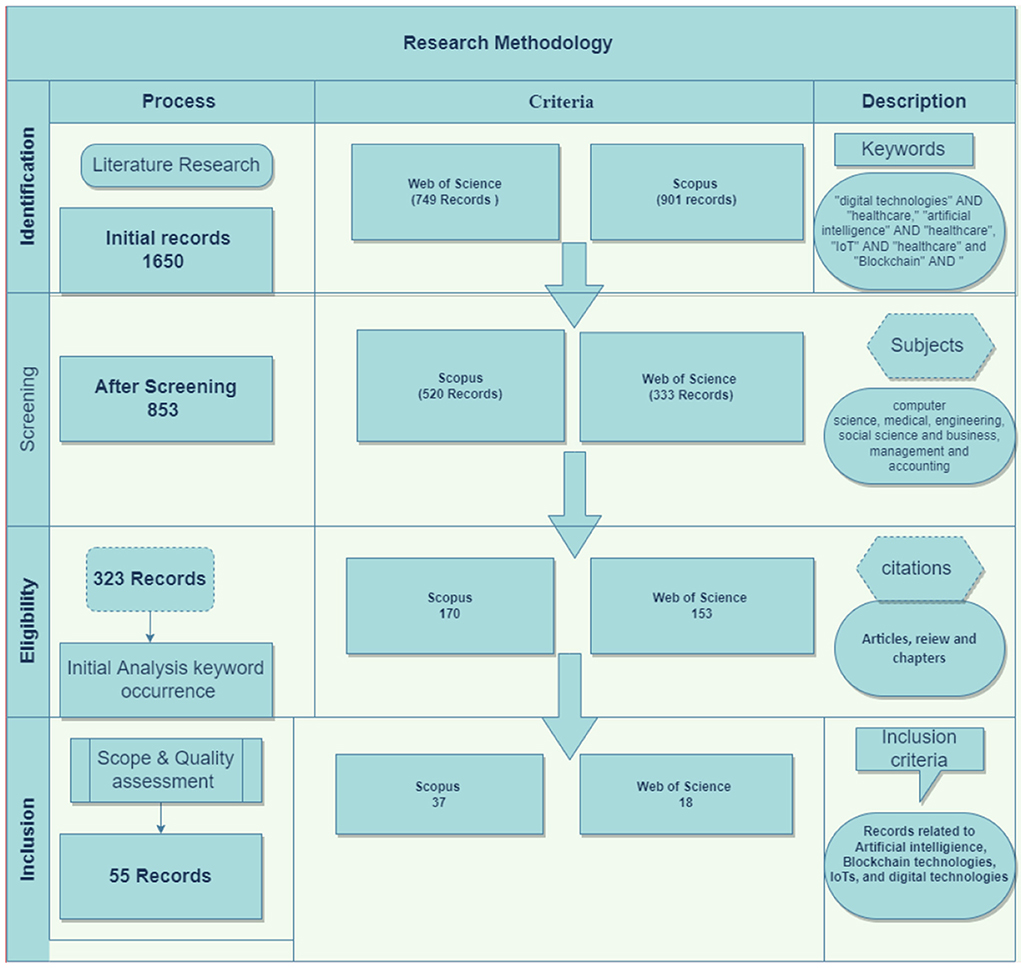
Figure 1. Review methodology.
Results
Descriptive analysis
Figure 2 shows the research question's multidisciplinary nature and highlights the different disciplines' contributions to emerging healthcare technologies. The most contributing field is computer science with 23.95% of studies included in the review, followed by the medical field with 22.01% of studies, engineering contributes 15.05% of studies and the combined contribution of social science and business, management and accounting is 8.74%, rest of the contribution is from different fields of studies like health profession, mathematics, decision science, biotechnologies, etc.
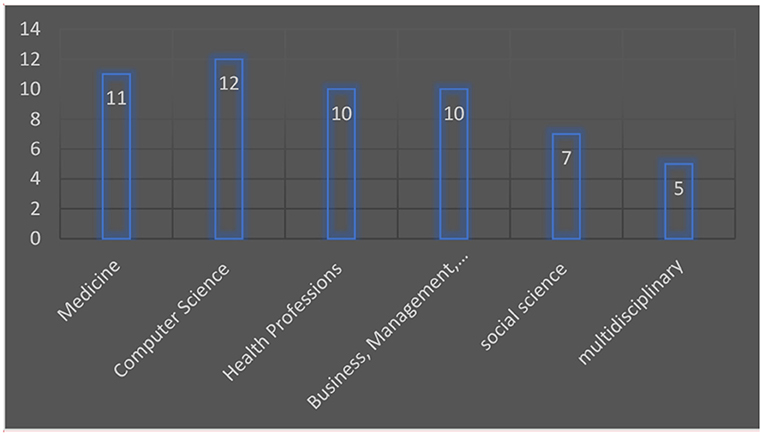
Figure 2. Showing the results of the subject.
The records extracted from 1997 to 2021 and the Year-based publication and citation status are shown in Table 1. It is essential to assess the impact of digital technologies in healthcare research. Table 1 indicated the growing increase in published articles and citation count each year, with the highest frequency of publication and citation count in 2020. A total of 93 articles were records (28.79%) and 254 citations (16.57%).
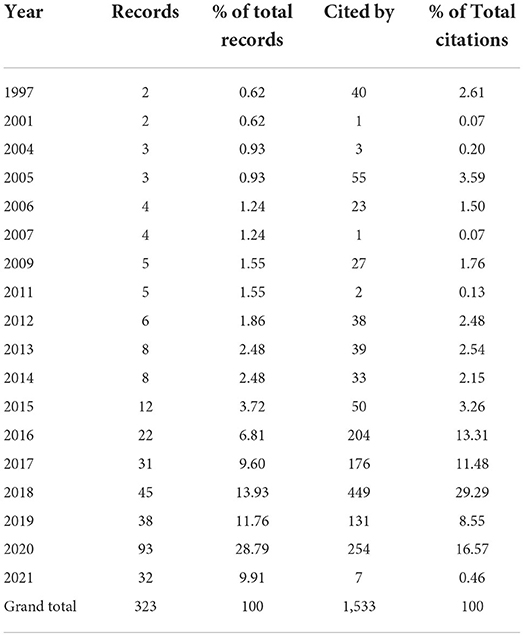
Table 1. Publication and citation count.
Furthermore, the journal-based publication analysis is conducted for the current study and finds the AMA Journal of Ethics with the five publications. Second, most papers for this review were selected from the BMJ Open Diabetes Research and Care and Social Science and Medicine with 4. The study's name is gradually decreasing for the current study—International Journal of Advanced Science and Technology contributing 3 with International Journal of Innovative Technology and Exploring Engineering. Figure 3 shows the results of the research article selected from each journal.
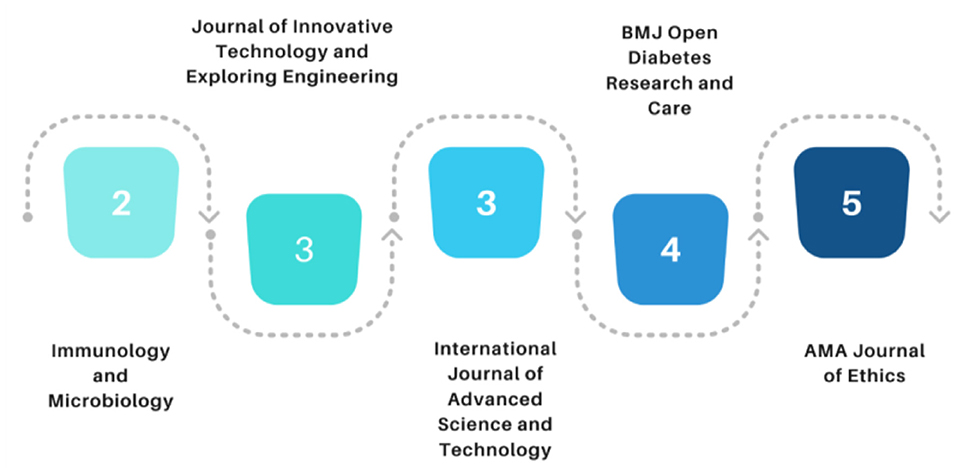
Figure 3. Journals with the most frequent publication in digital technology in healthcare.
Literature classifications
Technological innovation is growing continuously, and researchers are looking deep into these technological changes step by step. Different technologies are used in healthcare development in the technological era—the current study evaluates the technology utilization for the healthcare sector. Further classification of technologies drives from the literature and researcher perspective toward technology adaptation in the healthcare sector. The digital technologies literature discusses mainly research for the development of healthcare. We used the keyword clouding technique to identify the most frequent keywords used in the studies. As mentioned above, there were 323 studies included in the keyword clouding technique at literature review stage 1; further, these studies were used to identify the literature classifications from these keywords, as shown in Table 2.
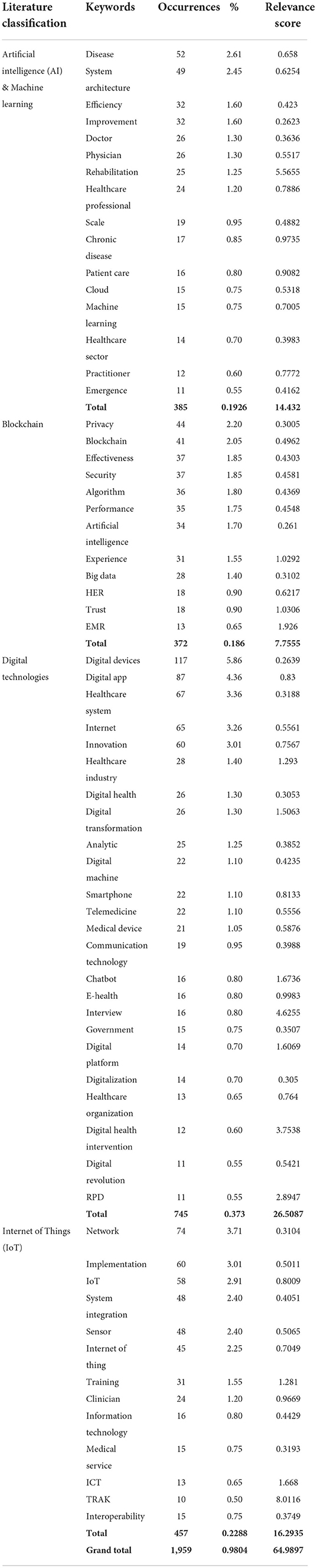
Table 2. Keyword occurrences and relevance score.
A selection of sixty-five most frequent keywords from 323 studies were conducted to identify the literature classifications. The keywords' occurrence and relevance scores were calculated using a text network using VOSViewer software and presented in Table 2. We also verified results obtained from the keyword clouding using the co-occurrence of the terms provided in Figure 4. We identified four major literature clusters on digital technologies in the healthcare sector based on co-occurrence and keyword clouding. The first cluster was named the application of digital technologies in the healthcare sector. The second is related to applying blockchain technology in healthcare; the third is Artificial Intelligence (AI) & Machine learning, and finally, using Internet-of-Things (IoT) in healthcare services. The following section provides more details about prospects and obstacles for each classification.
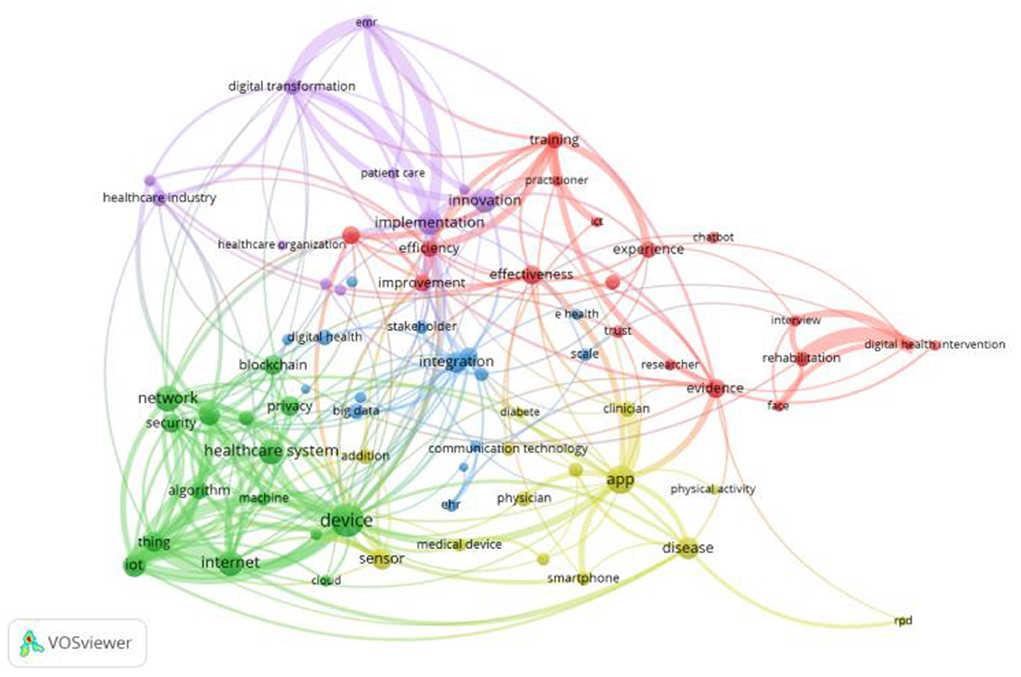
Figure 4. Co-occurrence of terms.
Application of digital technologies in healthcare
Digital technology's introduction in the healthcare sector positively indulges practitioners and patients. Devices, applications, and software are essential in healthcare, and Digital technologies have huge infrastructural and adaptation expenditures. However, the monitoring of the distance patients is valuable. Marent et al. (18) study findings are on HIV patients living in distant areas, and ambivalence technologies are used to send patients alerts. Studies conclude that ambivalence can counterweight passive and positive reports of technology and assist social researchers in bringing up their vital role inside the structure of digital health involvements.
Pirhonen et al. (19) use the model to enhance health-related awareness and care in old age people. Digital alarms and messages are creating more relevant services for old age people. They are easily monitored using digital devices. Simultaneously, the usage of digital devices in older people is insignificant due to the applications' complications. Results show that self-care is positively related to the patients. Due to the technology penetration, practitioners are more comfortable following up on the patients' historical background using digital devices. Digital health policy renders the patients' healthcare structure with the help of applications and online services. Enhancing self-care using digital technologies is vital in recent times, and pressure on traditional medical services narrows down. In the review, Joyce (20) suggests using textiles and medical devices in hospitals and homes. The baby band will replace the cardiopulmonary monitor in neonatal intensive treatment units to replace the belly band and fatal heart rate monitor during labor and birth in hospitals. Assessment of prospective operators' opinions of smart textiles confirms the modern forms of medicalization and reconnaissance medication. Smart textile medical devices, therefore, are keen on more significant developments in health care. Hospitals are constructed to be homelike and comfortable simultaneously as patients and instruments become fully open to data systems.
However, the technology driving skill is a barrier, and governments must apply policy for practitioners to learn better development in the healthcare sector. Monitoring distance patients through digital technologies is a more significant challenge for practitioners due to their skills and ability. Basholli et al. (21) investigate healthcare professionals' attitudes toward the application of distant patient monitoring via sensor networks in emerging areas using semi-structured interviews. The study's findings recommend that training and learning can develop the understanding of healthcare's digital platforms and help practitioners adopt the technologies.
Table 3 briefly details the digital technology literature authors, settings, procedures, and findings. It is also vital to create the importance of digital healthcare in citizens for adapting and learning for complete understanding. Petersen et al. (25) study findings showed government policies and initiatives toward the digital technologies adaptation. The study draws the model that involves citizens in significant determinations regarding digitalization, its potential consequences, and the primary independent shortage that this signifies. Another critical research also highlights the recent outbreak of the COVID-19 pandemic in the literature about the digital technologies' role in screening the infected people and monitoring the epidemic progress in hospitals to measure the actual numbers. The study uses the assisted living (AL) model for measuring threats. The study's findings summarize a few tests AL people encounter in their effort to follow COVID-19 state regulations built for lengthy-time care capabilities. According to Tortorella et al. (22), study findings conclude that adopting digital technologies is easy and efficient for developed countries and barriers to transforming technologies in low-income countries.
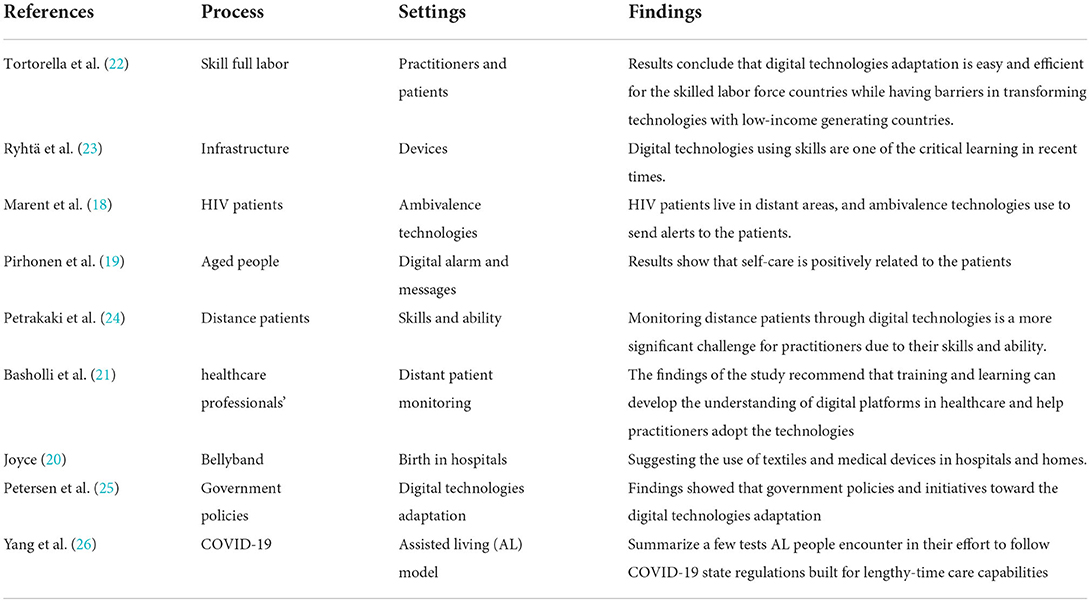
Table 3. Digital technologies.
Application of blockchain technologies in healthcare
As the digital technologies adaptation and replacement in many fields are growing daily, the number of risks and insecurity related to the data is higher. Data-related security is one of the particular issues in recent times for technology users. Blockchain is a decentralized structural design where data are stored in the shape of blocks for administering, as presented in Table 4. The data should be transmitted from one individual to another with protection and modernized with an intelligent agreement in the blockchain. The healthcare sector's insurance management uses the blockchain to identify the authorized individual permission when the individual is determining. The electronic health record is critical because important and personal private information is on the record. Arunkumar and Kousalya (29) conduct a study. Electronic health record (EHR) is a digital system of patient health information that usually encompasses patient communication data, vital signs, medical history, and current and past treatment subcontracts to the cloud. The study suggests using the cloud-based blockchain, encrypting the data using an authenticated encryption algorithm for healthcare high electronic record management results. The recent studies primarily concern the electronic health record recommending using the blockchain for security.
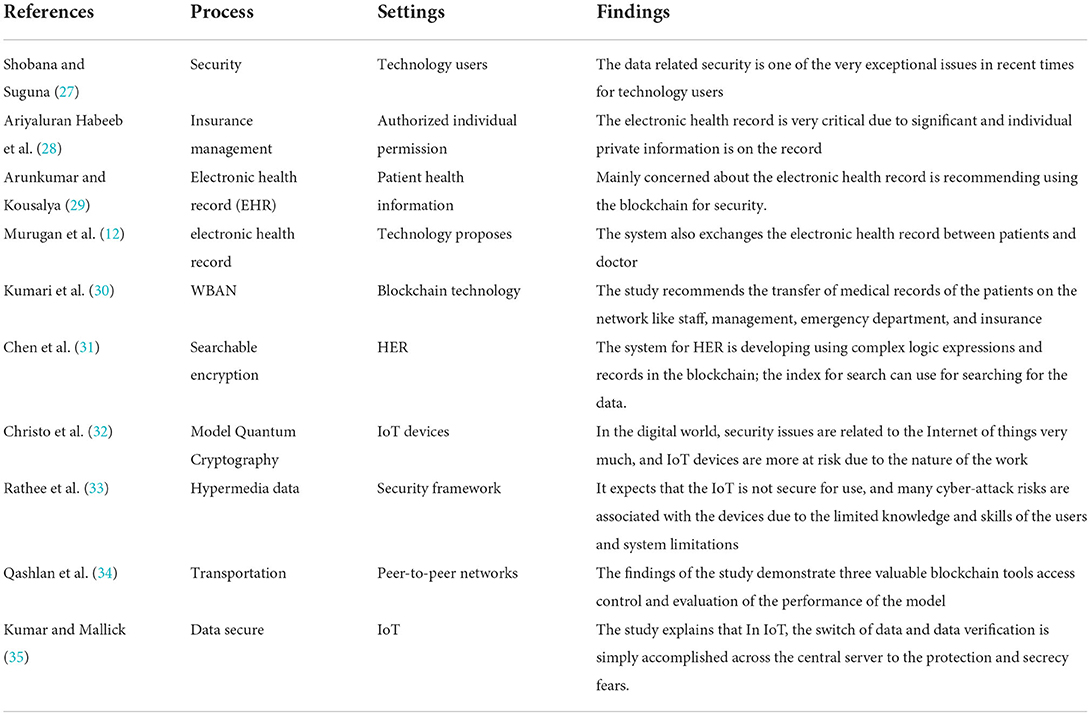
Table 4. Blockchain research in healthcare.
Murugan et al. (12) propose a health information exchange solution using blockchain technology. The system also exchanges the electronic health record between patients and doctors; the system also operates in the healthcare aspect to safely improve insurance claims and data used by the research organizations. Another study in the review also contributes to maintaining the Electronic health record using the blockchain technology in WBAN. The study recommends transferring patients' medical records on the network like staff, management, emergency department, and insurance. Traditionally the security models use the centralized network in IoT. The study in the review proposes the decentralized, secure, and peer-to-peer networks model of blockchain technology to secure different fields like transportation, logistics, and healthcare. The study's findings demonstrate three valuable blockchain tools access control and evaluation of the model's performance. Kumar and Mallick (35) contribute a study to make the data secure and information flow. The study explains that In IoT, the switch of data and data verification is simply accomplished across the central server to the protection and secrecy fears.
Although authors have many different blockchain technology models for securely transferring and sharing patient records, many have raised concerns over data transfer security. The security issues in EHR are hazardous due to the nature of the information. Chen et al. (31) propose a searchable encryption blockchain system for EHR. The EHR system is developed using complex logic expressions and records in the blockchain; the search index can search for the data.
Cyber-attack risks are concentrating the intentions of blockchain technology on more adaptation in the electronic health record. The technology uses authentication, Encryption, and Data Retrieval in the short blockchain's electronic health record. For this purpose, Christo et al. (32) use a model Quantum Cryptography for Encryption—AES and Data Retrieval—SHA algorithms to avoid the numerous raids. In the digital world, security issues are related to the Internet of Things, and IoT devices are more at risk due to the work's nature. Rather et al. (33) provide a security framework of healthcare hypermedia data via the blockchain to counter this risk associated with the IoT devices. They are creating the middle of each data so that any changeover, variation in data, or medication contravening might show in whole blockchain system users. Usually, it expects that the IoT is not secure for use. Many cyber-attack risks are associated with the devices due to their limited knowledge, skills, and system limitations. Even though blockchain technology is a comprehensive tool for the security of the digital world and electronic records, significant challenges exist to blockchain adoption in healthcare. Technical challenges like processing speed and massive data duplication are still obstacles to blockchain technologies in healthcare.
Application of artificial intelligence (AI) and machine learning
The data complexity and rise in the healthcare sector showing that AI is working in the healthcare field, as shown in Table 5. Many different types of AI services have been rendered in the healthcare sector recently. According to Agarwal et al. (36), artificial intelligence and robotic surgery allow practitioners to facilitate patients in personalized healthcare, decrease repetitive tasks, and move forward to prevent serious illness. The recent development in machine learning and artificial intelligence provides personalized care without the patient's differences. Chen et al. (43) study machine learning and artificial intelligence findings, evaluating and distinguishing different artificial intelligence effects in healthcare and using a machine learning algorithm on unstructured clinical and psychiatric explanations to calculate an intensive care unit (ICU) death. Artificial intelligence (AI) application uniquely presents complicated issues concerning healthcare professionals and technology manufacturers' obligations if they cannot describe suggestions created by AI technology. For the quality of care and low down, healthcare AI must be using the troublesome effect. Physicians need to learn to work correctly with the system for effective working, as the electronic health records do. Physicians will need to realize AI techniques and procedures appropriate to confide in an algorithm's calculations.
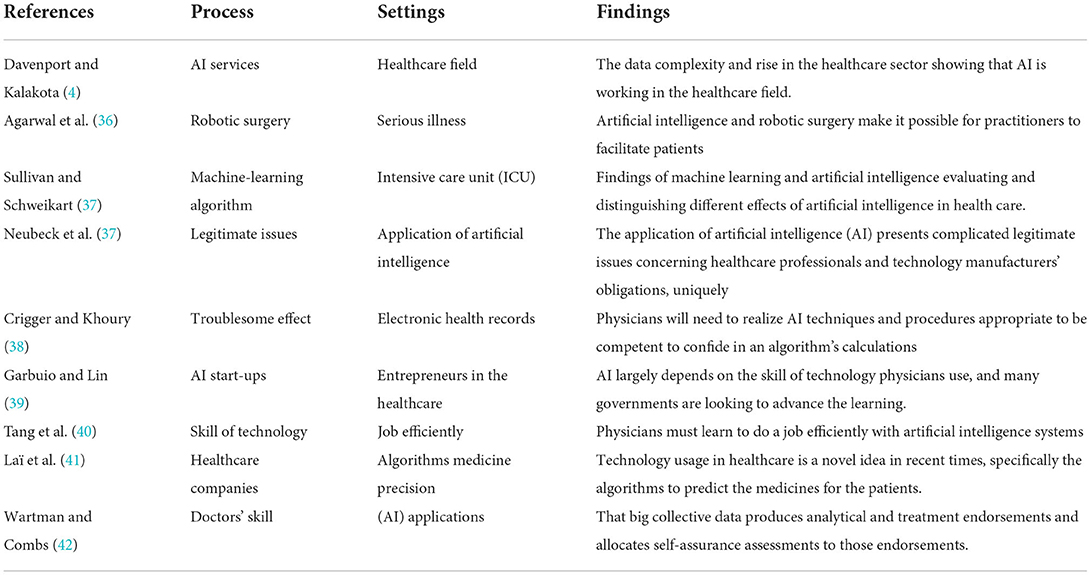
Table 5. Artificial Intelligence (AI) & machine learning in healthcare.
The last decade are empowering technology and new start-ups that are changing the overall marketplace. Big ventures are investing in technology-based innovations to provide solutions for customers and manufacturers. Garbuio and Lin, (39) article investigates a real-time critical analysis of the AI start-ups model. It brings a solution for the entrepreneurs in the healthcare sector in the world. AI largely depends on physicians' technology skills, and many governments are looking to advance learning. To improve the healthcare promise by using AI to promote quality of care and minimize the adverse effects. Physicians must learn to do a job efficiently with artificial intelligence systems. However, according to reports, AI is using 86% of healthcare companies in some form. The top listed applications of AI in healthcare are predictive algorithms and precision. That helps predict patients' risks, correctly diagnose, prescribe drugs, and still concentrate on maintaining or allocating restricted wellbeing assets. In recent times, technology usage in healthcare is a novel idea, specifically algorithms to predict the patients' medicines.
Many researchers firmly believe that the future of healthcare is related to AI and machine learning due to their positive contribution to healthcare. However, researchers are also concerned about the ethical considerations related to the usage of AI in Healthcare. Existing health check experience beats the human mind's coordinating capability, yet medical education continues cantered on knowledge procurement and treatment. According to Wartman and Combs (42), Confusing this excess data disaster between apprentices is the circumstance that doctors' skill sets now must include cooperating with and dealing with artificial intelligence (AI) applications. That big collective data produces analytical and treatment endorsements and allocates self-assurance assessments to those endorsements. Legitimate specialists and industrial designers of AI implement that assistance in identification must also start to tackle responsibility issues when inaccurate diagnoses are affected by a human being using AI tools directly. Questions also remain regarding the changing role of the understanding-physician association and fiduciary agreement in an algorithm-enabled healthcare environment—Table 5 shows complete details of authors, process, settings, and findings.
Application of internet of things (IoT) in healthcare
Growing wireless communication, digital electronic devices, and microelectronic mechanical systems technologies represent the Internet of Things (IoT) evolution. In comparison, IoT components are smartphones, tablets, laptops, wearable devices, electric household appliances, and Wi-Fi devices. Due to effectiveness, the healthcare sector is also moving very quickly in recent years toward IoT devices. The healthcare of society and technology relationship is building due to the Internet of things with numerous networking capabilities. According to Abdelgawad et al. (44), IoT is used to interconnect the best possible resources, look at inefficient resources, and offer efficient and reliable intelligent medical care services to aged people. Improve the elderly lifestyle, and these devices are an advantage for active and quality living. However, health-related data processing is vital in healthcare and carries critical issues like security and authentication. Jeong et al. (45) proposed a protocol that offers construction in multi-dimensional color for the patients and users associated with managing their condition in different groups.
Besides that, Sangeetha et al. (46) study conducted the changes and challenged India's healthcare system with life-threatening diseases and recent pandemic outbreaks like COVID-19. The study's findings conclude that the government needs to use the accessibility and affordability of health care, human resource, infrastructure development, e-health, and IoT (Internet of things) technology in the healthcare sector. The IoT is growing increasingly in the healthcare system and is also challenging the security concerns of patients in healthcare. Managing massive quantity data such as reports and pictures of every individual indicates improving individual attempts and security threats. Rathee et al. (33) manuscript to overcome the security threats is more valuable. Table 6 shows the authors, year, methodology, process, and setting details related to healthcare IoT devices. Qashlan et al. (34) findings are also related to security and privacy are recommending blockchain technology.
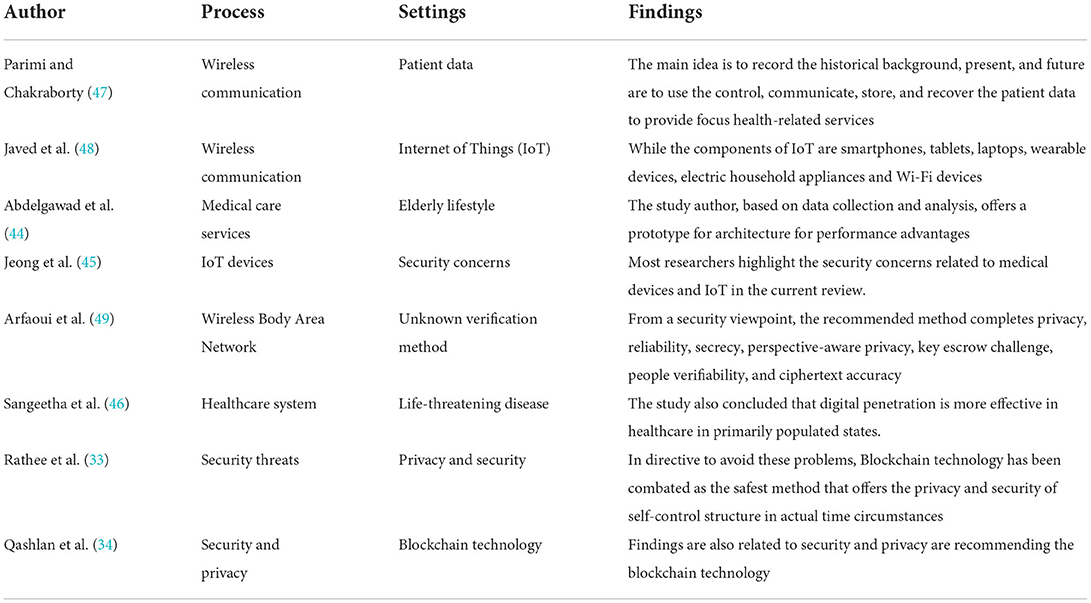
Table 6. Internet of things (IoT) in healthcare.
The IoT devices growth is increasing in medical health services very rapidly. Security and privacy concerns are some of the primary issues associated with IoT and digital devices. Arfaoui et al. (49) pinpoint the Wireless Body Area Network (WBAN) related study to handle these issues. The context-conscious gain access to self-control and unknown verification method cantered on a safe and effective Hybrid Certificateless Signcryption (H-CLSC) program. The recommended process https://www.sciencedirect.com/topics/computer-science/achieve-confidentiality, reliability, secrecy, perspective-aware privacy, key escrow challenge, people verifiability, and accuracy from a security viewpoint.
Conclusion and discussion
Technology development provides a toolbox that enhances patient care models and boosts patient management services and safety, improving approachability, and accuracy in all health areas. Findings of the review on technological developments in healthcare research have exposed four major classifications of the literature, as shown in Figure 5. Traditional medical care is disruptive through telemedicine, digital mobile health, applications, artificial intelligence, and other Internet of things. The conventional mediums are replacing these mediums primarily during this century. Technology adoption in healthcare is remarkably developing healthcare. Digital technologies are making more natural processes in healthcare. The literature in the current review discusses the skills and capabilities to use digital technologies more critically. Many new technologies can be learned quickly, and some are difficult due to the nature of jobs in the healthcare sector. For improving the skills and abilities, pieces of training are essential for development. Besides, online medical services and applications feature the demand and effectiveness at a higher ratio due to digitalization in healthcare.
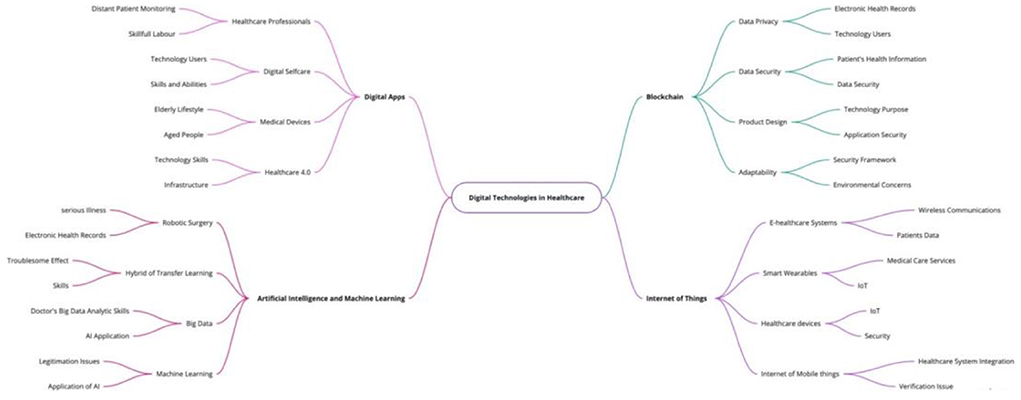
Figure 5. Mapping of literature on technologies in healthcare.
As summarized in Figure 5, digital applications make dealing with minor health issues more accessible, and digital technologies significantly contribute to older adults' health issues. Elderly patients are usually in very critical health issues, and traditionally hard to manage their health records. However, electronic health record-keeping the history of patients. Electronic health record systems are significantly contributing to modern-day healthcare. At the same time, some issues related to digital technologies used in healthcare. Many studies concern the use of digital technologies, and IoT devices involve data security risks. However, several contributions are associated with digital technologies but hard to avoid the privacy records in an electronic health record.
Blockchain technologies are a better and more secure option to manage patient data safety in a digital technology-based healthcare system. Researchers are proposing many robust models and manuscripts to keep the data safe. The real challenge in eHealth is keeping patients' records and history safe. The number of healthcare systems using companies is adopting blockchain technologies instead of main server networks. That creates more reliability and authentication for secure data management. In the current study, blockchain-related literature commonly contributes to the safety and security of vital patient data in blockchain technologies. The number of Internet of things (IoT) devices is growing as the technology penetration in the healthcare system is growing. Smartphones, tablets, laptops, wearable devices, electric household appliances, and Wi-Fi devices are examples of IoT. Fast-going lifestyle is making it more compulsory for the users to adopt these smart devices to manage their job and business affairs, and healthcare dependencies are moving on these devices. IoT devices are commonly prevalent in every age. Researchers believe that the number of devices growing in healthcare will make it easier for healthcare systems to deal online, and the load will decrease. The instruments and research are gradually improving the quality of health services; these devices' significance is much higher. Finally, artificial intelligence and machine learning in healthcare is very effective and dominant due to their significant features. AI is increasing in the healthcare management systems, and physicians are replacing AI machines to handle patients' issues. Robotic surgeries are very effective in the modern-day medical healthcare system, and the future of healthcare is related to machines and robots. Highly effective and equipped robots will replace the physicians in operation theaters.
Data availability statement
The datasets presented in this study can be found in online repositories. The names of the repository/repositories and accession number(s) can be found in the article/supplementary material.
Author contributions
NA secured article processing charges to facilitate the publication of the research article. MQ and NK were responsible for conceptualizing the idea, manuscript preparation, and data analysis. SQ reviewed and amended the prepared manuscript. SH contributed to the revised manuscript. NK was also responsible for data curation and exporting from relevant databases. All authors contributed to the article and approved the submitted version.
Funding
This work was supported by the Guangdong Social Science Project (Grant No. GD21CSH07).
Acknowledgments
This research resulted from collaborative research between researchers from the School of Urban Culture, Nanhai Campus, South China Normal University, China; UniKL Business School, Universiti Kuala Lumpur, Malaysia; Teesside University International Business School, Teesside University, United Kingdom; University of the Punjab, Lahore, Pakistan; Management Sciences, and Azman Hashim International Business School, Universiti Teknologi, Malaysia.
Conflict of interest
The authors declare that the research was conducted in the absence of any commercial or financial relationships that could be construed as a potential conflict of interest.
Publisher's note
All claims expressed in this article are solely those of the authors and do not necessarily represent those of their affiliated organizations, or those of the publisher, the editors and the reviewers. Any product that may be evaluated in this article, or claim that may be made by its manufacturer, is not guaranteed or endorsed by the publisher.
References
1. Maksimović M, Vujović V. Internet of Things Based E-health Systems: Ideas, Expectations and Concerns. Cham: Springer (2017). p. 241–80. doi: 10.1007/978-3-319-58280-1_10
2. Sheetz KH, Claflin J, Dimick JB. Trends in the adoption of robotic surgery for common surgical procedures. JAMA Netw Open. (2020) 3:e1918911. doi: 10.1001/jamanetworkopen.2019.18911
3. Lee TC, Kaiser TE, Alloway R, Woodle ES, Edwards MJ, Shah SA. Telemedicine based remote home monitoring after liver transplantation: results of a randomized prospective trial. Ann Surg. (2019) 270:564–72. doi: 10.1097/SLA.0000000000003425
4. Davenport T, Kalakota R. The potential for artificial intelligence in healthcare. Future Healthc J. (2019) 6:94–8. doi: 10.7861/futurehosp.6-2-94
5. Siyal AA, Junejo AZ, Zawish M, Ahmed K, Khalil A, Soursou G. Applications of blockchain technology in medicine and healthcare: challenges and future perspectives. Cryptography. (2019) 3:3. doi: 10.3390/cryptography3010003
6. Jia X, Luo M, Wang H, Shen J, He D. A Blockchain-Assisted Privacy-Aware Authentication scheme for internet of medical things. IEEE Internet Things J. (2022) 1–1. doi: 10.1109/JIOT.2022.3181609
7. Basatneh R, Najafi B, Armstrong DG. Health sensors, smart home devices, and the internet of medical things: an opportunity for dramatic improvement in care for the lower extremity complications of diabetes. J Diabetes Sci Technol. (2018) 12:577–86. doi: 10.1177/1932296818768618
8. Samuel O, Omojo AB, Mohsin SM, Tiwari P, Gupta D, Band SS. An anonymous IoT-Based E-health monitoring system using blockchain technology. IEEE Syst J. (2022) 1–12. doi: 10.1109/JSYST.2022.3170406
9. Kapoor A, Guha S, Kanti Das M, Goswami KC, Yadav R. Digital healthcare: the only solution for better healthcare during COVID-19 pandemic? Indian Heart J. (2020) 72:61–4. doi: 10.1016/j.ihj.2020.04.001
10. Rojas G, Martínez V, Martínez P, Franco P, Jiménez-Molina Á. Improving mental health care in developing countries through digital technologies: a mini narrative review of the chilean case. Front Public Health. (2019) 7:391. doi: 10.3389/fpubh.2019.00391
11. Henkenjohann R. Role of individual motivations and privacy concerns in the adoption of german electronic patient record apps—a mixed-methods study. Int J Environ Res Public Health. (2021) 18:9553. doi: 10.3390/ijerph18189553
12. Murugan A, Chechare T, Muruganantham B, Ganesh Kumar S. Healthcare information exchange using blockchain technology. Int J Electr Comput Eng. (2020) 10:421–6. doi: 10.11591/ijece.v10i1.pp421-426
13. Shahatha Al-Mashhadani AF, Qureshi MI, Hishan SS, Md Saad MS, Vaicondam Y, Khan N. Towards the development of digital manufacturing ecosystems for sustainable performance: learning from the past two decades of research. Energies. (2021) 14:2945. doi: 10.3390/en14102945
14. Zimmermann BM, Fiske A, Prainsack B, Hangel N, McLennan S, Buyx A. Early perceptions of COVID-19 contact tracing apps in German-speaking countries: comparative mixed methods study. J Med Internet Res. (2021) 23:e25525. doi: 10.2196/25525
15. Wunderlich P, Veit DJ, Sarker S. Adoption of sustainable technologies: a mixed-methods study of German households. MIS Q Manag Inf Syst. (2019) 43:673–91. doi: 10.25300/MISQ/2019/12112
16. Li Y, Dai J, Cui L. The impact of digital technologies on economic and environmental performance in the context of industry 4.0: a moderated mediation model. Int J Prod Econ. (2020) 229:107777. doi: 10.1016/j.ijpe.2020.107777
17. Moher D, Liberati A, Tetzlaff J, Altman DG, Altman D, Antes G, et al. Preferred reporting items for systematic reviews and meta-analyses: the PRISMA statement. PLoS Med. (2009) 6:e1000097. doi: 10.1371/journal.pmed.1000097
18. Marent B, Henwood F, Darking M. Ambivalence in digital health: co-designing an mHealth platform for HIV care. Soc Sci Med. (2018) 215:133–41. doi: 10.1016/j.socscimed.2018.09.003
19. Pirhonen J, Lolich L, Tuominen K, Jolanki O, Timonen V. “These devices have not been made for older people's needs” – Older adults' perceptions of digital technologies in Finland and Ireland. Technol Soc. (2020). 62:101287. doi: 10.1016/j.techsoc.2020.101287
20. Joyce K. Smart textiles: transforming the practice of medicalisation and health care. Sociol Health Illn. (2019) 41:147–61. doi: 10.1111/1467-9566.12871
21. Basholli A, Lagkas T, Bath PA, Eleftherakis G. Healthcare Professionals' Attitudes Towards Remote Patient Monitoring Through Sensor Networks. In: IEEE 20th International Conference on e-Health Networking, Applications and Services, Healthcom. Institute of Electrical and Electronics Engineers Inc. (2018). doi: 10.1109/HealthCom.2018.8531090
22. Tortorella GL, Fogliatto FS, Espôsto KF, Vergara AMC, Vassolo R, Mendoza DT, et al. Effects of contingencies on healthcare 4.0 technologies adoption and barriers in emerging economies. Technol Forecast Soc Change. (2020) 156:120048. doi: 10.1016/j.techfore.2020.120048
23. Ryhtä I, Elonen I, Saaranen T, Sormunen M, Mikkonen K, Kääriäinen M, et al. Social and health care educators' perceptions of competence in digital pedagogy: a qualitative descriptive study. Nurse Educ Today. (2020) 92:104521. doi: 10.1016/j.nedt.2020.104521
24. Petrakaki D, Hilberg E, Waring J. Between empowerment and self-discipline: governing patients' conduct through technological self-care. Soc Sci Med. (2018) 213:146–53. doi: 10.1016/j.socscimed.2018.07.043
25. Petersen A, Tanner C, Munsie M. Citizens' use of digital media to connect with health care: socio-ethical and regulatory implications. Health. (2019) 23:367–84. doi: 10.1177/1363459319847505
26. Yang G-Z, J Nelson B, Murphy RR, Choset H, Christensen H, H Collins S, et al. Combating COVID-19—The role of robotics in managing public health and infectious diseases. Sci Robot. (2020) 5:eabb5589. doi: 10.1126/scirobotics.abb5589
27. Shobana G, Suguna M. Block Chain Technology towards identity management in health care application. In: Proceedings of the 3rd International Conference on I-SMAC IoT in Social, Mobile, Analytics and Cloud, I-SMAC 2019. Palladam: Institute of Electrical and Electronics Engineers Inc. (2019). p. 531–5. doi: 10.1109/I-SMAC47947.2019.9032472
28. Ariyaluran Habeeb RA, Nasaruddin F, Gani A, Targio Hashem IA, Ahmed E, Imran M. Real-time big data processing for anomaly detection: a survey. Int J Inf Manage. (2019) 45:289–307. doi: 10.1016/j.ijinfomgt.2018.08.006
29. Arunkumar B, Kousalya G. Blockchain-based decentralized and secure lightweight e-health system for electronic health records. In: Advances in Intelligent Systems and Computing. Springer (2020). p. 273–89. doi: 10.1007/978-981-15-3914-5_21
30. Kumari R, Nand P, Astya R. Integration of Blockchain in WBAN. In: Proceedings−2019 International Conference on Computing, Communication, and Intelligent Systems, ICCCIS 2019. Institute of Electrical and Electronics Engineers Inc. (2019), 144–9. doi: 10.1109/ICCCIS48478.2019.8974478
31. Chen L, Lee WK, Chang CC, Choo KKR, Zhang N. Blockchain based searchable encryption for electronic health record sharing. Future Gener Comput Syst. (2019) 95:420–9. doi: 10.1016/j.future.2019.01.018
32. Christo MS, Anigo Merjora A, Partha Sarathy G, Priyanka C, Raj Kumari M. An efficient data security in medical report using block chain technology. In: Proceedings of the 2019IEEE International Conference on Communication and Signal Processing ICCSP 2019. Palladam: Institute of Electrical and Electronics Engineers Inc. (2019). p. 606–10. doi: 10.1109/ICCSP.2019.8698058
33. Rathee G, Sharma A, Saini H, Kumar R, Iqbal R. A hybrid framework for multimedia data processing in IoT-healthcare using blockchain technology. Multimed Tools Appl. (2020) 79:9711–33. doi: 10.1007/s11042-019-07835-3
34. Qashlan A, Nanda P, He X. Automated ethereum smart contract for block chain based smart home security. In: Smart Innovation, Systems and Technologies. Singapore: Springer (2020), 313–26.
35. Kumar NM, Mallick PK. Blockchain technology for security issues and challenges in IoT. In: Somani AK, Shekhawat RS, Mundra A, Srivastava S, Kumar V editors. Procedia Computer Science. Elsevier B.V (2018). p. 1815–23. doi: 10.1016/j.procs.2018.05.140
36. Agarwal Y, Jain M, Sinha S, Dhir S. Delivering high-tech, AI-based health care at Apollo Hospitals. Glob Bus Organ Excell. (2020) 39:20–30. doi: 10.1002/joe.21981
37. Neubeck L, Coorey G, Peiris D, Mulley J, Heeley E, Hersch F, et al. Development of an integrated e-health tool for people with, or at high risk of, cardiovascular disease: The Consumer Navigation of Electronic Cardiovascular Tools (CONNECT) web application. Int J Med Inform. (2016) 96:24–37. doi: 10.1016/j.ijmedinf.2016.01.009
38. Crigger E, Khoury C. Making policy on augmented intelligence in health care. AMA J Ethics. (2019) 21:188–91. doi: 10.1001/amajethics.2019.188
39. Garbuio M, Lin N. Artificial intelligence as a growth engine for health care startups: emerging business models. Calif Manage Rev. (2019) 61:59–83. doi: 10.1177/0008125618811931
40. Tang A, Tam R, Cadrin-Chênevert A, Guest W, Chong J, Barfett J, et al. Canadian association of radiologists white paper on artificial intelligence in radiology. Can Assoc Radiol J. (2018) 69:120–35. doi: 10.1016/j.carj.2018.02.002
41. Laï MC, Brian M, Mamzer MF. Perceptions of artificial intelligence in healthcare: findings from a qualitative survey study among actors in France. J Transl Med. (2020) 18:14. doi: 10.1186/s12967-019-02204-y
42. Wartman SA, Combs CD. Reimagining medical education in the age of AI. AMA J Ethics. (2019) 21:146–52. doi: 10.1001/amajethics.2019.146
43. Sullivan HR, Schweikart SJ. Are current tort liability doctrines adequate for addressing injury caused by AI? AMA J Ethics. (2019) 21:160–6. doi: 10.1001/amajethics.2019.160
44. Abdelgawad A, Yelamarthi K, Khattab A. IoT-based health monitoring system for active and assisted living. In: Lecture Notes of the Institute for Computer Sciences, Social-Informatics Telecommunications Engineering, LNICST. Springer Verlag (2017), 11–20. doi: 10.1007/978-3-319-61949-1_2
45. Jeong YS, Kim DR, Shin SS. Efficient mutual authentication protocol between hospital internet of things devices using probabilistic attribute information. Sustain. (2019) 11:7214. doi: 10.3390/su11247214
46. Sangeetha D, Rathnam MV, Vignesh R, Chaitanya JS, Vaidehi V. Medidrone—a predictive analytics-based smart healthcare system. In: Vijayakumar V, Neelanarayanan V, Rao p, Light J editors. Smart Innovation, Systems and Technologies. Springer (2020). p. 19–33. doi: 10.1007/978-981-32-9889-7_2
47. Parimi S, Chakraborty S. Application of big data & iot on personalized healthcare services. Int J Sci Technol Res. (2020) 9:1107–11.
48. Javed F, Afzal MK, Sharif M, Kim BS. Internet of Things (IoT) operating systems support, networking technologies, applications, and challenges: a comparative review. IEEE Commun Surv Tutorials. (2018) 20:2062–100. doi: 10.1109/COMST.2018.2817685
Keywords: healthcare, digital technologies, artificial intelligence, IoT, blockchain, SLR-M
Citation: Akhtar N, Khan N, Qayyum S, Qureshi MI and Hishan SS (2022) Efficacy and pitfalls of digital technologies in healthcare services: A systematic review of two decades. Front. Public Health 10:869793. doi: 10.3389/fpubh.2022.869793
Received: 05 February 2022; Accepted: 08 August 2022;
Published: 16 September 2022.
Edited by:
Muhammad Muddassir Ali, University of Veterinary and Animal Sciences, PakistanReviewed by:
Mohammad Kamrul Hasan, Universiti Kebangsaan Malaysia, MalaysiaBhabendu Kumar Mohanta, Gandhi Institute of Technology and Management (GITAM), India
Khaled Shuaib, United Arab Emirates University, United Arab Emirates
Copyright © 2022 Akhtar, Khan, Qayyum, Qureshi and Hishan. This is an open-access article distributed under the terms of the Creative Commons Attribution License (CC BY). The use, distribution or reproduction in other forums is permitted, provided the original author(s) and the copyright owner(s) are credited and that the original publication in this journal is cited, in accordance with accepted academic practice. No use, distribution or reproduction is permitted which does not comply with these terms.
*Correspondence: Muhammad Imran Qureshi, bS5xdXJlc2hpQHRlZXMuYWMudWs=