 Man Zhang
 Xutong Zheng
 Changchang Chen
 Jiaxin Fang
 Huan Liu5
 Hongjuan Lang
- 1School of Nursing, Yan'an University, Yan'an, China
- 2School of Nursing, Fujian University of Traditional Chinese Medicine, Fuzhou, China
- 3Department of Nursing, Air Fourth Military Medical University, Xi'an, China
- 4Department of Nursing, Beijing University of Chinese Medicine, Beijing, China
- 5Department of Hemodialysis, The First Affiliated Hospital of Wan'nan Medical College, Wuhu, China
- 6Medical Examination Center, The First Affiliated Hospital of Wan'nan Medical College, Wuhu, China
Background: Patient safety is a key priority for healthcare systems, which is not only about the safety and quality development of health care but also about the safety of patients' lives. However, there has been little research exploring the relationship between new nurses' willingness to leave, patient safety culture, and professional identity. This study was to explore patient safety for new nurses, examine the relationship between professional identity, patient safety culture, and turnover intentions of newly recruited nurses in China, and validate the mediating role of patient safety culture.
Methods: From August 2019 to September 2021, we collected data from newly recruited nurses in 5 large tertiary public hospitals in Anhui Province, China using a questionnaire survey. Descriptive analysis, a univariate analysis, Pearson correlation analysis, and mediated regression analysis were used to estimate the current status of patient safety attitudes and the effect of safety culture on career identity and turnover intentions among newly recruited nurses.
Results: The turnover intention of 816 newly recruited nurses was 14.16 ± 3.14%. Patient safety culture was positively associated with career identity (r = 0.516, P < 0.01) and negatively associated with turnover intentions (r = −0.437, P < 0.01), while patient safety was also a partial mediator between career identity and turnover intentions.
Conclusions: The results showed that the low patient safety attitudes of new nurses in China should not be ignored. The impact of professional identity on patient safety has important practical implications for promoting a culture of safety among new nurses and reducing turnover rates.
Introduction
The event of patient safety is considered any process, act of omission, or commission, thus resulting in hazardous healthcare conditions and/or unintended harm to the patients (1). Reporting patient safety incidents is an effective way to improve patient safety. At the core of any health care service is patient safety and quality of care, which has become a challenge for health systems (2). Patient safety culture included group cooperation within the unit, organizational learning, patient safety management support, overall patient safety awareness, error feedback and communication, and openness of communication (3, 4). Studies investigating the cognition of patient safety culture in adult intensive care unit (ICU) professional teams found the team's safety attitude weak (5). A lack of safety culture can cause adverse effects and serious harm to the patients (6). Developing a culture of safety among new nurses is an essential part of efforts to improve patient safety and quality of care in the nursing environment.
In healthcare systems, the most common occupation for identifying, intercepting, and correcting life-threatening errors is nursing (7). The current study found that the turnover intention of unused nurses is affected by both internal and external components, such as person components counting gender, self-efficacy, work-family conflict, work environment, working hours, and so on (8). Currently, the turnover of nurses has been a major factor in nursing shortages, which hinders the development of nursing research and the sustainable development of practice (9). One of them is the shortage of new registered nurses, with studies showing that more than 10% of nurses leaving each year were newly registered nurses, 29% of the unused nurses changed work frequently after 12 months, 33–62% of medical attendants will be exchanging or taking off within 5 years (10).
While many efforts have been paid off, solving the problem is far from satisfactory. Previous systematic reviews have shown that nurses working in overloaded and highly demanding environments often suffer from anxiety and burnout (11). It is also found that a safety attitude has a negative relation with turnover intention (12). A responsible safety attitude can lead to fewer medical errors, thus causing better response and appraisal from patients and nursing supervisors (13). The positive feedback may enhance the confidence and willingness to work with new nurses, consequently leading to less turnover. However, there is a huge contradiction between the nurses' inner expectations and reality. Highly educated nurses, in particular, face contradictions in their clinical work and struggle to gain professional approval (10). Studies have shown that nurses are less satisfied there if they have a lower level of job identification after graduation. The emotional stress is gradually reduced by increasing the job satisfaction of nurses, which positively affects their willingness to leave (14). A sense of accomplishment and job satisfaction are essential factors in reducing the propensity of new nurses to leave (15).
The questionnaires can be used to investigate clinicians and staff about aspects of their team, work area, or hospitals, such as communication about safety hazards, transparency, teamwork, and leadership (16). The relationship between a new nurse‘s safety culture and professional identity and willingness to leave is unclear. If there would be some relationship between the physician's patient safety culture and professional identity is still unknown. Yet, the type of relationship that exists between new nurses‘ safety culture and professional identity and turnover intention remain unclear. Thus, this study aims to explore the relationship between new nurses' patient safety, professional identity, and resignation intention of new nurses and help to determine the relationship among three factors by using questionnaires. Based on the literature review above, we developed a model to test the following hypotheses (Figure 1): (a) safety attitude acts as the mediating role between occupational identity and turnover intention; (b) professional identity directly influences safety attitude; (c) safety attitude directly influences turnover intention; (d) professional identity directly affects turnover intention; (e) professional identity indirectly influences turnover intention through safety attitude.
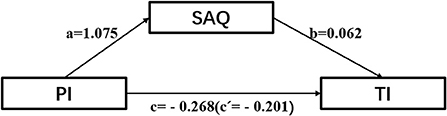
Figure 1. The mediating role of safety attitude.
Methods
Study design and participants
A questionnaire survey was conducted from August 2019 to September 2021 on 816 new nurses in 5 tertiary hospitals in Anhui Province, China. Finally, 816 questionnaires were collected (all are valid). The selected 5 hospital levels, department settings, and medical levels were all similar. Before the investigation, we first communicated, coordinated with the nursing management of the hospitals, and explained the purpose of the investigation to section matrons for cooperation to obtain consent. Nurse managers were asked to distribute electronic questionnaires to new nurses on the ward, using a uniform guideline and stating the completion deadline. Nurses were asked to complete the questionnaire in their leisure time to avoid errors and missing items. Inclusion criteria of participants for this study: (1) 1–3 years of graduation; (2) having a nursing license and currently practicing in a clinical setting; (3) being informed consent and voluntary participation in this study. Exclusion Criteria: (1) Not a first-time employee; (2) Nurse Internship. A questionnaire will be considered invalid if it complies with one of the circumstances below: (1) More than 10 items of questionnaires were filled with the same answer continuously; (2) The time took to fill out the questionnaire was too long or too short; (3) Any item on the questionnaires was omitted.
Instrument
Demographic characteristics
Demographic data of new nurses were collected, including gender, age, marital status, time of entry, daily working hours, personal interests, and nursing inclinations, and were collected.
Occupational identity scale
The Career Identity Scale includes occupational cognition assessment, occupational social support, occupational social skills, occupational self-reflection, and occupational frustration (17). A 5-point Likert scale (1 = strongly disagree, 2 = disagree, 3 = fair, 4 = agree, 5 = strongly agree) with 30 entries was used, with higher scores indicating higher levels of professional identity for nurses.
The safety attitude questionnaire scale
The Safety Attitude Questionnaire (SAQ) scale version of Chinese mandarin translated by Guo et al. is used in the research (18). In the SAQ scale, a total of 31 items were divided into 6 dimensions consisting of teamwork, safety climate, perceptions of management, job satisfaction, working conditions, and stress recognition to measure nurses' attitudes toward patient safety. Each item had a 5-point scale (1 = strongly disagree to, 3 = Neutral to, 5 = strongly agree). The higher the total score was, the more safety-conscious the new nurses were.
Turnover intention scale
The study used the Intention to Leave Scale developed by Michaels to measure the intention to leave of new nurses to leave (19). The number of items with 3 dimensions was 6. Among them, the 1st and 6th entry constituted the turnover intention I; 2nd and 3rd entry constituted the turnover intention II; 4th and 5th entry constituted the turnover intention III. The turnover intention I, II, and III indicated the probability of employees quitting their current job, the motivation of employees to find other employment, and the likelihood of employees obtaining outside jobs, respectively. The scale was rated on a 4-point Likert scale (1 = never, 2 = rarely, 3 = occasionally, 4 = frequently). A total mean score of ≤ 1 indicated a very low turnover intention; >1 and ≤ 2 indicated a low turnover intention; >2 and ≤ 3 indicated a high turnover intention, and>3 indicated a very high turnover intention.
Data analysis
This study used IBM Statistical Product Service Solutions (SPSS) version 26.0 to perform statistical analysis. The general profile characteristics of the participants were compared by independent samples t-test or one-way analysis of variance (ANOVA). First, Pearson correlation evaluation and covariance diagnosis were conducted to assess patient safety attitudes, turnover intentions, and willingness to leave. The PROCESS macro (version 3.3 by Andrew F. Hayes) for SPSS was conducted to test for mediating effects and LS with 5,000 bootstrap samples, with patient safety as the mediating variable, intention to leave as the dependent variable, and career identity as the independent variable to calculate direct effects (path c‘), indirect effects (path a*b) and total effects (path c). Mediating effect was significant when the 95% confidence interval (CI) of the indirect effect showed no P-value < 0.05.
Results
Demographic characteristics of new nurses
A total of 816 respondents meeting the criteria for inclusion were included in this study. Table 1 presented the general demographic characteristics of the respondents, including gender, age, marital status, time of entry, daily working hours, personal interests, and inclinations of nursing. Among all respondents, 87.3% were female and 74.2% had a bachelor's degree or higher. On average, 66.5% of new nurses worked 8–10 h per day, and 16.4% had thoughts of quitting recently. The hospitals selected for this study had some level of medical, teaching, and scientific research capabilities.
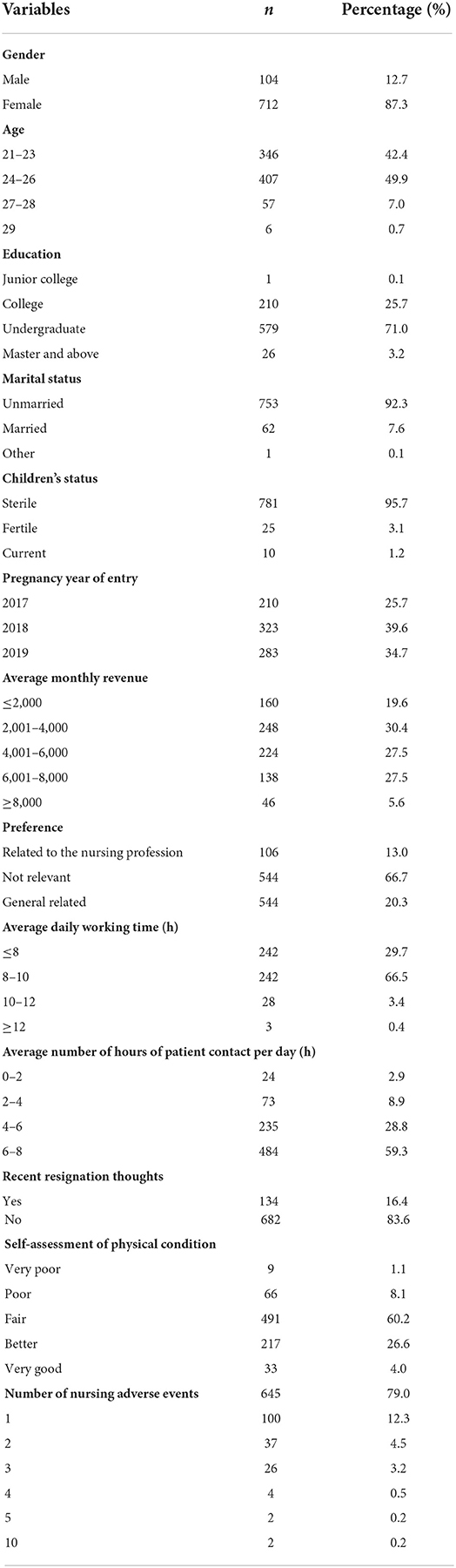
Table 1. General information of new nurses (n = 816).
Correlations between study variables
In Table 2, correlations between study variables including professional identity (PI), safety attitude questionnaire (SAQ), and turnover intention (TI) were presented. On average, the scores of attitude toward safety, turnover intention, and career identity were 114.54, 14.16, and 39.65, respectively. Turnover intention appeared a negative relationship to security state of mind (r = −0.437, P < 0.01), and occupational identity (r = −0.502, P < 0.01). Furthermore, a positive relationship between professional character and attitude toward patient safety was observed (r = 0.516, P < 0.01). These results show that there is a significant correlation between the variables.

Table 2. The correlation analysis among research variables.
The difference between characteristics of new nurses and scores of multiple variables
The difference between the characteristics of new nurses and scores of multiple variables was also compared, as shown in Table 3. The scores of various variables (PI, SAQ, TI and et al.) were related to occupational identity, including some characteristics of respondents, such as age, gender, education background, entry time, and monthly income of new nurses.
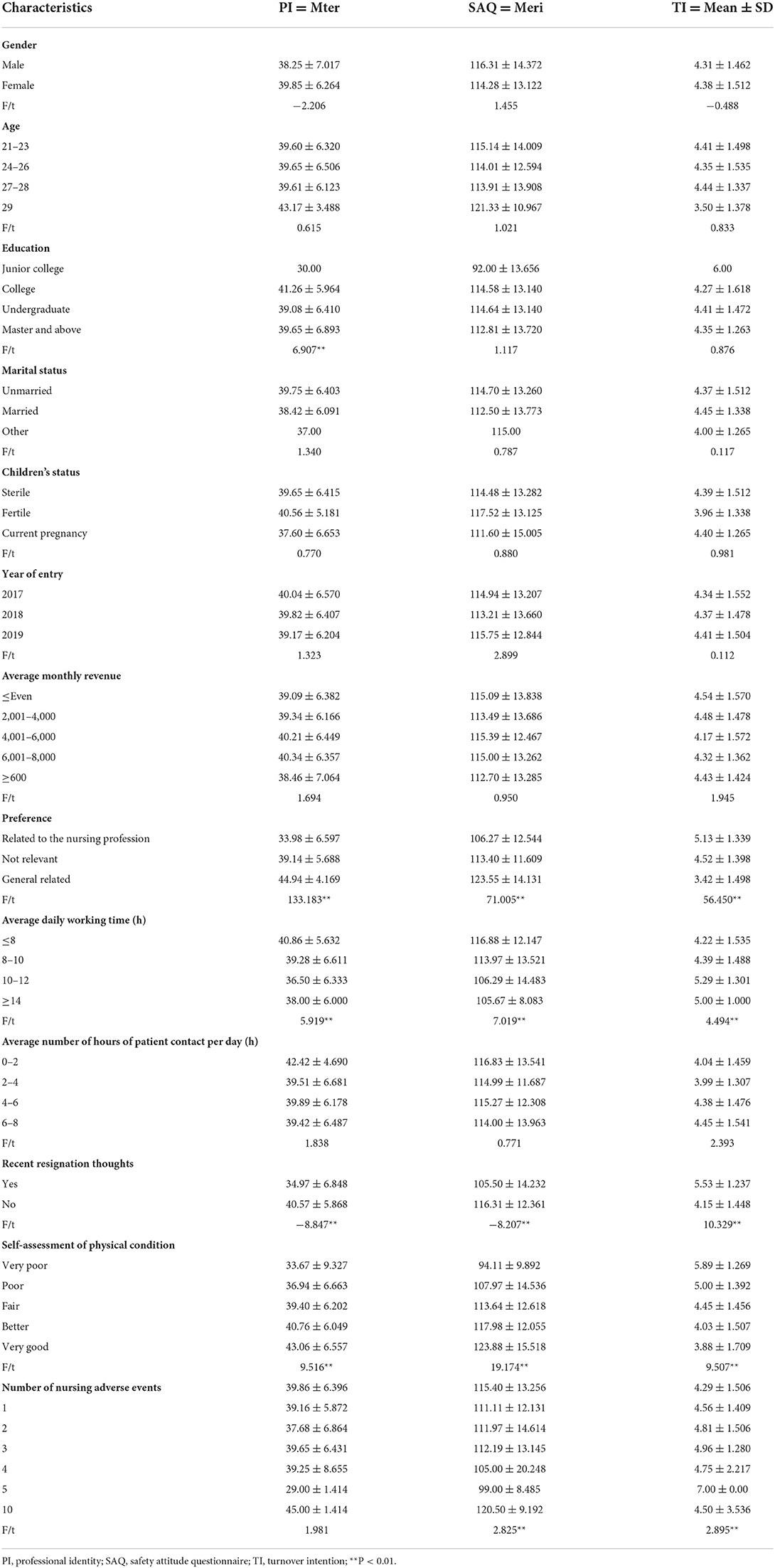
Table 3. Difference analysis among variables.
Turnover intention scale sub-dimension score
Scores of each dimension of turnover intention were indicated in Table 4. The scores of nurses' TI I, II, and III were 4.31, 4.38, and 5.47, respectively. The nurses' turnover intention III scores were higher than those of the other two dimensions.

Table 4. Scores of each dimension of turnover intention.
Mediation regression models of study variables
To illustrate the relationship between the variables more clearly, mediation regression models of study variables were shown in Table 5. It was interpreted as follows: the direct effect of occupational identity on patient safety was 1.075 (P < 0.01) and positive; patient safety attitude negatively affected the turnover intention with an effect of −0.062 (P < 0.01); Meanwhile, the effect of professional identity on turnover intention was −0.201 (P < 0.01). Therefore, a*b*c was positive (Figure 1). It was indicated that patient safety attitude, as a mediating variable, can explain the relationship between new nurses' career identity and willingness to leave.

Table 5. Results of mediation analyses.
Discussion
Turnover intention is defined as the possibility that employees will leave a job within a certain period (20). It is considered to be one of the best factors to predict turnover behavior (21). In this study, the mean intention to turnover of the 816 newly recruited nurses was 14.16 ± 3.14, which was significantly higher than the turnover intention of nurses in other places in China (22–25). The above situation may be related to the selected area in this study, Anhui Province, where the emergency department workload of nurses is more intensive. In addition, new nurses are likely to have a strong desire to leave since they are unable to adapt to a professional and intensive working environment (26). Nurses who work an average of 10 h a day or more a day are 2.5 times more likely to leave than those who work shorter shifts (27). Nurses who retain their posts and meet the annual assessment requirements are recommended to be awarded honorary certificates or medals, to have their salaries adjusted or adequately subsidized, to enhance the sense of identity and honor of new nurses in their jobs, and to reduce turnover rate. Patient safety attitudes were higher among nurses in regions like Europe and America, inwards like ICUs, and nurses with advanced degrees like graduate nursing students (28). In our study, scores of new nurses' patient safety attitudes were 114.54 ± 13.296, significantly lower than members of a multidisciplinary team in a medium-sized hospital in other countries (29–31). The average score of all dimensions was in the range of 10–30, and our results may to some extent explain the lower patient safety attitudes of new nurses, considering differences in regions, departments, and tasks. Regarding the current situation of the lower patient safety attitude of new nurses in Anhui, China, it is suggested to focus on each dimension of patient safety attitude from high to low recognition, working condition, job satisfaction, management perceptions, teamwork climate, and safety climate (32). Our study showed that factors such as whether one's hobbies corresponded to one's nursing specialty, average daily working hours, recent thoughts about quitting, self-rated physical condition, and the number of adverse events each influenced the patient safety attitudes of new nurses to different extents. Hence, it is more important to pay more attention to various factors affecting patient safety attitudes and take effective and appropriate measures to improve the negative factors. Nurse managers should organize group activities to keep the nursing team in good physical condition, reasonably allocate the number of nursing staff in each position, and reduce the average working time to avoid adverse events. Promoting legal knowledge among new nurses enhances the professional identity and sense of honor of new nurses, such as the Chinese version of the Nurses Regulation, to learn how to use the law to protect our nurses' legitimate rights.
The professional identity of nurses is affected by different inside and outside components. Based on pre-service preparation, the face-to-face coaching of senior nursing staff can help to enhance their working competence and build a professional team of nursing (33). In our study, the professional identity of new nurses was found to be poor. In this regard, the competent personality of modern medical staff was lower than that of nurses in Beijing (34), which may be related to the impact of external components such as the improvement of regional financial, social, and educational levels. As for new nurses in Anhui province, China, it was found that the level of instruction, whether my side interests are related to the nursing calling, normal working hours, later considerations of cessation, and self-assessed physical condition were vital components affecting unused nurses' proficient character. Our results showed that the new nurses' professional identity was higher than that of nursing students (35), which may be related to the truth that clinical nurses have more clinical involvement than nursing students. Therefore, it is necessary to further explore the relationship between gender and the good personality of modern nurses in the context of China. The better the self-rated fitness of medical staff, the higher their safety culture scores they got. It is strongly advised that nursing managers should pay attention to the physical well-being of medical attendants, reasonable shift arrangements, and avoid the nurses' long hours of nursing work in a state of exhausted and intense nursing. In addition, nurse researchers should actively develop and explore single-patient care management and new care models to help new nurses improve their professional competence and thereby improve patient safety attitudes.
Understanding safe attitudes are crucial when new nurses have turnover thoughts at work (36, 37). Our study found that the patient safety attitudes of new nurses mediated the role of career identity on turnover intentions, which is consistent with our study hypothesis. Notably, there is a lack of other studies that give direct support to our hypothesis. Moreover, we found a significant direct positive effect of new nurses' professional identity on patient safety attitudes, which is similar to previous findings (38, 39). It may also be related to the fact that new nurses working in the profession are initially informed about safety-related content, which facilitates the development of professional identity in terms of patient safety attitudes. These new nurses can upgrade their understanding of security behaviors at work because these conscious of security can successfully decrease the readiness of new nurses to leave. Precisely due to the vital role that patient safety attitudes played in reducing new nurses and intentions to go. The management should consider promoting the magnetic hospital's establishment with regional characteristics, strengthening organizational culture, and reducing the willingness of new nurses to leave.
Conclusions
Patient safety has long been considered a crucial global health issue. In our study, we found that new nurses' lack of patient safety knowledge and awareness was highly correlated with their sense of professional identity and turnover intention. Exploring training programs suitable for new nurses can not only reduce the nurses of attrition but also improve the ability of decision-makers to grasp new nurses comprehensively and better cultivate their clinical leadership.
Data availability statement
The original contributions presented in the study are included in the article/supplementary material, further inquiries can be directed to the corresponding author/s.
Ethics statement
Ethical review and approval was not required for the study on human participants in accordance with the local legislation and institutional requirements. Written informed consent from the participants' legal guardian/next of kin was not required to participate in this study in accordance with the national legislation and the institutional requirements.
Author contributions
MZ and XZhe conducted calculations, analyzed results, and drafted the manuscript. MZ, CC, and JF were responsible for the overall design of the research, conducted, and designed the analysis framework. XZha and HLi joined in the data collection. XZhe, JF, and HLa revised the paper. All authors approved of the current version of this manuscript for publication.
Acknowledgments
We wish to thank all the nurses who participated in this study and the administrations in the hospitals who made the study possible.
Conflict of interest
The authors declare that the research was conducted in the absence of any commercial or financial relationships that could be construed as a potential conflict of interest.
Publisher's note
All claims expressed in this article are solely those of the authors and do not necessarily represent those of their affiliated organizations, or those of the publisher, the editors and the reviewers. Any product that may be evaluated in this article, or claim that may be made by its manufacturer, is not guaranteed or endorsed by the publisher.
References
1. Gong Y, Kang H, Wu X, Hua L. Enhancing patient safety event reporting. A systematic review of system design features. Appl Clin Inform. (2017) 8:893–909. doi: 10.4338/ACI-2016-02-R-0023
2. The Lancet. Patient safety: too little, but not too late. Lancet. (2019) 394:895. doi: 10.1016/S0140-6736(19)32080-X
3. Machen S. Governing patient safety in field hospitals: lessons for the future. BMJ Open Qual. (2021) 10:e001541. doi: 10.1136/bmjoq-2021-001541
4. Weaver SJ, Lubomksi LH, Wilson RF, Pfoh ER, Martinez KA, Dy SM. Promoting a culture of safety as a patient safety strategy: a systematic review. Ann Intern Med. (2013) 158:369–74. doi: 10.7326/0003-4819-158-5-201303051-00002
5. Gomides MDA, Fontes AMS, Silveira A, Sadoyama G. Patient safety culture in the intensive care unit: cross-study. J Infect Dev Ctries. (2019) 13:496–503. doi: 10.3855/jidc.11166
6. Bajpai S, Lindeman B. The trainee's role in patient safety: training residents and medical students in surgical patient safety. Surg Clin North Am. (2021) 101:149–60. doi: 10.1016/j.suc.2020.09.007
7. Halcomb E, Bird S, McInnes S, Ashley C, Huckel K. Exploring job satisfaction and turnover intentions among general practice nurses in an Australian Primary Health Network. J Nurs Manag. (2021) 29:943–52. doi: 10.1111/jonm.13230
8. Pennbrant S, Dåderman A. Job demands, work engagement and job turnover intentions among registered nurses: explained by work-family private life inference. Work. (2021) 68:1157–69. doi: 10.3233/WOR-213445
9. Li Z, Cao J, Wu X, Li F, Zhu C. Intention to leave among newly graduated nurses: a descriptive, multicenter study. J Adv Nurs. (2020) 76:3429–39. doi: 10.1111/jan.14545
10. Huang TL, Wong MK, Shyu YL, Ho LH, Yeh JR, Teng CI. Reducing turnover intention to improve care outcome: a two-wave study. J Adv Nurs. (2021) 77:3083–92. doi: 10.1111/jan.14831
11. Chen C, Meier ST. Burnout and depression in nurses: a systematic review and meta-analysis. Int J Nurs Stud. (2021) 124:104099. doi: 10.1016/j.ijnurstu.2021.104099
12. Dorigan GH, Mingato DFP, Guirardello EB. Nursing safety attitudes: relationship with time of experience and intention to leave the job. Rev Gaucha Enferm. (2020) 41:e20190274. doi: 10.1590/1983-1447.2020.20190274
13. International Council of Nurses. Tokyo Declaration on Patient Safety. International Council of Nurses (2002).
14. Nantsupawat A, Kunaviktikul W, Nantsupawat R, Wichaikhum OA, Thienthong H, Poghosyan L. Effects of nurse work environment on job dissatisfaction, burnout, intention to leave. Int Nurs Rev. (2017) 64:91–8. doi: 10.1111/inr.12342
15. Sherrod D, Roberts D, Little B. Where have all the new grads gone? Nurs Manage. (2008) 39:8–12. doi: 10.1097/01.NUMA.0000342683.10388.4c
16. Jung YM. Nursing students' career identity, satisfaction with major, and career stress by career decision type. Jpn J Nurs Sci. (2020) 17:e12281. doi: 10.1111/jjns.12281
17. Liu J, Jiang J, Shen Y, Qi Y. The status quo of the occupational identity of the basic-level health technicians in Qiqihar City: an investigation and analysis. Am J Transl Res. (2021) 13:7214–20. doi: 10.3389/fpubh.2022.981597
18. Liu J, Zheng J, Liu K, Liu X, Wu Y, Wang J, et al. Workplace violence against nurses, job satisfaction, burnout, and patient safety in Chinese hospitals. Nurs Outlook. (2019) 67:558–66. doi: 10.1016/j.outlook.2019.04.006
19. Lu H, While AE, Barriball KL. Job satisfaction and its related factors: a questionnaire survey of hospital nurses in Mainland China. Int J Nurs Stud. (2007) 44:574–88. doi: 10.1016/j.ijnurstu.2006.07.007
20. Magbity JB, Ofei AMA, Wilson D. Leadership styles of nurse managers and turnover intention. Hosp Top. (2020) 98:45–50. doi: 10.1080/00185868.2020.1750324
21. Liu W, Zhao S, Shi L, Zhang Z, Liu X, Li L, et al. Workplace violence, job satisfaction, burnout, perceived organisational support and their effects on turnover intention among Chinese nurses in tertiary hospitals: a cross-sectional study. BMJ Open. (2018) 8:e019525. doi: 10.1136/bmjopen-2017-019525
22. Chen YC, Li TC, Chang YW, Liao HC, Huang HM, Huang LC. Exploring the relationships among professional quality of life, personal quality of life and resignation in the nursing profession. J Adv Nurs. (2021) 77:2689–99. doi: 10.1111/jan.14770
23. Chuang Z, Qing C, Xi Z, Qijun W, Nan W, Jiao H, et al. Evaluation of safety attitudes of hospitals and the effects of demographic factors on safety attitudes: a psychometric validation of the safety attitudes and safety climate questionnaire. BMC Health Serv Res. (2019) 19:836. doi: 10.1186/s12913-019-4682-0
24. Jarden RJ, Jarden A, Weiland TJ, Taylor G, Bujalka H, Brockenshire N, et al. New graduate nurse wellbeing, work wellbeing and mental health: a quantitative systematic review. Int J Nurs Stud. (2021) 121:103997. doi: 10.1016/j.ijnurstu.2021.103997
25. King R, Ryan T, Wood E, Tod A, Robertson S. Motivations, experiences and aspirations of trainee nursing associates in England: a qualitative study. BMC Health Serv Res. (2020) 20:802. doi: 10.1186/s12913-020-05676-7
26. Wang M, Tao H. How Does patient safety culture in the surgical departments compare to the rest of the county hospitals in Xiaogan City of China? Int J Environ Res Public Health. (2017) 14:1123. doi: 10.3390/ijerph14101123
27. Haugen AS, Søfteland E, Eide GE, Nortvedt MW, Aase K, Harthug S. Patient safety in surgical environments: cross-countries comparison of psychometric properties and results of the Norwegian version of the Hospital Survey on Patient Safety. BMC Health Serv Res. (2010) 10:279. doi: 10.1186/1472-6963-10-279
28. Fan CJ, Pawlik TM, Daniels T, Vernon N, Banks K, Westby P, et al. Association of safety culture with surgical site infection outcomes. J Am Coll Surg. (2016) 222:122–8. doi: 10.1016/j.jamcollsurg.2015.11.008
29. Favaro A, Wong C, Oudshoorn A. Relationships among sex, empowerment, workplace bullying and job turnover intention of new graduate nurses. J Clin Nurs. (2021) 30:1273–84. doi: 10.1111/jocn.15671
30. Murray M, Sundin D, Cope V. New graduate registered nurses' knowledge of patient safety and practice: a literature review. J Clin Nurs. (2018) 27:31–47. doi: 10.1111/jocn.13785
31. Rothschild JM, Hurley AC, Landrigan CP, Cronin JW, Martell-Waldrop K, Foskett C, et al. Recovery from medical errors: the critical care nursing safety net. Jt Comm J Qual Patient Saf. (2006) 32:63–72. doi: 10.1016/S1553-7250(06)32009-0
32. Labrague LJ. Organisational and professional turnover intention among nurse managers: a cross-sectional study. J Nurs Manag. (2020) 28:1275–85. doi: 10.1111/jonm.13079
33. Sherwood R, Bismark M. The ageing surgeon: a qualitative study of expert opinions on assuring performance and supporting safe career transitions among older surgeons. BMJ Qual Saf. (2020) 29:113–21. doi: 10.1136/bmjqs-2019-009596
34. Chen G, Sang L, Rong J, Yan H, Liu H, Cheng J, et al. Current status and related factors of turnover intention of primary medical staff in Anhui Province, China: a cross-sectional study. Hum Resour Health. (2021) 19:23. doi: 10.1186/s12960-021-00563-6
35. Chen X, Tang L, Liu L, Bai Z, Chen R. Factors related to turnover intention among staff of elderly caring social organizations in Anhui Province, China: a cross-sectional study. BMC Health Serv Res. (2021) 21:1265. doi: 10.1186/s12913-021-07284-5
36. Malinowska-Lipień I, Micek A, Gabryś T, Kózka M, Gajda K, Gniadek A, et al. Nurses and physicians attitudes towards factors related to hospitalized patient safety. PLoS ONE. (2021) 16:e0260926. doi: 10.1371/journal.pone.0260926
37. Stimpfel AW, Sloane DM, Aiken LH. The longer the shifts for hospital nurses, the higher the levels of burnout and patient dissatisfaction. Health Aff. (2012) 31:2501–9. doi: 10.1377/hlthaff.2011.1377
38. Philippa R, Ann H, Jacqueline M, Nicola A. Professional identity in nursing: a mixed method research study. Nurse Educ Pract. (2021) 52:103039. doi: 10.1016/j.nepr.2021.103039
Keywords: patient safety, new nurses, turnover intention, professional identity, safety culture
Citation: Zhang M, Zheng X, Chen C, Fang J, Liu H, Zhang X and Lang H (2022) Role of patient safety attitudes between career identity and turnover intentions of new nurses in China: A cross-sectional study. Front. Public Health 10:981597. doi: 10.3389/fpubh.2022.981597
Received: 29 June 2022; Accepted: 10 October 2022;
Published: 02 November 2022.
Edited by:
Mário Amorim-Lopes, University of Porto, PortugalReviewed by:
Wenning Fu, Huazhong University of Science and Technology, ChinaKatalin Papp, University of Debrecen, Hungary
Copyright © 2022 Zhang, Zheng, Chen, Fang, Liu, Zhang and Lang. This is an open-access article distributed under the terms of the Creative Commons Attribution License (CC BY). The use, distribution or reproduction in other forums is permitted, provided the original author(s) and the copyright owner(s) are credited and that the original publication in this journal is cited, in accordance with accepted academic practice. No use, distribution or reproduction is permitted which does not comply with these terms.
*Correspondence: Hongjuan Lang, bGFuZ2hqQGZtbXUuZWR1LmNu
†These authors have contributed equally to this work and share first authorship
‡These authors have contributed equally to this work and share last authorship