 Sui Liu
 Wanchun Wu1†
 Hongyu Zou
 Liling Xu
 Wei Zhang
 Chenfu Yu
 Shuangju Zhen
- 1School of Psychology, South China Normal University, Guangzhou, China
- 2School of Foreign Studies, South China Normal University, Guangzhou, China
- 3School of Education, Guangzhou University, Guangzhou, China
Cybervictimization has been shown in many studies to be a risk factor for adolescent non-suicidal self-injurious behavior (NSSI). In this study we tested the roles of depression and school connectedness in this association. The Integrative Model of NSSI, Emotion Regulation and Interpersonal Relationship Model of NSSI, and Integrative Model of Social Media and Suicide provided the conceptual framework for the study. A sample of 1106 adolescents (Mage = 13.17; SD = 0.69; 51.78% girls) completed anonymous questionnaires in their classrooms. The results of structural equation modeling showed that the positive association between cybervictimization and adolescent NSSI was mediated by depression. Moreover, this indirect link was stronger for adolescents with low vs. high school connectedness. The results have implications for intervention programs aimed at reducing NSSI among adolescents.
1. Introduction
Non-suicidal self-injury (NSSI) is a deliberate behavior enacted for the purpose of self-harm but not suicide, the behavior is considered unacceptable in the societal or cultural context in which it occurs, the most common forms of NSSI include cutting, burning, and scratching (1, 2). NSSI often develops in adolescence (3), and in recent years, adolescent NSSI has become a major public health problem (4). About 17.2% of adolescents in the world have engaged in NSSI (5), and its prevalence is increasing every year (6). In a meta-analysis involving 597,548 adolescents, the lifetime prevalence (7) and another two research showed that 12-month prevalence of NSSI were 16.9 and 14–39%, respectively (8, 9). A nationwide study of 150,000 adolescents in China, where the current study was conducted, revealed that ~22.37% had engaged in NSSI (8).
Although NSSI is not enacted for the purpose of suicide, it is nevertheless strongly associated with suicidal behavior, suicide attempts, and suicide (10, 11). In one study, having shown NSSI more than seven times increased a person's risk of suicide (12). Adolescent suicidal behavior is significantly predicted by NSSI (13, 14), and in many situations, NSSI is more predictive of suicide attempts than suicidal behavior (15).
In the last 10 years, researchers have concentrated on the mechanisms (1, 16, 17), risk factors (18, 19), and biological markers of NSSI, (20), including the HPA axis (21) and exosomes (22), and have achieved significant advances in understanding NSSI. However, with the development of science and technology, adolescents' life fields have now moved from the physical world to the virtual online world. Adolescents can communicate with people on the Internet anytime and anywhere, and they may also have friction and experience cybervictimization. Interpersonal risk factors such as cybervictimization were also common in adolescent, in one study, with ~30.7% of participants having experienced cyberbullying. Boys were more likely to be victims of cyberbullying than girls. The findings also indicate that cybervictimization is a significant risk factor for self-injury among adolescents (23).
Cybervictimization refers to someone were bullied by other people who using digital technology, including repeatedly intimidating, provoking, or humiliating others through social media, online communication platforms, gaming platforms, and SMS on mobile phones (24). This problem has become a serious social problem that can affect adolescents' mental health (25). Cybervictimization was associated with negative emotions in adolescents and is positively connected with a wide range of psychiatric issues (24). A meta-analysis which comprising 11 cross-sectional studies has revealed that cybervictimization may increase the risk of NSSI (26). A longitudinal study also indicated that cybervictimization was an important positive predictor of NSSI in adolescents (27). Admittedly, the association between the cybervictimization and adolescent NSSI was exists. However, the mechanism of this association is unclear.
Cybervictimization is not always associated with NSSI. Among youth who do engage in NSSI, the self-injurious behavior typically does not occur immediately; the adolescent goes through an emotional process that includes struggles, retaliation, rage, and sadness before eventually expressing their repressed feelings through NSSI (1, 27). Recent research has demonstrated that adolescents who experience cybervictimization are more likely to experience negative feelings, which can lead to a variety of psychological issues like depression and anxiety (28). For instance, a prospective study of 2,480 adolescents showed that depression was positively predicted by peer cybervictimization (29). Similar findings were obtained from a longitudinal study of 559 youth in grades 6–12 (30). Cybervictimization at Time 1 and Time 2 significantly predicted depression and anxiety in adolescents at Time 2 and Time 3.
However, there are also longitudinal studies showing that cybervictimization cannot significantly predict the occurrence of depression in adolescents (31). The main reason for these mixed results may be the existence of mediating variables in the association between cybervictimization and adolescent NSSI. Additionally, according to several conceptual models, including Nock's integration model and the emotional regulation model, NSSI is frequently used as a coping mechanism in response to negative emotion (1, 32), and unpleasant emotions like depression and anxiety can significantly predict the occurrence of NSSI (33). A longitudinal study of 6,995 Chinese adolescents over the time period of 2 years revealed that depression at Time 1 strongly predicted NSSI at Time 3 (34). Although previous studies have demonstrated relationships among cybervictimization, depression, and NSSI, no studie have examined the mediating role of depression in the association between cybervictimization and NSSI. Therefore, we hypothesized that depression mediates the relationship between cybervictimization and NSSI.
Individual differences might explain why different people show different psychological responses to the same negative event. For example, resilience has been shown to weaken the association between negative life events and depression (35, 36). Another individual differences were socail support and school connectedness (37, 38). School connectedness refers to students' sense of attachment and belonging to the school and its environment, and is reflected in students' emotion, behavior and cognition (39). During adolescence, youth spend more time in school activities, and the social support offered by schools increases opportunities for the positive development of adolescent mental health (40, 41).
From the perspective of the occurrence of non-suicidal self-injury and protective factors, according to the theory of social support in NSSI, people exhibit less NSSI when they have outside support (42). Thus, the association between cybervictimization and NSSI may be weaker when there is high school connectedness as a form of social support. No studies to date have tested the association between cybervictimization and NSSI, and thus moderators of this association have also not been tested. Indirect evidence of a possible link comes from research showing that school connectedness may moderate the association between bullying and maladjustment (e.g., impulsive behavior, depression, and anxiety) (43–45). Additionally, Wang et al. demonstrated that the relation between cybervictimization and suicidal ideation was only statistically significant when there was low school connectedness (46).
Figure 1 shows the hypothesized moderated mediation model. School connectedness was tested as a moderator of the mediated process by which cybervictimization is associated with NSSI by way of depression. Specifically, we tested whether school connectedness moderates the first link in this mediated path, namely the association between cybervictimization and depression. The results of these analyses have implications for identifying a mechanism by which NSSI develops, and for developing interventions based on school connectedness as a protective factor. In this manuscript, we hope to further investigate the relationship between cyber victimization and NSSI and its internal occurrence mechanism by exploring the relationship between these four variables, as well as to propose protective factors for the problem of non-suicidal self-injury in adolescents from the perspective of interpersonal relationships and social support. To further guide future research and provide guidance on the prevention and intervention of NSSI in school adolescents.
Hypothesis 1. Cybervictimization will be positively associated with adolescent NSSI.
Hypothesis 2. Depression will mediate the association between cybervictimization and adolescent NSSI.
Hypothesis 3. The indirect relationship between cybervictimization and adolescent NSSI via depression will be moderated by school connectedness. Specifically, school connectedness will weaken the link between cybervictimization and depression.
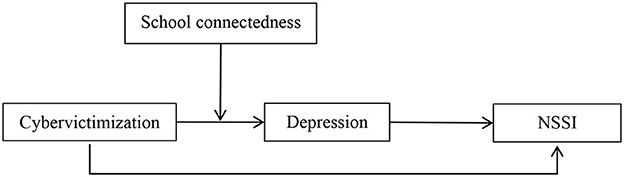
Figure 1. The proposed mediated moderation model. NSSI, non-suicidal self-injurious behavior.
2. Methods
2.1. Participants and procedure
Participants were recruited from three junior middle schools in Guangdong province, southern China, through stratified and random cluster sampling. A total of 1,006 adolescents (51.78% girls, n = 521) ranging in age from 12 to 15 (Mage = 13.16, SD = 0.67) completed questionnaires in their classrooms. There were 556 seventh graders and 450 eighth graders. Regarding the demographics of the sample, 48.63% of participants' fathers and 54.07% of their mothers had less than a high school education. The students lived in rural (44.51%) and urban (55.49%) areas.
2.2. Questionnaire survey
2.2.1. Cybervictimization
Cybervictimization was assessed using the Chinese version (47) of the Cybervictimization Scale (Erdu-Baker and Kavsut et al.). Participants were asked to use a four-point Likert scale, from 1 (never) to 4 (more than 5 times), to report how often they had experienced 18 forms of cybervictimization in the previous 6 months. An example item is, “Someone propagated rumors about me online.” The frequency of cybervictimization increases with the Cybervictimization Scale score. The scale's Cronbach's alpha in this study was 0.82, which indicates strong internal consistency.
2.2.2. Depression
Depression was assessed using The Center for Epidemiologic Studies Depression Scale updated by Liu et al. (48, 49). On a four-point Likert scale, from 1 (never) to 4 (always), participants stated how frequently they had experienced symptoms of depression throughout the previous week (for example, “I felt like everything I did was an effort”). A higher score indicates higher depressive symptoms. Cronbach's alpha in this study was 0.88, indicating strong internal consistency.
2.2.3. School connectedness
The Emotional Engagement Sub-scale of the School Engagement Scale, developed by Wang et al. (50), assesses adolescents' sense of school connectedness. The measure has eight statements (for example, “In general, I feel like a true member of this school”), and respondents were asked to rate their thoughts on a five-point Likert scale from 1 (strongly opposed) to 5 (strongly in favor). The average rating was calculated as the final score, and a higher score on the scale denotes a higher level of school connectedness. The scale's internal consistency in this study was good, as indicated by its Cronbach's alpha of 0.76.
2.2.4. NSSI
NSSI was measured with the Non-Suicidal Self-Injury scale (NSSI) (51), which includes seven items referring to behaviors such as self-cutting, burning and biting. Participants were asked to report whether they had engaged in each behaviors without suicidal intent in the past 6 months. Items were rated on a four-point scale (1 = never, 2 = once or twice, 3 = three to five times, 4 = six or more times). The reliability and validity of the scale are good. A higher score indicates higher NSSI situation. This scale's internal consistency in this study was good, as indicated by its Cronbach's alpha of 0.71.
2.3. Control variables
Gender (male/female), age, and score on the measure of sensation seeking were used as covariates in the analyses. Sensation seeking was measured using the Chinese version of the sensation seeking scale. These variables have all been shown to be associated with risk of NSSI (52, 53).
2.4. Procedure
This research was approved by the Academic Ethics Review Committee of the School of Education, Guangzhou University. Informed consent was obtained from teachers, parents, and participating adolescents prior to information collection. Participating adolescents spent ~30 min in their regular classroom completing a series of self-report questionnaires. Data were collected by trained psychology teachers or graduate psychology students. To encourage honest responses, participants were informed that their responses would be kept strictly confidential and that their participation was voluntary and that they could refuse to participate in the study at any time.
2.5. Statistical analyses
SPSS 25.0 version was used to generate descriptive statistics and correlations. Mplus 8.1 was used to conduct structural equation modeling using maximum likelihood estimation and bias-corrected percentile bootstrapping with 5,000 replications. The analyses tested whether the association between cybervictimization and NSSI was mediated by symptoms of depression. They also tested whether school connectedness moderated (weakened) this indirect association. Specifically, school connectedness was tested as a moderator of the link between cybervictimization and depression; moderation in any link constitutes moderation of the whole mediation model. We controlled for gender, age, and sensation seeking as predictors in regression equations as part of structural equation modeling.
3. Results
3.1. Preliminary analyses
The means, standard deviations, and correlation coefficients for all variables are displayed in Table 1. Cybervictimization, depression, and NSSI were significantly inter-correlated (p < 0.001). Moreover, school connectedness was negatively correlated with depression (p < 0.001).
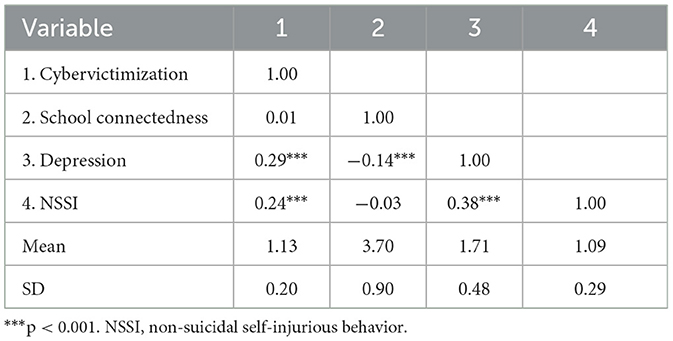
Table 1. Descriptive statistics and correlations for all variables.
3.2. Testing for mediation effect of depression
The mediation model represented in Figure 2 showed an excellent fit to the data: χ2/df = 0.19, CFI = 1.00, RMSEA = 0.00, and SRMR = 0.01. The mediation effect is considered significant if the confidence interval (CI) does not include 0. After controlling for gender, age, and sensation seeking, cybervictimization positively predicted depression (β = 0.27, SE = 0.03, t = 9.00, p < 0.001, 95% CI [0.21, 0.33]), and depression positively predicted NSSI (β = 0.33, SE = 0.03, t = 10.71, p < 0.001, 95% CI [0.27, 0.39]). Moreover, the residual effect of cybervictimization on NSSI was significant (β = 0.14, SE = 0.03, t = 4.59, p < 0.001, 95% CI [0.08, 0.20]). Bootstrapping analyses indicated that depression significantly mediated the relation between cybervictimization and adolescent NSSI (indirect effect = 0.09, SE = 0.02, 95% CI [0.06, 0.14]).

Figure 2. Model of the mediating role of depression in the association between cybervictimization and NSSI. NSSI, non-suicidal self-injurious behavior. ***p < 0.001.
3.3. Testing for moderated mediation
The moderated mediation model represented in Figure 3 showed a good fit to the data: χ2/df = 1.96, CFI = 0.96, RMSEA = 0.04, and SRMR = 0.03. The moderation effect is considered significant if the confidence interval does not include 0. The results showed that school connectedness moderated the association between cybervictimization and depression (β = 0.08, SE = 0.03, t = 2.64, p < 0.01, 95% CI [0.02, 0.14]). Moreover, cybervictimization had a significant positive association with depression (β = 0.27, SE = 0.03, t = 9.10, p < 0.001, 95% CI [0.21, 0.33]) and NSSI (β = 0.14, SE = 0.03, t = 4.59, p < 0.001, 95% CI [0.08, 0.20]). The predictive effect of depression on NSSI was significant (β = 0.33, SE = 0.03, t = 10.71, p < 0.001, 95% CI [0.27, 0.39]).
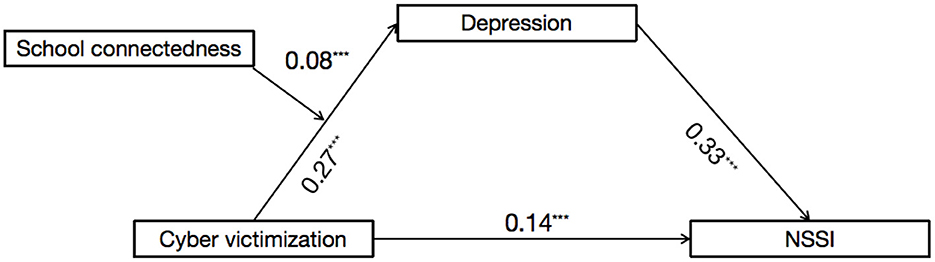
Figure 3. Model of the moderating role of school connectedness on the indirect relationship between cybervictimization and NSSI. NSSI, non-suicidal self-injurious behavior. ***p < 0.001.
Because school connectedness significantly moderated the association between cybervictimization and depression, we conducted a simple slopes test to interpret the interaction. The results are depicted in Figure 4. The positive association between cybervictimization and depression was stronger for adolescents with low school connectedness (1 SD above the mean; β = 0.35, SE = 0.04, t = 8.30, p < 0.001, 95% CI [0.27, 0.43]) than for adolescents with low school connectedness (1 SD below the mean; β = 0.19, SE = 0.04, t = 4.35, p < 0.001, 95% CI [0.10, 0.27]).
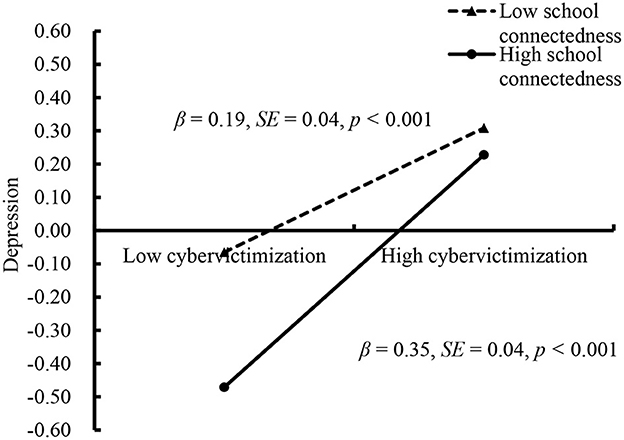
Figure 4. Depression among adolescents as a function of cybervictimization and school connectedness.
Finally, the bias-corrected percentile bootstrap results indicated that the indirect link between cybervictimization and NSSI via depression was stronger for adolescents with high school connectedness (indirect effect = 0.12, SE = 0.03, 95% CI [0.07, 0.18]) than for adolescents with low school connectedness (indirect effect = 0.06, SE = 0.02, 95% CI [0.03, 0.11]). Therefore, the mediating effect of depression in the association between cybervictimization and adolescent NSSI was moderated by school connectedness.
4. Discussion
NSSI has grown in importance as a problem for adolescent mental health, and according to current study, cybervictimization is a risk factor for NSSI and cybervictimization is a predictor of depression, which is strongly linked to NSSI. Our findings supported the hypothesized model in which depression mediates the association between cybervictimization and NSSI, and this association is weakened by school connectedness. The results of this study offer empirical evidence in support of models on emotion regulation and interpersonal relationships (1, 54).
There was a substantial positive predictive association between cybervictimization and NSSI after adjusting for gender, age, and sensation seeking. The more that adolescents experienced cybervictimization, the more likely they were to show NSSI. This finding is consistent with previous studies (23, 55, 56) and interpersonal model of NSSI (54). Adolescents who experience cybervictimization will experience higher interpersonal pressure, and they may turn to NSSI more frequently as a coping mechanism (56, 57).
Depression played a mediating role in the association between cybervictimization and NSSI, supporting Hypothesis 2. Cybervictimization, depression, and NSSI have been shown to be intercorrelated in prior research. (58–60), but few studies have tested a conceptual model that would explain these relationships. However, because of the fast development of network technology, interpersonal conflicts on the network are not limited by space or time, which might be more harmful to adolescents' mental health (61). Adolescents who experience cybervictimization, as an example of poor interpersonal relationships, may be at risk for depressive symptoms (62, 63). Adolescents may use NSSI to avoid experiencing such negative emotions (27, 56), in accordance with the NSSI's emotion regulation theory (1).
Further research has shown that school connectedness might moderate the association between cybervictimization and depression (64). At the same time, the interaction effect between cybervictimization and connectedness further moderated the relationship between cybervictimization and NSSI. There was an interaction between cybervictimization and school connectedness in predicting adolescents' depression. In those with low school connectedness, cybervictimization may increase symptoms of depression (34). High School connectedness may provide more support to adolescents for their mental health (65, 66). High school connectedness can provide students with a better interpersonal atmosphere in the school environment, thereby lowering the negative impacts of cybervictimization and the risk of NSSI.
This study is the first to document an influence of social support in the form of school connectedness as a protective factor in the association between cybervictimization and NSSI. It was also found that depression may have a mediating effect in the relationship between cybervictimization and NSSI. Based on the results of this study, we propose a Comprehensive Social Support and Emotion Model to explain the link between cybervictimization and NSSI. People who are impacted by negative interpersonal interactions are more prone to experience negative emotions such as depression and anxiety, and NSSI is provides a way to cope with those feelings (54). In this process, social support may play a moderating role, and support from different interpersonal relationships can regulate and alleviate previous interpersonal relationship problems (38).
However, there are still limitations of this study that will need to be addressed in further research. First, the participants were junior high school students from China's Guangdong Province. Despite the homogeneity of the sample, the findings may not adequately account for potential differences, such as geographical differences, racial differences and so on. Second, all of the data used in this study were self-reported. Although the students' responses were anonymous, social desirability may have had some impact, like they will unreal presentation their NSSI situation. In addition, emotional problems such as depression may not be easily observed and assessed by others, and NSSI behaviors usually occur in secret. Therefore, future research can use more sophisticated assessment techniques, such as ecological momentary assessment (EMA) and evaluation from a variety of perspectives (teachers, parents, and important friends). Third, the majority of the data in this study were collected using a cross-sectional design, which can establish association but not causality. Longitudinal research would allow stronger inferences about causality. Fourth, we did not consider the moderating effect of school connectedness on the relationship between depression and NSSI in this study, and future studies may need to consider the moderating effect of school connectedness in a comprehensive manner. Finally, the proposed interpersonal emotion integrated model of NSSI needs additional empirical support. In the future, we also need to conduct a longitudinal study on this issue to further explore the bidirectional relationship and causality between cybervictimization and NSSI.
The findings of this study add to our understanding of the development of NSSI, emphasize the significance of negative emotions and social support in the relationship between cybervictimization and NSSI, offer new perspectives for subsequent research, and have implications for the prevention and intervention of NSSI in adolescents.
Data availability statement
The raw data supporting the conclusions of this article will be made available by the authors, without undue reservation.
Ethics statement
The studies involving human participants were reviewed and approved by the Academic Ethics Review Committee of the School of Education, Guangzhou University. Written informed consent to participate in this study was provided by the participants' legal guardian/next of kin.
Author contributions
Conceptualization and writing-original draft preparation: SL, HZ, WW, and CY. Methodology: CY and HZ. Software: SL, WW, and HZ. Validation: HZ, CY, SZ, and WW. Formal analysis and visualization: CY, HZ, and WW. Investigation: SZ, SL, WZ, and LX. Resources: CY. Data curation and supervision: CY and SZ. Writing—review and editing: HZ, WW, SZ, and SL. Project administration: CY, WZ, and SZ. All authors have read and agreed to the published version of the manuscript.
Funding
This study was supported by National Natural Science Foundation of China (Grant number 32271115).
Conflict of interest
The authors declare that the research was conducted in the absence of any commercial or financial relationships that could be construed as a potential conflict of interest.
Publisher's note
All claims expressed in this article are solely those of the authors and do not necessarily represent those of their affiliated organizations, or those of the publisher, the editors and the reviewers. Any product that may be evaluated in this article, or claim that may be made by its manufacturer, is not guaranteed or endorsed by the publisher.
References
1. Nock MK, Favazza AR. Non-suicidal self-injury: definition and classification. APA PsycNet. (2009) 2:9–18. doi: 10.1037/11875-001
2. Brausch AM, Muehlenkamp JJ. Perceived effectiveness of NSSI in achieving functions on severity and suicide risk. Psychiatry Res. (2018) 265:144–50. doi: 10.1016/j.psychres.2018.04.038
3. Tatnell R, Kelada L, Hasking P, Martin G. Longitudinal analysis of adolescent NSSI: the role of intrapersonal and interpersonal factors. J Abnormal Child Psychol. (2014) 42:885–96. doi: 10.1007/s10802-013-9837-6
4. Wilkinson P. Non-suicidal self-injury. Eur Child Adolesc Psychiatry. (2013) 22:75–9. doi: 10.1007/s00787-012-0365-7
5. Swannell SV, Martin GE, Page A, Hasing P, St John NJ. Prevalence of non-suicidal self-injury in non-clinical samples: systematic review, meta-analysis and meta-regression. Suicide Life-Threat Behav. (2014) 44:273–303. doi: 10.1111/sltb.12070
6. Barrocas AL, Giletta M, Hankin BL, Prinstein MJ, Abela JR. Non-suicidal self-injury in adolescence: longitudinal course, trajectories, and intrapersonal predictors. J Abnorm Child Psychol. (2015) 43:369–80. doi: 10.1007/s10802-014-9895-4
7. Bresin K, Schoenleber M. Gender differences in the prevalence of non-suicidal self-injury: a meta-analysis. Clin Psychol Rev. (2015) 38:55–64. doi: 10.1016/j.cpr.2015.02.009
8. Lang J, Yao Y. Prevalence of non-suicidal self-injury in Chinese middle school and high school students: a meta-analysis. Medicine. (2018) 97:2916. doi: 10.1097/MD.0000000000012916
9. Bresin K, Gordon KH. Endogenous opioids and non-suicidal self-injury: a mechanism of affect regulation. Neurosci Biobehav Rev. (2013) 37:374–83. doi: 10.1016/j.neubiorev.2013.01.020
10. Hamza CA, Stewart SL, Willoughby T. Examining the link between non-suicidal self-injury and suicidal behavior: a review of the literature and an integrated model. Clin Psychol Rev. (2012) 32:482–95. doi: 10.1016/j.cpr.2012.05.003
11. Muehlenkamp JJ, Brausch AM, Littlefield A. Concurrent changes in non-suicidal self-injury and suicide thoughts and behaviors. Psychol Med. (2022) 2022:1–6. doi: 10.1017/S0033291722001763
12. Dickstein DP, Puzia ME, Cushman GK, Weissman AB, Wegbreit E, Kim KL, et al. Self-injurious implicit attitudes among adolescent suicide attempters vs. those engaged in non-suicidal self-injury. J Child Psychol Psychiatry. (2015) 56:1127–36. doi: 10.1111/jcpp.12385
13. Griep SK, MacKinnon DF. Does non-suicidal self-injury predict later suicidal attempts? A review of studies. Arch Suicide Res. (2022) 26:428–46. doi: 10.1080/13811118.2020.1822244
14. Whitlock J, Muehlenkamp J, Eckenrode J, Purington A, Abrams GB, Barreira P, et al. Non-suicidal self-injury as a gateway to suicide in young adults. J Adolescent Health. (2013) 52:486–92. doi: 10.1016/j.jadohealth.2012.09.010
15. Wilkinson P, Kelvin R, Roberts C, Dubicka B, Goodyer I. Clinical and psychosocial predictors of suicide attempts and non-suicidal self-injury in the adolescent depression antidepressants and psychotherapy trial (ADAPT). Am J Psychiatry. (2011) 168:495–501. doi: 10.1176/appi.ajp.2010.10050718
16. Reitz S, Kluetsch R, Niedtfeld I, Knorz T, Lis S, Paret C, et al. Incision and stress regulation in borderline personality disorder: neurobiological mechanisms of self-injurious behaviour. Br J Psychiatry. (2015) 207:165–72. doi: 10.1192/bjp.bp.114.153379
17. Allen KJ, Hooley JM. Negative emotional action termination (NEAT): support for a cognitive mechanism underlying negative urgency in non-suicidal self-injury. Behav Therapy. (2019) 50:924–37. doi: 10.1016/j.beth.2019.02.001
18. Liu X, Chen H, Bo QG, Fan F, Jia CX. Poor sleep quality and nightmares are associated with non-suicidal self-injury in adolescents. Eur Child Adolescent Psychiatry. (2017) 26:271–9. doi: 10.1007/s00787-016-0885-7
19. Wang YJ Li X, Ng CH, Xu DW, Hu S, Yuan TF. Risk factors for non-suicidal self-injury (NSSI) in adolescents: a meta-analysis. EClinicalMedicine. (2022) 46:101350. doi: 10.1016/j.eclinm.2022.101350
20. Groschwitz RC, Plener PL. The neurobiology of non-suicidal self-injury (NSSI): a review. Suicidol Online. (2012) 3:24–32.
21. Reichl C, Heyer A, Brunner R, Parzer P, Völker JM, Resch F, et al. Hypothalamic-pituitary-adrenal axis, childhood adversity and adolescent non-suicidal self-injury. Psychoneuroendocrinology. (2016) 74:203–11. doi: 10.1016/j.psyneuen.2016.09.011
22. Koenig J, Rinnewitz L, Warth M, Hillecke TK, Brunner R, Resch F, et al. Psychobiological response to pain in female adolescents with non-suicidal self-injury. J Psychiatry Neurosci. (2017) 42:189–99. doi: 10.1503/jpn.160074
23. Faura-Garcia J, Orue I, Calvete E. Cyberbullying victimization and non-suicidal self-injury in adolescents: the role of maladaptive schemas and dispositional mindfulness. Child Abuse Neglect. (2021) 118:105135. doi: 10.1016/j.chiabu.2021.105135
24. Landoll RR, La Greca AM, Lai BS, Chan SF, Herge WM. Cyber victimization by peers: prospective associations with adolescent social anxiety and depressive symptoms. J Adolesc. (2015) 42:77–86. doi: 10.1016/j.adolescence.2015.04.002
25. Simão AV, Ferreira PC, Freire I, Caetano AP, Martins MJ, Vieira C. Adolescent cybervictimization: who they turn to and their perceived school climate. J Adolesc. (2017) 58:12–23. doi: 10.1016/j.adolescence.2017.04.009
26. John A, Glendenning AC, Marchant A, Montgomery P, Stewart A, Wood S, et al. Self-harm, suicidal behaviours, and cyberbullying in children and young people: systematic review. J Med Internet Res. (2018) 20:e9044. doi: 10.2196/jmir.9044
27. Zhu J, Chen Y, Su B, Zhang W. Anxiety symptoms mediates the influence of cybervictimization on adolescent non-suicidal self-injury: the moderating effect of self-control. J Affect Disord. (2021) 285:144–51. doi: 10.1016/j.jad.2021.01.004
28. Díaz KI, Fite PJ. Cyber victimization and its association with substance use, anxiety, and depression symptoms among middle school youth. In: Child and Youth Care Forum. New York, NY: Springer (2019). doi: 10.1007/s10566-019-09493-w
29. Fahy AE, Stansfeld SA, Smuk M, Smith NR, Cummins S, Clark C. Longitudinal associations between cyberbullying involvement and adolescent mental health. J Adolesc Health. (2016) 59:502–9. doi: 10.1016/j.jadohealth.2016.06.006
30. Rose CA, Tynes BM. Longitudinal associations between cybervictimization and mental health among US adolescents. J Adolesc Health. (2015) 57:305–12. doi: 10.1016/j.jadohealth.2015.05.002
31. Holfeld B, Mishna F. Internalizing symptoms and externalizing problems: risk factors for or consequences of cyber victimization? J Youth Adolesc. (2019) 48:567–80. doi: 10.1007/s10964-018-0974-7
32. O'Connor RC, Nock MK. The psychology of suicidal behaviour. Lancet Psychiatry. (2014) 1:73–85. doi: 10.1016/S2215-0366(14)70222-6
33. Heath NL, Carsley D, De Riggi ME, Mills D, Mettler J. The relationship between mindfulness, depressive symptoms, and non-suicidal self-injury amongst adolescents. Arch Suicide Res. (2016) 20:635–49. doi: 10.1080/13811118.2016.1162243
34. Liu ZZ, Tein JY, Jia CX, Liu X. Depression as a mediator between frequent nightmares and non-suicidal self-injury among adolescents: a 3-wave longitudinal model. Sleep Med. (2021) 77:29–34. doi: 10.1016/j.sleep.2020.11.015
35. Askeland KG, Bøe T, Breivik K, La Greca AM, Sivertsen B, Hysing M. Life events and adolescent depressive symptoms: protective factors associated with resilience. PLoS ONE. (2020) 15:e0234109. doi: 10.1371/journal.pone.0234109
36. Zou H, Tao Z, Zhou Y, Zhang Z, Zhang C, Li L, et al. Perceived stress positively relates to insomnia symptoms: the moderation of resilience in chinese pregnant women during COVID-19. Front Psychiatry. (2022) 13:716. doi: 10.3389/fpsyt.2022.856627
37. Marroquín B, Vine V, Morgan R. Mental health during the COVID-19 pandemic: effects of stay-at-home policies, social distancing behavior, and social resources. Psychiatry Res. (2020) 293:113419. doi: 10.1016/j.psychres.2020.113419
38. Bjørlykhaug KI, Karlsson B, Hesook SK, Kleppe LC. Social support and recovery from mental health problems: a scoping review. Nord Soc Work Res. (2021) 2021:1–32. doi: 10.1080/2156857X.2020.1868553
39. McNeely CA, Nonnemaker JM, Blum RW. Promoting school connectedness: evidence from the national longitudinal study of adolescent health. J School Health. (2002) 72:138–46. doi: 10.1111/j.1746-1561.2002.tb06533.x
40. Zou H, Deng Y, Wang H, Yu C, Zhang W. Perceptions of school climate and internet gaming addiction among Chinese adolescents: the mediating effect of deviant peer affiliation. Int J Environ Res Public Health. (2022) 19:3604. doi: 10.3390/ijerph19063604
41. Stadler C, Feifel J, Rohrmann S, Vermeiren R, Poustka F. Peer-victimization and mental health problems in adolescents: are parental and school support protective? Child Psychiatry Hum Dev. (2010) 41:371–86. doi: 10.1007/s10578-010-0174-5
42. Turner BJ, Cobb RJ, Gratz KL, Chapman AL. The role of interpersonal conflict and perceived social support in non-suicidal self-injury in daily life. J Abnorm Psychol. (2016) 125:588. doi: 10.1037/abn0000141
43. You S, Furlong MJ, Felix E, Sharkey JD, Tanigawa D, Green JG. Relations among school connectedness, hope, life satisfaction, and bully victimization. Psychol Schools. (2008) 45:446–60. doi: 10.1002/pits.20308
44. Millings A, Buck R, Montgomery A, Spears M, Stallard P. School connectedness, peer attachment, and self-esteem as predictors of adolescent depression. J Adolesc. (2012) 35:1061–7. doi: 10.1016/j.adolescence.2012.02.015
45. Loukas A, Pasch KE. Does school connectedness buffer the impact of peer victimization on early adolescents' subsequent adjustment problems? J Early Adolesc. (2013) 33:245–66. doi: 10.1177/0272431611435117
46. Wang C, La Salle T, Wu C, Do KA, Sullivan KE. School climate and parental involvement buffer the risk of peer victimization on suicidal thoughts and behaviors among Asian American middle school students. Asian Am J Psychol. (2018) 9:296. doi: 10.1037/aap0000138
47. Zhou Z, Tang H, Tian Y, Wei H, Zhang F, Morrison CM. Cyberbullying and its risk factors among Chinese high school students. School Psychol Int. (2013) 34:630–47. doi: 10.1177/0143034313479692
48. Orme JG, Reis J, Herz EJ. Factorial and discriminant validity of the center for epidemiological studies depression (CES-D) scale. J Clin Psychol. (1986) 42:28–33. doi: 10.1002/1097-4679(198601)42:1<28::AID-JCLP2270420104>3.0.CO;2-T
49. Liu XC, Ma DD, Kurita H, Tang MQ. Self-reported depressive symptoms among Chinese adolescents. Soc Psychiatry Psych Epidemiol. (1999) 34:44–7. doi: 10.1007/s001270050110
50. Wang MT, Willett JB, Eccles JS. The assessment of school engagement: examining dimensionality and measurement invariance by gender and race/ethnicity. J School Psychol. (2011) 49:465–80. doi: 10.1016/j.jsp.2011.04.001
51. You J, Lin MP, Fu K, Leung F. The best friend and friendship group influence on adolescent non-suicidal self-injury. J Abnorm Child Psycholo. (2013) 41:993–1004. doi: 10.1007/s10802-013-9734-z
52. Kentopp SD, Conner BT, Fetterling TJ, Delgadillo AA, Rebecca RA. Sensation seeking and non-suicidal self-injurious behavior among adolescent psychiatric patients. Clin Child Psychol Psychiatry. (2021) 26:430–42. doi: 10.1177/1359104521994627
53. Wilkinson PO, Qiu T, Jesmont C, Neufeld SA, Kaur SP, Jones PB, et al. Age and gender effects on non-suicidal self-injury, and their interplay with psychological distress. J Affect Disord. (2022) 306:240–5. doi: 10.1016/j.jad.2022.03.021
54. Prinstein MJ, Guerry JD, Browne CB, Rancourt D. Interpersonal models of non-suicidal self-injury. APA PsycNet. (2009) 9:79–98. doi: 10.1037/11875-005
55. Lanzillo EC, Zhang I, Jobes DA, Brausch AM. The influence of cyberbullying on non-suicidal self-injury and suicidal thoughts and behavior in a psychiatric adolescent sample. Arch Suicide Res. (2021) 13:1–8. doi: 10.1080/13811118.2021.1973630
56. Yu C, Xie Q, Lin S, Liang Y, Wang G, Nie Y, et al. Cyberbullying victimization and non-suicidal self-injurious behavior among Chinese adolescents: school engagement as a mediator and sensation seeking as a moderator. Front Psychol. (2020) 11:572521. doi: 10.3389/fpsyg.2020.572521
57. Hilt LM, Nock MK, Lloyd-Richardson E, Prinstein MJ. Longitudinal study of non-suicidal self-injury among young adolescents: rates, correlates, and preliminary test of an interpersonal model. J Early Adolesc. (2008) 28:455–69. doi: 10.1177/0272431608316604
58. Zhao H, Gong X, Huebner ES, Yang X, Zhou J. Cyberbullying victimization and non-suicidal self-injury in adolescents: testing a moderated mediating model of emotion reactivity and dispositional mindfulness. J Affect Disord. (2022) 299:256–63. doi: 10.1016/j.jad.2021.11.070
59. Gámez-Guadix M, Orue I, Smith PK, Calvete E. Longitudinal and reciprocal relations of cyberbullying with depression, substance use, and problematic internet use among adolescents. J Adolesc Health. (2013) 53:446–52. doi: 10.1016/j.jadohealth.2013.03.030
60. Claes L, Luyckx K, Baetens I, Van de Ven M, Witteman C. Bullying and victimization, depressive mood, and non-suicidal self-injury in adolescents: the moderating role of parental support. J Child Fam Stud. (2015) 24:3363–71. doi: 10.1007/s10826-015-0138-2
61. Kutok ER, Dunsiger S, Patena JV, Nugent NR, Riese A, Rosen RK, et al. cyberbullying media-based prevention intervention for adolescents on instagram: pilot randomized controlled trial. JMIR Mental Health. (2021) 8:e26029. doi: 10.2196/26029
62. Tran HG, Thai TT, Dang NT, Vo DK, Duong MH. Cyber-victimization and its effect on depression in adolescents: a systematic review and meta-analysis. Trauma Viol Abuse. (2021) 58:15248380211050597. doi: 10.1177/15248380211050597
63. Gao L, Liu J, Yang J, Wang X. Longitudinal relationships among cybervictimization, peer pressure, and adolescents' depressive symptoms. J Affect Disord. (2021) 286:1–9. doi: 10.1016/j.jad.2021.02.049
64. Zhou J, Li X, Zhu D, Gong X. Cyber-victimization and suicidal ideation in adolescents: a longitudinal moderated mediation model. J Youth Adolesc. (2022) 58:1–12. doi: 10.1007/s10964-022-01670-w
65. Perkins KN, Carey K, Lincoln E, Shih A, Donalds R, Kessel Schneider S, et al. School connectedness still matters: the association of school connectedness and mental health during remote learning due to COVID-19. J Prim Prevent. (2021) 42:641–8. doi: 10.1007/s10935-021-00649-w
Keywords: cybervictimization, depression, school connectedness, adolescent, non-suicidal self-injury
Citation: Liu S, Wu W, Zou H, Chen Y, Xu L, Zhang W, Yu C and Zhen S (2023) Cybervictimization and non-suicidal self-injury among Chinese adolescents: The effect of depression and school connectedness. Front. Public Health 11:1091959. doi: 10.3389/fpubh.2023.1091959
Received: 07 November 2022; Accepted: 13 February 2023;
Published: 08 March 2023.
Edited by:
Iman Permana, Muhammadiyah University of Yogyakarta, IndonesiaReviewed by:
Yulong Wang, Hunan Normal University, ChinaSantiago Resett, Conicet- Universidad Austral, Argentina
Copyright © 2023 Liu, Wu, Zou, Chen, Xu, Zhang, Yu and Zhen. This is an open-access article distributed under the terms of the Creative Commons Attribution License (CC BY). The use, distribution or reproduction in other forums is permitted, provided the original author(s) and the copyright owner(s) are credited and that the original publication in this journal is cited, in accordance with accepted academic practice. No use, distribution or reproduction is permitted which does not comply with these terms.
*Correspondence: Chenfu Yu, eXVjaGVuZ2Z1QGd6aHUuZWR1LmNu; Shuangju Zhen, c2h1YW5nanV6aGVuQGZveG1haWwuY29t
†These authors share first authorship