 Wenjing Yan
 Leqin Chen2
 Lina Wang
 Hongjuan Li
- 1School of Sport Science and Key Laboratory of the Ministry of Education of Exercise and Physical Fitness, Beijing Sport University, Beijing, China
- 2School of Physical Education, Shanxi Normal University, Taiyuan, Shanxi, China
Background: Physical literacy and enjoyment are important factors that affect physical activity.
Purpose: This work studies whether physical activity enjoyment (PAE) mediates the association between moderate to vigorous physical activity (MVPA) and physical literacy (PL) among college students.
Methods: Chinese college students were recruited using the Perceived Physical Literacy Instrument Scale (PPLI-SC), the International Physical Activity Questionnaire Short Form (IPAQ-SF), and the Physical Activity Enjoyment Scale. The SPSS Hayes process macro (model 4) was used to analyze the direct impact and the indirect impact. Pearson correlation, independent sample t-tests, and linear regression were used to analyze the relationship between indicators.
Results: The study surveyed 587 boys and 1,393 girls with a total of 1,980 valid questionnaires. MVPA, PAE, and PL of boys were significantly higher than girls (p < 0.01). The correlation analysis showed that MVPA, PL, and PAE were significantly correlated (p < 0.01). The results showed the direct effect of PL on MVPA was still statistically significant (β = 0.067, p < 0.05) after adding PAE variables; PAE has a positive effect on MVPA after controlling PL (β = 0.170, p < 0. 01). PL has a positive effect on PAE (β = 0.750, p < 0.01). PL impacted MVPA as explained by a 65.58% mediating effect of enjoyment.
Conclusion: Physical activity enjoyment mediates the relationship between PL and MVPA among college students. This means that even high PL among student may not imply that they are physically active if they do not enjoy physical activity.
1. Introduction
Physical activity (PA) is defined as any bodily movement produced by skeletal muscles that requires energy expenditure (1). PA can produce a range of health benefits including physical and mental health (2). Greater amounts and higher intensities of PA as well as different types of physical activity (aerobic and muscle and bone strengthening activities) are associated with improved health outcomes (3). Exercise can resolve the positive symptoms of depression and increase pleasure (4, 5). Vigorous physical activity (VPA) is particularly important for health because it is associated with lower body fat and better cardiorespiratory health vs. low-intensity PA (6). Moderate-to-vigorous physical activity (MVPA) has the greatest benefit in prolonging lifespan (7). Increases in sedentary behavior significantly elevate stress, anxiety, and depression among college students (8, 9). A lifestyle with sedentary and low-level PA has evolved into a public health problem (10). Significant changes have occurred in terms of sports activities among college students (11).
Short-term health intervention can help college students to establish a healthy lifestyle with positive impacts on their healthy behaviors (12). Recently, the concept of physical literacy (PL) has attracted increasing research attention in physical education, sports participation and the promotion of PA. In 2007, Whitehead optimized the concept of PL for the first time believing that PL is the motivation, confidence, physical ability, knowledge, and understanding of individuals to maintain their physical activities at an appropriate level throughout their lives (13). The International Physical Literacy Association (IPLA) was founded in 2013 under the chairmanship of Whitehead and defined the concept of “PL.” Here, PL is defined as the motivation, confidence, physical ability, knowledge, and understanding that people need to attach importance to, and take part in physical activities in their life. PL can promote individual PA, and thus it is necessary to use PL assessment tools to help understand people’s PL levels (14). Although the concept of PL has been continuously optimized and improved, Whitehead retained elements like motivation, confidence, physical ability, knowledge, and understanding. This work highlights the personal characteristics of PL and emphasizes the concept of PL as applicable to the entire life cycle. This reflects its lifelong characteristics. PL not only focuses on sports skills and PA, but also on emotional and motivational fields such as ability and self-confidence. The intersection of sports skills, positive emotions, and motivation is the core element required to ensure active activities—these are all crucial to maintaining physical activities over the life span. There are many assessment tools for PL such as the Canadian Assessment for Physical Literacy (CAPL) (15), the Physical Literacy Assessment for Youth (PLAY) (16), and the Perceived Physical Literacy Instrument (PPLI) (17). Of these, the PPLI has the most extensive attributes with multiple measurement dimensions: motivation, confidence, physical ability, and interaction with the environment. The relevant population is college students (17).
Physical activity and PL are determinants of health, and PA level can be increased by intervening PL. People with higher PL levels will have more confidence and ability to participate in various sports activities. In contrast, they will also have less PA (18). Physical activity enjoyment (PAE) is another important factor affecting sports continuity (19). Research shows that subjective emotional responses to PA and enjoyment are powerful predictors of continuous participation in PA (20). Researchers determined that childhood memories of enjoyment and non-enjoyment during PE are linked with attitudes toward PA, intention, and sedentary behavior into adulthood (21). While there are several forms of motivation, intrinsic motivation is distinctly important to foster PA behaviors because it promotes inherent satisfaction with an activity and is reflected in enjoyment (22). PAE is the main reason for exercisers to participate in sports activities over the long term. It is also an important factor to motivate their participation in, and adherence to, sports activities (23, 24).
However, our understanding of the association between PAE, PA, and PL is limited. It seems that PL promotes PA, and enjoyment is an important motivation to participate in PA. This study tests the hypothesis that PL increases PA through the mediation of enjoyment. Therefore, this study aims to determine whether the enjoyment of PA can modulate the relationship between PL and PA among college students.
2. Methods
2.1. Study design and participants
This is a cross-sectional study. Participants were randomly invited to fill out questionnaires in China. The selection criteria are freshmen- to junior-level college students. Students’ PL, MVPA, and PAE were measured with the Perceived Physical literacy Scale PPLI-SC (25), the International Physical Activity Questionnaire (IPAQ-S) (26), and the Physical Activity Enjoyment scale (PAE-C) (27). The study also collected demographic information (gender, age, height, and weight). There were 1980 valid questionnaires. Before answering the questionnaire, the participants had to give informed consent. This study was approved by the Scientific Experiment Ethics Committee of Beijing Sport University (2019101H). A time was from November to December 2021.
2.2. Physical literacy
Ma revised the original 18 questions of the PPLI-SC into eight questions suitable for Chinese college students. This eight-item instrument measured the perceived PL of Chinese undergraduates (25). Motivation, confidence, physical competition, and interaction with the environment are the dimensions of PL. This scale uses a five-point Likert scale from strongly disagreeing to strongly agreeing. The score is the sum of the numbers between 8 and 40. A higher score implies better PL.
2.3. Physical activity
Physical activity was investigated with the IPAQ-SF. This scale is used to evaluate the frequency and duration of light, moderate and vigorous PA as well as meditation in the past week via seven questions. Moderate-to-vigorous intensity refers to PA that is performed at 3.0 or more METS. The duration of the questionnaire is measured in hours and minutes, and the activity frequency is days. The responses are then translated into metabolic equivalents (MET minutes). The MVPA score refers to the sum of moderate and vigorous PA scores. The reliability test of s-IPAQ is 0.80 (26).
2.4. Physical activity enjoyment
We then used the enjoyment scale of physical activities to evaluate enjoyment (27). The scale consists of 16 items scored on a five-point Likert scale from 1 point (totally disagree) to 5 points (totally agree). The total score is between 16 and 80. A higher the total score implies a higher degree of enjoyment. The scale is reliable and valid (28).
2.5. Data analysis
The overall framework of the theory assumes that PL is the independent variable X, MVPA is the dependent variable Y, and PAE is the intermediary variable M. PL will thus positively affect MVPA, and PAE plays an intermediary role between PL and MVPA (Figure 1).
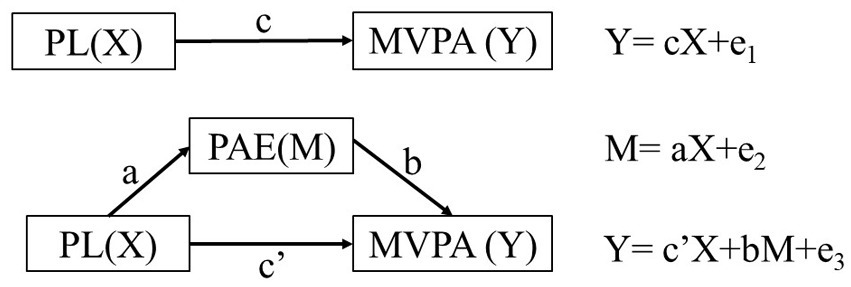
Figure 1. Schematic diagram of mediation effect (Hayes, A F: The Guilford Press).
Data analyses were performed using IBM SPSS 22. The SPSS Hayes process macro (model 4) was used to analyze the direct impact and the indirect impact. The total effect is the sum of the direct effect and the indirect effect. We used Pearson correlation and linear regression to analysis the relationship between indicators. We used independent sample t-tests for gender difference analysis. The coefficient of variation (CV) reflected the degree of data dispersion. p < 0.05 was considered statistically significant.
3. Results
3.1. Student characteristics
There are 1980 effective persons in this survey including 587 males accounting for 29.6% and 1,393 females accounting for 70.4% with an average age of 20.16 ± 1.21 years (Table 1).
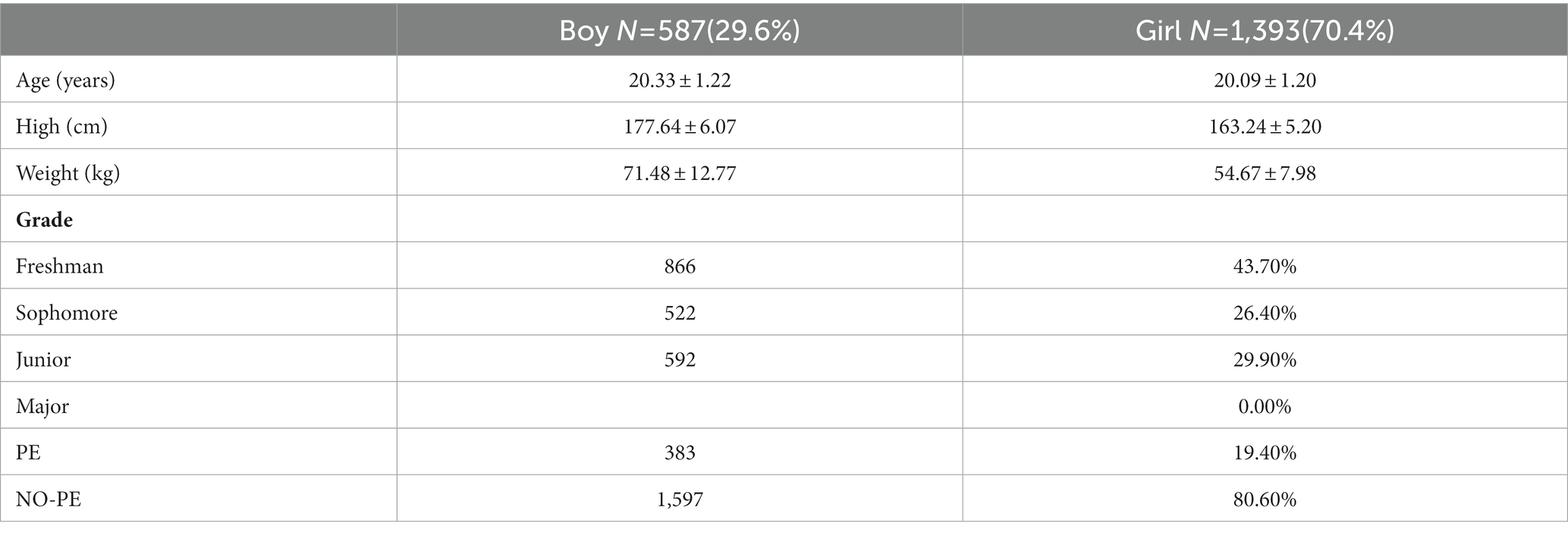
Table 1. Statistics of basic student information.
3.2. Differences between boys and girls
The PL, PAE, and MVPA of boys were significantly higher than girls (p < 0.01). The coefficient of variation of MVPA in girls is higher than that in boys, while the coefficient of variation of PAE and PL in girls is slightly lower than that in boys. There is a significant degree of change in girls’ participation in physical activities (Table 2).

Table 2. Differences between boys and girls.
3.3. Mediating effect test
The results showed that there was a significant correlation between PL and MVPA (r = 0.195, p < 0.01), PL and PAE (r = 0.75, p < 0.01), as well as MVPA and PAE (r = 0.22, p < 0.01). The correlation between the study variables allowed a mediation model to be constructed to explore the mechanism of PAE in PL and MVPA. The mediation effect analysis can be used to construct three regression equations to verify the mediation effect of PAE in the relationship between PL and MVPA (Table 3). The results showed that the direct effect of PL on MVPA was still statistically significant after adding PAE variables (β = 0.067, p < 0.05). PAE has a positive effect on MVPA after controlling PL (β = 0.170, p < 0.01), and PL has a positive effect on PAE (β = 0.750, p < 0.01). The coefficients c, c’, a, and b were all significant, thus indicating that PAE played a partial intermediary role. Bootstrap methods were used to repeat sampling 5,000 times to test the mediation effect. The 95% confidence interval of the mediation effect of path 1 does not include 0, which indicates that the mediation effect is statistically significant and accounts for 65.58% of the effect. In summary, the results show that PL can directly affect MVPA. MVPA is also impacted via the mediation of PAE (Figure 2).
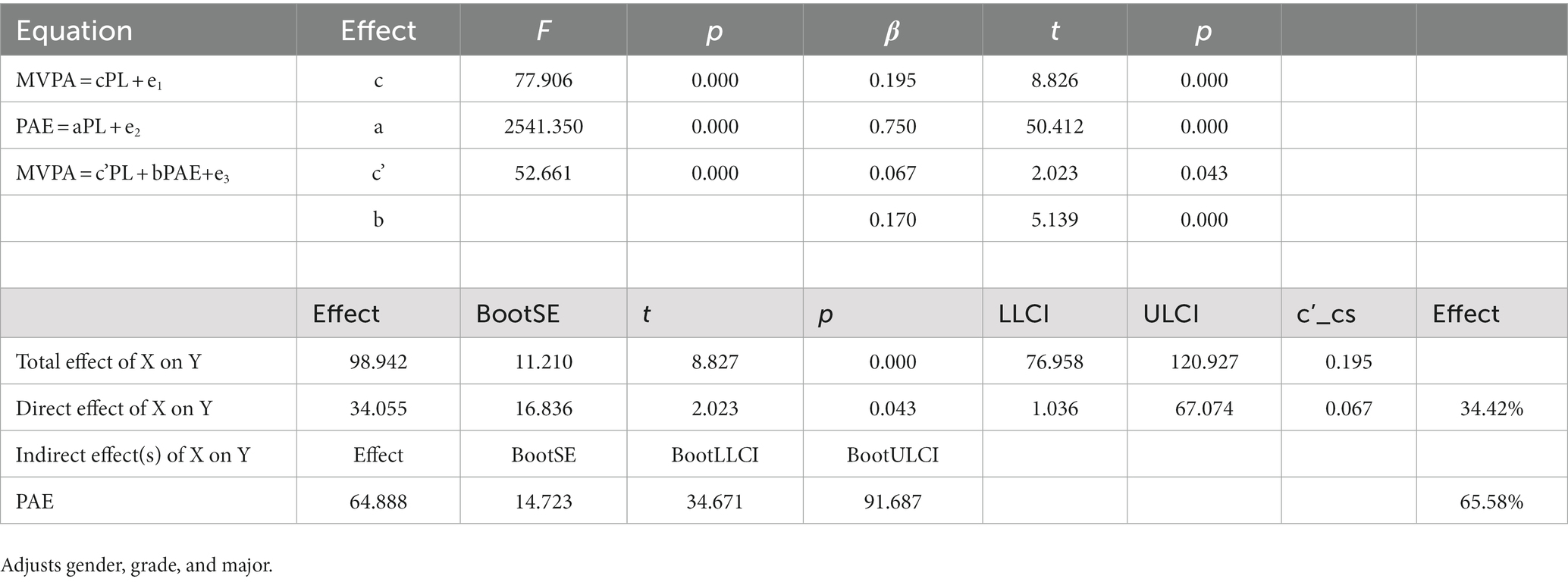
Table 3. Variable regression analysis and intermediary effect test.
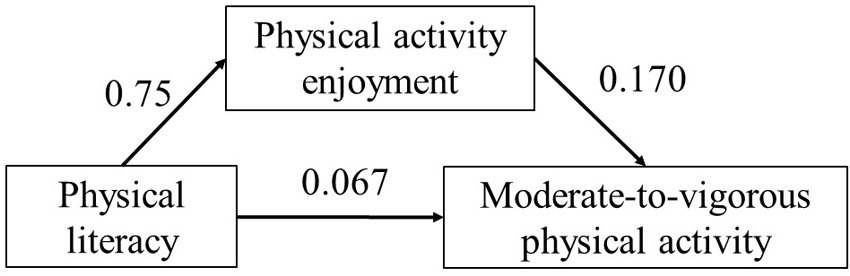
Figure 2. Mediation model diagram.
4. Discussion
This study evaluated the mediating role of PAE in the relationship between PL and MVPA in college students. We found that PAE completely mediated the relation between PL and MVPA. In the strategy of promoting PA, we not only need to focus on improving the PL level of college students, but also need to let college students enjoy activities. In traditional intervention strategies for PA, the focus is on increasing PA and knowledge. The results of this study emphasize that emotional dimensions account for a large proportion of PA promotion. To improve the PA level of college students, we should not only focus on improving their PA and cognition, but also make them choose their favorite sports.
Physical literacy is the basis and prerequisite for individuals to participate in PA for life, and it is a comprehensive concept that contains three dimensions (29). Since Whitehead first proposed the PL concept, more and more countries have begun to design PL-based health promotion models to improve PA and health (30). By promoting the strategy of promoting PA and PL, students can master PL-related knowledge and skills, cultivate students’ awareness of lifelong exercise, and enhance students’ motivation to participate in PA. Raymond and colleagues measured the PL of Hong Kong students and physical education teachers using PPLI-SC. They showed that PL and PA were linearly correlated (17). Studies have shown that the intervention strategy of PL can maintain the health of freshmen and effectively reduce the decline trend of PA in freshmen (31). Interventions based on PL currently include both overall and partial interventions, with a focus on improving various dimensions of physical literacy to promote an increase in physical activity. Peter Holler found that a holistic intervention strategy could promote the physical literacy level of adults with physical activity deficiencies (32). From the improvement results of various dimensions of physical literacy, the intervention group participants showed significant improvements in physical activity behavior, confidence, and self-efficacy, but there were no changes in physical exercise attitudes, exercise knowledge, and motivation. Matthew conducted a 12 week physical literacy based game intervention on college students, and the results showed that the PL level of the intervention group of college students improved—it was mainly manifested in the improvement of confidence, knowledge, and understanding ability. There was no significant improvement effect on the dimension of sports ability (33). Therefore, further exploration is needed on strategies for promoting adult physical literacy interventions. PL intervention can only be performed in a pleasant environment, and the intervention effect of developing PL is better. Conversely, students’ confidence and motivation to actively participate in PA becomes difficult (30); this conclusion is similar to our results. Indeed, research shows that pleasure is positively correlated with intrinsic motivation. If the pleasure of physical activities is high, then the ability is high because the intrinsic motivation is high. That is, the fun of the sports activities reduces the tension and is an intrinsic motivator (34).
Our results showed that enjoyment was a very important mediating factor in the relationship between PL and MVPA. The mediation effect accounted for 65.58% of the total effect. One of the barriers for college students to participate in PA is not enjoying PA. PA is also influenced by many other factors such as self-efficacy, motivation, fear, anxiety, and depression (35, 36). Enjoyment also mediates the relationship between motivation and PA, which means that even highly active people may not engage in PA if they do not enjoy PA (37). Some studies have found that students who enjoy PA report higher levels of PA and lower levels of SB than students who enjoy PA at medium or low levels (38, 39). Enjoyment can also cushion age-related PA declined (40). The subjective enjoyment attached to PA is more important than the total amount of PA (41). We can help students determine their favorite PA and promote lifelong PA habits by providing them with more opportunities for various activities (42).
We found that the direct effect of enjoyment was 65.58%, thus indicating that the emotional dimension is more important in the intervention process of promoting physical activity based on PL. Enjoyment has the greatest impact on activity persistence. Studies have found that enjoyment not only makes PA more active but is also important for maintaining long-term persistence (43). Enjoyment in activities regulates the influence of exercise intervention on sports persistence or continuous exercise (44). Different forms of exercise have different effects on enjoyment and PA. Some studies have found that enjoyment and cohesion are important factors for persisting in regular sports and PA—these are an important results for PA intervention. Team sports seem to be more conducive to the development of enjoyment and cohesion through positive social interaction and games. Indeed, these are both factors with a positive impact on the health results of the intervention (45, 46). The enjoyment produced by different types of exercise was also different. One systematic review found that moderate-intensity continuous training sessions were enjoyment, but more enjoyment was produced after high-intensity interval training (HITT) (47). Therefore, intermittent exercise may be a viable alternative to continuous exercise (48). Some studies also found that self-efficacy might have an important impact on the enjoyment of PA. The development of a PA promotion plan should focus on improving self-efficacy belief and enjoyment of the PA experience (49).
It can be difficult to implement recommended PA and exercise guidelines; thus, it seems very important to evaluate the enjoyment of PA. Many researchers hope that physical education can provide structured MVPA, but the main goal of physical education is teaching, i.e., to impart skills, provide knowledge, and improve the ability and fun of lifelong physical activities (50). The physical health of college students is a focus of Chinese education departments. To increase college students’ PA, we should not only encourage them to improve their PL but also let them choose their favorite sports. This view is supported by the theory of self-determination, which holds that increasing the autonomy selectivity to choose to participate in the movement can build intrinsic motivation for continued participation in PA (51). Enjoyment is an important motivation in PA. When formulating intervention measures, specific types of motivation should be cultivated to improve PA, the correlation between age and gender should be considered (52). These findings require the formulation of PA-promotion plans and health-promotion interventions to encourage happy PA and improve PA enjoyment.
This study has several limitations. First, survey methods can lead to recall bias and overestimation of self-reported survey test results. Second, the proportion of females is higher than males due to the complete random collection of subjects—this may lead to some bias in the results. Third, the participants in the study are college students, with a target audience of college students. Further research is needed on whether the research methods are suitable for children and adolescents across a wider age group.
5. Conclusion
We found that PAE mediates the relationship between PL and MVPA among college student. This means that even students with high PL may not be physically active if they do not enjoy the PA. Girls have lower PA, PL, and PAE than boys; thus, it is necessary to give different incentives to these groups and provide different sports programs for different genders. The results found that the emotional dimension accounts for a relatively high proportion of the increase in PA. Therefore, to promote PA, the community should focus on physical ability and cognition, as well as emotional experience of the students. Future research on PL and PA promotion strategies should focus on exploring methods to improve students’ emotional health.
Data availability statement
The original contributions presented in the study are included in the article/supplementary material, further inquiries can be directed to WY (MjAyMXlhbkBic3UuZWR1LmNu).
Ethics statement
The studies involving human participants were reviewed and approved by the Scientific Experiment Ethics Committee of Beijing Sport University (2019101H). A time was from November to December 2021. The patients/participants provided their written informed consent to participate in this study.
Author contributions
WY, LC, LW, YM, TZ, and HL were significantly involved in the creation of the research questions and implementation of this research. WY and HL initiated the idea, carried out the analysis, and wrote the first drafted most of the article. LW and LC assisted in the analysis process. YM and TZ contributed to the content and drafted individual parts of the manuscript. All authors contributed to the article and approved the submitted version.
Funding
This study was supported by the Fundamental Research Funds for the Central Universities (Grant Number: 2022YB010) and the Key Project for Education of the National Social Science Foundation of China (Grant number ALA190015).
Acknowledgments
The authors would like to acknowledge all the participants for their time and patience.
Conflict of interest
The authors declare that the research was conducted in the absence of any commercial or financial relationships that could be construed as a potential conflict of interest.
Publisher’s note
All claims expressed in this article are solely those of the authors and do not necessarily represent those of their affiliated organizations, or those of the publisher, the editors and the reviewers. Any product that may be evaluated in this article, or claim that may be made by its manufacturer, is not guaranteed or endorsed by the publisher.
References
1. World Health Organization WHO guidelines on physical activity and sedentary behaviour, World Health Organization, Geneva. (2020)
2. Ibáñez Román, JE, Ekholm, O, Algren, MH, Koyanagi, A, Stewart-Brown, S, Hall, EE, et al. Mental wellbeing and physical activity levels: a prospective cohort study. Ment Health Phys Act. (2023) 24:100498. doi: 10.1016/j.mhpa.2022.100498
3. Chaput, JP, Willumsen, J, Bull, F, Chou, R, Ekelund, U, Firth, J, et al. 2020 WHO guidelines on physical activity and sedentary behaviour for children and adolescents aged 5-17 years: summary of the evidence. Int J Behav Nutr Phys Act. (2020) 17:141. doi: 10.1186/s12966-020-01037-z
4. Toups, M, Carmody, T, Greer, T, Rethorst, C, Grannemann, B, and Trivedi, MH. Exercise is an effective treatment for positive valence symptoms in major depression. J Affect Disord. (2017) 209:188–94. doi: 10.1016/j.jad.2016.08.058
5. Sun, CW, Wang, YJ, Fang, YQ, He, YQ, Wang, X, So, BCL, et al. The effect of physical activity on anhedonia in individuals with depressive symptoms. Psychol J. (2022) 11:214–26. doi: 10.1002/pchj.485
6. Piercy, KL, Troiano, RP, Ballard, RM, Carlson, SA, Fulton, JE, Galuska, DA, et al. The physical activity guidelines for Americans. JAMA. (2018) 320:2020–8. doi: 10.1001/jama.2018.14854
7. Arem, H, Moore, SC, Patel, A, Hartge, P, Berrington de Gonzalez, A, Visvanathan, K, et al. Leisure time physical activity and mortality: a detailed pooled analysis of the dose-response relationship. JAMA Intern Med. (2015) 175:959–67. doi: 10.1001/jamainternmed.2015.0533
8. Reyes-Molina, D, Alonso-Cabrera, J, Nazar, G, Parra-Rizo, MA, Zapata-Lamana, R, Sanhueza-Campos, C, et al. Association between the physical activity behavioral profile and sedentary time with subjective well-being and mental health in Chilean university students during the COVID-19 pandemic. Int J Environ Res Public Health. (2022) 19:2107. doi: 10.3390/ijerph19042107
9. Lee, E, and Kim, Y. Effect of university students’ sedentary behavior on stress, anxiety, and depression. Perspect Psychiatr Care. (2019) 55:164–9. doi: 10.1111/ppc.12296
10. Ussery, EN, Fulton, JE, Galuska, DA, Katzmarzyk, PT, and Carlson, SA. Joint prevalence of sitting time and leisure-time physical activity among US adults, 2015-2016. JAMA. (2018) 320:2036–8. doi: 10.1001/jama.2018.17797
11. Winpenny, EM, Smith, M, Penney, T, Foubister, C, Guagliano, JM, Love, R, et al. Changes in physical activity, diet, and body weight across the education and employment transitions of early adulthood: a systematic review and meta-analysis. Obes Rev. (2020) 21:e12962. doi: 10.1111/obr.12962
12. Pfledderer, CD, Bai, Y, Brusseau, TA, Burns, RD, and King Jensen, JL. Changes in college students’ health behaviors and substance use after a brief wellness intervention during COVID-19. Prev Med Rep. (2022) 26:101743. doi: 10.1016/j.pmedr.2022.101743
14. Jean de Dieu, H, and Zhou, K. Physical literacy assessment tools: a systematic literature review for why, what, who, and how. Int J Environ Res Public Health. (2021) 18:7954. doi: 10.3390/ijerph18157954
15. Tremblay, MS, Longmuir, PE, Barnes, JD, Belanger, K, Anderson, KD, Bruner, B, et al. Physical literacy levels of Canadian children aged 8-12 years: descriptive and normative results from the RBC learn to Play-CAPL project. BMC Public Health. (2018) 18:1036. doi: 10.1186/s12889-018-5891-x
16. Caldwell, HA, Di Cristofaro, NA, Cairney, J, Bray, SR, and Timmons, BW. Measurement properties of the physical literacy assessment for youth (PLAY) tools. Appl Physiol Nutr Metab. (2021) 46:571–8. doi: 10.1139/apnm-2020-0648
17. Ma, RS, Sum, RK, Li, MH, Huang, Y, and Niu, XL. Association between physical literacy and physical activity: a multilevel analysis study among Chinese undergraduates. Int J Environ Res Public Health. (2020) 17:7874. doi: 10.3390/ijerph17217874
18. Cairney, J. Towards a physical literacy framework to guide the design, implementation and evaluation of early childhood MovementBased interventions targeting cognitive development. Ann Sports Med Res. (2016) 3
19. Rodrigues, F, Teixeira, D, Macedo, R, Neiva, H, Cid, L, and Monteiro, D. The role of enjoyment and motivational determinants in persistence in the practice of physical exercise. Cien Saude Colet. (2021) 26:5303–13. doi: 10.1590/1413-812320212611.3.01832020
20. Farris, SG, Legasse, A, Uebelacker, L, Brown, RA, Price, LH, and Abrantes, AM. Anxiety sensitivity is associated with lower enjoyment and an Anxiogenic response to physical activity in smokers. Cogn Ther Res. (2019) 43:78–87. doi: 10.1007/s10608-018-9948-z
21. Ladwig, MA, Vazou, S, and Ekkekakis, P. “My best memory is when I was done with it”: PE memories are associated with adult sedentary behavior. Transl J Am Coll Sports Med. (2018) 3:119–29. doi: 10.1249/TJX.0000000000000067
22. Ryan, RM, and Deci, EL. Intrinsic and extrinsic motivations: classic definitions and new directions. Contemp Educ Psychol. (2000) 25:54–67. doi: 10.1006/ceps.1999.1020
23. Doolen, B, and Bixby, WR. Regulating pleasure during exercise:impact on exercise adherence. Med Sci Sports Exerc. (2017) 49:672. doi: 10.1249/01.mss.0000518772.55895.b4
24. Cho,, and Sun-Lyoung,. The effects of the enjoyment factor in university physical activity class as a cultural subject on their sport attitudes and continuance of exercise. J Sport Leisure Stud. (2014) 58:495–507. doi: 10.51979/KSSLS.2014.11.58.495
25. Ma, RS, Sum, RKW, Hu, YN, and Gao, TY. Assessing factor structure of the simplified Chinese version of perceived physical literacy instrument for undergraduates in mainland China. J Exerc Sci Fit. (2020) 18:68–73. doi: 10.1016/j.jesf.2020.01.001
26. Craig, CL, Marshall, AL, Sjöström, M, Bauman, AE, Booth, ML, Ainsworth, BE, et al. International physical activity questionnaire: 12-country reliability and validity. Med Sci Sports Exerc. (2003) 35:1381–95. doi: 10.1249/01.MSS.0000078924.61453.FB
27. Chen, C, Weyland, S, Fritsch, J, Woll, A, Niessner, C, Burchartz, A, et al. A short version of the physical activity enjoyment scale: development and psychometric properties. Int J Environ Res Public Health. (2021) 18:11035. doi: 10.3390/ijerph182111035
28. Teques, P, Calmeiro, L, Silva, C, and Borrego, C. Validation and adaptation of the physical activity enjoyment scale (PACES) in fitness group exercisers. J Sport Health Sci. (2020) 9:352–7. doi: 10.1016/j.jshs.2017.09.010
29. Hannah, G. Physical literacy across the world. Sport Educ Soc. (2021) 26:692–5. doi: 10.1080/13573322.2021.1931773
30. Cairney, J, Dudley, D, Kwan, M, Bulten, R, and Kriellaars, D. Physical literacy, physical activity and health: toward an evidence-informed conceptual model. Sports Med. (2019) 49:371–83. doi: 10.1007/s40279-019-01063-3
31. Kwan, MYW, Graham, JD, Healey, C, Paolucci, N, and Brown, DM. Stopping the drop: examining the impact of a pilot physical literacy-based intervention program on physical activity Behaviours and fitness during the transition into university. Int J Environ Res Public Health. (2020) 17:5832. doi: 10.3390/ijerph17165832
32. Holler, P, Jaunig, J, Amort, FM, Tuttner, S, Hofer-Fischanger, K, Wallner, D, et al. Holistic physical exercise training improves physical literacy among physically inactive adults: a pilot intervention study. BMC Public Health. (2019) 19:393. doi: 10.1186/s12889-019-6719-z
33. Kwan, MYW, Graham, JD, Bedard, C, Bremer, E, Healey, C, and Cairney, J. Examining the effectiveness of a pilot physical literacy–based intervention targeting first-year university students: the PLUS program. SAGE Open. (2019) 9:215824401985024. doi: 10.1177/2158244019850248
34. Kim, G-K, Cho, H-I, and Won, M-A. The effects of physical activity pleasure on intrinsic motivation, interest, and flow of physical education class. Korean J Sports Sci. (2013) 22:511–530.
35. Spiteri, K, Broom, D, Bekhet, AH, de Caro, JX, Laventure, B, and Grafton, K. Barriers and motivators of physical activity participation in middle-aged and older-adults—a systematic review. J Aging Phys Act. (2019) 27:929–44. doi: 10.1123/japa.2018-0343
36. Klompstra, L, Jaarsma, T, and Strömberg, A. Self-efficacy mediates the relationship between motivation and physical activity in patients with heart failure. J Cardiovasc Nurs. (2018) 33:211–6. doi: 10.1097/JCN.0000000000000456
37. Klompstra, L, Deka, P, Almenar, L, Pathak, D, Muñoz-Gómez, E, López-Vilella, R, et al. Physical activity enjoyment, exercise motivation, and physical activity in patients with heart failure: a mediation analysis. Clin Rehabil. (2022) 36:1324–31. doi: 10.1177/02692155221103696
38. Bai, Y, Allums-Featherston, K, Saint-Maurice, PF, Welk, GJ, and Candelaria, N. Evaluation of youth enjoyment toward physical activity and sedentary behavior. Pediatr Exerc Sci. (2018) 30:273–80. doi: 10.1123/pes.2017-0101
39. Jin, J, Yun, J, and Agiovlasitis, S. Impact of enjoyment on physical activity and health among children with disabilities in schools. Disabil Health J. (2018) 11:14–9. doi: 10.1016/j.dhjo.2017.04.004
40. Haas, P, Yang, CH, and Dunton, GF. Associations between physical activity enjoyment and age-related decline in physical activity in children-results from a longitudinal within-person study. J Sport Exerc Psychol. (2021) 43:205–14. doi: 10.1123/jsep.2020-0156
41. Kagawa, F, Yokoyama, S, Takamura, M, Takagaki, K, Mitsuyama, Y, Shimizu, A, et al. Decreased physical activity with subjective pleasure is associated with avoidance behaviors. Sci Rep. (2022) 12:2832. doi: 10.1038/s41598-022-06563-3
42. Michael, SL, Coffield, E, Lee, SM, and Fulton, JE. Variety, enjoyment, and physical activity participation among high school students. J Phys Act Health. (2016) 13:223–30. doi: 10.1123/jpah.2014-0551
43. Rodrigues, F, Teixeira, DS, Neiva, HP, Cid, L, and Monteiro, D. The bright and dark sides of motivation as predictors of enjoyment, intention, and exercise persistence. Scand J Med Sci Sports. (2020) 30:787–800. doi: 10.1111/sms.13617
44. Diogo, M, Luc, PG, Joao, M, and Luis, C. Examining the motivational determinants of enjoyment and the intention to continue of persistent competitive swimmers. Int J Sport Psychol. (2018) 49:484–504. doi: 10.7352/IJSP.2018.49.484
45. Nielsen, G, Wikman, JM, Jensen, CJ, Schmidt, JF, Gliemann, L, and Andersen, TR. Health promotion: the impact of beliefs of health benefits, social relations and enjoyment on exercise continuation. Scand J Med Sci Sports. (2014) 24:66–75. doi: 10.1111/sms.12275
46. Elbe, AM, Wikman, JM, Zheng, M, Larsen, MN, Nielsen, G, and Krustrup, P. The importance of cohesion and enjoyment for the fitness improvement of 8-10-year-old children participating in a team and individual sport school-based physical activity intervention. Eur J Sport Sci. (2017) 17:343–50. doi: 10.1080/17461391.2016.1260641
47. Tavares, VDO, Schuch, FB, Tempest, G, Parfitt, G, Oliveira Neto, L, Galvão-Coelho, NL, et al. Exercisers’ affective and enjoyment responses: a Meta-analytic and Meta-regression review. Percept Mot Skills. (2021) 128:2211–36. doi: 10.1177/00315125211024212
48. Kilpatrick, MW, Greeley, SJ, and Collins, LH. The impact of continuous and interval cycle exercise on affect and enjoyment. Res Q Exerc Sport. (2015) 86:244–51. doi: 10.1080/02701367.2015.1015673
49. Hu, L, Cheng, S, Lu, J, Zhu, L, and Chen, L. Self-efficacy manipulation influences physical activity enjoyment in Chinese adolescents. Pediatr Exerc Sci. (2016) 28:143–51. doi: 10.1123/pes.2015-0022
50. Sallis, JF, McKenzie, TL, Beets, MW, Beighle, A, Erwin, H, and Lee, S. Physical education’s role in public health: steps forward and backward over 20 years and HOPE for the future. Res Q Exerc Sport. (2012) 83:125–35. doi: 10.5641/027013612800745329
51. Flannery, M. Self-determination theory: intrinsic motivation and behavioral change. Oncol Nurs Forum. (2017) 44:155–6. doi: 10.1188/17.ONF.155-156
Keywords: enjoyment, physical literacy, physical activity, college students, mediation
Citation: Yan W, Chen L, Wang L, Meng Y, Zhang T and Li H (2023) Association between enjoyment, physical activity, and physical literacy among college students: a mediation analysis. Front. Public Health. 11:1156160. doi: 10.3389/fpubh.2023.1156160
Edited by:
Luís Branquinho, Higher Institute of Educational Sciences of the Douro, PortugalReviewed by:
Sitong Chen, Victoria University, AustraliaBarbara Gilic, University of Split, Croatia
Copyright © 2023 Yan, Chen, Wang, Meng, Zhang and Li. This is an open-access article distributed under the terms of the Creative Commons Attribution License (CC BY). The use, distribution or reproduction in other forums is permitted, provided the original author(s) and the copyright owner(s) are credited and that the original publication in this journal is cited, in accordance with accepted academic practice. No use, distribution or reproduction is permitted which does not comply with these terms.
*Correspondence: Wenjing Yan, MjAyMXlhbkBic3UuZWR1LmNu; Hongjuan Li, amFuZXJvYmluQDEyNi5jb20=