 Baoyi Zhang
 Minyuan Ma2
- 1School of Design Art, Xiamen University of Technology, Xiamen, China
- 2Department of Industrial Design, National Cheng Kung University, Tainan, Taiwan
Background: With the accelerating trend of global aging, over one billion people need to use one or more types of assistive products. However, the high abandonment rate of current assistive products is affecting the quality of life of the older adults, posing challenges to public health. Accurately capturing the preference factors of the older adults in the design process is an important way to improve the acceptance of assistive products. In addition, a systematic approach is needed to translate these preference factors into innovative product solutions. These two issues are less addressed in existing research.
Methods: First, the evaluation grid method was used to conduct in-depth interviews with users and extract the structure of preference factors for assistive products. Quantification theory type I was used to calculate the weight of each factor. Secondly, universal design principles, TRIZ theory's contradiction analysis techniques, and invention principles were used to translate the preference factors into design guidelines. Then, finite structure method (FSM), morphological chart, and CAD techniques were used to visualize the design guidelines as alternatives. Finally, Analytic Hierarchy Process (AHP) was used to evaluate and rank the alternatives.
Results: A Preference-based Assistive Product Design Model (PAPDM) was proposed. The model includes three stages: definition, ideation, and evaluation. A case study on walking aid demonstrated the execution of PAPDM. The results show that 28 preference factors influence the four psychological needs of the older adults: sense of security, sense of independence, self-esteem, and sense of participation. These psychological needs were reflected in the shape, color, material, universality, user-friendly, reliability, and smart functions of assistive products. The preference factors were transformed into five design guidelines, and three alternatives were generated. Finally, the evaluation concludes that solution C was the optimal solution.
Conclusion: The PAPDM framework provides designers with a transparent, progressive approach to designing assistive products that meet unique needs and preferences of older adults. This enhances objectivity and scientific rigor in assistive product development, avoiding blind design and production. By considering the perspective of older adults from the outset, we can avoid high abandonment rates of assistive products and contribute to promoting active aging.
1. Introduction
The pace of population aging is much faster than in the past. according to the WHO, Between 2015 and 2050, the proportion of the world's population over 60 years will nearly double from 12 to 22% (1). However, as people's life expectancy increases, poor health conditions become more common (2). This issue poses a major public health challenge (2–8).
Promoting active aging has become a timely policy response for these countries in response to the challenges posed by accelerated population aging (9). Extensive research has shown that assistive technology (AT) can promote important dimensions of active aging (e.g., physical health, mental health, social participation, and lifelong learning) (6–8, 10–12). It is a fundamental part of broader, integrated health and social system solutions for supporting older adults (13).
Assistive products (Aps) are an essential component of the implementation of assistive technology policies (14) and are also considered to be an important contribution to public health. The use of APs is a common strategy for community elders to maintain their independence and cope with daily activities (15). over one billion people need one or more assistive products. The majority of these are older people and people with disabilities (16). And that number is expected to increase to more than 2 billion by 2050. However, due to cost, availability and financial issues, only about 10% of those in need have access to these products. This leads to impairment of the ability to perform activities of daily living (ADLs) and reduced life satisfaction (LS) (2) in Older Adults (OA). Effective tools and outcomes have been developed to help increase the accessibility of assistive products for older adults, including the Priority Assistive Product List (APL) developed by WHO (16), Assistive Product Explorer (ASPREX) from Global Collaboration On Assistive Technology (GATE) (17), International standards for Assistive products (ISO 9999:2022), National standards for assistive product in China (GBT16432-2016), APs database (18), EASTIN (19) ATAust (20) etc. In addition, rich study also reflect the positive attitude of the academia toward assistive products research. According to the six domains proposed by APL (16)., mobility aids (21–29) have received the most attention in current research, followed by visual (30–33), hearing (34), cognition (35), and environment (36–39) APs. The above confirms that stakeholders have made appreciable efforts in the accessibility of APs, but what is not optimistic is that the high abandonment rate of Aps remains the recent consensus (3–5). Reasons for older adults to abandon the use of assistive devices often include personal factors [e.g., health status (4), Ethics (40), Privacy (41) stigma (42), unmet needs (43)], intervention factors [e.g., design (44), function (45) and services (44)] and environmental factors [e.g., social (46) and discriminated (4)].
It is interesting to note that these findings are coincidentally related to the psychological needs or user experience (47) of the older adults. Preference as a user experience element can improve user acceptance of a product (48). In other words, identifying user preference factors can reduce product abandonment rates. Numerous studies indicated that preferences were key factors for New Product Development (NPD) (49–53). However, the needs and preferences of the older adults are very different from other age groups (54). High-speed aging also puts new demands on the development of APs (55). Although preferences are important, little is known to date about preferences for assistive devices for older adults (56–59). In particular, to our knowledge, there is no study that scientifically captures older adults' preference factors and effectively translates them into assistive device design.
In addition, recent research on design of Aps (APD) suggest that producers should weaken the targeting of their products in order to preserve the dignity of the users and make the products actively used (6, 60, 61). This is right in line with the principles of universal design (similar terms arising from different social cultures includeBarrier-free design, inclusive design (62), design for all These approaches all take the needs of a broader spectrum of people into account in the design process (63). Extensive research has proven that universal design (UD) facilitates social participation (54, 64, 65) and the implementation of active aging policies (54) but the challenge is that UD is difficult to implement in the enterprise (65).
Therefore, it is necessary to establish a specific framework in APD that can facilitate the implementation of UD. To date, previous studies have attempted to establish a number of APD methods aimed at increasing the use of APs. A part of scholars applied the existing single method, technique or principle to the development and design of APs and implemented cases for validation. For example, participatory design (66), synesthetic design (67), Quality Function Deployment (QFD) (68), AHP (69), Sensory Substitution (SS) (70) and Makerspaces (71). Some other scholars have attempted to integrate different well-established methods to create a completer and more integrated framework. Hwang and Park (72) proposed the knowledge of DHSfXs to create alternative solution concepts for assistive device design teams based on 77 Design Heuristics (73). Xassess Teresa's team has built Xassess, an evaluation tool for assistive product design from an interdisciplinary perspective (74). Santos and Silveira (75) integrated user-centered design and additive manufacturing technologies to establish the APD method called AT-d8sign (75). This provides a low-cost and DIY framework for assistive technology design (50). Other studies on the APD framework include a Fuzzy Kano-AHP-DEMATEL-QFD Approach (76), QFD-ANP (77), Usability Context Analysis (UCA) SWOT Analysis TOWS matrix (37), Axiomatic Design (AD) and Theory of Solving Inventive Problems (TRIZ) (78). In the two APD research paradigms above, the use of independent methods is more in-depth and specific, but cannot cover a more complete design process. Whereas, an integrated framework may enable the independent methods to complement each other's strengths, most of the research on integrated frameworks has not been validated by effective cases. In addition, these APD studies barely include the preference factors of older adults.
Based on these issues, There are two primary aims of this study: (1) to determine the way to analyze the preference factors of older adults for APs. (2) to develop a new APD integrated design framework and validate its effectiveness using case studies. This work has dual implications, first it provides a qualitative and quantitative description of older adults' preferences for APs, and meeting older adults' preferences in the early stages of design can be a good way to reduce APs abandonment rates. Incorporating UD principles into research can expand the diversity of user groups and thus expand the market for APs. This bolsters the notion expressed in the WHO report that consumer electronics and assistive technology are integrating more and more (79). Second, an integrated APD framework is more robust and conducive to the practice of assistive product design. This promotes the social participation and active aging of older adults.
2. Theoretical background
2.1. Preference-based design and Miryoku engineering
Preferences refer to an individual's attitude toward a set of objects, typically reflected in an explicit decision-making process (80). In the consumer decision process, the user's preference factor is Attractiveness of the products. This is a key factor in consumer purchase decisions (81). In order to develop attractive products and systems, Junichiro Sanui and Masao Inui proposed Miryoku Engineering as a preference-based design technique in 1985 (81). It later became a part of Kansei Engineering (82), but Miryoku Engineering places a greater emphasis on customers' subtle inner feelings (53). Evaluation Grid Method (EGM) is the key method used to extract user preference factors in the Miryoku Engineering system (83).
The main purpose of Evaluation Grid Method is to thoroughly explore users' inner feelings to extract details of consumers' cognitive structures and to convert them into concrete factors of assessment as a basis of design (53). EGM is a semi-structured interview method developed by Junichiro Sanui (84) based on Kelly's Personal Construct Theory (85). It is implemented in the following steps:
1. The original evaluation items (OEIs) of samples were obtained by asking respondents for pairwise comparisons.
2. Laddering technique was used to extract abstract evaluation items (AEI) and concrete evaluation items (CEI) on the basis of OEI.
3. Visualize the above cognitive structure.
Researchers have validated the effectiveness of the EGM in a variety of fields. Research in the field of product design is the most abundant. Ma et al. (53) used EGM to analyze consumer attractiveness to 3C products and proposed design strategies for new product attractiveness (53). Xi et al. (86) analyzed the form attractiveness of electric vehicle (BEV) (86). Ko et al. (87) analyzed the effect of personality traits on consumption preferences using office chairs as an example (87). Zhang and Li (83) measured consumer attraction factors for green products aimed at promoting environmental protection (83). Wei and Ma (88) evaluated the elements of attractiveness in the design of attractive children's books (88). INOUE studied the needs of multiple users in mechanical pencil design (89). Wu et al. (90) used EGM to establish a design strategy for Healing Products (90). Research on EGM in other areas including space (91–93), digital products (94–96), events (97, 98), behavior (99, 100), experience (101) etc. The above literature is a sufficient proof of the effectiveness of EGM for extracting user preferences. However, so far, research on the use of EGM for assistive devices is still limited.
In this study, EGM was used to extract the preference structure of older adults for APs in the first phase of the APD framework. Thus, the diverse needs of the older adults can be accurately understood in the early stages of design.
2.2. Quantification theory type I
Quantification Theory Type I (QTT1), proposed by Hayashi in 1976 (102), is a multiple regression analysis designed to assign values to qualitative data. Nagamachi uses QTT1 in Kansei Engineering to analyze qualitative data such as consumer feelings and images (82). In addition, a large number of studies have used QTT1 to analyze the weights of qualitative data generated by EGM (83, 96, 98, 100, 103). Techniques such as multiple linear regression (104), Taguchi's method (105), and conjoint analysis (106) have also been used to explain the relationship between the independent and dependent variables. but, QTT1 is simpler and more effective. A review of previous studies revealed that when analyzing qualitative data of EGM, the results of QTT1 are a good representation of the weighting relationships between subjective demands, objective attributes and sub-attributes. However, contradictory relationships often exist in these data. For example, some studies have shown that the contradiction increases with the design attributes (54). The older adults also have contradictions when using APs (107). These contradictions, which may influence the next design decision, need to be resolved in a reasonable way. However, this has hardly been discussed in past studies. In the present study, QTT1 was used in the first phase of the APD framework to quantify the preference factors of older adults. The calculated results served as the basis for the design ideation of the second phase. In addition, contradictory relationships in the QTT1 results were further discussed to fill the research gaps.
2.3. Theory of innovation problem solving (TRIZ)
TRIZ, a term from the Russian acronym, is a theory for solving inventive problems proposed by the Soviet engineer Grich Altshuller in 1946 (108). TRIZ solves inventive problems by using a structured approach to identify and eliminate contradictions (109).
TRIZ defines two types of contradictions: Physical Contradictions (PCs) (the direct opposition of two parameters formulated by one and the same system) and Technical Contradictions (TCs) (a situation in which the improvement of a parameter A leads to the deterioration of a parameter B) (110). PCs are solved by the separation principle while TCs are solved by the contradiction matrix and 40 invention principles. Afterwards, the TRIZ invention principles are combined with the domain knowledge of the experts to generate innovative solutions that meet customers' requirements.
TRIZ is considered to be one of the most effective tools for conceiving engineering designs and solving problems (111). TRIZ can effectively improve the novelty and diversity of ideation (112). Also, TRIZ is proven to be a good method for solving problems involving contradictions (113).
The value of TRIZ has been proven in a wide range of research area. In the field of product design, TRIZ, which has been applied to the study of medical equipment (114), Sustainable Product (115), service design (116), eco-design (117), Mechanical design (118, 119), conceptual design (120), Cultural and Creative Design (121), Biologically Inspired Design (122), Structural Design (123), Ergonomic analysis (124), Design Education (125), aims to enhance the reliability of the innovation process based on the scientific method.
Although TRIZ is a powerful tool for design conceptualization, it does not seem to be able to establish the key issues of innovation, nor does it provide a method for evaluating alternatives (126). Therefore, in many studies TRIZ is used in combination with other methods, such as QFD (127, 128), Axiomatic Design (129), Text Mining (130), Genetic Algorithm (130) TOPSIS (115), DEMATEL (131) and fuzzy theory (126), as a more complete framework in the innovation process. Few studies have integrated TRIZ with EGM and QTT1 to study preference-based design.
TRIZ theory contains many tools, and the present study uses several of the most widely used and effective TRIZ tools in the field of product design research including the 40 principles of invention, the contradiction matrix, and the separation principle. In order to propose innovation guidelines for APD in the second phase. The implementation process is as follows.
1. Identify specific contradictions in design elements and translate them into TRIZ contradictions (TC and PC).
2. Resolve technical contradictions (TCs): use the contradiction matrix and the invention principle.
3. Resolve physical contradictions (PCs): use the separation principle (including spatial separation, temporal separation, conditional separation and overall local separation) combined with the invention principle.
4. Propose a specific innovation strategy: propose a specific innovation strategy based on the broad invention principle.
2.4. Finite structure method
The main framework of this study references design thinking (132), a process of exploration based on divergent-convergent logic (133). The product function is defined after the TRIZ proposed innovation strategy. However, different combinations of the main functions and sub-functions of a product can take various forms (134). Appropriate methods based on divergence-convergence are needed to achieve a more rational product form.
Finite Structure Method (FSM), a method that can change the spatial layout of a product is used in the framework of this study, which can obtain a rational layout of product functions and provide support for product form design. This is the consensus of several studies (134–137). In this paper, FSM is used to generate various layouts of APs functions. The specific operation steps of FSM are shown as follows:
1. Identify a finite number of functional modules for the target product.
2. Disperse the possible layouts in 2D or 3D geometries.
3. Converge various layouts based on design goals and feasibility to obtain the best solution.
2.5. Morphological charts
Morphological charts are design tools for generating integrated conceptual design solutions for design problems in a systematic and analytical manner (138, 139). Theoretically, at least hundreds of specific concepts can be obtained by using morphological diagrams to disperse the product sub-functions. Since its introduction by Zwicky (140), morphological charts have been used in a variety of research areas, including Sustainable Design (141), Human Factors Design (142), Conceptual Design (143), Product-Service System design (144). In addition, the use of morphological charts in combination with other methods [e.g., QFD (145), ANP (146), TRIZ (147, 148) and Fuzzy evaluation (135)] into a hybrid framework is also a popular research paradigm. However, the combination of methods included in this study is different from existing studies, especially the use of morphological charts for the design of assistive devices for the older adults is limited. The specific procedures for the morphological charts in this work are taken from the Delft Design Guide (139) published by Delft University of Technology.
2.6. Analytic hierarchy process
Analytic Hierarchy Process (AHP) (149) is the most popular multi-criteria decision making (MCDM) tool invented by Saaty (150). As a decision analysis technique, it can evaluate complex multi-attribute alternatives between one or more decision makers (151). The literature shows that AHP is mainly used to select the best concept among the generated alternatives in the design field (152). The detailed steps of AHP are shown below:
1. Define the problem and determine its objectives, evaluation criteria, evaluation objects and construct their decision models.
2. Each evaluation criterion was scored by pairwise comparisons and each alternative was scored according to each evaluation criterion.
3. Build their comparison matrix.
4. Calculations are performed to find the maximum eigenvalue, consistency index C.I., consistency ratio C.R. and normalized value for each criterion/alternative. The algorithm for the consistency relationship is shown in Equation (1). R.I. is the random index. If the maximum eigenvalues (λmax), C.I. and C.R. are reasonable (C.R. <0.1), the decision is made based on the normalized values; otherwise, the comparison matrix should be checked for logical errors until these values pass the consistency test.
AHP has been widely used in the design field. such as determine the importance weights for the customer requirements (153), product technical requirements (PTRs) (154), Customer-driven product design process (155), evaluate design concepts (156), select the optimum green product design (157), Analyze product style (158), modular product design (159), product structure design (160), product-service systems conceptual design (161) etc. The integrated AHP makes more realistic and promising decisions than the stand-alone AHP (162). AHP is mostly used in combination with TOPSIS, quality function deployment (QFD), meta-heuristics, SWOT analysis and data envelopment analysis (DEA) to form an integrated framework. Hsiao (158) combined AHP and genetic algorithms to construct a computational product form design model. Zhu et al. (163) combines AHP, QFD and PUGH for medical device design. Karasan et al. (164) discussed the combination of AHP and DEMATEL for customer-oriented product design. Thus, in light of the foregoing analysis, AHP has been sufficiently proven to be effective. In this study, AHP is used to evaluate the alternatives in the third stage of the design model to obtain the optimal solution.
3. Proposed preference-based assistive product design model
As described and reviewed in the parts I and II, from a problem-oriented perspective, exploring the factors of older adults' preference for APs is beneficial in addressing the problem of APs abandonment. In terms of methodological orientation, most of the traditional independent methods address a single problem in the design process, and it is also difficult to cover more stages of the design process in the traditional combined form of these methods. In addition, the practicality of UD theory is currently inadequate. For these reasons, this paper proposes a Preference-based Assistive Product Design Model (PAPDM) as shown in Figure 1. The integrated design model consists of three phases: Definition phase, Conception phase and Evaluation phase. The specific implementation steps are shown below:
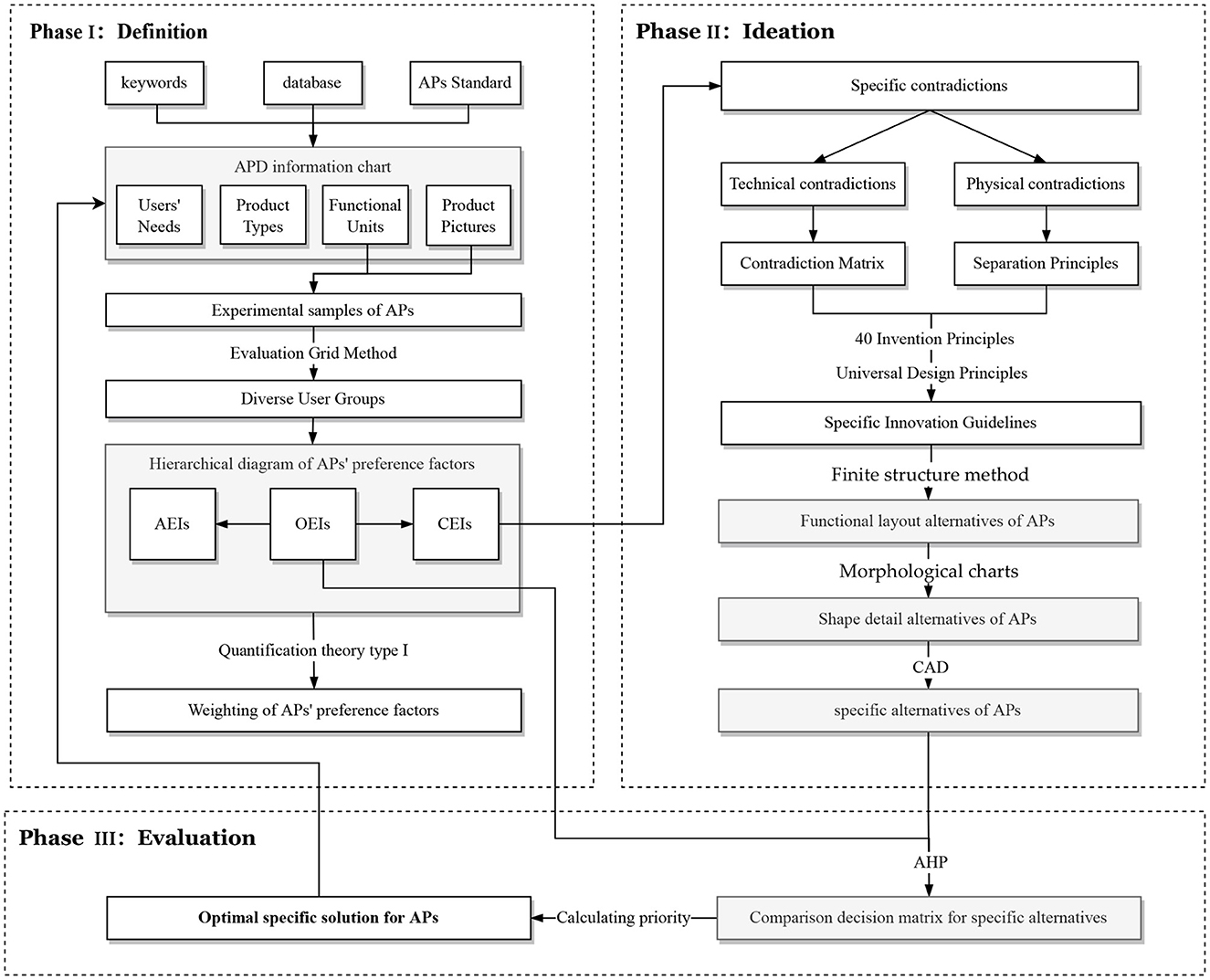
Figure 1. Preference-based assistive product design model (PAPDM).
Phase I: Definition
Step 1: Data collection. Define the design problem, set keywords, select databases (such as integrated search engines, patent databases, research databases, vertical web-sites in the field, etc.) and create an assistive device design information table according to the international and national standards for APs. The APD information charts serves as the basis for subsequent research.
Step 2: Extract the user preference structure. Identify interviewees in diverse potential user groups of the target product and perform semi-structured interviews with them using the experimental samples. Visualize the user preference structure (including OEIs, AEIs and CEIs) using infographics.
Step 3: quantitative analysis. Collect data based on user preference structure by questionnaire method and obtain quantitative data of user preference structure by Quantification Theory Type I (QTT1).
Phase II: Ideation
Step 4: Generate innovation guidelines. The specific contradictions are identified based on the weights in the quantified CEIs, and specific contradictions are trans-formed into TCs and PCs. The innovation guidelines for the target products are generated using contradiction matrix, 40 invention principles, separation principle and UD principles to dissolve the TCs and PCs.
Step 5: Determine the layout of the product functional units. Based on the innovation guidelines, the Finite structure method (FSM) is used to analyze the possible combinations of product functional units and to determine the optimal functional unit layout.
Step 6: The shapes of each functional unit were diverged and converged to obtain several suggested alternatives using Morphological charts based on the functional unit layouts.
Step 7: Identify and visualize alternatives. Use computer-aided design techniques such as 3D or 2D graphic drawing software to visualize alternatives as concrete design alternatives.
Phase III: Evaluation
Step 8: Establish evaluation structure model. Set the OEIs as evaluation criteria and the alternatives as evaluation objects.
Step 9: Calculating weights. Calculate the weight of evaluation criteria and the weight of alternatives under each evaluation criterion.
Step 10: Obtain the optimal solution. Perform final evaluations and obtain optimal solution based on priority.
4. Case study
Mobility is a significant consideration in aging and public health research (165). As the population ages, mobility assistive devices are the most common type of APs used by older adults (15, 166), but they are also abandoned more frequently than other categories of Aps (167) for possible reasons such as stigma, inferior quality, and unmet needs as mentioned in section 1 of the paper. Based on the above, we chose walking aids as the target product for the case study, with the aim of demonstrating how PAPDM can be applied in a design scenario. The detailed steps for implementation of PAPDM are listed in the following sections.
4.1. Phase I: definition
4.1.1. Data collection
First, the research team set keywords at the beginning of data collection. The terminology of walking aids was referenced to international standards for APs and Chinese standards. The keywords included the near-synonyms (walking frames, rollators, mobility aids), sub-categories of walking aids, and other language descriptions of these words.
Second, appropriate information databases were selected based on the target products, including: comprehensive search engines, patent databases, international competition websites for product design (Reddot, IF, IDEA, etc.), e-commerce websites, scientific research databases, relevant vertical websites, assistive device databases, and self-publishing platforms. Boolean rules were used to collect information using keywords in order to obtain more comprehensive and effective information.
After the data collection, the team members obtained information on 57 walking aids products (including text, images or videos). After removing duplicate, low quality, and low relevance information, 26 typical walker products were obtained, and they were made into a walker product information table. Table 1 shows five of these typical samples. The APD information chart of the walking aid contains the name, picture and functional unit of each product. The research team also analyzed the design strategy of each product, the specific problem solved, and the corresponding TRIZ contradictions and TRIZ invention principles. The APD information chart was the basis for subsequent research.
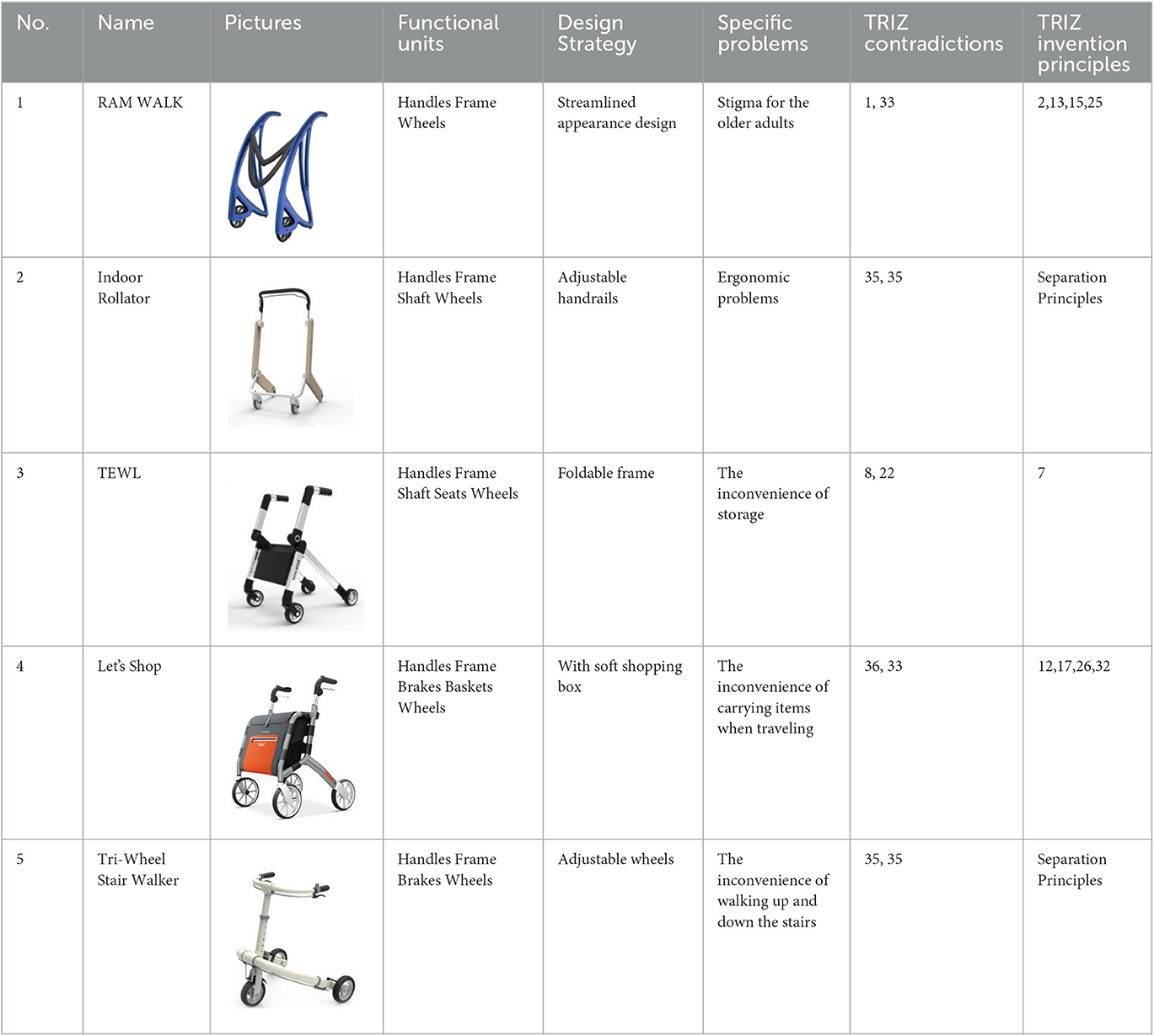
Table 1. The APD information chart of walking aids.
4.1.2. Extract the user preference structure
After data collection, the research team identified target users of walking aids as interviewees. It is important to note that judgmental sampling was used instead of random sampling to select the interviewees. This method has the advantage of better cooperation and higher data retrieval rates, as well as greater representativeness. However, it is also important to acknowledge that there are certain limitations to judgmental sampling, as it may introduce bias in the selection of interviewees. In this study, the research team selected interviewees based on both the Universal Design (UD) theory and the Involvement Theory (168). The UD theory was used to consider diverse user groups with direct and potential needs for walking aids to achieve the universal design goals. Additionally, the Involvement Theory was used to select 15 highly involved individuals with relevant experience and expertise, such as their experience in using walking aids, caring for older adults who use walking aids, or their involvement in the design and development of assistive devices. The 15 interviewees (7 males and 8 females) included 4 older adults with more than 2 years of experience in using walking aids, 3 older adults with no experience but weak mobility, 2 older adults who had abandoned their walking aids, 2 older carers, 2 teachers in product design, and 2 experts in assistive device product companies. These interviewees were chosen based on their high involvement and expertise in the subject matter, which aligns with the principles of both the UD and Involvement theories.
Each walking aid product in the APD information chart was made into an A4 size color card. The research team was then divided into groups of 2 to interview the interviewees with 1 person asking questions and 1 person taking notes. First, interviewees were invited to select the preferred card after pairwise comparison of 42 typical walking aid cards and to give the reason (original evaluation items, OEIs) for that sample. Second, the researcher asked interviewees about the abstract reason behind this reason (AEIs) and what concrete reasons were needed to satisfy this (CEIs). This reveals the preferences of the interviewees and the product attributes mapped from these preferences. After the interviews, the researcher compiled the interview transcripts and then a hierarchical preference structure diagram (including 4 AEIs, 7 OEIs, and 26 CEIs) was created. The four colors in this chart represent the three-dimensional structure of the different preference factors in each AEIs. In addition, 7 specific contradictions were extracted from the CEIs after discussion between the research team and the EGM interviewees.
4.1.3. Quantification theory type I
Quantification theory type I was used to calculate the importance between user preference factors, aiming to provide guidance for the second stage of conceptualization. The research team designed the questionnaire based on a hierarchical preference structure diagram. The questionnaire consisted of two main parts; the first part was the basic user information. The second part consisted of four groups of questions (determined by the number of AEIs). Each set of questions includes the importance of each OEI in that AEI and what is the most important CEI. The research team distributed an online questionnaire based on the diverse user groups of EGM interviewees and obtained 105 valid questionnaires. For the calculation of QTT1, OEIs were set as the dependent variable y while CEIs were set as the independent variable x. The quantitative relationship between the two was established by multiple regression analysis. Table 2 shows the results of QTT1. The coefficient of determination R2 indicates the reliability of the results, the partial correlation coefficient indicates the importance of OEI, and the category score describes the contribution of CEIs. Positive values in the category scores suggest specific design features that contribute in the associated OEI, while negative values correspond to design features that should be avoided in the ideation phase.
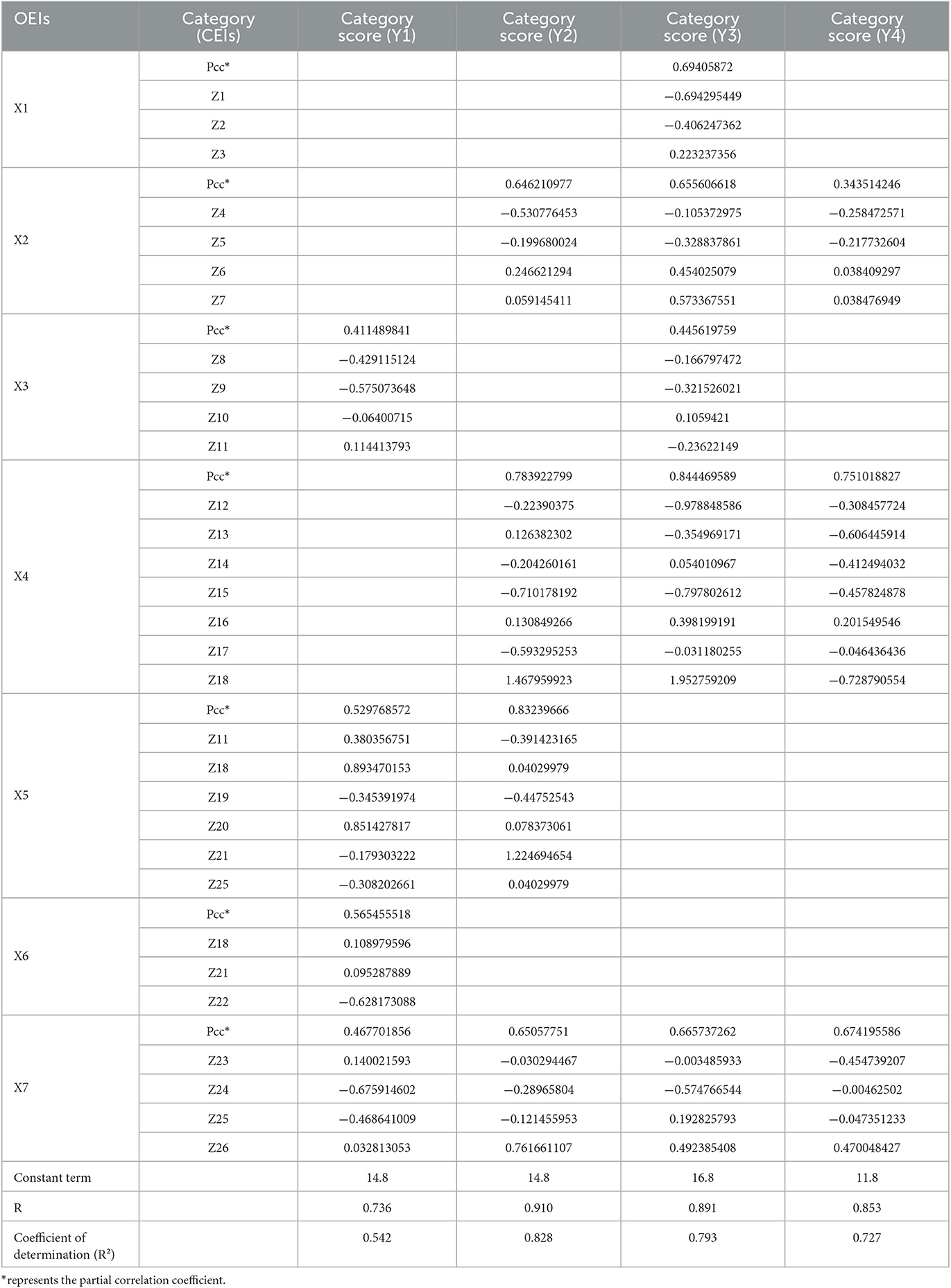
Table 2. The results of quantification theory type I.
4.2. Phase II: ideation
4.2.1. Generate innovation guidelines
At the beginning of the ideation phase, TRIZ was used to generate innovation guidelines. First, the research team analyzed seven specific contradictions in the EGM results (Figure 2) based on the results of QTT1 (Table 2). Five specific contradictions were finally identified and transformed into TRIZ contradictions. These 5 contradictions included 3 technical contradictions (TCs) and 2 physical contradictions (PCs). Next, the TRIZ invention principles of these contradictions were obtained based on the contradiction matrix and the separation principle (169). Finally, the research team used these TRIZ invention principles, UD principles, specific design strategies from the APD information chart and their own design experience to identify five specific innovation guidelines (including “Integration of different sizes of wheels”, “Modular design”, “Height- adjustable storage box”, “Partial replacement of accessories” and “Restrictive structural design”). Table 3 shows the detailed process of how the specific contradictions were translated into innovation guidelines.
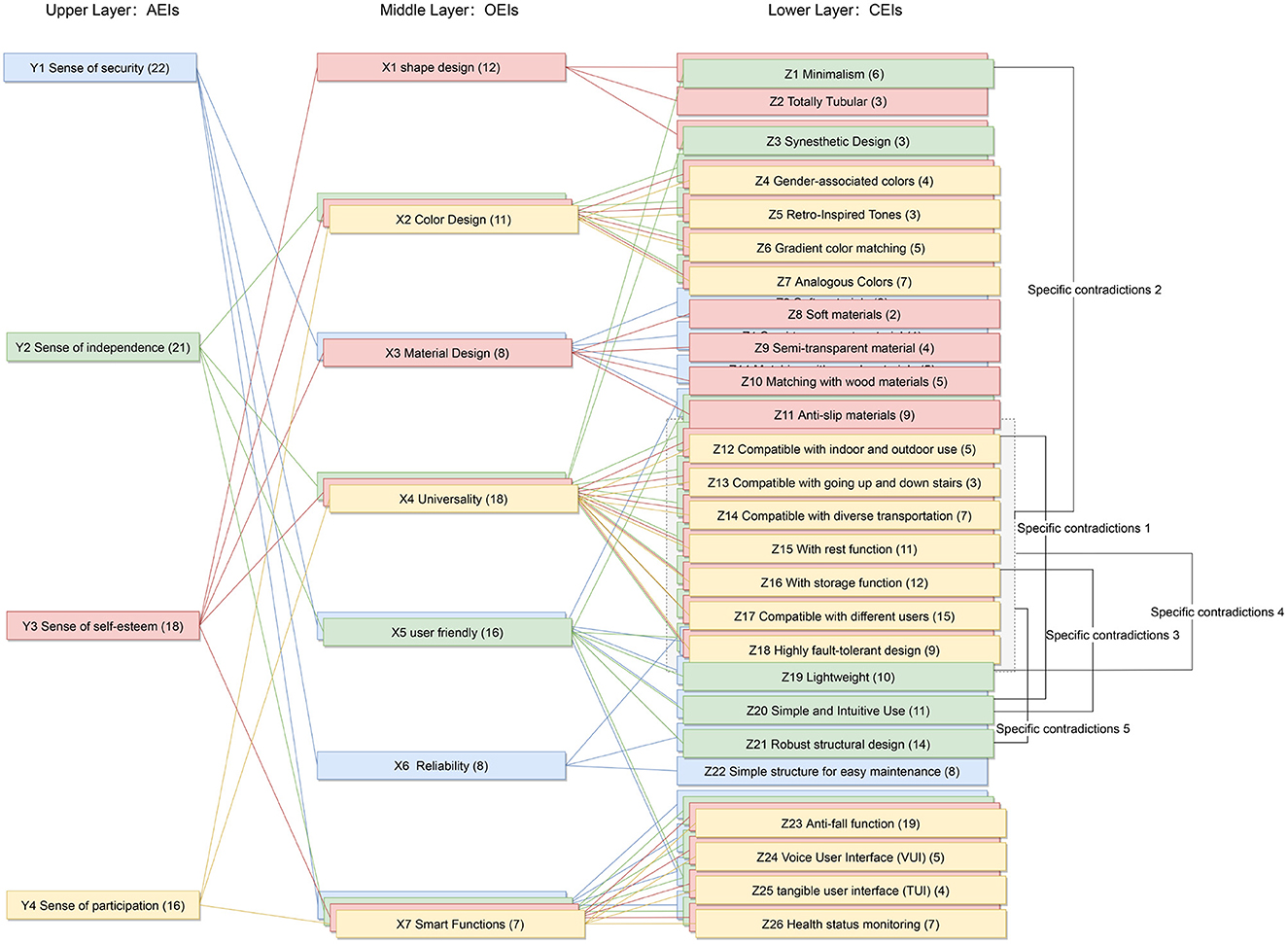
Figure 2. 3D Hierarchical structure of preference factors for walking aids.
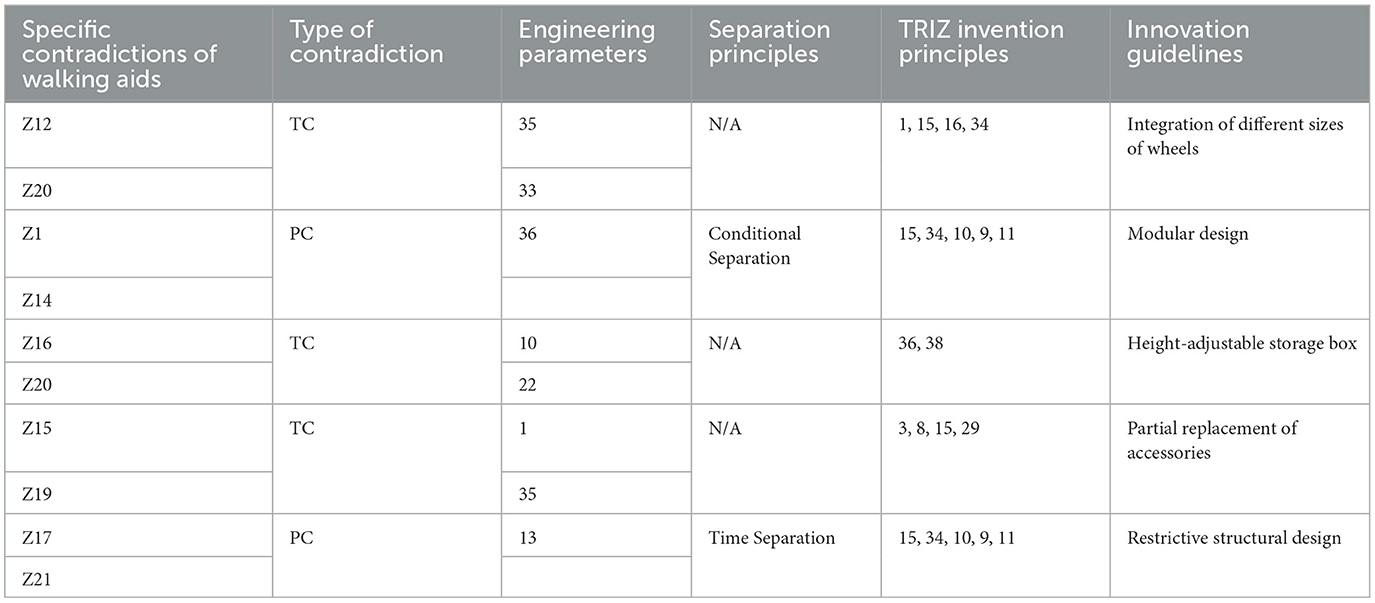
Table 3. Innovative guidelines generation process for walking aids.
4.2.2. Determine the layout of the product functional units
Innovative guidelines for walking aids are to be achieved through specific functional units and their different layouts in the product. FSM was used to analyze and determine the layout of each functional unit of the walking aid, which also provides the basis for the appearance of the walking aid. First, this study identified six functional units of walking aids including wheels, handles, frames, seats, tables, and storage boxes based on the functional units of each walker in the APD information chart and similar functional units commonly used in other types of products. Next, different shapes were used to represent the corresponding units. The arrangement and combination of the size, number and different placement of the functional unit can provide sufficient form divergence. Finally, the research team extracted four layouts. Finally, the research team extracted four 3D layout options after discussion, as shown in Figure 3. In Layout 1, the front wheels of the walking aid have two kinds of rollers of different sizes, which are convenient for switching between indoor and outdoor. The table is connected to the frame for easy pull-out use, while the seat can be folded for easy storage, but it is more complicated to use. Layout 2 changes the angle of the storage box to facilitate access to items. The rear wheels are large wheels, increasing the stability of outdoor movement, but may affect the indoor use. Layout 3's functional units were arranged more compactly to help save space. Small rollers facilitate indoor use but reduce the stability of outdoor use. The table board is located on the side of the frame to facilitate folding. In Layout 4, the height of the tabletop is conducive to standing use, but may be disturbed by the seat and storage box.
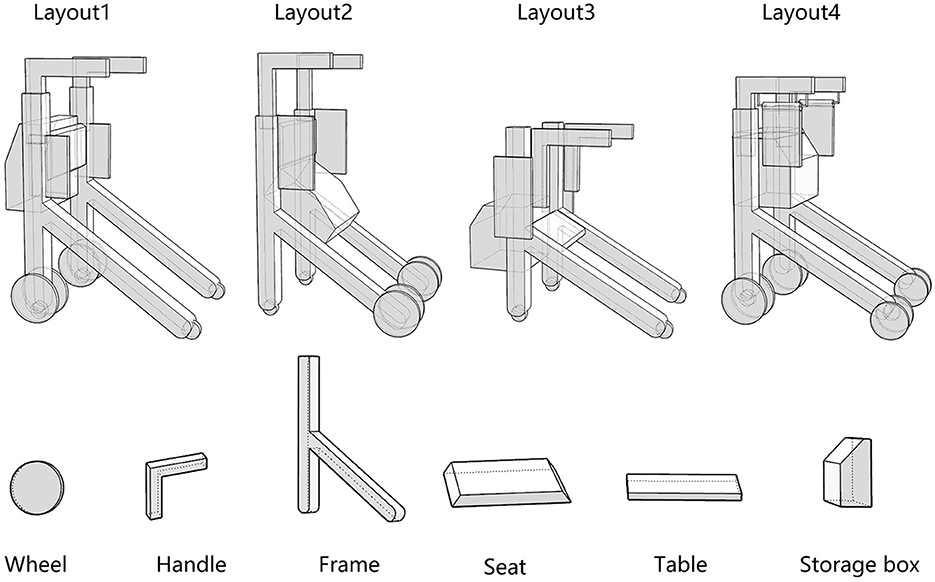
Figure 3. Several functional unit 3D layouts of walking aids.
4.2.3. Analysis of product shape details
In this step, morphological charts were used to explore the possibilities of each functional unit. The research team diverged the six functional units in Figure 3 by referring to the APD information sheet of the walking aid and the design mood boards of other products (e.g., Pinterest, Behance, and other design inspiration sites). Several types of each functional unit were then obtained and constructed into a morphological chart (Table 4). In this chart, the permutations of the different types of functional units can generate up to 5 × 4 × 2 × 5 × 3 × 3 = 2000 design solutions.
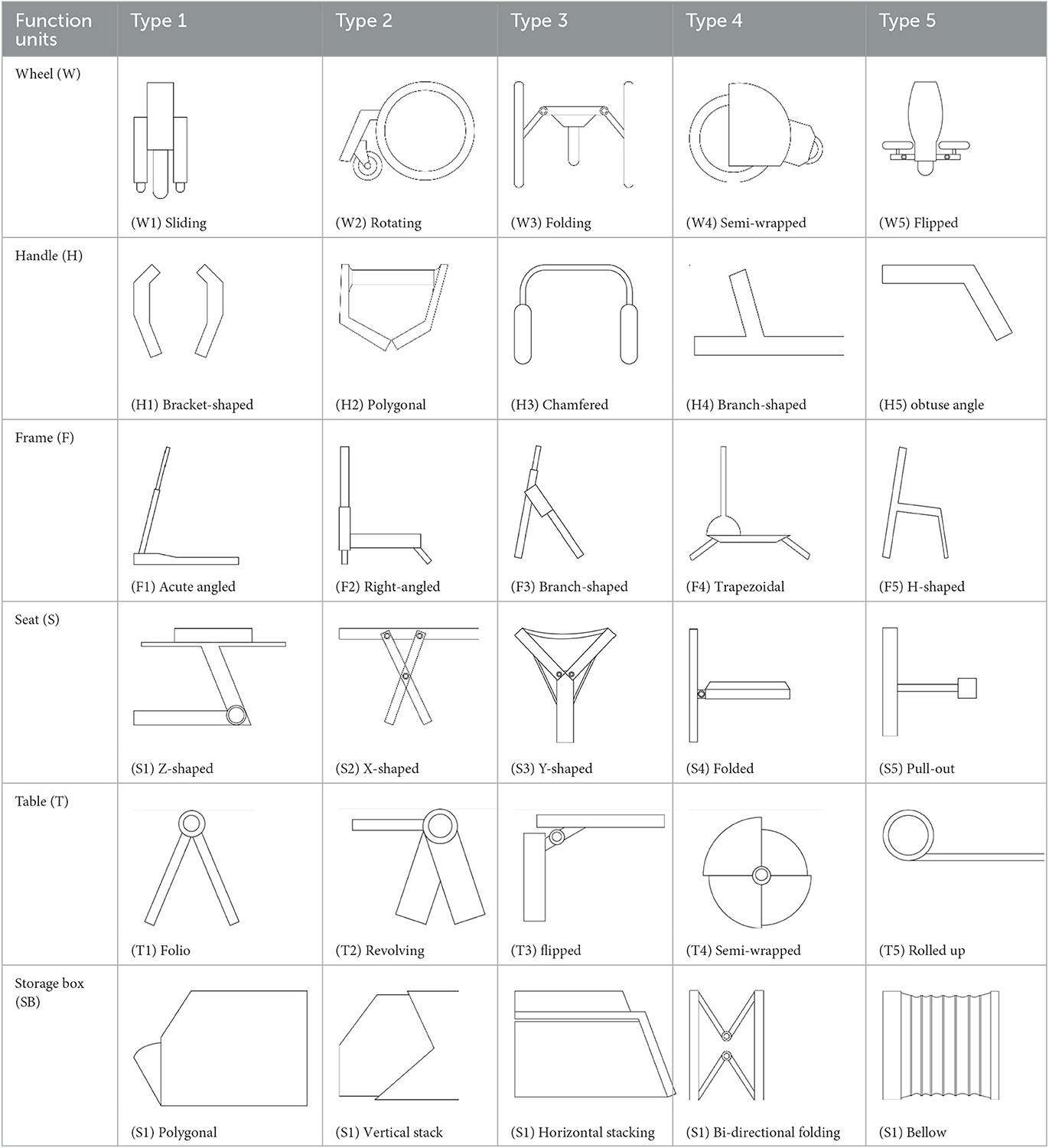
Table 4. The morphological chart of walking aids.
4.2.4. Identify and visualize alternatives
The designers of the research team constructed three alternatives (Figure 4) based on the analysis of the advantages and disadvantages of the layout (Figure 3) and morphological details (Table 4) of the walker. Alternative 1 consisted of W3, H1, F1, S4, T3 and SB2. Alternative 2 consists of W4, H4, F2, S4, T3 and S1. Alternative 3 consists of W5, H2, F5, S4, T3 and S3. Finally, the CAD software RHINO 7.0 was used to create the visual 3D model and Keyshot 11 was used to apply color, material and lighting effects to the 3D model.
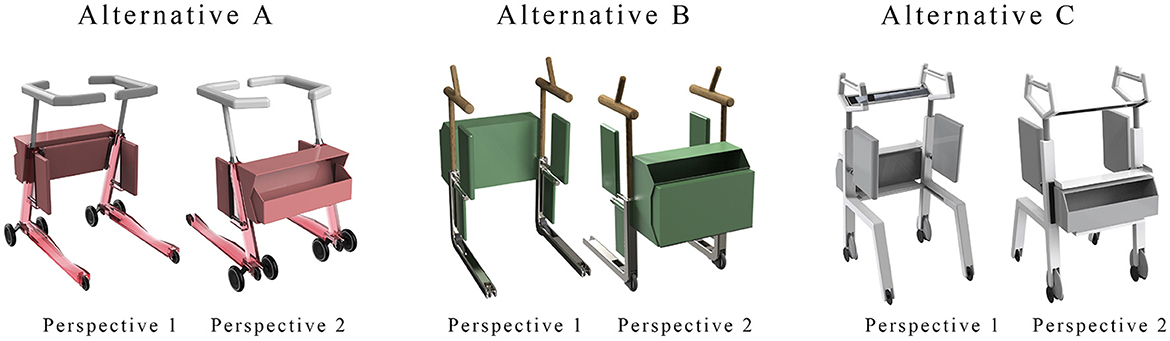
Figure 4. Three alternatives for the walking aids.
4.3. Phase III: evaluation
4.3.1. Establish evaluation structure model
The purpose of the evaluation phase was to select the optimal solution by calculating the priority of the alternatives. According to the PAPDM (Figure 1), the research team used seven OEIs from the 3D Hierarchical structure of preference factors for walking aids (Figure 2) as evaluation criteria to evaluate the three alternatives (Figure 4). The hierarchical structure of the AHP is shown in Figure 5.

Figure 5. The evaluation structure model of walking aids.
4.3.2. Calculating weights
The decision matrix for the seven evaluation criteria was created by the research team through discussion using pairwise comparisons as shown in Table 5. The geometric mean method was used to calculate the priority of the evaluation criteria. The priorities in Table 5 are the normalized results of the geometric mean. It can be seen from the results that criterion X4 is the most important, followed by X6. In appearance design X1 has to be more important than X2 and X3. The lowest weight is given to X3. After the consistency calculation C.R. = 0.043 <0.1 which passed the consistency test.
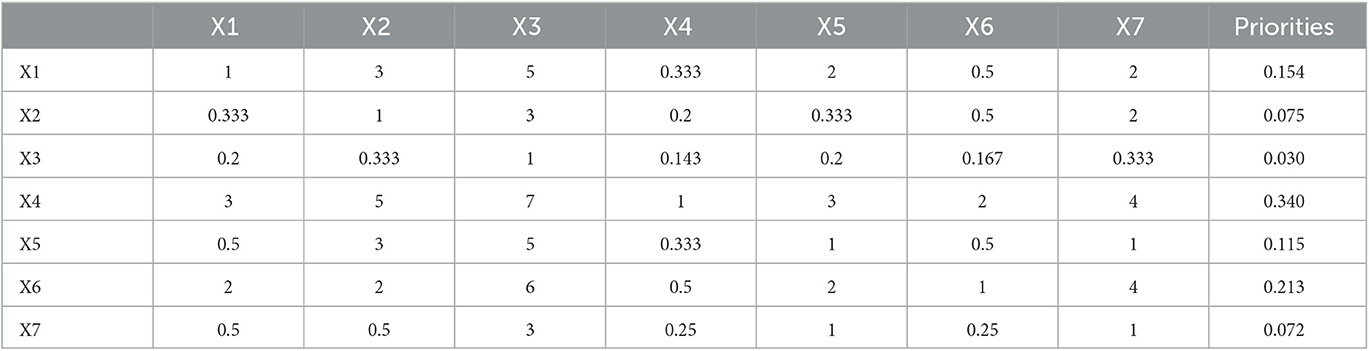
Table 5. Decision matrix for 7 evaluation criteria.
Decision matrix after obtaining the decision matrices for the seven evaluation criteria, the research team compared and scored all the alternative solutions in pairs based on each evaluation criterion and subsequently created the decision matrix of alternative solutions as shown in Table 6. The results of the consistency calculation using Equation (1) showed that all alternatives passed the consistency test. This indicates that there are no logical problems with the weights of the 3 alternatives.
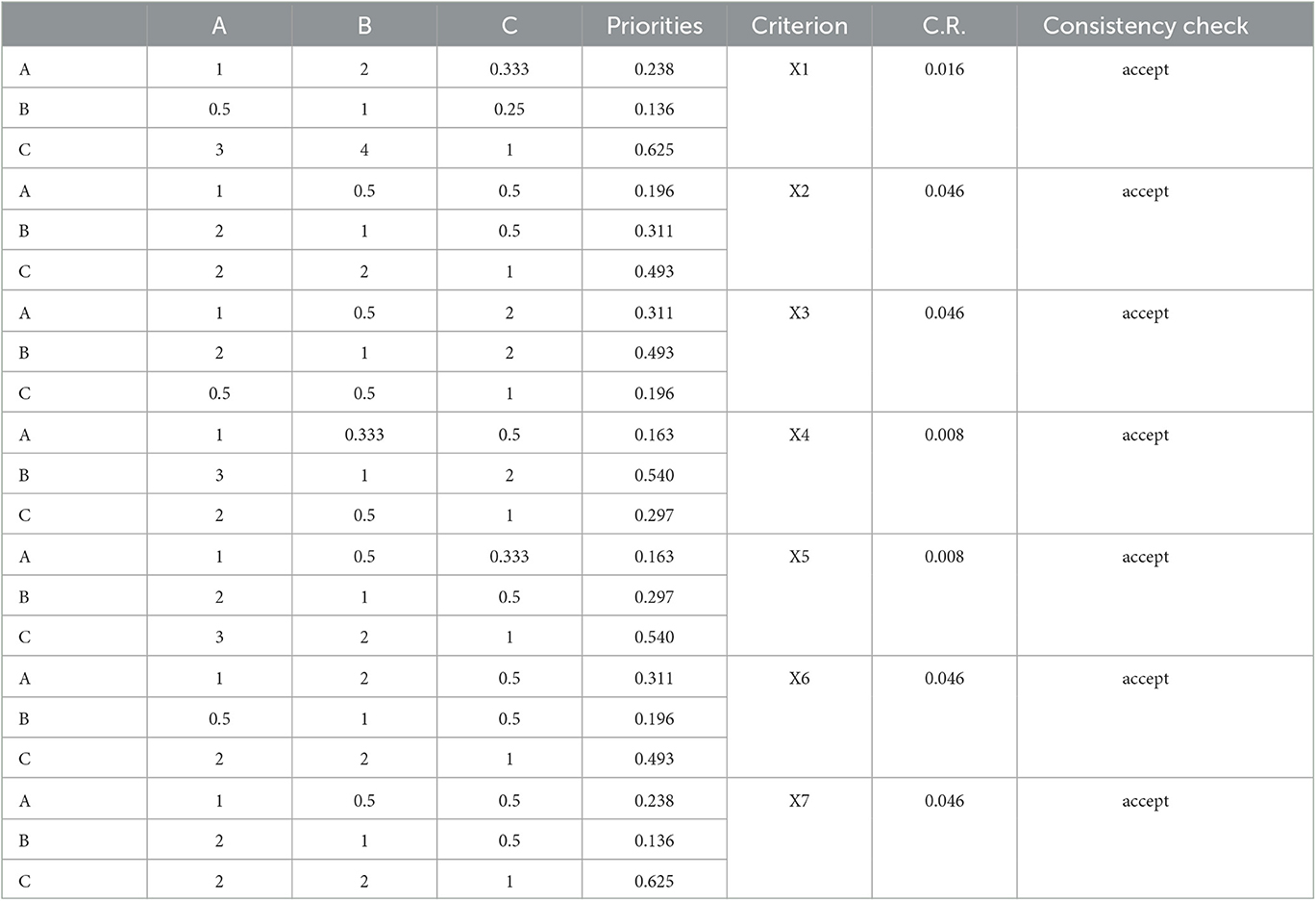
Table 6. Decision matrix of 3 walking aid alternatives under 7 evaluation criteria.
The final priority values for the 3 alternatives are obtained by the weighted sum of the priorities of the evaluation criteria and the priorities of the alternatives. Table 5 shows the weight matrix β of the evaluation criteria.
The weight matrix α for the 3 alternatives can be obtained from Table 6.
The priority of the alternative is denoted by S. The result is calculated as follows.
This calculation shows that the priority of the three alternatives of the walking aid is Alternative C > Alternative B > Alternative A, then Alternative 3 is the best solution. In addition, Figure 6 presents a radar chart of the weight values of the three walking aid alternatives across the seven evaluation criteria in this study. The performance of each alternative on each evaluation criterion dimension is intuitively shown.
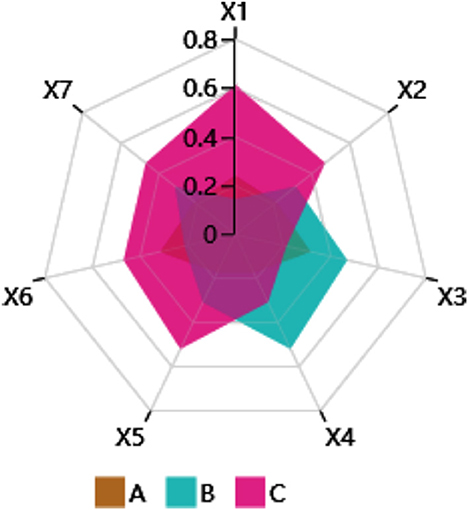
Figure 6. The radar chart of walking aids alternatives.
5. Discussion
The first objective of this study was to identify a suitable method to extract the factors of preference for APs among the older adults as well as other users. The process was based on Miryoku engineering theory, integrating universal design (170) and contradiction analysis (171) from TRIZ based on EGM. Following the traditional EGM process (84), a preference factor structure for multi-user group was created (Figure 2). The advantages of EGM are twofold: first, it not only extracts the objective preferences of users for APs, but also explores the affective preferences behind these specific factors. Compared to similar affective calculation methods such as Kansei engineering (KE) (82) and Kano (172), EGM is easier to operate and effective. Secondly, EGM yields results as a visual cognitive structure that facilitates the enhancement of human thinking (173, 174). It is important to note here that the results of EGM are closely related to participants selection. These results may be influenced by the number of participants, their status, age, experience, etc. Using the judgmental sampling method (175) and involvement theory (168) used in Section 4.1.2 of this paper to select EGM participants is a suggested way.
Compared with traditional EGM methods (83, 87, 99), the improved EGM in this study has several advantages. Firstly, UD theory (170) was considered in the EGM process. The user preference extraction process for Aps involves a wider range of interviewees, including more stakeholders. The aim was to meet the needs of different users through universal design, thereby reducing the abandonment rate of APs and promoting active aging (12). Traditional EGM only interviews target users and pays less attention to the preferences of potential or non-target users, which is contrary to the trend of weakening the targeted development of Aps (6, 60). Secondly, this study added contradiction analysis to the traditional EGM, aiming to provide a basis for innovative ideation. This was also due to the inclusion of universal design. The expansion of the user group leads to greater differences in user preferences and more obvious contradiction between preference factors. In previous related studies (84, 176, 177), the contradiction relationships between lower items (CEI) in EGM were rarely discussed. Chen (95) used the CIP measurement method to divide EGM interviewees into three groups and found cognitive differences among users with different levels of participation. Personality differences (87) and user background differences (178) have also been discussed in previous EGM studies. However, these studies did not mention how to resolve these differences or contradictions in the design process. Thirdly, the research team used 3D charts to visualize the multi-level cognitive structure of interviewees. From Figure 2, it can be seen that the same OEIs and CEIs may be associated with multiple AEIs, so different colors are used to represent the preference factors included in each AEI in the EGM chart. Although some scholars have developed visualization tools for EGM (173, 174), the 3D EGM chart was more intuitive and clear than the 2D EGM chart in previous studies.
The second purpose of this study was to develop an integrated design framework for APD that aligns with the preferences of older adults. The PAPDM (Figure 1) was the result based on this purpose. At the core of this model is divergent and convergent thinking, which is similar to classical design thinking models such as the double diamond model (179). The advantages and possible roles of PAPDM are as follows:
First, PAPDM will help solve the difficulties of information collection in the APD process. This is specifically achieved through the APD information chart constructed during the definition phase. As can be seen in Section 4.1.1, in the first stage, different types of databases were used to collect a wide range of walking aids (Table 1). The images and textual information in the table were the source of representative samples for EGM. Design inspiration was also provided for the implementation of TRIZ, FSM, and Morphological Charts in the second phase. Compared to traditional data collection and sample preparation processes, using this integrated graphic and textual information table helps designers reduce the difficulties of repeatedly searching long-term memory (LTM) and generate more design inspirations. APD information chart (Table 1) produced similar effects to case-based reasoning (CBR) (180) and design heuristics (DHs) (181), as also demonstrated in the research results of Lee et al. (182) and Hwang and Park (72).
Second, PAPDM can clearly elicit the perceptions of user groups such as older adults regarding APs. This is achieved through a hybrid approach of EGM and QTT1. Section 4.1.2 shows the detailed EGM process. On the left side of Figure 2, it can be seen that the emotional preference factors of older adults focus on security, independence, self-esteem, and involvement, which supports the policy recommendations of the Active Aging Framework (12). In the middle layer of Figure 2, X1, X2 and X3 are product appearance attributes while X4-X7 embody the product function attributes. Section 4.1.3 shows the implementation process of the QTT1, and the results in Table 2 show the spatial layout of OEIs and CEIs in different AEIs. The high value of Coefficient of de-termination (R2) indicates that the result explains most of the data, which is similar to previous studies (96, 183). It is worth reflecting that the negative values in the scores of CEIs are often not well interpreted and used, which is worth exploring in future studies.
Third, PAPDM makes the conceptualization process of APD transparent. In previous research (83, 96), the results of EGM and QTT1 were rarely further utilized, especially in a progressive and transparent way to generate concepts. In the second stage of PAPDM, TRIZ was used to connect the results of QTT1. The five innovation guidelines proposed in the ideation phase (Table 3) were all functional or structural innovation strategies used to meet multiple needs. This result was also demonstrated in Zhang et al. (126) study. This may be related to the principle of invention chosen by the research team. Each contradictory pair contained multiple invention principles, and the research team obtained a total of 20 invention principles each of which could be specified as multiple innovation guidelines. The final five innovation guidelines were selected on the basis of universal design principles, and the versatility of TRIZ in generating ideas has been demonstrated in a wide range of studies (146, 171, 184). Section 4.2.2 and section 4.2.3 are both about the form divergence of the walking aid. The former analyzes the layout of each functional unit of the walker the latter considers the diversity of design details. In previous FSM studies (185), the layout of functional units was mostly arranged in two dimensions with words, symbols and geometric shapes. 3D layout (Figure 3) facilitates the diversity of solutions. The morphological chart of the walking aid (Table 4) shows that each functional unit was diverged into five unique form details. However, how to converge the ideal solution among the large number of details has not been agreed in previous studies (141, 147) and deserves to be discussed in future studies.
In addition to the advantages mentioned above, an interesting finding is that the AHP methods in the evaluation phase can be well compatible with EGM. They are both based on a hierarchical analysis method. The evaluation criteria in the AHP just correspond to the OEIs in the EGM results. The results of Lu et al. (134) and Kang et al. (186) study also prove this finding. In the evaluation phase, the evaluation criteria were the seven OEIs in the EGM. The priorities of these evaluation criteria (Table 5) are generally consistent with the pcc values demonstrated in the QTT1 results (Table 2). For example, the pcc value of X4 (generalizability) in Table 2 is much larger than the other OEIs. The priority of X4 (0.34) in Table 5 also ranks first. This proves the consistency of the QTT1 and AHP algorithms. In addition, the AHP evaluation criteria can be subdivided into multiple sub-criteria and the evaluation criteria and solution priorities can be used to obtain more accurate results through group decision making. Additional studies are needed to consider these variables.
6. Conclusions
This paper was conducted to address two research questions. The first research question addressed how to capture the preference factors of a multi-user group, primarily consisting of older adults, toward assistive products. The research team integrated EGM, UD, contradiction identification, and QTT1 to extract and analyze the preference factors of the user group, including their relationships and weights. The second research question focused on establishing and validating an effective Assistive Product Design (APD) framework based on Universal Design principles. We introduced a preference-based assistive product design framework called PAPDM and demonstrated its detailed process through a case study involving the design of a walking aid. The framework comprised three major stages. The first stage, the definition phase, addressed the first research question. In the second stage, we employed the TRIZ contradiction matrix and the 40 Inventive Principles to propose design guidelines by resolving contradictions within the assistive product design. We explored various solution alternatives using FSM and morphological charts to generate more suitable alternative designs. In the third stage, we utilized the Analytic Hierarchy Process (AHP) to evaluate the alternative designs and make decisions. Both PAPDM and the walking aid solution C from the case study are currently undergoing patent applications for invention and utility models. The case study demonstrated that the APD information chart is an effective way to gather information, compensating for the limited information provided by older adults during interviews.
This project marked the first combination of EGM and TRIZ, and we discovered that these two methods effectively complement each other. They not only enhanced the role of EGM in proposing design strategies but also provided a problem identification approach for TRIZ. TRIZ, in turn, offered innovative guidelines for FSM and morphological charts. Furthermore, PAPDM enhanced the applicability of UD theory in assistive product design to a certain extent.
One limitation of this study was the small number of interviewees, which may have resulted in a limited breadth of coverage in the interview results. User preferences also change with societal development and the iterative process of assistive product design, necessitating regular surveys of larger target user groups. Additionally, the invention principles of TRIZ are abstract and broad, so the elimination process of contradictions is influenced by variations in the quantity and quality of designer knowledge. Further research may be needed to impart disciplinary attributes to the invention principles of TRIZ. Lastly, the evaluation criteria for alternatives were single-layered in structure, and in the future, different sub-criteria could be listed to enable a more accurate comparison of alternative details. Despite these limitations, the research findings in this paper provide a logically robust and actionable framework for fostering innovation in assistive products. This study holds practical significance in improving the independence and social participation of older adults.
Data availability statement
The original contributions presented in the study are included in the article/supplementary material, further inquiries can be directed to the corresponding author.
Ethics statement
The studies involving human participants were reviewed and approved by the Ethics Committee of Xiamen University of Technology. The patients/participants provided their written informed consent to participate in this study.
Author contributions
BZ and MM contributed to conception and design of the study. MM provides the core research methodology in the manuscript. BZ organized the database and performed the experiment. BZ and ZW performed the statistical analysis and wrote the draft of the manuscript. ZW visualized the results of the study. All authors contributed to manuscript revision, read, and approved the submitted version.
Funding
This research was funded by the Humanities and Social Sciences Youth Foundation, Ministry of Education of the People's Republic of China (21YJC760101).
Acknowledgments
This research comes from a single disciplinary grant project of the Ministry of Education of the People's Republic of China, hosted by BZ, and the article is part of the research results of the project. Special thanks to the School of Design art of Xiamen University of Technology for providing the experimental site for the research, and all the authors sincerely thank the participants of the experiments in this project.
Conflict of interest
The authors declare that the research was conducted in the absence of any commercial or financial relationships that could be construed as a potential conflict of interest.
Publisher's note
All claims expressed in this article are solely those of the authors and do not necessarily represent those of their affiliated organizations, or those of the publisher, the editors and the reviewers. Any product that may be evaluated in this article, or claim that may be made by its manufacturer, is not guaranteed or endorsed by the publisher.
References
1. World Health Organization. Ageing and Health. (2023). Available online at: https://www.who.int/news-room/fact-sheets/detail/ageing-and-health (accessed January 25, 2023).
2. Marasinghe KM, Chaurasia A, Adil M, Liu QY, Nur TI, Oremus M. The impact of assistive devices on community-dwelling older adults and their informal caregivers: a systematic review. BMC Geriatr. (2022) 22:1–4. doi: 10.1186/s12877-022-03557-8
3. Wessels R, Dijcks B, Soede M, Gelderblom GJ, Witte L de. Non-use of provided assistive technology devices, a literature overview. TAD. (2004) 15:231–8. doi: 10.3233/TAD-2003-15404
4. Sugawara AT, Ramos VD, Alfieri FM, Battistella LR. Abandonment of assistive products: assessing abandonment levels and factors that impact on it. Disabil Rehabil Assist Technol. (2018) 13:716–23. doi: 10.1080/17483107.2018.1425748
5. Kuo HJ, Kosciulek J. Rehabilitation counsellor perceived importance and competence in assistive technology. Disabil. Rehabil.-Assist. Technol. (2021) 5:1–7. doi: 10.1080/17483107.2021.2001062
6. Plos O, Buisine S, Aoussat A, Mantelet F, Dumas CA. Universalist strategy for the design of assistive technology. Int J Ind Ergon. (2012) 42:533–41. doi: 10.1016/j.ergon.2012.09.003
7. World Health Organization. Global Report on Assistive Technology. Geneva, Switzerland: World Health Organization (2022).
8. International Council on Active Aging,. What is Active Aging. (2023). Available online at: https://www.icaa.cc/activeagingandwellness/what-is-active-aging.htm (accessed January 25, 2023).
9. Yu J, Huang W, Kahana E. Investigating factors of active aging among chinese older adults: a machine learning approach. Gerontologist. (2022) 62:332–41. doi: 10.1093/geront/gnab058
10. United Nations,. UN Decade of Healthy Ageing (2021–2030). (2023). Available online at: https://www.decadeofhealthyageing.org/ (accessed January 26, 2023).
11. Santini S, Piccinini F, Gagliardi C. Can a green care informal learning program foster active aging in older adults? Results from a qualitative pilot study in central Italy. J Appl Gerontol. (2020) 39:1240–9. doi: 10.1177/0733464819883769
13. Martins A, Pinheiro J, Farias B, Jutai J. Psychosocial impact of assistive technologies for mobility and their implications for active ageing. Technologies. (2016) 4:28. doi: 10.3390/technologies4030028
14. Mishra S, Pupulin A, Ekman B, Khasnabis C, Allen M, Huber M. National priority assistive product list development in low resource countries: lessons learned from Tajikistan. Disab Rehab Assis Technol. (2021) 16:857–64. doi: 10.1080/17483107.2020.1745908
15. Häggblom-Kronlöf G, Sonn U. Use of assistive devices–a reality full of contradictions in elderly persons' everyday life. Disabil Rehabil-Assist Technol. (2007) 2:335–45. doi: 10.1080/17483100701701672
16. World Health Organization. Priority Assistive Products List. (2023). Available online at: https://www.who.int/publications/i/item/priority-assistive-products-list (accessed January 25, 2023).
17. Global Collaboration On Assistive Technology,. Assistive Product Explorer. (2023). Available online at: https://public.asprex.net/ (accessed January 27, 2023).
18. Winkelmann P. REHADAT: The German Information System on Assistive Devices Everyday Technology for Independence and Care. London: IOS Press (2011). p. 163–9.
19. The EASTIN Association. The Global Assistive Technology Information Network. (2023). Available online at: http://www.eastin.eu/en/searches/products/index (accessed January 27, 2023).
20. Assistive Technology Australia,. Assistive Technology Australia. (2023). Available online at: https://www.at-aust.org/ (accessed January 23, 2023)
21. Copolillo AE. Use of mobility devices: The decision-making process of nine African-American older adults. Occup Ther J Res. (2001) 21:185–200. doi: 10.1177/153944920102100303
22. Meng H, Peterson LJ, Feng L, Dobbs D, Hyer K. The use of mobility devices and personal assistance: a joint modeling approach. Gerontol Geriatr Med. (2019) 5:2333721419885291. doi: 10.1177/2333721419885291
23. Cornman JC, Freedman VA. Racial and ethnic disparities in mobility device use in late life. J Gerontol Ser B-Psychol Sci Soc Sci. (2008) 63:S34–41. doi: 10.1093/geronb/63.1.S34
24. Kader M, Jonasson SB, Iwarsson S, Odin P, Nilsson MH. Mobility device use in people with Parkinson's disease: A 3-year follow-up study. Acta Neurol Scand. (2018) 138:70–7. doi: 10.1111/ane.12942
25. Muir-Hunter SW, Montero-Odasso M. The attentional demands of ambulating with an assistive device in older adults with Alzheimer's disease. Gait Posture. (2017) 54:202–8. doi: 10.1016/j.gaitpost.2017.03.011
26. Shaikh-Mohammed J, Dash SS, Sarda V, Sujatha S. Design journey of an affordable manual standing wheelchair. Disabil Rehabil Assist Technol. (2021) 5:1–11. doi: 10.1080/17483107.2021.1892839
27. Gill S, Seth N, Scheme E. A multi-sensor cane can detect changes in gait caused by simulated gait abnormalities and walking terrains. Sensors. (2020) 20:631. doi: 10.3390/s20030631
28. Cojocaru D, Manta LF, Pană CF, Dragomir A, Mariniuc AM, Vladu IC. The design of an intelligent robotic wheelchair supporting people with special needs, including for their visual system. Healthcare. (2021) 10:10013. doi: 10.3390/healthcare10010013
29. Nagano H, Sparrow W, Begg R. Developments in smart multi-function gait assistive devices for the prevention and treatment of knee osteoarthritis—a literature review. Appl Sci. (2021) 11:10947. doi: 10.3390/app112210947
30. Ruffieux S, Hwang C, Junod V, Caldara R, Lalanne D, Ruffieux N. Tailoring assistive smart glasses according to pathologies of visually impaired individuals: an exploratory investigation on social needs and difficulties experienced by visually impaired individuals. Univers. Access Inf. Soc. 4, 58. doi: 10.1007/s10209-021-00857-5
31. Copolillo A, Teitelman IL. Acquisition and integration of low vision assistive devices: understanding the decision-making process of older adults with low vision. Am J Occup Ther. (2005) 59:305–13. doi: 10.5014/ajot.59.3.305
32. Rosner Y, Perlman A. The effect of the usage of computer-based assistive devices on the functioning and quality of life of individuals who are blind or have low vision. J Vis Impair Blind. (2018) 112:87–99. doi: 10.1177/0145482X1811200108
33. Guidry NC, Vogtle LK, Barstow EA, Jordan KW. An evaluation of a clinic-based low vision device lending library. Occup Ther Health Care. (2022):1–16. doi: 10.1080/07380577.2022.2033378
34. Shayman CS, Earhart GM, Hullar TE. Improvements in gait with hearing aids and cochlear implants. Otol Neurotol. (2017) 38:484–6. doi: 10.1097/MAO.0000000000001360
35. Meng Q, Lee MH. Design issues for assistive robotics for the elderly. Adv Eng Inf. (2006) 20:171–86. doi: 10.1016/j.aei.2005.10.003
36. Shirafuji S, Ogata T, Huang Z, Matsui N, Ueda T, Maeda J, et al. Study of design factors for transfer-aid equipment based on caregivers' feelings. J Adv Mech Design Syst Manuf. (2018) 12:JAMDSM0013. doi: 10.1299/jamdsm.2018jamdsm0013
37. Wu F-G, Ma M-Y, Chang R-H. A new user-centered design approach: a hair washing assistive device design for users with shoulder mobility restriction. Appl Ergon. (2009) 40:878–86. doi: 10.1016/j.apergo.2009.01.002
38. Mann WC, Kimble C, Justiss MD, Casson E, Tomita M, Wu SS. Problems with dressing in the frail elderly. Am J Occup Ther. (2005) 59:398–408. doi: 10.5014/ajot.59.4.398
39. King EC, Novak AC. Effect of bathroom aids and age on balance control during bathing transfers. Am. J. Occup. Ther. (2017) 71:136. doi: 10.5014/ajot.2017.027136
40. Ienca M, Wangmo T, Jotterand F, Kressig RW, Elger B. Ethical design of intelligent assistive technologies for dementia: a descriptive review. Sci Eng Ethics. (2018) 24:1035–55. doi: 10.1007/s11948-017-9976-1
41. Troncone A, Amorese T, Cuciniello M, Saturno R, Pugliese L, Cordasco G, et al. Advanced assistive technologies for elderly people: a psychological perspective on seniors' needs and preferences (part A). Acta Polytech Hung. (2020) 17:163–89. doi: 10.12700/APH.17.2.2020.2.10
42. Dos Santos AD, Ferrari AL, Medola FO, Sandnes FE. Aesthetics and the perceived stigma of assistive technology for visual impairment. Disab Rehab Assis Technol. (2022) 17:152–8. doi: 10.1080/17483107.2020.1768308
43. Federici S, Meloni F, Borsci S. The abandonment of assistive technology in Italy: a survey of National Health Service users. Eur J Phys Rehabil Med. (2016)52:516–26. Available online at: https://www.minervamedica.it/en/journals/europa-medicophysica/article.php?cod=R33Y2016N04A0516
44. Howard J, Fisher Z, Kemp AH, Lindsay S, Tasker LH, Tree JJ. Exploring the barriers to using assistive technology for individuals with chronic conditions: a meta-synthesis review. Disabil Rehabil Assist Technol. (2022) 17:390–408. doi: 10.1080/17483107.2020.1788181
45. Kittel A, Di MA, Stewart H. Factors influencing the decision to abandon manual wheelchairs for three individuals with a spinal cord injury. Disabil Rehabil. (2002) 24:106–14. doi: 10.1080/09638280110066785
46. Jiménez-Arberas E, Díez E. Psychosocial impact of assistive devices and other technologies on deaf and hard of hearing people. Int J Environ Res Public Health. (2021) 18, 259. doi: 10.3390/ijerph18147259
47. Khalid HM, Helander MG. Customer emotional needs in product design. Concurrent Eng. (2006) 14:197–206. doi: 10.1177/1063293X06068387
48. Halim I, Saptari A, Abdullah Z, Perumal P, Zainal Abidin MZ, et al. Critical factors influencing user experience on passive exoskeleton application: a review. IJIE. (2022) 14:9. doi: 10.30880/ijie.2022.14.04.009
49. Barbosa IM, Alves PR, Silveira ZC. Upper limbs' assistive devices for stroke rehabilitation: a systematic review on design engineering solutions. J Braz. Soc. Mech. Sci. Eng. (2021) 43, 4. doi: 10.1007/s40430-021-02919-4
50. Pousada García T, Garabal-Barbeira J, Porto Trillo P, Vilar Figueira O, Novo Díaz C, Pereira Loureiro J. A framework for a new approach to empower users through low-cost and do-it-yourself assistive technology. Int J Environ Res Public Health. (2021) 18, 39. doi: 10.3390/ijerph18063039
51. Gan Y, Ji Y, Jiang S, Liu X, Feng Z, Li Y, et al. Integrating aesthetic and emotional preferences in social robot design: an affective design approach with Kansei engineering and deep convolutional generative adversarial network. Int J Ind Ergon. (2021) 83:103128. doi: 10.1016/j.ergon.2021.103128
52. Ujigawa M. The conceptual framework of preference-based design. Adv. Huma. Erg. (1997). p. 467–70.
53. Ma MY, Chen YC, Li SR. How to build design strategy for attractiveness of new products (DSANP). AISS. (2011) 3, 11. doi: 10.4156/aiss.vol3.issue11.3
54. Grazuleviciute-Vileniske I, Seduikyte L, Teixeira-Gomes A, Mendes A, Borodinecs A, Buzinskaite D. Aging, living environment, and sustainability: what should be taken into account? Sustainability. (2020) 12:1853. doi: 10.3390/su12051853
55. Sun W, Wilson MG, Schreiber D, Wang RH. Ethical challenges related to assistive product access for older adults and adults living with a disability: a scoping review protocol. Syst. Rev. (2017) 6, 5. doi: 10.1186/s13643-017-0419-5
56. Correia de Barros A, Duarte C, Cruz JB. The influence of context on product judgement–Presenting assistive products as consumer goods. Int J Desig. (2011) 5:99–112. Available online at: http://ijdesign.org/index.php/IJDesign/article/view/760/369
57. Torrens GE, Smith NC. Evaluation of an assistive technology product design using a paired comparisons method within a mixed methods approach: a case study evaluating preferences for four types of cutlery with 34 upper limb impaired participants. Disabil Rehabil Assist Technol. (2013) 8:340–7. doi: 10.3109/17483107.2012.735746
58. Federici S, Scherer MJ, Ehrlich-Jones L. Measurement characteristics and clinical utility of the assistive technology device predisposition assessment (ATD PA) among mixed patient populations. Arch Phys Med Rehabil. (2021) 102:805–6. doi: 10.1016/j.apmr.2020.11.007
59. Yang D, Moody L. Challenges and opportunities for use of smart materials in designing assistive technology products with, and for older adults. Fashion Practice. (2022) 14:242–65. doi: 10.1080/17569370.2021.1938823
60. Elsaesser L-J, Bauer S. Integrating medical, assistive, and universal design products and technologies: assistive technology service method (ATSM). Disabil Rehabil Assist Technol. (2012) 7:282–6. doi: 10.3109/17483107.2011.635331
61. Lo C-H. A Study on appearance acceptance appraisal of elderly mobility assists. Sustainability. (2021) 13:10547. doi: 10.3390/su131910547
62. John Clarkson P, Coleman R. History of inclusive design in the UK. Appl Ergon. (2015) 46:235–47. doi: 10.1016/j.apergo.2013.03.002
63. Persson H, Åhman H, Yngling AA, Gulliksen J. Universal design, inclusive design, accessible design, design for all: different concepts—one goal? On the concept of accessibility—historical, methodological and philosophical aspects. Univ Access Inf Soc. (2015) 14:505–26. doi: 10.1007/s10209-014-0358-z
64. Kapsalis E, Jaeger N, Hale J. Disabled-by-design: effects of inaccessible urban public spaces on users of mobility assistive devices - a systematic review. Disabil Rehabil Assist Technol. (2022) 5:1–19. doi: 10.1080/17483107.2022.2111723
65. Björk E. Many become losers when the universal design perspective is neglected: exploring the true cost of ignoring universal design principles. TAD. (2010) 21:117–25. doi: 10.3233/TAD-2009-0286
66. Couvreur L de, Dejonghe W, Detand J, Goossens R. The role of subjective well-being in co-designing open-design assistive devices. Int J Design. (2013) 7:57–70. Available online at: http://ijdesign.org/index.php/IJDesign/article/view/1455/591
67. Li S. Synesthetic design of digital elderly products based on big data. Wireless Commun Mobile Comput. (2021) 2021:1–9. doi: 10.1155/2021/5596571
68. Tsai KH, Yeh CY, Lo HC Li CT, Cheng CP, Chang GL. Application of quality function deployment in design of mobile assistive devices. J Med Biol Eng. (2008) 28:87–93. Available online at: https://www.airitilibrary.com/Publication/alDetailedMesh?docid=16090985-200806-28-2-87-93-a
69. Yue H, Zhu T-L, Zhou Z-J, Zhou T. Improvement of evaluation method of elderly family medical product design based on AHP. Mathem Prob Eng. (2022) 2022:1–8. doi: 10.1155/2022/4036030
70. Kilian J, Neugebauer A, Scherffig L, Wahl S. The unfolding space glove: a wearable spatio-visual to haptic sensory substitution device for blind people. Sensors. (2022) 22:1859. doi: 10.3390/s22051859
71. Boccardi A, Szucs KA, Ebuenyi ID, Mhatre A. Assistive technology makerspaces promote capability of adults with intellectual and developmental disabilities. Societies. (2022) 12:155. doi: 10.3390/soc12060155
72. Hwang D, Park W. Design heuristics set for X: a design aid for assistive product concept generation. Design Studies. (2018) 58:89–126. doi: 10.1016/j.destud.2018.04.003
73. Design Heuristics L,. Design Heuristics Strategies To Inspire Ideas. (2023). Available online at: https://www.designheuristics.com/ (accessed January 30, 2023).
74. Blanco T, Berbegal A, Blasco R, Casas R. Xassess: cross disciplinary framework in user-centred design of assistive products. J Eng Design. (2016) 27:636–64. doi: 10.1080/09544828.2016.1200717
75. Santos AV, Silveira ZC. AT-d8sign: methodology to support development of assistive devices focused on user-centered design and 3D technologies. J Braz Soc Mech Sci Eng. (2020) 42:2347. doi: 10.1007/s40430-020-02347-w
76. Neira-Rodado D, Ortíz-Barrios M, La Hoz-Escorcia S de, Paggetti C, Noffrini L, Fratea N. Smart product design process through the implementation of a fuzzy kano-AHP-DEMATEL-QFD approach. Appl Sci. (2020) 10:1792. doi: 10.3390/app10051792
77. Zhu L. Decision model of design for elderly wearable health monitoring products based on quality function deployment and analytic network process. J Med Imaging Health Inform. (2020) 10:2805–13. doi: 10.1166/jmihi.2020.3239
78. Ko Y-T. Modeling a hybrid-compact design matrix for new product innovation. Comput Ind Eng. (2017) 107:345–59. doi: 10.1016/j.cie.2016.04.016
79. World Intellectual Property Organization. WIPO Technology Trends 2021: Assistive Technology. (2021). Available online at: https://www.wipo.int/publications/zh/details.jsp?id=4541 (accessed January 27, 2023).
80. Slovic P. The construction of preference. Am Psychol. (1995) 50:364. doi: 10.1037/0003-066X.50.5.364
82. Nagamachi M. Kansei Engineering: a new ergonomic consumer-oriented technology for product development. Int J Ind Ergon. (1995) 15:3–11. doi: 10.1016/0169-8141(94)00052-5
83. Zhang B-Y, Li J. Design for environmental protection: measuring the appeal factors of green product for consumers. Ekoloji. (2019) 28:1699–707. Available online at: http://www.ekolojidergisi.com/article/design-for-environmental-protection-measuring-the-appeal-factors-of-green-product-for-consumers-5797
84. Sanui J. Visualization of users' requirements: Introduction of the evaluation grid method. In: Proceedings of the 3rd Design & Decision Support Systems in Architecture & Urban Planning Conference, Vol. 1. Spa: Computer Aided Architectural Design (1996). p. 365-74.
85. Kelly GA. The Psychology of Personal Constructs: Clinical Diagnosis and Psychotherapy. London: Routledge. (2003).
86. Xi L, Cheng J, Wu Y, Ye J, Xiao W. Research on Form Attractiveness of Electric Vehicle. London: IOS Press (2017).
87. Ko Y-C, Lo C-H, Chen C-C. Influence of personality traits on consumer preferences: the case of office chair selection by attractiveness. Sustainability. (2018) 10:4183. doi: 10.3390/su10114183
88. Wei C-C, Ma M-Y. Designing attractive children's picture books: evaluating the attractiveness factors of various picture book formats. Design J. (2020) 23:287–308. doi: 10.1080/14606925.2020.1718277
89. Masato I, Wataru S, Shuho Y, Kazuhiro A. A universal design method that considers variability in user requirements: a case study of mechanical pencil design. J Adv Mech Desig Syst Manuf. (2021) 15: JAMDSM0022. doi: 10.1299/jamdsm.2021jamdsm0022
90. Wu F, Lin Y-C, Lu P. Research on the design strategy of healing products for anxious users during COVID-19. Int J Environ Res Public Health. (2022) 19:46. doi: 10.3390/ijerph19106046
91. Murachi T, Hori Y, Matsunaga S, Yoshizawa N. Derivation of the evaluation structure of views from windows in commercial buildings: development of quantitative evaluation method of view effects as a window performance of buildings (part 1). J Environ Eng. (2019) 84:729–37. doi: 10.3130/aije.84.729
92. Katayama M, Kido T, Ashikaga M, Asakura T, Kasai K, Tamura Y, et al. Environmental enrichment design of the brown bear zoological exhibition facility. AIJ J Technol Design. (2011) 17:289–92. doi: 10.3130/aijt.17.289
93. Sato T, Tsujimura S, Kobayashi M, Miura T, Shinabe M. Study on workers' evaluation structure of office environment and the judgment factor in sound environment evaluation. J Environ Eng. (2020) 85:445–53. doi: 10.3130/aije.85.445
94. Park J, Kim J-H, Park E-J, Ham SM. Analyzing user experience design of mobile hospital applications using the evaluation grid method. Wireless Personal Communications. (2016) 91:1591–602. doi: 10.1007/s11277-016-3193-0
95. Chen Y-C, Li S-R. Cognition difference between players of different involvement toward the concrete design features in music games. PLoS ONE. (2019) 14:e0216276. doi: 10.1371/journal.pone.0216276
96. Shen KS, Shih KH, Shih KH. Measuring the appeal of mobility-augmented reality games based on innovative leisure models. Int J Mobile Commun. (2021) 19:218. doi: 10.1504/IJMC.2021.113456
97. Fan I-H. Explore the experience design of taiwan's “creative living industry”-an example of nanyuan. Asian J Manage Sci Educ. (2015) 4:10–9.
98. Han J-X, Ma M-Y. Study on the attractiveness factors of online courses. Education Sci. (2019) 9:128. doi: 10.3390/educsci9020128
99. Zhang Y, Liu S-F, Wang K. Explorations of charm factors and development of fishing in southern Taiwan based on miryoku engineering and the analytic network process. Sustainability. (2019) 11:737. doi: 10.3390/su11030737
100. Han J-X, Wang K. Health informatics on adolescents smoking based on the miryoku engineering analysis framework. J Healthc Eng. (2021) 2021:8569273. doi: 10.1155/2021/8569273
101. Yamagishi K, Nishimura H, Ohtomi K, Seki K. Design information management for product sound quality: Requirement definition. IFIP Adv. (2014) 442:225–35. doi: 10.1007/978-3-662-45937-9_23
103. Shen K-S. Measuring the sociocultural appeal of SNS games in Taiwan. Internet Res. (2013) 23:372–92. doi: 10.1108/10662241311331781
104. Chen H-Y, Chang Y-M. Extraction of product form features critical to determining consumers' perceptions of product image using a numerical definition-based systematic approach. Int J Ind Ergon. (2009) 39:133–45. doi: 10.1016/j.ergon.2008.04.007
105. Chang H-C, Chen H-Y. Optimizing product form attractiveness using Taguchi method and TOPSIS algorithm: a case study involving a passenger car. Concurrent Eng. (2014) 22:135–47. doi: 10.1177/1063293X13520317
106. Tung T-C, Guan S-S, Hsieh C-H. A study of the illustrative style effect of icon design-using the digital camera icon as an example. J Res Prac Inf Technol. (2009) 41:369–88. Available online at: https://search.informit.org/doi/abs/10.3316/ielapa.463496141661745
107. Skymne C, Dahlin-Ivanoff S, Claesson L, Eklund K. Getting used to assistive devices: ambivalent experiences by frail elderly persons. Scand J Occup Ther. (2012) 19:194–203. doi: 10.3109/11038128.2011.569757
108. Terninko J, Zusman A, Zlotin B. Systematic Innovation: An Introduction to TRIZ (Theory of Inventive Problem Solving). London: CRC press. (1998).
109. Kim S, Yoon B. Developing a process of concept generation for new product-service systems: a QFD and TRIZ-based approach. Serv Bus. (2012) 6:323–48. doi: 10.1007/s11628-012-0138-x
110. Essaber FE, Benmoussa R, Guio R de, Dubois S. A hybrid supply chain risk management approach for lean green performance based on AHP, RCA and TRIZ: a case study. Sustainability. (2021) 13:8492. doi: 10.3390/su13158492
111. Sheu DD, Chiu M-C, Cayard D. The 7 Pillars of TRIZ philosophies. Comp Ind Eng. (2020) 146:106572. doi: 10.1016/j.cie.2020.106572
112. Hernandez NV, Schmidt LC, Okudan GE. Systematic ideation effectiveness study of TRIZ. J Mech Design. (2013) 135:976. doi: 10.1115/1.4024976
113. Pin SC, Haron F, Sarmady S, Talib AZ, Khader AT. Applying TRIZ principles in crowd management. Saf Sci. (2011) 49:286–91. doi: 10.1016/j.ssci.2010.09.002
114. Gao C, Guo L, Gao F, Yang B. Innovation design of medical equipment based on TRIZ. Technol Health Care. (2015) 23 Suppl 2:S269–76. doi: 10.3233/THC-150962
115. Hameed AZ, Kandasamy J, Aravind Raj S, Baghdadi MA, Shahzad MA. Sustainable product development using FMEA ECQFD TRIZ and Fuzzy TOPSIS. Sustainability. (2022) 14:14345. doi: 10.3390/su142114345
116. Chai K-H, Zhang J, Tan K-C. A TRIZ-Based method for new service design. J Serv Res. (2005) 8:48–66. doi: 10.1177/1094670505276683
117. Russo D, Rizzi C, Montelisciani G. Inventive guidelines for a TRIZ-based eco-design matrix. J Clean Prod. (2014) 76:95–105. doi: 10.1016/j.jclepro.2014.04.057
118. Lin SY, Wu CT. Application of TRIZ inventive principles to innovate recycling machine. Adv Mech Eng. (2016) 8:168781401664730. doi: 10.1177/1687814016647303
119. Li M, Ming X, Zheng M, He L, Xu Z. An integrated TRIZ approach for technological process and product innovation. Proceedings of the Institution of Mechanical Engineers, Part B. J Eng Manuf. (2017) 231:1062–77. doi: 10.1177/0954405415583885
120. Fiorineschi L, Frillici FS, Rotini F, Tomassini M. Exploiting TRIZ Tools for enhancing systematic conceptual design activities. J Eng Design. (2018) 29:259–90. doi: 10.1080/09544828.2018.1473558
121. Huang CX, Cheng WJ. Research on the combination technology of cultural and creative industries based on TRIZ theory. Sci Program. (2022) 2022:7069. doi: 10.1155/2022/8917069
122. Liu W, Tan RH, Peng QJ Li H, Li ZB, Yang BJ. Impact of TRIZ learning on performance in biologically inspired design. Int J Eng Educ. (2020) 36:974–87.
123. Yao KC, Li KY, Xu, JR, Ho WS, Shen YH. Application of TRIZ innovative system method in rapid assembly of folding chairs. Sustainability. (2022) 14:482. doi: 10.3390/su142215482
124. Lu S, Guo Y, Huang W, Shen M. Product form evolutionary design integrated with triz contradiction matrix. Mathemat Prob Eng. (2022) 2022:1–12. doi: 10.1155/2022/3844324
125. Chang Y-S, Chien Y-H, Yu K-C, Chu Y-H, Chen MY. Effect of TRIZ on the creativity of engineering students. Thinking Skills Creativity. (2016) 19:112–22. doi: 10.1016/j.tsc.2015.10.003
126. Zhang F, Yang M, Liu W. Using integrated quality function deployment and theory of innovation problem solving approach for ergonomic product design. Comp Ind Eng. (2014) 76:60–74. doi: 10.1016/j.cie.2014.07.019
127. Bukhsh FA, Bukhsh ZA, Daneva M. A systematic literature review on requirement prioritization techniques and their empirical evaluation. Comp Standards Interf. (2020) 69:103389. doi: 10.1016/j.csi.2019.103389
128. Wu X, Hong Z, Li Y, Zhou F, Niu Y, Xue C, et al. function combined baby stroller design method developed by fusing Kano, QFD and FAST methodologies. Int J Ind Ergon. (2020) 75:102867. doi: 10.1016/j.ergon.2019.102867
129. Kuroshi L, Ölçer AI. A modified AD-TRIZ hybrid approach to regulation-based design and performance improvement of ballast water management system. J Marine Eng Technol. (2019) 18:147–59. doi: 10.1080/20464177.2018.1507444
130. Feng LJ, Niu YX, Wang JF. Development of morphology analysis-based technology roadmap considering layer expansion paths: application of triz and text mining. Appl. Sci. (2020) 10:498. doi: 10.3390/app10238498
131. Chang DS, Wu WD. Impact of the COVID-19 pandemic on the tourism industry: applying TRIZ and DEMATEL to construct a decision-making model. Sustainability. (2021) 13:610. doi: 10.3390/su13147610
132. Dym CL, Agogino AM, Eris O, Frey DD, Leifer LJ. Engineering design thinking, teaching, and learning. J Eng Educ. (2005) 94:103–20. doi: 10.1002/j.2168-9830.2005.tb00832.x
133. Fleury AL, Stabile H, Carvalho MM. An overview of the literature on design thinking: trends and contributions. Int J Eng Educ. (2016) 32:1704–18. Available online at: https://repositorio.usp.br/item/002975076
134. Lu P, Li Z, Li J, Hsiao S-W. A consumer-oriented design thinking model for product design education. Int Learning Environ. (2021) 5:1–19. doi: 10.1080/10494820.2021.1981395
135. Lu P, Wu F, Lin YC. A tree-planting vehicle for promoting the sustainable development of desert greening. Sustainability. (2022) 14:171. doi: 10.3390/su14159171
136. Hsiao S-W, Yeh T-A. Application of Collaborative Design Strategy on Redesign of the Cordless Household Vacuum Cleaners. London: Wiley (2017). p. 211–22.
137. Hsiao S-W, Chen Y-C. Concurrent Design Strategy in Vacuum Cleaner Development. London: Wiley (2017). p. 234–41.
138. Smith G, Richardson J, Summers JD, Mocko GM. Concept exploration through morphological charts: an experimental study. J Mech Design. (2012) 134:261. doi: 10.1115/1.4006261
139. van Boeijen A, Daalhuizen J, Zijlstra J, van der Schoor R. Delft Design Guide: Design Strategies and Methods. Amsterdam: BIS Publishers (2013). p. 168.
140. Zwicky F. “The Morphological Approach to Discovery, Invention, Research and Construction,” In: New Methods of Thought and Procedure. Springer, Berlin, Heidelberg (1967). p. 273–97.
141. Asyraf MR, Syamsir A, Zahari NM, Am S, Sapuan SM. Product development of natural fibre-composites for various applications: design for sustainability. Polymers. (2022) 14:920. doi: 10.3390/polym14050920
142. Verma IK, Karmakar S. Mounting a smartphone on a steering-wheel to facilitate ease of visibility of the navigation screen: a systematic product design approach. J Prev Assess Rehab. (2021) 70:985–96. doi: 10.3233/WOR-213618
143. Wahab M, Sapuan SM, Harussani MM, Zuhri MY, Saleh AA. Conceptual design of glass/renewable natural fibre-reinforced polymer hybrid composite motorcycle side cover. J Renew Mat. (2021) 9:1973–89. doi: 10.32604/jrm.2021.016221
144. Kwon M, Lee J, Hong YS. Product-service system business modelling methodology using morphological analysis. Sustainability. (2019) 11:376. doi: 10.3390/su11051376
145. Lo C-H, Tseng KC, Chu C-H. One-Step QFD based 3D morphological charts for concept generation of product variant design. Expert Syst Appl. (2010) 37:7351–63. doi: 10.1016/j.eswa.2010.04.028
146. Asyraf MR, Rafidah M, Sapuan SM, Yidris N, Ilyas RA, et al. Integration of TRIZ, morphological chart and ANP method for development of FRP composite portable fire extinguisher. Polymer Composites. (2020) 41:2917–32. doi: 10.1002/pc.25587
147. Asyraf MR. Ishak, Sapuan SM, Yidris N. Conceptual design of creep testing rig for full-scale cross arm using TRIZ-Morphological chart-analytic network process technique. J Mat Res Technol. (2019) 8:5647–58. doi: 10.1016/j.jmrt.2019.09.033
148. Azammi AN, Sapuan SM, Ishak MR, Sultan MT. Conceptual design of automobile engine rubber mounting composite using TRIZ-Morphological chart-analytic network process technique. Defence Technol. (2018) 14:268–77. doi: 10.1016/j.dt.2018.05.009
149. Saaty TL. The Analytic Hierarchy Process Mcgraw Hill, New York. Agricultural Economics Review. (1980) 70:804. doi: 10.21236/ADA214804
150. Vaidya OS, Kumar S. Analytic hierarchy process: an overview of applications. Eur J Oper Res. (2006) 169:1–29. doi: 10.1016/j.ejor.2004.04.028
151. Emrouznejad A, Marra M. The state of the art development of AHP (1979–2017): a literature review with a social network analysis. Int J Prod Res. (2017) 55:6653–75. doi: 10.1080/00207543.2017.1334976
152. Renzi C, Leali F, Di Angelo L. A review on decision-making methods in engineering design for the automotive industry. J Eng Design. (2017) 28:118–43. doi: 10.1080/09544828.2016.1274720
153. Kwong CK, Bai H. Determining the importance weights for the customer requirements in QFD using a fuzzy AHP with an extent analysis approach. IIE Trans. (2003) 35:619–26. doi: 10.1080/07408170304355
154. Kahraman C, Ertay T, Büyüközkan G. A fuzzy optimization model for QFD planning process using analytic network approach. Eur J Oper Res. (2006) 171:390–411. doi: 10.1016/j.ejor.2004.09.016
155. Lin MC, Wang CC, Chen MS, Chang CA. Using AHP and TOPSIS approaches in customer-driven product design process. Comp Ind. (2008) 59:17–31. doi: 10.1016/j.compind.2007.05.013
156. Zhu GN, Hu J, Qi J, Gu CC, Peng YH. An integrated AHP and VIKOR for design concept evaluation based on rough number. Adv Eng Inf. (2015) 29:408–18. doi: 10.1016/j.aei.2015.01.010
157. Tian ZP, Wang J, Wang JQ, Zhang HY. Simplified neutrosophic linguistic multi-criteria group decision-making approach to green product development. Group Decision Negotiation. (2017) 26:597–627. doi: 10.1007/s10726-016-9479-5
158. Hsiao SW, Chiu FY, Lu SH. Product-form design model based on genetic algorithms. Int J Ind Ergon. (2010) 40:237–46. doi: 10.1016/j.ergon.2010.01.009
159. Lee WB, Lau H, Liu ZZ, Tam S. A fuzzy analytic hierarchy process approach in modular product design. Expert Syst. (2001) 18:32–42. doi: 10.1111/1468-0394.00153
160. Zhang XF, Zhang SY, Hu ZY Yu G, Pei CH, Sa RN. Identification of connection units with high GHG emissions for low-carbon product structure design. J Clean Prod. (2012) 27:118–25. doi: 10.1016/j.jclepro.2012.01.011
161. Sousa-Zomer TT, Miguel PA. A QFD-based approach to support sustainable product-service systems conceptual design. Int J Adv Manuf Technol. (2017) 88:701–17. doi: 10.1007/s00170-016-8809-8
162. Ho W. Integrated analytic hierarchy process and its applications – A literature review. Eur J Oper Res. (2008) 186:211–28. doi: 10.1016/j.ejor.2007.01.004
163. Zhu T-L, Li Y-J, Wu C-J, Yue H, Zhao Y-Q. Research on the design of surgical auxiliary equipment Based on AHP, QFD, and PUGH Decision Matrix. Mathematical Prob. Eng. (2022) 2022:1–13. doi: 10.1155/2022/4327390
164. Karasan A, Ilbahar E, Cebi S, Kahraman C. Customer-oriented product design using an integrated neutrosophic AHP & DEMATEL & QFD methodology. Appl Soft Comput. (2022) 118:108445. doi: 10.1016/j.asoc.2022.108445
165. Satariano WA, Guralnik JM, Jackson RJ, Marottoli RA, Phelan EA, Prohaska TR. Mobility and aging: new directions for public health action. Am J Public Health. (2012) 102:1508–15. doi: 10.2105/AJPH.2011.300631
166. Boerema ST, van Velsen L, Vollenbroek-Hutten MM, Hermens HJ. Value-based design for the elderly: An application in the field of mobility aids. Assist Technol. (2017) 29:76–84. doi: 10.1080/10400435.2016.1208303
167. Phillips B, Zhao H. Predictors of assistive technology abandonment. Assist Technol. (1993) 5:36–45. doi: 10.1080/10400435.1993.10132205
168. Huang C-Y, Chou C-J, Lin P-C. Involvement theory in constructing bloggers' intention to purchase travel products. Tourism Management. (2010) 31:513–26. doi: 10.1016/j.tourman.2009.06.003
169. Solid Creativity,. Interactive TRIZ. (2023). Available online at: http://triz40.com/TRIZ_GB.php (accessed February 22, 2023).
170. Mace R. Universal design barrier free environments for everyone. Designers West. (1985) 33:147–52.
171. Boavida R, Navas H, Godina R, Carvalho H, Hasegawa H. A combined Use of TRIZ methodology and eco-compass tool as a sustainable innovation model. Appl Sci. (2020) 10:3535. doi: 10.3390/app10103535
172. Chen L-S, Liu C-H, Hsu C-C, Lin C-S. C-Kano model: a novel approach for discovering attractive quality elements. Total Q Manage Bus Excellence. (2010) 21:1189–214. doi: 10.1080/14783363.2010.529347
173. Onoue Y, Kukimoto N, Sakamoto N, Koyamada K. E-Grid: a visual analytics system for evaluation structures. J Vis. (2016) 19:753–68. doi: 10.1007/s12650-015-0342-6
174. Onoue Y, Kukimoto N, Sakamoto N, Misue K, Koyamada K. Layered graph drawing for visualizing evaluation structures. IEEE Comput Graph Appl. (2017) 37:20–30. doi: 10.1109/MCG.2016.40
175. Rodriguez R, Svensson G, Wood G. Sustainability trends in public hospitals: Efforts and priorities. Eval Program Plann. (2020) 78:101742. doi: 10.1016/j.evalprogplan.2019.101742
176. Oi N, Arima M, Takahashi H. Real elicitation of the evaluation structures by the experience-based evaluation grid method. AIJ Journal of Technology and Design. (2018) 24:229–32. doi: 10.3130/aijt.24.229
177. Tsuchida Y, Kozaka Y. Development and application of a supporting tool for the evaluation grid method. AIJ Journal of Technology and Design. (2008) 14:205–8. doi: 10.3130/aijt.14.205
178. Ho C-H, Hou K-C. Exploring the attractive factors of app icons. KSII TIIS. (2015) 9:2251–70. doi: 10.3837/tiis.2015.06.016
179. Design, Council,. The Double Diamond A universally accepted depiction of the design process [cited 2023 Jan 31]. Available online at: https://www.designcouncil.org.uk/our-work/skills-learning/the-double-diamond/
180. Watson I. Case-based reasoning is a methodology not a technology. Knowledge-Based Systems. (1999) 12:303–8. doi: 10.1016/S0950-7051(99)00020-9
181. Cao X, Hsu Y, Lu H. A case-based design heuristics tool to support product design students in idea generation. Sustainability. (2022) 14:16011. doi: 10.3390/su142316011
182. Lee C-H, Chen C-H, Li F, Shie A-J. Customized and knowledge-centric service design model integrating case-based reasoning and TRIZ. Expert Syst Appl. (2020) 143:113062. doi: 10.1016/j.eswa.2019.113062
183. Lin C-K, Shen K-S. Exploring the O2O (online to offline) marketing design of electric vehicles based on consumers' emotions. SN Appl. Sci. (2022) 4:1–7. doi: 10.1007/s42452-022-05091-z
184. Caligiana G, Liverani A, Francia D, Frizziero L, Donnici G. Integrating QFD and TRIZ for innovative design. JAMDSM. (2017) 11: JAMDSM0015. doi: 10.1299/jamdsm.2017jamdsm0015
185. Liu Y, Lu P. “Research on Product Modeling Design Program Based on Finite Structure Method,” In: 2019 International Joint Conference on Information, Media and Engineering (IJCIME). New Jersey: IEEE. p. 311–5.
Keywords: active aging, assistive products, preference-based design, Miryoku engineering, evaluation grid method (EGM), universal design (UD), TRIZ
Citation: Zhang B, Ma M and Wang Z (2023) Promoting active aging through assistive product design innovation: a preference-based integrated design framework. Front. Public Health 11:1203830. doi: 10.3389/fpubh.2023.1203830
Received: 11 April 2023; Accepted: 31 May 2023;
Published: 19 June 2023.
Edited by:
Petra Heidler, IMC University of Applied Sciences Krems, AustriaReviewed by:
Srirath Gohwong, Kasetsart University, ThailandAhmad Mustanir, Universitas Muhammadiyah Sidenreng Rappang, Indonesia
Copyright © 2023 Zhang, Ma and Wang. This is an open-access article distributed under the terms of the Creative Commons Attribution License (CC BY). The use, distribution or reproduction in other forums is permitted, provided the original author(s) and the copyright owner(s) are credited and that the original publication in this journal is cited, in accordance with accepted academic practice. No use, distribution or reproduction is permitted which does not comply with these terms.
*Correspondence: Baoyi Zhang, emhhbmdiYW95aUB4bXV0LmVkdS5jbg==