 Xin Lin†
 Xiaofan Ma
 Fuye Li
- Department of Public Health, Xinjiang Medical University, Urumqi, China
Objectives: To investigate the current situation regarding occupational burnout among coal miners, explore the relationship between NR3C2 gene polymorphism and occupational burnout, and analyze the influence of the interaction between environment and gene on occupational burnout. This study provides a scientific basis for formulating health strategies to combat job burnout.
Methods: A total of 1,500 first-line coal mine workers were selected by cluster random sampling, and the job burnout scale, job content questionnaire (JCQ), and simplified coping style questionnaire (SCSQ) were used for the questionnaire survey. A total of 150 workers were randomly selected from the high burnout group and the low burnout group, and a total of 300 workers were selected as the research objects to examine the relationship between gene polymorphism, environment-gene interactions and burnout. This study employed iMLDRTM genotyping technology for NR3C2 gene (rs5522, rs2070950) polymorphism analysis. The relationship between the occurrence of job burnout, occupational stress, coping styles and the NR3C2 gene was analyzed.
Results: Finally, a total of 1,282 valid questionnaires were retrieved, with an effective recovery rate of 85.5%. The study included 128 participants (10%) with zero burnout, 400 (31.2%) with mild burnout, 649 (50.6%) with moderate burnout and 105 (8.2%) with severe burnout. There were significant differences in the rate of burnout among miners with respect to sex, age, working years, educational level, shifts, and marital status (P < 0.05). The difference in occupational stress between the different job burnout groups was statistically significant (P < 0.05). Compared with the GG genotype of rs2070950 of the NR3C2 gene, the CC genotype was identified as a susceptibility gene for occupational burnout (P < 0.05). In respect to rs5522, rs2070950, occupational stress, positive coping, and negative coping, the low-risk group was unlikely to suffer from job burnout compared with the high-risk group (OR = 0.103, 95%CI: 0.058–0.182).
Conclusion: In addition to demographic characteristics, occupational stress and negative coping styles were also identified as risk factors for job burnout. The interaction between locus rs5522, locus rs2070950, occupational stress, positive response, and negative response were found to affect the incidence of occupational burnout.
1 Background
Nowadays, with fierce job competition, tense interpersonal relationships, higher technical requirements and levels of work intensity, the incidence of job burnout has aroused widespread concern in the scientific community (1). Research on burnout began with Freudenberger (2) and Maslach (3), among others. It refers to emotional exhaustion, personality disintegration, and a decreased sense of accomplishment, and can occur in the service industry or medical field in response to excessive working hours, too much work, and working too intensely, ultimately bringing about a series of physiological and psychological changes in the individual (4). Burnout has been found to be a significant predictor of hypercholesterolemia, type II diabetes, coronary heart disease, cardiovascular disease, sexual dysfunction, musculoskeletal disorders, headaches, and gastrointestinal problems, and people with burnout also exhibit a chronic decline that includes profound fatigue, insomnia, dizziness, nausea, allergies, dyspnea, menstrual irregularities, swollen glands, sore throats, recurrent colds, and in some cases, more severe gastrointestinal problems, ulcers, and hypertension (5–12). Job burnout can affect employees' turnover intention through the intermediary role of organizational commitment or job satisfaction. Higher levels of job burnout show a stronger relationship with turnover intention. Moreover, job burnout may also lead to a decline in the quality of employees' work (13–16).
The factors influencing the occurrence of burnout are generally determined by two factors: environmental factors and genetic factors. The environmental influences are work-related factors (17–19), individual characteristics (20–22), and moderating factors (23–25). It has been suggested that burnout may be closely related to the Hypothalamic-Pituitary-Adrenal axis (HPA) (26). The regulation of the HPA axis mainly depends on glucocorticoid receptor (GR) and mineralocorticoid receptor (MR). Li's (27) previous study showed a close relationship between glucocorticoid receptor and job burnout; for example, the rs41423247 locus of the GR gene is a susceptible genotype for burnout compared to the CC genotype (OR = 4.00, 95%CI: 1.845–8.671); the rs17209237 locus of the GR gene is a susceptible genotype for burnout compared to the GG genotype (OR = 2.674, 95%CI: 1.346–5.312); and the AA genotype has been identified as a susceptible genotype for burnout (OR = 2.674, 95%CI: 1.346–5.312). The CT genotype is a susceptible genotype for burnout compared to the CC genotype in the rs258747 locus of the GR gene (OR = 1.923, 95%CI: 1.1.252–2.954) (28). The gene product of nuclear receptor subfamily 3 group C member 2 (NR3C2), salt corticosteroid receptors, is distributed in brain regions mainly in the hippocampus and amygdala, while NR3C2 has a role in determining the activation threshold of the hypothalamic-pituitary-adrenergic axis (HPA axis). The NR3C2 is an important gene involved in stress response and is closely related to the anxiety generation and regulation (29, 30). Van Leeuwen et al. (31) investigated the relationship between the rs5522 locus and the stress response, and found that its haplotype may contribute to individual differences in chronic stress perception as well as neuroendocrine and cardiovascular stress responses. The study reported high polymorphic information at the rs2070950 and rs5522 loci, and therefore, served as the genetic polymorphic loci for this study.
China is currently the world's largest producer and consumer of coal (32), with coal resources accounting for 95% of the total domestic fossil energy resources. Coal mine workers work in a special environment, and are subjected to difficult working conditions and psychological pressure. Years spent working in this type of poor environment can easily contribute to the onset of pneumoconiosis, chronic obstructive pulmonary disease, musculoskeletal disorders and other diseases among coal workers (33, 34). In addition, the underground environment of coal mines is very complicated. Water, fire, gas, and coal dust always threaten the lives and safety of coal miners, and cause great psychological pressure. Long-term shift work in coal mines has a sizeable negative impact on the body and mind (35).
The relationship between genes and diseases has become a hot topic in the field of life science. This study explored the relationship between occupational stress, coping styles, NR3C2 gene polymorphism interaction and job burnout in coal miners, and provided scientific basis for revealing individual differences in job burnout. This study provides a new strategy to screen the population susceptible to job burnout, and provides a scientific basis for coal mining enterprises and the government to propose a reasonable employment system, improve the working conditions of coal miners, and prevent and treat job burnout. Moreover, this study provides a scientific basis for the career choice of individuals who want to work in coal mining related fields.
2 Measures
2.1 Subjects
This study was approved by the ethics committee of Xinjiang Medical University (No.20160218-109). First, we randomly sampled whole groups to select five coal mining enterprises in Xinjiang province between 2019 and 2020, including one large coal mining enterprise (annual output >1.2 million tons), two medium-sized coal mining enterprises (annual output < 900,000 tons), and two small coal mining enterprises (annual output < 300,000 tons). The target population in this study included a total of 1,500 coal miners workers in Xinjiang who mainly worked in coal mining, excavation, and transportation. Finally, a total of 1,282 valid questionnaires were retrieved, with an effective recovery rate of 85.5%, including 505 questionnaires completed by workers from a large coal mining enterprise, 494 workers from medium-sized coal mining enterprise, and 283 people from a small coal mining enterprise. Before the survey began, all respondents voluntarily provided their written informed consent. The inclusion criteria were: (1) formal employment in a coal mine; (2) aged 18 years or older; length of service ≥1 year; and (3) no blood relationship between the subjects. The exclusion criteria were: (1) a history of genetic disease and mental illness; (2) subjects had a blood disease; and (3) intake of drugs (tricyclic antidepressants, glucocorticoids, dexamethasone, and female hormones) within a week. A total of 300 coal miners, consisting of 150 workers with moderate/severe burnout (high-burnout group) and 150 workers with zero/mild burnout (low-burnout group), were selected for collection of laboratory samples for the study based on a simple random sampling method. Both groups were matched 1:1 with regard to age, gender, ethnicity, type of work, and education level.
2.2 Job burnout measurement
We measured job burnout according to the Dai's job burnout questionnaire revised by Li (36, 37). The questionnaire was selected based on the internationally used Maslach Bumout Inventory (MBI), revised by Boles et al. (38) and translated into Chinese by Dai et al. (39), and its reliability and validity were tested. Notably, the scale has satisfactory reliability and validity. The scale includes three dimensions (emotional exhaustion, personality disintegration, and decreased sense of accomplishment) and 15 questions (five questions for each dimension). The questionnaire was scored using a seven-point Likert-type scale (1, “never”; 7, “every day”), while some questions (3, 6, 9, 12, and 15) were reverse scored. Job burnout levels were divided into zero burnout (all below three thresholds), mild burnout (only above one threshold), moderate burnout (only above two thresholds), and severe burnout (all above three thresholds) based on 25 scores for emotional exhaustion, 11 scores for personality disintegration, and 16 scores for personal achievement.
2.3 Occupational stress measurement
The Job Content Questionnaire (JCQ) is a concise work-stress questionnaire based on type of job requirements, work autonomy, and social support. This questionnaire was independently developed by Dai (40) and includes three dimensions consisting of five items for psychological demand (PSD), nine items for decision latitude (DL), and eight items for social support (SS). It contains 22 entries in total, and each entry is rated according to a five-point Likert scale. This questionnaire has been shown to have good reliability and validity in other domestic studies (41). The stress level was evaluated by the ratio of the average score between job requirements and work autonomy (Demand/Control Ratio, DCR). A ratio of >1 indicated high occupational tension, and the ratio of < 1 indicated low occupational tension.
2.4 Coping style measurement
The Simplified Coping Style Questionnaire (SCSQ) prepared by domestic scholar Xie (42) was adopted. The questionnaire consists of 20 items and can be divided into two dimensions: positive coping styles (12 items reflecting the characteristics of respondents' positive coping styles) and negative coping styles (eight items reflecting the characteristics of respondents' negative coping styles). The questionnaire was graded from 0 to 3. Higher scores for positive coping indicated that respondents were more likely to adopt positive coping styles. Higher scores for negative coping indicated that respondents were more likely to adopt negative coping styles. The Cronbach's alpha coefficient of the positive coping scale was 0.89, whereas the Cronbach's alpha coefficient of the negative coping scale was 0.78.
2.5 Genotyping
Based on previous studies and according to the International Haplotype Map Project (https://www.genome.gov/10001688/international-hapmap-project), the Haploview software package (http://www.broad.mit.edu/mpg/haploview) produced a MAF (minimum allele frequency) greater than 0.1, while the linkage disequilibrium parameter r2 was greater than 0.8. We then used the SNaPshot method to screen candidate genes and tag SNPs associated with emotion (NR3C2 rs5522 and rs2070950 SNPs). PCR Primers (Table 1) were found from related literature. The selected rs5522, rs2070950 were genotyped using the multiple high-temperature ligase detection reaction technology (iMLDRTM) by Denesky Biotechnologies, Inc. (Shanghai, China) (43).
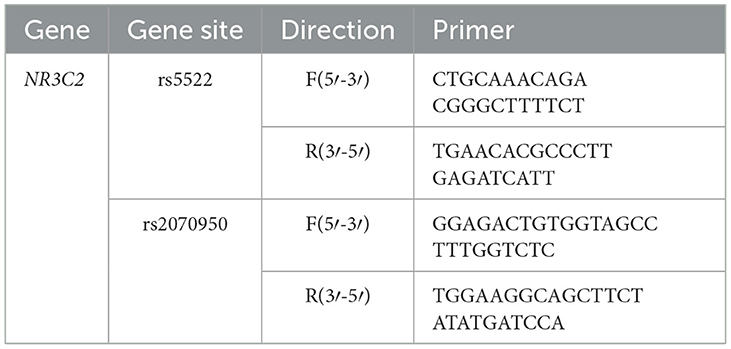
Table 1. The list of primers for PCR amplification.
2.6 Reagents and instruments
Cell-cracking solution CL, protease K, Buffer FG, eluting buffer TB (TIANGEN), Microsampler Eppendorf, desktop high-speed centrifuge TD5A-WS, Ultra-micro photometer NanoDeop 2000, etc. PCR amplification: PCR MyCycler, Gel imager MyCycler, Nucleic acid dyes (Biomed Company), PCR reaction buffers, MgCl2 (Takara Company), QT-1 vortex mixer(Shanghai Kit Analytical Instrument Co., LTD), Mini-4lc microcentrifuge (Zhuhai Black horse Medical Instrument Co., LTD), TD5A-WS desktop low speed centrifuge (Changsha Xiangyi centrifuge Instrument Co., LTD), Gel imager (Shanghai Peiqing Technology Co., LTD), FR-110 UV analysis device(Shanghai Furi Technology Co., LTD), FR-250 electrophoresis apparatus (Shanghai Furi Technology Co., LTD), 3730xl genetic analyze (ABI).
2.7 Quality control
The investigators involved in this study underwent uniform training, while the coal miners were instructed to complete the Occupational Health Survey scale. Blood samples drawn by a nurse from a hospital specialized in occupational diseases were collected promptly to prevent repeated dissolution. DNA extraction was performed according to the steps required by blood Genomic DNA Extraction Kit. The genotypes of the selected loci were determined in strict accordance with the operation procedure of iMLDRTM. When testing in the laboratory, a familiar experimental instrument with the specification was used to ensure that the instrument was in good working condition. Samples and reagents were kept by strictly conforming to the quality and normal standards of molecular biology laboratories to ensure that they were not contaminated. A random sample of 5% of the high-burnout group and the low-burnout group was genotyped by two different researchers with a 99% repetition rate.
2.8 Statistical analysis
All data were entered into the Epidata 3.1 database and checked for data consistency. The data were analyzed using IBM SPSS statistical software (version 21.0). Quantitative data are expressed as mean ± standard deviation, and the mean of the two groups were compared by performing two independent samples t-tests. In addition, allele and genotype distribution frequency of the high-burnout group and the low-burnout group were analyzed by single-factor analysis, as well as Odds Ratios (OR) and 95% Confidence Intervals (95%CI). Regression models of rs5522 and rs2070950 of the NR3C2 gene were established using R software. In the regression model, covariates with more than 10% influence on the regression coefficient of each gene and covariates with P < 0.1 regression coefficient of each SNP are confounding factors. Consequently, sex and working years were identified as confounding factors. After adjusting for confounding factors, SPSS 21.0 software was used to analyze the distribution of SNP genotypes and alleles in the job burnout case group and control group, and the correlation between SNP genotypes and the occurrence of job burnout was analyzed by ORs and 95%CIs. Gene-environment interaction analyses were performed using Generalized Multi-factor Dimensionality Reduction (GMDR) software. A P-value of 0.05 was considered statistically significant.
3 Results
3.1 Job burnout among participants with different demographic characteristics
This study included 128 participants (10%) with zero burnout, 400 (31.2%) with mild burnout, 649 (50.6%) with moderate burnout and 105 (8.2%) with severe burnout. Differences in sex, age, length of service, educational level, shift system, and marital status were statistically significant (P < 0.05; Table 2).
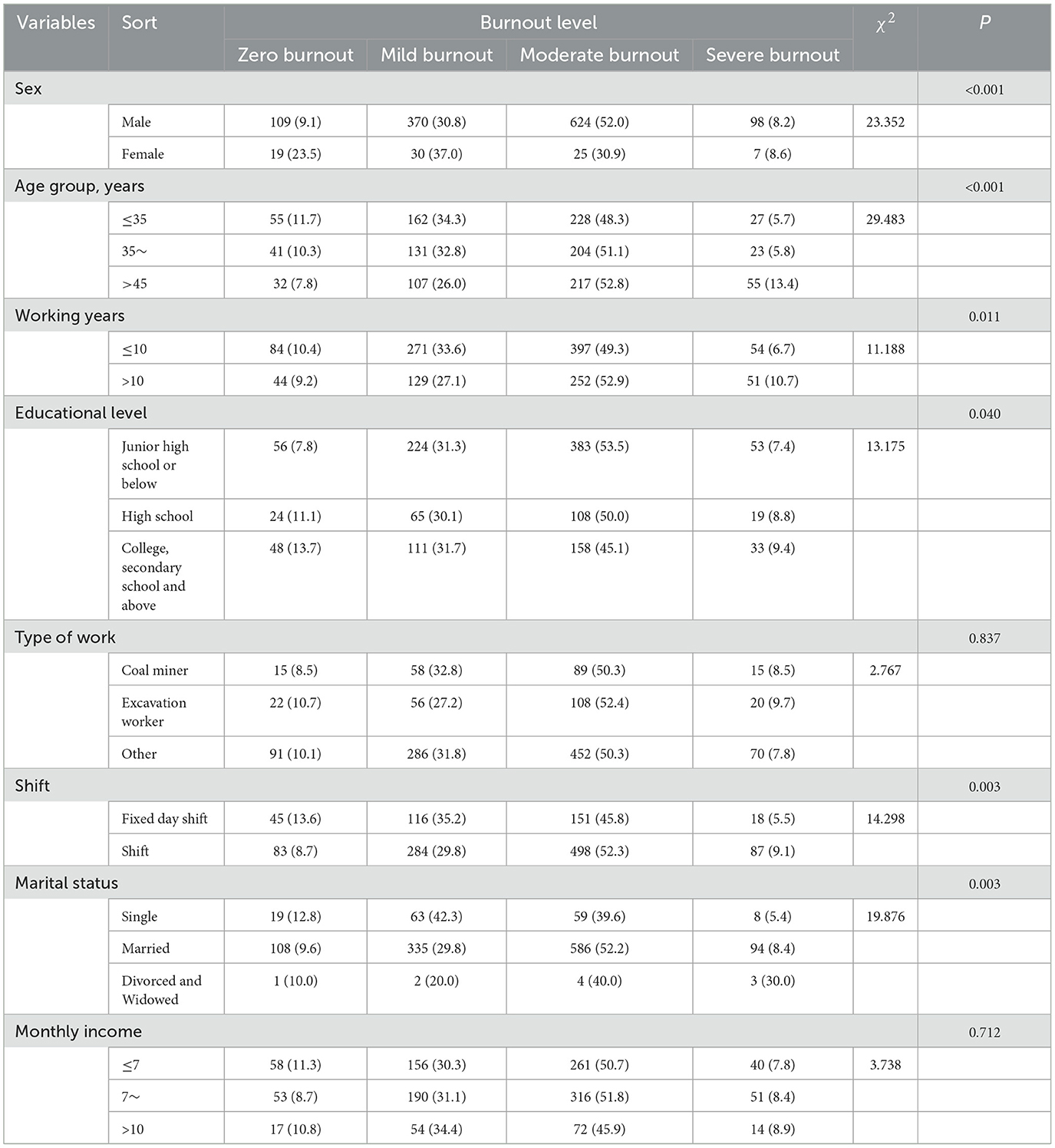
Table 2. Occupational burnout degree of coal miners with different individual characteristics, n (%).
3.2 Comparison of job burnout scores for different demographic characteristics
The results showed differences in overall job burnout scores according to the participants' sex, age, length of service, educational level, type of work, shift system, and marital status (P < 0.05; Table 3).
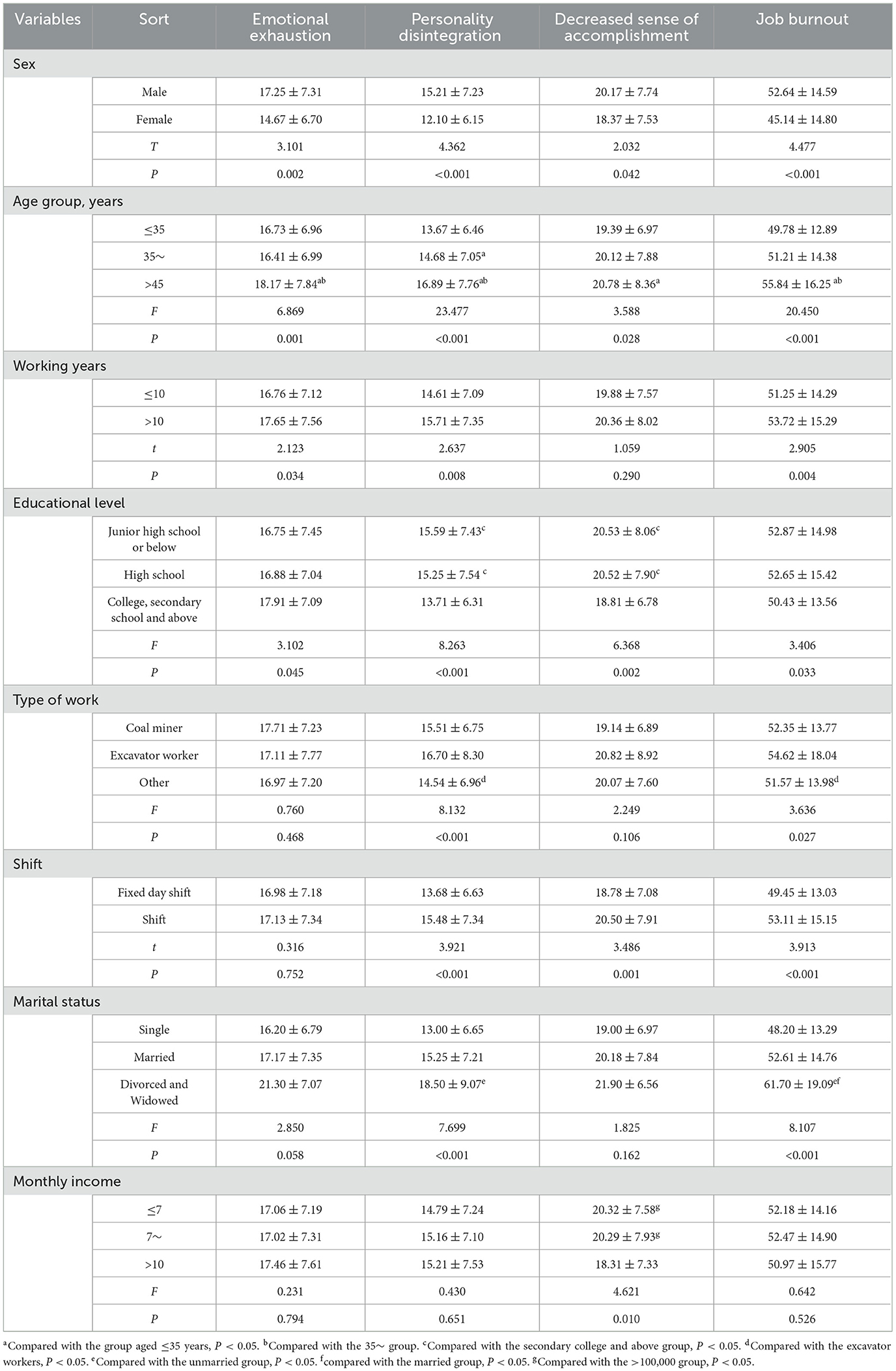
Table 3. Scores of different dimensions of occupational burnout of coal miners with different individual characteristics ( ± s).
3.3 Analysis of the correlation between job burnout and occupational stress and coping styles
Among the 1,282 respondents surveyed, 822 (64.1%) coal miners had a DCR ≤ 1, while 460 (35.9%) coal miners had a DCR > 1. Job requirements were positively associated with emotional exhaustion and job burnout (P < 0.05). Decision autonomy was negatively associated with reduced sense of achievement (P < 0.05). Social support was negatively associated with personality disintegration and reduced sense of achievement and job burnout (P < 0.05). DCR was positively associated with emotional exhaustion and job burnout (P < 0.05). Positive coping was negatively associated with personality disintegration, reduced sense of achievement and job burnout (P < 0.05). Negative coping was positively associated with emotional exhaustion, personality disintegration, reduced sense of achievement and job burnout (P < 0.05; Table 4).
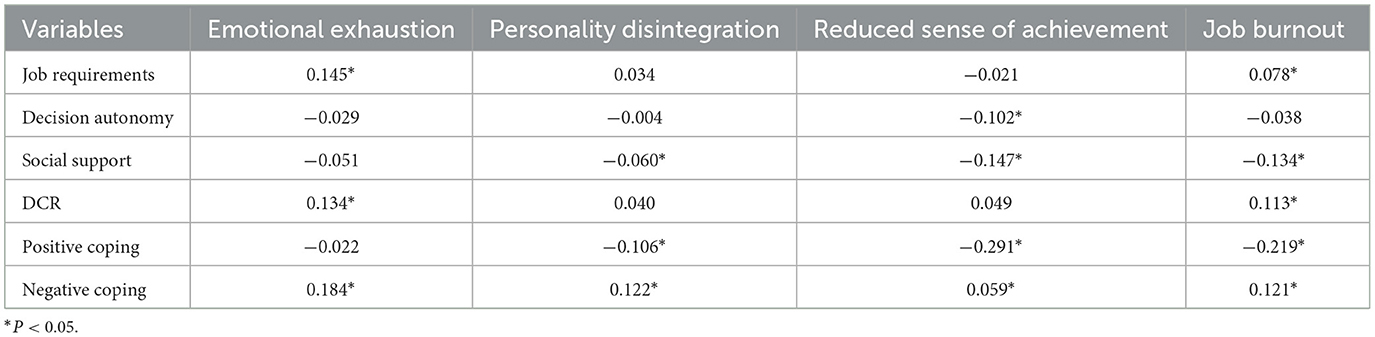
Table 4. Partial correlation analysis between occupational burnout and job content and coping styles (rs).
3.4 Comparison of occupational burnout in different occupational stress groups
DCR ≤ 1 accounted for 74.2% of the zero burnout group, 66.3% of the mild burnout group, 62.2% of the moderate burnout group, and 55.2% of the severe burnout group. The difference between different burnout level subgroups was statistically significant when compared between DCR subgroups (P < 0.05; Table 5).
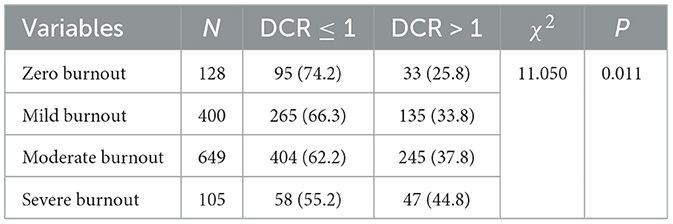
Table 5. DCR group comparison of different occupational burnout degree groups (n, %).
3.5 Comparison of coping styles among different burnout groups
There were significant differences in the scores of positive coping styles and negative coping in different levels of burnout groups (P < 0.05; Table 6).
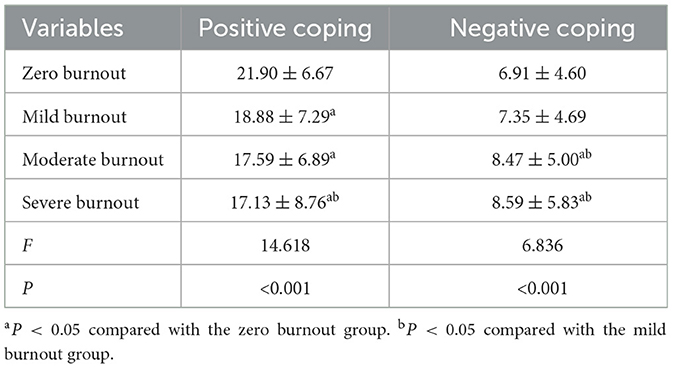
Table 6. Comparison of coping styles among different burnout groups ( ± s).
3.6 Hardy-Weinberg equilibrium test
The actual values of rs5522 and rs2070950 loci in this selection of control and case groups matched well with the expected values, and none of the differences were statistically significant (P > 0.05), in accordance with the Hardy-Weinberg law of genetic equilibrium (Table 7).
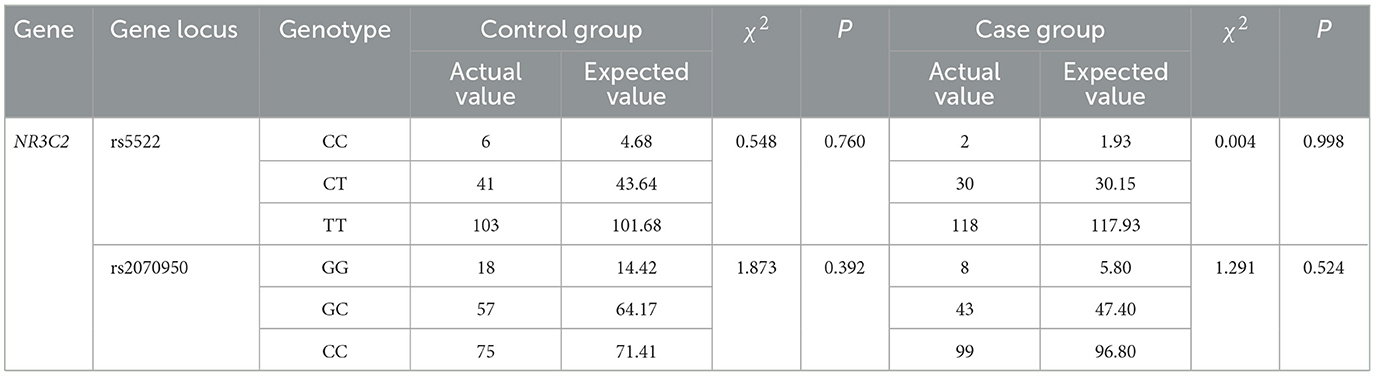
Table 7. Hardy-Weinberg genetic balance test.
3.7 Analysis of the NR3C2 gene and the degree of effect of burnout
The distribution of each different genotype and allele of NR3C2 gene rs2070950 locus was different between the control and case groups and the difference was statistically significant (P < 0.05). The difference in the distribution of different genotypes at the rs5522 locus of the NR3C2 gene between the control and case groups was not statistically significant (P > 0.05). Furthermore, the distribution of different allele frequencies at the rs5522 locus was different between control and case groups, and the difference was statistically significant (P < 0.05; Table 8).
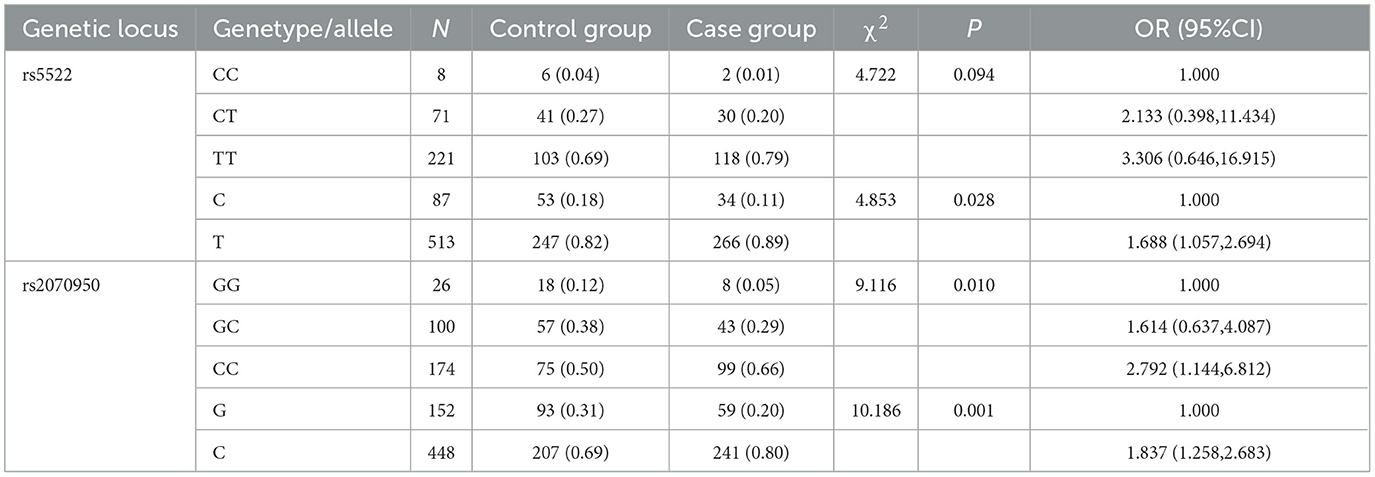
Table 8. rs5522 and rs2070950 genotype and allele distribution analysis of the influence degree of occupational burnout (n, %).
3.8 Analysis of gene-gene and environment-gene interactions to burnout
The GMDR model was used to analyze the gene-environment interaction for a total of five factors: rs5522, rs2070950, occupational strain, positive coping, and negative coping. The optimal combination was finally determined, as shown in Table 9, with negative coping as the main effect and an interaction model consisting of rs5522 locus, rs2070950 locus, occupational tension, positive coping and negative coping, which had the greatest cross-validation agreement (10/10), while the highest test sample accuracy was 0.6722 with a p-value of 0.0010.
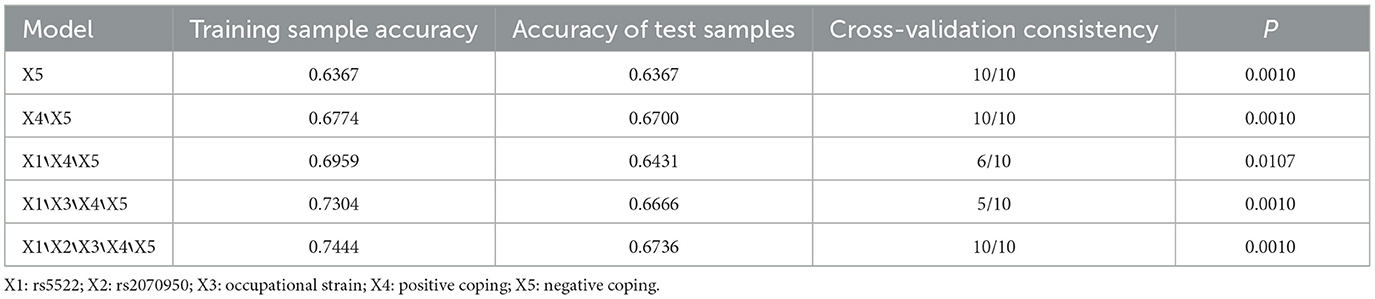
Table 9. Occupational burnout GMDR model of environment-gene interaction.
3.9 Regression analysis of the effects of gene-environment interactions on job burnout
According to the results of GMDR software analysis, the subjects were divided into low risk group and high risk group. The rs5522 and rs2070950 loci of NR3C2 gene were grouped according to the dominant genetic model and the interaction with environmental factors was analyzed by Logistic regression. The risk of job burnout in CC/CT*GG/GC*occupational stress negative individuals was lower than TT*CC*occupational stress positive individuals (OR = 0.254, 95%CI: 0.117~0.555). Compared with TT*CC*low positive coping, CC/CT*GG/GC*moderate positive coping was a protective factor for job burnout (OR = 0.245, 95%CI: 0.089~0.670). The risk of job burnout in CC/CT*GG/GC*high positive coping individuals was lower than TT*CC*low positive coping individuals (OR = 0.139, 95%CI: 0.034~0.564). Compared with TT*CC*high negative coping, CC/CT*GG/GC*low negative coping was a protective factor for job burnout (OR = 0.167, 95%CI: 0.029~0.956). Compared with the high-risk group in the aspects of rs5522, rs2070950, occupational stress, positive coping, and negative coping, the low-risk group is unlikely to suffer from job burnout (OR = 0.103, 95%CI: 0.058–0.182; Table 10).
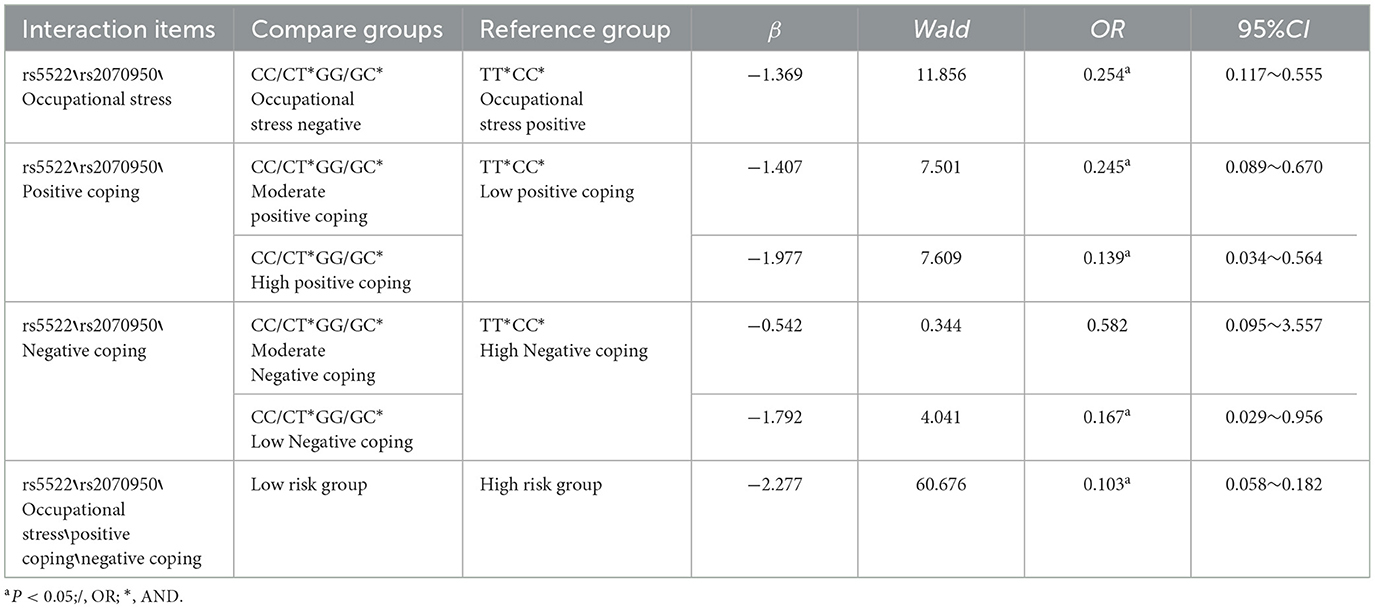
Table 10. Environment-gene interaction on occupational burnout of logistic regression analysis.
4 Discussion
The survey results showed that among the 1,282 respondents, 128 (10.0%) had zero burnout, 400 had mild burnout (31.2%), 649 had moderate burnout (50.6%), and 105 had severe burnout (8.2%). The detection rate of worker burnout was 90.0%. Male coal miners had higher burnout scores than females, consistent with the findings of Gao et al. (44). Compared to female coal miners who work on the surface, male coal miners had a higher risk factor and higher levels psychological stress than females working in the underground working environment. The burnout scores of coal miners in the >45-year-old group were higher than those in the ≤ 35-year-old group and the 35–45-year-old group, consistent with the survey results of Sun et al. (45) on copper-nickel mine workers. The burnout scores of coal miners with a college education, technical secondary school education and above were lower than those of the other two groups, consistent with the survey results of bus drivers reported by Wang et al. (46). With regards to medical staff, divorced, and widowed coal miners had higher burnout scores than unmarried and married workers, which was in line with the findings of Zhang et al. (47). There was no significant difference in burnout scores between married and unmarried groups, consistent with Du and Zhu (48), which may be because divorced and widowed employees have higher stress levels than the other two groups (49), and subjective stress, psychological stress, and physical stress may all increase the level of job burnout (50). Coal miners with economic income >100,000 yuan/year scored lower than the other two groups on the dimension measuring a reduced sense of achievement, which was in agreement with the research results of Liu et al. (51). Workers with a low working ability and high income may have a more positive attitude toward their own working ability. Coal miners with more than 10 years of work experience had higher scores on the dimension corresponding to emotional exhaustion, personality disintegration and occupational burnout than those with less than 10 years of work experience, which was consistent with the research results of Yang et al. (52). The high physical intensity of repetitive labor tends to cause workers to feel disinterested and mentally exhausted. Coal miners in the excavation group scored higher on the personality disintegration dimension and had higher levels of job burnout than the other groups. Participants who worked fixed day shifts had lower burnout scores than coal miners who worked shift work, which was in line with the results of Zhang et al.'s (53) study involving medical staff, and shift work was a risk factor for burnout. This may be because shift work tends to disrupt the normal daily lives of workers. Irregular work and rest affect the physical and mental health of workers (54).
In this survey on the work content of coal miners, coal miners with a DCR > 1 accounted for 35.9%, which was in line with the survey results of coal miners reported by Han et al. (55). The results of the partial correlation analysis showed that job requirements, occupational stress and occupational burnout were positively correlated, while social support was negatively correlated with occupational burnout. Social support is a moderator of occupational stress, and more social support will reduce the level of job burnout (56–58). The results related to coping styles and job burnout showed that positive coping was negatively related to job burnout, while negative coping was positively related to job burnout, which was consistent with the research results of Sun et al. (59). Bogdan et al. (60) found that the rs5522 locus polymorphism affects functional genetic variation in HPA axis function, and functional genetic variation in HPA axis responses to stress may mediate the risk of mental illness. This study selected the rs5522 and rs2070950 loci of the NR3C2 gene. The results showed that the T allele of the rs5522 locus increased the risk of job burnout (OR = 1.688, 95%CI: 1.057–2.694). The rs2070950 locus of the NR3C2 gene was associated with the occurrence of job burnout, and the CC genotype (OR = 2.792, 95%CI: 1.144–6.812) and C allele (OR = 1.837, 95%CI: 1.258–2.683) increased the risk of burnout among coal miners.
The results of the gene-environment analysis showed that negative coping was the main effect and the best joint effect model consisting of rs5522, rs2070950, DCR, positive coping, and negative coping factors had the greatest degree of effect on burnout, with a cross-validation consistency of (10/10) and a high test sample precision of 0.6722.
The results showed that the NR3C2 gene interacted with occupational strain and coping style, and the more significant interaction combinations at high risk of burnout were moderate negative coping, moderate positive coping, positive for occupational strain, TT genotype at the rs5522 locus of the NR3C2 gene, and CC genotype at the rs2070950 locus of the NR3C2 gene. This was consistent with the results of Wang et al. (61) who found that the interaction term of coping style and job stress had a regression effect on burnout. Further logistic regression analysis revealed that the environment-gene GMDR interaction results were protective factors for burnout in the low risk group compared to the high risk group (OR = 0.103, 95%CI: 0.058–0.182), and the rs5522 and rs2070950 loci of the NR3C2 gene were not interaction main effects, two loci SNPs variants in the interaction increased the risk of burnout. The risk of job burnout in CC/CT*GG/GC*occupational stress negative individuals was significantly reduced (OR = 0.254, 95%CI: 0.117–0.555) than in TT*CC*occupational stress positive individuals. Suggesting that the interaction of occupational stress with rs5522 and rs2070950 locus influenced the level of burnout occurrence. Compared with TT*CC*low positive coping, CC/CT*GG/GC*moderate positive coping was a protective factor for job burnout (OR = 0.245, 95%CI: 0.089~0.670). The risk of job burnout in CC/CT*GG/GC*high positive coping individuals was lower than TT*CC*low positive coping individuals (OR = 0.139, 95%CI: 0.034~0.564). Suggesting that both negative coping and positive coping can interact with the rs5522 and rs2070950 loci of the NR3C2 gene to influence the level of burnout.
5 Conclusion
Mild, moderate, and severe job burnout were detected among 90% of the coal miners in this study. The incidence of job burnout among coal miners was high and mainly concentrated around mild and moderate burnout. Gender, age, shift work, marital status, positive coping, negative coping, job requirements, and social support influenced the level of burnout.
The prevalence of occupational strain among coal miners with the job requirement-autonomy model was average, and higher levels of occupational strain were associated with a higher probability of burnout; positive coping reduced the risk of burnout, whereas negative coping increased the risk of burnout.
The CC genotype at the rs2070950 locus of the NR3C2 gene was identified as a susceptible genotype for burnout. As for Gene-Environment interaction, the interaction among rs5522 and rs2070950 sites of NR3C2 gene, occupational stress, positive coping styles and negative coping styles could affect the level of job burnout. The occurrence of job burnout is a complex process. On the one hand, the body's exposure to environmental risk factors may increase the risk of job burnout, on the other hand, the existence of gene polymorphism may make individuals carrying susceptible genes less exposed to environmental risk factors can develop burnout. Therefore, the occurrence of job burnout may be the result of the interaction between environmental factors and genes. Coal mine enterprises and higher management units should strive to ensure a safe working environment, and increase the level of coal mine automation, while health management departments should aim to provide better health care. Management personnel should reasonably allocate the working hours and tasks of the workers and provide them with appropriate supports. Coal mine enterprises should formulate a reasonable system, improve the working environment and conditions, and carry out stress management training programs, such as strengthening communication within the organization and offering psychological counseling, so as to effectively reduce the possibility of job burnout by addressing various factors. Workers themselves should also adopt a positive attitude to reduce the possibility of job burnout.
Our study has several important limitations that need to be considered. Firstly, genetic testing was not conducted on all the samples in this study. Therefore, the results obtained from this study need to be validated in a larger sample study. Secondly, there is a limited number of genotypes included in this study, and there are other genes associated with the HPA axis. To better investigate the relationship between job burnout and genetic and environmental factors, a wider range of genotypes will be included in future studies. Lastly, this study utilized a cross-sectional investigation and research method, which allows for only limited information on the occurrence of the disease. To further explore the impact of gene-environment interactions on burnout, establish a network model of genetic environmental susceptibility factors, and delve into the pathogenesis of burnout, cohort studies will be considered in the future.
Data availability statement
The original contributions presented in the study are included in the article/supplementary material, further inquiries can be directed to the corresponding author.
Ethics statement
This study was approved by the Ethics Committee of Xinjiang Medical University (No.20160218-109). The studies were conducted in accordance with the local legislation and institutional requirements. The participants provided their written informed consent to participate in this study.
Author contributions
XL, XM, and FL conceived and designed the study. XL, XM, XY, CQ, and FL contributed to the acquisition, analysis, and interpretation of data, were involved in drafting the manuscript, and revising it for important intellectual content. All authors contributed substantially to the work presented in this paper. All authors reviewed and approved the final manuscript.
Funding
This work was funded by the National Natural Science Foundation of China (Grant Numbers: 81660533 and 82060590) and the Key Discipline of the 14th 5-Year Plan in Xinjiang Uygur Autonomous Region-Public Health and Preventive Medicine.
Acknowledgments
The authors thank the study participants.
Conflict of interest
The authors declare that the research was conducted in the absence of any commercial or financial relationships that could be construed as a potential conflict of interest.
Publisher's note
All claims expressed in this article are solely those of the authors and do not necessarily represent those of their affiliated organizations, or those of the publisher, the editors and the reviewers. Any product that may be evaluated in this article, or claim that may be made by its manufacturer, is not guaranteed or endorsed by the publisher.
References
1. Hartog CS. Ich kann nicht mehr: Burn-out - eine Aufrüttelung [Burnout-a call for action]. Med Klin Intensivmed Notfmed. (2019) 114:6938. German. doi: 10.1007/s00063-017-0362-1
2. Freudenberger HJ. Staff burn-out. J Soc Issues. (1974) 30:159–65. doi: 10.1111/j.1540-4560.1974.tb00706.x
4. Rotenstein LS, Torre M, Ramos MA, Rosales RC, Guille C, Sen S, et al. Prevalence of burnout among physicians: a systematic review. JAMA. (2018) 320:1131–50. doi: 10.1001/jama.2018.12777
5. von Känel R, Princip M, Holzgang SA, Fuchs WJ, van Nuffel M, Pazhenkottil AP, et al. Relationship between job burnout and somatic diseases: a network analysis. Sci Rep. (2020) 10:18438. doi: 10.1038/s41598-020-75611-7
6. Amaral KV, Galdino MJQ, Martins JT. Burnout, daytime sleepiness and sleep quality among technical-level nursing students. Rev Lat Am Enfermagem. (2021) 29:e3487. doi: 10.1590/1518-8345.5180.3487
7. Sygit-Kowalkowska E, Piotrowski A, Hamzah I. Insomnia among prison officers and its relationship with occupational burnout: the role of coping with stress in polish and Indonesian samples. Int J Environ Res Public Health. (2021) 18:4282. doi: 10.3390/ijerph18084282
8. Koutsimani P, Montgomery A, Georganta K. The relationship between burnout, depression, and anxiety: a systematic review and meta-analysis. Front Psychol. (2019) 10:284. doi: 10.3389/fpsyg.2019.00284
9. Strikwerda M, Beulens JW, Remmelzwaal S, Schoonmade LJ, van Straten A, Schram MT, et al. The association of burnout and vital exhaustion with type 2 diabetes: a systematic review and meta-analysis. Psychosom Med. (2021) 83:1013–30. doi: 10.1097/psy.0000000000000995
10. Guan S, Xiaerfuding X, Ning L, Lian Y, Jiang Y, Liu J, et al. Effect of job strain on job burnout, mental fatigue and chronic diseases among civil servants in the Xinjiang Uygur autonomous region of China. Int J Environ Res Public Health. (2017) 14:872. doi: 10.3390/ijerph14080872
11. Papaefstathiou E, Apostolopoulou A, Papaefstathiou E, Moysidis K, Hatzimouratidis K, Sarafis P. The impact of burnout and occupational stress on sexual function in both male and female individuals: a cross-sectional study. Int J Impot Res. (2020) 32:510–9. doi: 10.1038/s41443-019-0170-7
12. Salvagioni DAJ, Melanda FN, Mesas AE, González AD, Gabani FL, Andrade SM. Physical, psychological and occupational consequences of job burnout: a systematic review of prospective studies. PLoS ONE. (2017) 12:e0185781. doi: 10.1371/journal.pone.0185781
13. Lu H, Zhao Y, While A. Job satisfaction among hospital nurses: a literature review. Int J Nurs Stud. (2019) 94:21–31. doi: 10.1016/j.ijnurstu.2019.01.011
14. Neves T, Parreira P, Rodrigues V, Graveto J. Organizational commitment and intention to leave of nurses in Portuguese hospitals. Int J Environ Res Public Health. (2022) 19:2470. doi: 10.3390/ijerph19042470
15. Park SK, Rhee MK, Lee SW. The effects of job demands and resources on turnover intention: the mediating roles of emotional exhaustion and depersonalization. Work. (2021) 70:301–9. doi: 10.3233/wor-213574
16. Chen X, Ran L, Zhang Y, Yang J, Yao H, Zhu S, et al. Moderating role of job satisfaction on turnover intention and burnout among workers in primary care institutions: a cross-sectional study. BMC Public Health. (2019) 19:1526. doi: 10.1186/s12889-019-7894-7
17. Dall'Ora C, Ball J, Reinius M, Griffiths P. Burnout in nursing: a theoretical review. Hum Resour Health. (2020) 18:41. doi: 10.1186/s12960-020-00469-9
18. Sasaki N, Imamura K, Thuy TTT, Watanabe K, Huong NT, Kuribayashi K, et al. Validation of the Job Content Questionnaire among hospital nurses in Vietnam. J Occup Health. (2020) 62:e12086. doi: 10.1002/1348-9585.12086
19. Lammassaari H, Hietajärvi L, Salmela-Aro K, Hakkarainen K, Lonka K. Exploring the relations among teachers' epistemic theories, work engagement, burnout and the contemporary challenges of the teacher profession. Front Psychol. (2022) 13:861437. doi: 10.3389/fpsyg.2022.861437
20. West CP, Dyrbye LN, Shanafelt TD. Physician burnout: contributors, consequences and solutions. J Intern Med. (2018) 283:516–29. doi: 10.1111/joim.12752
21. Galanis P, Vraka I, Fragkou D, Bilali A, Kaitelidou D. Nurses' burnout and associated risk factors during the COVID-19 pandemic: a systematic review and meta-analysis. J Adv Nurs. (2021) 77:3286–302. doi: 10.1111/jan.14839
22. Cañadas-De la Fuente GA, Ortega E, Ramirez-Baena L, De la Fuente-Solana EI, Vargas C, Gómez-Urquiza JL. Gender, marital status, and children as risk factors for burnout in nurses: a meta-analytic study. Int J Environ Res Public Health. (2018) 15:2102. doi: 10.3390/ijerph15102102
23. Smith TD, DeJoy DM, Dyal MA, Huang G. Impact of work pressure, work stress and work-family conflict on firefighter burnout. Arch Environ Occup Health. (2019) 74:215–22. doi: 10.1080/19338244.2017.1395789
24. Labrague LJ, McEnroe-Petitte DM, Leocadio MC, Van Bogaert P, Cummings GG. Stress and ways of coping among nurse managers: an integrative review. J Clin Nurs. (2018) 27:1346–59. doi: 10.1111/jocn.14165
25. Maresca G, Corallo F, Catanese G, Formica C, Lo Buono V. Coping strategies of healthcare professionals with burnout syndrome: a systematic review. Medicina. (2022) 58:327. doi: 10.3390/medicina58020327
26. He SC, Wu S, Du XD, Jia Q, Wang C, Wu F, et al. Interactive effects of corticotropin-releasing hormone receptor 1 gene and work stress on burnout in medical professionals in a Chinese Han population. J Affect Disord. (2019) 252:1–8. doi: 10.1016/j.jad.2019.03.084
27. Li X. Epidemiological Survey of Job Burnout and Interaction With Susceptibility Genes in Xinjiang Coal Miners. Xinjiang: Xinjiang Medical University (2019).
28. Gao X. Study on the Relationship Between Occupational Stress, Gene Polymorphism and Their Interaction on Job Burnout in Coal Chemical Enterprises' Workers. Xinjiang: Xinjiang Medical University (2018).
29. Pagliaccio D, Luby JL, Bogdan R, Agrawal A, Gaffrey MS, Belden AC, et al. Amygdala functional connectivity, HPA axis genetic variation, and life stress in children and relations to anxiety and emotion regulation. J Abnorm Psychol. (2015) 124:817–33. doi: 10.1037/abn0000094
30. ter Heegde F, De Rijk RH, Vinkers CH. The brain mineralocorticoid receptor and stress resilience. Psychoneuroendocrinology. (2015) 52:92–110. doi: 10.1016/j.psyneuen.2014.10.022
31. van Leeuwen N, Bellingrath S, de Kloet ER, Zitman FG, DeRijk RH, Kudielka BM, et al. Human mineralocorticoid receptor (MR) gene haplotypes modulate MR expression and transactivation: implication for the stress response. Psychoneuroendocrinology. (2011) 36:699–709. doi: 10.1016/j.psyneuen.2010.10.003
32. Tan B, Shao Z, Wei H, Yang G, Zhu X. Xu B, et al. Status of research on hydrogen sulphide gas in Chinese mines. Environ Sci Pollut Res Int. (2020) 27:2502–21. doi: 10.1007/s11356-019-07058-x
33. Li X, Yang X, Sun X, Xue Q, Ma X, Liu J, et al. Associations of musculoskeletal disorders with occupational stress and mental health among coal miners in Xinjiang, China: a cross-sectional study. BMC Public Health. (2021) 21:1327. doi: 10.1186/s12889-021-11379-3
34. Prasad SK, Singh S, Bose A, Prasad B, Banerjee O, Bhattacharjee A, et al. Association between duration of coal dust exposure and respiratory impairment in coal miners of West Bengal, India. Int J Occup Saf Ergon. (2021) 27:794–804. doi: 10.1080/10803548.2020.1742463
35. Khan WAA, Jackson ML, Kennedy GA, Conduit R. A field investigation of the relationship between rotating shifts, sleep, mental health and physical activity of Australian paramedics. Sci Rep. (2021) 11:866. doi: 10.1038/s41598-020-79093-5
36. Li F, Liu J, Lian Y, Wang Q. Reliability and validity of job burnout measurement tool in knowledge worker. Chin J Indus Hyg Occup Dis. (2009) 27:156–9. doi: 10.3760/cma.j.issn.1001-9391.2009.03.009
37. Li F. Study on the Relationship Between Occupational Stress and Job Burnout and Influencial Factors of Job Burnout in Mental Workers. Xinjiang: Xinjiang Medicial University (2008).
38. Boles JS, Dean DH, Ricks JM, Short JC, Wang G. The dimensionality of the Maslach Burnout Inventory across small business owners and educators. J Vocation Behav. (2000) 56:12–34. doi: 10.1006/jube.1999.1689
39. Dai J, Yu H, Wang Z, Fu H. Reliability and validity evaluation of 0ccupational population fatigue questionnaire. Chin J Occup Health Occup Dis. (2006) 24:3. doi: 10.3760/cma.j.issn.1001-9391.2006.04.011
40. Dai J, Yu H, Wu J, Fu H. Stress assessment model based on a simple job stress questionnaire in Chinese. Fudan Univ J Med Sci. (2007) 34:656–61. doi: 10.3969/j.issn.1672-8467.2007.05.005
41. Wang L, Feng JL, Gao HP, Hu P. Reliability and validity of the application of job content scales to construction workers. J Environ Occup Med. (2010) 27:138–41. doi: 10.13213/j.cnki.jeom.2010.03.008
42. Xie Y. A preliminary study of the reliability and validity of the Brief Coping Style Scale. Chin J Clin Psychol. (1998) 1998:53–4.
43. Liu Y, Hu C, Liu C, Liu D, Mei L, He C, et al. A rapid improved multiplex ligation detection reaction method for the identification of gene mutations in hereditary hearing loss. PLoS ONE. (2019) 14:e0215212. doi: 10.1371/journal.pone.0215212
44. Gao X, Ma KL, Wang H, Gao Q, Lei LJ, Wang T. Association of sleep quality with job burnout among Chinese coal mine staff: a propensity score weighting analysis. Sci Rep. (2019) 9:8737. doi: 10.1038/s41598-019-45329-2
45. Sun X, Ge H, Liu J. Current status of job burnout and its influence on working capability of miners in a copper-nickel mine in Xinjiang Municipality. Chin Occup Med. (2019) 46:586–90. doi: 10.11763/j.issn.2095-2619.2019.05.012
46. Wang S, Zhou H, Zhou Y, Lan Y. Relationship between bus drivers' job burnout and mental health status: Modern Prev Med. (2020) 47:35–9.
47. Zhang Z, Sun N, Han Y, Meng J, Zhao D, Han M. Job burnout and occupational stability among medical staff in Xianyang area. Occup Health. (2018) 34:1891–5. doi: 10.13329/j.cnki.zyyjk.2018.0526
48. Du P, Zhu X. Influence of occupational stress and job burnout on recessive absence of nurses in emergency department. Occup Health. (2019) 35:3317–21. doi: 10.13329/j.cnki.zyyjk.2019.0891
49. Buecker S, Denissen JJA, Luhmann M. A propensity-score matched study of changes in loneliness surrounding major life events. J Pers Soc Psychol. (2021) 121:669–90. doi: 10.1037/pspp0000373
50. Hamdan M, Hamra AA. Burnout among workers in emergency Departments in Palestinian hospitals: prevalence and associated factors. BMC Health Serv Res. (2017) 17:407. doi: 10.1186/s12913-017-2356-3
51. Liu Y, Wang Q, Ye Y, Jin X, Lai J, Yang C. The investigation of job burnout in primary health care workers of Luzhou City. Indus Health Occup Dis. (2018) 44:43–7. doi: 10.13692/j.cnki.gywsyzyb.2018.01.011
52. Yang J, Wang Y, He D, Cui C, Li F. Status and influenceing factors of job burnout among coal miners in Xinjiang. J Xinjiang Med Univ. (2017) 40:1084–87+1092.
53. Zhang J, Dai H, He J. Analysis on basic status of job burnout and its influencing factors among medical staff of community health center in a certain district of Shanghai city. Chin J Ind Med. (2019) 32:383–7. doi: 10.13631/j.cnki.zggyyx.2019.05.015
54. Gamboa Madeira S, Fernandes C, Paiva T, Santos Moreira C, Caldeira D. The impact of different types of shift work on blood pressure and hypertension: a systematic review and meta-analysis. Int J Environ Res Public Health. (2021) 18:6738. doi: 10.3390/ijerph18136738
55. Han F, Wang D, Zou J, Li M. Relationship between occupational stress and occupational musculoskeletal disorders in coal miners. Chin Occup Med. (2018) 45:188–93. doi: 10.11763/j.issn.2095-2619.2018.02.011
56. Valenti GD, Faraci P, Magnano P. Emotional intelligence and social support: two key factors in preventing occupational stress during COVID-19. Int J Environ Res Public Health. (2021) 18:6918. doi: 10.3390/ijerph18136918
57. Junaković IT, Macuka I. Job demands, job control, and social support as predictors of job satisfaction and burnout in Croatian palliative care nurses. Arh Hig Rada Toksikol. (2021) 72:225–31. doi: 10.2478/aiht-2021-72-3556
58. Li Q, Chi P, Hall BJ, Wu Q, Du H. Job stress and depressive symptoms among migrant workers in Macau: a moderated mediation model of self-esteem and perceived social support. Psych J. (2019) 8:307–17. doi: 10.1002/pchj.298
59. Sun L, Zhang H, Sun W, Wang Y. Changes in coping styles and personality traits of scientific and technological workers in job burnout. Clin Med. (2019) 39:20–2. doi: 10.19528/j.issn.1003-3548.2019.04.007
60. Bogdan R, Williamson DE, Hariri AR. Mineralocorticoid receptor Iso/Val (rs5522) genotype moderates the association between previous childhood emotional neglect and amygdala reactivity. Am J Psychiatry. (2012) 169:515–22. doi: 10.1176/appi.ajp.2011.11060855
Keywords: job burnout, occupational stress, coping styles, NR3C2 gene, GMDR
Citation: Lin X, Ma X, Yi X, Qu C and Li F (2023) Effects of environmental and genetic interactions on job burnout in coal miners: interactions between occupational stress, coping styles, and NR3C2 gene polymorphisms. Front. Public Health 11:1237843. doi: 10.3389/fpubh.2023.1237843
Received: 10 June 2023; Accepted: 30 October 2023;
Published: 20 November 2023.
Edited by:
Mujeeb Zafar Banday, Government Medical College Baramulla, IndiaReviewed by:
Nicola Mucci, University of Florence, ItalyRenata Sisto, National Institute for Insurance Against Accidents at Work (INAIL), Italy
Copyright © 2023 Lin, Ma, Yi, Qu and Li. This is an open-access article distributed under the terms of the Creative Commons Attribution License (CC BY). The use, distribution or reproduction in other forums is permitted, provided the original author(s) and the copyright owner(s) are credited and that the original publication in this journal is cited, in accordance with accepted academic practice. No use, distribution or reproduction is permitted which does not comply with these terms.
*Correspondence: Fuye Li, bGlmdXllMjAwMEAxNjMuY29t
†These authors have contributed equally to this work