 Ivonne-Nadine Jürgensen
 Peter Koch2
- 1Department of Nursing and Management, Faculty of Business and Social Science, University of Applied Sciences Hamburg, Hamburg, Germany
- 2Competence Center for Epidemiology and Health Services Research for Healthcare Professionals (CVcare), Institute for Health Services Research in Dermatology and Nursing (IVDP), University Medical Center Hamburg-Eppendorf (UKE), Hamburg, Germany
University education marks a new stage in life, which is associated with unknown demands and challenges and can have a negative impact on students’ health. Therefore, health promotion in the university setting is becoming increasingly important. In this context, scientific data on the health situation play a crucial role in improving students’ health. Thus, the aim of the scoping review was to highlight the current scope of research on the health of health professional students. It also explored problems and outlined key future challenges and solutions. The review was conducted using the Joanna Briggs Institute (JBI) methodology for a scoping review. A total of nine databases (PubMed, CINAHL, CareLit, LIVIVO, Scopus, Psyndex, PEDro, OTseeker, Google Scholar) were systematically searched. The following search criteria were defined: health professional students, health, Germany, German-speaking countries, all types of sources from 2012 to present are selected. The research studies were mapped in a table and health evidence of included studies was summarized narratively. The initial search resulted in 23,938 records. Seven records met the inclusion criteria and were included in the review. Six cross-sectional studies were conducted in Germany, and one cross-sectional study was conducted in Switzerland. In fact, one study included a representative population. Qualitative studies were not found. The most studies investigated health status, health behavior, and personal resources. Most of the studies examined female nursing students. The included studies indicated that the young students reported physical or mental health conditions. In addition, the studies also identified health resources of the students that need to be improved. In summary, there is currently limited health evidence on this group of students in German-speaking countries. Therefore, further research is needed to generate knowledge and comprehensively describe the health situation.
1. Introduction
Rationale: healthcare industry in Germany
The healthcare industry is an important economic sector in Germany because it makes a crucial contribution to economic development and employment. Last year, the gross value added of this sector amounted to 439.6 billion Euros, accounting for 12.7% of the total gross value added of the German economy. In 2022, around 8.1 million people were employed in the healthcare industry (1). The healthcare industry consists of three main areas: Research and development, digitalization, and healthcare services. Healthcare services include outpatient and inpatient care for the population (2). From it results that, the healthcare sector offers diverse opportunities for growth, innovation, and employment. Furthermore, the population’s growing health awareness is leading to an overall increase in demand for professional healthcare services (1, 3). However, health services face various challenges, such as demographic change or a lack of qualified professionals to cope with the multiple opportunities and growing demands for healthcare (2). In addition, Germany has become a country of immigration. The healthcare sector therefore is faced with the task of addressing the healthcare needs of migrants (4). The nursing profession is a good example of this. Nurses represent the largest occupational group in the German healthcare sector (5). The global COVID-19 pandemic has highlighted the importance of nursing profession for the healthcare of the entire population (6, 7). This profession is particularly affected by demographic change and a lack of qualified professionals. The current shortage of personnel cannot be compensated by enough young professionals (8, 9). Considering this, it is important to have an adequate offer of qualified and health professionals. These challenges not only represent risk for economic development but also emphasize one of the most important socio-political tasks in the coming years in Germany (1, 3).
Health professions in Germany–new demands and fields of action
Health professionals are already facing with many new demands and tasks in relation to the healthcare of the population. These increasing demands are a result of the rising life expectancy and the increase in the proportion of people with multiple chronic illnesses (9) such as dementia patients (10). Moreover, there are special demands on the healthcare of people with a migration background (4). To meet these demands and tasks, expanded skills and (intercultural) competencies are necessary to ensure high-quality and interdisciplinary healthcare in the future (4, 8). Furthermore, the professional field of activity in the healthcare sector is expanding, for example, in the context of health promotion (11) as well as in promoting patients’ health literacy (12).
Professionalization of health professions in Germany
To meet these demands, the professionalization of health professions is one approach (13). In 2012, the German Science Council recommended that a significant proportion (10–20%) of health professionals should receive university education (13). The Council also recommends that experienced health professionals are offered the opportunity for further academic qualification. For university education, a primary qualifying bachelor’s degree program with a patient-oriented focus is recommended, which prepares students directly for working with patients (13). In this context, the Council considers a dual study program to be a suitable form of education (14). The Nursing Professions Act (2020) validates a primary dual bachelor’s degree program at universities. This law represents an important step toward upgrading the nursing profession, providing international career opportunities, and addresses new target groups to enter the profession (15).
Bologna-reform
Students are meeting changed study conditions due to the implementation of the Bologna reform. The Bologna reform has led to a stronger structuring of bachelor’s programs, which is evident in their modular organization (16). Dual bachelor’s degree programs are highly structured as they include two educational settings: the university and practical experience (17). Nevertheless, there is an increasing demand for dual degree programs in the healthcare sector (18).
Study time
The start of studying highlights a new phase of life, which is associated with challenges for young adults (19) and for experienced health professionals (20). During this life changes, they face new demands and difficulties. Students, for example, are exposed to different stressors, e.g., academic workload, learning and time management struggles, uncertainties, high frequency of exams (19, 21). Coping with these demands self-competencies, are independence and a sense of responsibility are needed (19, 21). In addition, the study phase represents a life stage for young people also connected with transition to adulthood (22). Arnett (2000) defined this life phase between 18 and 25 years as “emerging adulthood” and pointed out that risky lifestyles are most practiced in this phase (23).
Students health during study time
In the past, students were considered as a group with few health issues because of their young age (24). However, with the implementation of the Bologna reform and its impact as well as COVID-19 pandemic, student health has become a significant research topic in Germany (25–27). Evidence points to the fact that the pressure to academic perform and study-related stress can have a negative influence on students’ subjective health (25, 28, 29). A nationwide report on student’s health in Germany shows that students have a poorer self-assessment of their subjective health compared to employed people of the same age and suffer more frequently from mental burdens (30). Undergraduate students experience the highest levels of subjective stress, which can result in sleep problems and impaired sleep quality (31, 32). Research from the English-speaking countries shows that students in health-related degree programs are exposed to particularly high levels of stress, due to the academic workload and practical training (33, 34). In this regard, academic workload and clinical practice assignments are specific stressors. In their clinical practice, they are frequently confronted with patients suffering, illness, and death. Students must learn how to deal with the conditions of practice to perform in a professional way (33, 35). Another significant stress factor in practice is that the academic qualification is not yet fully accepted in Germany and a critical attitude toward students is prevalent (36).
Health promotion in the university setting
According to the World Health Organization (WHO), universities offer enormous possibilities for health promotion, which can have a positive impact on student’s subjective health, well-being, and their academic success (37) and contributes to reduce health disparities (26). In summary, completing a degree program relates to demands that can influence health. Students represent a relevant group for health promotion, which should not be ignored in the university setting. Therefore, the present scoping review highlights the current scope of research regarding the health of health professional students in German-speaking countries. It also explores problems and outline key future challenges and solutions. In addition, the scoping review provide a solid basis for future research initiatives.
Objectives
This scoping review aimed to (i) identify the scope of existing research on health of health professional students in Germany or German-speaking countries and (ii) provide an overview of the findings. The research objectives were operationalized using two research questions.
Which empirical studies have been conducted on the health of health professional students in German-speaking countries?
What has been reported on health outcomes of health professional students in German-speaking countries?
2. Materials and methods
For this scoping review, we used the Joanna Briggs Institute (JBI) methodology for scoping review (38). According to the JBI methodology (38), a preliminary protocol based on the JBI guidelines (39) was published in December 2022 (40).
The inclusion criteria based on the PCC framework. PCC means population, concept, and context (38). Inclusion criteria: Population: health professional students (nursing, physiotherapy, occupational therapy, speech therapy). Concept: health as a multidimensional concept (measured by scientific health indicators). Context: official German-speaking countries (Germany, Switzerland, Austria), publication date: from 2012 to present (here, the science council made its recommendation for professionalization). We left the source of information “open.” Thus, we included all existing types of information sources and study designs. A total of nine databases were screened: MEDLINE (PubMed), CINAHL (EBESCO), CareLit (German-language journals), LIVIO, Scopus, Psyndex, PEDro, OTseeker, OpenGrey Library (University of London) and Google Scholar. The online catalog of the university library was also screened.
The search strategy included three steps. In the first step, we conducted an initial limited search (September 4, 2022) in MEDLINE (PubMed), using suitable keywords and Medical Subject Headings (MeSH) for “health profession* student*,” health, “German-speaking area,” limited by abstract, in the last 10 years, humans, English, German, adults aged 19+ years (40). Keywords and index terms in title and abstract were analyzed and used to refine the following inclusive search. Consultation with an experienced librarian at the university was helpful in designing and refining the electronic database search. We started our inclusive search, without claim of completeness, on December 15, 2022. The first author (INJ) screened every record by title for inclusion criteria and duplicates. A second search was performed using all identified keywords. In databases, we combined the defined keywords with the Boolean operators OR/AND. For example, the search term in MEDLINE (PubMed): #1 (′′Students, Health Occupations′′ [Mesh] OR ′′health profession* student*′′ OR ′′healthcare student*′′ OR ′′health-care student*′′ OR ′′health care student*′′ OR “academic health profession*” OR “dual studie*” OR “nursing student*” OR “physiotherapy student*” OR “physical therapy student*” OR “occupational therapy* student*” OR “speech therapy student*” OR “allied health student*”) #2 AND (health OR healthy) #3 AND (“subjective health status” OR “health-related quality of life” OR “quality of life” OR “well-being” OR “health perception” OR “perceived health” OR “health-related lifestyle factors” OR “health problem*” OR “health promotion” OR “physical health” OR “physical health problem*” OR “physical inactivity” OR “physical activity” OR “mental well-being” OR “mental health” OR “mental health problem*” OR “tobacco use” OR “substance* use” OR smok* OR cigarette OR alcohol OR “alcohol consumption” OR drug OR “eating behavio*” OR “nutritional habit*” OR “body mass index” OR “body weight” OR overweight OR obese OR “health-related behavio*” OR “risk health behavio*” OR “health behavior” OR “unhealthy behavio*” OR medication OR “health literacy” OR “self-efficacy” OR stress* OR burden OR “stress level” OR “academic requirements”) #4 AND (German* OR “german*-speaking region” OR “german*-speaking area” OR switz* OR Austria) #5 #1 AND #2 AND #3 AND #4 #6 #1 AND #2 AND #3 AND #4 (Filters: Abstract, last 10 years, Humans, English, German, Adult: 19+ years; Literature search performed: February 20, 2023). For the other databases, the search term was adapted to the respective options of another database (Appendix 1). In the third step, reference lists of included articles were checked for additional sources. The complete electronic search strategy is summarized in Appendix 1. The search was finalized on April 20, 2023.
The matched records were evaluated in EndNote (literature management software) for a second title/abstract screen, performed by two authors (INJ/AMN) based on the inclusion criteria. After title and abstract screening, n = 25 records were removed from EndNote. Thereafter, n = 17 full-text articles were assessed for eligibility. Suitable full-text articles (n = 14) were new grouped in EndNote and reviewed by one author (INJ). An additional, less systematic search was conducted in the reference lists of full-text articles. Any discrepancies in source selection were resolved through consensus and discussion with another reviewer (AMN). Relevant data from included articles were extracted using a table as stated in the priori-protocol (40). The table was based on the inclusion criteria and review questions. The data collection form was assessed by two authors (INJ/AMN) prior to data extraction. One author (INJ) read and extracted relevant data from the included records (n = 7) in line with the research questions. Evidence was summarized in table and described descriptively. Two authors (AMN/CPE) reviewed the final table for accuracy.
3. Results
Results of search
The initial search resulted in 23.938 records (n = 4.679 records by searching electronic databases; n = 19.259 records by searching Google Scholar and online library catalogs). Of these, n = 23.896 records were excluded after title screening, and eight duplicates were removed. After excluded, n = 42 records were considered for a second screening in EndNote. Twenty-five records were excluded. In conclusion, 17 articles were assessed for eligibility. As a result, seven articles met our inclusion criteria. The flowchart (Figure 1) provides transparent documentation of record selection and exclusion process.
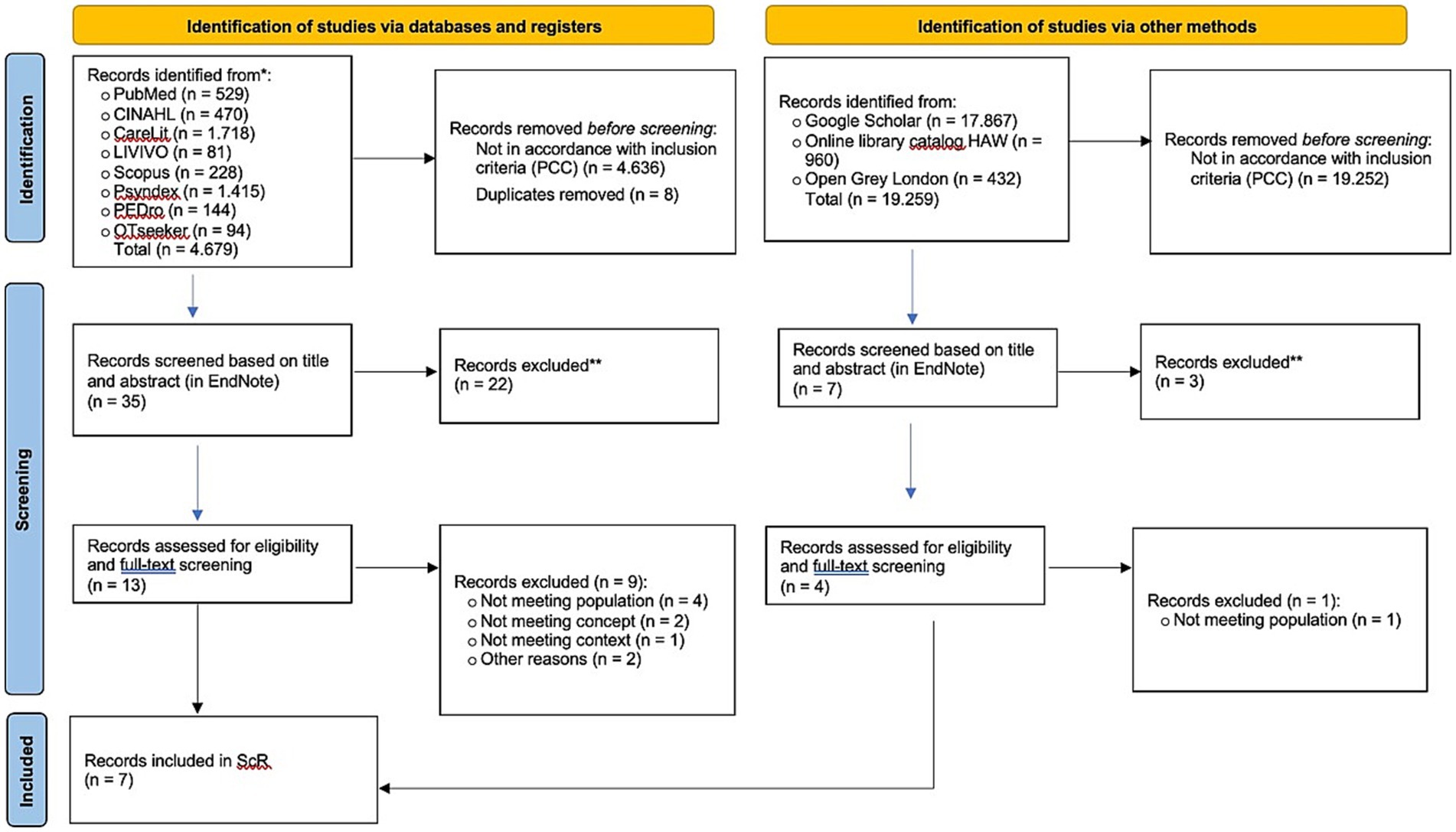
Figure 1. PRISMA flow diagram (41). For more information, visit: http://www.prisma-statement.org/.
Results of first research question: which empirical studies have been conducted on the health of health professional students in German-speaking countries?
We identified seven articles (42–48). The articles addressing health of health professional students using quantitative study designs. Nursing students were most frequently surveyed regarding their health. The studies were published between 2014 and 2021. Six cross-sectional studies were conducted in Germany (GER). One cross-sectional study was performed in Switzerland (CH), which was based on a representative population with a comparative secondary analysis design (42). The studies examined key health dimensions, including health status, health behaviors, and personal resources. A total of five of the seven studies assessed personal resources. Self-efficacy, health literacy, and resilience were the three main dimensions of research interest. Three studies investigated students’ subjective physical and mental health status. One study (43) examined aspects of individual health behavior during the study period (Table 1). Qualitative studies were not found. Table 1 provides a brief overview of the included research articles addressing the health of health professional students.
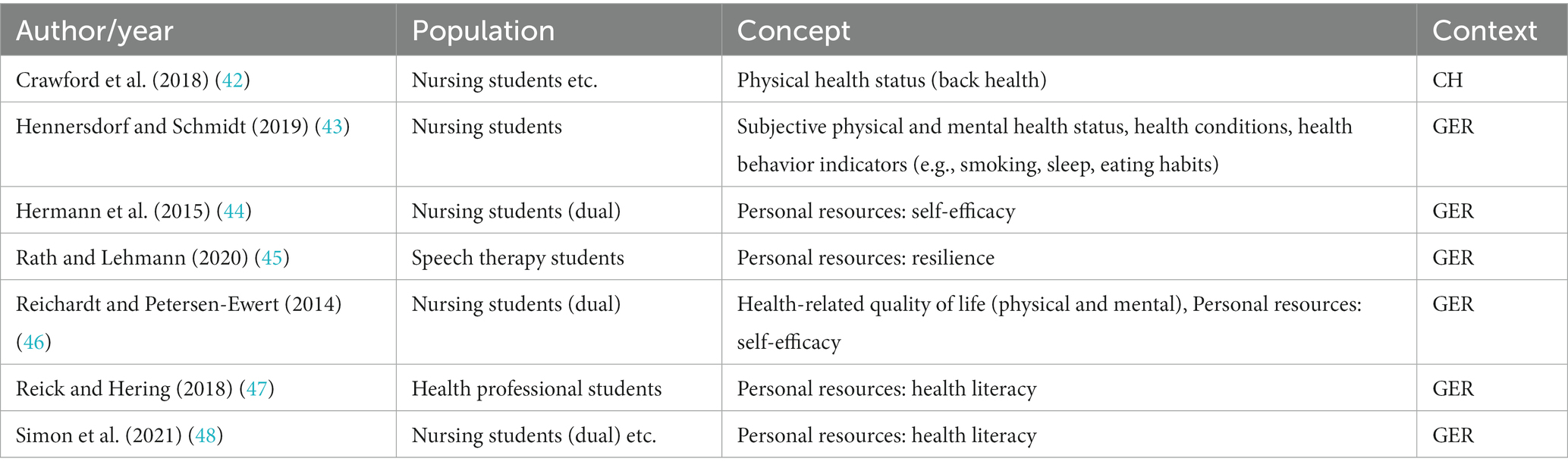
Table 1. A brief overview of identified and included articles (cross-sectional studies; n = 7).
Results of second research question: what has been reported on health outcomes of health professional students in German-speaking countries?
The included articles reported different health outcomes.
Health status
The findings in the study by Crawford et al. showed a worryingly high prevalence for back pain and neck pain in young health professional students compared to the general Swiss population (42). The highest prevalence of neck pain was found in midwifery students (83%), and the lowest prevalence in nursing students (72%) (42) (Table 2). The authors concluded, “These results are particularly concerning for a group yet to embark on their careers in professions that may be deemed more physically hazardous than for many other professions” (42), p. 8. In terms of students’ subjective health status, some variations were evidenced (43). More than half of the students (51%) reported general health problems. The most common health problems were back pain (52%), followed by headache (28%) and fatigue (24%) (43). Subjective stress levels were reported as “very stressed” by 22% of the students. The compatibility of study and work was rated as “very difficult” by 61% of the students. A total of 31% of the participants stated that their subjective health had significantly worsened due to stressed and busy lifestyle (43) (Table 2). Hennersdorf and Schmidt discussed in their study that lack of time and stress seems to be important factors influencing the health of part-time students. Thus, the authors advised more focus on the health needs of health professional students (43). Furthermore, nursing students tended to show higher physical quality of life, but lower mental quality of life compared to a norm data group (46) (Table 2). The physical health scale score was 53.24 (SD: 5.49) and the mental health scale score was 45.24 (SD: 6.21). Scores range from 0 to 100, with higher scores indicating better physical and mental health (49). Reichardt and Petersen-Ewert (2014) concluded that students might be under mental stress at the beginning of their studies (46).
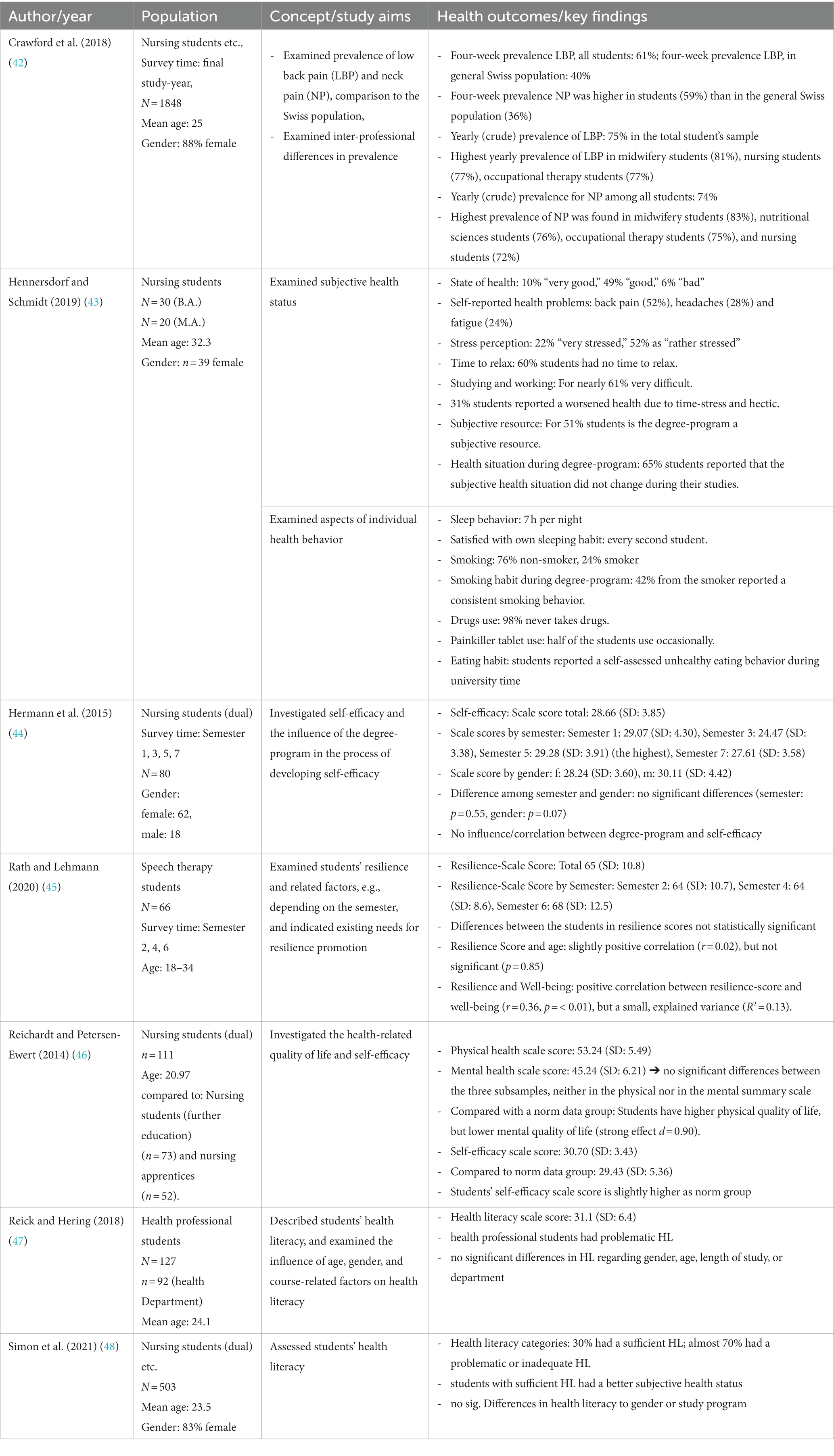
Table 2. Overview of the current state of health knowledge of health professional students.
Health behavior
Some students also reported unhealthy health behaviors, such as smoking or unhealthy eating habits during study time (43) (Table 2).
Personal resources self-efficacy
Hermann et al. (44) reported no significant differences (p = 0.55) in self-efficacy between their study samples (first semester: 29.07, SD: 4.30; third semester: 24.47, SD: 3.38; fifth semester: 29.28, SD: 3.91; seventh semester: 27.61, SD: 3.58). Furthermore, the authors found no significant difference (p = 0.07) regarding self-efficacy between genders (f: 28.24, SD: 3.60; m: 30.11, SD: 4.42). In terms of semesters, the fifth semester had the highest self-perceived self-efficacy. Hermann et al. (44) attributed this to the fact that the age of the students was not collected, although it has been described in the literature that self-efficacy ratings decrease with age (44). In addition, they found no response to the impact of the dual nursing degree program on the development of self-efficacy. Further research is recommended (44) (Table 2). Reichardt and Petersen-Ewert (2014) (46) also assessed self-efficacy in the student’s sample. The self-efficacy scale score in the study sample was slightly higher compared to a norm data group (30.70, SD: 3.34 vs. 29.43, SD: 5.36; Table 2). According to Schwarzer and Jerusalem (1999) (50), the scale ranges from 10 to 40, with a higher score indicating better subjective self-efficacy. Reichardt and Petersen-Ewert discussed that students had higher self-efficacy because they may have started the new stage of life with confidence (46).
Personal resources resilience
The overall resilience score among the assessed students ranged from 33 to 87, with an average score of 65 (SD: 10.8) (45). In accordance with Leppert et al. (51), there are three resilience categories: Score 13–66 “low resilience,” Score 67–72 “medium resilience,” Score 73–91 “high resilience.” Accordingly, most students in the three subsamples had low resilience scores. Participants in semesters two and four had the lowest mean resilience score (64, SD: 10.7; 64, SD: 8.6). The differences between students in resilience scores were not statistically significant (45) (Table 2). The research findings provide evidence that resilience should be promoted in students (45). To verify these findings, further surveys in additional study settings seem useful. In addition, ways to promote resilience should be tested and reflected in the curricula of these and other health professions (45).
Personal resources health literacy
In terms of health literacy, the results showed that health professional students had a problematic health literacy (47, 48). In the included studies, there were no significant differences in the level of health literacy with respect to gender, degree program (48), or completion of training in a health profession (47).
4. Discussion
Summary of evidence
The objectives of this scoping review were to identify and describe existing (subjective) health related data from health professional students in Germany or in German-speaking countries. According to our state of knowledge this is the first scoping review that addresses and highlights the general body of evidence on the health of prospective academic professionals in Germany. The most important finding of this scoping review is that the research and data on health of this student group in Germany is not yet very extensive, although the topic has gained relevance in recent years (25, 26). A lack of data means not that the topic is not important, because gaps in knowledge must also be described in order to approach them (52). The review also clarifies that the included articles used the cross-sectional design to scientifically approach the health status of the health professional students. Such designs cannot generate reliable cause-and-effect findings, for example on the connection between studies and health (53). In addition, the descriptive results are not based on representative samples. In this respect, a general statement about the health situation of health professional students in Germany is not possible. Therefore, it makes sense to present and describe the main findings of each study in the results section of this scoping review. Additionally, the review found that most of the articles focused on nursing students. In terms of the healthcare system, this makes sense because the nursing professions are the largest occupational group within German’s healthcare (5). Against the background of the increasing interdisciplinary cooperation in daily healthcare practice (13), students of other health professions, such as physiotherapy, should also be taken into the health science research perspective. The female gender formed the largest sample in all included articles. In the German healthcare sector, the proportion of female professionals is 75% (54). The proportion of male students was underrepresented in the included studies. In the healthcare sector, the proportion of young male employees has risen from 19 to 25% (55). In addition, González and Peters (2021) found in their study that male students and young students drop out early (56). The start of a degree is a new and unknown phase of life, which young people are particularly challenged to cope with and can trigger a high level of subjective stress (19, 23, 28). In this respect, research into the subjective health of male students (57) and first-year students is also of great interest. After completing their studies, health professional students are entrusted with tasks that require additional skills, for example in relation to promoting the health literacy of patients (12). The included articles indicates that health professional students do not have sufficient health literacy themselves (47, 48). Students who are working alongside their studies more often reported a high subjective level of stress (43). Nursing studies in Germany are not financially rewarded (8). In this respect, many health professional students are encouraged to work alongside their demanding and highly structured studies (56). In particular, students with poor financial resources are burdened threefold by their studies, practical assignments and jobs. This stressful situation not only affects the subjective mental health of the students but also can lead to premature dropout from studying (56). These aspects should be viewed critically in relation to demographic change and the associated shortage of skilled workers (2, 9). Thus, health promotion and prevention in university setting is a particularly important public health topic (58). Our aim was not to produce a critically appraised and synthesized result to our research question. Due to this, an assessment of methodological limitations or risk of bias of the evidence included within a scoping review is generally not performed (38). For experts in the university environment as well as stakeholders in healthcare system, this scoping review offers a low-threshold insight into the health of the health professional students. However, further research is necessary on this target group to gather more knowledge about health situation. In summary, the Department of Nursing and Management at University of Applied Sciences Hamburg takes the scoping review as the starting point for further research projects.
Limitations
The review has some limitations. As described in the protocol, the aims were not to provide a critical synthesis of the results related to the research questions. For this reason, the methodological limitations or risk of bias of the included articles not assessed. The focus of the scoping review was on health of professional students in German-speaking countries (Germany, Switzerland, Austria). As described in the introduction section, the professionalization of health professions in Germany still has a relatively recent development history (8, 13). Therefore, a limited number of articles on this topic were expected. Also, most articles focused on health of nursing students. The search strategy was iterative, and data extraction was conducted by one researcher due to limited resources. Finally, this scoping review was an enormous research effort, so our results are from the 2012 state.
Conclusion
This scoping review highlighted the current scope of research regarding the health of health professional students in German-speaking countries. The discussion of challenges and problems as well as future important challenges offered valuable insights for the research community and approaches for health promotion interventions in university settings. It should be noted that existing research in this field is still limited, and research results regarding the health situation of health professional students in Germany is not representative. Therefore, more research is needed to generate knowledge and describe the health situation of this specific group of students in a comprehensive way. Future studies should aim to collect nationwide representative data on the health of health professional students. By using a longitudinal study design, valuable insights can be gained into the impact of study demands on students’ health. Such studies are important for developing targeted interventions that address the association between health and study. In addition, the use of participatory research designs is advised to assess and address students’ subjective perspectives on their health.
Author contributions
I-NJ designed the scoping review and developed the initial draft of the manuscript. AMN supported evidence selection, data extraction and data verify several times. CP-E is the project leader and the advisor of the dissertation. CP-E, AMN, and PK critically reviewed the manuscript, and provided inputs for improvement. All authors contributed to the article and approved the submitted version.
Conflict of interest
The authors declare that the research was conducted in the absence of any commercial or financial relationships that could be construed as a potential conflict of interest.
Publisher’s note
All claims expressed in this article are solely those of the authors and do not necessarily represent those of their affiliated organizations, or those of the publisher, the editors and the reviewers. Any product that may be evaluated in this article, or claim that may be made by its manufacturer, is not guaranteed or endorsed by the publisher.
Supplementary material
The Supplementary material for this article can be found online at: https://www.frontiersin.org/articles/10.3389/fpubh.2023.1243324/full#supplementary-material
References
1. Bundesministerium für Wirtschaft und Klimaschutz . Wirtschaftsbranche Gesundheitswirtschaft (2022). Available at: https://www.bmwk.de/Redaktion/DE/Textsammlungen/Branchenfokus/Wirtschaft/branchenfokus-gesundheitswirtschaft.html (Accessed April 28, 2023).
2. Bundesministerium für Gesundheit . Bedeutung der Gesundheitswirtschaft. (2023). Available at: https://www.bundesgesundheitsministerium.de/themen/gesundheitswesen/gesundheitswirtschaft (Accessed April 27, 2023).
3. Bundesministerium für Gesundheit . Gesundheitswirtschaft im Überblick. (2023). Available at: https://www.bundesgesundheitsministerium.de/themen/gesundheitswesen/gesundheitswirtschaft/gesundheitswirtschaft-im-ueberblick.html (Accessed April 27, 2023).
4. Razum, O, Geiger, I, Zeeb, H, and Ronellenfisch, U. Gesundheitsversorgung von migranten. Deutsches Ärzteblatt. (2004) 101:43.
5. Statista . Anzahl der Beschäftigten im Gesundheitswesen in Deutschland nach ausgewählten Berufen im Jahr 2021. (2022). Available at: https://de.statista.com/statistik/daten/studie/461487/umfrage/beschaeftigte-im-deutschen-gesundheitswesen-nach-arbeitsbereich/ (Accessed May 8, 2023).
6. World Health Organization . Coronavirus disease (COVID-19) pandemic. (2023). Available at: https://www.who.int/emergencies/diseases/novel-coronavirus-2019 (Accessed May 23, 2023).
7. Moosburger, J . Die Corona-Pandemie. Eine völlig neue Erfahrung auf vielen Ebenen In: H Ohlbrecht and A Seltrecht, editors. Pflege: Systemrelevant–und nun? Theorie und Praxis im Dialog. Wiesbaden: Springer Verlag (2023). p. 153–164.
8. Deutscher Bundestag . Gesetzentwurf der Bundesregierung. Entwurf eines Gesetzes zur Reform der Pflegeberufe (Pflegeberufereformgesetz–PflBRefG). Drucksache 18/7823. (2016). Available at: https://dserver.bundestag.de/btd/18/078/1807823.pdf (Accessed April 28, 2023).
9. Weiß, T, Meißner, T, and Kempa, S. Pflegeberufereformgesetz–Praxiskommentar. Wiesbaden: Springer Gabler (2018). p. 85–95.
10. World Health Organization . Dementia. (2023). Available at: https://www.who.int/news-room/fact-sheets/detail/dementia (Accessed May 23, 2023).
11. Bundesministerium für Gesundheit . Prevention Act (2023). Available at: https://www.bundesgesundheitsministerium.de/service/gesetze-und-verordnungen/detail/praevg.html (Accessed May 21, 2023).
12. Schaeffer, D, Ewers, M, Horn, A, Büker, C, Gille, S, Wagner, F, et al. Kurzinformation für Pflegefachpersonen. Deutscher Berufsverband für Pflegeberufe (DBfK), Nationaler Aktionsplan Gesundheitskompetenz (NAP). Available at: https://www.dbfk.de/media/docs/download/Allgemein/Gesundheitskompetenz-Broschuere.pdf (Accessed June 14, 2023).
13. German Science and Humanities Council/Wissenschaftsrat . Recommendations on higher education qualifications for the healtcare system. Executive Summary (2012). Available at: https://www.wissenschaftsrat.de/download/archiv/2411-12.html (Accessed April 22, 2023).
14. German Science and Humanities Council/Wissenschaftsrat . Empfehlungen zur Entwicklung des dualen Studiums. (2013). Available at: https://www.wissenschaftsrat.de/download/archiv/3479-13.html (Accessed April 22, 2023).
15. Bundesministerium für Gesundheit . Nursing Professions Act/Pflegeberufegesetz. (2023). Available at: https://www.bundesgesundheitsministerium.de/pflegeberufegesetz.html (Accessed May 21, 2023).
16. Winter, M . Bologna–die ungeliebte Reform und ihre Folgen. (2015). Available at: https://www.bpb.de/themen/bildung/dossier-bildung/204075/bologna-die-ungeliebte-reform-und-ihre-folgen/ (Accessed May 22, 2023).
17. Krone, S . Das Duale Studium In: S Krone , editor. Dual Studieren im Blick. Entstehungsbedingungen, Interessenslagen und Umsetzungserfahrungen in dualen Studiengängen. Wiesbaden: Springer Verlag (2015). p. 15.
18. Rahn, S, and Meyer, T. Duales Studium in der Sozialen Arbeit. Breite Zugangsmöglichkeiten, attraktiver Praxisbezug, hohe Arbeitsmarktchancen, aber auch besonders belastend? In: S Hess , editor. Dual Sozialpädagogik studieren. Chancen, Herausforderungen und Belastungen in einem dynamischen Studienformat. Wiesbaden: Springer Verlag (2019). p. 211–227.
19. Limarutti, A, Maier, MJ, Mir, E, and Gebhard, D. Pick the freshmen up for a healthy study start evaluation of a health promotion onboarding program for first year students at Carinthia University of Applied Sciences, Austria. Front Public Health Educ Promot. (2021) 9:652998. doi: 10.3389/fpubh.2021.652998
20. Sahmel, KH, and Zenz, Y. Studierende in Pflege- und Gesundheitsberufen vor besonderen Herausforderungen In: KH Sahmel , editor. Hochschuldidaktik der Pflege- und Gesundheitsfachberufe. Berlin: Springer Verlag (2018). p. 223–235.
21. Lange, M, Löwe, A, Stassen, G, and Schaller, A. Health literacy, health status and health behaviors of German students - study protocol for the “healthy habits” cohort study. BMC Public Health. (2021) 21:1523. doi: 10.1186/s12889-021-11542-w
22. Faltermaier, T, Mayring, P, Saup, W, and Strehmel, P. Entwicklungspsychologie des Erwachsenenalters. Stuttgart: Kohlhammer (2014). 114 p.
23. Arnett, J . Emerging adulthood. A theory of development from the late teens through the twenties. Am Psychol. (2000) 55:469–80. doi: 10.1037/0003-066X.55.5.469
24. Hartmann, T . Prävention und Gesundheitsförderung in der Hochschule In: M Tiemann and M Mohokum, editors. Prävention und Gesundheitsförderung. Berlin: Springer Verlag (2021). p. 639.
25. Pfleging, S, and Gerhardt, C. Ausgebrannte Studierende: Burnout-Gefährdung nach dem Bologna-Prozess. J Bus Media Psychol. (2013) 4:1–12.
26. Hartmann, T, Schluck, S, and Sonntag, U. Gesundheitsförderung und Hochschule In: BZgA , editor. Leitbegriffe der Gesundheitsförderung und Prävention. Köln: BZgA (2018). p. 428.
27. Weiss, EM, Kaufmann, L, Ninaus, M, and Canazei, M. Belastungen durch Fernlehre und psychische Gesundheit von Studierenden während der COVID-19-Pandemie. Lernen Lernstörungen. (2022) 11:167–79. doi: 10.1024/2235-0977/a000374
28. Herbst, U, Voeth, M, Eidhoff, AT, Müller, M, and Stief, S. Studierendenstress in Deutschland – eine empirische Untersuchung. AOK Bundesverband (2016). Available at: https://www.uni-heidelberg.de/md/journal/2016/10/08_projektbericht_stressstudie.pdf (Accessed May 25, 2023).
29. Reich, G, and Cierpka, M. Studieren(de) als Herausforderung. Psychische Probleme Studierender und deren Behandlung. Psychotherapeut. (2017) 62:5. doi: 10.1007/s00278-017-0218-4
30. Grützmacher, J, Gusy, B, Lesener, T, Sudheimer, S, and Willige, J. Gesundheit Studierender in Deutschland 2017. In: Ein Kooperationsprojekt zwischen dem Deutschen Zentrum für Hochschul- und Wissenschaftsforschung, der Freien Universität Berlin und der Techniker Krankenkasse. (2018). Available at: https://www.tk.de/resource/gesundheit-studierender-in-deutschland-2017-studienband-data.pdf (Accessed May 22, 2023).
31. Azad, MC, Fraser, K, Rumana, N, Abdullah, AF, Shahana, N, Hanly, PJ, et al. Sleep disturbances among medical students: a global perspective. J Clin Sleep Med. (2015) 11:69–74. doi: 10.5664/jcsm.4370
32. Belingheri, M, Pellegrini, E, Fachetti, R, De Vito, G, Cesana, G, and Riva, MA. Self-reported prevalence of sleep disorders among medical and nursing students. Occup Med. (2020) 70:127–30. doi: 10.1093/occmed/kqaa011
33. Hill, MR, Goicochea, S, and Merlo, LJ. In their own words: stressors facing medical students in the millennial generation. Med Educ Online. (2018) 23:1. doi: 10.1080/10872981.2018.1530558
34. Forst, K, Fethney, J, Kozlowski, D, Fois, R, Reza, F, and McCloughan, A. Emotional intelligence and perceived stress of Australien pre-registration healthcare students: a multi-disciplinary cross- sectional study. Nurse Educ Today. (2018) 66:51–6. doi: 10.1016/j.nedt.2018.04.001
35. Edwards, D, Burnard, P, Bennett, K, and Hebden, U. A longitudinal study of stress and self-esteem in student nurses. Nurs Educ Today. (2010) 30:78–84. doi: 10.1016/j.nedt.2009.06.008
36. Bohrer, A . Ach, du bist so ein Bachelor! Anleitung von Studierenden in der Berufspraxis In: E Brinker-Meyendriesch and F Ahrens, editors. Diskurs Berufspädagogik Pflege und Gesundheit. Wissen und Wirklichkeiten zu Handlungsfeldern und Themenbereichen. Berufsbildungsforschung Pflege und Gesundheit. Berlin: Wissenschaftlicher Verlag (2016). p. 210–223.
37. Tsouros, AD ., Dowding, G, Thompson, J, and Dooris, M. Health promoting universities: concept, experience and framework for action. Geneva: Target 14 World Health Organization (1998). Available at: https://apps.who.int/iris/handle/10665/108095 (Accessed May 20, 2023).
38. Peters, MDJ, Godfrey, C, McInerney, P, Munn, Z, Tricco, AC, and Khalil, H (2020). Chapter 11: scoping reviews (2020 version). In: Aromataris E and Munn Z, editor. JBI Manual for Evidence Synthesis. Available from: doi: 10.46658/JBIMES-20-12
39. Aromataris, E, and Munn, Z. JBI manual for evidence synthesis. JBI (2020). Available at: https://synthesismanual.jbi.global.
40. Jürgensen, IN, Gaidys, U, Koch, P, Nienhaus, A, and Petersen-Ewert, C. Protokoll zur Durchführung eines Scoping Reviews zur Gesundheit von (dual) Studierenden in Gesundheitsfachberufen im deutschsprachigen Raum. Präv Gesundheitsf. (2022) 2022:1004. doi: 10.1007/s11553-022-01004-5
41. Page, MJ, McKenzie, JE, Bossuyt, PM, Boutron, I, Hoffmann, TC, Mulrow, CD, et al. The PRISMA 2020 statement: an updated guideline for reporting systematic reviews. BMJ (2021) 372:n71. doi: 10.1136/bmj.n71
42. Crawford, JR, Volken, T, Schaffert, R, and Bucher, T. Higher low back and neck pain in final year Swiss health professions students: worrying susceptibilities identified in a multi-Centre comparison to the national population. BMC Public Health. (2018) 18:1188. doi: 10.1186/s12889-018-6105-2
43. Hennersdorf, P, and Schmidt, J. Empirische Grundlagen zur Nutzerfreundlichkeit von Gesundheitsförderungsangeboten für Pflege- und Gesundheitsberufe an der Hochschule Hannover, [master’s thesis]. Hannover (GER)]: University of Applied Sciences Hannover. (2019).
44. Herrmann, A, Raimundo Xavier, N, Brunkhorst, J, and Gaidys, U. Allgemeine Selbstwirksamkeit von dualen Studierenden. HeilberufeSCIENCE. (2015) 6:38–42. doi: 10.1007/s16024-014-0236-x
45. Rath, E, and Lehmann, Y. Resilienz und deren Förderung im Studium. Ergebnisse einer schriftlichen Befragung von Studierenden der Sprachtherapie. Pädagogik der Gesundheitsberufe. (2020) 3:1802.
46. Reichardt, C, and Petersen-Ewert, C. Duales Studium Pflege–Zielgruppe, Gründe für die Studienwahl und gesundheitsbezogene Lebensqualität zu Studienbeginn. Pflege Gesellschaft. (2014) 3:236–50.
47. Reick, S, and Hering, T. Health literacy of students. Results of an online survey at the Bochum health university (Germany). Int J Health Prof. (2018) 5:44–52. doi: 10.2478/ijhp-2018-0007
48. Simon, A, Ebinger, M, and Holoch, E. Health literacy among German health professionals-to-be – exploratory pilot study. Gesundheitswesen. (2022) 84:1039–49. doi: 10.1055/a-1657-9627
49. Bullinger, M, and Kirchenberger, I. SF-36 Fragebogen zum Gesundheitszustand. Göttingen: Hogrefe Verlag Psychologie (1998).
50. Schwarzer, R, and Jerusalem, M. Skalen zur Erfassung von Lehrer- und Schülermerkmalen: Dokumentation der psychometrischen Verfahren im Rahmen der wissenschaftlichen Begleitung des Modellversuchs Selbstwirksame Schulen. Berlin: R. Schwarzer. (1999). Available at: http://userpage.fu-berlin.de/~health/self/skalendoku_selbstwirksame_schulen.pdf (Accessed June 16, 2023).
51. Leppert, K, Koch, B, Brähler, E, and Strauß, B. Die Resilienzskala (RS) – Überprüfung der Langform RS-25 und einer Kurzform RS- 13. Klin Diagn Eval. (2008) 2:226–43.
52. Klein, S, and Reintjes, R. Gesundheitsberichterstattung und Surveillance. Messen, Entscheiden und Handeln. Bern: Verlag Hans Hubert (2007). 49 p.
53. Döring, N, and Bortz, J. Forschungsmethoden und Evaluation in den Sozial- und Humanwissenschaften. Berlin: Springer Verlag (2016). 1023 p.
54. Statistisches Bundesamt/Federal Statistical Office . Gesundheitspersonal 2022. (2023). Available at: https://www.destatis.de/DE/Themen/Gesellschaft-Umwelt/Gesundheit/Gesundheitspersonal/_inhalt.html (Accessed May 30, 2023).
55. Statistisches Bundesamt/Federal Statistical Office . Dent Press Nr. N 070. (2023). Available at: https://www.destatis.de/DE/Presse/Pressemitteilungen/2020/10/PD20_N070_212.html (Accessed May 30, 2023).
56. Garcia-González, D, and Peters, M. Ausbildungs- und Studienabbrüche in der Pflege–ein integratives Review. (2021). Available at: https://www.bibb.de/dienst/publikationen/de/17573 (Accessed June 17, 2023).
57. Faltermaier, T . Männliche Identität und Gesundheit: Bedarf, theoretische Perspektiven und Ansätze für eine männerspezifische Gesundheitsförderung In: BZgA, editor. Bundeszentrale für gesundheitliche Aufklärung. Gesundheit von Jungen und Männern. Hintergründe, Zugangswege und Handlungsbedarfe für Prävention und Gesundheitsförderung. Köln: BZgA (2009). 29–42.
58. Okanagan, C . An International Charter for Health Promoting Universities and Colleges. (2015). Available at: https://dx.doi.org/10.14288/1.0132754 (Accessed June 18, 2023).
Keywords: students, health occupations, health, German-speaking countries, university, health promotion
Citation: Jürgensen I-N, Koch P, Nock AM and Petersen-Ewert C (2023) Health of (dual) health professional students in German-speaking countries: a scoping review. Front. Public Health. 11:1243324. doi: 10.3389/fpubh.2023.1243324
Edited by:
Teresa Vilaça, University of Minho, PortugalReviewed by:
Rafael Fernandez Castillo, University of Granada, SpainFlorian Steger, University of Ulm, Germany
Copyright © 2023 Jürgensen, Koch, Nock and Petersen-Ewert. This is an open-access article distributed under the terms of the Creative Commons Attribution License (CC BY). The use, distribution or reproduction in other forums is permitted, provided the original author(s) and the copyright owner(s) are credited and that the original publication in this journal is cited, in accordance with accepted academic practice. No use, distribution or reproduction is permitted which does not comply with these terms.
*Correspondence: Ivonne-Nadine Jürgensen, aXZvbm5lLW5hZGluZS5qdWVyZ2Vuc2VuQGhhdy1oYW1idXJnLmRl