 Shahabeddin Abhari1
 Plinio Morita1,2,3,4,5
 Pedro Augusto Da Silva E. Souza Miranda1
 Ali Garavand6Thokozani Hanjahanja-Phiri1
 Dmytro Chumachenko7*
- 1School of Public Health Sciences, University of Waterloo, Waterloo, ON, Canada
- 2Department of Systems Design Engineering, University of Waterloo, Waterloo, ON, Canada
- 3Research Institute for Aging, University of Waterloo, Waterloo, ON, Canada
- 4Centre for Digital Therapeutics, Techna Institute, University Health Network, Toronto, ON, Canada
- 5Dalla Lana School of Public Health, Institute of Health Policy, Management, and Evaluation, University of Toronto, Toronto, ON, Canada
- 6Department of Health Information Technology, School of Allied Medical Sciences, Lorestan University of Medical Sciences, Khorramabad, Iran
- 7Department of Mathematical Modelling and Artificial Intelligence, National Aerospace University “Kharkiv Aviation Institute”, Kharkiv, Ukraine
Introduction: Non-Fungible Tokens (NFTs) are digital assets that are verified using blockchain technology to ensure authenticity and ownership. NFTs have the potential to revolutionize healthcare by addressing various issues in the industry.
Method: The goal of this study was to identify the applications of NFTs in healthcare. Our scoping review was conducted in 2023. We searched the Scopus, IEEE, PubMed, Web of Science, Science Direct, and Cochrane scientific databases using related keywords. The article selection process was based on Preferred Reporting Items for Systematic Reviews and Meta-Analyses (PRISMA).
Results: After applying inclusion and exclusion criteria, a total of 13 articles were chosen. Then extracted data was summarized and reported. The most common application of NFTs in healthcare was found to be in health data management with 46% frequency, followed by supply chain management with 31% frequency. Furthermore, Ethereum is the main blockchain platform that is applied in NFTs in healthcare with 70%.
Discussion: The findings from this review indicate that the NFTs that are currently used in healthcare could transform it. Also, it appears that researchers have not yet investigated the numerous potentials uses of NFTs in the healthcare field, which could be utilized in the future.
1 Introduction
With the pressure of long-term chronic disease, rising costs of services, aging population, an inadequate health workforce, and finite resources, we have long known that the present healthcare system is unsustainable. With the recent growth of digital technologies, the healthcare industry is poised to shift toward digital health as a means of addressing the various challenges it faces (1–4). Digital Health is not only transforming the provision of care directly but is also becoming a crucial facilitator of change in the health system. The COVID-19 pandemic has hastened and assisted this paradigm shift away from traditional healthcare toward digital health (5–8). Also, as the age of the Metaverse rapidly approaches, there is growing evidence that the metaverse can be applied to healthcare. For instance, telemedicine, medical education, mental health therapy, patient education, and medical research are some applications of the Metaverse (9, 10).
For several years running, Gartner a technological research and consulting firm has ranked blockchain as one of the top 10 strategic technology trends (9, 11–14). This technology is predicted to transform numerous businesses and usher in new revenue streams in a variety of areas, including the healthcare (14–18). Digital assets, which are foundational elements in the realm of blockchain technology, encompass an array of assets, primarily manifesting as cryptocurrencies and tokens. These digital assets serve distinct purposes within the blockchain ecosystem. Tokens, for instance, fulfill various roles in this landscape, representing either fungible or non-fungible assets. The dichotomy of tokens gives rise to two broad categories: fungible tokens and non-fungible tokens (NFTs). Both cryptocurrencies, exemplified by Bitcoin, and NFTs are digital assets verified and secured through blockchain technology. Cryptocurrencies, exemplified by Bitcoin, fall into the category of fungible tokens, serving as a standardized unit of value exchange within the digital landscape. They are chiefly utilized as mediums of trade or stores of value and are interchangeable with one another. Conversely, NFTs, standing for non-fungible tokens, represent a distinct category of digital assets designed to signify ownership or establish provenance for unique digital assets. In essence, NFTs function as digital certificates of authenticity, ensuring the uniqueness and origin of the underlying asset. Unlike cryptocurrencies, NFTs are not interchangeable due to their uniqueness, and each one represents a one-of-a-kind digital item. Cryptocurrencies derive their value from market demand and are tokens representing specific units of currency, whereas NFTs derive their worth from the distinctiveness of the digital asset they validate. Both NFTs and cryptocurrencies are transferable digital assets, albeit NFT transfers may be subject to specific limitations established by the NFT's creator or owner (19–28).
According to Peres et al. (29), NFTs are “cryptographic assets on a blockchain that contain unique identifying information and codes that separate them from one another.” NFTs are frequently employed in digital art ownership, gaming assets, collectibles, real estate, identity verification, charitable donations and more (30–33). There are numerous examples of NFTs applications in the commercial and economic sphere (34) including in the art domain (35) and the gaming industry (36). Based on other investigations, NFTs have a wide range of applications across various industries, such as art (37), music (38), sports (39), gaming (40), and real estate (41). In the art world, NFTs have enabled artists to sell their digital art as unique, one-of-a-kind pieces, rather than selling multiple copies. It should be noted artists also can sell multiple copies of the same piece of art, as multiple NFTs, though (35, 37). In the music industry, NFTs can be used to authenticate and sell limited edition or exclusive music content (38). In sports, NFTs can be used to create unique collectibles, such as virtual trading cards or game highlights (39). In gaming, NFTs can be used to create rare in-game items or characters that can be traded or sold among players (12, 40). And in real estate, NFTs serve two main purposes. First, they act as digital proof of property ownership, providing secure records on the blockchain. Second, NFTs enable fractional ownership, dividing real estate assets into tradable units, making real estate investment more accessible and diverse (41).
2 Background
Bao and Roubaud (22) conducted a thorough evaluation of NFTs-related studies in 2023. The 13 articles included in this study were evaluated. Their findings revealed that all studies published in economics and finance journals after 2021, were primarily empirical and focused on the topic of asset pricing. Also, Taherdoost (28) conducted a second systematic evaluation of 34 studies in 2023 on NFTs-related research. According to the study's findings, the majority of articles on NFTs were published after 2020 and were mainly from the fields of engineering, computer science, economics, and material science.
Although there is much evidence for the use of NFTs in the cited fields, there has not been much study on its use in healthcare. Recently, three major studies on the value of NFTs and its part in the future of healthcare were published. In the first recent study published in Nature Medicine, researchers mentioned that NFTs in healthcare might revolutionize how health data is handled. They discussed transparency, accountability, privacy, and patient ownership as being central to NFTs, which also important ideals in the field of healthcare. The authors of the study concluded that if NFTs are to revolutionize digital health, more improvements to protect data security, streamline operations, and promoting accessibility for all will be necessary (42). Another study conducted in 2022, highlighted the role and significance of NFTs in healthcare and focused on their various applications in the field. After introducing the concept of NFTs and their potential benefits, the study delved into specific use cases in healthcare such as simplifying blood and stem cell production and supply chain management (43). In a different insightful study, researchers spoke about the potential benefits that NFTs might have in terms of supply chain management, patient-centric data management, digital twins for research, clinical trial management, and genomics, among other healthcare-related fields. They explored several significant issues that are impeding the use of NFTs in the healthcare industry and offered suggestions for future research topics. Figure 1 shows how these NFTs opportunities can be in healthcare (44).
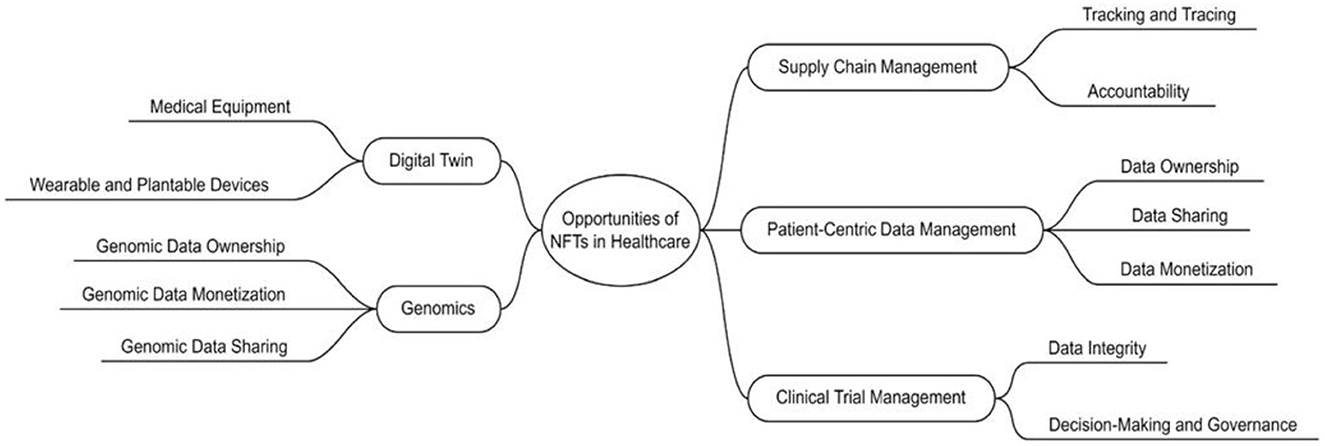
Figure 1. Opportunities of NFTs in healthcare based on Musamih et al. (44).
Despite the growing interest in exploring the potential applications of NFTs in healthcare (44, 45), there is a lack of systematic research on this topic. This scoping review aims to fill this gap by providing a comprehensive analysis of the current state of knowledge on the use of NFTs in healthcare. Now due to the absence of a thorough evaluation in this sector, the purpose of this study is to undertake a systematic search of the applications of NFTs in healthcare. This is the first scoping review study that was performed for applications of NFTs in healthcare. By providing a comprehensive overview of the current state of knowledge on the use of NFTs in healthcare, this scoping review aims to contribute to the development of a deeper understanding of the potential benefits of this emerging technology. This review will be of interest to healthcare providers, policymakers, and researchers who are interested in exploring the potential applications of NFTs in healthcare, and to those who wish to develop strategies for improving the efficiency, transparency, and security of healthcare delivery.
3 Methods
The primary objective of this investigation was to delineate the applications of NFTs within the domain of healthcare. In the year 2023, we executed a comprehensive scoping review, meticulously querying prestigious scientific databases, namely Scopus, IEEE, PubMed, Web of Science, Science Direct, and Cochrane. Our search was guided by relevant keywords, and the selection of articles adhered to the guidelines outlined in the Preferred Reporting Items for Systematic Reviews and Meta-Analyses (PRISMA). Following the application of predefined inclusion and exclusion criteria, a meticulous curation process led to the inclusion of a total of 13 articles. Subsequently, the collated data underwent meticulous summarization and reporting. Further elucidation of the methodological aspects is presented in given below.
3.1 Research question
RQ1: What are the main applications of NFTs in healthcare?
RQ2: What is the current state of NFTs usage in healthcare?
3.2 Information sources
The search started in February and ended on the first of March 2023. Searches were done in scientific databases, including Scopus, PubMed, Web of Science, IEEE, Science Direct, and Cochrane. Given the interdisciplinary nature of our research, we extended our search to encompass databases and knowledge bases in the fields of health sciences, engineering, and management.
3.3 Search strategy
The combination of related keywords is demonstrated in Table 1. All the steps of searches were done based on the PRISMA checklist (Figure 2). The searches were independently done by three researchers to prevent possible bias. The search results referred to a third person who reviewed contradictions and made decisions in cases where there were disagreements. The searches were limited to papers published in the English without time limitation.
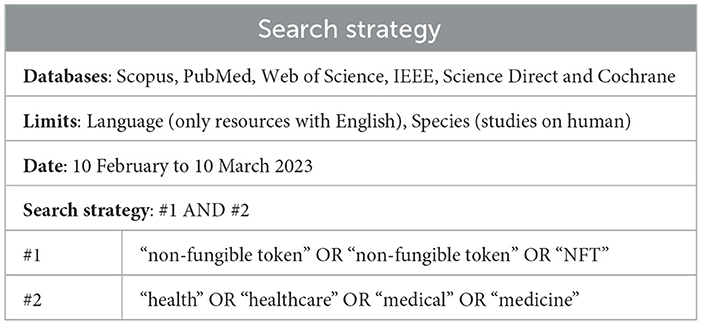
Table 1. Search strategy.
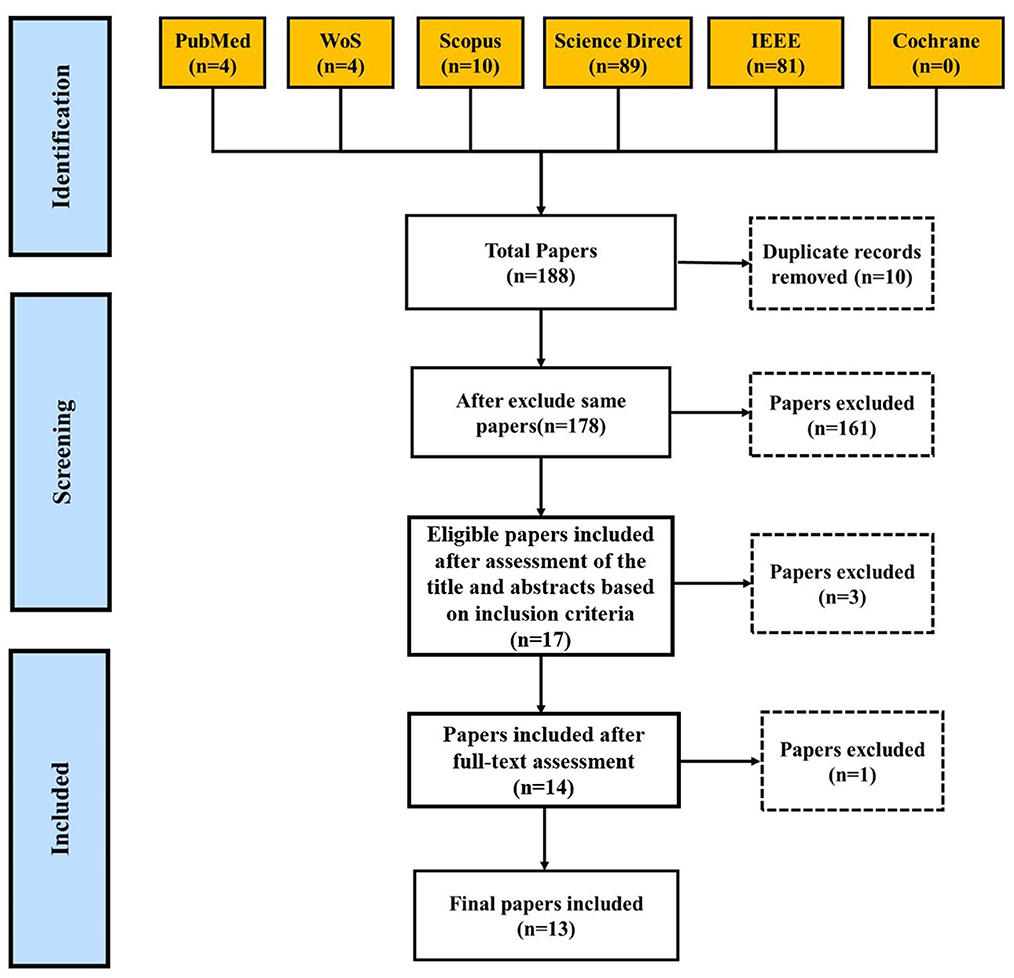
Figure 2. Scoping literature review procedure.
3.4 Selection criteria
i. Only studies that explicitly mention the applications of NFTs are included.
ii. Only studies that show any use cases of NFTs in healthcare with health promotion goals included.
iii. Only original research included.
iv. Only English publications included.
v. Only journal articles and conference papers included.
3.5 Selection process
The process of article selection was based on PRISMA and 13 papers were selected (Figure 2). All the steps in the selection and evaluation of the quality of the papers were done by two researchers. Cases of disagreement were referred to a third person to make the final decision. We will also assess the quality and risk of bias of the included studies using established tools, such as the Cochrane Risk of Bias tool and the Newcastle-Ottawa Scale (46).
4 Results
According to predefined inclusion and exclusion criteria, the present study incorporated a total of 13 research investigations from an initial pool of 188 studies identified in the initial database search. The comprehensive delineation of these selected studies, including the various article categories, is displayed in Table 2. Table 2 shows the breakdown of article categories and presents information about the selected studies. The data extraction form had eleven categories, including the author's name and publication year, journal or conference name, country, type of study, methodology, blockchain platform, Technology Readiness Level (TRL), applications of NFTs in healthcare, study aims and main results, evaluation type and results and value proposition.
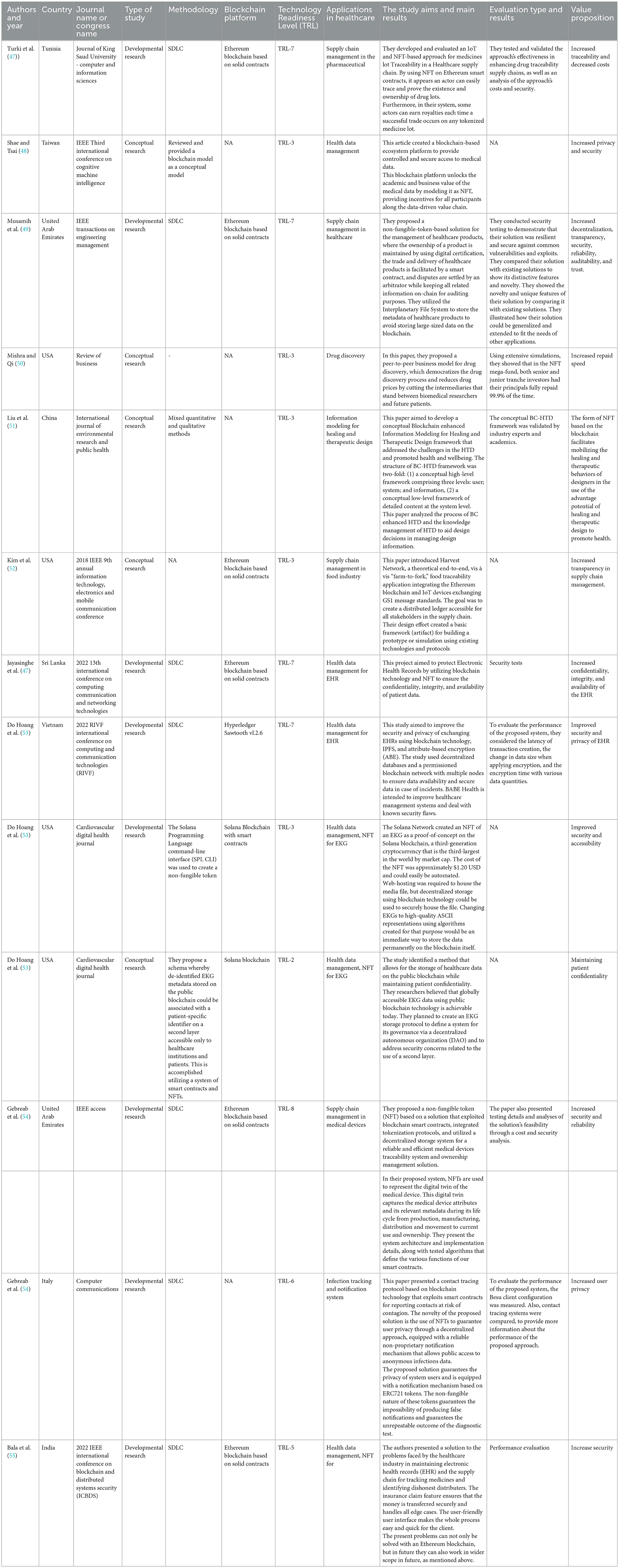
Table 2. Summary of the identified literature.
Subsequent to data extraction, the study's outcomes were summarized and depicted in the form of tables and figures, aligning the presentation of results with the overarching study objectives. Also, to enhance clarity and facilitate comprehension, the results have been thoughtfully segregated for presentation, focusing on the primary columns of Table 2. This deliberate structuring offers a more organized and intuitive presentation of the research findings for the reader's benefit.
4.1 Literature distribution
Most of the papers (77%) were published in 2022 (Figure 3). 62% of studies were published in journals while 38% were published as conference research. Furthermore, as mentioned in Table 3, a greater number of the publications were from USA (23%) and UAE (14%).

Figure 3. The number of publications published year since NFTs concept provided.
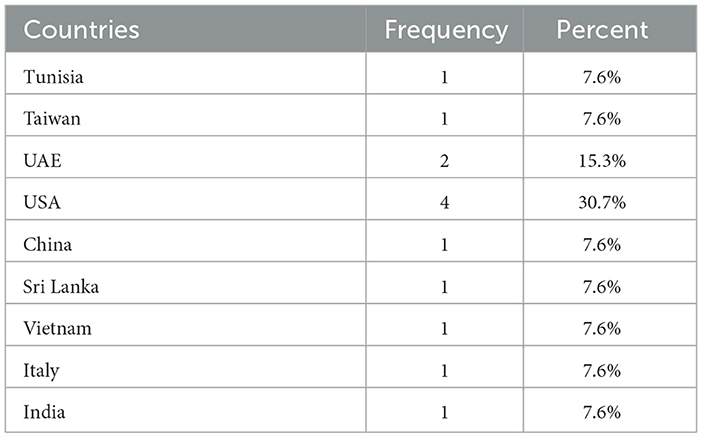
Table 3. Author frequency by nation.
4.2 Type of study
As presented in the fourth column of Table 2, the frequency (%) of type of study is presented in Figure 4.
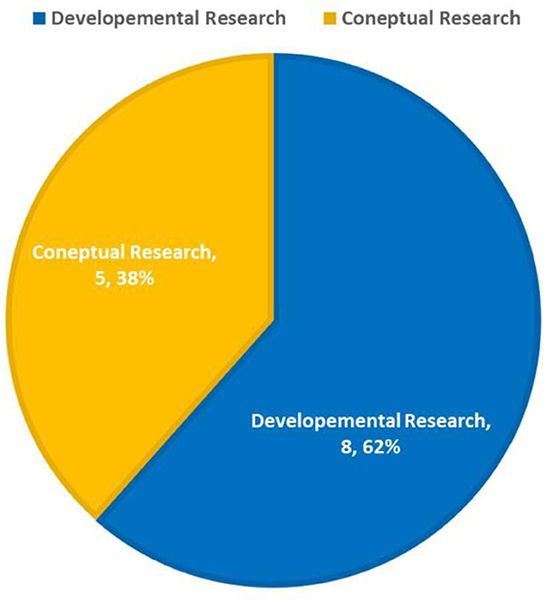
Figure 4. The frequency of type of study.
4.3 Methodology applied in research
As showed in the fifth column of Table 2, the main methodology that applied in research is system development life cycle (SDLC) with main analysis, design, implementation and evaluation phases (54%).
4.4 Blockchain platforms applied in research
As presented in the sixth column of Table 2, the types of blockchain platforms applied in the research studied. The frequency (%) of types of blockchain platforms is presented in Figure 5.
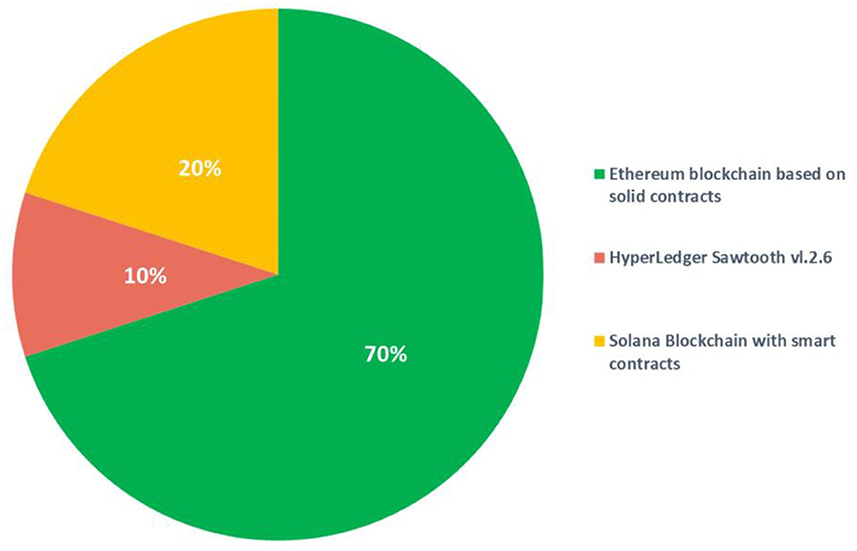
Figure 5. The frequency of types of blockchain platforms.
4.5 Technology readiness level
The seventh column of Table 2 illustrates the condition of the NFTs-based solutions on the TRL model. Figure 6 shows the number of research projects exist at each level. The TRL model assesses the development stage of technologies, ranging from concept (TRL 1) to mature deployment (TRL 9). It aids in decision-making for research, development, and innovation by providing a standardized framework to gauge technology readiness.
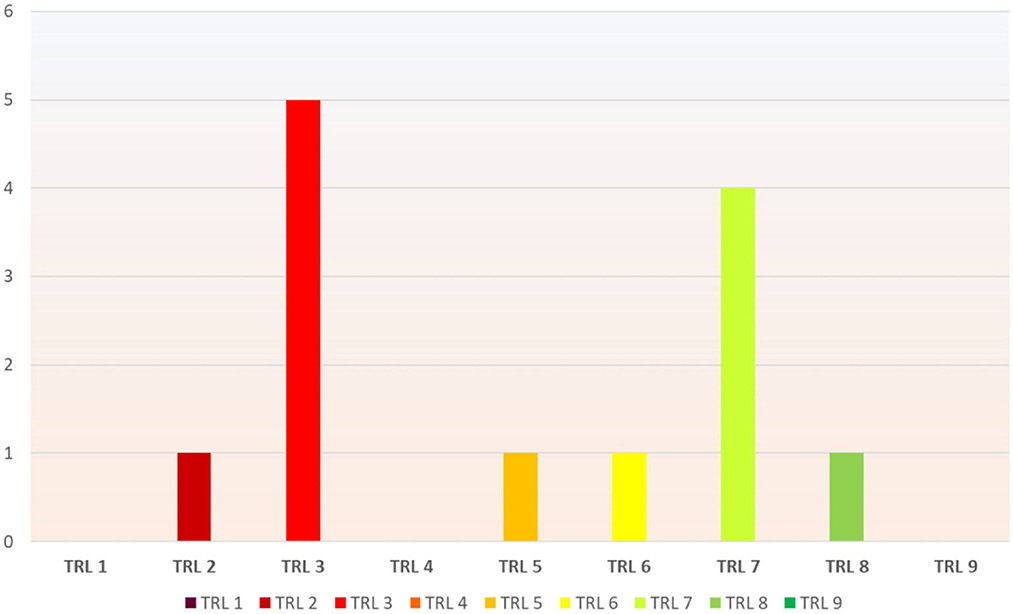
Figure 6. Distribution of NFTs-based solutions on the TRL model.
4.6 The applications of NFTs in healthcare
As shown in the eighth column of Table 2, the applications of NFTs in healthcare were studied. Figure 7 shows the applications of NFTs in healthcare by proportion. The results revealed that the most used health application of NFTs was for health data management at 46%. Next, the second most frequently used application of NFTs in healthcare was for supply chain management at (31%).
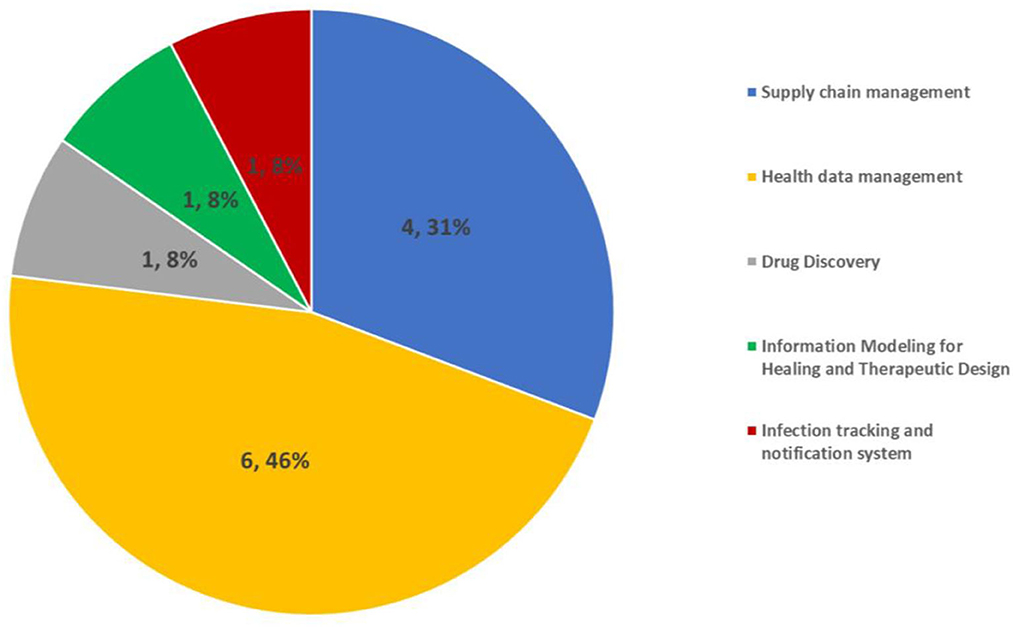
Figure 7. The frequency of applications of NFTs in healthcare.
4.7 Evaluation type and results
As presented in the tenth column of Table 2, the evaluation type and results were the primary variables investigated. About 69% of studies reported information related to the evaluation phase. Of the 9 studies that reported information on the evaluation phase, most evaluation methods focused on security evaluation, comprising five studies or 55%.
4.8 Value proposition
The eleventh column of Table 2 illustrates the value proposition of NFTs base solutions. The results showed the most frequent value proposition of these solutions were increasing security, privacy, confidentiality, transparency, and accessibility.
5 Discussion
NFTs have gained a lot of attention in recent years as a means of establishing ownership and authenticity of digital assets (13, 14, 19, 21, 23). In the context of healthcare, NFTs have the potential to be used in a variety of ways, thus, this study set out to determine the applications of NFTs in healthcare (18, 42, 43, 49). In fact, the study goals included exploring the possibilities of NFTs in healthcare, including their potential to improve the transparency and security of healthcare data, streamline the supply chain for medical products, and facilitate the exchange of medical information between healthcare providers. By understanding the applications of NFTs in healthcare, we can explore ways to improve the efficiency and effectiveness of healthcare delivery.
5.1 Literature distribution
The findings of this study indicate a significant increase in the utilization of NFT-based solutions within the healthcare industry over the past 2 years, particularly in 2022. Specifically, the investigation revealed that 10 out of the 13 studies included in the analysis were conducted in 2022. These results align with other studies that have identified a growing trend in publications that focus on the applications of NFTs worldwide (22, 33). Collectively, these observations underscore the importance of NFTs for future research and development. Additionally, this study identified the USA and UAE as the most active countries in terms of conducting original research in this domain, accounting for 46% of the studies included in our analysis. These findings are consistent with previous research done in this area (13, 22, 27, 28).
5.2 Type of study
Another noteworthy finding is that 62% of the studies conducted in this domain were classified as developmental studies, with the remaining 38% falling into the category of conceptual research. An important related fact is that the applications of NFTs in healthcare extend beyond the realm of theoretical and conceptual frameworks, with researchers actively working to implement these solutions in developmental and practical contexts within healthcare. This observation is consistent with our earlier findings, which indicated that most investigations focused on the applications of NFTs, in general, were not restricted to conceptual frameworks alone (22).
5.3 Applied methodology
Given that most of the studies included in this analysis were classified as developmental, it is noteworthy that the system development life cycle emerged as the primary applied methodology across these investigations. SDLC is a methodology used in software engineering to guide the development of information systems, software applications, and other technology-based projects. It provides a framework for the development of software and systems from inception to retirement, with the aim of producing high-quality, efficient, and effective solutions that meet the needs of stakeholders (56).
5.4 Blockchain platforms applied in research
Our analysis reveals that approximately 70% of the researched or proposed projects in this study utilized the Ethereum blockchain, while 20% employed Solana, and 10% chose Hyperledger Sawtooth. Notably, Ethereum stands as the dominant choice for NFT applications in healthcare due to factors such as its robust developer community, market value, inherent support for Decentralized Applications (DApps), tokenization capabilities (i.e., creating new coins on the Ethereum network), and backing for non-fungible digital assets. It's important to note that while Ethereum typically follows the ERC-20 standard (57), which produces fungible tokens, NFTs on the Ethereum network deviate from this standard, making them unique and non-interchangeable. Although this deviation may be resolved in the future, it raises concerns in the healthcare sector where security, ethical, and compliance standards are exceptionally high, warranting careful consideration of NFT non-compliance (17, 24, 58–60). Support for smart contracts is not an exclusive Ethereum technology, as Hyperledger and Solana both support this feature.
Aside from the mapped blockchain solutions capabilities, limitations that were not addressed or needed to be better addressed for the successful application of NFTs for healthcare are presented in Table 4 (28, 31, 34, 61). It is important to understand that some features may be limitations but only in certain use cases. Cells marked with an “X” mean that the limitation is known by the blockchain's community.
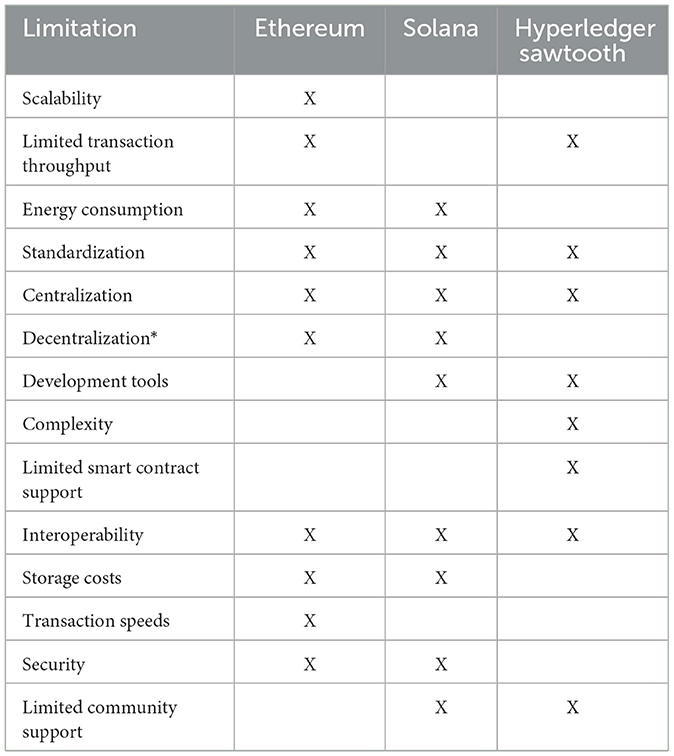
Table 4. Comparison of limitations of blockchain platforms used in NFTs in healthcare.
Although many of the limitations listed above are equally relevant, interoperability, standardization, and centralization were found to be of high importance across all technologies for the healthcare domain. For example, centralization regards imbalances in consensus algorithms that would impact NFTs minting and sales, impacting data owners. Standardization regards the implementation of technologies, standards, frameworks, and policies agreed upon by a committee. If standardization is not present at some level to regulate how NFT are created, the risk for users is increased (62). Finally, interoperability impedes the interchange of NFTs between one blockchain architecture and another, limiting users' data portability, which is highly important in the health domain (28, 31). Hence, excluding all cybersecurity aspects since they were out of the scope of this work, these are the main limitations that NFTs technologies must overcome before being deemed ready to manage healthcare and personal data from patients reliably and competitively.
5.5 Technology readiness level
Based on the Technology Readiness Level (TRL) scale (63), the present investigation revealed that approximately half of NFT-based solutions were in the early stages of research and conceptualization, while the remaining half had progressed to the developmental and operational levels. These findings suggest that the concept of NFTs is relatively nascent, and research aimed at developing NFT-based solutions is ongoing. Nevertheless, the results indicated that NFT-based solutions in healthcare hold significant promise for addressing critical healthcare challenges and can be implemented effectively in real-world settings.
5.6 The applications of NFTs in healthcare
The classification of NFTs applications in healthcare utilized in this study was primarily based on the work of Musamih et al. (44). Based on this classification, the most significant applications of NFTs in healthcare were grouped into five distinct categories, including: (1) supply chain management, (2) patient-centric data management, (3) digital twins, (4) clinical trial management, and (5) genomics. The most important finding from the literature was that the majority of NFTs use cases in healthcare pertain to data management and supply chain management (44). However, the present study did not identify any instances classified under the remaining categories of digital twins, clinical trial management, and genomics. However, it is important to note that the present study does not refute the findings of Musamih et al.'s (44) research Given that NFTs are still a relatively novel concept, it is plausible that many of the potential applications of NFTs in healthcare discussed by Musamih et al. (44) have yet to be explored by scholars and may be leveraged in the future. This study has also revealed additional applications of NFTs in healthcare. Specifically, three studies proposed NFT-based solutions for drug discovery, infection tracking, and utilizing information modeling for designing healing, and therapeutic interventions. Therefore, as shown in Figure 8, the most important current and future applications of NFTs in healthcare can be considered as follows (in Figure 8, circle sizes represent the frequency of NFT applications in the healthcare sector, as determined from our review results. Green circles signify NFT applications identified in our review, while red circles denote NFT applications mentioned in other studies).

Figure 8. The current state of applications of NFTs in healthcare.
5.6.1 Health data management
NFTs can offer several benefits for health data management, such as enhancing the security and privacy of sensitive patient information through encryption and decentralized storage on a blockchain network. NFTs can also enable seamless and tamper-proof tracking of medical records, facilitating more accurate diagnoses and treatments. Moreover, NFTs can provide patients with greater control over their health data by empowering them to grant permission for access to their records and receive compensation for its use (16, 42, 44, 47, 48, 53, 64, 65).
5.6.2 Supply chain management
NFTs can be utilized in healthcare supply chain management to improve transparency, traceability, and accountability. By creating a secure and tamper-proof record of the transportation of medical supplies and equipment, NFTs can help to prevent counterfeiting and improve efficiency in the distribution process. Additionally, NFTs can enable better tracking of the temperature and conditions in which medical products are stored and transported by attaching a unique digital certificate to each item that can be tracked on the blockchain to ensuring that they remain viable and safe for use (42, 49, 52, 54, 66).
5.6.3 Genomics
NFTs can have potential applications in genomics by providing secure and efficient management of genetic data. By creating a tamper-proof record of genomic information, NFTs can enable more accurate and personalized healthcare interventions. NFTs can also facilitate secure sharing and storage of genetic data for research purposes while preserving patient privacy. Furthermore, NFTs can allow for equitable and transparent distribution of financial benefits arising from the use of genetic data (44).
5.6.4 Digital twins
NFTs can be applied to create digital twins, which are virtual models of patients that can be used to simulate medical scenarios and optimize treatments. By creating a tamper-proof record of a patient's health data, NFTs can enable more accurate and personalized digital twin models. Additionally, NFTs can allow for secure and transparent sharing of digital twin data for research purposes while protecting patient privacy. Furthermore, NFTs can enable patients to have greater control over the use of their digital twin data and receive compensation for its use (44).
5.6.5 Other
5.6.5.1 Infection tracking
NFTs can safeguard the tracking of the spread of infectious diseases by creating tamper-proof records of patient health data and facilitating secure sharing of information between healthcare providers. Generally, NFTs can help to improve infection tracking in healthcare by creating a tamper-proof record of the movement of people and equipment within healthcare facilities. By attaching NFTs to equipment or even patient wristbands, healthcare providers can track the movement of people and things within their facilities, making it easier to trace the spread of infections. NFTs can also be used to record the temperatures of equipment used in patient care, such as ventilators or IV pumps, ensuring that they are within safe operating ranges. This information can be used to quickly identify potential sources of infection and promote more effective disease control measures (67).
5.6.5.2 Pharmaceutical research and drug discovery
NFTs can potentially accelerate the drug discovery process by enabling secure and transparent sharing of research data and intellectual property among researchers and organizations. By creating an immutable record of ownership and usage rights, NFTs can facilitate collaborations while also protecting the intellectual property of researchers. This can lead to more efficient drug discovery and development processes, ultimately leading to the creation of new treatments for a variety of health conditions. Additionally, NFTs can be used to tokenize the data generated during clinical research, making it easier for researchers to analyze and share data, leading to faster and more accurate drug development (40).
5.6.5.3 Information modeling for designing healing and therapeutic interventions
NFTs can be used to create information models for designing healing and therapeutic interventions, allowing for the development of more personalized and effective treatment plans. By creating digital representations of patient health data, NFTs can enable the analysis of large amounts of information and support data-driven decision making for healthcare providers (51).
According to the findings of this study, the green circles represent current applications of NFTs in healthcare, while the red circles denote potential future use cases of NFTs within the healthcare industry.
5.7 Evaluation type and results
Another noteworthy discovery from this investigation is that most studies included in the analysis incorporated evaluation phases. This finding is significant in that it highlights the importance of assessing the performance of NFT-based solutions and draws attention from researchers and stakeholders in this domain. Additionally, the results of this study revealed that the primary dimension evaluated in these investigations was security. One potential explanation for this phenomenon may be attributed to the significant advantage of utilizing NFT-based solutions, which is the enhancement of security. This finding is consistent with other investigations (31).
5.8 Value proposition
The present study identified the main value propositions of NFT-based solutions in healthcare which primarily centered around enhancing security, privacy, confidentiality, transparency, and accessibility. The present study aligns with previous research that demonstrates the significant benefits of NFTs-based solutions, including unique digital ownership, enhanced security and privacy, the potential for increased value, traceability, accessibility, and interoperability (22, 27, 31).
While the potential applications of NFTs in healthcare such as improve data security, track the provenance of pharmaceuticals and medical devices, and streamline the supply chain for medical products are promising, however, it is important to acknowledge and address the associated challenges and concerns. First and foremost, the integration of NFTs in healthcare systems may introduce security vulnerabilities, as healthcare data is highly sensitive and susceptible to cyberattacks (24, 44, 49, 68). Ensuring robust security measures and compliance with healthcare data regulations, such as HIPAA in the United States, is imperative. Moreover, the high energy consumption associated with blockchain technologies, especially Ethereum, which is a prominent platform for NFTs, raises concerns about environmental sustainability. The carbon footprint of blockchain operations must be considered and mitigated to align with healthcare's commitment to ecological responsibility. Additionally, the storage requirements for NFTs, which often involve large digital files, may pose a significant challenge in healthcare settings where data storage and management can be resource-intensive. This issue may require substantial infrastructure investments to ensure the secure and efficient storage of NFT-related healthcare data (24). Furthermore, the cost associated with deploying and maintaining NFT-based solutions in healthcare can be substantial, potentially limiting their widespread adoption, especially in resource-constrained healthcare systems (24, 44, 49, 69). The financial implications of implementing and managing NFTs need to be carefully evaluated to assess their feasibility and sustainability. Another limitation is the potential for over-reliance on NFTs, which may lead to exclusion or discrimination of individuals who lack access to this technology, potentially exacerbating healthcare disparities. Furthermore, the legal and ethical aspects of ownership, licensing, and consent for medical data represented by NFTs need careful consideration, as they might raise complex issues regarding patient rights, informed consent, and intellectual property (44, 49, 69, 70). Additionally, the adoption of NFTs in healthcare faces challenges in gaining acceptance by health policy makers and healthcare providers, who may be hesitant to embrace this novel technology. Lastly, the nascent stage of NFT adoption in healthcare implies that the scalability and interoperability of NFT-based solutions are yet to be fully tested. As the technology matures, these challenges and limitations should be taken into account to ensure that NFTs truly deliver their potential benefits to the healthcare sector (42, 44, 70). By addressing these limitations and concerns, NFTs have the potential to improve healthcare delivery and patient outcomes.
Also, it is essential to differentiate between the applications of NFTs and the broader blockchain technology in the context of healthcare due to their unique contributions to the industry. While both NFTs and blockchain offer secure and transparent data management, NFTs stand out for their distinct ability to represent ownership, authenticity, and provenance of digital assets. This differentiation becomes crucial when addressing healthcare challenges, as certain applications may require the specific features that NFTs provide. By understanding when and where NFTs are most advantageous, healthcare stakeholders can make informed decisions about technology adoption, potentially leading to more effective, efficient, and patient-centric solutions. Moreover, a clear distinction between NFTs and blockchain allows for a more precise analysis of how each technology contributes to resolving healthcare issues, ensuring that the appropriate tools are applied to the task at hand. In our ongoing research, we aimed to elucidate the precise roles of NFTs and broader blockchain technology in healthcare applications, shedding light on the distinct advantages and synergies that drive innovation in the field (34, 44, 49, 61).
While this scoping review provides valuable insights into the burgeoning utilization of NFTs in healthcare, it is essential to acknowledge certain limitations in our study. Firstly, the relatively limited number of selected papers (13) may not encompass the entirety of NFTs applications in healthcare, and there might exist additional relevant research that was not included. Furthermore, the rapidly evolving nature of both blockchain and NFTs technologies implies that the field is subject to continuous developments and advancements that may not be fully captured in our review. Additionally, the potential biases inherent in the selection and analysis of the included studies, as well as the use of predetermined search criteria, could influence the comprehensiveness of the findings. Therefore, while our review underscores the transformative potential of NFTs in healthcare, it is important to consider these limitations as areas for further research and exploration in this dynamic and innovative domain.
Future research in NFTs-based solutions for healthcare should focus on several areas to address gaps in the existing literature. First, more studies are needed to explore the ethical, social, and cultural implications of using NFTs in healthcare. This includes examining potential issues related to data privacy, ownership, and accessibility, as well as the impact on healthcare providers and patients. Second, future research should investigate how NFTs can be integrated into existing health systems and workflows, including exploring potential barriers to adoption and identifying strategies for effective implementation. Third, there is a need for more empirical studies to evaluate the effectiveness and efficiency of NFTs-based solutions in healthcare. Finally, researchers should explore the potential for using NFTs in other areas of healthcare beyond those currently identified. By addressing these areas of research, we can better understand the potential benefits and challenges of using NFTs in different areas of healthcare and develop strategies to maximize their value for patients, providers, and other stakeholders in the healthcare ecosystem.
6 Conclusion
This scoping review highlights the emerging use of NFTs in healthcare. The study searched for and reviewed 13 relevant papers, and the results provide valuable insights into the current state of NFTs in healthcare. The study also explored various variables, including type of study, methodology, technical aspects of NFTs-based solutions, TRL levels, applications of NFTs in healthcare, evaluation type and results, and the value proposition of NFTs. The results revealed that NFTs have potential applications in healthcare supply chain management, data management, clinical trial management, digital twin, genomic, and other areas. In addition, this study has uncovered further potential uses for NFTs in healthcare. More specifically, three of the reviewed studies proposed NFT-based solutions for drug discovery, tracking infections, and utilizing information modeling to design healing and therapeutic interventions. Additionally, increased security, privacy, confidentiality, transparency, and accessibility were found to be the most common value propositions of NFTs-based solutions. Overall, the results of this scoping review suggest that NFTs have the potential to revolutionize the healthcare industry; however, further research is needed to explore their full potential.
Data availability statement
The raw data supporting the conclusions of this article will be made available by the authors, without undue reservation.
Author contributions
SA: Conceptualization, Data curation, Formal analysis, Investigation, Methodology, Validation, Writing—original draft. PMo: Conceptualization, Project administration, Supervision, Writing—review & editing. PMi: Conceptualization, Data curation, Formal analysis, Validation, Writing—original draft. AG: Data curation, Formal analysis, Validation, Writing—original draft. TH-P: Conceptualization, Writing—review & editing. DC: Funding acquisition, Resources, Writing—review & editing.
Funding
The author(s) declare that no financial support was received for the research, authorship, and/or publication of this article.
Conflict of interest
The authors declare that the research was conducted in the absence of any commercial or financial relationships that could be construed as a potential conflict of interest.
The author(s) declared that they were an editorial board member of Frontiers, at the time of submission. This had no impact on the peer review process and the final decision.
Publisher's note
All claims expressed in this article are solely those of the authors and do not necessarily represent those of their affiliated organizations, or those of the publisher, the editors and the reviewers. Any product that may be evaluated in this article, or claim that may be made by its manufacturer, is not guaranteed or endorsed by the publisher.
References
1. Sharma A, Harrington RA, McClellan MB, Turakhia MP, Eapen ZJ, Steinhubl S, et al. Using digital health technology to better generate evidence and deliver evidence-based care. J Am Coll Cardiol. (2018) 71:2680–90. doi: 10.1016/j.jacc.2018.03.523
2. Greiner AL, Stehling-Ariza T, Bugli D, Hoffman A, Giese C, Moorhouse L, et al. Challenges in public health rapid response team management. Health Secur. (2020) 18:S8–s13. doi: 10.1089/hs.2019.0060
3. Airhihenbuwa CO, Tseng TS, Sutton VD, Price L. Global perspectives on improving chronic disease prevention and management in diverse settings. Prev Chronic Dis. (2021) 18:E33. doi: 10.5888/pcd18.210055
4. Behr LC, Simm A, Kluttig A, Grosskopf Großkopf A. 60 years of healthy aging: on definitions, biomarkers, scores and challenges. Ageing Res Rev. (2023) 101934. doi: 10.1016/j.arr.2023.101934
5. Fatehi F, Samadbeik M, Kazemi A. What is digital health? Review of definitions. Stud Health Technol Inform. (2020) 275:67–71. doi: 10.3233/SHTI200696
6. Jandoo T. WHO guidance for digital health: what it means for researchers. Digit Health. (2020) 6:2055207619898984. doi: 10.1177/2055207619898984
7. Fahy N, Williams GA, Habicht T, Köhler K, Jormanainen V, Satokangas M, et al. European Observatory Policy Briefs. Use of digital health tools in Europe: Before, during and after COVID-19. Copenhagen: European Observatory on Health Systems and Policies © World Health Organization (2021).
8. Monaco A, Palmer K, Holm Ravn Faber N, Kohler I, Silva M, Vatland A, et al. Digital health tools for managing noncommunicable diseases during and after the COVID-19 pandemic: perspectives of patients and caregivers. J Med Internet Res. (2021) 23:e25652. doi: 10.2196/25652
9. Jaung W. Digital forest recreation in the metaverse: opportunities and challenges. Technol Forecast Soc Change. (2022) 185:122090. doi: 10.1016/j.techfore.2022.122090
10. Lee CW. Application of metaverse service to healthcare industry: a strategic perspective. Int J Environ Res Public Health. (2022) 19:20. doi: 10.3390/ijerph192013038
11. Nadini M, Alessandretti L, Giacinto D, Martino F, Aiello MLM, Baronchelli A. Mapping the NFT revolution: market trends, trade networks, and visual features. Sci Rep. (2021) 11:20902. doi: 10.1038/s41598-021-00053-8
12. Zhang ZJ. Cryptopricing: Whence comes the value for cryptocurrencies and NFTs?. Int J Res Market. (2023) 40:22–9. doi: 10.1016/j.ijresmar.2022.08.002
13. Ahmad H, Ahsan MA, Mian AN. Trends in publishing blockchain surveys: a bibliometric perspective. Int J Inf Secur. (2023) 22:511–23. doi: 10.1007/s10207-022-00653-z
14. Wenhua Z, Qamar F, Abdali TAN, Hassan R, Jafri STA, Nguyen QN, et al. Blockchain technology: security issues, healthcare applications, challenges and future trends. Electronics. (2023) 12:546. doi: 10.3390/electronics12030546
15. Hasselgren A, Kralevska K, Gligoroski D, Pedersen SA, Faxvaag A. Blockchain in healthcare and health sciences-A scoping review. Int J Med Inform. (2020) 134:104040. doi: 10.1016/j.ijmedinf.2019.104040
16. Fatoum H, Hanna S, Halamka JD, Sicker DC, Spangenberg P, Hashmi SK, et al. Blockchain integration with digital technology and the future of health care ecosystems: systematic review. J Med Internet Res. (2021) 23:e19846. doi: 10.2196/19846
17. Yaqoob I, Salah K, Jayaraman R, Al-Hammadi Y. Blockchain for healthcare data management: opportunities, challenges, and future recommendations. Neural Comp Appl. (2021) 7:1–16. doi: 10.1007/s00521-020-05519-w
18. Garavand A, Aslani N. Metaverse phenomenon and its impact on health: a scoping review. Inf Med Unlocked. (2022) 21:101029. doi: 10.1016/j.imu.2022.101029
19. Raman R, Raj BE. The world of nfts (non-fungible tokens): The future of blockchain and asset ownership. In: Ben Mnaouer A, Fourati LC, editors. Enabling Blockchain Technology for Secure Networking and Communications. London: IGI Global (2021), 89–108.
20. Alkhudary R, Belvaux B, Guibert N. Understanding non-fungible tokens (NFTs): insights on consumption practices and a research agenda. Mark Lett. (2023) 34:321–36. doi: 10.1007/s11002-022-09655-2
21. Ante L. Non-fungible token (NFT) markets on the Ethereum blockchain: temporal development, cointegration and interrelations. Econ Innov New Technol. (2022) 8:1–19. doi: 10.1080/10438599.2022.2119564
22. Bao H, Roubaud D. Non-fungible token: a systematic review and research agenda. J Risk Financ Manage. (2022) 15:215. doi: 10.3390/jrfm15050215
23. Vardhan Singh Rawat H, Bisht D, Kumar S, Dangi S. Rise of blockchain-based non-fungible tokens (NFTs): overview, trends, and future prospects. Mach Int Data Sci Appl Proc MIDAS. (2022) 2021:1–10. doi: 10.1007/978-981-19-2347-0_1
24. Ali O, Momin M, Shrestha A, Das R, Alhajj F, Dwivedi YKJTF, et al. A review of the key challenges of non-fungible tokens. J Tech. (2023) 187:122248. doi: 10.1016/j.techfore.2022.122248
25. Guidi B, Michienzi A. From NFT 1.0 to NFT 2.0: a review of the evolution of non-fungible tokens. Future Int. (2023) 15:189. doi: 10.3390/fi15060189
26. Guidi B, Michienzi A. The social impact of NFTs in the metaverse economy. In: Proceedings of the 2023 ACM Conference on Information Technology for Social Good. New York, NY: ACM (2023). doi: 10.1145/3582515.3609564
27. Nobanee H, Ellili NOD. Non-fungible tokens (NFTs): a bibliometric and systematic review, current streams, developments, and directions for future research. Int Rev Econ Financ. (2023) 84:460–73. doi: 10.1016/j.iref.2022.11.014
28. Taherdoost H. Non-fungible tokens (NFT): a systematic review. Information. (2023) 14:26. doi: 10.3390/info14010026
29. Peres R, Schreier M, Schweidel DA, Sorescu A. Blockchain meets marketing: opportunities, threats, and avenues for future research. Int J Res Marketing. (2023) 40:1–11. doi: 10.1016/j.ijresmar.2022.08.001
30. Ali M, Bagui CS. Introduction to NFTs: the future of digital collectibles. IJACSA. (2021) 12:50–6. doi: 10.14569/IJACSA.2021.0121007
31. Wang Q, Li R, Wang Q, Chen S. Non-fungible token (NFT): overview, evaluation, opportunities and challenges. arXiv preprint arXiv:2105.07447 (2021).
32. Khati P, Shrestha AK, Vassileva J. Non-Fungible Tokens Applications: A Systematic Mapping Review of Academic Research. In: 2022 IEEE 13th Annual Information Technology, Electronics and Mobile Communication Conference (IEMCON). Piscataway, NJ: IEEE (2022).
33. Kräussl R, Tugnetti A. Non-fungible tokens (NFTs): a review of pricing determinants, applications and opportunities. Center Financ Stu Work Paper. (2022) 693:429. doi: 10.2139/ssrn.4112429
34. Wilson KB, Karg A, Ghaderi H. Prospecting non-fungible tokens in the digital economy: Stakeholders and ecosystem, risk and opportunity. Bus Horiz. (2022) 65:657–70. doi: 10.1016/j.bushor.2021.10.007
35. Kugler L. Non-fungible tokens and the future of art. Commun ACM. (2021) 64:19–20. doi: 10.1145/3474355
36. Vidal-Tomás D. The new crypto niche: NFTs, play-to-earn, and metaverse tokens. Financ Res Lett. (2022) 47:102742. doi: 10.1016/j.frl.2022.102742
37. Allen S, Juels A, Khaire M, Kell T, Shrivastava S. NFTs for Art and Collectables: Primer and Outlook (2022).
38. Rogers I, Carter D, Morgan B, Edgington A. Diminishing dreams: the scoping down of the music nft. M/C J. (2022) 25:2. doi: 10.5204/mcj.2884
39. Baker B, Pizzo A, Su YJ. Non-fungible tokens: a research primer and implications for sport management. Sports Innov J. (2022) 3:1–15. doi: 10.18060/25636
40. He Y, Li W, Liu L, He W. NFTs–a game changer or a bubble in the digital market?. J Glob Inf Technol Manage. (2023) 26:1–8. doi: 10.1080/1097198X.2023.2167561
41. Appelmans A. The potential of NFTs in real estate. In: FIBREE Latam Series. Videoconference (2022).
42. Teo ZL, Ting DSW. Non-fungible tokens for the management of health data. Nat Med. (2023) 29:287–8. doi: 10.1038/s41591-022-02125-2
43. Gambril J, Boyd C, Egbaria J. Application of nonfungible tokens to health care. Comment on “blockchain technology projects to provide telemedical services: systematic review.” J Med Int Res. (2022) 24:e34276. doi: 10.2196/34276
44. Musamih A, Salah K, Jayaraman R, Yaqoob I, Puthal D, Ellahham S, et al. NFTs in healthcare: vision, opportunities, and challenges. IEEE Cons Electr Mag. (2022) 4:60. doi: 10.1109/MCE.2022.3217660
45. Mohammadi S, Fatoorchi AA, Babagoli M. NFT-based online prescription for data management in healthcare services. Technol Anal Strat Manage. (2023) 10:1–14. doi: 10.1080/09537325.2023.2209209
46. Wells GA, Shea B, O'Connell D, Peterson J, Welch V, Losos M, et al. The Newcastle-Ottawa Scale (NOS) for Assessing the Quality of Non-Randomised Studies in Meta-Analyses. Oxford: Oxford University Press. (2000).
47. Jayasinghe JA, Shiranthaka K, Kavith T, Jayasinghe M, Abeywardena KY, Yapa K, et al. Blockchain-based Secure Environment for Electronic Health Records. In: 2022 13th International Conference on Computing Communication and Networking Technologies (ICCCNT). Piscataway, NJ: IEEE (2022).
48. Shae ZY, Tsai JJ. On the Design of Medical Data Ecosystem for Improving Healthcare Research and Commercial Incentive. In: 2021 IEEE Third International Conference on Cognitive Machine Intelligence (CogMI). Piscataway, NJ: IEEE (2021).
49. Musamih A, Yaqoob I, Salah K, Jayaraman R, Omar M, Ellahham S, et al. Using NFTs for Product Management, Digital Certification, Trading, and Delivery in the Healthcare Supply Chain. IEEE Transactions on Engineering Management. Piscataway, NJ: IEEE (2022).
51. Liu Z, Yang Z, Liang M, Liu Y, Osmani M, Demian P, et al. A conceptual framework for blockchain enhanced information modeling for healing and therapeutic design. Int J Environ Res Public Health. (2022) 19:8218. doi: 10.3390/ijerph19138218
52. Kim M, Hilton B, Burks Z, Reyes J. Integrating blockchain, smart contract-tokens, and IoT to design a food traceability solution. In: 2018 IEEE 9th Annual Information Technology, Electronics and Mobile Communication Conference (IEMCON). IEEE. Piscataway, NJ: IEEE (2018).
53. Do Hoang H, Duy PT, Tien NT, Pham VH. A Blockchain-based approach and Attribute-based Encryption for Healthcare Record Data Exchange. In: 2022 RIVF International Conference on Computing and Communication Technologies (RIVF). Piscataway, NJ: IEEE (2022).
54. Gebreab SA, Hasan HR, Salah K, Jayaraman RJIA. NFT-based traceability and ownership management of medical devices. IEEE Access. (2022) 10:126394–411. doi: 10.1109/ACCESS.2022.3226128
55. Bala SS, Prasad B, Jadhav AM, Wasnik K. Online storage, retrieval and authentication of healthcare documents using Ethereum Blockchain. In: 2022 IEEE International Conference on Blockchain and Distributed Systems Security (ICBDS). IEEE (2022). pp. 1–6.
56. Lalband N, Kavitha D. Software engineering for smart healthcare applications. Int J Innov Technol Explor Eng. (2019) 8:325–31. doi: 10.35940/ijitee.F1066.0486S419
57. Cuffe P. The Role of the ERC-20 Token Standard in a Financial Revolution: The Case of Initial Coin Offerings. Busan: IEC-IEEE-KATS (2018).
58. Tse D, Chow CK, Ly TP, Tong CY, Tam KW. The challenges of big data governance in healthcare. In: 2018 17th IEEE International Conference On Trust, Security And Privacy In Computing And Communications/12th IEEE International Conference On Big Data Science And Engineering (TrustCom/BigDataSE). Piscataway, NJ: IEEE (2018).
59. Alhassan I, Sammon D, Daly MJISM. Critical success factors for data governance: a theory building approach. Inf Syst Manage. (2019) 36:98–110. doi: 10.1080/10580530.2019.1589670
60. McMahon A, Buyx A, Prainsack B. Big data governance needs more collective responsibility: the role of harm mitigation in the governance of data use in medicine and beyond. Med Law Rev. (2020) 28:155–82. doi: 10.1093/medlaw/fwz016
61. Bamakan SMH, Nezhadsistani N, Bodaghi O, Qu Q. Patents and intellectual property assets as non-fungible tokens; key technologies and challenges. Sci Rep. (2022) 12:2178. doi: 10.1038/s41598-022-05920-6
62. Sharma T, Zhou Z, Huang Y, Wang Y. “It's a blessing and a curse”: unpacking creators' practices with Non-Fungible Tokens (NFTs) and their communities. arXiv preprint arXiv:2201.13233 (2022).
64. Hanna B, Chatterjee NA, Akoum NJCDHJ. EKG as a non-fungible token (NFT): a schema for storing healthcare data on the public blockchain. Cardiovas Dig Health J. (2022) 3:S13–4. doi: 10.1016/j.cvdhj.2022.07.033
65. Hanna B, Chatterjee NA, Akoum NJHR. DH-576-02 EKG as a non-fungible token: implications of blockchain technology for the electrophysiologist, the patient, and health systems. Heart Rhythm. (2022) 19:S60–1. doi: 10.1016/j.hrthm.2022.03.700
66. Turki M, Cheikhrouhou S, Dammak B, Baklouti M, Mars R, Dhahbi A, et al. NFT-IoT pharma chain: IoT drug traceability system based on blockchain and non fungible tokens (NFTs). J King Saud Univ Comp Inf Sci. (2023) 35:527–43. doi: 10.1016/j.jksuci.2022.12.016
67. Ferone A, Della Porta AJCC. A blockchain-based infection tracing and notification system by non-fungible tokens. J Com. (2022) 192:66–74. doi: 10.1016/j.comcom.2022.05.027
68. Sai S, Hassija V, Chamola V, Guizani M. Federated learning and NFT-based privacy-preserving medical data sharing scheme for intelligent diagnosis in smart healthcare. IEEE Int Things J. (2023) 28:991. doi: 10.1109/JIOT.2023.3308991
69. Petrigna L, Musumeci G. The metaverse: a new challenge for the healthcare system: a scoping review. J Funct Morphol Kinesiol. (2022) 7:63. doi: 10.3390/jfmk7030063
Keywords: non-fungible tokens, blockchains, healthcare, metaverse, medical, NFT
Citation: Abhari S, Morita P, Miranda PADSES, Garavand A, Hanjahanja-Phiri T and Chumachenko D (2023) Non-fungible tokens in healthcare: a scoping review. Front. Public Health 11:1266385. doi: 10.3389/fpubh.2023.1266385
Received: 24 July 2023; Accepted: 31 October 2023;
Published: 21 November 2023.
Edited by:
Delmiro Fernandez-Reyes, University College London, United KingdomReviewed by:
Jiahua Xu, University College London, United KingdomBarbara Guidi, University of Pisa, Italy
Nikhil Vadgama, University College London, United Kingdom
Copyright © 2023 Abhari, Morita, Miranda, Garavand, Hanjahanja-Phiri and Chumachenko. This is an open-access article distributed under the terms of the Creative Commons Attribution License (CC BY). The use, distribution or reproduction in other forums is permitted, provided the original author(s) and the copyright owner(s) are credited and that the original publication in this journal is cited, in accordance with accepted academic practice. No use, distribution or reproduction is permitted which does not comply with these terms.
*Correspondence: Dmytro Chumachenko, ZC5jaHVtYWNoZW5rb0BraGFpLmVkdQ==