 Shay Arnon
 Golan Shahar
 Anat Brunstein Klomek
- 1Baruch Ivcher School of Psychology, Reichman University, Herzliya, Israel
- 2Department of Psychology, Ben-Gurion University of the Negev, Be'er Sheva, Israel
Introduction: Continuity of Care (CoC) is central to suicide prevention. The present study aims to review contemporary definitions, operationalization in research, and key components of CoC in the prevention of suicide.
Methods: The present study is a narrative review. A thorough search of available literature on CoC and suicidality was conducted. Studies published between 1995 and 2021 were reviewed and selected based on relevance to CoC and suicidality. Selected research was subsequently summarized to outline definitions of CoC, its operationalization in research, and key components for suicide prevention.
Results: The definition, measurement, and operationalization of CoC in suicide prevention varies tremendously, derailing clinical practice. Key elements of CoC identified across the literature include (1) CoC across multiple levels of care, (2) the role of primary care providers and case managers in CoC of suicidal patients, (3) the importance of follow up contact with suicidal patients post-treatment, and (4) the role of national and institutional guidelines for CoC of suicidal patients. Limitations: There is a dearth of randomized controlled trials and insufficient evidence on specific populations.
Conclusion: CoC refers to a wide, complex concept that must be broken down into specific categories that can provide more nuanced guidance of research and clinical implications.
Introduction
Contemporary investigations have identified the crucial role of continuity of care (CoC) in suicide prevention and on the mental health outcomes of patients at risk of suicidality (1, 2), In April 2021, Itzhak Saidian set himself on fire, both as a suicide attempt and as a protest against the institutional neglect directed by the Israeli Ministry of Defense against war veterans suffering from post-traumatic stress disorder (PTSD). Saidian’s act increased particular attention to the concept of CoC in suicide prevention. According to the Israeli media (3), the absence of CoC played a key role in the tragic outcome of Saidian’s treatment. Indeed, the literature identifies disruptions of CoC as barriers to the prevention of suicide, which is a global health concern (1, 2, 4). On the contrary, promotion of continuity is considered fundamental for any national initiative looking to address the phenomenon of suicidality (1, 2).
Further empirical studies suggest poor or lacking CoC is related to elevated risk of hospital readmission and attempted and completed suicide, whereas better CoC appears to be protective against suicidality (5–10). A recent study estimated about 23% of suicides were partially attributed to CoC issues such as admission difficulties, patient refusal of services, limited services offered by a continuing care team, abrupt termination of services, lack of community follow-up, poor transition between services, and the loss of or change in case manager (11). Integrated models of care coordination are especially critical for high-risk patients, such as those at risk of suicide, in which the effective and immediate transition of treatment and care-related information, as well as prevention of treatment fall-out, can have a life-saving consequences (12, 13). CoC impacts the ability to continuously screen, assess and monitor for suicidality and fluctuations in suicidal risk, as well as provide and maintain the efficacy of suicide interventions and suicide prevention strategies over time (e.g., safety plan interventions and other suicide reduction strategies), thereby reducing suicide risk and suicide rates (14).
However, what exactly do practitioners, researchers and policy makers mean when they refer to CoC? To date, highly variable definitions exist for CoC, obscuring this crucial concept and leading to discrepancies in its operationalization in research and practice. The present article provides a narrative review of extant literature on the definitions, operationalization, and role of CoC in preventing suicide and offers a detailed discussion of necessary actions to better understand how to employ the concept of CoC in research and clinical care.
Methods
Due to the interdisciplinary nature of our topic, we selected Google Scholar as our search engine as it is the most comprehensive one, inclusive of other engines such as PubMed, PsychInfo, etc. Studies published between 1995 and 2021, incorporating the following key words were included in this study: chain of care, continuity of care, suicidality, suicide, attempts, ideation, depression, self-harm, follow up, primary care, case management\manager, care management\manager, medication adherence, and treatment adherence. Studies conducted among children and adolescents were not included in this review because of their unique developmental nature and will be reviewed in another article.
Identified literature (43 articles) was subsequently summarized to identify types and definitions of CoC, current operationalization of CoC in research, and to outline key characteristics paramount for CoC in suicide prevention: (1) CoC across different levels of care (2) the role of primary care provider (PCP) and\or case managers (CM) in the care of suicidal patients, (3) follow up of suicidal patients, and (4) and national and institutional guidelines for CoC. The description of participants, design and CoC relevance for studies included in this review appears in Table 1.
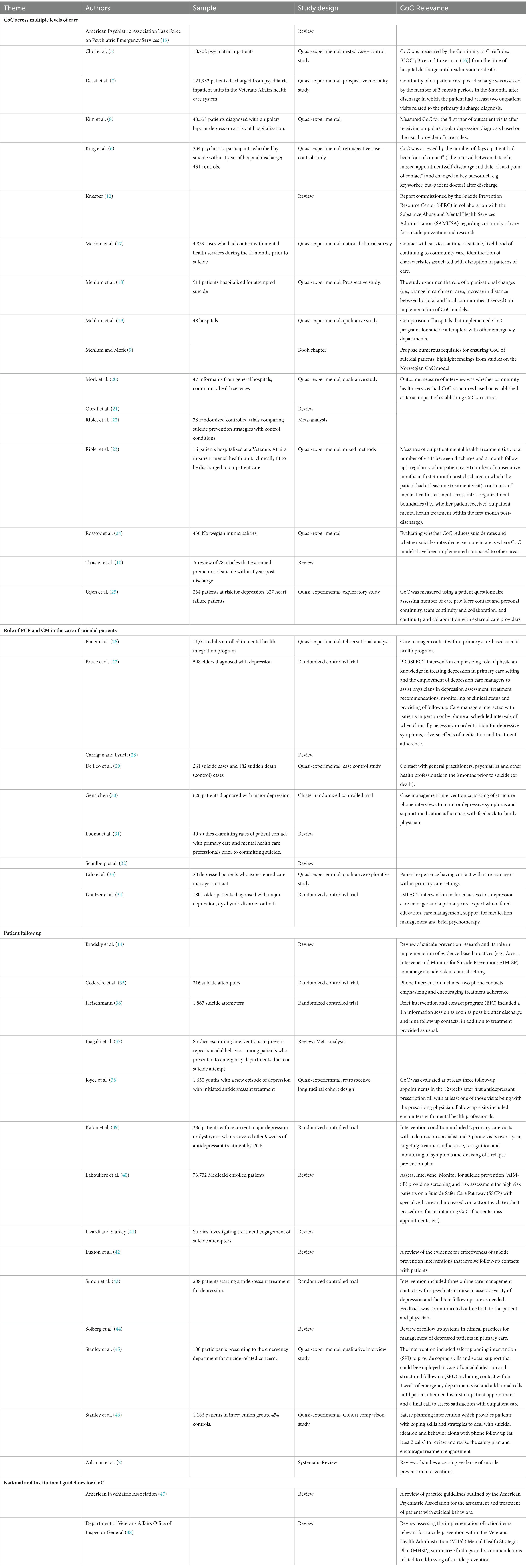
Table 1. Summary of literature on CoC and suicidality.
Results
Present definitions of CoC across the literature
Broadly, CoC refers to an integrated model of overall care coordination between different patient services and activities (e.g., hospitals and community services) which facilitates the delivery of appropriate aid to the patient (12, 13). Coordination of care includes the smooth transition between a patient’s providers and effective transmission of relevant information for the patient’s treatment and management (12, 13). However, a thorough investigation of the literature highlights present studies refer to a diversity of types of CoC (presented in Table 2). For example, some authors [(e.g., 5, 49) divide CoC into informational continuity, relational\relationship continuity, and management continuity]. Others, employ the terms provider continuity and contact continuity (6). Lastly, Uijen et al. (25) refer to personal continuity, team continuity, and cross-boundary continuity. Evidently, the mixture of sub-definitions of CoC make it challenging to compare and translate these into integrated clinical guidelines.
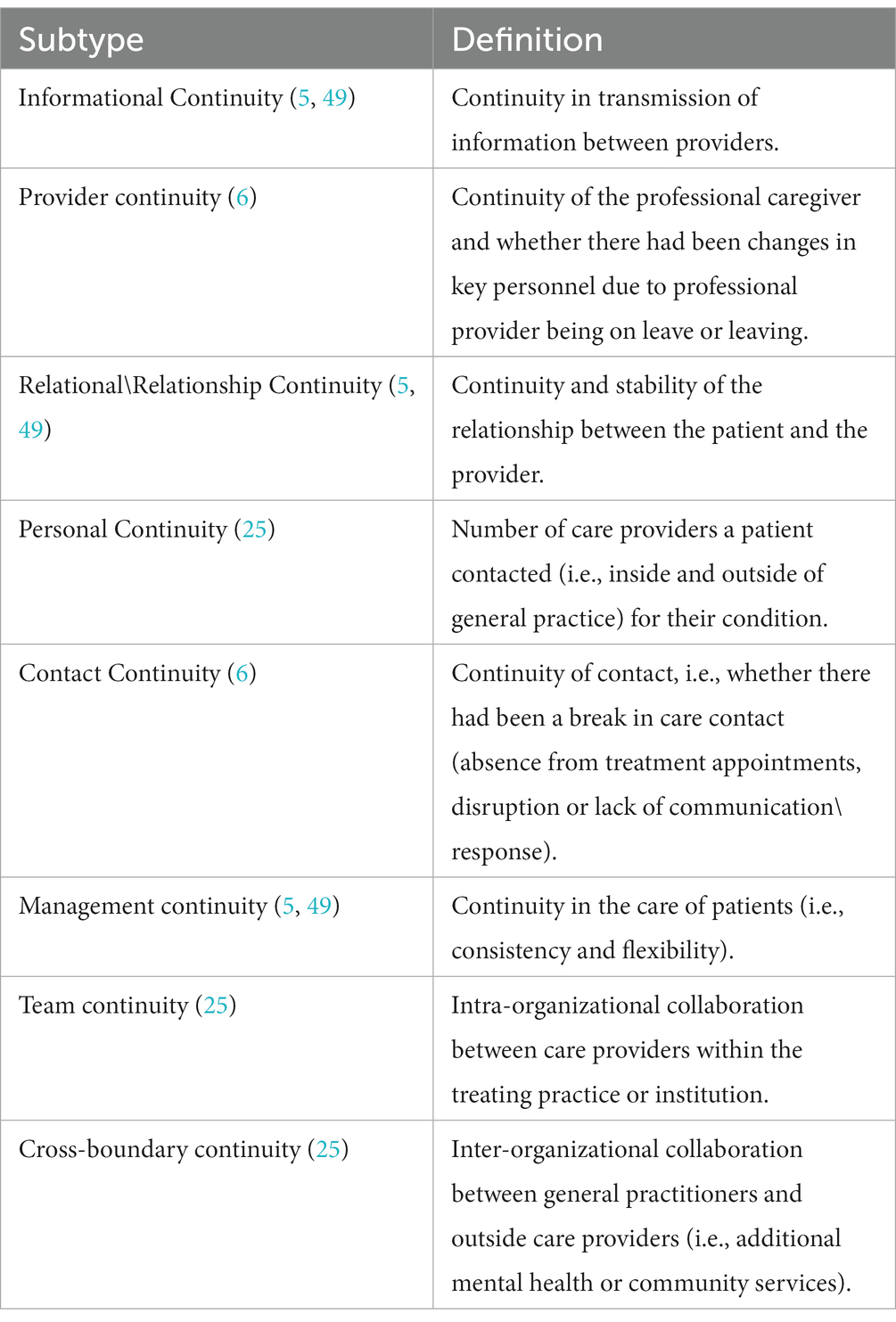
Table 2. Continuity of care sub-definitions.
Operationalization of CoC across the literature
In line with the variability of subtypes of CoC, studies documenting the relationship between CoC and mental health outcomes of patients at-risk for suicide also differ in their operationalization of the concept. Some studies measured CoC using the Continuity of Care Index [COCI (16)] which calculates an individual’s total number of visits with a single group of referred providers within a specific time-period (5). This is determined by quantifying the total number of visits, the number of visits to the specific provider and the number of unreferred providers (5, 16). Another study among psychiatric inpatients from Department of Veterans Affairs (VA) hospitals defined CoC as the number of 2-month periods in the half year post-discharge in which the patient had at least two outpatient visits to address his primary discharge diagnosis (7). In a study among patients diagnosed with unipolar and bipolar depression (8), CoC was measured using the Usual Provider of Care Index [UPC (50)] which quantifies the percentage of a patient’s number of outpatient visits to the most frequently seen provider out of his total number of visits. Lastly, in a retrospective case–control study looking to identify factors associated with increased suicide risk among patients who died within 1 year of hospital discharge, King et al. (6) measured CoC as the timeframe between a missed appointment or self-discharge and the date of the following contact (i.e., how long a patient had been “out of contact”). These studies join others in evidencing tremendous variability in the measurement of CoC, stemming from the absence of a unified conceptualization and definition of CoC in suicide prevention.
Key components of CoC
CoC across levels of care
A prominent body of research concerns CoC across multiple levels of care, such as following patients’ discharge from inpatient care (5–7, 12, 23) and following ED\ER visits without hospitalization (12, 15, 18–20). These studies and their findings are summarized in Table 1. Recommended guidelines and conceptualization identify the following components for CoC following hospital\ED\ER admissions (5, 7, 9, 12, 15, 18–21, 23, 24):
1. Appointed Authority: designation of a suicide attempt service group or coordinator who would be responsible for implementation and evaluation of established guidelines.
2. Monitoring: of hospital admissions related to suicide attempts.
3. Training: staff to conduct systematic psychosocial and suicide risk assessments for suicide attempters.
4. Written Protocol: establishment of written procedures and responsibilities for suicide management and aftercare.
5. Implementation: of agreed management plans for suicidal patients.
6. Structured collaboration: between hospitals and aftercare providers to ensure adequate follow up treatment.
Smooth transition to outpatient care is recommended to be achieved by scheduling next-day appointments following discharge (or up to a maximum of one-week following discharge), by making reminder calls and by having active, timely follow up and effective communication between providers and care centers (6, 7, 12). If scheduling immediate care is impossible, present research recommends patients have some type of access to a psychiatrist until the scheduled outpatient appointment. It is crucial that intensive care is maintained and gradually withdrawn during transition from hospital discharge into the community and that self-discharge patients receive particularly comprehensive, planned follow up and aftercare (10, 17). Further, patients should be routinely contacted and followed up by phone, letter, email or in person to confirm provision and attendance of aftercare (15, 21). Follow up contact should include a component of psychoeducation to inform patients about their suicide risk and foster their engagement in treatment (22, 23). Overall, fostering trust and continuity in the relationship between the patient and provider should be a prioritized goal; discontinuity or changes in key personnel should be avoided as much as possible and some type of clinical coverage must be ensured to patients in situations when the primary provider is unavailable (5, 6, 10, 17, 21).
In contrast, literature on outpatient CoC is more limited. Extant research defines outpatient CoC as the process by which the patient and provider form and maintain a sustained partnership towards treating the patient’s diagnosis [e.g., as measured by the UPC (8, 50)]. Additional studies examined outpatient CoC among depressed patients, assessing personal continuity, team continuity and cross-boundary continuity (25). Furthermore, the well-established Norwegian model advocates for the designation of a specific team or coordinator within a community care system that would be responsible for receiving of referrals and maintaining contact with other community-based services (e.g., social services, schools, and specialty mental health services) (20).
Role of primary care providers and case managers in the care of suicidal patients
Multiple studies document patients who committed suicide had contact with PCPs in proximity to their death; studies document around 45% of suicide victims had contact with PCPs within a month of suicide and 77% of patients visited a general practitioner within 3 months of committing suicide (27, 29, 31, 32). Considering these alarming statistics, contemporary literature focuses on the role of PCPs in suicide assessment and prevention (32). Carrigan and Lynch (28) outlined specific guidelines for PCP’s management and continuity of care of suicide attempters such as thorough evaluation of warning signs, psychosocial circumstances and present suicide risk, providing referrals to relevant mental health resources, coordination of psychiatric aftercare for recent suicide attempters, providing encouragement and psychoeducation to combat patients’ fear or disinclination to follow through treatment referrals, follow up, medication management and monitoring of suicidal patients (28).
However, PCPs face major time constraints which impede their ability to adequately assist in the management and treatment of suicidal patients (32). Thus, efforts have led to a creation of a nonphysician, CM role (e.g., nurses, psychologists, social workers, and health care assistants) who performs these crucial tasks of CoC under the supervision of a psychiatrist (30, 32–34). Through regular in-person or phone contacts, the CM monitors the patient’s suicidal ideation [e.g., by assessing its severity using questionnaires such as the Patient Health Questionnaire [PHQ-9] or the Depression Monitoring List (51, 52)] and adherence to recommended treatment, provides brief psychotherapeutic interventions, coordinates medication management and serves as a link between the patient and PCP by providing decision support and structured reports of clinical information for the physician to subsequently provide relevant care (26, 30, 32, 34). Further, CMs assist in facilitating multidisciplinary collaborative care (i.e., coordination of medication management, referrals to specialized services) and developing treatment guidelines at primary care centers (26, 33). Contemporary evidence for the efficacy of CMs within primary care settings are elaborated in Table 1.
Patient follow up
Across the literature, patient follow up is defined as a major component of CoC. It refers to some type of contact with the patient following care provision (i.e., post-ED visit, hospitalization) which may be in person or in the form of a phone call, letter, text, etc. (14, 40). Present evidence notes contact should be made within about 7 days of the patient’s visit to the ED or post-discharge from hospitalization, and additional calls should be conducted on a weekly basis (41, 45, 46). Patient follow-up and monitoring should be increased during high-risk times [e.g., following hospitalization discharge, ED visit, or during transitions in care (14)]. If a patient missed a scheduled appointment, follow up is crucial to promote treatment engagement [i.e., by immediate rescheduling of a new appointment via phone, text message, email, or home visits based on clinic policy (40, 42)]. Common guidelines maintain follow up of suicidal patients should include assessment of the patient’s mood and safety, review and revision of the patient’s safety plan and problem-solving the patient’s barriers to engage in treatment (14, 44–46). Follow up must also include procedures for the provider to examine the outcomes of the contact with the patient; for example, if a CM is in touch with the patient, the CM must inform the treating physician (in person or via electronic messaging systems within the electronic medical record) if the patient is struggling with current treatment plan to ensure appropriate steps are either taken directly or discussed during team meetings (43, 44).
A prominent body of research has documented follow up of at-risk patients is efficacious in reducing suicidal behavior and death (36, 37, 41, 42, 45) as well as promoting compliance with psychotherapy (35, 41). Research on the role and efficacy of follow up on medication adherence among suicidal patients, specifically, is scarce, yet some studies among depressed patients indicate follow up contact is related to continued medication adherence (38, 39, 43). See Table 1 for a full discussion of extant evidence.
National and institutional guidelines and standards for CoC
Contemporary standards and best-practice guidelines of CoC have been offered both by health care organizations and major institutions [e.g., The Joint Commission, The Centers for Medicare and Medicaid Services, the VA, the APA, etc. (12)]. The VA suicide prevention standards require that patients referred to or contacting mental health services will undergo a preliminary screening within 24 h and a full-length evaluation within 2 weeks, and that patients hospitalized for suicidality be evaluated weekly during the first month post-discharge (12, 48). Further, the VA demands that patient care plans include ongoing suicidality screening and procedures for management of periods of increased risk and for follow-up of missed appointments, as well as some form of means reduction plan (12, 48). Similarly, the APA recommends promoting CoC by developing procedures to ensure availability to specific appointments for continued outpatient mental health care within a week of hospital discharge, as well as outreach and phone contact if patients do not adhere to aftercare plans (12, 15, 47). Promotion of treatment adherence is recommended by establishing a patient-provider relationship and a patient-specific treatment plan that is regularly reassessed in collaboration with the patient (47). Lastly, the American Association of Suicidology suggests providers reevaluate patients’ suicide risk prior to approving any type of referral or discharge and advocates for involvement of family and significant others in discharge and planning (i.e., routine family sessions, family should be provided explicit instructions on how to access provider and emergency contacts) (12).
Discussion
In the present study, we conducted a narrative literature review focusing on research concerning the role of CoC in suicide prevention and treatment. Encompassing the last 26 years, our review has outlined the variability of current definitions CoC and highlighted the absence of a comprehensive conceptualization of the concept. The variability in subcategories of CoC further impact its inconsistent operationalization in research, thwarting crucial efforts of providing guidelines and implication for clinical practice. Nonetheless, the present study identifies the following components that are essential for CoC of suicidal patients: the role of CoC across multiple levels of care (i.e., following suicide-related visits to EDs, post-psychiatric hospitalization, and within outpatient care) (5, 12, 15, 20), the role of PCPs and CMs in CoC of suicidal patients (28, 30, 32), the importance of follow up contact with suicidal patients on suicidality and treatment engagement (14, 40, 45), and national\institutional guidelines for CoC of suicidal patients (47, 48).
Before we provide directions for future action and research, it is important to identify the limitations of the reviewed literature. First, the majority of research on CoC is based on psychiatric hospitalization and post-discharge management of suicidal patients (6, 7, 9). Literature on CoC of ambulatory suicidal patients is more limited. Further, the present literature fails to delineate specific guidelines for suicidal patients who are first-time users of mental health services versus long-term utilizers who are known to and familiar with the mental health care system. The majority of the literature on follow up contact with patients to promote psychotherapeutic treatment engagement and medication management is based on studies among clinically depressed (not necessarily suicidal) patients (30, 38, 39). Further, while a few RCTs exist, most studies on CoC models and their components are predominantly quasi-experimental in design, thereby seriously limiting causal inference as to the effect of CoC on preventing suicide. Lastly, while numerous guidelines and reports have been outlined by well-established organizations (e.g., VA and APA), methodological investigations of the implementation and efficacy of these protocols are scarce. Evidently, a plethora of literature exists on the subject, yet the extent of how much and how well CoC strategies are implemented in practice continue to be undetermined.
Where do we go from here?
Based on present findings, there are numerous steps that must be taken to improve facilitation and implementation of CoC in research and clinical practice. First, the search for a unified definition must be discontinued. Just as with other complex psychological concepts (e.g., suicidality) which have been found to encompass multiple, diverse elements (e.g., suicidal ideation, attempts, and non-suicidal self-injury), CoC cannot be referred to as a single concept, as no definition is comprehensive enough to encompass the entirety of its complexity. Therefore, when referring to CoC, specific sub-type definitions should be used to guide nuanced research and clinical practice. Specifically, instead of aiming to promote a broad sense of CoC, enhancement of CoC would focus on efforts to improve different types of CoC (e.g., distinct guidelines and regulations to improve informational continuity, explicit practices to ensure provider continuity within a care system, etc.) (5, 6, 49). In addition, further research using rigorous methodology (e.g., RCTs) is needed to evaluate efficacy of extant models of CoC for suicide prevention. A comprehensive theoretical formulation of the role of CoC in suicidality is needed to provide understanding of the phenomena and to provide theory-informed guidelines for clinical practice. Explicit guidelines should be outlined both on interorganizational and intraorganizational levels. These may take the form of establishment of definitive practices for transmission of relevant care-related information of suicidal patients (e.g., summary of previous suicide risk assessment, key triggers, and safety plans), follow up through referrals and transitions of care (e.g., defining time frames and designation of key personnel responsible for patient follow up and confirmation of transition between forms of care and treatment adherence). Lastly, presently no international guidelines for CoC in suicide prevention exist; there is an evident need for internationally agreed-upon common practices. Uniform international practices and leadership would foster consultation between providers across the globe, as is commonly conducted in the medical field (53). Further, they would assist in standardizing suicide prevention practices across various cultural, social and health contexts, which may be impacted by present barriers to care (e.g., cultural beliefs and norms, mental health literary, and time and financial constraints) (54). Standardization of CoC for suicide prevention practices would assist in addressing extant service gaps, e.g., by enhancing providers’ cultural understanding and awareness raising, promoting interventions across various levels of care (e.g., community levels and care) and advancing interdisciplinary collaboration across healthcare settings (55).
Conclusion
In conclusion, while there is abundant evidence for the centrality of CoC in suicide prevention efforts, extant literature fails to provide a comprehensive definition for this phenomenon, its measurement and operationalization which dreadfully hinders its application in clinical practice. Based on our review of research evidence on CoC for suicidality, we identified the following key components essential for CoC of suicidal patients: (1) CoC across different levels of care (e.g., after ED visit due to suicidality, post-hospitalization, across outpatient settings) (5, 12, 15, 20), (2) the role of PCPs and CMs in CoC of suicidal patients (e.g., in identification, monitoring, management and referral) (28, 30, 32), (3) the crucial role of follow up contact with suicidal patients post-treatment to assess and monitor suicidality and enhance treatment adherence (14, 45), and (4) extant national and institutional guidelines for CoC of suicidal patients (47, 48). Implications for conceptualization, facilitation and implementation of CoC for patients at risk for suicide are discussed, including a need for theoretical formulations and international practices of care that would enhance CoC across various cultural, social and healthcare settings.
Author contributions
SA: Conceptualization, Writing – original draft, Writing – review & editing. GS: Conceptualization, Supervision, Writing – review & editing. AK: Conceptualization, Supervision, Writing – review & editing.
Funding
The author(s) declare financial support was received for the research, authorship, and/or publication of this article. A portion of the study was funded by the Israeli Ministry of Health.
Conflict of interest
The authors declare that the research was conducted in the absence of any commercial or financial relationships that could be construed as a potential conflict of interest.
Publisher’s note
All claims expressed in this article are solely those of the authors and do not necessarily represent those of their affiliated organizations, or those of the publisher, the editors and the reviewers. Any product that may be evaluated in this article, or claim that may be made by its manufacturer, is not guaranteed or endorsed by the publisher.
References
1. World Health Organization . National suicide prevention strategies: progress, examples and indicators. (2018). Available at: https://apps.who.int/iris/bitstream/handle/10665/279765/9789241515016-eng.pdf?ua=1.
2. Zalsman, G , Hawton, K , Wasserman, D , van Heeringen, K , Arensman, E , Sarchiapone, M, et al. Suicide prevention strategies revisited: 10-year systematic review. Lancet Psychiatry. (2016) 3:646–59. doi: 10.1016/S2215-0366(16)30030-X
3. Maariv Online . “There was no continuity of care”: the findings from the investigation of Itzik Saidian’s case were published. (2021). Available at: https://www.maariv.co.il/landedpages/printarticle.aspx?id=836784.
4. World Health Organization . Preventing suicide: a global imperative. (2014). Available at: https://www.who.int/mental_health/suicide-prevention/world_report_2014/en/.
5. Choi, Y , Nam, CM , Lee, SG , Park, S , Ryu, HG , and Park, EC . Association of continuity of care with readmission, mortality and suicide after hospital discharge among psychiatric patients. Int J Qual Health Care. (2020) 32:569–76. doi: 10.1093/intqhc/mzaa093
6. King, EA , Baldwin, DS , Sinclair, JMA , Baker, NG , Campbell, MJ , and Thompson, C . The Wessex recent in-patient suicide study, 1: case–control study of 234 recently discharged psychiatric patient suicides. Br J Psychiatry. (2001) 178:531–6. doi: 10.1192/bjp.178.6.531
7. Desai, RA , Dausey, DJ , and Rosenheck, RA . Mental health service delivery and suicide risk: the role of individual patient and facility factors. Am J Psychiatry. (2005) 162:311–8. doi: 10.1176/appi.ajp.162.2.311
8. Kim, W , Jang, SY , Lee, TH , Lee, JE , and Park, EC . Association between continuity of care and subsequent hospitalization and mortality in patients with mood disorders: results from the Korea National Health Insurance cohort. Puyat JH, editor. PLoS One. (2018) 13:e0207740. doi: 10.1371/journal.pone.0207740
9. Mehlum, L , and Mork, E . After the suicide attempt: the need for continuity and quality of care In: International handbook of suicide prevention: research, policy and practice : R. C. O’Connor, S. Platt, and J. Gordon (eds.) Chicshter: John Wiley & Sons, Ltd. (2016). 353–67.
10. Troister, T , Links, PS , and Cutcliffe, J . Review of predictors of suicide within 1 year of discharge from a psychiatric hospital. Curr Psychiatry Rep. (2008) 10:60–5. doi: 10.1007/s11920-008-0011-8
11. Burgess, P , Pirkis, J , Morton, J , and Croke, E . Lessons from a comprehensive clinical audit of users of psychiatric services who committed suicide. Psychiatr Serv. (2000) 51:1555–60. doi: 10.1176/appi.ps.51.12.1555
12. Knesper, DJ . Continuity of care for suicide prevention and research: suicide attempts and suicide death subsequent to discharge from the emergency depart or psychiatry inpatient unit American Association of Suicidology & Suicide Prevention Resource Center. Newton, MA: Education Development Center, Inc. (2010).
13. Wasserman, D , Iosue, M , Wuestefeld, A , and Carli, V . Adaptation of evidence-based suicide prevention strategies during and after the COVID-19 pandemic. World Psychiatry. (2020) 19:294–306. doi: 10.1002/wps.20801
14. Brodsky, BS , Spruch-Feiner, A , and Stanley, B . The zero suicide model: applying evidence-based suicide prevention practices to clinical care. Front Psych. (2018) 9:33. doi: 10.3389/fpsyt.2018.00033
15. American Psychiatric Association Task Force on Psychiatric Emergency Services . Report and recommendations regarding psychiatric emergency and crisis services: a review and model program descriptions. Washington D.C.: (2002).
16. Bice, TW , and Boxerman, SB . A quantitative measure of continuity of care. Med Care. (1977) 15:347–9. doi: 10.1097/00005650-197704000-00010
17. Meehan, J , Kapur, N , Hunt, IM , Turnbull, P , Robinson, J , Bickley, H, et al. Suicide in mental health in-patients and within 3 months of discharge: national clinical survey. Br J Psychiatry. (2006) 188:129–34. doi: 10.1192/bjp.188.2.129
18. Mehlum, L , Jørgensen, T , Diep, LM , and Nrugham, L . Is organizational change associated with increased rates of readmission to general hospital in suicide attempters? A 10-year prospective catchment area study. Arch Suicide Res. (2010) 14:171–81. doi: 10.1080/13811111003704811
19. Mehlum, L , Mork, E , Reinholdt, NP , Fadum, EA , and Rossow, I . Quality of psychosocial care of suicide attempters at general hospitals in Norway—a longitudinal nationwide study. Arch Suicide Res. (2010) 14:146–57. doi: 10.1080/13811111003704753
20. Mork, E , Mehlum, L , Fadum, EA , and Rossow, I . Collaboration between general hospitals and community health services in the care of suicide attempters in Norway: a longitudinal study. Ann General Psychiatry. (2010) 9:26. doi: 10.1186/1744-859X-9-26
21. Oordt, MS , Jobes, DA , Rudd, MD , Fonseca, VP , Runyan, CN , Stea, JB, et al. Development of a clinical guide to enhance care for suicidal patients. Prof Psychol Res Pract. (2005) 36:208–18. doi: 10.1037/0735-7028.36.2.208
22. Riblet, NBV , Shiner, B , Young-Xu, Y , and Watts, BV . Strategies to prevent death by suicide: Meta-analysis of randomised controlled trials. Br J Psychiatry. (2017) 210:396–402. doi: 10.1192/bjp.bp.116.187799
23. Riblet, N , Shiner, B , Scott, R , Bruce, ML , Wasserman, D , and Watts, BV . Exploring psychiatric inpatients’ beliefs about the role of post-discharge follow-up care in suicide prevention. Mil Med. (2019) 184:e91–e100. doi: 10.1093/milmed/usy129
24. Rossow, I , Mehlum, L , Gjertsen, F , and Møller, B . Chain of care for patients with intentional self-harm: an effective strategy to reduce suicide rates? Suicide Life Threat Behav. (2009) 39:614–22. doi: 10.1521/suli.2009.39.6.614
25. Uijen, AA , Schers, HJ , Schene, AH , Schellevis, FG , Lucassen, P , and van den Bosch, WJHM . Experienced continuity of care in patients at risk for depression in primary care. Eur J Gen Pract. (2014) 20:161–6. doi: 10.3109/13814788.2013.828201
26. Bauer, AM , Chan, YF , Huang, H , Vannoy, S , and Unützer, J . Characteristics, management, and depression outcomes of primary care patients who endorse thoughts of death or suicide on the PHQ-9. J Gen Intern Med. (2013) 28:363–9. doi: 10.1007/s11606-012-2194-2
27. Bruce, ML , Ten Have, TR , Reynolds, CF III, Katz, II , Schulberg, HC , Mulsant, BH, et al. Reducing suicidal ideation and depressive symptoms in depressed older primary care patients: a randomized controlled trial. JAMA. (2004) 291:1081. doi: 10.1001/jama.291.9.1081
28. Carrigan, CG , and Lynch, DJ . Managing suicide attempts: guidelines for the primary care physician. Prim Care Companion J Clin Psychiatry. (2003) 5:169–74. doi: 10.4088/PCC.v05n0405
29. De Leo, D , Draper, BM , Snowdon, J , and Kõlves, K . Contacts with health professionals before suicide: missed opportunities for prevention? Compr Psychiatry. (2013) 54:1117–23. doi: 10.1016/j.comppsych.2013.05.007
30. Gensichen, J . Case management for depression by health care assistants in small primary care practices: a cluster randomized trial. Ann Intern Med. (2009) 151:369–78. doi: 10.7326/0003-4819-151-6-200909150-00001
31. Luoma, JB , Martin, CE , and Pearson, JL . Contact with mental health and primary care providers before suicide: a review of the evidence. Am J Psychiatry. (2002) 159:909–16. doi: 10.1176/appi.ajp.159.6.909
32. Schulberg, HC , Bruce, ML , Lee, PW , Williams, JW , and Dietrich, AJ . Preventing suicide in primary care patients: the primary care physician’s role. Gen Hosp Psychiatry. (2004) 26:337–45. doi: 10.1016/j.genhosppsych.2004.06.007
33. Udo, C , Svenningsson, I , Björkelund, C , Hange, D , Jerlock, M , and Petersson, E . An interview study of the care manager function—opening the door to continuity of care for patients with depression in primary care. Nurs Open. (2019) 6:974–82. doi: 10.1002/nop2.277
34. Unützer, J , Katon, W , Callahan, CM , Williams, JW Jr, Hunkeler, E , Harpole, L, et al. Collaborative care management of late-life depression in the primary care setting: a randomized controlled trial. JAMA. (2002) 288:2836–45. doi: 10.1001/jama.288.22.2836
35. Cedereke, M , Monti, K , and Öjehagen, A . Telephone contact with patients in the year after a suicide attempt: does it affect treatment attendance and outcome? A randomised controlled study. Eur Psychiatry. (2002) 17:82–91. doi: 10.1016/S0924-9338(02)00632-6
36. Fleischmann, A . Effectiveness of brief intervention and contact for suicide attempters: a randomized controlled trial in five countries. Bull World Health Organ. (2008) 86:703–9. doi: 10.2471/BLT.07.046995
37. Inagaki, M , Kawashima, Y , Kawanishi, C , Yonemoto, N , Sugimoto, T , Furuno, T, et al. Interventions to prevent repeat suicidal behavior in patients admitted to an emergency department for a suicide attempt: a meta-analysis. J Affect Disord. (2015) 175:66–78. doi: 10.1016/j.jad.2014.12.048
38. Joyce, HD , Fontanella, CA , and Phillips, G . Continuity of care and adherence to antidepressant treatment among medicaid-covered youth. Soc Work Ment Health. (2013) 11:267–87. doi: 10.1080/15332985.2012.749826
39. Katon, W , Rutter, C , Ludman, EJ , Von Korff, M , Lin, E , Simon, G, et al. A randomized trial of relapse prevention of depression in primary care. Arch Gen Psychiatry. (2001) 58:241. doi: 10.1001/archpsyc.58.3.241
40. Labouliere, CD , Vasan, P , Kramer, A , Brown, G , Green, K , Rahman, M, et al. “Zero suicide” – a model for reducing suicide in United States behavioral healthcare. Suicidologi. (2018) 23:22–30. doi: 10.5617/suicidologi.6198
41. Lizardi, D , and Stanley, B . Treatment engagement: a neglected aspect in the psychiatric care of suicidal patients. Psychiatr Serv. (2010) 61:1183–91. doi: 10.1176/ps.2010.61.12.1183
42. Luxton, DD , June, JD , and Comtois, KA . Can postdischarge follow-up contacts prevent suicide and suicidal behavior? A review of the evidence. Crisis. (2013) 34:32–41. doi: 10.1027/0227-5910/a000158
43. Simon, GE , Ralston, JD , Savarino, J , Pabiniak, C , Wentzel, C , and Operskalski, BH . Randomized trial of depression follow-up care by online messaging. J Gen Intern Med. (2011) 26:698–704. doi: 10.1007/s11606-011-1679-8
44. Solberg, LI , Trangle, MA , and Wineman, AP . Follow-up and follow-through of depressed patients in primary care: the critical missing components of quality care. J Am Board Fam Med. (2005) 18:520–7. doi: 10.3122/jabfm.18.6.520
45. Stanley, B , Chaudhury, SR , Chesin, M , Pontoski, K , Bush, AM , Knox, KL, et al. An emergency department intervention and follow-up to reduce suicide risk in the VA: acceptability and effectiveness. Psychiatr Serv. (2016) 67:680–3. doi: 10.1176/appi.ps.201500082
46. Stanley, B , Brown, GK , Brenner, LA , Galfalvy, HC , Currier, GW , Knox, KL, et al. Comparison of the safety planning intervention with follow-up vs usual care of suicidal patients treated in the emergency department. JAMA Psychiatry. (2018) 75:894–900. doi: 10.1001/jamapsychiatry.2018.1776
47. American Psychiatric Association . Practice guidelinesfor the assessment and treatment of patients with suicidal behaviors Washington DC: American Psychiatric Publishing, Inc (2003).
48. Department of Veterans Affairs Office of Inspector General . (2007). Healthcare inspection: implementing the VHA’s mental health strategic plan initiatives for suicid prevention. Available at: https://www.va.gov/oig/54/reports/VAOIG-06-03706-126.pdf.
49. Haggerty, JL , Reid, RJ , Freeman, GK , Starfield, BJ , Adair, CE , McKendry, R, et al. Continuity of care: a multidisciplinary review. BMJ. (2003) 327:1219–21. doi: 10.1136/bmj.327.7425.1219
50. Jee, SH , and Cabana, MD . Indices for continuity of care: a systematic review of the literature. Med Care Res Rev. (2006) 63:158–88. doi: 10.1177/1077558705285294
51. Gensichen, J , Peitz, M , Torge, M , Mosig-Frey, J , Wendt-Hermainski, H , Rosemann, T, et al. The “depression monitoring list” (DeMoL) with integrated PHQ-D-rationale and design of a tool for the case management for depression in primary care. Z Arztl Fortbild Qualitatssich. (2006) 100:375–82.
52. Kroenke, K , Spitzer, RL , and Williams, JBW . The PHQ-9: validity of a brief depression severity measure. J Gen Intern Med. (2001) 16:606–13. doi: 10.1046/j.1525-1497.2001.016009606.xd
53. Alanee, S , Alvarado-Cabrero, I , Murugan, P , Kumar, R , Nepple, KG , Paner, GP, et al. Update of the international consultation on urological diseases on bladder cancer 2018: non-urothelial cancers of the urinary bladder. World J Urol. (2019) 37:107–14. doi: 10.1007/s00345-018-2421-5
54. Hom, MA , Stanley, IH , and Joiner, TE . Evaluating factors and interventions that influence help-seeking and mental health service utilization among suicidal individuals: a review of the literature. Clin Psychol Rev. (2015) 40:28–39. doi: 10.1016/j.cpr.2015.05.006
Keywords: continuity of care, chain of care, suicidality, suicide prevention, suicide
Citation: Arnon S, Shahar G and Brunstein Klomek A (2024) Continuity of care in suicide prevention: current status and future directions. Front. Public Health. 11:1266717. doi: 10.3389/fpubh.2023.1266717
Edited by:
Eva Yin-han Chung, Swansea University, United KingdomReviewed by:
Lina Díaz-Castro, National Institute of Psychiatry Ramon de la Fuente Muñiz (INPRFM), MexicoChengchen Zhang, Shanghai Children’s Medical Center, China
Copyright © 2024 Arnon, Shahar and Brunstein Klomek. This is an open-access article distributed under the terms of the Creative Commons Attribution License (CC BY). The use, distribution or reproduction in other forums is permitted, provided the original author(s) and the copyright owner(s) are credited and that the original publication in this journal is cited, in accordance with accepted academic practice. No use, distribution or reproduction is permitted which does not comply with these terms.
*Correspondence: Anat Brunstein Klomek, YmthbmF0QHJ1bmkuYWMuaWw=