 Sally Fowler Davis
 Charlotte Benkowitz2
 Lucie Nield
- 1School of Allied Health and Social Care, Anglia Ruskin University, Cambridge, United Kingdom
- 2Advanced Wellbeing Research Centre, Sheffield Hallam University, Sheffield, United Kingdom
Some literature indicates that contact with green spaces can benefit health and wellbeing, but it is unclear whether this is protective of cognitive health in older people. Using Arskey and O’Malley’s framework the aim was to investigate ageing, cognitive frailty and the effects of green access including any causality. The evidence was somewhat inconsistent but suggestive for a beneficial role of green space exposure on cognitive functions. Results suggested that globally, the poorer urban environments are high risk for older people’s mental health and these places often lack parks and green spaces. There is evidence that the level of activity and social participation may be greater with access to green spaces and therefore reduces health risks. Green spaces seem to have a role in preventing cognitive frailty, especially for more vulnerable older populations living in poorer urban environments.
Introduction
According to the World Health Organisation, the definition of public health is “the art and science of preventing disease, prolonging life and promoting health through the organised efforts of society” (1). Public health therefore extends beyond the provision of health services and includes the assessment and evaluation of neighbourhoods, communities and environments that may be pivotal to physically active ageing. Health impact assessments (HIA) are undertaken by public health organisations to predict the cost, effectiveness and scalability of policy to improve population health (2). A critique of available primary data relating to the topic is particularly important for the HIA and is used to evidence any strategic urban planning and investment associated with healthy ageing with older populations.
Cognitive frailty (CF) is the coexistence of both physical frailty and cognitive impairment in older persons without dementia (3). The decline in cognition results in higher risk of falls and physical deconditioning and visa versa (4). The incidence of frailty is common in community dwelling older adults (5) and as a physical syndrome is based on three or more of the following criteria: unintentional weight loss, self-reported exhaustion, weakness and slow or low physical activity (6). CF is less well recognised clinically although distinct from mild cognitive impairment because CF can be reduced, and functional health improved, with community-based interventions (7). With the rapid increase of the ageing population, health promotion and prevention strategies are essential and there are opportunities for early interventions to reverse the functional impacts of cognitive frailty (8).
The term ‘green space’ is used widely in the academic literature pertaining to the role of the natural environment in determining physical and cognitive health. Green spaces are ‘any vegetated areas of land or water within, or adjoining an urban area’, including parks and gardens, allotments, community gardens and city farms, cemeteries and churchyards among others (9). The natural environment presents both threats to health (e.g., air pollution or biological hazards) but can be a setting through which to promote good health. For example, in 2017 an article in the Lancet identified providing ‘green space and subsidised sport and recreation facilities’ as a contributory action for addressing health inequalities (10) and equitable access to urban green spaces is one of the contributory Sustainable Development Goals (11).
A large body of international literature points to a positive association between good health and wellbeing and time spent in nature (12–15) with benefits including lower body fat (16), fewer cardiovascular and respiratory problems (17) and obesity management (18). Exposure to natural environments appears to increase wellbeing via stress reduction (19), attention restoration (20) and biophilia (21), reflecting a wider argument that humans are inherently drawn to nature and are less well adapted to modern urban environments (22). Benefits are greatest for those at risk of ill-health, including individuals with dementia and cognitive loss (23–26) and those with severe mental ill-health conditions (27, 28) where three-quarters of relevant studies reported a positive association between brain health and green space exposure (24).
This scoping review reports on a selected literature that analyses the association between cognition, ageing and green space to identify possible effects of access to natural environments as a mediator to the risk of CF. Given the incidence of CF (between 10 and 12% of the over 65 year old, community dwelling older population) (3), the study is intended to indicate the opportunities for wider public health research into urban planning and environmental assets in communities.
Methods
Literature searching
This review was undertaken as part of a wider project to assess environmental risks in relation to CF in older people and based on a search strategy that included air quality, social environment and green spaces. Due to the scope of the literature this paper reports on the data relating to green spaces and CF in older adults. The scoping review was conducted using the framework guidelines by Arksey and O’Malley (29) using Scopus to search. Subsequent selection and categorisation was undertaken in a systematic way. Scopus was selected because it has global coverage of scientific journals and covers all scientific topic areas. Using the six-stage process (29) the searches were derived through discussion and data collation and included peer reviewed publications in English and excluded specific reference to dementia/Alzheimer’s disease and frailty as a clinical description. Physiological and physical frailty was excluded to (a) limit search results to CF as defined and to (b) identify the literature that identified environmental factors including green spaces.
Scoping reviews enable rapid and pragmatic assessment of the data (30). Given the limited literature exploring CF in relation to environmental risks, a scoping review was an appropriate method, providing an indication of the associations between ageing, cognition and resilience. The search terms included cogniti* AND resilience and “green space” as well as cogniti* AND ageing AND “green space and ‘older adult’ in the title. For study selection, duplicates were removed followed by a title screening which allowed for the removal of any books, reviews and commentaries. The rigorous exclusion of studies on dementia and physical frailty resulted in a more targeted literature on CF (see PRISMA Figure 1). Abstract screening enabled further refinement; articles were included if the study indicated that the impact of green space exposure on cognition was explored.
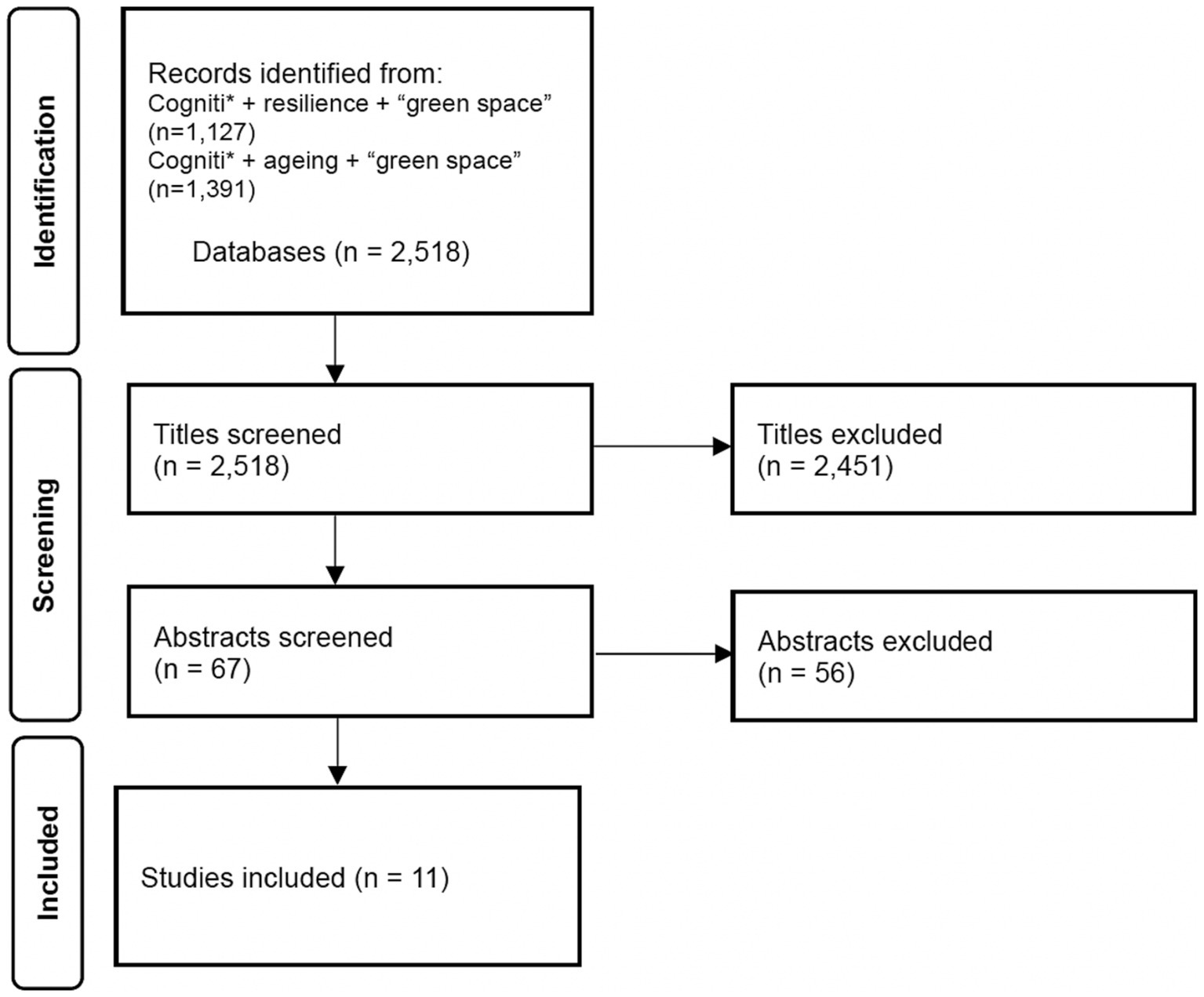
Figure 1. PRISMA (31).
Data synthesis
A Microsoft Excel sheet was used for data extraction, based on the conceptual themes identified alongside research and publication details including; the sample size, participants age range, the gender split, participants’ educational attainment and social or financial status. Furthermore, information on how green space and cognition were measured was included, providing a baseline for the assessment of the value of the overall findings (but without undertaking critical appraisal of the literature (29)). The data was then synthesised, using the data extraction tool, by comparing the findings, relative to the themes. The data reporting is linked to the conceptual framework, using literature to identify how the data across studies makes the association and indicates the type of data and availability of research (32).
Results
Included papers
Following searches, screening and data selection based on the conceptual understanding of CF and environmental risk, 11 papers were selected for the specific domain related to green space and CF.
Eleven peer review publications were selected, published between 2005 and 2022 with two each from the United States, Ireland, and Taiwan, three from China (including Hong Kong), one from the United Kingdom, Canada, and Sweden. Seven studies were quantitative with one qualitative and one mixed methods. The other studies were observational cohort designs and this included a retrospective life course study (33). The total sample of older people included in the studies was 347,804 and this included a range of ethnic groups of participants who were both indigenous, i.e., Taiwanese, Chinese and Scottish or British and included racial diversity of those who self-identified as Caucasian, Aboriginal, Chinese, South East Asian, Japanese, Filipino, Dutch or German living in Canada.
The selected articles are presented along with demographic features of the older adult population groups recruited to the studies see Table 1. The selected demographic factors are associated with CF incidence, including gender, age and educational and economic status of the participant groups and urban setting.
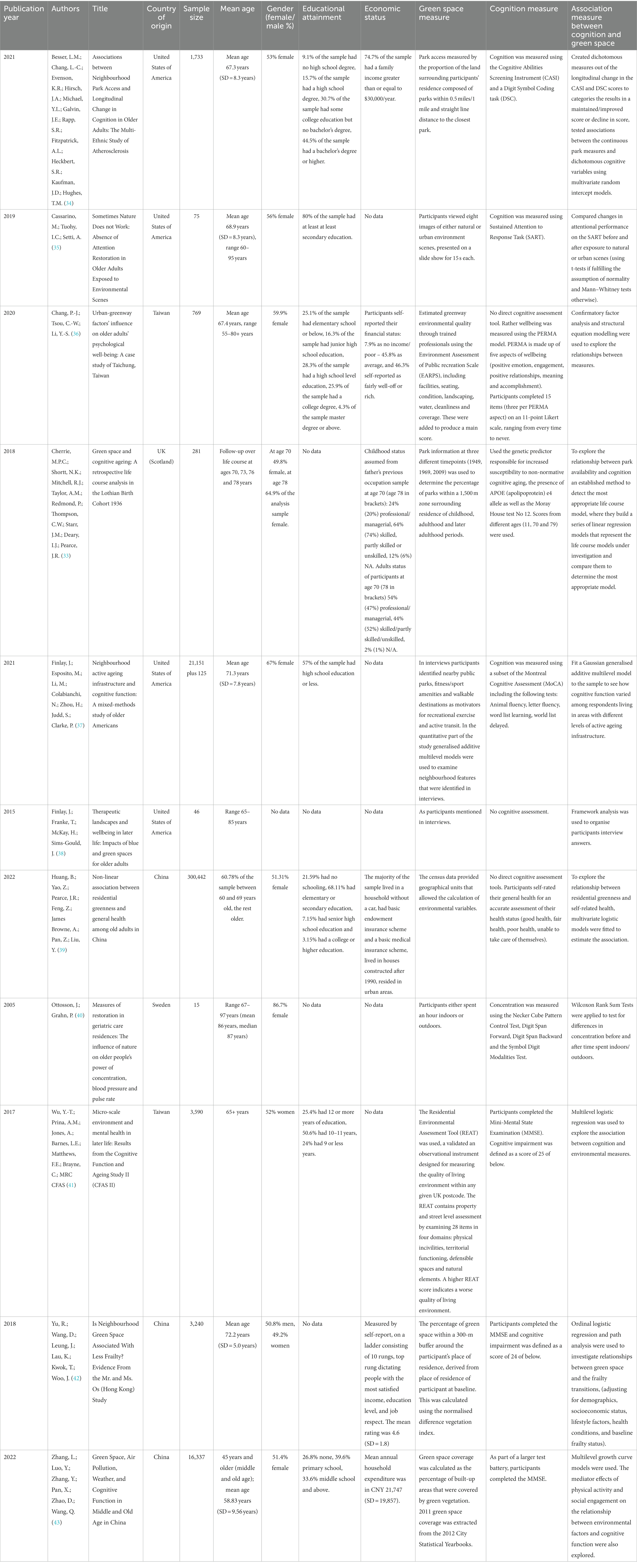
Table 1. Included papers—demographic factors.
Measures of green space and cognition are identified along with associations as reported.
The results were synthesised in relation to differences between measures of cognition and any association between urban green space and resilience/decline. Green space exposure may promote healthy cognitive ageing in older adults, but associations were seen as protective rather than curative in relation to urban living.
The impact of residing in neighbourhoods with greater availability of local parks, access to recreational amenities, and business density is associated with higher levels of cognitive function (38) as assessed using the Montreal Cognitive Assessment (MoCA) (44) although this does not confirm an association between availability of these neighbourhood resources and specifically the rate of cognitive decline. It does however suggest that successful ageing in-place is easier when supported by a facilitatory infrastructure of places to go, local amenities and municipally monitored facilities. Most studies demonstrated an association between greater park access and maintained or improved cognitive status. For example, Besser et al. (34) used the Cognitive Abilities Screening Instrument (CASI) (45) to demonstrate that greater park access had maintained or improved CASI for African Americans/Blacks but not for White participants. Similarly, Cherrie et al. (33) demonstrate that greater availability of parks in both childhood and adulthood were associated with successful cognitive ageing in later life. This longitudinal study uses linear regressions to test the association between age-standardised, change in cognitive function (Moray House Test score) (46) and noted that local provision of park space in childhood and adulthood were both important in explaining the change in cognitive function in later life. The association between childhood and adulthood park availability and change in the Moray House Test Score from age 70 to 76 was strongest for women.
For older people, living in neighbourhoods with a higher percentage of green space was associated with improvement in frailty status (including cognitive frailty) indicated using the Mini-Mental State Examination (MMSE) (47) in which cognitive impairment was defined as a score < 24. In a 2 year follow up cohort study of older people, recruiting over 3,000 participants in Hong Kong (42), participants were categorised by the amount of green space within a 300 metre ‘buffer zone’ from their primary dwelling and this was correlated with a wide range of individual characteristics including lifestyle factors. The frailty status of participants living in neighbourhoods with more than 34.1% green space at baseline were more likely to improve at the 2-year follow-up with the association between green space and frailty more significant in men. The path analysis in the study reflects that green space directly affects frailty transitions because of the positive effect of physical activity on multiple health conditions and that this was indirectly an outcome of greener environments.
Perhaps most conclusively, Zhang et al. (43) reported that greater green space coverage is associated with slower cognitive decline over a 7-year period in China. Green space, air pollution and weather condition data were extracted and merged from different sources (with limited accuracy as an acknowledged limitation) to explore the detrimental effects of the environment on ageing cognition. The analysis includes the mediating effects of physical activity, social engagement and socio-economic factors on cognitive function. Their findings show that green space coverage (along with temperature and rainfall) was positively related to cognition score (as measured by MMSE) at the baseline and associated with slower cognitive decline over the period demonstrating a, “1% increase in green coverage rate lowered the decline rate in the overall cognitive score by 0.01 points” (43)
One study showed no effect from environmental exposure on cognition. Cassarino et al. (35) found that environmental exposure had no effect on 75-year-old people for either attentional accuracy, sensitivity to visual targets or reaction times when using the Sustained Attention to Response Task (SART) (48). Greater ‘restoration’ (40) and lower ‘environmental stress’ (36) are claimed as ‘background effects’ on the general wellbeing as a self-reported outcome. The quality of neighbourhood green spaces was the main factor influencing wellbeing, when their local greenway quality was better (cleaner and better kept) then there was reported wellbeing and place attachment. Similarly, Huang et al. (39) sought to explore the association between residential greenness and older adults’ self-rated general health (SGH) in China and the impact of residential greenness to mitigate against the detrimental effects of the city environment. They concluded that higher residential greenness was positively associated with the odds of reporting good health. Older and poorer Chinese adults living in high-density environments and high levels of urbanisation may appreciate and report greater wellbeing without this having a direct effect on cognitive health. Living in a poor-quality environment was associated with nearly twice higher odds of cognitive impairment in urban conurbations (41). The assumption within the study is that the absence of green space often occurs in more deprived urban settings and exposes older people to greater risk of mental illness.
Discussion
The evidence from this scoping review supports an earlier review relating to green space access across the lifespan, suggesting that cognitive health outcomes are inconsistent but suggestive for a beneficial role of green space exposure on cognitive functions (49). This study, with a focus on older adults and ageing populations indicated that there may be structural barriers to engaging with and accessing nature. For example, socioeconomic status is associated with visits to natural spaces (50, 51). Older adults are particularly susceptible to being excluded from accessing nature due to age-related changes such as reduced mobility, frailty and health deterioration (52) which leads to a “high incidence of fearfulness” reducing their motivation to venture outdoors (53).
This evidence and global recognition of the benefits to health associated with nature, have resulted in an increasing interest in how the natural environment can be used as a setting for health and care interventions and how these can be embedded in national health and environmental policies. A prominent recent UK example is the ‘Preventing and Tackling Mental Ill-health Through Green Social Prescribing Project’, which brought environmental (i.e., Defra, Natural England) and health (i.e., NHS, DHSC) policymakers together to understand how to improve the use of nature-based settings and activities to promote wellbeing and improve mental ill health (54). However, such initiatives are rare and there remains uncertainty as to how, when and where natural environments and green spaces could be best used to improve physical and cognitive health outcomes (55).
According to Attention Restoration Theory (ART) natural environments are ideal places to restore diminished attentional capacity (20). ART suggests that even short exposure to nature, as opposed to urban environments, can promote attention restoration by stimulating soft fascination and mental flexibility (20). Studies included in the review allude to the beneficial effects of nature (36) and suggest that greater neighbourhood provision of public parks from childhood through to adulthood may help to slow down the rate of cognitive decline in later life, recognising that such environmental associations are always sensitive to individual characteristics (33). It remains unclear whether particular natural environments or green spaces are more beneficial and whether this has a conclusive mitigating effect on the quality of cities and benefits to older populations (56).
Because the association between natural environments and specifically CF incidence remains untested, the associations reported in this scoping review are important. Growing urbanisation is a feature of the ageing demographic and there is a need to protect urban dwelling households with population-level interventions. While these studies demonstrate an association between the natural environment and cognitive health, they combine to present a strong argument for environmental interventions to ameliorate the potential risks associated with increased urbanisation for older people.
Limitations
The evidence currently adopts a wide range of cognitive measurements which may not be comparable and similarly the definition of green space may not have been consistent in all papers. The effects of green spaces on wellbeing, particularly for those in poorer urban spaces, cannot be assumed to directly affect cognitive resilience. This study scoped the literature using a single search engine and was intentionally a preliminary investigation about associations between environmental factors and CF. Further research has been published and this is a growing area of study relating to social and economic status and the importance of wellbeing as a phenomenon in older adults.
Conclusion
The association between green spaces and cognitive health outcomes are inconsistent but suggestive for a beneficial role of green space exposure on cognitive functions. This may be due to the opportunity for exercise and engagement in social activities or the experience of living in places that include cared for natural environments. Urban environments can be less safe and perceived as more limiting and isolating by older populations. Nature provokes feelings of renewal, restoration, and spiritual connectedness but this may not translate directly into cognitive resilience.
Health promotion using green space as a means of offering an evidence-based therapeutic milieu for older people may contribute to reducing cognitive frailty by increasing brain health. Cognitive frailty is an important focus for public health planning and while physiological mechanisms may be important the community environment and in particular, access to nature and green spaces is sufficiently associated with wellbeing and cognitive resilience to make it a priority for urban planning.
Author contributions
SFD: Conceptualization, Formal analysis, Methodology, Supervision, Writing – original draft, Writing – review & editing. CB: Data curation, Formal analysis, Investigation, Project administration, Writing – review & editing. LN: Validation, Writing – review & editing. CD: Validation, Writing – review & editing.
Funding
The author(s) declare that no financial support was received for the research, authorship, and/or publication of this article.
Acknowledgments
Harnessing knowledge of lifespan, biological, health, environmental and psychosocial mechanism of cognitive frailty for integrated interventions is part of the UK Ageing Network—CFIN (ukanet.org.uk).
Conflict of interest
The authors declare that the research was conducted in the absence of any commercial or financial relationships that could be construed as a potential conflict of interest.
Publisher’s note
All claims expressed in this article are solely those of the authors and do not necessarily represent those of their affiliated organizations, or those of the publisher, the editors and the reviewers. Any product that may be evaluated in this article, or claim that may be made by its manufacturer, is not guaranteed or endorsed by the publisher.
References
1. Acheson, ED . On the state of the public health [the fourth Duncan lecture]. Public Health. (1988) 102:431–7. doi: 10.1016/S0033-3506(88)80080-5
2. World Health Organization . Health impact assessments. (2023). Available at: https://www.who.int/tools/health-impact-assessments. Accessed 14.08., 2023.
3. Kelaiditi, E , Cesari, M , Canevelli, M , van Kan, GA , Ousset, P , Gillette-Guyonnet, S, et al. Cognitive frailty: rational and definition from an (I.A.N.A./I.A.G.G.) international consensus group. J Nutr Health Aging. (2013) 17:726–34. doi: 10.1007/s12603-013-0367-2
4. Ramnath, U , Rauch, L , Lambert, EV , and Kolbe-Alexander, TL . The relationship between functional status, physical fitness and cognitive performance in physically active older adults: a pilot study. PloS One. (2018) 13:e0194918. doi: 10.1371/journal.pone.0194918
5. Clegg, A , Young, J , Iliffe, S , Rikkert, MO , and Rockwood, K . Frailty in elderly people. Lancet. (2013) 381:752–62. doi: 10.1016/S0140-6736(12)62167-9
6. Fried, LP , Tangen, CM , Walston, J , Newman, AB , Hirsch, C , Gottdiener, J, et al. Frailty in older adults: evidence for a phenotype. J Gerontol A Biol Sci Med Sci. (2001) 56:M146–57. doi: 10.1093/gerona/56.3.M146
7. Murukesu, RR , Singh, DKA , Shahar, S , and Subramaniam, P . A multi-domain intervention protocol for the potential reversal of cognitive frailty: “WE-RISE” randomized controlled trial. Front Public Health. (2020) 8:471. doi: 10.3389/fpubh.2020.00471
8. Yoon, DH , Lee, J , and Song, W . Effects of resistance exercise training on cognitive function and physical performance in cognitive frailty: a randomized controlled trial. J Nutr Health Aging. (2018) 22:944–51. doi: 10.1007/s12603-018-1090-9
9. Forest Research . What is greenspace/green infrastructure (GI)? (2023). Available at: https://www.forestresearch.gov.uk/tools-and-resources/fthr/urban-regeneration-and-greenspace-partnership/greenspace-in-practice/what-is-greenspace-green-infrastructure-gi/. Accessed 14.08., 2023.
10. Tobias, M . Social rank: a risk factor whose time has come? Lancet. (2017) 389:1172–4. doi: 10.1016/S0140-6736(17)30191-5
11. United Nations . GOAL 11: sustainable cities and communities. (2017). Available at: https://www.unep.org/explore-topics/sustainable-development-goals/why-do-sustainable-development-goals-matter/goal-11. Accessed 14.08., 2023.
12. Pretty, J , and Barton, J . Nature-based interventions and mind-body interventions: saving public health costs whilst increasing life satisfaction and happiness. Int J Environ Res Public Health. (2020) 17:7769. doi: 10.3390/ijerph17217769
13. McHale, S , Pearsons, A , Neubeck, L , and Hanson, CL . Green health partnerships in Scotland; pathways for social prescribing and physical activity referral. Int J Environ Res Public Health. (2020) 17:6832. doi: 10.3390/ijerph17186832
14. Howarth, M , Brettle, A , Hardman, M , and Maden, M . What is the evidence for the impact of gardens and gardening on health and well-being: a scoping review and evidence-based logic model to guide healthcare strategy decision making on the use of gardening approaches as a social prescription. BMJ Open. (2020) 10:e036923. doi: 10.1136/bmjopen-2020-036923
15. Leavell, MA , Leiferman, JA , Gascon, M , Braddick, F , Gonzalez, JC , and Litt, JS . Nature-based social prescribing in urban settings to improve social connectedness and mental well-being: a review. Curr Environ Health Rep. (2019) 6:297–308. doi: 10.1007/s40572-019-00251-7
16. Teixeira, A , Gabriel, R , Quaresma, L , Alencoão, A , Martinho, J , and Moreira, H . Obesity and natural spaces in adults and older people: a systematic review. J Phys Act Health. (2021) 18:714–27. doi: 10.1123/jpah.2020-0589
17. Yang, L , Chan, KL , Yuen, JWM , Wong, FKY , Han, L , Ho, HC, et al. Effects of urban green space on cardiovascular and respiratory biomarkers in Chinese adults: panel study using digital tracking devices. JMIR Cardio. (2021) 5:e31316. doi: 10.2196/31316
18. Lynch, M , Spencer, LH , and Tudor, ER . A systematic review exploring the economic valuation of accessing and using green and blue spaces to improve public health. Int J Environ Res Public Health. (2020) 17:4142. doi: 10.3390/ijerph17114142
19. Ulrich, RS , Simons, RF , Losito, BD , Fiorito, E , Miles, MA , and Zelson, M . Stress recovery during exposure to natural and urban environments. J Environ Psychol. (1991) 11:201–30. doi: 10.1016/S0272-4944(05)80184-7
20. Ohly, H , White, MP , Wheeler, BW , Bethel, A , Ukoumunne, OC , Nikolaou, V, et al. Attention restoration theory: a systematic review of the attention restoration potential of exposure to natural environments. J Toxicol Environ Health B Crit Rev. (2016) 19:305–43. doi: 10.1080/10937404.2016.1196155
21. Ulrich, R. Biophilia, biophobia, and natural landscapes. In: Kellert Sraw, E.O , editor. The biophilia hypothesis Washington DC: Island Press; (1993). p. 73–137.
22. Besser, L . Outdoor green space exposure and brain health measures related to Alzheimer's disease: a rapid review. BMJ Open. (2021) 11:e043456. doi: 10.1136/bmjopen-2020-043456
23. Lakhani, A , Norwood, M , Watling, DP , Zeeman, H , and Kendall, E . Using the natural environment to address the psychosocial impact of neurological disability: a systematic review. Health Place. (2019) 55:188–201. doi: 10.1016/j.healthplace.2018.12.002
24. Mmako, NJ , Courtney-Pratt, H , and Marsh, P . Green spaces, dementia and a meaningful life in the community: a mixed studies review. Health Place. (2020) 63:102344. doi: 10.1016/j.healthplace.2020.102344
25. de Keijzer, C , Bauwelinck, M , and Dadvand, P . Long-term exposure to residential greenspace and healthy ageing: a systematic review. Current Environ Health Reports. (2020) 7:65–88. doi: 10.1007/s40572-020-00264-7
26. Morris, S , Newhouse, I , Larocque, T , Gillis, K , Smith, L , and Nisbet, E . Becoming one with nature: a nature intervention for individuals living with cancer participating in a ten-week group exercise and wellness program. Int J Exerc Sci. (2021) 14:498–518.
27. Wood, C , Wicks, C , and Barton, J . Green spaces for mental disorders. Curr Opin Psychiatry. (2023) 36:41–6. doi: 10.1097/YCO.0000000000000830
28. Lanza-León, P , Pascual-Sáez, M , and Cantarero-Prieto, D . Alleviating mental health disorders through doses of green spaces: an updated review in times of the COVID-19 pandemic. Int J Environ Health Res. (2023) 33:98–115. doi: 10.1080/09603123.2021.2005780
29. Arksey, H , and O'Malley, L . Scoping studies: towards a methodological framework. Int J Soc Res Methodol. (2005) 8:19–32. doi: 10.1080/1364557032000119616
30. Booth, A , Briscoe, S , and Wright, JM . The "realist search": a systematic scoping review of current practice and reporting. Res Synth Methods. (2020) 11:14–35. doi: 10.1002/jrsm.1386
31. Tricco, AC , Lillie, E , Zarin, W , O'Brien, KK , Colquhoun, H , Levac, D, et al. PRISMA extension for scoping reviews (PRISMA-ScR): checklist and explanation. Ann Intern Med. (2018) 169:467–73. doi: 10.7326/M18-0850
32. Lockwood, C , dos Santos, KB , and Pap, R . Practical guidance for knowledge synthesis: scoping review methods. Asian Nurs Res. (2019) 13:287–94. doi: 10.1016/j.anr.2019.11.002
33. Cherrie, MPC , Shortt, NK , Mitchell, RJ , Taylor, AM , Redmond, P , Thompson, CW, et al. Green space and cognitive ageing: a retrospective life course analysis in the Lothian birth cohort 1936. Soc Sci Med. (2018) 196:56–65. doi: 10.1016/j.socscimed.2017.10.038
34. Besser, LM , Hirsch, J , Galvin, JE , Renne, J , Park, J , Evenson, KR, et al. Associations between neighborhood park space and cognition in older adults vary by US location: the multi-ethnic study of atherosclerosis. Health Place. (2020) 66:102459. doi: 10.1016/j.healthplace.2020.102459
35. Cassarino, M , Tuohy, IC , and Setti, A . Sometimes nature Doesn't work: absence of attention restoration in older adults exposed to environmental scenes. Exp Aging Res. (2019) 45:372–85. doi: 10.1080/0361073X.2019.1627497
36. Chang, P , Tsou, C , and Li, Y . Urban-greenway factors’ influence on older adults’ psychological well-being: a case study of Taichung, Taiwan. Urban For Urban Green. (2020) 49:126606. doi: 10.1016/j.ufug.2020.126606
37. Finlay, J , Esposito, M , Li, M , Colabianchi, N , Zhou, H , Judd, S, et al. Neighborhood active aging infrastructure and cognitive function: a mixed-methods study of older Americans. Prev Med. (2021) 150:106669. doi: 10.1016/j.ypmed.2021.106669
38. Finlay, J , Franke, T , McKay, H , and Sims-Gould, J . Therapeutic landscapes and wellbeing in later life: impacts of blue and green spaces for older adults. Health Place. (2015) 34:97–106. doi: 10.1016/j.healthplace.2015.05.001
39. Huang, B , Yao, Z , Pearce, JR , Feng, Z , James Browne, A , Pan, Z, et al. Non-linear association between residential greenness and general health among old adults in China. Landsc Urban Plan. (2022) 223:104406. doi: 10.1016/j.landurbplan.2022.104406
40. Ottosson, J , and Grahn, P . Measures of restoration in geriatric care residences. J Hous Elder. (2006) 19:227–56. doi: 10.1300/J081v19n03_12
41. Wu, Y , Prina, AM , Jones, A , Barnes, LE , Matthews, FE , Brayne, C, et al. Micro-scale environment and mental health in later life: results from the cognitive function and ageing study II (CFAS II). J Affect Disord. (2017) 218:359–64. doi: 10.1016/j.jad.2017.05.001
42. Yu, R , Wang, D , Leung, J , Lau, K , Kwok, T , and Woo, J . Is neighborhood green space associated with less frailty? Evidence from the Mr. and Ms. Os (Hong Kong) study. J Am Med Dir Assoc. (2018) 19:528–34. doi: 10.1016/j.jamda.2017.12.015
43. Zhang, L , Luo, Y , Zhang, Y , Pan, X , Zhao, D , and Wang, Q . Green space, air pollution, weather, and cognitive function in middle and old age in China. Front Public Health. (2022) 10:871104. doi: 10.3389/fpubh.2022.871104
44. Adana Díaz, L , Arango, A , Parra, C , Rodríguez-Lorenzana, A , and Yacelga-Ponce, T . Impact of educational level on versions (basic and complete) of the Montreal cognitive assessment. Dement Geriatr Cogn Disord. (2021) 50:341–8. doi: 10.1159/000518747
45. Teng, EL , Hasegawa, K , Homma, A , Imai, Y , Larson, E , Graves, A, et al. The cognitive abilities screening instrument (CASI): a practical test for cross-cultural epidemiological studies of dementia. Int Psychogeriatr. (1994) 6:45–58. doi: 10.1017/S1041610294001602
46. AEG, P , Sutherland, J , and Taylor, EG . Zero error in Moray HOUSE verbal reasoning tests. Br J Educ Psychol. (1960) 30:53–62. doi: 10.1111/j.2044-8279.1960.tb01521.x
47. Tombaugh, TN , and McIntyre, NJ . The mini-mental state examination: a comprehensive review. J Am Geriatr Soc. (1992) 40:922–35. doi: 10.1111/j.1532-5415.1992.tb01992.x
48. Helton, WS . Impulsive responding and the sustained attention to response task. J Clin Exp Neuropsychol. (2009) 31:39–47. doi: 10.1080/13803390801978856
49. Ricciardi, E , Spano, G , Lopez, A , Tinella, L , Clemente, C , Elia, G, et al. Long-term exposure to greenspace and cognitive function during the lifespan: a systematic review. Int J Environ Res Public Health. (2022) 19. doi: 10.3390/ijerph191811700
50. Boyd, F , White, MP , Bell, SL , and Burt, J . Who doesn’t visit natural environments for recreation and why: a population representative analysis of spatial, individual and temporal factors among adults in England. Landsc Urban Plan. (2018) 175:102–13. doi: 10.1016/j.landurbplan.2018.03.016
51. Ward, C , Palmer, AK , Brockett, BFT , Costanza, R , Hatfield, J , Kubiszewski, I, et al. Perceptions, preferences and barriers: a qualitative study of greenspace and under-representation in Leeds. UK People Nat. (2023) 5:1284–98. doi: 10.1002/pan3.10507
52. Howlett, SE , Rutenberg, AD , and Rockwood, K . The degree of frailty as a translational measure of health in aging. Nat Aging. (2021) 1:651–65. doi: 10.1038/s43587-021-00099-3
53. Freeman, C , Waters, DL , Buttery, Y , and van Heezik, Y . The impacts of ageing on connection to nature: the varied responses of older adults. Health Place. (2019) 56:24–33. doi: 10.1016/j.healthplace.2019.01.010
54. Haywood, A , Dayson, C , Garside, R , Foster, A , Lovell, R , Husk, K, et al. National Evaluation of the preventing and tackling mental ill health through green social prescribing project: Interim report – September 2021 to September 2022. (2023).
55. Bird, EL , Ige, JO , Pilkington, P , Pinto, A , Petrokofsky, C , and Burgess-Allen, J . Built and natural environment planning principles for promoting health: an umbrella review. BMC Public Health. (2018) 18:930–2. doi: 10.1186/s12889-018-5870-2
Keywords: green spaces exposure, older people, cognitive frailty, scoping review, urban—rural
Citation: Fowler Davis S, Benkowitz C, Nield L and Dayson C (2024) Green spaces and the impact on cognitive frailty: a scoping review. Front. Public Health. 11:1278542. doi: 10.3389/fpubh.2023.1278542
Edited by:
Chun Yin, Wuhan University, ChinaReviewed by:
Xiangfen CUI, Kunming University of Science and Technology, ChinaDavid Jean Simon, Université Panthéon Sorbonne, France
Copyright © 2024 Fowler Davis, Benkowitz, Nield and Dayson. This is an open-access article distributed under the terms of the Creative Commons Attribution License (CC BY). The use, distribution or reproduction in other forums is permitted, provided the original author(s) and the copyright owner(s) are credited and that the original publication in this journal is cited, in accordance with accepted academic practice. No use, distribution or reproduction is permitted which does not comply with these terms.
*Correspondence: Sally Fowler Davis, c2FsbHkuZm93bGVyLWRhdmlzQGFydS5hYy51aw==