 Stefania Mancone
 Stefano Corrado
 Beatrice Tosti
 Giuseppe Spica
 Pierluigi Diotaiuti
- Department of Human, Social and Health Sciences, University of Cassino, Cassino, Lazio, Italy
Adolescent health literacy is critical for navigating the complex landscape of modern healthcare and making informed decisions that influence long-term health outcomes. This comprehensive review synthesizes current research on integrating digital tools and interactive learning approaches to enhance health literacy among adolescents. We explore the use of digital technologies, such as mobile apps and virtual reality, which cater to the preferences of this tech-savvy generation, offering personalized and accessible health information. The effectiveness of interactive learning methodologies, including simulations and role-playing, is also examined, highlighting their potential to increase engagement and retention of health-related knowledge. We address the importance of mental health literacy and the role of social media and peer education in disseminating health information effectively. Our review identifies gaps in the current literature, particularly the need for studies that consider long-term outcomes and the impact of socioeconomic and cultural factors on health literacy initiatives. We propose a multidimensional approach to health literacy education that incorporates innovative technologies and interactive methods to meet the diverse needs of adolescents in various contexts. The findings suggest that an integrated approach, including digital and critical health literacy, is essential for developing comprehensive health education programs that are both informative and engaging for adolescents.
1 Introduction
Health literacy among adolescents is not just an emerging public health priority; it is a critical determinant of long-term health outcomes. As adolescents transition to adulthood, their ability to effectively access, process, and understand health information becomes crucial for making informed decisions that shape their health trajectories (1, 2). This capability directly influences their behavioral choices, such as dietary habits, physical activity, and interactions with healthcare systems (110–113). Adequate health literacy supports the development of self-care skills, effective management of chronic conditions, and preventive health behaviors, which are vital during this formative stage of life (3, 4). However, the extant literature reveals significant gaps in the health literacy of this demographic, pointing to a widespread inability to leverage health information for optimal health outcomes (5).
Current research on adolescent health literacy is fragmented and often constrained to narrow scopes that fail to capture the multifaceted nature of this field. Studies tend to concentrate on discrete populations or specific health behaviors, providing insights that are not easily generalizable to the broader adolescent population (6). There is a notable lack of integration in studies that consider how interconnected aspects of an adolescent’s life, such as mental health, social media influences, and educational environments, affect their health literacy (7, 8). This piecemeal approach fails to provide a holistic view of health literacy needs among adolescents. It does not adequately address how these needs vary across different socioeconomic, cultural, and environmental contexts. The lack of comprehensive models that encompass the full spectrum of health literacy, including digital and critical health literacy, further compounds these gaps.
This narrative review aims to synthesize the current research landscape on adolescent health literacy with a broader lens, addressing the noted research gaps by focusing on the comprehensive needs of this group. We aim to explore the integration of digital technologies, which play a pivotal role in today’s adolescent experience, and examine how these tools can enhance traditional health literacy approaches. The review will also assess the effectiveness of interactive learning methodologies that engage adolescents more deeply by connecting health information to their everyday lives through simulations, role-playing, and peer education. By doing so, we intend to identify and highlight successful strategies for enhancing health literacy among adolescents and discuss the challenges and limitations faced in these endeavors. We will go into the vital topic of mental health literacy, arguing that addressing adolescents’ comprehensive health needs requires a more integrated approach to health literacy, with mental health as a major component. Through this review, we aim to contribute to the existing body of knowledge by offering a deeper understanding of how different aspects of health literacy can be effectively integrated into age-appropriate and culturally sensitive interventions. We will also outline future research directions that could potentially fill the gaps in our understanding of adolescent health literacy, with the ultimate goal of fostering a generation of health-literate individuals equipped to make informed decisions about their health and well-being.
2 Study selection and evaluation methodology
2.1 Selection of studies
The methodology for selecting studies for this narrative review was rigorously designed to ensure relevance and comprehensive coverage of the topic. We identified the most pertinent health literacy research databases, including PubMed, Scopus, Web of Science, and PsycINFO. Our search strategy was crafted to capture a wide range of studies by employing a combination of keywords and MeSH terms such as “health literacy,” “adolescents,” “digital literacy,” “interactive learning,” and “mental health literacy. The search was extended to include grey literature and conference proceedings to ensure comprehensive coverage of unpublished studies and ongoing research efforts. We employed advanced search strategies that involved Boolean operators to refine and focus the search results. For instance, combinations such as “adolescents AND health literacy AND digital tools” were used to pinpoint studies that specifically addressed these intersecting themes.
The inclusion criteria were meticulously defined to focus on studies published in English from 2005 to 2024 to capture the most contemporary and relevant data. We included quantitative and qualitative research studies that focused specifically on the health literacy of adolescents. To ensure a comprehensive review, we considered studies that provided empirical data directly related to health literacy interventions, outcomes, and adolescent engagement with health literacy initiatives.
Exclusion criteria were applied to filter out studies that did not meet our thematic or demographic focus. These included studies on populations outside the adolescent age range (10–19 years), non-English language studies, and those that did not offer direct insight into health literacy, such as studies focusing solely on general education or unrelated health interventions.
2.2 Evaluation of methodological quality
We adopted a robust methodological quality assessment tool to ensure the credibility and reliability of the findings synthesized in this review. Each selected study was evaluated based on several criteria: clarity of research objectives, soundness of study design, appropriateness of the analytical methods, and the relevance and rigor of the conclusions drawn.
Two independent reviewers conducted the evaluations to minimize bias and enhance the objectivity of the analysis. Any discrepancies between reviewers were resolved through discussion or, if needed, consultation with a third expert reviewer. This dual-review process ensured that only studies meeting high standards of methodological rigor were included in our synthesis.
2.3 Data analysis and synthesis
The data extraction and synthesis process were tailored to align with the review’s objectives. For each study, the critical information such as study design, population characteristics, interventions, and outcomes were measured, and these findings were systematically recorded. We employed a thematic synthesis approach, where data were categorized and analyzed according to the themes relevant to our review objectives, such as the effectiveness of digital tools, the impact of interactive learning, and approaches to mental health literacy.
The synthesis involved an iterative process of identifying patterns, relationships, and gaps across the selected studies. This allowed us to construct a narrative that addresses the initial research questions and highlights areas requiring further exploration. By integrating findings from diverse studies, we aimed to provide a comprehensive overview of the current state of adolescent health literacy, emphasizing innovative strategies and critical areas for future research. Table 1 provides a detailed summary of selected studies that have significantly contributed to our understanding of adolescent health literacy. These studies focus on various innovative approaches, ranging from the integration of digital technologies to interactive learning methods. This summary table highlights the critical aspects of each study, including methodologies, populations studied, and principal findings, offering a comprehensive glance at the diverse strategies employed to enhance health literacy among adolescents. Each study is also linked to its corresponding citation in the reference section for clarity and further reference.
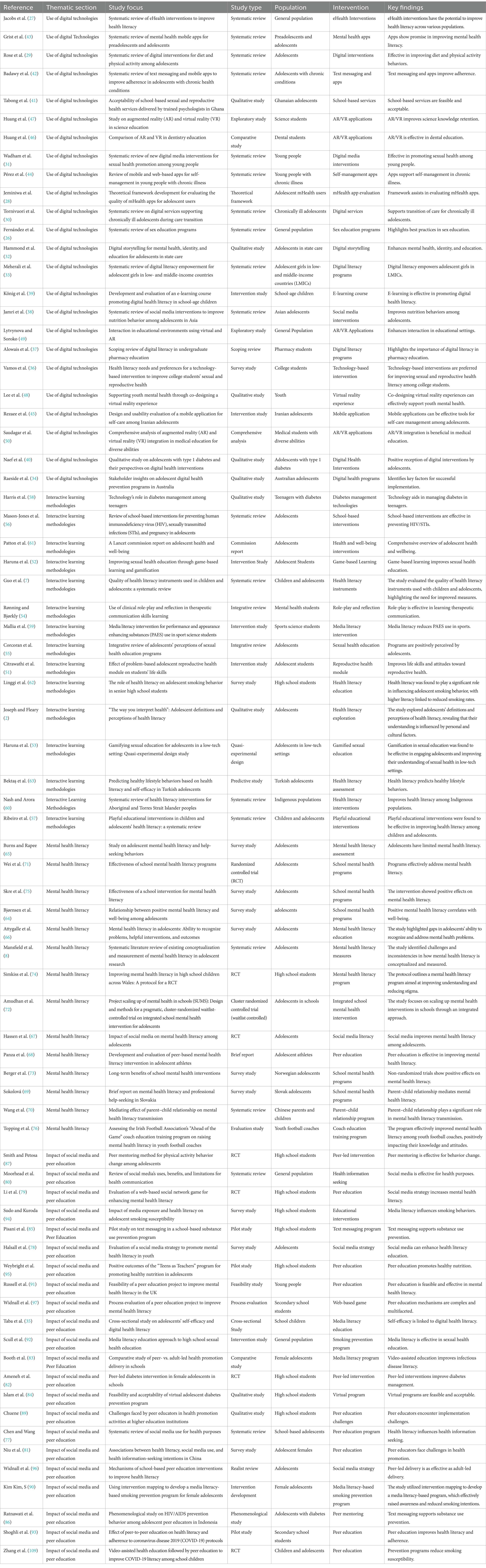
Table 1. Studies summary by thematic sections.
3 Theoretical framework
3.1 Health literacy model
The concept of health literacy extends beyond the essential ability to read and comprehend medical literature; it encompasses a range of skills including accessing, understanding, evaluating, and using health information to make appropriate health decisions (9). To structure our analysis, we adopt Nutbeam’s model of health literacy, which categorizes health literacy into three distinct levels: functional, interactive, and critical (10–12).
• “Functional Health Literacy” refers to basic skills in reading and writing that are necessary to function effectively in everyday situations involving health.
• “Interactive Health Literacy” involves more advanced cognitive and social skills that enable individuals to actively participate in their healthcare, extract information from different communication channels, and derive meaning from complex forms of communication.
• “Critical Health Literacy” encompasses advanced cognitive skills that allow individuals to critically analyze information, and use this information to exert greater control over life events and situations.
This model is the backbone for our review, providing a comprehensive framework to assess how adolescents interpret and act upon health messages and education in varying contexts.
In addition to Nutbeam’s model, our review integrates broader health literacy, including civic and cultural literacy. These frameworks are particularly pertinent, encompassing the social and cultural competencies required to navigate the increasingly global and digitally connected health information environment. Civic literacy, for instance, enhances understanding of one’s rights and responsibilities in health contexts, a crucial aspect as adolescents engage more frequently with health information through digital platforms (13, 14). Cultural literacy facilitates a deeper understanding of how health behaviors and communication are influenced by cultural norms, which is vital for designing culturally sensitive health literacy interventions (15, 16).
3.2 Linking with existing theories
To deepen our understanding of health literacy among adolescents, we must integrate established health behavior theories that explain why and how individuals make health-related decisions. Two pivotal theories, the “Health Belief Model (HBM)” and the “Theory of Planned Behavior (TPB),” are particularly relevant in framing our discussion:
• Health Belief Model (HBM): This model predicts that individuals are more likely to take action toward a health-related behavior if they perceive a personal threat of a disease or condition (perceived severity and susceptibility), believe that a specific action available to them would reduce this threat (perceived benefits), and perceive few negative aspects to take action (perceived barriers). Cues to action and self-efficacy are the critical components of this model (17–19). In the context of health literacy, understanding how adolescents perceive these elements can illuminate the pathways through which health literacy affects health actions.
• Theory of Planned Behavior (TPB): TPB extends the understanding of health behavior by explaining that an individual’s behavior is directly influenced by their intention to perform the behavior, which in turn is influenced by their attitudes toward the behavior, subjective norms, and perceived behavioral control (20–22). Regarding health literacy, adolescents’ engagement in health-literate behaviors can be explored by examining their attitudes toward health information, the influence of peers and social norms, and their confidence in their ability to obtain, understand, and use health information.
By integrating these theories with the health literacy model, our review will explore not only the direct impact of health literacy skills on adolescent health outcomes but also the sociopsychological processes that underpin these effects (23–25). This theoretical framework allows for a multidimensional analysis of the factors contributing to effective health literacy interventions. It highlights potential areas for targeted improvements in adolescent health education programs.
4 Results of the literature
4.1 Use of digital technologies
The integration of digital technologies in health literacy initiatives has shown significant promise in enhancing the accessibility and effectiveness of health education for adolescents (26–31). Studies consistently highlight that digital platforms, such as mobile apps, websites, and online games, cater effectively to the preferences of a tech-savvy generation (32–36). These tools not only facilitate the dissemination of health information but also enable interactive and personalized learning experiences (37–41). For instance, mobile health applications have been found to improve adolescents’ engagement with health monitoring and management tasks, particularly in areas such as diabetes self-care and mental health tracking (42–45). Virtual and augmented reality (AR) applications are also emerging as potent tools for simulating real-life scenarios, thereby allowing adolescents to practice decision-making in a risk-free environment (46–50).
4.2 Interactive learning methodologies
Interactive learning methodologies, including problem-based learning, role-playing, and simulation-based activities, have been extensively documented for their efficacy in improving health literacy among adolescents. Such methodologies encourage active learning and critical thinking, which are essential for the practical application of health-related knowledge (51–54). For example, role-playing scenarios that mimic doctor-patient interactions can enhance understanding and retention of information related to sexual health and substance abuse prevention (55–57). Interactive workshops that involve peer discussions and collaborative problem-solving have been shown to effectively increase knowledge and change attitudes toward complex health issues such as nutrition and physical activity (58–60).
Interactive learning methods, such as problem-based learning and peer-led discussions, enhance health literacy and promote broader educational outcomes. These methodologies support critical thinking and problem-solving skills, which are essential in the holistic development of adolescents (7, 61). By engaging in these active learning processes, adolescents not only learn to apply health-related knowledge in practical contexts but also develop key skills that aid their academic and personal growth (2, 62). Such dynamic educational experiences prepare adolescents to face complex real-world challenges more effectively (63).
4.3 Mental health literacy
The literature increasingly recognizes mental health literacy as a crucial component of overall health literacy (8, 64, 65). Mental health literacy encompasses the ability to recognize, manage, and prevent mental health disorders, which is especially critical during adolescence, a peak period for the onset of mental health issues. Educational programs that explicitly focus on mental health literacy, such as those teaching about depression recognition and coping mechanisms, have demonstrated success in reducing stigma and improving help-seeking behaviors among adolescents (66–71). School-based mental health interventions are increasingly recognized for their crucial role in promoting mental health literacy and well-being among students. Collectively, these studies underscore the multifaceted approaches and significant benefits of school-based mental health interventions, advocating for their widespread implementation to foster better mental health outcomes for young individuals (72–76).
4.4 Impact of social media and peer education
Social media and peer education represent two pivotal areas in the dissemination of health literacy. Social media platforms extend the reach of health information campaigns and enable peer-to-peer learning dynamics that are influential among adolescents (77–81). Similarly, peer education programs leverage the influence of adolescent social networks to promote healthy behaviors and literacy (82–87). These programs, when well-designed, harness the credibility that peers hold among their groups, significantly impacting attitudes toward health behaviors such as smoking and exercise (88–98). Overall, the literature underscores the transformative potential of digital technologies, interactive learning, mental health literacy, and peer-led initiatives in enhancing health literacy among adolescents. These findings suggest a multifaceted approach to health literacy education, where traditional educational methods are supplemented with innovative strategies that align with the interests and behaviors of present-day youth. Such interventions not only provide personalized health information but also engage users in active learning through interactive features, which have been shown to improve knowledge retention and self-care behaviors significantly.
5 Discussion
5.1 Implications of the findings
The findings from this review reveal several key implications for the design and implementation of health literacy programs aimed at adolescents. First, the effective use of digital technologies suggests a shift toward more interactive and technology-driven health education. Given the ubiquity of smartphones and Internet access among adolescents, digital platforms offer a valuable medium for delivering personalized, engaging, and timely health information (99). Interactive learning methodologies such as simulations and role-playing can significantly enhance understanding and retention of health information by making learning contextual, practical, and relatable (100).
The emphasis on mental health literacy reflects an urgent need to integrate mental health education into broader health literacy frameworks. This integration is crucial not only for improving adolescents’ ability to manage and prevent mental health issues but also for reducing the stigma associated with these conditions (101, 102, 114). Implementing comprehensive mental health literacy programs within schools could play a pivotal role in early identification and intervention, potentially altering life trajectories in a positive manner (103).
The role of social media and peer education highlights the importance of leveraging social networks and peer influence in health literacy interventions. These platforms and approaches can be particularly effective in spreading health-related messages and fostering normative behavior change, especially in areas where adolescents may feel more comfortable receiving and discussing information among peers (104, 105).
The role of family dynamics in shaping adolescent health literacy is crucial. Parents and guardians not only influence health behaviors but also mediate the access and use of digital tools for health education. Integrating health literacy tools into family settings can enhance communication about health and encourage collective family engagement in healthy behaviors. Programs designed to improve health literacy should, therefore, include components that facilitate parent–child interaction over digital platforms, ensuring that health literacy development is a collaborative family effort (106).
Furthermore, socioeconomic factors significantly influence health literacy levels among adolescents. Disparities in access to digital resources can exacerbate existing inequalities, limiting the effectiveness of digital health literacy interventions. To address this, health education programs must incorporate strategies that are accessible across diverse socioeconomic groups. This includes providing low-cost, high-reach digital solutions and ensuring that health literacy resources are available in multiple formats to cater to varying levels of digital access and literacy (107, 108).
5.2 Limitations of the reviewed studies
While the reviewed studies provide valuable insights, they also exhibit several limitations that should be considered. Many studies rely on self-reported data, which can introduce bias and may not accurately reflect actual health literacy levels or behaviors. There is also a lack of longitudinal studies that examine the long-term impacts of health literacy interventions, making it difficult to assess the sustainability of outcomes. The diversity of study designs and measurement tools across the research also poses challenges in comparing results and drawing generalizable conclusions. Many studies do not account for cultural, socioeconomic, and geographic variables that can significantly influence health literacy and behavior among adolescents.
While digital tools offer innovative ways to enhance health literacy, they also present challenges, such as the spread of misinformation and the risk of widening the digital divide. As adolescents increasingly turn to online sources for health information, they may encounter unreliable or misleading content. It is crucial, therefore, for health literacy programs to include critical thinking skills as part of their curriculum, teaching adolescents to evaluate the credibility of online information critically. Interventions should also be designed to be inclusive, ensuring that disadvantaged populations are not left behind in the digital health literacy landscape.
5.3 Contributions to the existing literature
This review contributes to the existing literature by synthesizing and highlighting the multifaceted nature of health literacy among adolescents. It expands the understanding of how digital tools and interactive learning environments can be effectively utilized to enhance health literacy. The review also brings mental health literacy to the forefront, advocating for its inclusion as a standard part of health education curricula. By integrating insights from both traditional and innovative educational practices, this review provides a comprehensive perspective on the current state of adolescent health literacy and suggests practical directions for future research and program development.
Overall, this discussion underscores the complexity of health literacy education for adolescents and suggests that a multidimensional approach, which incorporates digital innovation, interactive learning, and peer influence, is likely to be most effective in meeting the health education needs of this demographic. By addressing these aspects, stakeholders can better equip adolescents with the necessary skills to navigate their health throughout their lives.
6 Future directions for research
6.1 Priority areas for future research
The evolving landscape of adolescent health literacy suggests several key areas for future research. One critical area is the longitudinal evaluation of health literacy interventions to assess their long-term effectiveness and sustainability. This approach would provide valuable insights into how changes in health literacy impact health behaviors and outcomes over time.
Further research is also needed to explore the differential impacts of health literacy interventions across diverse adolescent populations. Studies should consider variables such as socioeconomic status, cultural background, and existing health conditions, which can influence the effectiveness of different health literacy strategies. There is a need to investigate the integration of health literacy into broader educational curricula, examining how subjects such as science, physical education, and social studies can be leveraged to enhance health literacy.
Another important research area involves the development and validation of tools to measure health literacy more accurately and comprehensively among adolescents. This includes the creation of culturally sensitive and age-appropriate assessment tools that can capture the nuances of health literacy in a digital age.
6.2 Potential for innovative interventions
The findings from this review also highlight the potential for innovative interventions that utilize new technologies and methodologies to enhance health literacy among adolescents. For example, gamification and virtual reality offer exciting opportunities for creating engaging and immersive learning experiences that could significantly improve understanding and retention of health information.
Social media platforms represent another fertile ground for health literacy interventions. Future interventions could harness these platforms to deliver tailored health messages, facilitate peer-to-peer education, and create communities of practice that encourage healthy behaviors. There is potential to explore how machine learning and artificial intelligence could be employed to personalize health education content based on individual learning styles and preferences.
The influence of community and social networks on adolescent health literacy is profound. Community-based health literacy programs that leverage these networks can enhance the reach and effectiveness of interventions. For example, integrating health literacy projects within community centers and schools can create supportive environments that reinforce the lessons learned through digital and interactive methods. By involving community leaders and peers in these initiatives, programs can harness the inherent trust and communication patterns within these networks, leading to more sustainable health behavior changes.
Innovative interventions could also look at family-based or community-driven health literacy programs that involve parents, caregivers, and local community members. These programs could help reinforce health literacy skills taught in schools and create supportive environments for adolescents to practice and apply these skills in real life.
The integration of mental health literacy into general health education programs is another area ripe for innovative approaches. Programs that address mental health stigma teach coping and resilience skills and provide resources for mental health support need to be developed and tested for their effectiveness within school and community settings.
To ensure the effectiveness of health literacy interventions, robust evaluation methods are essential. These methods should not only assess immediate outcomes but also track long-term behavior changes and health outcomes. For instance, incorporating longitudinal studies into program evaluations can provide insights into the persistence of health literacy skills and their impact over time. Moreover, using a mix of qualitative and quantitative assessment tools can help in understanding both the depth and breadth of the impact of these interventions, facilitating continuous improvement and adaptation.
Addressing the digital divide is critical in ensuring that health literacy interventions do not inadvertently exclude underprivileged segments of the adolescent population. Strategies to mitigate this divide include offering multilingual content, ensuring that digital tools are accessible on low-cost mobile platforms, and providing offline access to critical health literacy content. Creating inclusive content that reflects the diverse cultural, socioeconomic, and personal contexts of adolescents can promote greater engagement and relevance of health literacy tools.
Overall, the future of research in adolescent health literacy should aim not only to fill the gaps identified in current literature but also to innovate and test new methods that can adapt to the changing ways adolescents interact with information and technology. By addressing these areas, researchers and practitioners can better equip future generations with the necessary tools to manage their health effectively.
7 Conclusion
7.1 Summary of key findings
This review has illuminated several key aspects of health literacy among adolescents, emphasizing the crucial role that emerging technologies and interactive methodologies play in enhancing educational outcomes. The integration of digital tools has proven especially effective, offering personalized and accessible health information that resonates with the tech-savvy nature of today’s youth. Interactive learning methodologies such as simulations and role-playing have been shown to significantly increase engagement and retention of health-related knowledge, providing practical skills that adolescents can apply in real-life contexts.
Mental health literacy emerged as a critical component, with educational initiatives that include mental health components demonstrating effectiveness in reducing stigma and improving help-seeking behaviors among adolescents. The impact of social media and peer education highlights the power of peer influence and the potential of these platforms to disseminate health information effectively and foster healthy behavioral changes.
7.2 Recommendations for evidence-based practices
Based on the findings of this review, the following recommendations for evidence-based practices in adolescent health literacy are outlined:
1. Health education programs should continue to leverage digital tools to deliver health information. These tools should be designed to be interactive and user-friendly to keep pace with the technological aptitudes of adolescents.
2. Schools and health educators should incorporate more interactive methodologies into their programs. These should include problem-solving activities, simulations, and role-playing, which help solidify knowledge through practical application.
3. Given the importance of mental health literacy, it is recommended that mental health education be integrated into the broader health literacy curriculum. This integration should include information on recognizing symptoms, effective communication about mental health issues, and strategies for managing mental health.
4. To capitalize on the extensive reach and influence of social media among adolescents, health programs should include components that use these platforms for health education. This involves not only disseminating information but also engaging users in discussions and peer-led activities that promote health literacy.
5. There is a need for the development of comprehensive, culturally appropriate assessment tools to measure health literacy among adolescents more effectively. These tools should be capable of assessing the different dimensions of health literacy, including the ability to obtain, understand, and use health information.
6. Health literacy initiatives should extend beyond the classroom to involve families and communities. This broader engagement can reinforce learning and provide a supportive environment for adolescents to practice their health literacy skills.
By following these recommendations, stakeholders in adolescent health can develop more effective programs that not only improve health literacy but also empower young individuals to make informed health decisions. As our understanding of the best practices in health literacy advances, continuous evaluation and adaptation of these recommendations will be crucial to their success, ensuring they remain relevant and impactful in a rapidly changing world.
Author contributions
SM: Conceptualization, Investigation, Methodology, Writing – original draft. SC: Investigation, Writing – review & editing. BT: Investigation, Writing – review & editing. GS: Investigation, Writing – review & editing. PD: Conceptualization, Supervision, Writing – original draft.
Funding
The author(s) declare that no financial support was received for the research, authorship, and/or publication of this article.
Conflict of interest
The authors declare that the research was conducted in the absence of any commercial or financial relationships that could be construed as a potential conflict of interest.
Publisher’s note
All claims expressed in this article are solely those of the authors and do not necessarily represent those of their affiliated organizations, or those of the publisher, the editors and the reviewers. Any product that may be evaluated in this article, or claim that may be made by its manufacturer, is not guaranteed or endorsed by the publisher.
References
1. Fleary, SA, Joseph, P, and Pappagianopoulos, J. Adolescent health literacy and health behaviors: a systematic review. J Adolesc. (2017) 62:116–27. doi: 10.1016/j.adolescence.2017.11.010
2. Joseph, P, and Fleary, SA. “The way you interpret health”: adolescent definitions and perceptions of health literacy. J Sch Health. (2021) 91:599–607. doi: 10.1111/josh.13050
3. Diotaiuti, P, Mancone, S, Falese, L, Ferrara, M, Bellizzi, F, Valente, G, et al. Intention to screen for hepatitis C among university students: influence of different communicative scenarios. Front Psych. (2022) 13:873566. doi: 10.3389/fpsyt.2022.873566
4. Huang, J, Chan, SC, Keung, VMW, Cheung, CKM, Lo, ASC, Lau, VTC, et al. Associations between gosmart channel, health literacy and health behaviours in adolescents: a population-based study. Health Expect. (2023) 27:e13894. doi: 10.1111/hex.13894
5. Santos, MG, Gorukanti, AL, Jurkunas, LM, and Handley, MA. The health literacy of U.S. immigrant adolescents: a neglected research priority in a changing world. Int J Environ Res Public Health. (2018) 15:2108. doi: 10.3390/ijerph15102108
6. Peralta, L, Rowling, L, Samdal, O, Hipkins, R, and Dudley, D. Conceptualising a new approach to adolescent health literacy. Health Educ J. (2017) 76:787–801. doi: 10.1177/0017896917714812
7. Guo, S, Armstrong, R, Waters, E, Sathish, T, Alif, SM, Browne, GR, et al. Quality of health literacy instruments used in children and adolescents: a systematic review. BMJ Open. (2018) 8:e020080. doi: 10.1136/bmjopen-2017-020080
8. Mansfield, R, Patalay, P, and Humphrey, N. A systematic literature review of existing conceptualisation and measurement of mental health literacy in adolescent research: current challenges and inconsistencies. BMC Public Health. (2020) 20:607. doi: 10.1186/s12889-020-08734-1
9. Visscher, BB, Steunenberg, B, Heijmans, M, Hofstede, J, Devillé, W, Heide, I, et al. Evidence on the effectiveness of health literacy interventions in the eu: a systematic review. BMC Public Health. (2018) 18:1414. doi: 10.1186/s12889-018-6331-7
10. Nutbeam, D. The evolving concept of health literacy. Soc Sci Med. (2008) 67:2072–8. doi: 10.1016/j.socscimed.2008.09.050
11. Nutbeam, D, and Lloyd, JE. Understanding and responding to health literacy as a social determinant of health. Annu Rev Public Health. (2021) 42:159–73. doi: 10.1146/annurev-publhealth-090419-102529
12. Nutbeam, D, McGill, B, and Premkumar, P. Improving health literacy in community populations: a review of progress. Health Promot Int. (2018) 33:901–11. doi: 10.1093/heapro/dax015
13. Nuryadi, MH, and Widiatmaka, P. Strengthening civic literacy among students through digital literacy in society 5.0. J Educ Learn. (2023) 17:215–20. doi: 10.11591/edulearn.v17i2.20746
14. Schiavo, R. The role of civic literacy in infodemic management. J Commun Healthc. (2020) 13:253–5. doi: 10.1080/17538068.2020.1843293
15. Lie, D, Carter-Pokras, O, Braun, B, and Coleman, C. What do health literacy and cultural competence have in common? Calling for a collaborative health professional pedagogy. J Health Commun. (2012) 17:13–22. doi: 10.1080/10810730.2012.712625
16. Svensson, P, Carlzén, K, and Agardh, A. Exposure to culturally sensitive sexual health information and impact on health literacy: a qualitative study among newly arrived refugee women in Sweden. Culture Health Sex. (2016) 19:752–66. doi: 10.1080/13691058.2016.1259503
17. Green, EC, Murphy, EM, and Gryboski, K. The health belief model In: L Cohen, editor. The Wiley encyclopedia of health psychology. Hoboken, NJ: John Wiley & Sons (2020). 211–4.
18. Hartley, EM, Hoch, MC, and Cramer, RJ. Health belief model and theory of planned behavior: a theoretical approach for enhancing lower extremity injury prevention program participation. Int J Athletic Ther Train. (2018) 23:16–20. doi: 10.1123/ijatt.2017-0016
19. Wallston, BS, and Wallston, KA. Social psychological models of health behavior: an examination and integration In: SE Taylor, JE Singer, and A Baum, editors. Handbook of psychology and health, vol. IV. London: Routledge (2020). 23–53.
20. Ajzen, I, and Schmidt, P. Changing behavior using the theory of planned behavior In: MS Hagger, LD Cameron, K Hamilton, N Hankonen, and T Lintunen, editors. The handbook of behavior change. Cambridge: Cambridge University Press (2020). 17–31.
21. Bosnjak, M, Ajzen, I, and Schmidt, P. The theory of planned behavior: selected recent advances and applications. Eur J Psychol. (2020) 16:352–6. doi: 10.5964/ejop.v16i3.3107
22. Kan, MP, and Fabrigar, LR. Theory of planned behavior In: V Zeigler-Hill and TK Shackelford, editors. Encyclopedia of personality and individual differences. Cham: Springer International Publishing (2020). 5476–83.
23. Didarloo, A, Nabilou, B, and Khalkhali, HR. Psychosocial predictors of breast self-examination behavior among female students: an application of the health belief model using logistic regression. BMC Public Health. (2017) 17:861. doi: 10.1186/s12889-017-4880-9
24. Guidry, JP, Carlyle, KE, LaRose, JG, Perrin, PB, Messner, M, and Ryan, M. Using the health belief model to analyze instagram posts about zika for public health communications. Emerg Infect Dis. (2019) 25:179–80. doi: 10.3201/eid2501.180824
25. Vionalita, G, Kusumaningtiar, DA, and Angkasa, D. Relationship between health belief model constructs and smoking behavior among school-age adolescents in Indonesia: a cross-sectional study. Public Health Indonesia. (2023) 9:140–6. doi: 10.36685/phi.v9i4.717
26. Fernández, ML, Martínez-Román, R, Carrera-Fernández, MV, and Castro, YR. Sex education in the spotlight: what is working? Systematic review. Int J Environ Res Public Health. (2021) 18:2555. doi: 10.3390/ijerph18052555
27. Jacobs, RJ, Lou, JQ, Ownby, RL, and Caballero, J. A systematic review of eHealth interventions to improve health literacy. Health Informatics J. (2016) 22:81–98. doi: 10.1177/1460458214534092
28. Jeminiwa, R, Hohmann, NS, and Fox, BI. Developing a theoretical framework for evaluating the quality of mhealth apps for adolescent users: a systematic review. J Pediatric Pharmacol Therap. (2019) 24:254–69. doi: 10.5863/1551-6776-24.4.254
29. Rose, T, Barker, M, Jacob, CM, Morrison, L, Lawrence, W, Strömmer, S, et al. A systematic review of digital interventions for improving the diet and physical activity behaviors of adolescents. J Adolesc Health. (2017) 61:669–77. doi: 10.1016/j.jadohealth.2017.05.024
30. Tornivuori, A, Tuominen, O, Salanterä, S, and Kosola, S. A systematic review on randomized controlled trials: coaching elements of digital services to support chronically ill adolescents during transition of care. J Adv Nurs. (2020) 76:1293–306. doi: 10.1111/jan.14323
31. Wadham, E, Green, C, Debattista, J, Somerset, S, and Sav, A. New digital media interventions for sexual health promotion among young people: a systematic review. Sex Health. (2019) 16:101–23. doi: 10.1071/sh18127
32. Hammond, SP, Cooper, N, and Jordan, PJ. Mental health, identity and informal education opportunities for adolescents with experience of living in state care: a role for digital storytelling. Camb J Educ. (2021) 51:713–32. doi: 10.1080/0305764x.2021.1919057
33. Meherali, S, Rahim, KA, Campbell, S, and Lassi, ZS. Does digital literacy empower adolescent girls in low- and middle-income countries: a systematic review. Front Public Health. (2021) 9:761394. doi: 10.3389/fpubh.2021.761394
34. Raeside, R, Todd, A, Sim, KA, Kang, M, Mihrshahi, S, Gardner, LA, et al. Accelerating implementation of adolescent digital health prevention programs: analysis of insights from australian stakeholders. Front Public Health. (2024) 12:1389739. doi: 10.3389/fpubh.2024.1389739
35. Taba, M, Allen, TB, Caldwell, PH, Skinner, SR, Kang, M, McCaffery, K, et al. Adolescents’ self-efficacy and digital health literacy: a cross-sectional mixed methods study. BMC Public Health. (2022) 22:1223. doi: 10.1186/s12889-022-13599-7
36. Vamos, CA, Puccio, JA, Griner, SB, Logan, RG, Piepenbrink, R, Richardson Cayama, M, et al. Health literacy needs and preferences for a technology-based intervention to improve college students’ sexual and reproductive health. J Am Coll Heal. (2024) 72:477–86. doi: 10.1080/07448481.2022.2040517
37. Alowais, M, Rudd, G, Besa, V, Nazar, H, Shah, T, and Tolley, C. Digital literacy in undergraduate pharmacy education: a scoping review. J Am Med Inform Assoc. (2023) 31:732–45. doi: 10.1093/jamia/ocad223
38. Jamri, HM, Hamid, MRA, Talib, RA, Jailani, F, and Buhari, SS. Effectiveness of social media interventions to improve nutrition behaviour among adolescents in Asia: A systematic review. Malaysian J Med Health Sci. (2023) 19:237–46. doi: 10.47836/mjmhs.19.5.32
39. König, L, Marbach-Breitrück, E, Engler, A, and Suhr, R. The development and evaluation of an e-learning course that promotes digital health literacy in school-age children: pre-post measurement study. J Med Internet Res. (2022) 24:e37523. doi: 10.2196/37523
40. Naef, AN, Fischbock, N, Tezcan-Güntekin, H, and Amelung, VE. Adolescents with type 1 diabetes’ perspectives on digital health interventions to enhance health literacy: a qualitative study. Front Public Health. (2024) 12:1340196. doi: 10.3389/fpubh.2024.1340196
41. Tabong, PT, Maya, E, Adda-Balinia, T, Kusi-Appouh, D, Birungi, H, Tabsoba, P, et al. Acceptability and stakeholders perspectives on feasibility of using trained psychologists and health workers to deliver school-based sexual and reproductive health services to adolescents in urban Accra, Ghana. Reprod Health. (2018) 15:122. doi: 10.1186/s12978-018-0564-x
42. Badawy, SM, Barrera, L, Sinno, MG, Kaviany, S, O’Dwyer, L, and Kuhns, LM. Text messaging and mobile phone apps as interventions to improve adherence in adolescents with chronic health conditions: a systematic review. JMIR Mhealth Uhealth. (2017) 5:e66. doi: 10.2196/mhealth.7798
43. Grist, R, Porter, JC, and Stallard, P. Mental health mobile apps for preadolescents and adolescents: a systematic review. J Med Internet Res. (2017) 19:e176. doi: 10.2196/jmir.7332
44. Pérez, YIV, Medlow, S, Ho, J, and Steinbeck, K. Mobile and web-based apps that support self-management and transition in young people with chronic illness: systematic review. J Med Internet Res. (2019) 21:e13579. doi: 10.2196/13579
45. Rezaee, R, Ghaffari, M, Rabiei, R, Kavousi, A, and Rakhshanderou, S. Design and usability evaluation of a mobile application for self-care among iranian adolescents. BMC Public Health. (2024) 24:892. doi: 10.1186/s12889-024-18341-z
46. Huang, K, Ball, C, Francis, J, Ratan, R, Boumis, JK, and Fordham, J. Augmented versus virtual reality in education: an exploratory study examining science knowledge retention when using augmented reality/virtual reality mobile applications. Cyberpsychol Behav Soc Netw. (2019) 22:105–10. doi: 10.1089/cyber.2018.0150
47. Huang, T, Yang, C, Hsieh, Y, Wang, J, and Hung, C. Augmented reality (ar) and virtual reality (vr) applied in dentistry. Kaohsiung J Med Sci. (2018) 34:243–8. doi: 10.1016/j.kjms.2018.01.009
48. Lee, JH, Björling, E, McLean, R, Moreno, A, and Lee, KJ. Supporting youth mental health through co-designing a virtual reality experience: A recipe-based co-design model. Libr Q. (2024) 94:134–58. doi: 10.1086/729230
49. Lytvynova, SH, and Soroko, NV. Interaction in an educational environment with virtual and augmented reality. Informat Technol Learn Tools. (2023) 98:13–30. doi: 10.33407/itlt.v98i6.5433
50. Saudagar, AKJ, Kumar, A, and Khan, MB. Mediverse beyond boundaries: a comprehensive analysis of ar and vr integration in medical education for diverse abilities. J Disabil Res. (2024) 3:66. doi: 10.57197/jdr-2023-0066
51. Citrawathi, DM, Bakar, AYA, Adnyana, PB, Widiyanti, NLPM, and Sudiana, IK. Effect of the problem-based adolescent reproductive health module on students’ life skills and attitudes. Jurnal Cakrawala Pendidikan. (2022) 41:731–41. doi: 10.21831/cp.v41i3.48303
52. Haruna, H, Hu, X, Chu, SKW, Mellecker, RR, Gabriel, G, and Ndekao, PS. Improving sexual health education programs for adolescent students through game-based learning and gamification. Int J Environ Res Public Health. (2018) 15:2027. doi: 10.3390/ijerph15092027
53. Haruna, H, Okoye, K, Zainuddin, Z, Hu, X, Chu, S, and Hosseini, S. Gamifying sexual education for adolescents in a low-tech setting: quasi-experimental design study. JMIR Serious Games. (2021) 9:e19614. doi: 10.2196/19614
54. Rønning, SB, and Bjørkly, S. The use of clinical role-play and reflection in learning therapeutic communication skills in mental health education: an integrative review. Adv Med Educ Pract. (2019) 10:415–25. doi: 10.2147/amep.s202115
55. Corcoran, J, Davies, SL, Knight, CC, Lanzi, RG, Liu, M, and Ladores, S. Adolescents’ perceptions of sexual health education programs: an integrative review. J Adolesc. (2020) 84:96–112. doi: 10.1016/j.adolescence.2020.07.014
56. Mason-Jones, AJ, Sinclair, D, Mathews, C, Kagee, A, Hillman, A, and Lombard, C. School-based interventions for preventing hiv, sexually transmitted infections, and pregnancy in adolescents. Cochrane Database Syst Rev. (2016) 2016:CD006417. doi: 10.1002/14651858.cd006417.pub3
57. Ribeiro, SM, Basso, MB, Massignan, C, and Leal, SC. Playful educational interventions in children and adolescents’ health literacy: a systematic review. Health Promot Int. (2023) 38:daad089. doi: 10.1093/heapro/daad089
58. Harris, MA, Hood, KK, and Mulvaney, SA. Pumpers, skypers, surfers and texters: technology to improve the management of diabetes in teenagers. Diabetes Obes Metab. (2012) 14:967–72. doi: 10.1111/j.1463-1326.2012.01599.x
59. Mallia, L, Chirico, A, Zelli, A, Galli, F, Palombi, T, Bortoli, L, et al. The implementation and evaluation of a media literacy intervention about PAES use in sport science students. Front Psychol. (2020) 11:368. doi: 10.3389/fpsyg.2020.00368
60. Nash, S, and Arora, A. Interventions to improve health literacy among aboriginal and Torres strait islander peoples: a systematic review. BMC Public Health. (2021) 21:248. doi: 10.1186/s12889-021-10278-x
61. Patton, GC, Sawyer, SΜ, Santelli, J, Ross, DA, Afifi, R, Allen, NB, et al. Our future: a lancet commission on adolescent health and wellbeing. Lancet. (2016) 387:2423–78. doi: 10.1016/s0140-6736(16)00579-1
62. Linggi, EB, Madu, YG, Daben, DC, and Tandi, D. The role of health literacy on adolescent smoking behavior in senior high school. Jurnal Ilmiah Ilmu Keperawatan Indonesia. (2022) 12:175–80. doi: 10.33221/jiiki.v12i04.2109
63. Bektaş, İ, Kudubeş, AA, Ayar, D, and Bektaş, M. Predicting the healthy lifestyle behaviors of turkish adolescents based on their health literacy and self-efficacy levels. J Pediatr Nurs. (2021) 59:e20–5. doi: 10.1016/j.pedn.2021.01.016
64. Bjørnsen, HN, Espnes, GA, Eilertsen, MB, Ringdal, R, and Moksnes, UK. The relationship between positive mental health literacy and mental well-being among adolescents: implications for school health services. J Sch Nurs. (2017) 35:107–16. doi: 10.1177/1059840517732125
65. Burns, JR, and Rapee, RM. Adolescent mental health literacy: young people's knowledge of depression and help seeking. J Adolesc. (2005) 29:225–39. doi: 10.1016/j.adolescence.2005.05.004
66. Attygalle, UR, Perera, H, and Jayamanne, BDW. Mental health literacy in adolescents: ability to recognise problems, helpful interventions and outcomes. Child and adolescent psychiatry and mental. Health. (2017) 11:176. doi: 10.1186/s13034-017-0176-1
67. Hassen, HM, Behera, MR, Jena, PK, Dewey, RS, and Disassa, GA. Effectiveness and implementation outcome measures of mental health curriculum intervention using social media to improve the mental health literacy of adolescents. J Multidiscip Healthc. (2022) 15:979–97. doi: 10.2147/jmdh.s361212
68. Panza, MJ, Redman, G, Vierimaa, M, Vella, SA, Bopp, M, and Evans, MB. Developing and evaluating a peer-based mental health literacy intervention with adolescent athletes. PLoS One. (2022) 17:e0274761. doi: 10.1371/journal.pone.0274761
69. Sokolová, L. Mental health literacy and seeking for professional help among secondary school students in Slovakia: a brief report. Front Public Health. (2024) 12:1333216. doi: 10.3389/fpubh.2024.1333216
70. Wang, X, Wang, S, Song, T, Feng, K, and Li, Y. Intergenerational transmission of mental health literacy and its mechanism: the mediating effect of parent-child relationship and the moderating effect of school mental health service. Psychol Res Behav Manag. (2024) 17:1177–89. doi: 10.2147/prbm.s453122
71. Wei, Y, Hayden, JA, Kutcher, S, Zygmunt, A, and McGrath, PJ. The effectiveness of school mental health literacy programs to address knowledge, attitudes and help seeking among youth. Early Interv Psychiatry. (2013) 7:109–21. doi: 10.1111/eip.12010
72. Amudhan, S, Jangam, KV, Kalaivani, M, Murugappan, NP, Sharma, E, Mahapatra, P, et al. Project sums (scaling up of mental health in schools): design and methods for a pragmatic, cluster randomised waitlist-controlled trial on integrated school mental health intervention for adolescents. BMC Public Health. (2021) 21:2034. doi: 10.1186/s12889-021-12086-9
73. Berger, E, Reupert, A, Allen, KA, and Campbell, TCH. A systematic review of the long-term benefits of school mental health and wellbeing interventions for students in Australia. Front Educ. (2022) 7:986391. doi: 10.3389/feduc.2022.986391
74. Simkiss, NJ, Gray, NS, Malone, G, Kemp, AH, and Snowden, RJ. Improving mental health literacy in year 9 high school children across wales: a protocol for a randomised control treatment trial (rct) of a mental health literacy programme across an entire country. BMC Public Health. (2020) 20:727. doi: 10.1186/s12889-020-08736-z
75. Skre, I, Friborg, O, Breivik, C, Johnsen, LI, Arnesen, Y, and Wang, CEA. A school intervention for mental health literacy in adolescents: effects of a non-randomized cluster controlled trial. BMC Public Health. (2013) 13:1–15. doi: 10.1186/1471-2458-13-873
76. Topping, R, Paradis, KF, and Ferguson, K. Assessing the irish football association’s “ahead of the game” coach education training programme on raising mental health literacy in youth football coaches. Int Sport Coach J. (2024) 11:221–8. doi: 10.1123/iscj.2022-0090
77. Chen, J, and Wang, Y. Social media use for health purposes: systematic review. J Med Internet Res. (2021) 23:e17917. doi: 10.2196/17917
78. Halsall, T, Garinger, C, Dixon, K, and Forneris, T. Evaluation of a social media strategy to promote mental health literacy and help-seeking in youth. J Consum Health Internet. (2019) 23:13–38. doi: 10.1080/15398285.2019.1571301
79. Li, TM, Chau, M, Wong, PW, Lai, ES, and Yip, PS. Evaluation of a web-based social network electronic game in enhancing mental health literacy for young people. J Med Internet Res. (2013) 15:e2316. doi: 10.2196/jmir.2316
80. Moorhead, SA, Hazlett, DE, Harrison, L, Carroll, JK, Irwin, A, and Hoving, C. A new dimension of health care: systematic review of the uses, benefits, and limitations of social media for health communication. J Med Internet Res. (2013) 15:e1933. doi: 10.2196/jmir.1933
81. Niu, Z, Willoughby, JF, and Zhou, R. Associations of health literacy, social media use, and self-efficacy with health information–seeking intentions among social media users in China: cross-sectional survey. J Med Internet Res. (2021) 23:e19134. doi: 10.2196/19134
82. Ameneh, PD, Mohtasham, G, Sakineh, R, Yadollah, M, and Ali, R. School-based peer-led diabetes intervention among female adolescents: a cluster randomized trial. BMC Public Health. (2023) 23:1170. doi: 10.1186/s12889-023-15430-3
83. Booth, A, Doyle, E, and O’Reilly, A. School-based health promotion to improve mental health literacy: a comparative study of peer-versus adult-led delivery. J Ment Health. (2023) 32:226–33. doi: 10.1080/09638237.2021.2022621
84. Islam, S, Elaiho, C, Arniella, G, Rivera, S, and Vangeepuram, N. A pilot study to examine the feasibility and acceptability of a virtual adaptation of an in-person adolescent diabetes prevention program. Int J Environ Res Public Health. (2022) 19:12286. doi: 10.3390/ijerph191912286
85. Pisani, AR, Wyman, PA, Petrova, M, Judd, E, Schmeelk-Cone, K, Thiha, P, et al. Framework for supporting adolescent peer leaders: a pilot using text messaging in a school-based substance use prevention program. J Prim Prev. (2019) 40:243–54. doi: 10.1007/s10935-019-00545-4
86. Ratnawati, D, Setiawan, A, Sahar, J, Widyatuti, N, and Siregar, T. Improving adolescents’ hiv/aids prevention behavior: a phenomenological study of the experience of planning generation program (genre) ambassadors as peer educators. Belitung Nurs J. (2024) 10:56–66. doi: 10.33546/bnj.2883
87. Smith, LH, and Petosa, R. A structured peer-mentoring method for physical activity behavior change among adolescents. J Sch Nurs. (2016) 32:315–23. doi: 10.1177/1059840516644955
88. Carrie, KW, Bridges, SM, Srinivasan, DP, and Cheng, BS. Social media in adolescent health literacy education: a pilot study. JMIR Res Protocols. (2015) 4:e3285. doi: 10.2196/resprot.3285
89. Chuene, TA. Exploration of challenges faced by peer educators in the implementation of health promotion activities at the institutions of higher learning. Int J Soc Sci Res Rev. (2023) 6:144–5. doi: 10.47814/ijssrr.v6i9.1451
90. Kim, S. Using intervention mapping to develop a media literacy-based smoking prevention program for female adolescents. Int J Environ Res Public Health. (2021) 18:6305. doi: 10.3390/ijerph18126305
91. Russell, AE, Curtin, E, Widnall, E, Dodd, S, Limmer, M, Simmonds, R, et al. Assessing the feasibility of a peer education project to improve mental health literacy in adolescents in the UK. Community Ment Health J. (2023) 59:784–96. doi: 10.1007/s10597-022-01059-w
92. Scull, TM, Dodson, CV, Geller, JG, Reeder, LC, and Stump, KN. A media literacy education approach to high school sexual health education: immediate effects of media aware on adolescents’ media, sexual health, and communication outcomes. J Youth Adolesc. (2022) 51:708–23. doi: 10.1007/s10964-021-01567-0
93. Shoghli, A, Maleki, A, Masjedi, MR, Hessari, MB, and Khodaei, S. The effect of peer-to-peer education on health literacy, knowledge, and adherence to COVID-19 protocols in vulnerable adolescents. BMC Primary Care. (2023) 24:18. doi: 10.1186/s12875-023-01979-w
94. Sudo, A, and Kuroda, Y. Media exposure, interactive health literacy, and adolescents’ susceptibility to future smoking. Int J Adolesc Med Health. (2017) 29:20150052. doi: 10.1515/ijamh-2015-0052
95. Weybright, EH, Martinez, AD, Varrella, GF, Deen, MK, and Wright, K. Teens as teachers: positive outcomes and recommendations for promoting healthy nutrition in adolescents. J Youth Dev. (2018) 13:43–60. doi: 10.5195/jyd.2018.595
96. Widnall, E, Dodd, S, Russell, AE, Curtin, E, Simmonds, R, Limmer, M, et al. Mechanisms of school-based peer education interventions to improve young people’s health literacy or health behaviours: A realist-informed systematic review. PLoS One. (2024) 19:e0302431. doi: 10.1371/journal.pone.0302431
97. Widnall, E, Dodd, S, Simmonds, R, Bohan, H, Russell, A, Limmer, M, et al. A process evaluation of a peer education project to improve mental health literacy in secondary school students: study protocol. BMC Public Health. (2021) 21:1879–7. doi: 10.1186/s12889-021-11921-3
98. Zhang, S, Wang, W, Wu, S, Ye, H, Dong, L, Wang, J, et al. Analysis of the mediating effect between ehealth literacy and health self-management of undergraduate nursing students’ mental health literacy. BMC Nurs. (2024) 23:264. doi: 10.1186/s12912-024-01920-1
99. Ferretti, A, Vayena, E, and Blasimme, A. Unlock digital health promotion in LMICs to benefit the youth. PLOS Digital Health. (2023) 2:e0000315. doi: 10.1371/journal.pdig.0000315
100. Choi, J, Tami-Maury, I, Cuccaro, P, Kim, S, and Markham, C. Digital health interventions to improve adolescent HPV vaccination: a systematic review. Vaccine. (2023) 11:249. doi: 10.3390/vaccines11020249
101. Liverpool, S, Mota, CP, Sales, CM, Čuš, A, Carletto, S, Hancheva, C, et al. Engaging children and young people in digital mental health interventions: systematic review of modes of delivery, facilitators, and barriers. J Med Internet Res. (2020) 22:e16317. doi: 10.2196/16317
102. Ma, KKY, Anderson, JK, and Burn, AM. School-based interventions to improve mental health literacy and reduce mental health stigma–a systematic review. Child Adolesc Mental Health. (2023) 28:230–40. doi: 10.1111/camh.12543
103. Lehtimaki, S, Martic, J, Wahl, B, Foster, KT, and Schwalbe, N. Evidence on digital mental health interventions for adolescents and young people: systematic overview. JMIR Mental Health. (2021) 8:e25847. doi: 10.2196/25847
104. Diotaiuti, P, Valente, G, Mancone, S, Grambone, A, and Chirico, A. Metric goodness and measurement invariance of the italian brief version of interpersonal reactivity index: A study with young adults. Front Psychol. (2021) 12:773363. doi: 10.3389/fpsyg.2021.773363
105. Freeman, JL, Caldwell, PH, and Scott, KM. How adolescents trust health information on social media: a systematic review. Acad Pediatr. (2023) 23:703–19. doi: 10.1016/j.acap.2022.12.011
106. Fleary, SA, and Joseph, PL. Health literacy and health behaviors in parent-adolescent dyads: an actor-partner interdependence model approach. Psychol Health. (2024) 39:803–22. doi: 10.1080/08870446.2022.2117809
107. Estrela, M, Semedo, G, Roque, F, Ferreira, PL, and Herdeiro, MT. Sociodemographic determinants of digital health literacy: a systematic review and meta-analysis. Int J Med Inform. (2023) 177:105124. doi: 10.1016/j.ijmedinf.2023.105124
108. Pendl, D, Maitz, KM, and Gasteiger-Klicpera, B. Examining the relationship between health literacy and individual and sociodemographic factors in secondary school students. J Public Health. (2024) 32:531–42. doi: 10.1007/s10389-023-01836-1
109. Zhang, X, Wen, YJ, Han, N, and Jiang, Y. The effect of a video-assisted health education program followed by peer education on the health literacy of COVID-19 and other infectious diseases among school children: quasi-randomized controlled trial. JMIR Hum Factors. (2024) 11:e43943. doi: 10.2196/43943
110. Cavicchiolo, E, Sibilio, M, Lucidi, F, Cozzolino, M, Chirico, A, Girelli, L, et al. The psychometric properties of the behavioural regulation in exercise questionnaire (BREQ-3): factorial structure, invariance and validity in the Italian Context. Int J Environ Res Public Health. (2022) 19:1937. doi: 10.3390/ijerph19041937
111. Diotaiuti, P, Valente, G, Mancone, S, and Grambone, A. Psychometric properties and a preliminary validation study of the Italian brief version of the communication styles inventory (CSI-B/I). Front. Psychol. (2020) 11:1421. doi: 10.3389/fpsyg.2020.01421
112. Diotaiuti, P, Valente, G, and Mancone, S. Validation study of the Italian version of temporal focus scale: psychometric properties and convergent validity. BMC Psychol. (2021) 9:1–13. doi: 10.1186/s40359-020-00510-5
113. Martinotti, G, Lupi, M, Carlucci, L, Santacroce, R, Cinosi, E, Acciavatti, T, et al. Alcohol drinking patterns in young people: a survey-based study. J. Health Psychol. (2017) 22:1889–96. doi: 10.1177/1359105316667795
Keywords: youth health literacy, digital education platforms, engaged learning, mental wellness literacy, social media in health, peer education models, innovative health tools, behavioral health outcomes
Citation: Mancone S, Corrado S, Tosti B, Spica G and Diotaiuti P (2024) Integrating digital and interactive approaches in adolescent health literacy: a comprehensive review. Front. Public Health. 12:1387874. doi: 10.3389/fpubh.2024.1387874
Edited by:
Mark Servis, University of California, Davis, United StatesReviewed by:
Rui Esteves Pimenta, Polytechnic Institute of Porto, PortugalSara Rubinelli, University of Lucerne, Switzerland
Copyright © 2024 Mancone, Corrado, Tosti, Spica and Diotaiuti. This is an open-access article distributed under the terms of the Creative Commons Attribution License (CC BY). The use, distribution or reproduction in other forums is permitted, provided the original author(s) and the copyright owner(s) are credited and that the original publication in this journal is cited, in accordance with accepted academic practice. No use, distribution or reproduction is permitted which does not comply with these terms.
*Correspondence: Pierluigi Diotaiuti, cC5kaW90YWl1dGlAdW5pY2FzLml0