 Ángela Narbona-Gálvez1
 Juan Jesús García-Iglesias2*Diego Ayuso-Murillo3Guadalupe Fontán-Vinagre4
 Juan Gómez-Salgado2,5*
 Regina Allande-Cussó6
 Javier Fagundo-Rivera7Israel Macías-Toronjo8
 Carlos Ruiz-Frutos2,5
- 1School of Doctorate, University of Huelva, Huelva, Spain
- 2Department of Sociology, Social Work and Public Health, Faculty of Labour Sciences, University of Huelva, Huelva, Spain
- 3General Nursing Council of Spain, Madrid, Spain
- 4Spanish Institute for Nursing Research, Madrid, Spain
- 5Safety and Health Postgraduate Programme, Universidad Espíritu Santo, Guayaquil, Ecuador
- 6Department of Nursing, Faculty of Nursing, Physiotherapy and Podiatry, University of Seville, Sevilla, Spain
- 7Centro Universitario de Enfermería Cruz Roja, Sevilla, Spain
- 8Department of Rehabilitation, FREMAP Huelva, Huelva, Spain
Background: Inexperienced nursing care can compromise the quality of care and the well-being of patients. The aim of this study was to assess the main sources of stress encountered by nurses and novice nurses in a setting not previously experienced.
Methods: A systematic review was conducted following the PRISMA format in Pubmed, Scopus, Web of Science, and CINAHL electronic databases in March 2024. A total of 395 studies were identified, of which 16 met the inclusion criteria. Selection was made on the basis of topic relevance and methodological quality, assessed using the critical tools of the Joanna Briggs Institute (JBI).
Results: A total of 16 studies were included in this review. Of the 16 selected, 10 were cross-sectional studies, 3 were cohort studies, 2 were qualitative, and 1 was a systematic review. The studies revealed that the main stressors for novice nurses included time management, workload, and interpersonal relationships. The results underline that organizational factors, such as lack of support and high work demands, play a key role in generating stress.
Conclusion: Identifying and addressing the key challenges faced by novice nurses, such as workload, adjustment to the environment, professional expectations, and interpersonal relationships, is crucial to sustain their professional engagement and ensure the quality of health care. This understanding is essential for creating efficient policies and practices that enhance the occupational well-being and stability of nurses in the workforce.
Systematic review registration: https://www.crd.york.ac.uk/prospero/display_record.php?ID=CRD42024520651, CRD42024520651.
Introduction
The nursing profession is an essential part of the health care system, but faces significant challenges that threaten its stability, such as work-related stress, high staff turnover, and the complexity for newly graduated nurses in adapting to the workplace. These problems need to be urgently explored and addressed (1).
Stress among nursing staff is a widespread phenomenon that affects not only the physical and mental health of professionals, but also the quality of the care they provide (2). This is compounded by high expectations, overwhelming responsibilities, and limited empowerment in their daily work (3). Alarmingly, attrition rates in nursing are more than twice as high as in other health professions, which represents a significant gap (3).
The transition of newly graduated nurses from the academic environment to the world of work is a difficult process that brings mental and psychological pressures (4). Upon entering clinical practice, these professionals experience strains ranging from difficulty in communication to ethical dilemmas and overwhelming workloads (5). Lack of adequate skills and guidance contribute to increased stress and often to the onset of emotional exhaustion and burnout (4).
The COVID-19 pandemic has worsened the existing human resource shortage in the nursing profession and has increased the pressure on novice nurses, who face a more demanding and challenging work environment (6). It is crucial to understand how job stress during the first year of employment impacts on nurses’ health and on the quality of patient care. This study seeks to relate the results obtained to organizational and environmental factors that may intensify or reduce stress, with the aim of providing a deeper insight into how these factors influence the adaptation of novice nurses.
Recently, the study of job stress in nursing has gained more importance, especially through Bakker and Demerouti’s Job Demands-Resources model (7). This theory analyses how the specific demands of nursing work, such as emotional distress and its intensity, are related to the resources available to cope with these demands. Understanding this makes it possible to identify the causes of work-related stress in nursing, highlighting the importance of managing these demands and promoting resources that enhance nurses’ well-being (7). This theoretical approach will serve as a basis for exploring how the demands and available resources may influence the experience of novice nurses when entering the workplace, which is one of the main objectives of the study. In this regard, another possible problem for newly graduated nurses is the gap that may exist between the theoretical contents learnt so far at university and the reality shock that, in some cases, comes with the need to carry out a task in a short period of time (8).
The theory by Benner (9) on Nursing Competence Development highlights that as nurses gain experience and skills, they are faced with increased responsibilities, which can in turn raise their stress levels. The transition from novice to expert nurse involves taking on more complex roles and making important decisions, which adds to the emotional and psychological burden. Therefore, strategies to manage stress and provide support during their career are essential (9).
Lack of nursing experience can affect both the quality of care and the well-being of patients. Novice nurses often find it difficult to handle complex situations or to deal with patients with pathologies they are unfamiliar with or have not dealt with before, which can affect their decisions and their performance. In addition, unfamiliarity with the hospital environment and protocols generates anxiety and uncertainty, further complicating their work. It is essential to provide training and mentoring programs to support nurses as they move into more specialized roles (10).
Newly graduated nurses may experience insecurities related to their lack of experience, difficulties in integrating into work teams, and in understanding their professional role (11). These factors can make nurses more vulnerable and turn them into “second victims” after an adverse patient care event, a term coined by Wu (12) which describes the emotional distress suffered by health professionals after experiencing such a situation. It is estimated that almost half of them could go through this experience at some point in their careers, which seriously compromises their well-being and job performance (13).
The specific aim of this study is to investigate the relationship between stressors affecting novice nurses and their transitions in various work settings. In doing so, it seeks to provide a holistic view of the factors that increase vulnerability to stress, and also to identify possible interventions to facilitate a smoother transition and minimize the negative effects of stress on the quality of care provided to patients.
Overall, this study represents an analytical journey aimed at assessing the main sources of stress experienced by nurses and novice nurses in a setting new to them. The objective of this review is to provide a comprehensive and detailed overview of the challenges faced in the nursing profession by exploring different approaches and perspectives, with a view to providing valuable insights that will contribute to the formulation of more effective policies and practices that focus on the well-being of professionals and the quality of patient care.
Methods
Study design
A systematic review was conducted following the guidelines of the PRISMA statement (Preferred Reporting Items for Systematic reviews and Meta-Analyses) (14).
Databases and search strategy
The search was carried out in the Pubmed, Scopus, Web of Science, and Cumulative Index to Nursing and Allied Health Literature (CINAHL) electronic databases on the basis of the key words that the research question yielded, following the CoCoPop strategy (15) (Table 1). These databases were selected on the basis of their relevance and wide recognition in the field of health sciences and Nursing, thus ensuring a comprehensive and representative review.
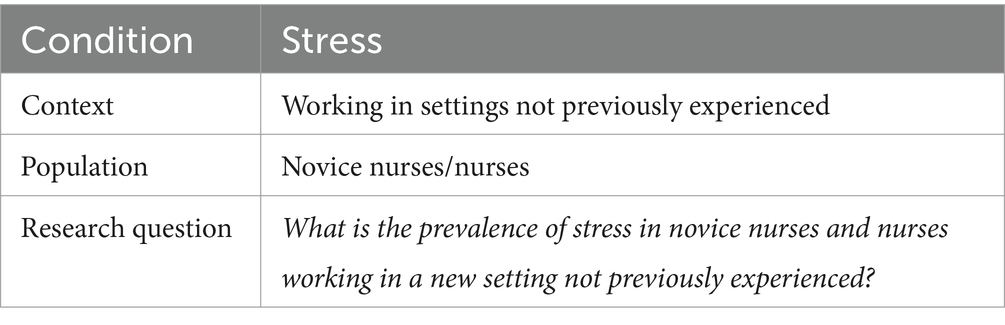
Table 1. CoCoPop format: keywords (Spain, 2024).
The Medical Subject Headings (MeSH) thesaurus was consulted using these keywords, yielding the descriptors Disabled Persons, Barriers, and Universities. To improve the search strategy and ensure relevant studies were captured, synonymous terms were also included using Boolean operators AND and OR. Table 2 shows the search strategy applied during the search process performed on 02 March 2024 for each of the above databases. The search strategy was limited from 2014 to 2024.
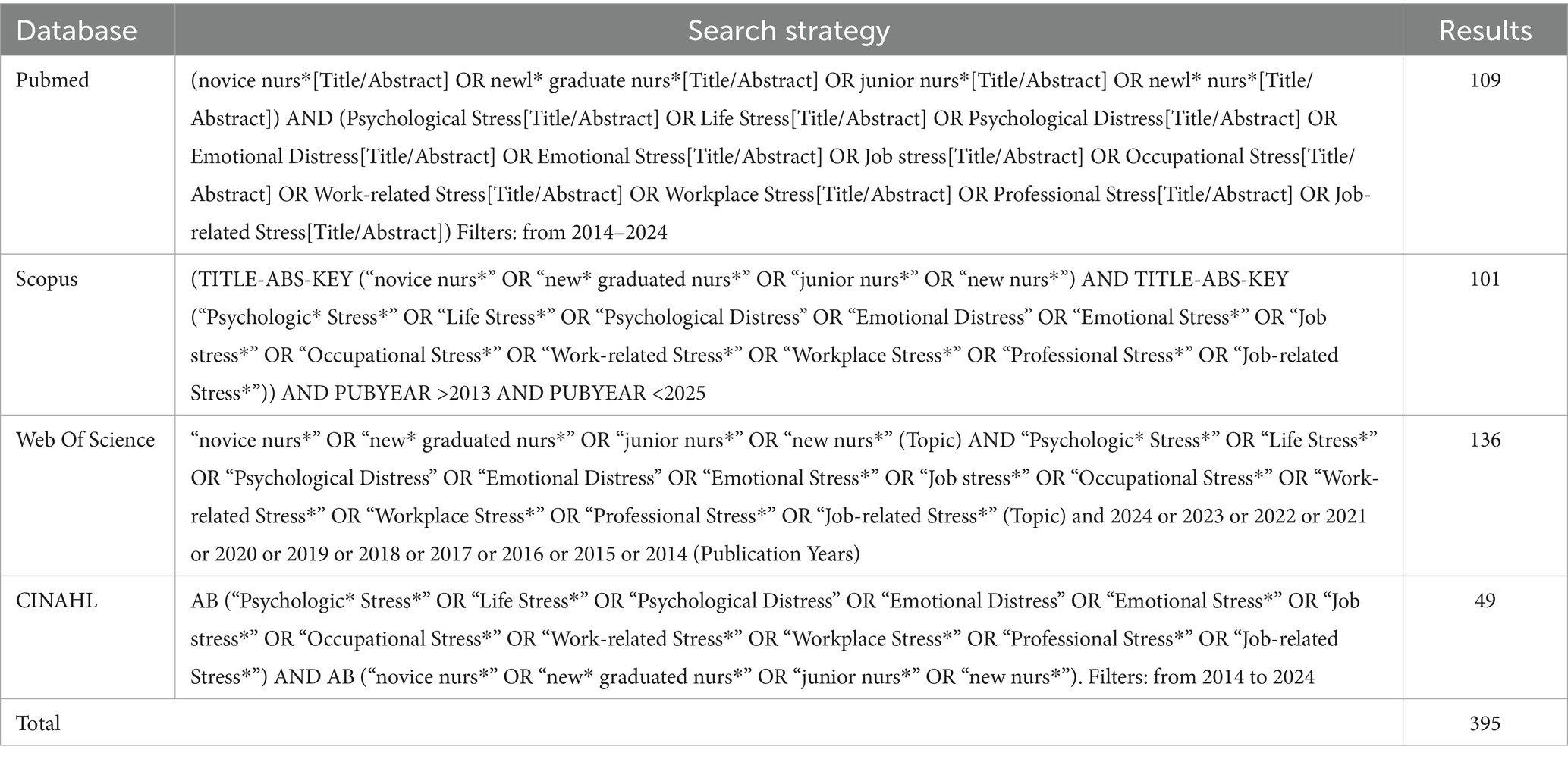
Table 2. Search strategy used for each database (Spain, 2024).
Selection criteria
The following criteria were used to select the articles:
Inclusion criteria:
1. Language: Only original articles published in English, Spanish, French, or Portuguese.
2. Type: original articles, meta-analysis, systematic reviews, short communication, and case reports.
3. Population: nurses and novice nurses facing situations not previously experienced, considering novice nurses as those with less than 1 year of nursing work experience.
4. Articles measuring any of the following values and/or effects:
• Stress level of nurses and novice nurses in situations they have not experienced before.
• Stressors inherent to the nursing practice.
Exclusion criteria:
1. Studies that were classified as being of low scientific-technical quality after application of the quality assessment tool were excluded. This assessment was carried out by two reviewers independently, both of whom determined the methodological quality of the selected studies.
2. Articles that did not directly address the research question and those that were not related to the objectives of the review were excluded, ensuring that all included studies made a meaningful contribution to understanding the stress of novice nurses in new work settings.
3. Certain types of publications, such as opinion articles, editorials, and letters to the editor were excluded, as these types of articles do not provide empirical data that conforms to the objectives of this review.
Data collection and extraction
Two researchers conducted independent searches, eliminated duplicate studies, and selected articles for inclusion based on previously established criteria after reading the abstract and title. Subsequently, the full text of potentially eligible studies was reviewed by the same two authors, and decisions to include or exclude studies were made by consensus. Any discrepancies were resolved by a third author.
Methodological quality assessment
The methodological quality of the selected studies was independently determined by two reviewers by using the Critical Appraisal Tools for Trials of the Joanna Briggs Institute (JBI) at the University of Adelaide (16). These tools enable the assessment of a study’s methodological quality and the identification of any potential bias in its design, conduct, and/or analysis. To ensure consistency and reliability in the assessment, the reviewers met before starting the process to discuss and unify criteria. The versions for quantitative cross-sectional studies (8 items), qualitative studies (10 items), systematic reviews (11 items), and cohort studies (11 items) were used, with a cut-off point of 6 for the first two and 8 for the last two to accept their inclusion in this review. This evaluation process is detailed in the Supplementary material, which also includes a table summarizing the quality scores for each included study.
Results
A total of 395 references were identified by applying the initial search strategies, which were then screened according to the topic of this review. Finally, 16 studies were selected (Figure 1), of which 10 were descriptive cross-sectional studies, 3 were cohort studies, 2 were qualitative studies, and 1 was a systematic review.
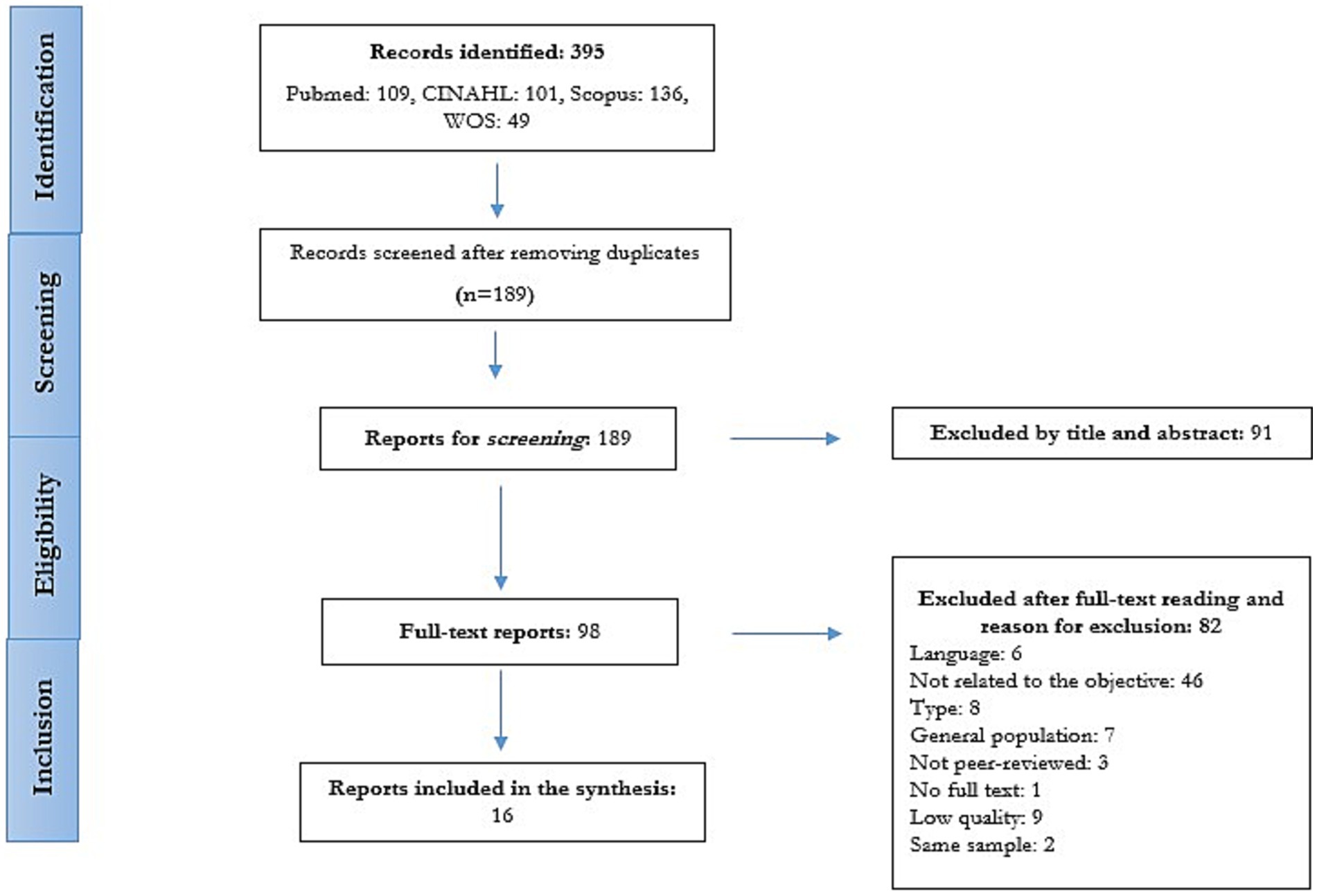
Figure 1. Search results (Spain, 2024).
Four articles were found to have been conducted in China (1, 3, 17, 18), 2 in Taiwan (6, 19), 1 in the UK (2), 1 in the Netherlands (20), 1 in Oman (4), 1 in the United States (5), 1 in South Korea (21), 1 in Brazil (13), 2 in Canada (22, 23), 1 in Denmark (24), and 1 in Jordania (25).
In 10 of the 16 selected studies (1, 3, 5, 6, 13, 17, 19–21, 24), the sample consisted of newly graduated nurses, while in 1 of the selected studies (17) the sample consisted of nurses with 1 year of experience. In another selected article2 the sample consisted of novice nurses at the beginning of their career, at 6 months, and at 12 months. In another study, the sample consisted of nurses with less than 2 years of experience (22), and another study involved nurses with less than 3 years’ experience (23). The last article to be included (4) was an integrative review including 21 review articles.
Among the interventions, the NSS scale was used (1–3), and also the PSS (17, 18) in some of the studies, while self-structured questionnaires were utilized in other investigations (3, 6, 13, 19, 21, 25). Another study used both the PSS questionnaire and the CD-RISC-25 (25). The NWI-R (23) and CERQual (24) questionnaires were also used in other articles.
The JBI critical appraisal tool was used to assess the included studies, which scored medium-high for both cross-sectional observational studies and qualitative studies.
Table 3 shows the characteristics of each of the 16 studies included in this review. The studies were classified by their authors, year of publication, country, design and objective, participants, instrument, and main results. Additionally, the results of the JBI critical appraisal tool were included.
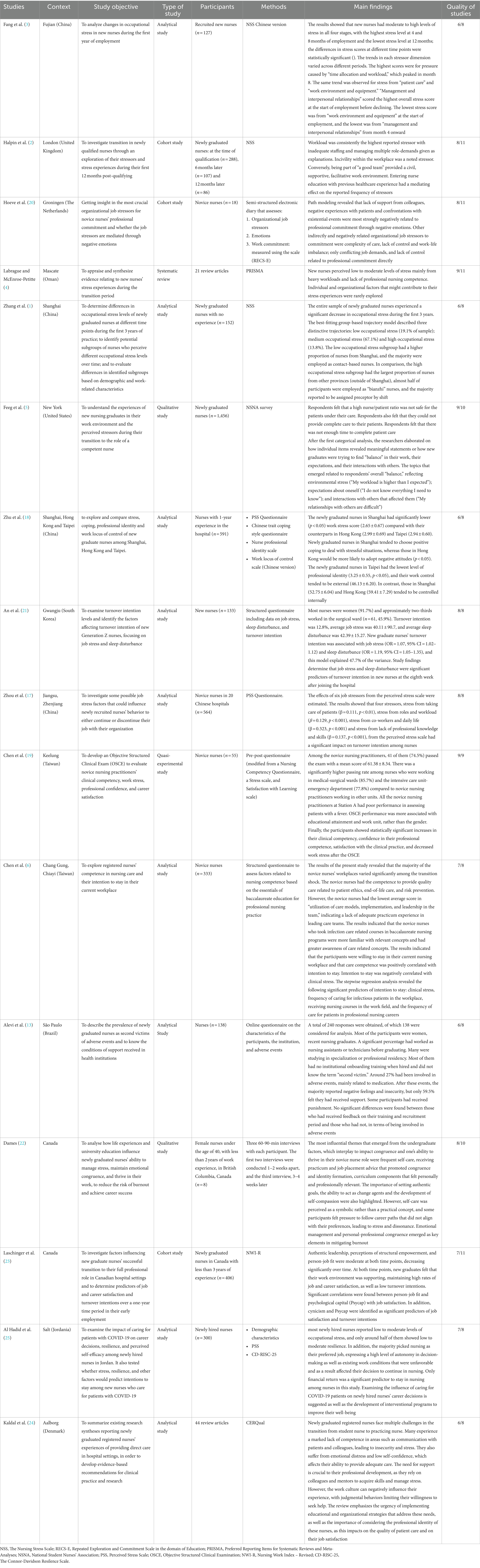
Table 3. Characteristics of the studies included in the systematic review (Spain, 2024).
Discussion
In various studies, such as the one by Fang et al. (3), multiple stages in which new nurses experience varying levels of work-related stress have been identified. Prominent factors include time management, workload, and interpersonal relationships. These findings are consistent with previous research, such as the one conducted by Feeg et al. (5), which emphasizes the significance of time management and adaptation to the work environment as sources of stress. The analysis highlights the inherent complexity of the nursing work environment, where time management, management skills, and interpersonal relationships play a crucial role in emotional well-being and professional performance (5). This approach is consistent with the stress model proposed by Lazarus and Folkman (26), which suggests that the way people view work demands and their ability to cope with those demands are key to understanding how they deal with stress (26). Therefore, understanding these factors is essential in order to develop effective support and training strategies to help new nurses face and overcome challenges throughout their careers (5).
Feeg et al. (5) and Chen et al. (19) address the stress derived from professional expectations among newly graduated nurses, highlighting the feeling of “not knowing everything they should know” as a significant source of stress. This pressure reflects the challenging transition from formal education to clinical practice, with resulting insecurities and anxieties. According to Benner’s transition model (1984) (9), novice nurses go through different phases in their professional development, and their sense of lack of competence is greatest in the early stages. This has been supported by recent research highlighting the importance of adequate training (9). Lack of experience, identified by Halpin et al. (2), also contributes to initial stress. However, the research by Chen et al. (19) showed that stress levels decrease with training and experience, highlighting the significance of continuous training and professional development to mitigate stress and enhance adaptation to work challenges for newly graduated nurses.
The research by Halpin et al. (2) highlighted lack of experience as a stressor in nurses, emphasizing the importance of previous experience in health care in adapting to work stress. Experienced professionals show greater confidence and effectiveness in difficult situations, which reduces their vulnerability to stress. These findings emphasize the importance of experience and ongoing education in reducing work-related stress among nurses. They also highlight the need to manage professional expectations appropriately to promote well-being and effectiveness in the clinical setting.
Hoeve et al. (20) and Zhou et al. (17) explored different stressors in the nursing work environment. Hoeve et al. (20), on the one hand, highlighted the importance of sharing experiences among newly graduated nurses and belonging to a collaborative team to reduce stress (17). The social support theory by Uchino (27) backs up this idea, indicating that support networks can help reduce the impact of work-related stress on the mental health of professionals. Underpinning this idea, Uchino’s social support theory indicates that support networks can mitigate the impact of work-related stress on the mental health of professionals (27). These findings underline the key role of peer social support as a protective factor against work-related stress. Additionally, Zhou et al. (17) assessed work-related stressors, such as caregiving stress, workload, and peer stress. To support stress management, it is crucial to understand the interpersonal dynamics in the nursing work environment and how they affect the psychological well-being of professionals. A work environment that fosters open communication and mutual support can make a significant contribution to the emotional well-being of nursing professionals (17). Also, Kandal et al. (24) emphasize the need for a supportive working environment and collaborative strategies between education and the health sector, concluding that it is essential to address unmet needs to ensure safe and quality care for patients (24).
The findings by Zhou et al. (17) and Labrague and McEnroe-Petitte (4) on work stressors for nurses reflect the complexity of the work environment. Zhou et al. (17) identified caregiving stress, role and workload stress, and peer stress and professional skills as stressors. On the other hand, Labrague and McEnroe-Petitte (4) The study analyzed the impact that the unit to which newly graduated nurses were assigned had on their perceptions of workload and stress. The findings suggest that the work context can affect the experience of stress (28). This relates to Bakker and Demerouti’s Job Demands-Resources model (2007) (7), which states that a demanding and under-resourced work environment can lead to burnout and dissatisfaction (7). For instance, Blomberg et al. (28) found high levels of stress in novice nurses, particularly in medical or surgical units, which was attributed to excessive workloads. Yeh and Yu (29) found lower levels of stress in nurses working in medical facilities, indicating that organizational interventions can reduce stress. Zhou et al. (17) also identified understaffing and multiple responsibilities as significant challenges, indicating the need to address workload at the institutional level to improve nurses’ retention. These findings underscore the importance of interventions that tackle both individual and systemic challenges related to workload and job support to promote nurse retention.
Halpin et al. (2) identified workload as a common stressor, especially during the first 12 months of employment, suggesting that novice nurses are more prone to job stress, which may influence their intention to leave. This phenomenon is exacerbated by the aging workforce, as the decline in younger workers creates a generational imbalance that increases pressure on newly graduated nurses. Tett and Meyer’s model on turnover intentions (1993) (30) reinforces this idea by pointing out that job dissatisfaction and stress contribute to the intention to leave. In addition, An et al. (21) examined the relationship between work-related stress, sleep disorders, and turnover intention among novice nurses, highlighting the importance of addressing these problems from the beginning of the career to avoid high staff turnover. This implies that stress and sleep management should be part of the initial training, as they can significantly influence the decision to change jobs (21). In this context, the study by Laschinger et al. (23) emphasizes that job dissatisfaction, influenced by unfavorable working conditions and lack of support, is one of the main causes of high turnover among novice nurses. This study also underlines that fostering positive work environments, with supportive and effective relationships, is key to improving satisfaction and reducing turnover (23).
The study by Chen et al. (6) highlights the competence of novice nurses in ethical and risk prevention areas, but points to deficiencies in team management. The positive correlation between educational level, competence in care, and intention to stay in the profession highlights the importance of continuing education for staff retention. Resilience emerges as a critical factor, particularly during the COVID-19 pandemic, where greater resilience was associated with greater intention to stay in the profession (6). A study in Jordan examined the impact of perceived stress in caring for patients with COVID-19 on nursing career decisions, finding that although many nurses chose this career voluntarily, they expressed dissatisfaction with working conditions and lack of adequate training. The pandemic has exacerbated staff shortages, generating high levels of stress and psychological trauma, particularly among inexperienced nurses. These findings indicate the need for interventions to improve nurses’ well-being, given that perception of financial income has been identified as a significant predictor of the intention to remain in the profession (25). This is related to the resilience model by Windle et al. (31), which emphasizes how coping skills can protect against the negative effects of stress in health professionals (31). These findings highlight the importance of addressing training, stress management, and resilience building to enhance the retention and well-being of novice nurses (6).
Understanding the importance of interventions that reduce work-related stress and frustration, as well as the role of nurse managers in providing support and enhancing professional competence, are key to promoting staff retention and improving quality of care (6).
The study by An et al. (21) focuses on the relationship between work-related stress, sleep disorders, and turnover intention, whereas Chen et al. (6) explore the relationship between competence, clinical stress, and intention to retain the job. Both studies highlight the need for early interventions and support to reduce turnover intention and improve retention of novice nurses. The lack of support and opportunities for skills development can demotivate novice nurses, affecting the stability of the healthcare team and leading to significant costs for healthcare organizations. Nurse leaders can promote the professional development, well-being, and engagement of novice nurses through early intervention and appropriate support, thereby contributing to the quality of care and stability of the nursing team (1).
In order to achieve well-being and satisfaction of newly graduated nurses, it is necessary to find congruence between the ‘real self’ and the ‘ideal self’, as stated in the study by Dames (22). This study highlights that discrepancies between expectations formed during university training and the reality of work may increase the risk of burnout, affecting retention in the profession. Integrating self-care and self-compassion practices into the nursing training curriculum can facilitate the adaptation of novice nurses and help them to manage work-related stress. Therefore, fostering an environment that promotes congruence and emotional management is essential for success and stability in the health care team (22).
Limitations
Although this research has contributed to current knowledge about the stress faced by novice nurses, some limitations have been identified. Firstly, when analyzing data from different countries, great diversity in nurses’ responsibilities was found, which makes it difficult to establish an objective comparison of the results. This heterogeneity not only affects the interpretation of the data, but may also have implications for direct clinical practice, as stress management strategies may need to be adapted to specific country contexts.
Second, differences in work settings, health policies, and available resources may have the potential to introduce biases and limit the generalisability of results. It is therefore essential that future research focuses on more homogenous settings or incorporates comparative analyses.
Moreover, the inclusion of qualitative studies in the search is another limitation. This is because their exploratory nature may make it difficult to extrapolate the results.
Finally, determining when a nurse is considered a novice presented an additional challenge in assessing the included studies. This lack of clarity suggests that there is a need to standardize definitions and criteria in future research, which would not only facilitate comparison across studies, but also enrich knowledge in this field.
Conclusion
In conclusion, this study has highlighted the various challenges faced by novice nurses in new work environments, such as workload, adaptation to the environment, professional expectations, and relationship dynamics in the team. By focusing on these aspects, a major need in the literature has been addressed, clarifying how these factors affect the intention of these professionals to remain in the profession, a topic that has been little addressed so far.
Therefore, proactive interventions, such as mentoring programs and structured training, that facilitate the adaptation of novice nurses and encourage improved teamwork are recommended. Future research would also benefit from evaluating the effectiveness of these initiatives, accounting for potential biases and the context of each setting, and from examining the role of leadership in stress reduction.
These actions seek to enhance the experience of novice nurses and also contribute to the stability of the profession, thereby ensuring quality patient care and promoting a healthier work environment. Recognizing and addressing these biases is essential to enrich understanding and strengthen the nursing practice.
Data availability statement
The original contributions presented in the study are included in the article/Supplementary material, further inquiries can be directed to the corresponding authors.
Author contributions
ÁN-G: Conceptualization, Data curation, Formal analysis, Investigation, Methodology, Project administration, Resources, Software, Supervision, Validation, Visualization, Writing – original draft, Writing – review & editing. JG-I: Conceptualization, Data curation, Formal analysis, Investigation, Methodology, Project administration, Resources, Software, Supervision, Validation, Visualization, Writing – original draft, Writing – review & editing. DA-M: Conceptualization, Data curation, Formal analysis, Investigation, Methodology, Resources, Software, Supervision, Validation, Visualization, Writing – original draft, Writing – review & editing. GF-V: Conceptualization, Data curation, Formal analysis, Investigation, Methodology, Resources, Software, Supervision, Validation, Visualization, Writing – original draft, Writing – review & editing. JG-S: Conceptualization, Data curation, Formal analysis, Investigation, Methodology, Project administration, Resources, Software, Supervision, Validation, Visualization, Writing – original draft, Writing – review & editing. RA-C: Conceptualization, Data curation, Formal analysis, Investigation, Methodology, Resources, Software, Supervision, Validation, Visualization, Writing – original draft, Writing – review & editing. JF-R: Conceptualization, Data curation, Formal analysis, Investigation, Methodology, Resources, Software, Supervision, Validation, Visualization, Writing – original draft, Writing – review & editing. IM-T: Conceptualization, Data curation, Formal analysis, Investigation, Methodology, Resources, Software, Supervision, Validation, Visualization, Writing – original draft, Writing – review & editing. CR-F: Conceptualization, Data curation, Formal analysis, Investigation, Methodology, Project administration, Resources, Software, Supervision, Validation, Visualization, Writing – original draft, Writing – review & editing.
Funding
The author(s) declare that no financial support was received for the research, authorship, and/or publication of this article.
Conflict of interest
The authors declare that the research was conducted in the absence of any commercial or financial relationships that could be construed as a potential conflict of interest.
Publisher’s note
All claims expressed in this article are solely those of the authors and do not necessarily represent those of their affiliated organizations, or those of the publisher, the editors and the reviewers. Any product that may be evaluated in this article, or claim that may be made by its manufacturer, is not guaranteed or endorsed by the publisher.
Supplementary material
The Supplementary material for this article can be found online at: https://www.frontiersin.org/articles/10.3389/fpubh.2024.1463751/full#supplementary-material
References
1. Zhang, Y, Steege, LM, Pavek, KU, Brown, RL, and Zhang, Y. Identifying patterns of occupational stress trajectories among newly graduated nurses: a longitudinal study. Int J Nurs Stud. (2019) 99:103332. doi: 10.1016/j.ijnurstu.2019.03.022
2. Halpin, Y, Terry, LM, and Curzio, J. A longitudinal, mixed methods investigation of newly qualified nurses’ workplace stressors and stress experiences during transition. J Adv Nurs. (2017) 73:2577–86. doi: 10.1111/jan.13344
3. Fang, Y, Yang, J, Zhang, M, Song, J, and Lin, R. A longitudinal study of stress in new nurses in their first year of employment. Int J Clin Pract. (2022) 2022:6932850–6. doi: 10.1155/2022/6932850
4. Labrague, LJ, and McEnroe-Petitte, DM. Job stress in new nurses during the transition period: an integrative review. Int Nurs Rev. (2018) 65:491–504. doi: 10.1111/inr.12425
5. Feeg, VD, Mancino, D, Vasquez-Clarfield, B, Garrison, CM, Mahler, E, and Vance, C. A national perspective on new nurse graduate transition to practice: secondary analysis of the National Student Nurses’ association 2021 new graduate survey. Nurs Econ. (2022) 40:167–85.
6. Chen, HM, Liu, CC, Yang, SY, Wang, YR, and Hsieh, PL. Factors related to care competence, workplace stress, and intention to stay among novice nurses during the coronavirus disease (Covid-19) pandemic. Int J Environ Res Public Health. (2021) 18:1–10. doi: 10.3390/ijerph18042122
7. Bakker, AB, and Demerouti, E. Job demands–resources theory: taking stock and looking forward. J Occup Health Psychol. (2017) 22:273–85. doi: 10.1037/ocp0000056
8. Bennett, LL, Grimsley, A, Grimsley, L, and Rodd, J. The gap between nursing education and clinical skill. ABNF J. (2017) 28:96–102.
9. Benner, P. From novice to expert excellence and power in clinical nursing practice. Am J Nurs. (1984) 84:1479. doi: 10.1097/00000446-198412000-00025
10. Kramer, M, and Schmalenberg, C. Securing “good” nurse/physician relationships. Nurs Manag. (2003) 34:34–8. doi: 10.1097/00006247-200307000-00013
11. Quadrado, ERS, Tronchin, DMR, and de Oliveira Motta Maia, F. Strategies to support health professionals in the condition of second victim: scoping review. Revista da Escola de Enfermagem da U S P. (2021) 55:55. doi: 10.1590/s1980-220x2019011803669
12. Wu, AW. Medical error: the second victim. The doctor who makes the mistake needs help too. BMJ (Clin Res Ed). (2000) 320:726–7. doi: 10.1136/bmj.320.7237.726
13. Alevi, JO, Draganov, PB, de Souza Gonçalves, GC, dos Santos Zimmermann, G, Silva, LMG, Mira, JJ, et al. The newly graduated nurse as a second victim. Acta Paulista de Enfermagem. (2023) 37:37. doi: 10.37689/acta-ape/2024ao0027211
14. Page, MJ, McKenzie, JE, Bossuyt, PM, Boutron, I, Hoffmann, TC, Mulrow, CD, et al. The PRISMA 2020 statement: an updated guideline for reporting systematic reviews. BMJ. (2021) 372:n71. doi: 10.1136/BMJ.N71
15. Munn, Z, Stern, C, Aromataris, E, Lockwood, C, and Jordan, Z. What kind of systematic review should I conduct? A proposed typology and guidance for systematic reviewers in the medical and health sciences. BMC Med Res Methodol. (2018) 18:5. doi: 10.1186/S12874-017-0468-4
16. Jordan, Z, Lockwood, C, Munn, Z, and Aromataris, E. The updated Joanna Briggs institute model of evidence-based healthcare. Int J Evid Based Healthc. (2019) 17:58–71. doi: 10.1097/XEB.0000000000000155
17. Zhou, L, Kachie Tetgoum, AD, Quansah, PE, and Owusu-Marfo, J. Assessing the effect of nursing stress factors on turnover intention among newly recruited nurses in hospitals in China. Nurs Open. (2022) 9:2697–709. doi: 10.1002/nop2.969
18. Zhu, Y, Zhang, Y, Wong, FKY, Kuo, SY, Cheung, K, Lam, MCH, et al. Newly graduated nurses’ stress, coping, professional identity and work locus of control: results of a cross-sectional study in Shanghai, Hong Kong and Taipei. J Nurs Manag. (2022) 30:3406–18. doi: 10.1111/jonm.13801
19. Chen, SH, Chen, SC, Lai, YP, Chen, PH, and Yeh, KY. The objective structured clinical examination as an assessment strategy for clinical competence in novice nursing practitioners in Taiwan. BMC Nurs. (2021) 20:91. doi: 10.1186/S12912-021-00608-0
20. Hoeve, Y, Brouwer, J, and Kunnen, S. Turnover prevention: the direct and indirect association between organizational job stressors, negative emotions and professional commitment in novice nurses. J Adv Nurs. (2020) 76:836–45. doi: 10.1111/JAN.14281
21. An, M, Heo, S, Hwang, YY, Kim, J, and Lee, Y. Factors affecting turnover intention among new graduate nurses: Focusing on job stress and sleep disturbance. Healthcare (Basel, Switzerland). (2022) 10:1122. doi: 10.3390/healthcare10061122
22. Dames, S. The interplay of developmental factors that impact congruence and the ability to thrive among new graduate nurses: a qualitative study of the interplay as students transition to professional practice. Nurse Educ Pract. (2019) 36:47–53. doi: 10.1016/j.nepr.2019.02.013
23. Laschinger, HKS, Cummings, G, Leiter, M, Wong, C, MacPhee, M, Ritchie, J, et al. Starting out: a time-lagged study of new graduate nurses’ transition to practice. Int J Nurs Stud. (2016) 57:82–95. doi: 10.1016/j.ijnurstu.2016.01.005
24. Kaldal, MH, Conroy, T, Feo, R, Grønkjær, M, and Voldbjerg, SL. Umbrella review: newly graduated nurses’ experiences of providing direct care in hospital settings. J Adv Nurs. (2023) 79:2058–69. doi: 10.1111/jan.15434
25. Al Hadid, LAE, Al Barmawi, MA, Alnjadat, R, and Farajat, LA. The impact of stress associated with caring for patients with COVID-19 on career decisions, resilience, and perceived self-efficacy in newly hired nurses in Jordan: a cross-sectional study. Health Sci Rep. (2022) 5:e899. doi: 10.1002/hsr2.899
27. Uchino, BN. Understanding the links between social support and physical health: a life span perspective with emphasis on the separability of perceived and received support. Perspect Psychol Sci. (2009) 4:236–55. doi: 10.1111/j.1745-6924.2009.01122.x
28. Blomberg, K, Isaksson, A-K, Allvin, R, Bisholt, B, Ewertsson, M, Kullén Engström, A, et al. Work stress among newly graduated nurses in relation to workplace and clinical group supervision. J Nurs Manag. (2016) 24:80–7. doi: 10.1111/jonm.12274
29. Yeh, M-C, and Yu, S. Job stress and intention to quit in newly-graduated nurses during the first three months of work in Taiwan. J Clin Nurs. (2009) 18:3450–60. doi: 10.1111/j.1365-2702.2009.02941.x
30. Tett, RP, and Meyer, JP. Job satisfaction, organizational commitment, turnover intention, and turnover: path analyses based on Meta-analytic findings. Pers Psychol. (1993) 46:259–93. doi: 10.1111/j.1744-6570.1993.tb00874.x
Keywords: nurses, occupational stress, professional burnout, psychological adaptation, mental health, clinical competence
Citation: Narbona-Gálvez &, García-Iglesias JJ, Ayuso-Murillo D, Fontán-Vinagre G, Gómez-Salgado J, Allande-Cussó R, Fagundo-Rivera J, Macías-Toronjo I and Ruiz-Frutos C (2024) Stress in novice nurses in new work environments: a systematic review. Front. Public Health. 12:1463751. doi: 10.3389/fpubh.2024.1463751
Edited by:
Carla Viegas, Instituto Politécnico de Lisboa, PortugalReviewed by:
Semra Bulbuloglu, Istanbul Aydın University, TürkiyeXutong Zheng, China Medical University, China
Copyright © 2024 Narbona-Gálvez, García-Iglesias, Ayuso-Murillo, Fontán-Vinagre, Gómez-Salgado, Allande-Cussó, Fagundo-Rivera, Macías-Toronjo and Ruiz-Frutos. This is an open-access article distributed under the terms of the Creative Commons Attribution License (CC BY). The use, distribution or reproduction in other forums is permitted, provided the original author(s) and the copyright owner(s) are credited and that the original publication in this journal is cited, in accordance with accepted academic practice. No use, distribution or reproduction is permitted which does not comply with these terms.
*Correspondence: Juan Jesús García-Iglesias, anVhbmplc3VzLmdhcmNpYUBkc3Rzby51aHUuZXM=; Juan Gómez-Salgado, c2FsZ2Fkb0B1aHUuZXM=