 Bingbing Guo
 Xinye Jiang
- Wuxi Maternity and Child Health Care Hospital, Women's Hospital of Jiangnan University, Jiangnan University, Wuxi, Jiangsu, China
Objective: The impact of maternal exposure to outdoor particulate matter during pregnancy on preterm birth is still inconsistent, particularly under the unique atmospheric particulate matter pollution conditions in China, where the effects on preterm birth remain poorly understood. The study intends to evaluate the correlation between atmospheric particulate matter pollution (PM2.5 and PM10) during pregnancy and premature birth in China through a Meta-analysis.
Methods: The Chinese databases (CNKI and Wanfangdata), and the English databases (PubMed, Web of Science, and Embase) were searched to collect literature related to exposure to atmospheric particulate matter during pregnancy in China and premature birth. A Meta-analysis was conducted using Stata12.0 software.
Results: A total of 29 studies were included in this study (15 cross-sectional studies, 11 cohort studies, and 3 case–control studies), covering more than 30 provinces (municipalities directly under the Central Government) in China, with a total sample size of 9,283,110 people. The Meta-analysis results showed that the risk of premature birth with the OR value was 1.03 (95%CI:1.011.06) for exposure to PM2.5 in mid-pregnancy, 1.03 (95%CI:1.011.04) for exposure to PM2.5 in late pregnancy, 1.07 (95%CI:1.051.10) for exposure to PM2.5 throughout pregnancy, and 1.04 (95%CI:1.001.07) for exposure to PM10 throughout pregnancy. No correlation was found between exposure to atmospheric particulate matter at other times and the occurrence of premature birth.
Conclusion: Although our results indicate that exposure to atmospheric particulate matter during the second and third trimesters of pregnancy increases the risk of preterm birth among pregnant women in China, the association is relatively weak. Additionally, the results may be influenced by potential confounding factors. Therefore, further detailed research is needed to explore the relationship between particulate matter exposure and preterm birth or other adverse pregnancy outcomes.
1 Introduction
Public health problems caused by atmospheric particulate matter pollution (PM2.5 and PM10) have attracted attention from global health departments. Due to industrialization, the concentration of particulate matter in the air is generally higher in developing countries than in developed ones. This pollution can lead to adverse outcomes for pregnant women, particularly premature birth. Airborne particulate matter pollution has become a major risk factor for global disease (1), with fetuses being particularly vulnerable to toxic substances during pregnancy. Exposure to these airborne particulates can affect pregnant women, leading to adverse outcomes such as fetal growth restriction, low birth weight, preterm birth, and even stillbirth. In developing countries, one-fifth of low birth weight cases and one-quarter of stillbirths can be attributed to air pollution from the use of solid fuels (2). Studies have shown that particulate pollutants in the air can enter the placenta through simple diffusion, with the absorbed particles circulating throughout the body via the bloodstream, affecting organs and tissues, and causing metabolic disorders by inhibiting or disrupting certain enzyme activities, ultimately impairing fetal growth and development (3). In recent years, biological mechanisms behind preterm birth in pregnant women have been linked to inflammation, immune response, and endocrine regulation (4). However, the specific biological mechanisms by which prenatal exposure to particulate matter impacts preterm birth remain unclear. Some studies suggest that air pollutants may activate the fetal hypothalamic–pituitary–adrenal axis, triggering uterine contractions and premature rupture of membranes, leading to preterm birth (5). Other studies indicate that while air pollution may not directly cause maternal infections, exposure to pollutants can impair immune function, increasing maternal susceptibility to infections (6), which may, in turn, trigger early uterine contractions and result in preterm birth.
However, current research on the correlation between atmospheric particulate matter pollution and preterm birth is inconsistent. Some studies have found a significant association between air pollution exposure and an increased risk of preterm birth (7, 8), while other research has shown no correlation between particulate matter exposure at different stages of pregnancy and preterm birth, with some studies even suggesting that such exposure could act as a protective factor against preterm birth (9). Research in China on the correlation between air pollutant exposure and preterm birth also presents mixed results. This may be due to differences in geographical location, economic development status, pollutant concentrations, or the timing of exposure during pregnancy. Therefore, it is necessary to conduct research based on the specific conditions of China. This paper used a meta-analysis approach to analyze the correlation between exposure to particulate matter pollution at different stages of pregnancy and preterm birth among pregnant women in China, providing scientific evidence for further exploration of the impact of air pollutants on pregnancy outcomes.
2 Materials and methods
2.1 Sources of information and literature search
Using a combination of subject words and keywords, we searched for “particulate matter” or “air pollution,” “adverse birth outcomes” or “premature birth,” “pregnancy” or “gestation” in Chinese databases. In English databases, the MeSH terms and free words were used for search conditions, with “Adverse birth outcomes” OR “Premature birth” AND “Air pollution” OR “PM2.5” OR “PM10” OR “PM2.5” AND “Airborne particulate matter” AND “China” in PubMed, Web of Science, and Embase. The search covered the period from the establishment of the database from January 1, 2020 to April 30, 2023, collecting all research on the correlation between outdoor atmospheric particulate matter pollution and premature birth among pregnant women in China. The search was supplemented with a literature backtracking method to further search for literature data. The literature search was not restricted by language.
2.2 Literature screening and data extraction
Inclusion criteria: ① The study sample was from China and the investigation area was in China; ② The age of the research subjects was ≥18 years old and they did not suffer from other serious physical diseases; ③ The included studies could provide at least one OR between the exposure factor and premature birth and 95% confidence interval, or the data in the text could be converted to OR and 95% confidence interval. Exclusion criteria: ① Repeated publication or incomplete data information; ② The research design and statistical methods are unreasonable; ③ Reviews or expert comments, etc. According to the search strategy, the literature was searched, and two researchers screened the retrieved literature, and finally, one person extracted the data according to a unified data form, including the first author, investigation year, research area, research features, sample size, exposure period, exposure factors, etc. Premature birth in this paper is defined as giving birth between 28 and 37 weeks of pregnancy; PM2.5 refers to particles in the environment with a diameter less than or equal to 2.5 microns; PM10 refers to particles in the environment with a diameter less than 10 microns.
2.3 Literature quality evaluation
The Newcastle-Ottawa Scale (NOS) was used to evaluate the quality of the included literature. The scale includes eight items, including the selection of research objects, comparability, exposure or results. The score ranges from 0 to 9 points. The higher the score, the higher the quality of the literature.
2.4 Statistical analysis
Stata12.0 software was used to test the heterogeneity of the pooled data. If there was high heterogeneity (I2 ≥ 50%), a random effects model was adopted; If there was medium or low heterogeneity (I2 < 50%), a fixed effects model was used for analysis, subgroup analysis was conducted to explore the sources of heterogeneity. Sensitivity analysis was conducted by excluding any one of the articles and comparing the results. If the results changed little, the results were considered stable. Publication bias was evaluated by drawing a funnel plot and conducting an Egger test. All statistical tests were considered significant at p < 0.05.
3 Results
3.1 Basic characteristics
Overview of included studies: A total of 1,468 articles were initially retrieved (including 861 English articles). After screening according to the inclusion and exclusion criteria, 29 articles were finally included, including 20 in English and 9 in Chinese. The literature covered more than 30 provinces (municipalities directly under the central government) in China (Figure 1). The types of studies included 15 cross-sectional studies, 11 cohort studies, and 3 case–control studies. The total sample size of the studies included in this study was 9,283,110. In terms of literature quality, the average NOS score was 7.45 ± 0.69, with 26 articles scoring >7 points and 3 articles ≤6 points (Table 1).
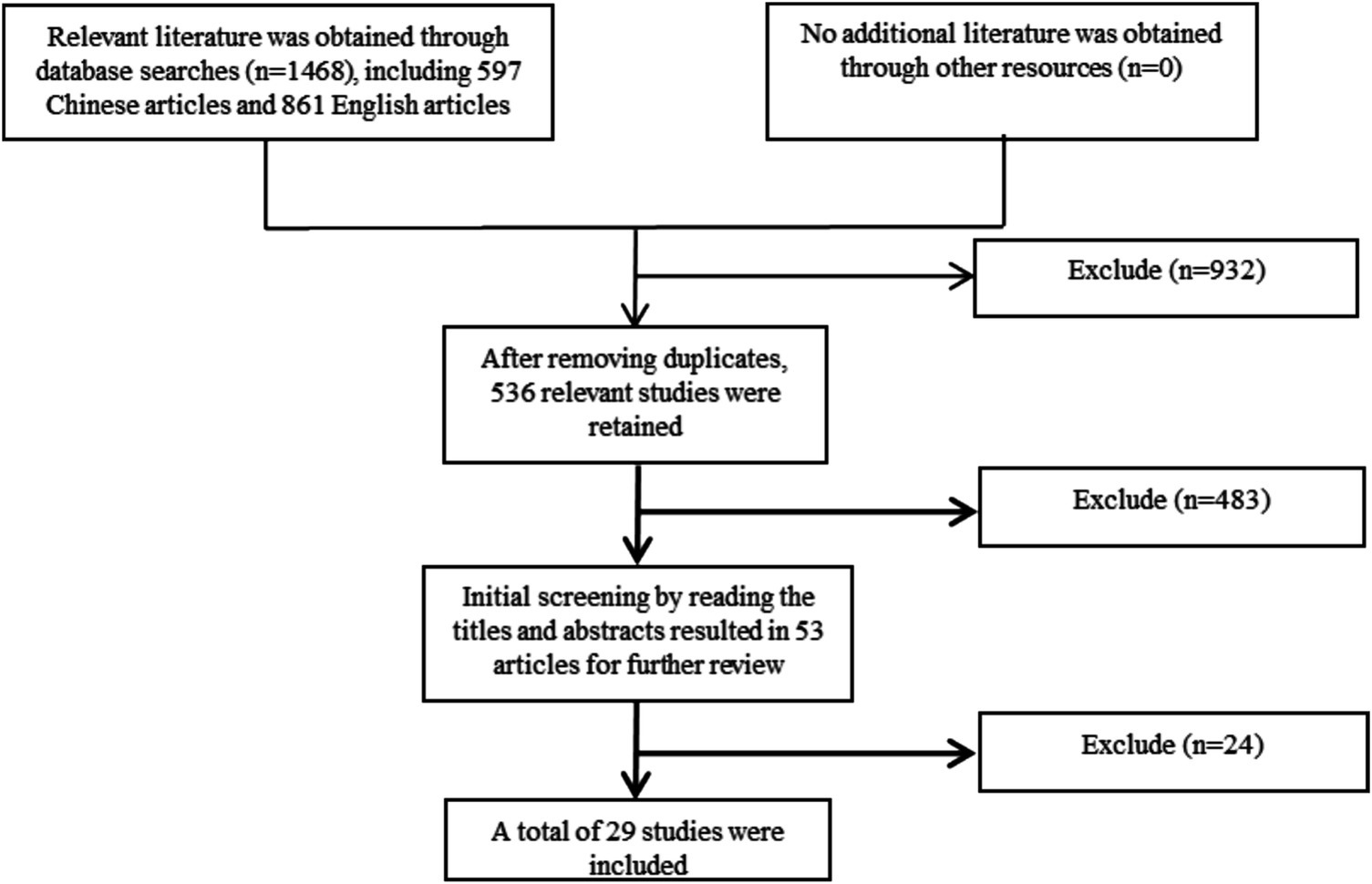
Figure 1. Literature search flowchart.
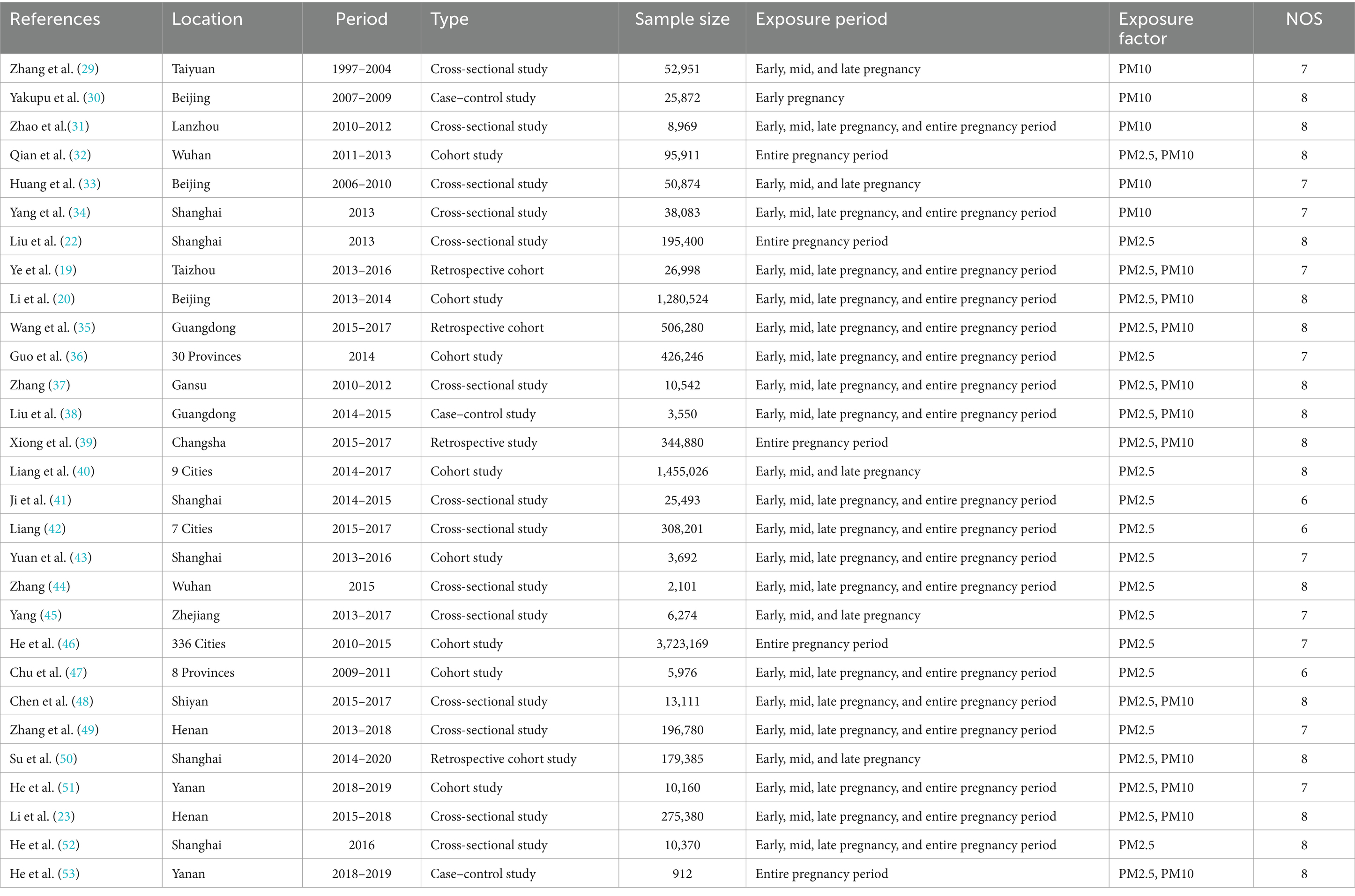
Table 1. Basic information and quality scores of included literature.
3.2 Meta-analysis result on the correlation between PM2.5 exposure during different pregnancy periods and premature birth
The meta-analysis results showed that the odds ratio (OR) for the risk of preterm birth due to PM2.5 exposure during the second trimester was 1.03 (95% CI: 1.011.06); for the third trimester, the OR was 1.03 (95% CI: 1.011.04); for the entire pregnancy, the OR was 1.07 (95% CI: 1.05 ~ 1.10) (Figure 2).
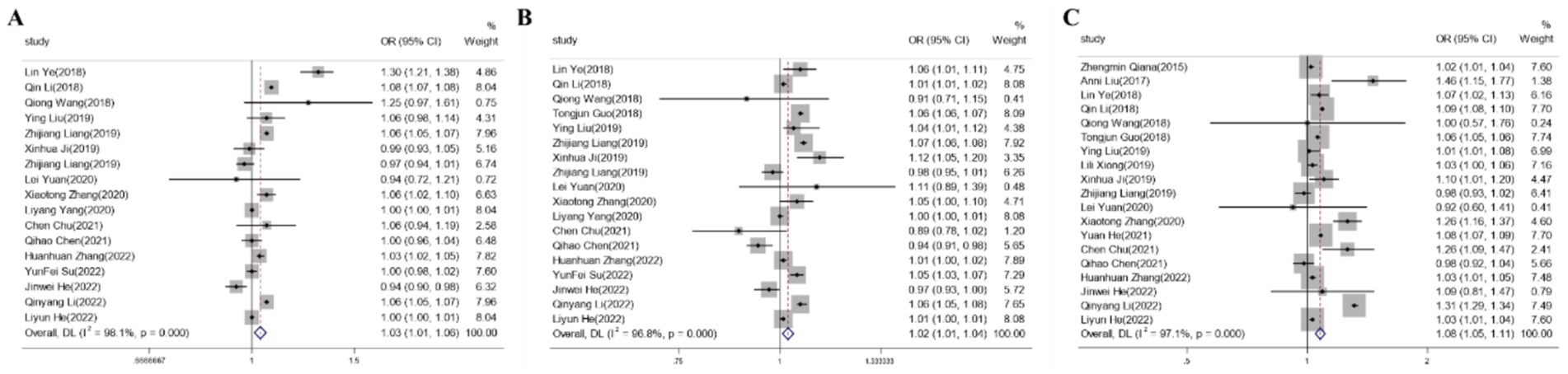
Figure 2. The Forest plot of correlation between PM2.5 exposure during different pregnancy periods and premature birth. (A) Mid-pregnancy exposure to PM2.5. (B) Late-pregnancy exposure to PM2.5. (C) Pregnancy-period exposure to PM2.5.
3.3 Meta-analysis result on the correlation between PM10 exposure during different pregnancy periods and premature birth
This study found that for the entire pregnancy period, the OR for the risk of preterm birth due to PM10 exposure was 1.04 (95% CI: 1.00 ~ 1.07) (Figure 3).

Figure 3. The forest plot of correlation between PM10 exposure during different pregnancy periods and premature birth.
3.4 Subgroup analysis
The meta-analysis results revealed significant heterogeneity among studies investigating the relationship between PM2.5 and PM10 exposure and preterm birth. We conducted a subgroup analysis to explore the sources of this heterogeneity. The analysis was performed based on different subgroups, including investigation year (before and after 2015), study type (cross-sectional, cohort, and retrospective studies), study region (southern, northern, or mixed regions), and sample size (whether the size was ≥100,000). In the meta-analysis of PM2.5 and preterm birth, the subgroup analysis found that study type explained part of the heterogeneity, while no heterogeneity sources were found in the other subgroups. In the meta-analysis of PM10 and preterm birth, the subgroup analysis did not identify any significant sources of heterogeneity (see Tables 2, 3).
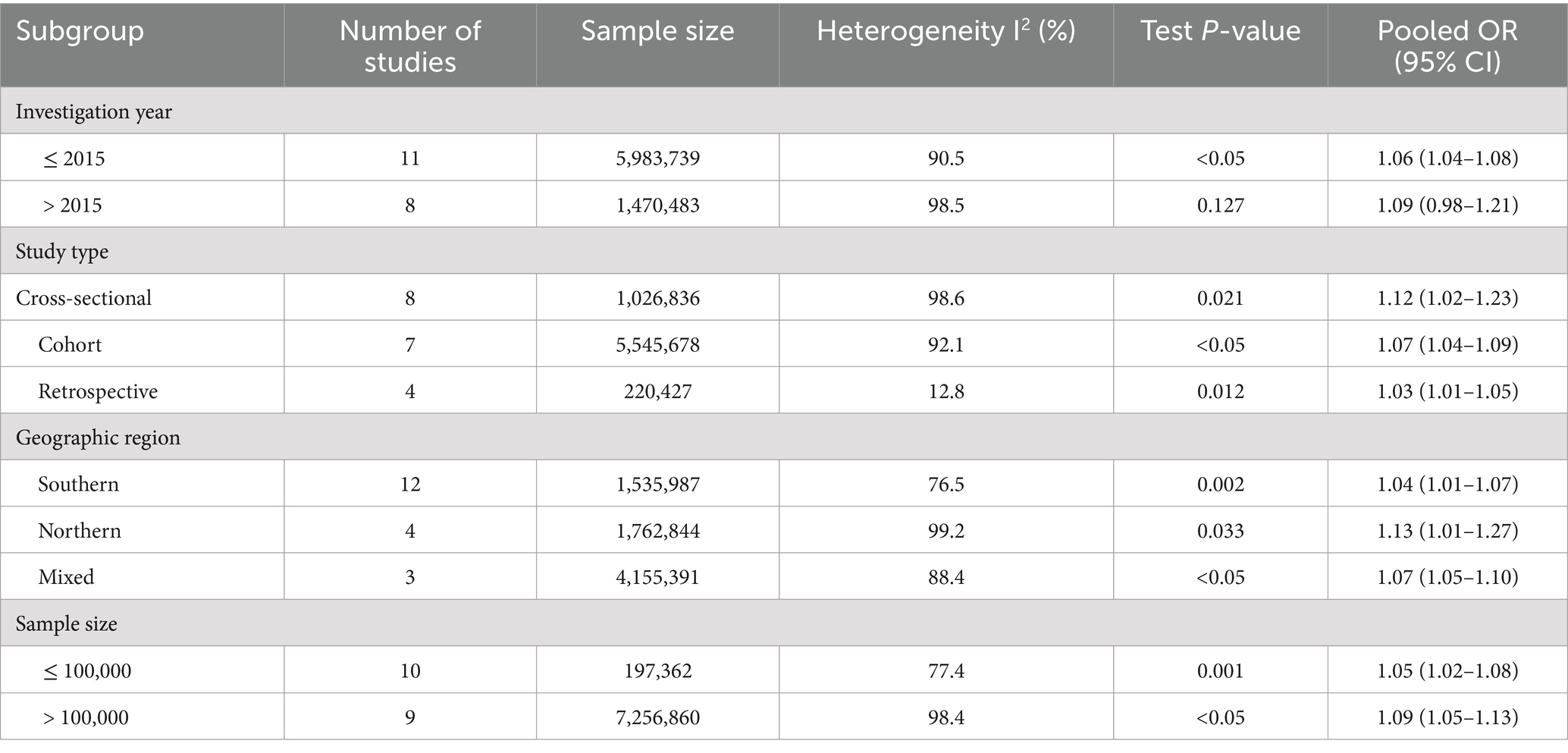
Table 2. Subgroup analysis of the relationship between PM2.5 exposure and preterm birth.
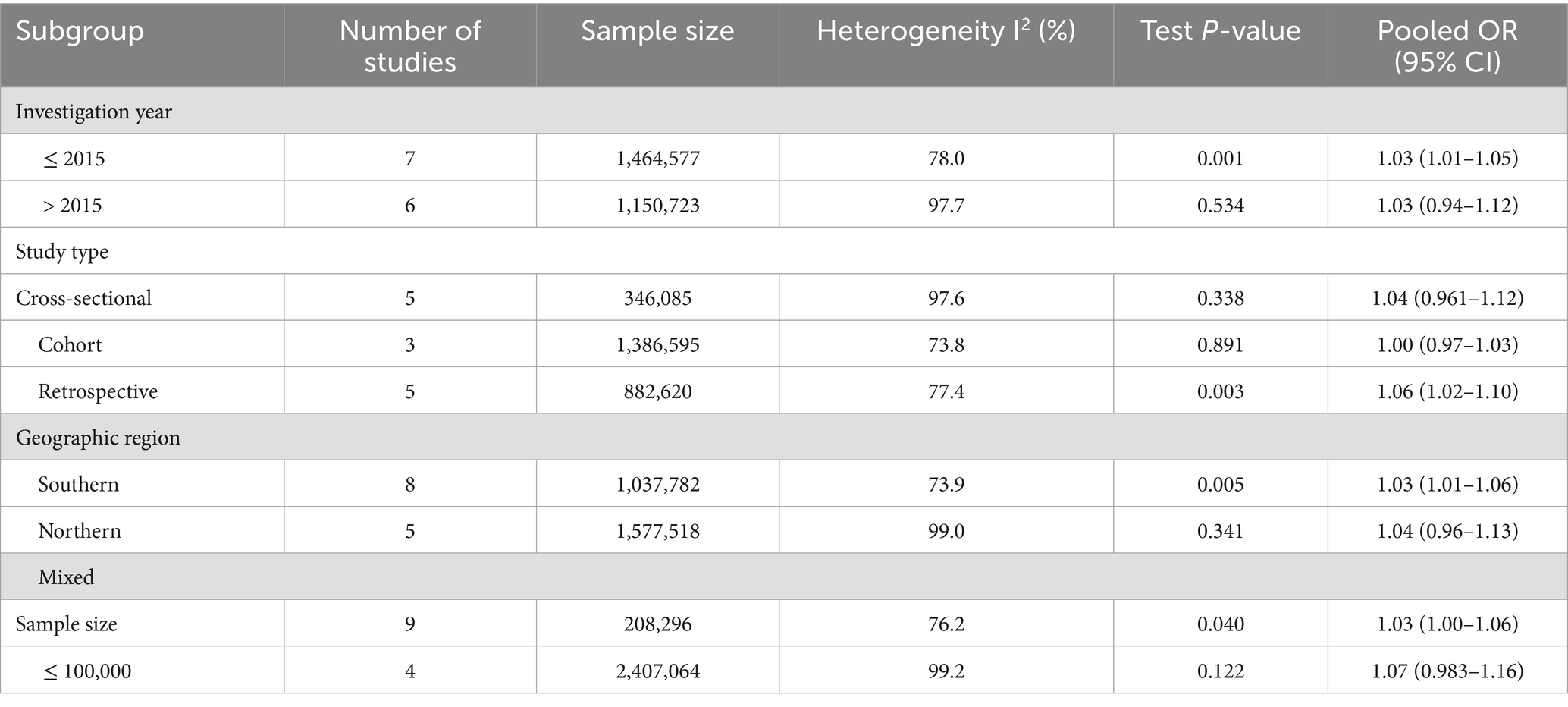
Table 3. Subgroup analysis of the relationship between PM10 exposure and preterm birth.
3.5 Publication bias and sensitivity analysis
For studies with statistically significant differences in the combined Meta results, a funnel plot was drawn and symmetry was generally found. Egger’s test was used to test for publication bias, with t-values of 0.06, 0.08, 0.03, and 0.43, and p-values of 0.95, 0.94, 0.75, and 0.67, respectively, suggesting no publication bias. The sensitivity analysis of each combined result, after excluding any one of the studies, showed no significant changes in the overall results, suggesting good stability.
4 Discussion
Airborne particulate matter (PM2.5, PM10) consists of both anthropogenic and natural substances and is a mixture of various compounds, often accumulating heavy metals and toxic organic pollutants on its surface (10). The health issues caused by particulate matter pollution have gained widespread social attention, especially as pregnancy represents a vulnerable window period during which exposure to particulate matter can lead to fetal development issues or adverse outcomes such as preterm birth. Some studies have found that certain metal components of PM2.5, such as Ni and Pb, have been confirmed to have embryotoxic and teratogenic effects in various animal models, and they may also affect intrauterine growth in humans (11). Recent epidemiological studies have shown that PM2.5 exposure is associated with the incidence and development of adverse birth outcomes (12), including low birth weight (LBW), preterm birth (PTB), small for gestational age (SGA) (13), low birth length (14), and stillbirth (15). Factors contributing to adverse outcomes like preterm birth include genetic factors, environmental factors, or a combination of both. Although the etiology of preterm birth is highly complex, it is generally believed to be related to infections, inflammation, placental diseases, depression, anxiety, and immune factors (16). Exposure to high concentrations of particulate matter during pregnancy can impair the immune system of pregnant women, increasing the likelihood of preterm birth (17). Other studies have found that exposure to particulate matter during pregnancy can increase the number of cytotoxic cells in cord blood, leading to preterm birth (6). Although many studies confirm that exposure to particulate matter during pregnancy results in adverse birth outcomes such as preterm birth (18), there is still insufficient scientific evidence in China. Therefore, this study collects data on the correlation between exposure to pollutants such as PM2.5 and PM10 during different stages of pregnancy (early, mid, late, and the entire pregnancy) and preterm birth in pregnant women in China.
We compiled literature on the exposure of Chinese pregnant women to particulate pollutants (PM2.5 and PM10) at different stages of pregnancy and found a correlation between exposure to PM2.5 during the second trimester and preterm birth. This finding is consistent with the research by Ye et al. (19) and Li et al. (20), suggesting that the second trimester may be an effective exposure window for particulate matter pollution. During this period, exposure to external air pollutants can lead to preterm birth. In the third trimester, PM2.5 exposure significantly increases the probability of preterm birth, which aligns with the findings of Cheng et al. (21). Throughout pregnancy, exposure to PM2.5 and PM10 significantly raises the risk of preterm birth, consistent with the studies by Liu et al. (22), Li et al. (23), and Lamichhane et al. (24). Although the exact mechanism by which PM2.5 and PM10 exposure leads to preterm birth is not entirely clear, some reports suggest that long-term exposure to airborne particulate matter may increase systemic oxidative stress and inflammatory responses in pregnant women, impairing the placenta and causing endocrine disruption, which in turn raises the risk of infection and preterm birth (25). Additionally, research has shown that the association between PM2.5 and PM10 exposure and mtDNA methylation is most significant during early pregnancy, while the association between PM2.5 exposure and mtDNA content is most pronounced in late pregnancy (26). While DNA methylation can occur throughout life, it seems to play a particularly important role in regulating embryonic growth and placental development, which in turn affects birth outcomes (27). Exposure to fine particulate matter may induce systemic oxidative stress, placental dysfunction, and pro-inflammatory responses in pregnant women, potentially leading to inadequate trophoblast invasion or poor placental perfusion, thereby hindering fetal growth and resulting in adverse birth outcomes (28). These biological mechanisms explain how exposure to airborne particulate matter can lead to adverse birth outcomes such as preterm birth, supporting some of the conclusions in this study. However, it is important to consider potential confounding factors, such as maternal health conditions or socioeconomic disparities, as well as differences in pollutant concentrations across regions and variations in air pollution monitoring methods, which may influence the results.
The strength of this study lies in its systematic evaluation of the relationship between exposure to airborne particulate matter (PM2.5, PM10) during different stages of pregnancy (early, mid, late, and entire pregnancy) and preterm birth among a large sample of pregnant women in China, providing scientific evidence for pregnancy interventions. However, there are several limitations: first, the study did not account for the economic status, social background, and nutritional status of the pregnant women, all of which may influence adverse pregnancy outcomes. Additionally, maternal comorbidities, past medical history, and active or passive smoking were not considered, which are all potential confounders. Lastly, air pollutants often occur as mixtures, and it is difficult to analyze the effect of a single pollutant on preterm birth. Furthermore, differences in pollution monitoring methods across studies may lead to variations in pollution concentration measurements, contributing to heterogeneity and affecting the results.
5 Conclusion
In conclusion, we found that exposure to airborne particulate matter during the second and third trimesters, as well as throughout pregnancy, is associated with preterm birth. Although the correlation is small and there are potential confounding factors that cannot be fully addressed, this study highlights the risks of prenatal exposure to air pollution and provides some reference points for future research. For example, future studies could collect baseline data from pregnant women with similar cultural, economic, and social backgrounds and analyze the correlation under the same pollution intensity. This could also provide further clues for investigating the biological mechanisms involved.
Data availability statement
The original contributions presented in the study are included in the article/supplementary material, further inquiries can be directed to the corresponding author.
Author contributions
BG: Conceptualization, Data curation, Formal analysis, Funding acquisition, Investigation, Methodology, Project administration, Resources, Software, Supervision, Validation, Visualization, Writing – original draft, Writing – review & editing. XJ: Conceptualization, Data curation, Formal analysis, Funding acquisition, Investigation, Methodology, Project administration, Resources, Software, Supervision, Validation, Visualization, Writing – original draft, Writing – review & editing.
Funding
The author(s) declare that financial support was received for the research, authorship, and/or publication of this article. This work is supported by Top Talent Support Program for Young and Middle-aged People of Wuxi Health Committee (HB2023082), Nutrition and Health Research Funding Project of Jiangsu Nutrition Society (JYXE202304), Maternal and Child Health Research Project of Wuxi Health Commission (FYKY201901).
Conflict of interest
The authors declare that the research was conducted in the absence of any commercial or financial relationships that could be construed as a potential conflict of interest.
Publisher’s note
All claims expressed in this article are solely those of the authors and do not necessarily represent those of their affiliated organizations, or those of the publisher, the editors and the reviewers. Any product that may be evaluated in this article, or claim that may be made by its manufacturer, is not guaranteed or endorsed by the publisher.
References
1. Cohen, AJ, Brauer, M, Burnett, R, Anderson, HR, Frostad, J, Estep, K, et al. Estimates and 25-year trends of the global burden of disease attributable to ambient air pollution: an analysis of data from the global burden of diseases study 2015. Lancet. (2017) 389:1907–18. doi: 10.1016/S0140-6736(17)30505-6
2. Pope, DP, Mishra, V, Thompson, L, Siddiqui, AR, Rehfuess, EA, Weber, M, et al. Risk of low birth weight and stillbirth associated with indoor air pollution from solid fuel use in developing countries. Epidemiol Rev. (2010) 32:70–81. doi: 10.1093/epirev/mxq005
3. Zheng, LM, Hong, XR, and Sun, QH. Effects and mechanisms of air pollution on fetal growth and development. Chin J Birth Health Hered. (2011) 19:1–3. doi: 10.13404/j.cnki.cjbhh.2011.03.038
4. Lian, DM. Research progress on the etiology and pathogenesis of preterm birth. J Guangxi Med Univ. (2014) 31:1037–9. doi: 10.16190/j.cnki.45-1211/r.2014.06.061
5. Zhang, MY, and Jin, YL. Current epidemiological research on the effects of air pollution on preterm birth and low birth weight. J Environ Health. (2008) 3:270–3. doi: 10.16241/j.cnki.1001-5914.2008.03.016
6. Hertz-Picciotto, I, Dostál, M, Dejmek, J, Selevan, SG, Wegienka, G, Gomez-Caminero, A, et al. Air pollution and distributions of lymphocyte immunophenotypes in cord and maternal blood at delivery. Epidemiology. (2002) 13:172–83. doi: 10.1097/00001648-200203000-00012
7. Bekkar, B, Pacheco, S, Basu, R, and DeNicola, N. Association of air pollution and heat exposure with preterm birth, low birth weight, and stillbirth in the US: a systematic review. JAMA Netw Open. (2020) 3:e208243. doi: 10.1001/jamanetworkopen.2020.8243
8. Rappazzo, KM, Daniels, JL, Messer, LC, Poole, C, and Lobdell, DT. Exposure to fine particulate matter during pregnancy and risk of preterm birth among women in New Jersey, Ohio, and Pennsylvania, 2000-2005. Environ Health Perspect. (2014) 122:992–7. doi: 10.1289/ehp.1307456
9. Stieb, DM, Chen, L, Beckerman, BS, Jerrett, M, Crouse, DL, Omariba, DWR, et al. Associations of pregnancy outcomes and PM2.5 in a national Canadian study. Environ Health Perspect. (2016) 124:243–9. doi: 10.1289/ehp.1408995
10. Pandey, P, Patel, DK, Khan, AH, Barman, SC, Murthy, RC, and Kisku, GC. Temporal distribution of fine particulates (PM₂.₅₁₀), potentially toxic metals, PAHs and metal-bound carcinogenic risk in the population of Lucknow City, India. J Environ Sci Health A Tox Hazard Subst Environ Eng. (2013) 48:730–45. doi: 10.1080/10934529.2013.744613
11. Manzo, S, Buono, S, and Cremisini, C. Cadmium, lead and their mixtures with copper: Paracentrotus lividus embryotoxicity assessment, prediction, and offspring quality evaluation. Ecotoxicology. (2010) 19:1209–23. doi: 10.1007/s10646-010-0506-z
12. Clemente, DB, Casas, M, Vilahur, N, Begiristain, H, Bustamamante, M, Carsin, AE, et al. Prenatal ambient air pollution, placental mitochondrial DNA content, and birth weight in the INMA (Spain) and ENVIRONAGE (Belgium) birth cohorts. Environ Health Perspect. (2016) 124:659–65. doi: 10.1289/ehp.1408981
13. Scheers, H, Mwalili, SM, Faes, C, Fierens, F, Nemery, B, and Nawrot, TS. Does air pollution trigger infant mortality in Western Europe? A case-crossover study. Environ Health Perspect. (2011) 119:1017–22. doi: 10.1289/ehp.1002913
14. Ballester, F, Estarlich, M, Iñiguez, C, Llop, S, Ramón, R, Esplugues, A, et al. Air pollution exposure during pregnancy and reduced birth size: a prospective birth cohort study in Valencia. Spain Environ Health. (2010) 9:6. doi: 10.1186/1476-069X-9-6
15. Yang, S, Tan, Y, Mei, H, Wang, F, Li, N, Zhao, J, et al. Ambient air pollution and the risk of stillbirth: a prospective birth cohort study in Wuhan, China. Int J Hyg Environ Health. (2018) 221:502–9. doi: 10.1016/j.ijheh.2018.01.014
16. Vogel, JP, Chawanpaiboon, S, Moller, AB, Watananirun, K, Bonet, M, and Lumbiganon, P. The global epidemiology of preterm birth. Best Pract Res Clin Obstet Gynaecol. (2018) 52:3–12. doi: 10.1016/j.bpobgyn.2018.04.003
17. Brauer, M, Lencar, C, Tamburic, L, Koehoorn, M, Demers, P, and Karr, C. A cohort study of traffic-related air pollution impacts on birth outcomes. Environ Health Perspect. (2008) 116:680–6. doi: 10.1289/ehp.10952
18. Klepac, P, Locatelli, I, Korošec, S, Künzli, N, and Kukec, A. Ambient air pollution and pregnancy outcomes: a comprehensive review and identification of environmental public health challenges. Environ Res. (2018) 167:144–59. doi: 10.1016/j.envres.2018.07.008
19. Ye, L, Ji, Y, Lv, W, Zhu, Y, Lu, C, Xu, B, et al. Associations between maternal exposure to air pollution and birth outcomes: a retrospective cohort study in Taizhou. China. Environ Sci Pollut Res Int. (2018) 25:21927–36. doi: 10.1007/s11356-018-1944-z
20. Li, Q, Wang, YY, Guo, Y, Zhou, H, Wang, X, Wang, Q, et al. Effect of airborne particulate matter of 2.5 μm or less on preterm birth: a national birth cohort study in China. Environ Int. (2018) 121:1128–36. doi: 10.1016/j.envint.2018.10.025
21. Cheng, YP, Feng, YL, Duan, XL, Zhao, N, Wang, J, Li, CX, et al. Study on exposure to fine particulate matter PM2.5 during pregnancy and its impact on preterm birth. Chin. J Epidemiol. (2016) 37:572–7.
22. Liu, A, Qian, N, Yu, H, Chen, R, and Kan, H. Estimation of disease burdens on preterm births and low birth weights attributable to maternal fine particulate matter exposure in Shanghai. China Sci Total Environ. (2017) 609:815–21. doi: 10.1016/j.scitotenv.2017.07.174
23. Li, QY, Gong, YX, Chai, J, Zhou, GY, Zhang, JX, Sun, PP, et al. Relationship between exposure to air pollutants during pregnancy and preterm birth in rural areas along the Yellow River in Henan. J Zhengzhou Univ. (2022) 57:599–603.
24. Lamichhane, DK, Leem, JH, Lee, JY, and Kim, HC. A meta-analysis of exposure to particulate matter and adverse birth outcomes. Environ Health Toxicol. (2015) 30:30. doi: 10.5620/eht.e2015011
25. Slama, R, Darrow, L, Parker, J, Woodruff, TJ, Strickland, M, Nieuwenhuijsen, M, et al. Meeting report: atmospheric pollution and human reproduction. Environ Health Perspect. (2008) 116:791–8. doi: 10.1289/ehp.11074
26. Byun, HM, Panni, T, Motta, V, Hou, L, Nordio, F, Apostoli, P, et al. Effects of airborne pollutants on mitochondrial DNA methylation. Part Fibre Toxicol. (2013) 10:18. doi: 10.1186/1743-8977-10-18
27. Constância, M, Hemberger, M, Hughes, J, Dean, W, Ferguson-Smith, A, Fundele, R, et al. Placental-specific IGF-II is a major modulator of placental and fetal growth. Nature. (2002) 417:945–8. doi: 10.1038/nature00819
28. DeFranco, E, Moravec, W, Xu, F, Hall, E, Hossain, M, Haynes, EN, et al. Exposure to airborne particulate matter during pregnancy is associated with preterm birth: a population-based cohort study. Environ Health. (2016) 15:6. doi: 10.1186/s12940-016-0094-3
29. Zhang, YP, Liu, X, Ren, ZH, and Zhong, XY. The impact of air pollution in Taiyuan on pregnancy outcomes. J Environ Health. (2007) 3:128–31.
30. Yakupu, AM, Wang, JJ, Peng, ZY, Li, GX, and Pan, XC. Case-control study on the impact of air pollution in Beijing on adverse pregnancy outcomes. J Environ Health. (2013) 30:389–93.
31. Zhao, N, Qiu, J, Zhang, Y, He, X, Zhou, M, Li, M, et al. Ambient air pollutant PM10 and risk of preterm birth in Lanzhou. China Environ Int. (2015) 76:71–7. doi: 10.1016/j.envint.2014.12.009
32. Qian, Z, Liang, S, Yang, S, Trevathan, E, Huang, Z, Yang, R, et al. Ambient air pollution and preterm birth: a prospective birth cohort study in Wuhan. China Int J Hyg Environ Health. (2016) 219:195–203. doi: 10.1016/j.ijheh.2015.11.003
33. Huang, C, Nichols, C, Liu, Y, Zhang, Y, Liu, X, Gao, S, et al. Ambient air pollution and adverse birth outcomes: a natural experiment study. Popul Health Metrics. (2015) 13:17. doi: 10.1186/s12963-015-0050-4
34. Yang, MJ, Shen, HP, Huang, YB, Zhao, YJ, Yang, C, and Sun, Q. Epidemiological study on the impact of air pollution exposure during pregnancy on preterm birth. Occup Health. (2016) 32:221–4.
35. Wang, Q, Benmarhnia, T, Zhang, H, Knibbs, LD, Sheridan, P, Li, C, et al. Identifying windows of susceptibility for maternal exposure to ambient air pollution and preterm birth. Environ Int. (2018) 121:317–24. doi: 10.1016/j.envint.2018.09.021
36. Guo, T, Wang, Y, Zhang, H, Zhang, Y, Zhao, J, Wang, Q, et al. The association between ambient PM2.5 exposure and the risk of preterm birth in China: a retrospective cohort study. Sci Total Environ. (2018) 633:1453–9. doi: 10.1016/j.scitotenv.2018.03.328
37. Zhang, YQ. Study on the relationship between atmospheric particulates and adverse birth outcomes and health risk assessment. [Dissertation]. Lanzhou University (2018).
38. Liu, Y, Xu, J, Chen, D, Sun, P, and Ma, X. The association between air pollution and preterm birth and low birth weight in Guangdong, China. BMC Public Health. (2019) 19:3. doi: 10.1186/s12889-018-6307-7
39. Xiong, L, Xu, Z, Tan, J, Wang, H, Liu, Z, Wang, A, et al. Acute effects of air pollutants on adverse birth outcomes in Changsha, China: a population data with time-series analysis from 2015 to 2017. Medicine. (2019) 98:e14127. doi: 10.1097/MD.0000000000014127
40. Liang, Z, Yang, Y, Qian, Z, Ruan, Z, Chang, J, Vaughn, MG, et al. Ambient PM2.5 and birth outcomes: estimating the association and attributable risk using a birth cohort study in nine Chinese cities. Environ Int. (2019) 126:329–35. doi: 10.1016/j.envint.2019.02.017
41. Ji, X, Meng, X, Liu, C, Chen, R, Ge, Y, Kan, L, et al. Nitrogen dioxide air pollution and preterm birth in Shanghai. China Environ Res. (2019) 169:79–85. doi: 10.1016/j.envres.2018.11.007
42. Liang, ZJ. Study on the impact of air pollution and temperature in the Pearl River Delta region on the occurrence of preterm birth. [Dissertation] Southern Medical University (2019).
43. Yuan, L, Zhang, Y, Wang, W, Chen, R, Liu, Y, Liu, C, et al. Critical windows for maternal fine particulate matter exposure and adverse birth outcomes: the Shanghai birth cohort study. Chemosphere. (2020) 240:124904. doi: 10.1016/j.chemosphere.2019.124904
44. Zhang, XT. Study on the association between air fine particulate matter exposure during pregnancy and preterm birth in Wuhan. [Dissertation] Wuhan University (2020).
45. Yang, LY. Study on the correlation between air pollution in Zhejiang Province and adverse birth outcomes of newborns. [Dissertation] Zhejiang University of Technology (2020).
46. He, Y, Jiang, Y, Yang, Y, Xu, J, Zhang, Y, Wang, Q, et al. Composition of fine particulate matter and risk of preterm birth: a nationwide birth cohort study in 336 Chinese cities. J Hazard Mater. (2022) 425:127645. doi: 10.1016/j.jhazmat.2021.127645
47. Chu, C, Zhu, Y, Liu, C, Chen, R, Yan, Y, Ren, Y, et al. Ambient fine particulate matter air pollution and the risk of preterm birth: a multicenter birth cohort study in China. Environ Pollut. (2021) 287:117629. doi: 10.1016/j.envpol.2021.117629
48. Chen, Q, Ren, Z, Liu, Y, Qiu, Y, Yang, H, Zhou, Y, et al. The association between preterm birth and ambient air pollution exposure in Shiyan, China, 2015-2017. Int J Environ Res Public Health. (2021) 18:4326. doi: 10.3390/ijerph18084326
49. Zhang, H, Zhang, X, Zhang, H, Luo, H, Feng, Y, Wang, J, et al. Assessing the effect of fine particulate matter on adverse birth outcomes in Huai River basin, Henan, China, 2013-2018. Environ Pollut. (2022) 306:119357. doi: 10.1016/j.envpol.2022.119357
50. Su, YF, Li, C, Xu, JJ, Zhou, FY, Li, T, Liu, C, et al. Associations between short-term and long-term exposure to particulate matter and preterm birth. Chemosphere. (2023) 313:137431. doi: 10.1016/j.chemosphere.2022.137431
51. He, J, Cao, N, Hei, J, Wang, H, He, J, Liu, Y, et al. Relationship between ambient air pollution and preterm birth: a retrospective birth cohort study in Yan'an, China. Environ Sci Pollut Res Int. (2022) 29:73271–81. doi: 10.1007/s11356-022-20852-4
52. He, LY, Zhu, YX, Du, L, Chen, RJ, and Zhu, LP. Study on the correlation between exposure to fine particulate matter (PM2.5) during pregnancy and preterm birth in Shanghai. J Dev Med. (2022) 10:120–5.
Keywords: pregnancy, atmospheric particulate matter, premature birth, meta-analysis, matter pollution
Citation: Guo B and Jiang X (2025) Association between atmospheric particulate matter pollution during pregnancy and premature birth in China: a meta-analysis. Front. Public Health. 13:1474134. doi: 10.3389/fpubh.2025.1474134
Edited by:
James Milner, University of London, United KingdomReviewed by:
Abdifetah I. Omar, Mahidol University, ThailandNasser Hatamzadeh, Ahvaz Jundishapur University of Medical Sciences, Iran
Copyright © 2025 Guo and Jiang. This is an open-access article distributed under the terms of the Creative Commons Attribution License (CC BY). The use, distribution or reproduction in other forums is permitted, provided the original author(s) and the copyright owner(s) are credited and that the original publication in this journal is cited, in accordance with accepted academic practice. No use, distribution or reproduction is permitted which does not comply with these terms.
*Correspondence: Xinye Jiang, d3V4aWppYW5neHlAMTYzLmNvbQ==