 Chun Lai1†
 Peiling Cai2†Junyi Liao3†Xiwei Li3Yuanyuan Wang4
 Mengping Wang2
 Peng Ye2Xinwei Chen3
 Brett D. Hambly5
 Xiaoping Yu2*
 Shisan Bao6,7*Haifeng Zhang6,7*
- 1College of Physical Education, Chengdu University, Chengdu, China
- 2School of Preclinical Medicine, Chengdu University, Chengdu, China
- 3Clinical Medical College & Affiliated Hospital, Chengdu University, Chengdu, China
- 4School of Music and Dance, College of Chinese & ASEAN Art, Chengdu University, Chengdu, China
- 5Centre for Healthy Futures, Torrens University Australia, Sydney, NSW, Australia
- 6The Cardiovascular Centre, Foreign Affair Office, The First People's Hospital of Baiyin, Gansu, China
- 7Third Affiliated Hospital of Gansu University of Chinese Medicine, Gansu, China
Background: Smartphone addiction (SA) refers to a behavioral disorder characterized by an irresistible compulsion to excessively engage with mobile devices. Currently, the evidence regarding the relationship between physical activity (PA), exercise intensity (EI), and SA is limited, particularly within Chinese populations. This study aims to explore the correlation between PA, EI, and SA, specifically investigating how PA and EI impact SA to better understand the nature of this relationship.
Methods: A cross-sectional study was conducted involving college students from over 20 universities in Western China. Data were collected on participants’ engagement in PA, EI, and SA. Additionally, covariates such as age, gender, ethnicity, academic classification, university location, discipline, year of study, hometown region, sibling status, relationship status, and social interactions were recorded. Multivariate logistic regression models were used to assess the association between PA, EI, and SA. Stratified and interaction analyses were performed to examine whether the relationship remained consistent across different subgroups.
Results: Of the 3,506 college students surveyed, 1,905 (54.3%) experienced SA. The prevalence of SA was 11.3% lower in the group that engaged in PA compared to those who did not. In the fully adjusted model, PA was negatively associated with SA (OR = 0.70, 95% CI: 0.59–0.82, p < 0.001). EI was also inversely associated with SA. Moderate- and vigorous-intensity exercise had odds ratios of 0.81 (95% CI: 0.67–0.98, p = 0.034) and 0.83 (95% CI: 0.68–1.00, p = 0.046), respectively, compared with low-intensity exercise. Similar patterns were observed in subgroup analyses (all p values for interaction >0.05).
Conclusion: The findings indicate a significant negative association between PA, EI, and SA, highlighting the potential of promoting PA and higher EI as strategies to reduce SA among college students.
Introduction
China launched its 5G network services in June 2019, ushering in an era of enhanced data transmission, reduced latency, and expanded connectivity. These innovations have provided significant technological support and opened new opportunities in sectors such as the Internet of Things (IoT), industrial automation, autonomous vehicles, telemedicine, and virtual reality (1). The rapid evolution of mobile networking, along with decreasing smartphone prices, has made smartphones the primary means of internet access. Consequently, smartphone penetration in China has steadily increased, reflecting their growing adoption across the population.
According to the 53rd Statistical Report by the China Internet Network Information Center (CNNIC), China’s internet user base reached 1.092 billion, with an internet penetration rate of 77.5%. Among these, 99.9% were mobile internet users, totaling 1.091 billion. The 10–29 age group constitutes 28.4% of the online population (2), with college students making up 21.0% of users (3). On average, these students spend 26.1 h per week online (2). As internet usage becomes an indispensable part of modern life, the growing reliance on smartphones has led to smartphone addiction (SA), a nonsubstance-related addiction (4, 5) negatively affecting physical and psychological health, social interactions (6), and academic performance, with severe cases linked to suicidal ideation (7).
Physical activity (PA) plays a key role in promoting health and well-being. Research shows PA alleviates stress (8), reduces symptoms of depression and anxiety (9–11), and enhances overall mental health. In college students, PA is an essential countermeasure to sedentary behaviors driven by academic demands and extensive digital engagement (12). It fosters resilience and helps mitigate the adverse effects of prolonged screen time, providing a healthy outlet for stress and maintaining psychological balance.
A recent study showed that college students often fail to meet recommended PA levels, partly due to prioritizing academic success under parental expectations. This highlights the need to promote PA as a protective factor against excessive smartphone use (13).
The psychological effects of SA are well-documented, with research exploring its impact on anxiety (14, 15), depression, stress (15), self-esteem (16), and social isolation (5). However, the relationship between PA and SA remains under-explored. Previous research by our team found an inverse association between PA, exercise intensity (EI), and internet addiction (IA) among college students. Higher PA levels were linked to a lower risk of IA (17), suggesting a similar relationship may exist between PA and SA. This aligns with recent findings showing that PA and sedentary behavior are correlated with academic performance among college students, particularly freshmen (18).
The potential of PA to reduce SA among college students warrants further investigation, especially given the limited evidence in this area.
Western China, as defined by China’s economic and geographical classifications, consists of 12 administrative regions, including Chongqing, Sichuan, Yunnan, and others. These areas account for 27.2% of the country’s population (19), but their economies are less developed compared to Eastern and Southern China.
Western China presents a unique context for studying the relationship between PA and SA. The region is characterized by diverse cultural practices, socio-economic disparities, and distinct lifestyle behaviors. The geographical and economic challenges may influence both PA levels and smartphone usage patterns. Despite these features, Western China has received limited attention in SA and PA research. By focusing on college students in this region, this study aims to fill this gap and provide insights for culturally and regionally tailored interventions to promote healthier behaviors.
A 2015 report highlighted that international Chinese students are particularly vulnerable to SA, which significantly affects them emotionally and financially (20). This vulnerability may stem from the transition to university life and the unfamiliarity of the new environment. A more recent report from Sichuan Province found that SA is closely associated with self-control issues and rumination, especially in the context of psychological distress, such as loneliness (21).
This study aims to explore the correlation between PA, EI, and SA, specifically investigating how PA and EI impact SA to better understand the nature of this relationship.
Methods
Sample size calculation of participants
In this study, we determined the necessary sample size using PASS 2021 software for a cross-sectional survey. The corresponding formula for calculating the estimated sample size n is as follows:
.
Where Z represents the number of standard errors away from the mean, P is the estimated prevalence of the disease, and δ is the desired precision level. The value of P was estimated based on the findings of a recent study conducted in China, which reported an overall prevalence of smartphone addiction (SA) at 54.5% (22). The absolute precision was set at 3.0% for this study, and the value of Zα was 1.96. In total, we aimed to enroll 1,057 participants. Additionally, we planned to include at least 1,113 college students from Western China, in our survey to accommodate a 5% margin of error.
Sampling strategy
For the current study, we adopted a combination of convenience and snowball sampling methods to conduct a cross-sectional survey. The Quick Response (QR) code of the online survey questionnaire was first distributed to lecturers teaching at various universities in Western China using convenience sampling. These lecturers then shared the QR code with their students, inviting them to voluntarily complete the questionnaire. Subsequently, through snowball sampling, students were encouraged to distribute the QR code to other college students they knew (friends or classmates) who were also enrolled in universities in Western China.
To prevent duplicate responses, the online platform was configured to allow submissions only through WeChat and to limit participation to one response per user. To maintain confidentiality, only the unique online WeChat identifying number, not including the name, was used. Additionally, to avoid incomplete submissions, the platform required respondents to answer all questions before successfully submitting the questionnaire. By combining these two sampling methods, we effectively expanded both the sample size and the sampling range.
Data collection
This research was conducted from April to May 2024. We disseminated an online survey specifically designed for undergraduate participants using the Questionnaire Star platform.1 Participants completed self-reported questionnaires to assess their participation in PA, EI and SA.
Students were drawn from more than 20 universities across Western China (see Supplementary Table 1), which represented a diverse geographical and academic spectrum of Western China.
Before the investigation, we established inclusion and exclusion criteria. The inclusion criteria were: Chinese nationality, being a full-time college undergraduate student, and being able to engage in physical activity. The exclusion criteria were: not Chinese nationality, not being a full-time college student, being a graduate student, or being unable to participate in physical exercise due to physical limitations.
Additionally, we defined the criteria for a valid questionnaire as follows: all questions must be answered, there should be no obvious mistakes (e.g., an age of 80 years), each IP address can be used only once, and the time taken to complete the questionnaire must be between 1.5 and 15 min.
In total, we received 3,540 responses from participants, of which 34 were excluded from our analysis due to notable inaccuracies or ambiguities. Ultimately, this cross-sectional study included 3,506 participants for analysis (Figure 1).
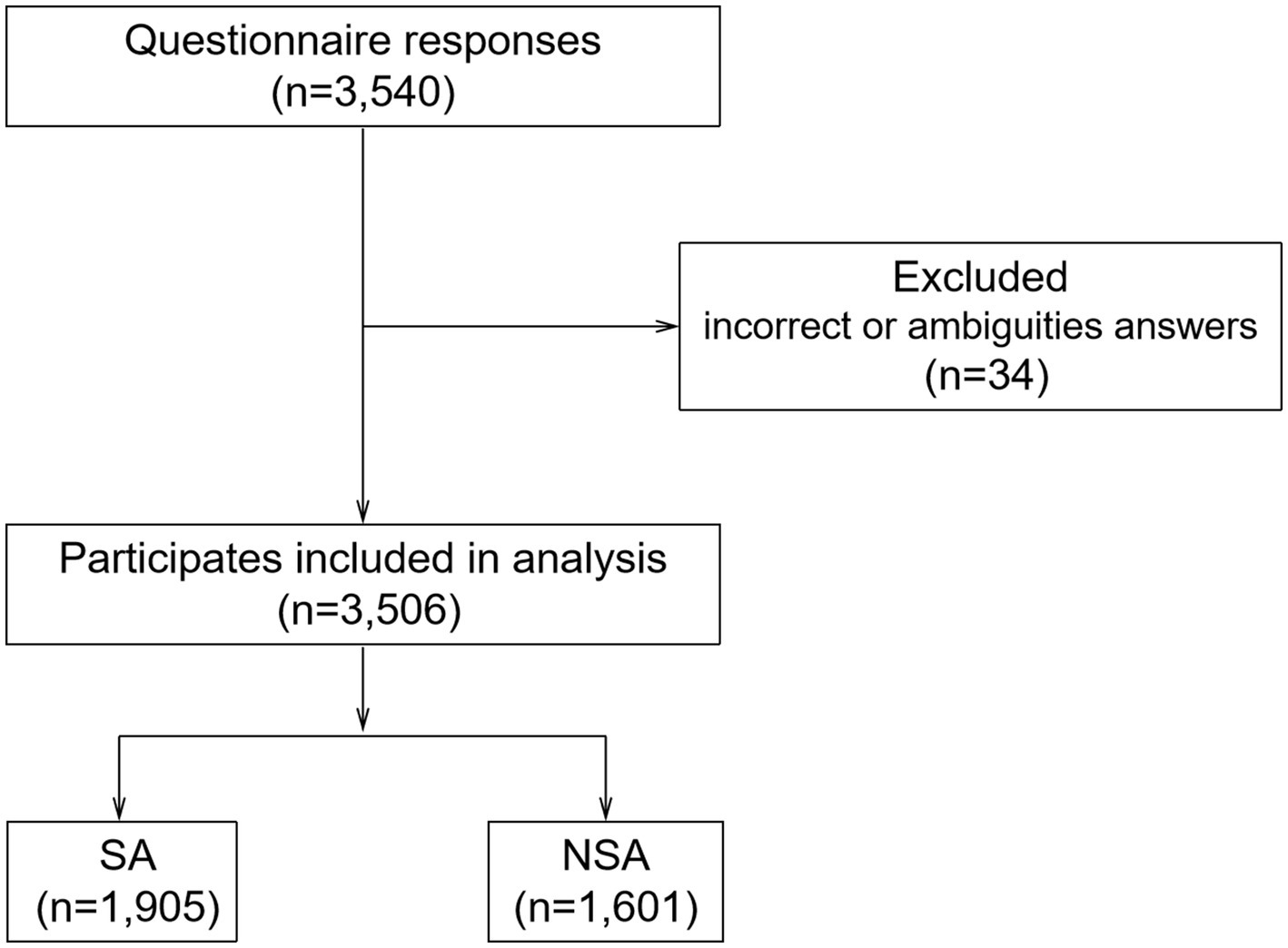
Figure 1. Flowchart of participants selection.
This study was approved by the Research Ethics Committee, The First People’s Hospital of Baiyin. Participants were assured that any personal information obtained from the questionnaires would be kept confidential and used solely for research purposes. Informed consent was obtained from all participants before they completed the questionnaire.
Questionnaire
The questionnaire for this study was meticulously developed following an exhaustive review of pertinent literature. It was structured to include both independent and dependent variables. The independent variables (IVs) were designed to capture a range of sociodemographic attributes of the student participants, including but not limited to age, gender, ethnicity, academic discipline, grade, the geographic location of their university (divided into Southwest China and Northwest China), the university’s Double 1st-Class status, home region, whether they are an only child, romantic relationships, and relationships with classmates. Additionally, the IVs included elements related to physical activity participation and exercise intensity maintained by the students. The dependent variable (DV) of the study was specifically focused on SA.
Scales for questionnaire
Physical activity rating scale
The evaluation of EI in this study was facilitated by the Physical Activity Rating Scale (PARS-3), an instrument initially developed by Kimio Hashimoto, a distinguished psychologist at Kyushu University in Japan. The scale has since been adapted into a revised Chinese version by researcher Liang (23). The PARS-3 consists of three distinct components that assess exercise intensity, duration, and frequency of engagement over the preceding month. Each component is evaluated using a 5-point Likert scale, with slight variations in the scoring range to accommodate the nature of each item. Specifically, the exercise intensity and exercise frequency components are scored on a scale from 1 to 5, while the duration component uses a scoring system ranging from 0 to 4.
The aggregate score for physical activity was determined using the formula: total PA score = exercise intensity × duration time × exercise frequency. This method yields a cumulative score ranging from 0 to 100 points (17, 24, 25). Higher scores indicate a more robust engagement in physical activity (17, 25). Additionally, EI was categorized into three distinct levels according to the classification system established by Liang (20): low-intensity (≤ 19 points), moderate-intensity (20–42 points), and vigorous-intensity (≥ 43 points). In this study, the Cronbach’s α coefficient for the PARS-3 scale was 0.709, indicating the scale’s internal consistency.
Smartphone addiction scale-Chinese short version
All participants in the study completed the Smartphone Addiction Scale-Chinese Short Version (SAS-CSV) to gage the severity of compulsive internet use. Kwon et al. developed the original Smartphone Addiction Scale (SAS), which contains 33 items and 6 factors based on self-reporting (26). It was subsequently revised into the Smartphone Addiction Scale-Short Version (SAS-SV) (27), which is widely used to measure SA among college students (28, 29). The SAS-SV was created by screening out 10 items most closely associated with smartphone dependence from the SAS and using an expert rating method to form a single dimension. Chinese scholar Zhao translated the SAS-SV into Chinese and evaluated it to establish the SAS-CSV (29).
The scale employs a 6-point Likert scale system, ranging from 1 (strongly disagree) to 6 (strongly agree) points (1 = strongly disagree, 2 = disagree, 3 = somewhat disagree, 4 = somewhat agree, 5 = agree, 6 = strongly agree), with total scores ranging from 10 to 60 points. Higher scores indicate a greater tendency toward SA. The criteria for addiction are: if a female score ≥ 33, or a male score ≥ 31, they are classified as having a SA; otherwise, they are considered non-addicted (24). The Cronbach’s α coefficient for the scale is 0.911 (24). In the present sample, the scale exhibited excellent reliability, with a Cronbach’s α coefficient of 0.929, indicating a high level of internal consistency among the items.
Validity and reliability of scales
Two scales were used in this study: the Physical Activity Rating Scale (PARS-3) and the Smartphone Addiction Scale-Chinese Short Version (SAS-CSV). Both scales are widely used in research. The PARS-3 has been applied by many Chinese scholars in recent years (16, 30–32). In this study, the Cronbach’s α coefficient for the PARS-3 scale was 0.709, indicating the scale’s internal consistency. The SAS-SV has been widely used in both domestic and international research (33–35). Chinese scholar Zhao Hao (29) translated the SAS-SV into the SAS-CSV. In the present sample, the scale exhibited excellent reliability, with a Cronbach’s α coefficient of 0.929, indicating a high level of internal consistency among the items.
Statistical analysis
The measurement data are reported as the median and interquartile range (IQR) for continuous variables, denoted as [M (P25, P75)], due to their non-normal distribution. The Mann–Whitney U test was utilized to evaluate relationships between two data groups. Categorical data were presented in terms of frequency (n) and percentage (%). The chi-square test or Fisher’s exact test, as appropriate, was employed to detect differences between two or more groups. A descriptive analysis was conducted on all participants.
Univariate and multivariate logistic regression analyses were undertaken to determine the odds ratios (ORs) with 95% confidence intervals (CIs) for exploring the relationships between PA, EI and SA. A total of three models were constructed. In Model 1, adjustments were made for potential confounding sociodemographic characteristics including age, sex, ethnicity, home region, and being an only child. Model 2 included additional adjustments for university-related variables such as university ranking, location, discipline, and grade. Model 3 was fully adjusted and further included social relations, consisting of romantic relationships and relationships with classmates. All statistical analyses were performed using the statistical software package R 4.2.1 (The R Foundation, Vienna, Austria)2 and the Free Statistics software (version 2.0: Beijing Free Clinical Medical Technology Co. Ltd., Beijing, China), which utilizes R as the underlying statistical engine and has a graphical user interface (GUI) developed in Python. A p-value of <0.05 (two-sided) was considered statistically significant.
Results
Baseline characteristics of participants
A total of 3,506 participants, aged 19.0 (19.0, 20.0) years, were included in the analysis. Of these, 1,905 (54.3%) participants had SA disorder. Tables 1, 2 illustrate the baseline characteristics of all participants, categorized by their PA and EI. Compared to the group that did not engage in PA, the group participating in PA had a higher proportion of male participants (p < 0.001), a higher percentage of STEM discipline students (p < 0.001), a higher proportion of freshmen (p < 0.001), a higher percentage of students not in a romantic relationship (p < 0.001), a higher proportion who got along well with classmates (p < 0.001), and a lower percentage of SA disorder (p < 0.001). However, there were no significant differences between the two or three groups in terms of ethnicity, double first-class university status, university location, home region, or only-child status. Similar results were observed when comparing the group with lower EI, with college students who had higher EI being more likely to be male, in STEM disciplines, first-year students, not in a romantic relationship, having great relationships with classmates, and less likely to have SA disorder.
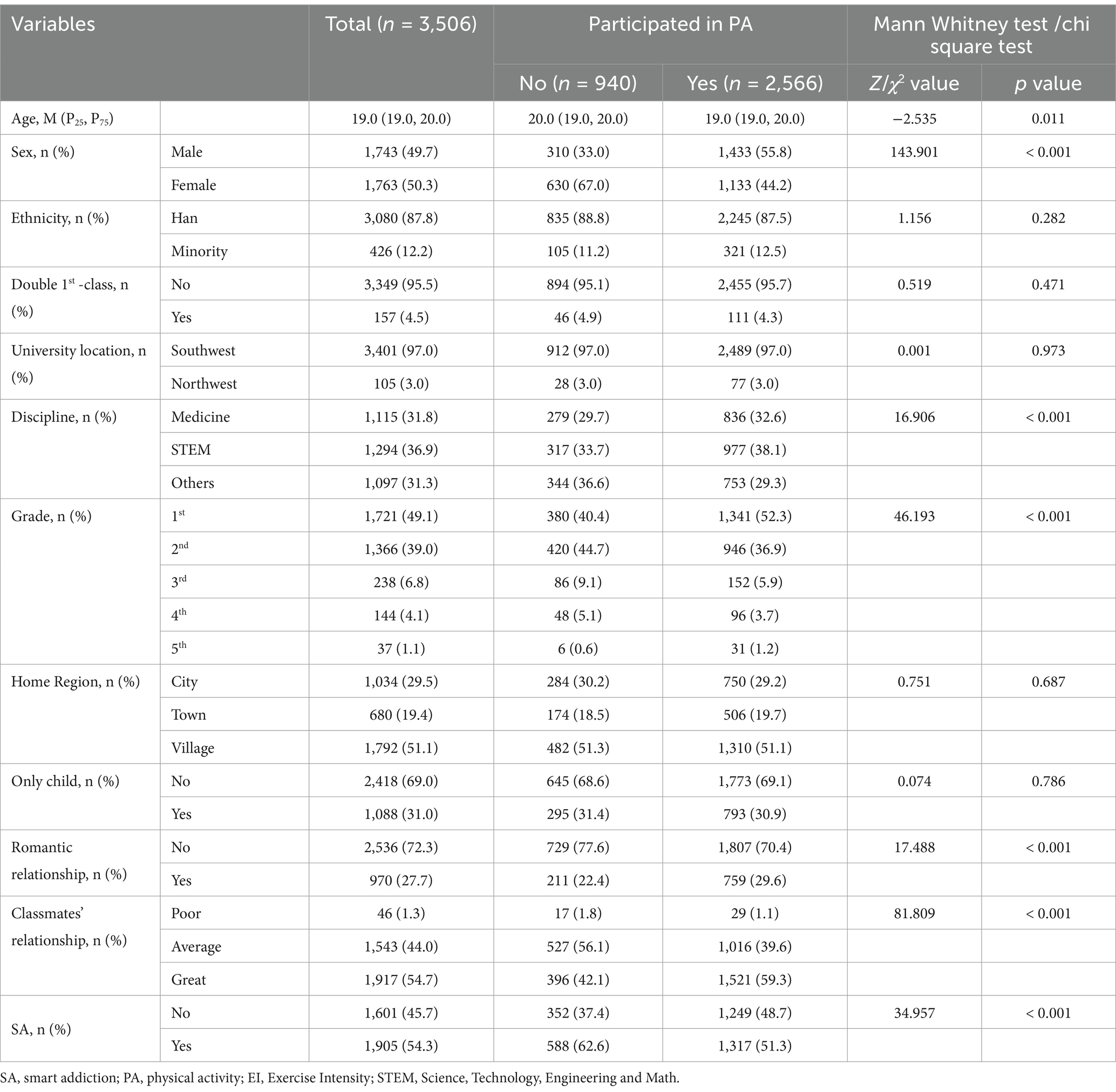
Table 1. Baseline characteristics of participants (n = 3,506).
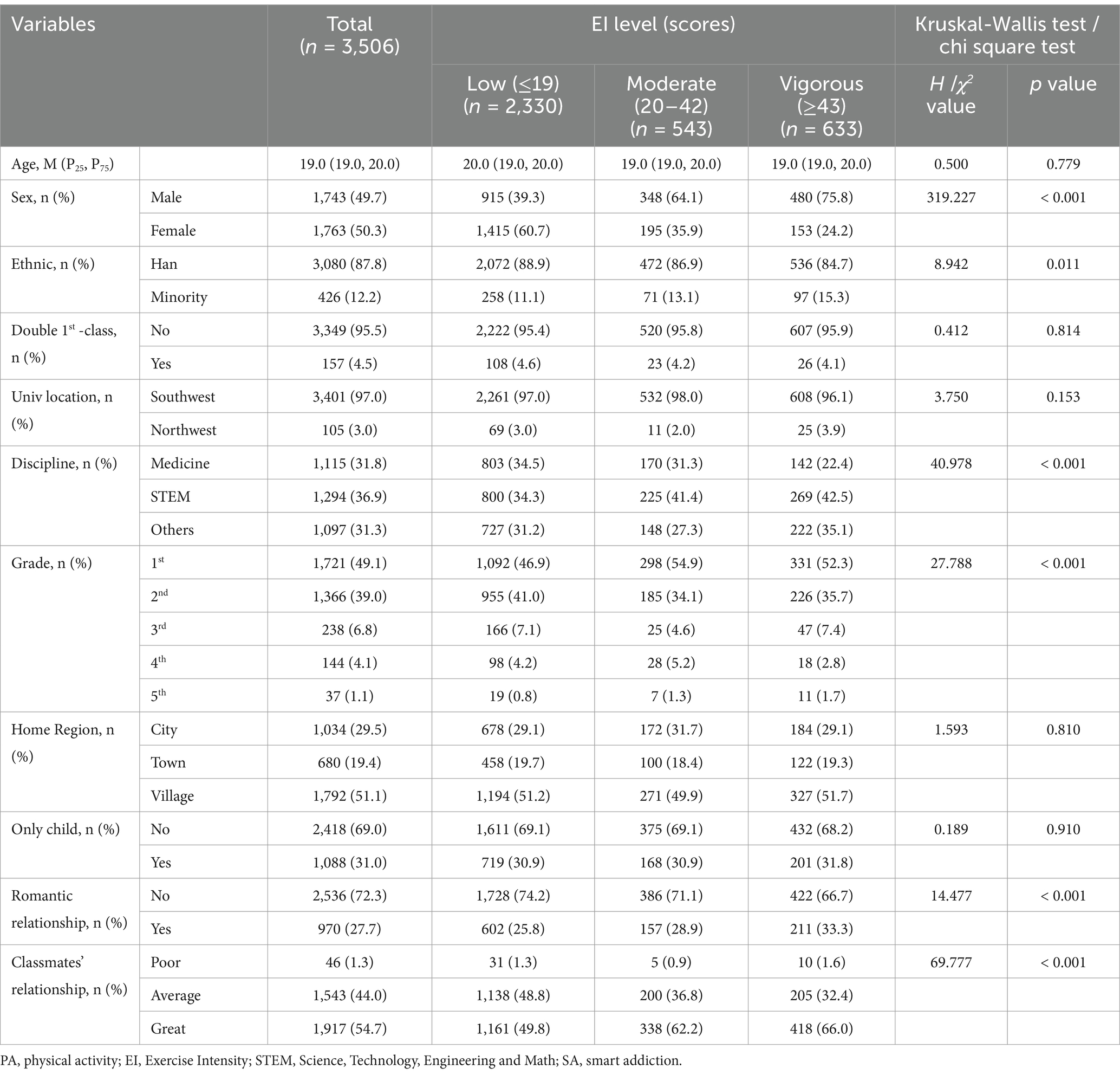
Table 2. Baseline characteristics of participants (n = 3,506).
Relationship between PA, EI and SA
In the univariate logistic regression analysis, PA, described as a binary variable, showed an inverse association with SA (OR = 0.63, 95% CI = 0.54–0.74, p < 0.001; Table 3). More importantly, this association remained statistically significant even after adjusting for potential confounders (Table 4, model 3), with an OR of 0.70 (95% CI = 0.59–0.82, p < 0.001).
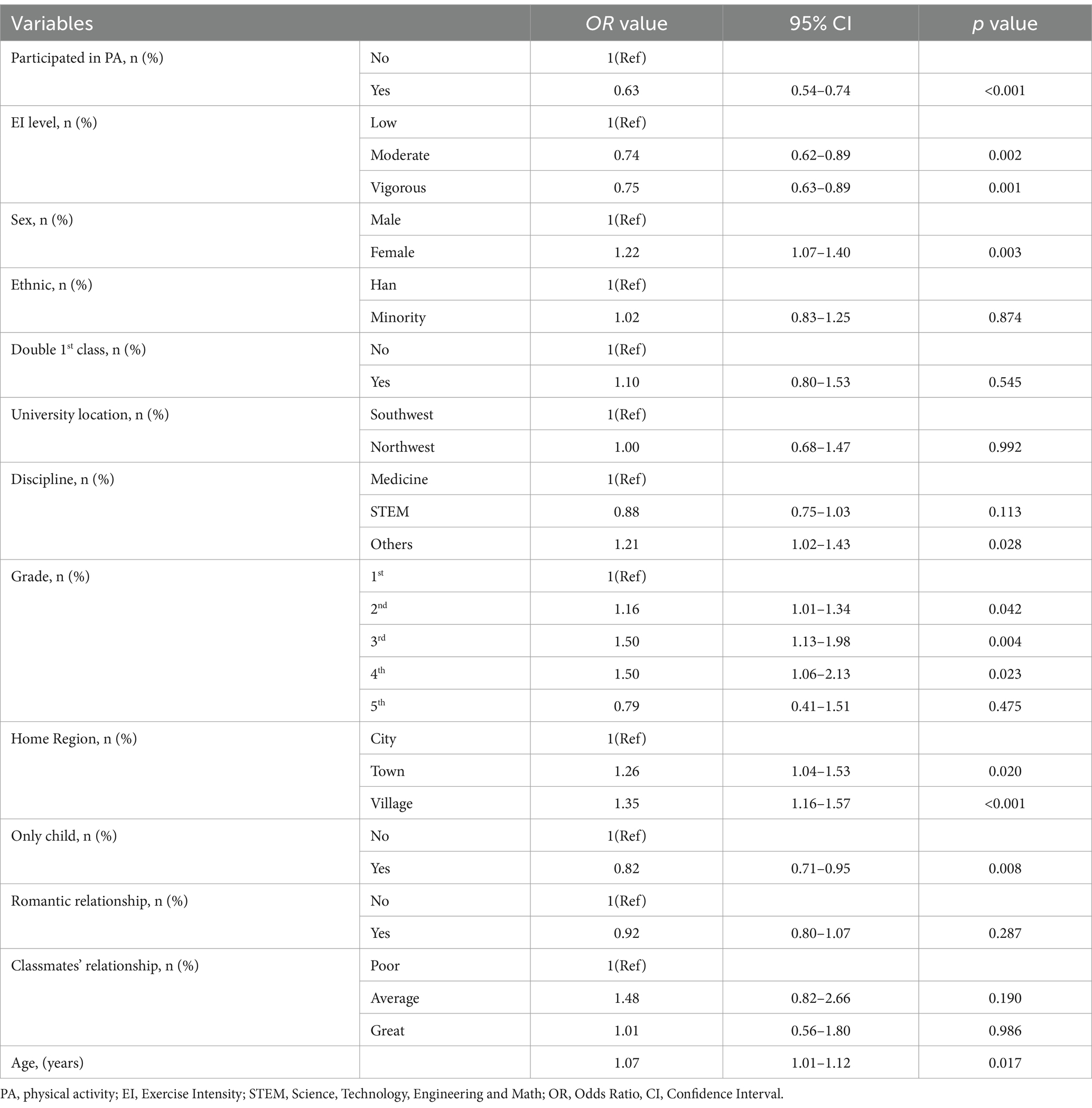
Table 3. Association of covariates and smartphone addiction risk.
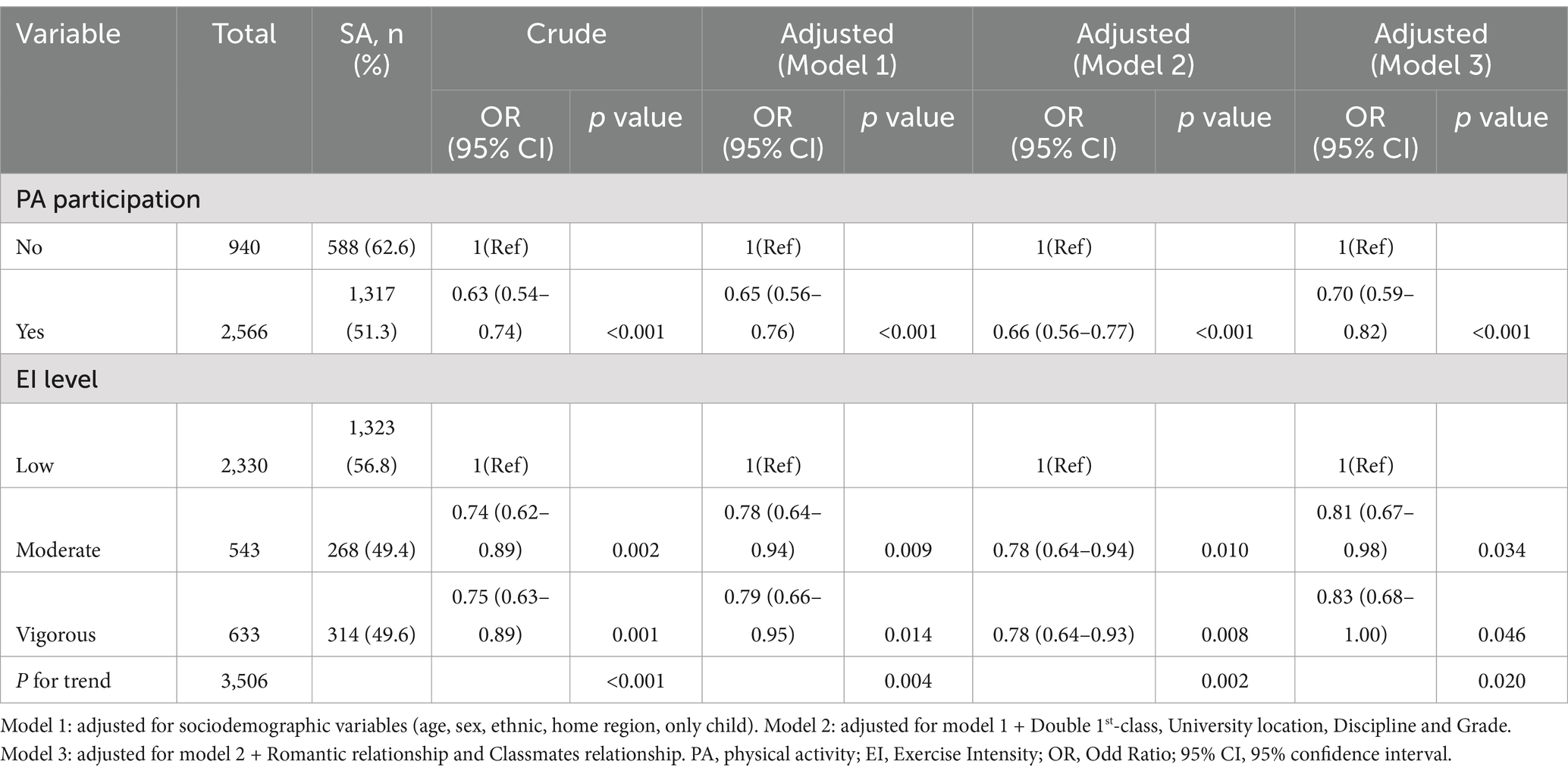
Table 4. Associations among participation of PA, EI and SA in the multiple regression model.
Meanwhile, in the univariate logistic regression analyses, EI, expressed as a categorical variable with three levels, also demonstrated a negative association with SA. Specifically, compared with individuals with low EI, the crude ORs for moderate EI and vigorous EI were 0.74 (95% CI = 0.62–0.89, p = 0.002) and 0.75 (95% CI = 0.63–0.89, p = 0.001), respectively (Table 3). Furthermore, this association remained statistically significant, with ORs of 0.81 (95% CI = 0.67–0.98, p = 0.034) and 0.83 (95% CI = 0.68–1.00, p = 0.046), respectively, independent of potential confounders (Table 4, model 3). Moreover, in this context, with the increased in EI levels, there was a discernible trend toward a decrease in SA, P for trend was 0.020 (Table 4, model 3).
Subgroup analysis
Further, we conducted stratified and interaction analyses to ascertain potential effect modification on the relationship between PA and SA (Figure 2). Consistent results were observed when the analysis was stratified by sex, ethnicity, double first-class status, university location, discipline, grade, home region, romantic relationship status, and classmates’ relationships. In addition, as shown in Figure 2, PA was associated with SA among college students who were female (OR = 0.68, 95% CI = 0.56–0.84), of Han nationality (OR = 0.67, 95% CI = 0.56–0.79), from non-double first-class universities (OR = 0.67, 95% CI = 0.57–0.79), located in northwest China (OR = 0.44, 95% CI = 0.14–1.34), in STEM disciplines (OR = 0.63, 95% CI = 0.48–0.82), junior students (OR = 0.52, 95% CI = 0.28–0.96), from towns (OR = 0.58, 95% CI = 0.40–0.85), not in a romantic relationship (OR = 0.66, 95% CI = 0.55–0.80), and had good relationships with classmates (OR = 0.66, 95% CI = 0.52–0.83). However, no statistically significant interactions were found in any subgroup analyses for effect modification, suggesting that the risk estimates for developing SA were largely consistent across different subgroups.

Figure 2. Forest plot. Association between PA and SA according to different subgroups. Each stratification factor was adjusted for all other variables, including age, sex, ethnicity, home region, only-child status, double first-class status, university location, discipline, grade, relationship status, and interpersonal relationships, except for the stratification component itself. STEM, Science, Technology, Engineering, and Math; OR, Odds Ratio; 95% CI, 95% Confidence Interval.
Discussion
This study explores the link between PA, EI, and SA among college students in Western China. Findings reveal an inverse relationship: students engaging in higher-intensity PA had a lower risk of SA. This remained significant after adjusting for confounders, with subgroup analyses confirming the robustness of the results across demographic and lifestyle factors. Promoting PA may effectively manage SA, aligning with research on PA’s protective role against behavioral addictions like internet addiction (20, 36). The large sample size enhances the reliability of these findings.
Although IA and SA share similarities, a key distinction is that smartphones are more portable and convenient to use, whereas computers often provide greater power for gaming with enhanced psychological rewards. Supporting this, Rozgonjuk et al. found that while risk factors generally had stronger associations with problematic internet use than with smartphone use, fear of missing out was more strongly linked to problematic smartphone use (37).
Our findings are in line with previous studies from other regions in China, such as Central (38) and Northern China (39), showing a similar pattern among college students. For instance, research in Central China demonstrated a significant reduction in SA after students engaged in basketball and Baduanjin for 12 weeks, with benefits sustained for an additional 2 months (40). This effect, observed in students from a different geographical context, highlights the potential of PA as a preventive approach to SA across various Chinese ethnics/races, consistent with the idea that the benefits of PA in mitigating SA also apply to college students in Western China.
Findings from Taiwan region contrast with ours, as a six-month longitudinal study reported no significant link between PA and SA (41). These differences may reflect cultural variations in exercise habits, smartphone use, attitudes toward PA, or age. Similar inconsistencies between mainland China and Taiwan region in health behaviors (36, 42) suggest that distinct forms of PA or fitness norms among mainland students may influence the PA-SA link. Further research should explore these cultural differences to validate our findings.
The analysis of EI highlights PA’s role in managing SA, as students engaging in moderate-to-vigorous PA had significantly lower odds of SA. Higher-intensity PA may offer protective benefits by fostering resilience and improving mood, reducing smartphone dependency (43, 44). Vigorous PA promotes endorphin release, which buffers against stress and anxiety linked to SA (20).
The inverse association between PA and SA remained consistent across subgroups, including gender, ethnicity, academic discipline, and social factors, suggesting PA’s protective effect is broadly applicable. This indicates that PA’s impact on SA likely stems from fundamental psychological or physiological mechanisms, rather than context-specific factors. The similar benefits across relationship statuses and academic disciplines support PA as a general preventive measure, due to its wide-ranging mental health benefits (45, 46). This uniformity suggests that PA interventions can be widely implemented without extensive customization, making them accessible to large student populations.
Our comparisons with studies from Central and Northern China, as well as Taiwan region, highlight the importance of cultural and environmental contexts in PA and SA research. Mainland Chinese students may prioritize fitness differently from students in Taiwan, influenced by unique societal expectations, which could shape how PA affects SA. Cultural factors significantly influence health behaviors, explaining the differing impact of PA across these populations (36, 42). Future research should explore these cultural influences to tailor intervention programs to regional behaviors and preferences.
Specific interventions could include tertiary institutions promoting greater student participation in physical activity through educational campaigns, providing suitable facilities, and organizing competitive sporting events (47).
It is important to note that China is divided into six major regions—North China, Northeast China, East China, South Central China, Southwest China, and Northwest China—by the National Bureau. This regional division helps better understand the nation’s characteristics, including its economy, climate, geography, governance, and administrative divisions (48).
Our current findings were collected solely from Western China, which has a disadvantaged economic status, partly due to its geographic features, such as high mountains and desert regions, as well as lower educational opportunities. Students from these areas may face less academic pressure due to fewer “tiger parents” in the region. While our data provides valuable insights into PA and SA, it may not be generalizable to students across all of China or the world. To address this limitation, we plan to conduct future longitudinal studies with larger cohorts from various regions of China—Eastern, Western, Southern, Northern, and Central—using a well-designed approach. Furthermore, we will minimize bias in cohort recruitment by accounting for factors such as ethnicity, sex, age, study years, academic discipline, parental education levels, and professions. This methodology is expected to provide more reliable and representative outcomes that can be generalized more effectively.
Since self-response bias is a key issue in psychometrics, Rosenman et al. developed a unique stochastic frontier estimation (SFE) method that substantially reduces, if not eliminates, this bias (49). We plan to adopt this system in our future study.
Although the current study’s cross-sectional design cannot establish causality between PA and SA, it reveals a significant association. The data cannot confirm whether PA directly reduces SA or if students with lower SA are more likely to engage in PA. Unmeasured factors, such as personality traits, lifestyle habits, or support systems, may influence both PA and SA. Previous research emphasizes the importance of longitudinal and experimental designs to clarify causality in behavioral addiction studies (27, 50). Future research using longitudinal and intervention-based approaches could better assess the causal relationship between PA and SA.
Our findings suggest mechanisms through which PA might reduce SA, including stress reduction, mood enhancement, and increased social interaction. PA has been shown to decrease stress, anxiety, and depressive symptoms, which could reduce students’ reliance on smartphones as coping tools (43, 51). Team-based PA also provides opportunities for socialization, offering an alternative to smartphone-based interactions and potentially reducing excessive smartphone use (44). These psychological benefits support PA’s inclusion in mental health and SA prevention programs, reinforcing its role in student well-being.
Conclusion
In conclusion, promoting PA, especially at higher intensities, could help manage SA among college students. By integrating these findings into university wellness programs, institutions can address SA and encourage healthier lifestyles. Future research should explore cultural variations, causative mechanisms, and tailored interventions to maximize PA’s impact on reducing SA.
Data availability statement
The raw data supporting the conclusions of this article will be made available by the authors, without undue reservation.
Ethics statement
The studies involving humans were approved by the Research Ethics Committee, The First People's Hospital of Baiyin (YL-KY-2022-038). The studies were conducted in accordance with the local legislation and institutional requirements. The participants provided their written informed consent to participate in this study. The social media data was accessed and analyzed in accordance with the platform's terms of use and all relevant institutional/national regulations.
Author contributions
CL: Data curation, Formal analysis, Writing – original draft. PC: Data curation, Formal analysis, Funding acquisition, Methodology, Writing – original draft, Writing – review & editing. JL: Methodology, Writing – review & editing. XL: Formal analysis, Validation, Writing – review & editing. YW: Data curation, Formal analysis, Writing – review & editing. MW: Data curation, Formal analysis, Writing – review & editing. PY: Formal analysis, Investigation, Writing – review & editing. XC: Data curation, Formal analysis, Writing – review & editing. BH: Writing – review & editing. XY: Supervision, Writing – review & editing. SB: Conceptualization, Writing – review & editing. HZ: Funding acquisition, Supervision, Writing – review & editing.
Funding
The author(s) declare that financial support was received for the research, authorship, and/or publication of this article. This research was supported by grants from the Centre for Industrial Development of Leisure Sports Research, Sichuan (XXTYCY2024A12); the National Natural Science Foundation of China (82073539); College Students’ Innovation and Entrepreneurship Training Program of Chengdu University (CDUCX2024186). Gansu Provincial Science and Technology Program Sponsorship (24RCKD001), China, The deep integration of medical and health care advances clinical rehabilitation and fosters the high-quality development of health services.
Conflict of interest
The authors declare that the research was conducted in the absence of any commercial or financial relationships that could be construed as a potential conflict of interest.
The author(s) declared that they were an editorial board member of Frontiers, at the time of submission. This had no impact on the peer review process and the final decision.
Generative AI statement
The authors declare that no Gen AI was used in the creation of this manuscript.
Publisher’s note
All claims expressed in this article are solely those of the authors and do not necessarily represent those of their affiliated organizations, or those of the publisher, the editors and the reviewers. Any product that may be evaluated in this article, or claim that may be made by its manufacturer, is not guaranteed or endorsed by the publisher.
Supplementary material
The Supplementary material for this article can be found online at: https://www.frontiersin.org/articles/10.3389/fpubh.2025.1530947/full#supplementary-material
Footnotes
References
1. Government P. China officially begins commercial use of 5G. (2019). Available from: https://www.gov.cn/xinwen/2019-06/07/content_5398188.htm (Accessed on 2024-08-01)
2. CNNIC. (2024). The 53rd Statistical Report of China's Internet Development. Available from: https://www.cnnic.net.cn/n4/2024/0321/c208-10962.html (Accessed on 2024-08-01)
3. CNNIC. The 47rd Statistical Report of China's Internet Development. (2021). Available from: https://www.cnnic.cn/n4/2022/0401/c88-1125.html (Accessed on 2024-08-01)
4. Olson, JA, Sandra, DA, Colucci, ÉS, al, A, Chmoulevitch, D, Nahas, J, et al. Smartphone addiction is increasing across the world: a meta-analysis of 24 countries. Comput Hum Behav. (2022) 129:107138. doi: 10.1016/j.chb.2021.107138
5. Wang, Y, and Ma, Q. The impact of social isolation on smartphone addiction among college students: the multiple mediating effects of loneliness and COVID-19 anxiety. Front Psychol. (2024) 15:1391415. doi: 10.3389/fpsyg.2024.1391415
6. De-Sola Gutierrez, J, Rodriguez De Fonseca, F, and Rubio, G. Cell-Phone Addiction: A Review. Front Psychiatry. (2016) 7:175. doi: 10.3389/fpsyt.2016.00175
7. Huang, Q, Lin, S, Li, Y, Huang, S, Liao, Z, Chen, X, et al. Suicidal ideation is associated with excessive smartphone use among Chinese college students. Front Public Health. (2021) 9:809463. doi: 10.3389/fpubh.2021.809463
8. Wang, Q, Chen, Y, and Li, L. Effects of physical activity and self-control on mobile phone addiction in college students: a cross-lagged study in China. Front Psychol. (2024) 15:1417379. doi: 10.3389/fpsyg.2024.1417379
9. Li, X, Liu, Y, Rong, F, Wang, R, Li, L, Wei, R, et al. Physical activity and social anxiety symptoms among Chinese college students: a serial mediation model of psychological resilience and sleep problems. BMC Psychol. (2024) 12:440. doi: 10.1186/s40359-024-01937-w
10. Sun, C, Zhu, Z, Zhang, P, Wang, L, Zhang, Q, Guo, Y, et al. Exploring the interconnections of anxiety, depression, sleep problems and health-promoting lifestyles among Chinese university students: a comprehensive network approach. Front Psychol. (2024) 15:1402680. doi: 10.3389/fpsyt.2024.1402680
11. Liu, M, Liu, H, Qin, Z, Tao, Y, Ye, W, and Liu, R. Effects of physical activity on depression, anxiety, and stress in college students: the chain-based mediating role of psychological resilience and coping styles. Front Psychol. (2024) 15:1396795. doi: 10.3389/fpsyg.2024.1396795
12. Park, JH, Moon, JH, Kim, HJ, Kong, MH, and Oh, YH. Sedentary lifestyle: overview of updated evidence of potential health risks. Korean J Fam Med. (2020) 41:365–73. doi: 10.4082/kjfm.20.0165
13. Brown, CEB, Richardson, K, Halil-Pizzirani, B, Atkins, L, Yucel, M, and Segrave, RA. Key influences on university students' physical activity: a systematic review using the theoretical domains framework and the COM-B model of human behaviour. BMC Public Health. (2024) 24:418. doi: 10.1186/s12889-023-17621-4
14. Carter, B, Payne, M, Rees, P, Sohn, SY, Brown, J, and Kalk, NJ. A multi-school study in England, to assess problematic smartphone usage and anxiety and depression. Acta Paediatr. (2024) 113:2240–8. doi: 10.1111/apa.17317
15. jelleli, H, Ben, M, Kaddech, N, Saidane, M, Guelmami, N, Bragazzi, NL, et al. Examining the interplay between physical activity, problematic internet use and the negative emotional state of depression, anxiety and stress: insights from a moderated mediation path model in university students. BMC Psychol. (2024) 12:406. doi: 10.1186/s40359-024-01736-3
16. Du, Z, Wang, T, Sun, Y, and Feng, Z. The influence of physical activity on internet addiction among Chinese college students: the mediating role of self-esteem and the moderating role of gender. BMC Public Health. (2024) 24:935. doi: 10.1186/s12889-024-18474-1
17. Cai, P, Wang, J, Ye, P, Feng, X, Yang, G, Huang, C, et al. Physical exercise/sports ameliorate the internet addiction from college students during the pandemic of COVID-19 in China. Front Public Health. (2023) 11:1310213. doi: 10.3389/fpubh.2023.1310213
18. Edelmann, D, Pfirrmann, D, Heller, S, Dietz, P, Reichel, JL, Werner, AM, et al. Physical activity and sedentary behavior in university students-the role of gender, age, field of study, targeted degree, and study semester. Front Public Health. (2022) 10:821703. doi: 10.3389/fpubh.2022.821703
19. Huaxia. Western China provinces accelerate layout of clean energy. Xinhua News. (2023). Available at: https://english.news.cn/20231228/7a82936e86a24b459ffb55f3ae644b65/c.html
20. Kim, SE, Kim, JW, and Jee, YS. Relationship between smartphone addiction and physical activity in Chinese international students in Korea. J Behav Addict. (2015) 4:200–5. doi: 10.1556/2006.4.2015.028
21. Zeng, M, Chen, S, Zhou, X, Zhang, J, Chen, X, and Sun, J. The relationship between physical exercise and mobile phone addiction among Chinese college students: testing mediation and moderation effects. Front Psychol. (2022) 13:1000109. doi: 10.3389/fpsyg.2022.1000109
22. Zhang, K, Zhang, X, Zhu, Y, Wei, H, Wang, T, Lu, X, et al. Comparative study on the reliability, validity and application of three Mobile phone addiction scales based on college students (in Chinese). Modern Preventive Med. (2021) 48:3176–81.
23. Liang, D. Stress level and its relation with physical activity in college students (in Chinese). Chin Ment Health J. (1994) 8:5–6.
24. Wang, K, Li, Y, Zhang, T, and Luo, J. The relationship among college Students' physical exercise, self-efficacy, emotional intelligence, and subjective well-being. Int J Environ Res Public Health. (2022) 19, 1–14. doi: 10.3390/ijerph191811596
25. Zhao, Z, Zhao, S, Wang, Q, Zhang, Y, and Chen, C. Effects of physical exercise on Mobile phone addiction in college students: the chain mediation effect of psychological resilience and perceived stress. Int J Environ Res Public Health. (2022) 19, 1–16. doi: 10.3390/ijerph192315679
26. Kwon, M, Lee, JY, Won, WY, Park, JW, Min, JA, Hahn, C, et al. Development and validation of a smartphone addiction scale (SAS). PLoS One. (2013) 8:e56936. doi: 10.1371/journal.pone.0056936
27. Kwon, M, Kim, DJ, Cho, H, and Yang, S. The smartphone addiction scale: development and validation of a short version for adolescents. PLoS One. (2013) 8:e83558. doi: 10.1371/journal.pone.0083558
28. Luk, TT, Wang, MP, Shen, C, Wan, A, Chau, PH, Oliffe, J, et al. Short version of the smartphone addiction scale in Chinese adults: psychometric properties, sociodemographic, and health behavioral correlates. J Behav Addict. (2018) 7:1157–65. doi: 10.1556/2006.7.2018.105
29. Zhao, H, Rafik-Galea, S, Fitriana, M, and Song, TJ. Translation and psychometric evaluation of smartphone addiction scale-short version (SAS-SV) among Chinese college students. PLoS One. (2022) 17:e0278092. doi: 10.1371/journal.pone.0278092
30. Hao, M, Yang, J, Xu, S, Yan, W, Yu, H, and Wang, Q. The relationship between body dissatisfaction, lifestyle, and nutritional status among university students in southern China. BMC Psychiatry. (2023) 23:705. doi: 10.1186/s12888-023-05215-8
31. Xu, J, and Tang, L. The relationship between physical exercise and problematic internet use in college students: the chain-mediated role of self-control and loneliness. BMC Public Health. (2024) 24:1719. doi: 10.1186/s12889-024-19226-x
32. Gu, S, Zhang, X, and Peng, Y. A serial mediation model of physical exercise and loneliness: the role of perceived social support and resilience. BMC Geriatr. (2024) 24:811. doi: 10.1186/s12877-024-05407-1
33. Zhang, K, Guo, H, Zhang, X, Yang, H, Yuan, G, Zhu, Z, et al. Effects of aerobic exercise or tai chi Chuan interventions on problematic mobile phone use and the potential role of intestinal flora: a multi-arm randomized controlled trial. J Psychiatr Res. (2024) 170:394–407. doi: 10.1016/j.jpsychires.2024.01.012
34. Yogesh, M, Ladani, H, and Parmar, D. Associations between smartphone addiction, parenting styles, and mental well-being among adolescents aged 15-19 years in Gujarat, India. BMC Public Health. (2024) 24:2462. doi: 10.1186/s12889-024-19991-9
35. Ay, MK, Topuzoglu, A, and Altas, ZM. Smartphone addiction and depression among health sciences students during COVID-19 pandemic. BMC Public Health. (2024) 24:3502. doi: 10.1186/s12889-024-21075-7
36. Lepp, A, Li, J, and Barkley, JE. College students' cell phone use and attachment to parents and peers. Comput Hum Behav. (2016) 64:401–8. doi: 10.1016/j.chb.2016.07.021
37. Rozgonjuk, D, Blinka, L, Lochner, N, Faltynkova, A, Husarova, D, and Montag, C. Differences between problematic internet and smartphone use and their psychological risk factors in boys and girls: a network analysis. Child Adolesc Psychiatry Ment Health. (2023) 17:69. doi: 10.1186/s13034-023-00620-z
38. Gong, Y, Yang, H, Bai, X, Wang, Y, and An, J. The relationship between physical exercise and smartphone addiction among Chinese college students: the mediating effect of Core self-evaluation. Behav Sci (Basel). (2023) 13, 1–13. doi: 10.3390/bs13080647
39. Wang, J, Liu, X, Xu, X, Wang, H, and Yang, G. The effect of physical activity on sleep quality among Chinese college students: the chain mediating role of stress and smartphone addiction during the COVID-19 pandemic. Psychol Res Behav Manag. (2024) 17:2135–47. doi: 10.2147/PRBM.S462794
40. Xiao, T, Jiao, C, Yao, J, Yang, L, Zhang, Y, Liu, S, et al. Effects of basketball and Baduanjin exercise interventions on problematic smartphone use and mental health among college students: a randomized controlled trial. Evid Based Complement Alternat Med. (2021) 2021:8880716–2. doi: 10.1155/2021/8880716
41. Huang, PC, Chen, JS, Potenza, MN, Griffiths, MD, Pakpour, AH, Chen, JK, et al. Temporal associations between physical activity and three types of problematic use of the internet: a six-month longitudinal study. J Behav Addict. (2022) 11:1055–67. doi: 10.1556/2006.2022.00084
42. Lin, YH, Chiang, CL, Lin, PH, Chang, LR, Ko, CH, Lee, YH, et al. Proposed diagnostic criteria for smartphone addiction. PLoS One. (2016) 11:e0163010. doi: 10.1371/journal.pone.0163010
43. Hamer, M, Stamatakis, E, and Steptoe, A. Dose-response relationship between physical activity and mental health: the Scottish health survey. Br J Sports Med. (2009) 43:1111–4. doi: 10.1136/bjsm.2008.046243
44. Abuhamdah, SMA, and Naser, AY. Smart phone addiction and its mental health risks among university students in Jordan: a cross-sectional study. BMC Psychiatry. (2023) 23:812. doi: 10.1186/s12888-023-05322-6
45. Sohn, SY, Rees, P, Wildridge, B, Kalk, NJ, and Carter, B. Prevalence of problematic smartphone usage and associated mental health outcomes amongst children and young people: a systematic review, meta-analysis and GRADE of the evidence. BMC Psychiatry. (2019) 19:356. doi: 10.1186/s12888-019-2350-x
46. Werneck, AO, Kandola, A, Tebar, WR, Silva, DR, Stubbs, B, and Christofaro, DGD. Does physical activity moderate the association between device-measured sedentary time patterns and depressive symptoms in adults? Braz J Psychiatry. (2022) 44:584–9. doi: 10.47626/1516-4446-2022-2533
47. Deliens, T, Deforche, B, De Bourdeaudhuij, I, and Clarys, P. Determinants of physical activity and sedentary behaviour in university students: a qualitative study using focus group discussions. BMC Public Health. (2015) 15:201. doi: 10.1186/s12889-015-1553-4
48. Chipchura, M. Regions of China Advanta Sourcing (2023). Available at: https://www.advantasourcing.com/blog/regions-of-china
49. Rosenman, R, Tennekoon, V, and Hill, LG. Measuring bias in self-reported data. Int J Behav Healthc Res. (2011) 2:320–32. doi: 10.1504/IJBHR.2011.043414
50. Primack, BA, Shensa, A, Sidani, JE, Whaite, EO, Lin, LY, Rosen, D, et al. Social media use and perceived social isolation among young adults in the U.S. Am J Prev Med. (2017) 53:1–8. doi: 10.1016/j.amepre.2017.01.010
Keywords: physical activity, exercise intensity, smartphone addiction, college students, Western China, cross-sectional survey
Citation: Lai C, Cai P, Liao J, Li X, Wang Y, Wang M, Ye P, Chen X, Hambly BD, Yu X, Bao S and Zhang H (2025) Exploring the relationship between physical activity and smartphone addiction among college students in Western China. Front. Public Health. 13:1530947. doi: 10.3389/fpubh.2025.1530947
Edited by:
Md. Moyazzem Hossain, Jahangirnagar University, BangladeshReviewed by:
Nasr Chalghaf, University of Gafsa, TunisiaJoshua Ogunsemi, Redeemer’s University, Nigeria
Bo Li, Nantong University, China
Copyright © 2025 Lai, Cai, Liao, Li, Wang, Wang, Ye, Chen, Hambly, Yu, Bao and Zhang. This is an open-access article distributed under the terms of the Creative Commons Attribution License (CC BY). The use, distribution or reproduction in other forums is permitted, provided the original author(s) and the copyright owner(s) are credited and that the original publication in this journal is cited, in accordance with accepted academic practice. No use, distribution or reproduction is permitted which does not comply with these terms.
*Correspondence: Haifeng Zhang, NDk5NTg4NzJAcXEuY29t; Xiaoping Yu, eXV4aWFvcGluZ0BjZHUuZWR1LmNu; Shisan Bao, cHJvZmJhb0Bob3RtYWlsLmNvbQ==
†These authors have contributed equally to this work