 Folasade Olubunmi Oderinde
 Oreoluwa Ibukun Akano
 Francis Adeyinka Adesina3
 Abiodun Olusola Omotayo
- 1Department of Geography and Environmental Management, Tai Solarin University of Education, Ijebu Ode, Nigeria
- 2Department of Agricultural Economics and Extension, North-West University, Mahikeng, South Africa
- 3Department of Geography, Obafemi Awolowo University, Ile-Ife, Nigeria
- 4Food Security and Safety Focus Area Research Group, North-West University, Mahikeng, South Africa
Food security in Nigeria is presently in dire strait owing to several factors, such as skyrocketing energy prices, climate change, and terrorism. This study is aimed at revealing the role of the aforementioned factors in shaping food affordability and availability in the country. The study used descriptive statistics and coefficients of variation and determination to ascertain the change in the trend in these factors and their correlates to food security over time. From the results of our research team, we inferred that temperature increases, political instability, rising food prices and erratic energy supply have had distressing consequences in the areas of affordability, availability and stability of food supplies. We conclude that a rapidly growing population such as Nigeria's would need crucial interventions in increasing food production, mitigating the impacts of climate change, and buffering energy supplies. Ultimately, Nigeria needs to overhaul the important components of her food systems and the respective linkages between these components in order to ensure food security for the entire population.
Introduction
Food security is crucial to the achievement of the United Nations Sustainable Development Goals (SDGs) (Mollier et al., 2017; FAO et al., 2021). This is because well-nourished and healthy people are the primary focus of sustainable development. Food security is attained when all people at all times have physical, social, and economic access to sufficient, safe, and nutritious food, that meets their dietary needs and food preferences for an active and healthy life (FAO, 1996). The major dimensions to food security include the physical availability of food, economic and physical access to food, and adequate food utilization, the latter depending on the ability of the body to process and use nutritious materials. As an important global issue, food security has a close relationship with human health, nutrition, climate, and other factors (Murthy, 2016; Matemilola and Elegbede, 2017; Meybeck et al., 2017; Mc Carthy et al., 2018; Ben Abdallah et al., 2021). These “other” factors include insufficient food production, gender inequality, the implementation of poor policies, and corruption. Amongst others, factors such as conflict and civil insecurity, natural disasters, and inferior technological methods for the processing and storage of food are also significant. Food insecurity, usually associated with low incomes, denotes a lack of regular access to enough food and the consumption of diets poor in nutrients which could contribute to the development of diseases such as obesity, heart disease, hypertension, diabetes, and other chronic diseases (Murthy, 2016; FAO et al., 2021).
The different dimensions of food security are mostly affected by climate change (FAOWFP and IFAD, 2012; Mbow et al., 2019). Climate change is already affecting food availability through its impact on crop yields, and the negative impacts have generally been greater than the positive impacts (Pachauri et al., 2014; Harvey et al., 2018). Reduced food supplies lead to increased food prices which would then reduce the purchasing power of many households (FEWS NET, 2022). Globally, between 720 and 811 million people face hunger, while 3 billion people are unable to access a healthy diet as a result of rising prices, burgeoning poverty, and income inequalities. Furthermore, malnutrition in children is a serious challenge in both Africa and Asia (FAO et al., 2021).
Middle and low-income countries, particularly in sub-Saharan Africa, are the most vulnerable to the impacts of climate change owing to the climate-sensitive (agriculture and food) sectors of their economies, poor levels of economic development, weak institutional capacity, poor governance, and a rapidly growing population (IPCC, 2007; UnmuBig and Cramer, 2008; FAO and ECA, 2018). Climate change has impacted food production in Africa and is widening the food security crisis (Ketiem et al., 2017; FAO et al., 2021). Climate change is also changing the range and dynamics of pest infestations and diseases. For example, Spodoptera frugiperda (the army worm), which first invaded Africa in 2016, are now established in many parts of the continent and are posing a serious threat to food security on the continent (Ashagidigbi et al., 2022; Timilsena et al., 2022). As opposed to other regions, the prevalence of undernourishment on the African continent was the highest between 2019 and 2020 when it increased by three percent (3%) (FAOSTAT, 2022).
Climate change has also impacted the livelihoods of arable crop farmers in Nigeria (Abiona et al., 2016; Ifeanyi-obi et al., 2016; Onyeneke et al., 2018). Eze (2017) reported that high temperature stress, variability in humidity and frequent floods have been major risk factors in the production of cassava in Ebonyi State, Nigeria. Furthermore, conflicts and insurgencies are negatively affecting agriculture, especially in the North East and North Central parts of the country.
The Boko Haram insurgency that started in 2009 in the north-east of the country has led to the displacement of several households in the area, thereby impairing their access to their farmlands. This has resulted in a reduction in food production and ultimately in food insecurity (Ojo, 2020; Ladan and Badaru, 2021). There has been a long-standing conflict over land and water resources in the North Central geopolitical zone between farmers and herdsmen. This has led to the destruction of crops on farmlands by the cattle of the herdsmen, the death of farmers and herdsmen, the displacement of communities, unemployment, and food insecurity (Kah, 2017; Udosen, 2021; FEWS NET, 2022). The appalling security situation in these areas limits the opportunities for households to earn an income, while the shortage of supplies results in increased food prices, thereby reducing the population's access to food (Shittu et al., 2017).
The erratic supply of electricity and the incessant scarcity of fuel have also impacted food security in Nigeria. Fuel price increases have affected the cost of transportation, which ultimately affects food prices. Over the last 20 years, fuel (petrol) prices have been on the upward trend in the country, increasing from N22 ($0.05) in 2000 to N165 ($0.60) in 2022. Persistent increases in the price of food items in the country have had negative consequences for food security (Ajibade et al., 2020; Amolegbe et al., 2021).
Hunger and poverty are widespread and a large proportion of the population faces food-security challenges. Furthermore, several diet-related and communicable diseases are on the increase in the country. Owoo (2021) reported that access to food in Nigeria has been on the decline between 2011 and 2016, such that many urban households have been adopting strategies to cope with the situation.
Conceptual framework to guide the study
In a quest to comprehensively investigate the factors behind food insecurity in Nigeria, this study is guided by the interdependencies between climate variability, energy use, political instability, and governance indicators, and their effects on food security in Nigeria (Figure 1). The framework in Figure 1 establishes the linkages between these variables and their relevance in respect of the achievement of the highlighted SDG goals, namely no hunger, no poverty, promoting healthy lives and wellbeing, and climate action. In fact, this framework narrates the relationship between food availability/affordability and its direct determinants, amongst others, climate change and food costs. It also explores the relationship between the food security components and the perceived latent variables, such as energy and political instability.
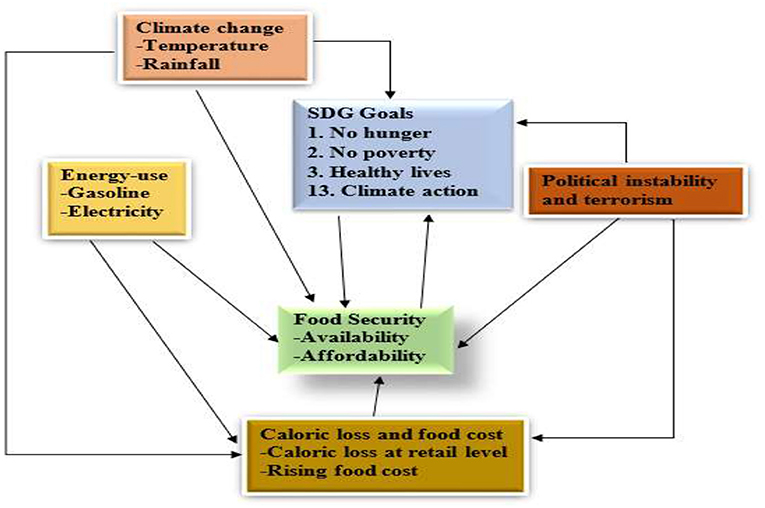
Figure 1. Conceptual framework depicting interdependencies between the study components. It relates the interconnectivity between the components of food security and several determinants, including climate change, energy use, food costs, and political instability, vis à vis the attainment of SDGs. Source: Author's framework.
Given the foregoing, the study seeks to achieve three objectives. The first is to assess the role of climate in the areas of food availability and affordability. Secondly, it seeks to assess the effect of rising fuel prices and an erratic electricity supply on food availability. Thirdly, it examines the roles of political instability, and fluctuating food prices, and caloric losses at the retail level, on food availability in Nigeria.
Methods
Study area
The study area is in Nigeria, located between latitudes 40 and 140 North and longitudes 30 and 150 East, and covers an area of 923,768 km2. It is bounded by Niger Republic in the north, Benin Republic in the west, and Chad in the north-east, Cameroon in the east and the Atlantic Ocean in the south. The topography of the country varies, with a gradual rise from the coastal plain to the northern savanna region, the latter rising to a height of about 600 to 700 meters (Federal Ministry of Environment, 2020). There are areas around the Jos Plateau and along the Cameroon border in the Eastern Highlands which exceed 1,200 m. The drainage systems include the Niger-Benue, the Chad, and the coastal river systems.
The climate of the country is influenced by the Tropical Maritime (Mt) air mass and the Tropical Continental (cT) air mass (Ojo, 1977). The climate of Nigeria is characterized by two rainfall regimes. These are a single maximum rainfall regime, with rain falling once a year, and a double maxima rainfall regime, with rain falling twice a year. The length of the rainy season decreases from south to north. The mean annual rainfall varies from about 1,800 mm to over 2,500 mm along the south-west and south-east coastal areas, respectively, to as low as 450 mm in the far hinterland of the north (Figure 2).
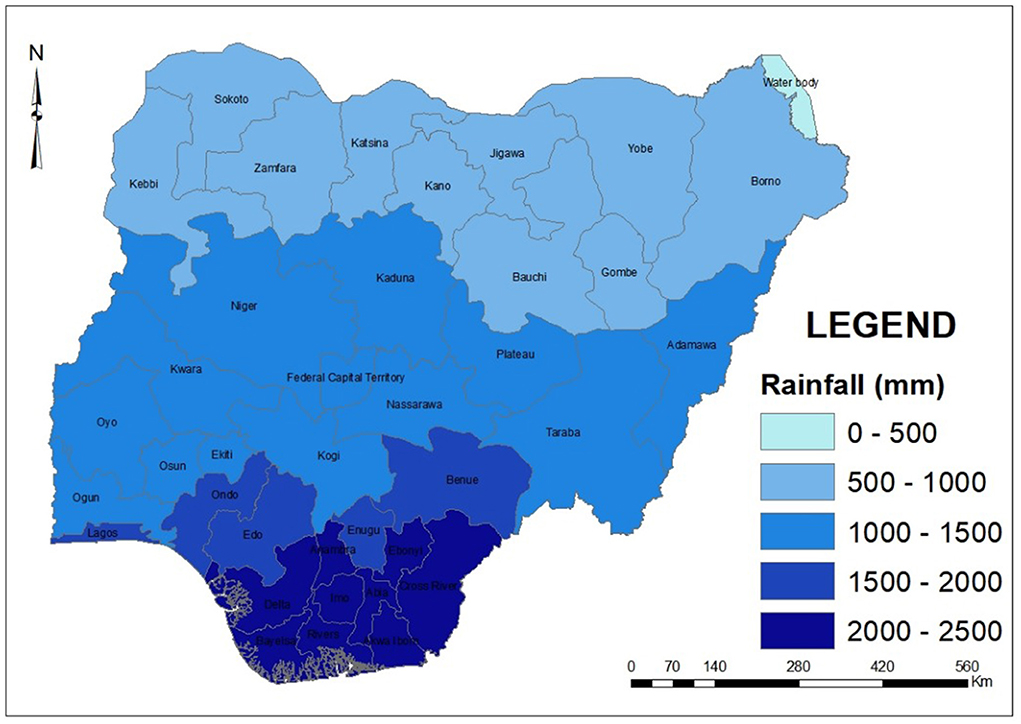
Figure 2. Rainfall distribution in Nigeria (1901–2020). Source: Generated from CRU dataset via Climate-change Knowledge Portal-World Bank.
The temperature difference between the coastal areas (26–27°C) and the interior (>27°C), as well as between the plateaux (<26°C) and the lowlands (>27°C), is remarkable (Figure 3). The southern portion of the country is covered by tropical forest vegetation, while the northern region is made up of savanna. The distribution of vegetation follows that of climate. However, human impact on the vegetation is increasing as a result of the prevailing increase in population numbers and the exploitation of resources. The soils in the country can be grouped into respective belts running parallel to one another and from the coast inland, namely the hydromorphic, ferralitic, ferruginous and the semi-arid and arid tropical soils. Agriculture is an important sector in the country's economy being the largest and a significant employer of labor (Federal Ministry of Environment, 2020).
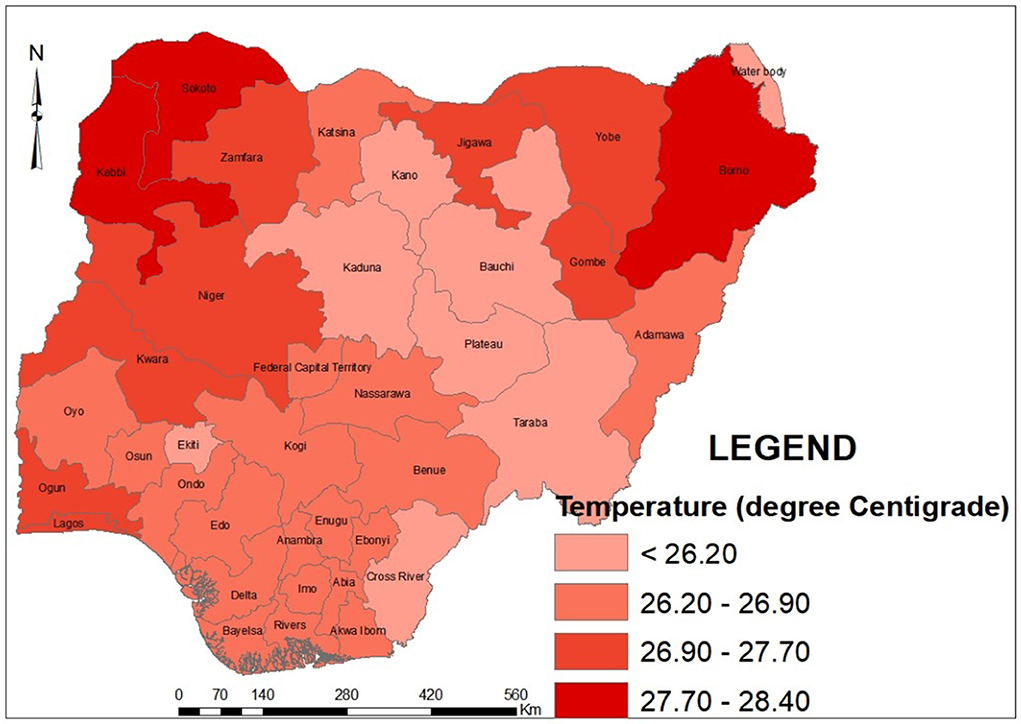
Figure 3. Mean temperature over Nigeria. (1901–2020). Source: Derived from CRU dataset via Climate-change Knowledge Portal-World Bank.
Data sources and description
The data used in the study were sourced from Food and Agricultural Organization Statistics (FAOSTAT, 2022), the Global Food Security Index (GFSI) of the Economist Intelligence Unit (EIU, 2021), and the Climate-change Knowledge Portal (World Bank Climate Change Knowledge Portal, 2022), at the national level (Table 1). Studies have utilized data from these sources at international (FAO et al., 2021) and national levels (Ayinde et al., 2020). In this study, descriptive statistics were used to report trends in the distribution of data. Inferences were made from the available data to present the effect of socioeconomic and climate influences on food security in Nigeria. However, the time series for the various data used in the study were not homogeneous; hence, stochastic and time-series models requiring that the data be in panel form were not considered.
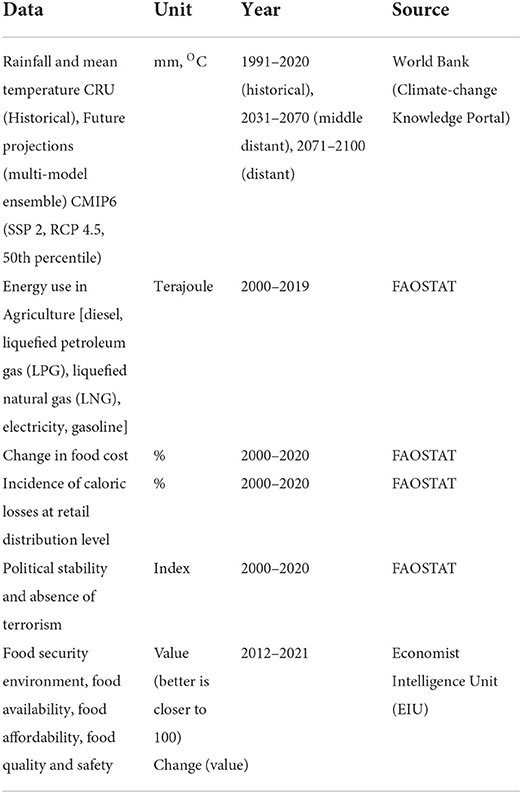
Table 1. Description and sources of data used in the study.
This team of researchers disaggregated the national data on rainfall and temperature using points along the relevant geographical zones (Borno-Northeast, Abuja-North Central, Sokoto-Northwest, Enugu-Southeast, Rivers-South South and Lagos-Southwest) to graphically depict the spatial variations in Nigeria. We selected states that were representative of each geographical zone for emphasis. Furthermore, we did not correct the climate data generated from CCKP for bias (World Bank Climate Change Knowledge Portal, 2022) because the data had already been downscaled and were already presented at low resolution levels (CRU dataset is at 0.5 × 0.5O and CMIP6 at 1.0 × 1.0O). The climate data were analyzed only for trends and variations and did not fit into any modeling procedures. Hence, we ensured that coarse data were not reported in this study. We generated future climate projections using model ensembles at SSP 2 (a shared socioeconomic pathway representing intermediate challenges to climate adaptation and mitigation), RCP 4.5 (a relative concentration pathway characterized by greenhouse gas (GHG) emission peaking by 2040), and the 50th percentile to exclude overgeneralization of the model. This process absolves the future representation of climate data from being speculative. The future climate projections are presented in the Appendix section.
Statistical analyses
Descriptive statistics (mean, standard deviation, minimum and maximum), the coefficient of variation (CV), and the coefficient of determination (R2) were used to draw statistical inferences from the data-sets.
Coefficient of variation (CV)
The coefficient of variation quantifies the variation of a distribution in a set of variables and depends on the arithmetic mean values. It is given as:
Where, S = standard deviation, X = arithmetic mean of variables.
A CV value of <20 shows low variability in rainfall (Hare, 2003), while a value of <2 shows low variability in temperature.
Coefficient of determination (R2)
The coefficient of determination (R2) is the proportion of variance in the dependent variable that is predictable from the independent variables (Wright, 1921; Chicco et al., 2021). It is expressed as:
Simplified as;
Where MSE = mean squared error.
MST = mean total sum of squares.
N.B. Worst value = -∞; best value = + 1 (Chicco et al., 2021).
Geospatial method
Using ArcGIS 10.5 version, the spatial analysis of centennial climate data on rainfall and mean temperature (1901–2020), and the projected food security situation in Nigeria (March to September, 2022) (Figure 4) were presented to add background and context to the issue of climate change and food insecurity. The maps on centennial climate data were presented by spatially interpolating the respective CRU datasets on mean temperature and rainfall across 36 states and the federal capital from 1901 to 2020 (World Bank Climate Change Knowledge Portal, 2022). Those maps for projected food security were presented using shape files obtained from FEWS NET (2022).
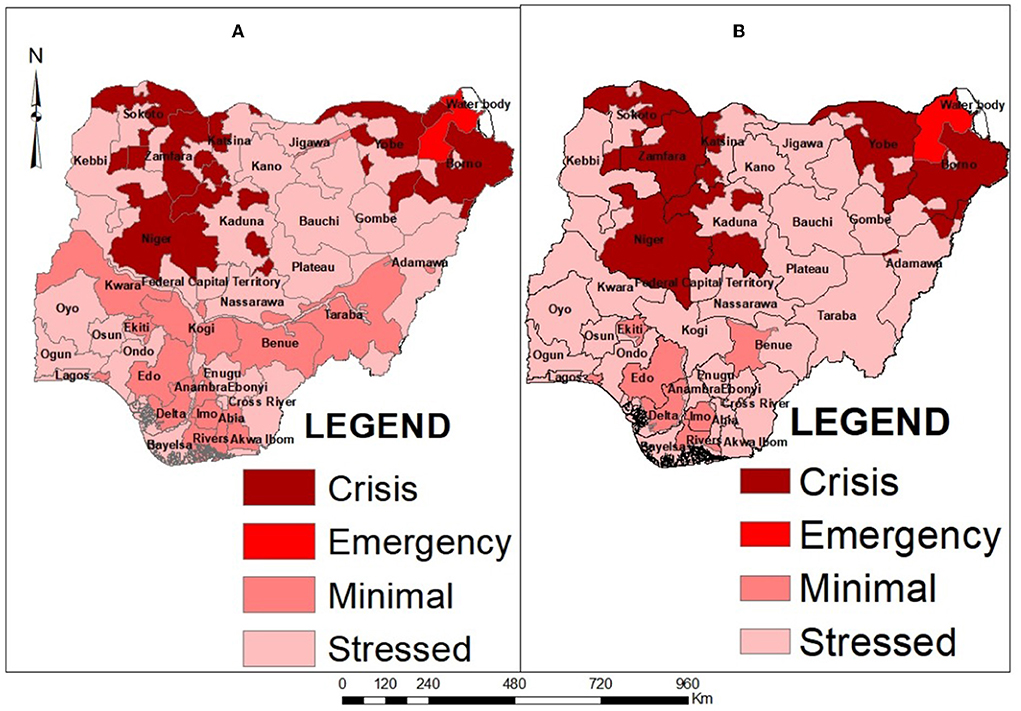
Figure 4. Projected food insecurity prevalence in Nigeria. (A) March to May 2022. (B) June to September 2022. Source: Derived from FEWS NET, 2022.
Results and discussion
Trends in temperature and rainfall
The results show that climate change poses a distressing challenge to the socioeconomic lives of the people in Nigeria and their access to food and nutritional security. Table 2 indicates significant variation (CV = 3.01) in temperature projections over Nigeria, as CVs > 2 indicate negative variations in temperature trends. This research team disaggregated national data on rainfall and temperature using points along geographical zones (Borno-Northeast, Abuja-North Central, Sokoto-Northwest, Enugu-Southeast, Rivers-South South and Lagos-Southwest). There has been significant variation in the historical temperature in the North Central (R2 = 0.573), South South (R2 = 0.713), and South East (R2 = 0.716) geographical zones (Figure 6). Mean temperatures across Nigeria increased from 26.5°C, they being the lowest observed in the 1990s, to 29.6°C in the 2000s (Table 2). There was significant variation in rainfall over the North East (R2 = 0.085), South South (R2 = 0.038), and South East (R2 = 0.036) zones (Figure 5). Moreover, over time, the coefficient of determination showed a reduction (R2 = 0.00006) in historical rainfall (1991–2020), minimal increases (R2 = 0.034) and R2 = 0.036 in the near-distant (2031–2070) and far-distant futures (2071–2100), respectively (Figures 5, Appendices A1, B1).
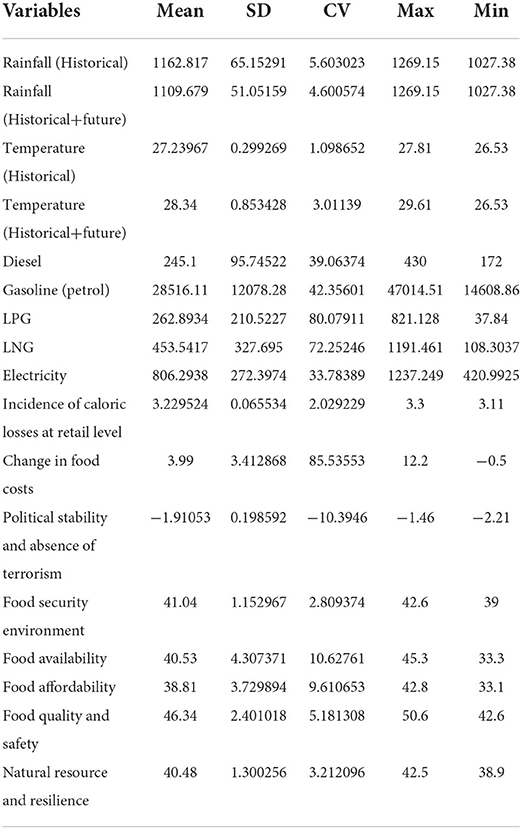
Table 2. Variations in data used in the study across Nigeria. Source: EIU, FAOSTAT, World Bank Climate Change Knowledge Portal, 2022.
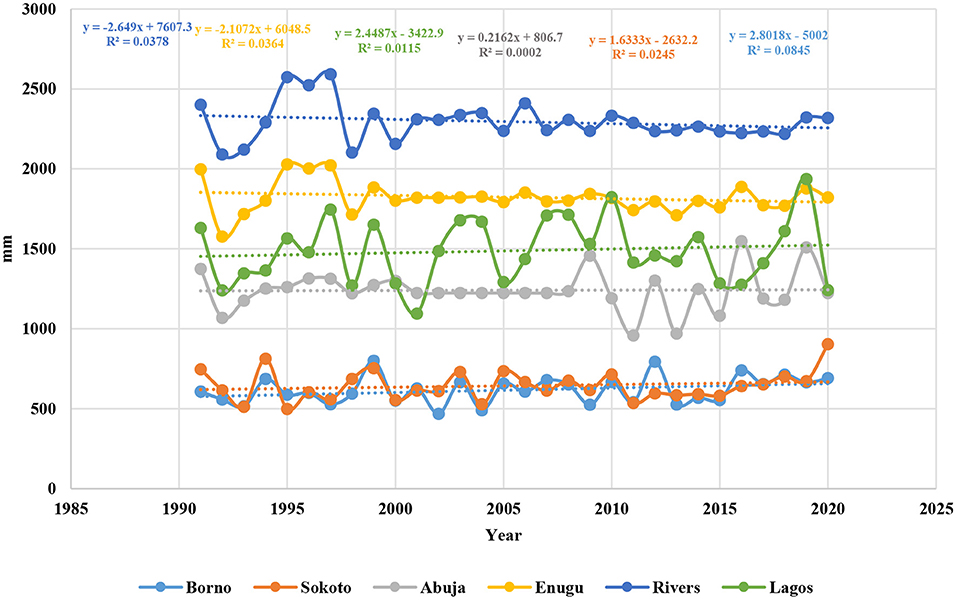
Figure 5. Rainfall distribution in Nigeria (1991–2020). Source: World Bank Climate Change Knowledge Portal (2022).
This research showed that the agricultural and food sectors are significantly impacted by climate change (Antle and Capalbo, 2010; Wossen and Berger, 2015). In the future, temperature variations and increased warming will be the most significant climate-change factors to impact the country (Abiodun et al., 2013; Haider, 2019). In fact, the results of this research show excessive variations in mean temperature for the historical (48.5%), near-distant (94.8%) and far-distant future (72.9%) (Figures 5–7). Also, a larger scale of increase in temperature compared to rainfall will have consequential outcomes on future food security in Nigeria. Increases in temperature will promote drought and desertification, crop failures and yield losses, the proliferation of new pest infestations and diseases, and ultimately, food and nutritional insecurity (Bett et al., 2017; Mustafa et al., 2019; Azare et al., 2020; Gomez-Zavaglia et al., 2020; Ristaino et al., 2021; SkendŽić et al., 2021). Owing to a larger proportion of rural dwellers in Nigeria being smallholder farmers (Cervigni et al., 2013), the impacts of climate change are likely to impede the attainment of SDG goals such as no poverty, zero hunger, good health and wellbeing, and climate action.
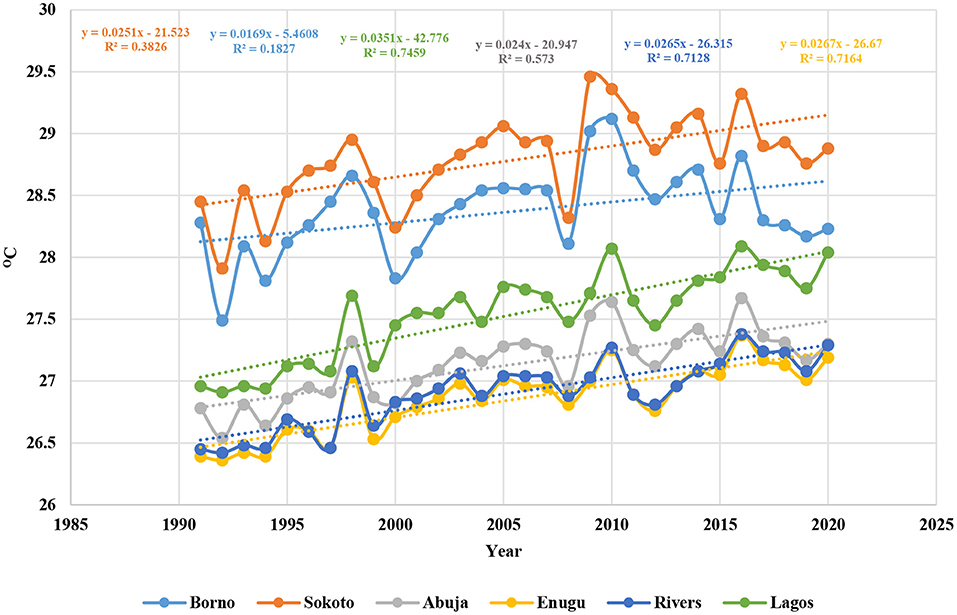
Figure 6. Temperature distribution in Nigeria (1991–2020). Source: World Bank Climate Change Knowledge Portal (2022).
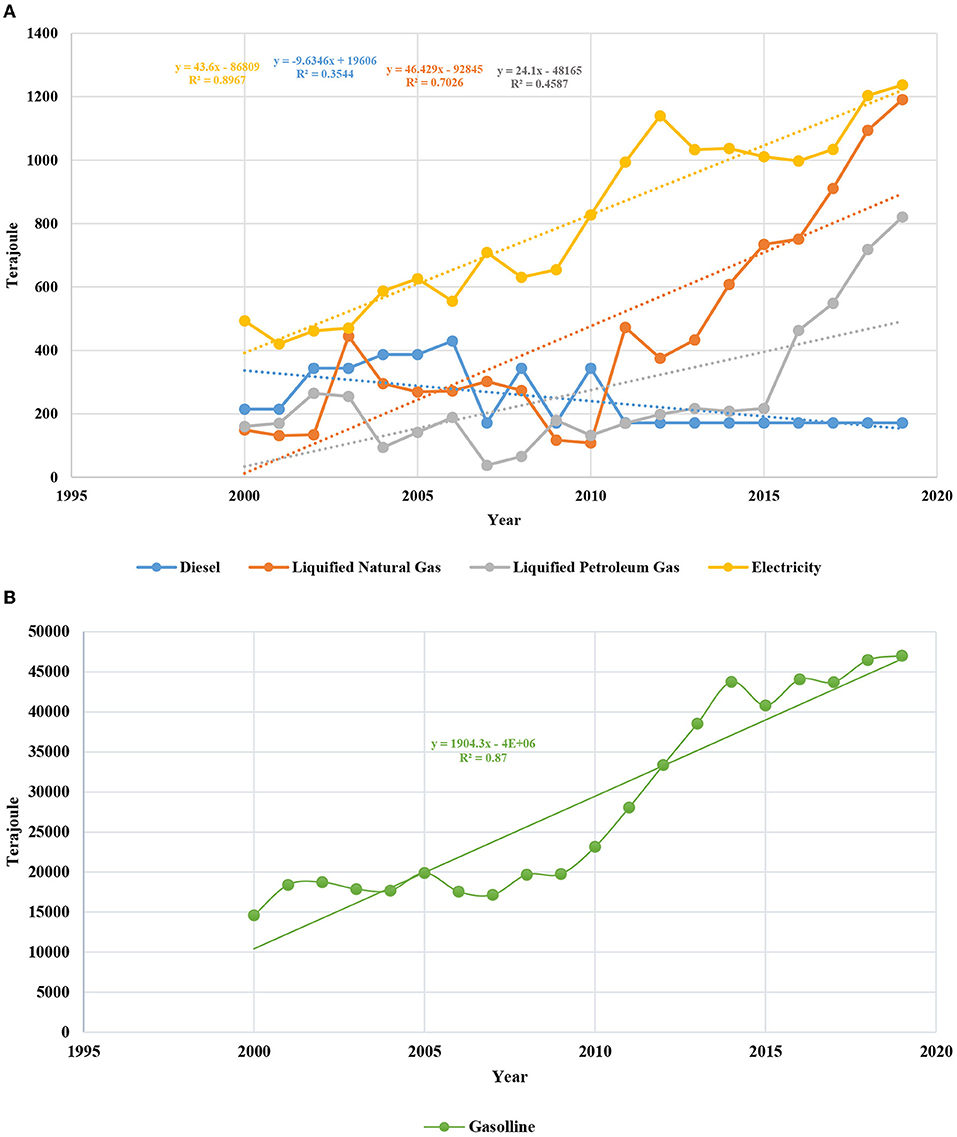
Figure 7. (A,B) Energy use in agriculture in Nigeria (2000–2019). Source: FAOSTAT (2022).
The results also show the likelihood of more spells of extreme weather events occurring in Nigeria (Shiru et al., 2018; Chukwudum and Nadarajah, 2022) in the near and distant futures. Increasing temperatures, with a corresponding decline in rainfall, will occasion droughts and heat waves, especially in Northern Nigeria (FEWS NET, 2022). Agricultural lands will be lost to drought and desert encroachment. Erratic rainfall will disrupt the growing season, impact pastoral resources, increase food prices and access to food (FEWS NET, 2022). Apart from these impacts, a lack of water for human and agricultural use, competition for scarce food and resources, and mismanagement of natural resources (Lu et al., 2015; Tumushabe, 2018; Stavi et al., 2021) will exacerbate the crisis of food insecurity. Owing to the increasing intensity of climate warming in Nigeria, livelihoods will be lost, poverty will deepen, food will be scarce, and social unrest will escalate.
Energy use in agriculture
Affordable and accessible sources of energy for use in agriculture are strategic for achieving the desired deliverables (Nathwani and Kammen, 2019). The results of the research indicate that gasoline (petrol) and electricity (Figure 7) are the most widely used sources of energy in the agricultural sector. The downward trend in diesel, as observed in Figure 7A, suggests that it is the least used source of energy in Nigerian agriculture, attesting to the preponderance of smallholder farming systems in Nigeria. This is due to the exorbitant price and persistent unavailability of the product for consumer use (Vanguard Nigeria, 2022).
Furthermore, the results indicate large CV values, which connote large-scale variations in the use of energy from several sources in Nigerian agriculture (Table 2). This indicates the possibility of bouts of recurrent but erratic supplies of energy to power farming operations in Nigeria. The recent scarcity in the country's energy resources and the consequent price hikes in electricity tariffs and petroleum products experienced nationwide between February and March, 2022 (Vanguard Nigeria, 2022) further confirm this. The inability to access energy for day-to-day farm operations should be expected to lead to poor yield outcomes at the farm level, reductions in the timeliness of farm operations, poor post-harvest handling and besetting bottlenecks along the agricultural value chain, thus leading to food scarcity.
Erratic electricity supplies and the lack of access to energy resources on account of their high cost (Iwayemi, 2008; Solarin, 2020) are discouraging farmers from adopting modern practices powered by machines, which would in fact encourage commercialization. Likewise, on account of the high cost of transportation, usually powered by gasoline or diesel, moving agricultural produce from the farm to the farm gate and markets is becoming difficult (FEWS NET, 2022). The results further corroborate one of the causes of the high incidence of caloric losses at retail level (Table 2, Figure 8), which is largely due to the challenges of accessing energy and electricity to extend the shelf life of agro-produce. The continued state of the aforementioned predisposes Nigeria to increasing cases of food insecurity and poverty. To ensure sustainable supply of energy in the agricultural sector, Nigeria will need to adopt alternative cheap and renewable sources of energy.
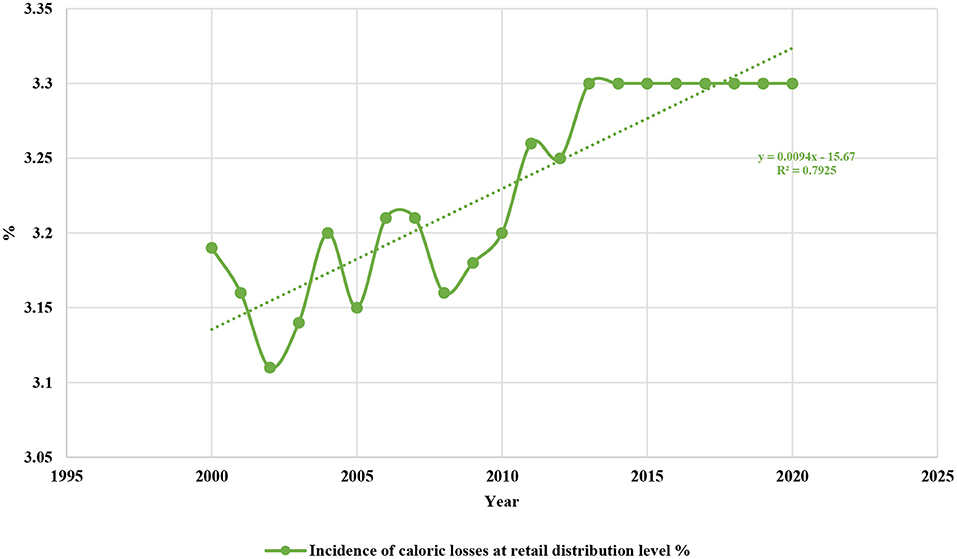
Figure 8. Caloric losses at retail distribution level in Nigeria (2000–2020). Source: FAOSTAT (2022).
Caloric losses and change in food cost
Caloric losses at the retail level and variations in food costs are key contributors to food insecurity. An increasing trend was observed for caloric losses at the retail distribution level (Table 2, Figure 8). The scale of variation in food costs (CV = 85.5) is large (Table 2, Figure 9). A food-insecure nation cannot then achieve its full potential in terms of human capital productivity.
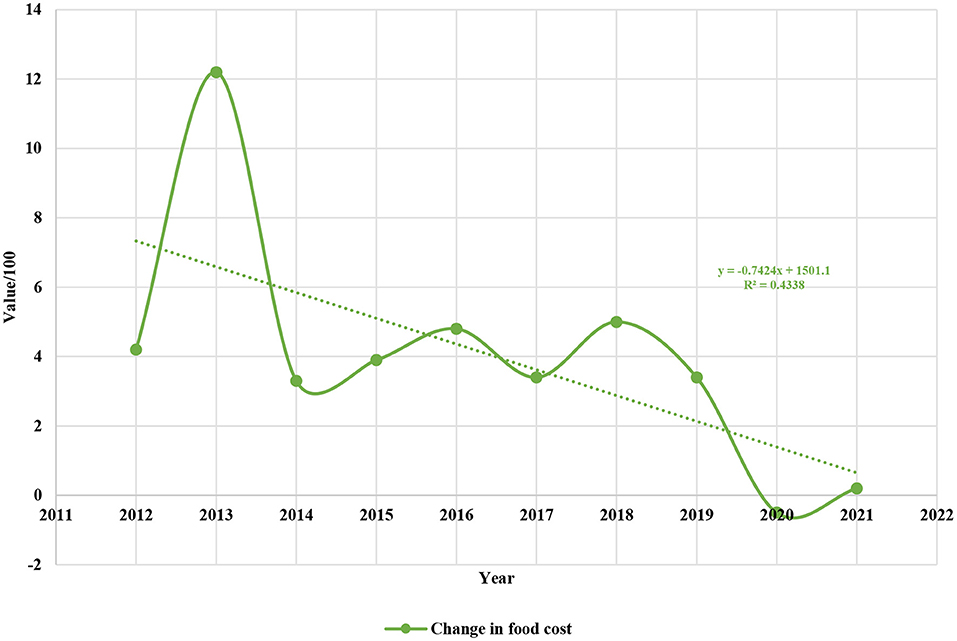
Figure 9. Change in food costs in Nigeria (2012–2021). Source: EIU.
Caloric losses at the retail level in Nigeria stem from the generic challenges of erratic electricity supply, fuel scarcities, and rising energy costs (Blimpo and Cosgrove-Davies, 2019) that hamper post-harvest storage and preservation (With opposing conditions prevailing, the positive attributes of these particular variables would normally extend the shelf life of food for retailers). These challenges are also associated with inefficiency in food transport systems and hinder consumer access to food markets, where proximity is an important factor (Aschemann-Witzel et al., 2015). Where temperature and heat levels increase, the efficient storage and preservation of food becomes a distressing issue as most food items are easily subjected to spoilage and snowballing microbial activities (Sharif et al., 2017). Also, rising food costs impose caloric losses at the retail level, as, on account of the constant change in food prices, consumers are in limbo as to what to purchase. Intensified efforts to streamline food processing and preservation are considered to be a most necessary measure to address caloric losses and food insecurity in Nigeria (Adeyeye, 2017; Ayinde et al., 2020).
On the other hand, instability in the cost of food predisposes Nigeria to food security challenges. The results confirm that a change in food costs is exacerbated by the effects of climate change, incessant bandit attacks on farmers, fuel scarcity, and energy price hikes. The COVID-19 pandemic has also negatively affected food prices in Nigeria (Amare et al., 2020; Omotayo et al., 2022). While the economic indices remain stable, food prices are expected to be at near-record levels across the globe (FAO et al., 2021). In Nigeria, however, economic downturns, high transportation costs, inflation and price hikes are limiting the purchasing power of households (FEWS NET, 2022). The incidence of caloric losses and rising food costs in Nigeria will heighten the unavailability, unaffordability and instability of food.
Political instability, insecurity, and terrorism
Table 2 shows variations in the political stability index for Nigeria and Figure 10 reveals the state of political instability and insecurity prevailing in the country. The country has been victim to incessant terrorist and banditry attacks (Ojo, 2020; Yusuf and Mohd, 2022), which have affected its governance indicators. The near non-existence of political stability (Figure 10) has made it almost impossible for the nation to harness its population and economic growth potential to bolster its agricultural sector for the purpose of food security. Persistent attacks on farmers and the loss of farmland to bandits have negatively affected agricultural production in Nigeria (Ajibo et al., 2018; Awotokun et al., 2020; Ladan and Badaru, 2021).
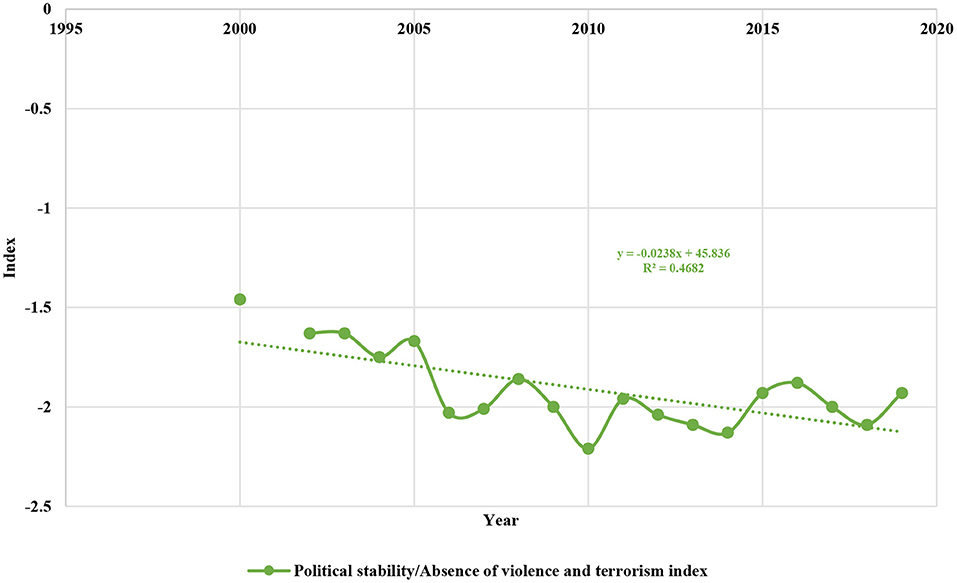
Figure 10. Political stability index in Niger ia (2000–2019). Source: FAOSTAT (2022).
Also, terrorism, banditry and political instability, as revealed in the results of this research, have continued to prevent farmers, especially in the northern parts and the middle belt of Nigeria from harvesting and processing their food crops. These factors have hampered livestock production and increased cattle rustling (Ajibo et al., 2018; Awotokun et al., 2020; Ladan and Badaru, 2021). Analyses of food security in Nigeria suggest that despite the harvest recorded, the emergency in the area of food security is expected to persist in the North Eastern region (FEWS NET, 2022). This will increase the need for humanitarian interventions in this region as households with homegrown food supplies that have been exhausted now need to access markets for food (FEWS NET, 2022). Hence, Nigeria needs to seek avenues to ensure the following: a sustainable increase in the production of more food for its teeming population, greater access by the population to food supplies, thus making food more readily available, and greater stability in the production, pricing, distribution and marketing of food supplies, thus promoting the affordability of food (Omotayo, 2018, 2020; Omotoso et al., 2022). This it can achieve by addressing the various factors already discussed above, in particular terrorism and banditry, in a confrontational manner.
Food security indices
Table 2 and Figure 11 contain the results obtained from the examination of food security indices. They show that the food security environment (41.04/100), food availability (40.53/100), food affordability (38.1/100), food quality, safety (46.34/100), and natural resource resilience (40.48) are in a very poor state, with significant negative changes recorded annually. Furthermore, Table 2 shows larger variations in food availability (CV = 10.6) and food affordability (CV = 9.6). The declining trend in food affordability (R2 = 65.8) has been the most significant indicator of food insecurity in Nigeria (Figure 11). From the foregoing, climate change, rising energy and food costs, and political instability are vital elements that are contributing to the below-par performance of food security indicators in Nigeria.
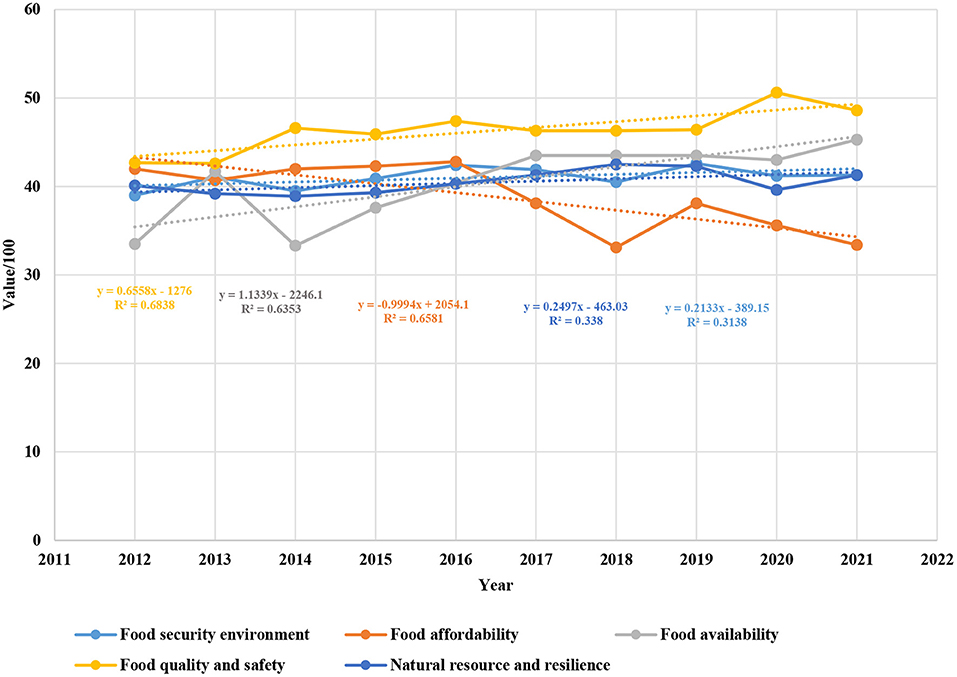
Figure 11. Food security environment in Nigeria (2012–2021). Source: EIU (2021).
Globally, hunger and food insecurity are on the increase (FAO et al., 2021). Women and children are mostly affected by food insecurity (FAO et al., 2021). A rapidly warming environment with dwindling rainfall will impart instability in food production and occasion wide-scale agricultural losses from the farm to the retail level. The preponderance of smallholder farmers and systems in Nigeria which positions them as the major food producers (Cervigni et al., 2013; FAO, 2022), with limited capacity to cope with climate vagaries (Harvey et al., 2018), further dents concerted efforts at attaining national food security. This is plausible as being largely rainfed and more impacted by climate change, Nigeria's agricultural production systems are heavily dependent on climate services.
As indicated in the results, the resiliency status of the natural resource base in Nigeria and the country's food security environment to support enhanced and sustainable food stability are poor. This is largely due to the impact of climate change on food systems (Table 2). Food quality will continue to be strongly impacted by climate change (Taub et al., 2008; Tirado et al., 2010), and will result in reduced caloric indices (Havlík et al., 2014; Ray et al., 2019). Strengthening climate services in agriculture to ensure resilience to climate change is imperative if better food security indices are to be achieved. Furthermore, the development of novel methods and systems to assist actors along the agricultural and food-value chains is most necessary. Also the use of efficient climate-change-resistant inputs in the agricultural sector is imperative for improving agricultural yields and enhancing food security in the current phase of climate change.
Conclusion
This study sought to examine the current socioeconomic status of the population, and climate and food security trends in Nigeria. The roles of the socioeconomic, energy and climate indices on food security were discussed. From the results, temperature variations and constantly rising temperatures are expected to damage food systems and intensify food insecurity. In fact, the increasing temperatures will be the most significant challenge to be faced in achieving food security in Nigeria. Championing climate resilience across the food, social and economic sectors has to be immediate. The erratic supply, lack of access to and the fluctuating prices of energy products, especially electricity and gasoline, will heighten the necessity for the effective handling of poor post-harvest produce and instigate a hike in transport prices. This will increase food and caloric losses from the farm to the retail and household levels, and thus result in severe food insecurity in the country. Following these observations, it is a matter of urgency for Nigeria to encourage actors along the food and agricultural value chains to adopt strategies that are climate-change responsive and that would enhance efficiency in this area of study. Conflict resolution, improved quality of life, and maximizing the potential of a fast-growing population should be pressing concerns on the table of policymakers and governance managers in Nigeria in order to curtail the intensifying food insecurity situation in the country. Efforts must be made to bring down the cost of food and improve access to good nutrition in Nigeria. A business-as-usual approach toward achieving resilience against the threats of the effects of climate change, economic wellbeing, an efficient energy supply, affordable and accessible food, political stability and enhanced governance will certainly not produce the expected results.
Data availability statement
The original contributions presented in the study are included in the article/Supplementary material, further inquiries can be directed to the corresponding author/s.
Author contributions
FO and OA conceived the study, sourced and analyzed the data, and wrote the draft manuscript. FA and AO validated the results, edited the draft, and improved on the content. All authors approved the final draft.
Funding
The APC was funded by the Faculty of Natural and Agricultural Sciences, North-West University, South Africa.
Acknowledgments
We thank the FAO (FAOSTAT), World Bank (CCKP), and Economist Intelligence Unit (GFSI) for making the data for this study available to us.
Conflict of interest
The authors declare that the research was conducted in the absence of any commercial or financial relationships that could be construed as a potential conflict of interest.
Publisher's note
All claims expressed in this article are solely those of the authors and do not necessarily represent those of their affiliated organizations, or those of the publisher, the editors and the reviewers. Any product that may be evaluated in this article, or claim that may be made by its manufacturer, is not guaranteed or endorsed by the publisher.
Supplementary material
The Supplementary Material for this article can be found online at: https://www.frontiersin.org/articles/10.3389/fsufs.2022.940858/full#supplementary-material
References
Abiodun, B. J., Lawal, K. A., Salami, A. T., and Abatan, A. A. (2013). Potential influences of global warming on future climate and extreme events in Nigeria. Reg. Environ. Change 13, 477–491. doi: 10.1007/s10113-012-0381-7
Abiona, B. G., Fakoya, E. O., and Esun, J. (2016). “The impacts of climate change on the livelihood of arable crop farmers in Southwest, Nigeria,” in Innovation in Climate Change Adaptation (Cham: Springer), 289–296. doi: 10.1007/978-3-319-25814-0_20
Adeyeye, S. A. O. (2017). The role of food processing and appropriate storage technologies in ensuring food security and food availability in Africa. Nutr. Food Sci. 47, 122–139. doi: 10.1108/NFS-03-2016-0037
Ajibade, T. B., Ayinde, O. E., and Abdoulaye, T. (2020). Food price volatility in nigeria and its driving factors: evidence from garch estimates. Int. J. Food Agric. Econ. 8, 367–380. doi: 10.22004/ag.econ.30765
Ajibo, H. T., Onuoha, E. C., Obi-Keguna, C. N., Okafor, A. E., and Oluwole, I. O. (2018). Dynamics of farmers and herdsmen conflict in Nigeria: the implication to social work policy intervention. Int. J. Humanit. Soc. Sci. 8, 157–163. doi: 10.30845/ijhss.v8n7p16
Amare, M., Abay, K. A., Tiberti, L., and Chamberlin, J. (2020). Impacts of COVID-19 on Food Security: Panel Data Evidence From Nigeria, Vol. 1956. Washington, DC: International Food Policy Research Institute. doi: 10.2499/p15738coll2.133866
Amolegbe, K. B., Upton, J., Bageant, E., and Blom, S. (2021). Food price volatility and household food security: evidence from Nigeria. Food Policy 102, 102061. doi: 10.1016/j.foodpol.2021.102061
Antle, J. M., and Capalbo, S. M. (2010). Adaptation of agricultural and food systems to climate change: an economic and policy perspective. Appl. Econ. Perspect. Policy 32, 386–416. doi: 10.1093/aepp/ppq015
Aschemann-Witzel, J., De Hooge, I., Amani, P., Bech-Larsen, T., and Oostindjer, M. (2015). Consumer-related food waste: causes and potential for action. Sustainability 7, 6457–6477. doi: 10.3390/su7066457
Ashagidigbi, W. M., Orilua, O. O., Olagunju, K. A., and Omotayo, A. O. (2022). Gender, empowerment and food security status of households in Nigeria. Agriculture. 12, 956. doi: 10.3390/agriculture12070956
Awotokun, K., Nwozor, A., and Olanrewaju, J. (2020). Conflicts and the retrogression of sustainable development: the political economy of herders-farmers' conflicts in Nigeria. Humanit. Soc. Sci. Rev. 8, 624–633. doi: 10.18510/hssr.2020.8175
Ayinde, I. A., Otekunrin, O. A., Akinbode, S. O., and Otekunrin, O. A. (2020). Food security in Nigeria: impetus for growth and development. J. Agric. Econ. Rural Dev. 6, 808–820. doi: 10.6084/M9.FIGSHARE.12949352
Azare, I. M., Abdullahi, M. S., Adebayo, A. A., Dantata, I. J., and Duala, T. (2020). Deforestation, desert encroachment, climate change and agricultural production in the Sudano-Sahelian region of Nigeria. J. Appl. Sci. Environ. Manag. 24, 127–132. doi: 10.4314/jasem.v24i1.18
Ben Abdallah, M., Fekete-Farkas, M., and Lakner, Z. (2021). Exploring the link between food security and food price dynamics: a bibliometric analysis. Agriculture 11, 263. doi: 10.3390/agriculture11030263
Bett, B., Kiunga, P., Gachohi, J., Sindato, C., Mbotha, D., Robinson, T., et al. (2017). Effects of climate change on the occurrence and distribution of livestock diseases. Prev. Vet. Med. 137, 119–129. doi: 10.1016/j.prevetmed.2016.11.019
Blimpo, M. P., and Cosgrove-Davies, M. (2019). Electricity Access in Sub-Saharan Africa: Taking Stock and Looking Forward. Electricity Access in Sub-Saharan Africa: Uptake, Reliability and Complementary Factors for Economic Impact. Washington, DC: IBRC; World Bank. p. 138. doi: 10.1596/978-1-4648-1361-0
Cervigni, R., Valentini, R., and Santini, M. (2013). “Toward climate-resilient development in Nigeria,” in Directions in Development–Countries and Regions (Washington, DC: The World Bank), 215. doi: 10.1596/978-0-8213-9923-1
Chicco, D., Warrens, M. J., and Jurman, G. (2021). The coefficient of determination R-squared is more informative than SMAPE, MAE, MAPE, MSE and RMSE in regression analysis evaluation. PeerJ Comput. Sci. 7, e623. doi: 10.7717/peerj-cs.623
Chukwudum, Q. C., and Nadarajah, S. (2022). Bivariate extreme value analysis of rainfall and temperature in Nigeria. Environ. Model. Assess. 27, 343–362. doi: 10.1007/s10666-021-09781-7
EIU (2021). Global food security index. Strengthening the Food Systems and the Environment Through Innovation and Investment. An assessment of food security environment, food affordability, availability, quality and safety, and natural resource and resilience from The Economist Intelligence Unit (accessed April 04, 2022).
Eze, S. O. (2017). Constraints to climate change adaptation among cassava women farmers: implications for agricultural transformation and food security in Ebonyi state, Nigeria. Int. J. Ecosyst. Ecol. Sci. 7, 219–228.
FAO (2022). Smallholders Dataportrait, Family Farming Knowledge Platform. Rome: FAO. Available online at: http://www.fao.org/family-farming/ data-sources/dataportrait/farm-size/en/ (accessed April 25, 2022).
FAO and ECA. (2018). Regional Overview of Food Security and Nutrition. Addressing the threat from climate variability and extremes for food security and nutrition. Accra: Food and Agriculture Organization of the United Nations.
FAO IFAD, UNICEF, WFP, and WHO. (2021). The State of Food Security and Nutrition in the World 2021. Transforming food systems for food security, improved nutrition and affordable healthy diets for all. Rome: FAO.
FAOSTAT (2022). Food and Agriculture Organisation Statistics. Available online at: http://www.fao.org/fao-stat/en/#country/159 (accessed April 12, 2022).
FAOWFP and IFAD. (2012). The State of Food Insecurity in the World 2012. Economic growth is necessary but not sufficient to accelerate reduction of hunger and malnutrition. Rome: FAO.
Federal Ministry of Environment (2020). Nationally Determined Contribution (NDC). Third National Communication (TNC) of the Federal Republic of Nigeria under the United Nations Frames Convention on Climate Change (UNFCC). Abuja, 231.
FEWS NET (2022). Nigeria Food Security Outlook, February to September 2022: Poor Macroeconomic Conditions and Conflict Are Expected to Drive Food Insecurity Across the North. Available online at: https://fews.net/west-africa/nigeria/food-security-outlook/february-2022 (accessed May 05, 2022).
Gomez-Zavaglia, A., Mejuto, J. C., and Simal-Gandara, J. (2020). Mitigation of emerging implications of climate change on food production systems. Food Res. Int. 134, 109256. doi: 10.1016/j.foodres.2020.109256
Haider, H. (2019). Climate Change in Nigeria: Impacts and Responses. K4D Helpdesk Report 675. Brighton: Institute of Developing Studies.
Hare, W. (2003). “Assessment of knowledge on impacts of climate change-contribution to the specification of art. 2 of the UNFCCC: Impacts on ecosystems, food production, water and socio-economic systems,” in Report Prepared for the German Advisory Council on Global Change (Potsdam; Berlin). p. 106.
Harvey, C. A., Saborio-Rodríguez, M., Martinez-Rodríguez, M. R., Viguera, B., Chain-Guadarrama, A., Vignola, R., et al. (2018). Climate change impacts and adaptation among smallholder farmers in Central America. Agric. Food Secur. 7, 57. doi: 10.1186/s40066-018-0209-x
Havlík, P., Valin, H., Herrero, M., Obersteiner, M., Schmid, E., Rufino, M. C., et al. (2014). Climate change mitigation through livestock system transitions. Proc. Nat. Acad. Sci. U. S. A. 111, 3709–3714. doi: 10.1073/pnas.1308044111
Ifeanyi-obi, C. C., Togun, A. O., and Lamboll, R. (2016). “Influence of climate change on cocoyam production in Aba agricultural zone of Abia State, Nigeria,” in Innovation in Climate Change Adaptation (Cham: Springer), 261–273. doi: 10.1007/978-3-319-25814-0_18
IPCC, C.W.T. (2007). Climate Change 2007: Synthesis Report. Contribution of Working Groups I, II and III to the Fourth Assessment Report of the Intergovernmental Panel on Climate Change. p. 104.
Iwayemi, A. (2008). Nigeria's dual energy problems: policy issues and challenges. Int. Assoc. Energy Econ. 53, 17–21.
Kah, H. K. (2017). ‘Boko Haram is losing, but so is food production’: conflict and food insecurity in Nigeria and Cameroon. Afr. Dev. 42, 177–196.
Ketiem, P., Makeni, P. M., Maranga, E. K., and Omondi, P. A. (2017). Integration of climate change information into drylands crop production practices for enhanced food security: a case study of Lower Tana Basin in Kenya. Afr. J. Agric. Res. 12, 1763–1771. doi: 10.5897/AJAR2016.11506
Ladan, S., and Badaru, S. I. (2021). Food security and national insecurity: pathways to averting an impending food crisis in Nigeria. Dir. Res. J. Agric. Food Sci. 9, 350–359. doi: 10.26765/DRJAFS88706683
Lu, Y., Jenkins, A., Ferrier, R. C., Bailey, M., Gordon, I. J., Song, S., et al. (2015). Addressing China's grand challenge of achieving food security while ensuring environmental sustainability. Sci. Adv. 1, e1400039. doi: 10.1126/sciadv.1400039
Matemilola, S., and Elegbede, I. (2017). The challenges of food security in Nigeria. Open Access Libr. J. 4, 1–22. doi: 10.4236/oalib.1104185
Mbow, C., Rosenzweig, C., Barioni, L. G., Benton, T. G., Herrero, M., Krishnapillai, M., et al. (2019). “Climate change and land, food security,” in Climate Change and Land: An IPCC Special Report on Climate Change, Desertification, Land Degradation, Sustainable Land Management, Food Security, and Greenhouse Gas Fluxes in Terrestrial Ecosystems, eds P. R. Shukla, J. Skea, E. C. Buendia, V. Masson-Delmotte, H.-O. Pörtner, D. C. Roberts, P. Zhai, R. Slade, S. Connors, R. van Diemen, M. Ferrat, E. Haughey, S. Luz, S. Neogi, M. Pathak, J. Petzold, J. P. Pereira, P. Vyas, E. Huntley, K. Kissick, M. Belkacemi, and J. Malley (Pottsdam). Available online at: https://www.ipcc.ch/site/assets/uploads/2019/11/08_Chapter-5.pdf
Mc Carthy, U., Uysal, I., Badia-Melis, R., Mercier, S., O'Donnell, C., and Ktenioudaki, A. (2018). Global food security–issues, challenges and technological solutions. Trends Food Sci. Technol. 77, 11–20. doi: 10.1016/j.tifs.2018.05.002
Meybeck, A., Laval, E., Lévesque, R., and Parent, G. (2017). “September. Food security and nutrition in the age of climate change,” in Proceedings of the International Symposium organized by the Government of Québec in collaboration with FAO. Québec City (Rome: FAO), p. 132.
Mollier, L., Seyler, F., Chotte, J. L., and Ringler, C. (2017). “End hunger, achieve food security and improved nutrition and promote sustainable agriculture,” in A Guide to SDG Interactions: From Science to Implementation. Part Two: End Hunger, Achieve Food Security and Improved Nutrition and Promote Sustainable Agriculture, eds D. J. Griggs, M. Nilsson, A. Stevance, and D. McCollum (Paris: International Council for Science). p. 52. Available online at: https://council.science/wp-content/uploads/2017/03/SDGs-interactions-2-zero-hunger.pdf
Murthy, V. H. (2016). Food insecurity: a public health issue. Public Health Rep. 131, 655–657. doi: 10.1177/0033354916664154
Mustafa, M. A., Mayes, S., and Massawe, F. (2019). “Crop diversification through a wider use of underutilised crops: a strategy to ensure food and nutrition security in the face of climate change,” in Sustainable Solutions for Food Security (Cham: Springer), 125–149. doi: 10.1007/978-3-319-77878-5_7
Nathwani, J., and Kammen, D. M. (2019). Affordable energy for humanity: a global movement to support universal clean energy access. Proc. IEEE 107, 1780–1789. doi: 10.1109/JPROC.2019.2918758
Ojo, J. S. (2020). Governing “ungoverned spaces” in the foliage of conspiracy: toward (re) ordering terrorism, from Boko Haram insurgency, Fulani militancy to banditry in northern Nigeria. Afr. Secur. 13, 77–110. doi: 10.1080/19392206.2020.1731109
Omotayo, A. O. (2018). Climate change and food insecurity dynamics in the rural Limpopo Province of South Africa. J. Econ. Behav. Stud. 10, 22–32. doi: 10.22610/jebs.v10i1(J).2085
Omotayo, A. O. (2020). Parametric assessment of household's food intake, agricultural practices and health in rural South West, Nigeria. Heliyon 6, e05433. doi: 10.1016/j.heliyon.2020.e05433
Omotayo, A. O., Omotoso, A. B., Daud, S. A., Omotayo, O. P., and Adeniyi, B. A. (2022). Rising food prices and farming households food insecurity during the COVID-19 pandemic: policy implications from SouthWest Nigeria. Agriculture 12, 363. doi: 10.3390/agriculture12030363
Omotoso, A. B., Daud, S. A., Okojie, L., and Omotayo, A. O. (2022). Rural infrastructure and production efficiency of food crop farmers: implication for rural development in Nigeria. Afr. J. Sci. Technol. Innov. Dev. 14, 197–203. doi: 10.1080/20421338.2020.1821441
Onyeneke, R. U., Igberi, C. O., Uwadoka, C. O., and Aligbe, J. O. (2018). Status of climate-smart agriculture in southeast Nigeria. GeoJ. 83, 333–346. doi: 10.1007/s10708-017-9773-z
Owoo, N. S. (2021). Demographic considerations and food security in Nigeria. J. Soc. Econ. Dev. 23, 128–167. doi: 10.1007/s40847-020-00116-y
Pachauri, R. K., Allen, M. R., Barros, V. R., Broome, J., Cramer, W., Christ, R., et al. (2014). Climate Change 2014: Synthesis Report. Contribution of Working Groups I, II and III to the Fifth Assessment Report of the Intergovernmental Panel on Climate Change. p. 151.
Ray, D. K., West, P. C., Clark, M., Gerber, J. S., Prishchepov, A. V., and Chatterjee, S. (2019). Climate change has likely already affected global food production. PLoS ONE 14, e0217148. doi: 10.1371/journal.pone.0217148
Ristaino, J. B., Anderson, P. K., Bebber, D. P., Brauman, K. A., Cunniffe, N. J., Fedoroff, N. V., et al. (2021). The persistent threat of emerging plant disease pandemics to global food security. Proc. Natl. Acad. Sci. U. S. A. 118:e2022239118. doi: 10.1073/pnas.2022239118
Sharif, Z. I. M., Mustapha, F. A., Jai, J., Yusof, N. M., and Zaki, N. A. M. (2017). Review on methods for preservation and natural preservatives for extending the food longevity. Chem. Eng. Res. Bull. 19, 145–153. doi: 10.3329/cerb.v19i0.33809
Shiru, M. S., Shahid, S., Alias, N., and Chung, E. S. (2018). Trend analysis of droughts during crop growing seasons of Nigeria. Sustainability 10, 871. doi: 10.3390/su10030871
Shittu, A., Akerele, D., and Haile, M. (2017). Food Price Spikes and Volatility in Local Food Markets in Nigeria. ZEF Discussion Papers on Development Policy. Bonn: The Center for Development Research. p. 242. doi: 10.22004/ag.econ.263293
SkendŽić, S., Zovko, M., Živković, I. P., Lešić, V., and Lemić, D. (2021). The impact of climate change on agricultural insect pests. Insects 12, 440. doi: 10.3390/insects12050440
Solarin, S. A. (2020). An environmental impact assessment of fossil fuel subsidies in emerging and developing economies. Environ. Impact Assess. Rev. 85, 106443. doi: 10.1016/j.eiar.2020.106443
Stavi, I., Paschalidou, A., Kyriazopoulos, A. P., Halbac-Cotoara-Zamfir, R., Siad, S. M., Suska-Malawska, M., et al. (2021). Multidimensional food security nexus in drylands under the slow onset effects of climate change. Land 10, 1350. doi: 10.3390/land10121350
Taub, D. R., Miller, B., and Allen, H. (2008). Effects of elevated CO2 on the protein concentration of food crops: a meta-analysis. Glob. Chang. Biol. 14, 565–575. doi: 10.1111/j.1365-2486.2007.01511.x
Timilsena, B. P., Niassy, S., Kimathi, E., Abdel-Rahman, E. M., Seidl-Adams, I., Wamalwa, M., et al. (2022). Potential distribution of fall armyworm in Africa and beyond, considering climate change and irrigation patterns. Sci. Rep. 12, 539. doi: 10.1038/s41598-021-04369-3
Tirado, M. C., Clarke, R., Jaykus, L. A., McQuatters-Gollop, A., and Frank, J. M. (2010). Climate change and food safety: a review. Food Res. Int. 43, 1745–1765. doi: 10.1016/j.foodres.2010.07.003
Tumushabe, J. T. (2018). “Climate change, food security and sustainable development in Africa,” in The Palgrave Handbook of African Politics, Governance and Development (New York, NY: Palgrave Macmillan), 853–868. doi: 10.1057/978-1-349-95232-8_53
Udosen, N. M. (2021). Farmers-herders crisis and food security in Nigeria: causes and implications. Eur. J. Polit. Sci. Stud. 5, 24–44. doi: 10.46827/ejpss.v5i1.1165
Vanguard Nigeria (2022). Available online at: https://www.vanguardngr.com/2022/03/energy-crisis-fg-raises-electricity-tariff-amid-growing-shortage/ (accessed May 05, 2022).
World Bank Climate Change Knowledge Portal (2022). Available online at: https://climateknowledgeportal.worldbank.org/download-data (accessed April 12, 2022).
Wossen, T., and Berger, T. (2015). Climate variability, food security and poverty: agent-based assessment of policy options for farm households in Northern Ghana. Environ. Sci. Policy 47, 95–107. doi: 10.1016/j.envsci.2014.11.009
Keywords: climate variability, energy use, environmental sustainability, food sovereignty, food security
Citation: Oderinde FO, Akano OI, Adesina FA and Omotayo AO (2022) Trends in climate, socioeconomic indices and food security in Nigeria: Current realities and challenges ahead. Front. Sustain. Food Syst. 6:940858. doi: 10.3389/fsufs.2022.940858
Received: 10 May 2022; Accepted: 07 July 2022;
Published: 02 August 2022.
Edited by:
Adeyemi Oludapo Olusola, University of Ibadan, NigeriaReviewed by:
Tom D. Brewer, University of Wollongong, AustraliaRotimi Obateru, Adekunle Ajasin University, Nigeria
Copyright © 2022 Oderinde, Akano, Adesina and Omotayo. This is an open-access article distributed under the terms of the Creative Commons Attribution License (CC BY). The use, distribution or reproduction in other forums is permitted, provided the original author(s) and the copyright owner(s) are credited and that the original publication in this journal is cited, in accordance with accepted academic practice. No use, distribution or reproduction is permitted which does not comply with these terms.
*Correspondence: Abiodun Olusola Omotayo, b21vdGF5b2FiaW9kdW43NzdAZ21haWwuY29t