AK
andri k riau
Singapore Eye Research Institute (SERI)
Singapore, Singapore
16k
Total downloads
73k
Total views and downloads
The eye is a complex sensory organ responsible for vision. Injury or disease often results in vision loss, which can be irreversible if not treated early or correctly. A variety of ophthalmic formulations, delivered topically, parenterally, or orally, is available now for therapeutic and diagnostic use. The anterior segment of the eye, which spans from the cornea anteriorly to the lens posteriorly, has been at the forefront of translational pharmacology investigation for the past decade due to the accessibility and, often, visible targets (the diseased tissue location). This unique anatomical feature has been an appeal to the emergence of new therapeutics in the management of dry eye disease, glaucoma, microbial infections, corneal diseases, cataract, and uveitis.
The anatomy of the eye, however, also makes pharmacological treatment challenging. The epithelium that lines the ocular surface is impermeable to most drugs or molecules. Although systemic absorption of ophthalmic agents can occur, it is minimal as the eye is normally isolated from systemic vascular. Hence, there is an increasing demand for a more effective and, ideally, non-invasive delivery methods for therapeutic agents to overcome the bioavailability issue. Also, the research of pharmacokinetics of existing drugs and drug toxicity is important in improving the effectiveness of the therapy as the knowledge of ocular pharmacology evolved.
This Special Issue attempts to highlight the current state and future perspectives in the evolving therapeutics in the anterior segment of the eye. The topic of focus in the issue can be one or the combination of two or more of the following:
• Advanced therapeutic products, such as stem cell, gene, and exosome therapies.
• Innovative drug cell delivery system in the form of nano or microparticles, drug-eluting contact lens, microneedles, hydrogel implants, or injectable implants.
• Drug pharmacokinetics.
• Drug toxicology.
• Drug discovery.
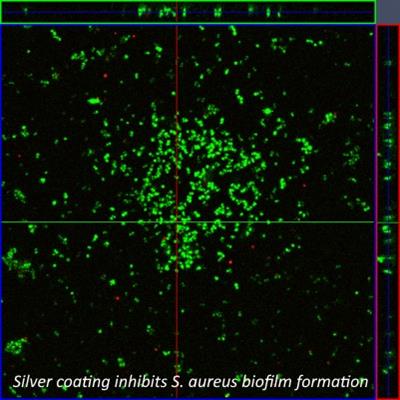
• Anti-infective therapeutic agents, which include anti-infective peptides, biomaterials, or coatings.
• Molecular simulation to analyze drug-tissue or drug-microorganism interactions.
Dr. Masaaki Kageyama is partly employed by Santen Pharmaceutical. All other Topic Editors declare no competing interests with regards to the Research Topic subject
Keywords: drug delivery, therapeutics, biomaterials, cataracts, cornea
Important note: All contributions to this Research Topic must be within the scope of the section and journal to which they are submitted, as defined in their mission statements. Frontiers reserves the right to guide an out-of-scope manuscript to a more suitable section or journal at any stage of peer review.
Singapore Eye Research Institute (SERI)
Singapore, Singapore
Singapore National Eye Center
Singapore, Singapore
Singapore Eye Research Institute (SERI)
Singapore, Singapore
Santen Pharmaceutical Co., Ltd (Singapore)
Singapore, Singapore
Netherlands Institute for Innovative Ocular Surgery
Rotterdam, Netherlands
