LG
leon g leanse
University of Gibraltar
Gibraltar, Gibraltar
13k
Total downloads
74k
Total views and downloads
The field of oral microbiology has garnered significant attention due to its implications for both oral and systemic health. The human oral microbiome, comprising 50–100 billion bacteria from 500–700 species, includes a diverse array of microorganisms such as bacteria, archaea, fungi, protozoa, viruses, and phages. While many of these microbes are commensal and protective, a substantial proportion can act as opportunistic pathogens, contributing to periodontal diseases, dental caries, and other oral and systemic disorders. Recent studies have highlighted the role of oral microbes in exacerbating conditions like rheumatoid arthritis, cardiovascular diseases, and various cancers. Despite extensive research, the complex interactions within oral biofilms and their resistance to conventional treatments remain poorly understood, necessitating further investigation into novel therapeutic strategies.
This research topic aims to explore the dynamics of human oral microbiomes, biofilm formation, and the potential use of probiotics, live biotherapeutic products, or their bioactive metabolites to prevent biofilm-associated diseases. The primary objectives include understanding the cellular interactions and mechanisms involved in biofilm formation and persistence, and evaluating the efficacy of various bioactive factors and therapeutic interventions in modulating the oral microbiome to prevent or mitigate harmful biofilms. Specific questions to be addressed include the identification of key microbial interactions within biofilms and the potential of probiotics and other bioactive agents in disrupting these interactions.
To gather further insights into the complexities of oral biofilms and their impact on health, we welcome articles addressing, but not limited to, the following themes:
- Current research on the formation of oral biofilms and their direct and indirect adverse effects on oral, gastrointestinal, and systemic diseases.
- Preclinical studies on the use of bioactive factors, such as antimicrobial agents, to interfere with the formation, structure, composition, or survival of harmful oral biofilms.
- Preclinical studies on the use of probiotics, alone or in combination with prebiotics, postbiotics, and synbiotics, to modulate the oral microbiome and prevent the establishment of deleterious biofilms.
- Preclinical studies on the use of host-derived live biotherapeutic products or their bioactive metabolites to modulate the oral microbiome and limit harmful biofilms.
- Studies aiming to increase awareness of the critical roles of the oral microbiota in maintaining overall health and well-being.
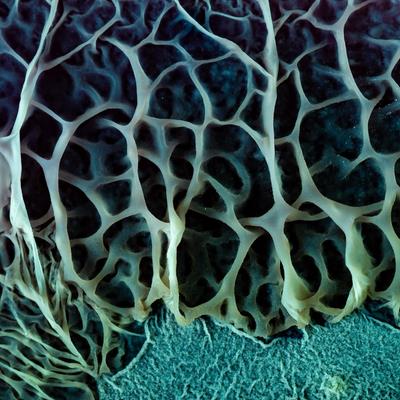
Keywords: Oral microbiome, dysbiosis, biofilms, opportunistic pathogens, host disease susceptibility, modulation of biofilm composition, use of probiotics and live biotherapeutic products or their metabolites, elimination/exclusion of deleterious microbes
Important note: All contributions to this Research Topic must be within the scope of the section and journal to which they are submitted, as defined in their mission statements. Frontiers reserves the right to guide an out-of-scope manuscript to a more suitable section or journal at any stage of peer review.
University of Gibraltar
Gibraltar, Gibraltar
Faculty of Dentistry, São Paulo State University
Araraquara, Brazil
Interdisciplinary biotechnology unit, Aligarh Muslim University
Aligarh, India
University of Aberdeen (retired) / now independent researcher
Aberdeen, United Kingdom
