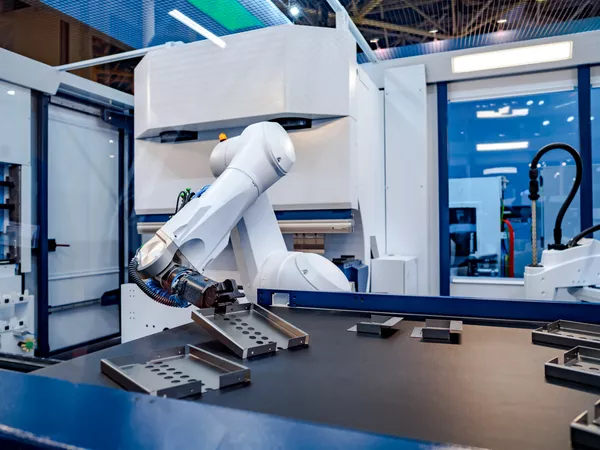
A novel evolution of human-robot interaction techniques actively involves machines that are more than task-oriented entities and, instead, evolve into conscious companions that demonstrate ethical alignment in their decision-making and possess the ability to make sound judgments and decisions in practical matters.
Ethical behavior is not simply the application of set rules. This is an intricate capability that depends on one’s experiences, individuality, and a profound comprehension of moral values. Robots and, in general, artificial systems, while powerful in many domains, may lack the depth of human introspection ability, intuition in observing the context, and ethical reasoning that contribute to practical wisdom.
The involved cognitive abilities fall within the scope of the broad artificial consciousness that endeavors to replicate human consciousness. Just as humans possess the ability to interpret visual stimuli and control their behavior to solve dilemmas, machines must be endowed with mechanisms for both visual interpretation and self-control. Visual perception enables AI systems to self-recognize and understand their surroundings and their relations with external entities. Through introspective processes of self-control, machines can evaluate these conditions, reflect on decision-making processes, and accordingly regulate their behavior, exhibiting more robust and resilient performance while prioritizing ethical principles.
The convergence of artificial consciousness, visual perception, and self-control through introspection represents a transformative advancement and a holistic approach in AI research. This contributes to the complex cognitive and behavioral experience of machines engaged in ethical reasoning and represents a new opportunity to develop conscious artificial systems that not only excel in performance but also uphold internal reasoning for a deeper understanding of their existence and disciplined decision-making in challenging environments for the common well-being and ethical behavior.
The research poses significant challenges and demands careful considerations and interdisciplinary collaborations. The collection welcomes fundamental and applied research articles focused on advances in the following areas but not limited to:
- Computational Models of Artificial Consciousness and Self-consciousness
- AI Models of Self-Introspection and Self-Control
- Computational Ethical Behaviours in Artifacts
- AI Models for Visual Perception and Self-Perception
- Advanced in Human-Conscious Systems Interaction
These articles could be original research, case studies or reviews. Articles containing experimental results are particularly encouraged, but simulation or model proposal only will be also considered for publication.
Keywords: Ethical AI, Artificial Consciousness, Visual Perception, Self-control, Introspection
Important note: All contributions to this Research Topic must be within the scope of the section and journal to which they are submitted, as defined in their mission statements. Frontiers reserves the right to guide an out-of-scope manuscript to a more suitable section or journal at any stage of peer review.