AO
alfonso olaya abril
University of Cordoba
Córdoba, Spain
1,733
Total views and downloads
Submit your idea
You will be redirected to our submission process.
Manuscript Submission Deadline 15 May 2026
This Research Topic is currently accepting articles.
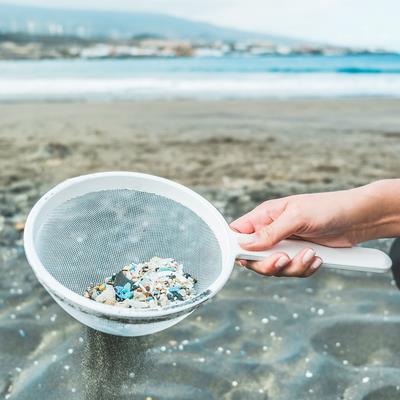
Plastic pollution remains one of the most pressing environmental issues today, compounded by the complex nature of synthetic polymers and their resistance to degradation. The advent of plastics revolutionized manufacturing due to their durability and versatility; however, these same features contribute to their persistence in the environment. Studies have begun to unravel the potential for microbial degradation of plastics, shedding light on the mechanisms by which certain bacteria and fungi can break down polymers. Despite these advances, the degradation process is impeded by the presence of various additives in plastics, such as stabilizers, plasticizers, colorants, and flame retardants, which can inhibit microbial activity or alter degradation pathways.
This Research Topic aims to explore and elucidate the mechanisms behind the biodegradation of plastics, focusing on the interactions between microbes and the complex concoction of plastic additives. The goal is to understand how these additives influence the degradation process and to identify microbial strains or engineered enzymes that can effectively decompose plastics into environmentally benign substances. Further questions to be addressed include which additives most significantly hinder biodegradation, and whether there are synergistic effects between different microbial species in degrading additive-laden plastics.
We particularly welcome Original Research, Reviews, Methods and Perspective articles addressing, but not limited to, the following subjects:
• Mechanistic studies of microbial degradation of specific plastic polymers;
• Impact of plastic additives on biodegradation rates and pathways;
• Engineering microbes or enzymes for enhanced plastic biodegradation.
Through this focused exploration, we aim to bridge the gap between microbial potential and practical biodegradation processes, allowing for more effective bioremediation strategies and a deeper understanding of the ecological impacts of plastic waste.
Please note that Microbiotechnology does not consider descriptive studies that are solely based on amplicon (e.g., 16S rRNA) profiles or comparisons of nucleic acid extracts (e.g., metagenomics), unless they are accompanied by a clear hypothesis and experimentation and provide insight into the microbiological system or process being studied.
This Research Topic accepts the following article types, unless otherwise specified in the Research Topic description:
Articles that are accepted for publication by our external editors following rigorous peer review incur a publishing fee charged to Authors, institutions, or funders.
Keywords: plastic additives, Plastic pollution, Microbial plastic degradation, Plastic biodegradation mechanisms, Plastic waste bioremediation, Synergistic microbial interactions, Biodegradable polymers
Important note: All contributions to this Research Topic must be within the scope of the section and journal to which they are submitted, as defined in their mission statements. Frontiers reserves the right to guide an out-of-scope manuscript to a more suitable section or journal at any stage of peer review.
Manuscripts can be submitted to this Research Topic via the main journal or any other participating journal.
Submit your idea
You will be redirected to our submission process.
