TN
tran-thi nhu-trang
Nguyen Tat Thanh university
Ho Chi Minh City, Vietnam
492
Total downloads
8,575
Total views and downloads
The composition of agri-food products is significantly influenced by cultivation methods and environmental conditions. The study of these influence factors provides crucial insights into food quality, safety, and authenticity, particularly when considering products from different geographical locations and diverse cultivation techniques. Research to date has highlighted the influence of environmental variables such as temperature, humidity, soil composition, water quality, and pollution levels on the growth, quality, yield, safety, and sustainability of agricultural and aquacultural products. Nowadays, the challenge persists to comprehensively understand the differential impacts of these factors, exacerbated by climate change and varying agricultural practices, on food composition, safety, and sustainability.
This research topic aims to enhance the collective knowledge on how different environmental conditions, alongside conventional and organic farming practices, impact the composition, safety, quality, and authenticity of agri-food products. The focus is not only on underpinning the standard aspects of food quality but also on understanding how these practices can be adapted or refined to meet the challenges posed by climate change, thus ensuring the sustainability of food sources.
To gather further insights into environmental impacts on agriculture and aquaculture, we welcome articles addressing, but not limited to, the following topics:
• Environmental impact studies:
o Soil composition analysis focusing on changes in soil nutrients and microbiomes due to climate impacts.
o Water availability and quality in relation to irrigation practices, droughts, or water stress.
o Analysis of weather patterns for their correlation with changes in crop yield, nutritional quality, and secondary metabolite profiles.
• Farming practice investigations:
o Comparative studies on organic vs. conventional farming, assessing their effects on produce quality, pesticide residues, antibiotics, and nutrient levels and safety.
o Evaluation of technology-enhanced farming (e.g., remote sensing, drones, IoT sensors) and its impact on crop characteristics under different climate conditions.
• Crop adaptation studies:
o Performance evaluations of varied crop varieties under simulated climate stressors such as drought or salinity.
o Assessments to determine if climate-resilient cultivars maintain quality and meet authenticity and safety standards.
• Chemical and sensory analysis:
o Nutritional composition studies to measure changes in vitamins, amino acids, minerals, and antioxidant levels under different environmental conditions.
o Volatile profile analysis to track alterations in aroma and flavour compounds caused by climatic stressors.
o Risk assessment of contaminants and pollutants in agri-food, focusing on safety considerations.
o Development of biomarkers for geographic origin or farming practices and analysis of how these markers are influenced by climate conditions.
• Life Cycle Analysis (LCA) in Agri-Food Systems:
o Sustainability assessments of different farming systems in response to evolving environmental scenarios.
o Evaluation of the environmental impacts of the production, processing, and consumption of agri-food, ensuring safety throughout the lifecycle.
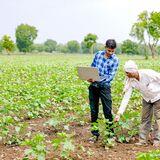
Keywords: environmental factors, agricultural products, aquacultural products, agri-food, sustainable production, climate change, soil quality, water quality, food quality, food security, food authenticity, artificial intelligence, machine learning.
Important note: All contributions to this Research Topic must be within the scope of the section and journal to which they are submitted, as defined in their mission statements. Frontiers reserves the right to guide an out-of-scope manuscript to a more suitable section or journal at any stage of peer review.
Nguyen Tat Thanh university
Ho Chi Minh City, Vietnam
Research Centre for Smallholder Farmers
Eldoret, Kenya
Kansas State University
Manhattan, United States
United States Agency for International Development
Washington D.C., United States
Slovak University of Agriculture in Nitra
Nitra, Slovakia
