DA
diogo alpuim costa
Hospital de Cascais Dr. José de Almeida
Cascais, Portugal
377
Total downloads
11k
Total views and downloads
Submit your idea
Select the journal/section where you want your idea to be submitted:
Manuscript Submission Deadline 28 February 2026
This Research Topic is currently accepting articles.
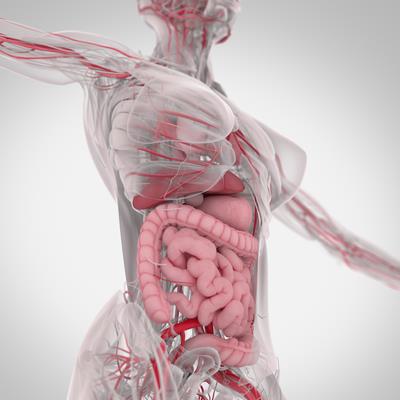
The gut microbiota significantly influences human health, actively participating in numerous physiological processes and disease states. Despite this broad recognition, research specifically focusing on gut microbial composition and functionality concerning women's health remains limited. Women are disproportionately affected by specific health conditions such as polycystic ovary syndrome, osteoarthritis, cardiovascular disease, anxiety, various cancers, and complications related to pregnancy and menopause. Emerging evidence suggests that microbiota-mediated interactions may play a crucial role in the development and progression of these conditions. Recent studies, including those using animal models, have demonstrated alterations in gut microbiota profiles and their metabolites in association with these disorders, highlighting the potential for microbiome modulation as a therapeutic approach. However, a comprehensive understanding of microbiota composition, functionality, and mechanisms —particularly as they relate to sex-specific health outcomes—is still incomplete.
This Research Topic aims to address critical knowledge gaps by collating up-to-date evidence on the role of gut microbiota and microbial metabolites in various women-specific health conditions. We seek to clarify the relationships between microbiota dynamics and the pathophysiology of prevalent health issues encountered uniquely or disproportionately by women. Contributions exploring microbiome modulation, such as through dietary approaches, prebiotic and probiotic supplementation, and fecal microbiota transplantation, are also encouraged.
To advance our understanding of the gut microbiota and women’s health, we welcome contributions discussing basic, preclinical (animal model-based), translational and clinical evidence focusing on, but not limited to, the following themes:
o Association between gut microbiota composition and polycystic ovary syndrome and infertility.
o Roles of gut microbial metabolites in menopause-related symptoms and osteoporosis.
o Influence of microbiota on female-specific gastrointestinal and metabolic disorders.
o Identification of microbial biomarkers and signatures for early detection, prognosis and therapeutic targeting of cancers prevalent in women.
o Effectiveness of dietary interventions, probiotics, prebiotics, and fecal microbiota transplantation in managing gynecological and pregnancy-related complications.
We invite submissions in the form of original research articles, clinical trials, case reports, perspective studies, reviews, mini reviews and systematic reviews.
This Research Topic accepts the following article types, unless otherwise specified in the Research Topic description:
Articles that are accepted for publication by our external editors following rigorous peer review incur a publishing fee charged to Authors, institutions, or funders.
Keywords: Gut microbiota, Gut microbiome, Women’s health, Microbial metabolites, Microbiome modulation, Preclinical models
Important note: All contributions to this Research Topic must be within the scope of the section and journal to which they are submitted, as defined in their mission statements. Frontiers reserves the right to guide an out-of-scope manuscript to a more suitable section or journal at any stage of peer review.
Hospital de Cascais Dr. José de Almeida
Cascais, Portugal
Department of Internal Medicine and Medical Specialties, School of Medical and Pharmaceutical Sciences, University of Genoa
Genova, Italy
University of Aveiro
Aveiro, Portugal
Department of Medical Sciences, University of Aveiro
Aveiro, Portugal

Manuscripts can be submitted to this Research Topic via the main journal or any other participating journal.
Submit your idea
Select the journal/section where you want your idea to be submitted: