LM
laura mitrea
University of Agricultural Sciences and Veterinary Medicine of Cluj-Napoca
Cluj-Napoca, Romania
560
Total downloads
11k
Total views and downloads
Submit your idea
Select the journal/section where you want your idea to be submitted:
Manuscript Submission Deadline 31 December 2025
This Research Topic is currently accepting articles.
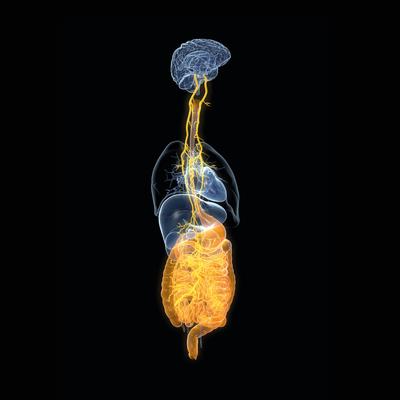
The field of neurodevelopmental disorders is witnessing rapid developments thanks to the increased interest in the gut-brain axis and its impact on conditions such as Down syndrome, fragile X, schizophrenia, autism spectrum disorders (ASD), attention deficit hyperactivity disorder (ADHD), Asperger Syndrome, and Pervasive Developmental Disorder-Not Otherwise Specified (PDD-NOS). Current research is unravelling the relationship between the gut microbiome and brain function, suggesting a role in the modulation of neurological and behavioural outcomes. Although recent studies have pointed to microbial composition variances and their effect on neurodevelopment and neurodevelopmental disorders, significant questions remain about how these microbiotes affect the central nervous system and the mechanisms involved in neurodevelopmental pathophysiology.
Recent evidence demonstrated altered gut microbiota profiles in individuals with neurodevelopmental disorders, with experimental models showing that gut metabolite and immune responses can influence neurological processes. Cutting-edge research has begun to identify potential therapeutic avenues facilitated through microbiome modulation. Despite these advances, a comprehensive understanding of the gut-brain interactions and the broader biological mechanisms that underpin these conditions remains incomplete.
This Research Topic aims to explore the role of gut microbiota in the development and progression of neurodevelopmental disorders. Specifically, it seeks to investigate how variations in microbial compositions contribute to disease etiology and how modulations to this system can be leveraged therapeutically. Key objectives include deciphering host genetic-microbiome interactions and understanding the influence of neuroinflammatory pathways and immune modulation on neurodevelopment.
To gather further insights into the impact of gut microbiome dynamics on neurodevelopmental disorders, we welcome original research, reviews, minireview and perspectives articles addressing, but not limited to, the following themes:
• Microbial composition differences in individuals with neurodevelopmental disorders
• Gut metabolite profiles
• Immune modulation and neuroinflammatory pathways
• Host genetic-microbiome interactions
• New experimental models to investigate gut brain interactions and new interventions targeting the gut-brain axis.
We particularly encourage studies utilizing multi-omics methodologies, longitudinal studies, and innovative diagnostic or therapeutic technologies that deepen our knowledge of the gut microbiome's role in neurodevelopment.
This Research Topic accepts the following article types, unless otherwise specified in the Research Topic description:
Articles that are accepted for publication by our external editors following rigorous peer review incur a publishing fee charged to Authors, institutions, or funders.
Keywords: gut-brain axis, Microbiota–gut–brain communication, Neurodevelopmental disorders, Autism spectrum disorder, Attention deficit hyperactivity disorder, Asperger Syndrome, Pervasive Developmental Disorder-Not Otherwise Specified, Gut microbiota, faecal microbiota transplantation.
Important note: All contributions to this Research Topic must be within the scope of the section and journal to which they are submitted, as defined in their mission statements. Frontiers reserves the right to guide an out-of-scope manuscript to a more suitable section or journal at any stage of peer review.

Manuscripts can be submitted to this Research Topic via the main journal or any other participating journal.
Submit your idea
Select the journal/section where you want your idea to be submitted: