YS
yasuyuki sakai
The University of Tokyo
Bunkyo, Japan
379
Total views and downloads
Submit your idea
You will be redirected to our submission process.
Manuscript Submission Deadline 28 March 2026
This Research Topic is currently accepting articles.
Oxygen availability is a critical, yet often underestimated, parameter in in vitro cell culture. Modern research reveals a profound disparity between oxygen concentrations in standard cell culture systems and the physiological environments these cultures intend to mimic. A key issue is the remarkably low oxygen solubility in culture media—approximately 1/70th that of blood—raising substantial concerns regarding sufficient oxygen supply at physiologically relevant concentrations.
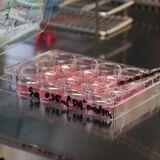
In conventional static cell culture using tissue culture polystyrene (TCPS), oxygen must diffuse through an often 2 mm-thick layer of static medium. As a consequence, cells at the bottom surface frequently experience oxygen deprivation, forcing a shift from aerobic respiration to predominantly anaerobic glycolysis. This metabolic divergence from in vivo conditions compromises the physiological relevance and reproducibility of experimental data.
While microphysiological systems (MPS) and perfusion-based cultures offer potential strategies to enhance oxygen delivery, it remains unclear if these methods consistently maintain in vivo-like oxygenation to support aerobic metabolism. Moreover, fluctuating or inadequate oxygen supply can instigate oxidative stresses through reactive oxygen species (ROS), which play significant roles in various toxicological and pathological processes.
A nuanced understanding of oxygen dynamics is also vital for modeling specialized tissue environments. For instance:
- Cancer Research: Central hypoxia in tumors triggers vascularization and affects therapeutic response.
- Gut-on-a-chip Models: The intestinal lumen is near-anoxic, supporting anaerobic bacteria, while the epithelial surface remains well-oxygenated.
Given these complexities, the field needs robust strategies to measure, control, and model oxygen levels in culture. We invite submissions that address the following themes:
- Culture methods to improve or control oxygen concentrations, including devices, sensors, and engineering solutions for replicating physiological, hypoxic, or anoxic conditions;
- Biological effects of oxygen concentration, encompassing metabolic, genetic, or epigenetic responses to varying oxygen supplies;
- Advantages and disadvantages of specific oxygenation strategies in toxicological or disease modeling contexts, including studies on oxidative stress and ROS;
-Reports on oxygenation in co-culture and organoid models, and novel approaches to recapitulate tissue-specific oxygen gradients.
By gathering multidisciplinary research and methodological advances, this Research Topic aims to accelerate progress toward physiologically relevant cell culture systems that better reflect the complexities of living tissues.
This Research Topic accepts the following article types, unless otherwise specified in the Research Topic description:
Articles that are accepted for publication by our external editors following rigorous peer review incur a publishing fee charged to Authors, institutions, or funders.
Keywords: in vitro, toxicology, cell culture
Important note: All contributions to this Research Topic must be within the scope of the section and journal to which they are submitted, as defined in their mission statements. Frontiers reserves the right to guide an out-of-scope manuscript to a more suitable section or journal at any stage of peer review.
Manuscripts can be submitted to this Research Topic via the main journal or any other participating journal.
Submit your idea
You will be redirected to our submission process.
