FP
felipe polivanov ottoni
Federal University of Maranhão
São Luís, Brazil
717
Total views and downloads
Submit your idea
Select the journal/section where you want your idea to be submitted:
Manuscript Summary Submission Deadline 31 January 2026 | Manuscript Submission Deadline 31 May 2026
This Research Topic is currently accepting articles.
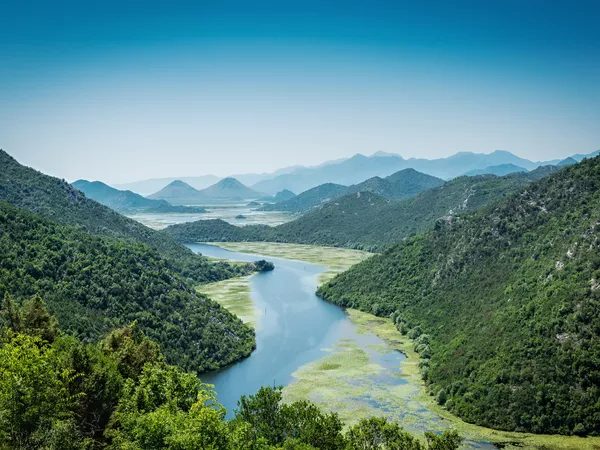
Freshwater ecosystems represent less than 0.5% of the Earth’s surface, and less than 0.01% of its water volume but support astonishing levels of biodiversity, including about 10% of all described species of multicellular organisms, and 30% of all vertebrate species. Freshwater ecosystems also provide numerous vital ecosystem services for both humans and nature, many of which are critical for human health and welfare, such as drinking water, agriculture, climate regulation, biodiversity support and cultural significance. Yet more than three-quarters of pre-industrial wetlands have already been lost, severely altered, or degraded, mainly due to the direct impacts caused by human activities or those resulting from climate change. As a consequence, many freshwater populations and species have become extinct or are in sharp decline. Currently, about one-quarter of all freshwater species are threatened with extinction, including about one-third of freshwater vertebrate species, and populations are declining much more rapidly than those of terrestrial and marine species. For example, over the past 50 years, freshwater vertebrate populations have declined by more than 80%. Conserving and restoring freshwater ecosystems is of the highest priority for human health and welfare, along with addressing the accelerated demand for knowledge about freshwater organisms and their ecological requirements.
This Research Topic will overview the intertwined fields of freshwater conservation, restoration and policies at a local, regional and global levels. We will welcome studies on distinct groups of freshwater fauna and flora, and topics related to taxonomy, ecology, evolution, and biogeography for the conservation of freshwaters. The goal of this Research Topic is to summarize the status of freshwater biodiversity and ecosystems, and propose the next steps and basic guidelines for their conservation and restoration.
This Research Topic is a continuation of the first and second editions, and it welcomes Original Research Articles and Review Articles based on both traditional and modern methods focusing on distinct aspects of global freshwater fauna and flora. Highlights of this topic include but are not limited to, the following points:
• Freshwater ecosystem services;
• Climate change;
• Freshwater ecosystems ecology;
• Monitoring and restoration of freshwater ecosystems;
• Species delimitation and DNA barcoding;
• Freshwater cryptic species;
• Environmental DNA (eDNA);
• Integrative taxonomy;
• Biogeography and areas of endemism;
• Phylogeography of aquatic organisms;
• Identification and delimitation of priority areas for conservation;
• Protected areas;
• Conservation genetics of freshwater organisms and ecosystems;
• Anthropogenic impacts and threats to Freshwater environments;
• IUCN criteria for categorizing extinction risk levels;
• Importance of scientific collections for conservation;
• Invasive species;
• Regional species inventories importance;
• Sustainable production of food and other resources using freshwater;
• Genetic improvement of aquatic organisms;
• Environmental education regarding freshwater ecosystems and organisms;
• Sustainable ecotourism in freshwater environments, and its role in environmental education and conservation;
• Freshwater pollution and quality, and their impact on health;
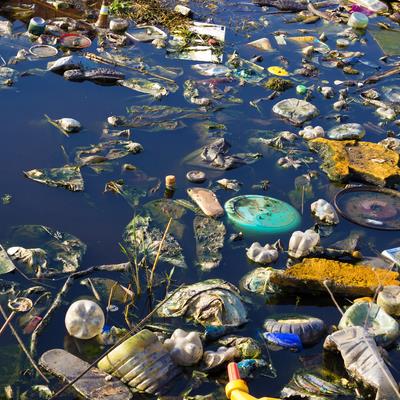
• Plastic pollution;
• Degradation of freshwater ecosystems and increase in diseases and vector proliferation; and
• Energy production related to freshwater ecosystems and its environmental impacts.
This Research Topic accepts the following article types, unless otherwise specified in the Research Topic description:
Articles that are accepted for publication by our external editors following rigorous peer review incur a publishing fee charged to Authors, institutions, or funders.
Keywords: Anthropogenic impacts, Climate change, ecosystem Restoration, Environmental DNA, environmental monitoring, freshwater ecosystems, freshwater ecosystem services, Freshwater pollution, Freshwater quality, Importance of scientific collections
Important note: All contributions to this Research Topic must be within the scope of the section and journal to which they are submitted, as defined in their mission statements. Frontiers reserves the right to guide an out-of-scope manuscript to a more suitable section or journal at any stage of peer review.
Federal University of Maranhão
São Luís, Brazil
State University of Maringá
Maringá, Brazil
Federal University of Maranhão
São Luís, Brazil
University of Louisiana at Lafayette
Lafayette, United States
Federal University of Tocantins
Palmas, Brazil
Manuscripts can be submitted to this Research Topic via the main journal or any other participating journal.
Submit your idea
Select the journal/section where you want your idea to be submitted: