YL
yuan liang
Southeast University
Nanjing, China
126
Total views and downloads
Submit your idea
Select the journal/section where you want your idea to be submitted:
Manuscript Summary Submission Deadline 10 May 2026 | Manuscript Submission Deadline 28 August 2026
This Research Topic is currently accepting articles.
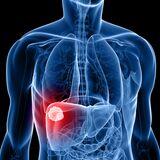
Metabolic Dysfunction-Associated Steatotic Liver Disease (MASLD), previously known as NAFLD, has emerged as the leading cause of chronic liver disease globally, paralleling the rising epidemics of obesity and type 2 diabetes. While the early stages of the disease are characterized by simple steatosis, a significant proportion of patients progress to Metabolic Dysfunction-Associated Steatohepatitis (MASH), fibrosis, and cirrhosis. Critically, MASLD is rapidly becoming the fastest-growing indication for Hepatocellular Carcinoma (HCC), often developing in the absence of cirrhosis. This metabolic-to-oncogenic transition represents a complex pharmacological challenge, driven by a distinct tumor microenvironment characterized by chronic low-grade inflammation, lipotoxicity, and insulin resistance.
This Research Topic aims to elucidate the pharmacological landscape of preventing and treating the progression of MASLD to advanced fibrosis and liver cancer. Despite the global burden, approved pharmacotherapies specifically targeting the molecular drivers of MASLD-driven HCC remain elusive. Current research must focus on dissecting the intricate signaling pathways—such as those involving oxidative stress, mitochondrial dysfunction, and adipokine signaling—that facilitate malignant transformation. Furthermore, there is an urgent need to validate non-invasive biomarkers that can stratify patients based on their risk of developing HCC and to identify novel therapeutic targets that can halt or reverse this pathological continuum.
We welcome the submission of Original Research, Review, Mini-Review, and other relevant article types accepted by the journal that explore pharmacological interventions targeting the intersection of metabolic dysfunction and liver carcinogenesis. We are particularly interested in studies that investigate:
• Molecular Mechanisms of Transformation: Pharmacological targeting of signaling pathways (e.g., PI3K/Akt/mTOR, Wnt/β-catenin, NF-κB) involved in the transition from simple steatosis to MASH and HCC.
• Drug Repurposing and Novel Agents: Evaluation of anti-diabetic agents (e.g., GLP-1 receptor agonists, SGLT2 inhibitors), nuclear receptor agonists (e.g., FXR, PPAR), and novel small molecules in the prevention of MASLD-associated hepatocarcinogenesis.
• Biomarkers and Precision Medicine: Identification and pharmacological validation of circulating biomarkers (miRNAs, metabolomics) for early detection of therapeutic response in MASLD-HCC.
• Immuno-Oncology in Metabolic Liver Disease: Investigating how the metabolic tumor microenvironment affects the efficacy of immunotherapies (e.g., immune checkpoint inhibitors) and strategies to overcome resistance.
This Research Topic accepts the following article types, unless otherwise specified in the Research Topic description:
Articles that are accepted for publication by our external editors following rigorous peer review incur a publishing fee charged to Authors, institutions, or funders.
Keywords: MASLD, Hepatocellular Carcinoma, liver cancer pharmacology, MASH, steatotic liver disease, therapeutic targets, drug repurposing, MAFLD
Important note: All contributions to this Research Topic must be within the scope of the section and journal to which they are submitted, as defined in their mission statements. Frontiers reserves the right to guide an out-of-scope manuscript to a more suitable section or journal at any stage of peer review.

Manuscripts can be submitted to this Research Topic via the main journal or any other participating journal.
Submit your idea
Select the journal/section where you want your idea to be submitted: