In the original article, there was a mistake in Table 1 as published. The authors incorrectly categorized thy/liv implanted SCID-hu mice as showing no multilineage hematopoeisis. To clarify, Namikawa 1990, showed that SCID mice implanted with both Thy/Liv displayed multilineage hematopoiesis. Specifically, they showed in addition to T cells (CD3, CD4 and CD8), the presence of mature and immature forms of myelomonocytic cells which stained positive for human CD15, as well as progenitors for erythroids and megakaryocytic lineages (1).
Table 1
| SCID-hu | hu-PBL | hu-HSC | BLT | TKO-BLT | |
|---|---|---|---|---|---|
| Mouse Model |  | | | |  |
| Genetic Background | C.B17scid/scid (SCID) | SCID NOD-SCID NSG BRG NCG | SCID NOD-SCID NSG BRG NRG DRAG | SCID NOD-SCID NSG NRG | C57BL/6 Rag2 -/- |
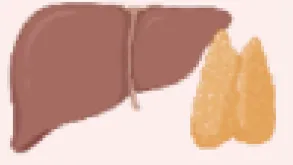
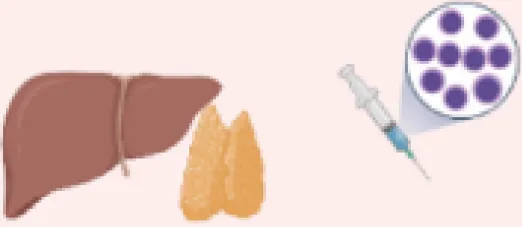
| Humanization Method | Subcapsular Coimplantation of human fetal thymus and liver fragments | Intraperitoneal Injection of human PBMCs | Injection of CD34+ cells from cord blood/fetal liver | Coimplantation human fetal thy/liv with i.v. injection of CD34+ cells from fetal liver | Coimplantation human fetal thy/liv with i.v. injection of CD34+ cells from fetal liver |
 |  |  |  | | |
| Immune Reconstitution | T cell engraftment Multilineage hematopoiesis No primary immune response | T cell engraftment No multilineage hematopoiesis No primary immune response | Multilineage hematopoiesis Primary immune response No HLA restriction | Multilineage hematopoiesis Primary immune response Human HLA T cell restriction | Multilineage hematopoiesis Primary immune response Human HLA T cell restriction |
| References | McCune Namikawa (11), Namikawa Weilbaecher (12) | Moiser, Gulizia (13), Hesselton. Greiner (14), van Rijn, Simonetti (15), Ali, Flutter (16) | Kamei-Reid and Dick (17), Peault, Weissman (18), Hiramatsu, Nishikomori (19), Danner, Chaudhari (20) | Lan, Tonomura (21), Melkus, Estes (22), Brainard, Seung (23), Stoddart, Maidji (24) | Lavender, Messer (25), Lavender, Pang (26), Lavander, Pace (27) |
Summary of humanized mouse models and their tissue-based chimerism.
Created with BioRender.com.
The corrected Table 1 appears below.
The authors apologize for this error and state that this does not change the scientific conclusions of the article in any way. The original article has been updated.
Publisher’s Note
All claims expressed in this article are solely those of the authors and do not necessarily represent those of their affiliated organizations, or those of the publisher, the editors and the reviewers. Any product that may be evaluated in this article, or claim that may be made by its manufacturer, is not guaranteed or endorsed by the publisher.
Reference
1
NamikawaRWeilbaecherKKaneshimaHYeeEMccuneJ. Long-Term Human Hematopoiesis in the SCID-hu Mouse. J Exp Med (1990) 172(4):1055–63.
Summary
Keywords
humanized mice, BLT, DRAG, HIV-1 infection, viral latency, latency reversal, immunotherapy, gene therapy
Citation
Abeynaike S and Paust S (2021) Corrigendum: Humanized Mice for the Evaluation of Novel HIV-1 Therapies. Front. Immunol. 12:808068. doi: 10.3389/fimmu.2021.808068
Received
03 November 2021
Accepted
08 November 2021
Published
06 December 2021
Volume
12 - 2021
Edited and reviewed by
Qingfeng Chen, Institute of Molecular and Cell Biology (A*STAR), Singapore
Updates
Copyright
© 2021 Abeynaike and Paust.
This is an open-access article distributed under the terms of the Creative Commons Attribution License (CC BY). The use, distribution or reproduction in other forums is permitted, provided the original author(s) and the copyright owner(s) are credited and that the original publication in this journal is cited, in accordance with accepted academic practice. No use, distribution or reproduction is permitted which does not comply with these terms.
*Correspondence: Silke Paust, paust@scripps.edu
This article was submitted to Viral Immunology, a section of the journal Frontiers in Immunology
Disclaimer
All claims expressed in this article are solely those of the authors and do not necessarily represent those of their affiliated organizations, or those of the publisher, the editors and the reviewers. Any product that may be evaluated in this article or claim that may be made by its manufacturer is not guaranteed or endorsed by the publisher.